


- How do I take better photos on a road trip
- What settings help capture motion from a moving car
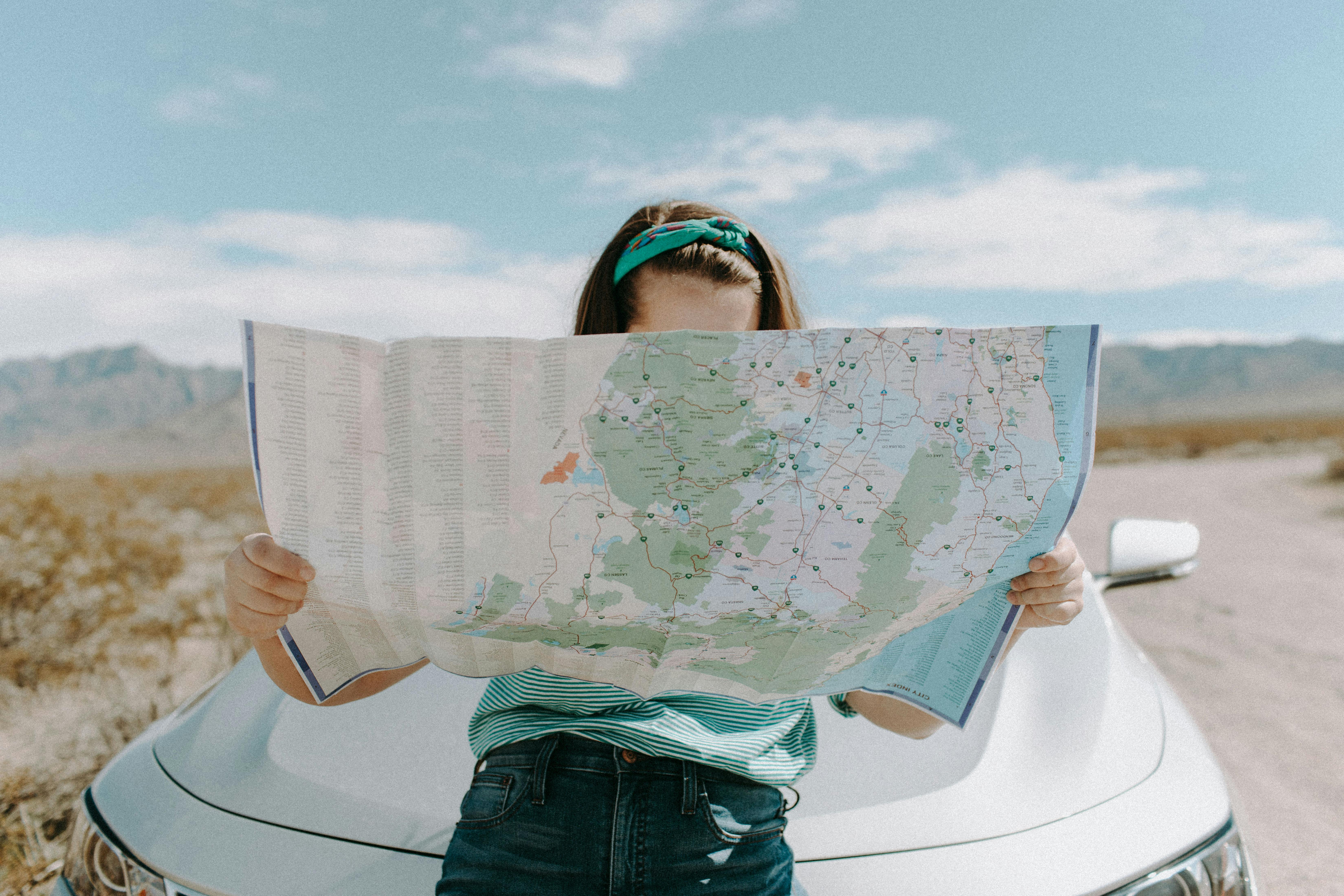
To photograph summer road trips effectively, you need more than a good camera. Timing, straightforward settings, and an eye for small moments matter just as much. Strong road trip photos bring light, motion, and detail together in one coherent story.
Shop the setup

- Regular price
-
€42 - Regular price
-
€44 - Sale price
-
€42
By choosing the Camstrap strap, you are opting for a high-quality product designed to meet the needs of the most demanding photographers.
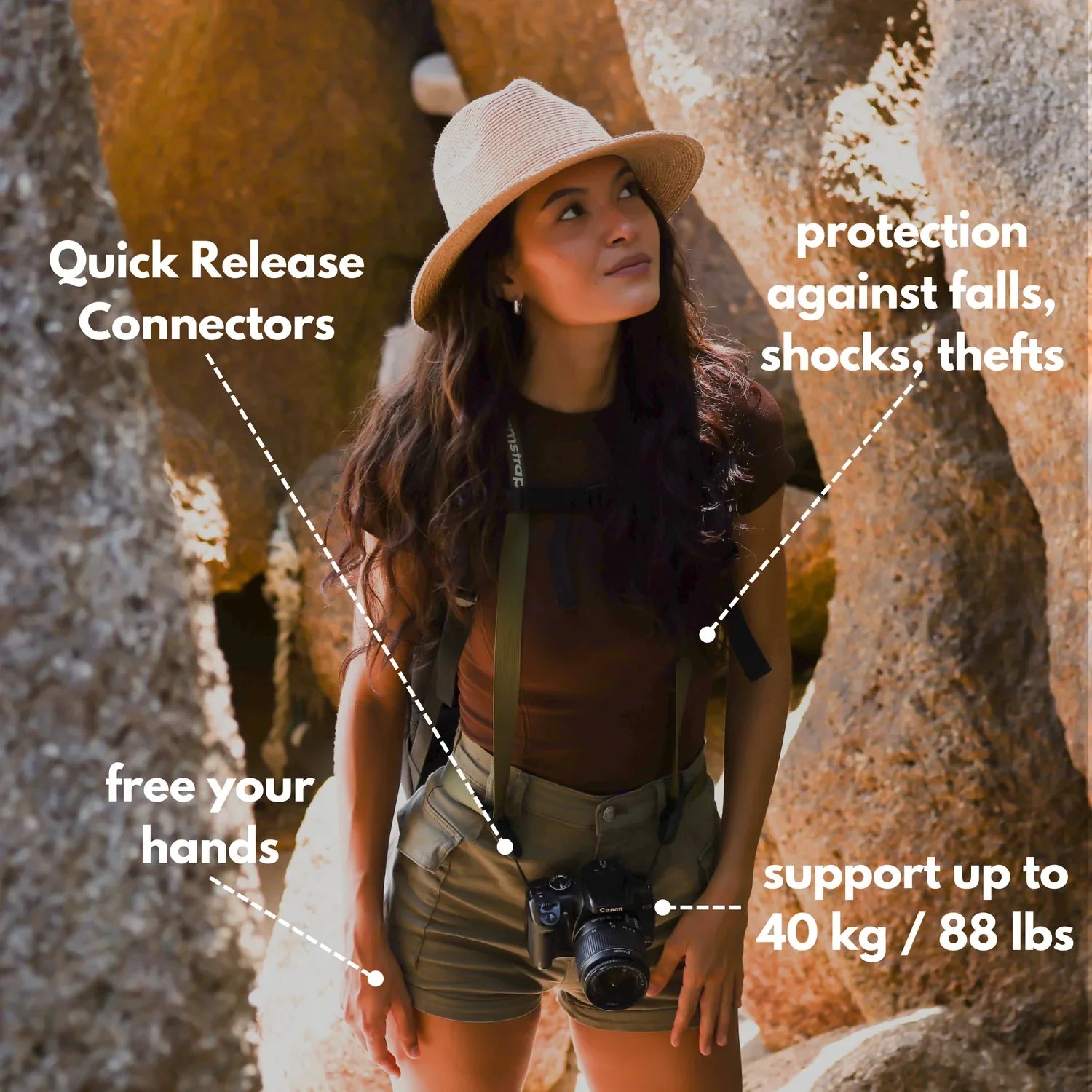
- Developed by a physiotherapist to relieve neck and back pain.
- Fast delivery with tracking by the Post Office 🚚
- Can be used as a shoulder strap or hands-free harness

- Regular price
-
€36 - Regular price
-
€42 - Sale price
-
€36
Free shipping included
Summer offers bright skies, warm color, and long days. At the same time, it can bring harsh sun, sudden changes, and crowded scenes. This guide will help you take better photos on the road, from sunrise stops to late-day drives.
Photograph summer road trips with the right plan
Strong road trip photos often begin before the car leaves. Plan your stops, check sunrise and sunset times, and scout scenic pull-offs. As a result, you can work with better light and avoid rushed shots.
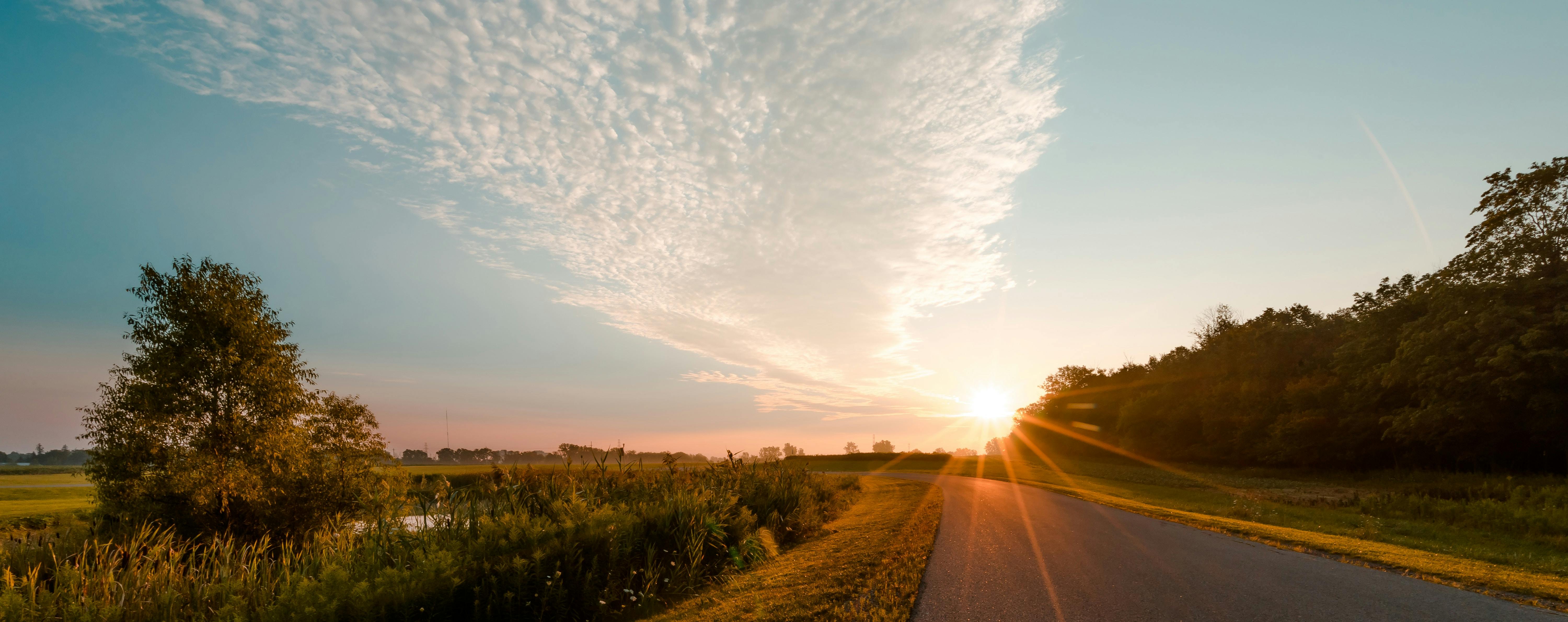
Many travel photographers follow a simple rule: shoot early or late. Research shows the best light often arrives within 30 minutes after sunrise. Sunset can also provide soft light, warm tones, and long shadows that add shape.
Pack light, but pack smart
You do not need a full studio bag to photograph a summer road trip. In fact, a smaller kit often performs better because it is quicker to use. Bring one wide lens, one normal lens, and one longer lens if you can.
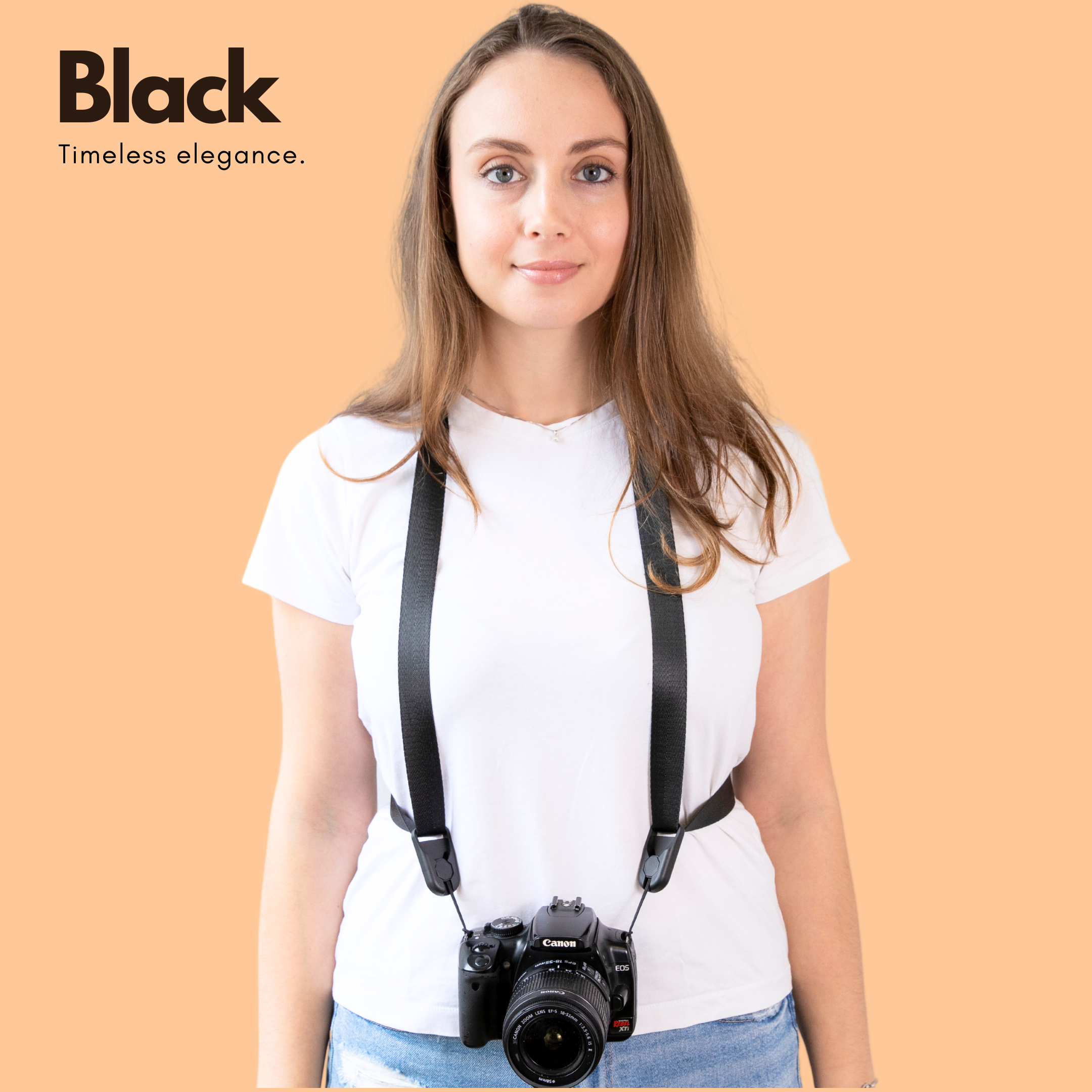
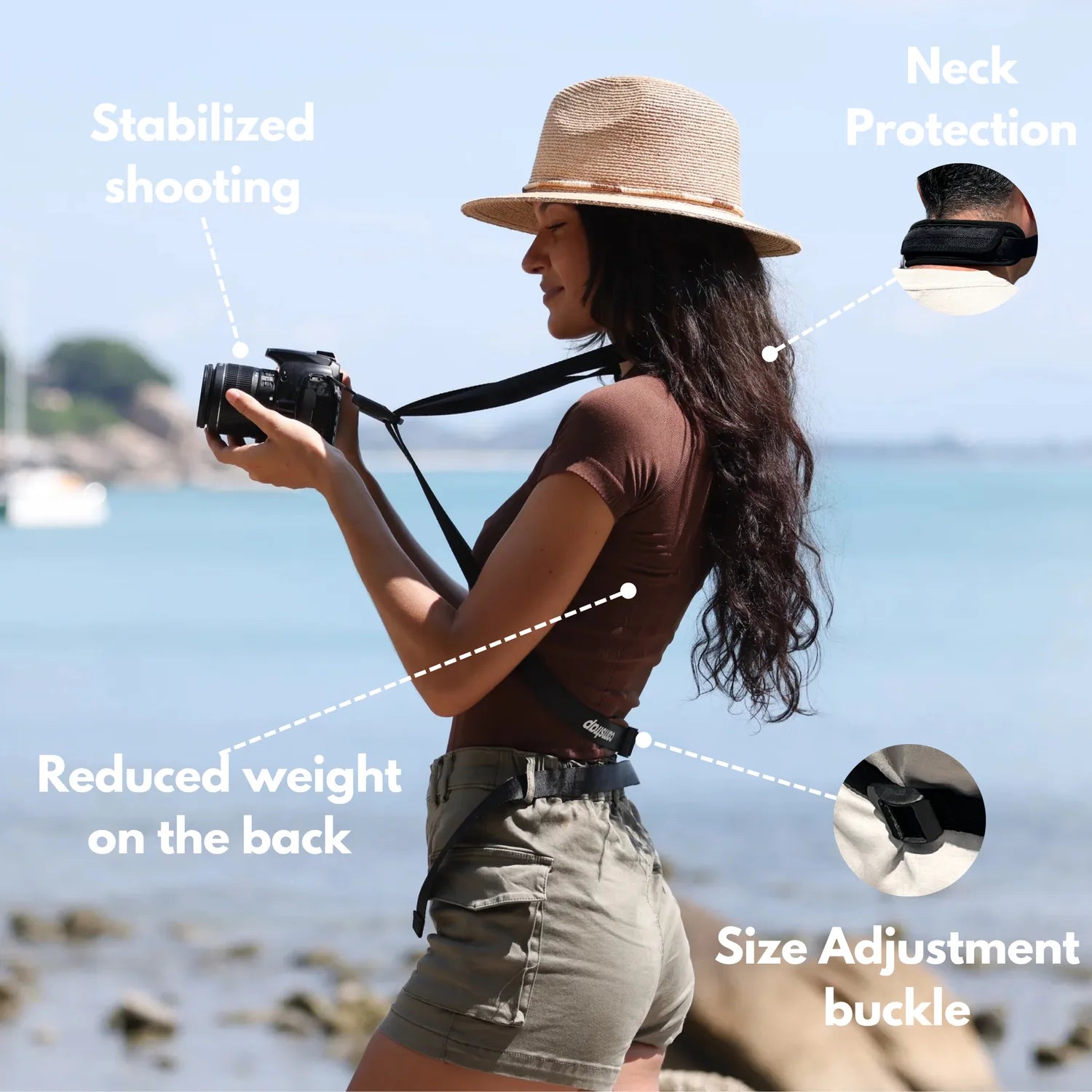
A comfortable crossbody strap can make a big difference here. It keeps the camera ready for quick roadside stops and long hours in the car. A strap like the Camstrap Voyager or Camstrap Explorer can also ease neck strain, which becomes important on long travel days.
- Camera with full battery and empty cards
- Wide-angle lens for big views
- 50mm to 85mm lens for people and details
- Telephoto lens for wildlife or far scenes
- Extra battery, lens cloth, and water
Photograph the best light on the road
Light shifts quickly during summer road trips, so pay close attention. Early light is soft and low, which helps colors look rich and natural. The first 30 minutes after sunrise can be especially effective for clean, gentle photos.
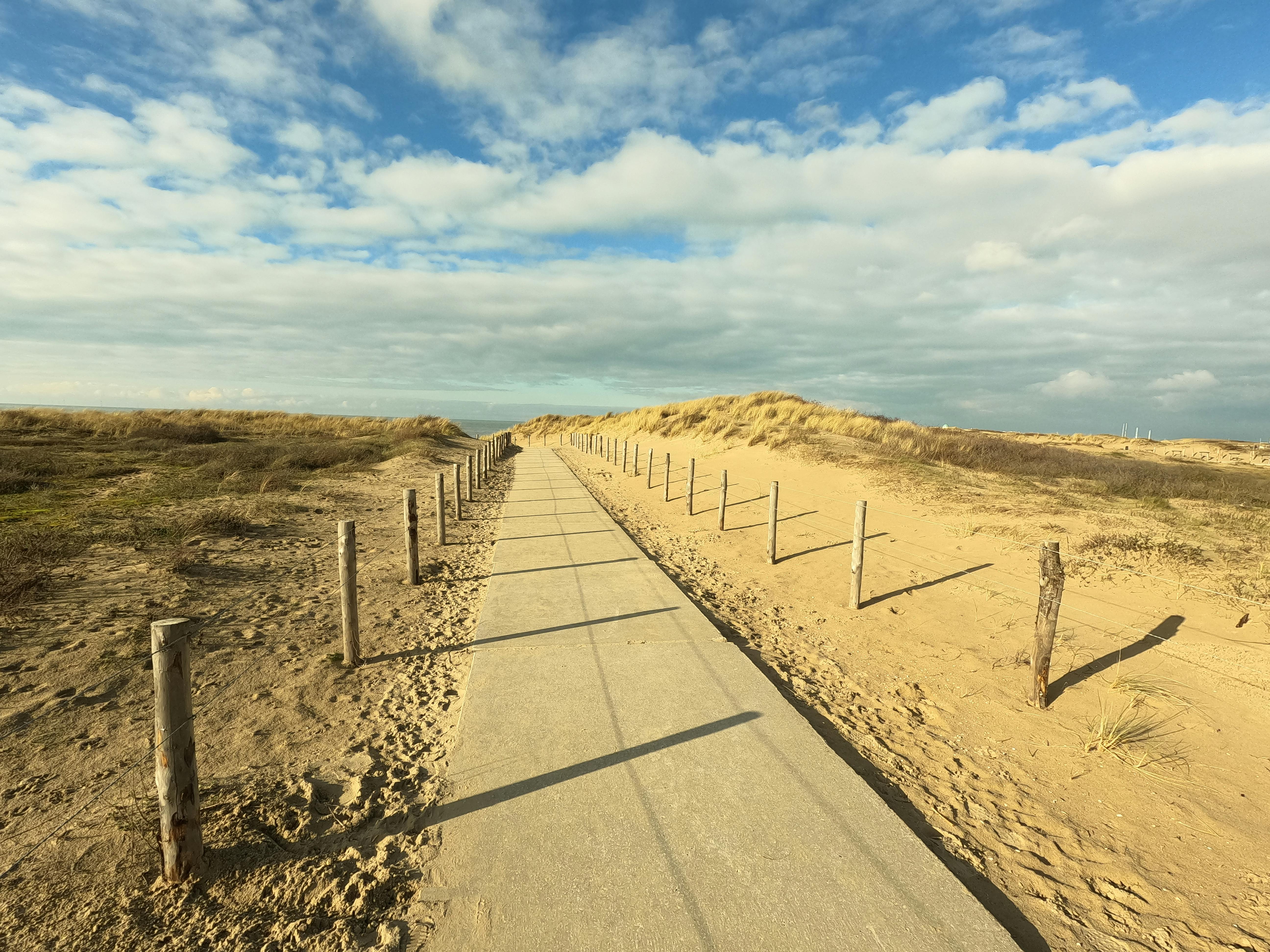
Golden hour also helps you photograph landscapes with more depth. Shadows lengthen, and the sun feels less intense on skin, cars, and rocks. Consequently, your scenes appear warmer and less flat.
Use sunrise and sunset well
Try placing your main subject where the light comes in from the side. Side light adds shape to trees, roads, and faces. It also makes simple scenes feel more dramatic without extra editing.
If you photograph at midday, move into shade whenever possible. Bright overhead sun can wash out color and cause squinting. However, if you cannot avoid it, use a hat, a reflector, or open shade near a building or tree.
Work with backlight and silhouettes
Backlight can make a road trip scene feel bold and expansive. Put the sun behind a person, car, or tree line, and let the outline stand out. This works especially well at sunset and along open highways.
For landscape shots, a silhouette in the foreground can add scale and perspective. Research also suggests using a wide-angle lens to show colorful vistas with more depth. A lens in the 16mm to 35mm range often works well for this kind of scene.
Photograph motion from a moving car
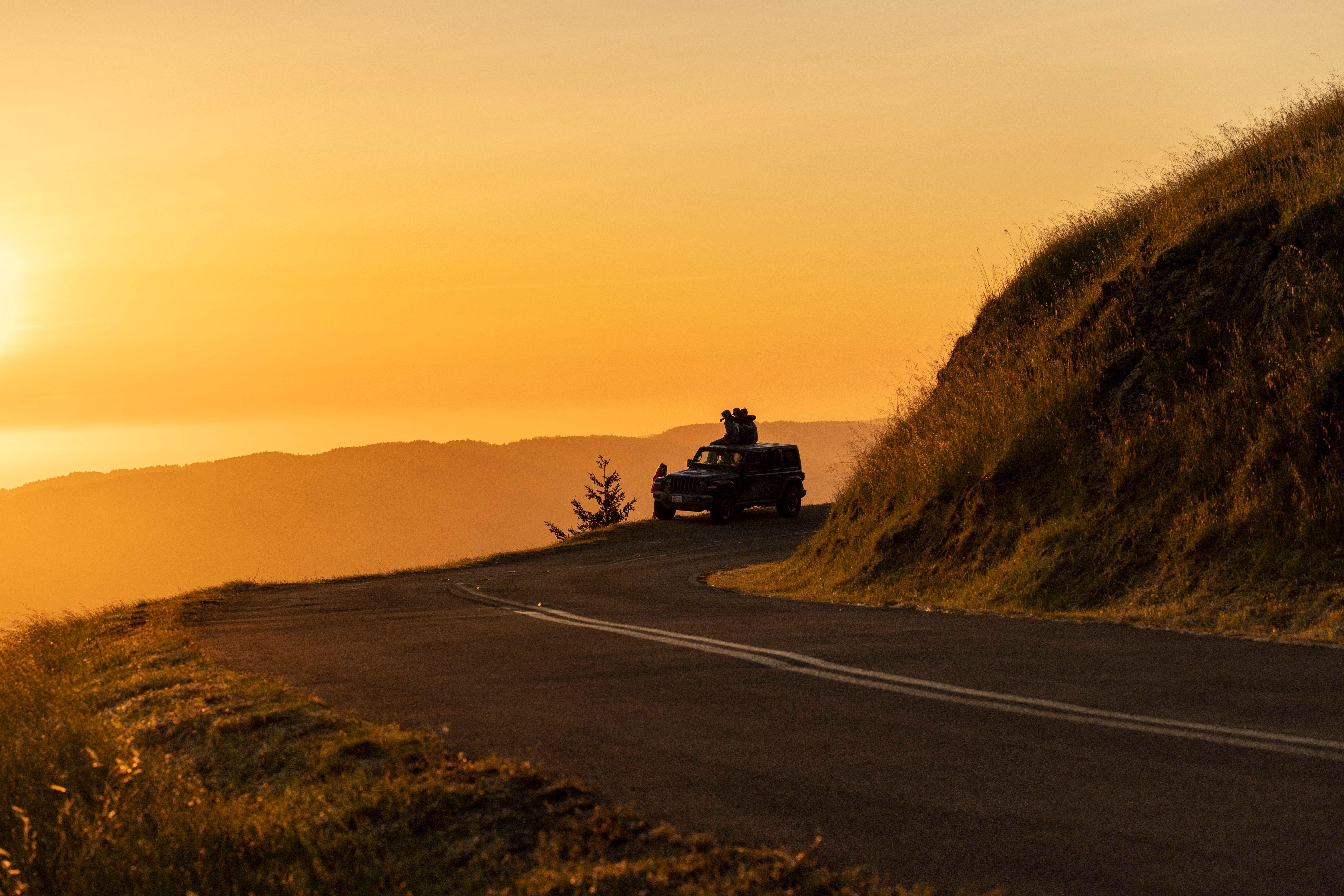
Motion is one of the best parts of summer road trip photography. It communicates speed, energy, and the feeling of travel. The key is selecting the shutter speed that matches the look you want.
If you want a sharp scene from the car, use a faster shutter speed. Try 1/500s or faster for steady roadside objects, especially in good light. For people inside the car, a fast shutter also helps freeze small hand and face movements.
Freeze the scene or show the blur
To show motion, use a slower shutter speed when it is safe and practical. Long exposures work well for moving clouds, flowing water, and certain road scenes. Research notes that long exposures are great for elements like waterfalls or clouds.
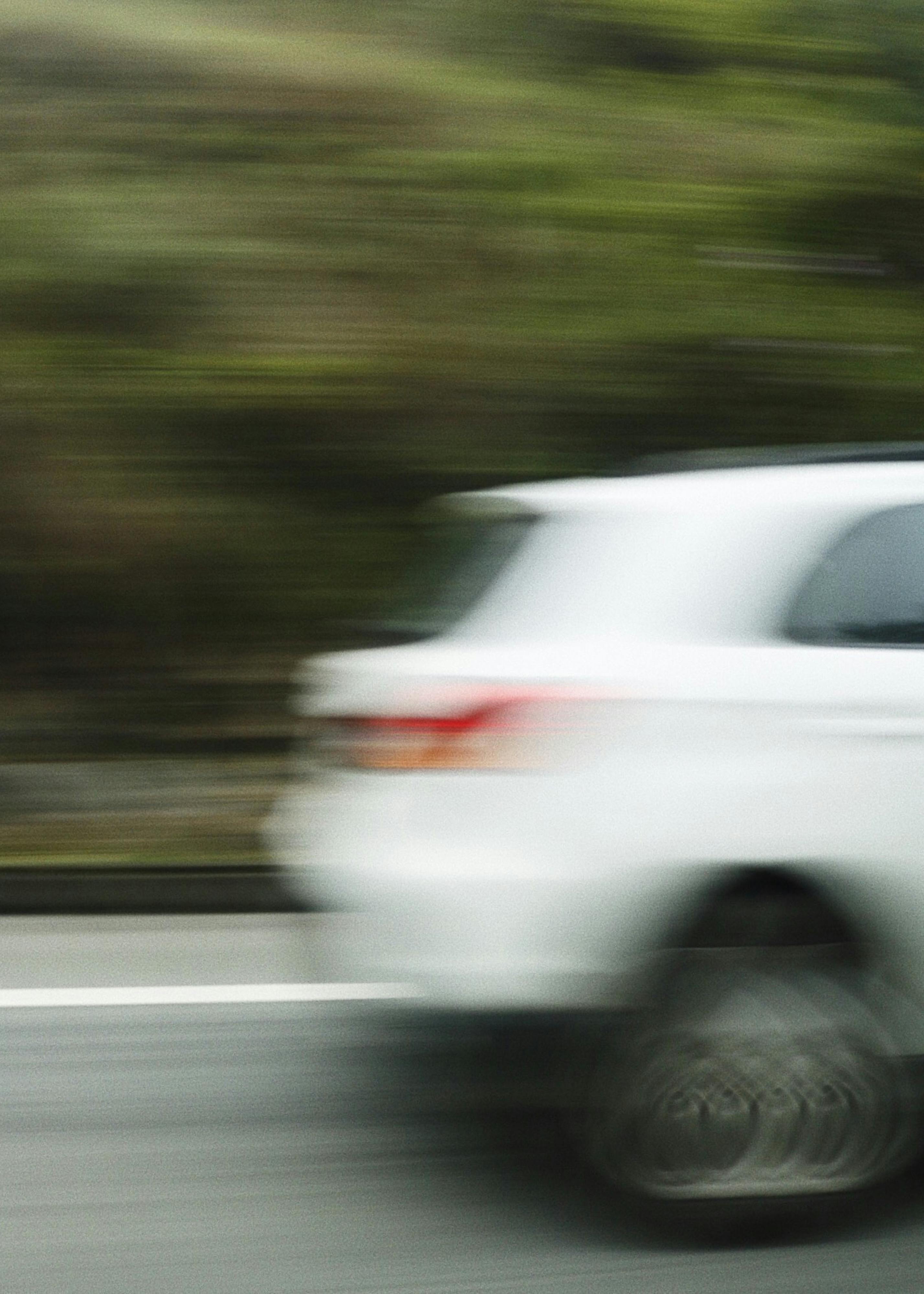
If you want wheel blur or streaked lines, shoot from a stopped car or a safe roadside spot. A slower speed, like 1/30s to 1/60s, can suggest movement while preserving some detail. However, you will need steady hands or a brace point for the best results.
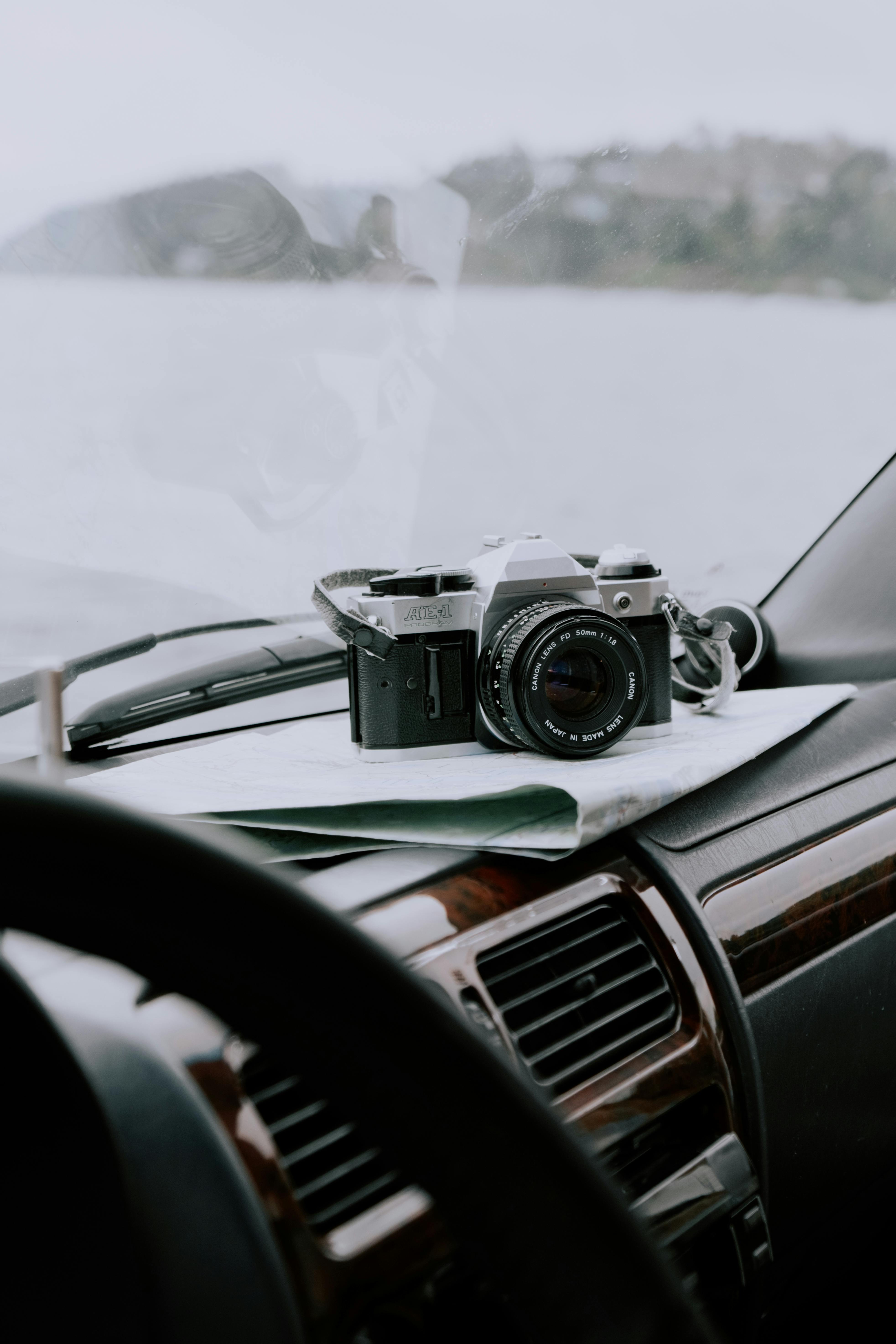
Simple settings that help
For general road photography, start in Aperture Priority mode. This gives you more control over depth of field while the camera handles shutter speed. Then check your shutter speed before pressing the shutter.
For moving scenes, keep ISO as low as possible. In bright summer light, ISO 100 to 400 often works well. For landscape shots, research suggests using at least f/10 or even f/22 for sharp detail across the frame.
- Sharp road scene: 1/500s, ISO 100-400, f/8
- Wide landscape: f/10 to f/22, ISO 100
- Motion look: 1/30s to 1/60s, steady stance
- Low light sunset: raise ISO slowly if needed
Photograph detail that tells the full story

Great road trip albums need more than big views. Detail shots help tell the full story of the day. They show the food, the maps, the dust, the shoes, and the signs that make the trip feel real.
Varying your focal lengths helps a great deal here. Research recommends shooting wide, medium, and tight frames to build a complete visual story. That mix keeps the final set from feeling flat or repetitive.
Wide, medium, and tight shots
Wide shots show the whole place. Use them for cliffs, beaches, desert roads, or small towns. Medium shots can show a car parked near a view, while tight shots can focus on hands, gear, or a road sign.
A 24mm lens can work well for wide scenes. A 50mm lens gives a more natural view, and an 85mm lens is useful for portraits and small details. Together, these focal lengths help you photograph the road trip from start to finish.
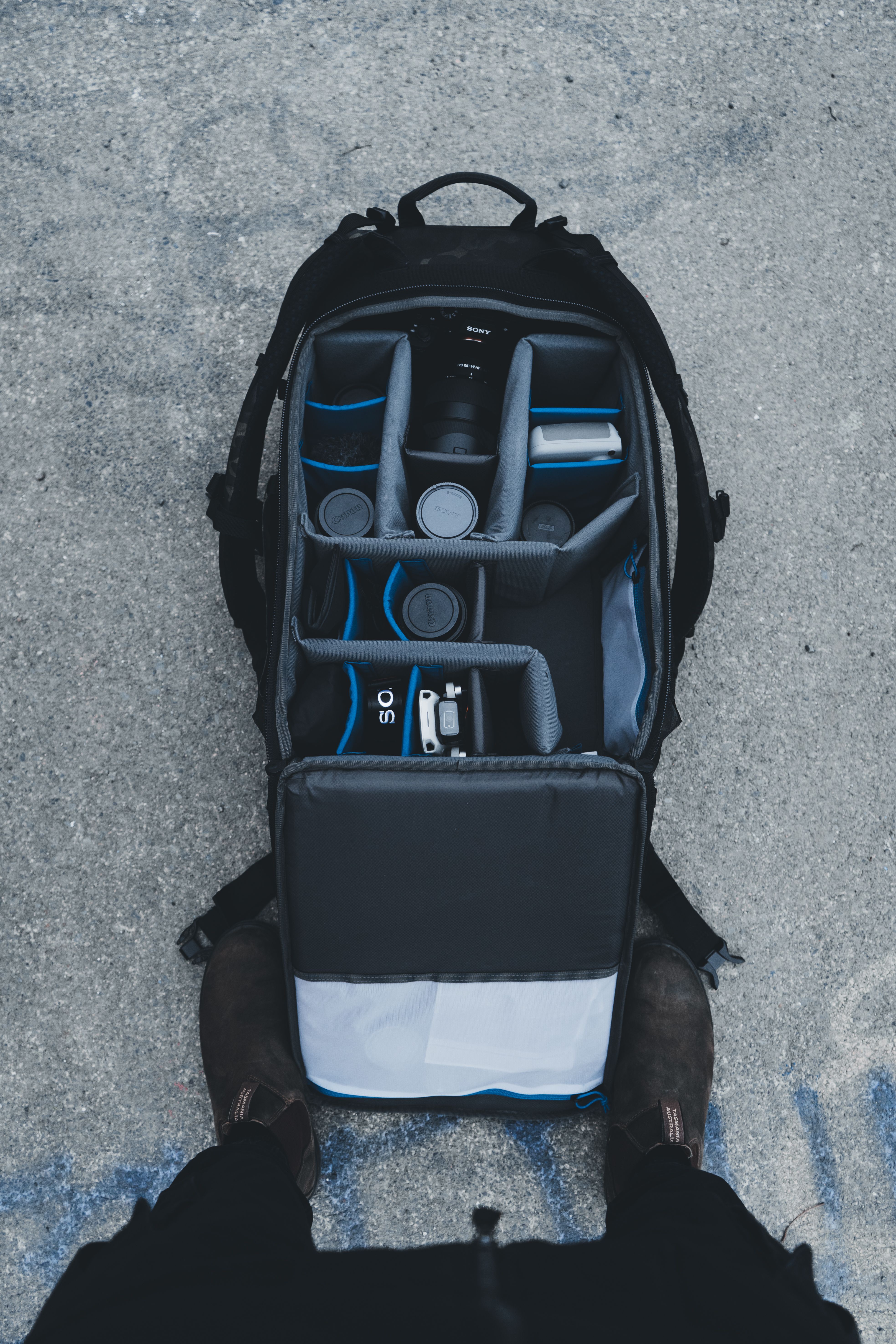
Look for small moments
Some of the strongest images come from quiet, simple scenes. Photograph a map on the dashboard, coffee cups at dawn, or sandals beside the car. These shots add mood and help viewers feel as if they were there.
Also look for candid moments. Research shows that people laughing or reacting to scenery feels stronger than posed photos. Try photographing people in the moment rather than standing stiffly for the camera.
- Steering wheel with morning light
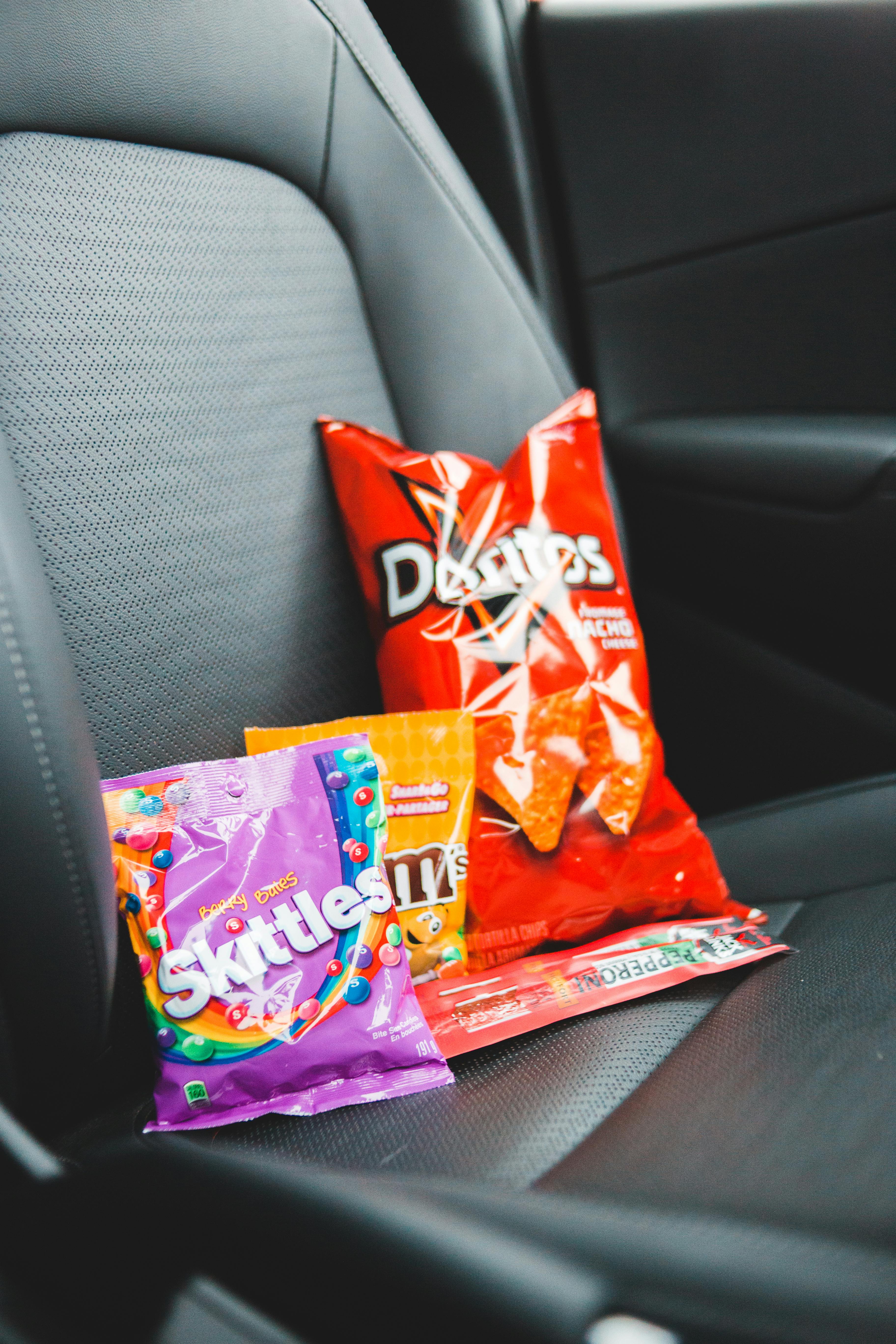
- Snacks, drinks, and road maps
- Feet at a lookout point
- Reflections in the car window
- Road signs, gas stations, and motel lights
Photograph people, places, and wildlife with ease
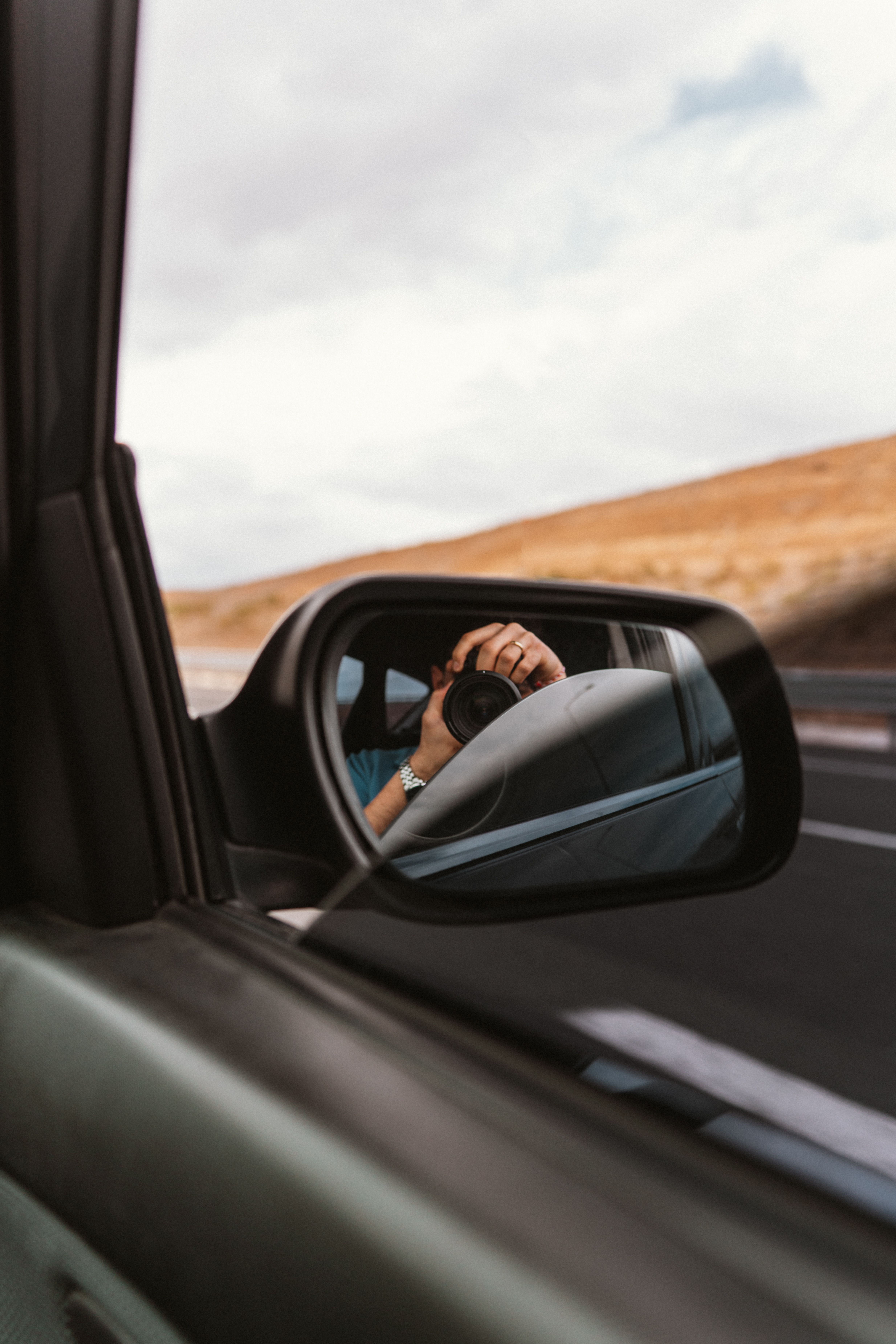
Road trips often include more than landscapes. You may meet friends, family, locals, and animals along the way. Each one gives you a chance to photograph a different part of the trip.
When you photograph people, keep them relaxed and active. Ask them to walk, lean on the car, or look toward the view. These simple actions feel more natural than a stiff pose.
Use the right lens for the moment
A 50mm to 85mm lens is a smart choice for people shots. It flatters faces and keeps the scene simple. If you want more context, step back and include the car, road, or sky around them.
For wildlife, a telephoto or telephoto zoom lens is the better option. It lets you stay at a safe distance while still filling the frame. This matters on road trips, where animals may appear quickly and then disappear.
Keep your camera ready and stable
Quick stops are common on summer road trips, so speed matters. A strap like the Camstrap Nomad or Camstrap MagClip can help keep the camera close and easy to reach. That way, you can shoot quickly without digging through a bag.
If you use a tripod, turn off Vibration Reduction mode. Research notes that leaving it on can blur images when the camera is already stable. This small step can keep a sharp photo from turning soft.
Photograph summer road trips with cleaner results
Sharp photos depend on small habits. Clean your lens before each stop, check your framing, and watch the background. Even a strong subject can lose impact if a pole or bright sign cuts across the frame.
It also helps to shoot in short bursts. Take a few frames, then review them quickly. This gives you a better chance of catching a clean expression or a better cloud shape.
Watch for common mistakes
Many road trip photos fall flat because the photographer waits too late in the day or shoots too close to noon. Others fail because the camera is too high, too low, or aimed from a dull angle. Simple changes in position can make a major difference.
Try not to photograph every scene the same way. Move around the car, kneel for a lower view, or step back for more space. As a result, your photos will feel more alive and less rushed.
- Check the horizon line
- Remove trash and clutter from the frame
- Focus on eyes in portraits
- Use burst mode for moving people
- Review highlights so skies stay bright
Photographing summer road trips: a simple closing plan
To photograph summer road trips well, keep your plan simple. Head out early, use soft light, and watch for both motion and detail. Then build your story with wide views, small moments, and candid people shots.
Remember the key steps: shoot near sunrise or sunset, use at least f/10 for landscapes, and pick shutter speed based on the motion you want. A good strap, like the Camstrap Voyager, Camstrap Explorer, Camstrap Nomad, or Camstrap MagClip, can also help you stay ready while on the move.
In the end, the best way to photograph a road trip is to stay alert and keep shooting. Look for light, wait for motion, and notice the details that others miss. If you do that, your summer photos will feel real, warm, and full of life.
Frequently Asked Questions
How do I take better photos on a road trip?
Plan stops ahead of time, check sunrise and sunset, and scout scenic pull-offs so you can shoot in better light without rushing. Travel light with a small kit, and prioritize early or late shooting for softer, warmer light that adds depth and detail.
What settings help capture motion from a moving car?
The article emphasizes timing and using the road environment, but it does not give specific camera settings for motion shots. In practice, motion is usually captured with a faster shutter speed for sharpness or a slower shutter speed for blur, depending on the effect you want.


