


- Make the dog’s nearest eye the focal point to lead attention fast.
- Use the focal point to isolate expression and ignore park clutter.
- Apply the 80/20 rule: spend 20% of time for 80% of the best shots.
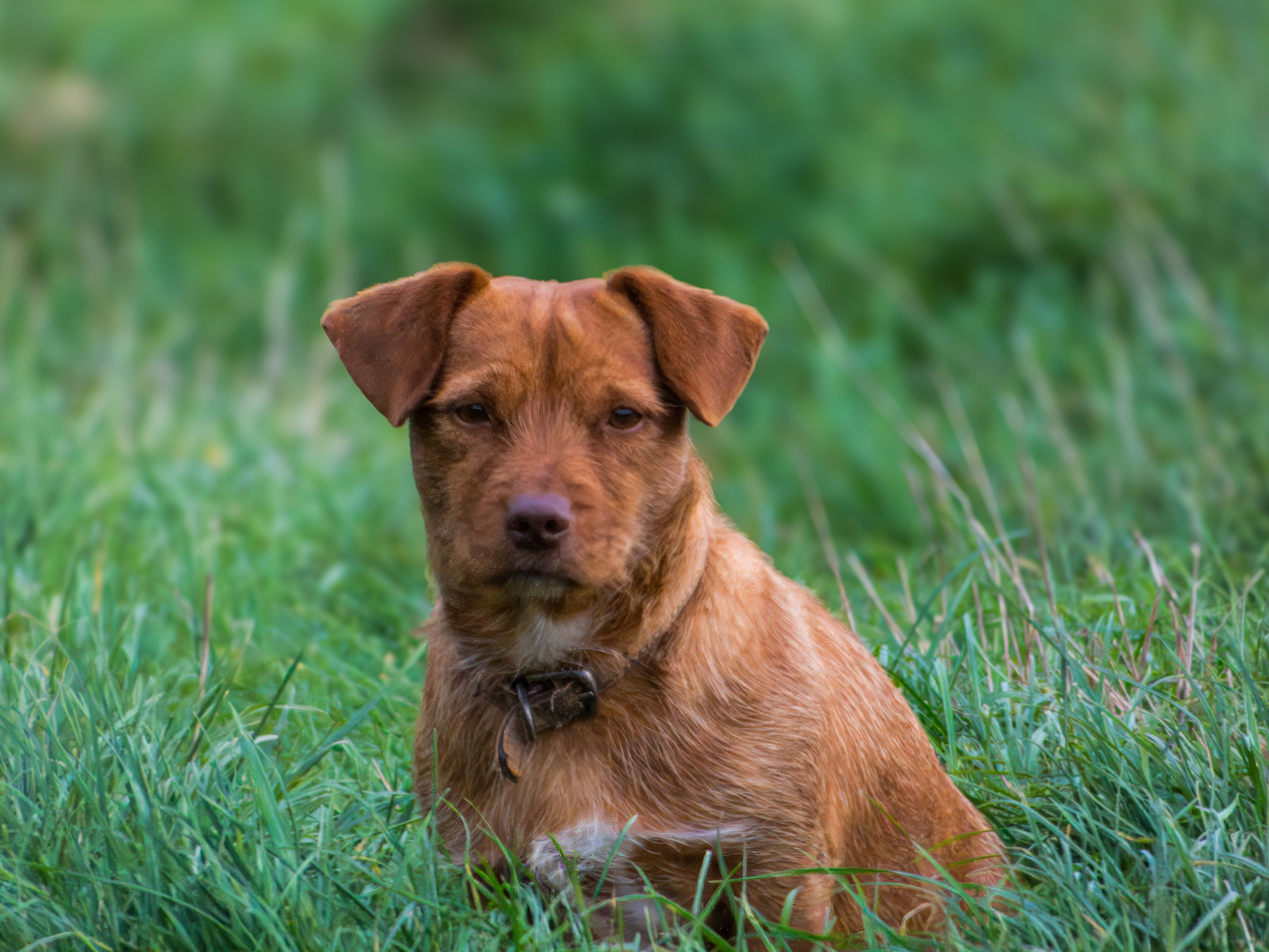
Focal point photography means guiding the viewer’s eye to one clear subject in the frame. In a park, that subject is often a dog’s face, and the strongest expression usually flashes by in an instant.
Shop the setup

- Regular price
-
€42 - Regular price
-
€44 - Sale price
-
€42
By choosing the Camstrap strap, you are opting for a high-quality product designed to meet the needs of the most demanding photographers.
- Developed by a physiotherapist to relieve neck and back pain.
- Fast delivery with tracking by the Post Office 🚚
- Can be used as a shoulder strap or hands-free harness

- Regular price
-
€36 - Regular price
-
€42 - Sale price
-
€36
Free shipping included
Dogs move quickly, look away quickly, and shift mood even faster. A park gives you light, space, and motion, but it also brings noise, people, and a stream of distractions. A few smart choices can turn a missed snap into a portrait worth keeping.
The expression begins before you press the shutter
The best dog portraits start with calm timing and close attention. Watch the ears, tail, and mouth shape, and you can often see the next good expression coming.
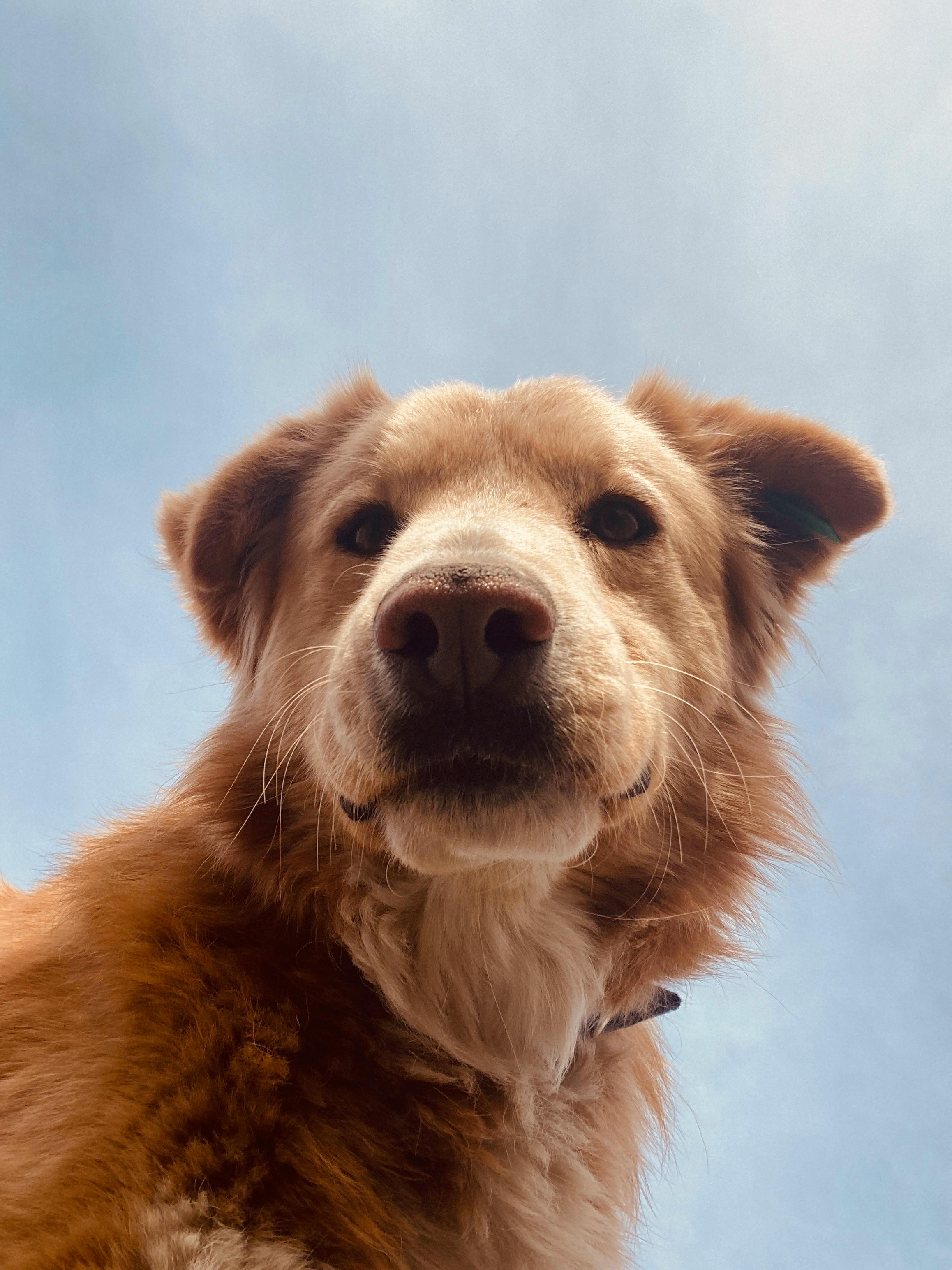
Work with the dog’s natural rhythm. Let it sniff, pause, and glance around. Those short breaks often reveal the face you want.
Read the dog, not just the scene
Dogs show feeling through small signs. A soft mouth, one lifted ear, or a head tilt can say more than a big jump. When the dog feels safe and relaxed, the face opens up.
Keep the session light. Use praise, treats if allowed, and short bursts of shooting. Long, tense setups usually make the dog lose interest.
What is a focal point in photography?

A focal point in photography is the part of the image that grabs the eye first. In a dog portrait, the closest eye often takes that role. Strong focal points are clear and simple. They tell the viewer where to look in less than a second.
What is the purpose of a focal point?
The purpose of a focal point is to guide attention and give the photo a clear subject. A dog’s face feels alive when the eye, nose, and expression work together.
In a park, that focus becomes even more useful because the background can get busy. A clean focal point keeps the viewer on the dog instead of the trees, paths, or people behind it.
How to catch a dog’s best expression in the park
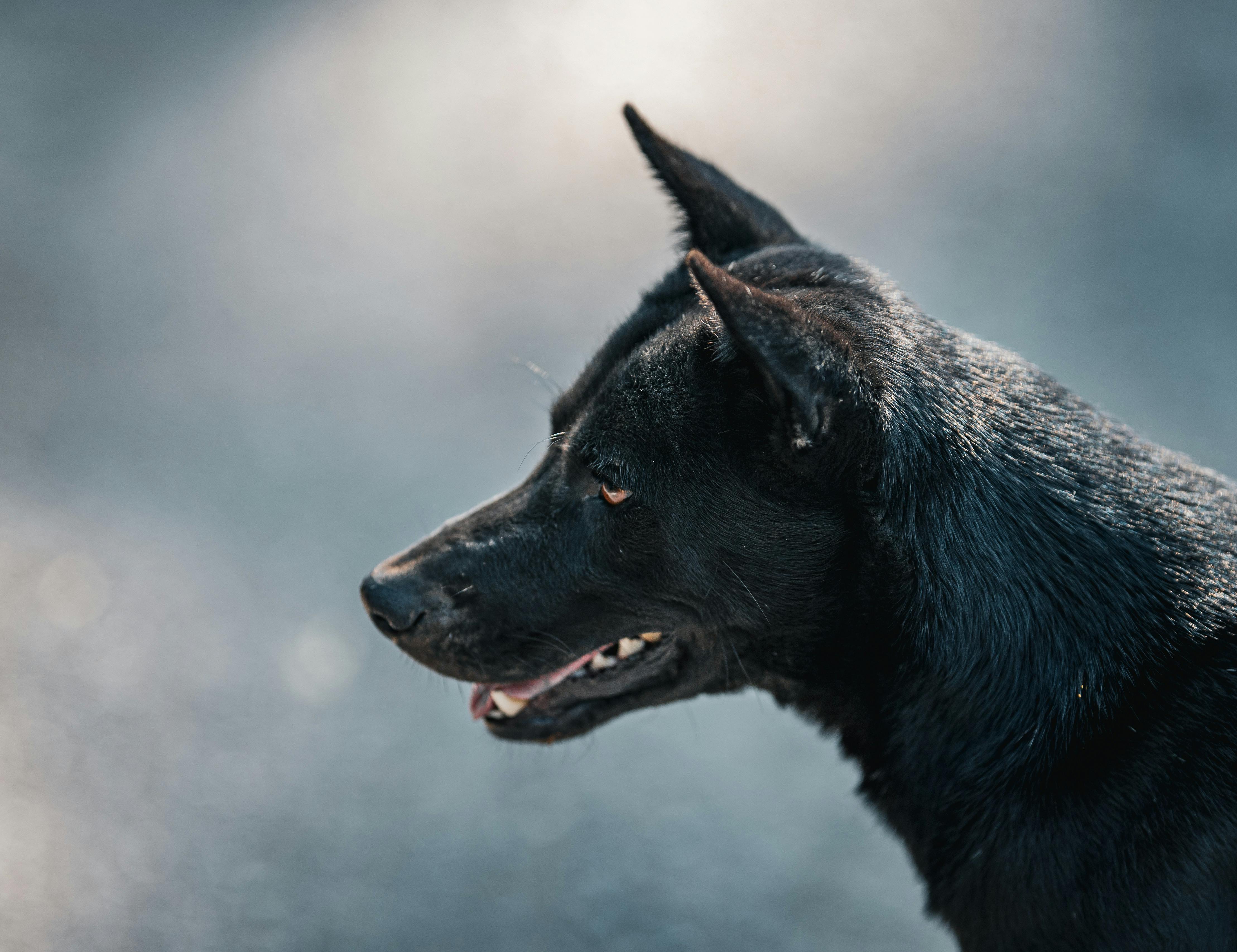
The strongest shot usually comes from eye contact, a low angle, and fast timing. Focus on the closest eye, not the nose or ears, because that eye creates the direct link with the viewer. Use single-point autofocus or continuous AF with eye or subject detection if your camera offers it. Automatic focus modes can jump to grass, fur edges, or the wrong part of the face.
Get to eye level first
Drop down to the dog’s eye line. If needed, lie on your stomach for a few frames. That low view makes the dog feel real and close.
Shooting from above can shrink the face and flatten the mood. Eye-level framing gives the expression more power and makes the body look more balanced.
Use a tight focus setup
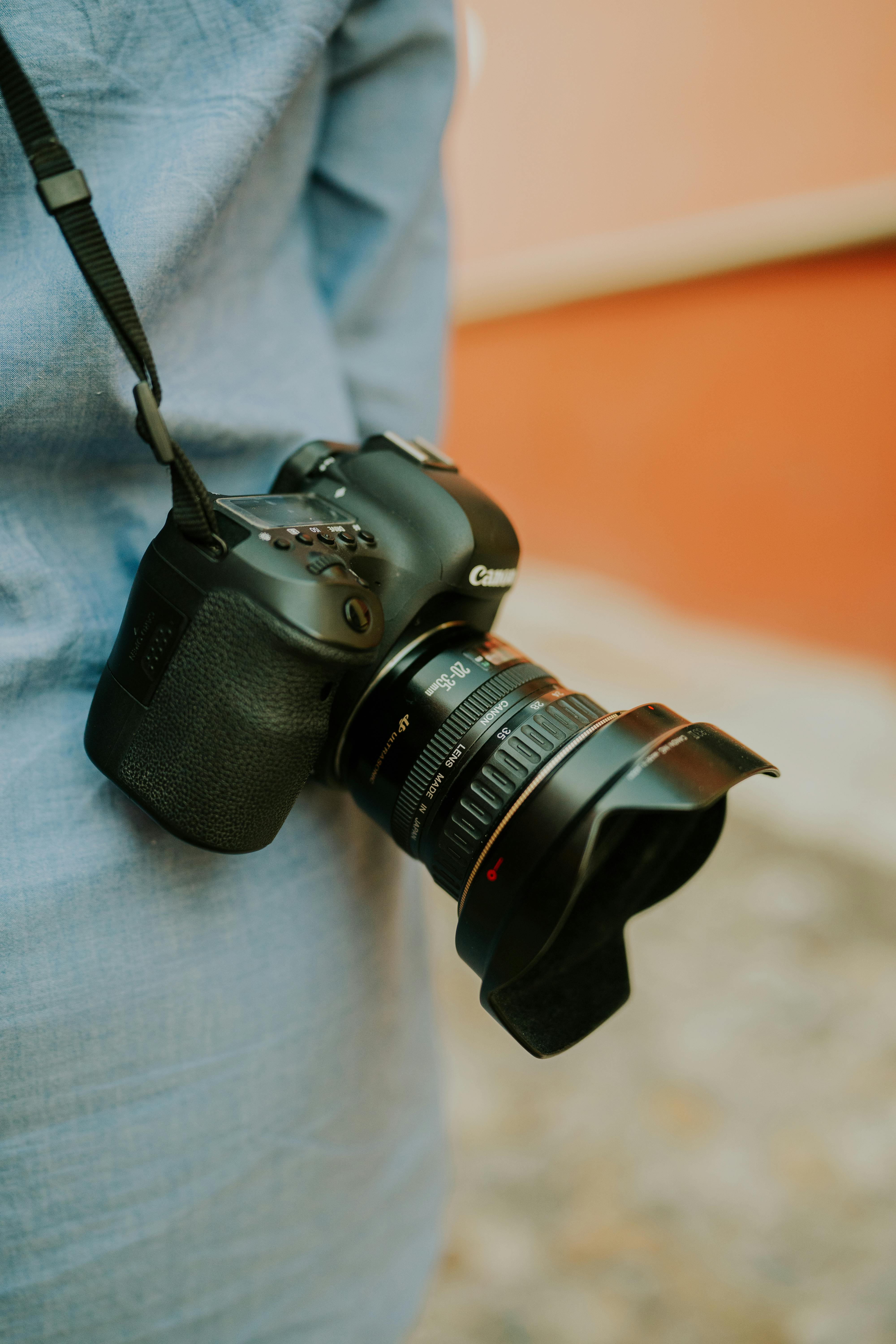
A lens over 100mm at its widest open aperture works well for outdoor dog portraits. A 135mm or 200mm lens gives you good reach and nice subject separation.
On a bright day, f/8 to f/11 can keep the face sharp if the dog holds still. In softer light or near a darker background, f/2.8 to f/4.5 isolates the dog more strongly.
Keep ISO at 100 on sunny days when you can. That keeps detail clean and gives you more room to shape the background.
What is the 80 20 rule in photography?
The 80 20 rule in photography means you should spend about 20% of your effort on the setup and 80% on timing and framing. In dog work, lock in your focus plan before the face appears. Use that idea in the park by picking your spot, your angle, and your background first. Then wait for the dog to look your way.
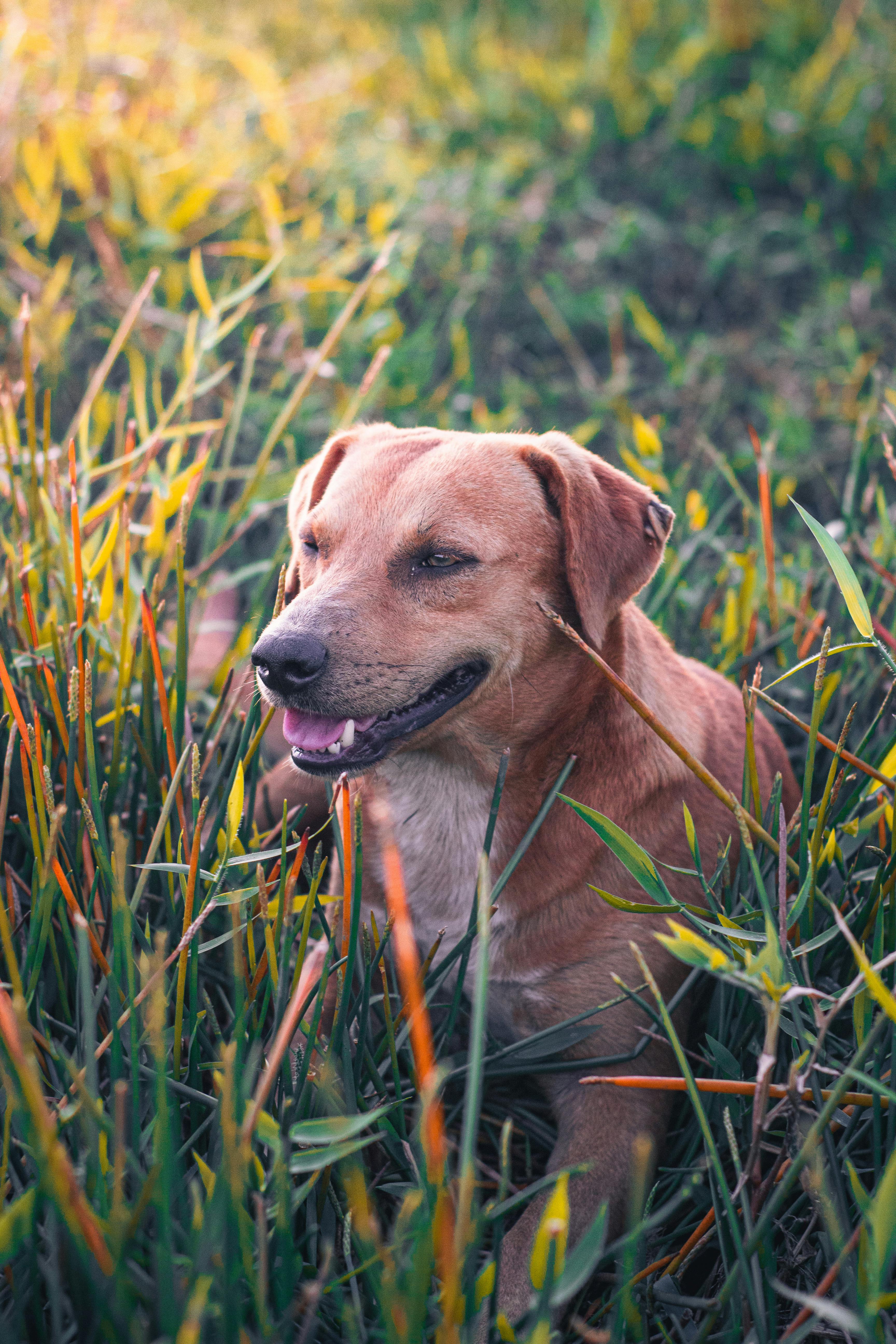
Freezing motion without losing the face
Park dogs rarely stay still for long. A head turn, nose lick, or sudden perk can happen in one second, so shutter speed matters a lot.
Set at least 1/500s to freeze basic motion. For sharper action and head movement, 1/1250s or faster gives you a safer margin.
Why burst mode earns its place
Burst mode helps when the expression changes in a split second. A quick sequence can catch the exact frame where the eyes open, the ears perk, or the mouth softens. Many mid-tier mirrorless bodies can shoot around 10 frames per second in mechanical mode, and faster in electronic mode. Electronic speed can reach 20 to 40 fps, but it may bring rolling-shutter skew or banding under some park lights and sun-flicker conditions.
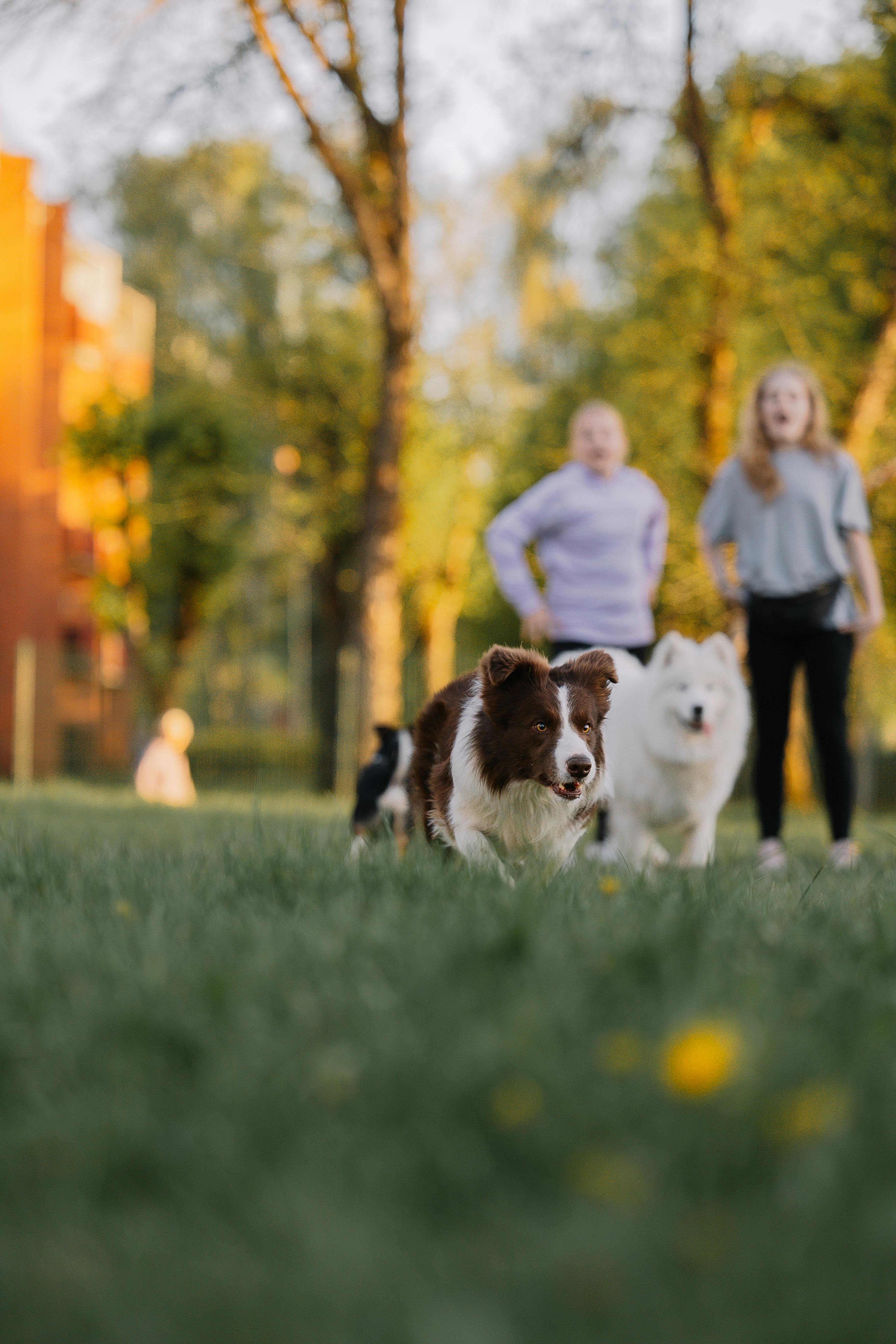
Modern buffers are also better than many expect. A mid-tier camera often holds roughly 20 to 40 RAW frames before it slows, which is enough for short, smart bursts. RAW files fill the buffer faster than JPEG, so watch that if you shoot long sequences.
What is the best focal point?
The best focal point for a dog portrait is the closest eye. That single point gives the face life and makes the image feel like a real meeting between dog and viewer.
If the eye is partly hidden, aim for the nearest visible eye and keep the face angle simple. Here, a small shift in position can change the whole photo.
Background, light, and distance shape the frame
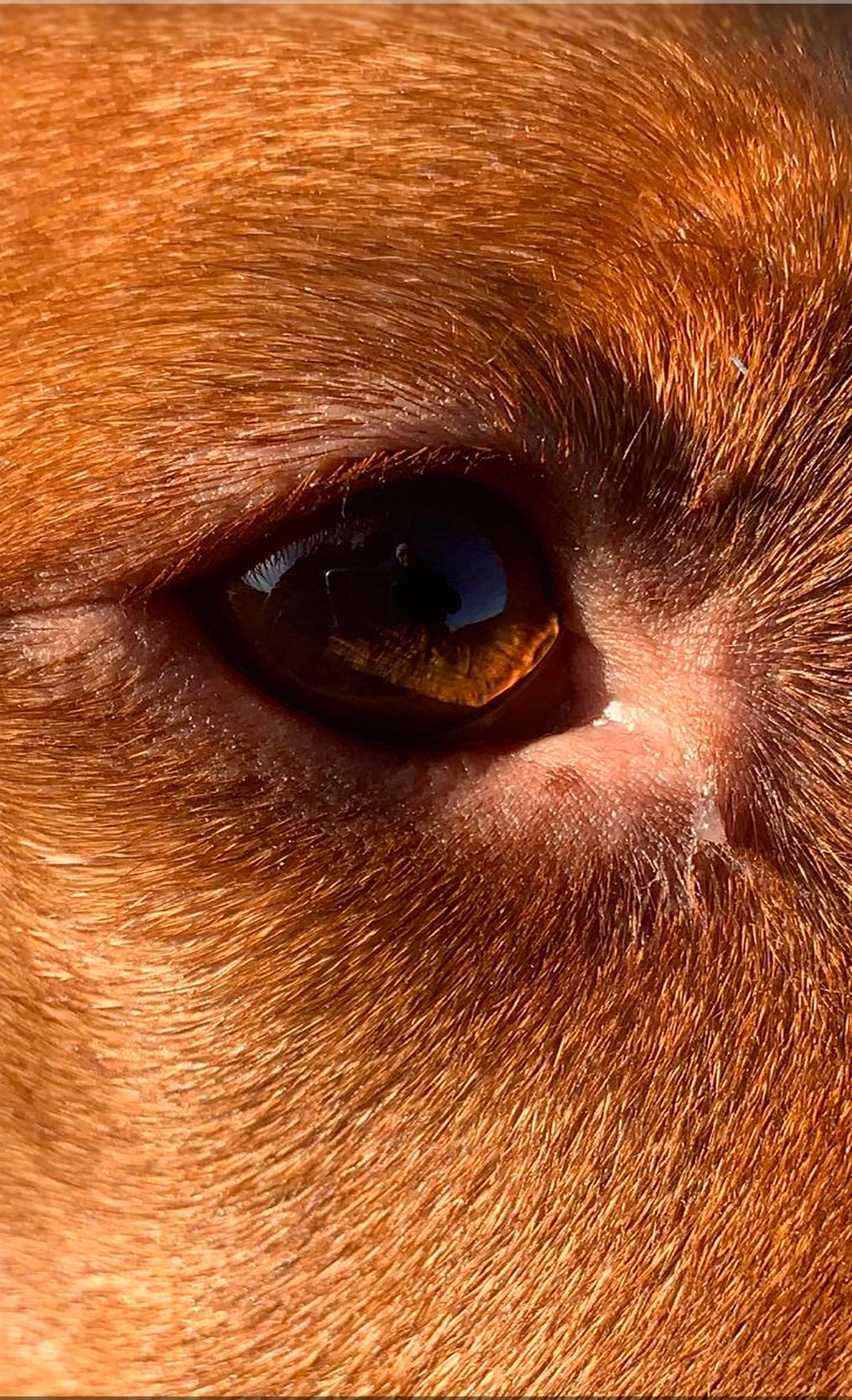
A strong dog portrait needs room for the subject to stand out. Park scenes can look messy fast, so background control is a big part of the shot. Place the dog much closer to you than to the background. A rough 75:25 distance split, with most of the space behind the dog, helps blur trees, paths, and people.
Choose the right patch of park
Look for plain grass, soft shade, or a distant hedge. These spots keep the frame calm and make the dog’s face easier to read.
Bright, broken light can work too, but it needs care. Sun patches on the face can create hot spots, while deep shade can push ISO higher than you want.
Use the light that matches the mood

Soft morning light often works best for close portraits. It smooths fur and keeps the eyes easy to see. Strong noon sun can still work if you place the dog in open shade. In that case, raise exposure only as much as needed to keep eye detail and fur texture.
Carry the camera so you can react fast
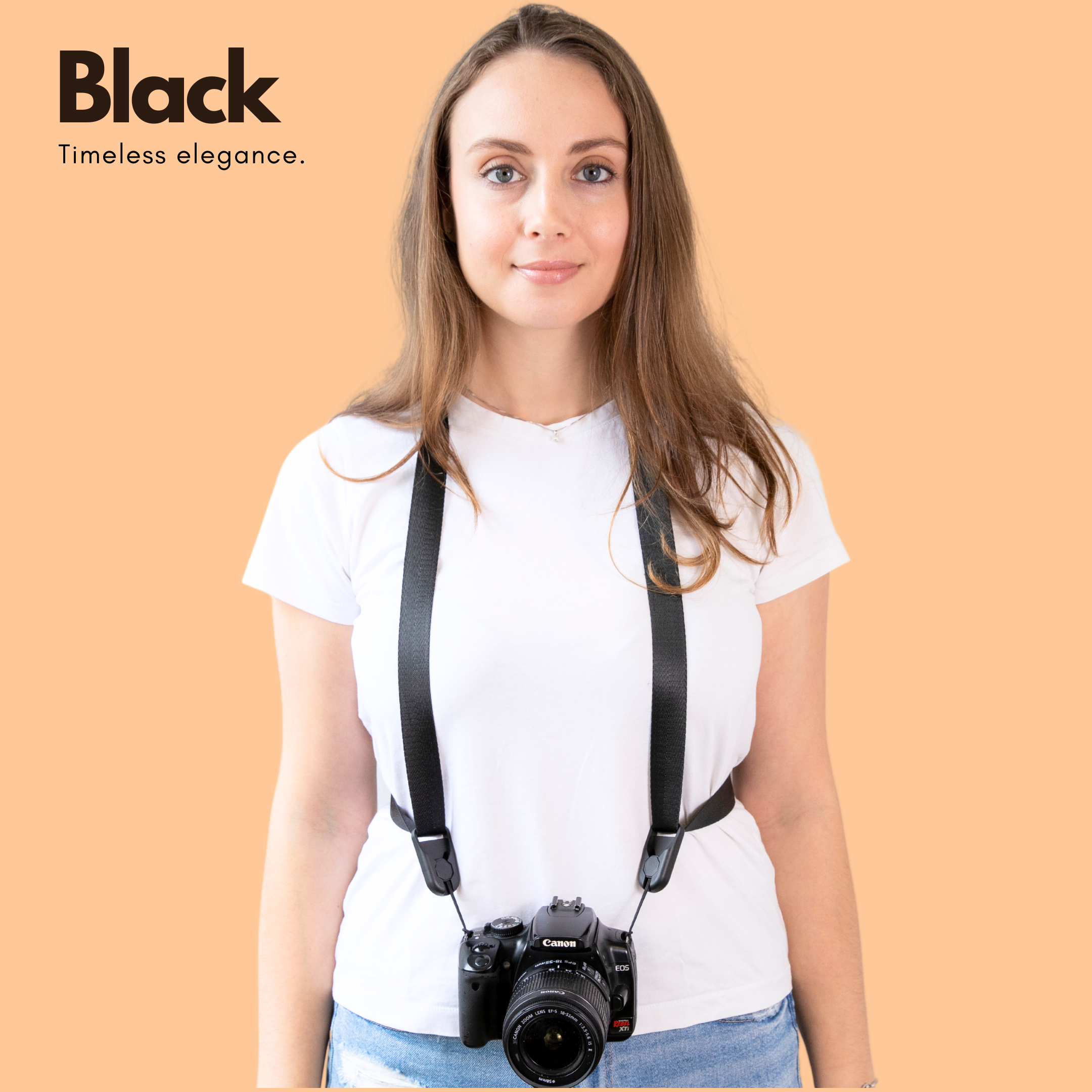
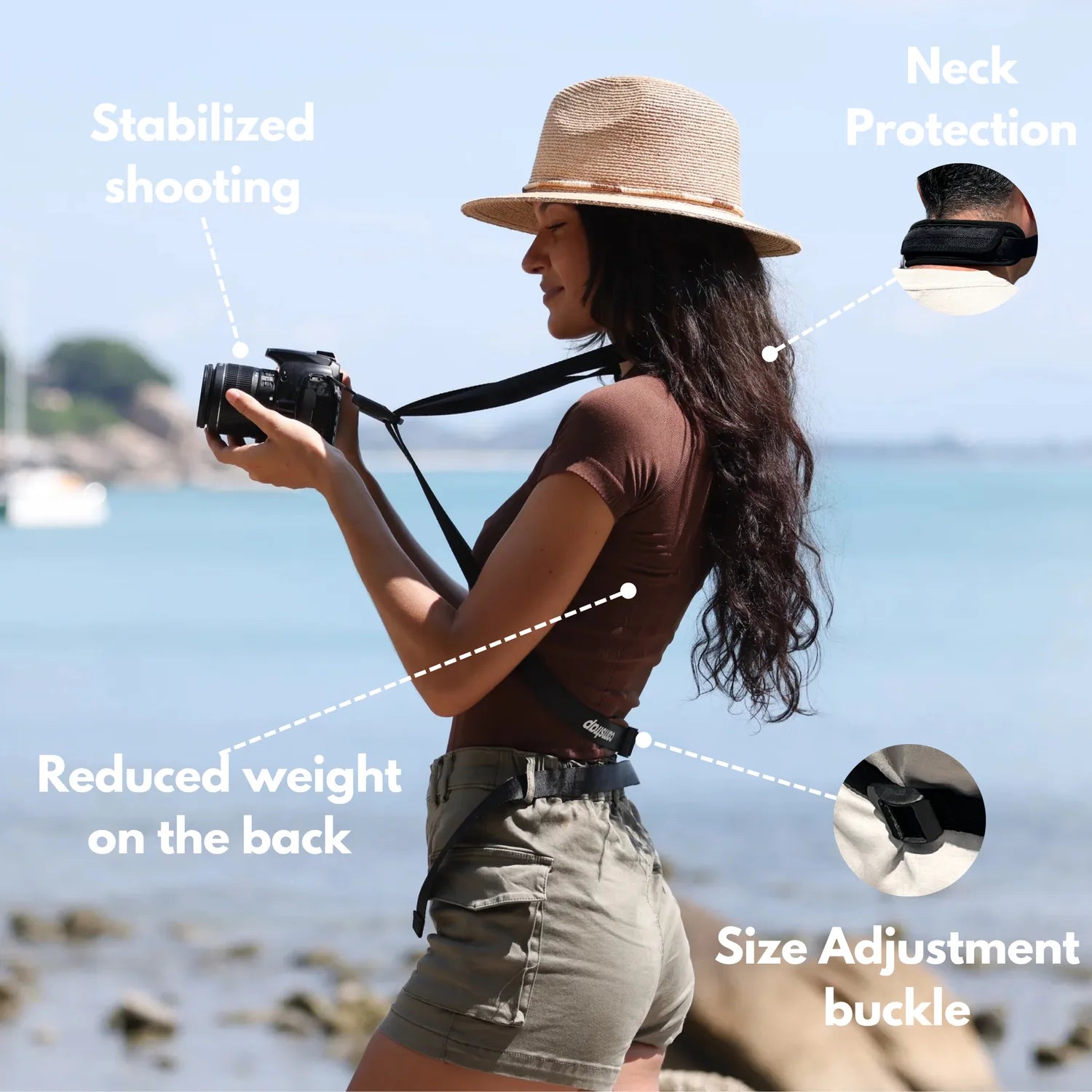
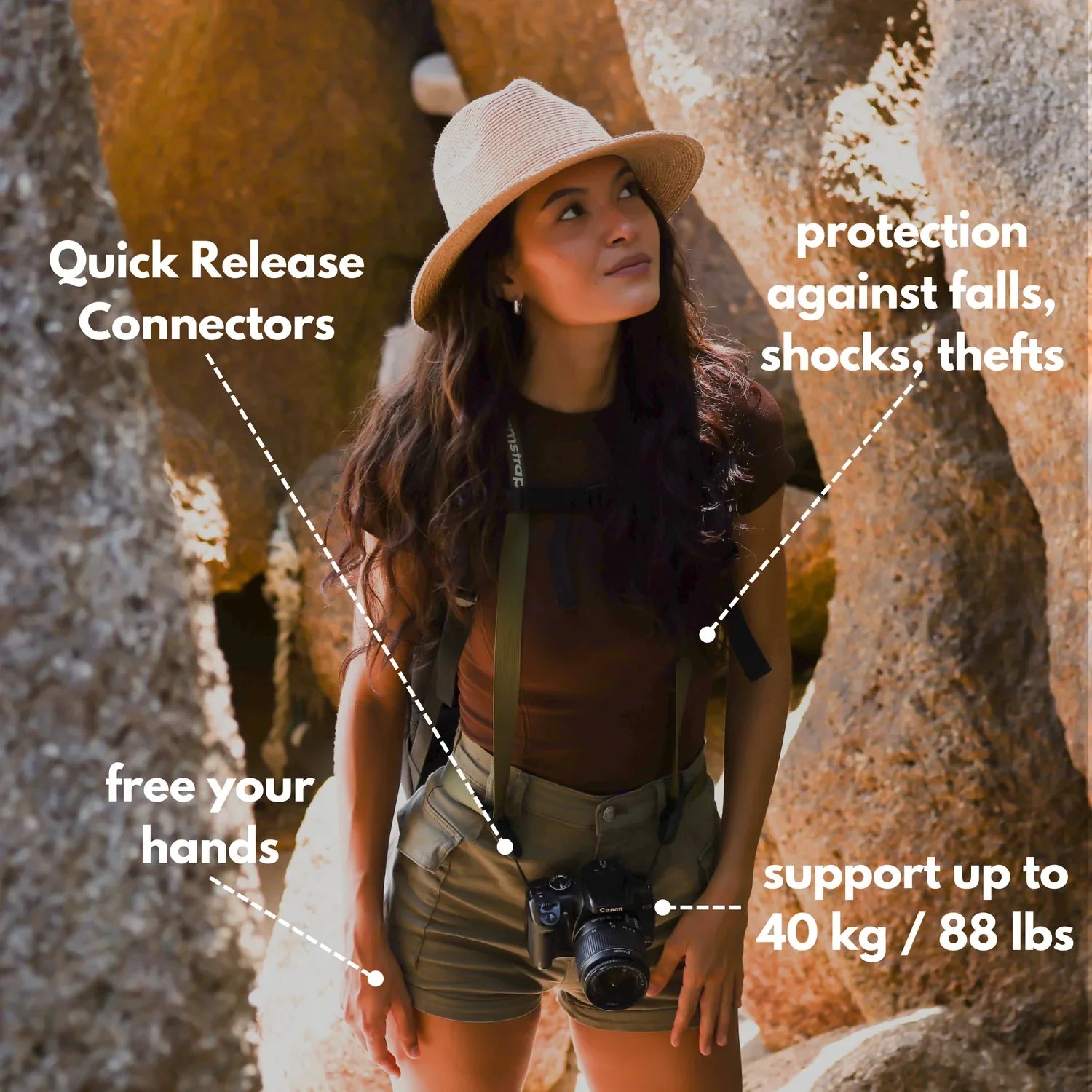
A hands-free strap keeps the camera ready during park walks, leash changes, and quick reframes. The best expression often appears while your hands are busy with the dog.
One useful option is the Camstrap voyager, which keeps the camera stable against your body and makes one-handed access easier when the dog suddenly turns. That kind of carry helps you stay ready without dangling gear in the way.
A small kit that supports the shot
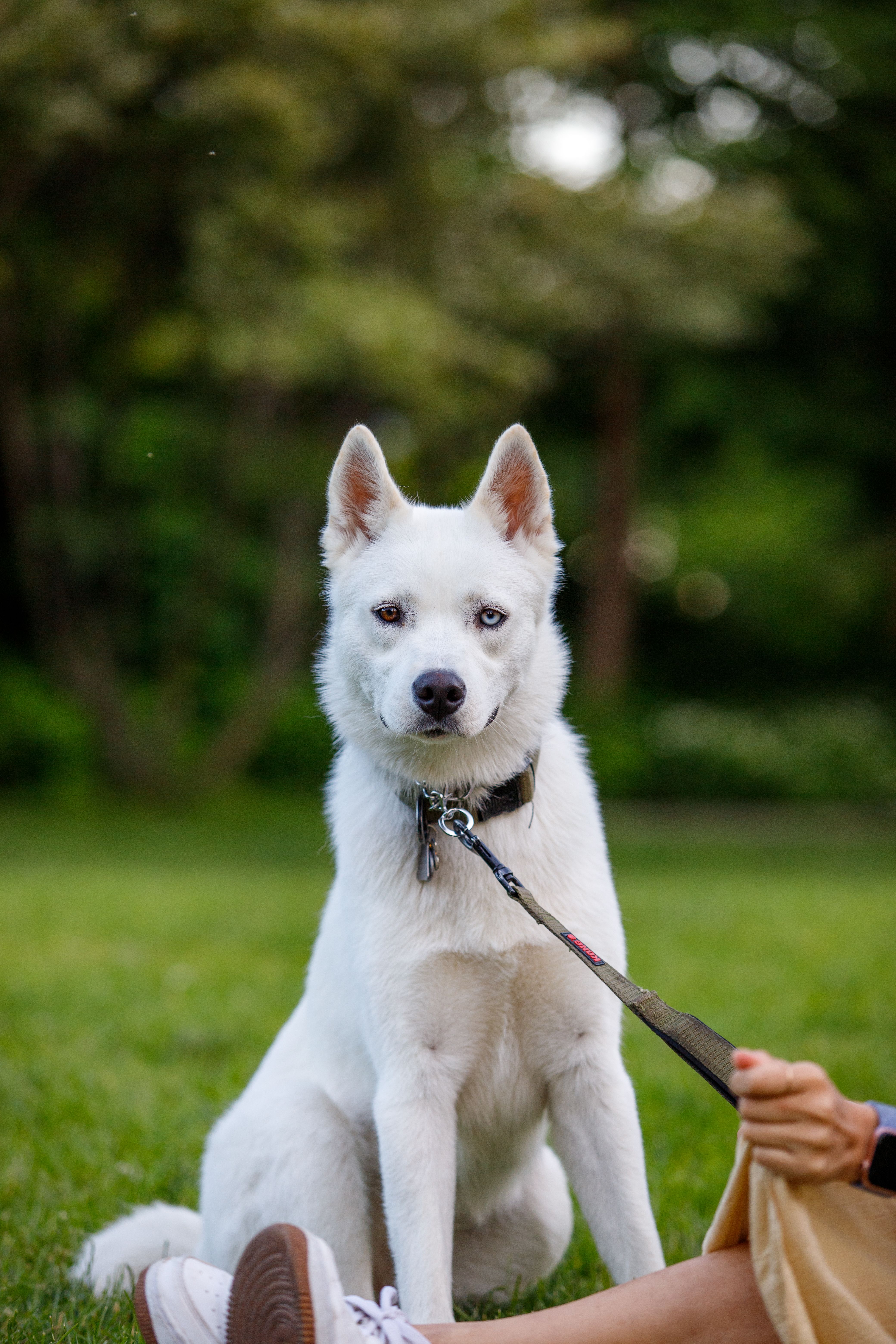
- A camera with single-point AF and eye detection
- A lens over 100mm for cleaner background blur
- A fast card, such as UHS-II V60 or V90, if you shoot long bursts
- A hands-free strap for quick access on walks
- A microfiber cloth for damp noses, light rain, or wet grass spray
Card speed matters when you shoot RAW bursts. UHS-II cards clear the buffer faster than UHS-I, which helps if the dog keeps moving and you need another sequence right away. Back-button focus can also help here. It lets you lock focus with your thumb and fire frames with the shutter button, which feels steady when the dog shifts at the last second.
Small edits that make the face pop
The capture is only half the job. A quick cull and a few simple edits can turn a decent frame into the best one from the walk.
Use pick and reject flags in Lightroom or Photo Mechanic to sort fast. First choose the frame with the clearest eye, then check the mouth, ears, and body line.
A simple review order
- Find the frame with the sharpest nearest eye.
- Check for a clean mouth shape and relaxed face.
- Make sure the ears do not block the eye.
- Look at the background for bright spots or distractions.
- Keep the frame that feels most alive, not just most sharp.
Crop with care. A tighter frame can help the viewer stay on the face, but too much crop can kill the sense of space. Leave enough room for the dog to feel natural in the park scene.
Then make small tone changes. Lift shadows a little if the eyes sink, and lower highlights if the fur on the nose or forehead looks too bright.
A steady process for the next park walk
The best dog expression comes from a simple chain: good position, clean focus, fast timing, and a calm background. When those pieces line up, the face does the rest of the work.
Start with the eye. Stay low, keep your shutter fast, and use burst mode only when the dog is about to move. If the scene feels busy, move your feet before you raise the camera.
One last tip helps a lot: watch for the moment just after a pause. A dog often gives its best look right before it runs, turns, or hears a sound, and that is when your camera should already be ready.
Frequently Asked Questions
What is a focal point in photography?
A focal point in photography is the part of the image that grabs the eye first. In a dog portrait, the closest eye often serves as the focal point because it is the clearest place for the viewer to look.
What is the purpose of a focal point?
The purpose of a focal point is to guide attention and give the photo a clear subject. In a busy park, a strong focal point keeps the viewer’s eye on the dog instead of the background.
What is the 80 20 rule in photography?
The 80/20 rule in photography means most of the visual impact comes from a small part of the image, so the strongest 20% should carry the picture. For dog portraits, that usually means the eye, face, and expression matter most.
What is the best focal point?
For a dog portrait, the best focal point is usually the closest eye. That eye creates the strongest connection with the viewer and makes the expression feel immediate and alive.


