


- Use a wide cross-body strap to keep your camera close and comfortable all day.
- Choose a compact sling or small backpack with one mounted lens and one spare.
- Mount one versatile lens before you leave, so the camera stays ready without bulk.
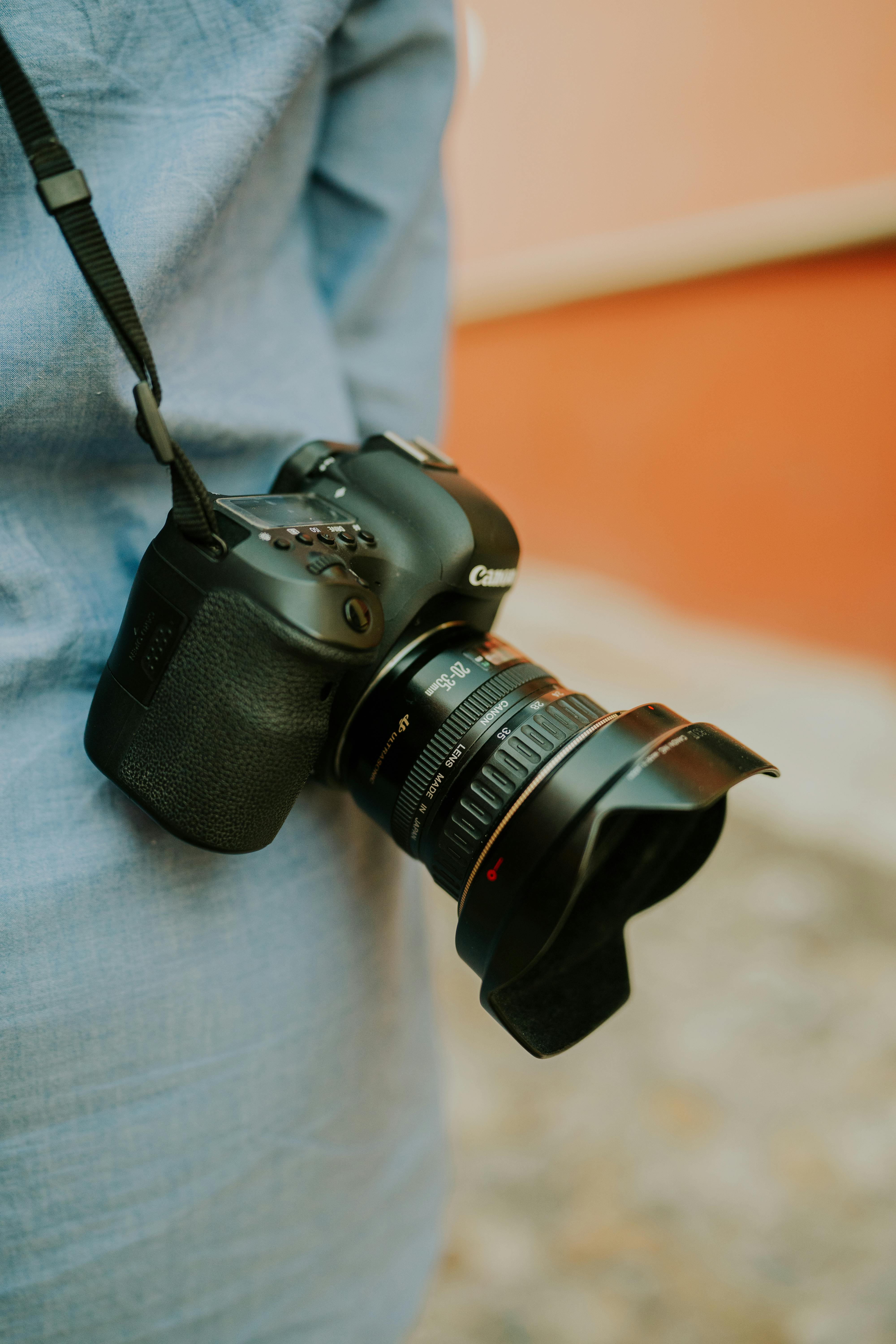
Carrying a camera while traveling is a balance of keeping your gear light, protected, and ready from morning to night. On summer trips, that usually means less weight on your shoulder and fewer stops to rummage through a bag.
Shop the setup

- Regular price
-
€42 - Regular price
-
€44 - Sale price
-
€42
By choosing the Camstrap strap, you are opting for a high-quality product designed to meet the needs of the most demanding photographers.
- Developed by a physiotherapist to relieve neck and back pain.
- Fast delivery with tracking by the Post Office 🚚
- Can be used as a shoulder strap or hands-free harness

- Regular price
-
€36 - Regular price
-
€42 - Sale price
-
€36
Free shipping included
Warm weather brings long walks, crowded stations, and quick photo pauses. Once a kit feels heavy by noon, it often sits untouched by dinner. Keep the camera within reach, trim the load, and stay set for good light.
How do I carry a camera comfortably while traveling?
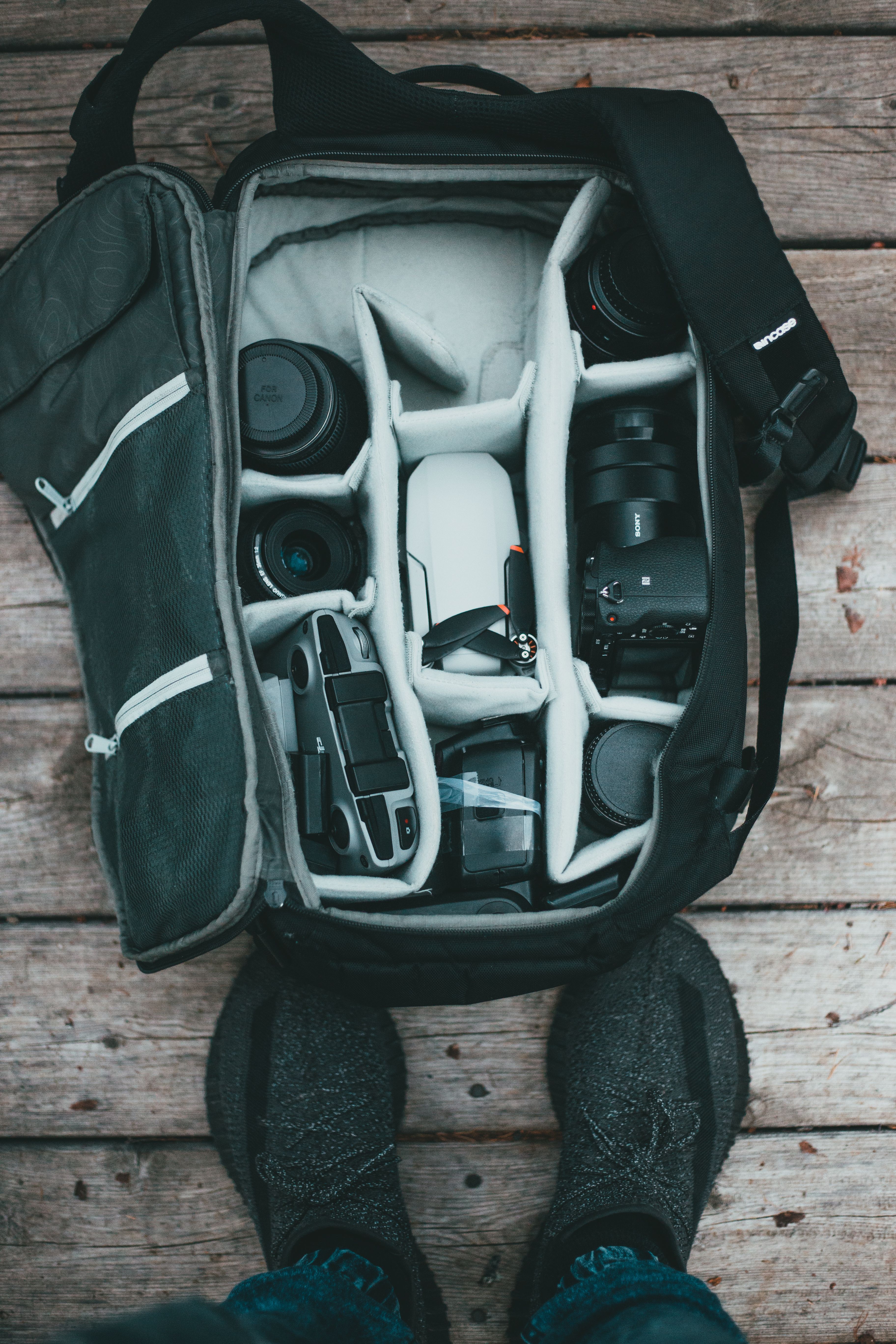
Use a strap that spreads the load across your body and keeps the camera close to your chest. A well-fitted sling or cross-body strap takes pressure off your neck and makes the camera faster to grab. For long travel days, I reach for a lightweight DSLR or mirrorless body such as a Nikon D780, Nikon Z6, or Fuji X-T4. Once you add a lens, a spare battery, and a water bottle, those bodies still ease shoulder fatigue.
Simple carry rules that make a real difference
- Keep the camera at rib height, not at hip swing level.
- Use a strap with a wide contact area to spread pressure.
- Hold the camera close on trains, buses, and airport walks.
- Keep one lens mounted, not two loose pieces in the bag.
- Stow the strap so it does not tangle when you shoot quickly.
A padded strap helps, but fit beats padding. The best setup lets you lift the camera with one hand and lower it without fumbling. For a cleaner carry, a Camstrap camstrap voyager style strap works well because its load-spreading fit keeps the camera stable while you move.
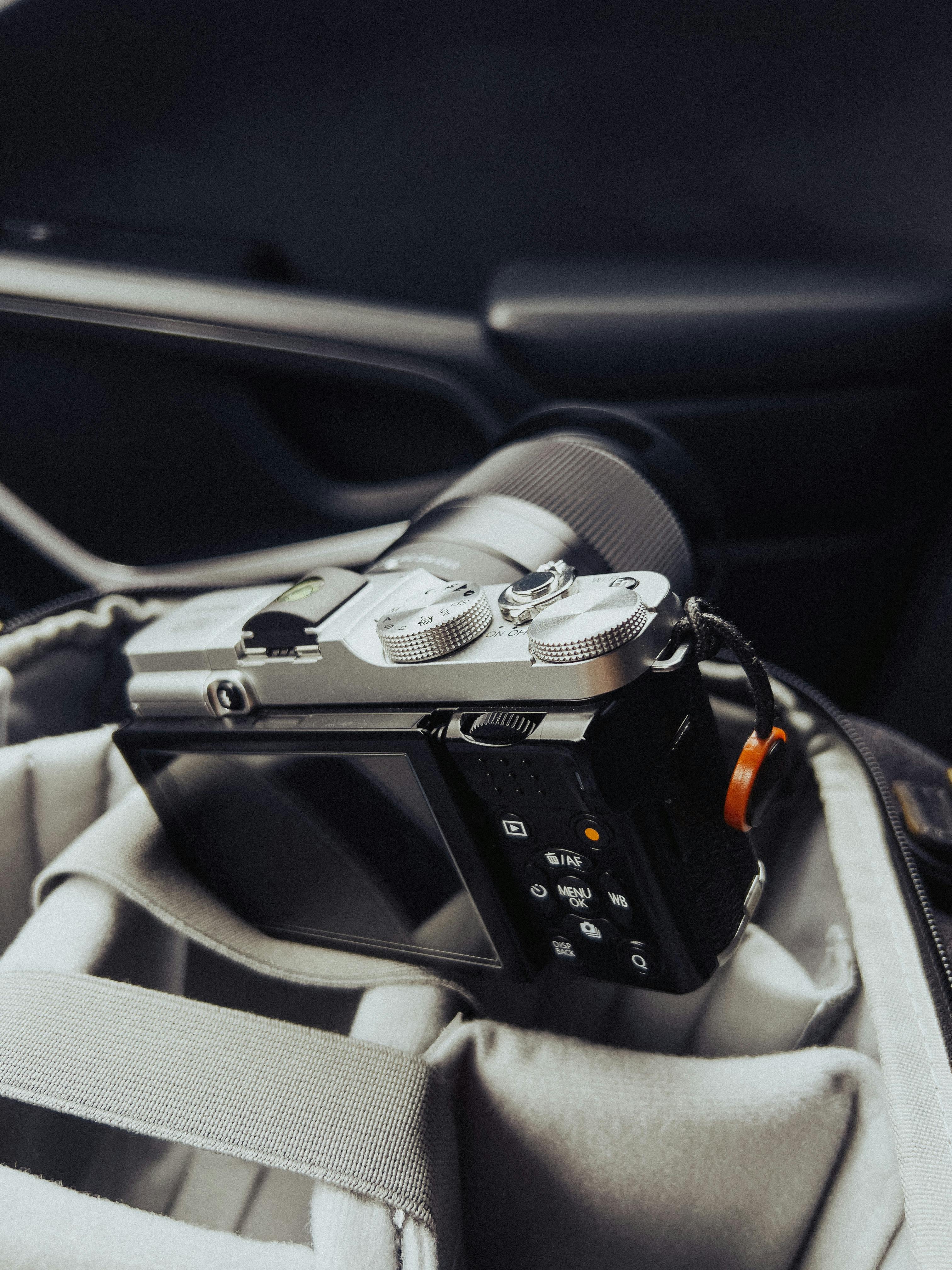
Hiking days call for a tighter setup. A body on a strap, one lens mounted, and one spare lens in the bag is enough for most summer outings. Past that point, the kit starts to feel like luggage.
What camera bag setup is best for day trips?
A good day-trip setup uses one small bag with clear spots for the camera, power, and one spare lens. A compact sling or small backpack keeps the kit close and easy to reach.
On long hikes, I carry no more than two lenses. A lightweight prime like 20mm or 35mm keeps the kit slim, while a standard zoom like 24–70mm covers most scenes without much bulk.
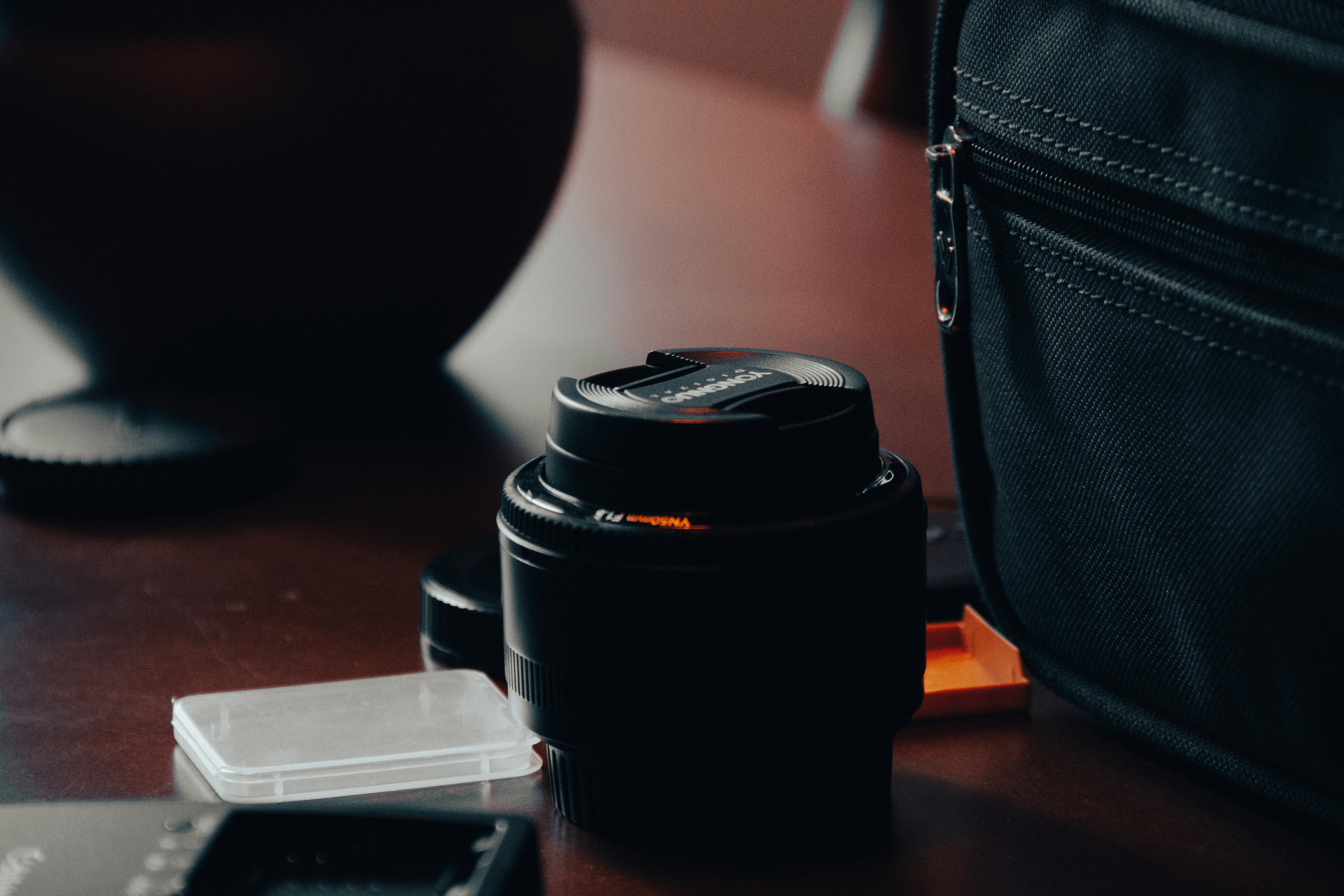
A lean day kit that stays useful
- Camera body with one lens mounted.
- One extra lens, usually a 20mm, 35mm, or 24–70mm zoom.
- Two extra batteries and one charger.
- One memory card in the camera and one spare card in a case.
- Small cloth and lens cap kept in an outside pocket.
That kit covers most city walks and beach days without becoming a burden. A 50mm f/1.8 prime is another smart pick because it stays small and bright. If you know you will need wider views, a 20mm or 24mm lens gives more room for buildings, shorelines, and group shots.
Consumer zooms like 18–35mm f/3.5–4.5 and 70–300mm f/4.5–5.6 also make practical travel ranges. They handle more scenes while staying lighter than many pro zooms. On a day trip, that tradeoff often beats hauling a big lens lineup.
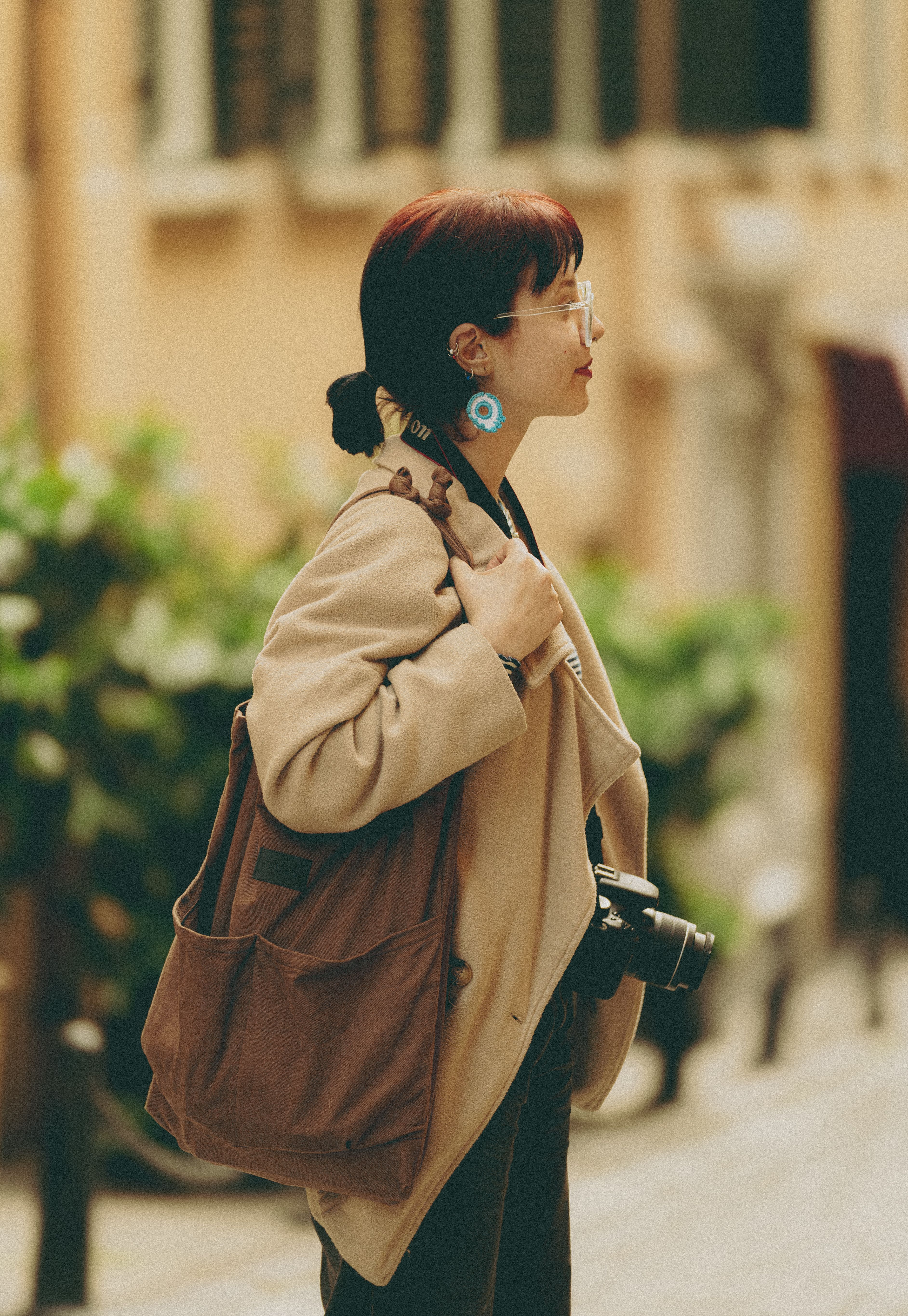
How do I keep a camera ready without feeling bulky?
Leave one lens mounted, set the body for a quick wake-up, and keep only the gear you will use all day. The aim is a camera that is easy to use without carrying a full studio kit. Mirrorless bodies save space, but the EVF, LCD, and image review drain the battery fastest. Keep screen brightness modest, turn off long review times, and use a short sleep mode so the camera wakes quickly without wasting power.
Power and readiness without extra weight
Pack at least two extra batteries and one charger when you travel light. The bag stays small, and you avoid running out of power halfway through a city day.
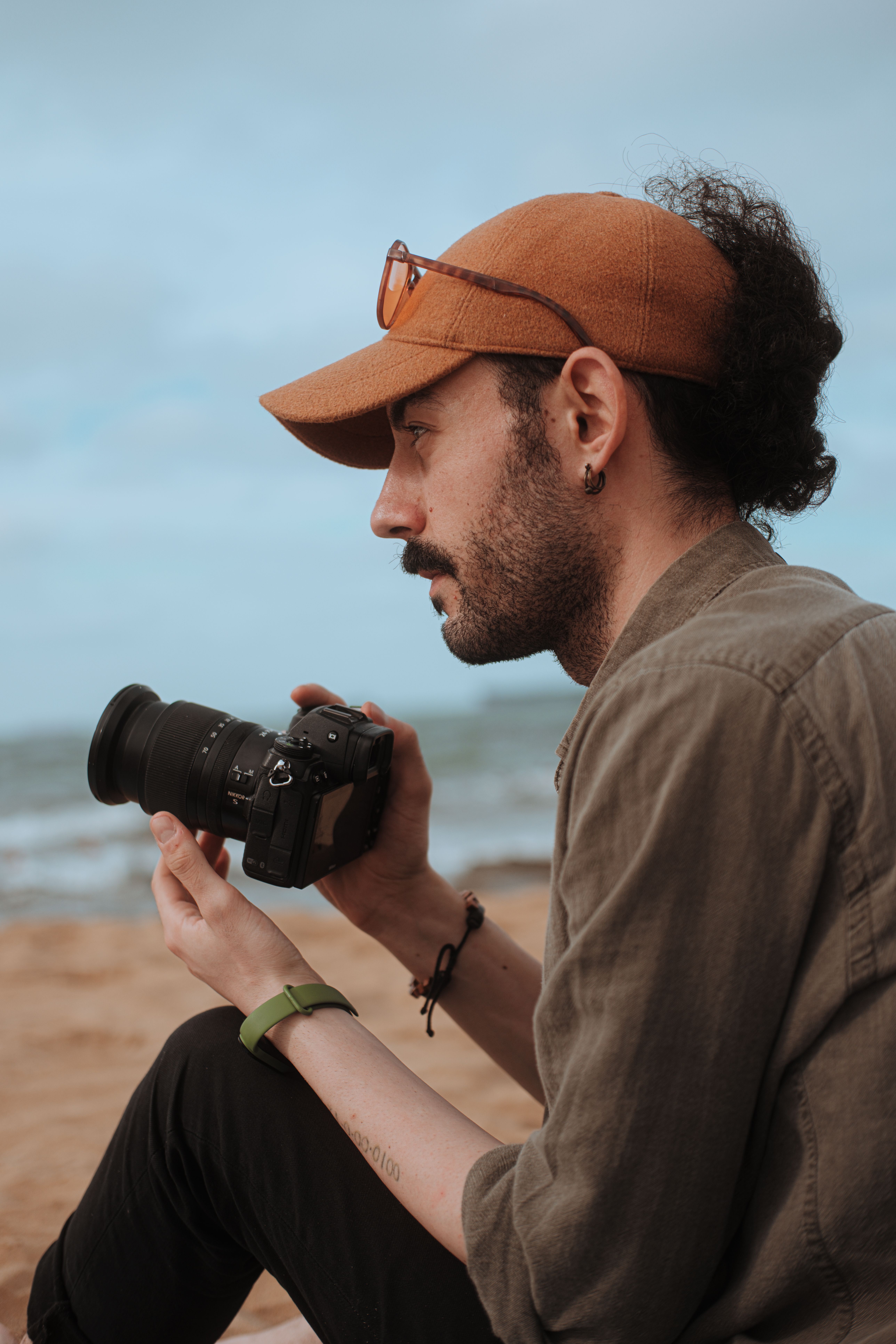
Use continuous AF with eye or subject detection when people, street scenes, or family shots are likely. Pair it with back-button focus if you like to lock focus once and reframe quickly. On many mid-tier bodies, a short burst of 3 to 6 frames will not fill the buffer, but long RAW bursts can slow after roughly 20 to 40 frames.
Memory cards matter too. UHS-II V60 or V90 cards write faster than UHS-I, which helps with RAW bursts and buffer clears between scenes. If your body supports CFexpress, that can help even more, though only if you need the speed and can justify the cost.
Which lenses keep the kit light and still useful?
A small lens choice shapes the whole trip, because the lens often weighs more than the body. For summer travel, a 20mm or 35mm prime is a strong default because it stays compact and handles streets, food, interiors, and travel scenes.

The Sony 20mm f/1.8 G and Canon RF 16mm f/2.8 STM are good examples of lightweight wide options. A 35mm prime also works well when you want a natural view and a small bag. If you need one lens for almost everything, a 24–70mm gives a strong range without the weight of a larger zoom kit.
Pick glass by the day, not by habit
- Use 20mm or 24mm for tight streets, rooms, and wide scenes.
- Use 35mm for a natural look and easy carry.
- Use 50mm f/1.8 when you want a tiny bright lens.
- Use 24–70mm when one lens must cover most scenes.
- Skip extra telephoto glass unless you truly need reach.
A small zoom can be the most practical travel choice. It covers more situations and saves time when light changes quickly. One bright prime often feels better on the shoulder and leaves more room for water, snacks, and a light jacket.

What should I pack for long walks, airports, and city heat?
Pack for movement first, because summer travel punishes heavy kits. Long airport walks and city blocks get old fast when the bag shifts, digs in, or traps heat against your back.
A compact travel tripod can help without adding much weight. Research places many travel tripods near 1 kg, about half the weight of a full tripod kit at around 2 kg. That kind of savings matters if you plan to shoot sunsets, blue hour, or slow street scenes.
Travel-day packing order that keeps you fresh

- Place the camera where you can reach it fast.
- Keep batteries and cards in the same small pocket.
- Store the extra lens near the bag opening.
- Put the tripod on the outside only if you truly need it.
- Leave non-photo items in a separate pouch.
A multi-pocket photo vest can help on longer days. It shifts small items such as short lenses, extra bodies, and batteries out of the main bag. That is useful when you want less strain and quicker access during a busy walk.
Heat changes how gear feels too. A dark bag in the sun can trap warmth and make carrying less pleasant. Light fabric, a good strap, and a trim kit keep the day easier from breakfast to sunset.
How do you choose the right setup for the way you shoot?
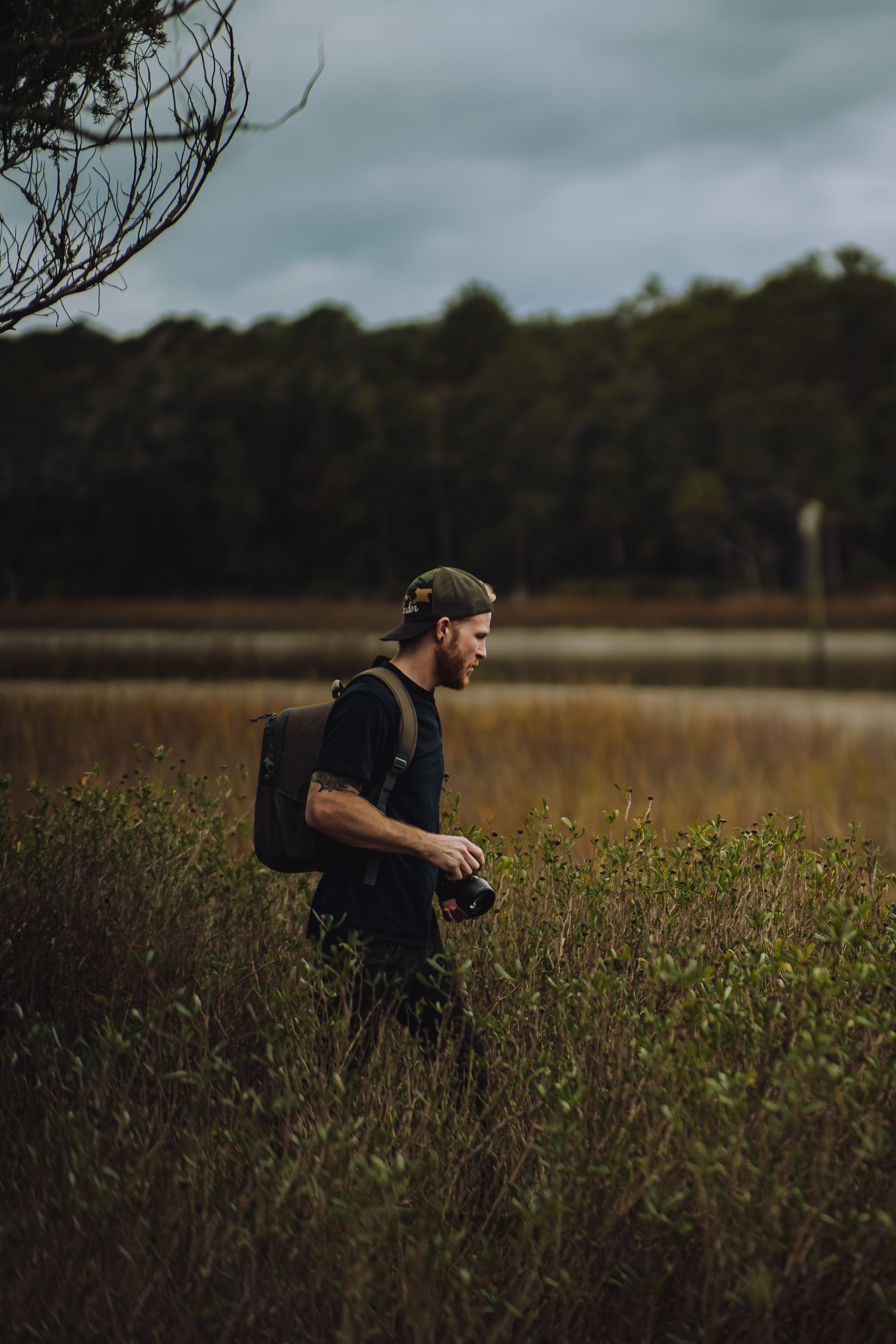
The best setup matches the day’s plan, the weather, and the shots you want most. A beach walk may call for a 24mm or 35mm prime, while a city day may work better with a 24–70mm zoom.
If fast moments are likely, keep the camera on a ready strap and use a quick wake-up setting. If the day looks quieter, cut weight and stay with one lens. Pack for the photos you will actually chase.
A smaller kit gets used more often, and that is the real win on summer trips. Before you leave, check your body, one lens, two batteries, and one card, then stop there if the bag already feels full.
By the time you step out the door, the camera should feel like part of the day, not the thing that throws it off. If you can lift the bag with one hand and still walk fast, the setup is about right.

Frequently Asked Questions
How do I carry a camera comfortably while traveling?
To carry a camera comfortably while traveling, use a well-fitted sling or cross-body strap that spreads the load across your body and keeps the camera close to your chest. A wide contact area reduces pressure, and keeping the camera at rib height makes it easier to grab without neck strain.
What camera bag setup is best for day trips?

For day trips, a small sling or compact backpack with clear sections for the camera, power, and one spare lens is the best setup. A lean kit with one lens mounted, one extra lens, two batteries, and a spare memory card stays organized without becoming bulky.
How do I keep a camera ready without feeling bulky?
Keep a camera ready without feeling bulky by carrying one lens mounted and only one spare lens in the bag. A lightweight prime such as 20mm, 35mm, or 50mm f/1.8, or a standard zoom like 24–70mm, keeps the kit slim while still covering most summer scenes.


