


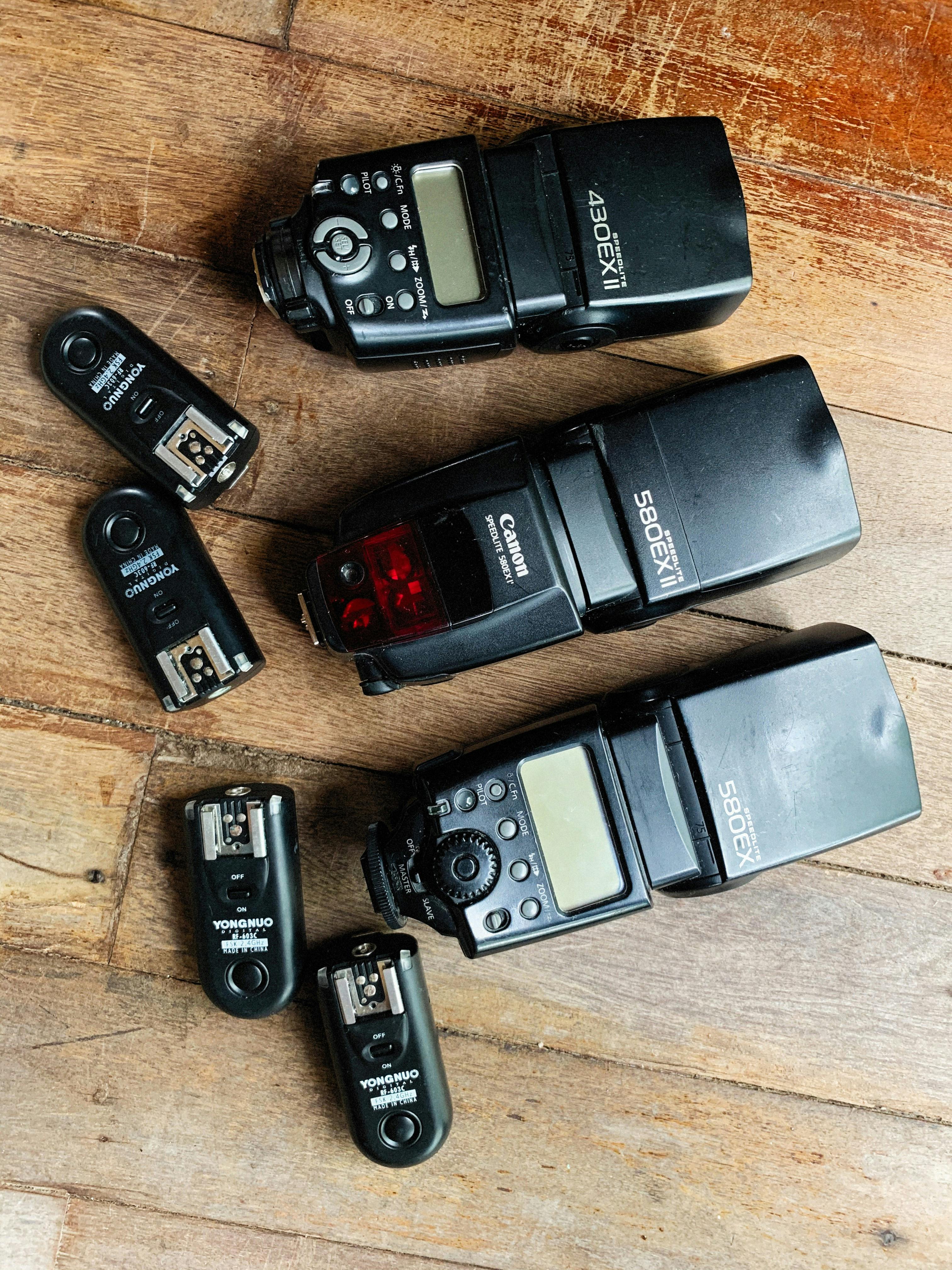
- Use flash sparingly at the rail; let stage light keep color and depth.
- Raise ISO first, then add flash only when you need subject detail.
- For concert flash, favor rear-curtain sync and a slower shutter to preserve atmosphere.
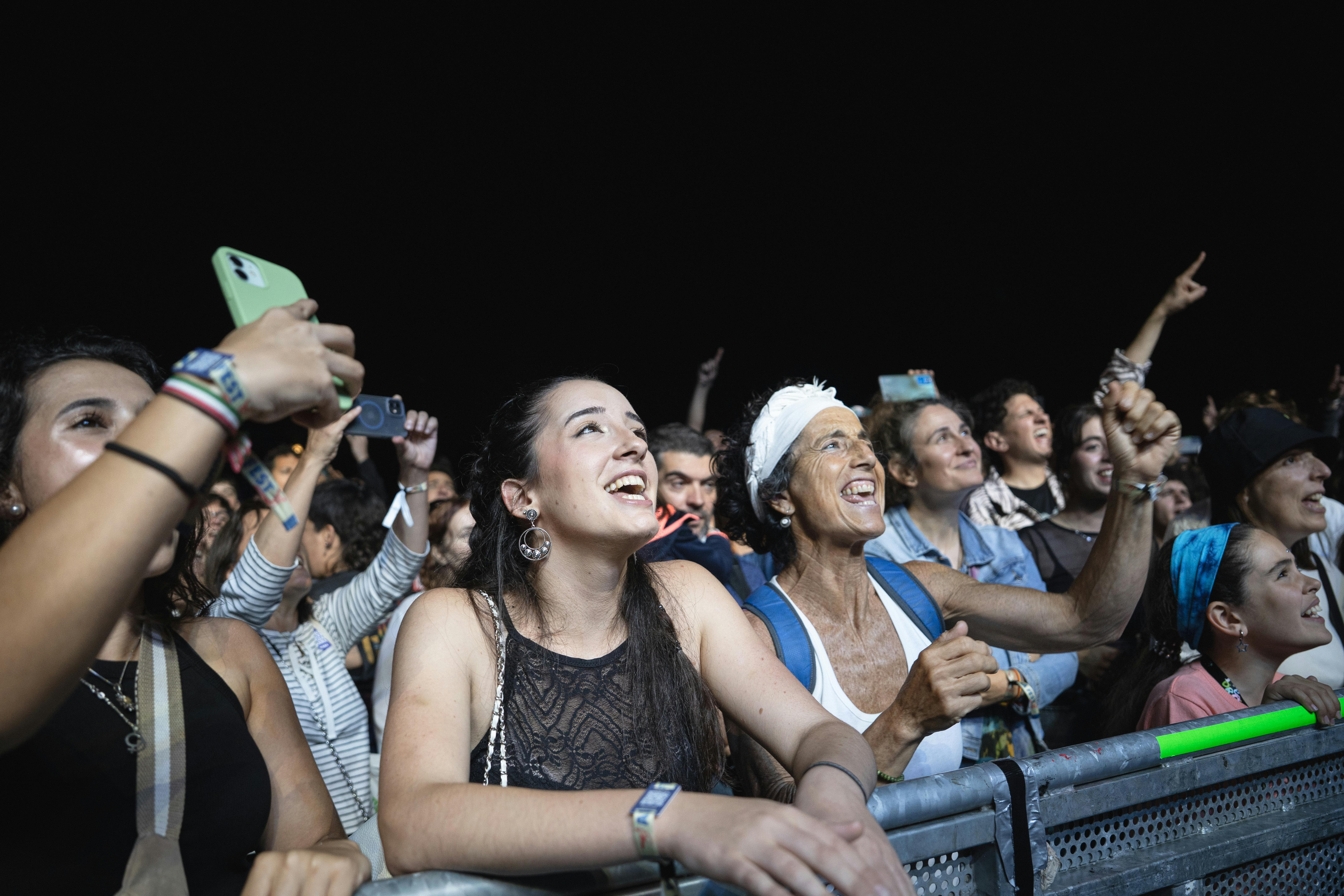
Flash technique uses burst light without flattening the subject or wrecking the background. In concert work, front-row flash often turns a scene into a gray smear of light. Dark stage lighting, fast movement, and tight shooting angles all push the frame off balance. The flash is only part of the problem.
Shop the setup

- Regular price
-
€42 - Regular price
-
€44 - Sale price
-
€42
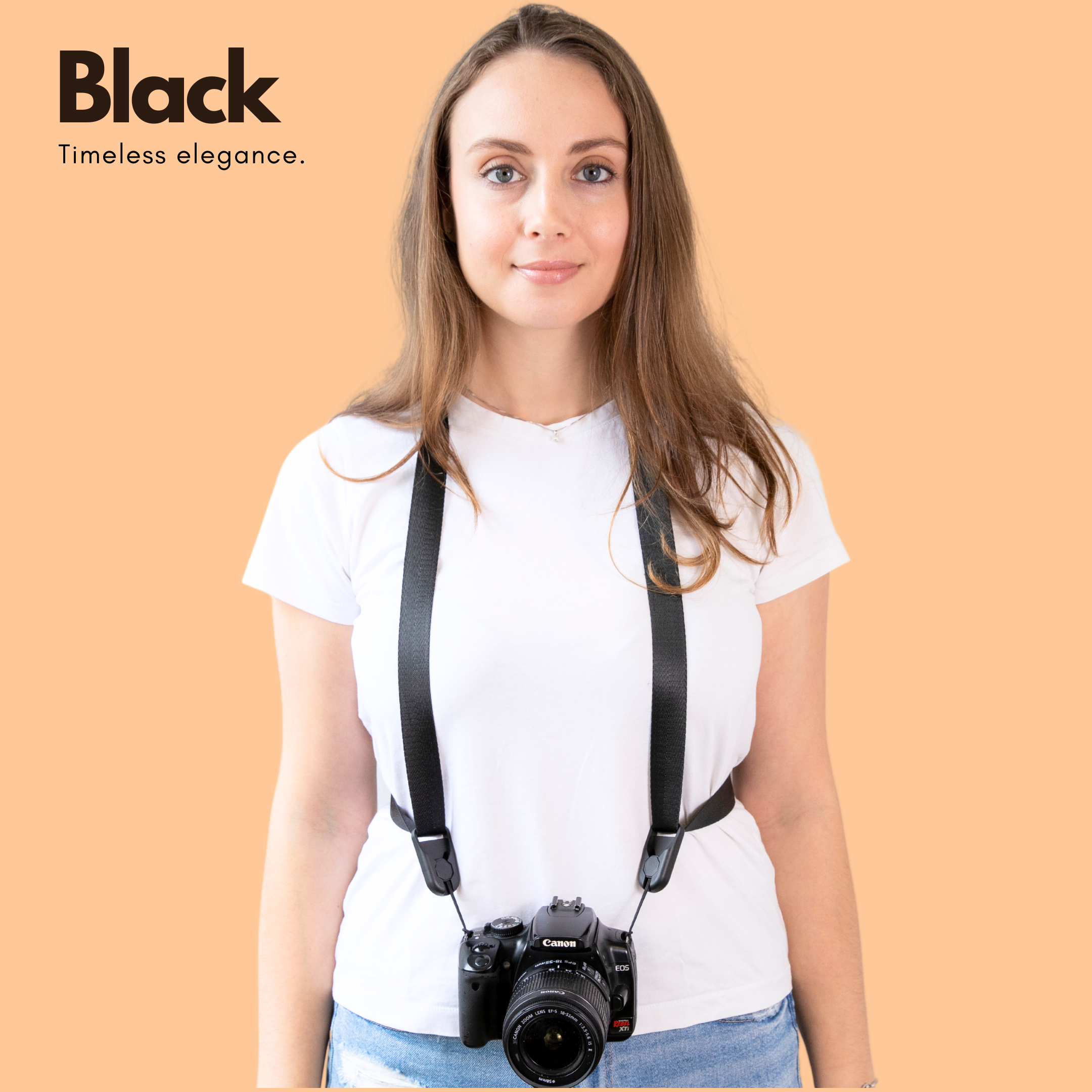
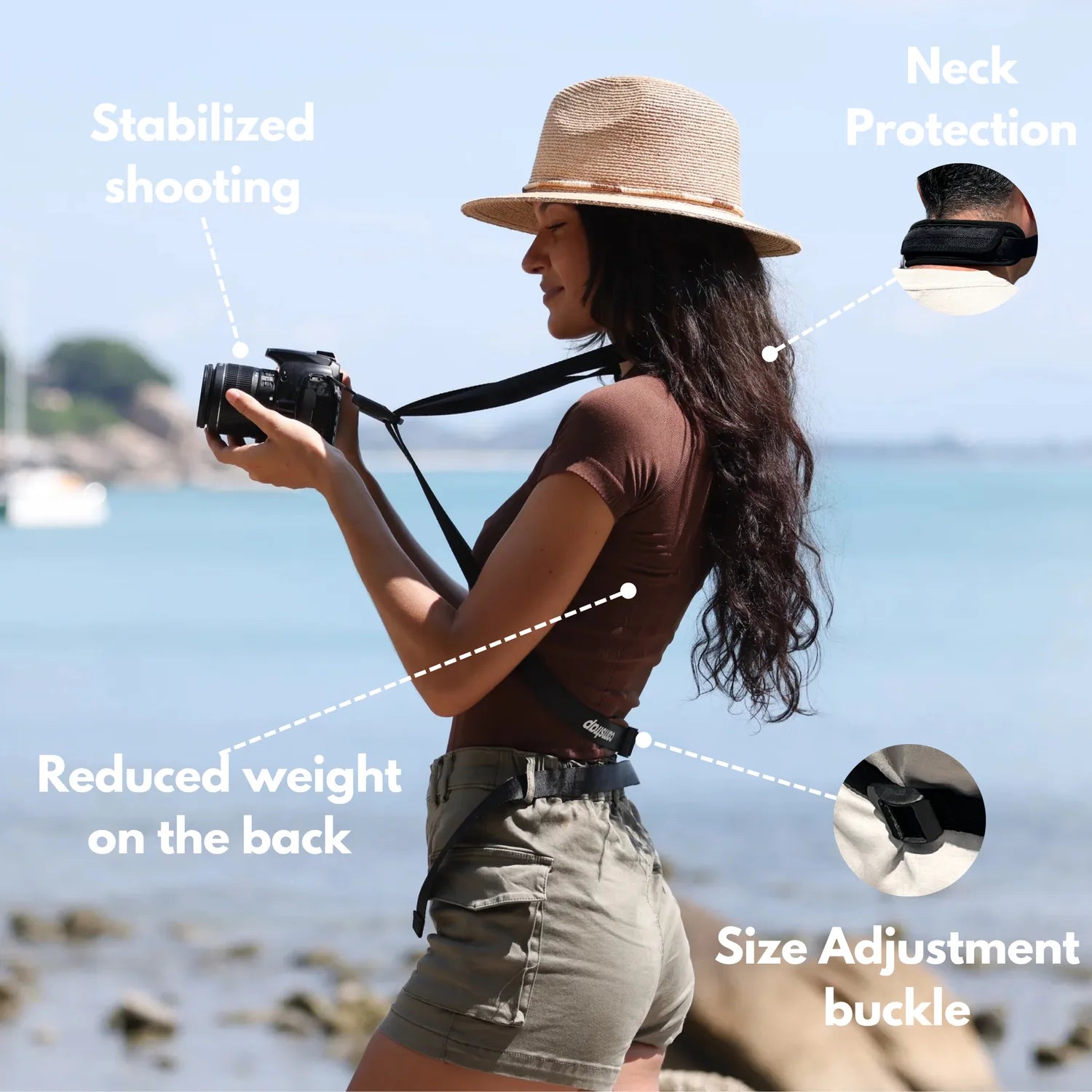
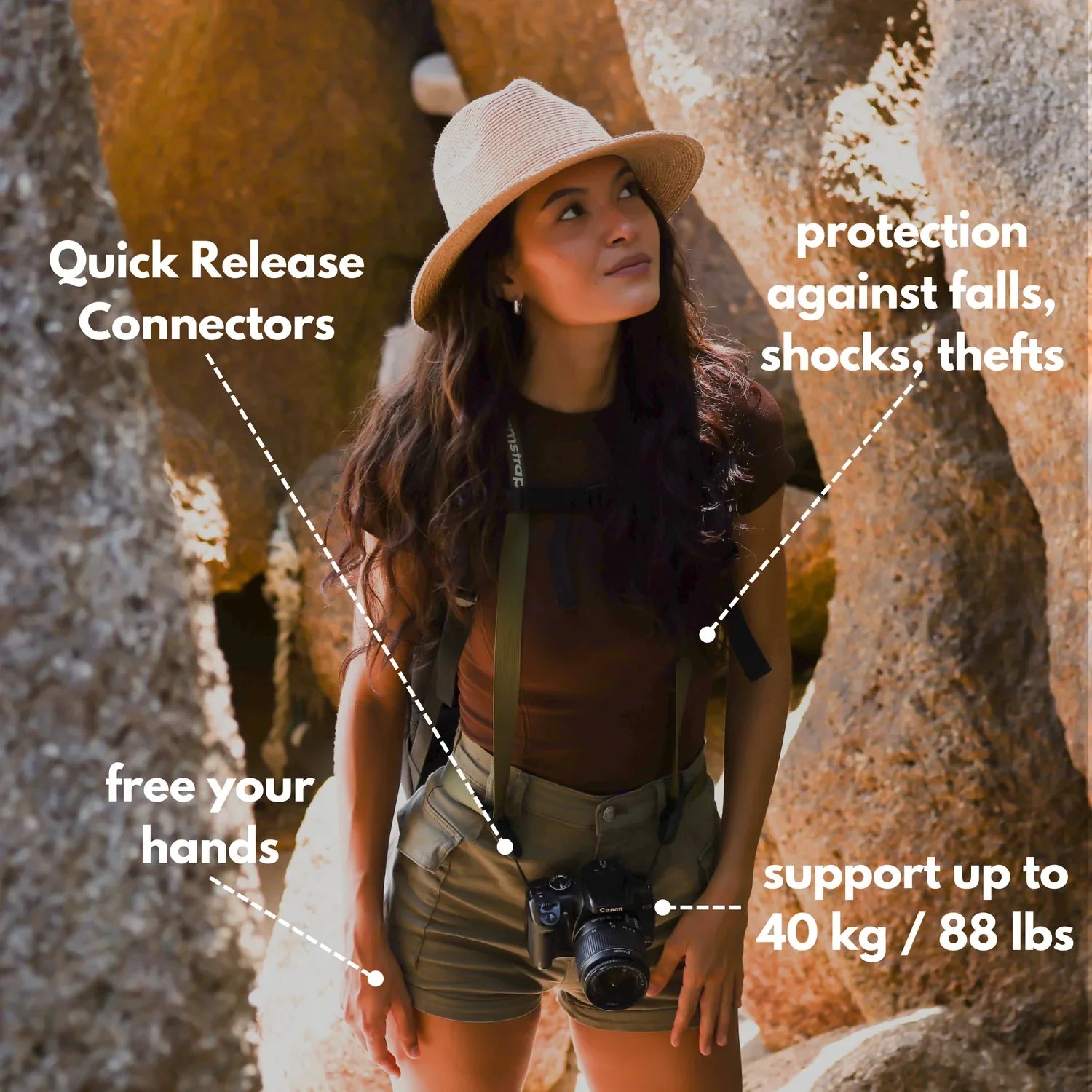
By choosing the Camstrap strap, you are opting for a high-quality product designed to meet the needs of the most demanding photographers.
- Developed by a physiotherapist to relieve neck and back pain.
- Fast delivery with tracking by the Post Office 🚚
- Can be used as a shoulder strap or hands-free harness

- Regular price
-
€36 - Regular price
-
€42 - Sale price
-
€36
Free shipping included
Why front-row frames go soft and gray
Front-row concert photos turn muddy because the flash hits the performer hard while the stage light stays too weak to register. The camera records a bright face or shirt against a dark, empty scene, and the concert mood drops out.
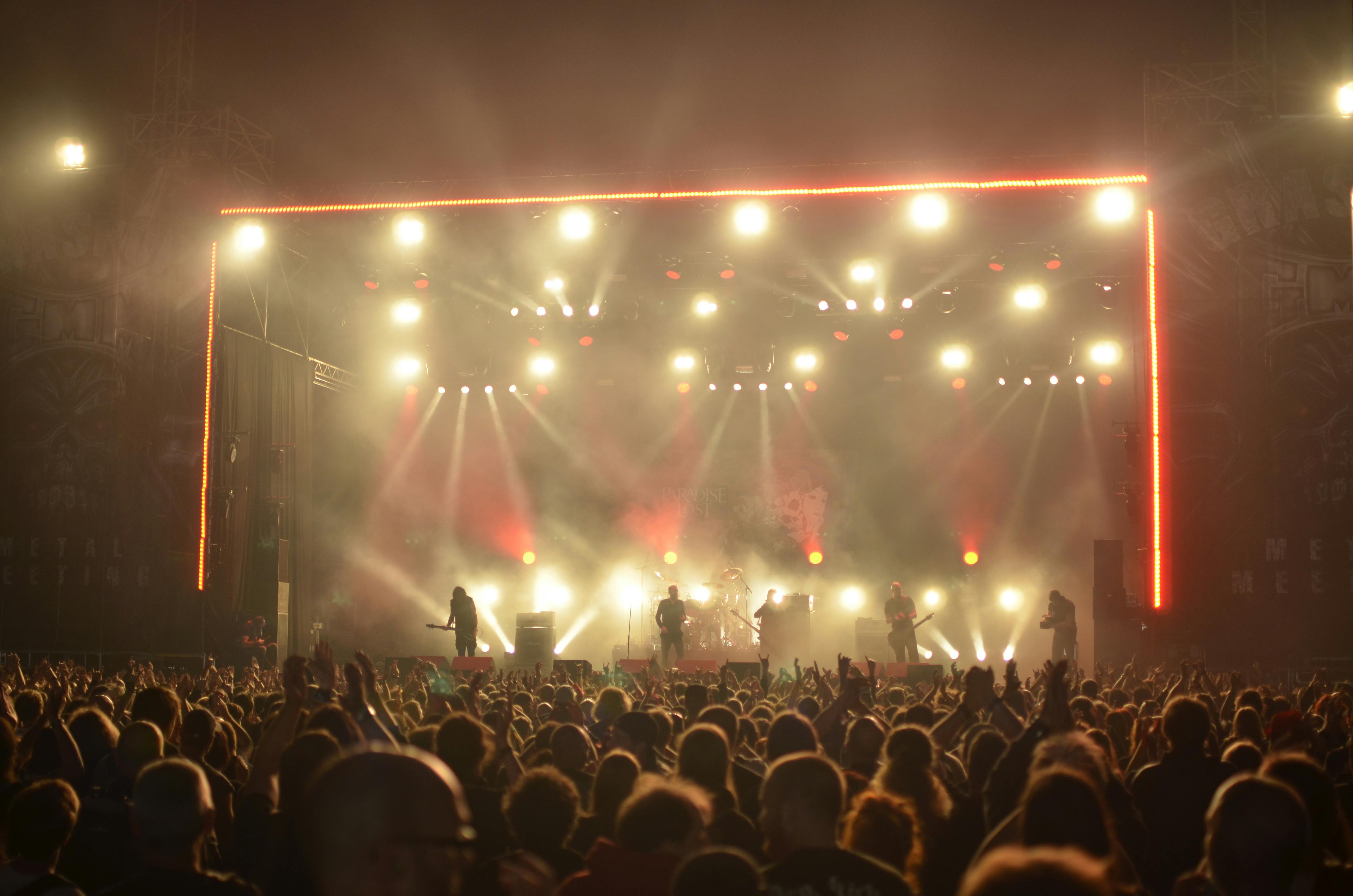
The result feels lopsided: flash freezes one part of the frame, while the rest loses detail, color depth, and glow.
How the image loses its life
Concerts are built from light, motion, and shadow. Once flash takes over, the band can read as a vague patch of color instead of a living subject. Concert-shooting research shows that flash can make frames look flat and muddy because ambient stage light barely comes through. In plain terms, the camera sees a lit person and a dead background.
- The subject may look sharp, but the stage looks empty.
- Colors often wash out under direct flash.
- Motion blur and flash freeze can clash in the same frame.
- Reflections from sweat, skin, or shiny gear can get harsh fast.

Distance changes the effect too. In the front row, the flash lands hard and fast, so falloff gets steep and unforgiving.
How the light mix creates the problem
Concert flash falls apart when the flash output and stage light never connect. The flash fills the near subject, but the room stays dark enough that the camera cannot build a full scene.
The image feels muddy for that reason. It has the shape of a concert shot, but not the depth or color you saw with your eyes.
Why flash alone falls short
Used well, flash can help in some live settings. Rear-curtain sync with a longer shutter speed, usually from 1/30s to 1s, gives it the best chance in concerts. Even then, the goal is not a hard freeze. The point is to keep subject detail while letting stage light trails or glow stay part of the show.
Without that balance, the frame stays dull. Flash stops the performer, but it also wipes out the moving light that gives the shot energy.
Better camera choices for the pit and rail
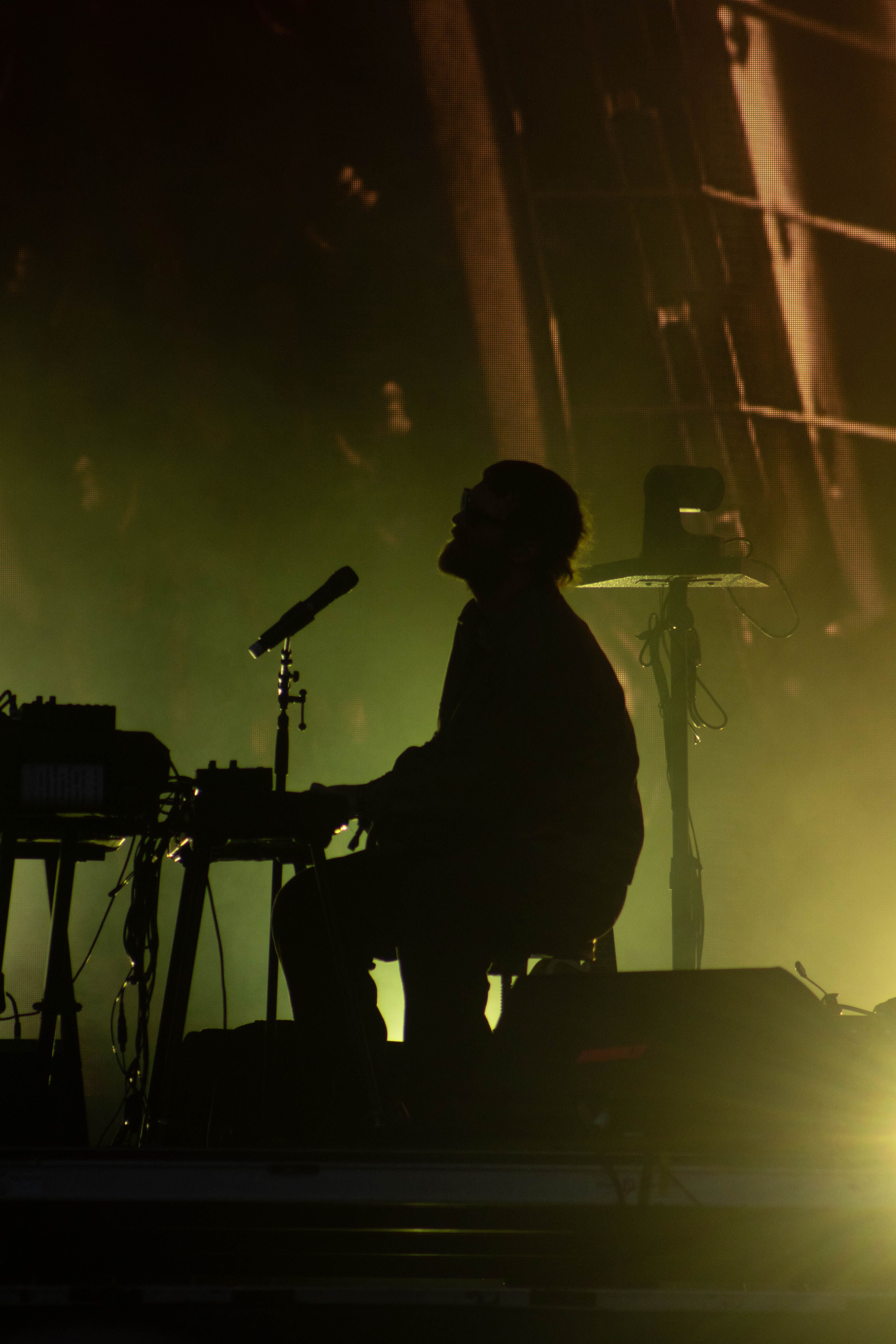
Concert photos improve quickly once flash is off and the stage light does the work. Most point-and-shoot cameras let me override auto flash, and that is the first move I make.
From there, I shift to settings that gather more light: ISO 1000 to 3200, an aperture near f/2.8 to f/4.5, and a shutter speed above 1/60s.
Settings that keep the image usable
A 50mm lens at f/2.8 to f/4.5 gives a useful mix of sharpness and light intake. If the band moves a lot, 1/125s is a safer floor, and 1/250s handles moderate motion better. Fast players may need 1/500s to freeze action. Higher shutter speed brings a tradeoff, because it often forces ISO up and raises noise.
- Turn flash off before you shoot.
- Set aperture wide enough to pull in light.
- Raise ISO until the histogram looks healthy.
- Watch your shutter speed and keep it above blur risk.
- Check skin tones and stage color on the rear screen.
ISO 3200 can beat an underexposed ISO 800 file. A bright but noisy shot is easier to fix than a dark frame with no detail.
How to look better in flash photos?
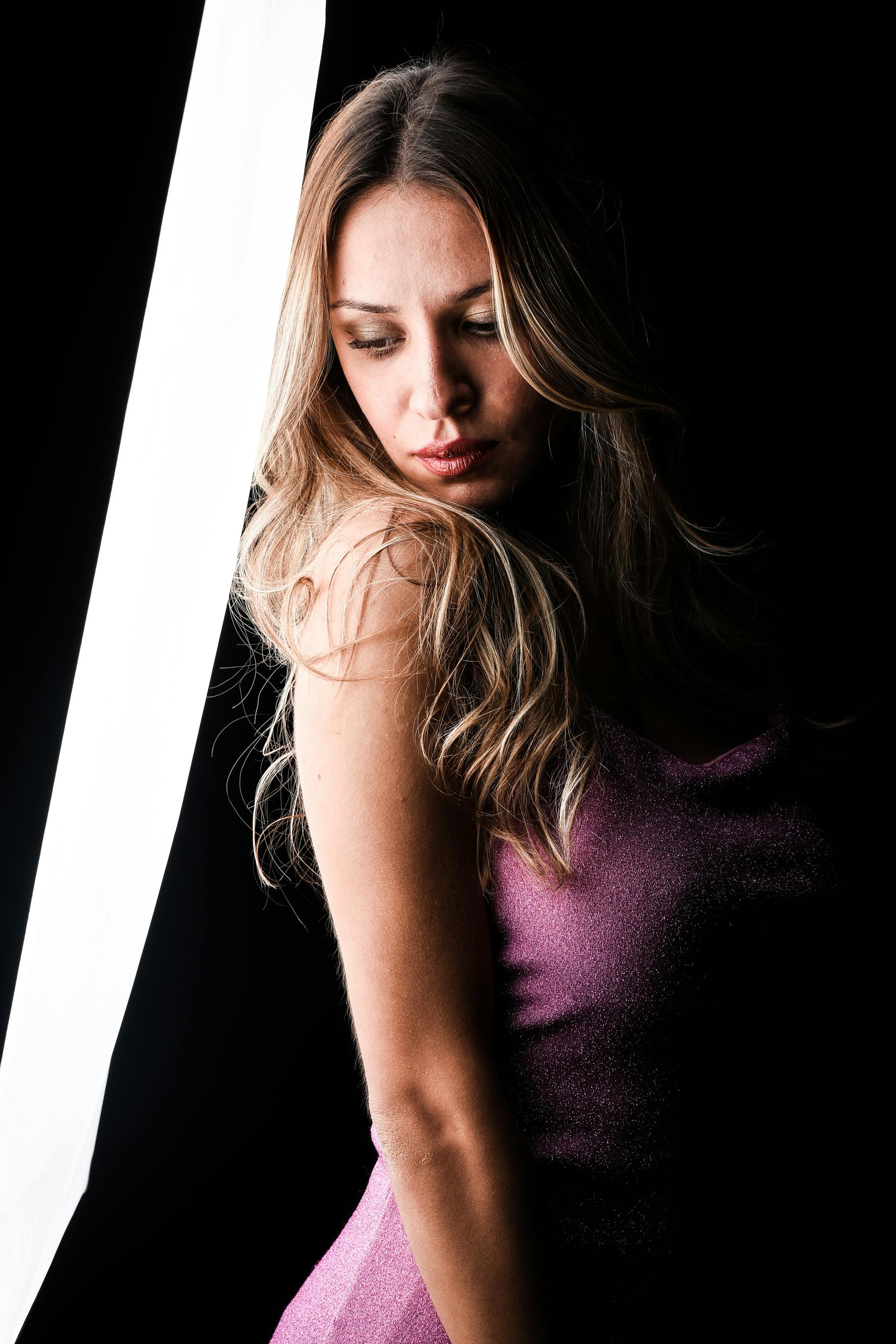
Look better in flash photos by softening the light, lifting your chin a little, and turning your face slightly away from the flash. Even a 10 to 15 degree angle can cut flat shadows and hot spots.
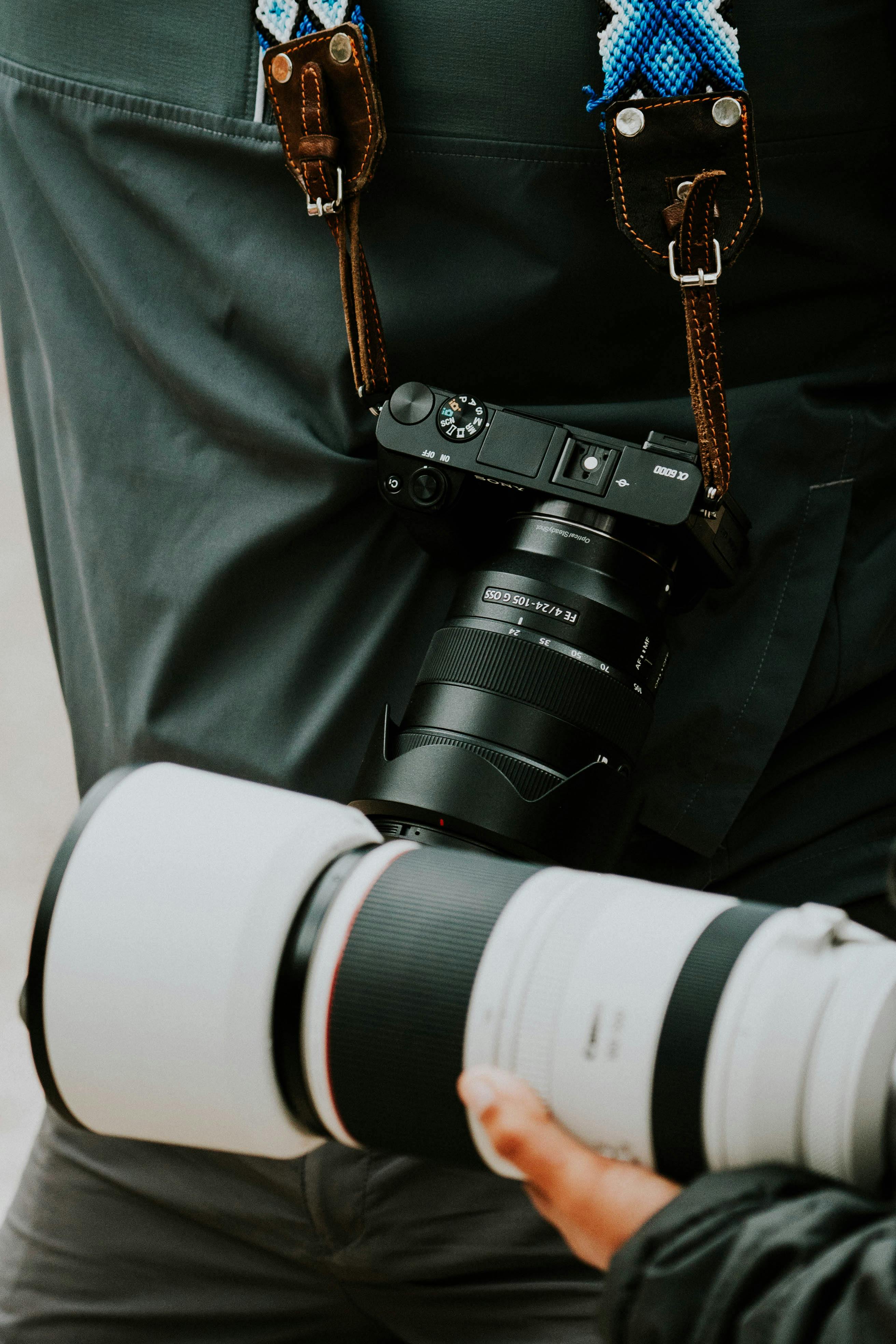
At close range, direct flash can flatten cheeks and create glare on skin. Bounce, diffusion, or a little extra distance from the light gives your face more shape.
Wardrobe helps too. Matte fabrics and less shiny makeup reflect less light, which keeps the photo cleaner.
Simple ways to improve your face in the frame
- Open your eyes just before the flash fires.
- Push your face slightly toward the main light.
- Relax your mouth and jaw.
- Avoid shiny frames, caps, or glossy glasses if you can.
- Step back a little when the flash is strong and direct.

Front-row concert work adds one more point: hold your camera at eye level when you can, because chest-level angles often make the face look wider and flatter.
Should you raise ISO or use flash?
For concerts, raising ISO usually beats using flash. High ISO keeps the stage mood intact, while flash often destroys the balance between the band and the lights. ISO 1600, 2500, or 3200 often gives a truer image. Flash may brighten the subject, but it usually makes the whole frame feel less like the show.
One clear exception stands out. In a dark scene where you want a portrait-style look, a tightly controlled flash with rear-curtain sync can work, but only with matching ambient light.
What each choice changes
- ISO up: keeps color and atmosphere, but adds noise.
- Flash on: adds light fast, but can flatten the scene.
- Longer shutter: helps the background register, but raises blur risk.
- Wide aperture: pulls in light, but narrows depth of field.
In most live rooms, mood beats perfect noise control. A textured high-ISO file is better than a clean but lifeless flash shot.
What settings work best for flash photography?
The best flash settings start with a shutter speed that matches the sync limit, a mid-wide aperture, and ISO set low enough to let flash lead. In practical terms, 1/60s to 1/200s, f/2.8 to f/5.6, and ISO 100 to 800 are common starting points.
Concerts shift those settings because the room is darker and the stage changes constantly. Rear-curtain sync, 1/30s to 1s, and a careful mix of flash and ambient light work better than a straight blast.
Two things that matter more than the menu name
First, expose for the scene, not just the subject. Second, test flash power until the performer does not look pasted onto the background. Watch the shutter curtain timing too. Front-curtain flash freezes the subject at the start of the exposure, while rear-curtain sync places the freeze at the end and makes motion feel more natural.
Gear and body habits that help in the crowd
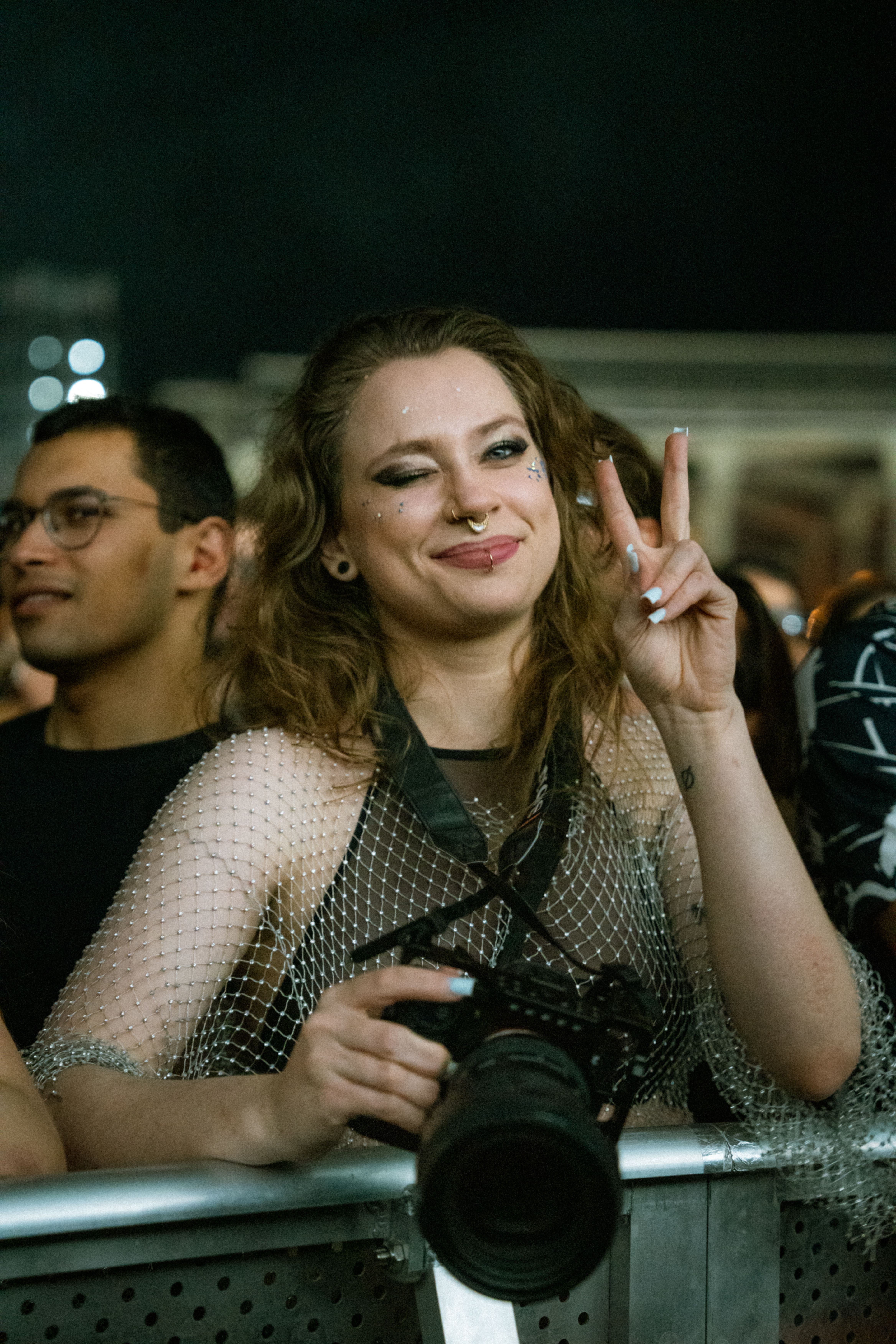
Hands-free carry helps in the front row because you often need to move fast with both hands free. A strap that spreads weight well, like a Camstrap camstrap voyager, keeps the camera ready without digging into your neck during a long set.
That helps when you squeeze through people and raise the camera between songs. Less fuss with carry means more time with your eye on the stage and less time hunting for a grip.
What I keep close for live work
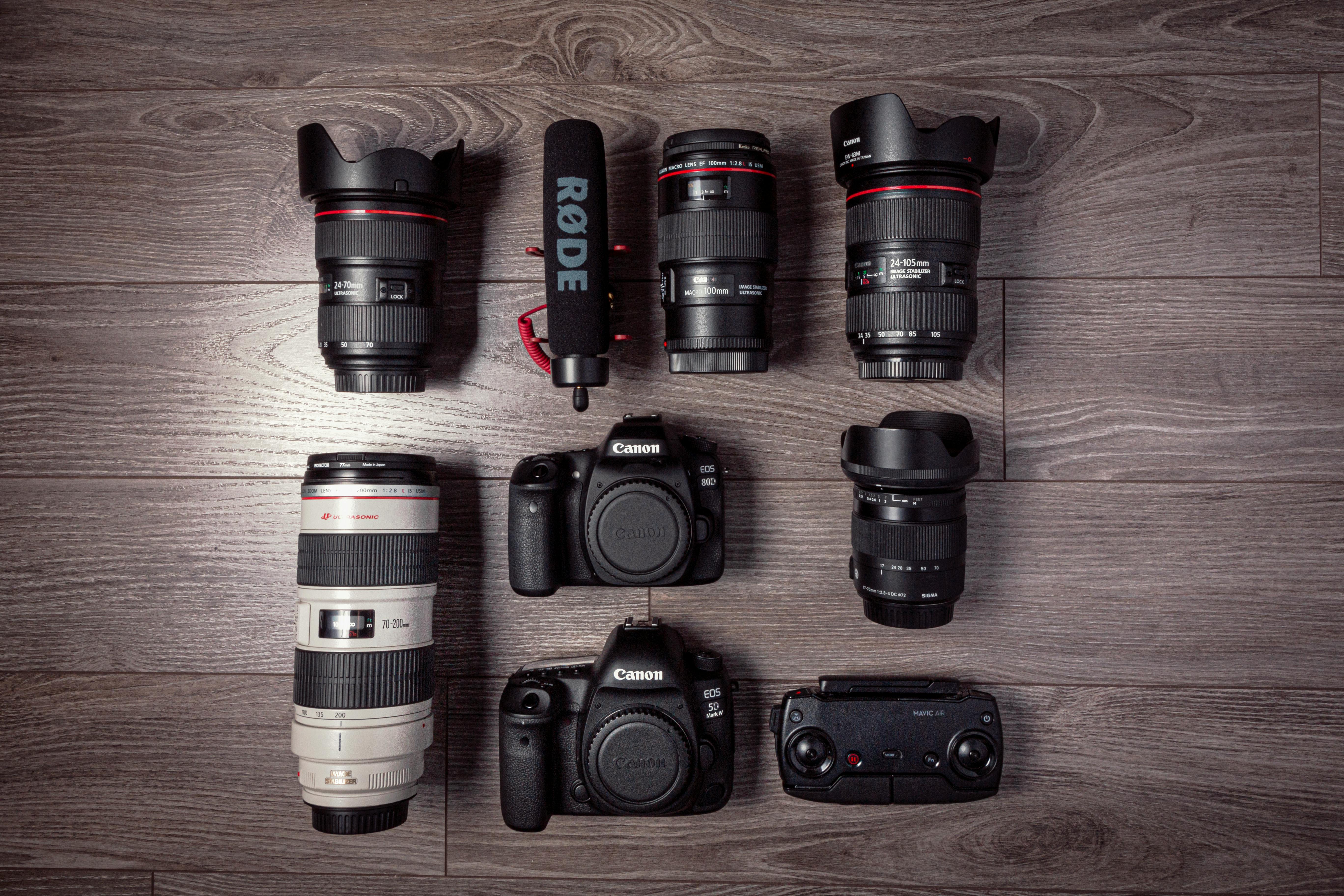
- A body with strong high-ISO files.
- A 50mm or 85mm lens with a bright aperture.
- A card that can keep up with raw files, like UHS-II V60 or V90.
- Back-button focus for quick re-aiming.
- AF-C or AI Servo with subject detection.
Mirrorless bodies can drain fast in a dark venue because the EVF, LCD, and image review stay active. A mid-tier camera often manages about 20 to 40 RAW frames before it slows, which is enough for short runs but not for endless spraying. Pre-capture or pre-burst helps when the singer jumps or the drummer lands on a peak moment. It saves frames from just before the full press, which gives you a safety edge when timing is tight.
Keeping front-row shots from turning muddy
Front-row concert photos go muddy when flash wipes out the balance between the band and the room. The flash lights the subject, but the stage light never shows up enough, so the picture loses depth and feel.
Turn the flash off first, then raise ISO, open the aperture, and keep shutter speed above blur risk. If you do use flash, make it work with the ambient light instead of fighting it.
After the show, cull quickly with pick and reject flags in Lightroom or Photo Mechanic. The best file is usually the one where face, light, and motion all land together in the same frame.
Frequently Asked Questions
How to look better in flash photos?
To look better in flash photos, use softer, more directional light and avoid blasting the face from close range. Flash that is bounced, diffused, or mixed with some ambient light usually reduces harsh shadows, shiny skin, and flat-looking skin tones.
Is it better to raise ISO or use flash?
Raising ISO is usually better than direct flash for concert photos because it preserves the stage light, color, and atmosphere. Flash can freeze one subject, but it often washes out the background and makes the image look flat and muddy.
What are the best settings for flash photography?
For flash photography, rear-curtain sync with a longer shutter speed, usually around 1/30s to 1s, gives the flash time to work with ambient light. A wider aperture and a moderate ISO help retain background detail, while flash output should be low enough to avoid overpowering the scene.


