


- How do I take good photos at a busy market
- What camera settings work for street photography in bright sun
- How do I photograph people naturally without being obvious

Photographing summer markets is one of the best ways to tell a genuine story. Color, motion, food, faces, and small moments all come together in a scene that feels full of life. The challenge is staying ready long enough to catch candid moments without making people feel observed.
Shop the setup

- Regular price
-
€42 - Regular price
-
€44 - Sale price
-
€42
By choosing the Camstrap strap, you are opting for a high-quality product designed to meet the needs of the most demanding photographers.
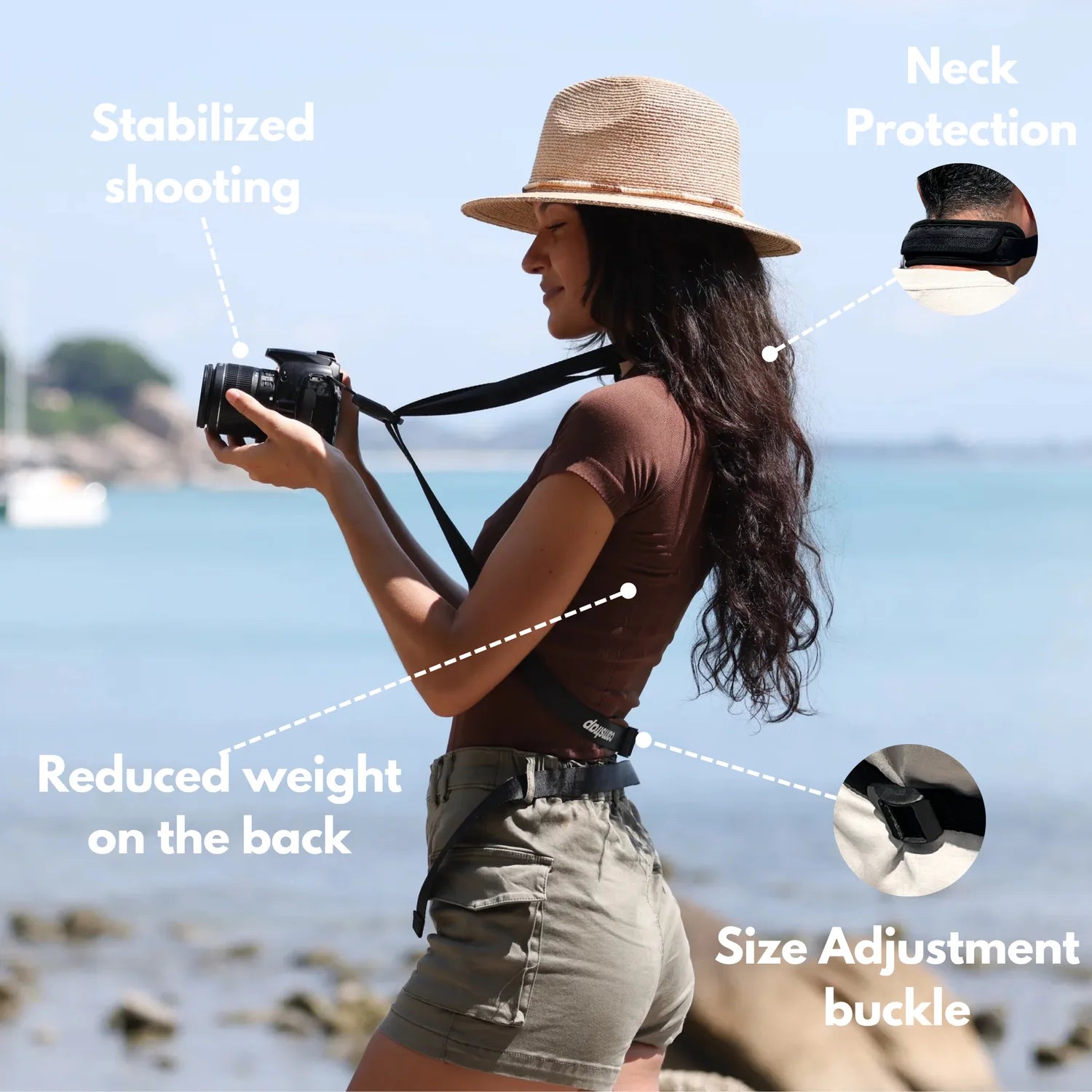
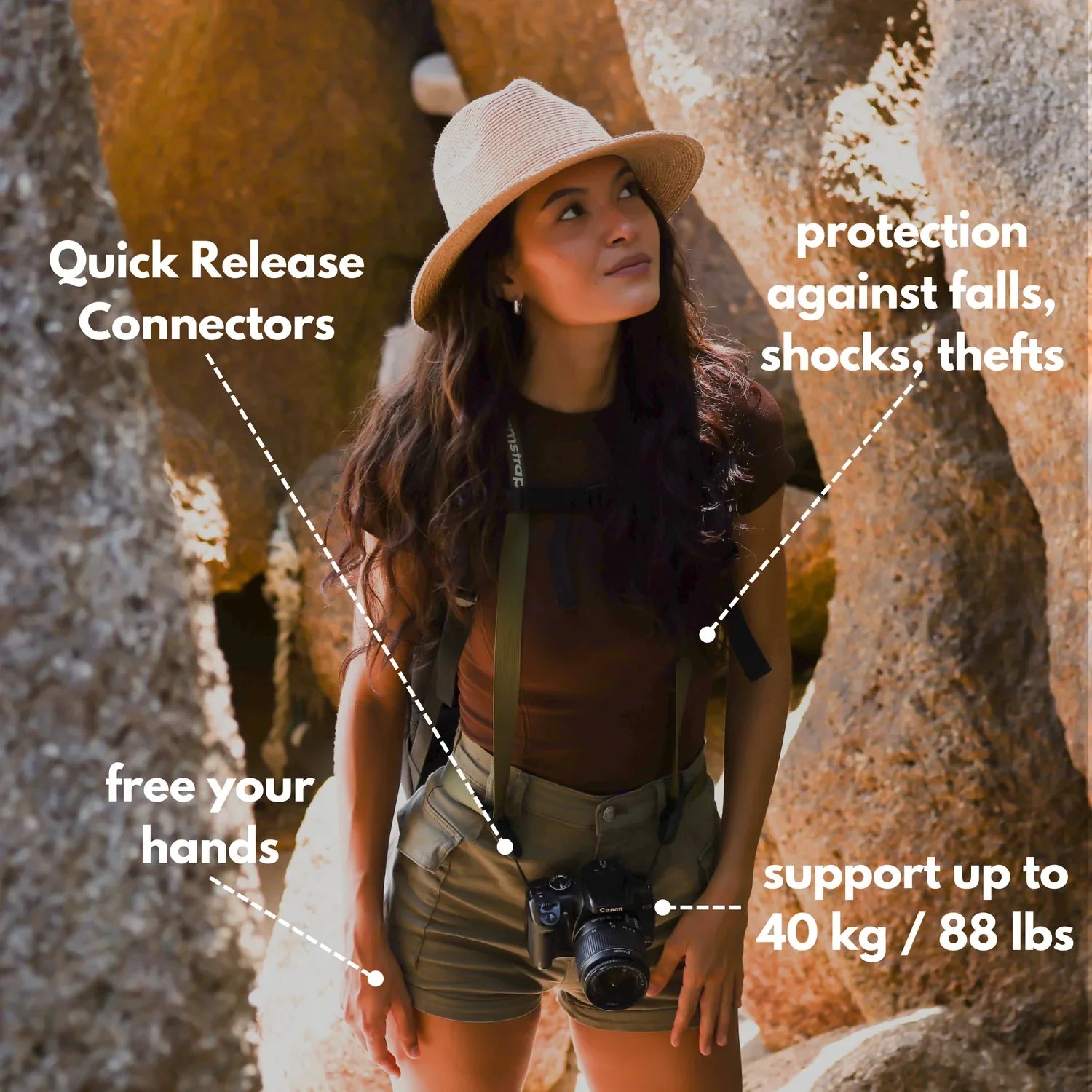
- Developed by a physiotherapist to relieve neck and back pain.
- Fast delivery with tracking by the Post Office 🚚
- Can be used as a shoulder strap or hands-free harness

- Regular price
-
€36 - Regular price
-
€42 - Sale price
-
€36
Free shipping included
That is where thoughtful planning makes a difference. Once you prepare your gear, set the right controls, and move carefully, photographing becomes far easier. You can stay quick, stay light, and still create images that feel natural.
Why photographing summer markets feels so alive
Summer markets bring together light, sound, and fast-moving activity. People stop, talk, taste, laugh, and move on. Because the scene shifts so quickly, photographing in these places rewards patience and simple habits.
Research on street and market photography shows that candid moments often come from timing, not force. The strongest shots usually happen when you frame the scene, wait, and let it unfold on its own. In other words, your role is less about chasing moments and more about being prepared when they appear.
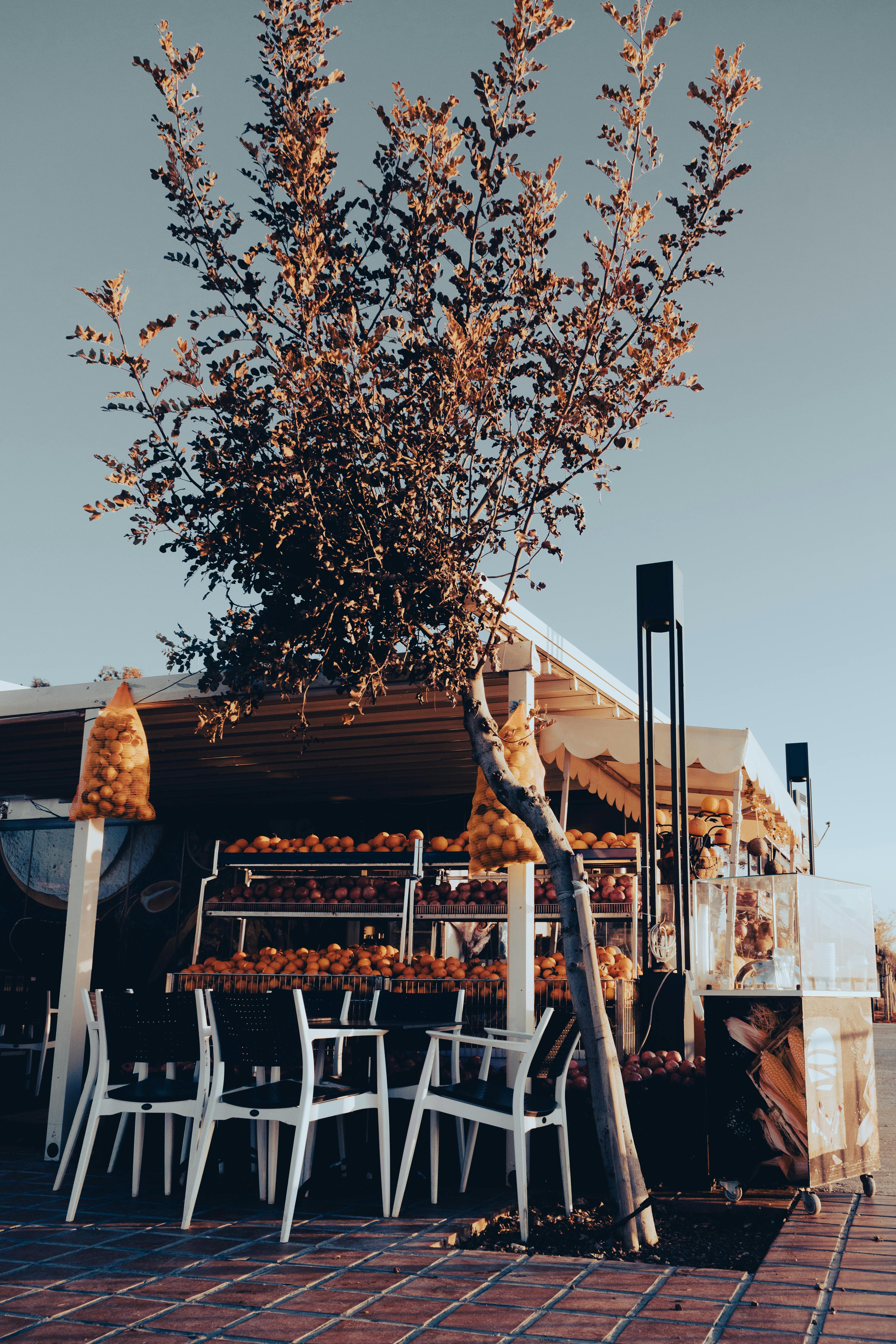
Look for small stories, not just big scenes
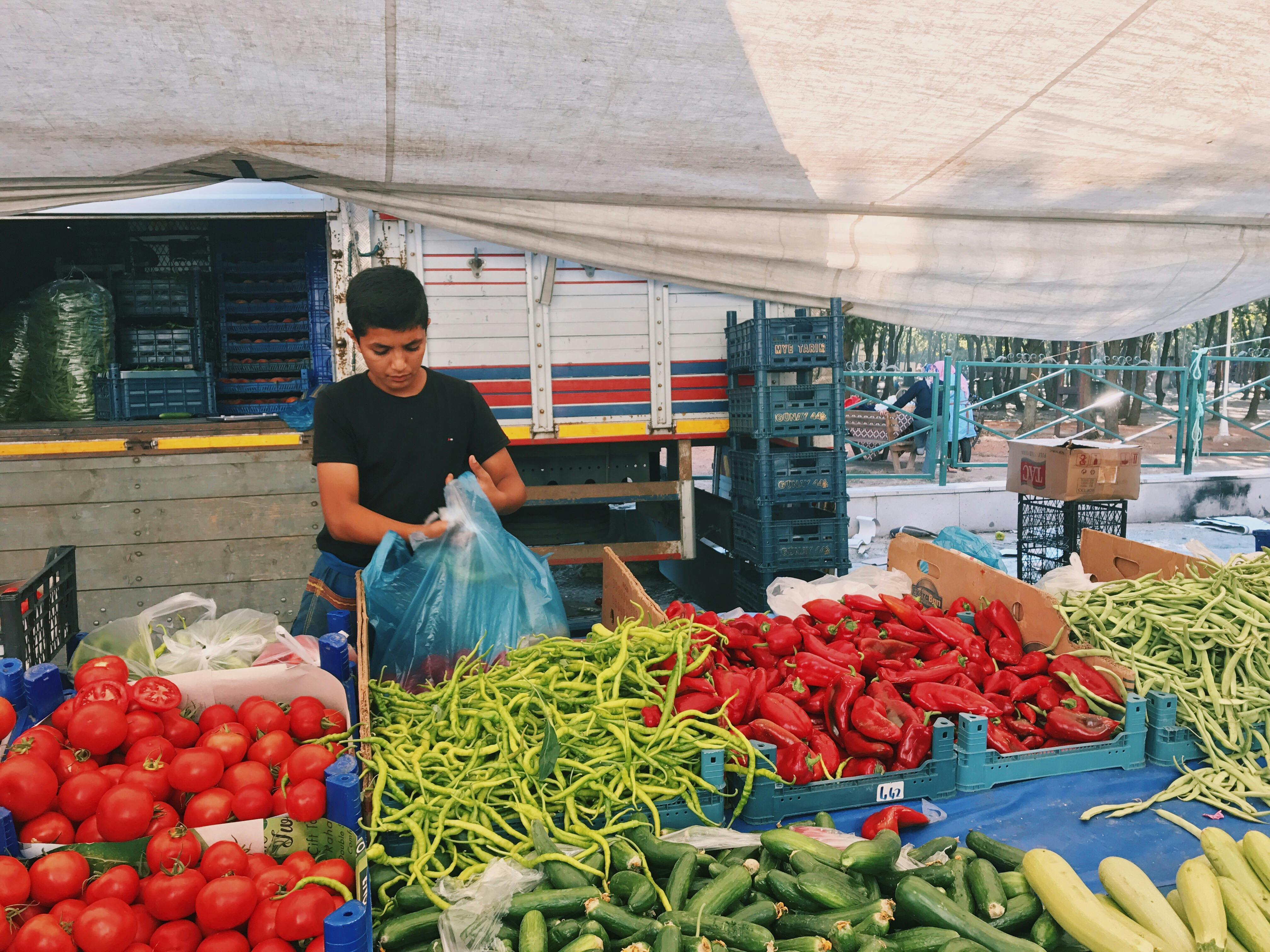
A market is packed with tiny events. A vendor wraps fruit, a child reaches for bread, or a buyer leans in to smell herbs. These moments often make stronger photos than a wide shot of the crowd.
Rather than scanning for “the perfect photo,” look for small actions with clear feeling. That shift helps you notice more while photographing and keeps you from rushing past real moments.
Photographing summer markets with the right gear
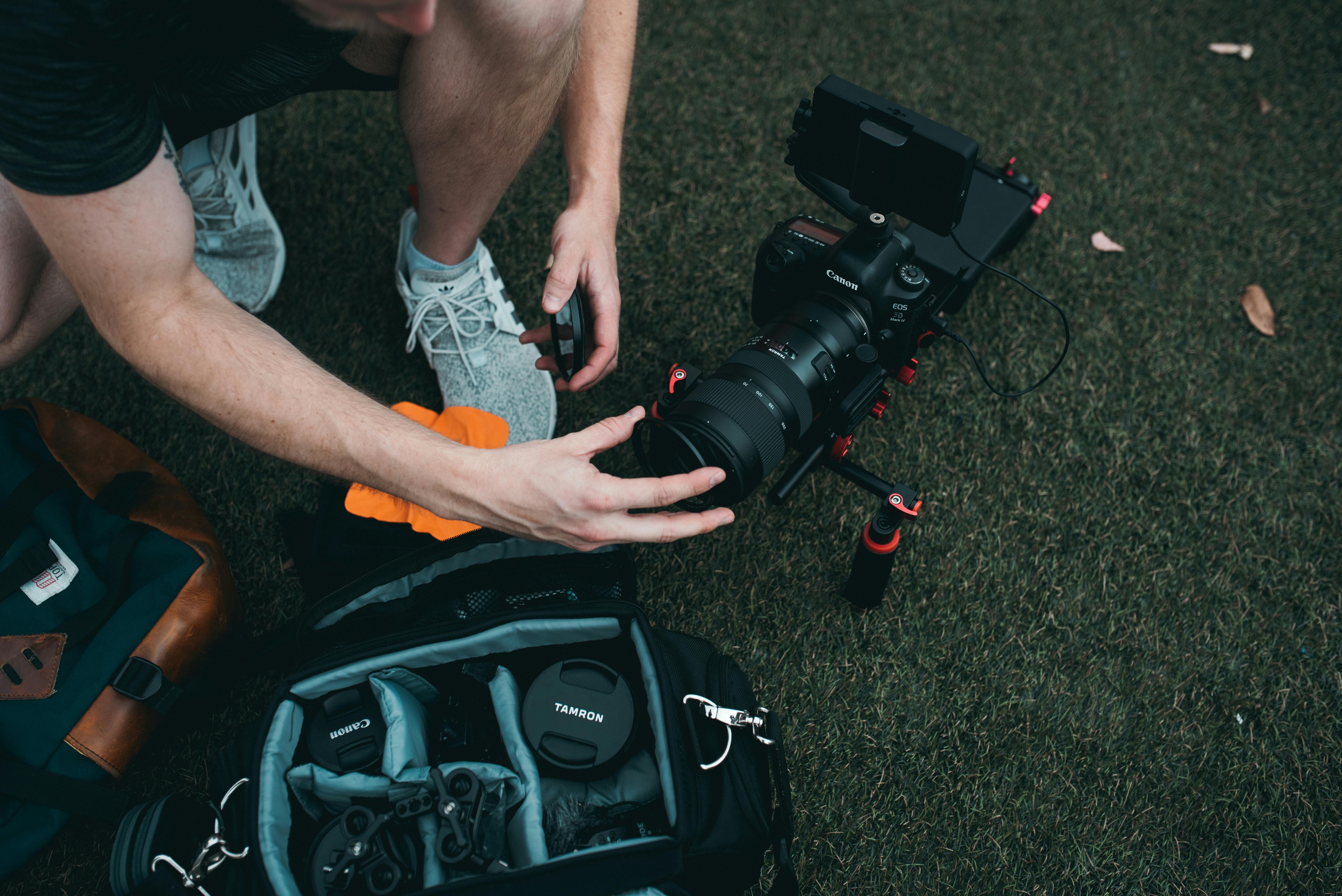
Heavy gear can slow you down. In a crowded market, that matters. A smaller camera makes it easier to move and keeps your attention on the scene instead of your bag.
Research points to discreet cameras like the Fujifilm X100V, Ricoh GR III, and Leica Q series for candid work. These cameras are quiet and less attention-grabbing than large DSLRs. That makes them a strong option for photographing without drawing extra notice.
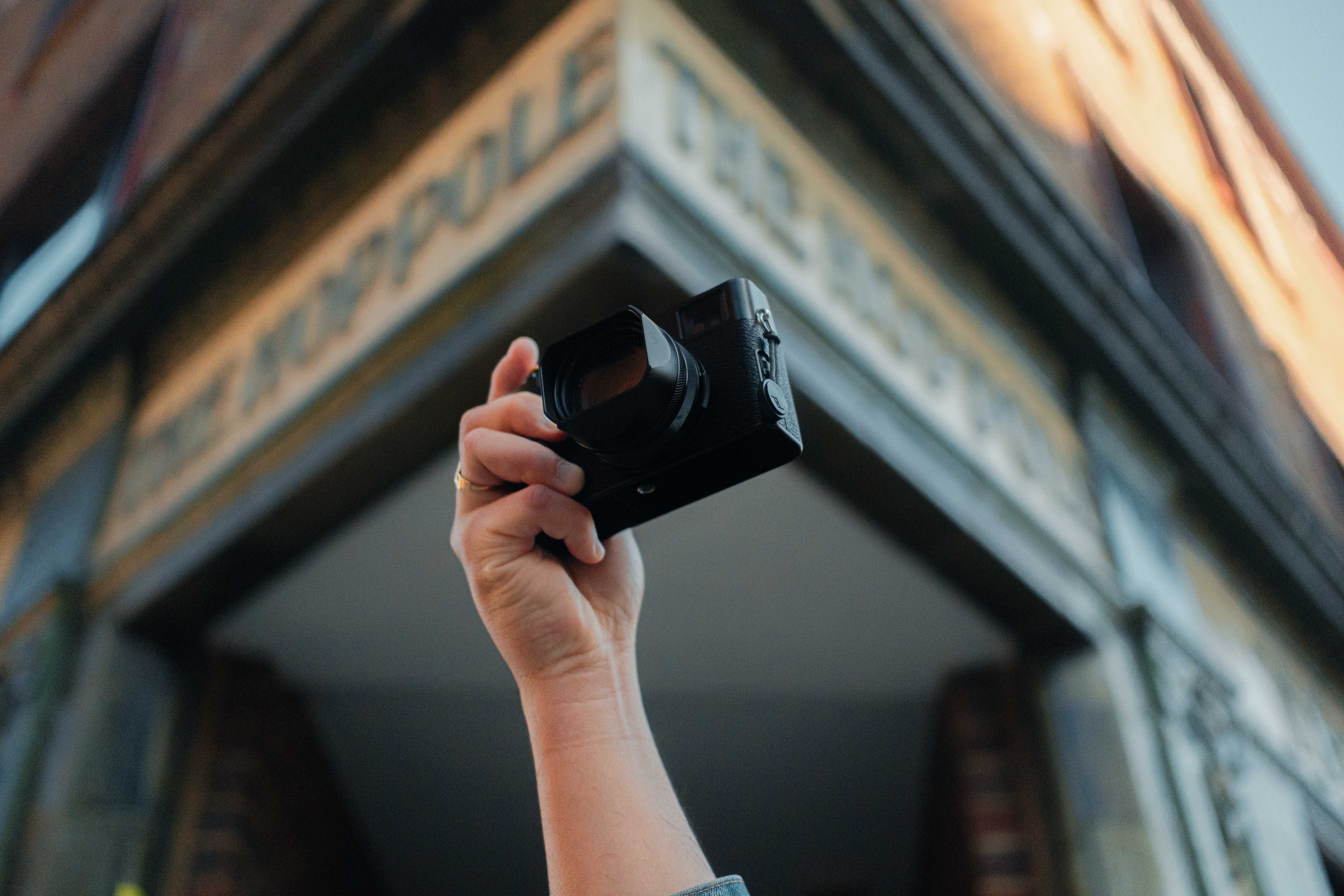
Choose a strap that keeps the camera ready
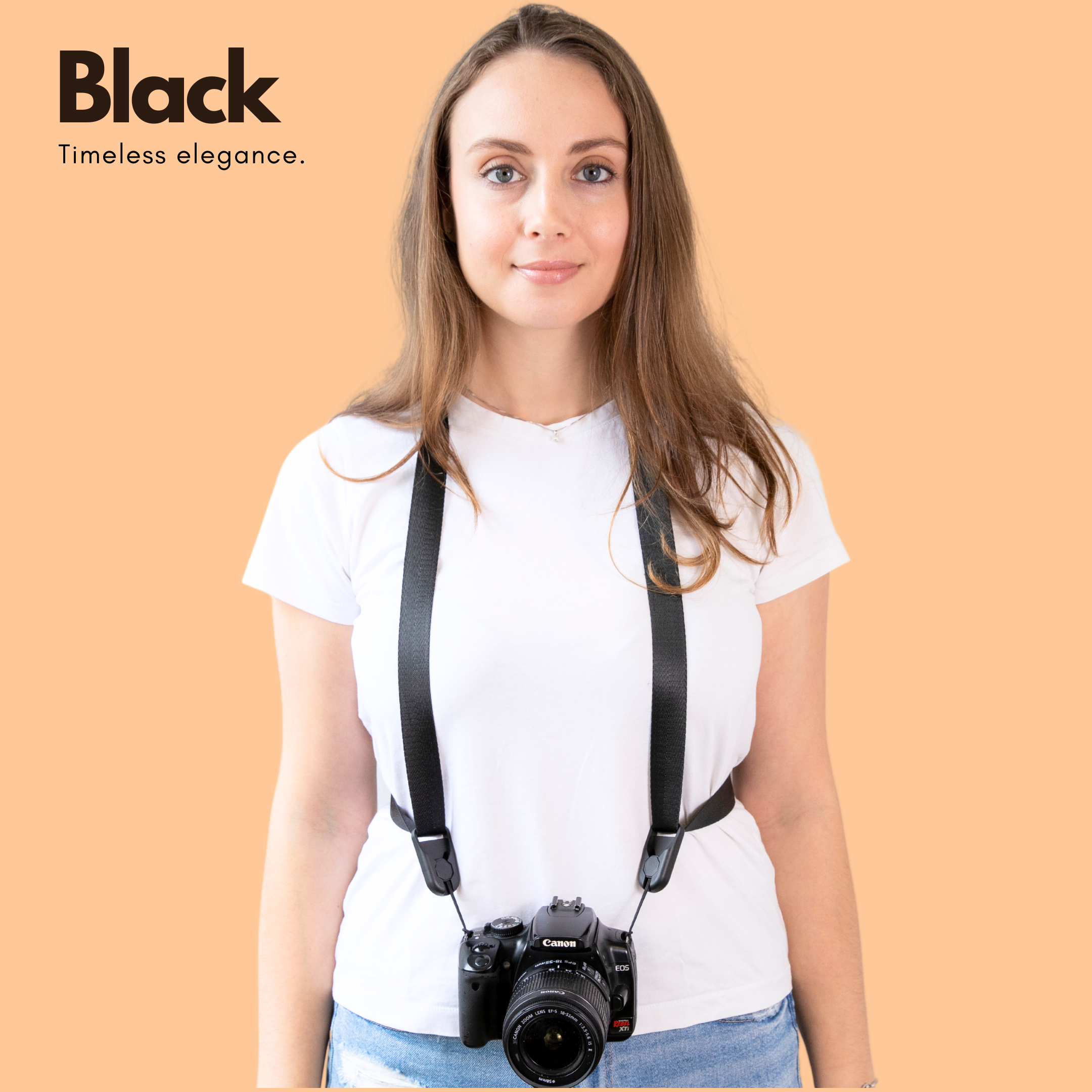
A lightweight strap can make a real difference. It keeps your camera close, so you can lift it quickly when a moment appears. It also helps when you are walking between stalls and checking settings at the same time.
For example, a strap such as the Camstrap voyager or Camstrap explorer can suit this kind of use well. They are simple options for photographers who want comfort and quick access. If you prefer a very compact carry style, the Camstrap nomad or Camstrap magclip may also fit the task.
Pick a lens that fits the market rhythm
A discreet telephoto lens often works better than a wide lens for market scenes. Research notes that a 50mm or 85mm equivalent is often more effective for candid work. These focal lengths let you keep some distance while still making intimate photos.
That distance matters when you are photographing people naturally. It gives you room to observe without standing too close. It also helps you frame details like hands, faces, and goods with less clutter in the shot.
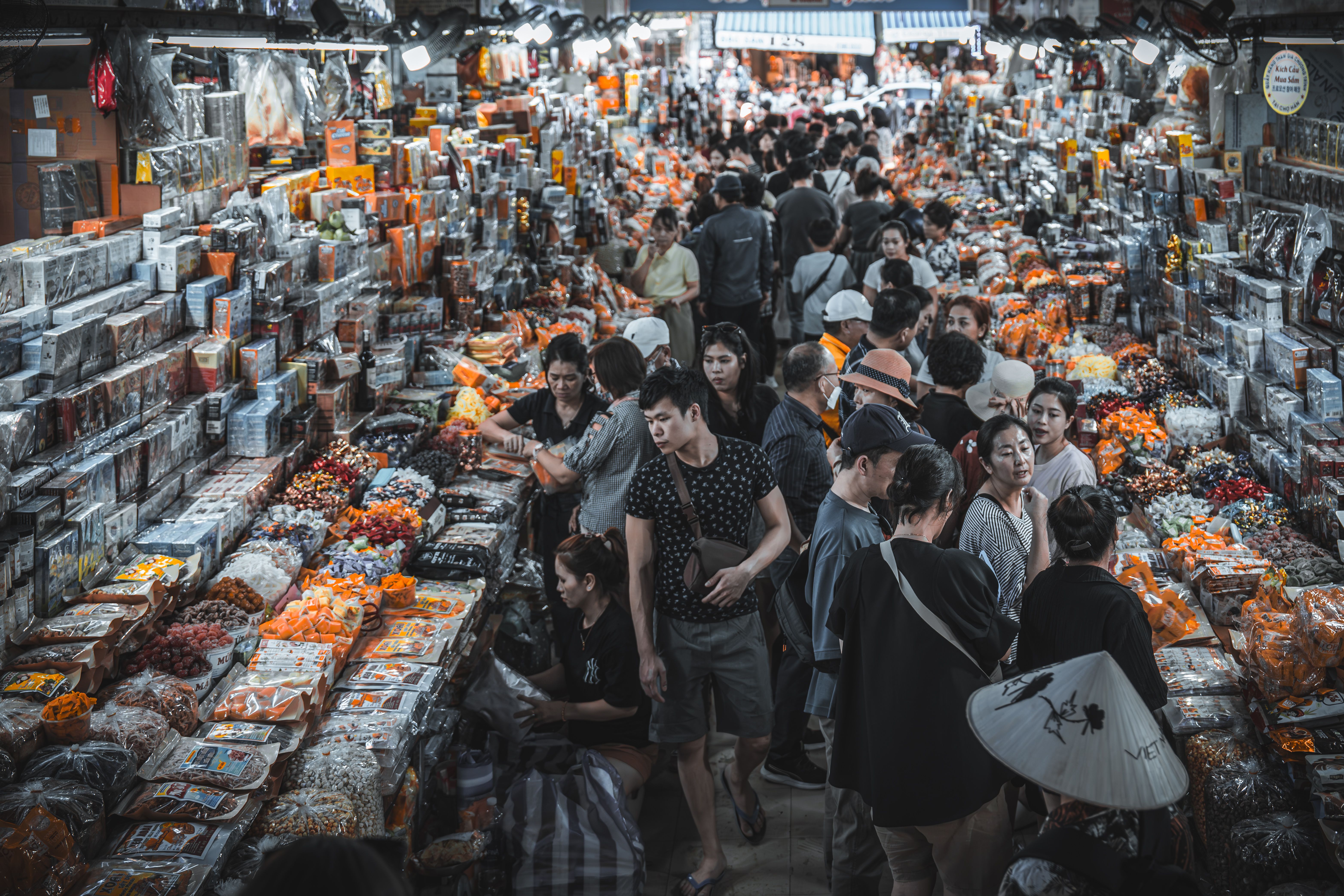
Photographing summer markets without being obvious
If you want natural scenes, you need to blend in. Research suggests wearing neutral, everyday clothing with very few accessories. This helps you move through the market without pulling attention away from the moment.
Simple behavior helps too. Walk slowly, pause often, and avoid big gestures. When people feel relaxed around you, photographing gets easier and the scene stays honest.
Use a quiet, patient way of working
Do not chase every subject. Instead, frame the scene and wait for action to enter it. This is one of the best ways to photograph people naturally without being obvious.
Anticipation also helps. Watch for patterns like a vendor handing over change or a customer tasting food before buying. Once you notice the pattern, you can get ready before the peak moment arrives.
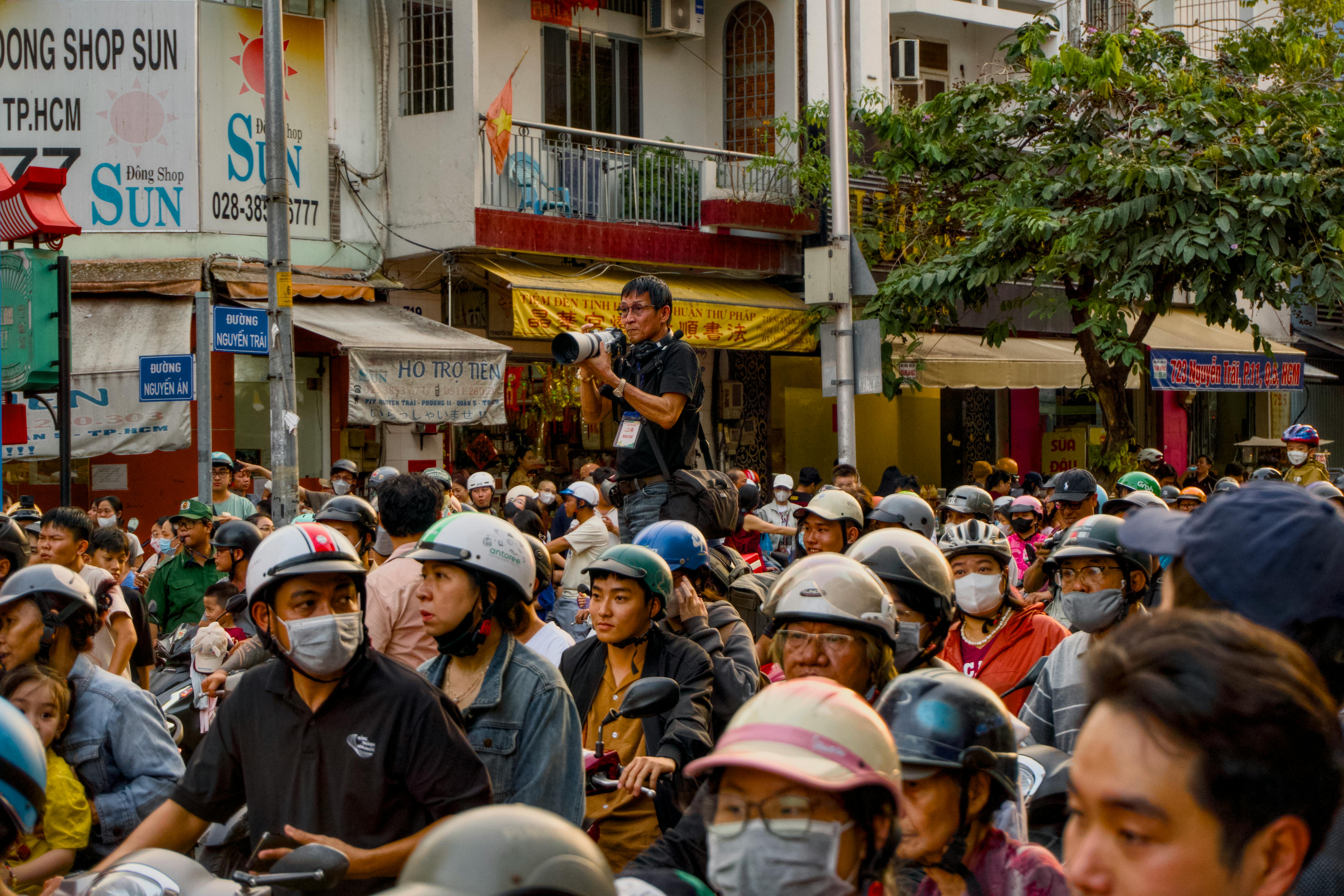
Blend into the market with your body language
Your stance matters more than you may think. Stand still when you can. Move calmly, and keep your camera close to your body until you are ready to shoot.
It also helps to look like you belong there. Neutral clothes, simple shoes, and a small camera setup all support that goal. As a result, people often stop noticing you sooner, which gives you better candid chances.
Best camera settings for photographing bright summer markets
Bright sun can trick your camera. Strong light creates deep shadows, reflective surfaces, and quick shifts as you move from open space to shade. Therefore, your settings need to stay flexible.
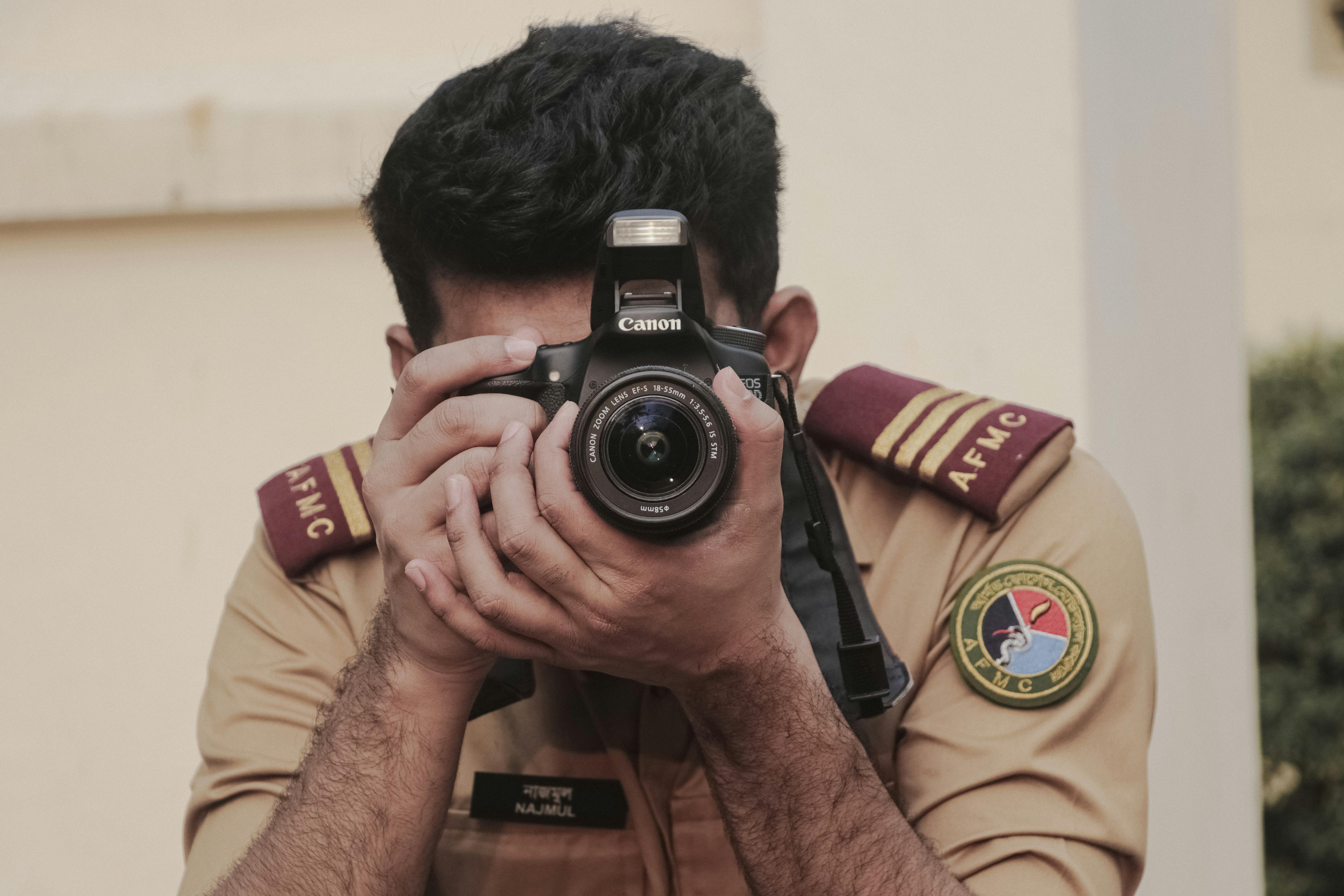
For market photography, research suggests a shutter speed of 1/80 to 1/100 second, an aperture around f/4, and ISO between 400 and 800. These values give you a solid starting point for many scenes. They also help you react quickly without sacrificing image quality.
Start with a fast-enough shutter speed
For covered areas, aim for at least 1/80 second. If people are moving quickly, 1/100 second is even safer. This lowers the risk of blur from both motion and camera shake.
If the action speeds up, you may need even more speed. For walking subjects or hand movement, try 1/250 second or more when the light allows it. That gives you a better chance of freezing the instant you want.
Use aperture and ISO to keep detail under control
Research recommends an aperture between f/2.8 and f/8 for markets. A wider opening can soften the background and help one subject stand out. A smaller opening gives you more depth, which is useful when people move in and out of the frame.
Keep ISO as low as you can while still maintaining your shutter speed. In shaded stalls, staying below ISO 1200 helps reduce noise. In bright summer light, lower ISO values often work well and keep the image clean.
Try zone focus for fast-moving scenes
Zone or scale focusing is a strong method for photographing without delay. You pre-focus on a set distance, select a small aperture like f/8 or f/11, and rely on depth of field. Then you can shoot without refocusing every time.
This works well when people move through a fixed part of the frame. It saves time and keeps you ready for quick gestures. However, it does take practice, so test it before a busy market day.
How to take good photos at a busy market
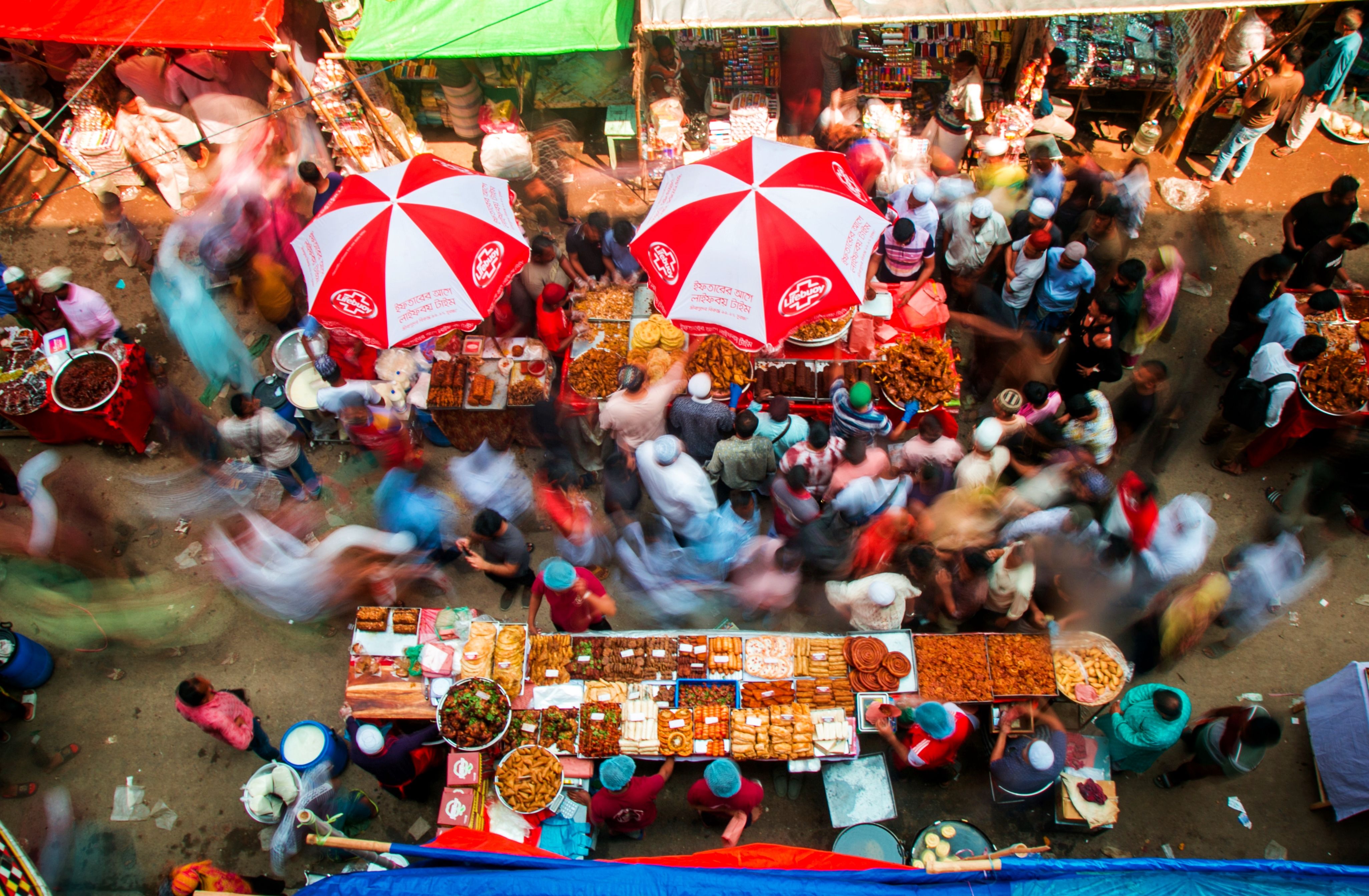
Good market photos start before the shutter click. You need a plan for where to stand, what to watch, and when to press the button. That is how you stay calm in a crowded place.
Think in layers. Look for foreground objects, middle action, and background context. This simple habit gives your images more life and helps them feel less flat.
- Walk the market once before shooting much.
- Find spots with good light and clean backgrounds.
- Watch for repeating actions, like serving, paying, or tasting.
- Set your camera before the moment arrives.
- Wait, then shoot when the scene feels real.
Burst mode can help too. Research shows it raises your chance of getting the exact split second you want. Use it for quick smiles, hand movements, or a sudden look between people.
Still, do not rely on burst mode alone. If your timing and framing are weak, more frames will not improve the photo. Therefore, use burst as a backup, not a crutch.
Use light, shade, and edges to guide the frame
Summer markets have strong open light, but they also have tents, awnings, and narrow lanes. These spaces create clean shapes and soft shade. They can help you isolate your subject without extra effort.
Try placing a person near the edge of light or under gentle shade. This can add depth and make the photo feel more natural. It also helps when you want to keep the background busy but not messy.

Photographing people naturally in crowded summer markets
People often notice a camera before they notice the scene. That is why your approach matters. If you want honest expressions, you need to make your camera feel like part of the background.
Start by observing first. Watch how people move, who talks to whom, and where the best action happens. Then photograph the interaction once it has already begun.
Respect the moment and keep it real
Some of the best candid images happen when you wait without pushing. You are not trying to direct the scene. You are trying to be ready when the real moment arrives.
This works because people relax when they are not being managed. A smile, a glance, or a shared joke can appear on its own. Those small signs often make the strongest market photos.
Know when to step back
Not every moment should be photographed. If someone seems uneasy, lower your camera and move on. Respect helps you stay welcome in the space.
This is also part of good storytelling. The goal is not to collect every face. The goal is to build trust with the scene so the photos feel true.
Simple workflow tips for faster photographing
Speed comes from habits, not stress. If you prepare the same way each time, you waste less time on small choices. That gives you more room to react to the market.
Before you enter, check three things: battery, memory card, and settings. Then set your strap, clean your lens, and choose a lens that matches the space. These small steps make photographing smoother from the start.
- Use a small camera for less weight and less attention.
- Keep a quiet shutter mode on when possible.
- Set exposure before you enter bright or shaded areas.
- Carry the camera on a strap that keeps it ready.
- Review photos only when you have a pause.
That last point matters more than many people think. If you check the screen too often, you miss the next moment. Therefore, review in short breaks, not after every shot.
Photographing summer markets: common mistakes to avoid
Many market photos fail for simple reasons. The camera is too slow, the lens is too wide, or the photographer keeps moving instead of waiting. Each problem can be fixed with a little planning.
Another common issue is using the wrong light. Midday sun can be harsh, but shade can be soft and useful. Learn the difference, and you will make better choices quickly.
Do not overpack your setup
Large bags and extra gear slow you down. They also make you look more formal, which can change how people act near you. A lighter kit keeps you flexible and less noticeable.
For many photographers, that means one camera, one lens, and a comfortable strap. A simple setup is often enough for strong market work. It lets you move, wait, and shoot with less strain.
Do not wait for perfection
Summer markets move too fast for perfect control. If you try to force every frame, you will miss the real flow. Instead, accept small flaws and look for strong moments.
A hand in motion, a half-smile, or a bright fruit stand can carry the whole image. These details often matter more than perfect symmetry. That is why photographing candid scenes works best when you stay open.
Bringing it all together for better summer market photos
Photographing summer markets is about balance. You want to stay light, stay quiet, and stay ready. At the same time, you need to watch for small human moments that happen in a flash.
Use a discreet camera, keep your settings simple, and choose a strap that helps you move with ease. A setup built around quick access, such as the Camstrap voyager, Camstrap explorer, Camstrap nomad, or Camstrap magclip, can support that goal without getting in the way. The right choice is the one that keeps your camera ready while you keep your eyes on the scene.
Most of all, remember that great market photos come from patience. Frame the scene, wait for real life to happen, and press the shutter at the right time. When you do that well, photographing summer markets becomes less about luck and more about rhythm.
Frequently Asked Questions
How do I take good photos at a busy market?
Focus on small, genuine moments rather than trying to capture the whole crowd. Be patient, frame the scene, and wait for actions like a vendor packing fruit or a shopper leaning in to smell herbs to unfold naturally.
What camera settings work for street photography in bright sun?
Use a fast shutter speed to freeze movement and keep the scene sharp in bright light. The article emphasizes staying quick and ready, but it does not specify exact aperture, ISO, or shutter values.
How do I photograph people naturally without being obvious?
Use a smaller, quieter camera and keep it ready on a lightweight strap so you can shoot without drawing attention. A 50mm or 85mm equivalent lens also helps because it lets you keep some distance while observing people naturally.


