


- What is the best binocular harness for birdwatching
- How do binocular harnesses reduce neck strain
- Can a binocular harness also hold a camera
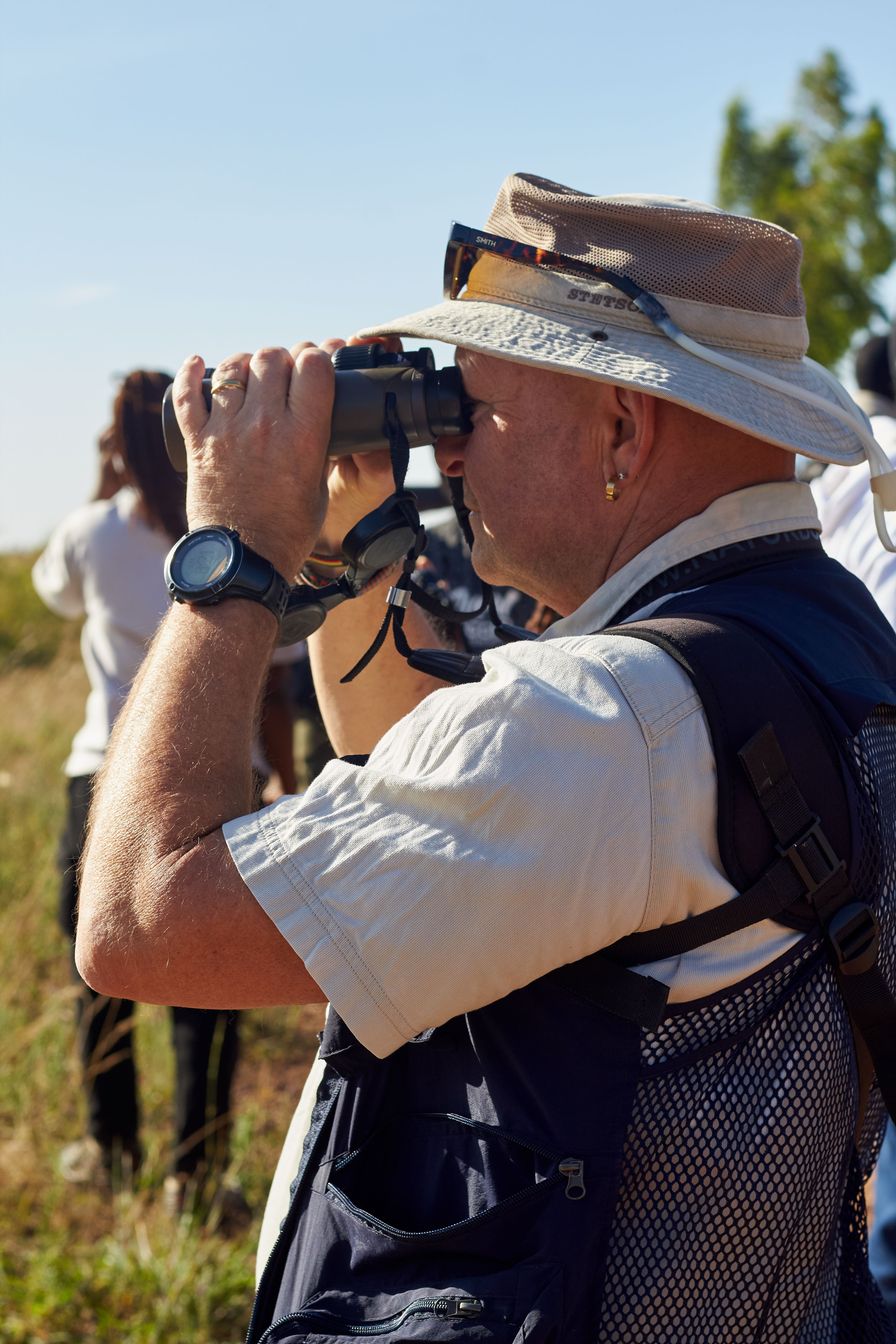
Choosing the right binocular harness can transform your birdwatching and wildlife outings. The proper harness keeps your optics close at hand, eases neck strain, and lets you move without delay. This guide outlines top models, explains how harnesses work, and offers practical tips for use.
Shop the setup

- Regular price
-
€42 - Regular price
-
€44 - Sale price
-
€42
By choosing the Camstrap strap, you are opting for a high-quality product designed to meet the needs of the most demanding photographers.
- Developed by a physiotherapist to relieve neck and back pain.
- Fast delivery with tracking by the Post Office 🚚
- Can be used as a shoulder strap or hands-free harness

- Regular price
-
€36 - Regular price
-
€42 - Sale price
-
€36
Free shipping included
This review covers harnesses sized for a wide range of binoculars and compatible camera gear. You'll find ultralight picks, rugged heavy-duty options, and camera-ready systems. That makes it easier to match a harness to your style and budget.
Why the best harness matters for birdwatching

A harness redistributes the load of heavier binoculars across your shoulders and upper back, cutting pressure on the neck and letting you observe for longer periods. For binoculars in the roughly 400g–1,200g range, a harness can make a noticeable difference.
Quality harnesses also hold equipment snugly against your chest, eliminating constant fumbling for a case. In practice, that means fewer missed sightings and quicker reactions in the field.
Top picks: best harnesses for binoculars and cameras
Below are field-tested harnesses trusted by birders and wildlife observers. Each selection suits different gear sizes and use cases, and several models also support carrying a camera.

- Sling-style comfort harness — Lightweight and simple to adjust; ideal for 8x42 and 10x42 binoculars. Offers rapid access with minimal bounce.
- Dual-strap harness — Designed for long treks and heavier loads, it distributes weight across both shoulders and the back. A good choice when carrying binoculars plus a compact camera.
- Chest-mounted harness with camera plate — Ideal if you plan to carry binoculars and a camera simultaneously; seek quick-release plates such as the Camstrap magclip for swift swaps.
- Padded explorer harness — Suited to long days and colder conditions, featuring wide straps and back padding to boost comfort.
- Low-profile travel harness — Tailored for light travel and short outings; slips under a jacket and packs down compactly.
Notable models and features
Manufacturers often include features aimed at long treks and birdwatching. For instance, an adjustable chest strap improves balance, while swiveling buckles prevent your binoculars from twisting.
Camstrap offers a number of models that address these needs. The camstrap voyager provides substantial padding and even load distribution. The camstrap explorer favors quick access, and the camstrap nomad is built for longer hikes with heavier equipment. The camstrap magclip serves as a convenient quick-release plate for cameras.
How harnesses cut neck strain and keep gear ready
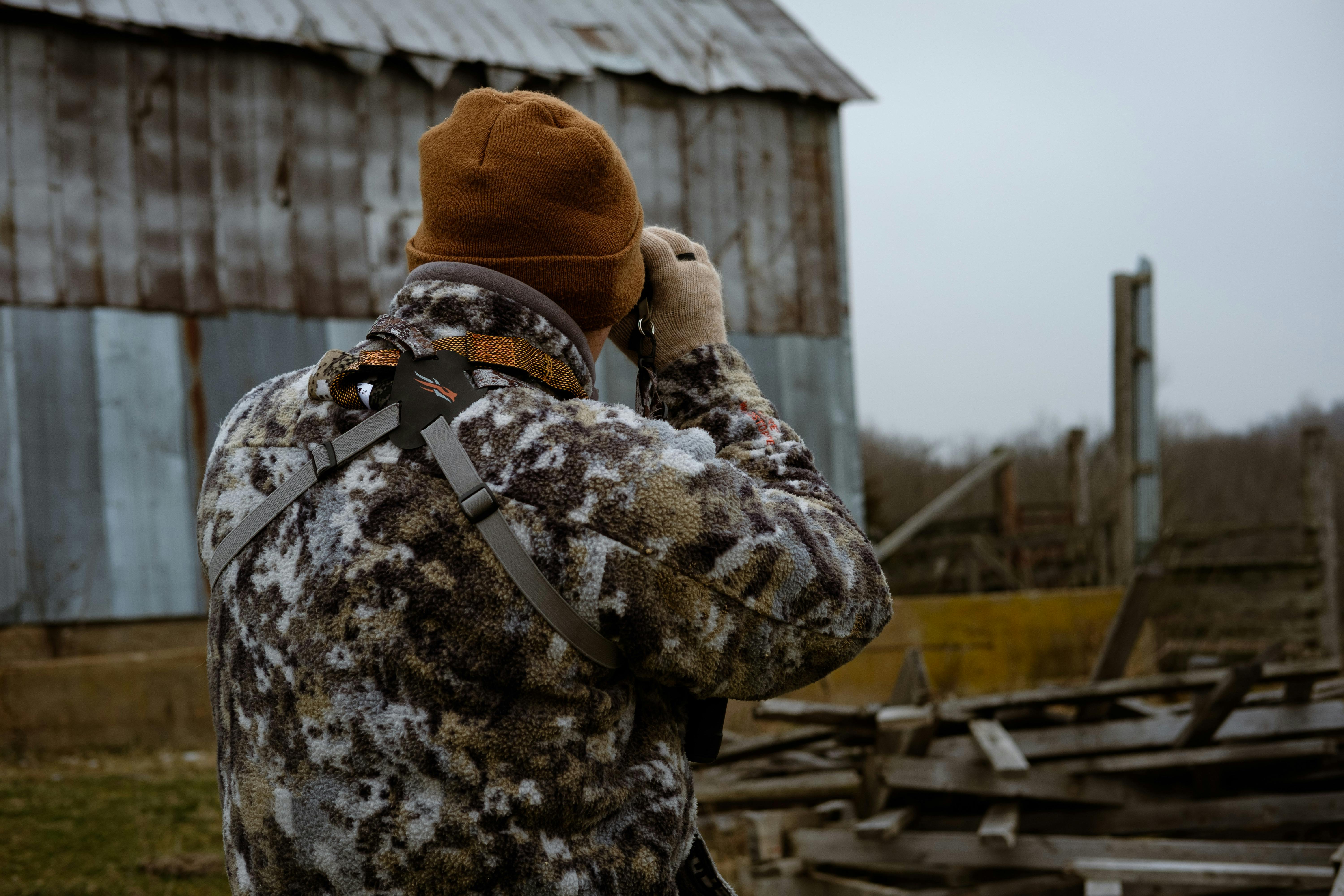
By shifting weight from your neck onto shoulders and back, harnesses reduce pressure and soreness during extended birding outings. Much neck discomfort comes from heavy optics hanging on a single strap.
They also secure binoculars close to the chest, preventing swing as you walk. That stability helps you raise the optics steadily for immediate looks.
Ergonomic benefits and real gear weights

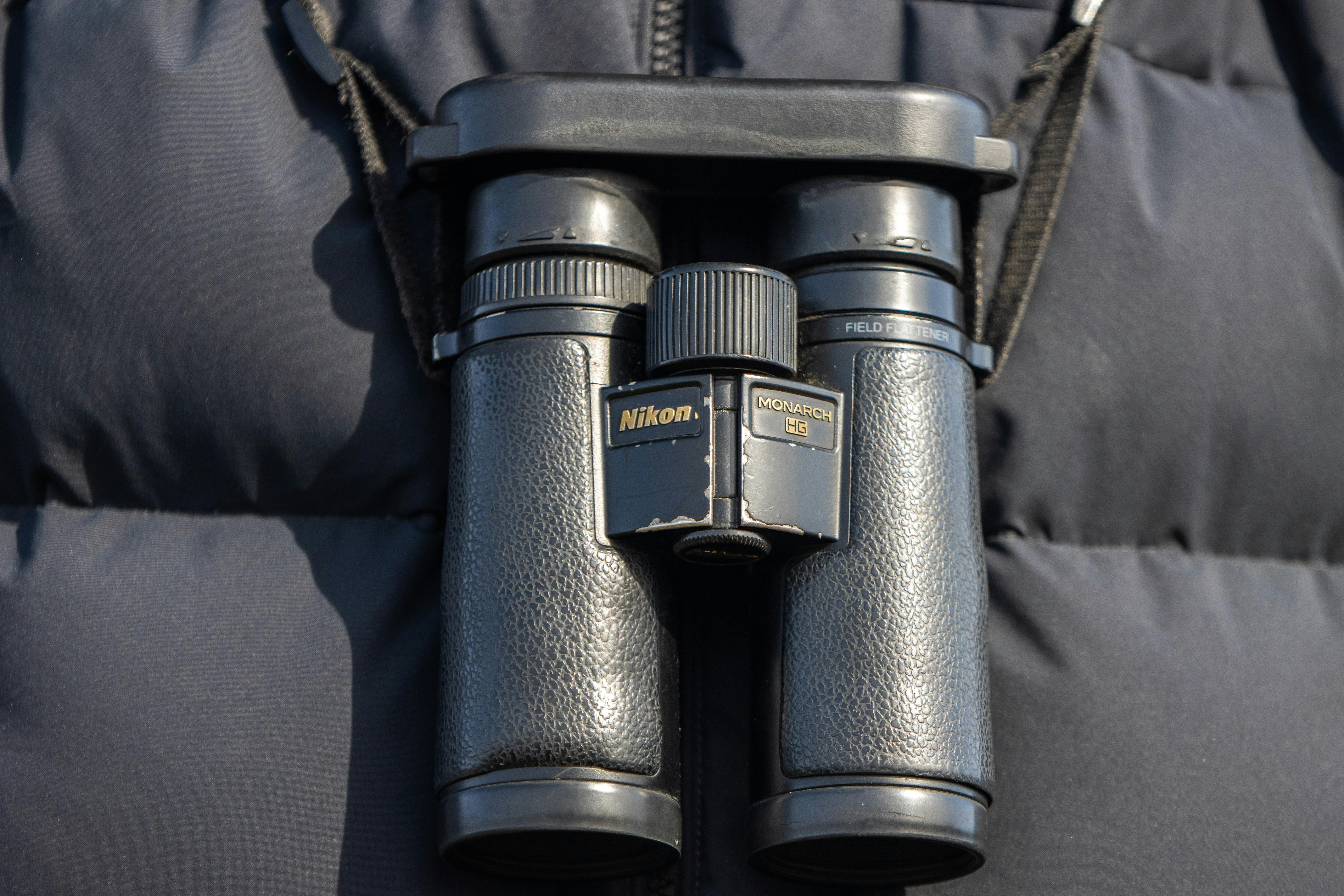
A typical 8x42 binocular weighs around 700g, while larger full-size models can approach 1,200g. Over the course of hours, those differences become significant, so a harness can spare your neck and shoulders.
Most harnesses distribute load across shoulder straps about 8–12 cm wide. Broader, padded straps lower pressure points and boost comfort, so pick a model with generous strap width if you use heavy binoculars.
Choosing the best harness for your needs
Select a harness based on your binoculars' weight and dimensions, and consider how many hours you'll wear it each day. For multi-hour hikes, favor designs with extra padding and a firm back panel.
If you'll carry a camera, look for quick-release fittings. Several harnesses can support a mirrorless body paired with a 50–85mm lens; with a fast lens (f/2–f/2.8) and a 1/500s shutter you can be ready when a shot appears.
Fit, adjust, and test before long trips
Ensure the harness fits snugly without constriction. Proper fit prevents gear bounce and keeps your view unobstructed. Always trial the harness with the binoculars and camera you intend to carry.
Check quick-release mounts for secure locking and smooth release, and rehearse swapping equipment on a walk or in your yard. That practice shaves precious seconds when a bird appears.

Using harnesses for birdwatching trips: tips and camera settings
Using a harness involves more than donning straps; adjust strap lengths and camera plates before you head out so your gear rises to eye level instantly.
For bird photography, use telephoto glass in the 300–600mm range for distance, pair it with a fast shutter (around 1/500s) to freeze motion, and keep ISO in the 400–800 range in softer light to balance noise and exposure.
- Stow binoculars at chest level for the quickest access.
- Set strap length so the binoculars' eye relief aligns with your eyes.
- Use small harness pockets for a lens cloth and a spare battery.

Can a binocular harness also hold a camera?
Yes — many harnesses can carry a compact camera or accept a camera plate. Search for 'camera-ready' designs or models with a plate slot. The camstrap magclip is a user-friendly quick-release plate compatible with several harnesses.
Observe weight limits: a dual-use harness can typically support a mirrorless body with a 50–85mm lens, but heavy DSLRs paired with 300mm lenses generally require a more robust, camera-specific harness or a dedicated strap.
Frequently asked questions about harnesses and birdwatching

Below are answers to common questions about harnesses, binoculars, and cameras—intended to help you choose the right setup for your outings.
What is the best binocular harness for birdwatching?
The ideal harness depends on your binocular size and how you use them. For short strolls, a low-profile sling works well; for extended hikes, a padded dual-strap design is better. If you plan to carry a camera, choose a model with an integrated camera plate.
How do binocular harnesses reduce neck strain?
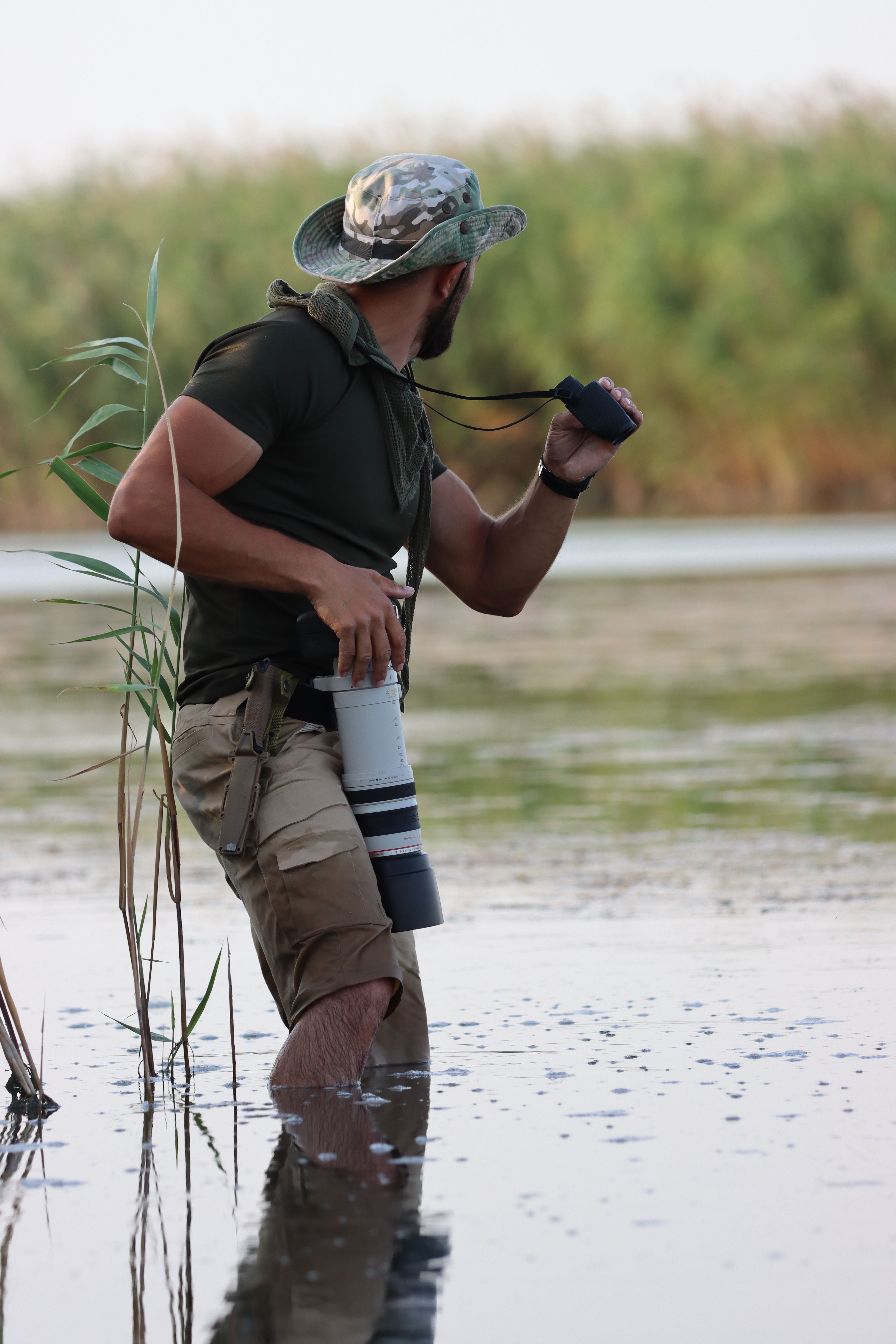
Harnesses ease neck strain by shifting weight onto shoulders and back, increasing contact area and lowering pressure on the neck. Securing gear at chest level also prevents swinging and keeps the load stable while you move.
Can I use the same harness for binoculars and a camera?
Certain harnesses are engineered to carry both binoculars and a camera, typically via quick-release plates or clips. Always verify weight limits and the security of locking mechanisms before attaching heavier cameras.
Final checklist: choose the best harness for your trip
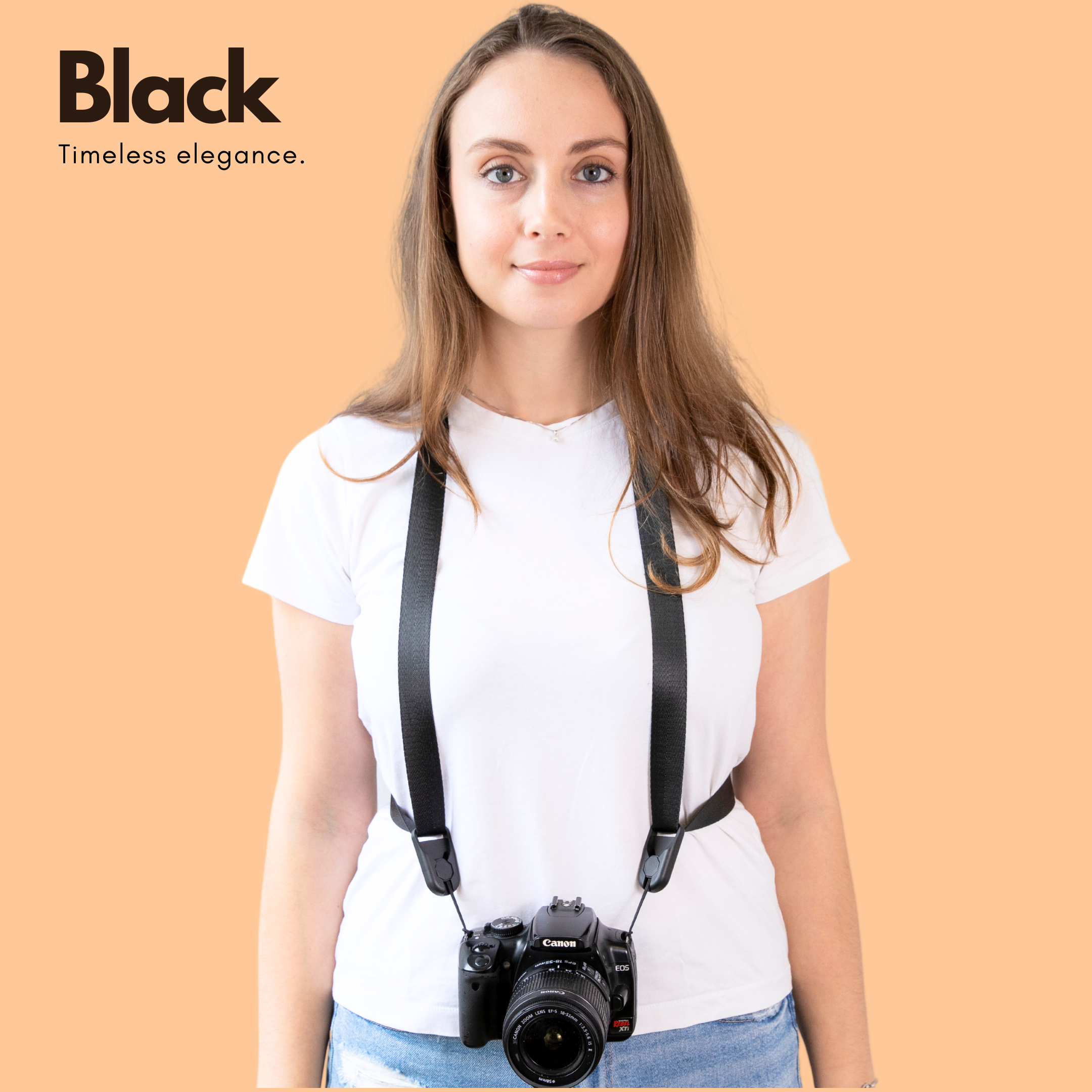
Use this checklist to narrow your choices. Test the harness with your gear and fine-tune adjustments for comfort. This will make your time in the field more enjoyable and less tiring.
- Match the harness to your binoculars' weight and size (400g–1,200g common).
- Inspect strap width and back padding if you expect long hikes.
- Seek quick-release systems or camera-plate compatibility such as the Camstrap magclip.
- Test the harness with your camera if you intend to carry one.
- Set basic camera parameters: 1/500s shutter, f/2–f/2.8 lenses, ISO 400–800 as required.
Also, keep lenses clean and carry a small cleaning cloth. A dry cloth plus a compact rain cover protects optics and keeps you ready for sudden sightings.
Conclusion: pick the best harness and enjoy birdwatching
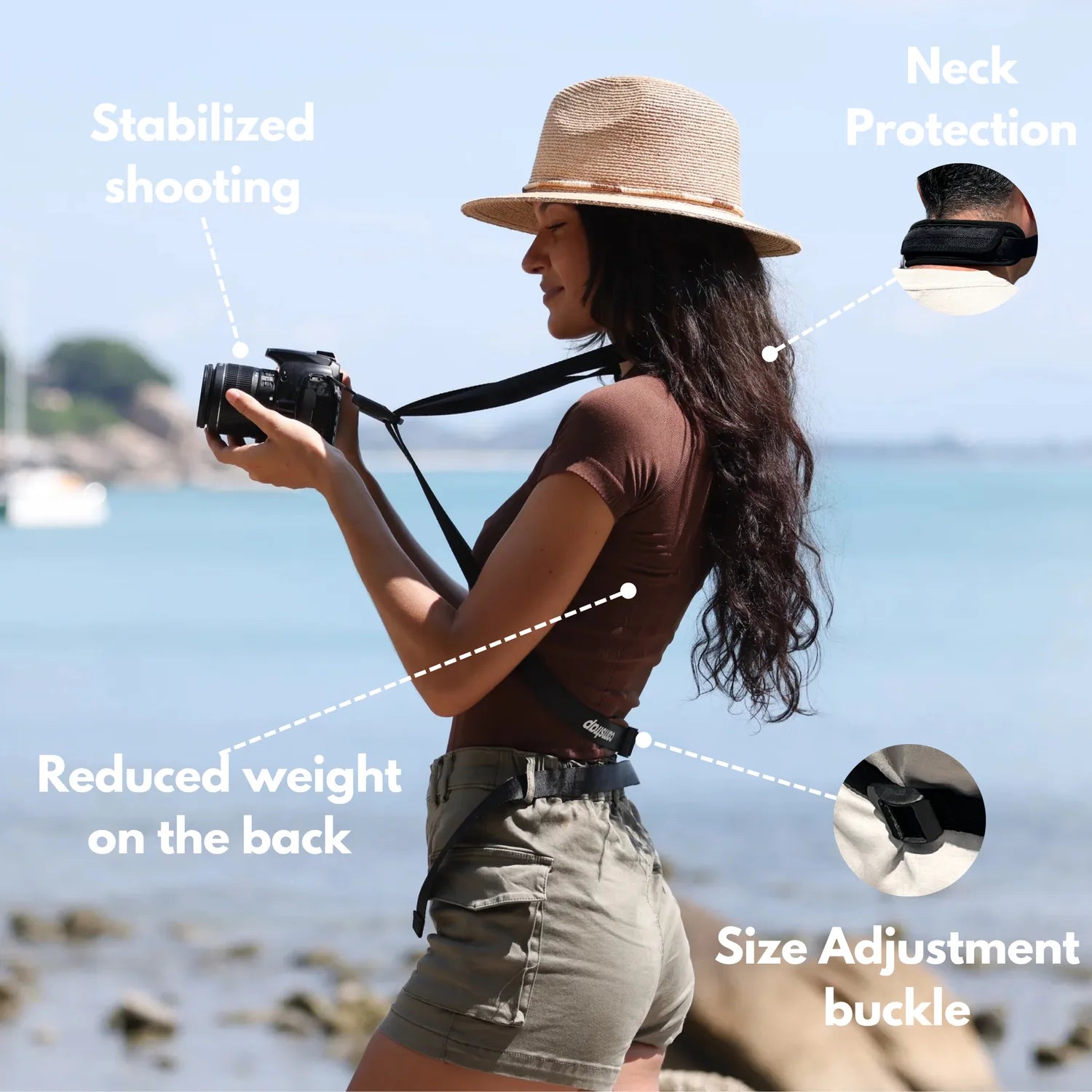
A good binocular harness makes birdwatching more comfortable and enjoyable, helping you observe longer and react faster. Whether you prefer a light sling, a padded dual-strap, or a camera-ready setup, choose what best suits your gear.
Camstrap produces several complementary pieces for a balanced kit. The camstrap voyager, camstrap explorer, camstrap nomad, and camstrap magclip are reliable options to consider, each adding comfort and quick access in different ways.
Ultimately, the best harness is the one you test, adjust, and feel comfortable using. Experiment with fits and practice swapping gear. Then head out and enjoy birdwatching with less strain and more pleasure.
Frequently Asked Questions
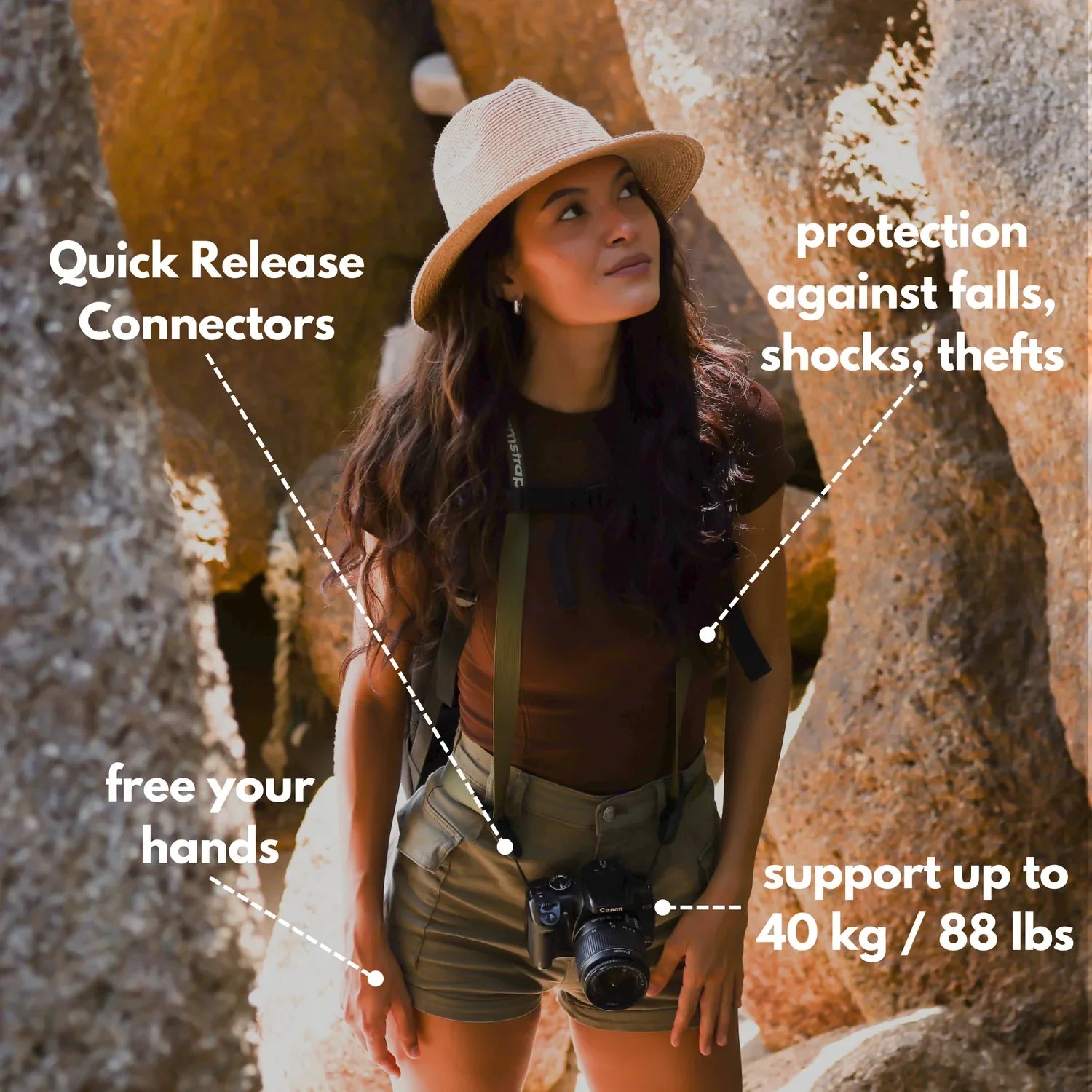
What is the best binocular harness for birdwatching?
There isn’t a single best harness for everyone; the right pick depends on binocular size and how you use them. For common 8x42 or 10x42 binoculars a sling-style comfort harness is an excellent all‑round choice, while dual‑strap or padded explorer models (e.g., Camstrap Voyager or Nomad) are better for heavier optics and long treks.
How do binocular harnesses reduce neck strain?
Harnesses shift the weight of binoculars from a single neck strap onto your shoulders and upper back, reducing localized pressure and soreness. They also hold optics snug to the chest to prevent swinging, which lowers muscle fatigue from constant balancing and movement.
Can a binocular harness also hold a camera?
Yes. Many harnesses are camera‑ready—chest‑mounted designs with camera plates or quick‑release systems (for example the Camstrap magclip) allow you to carry and rapidly swap a camera, and dual‑strap models commonly handle both binoculars and a compact camera comfortably.


