- Crouch to flower level and shift a step until clutter drops out of frame.
- Use a short telephoto or macro lens to isolate blooms against soft blur.
- Shoot in bright overcast, raise shutter speed, and brace for wind with burst mode.
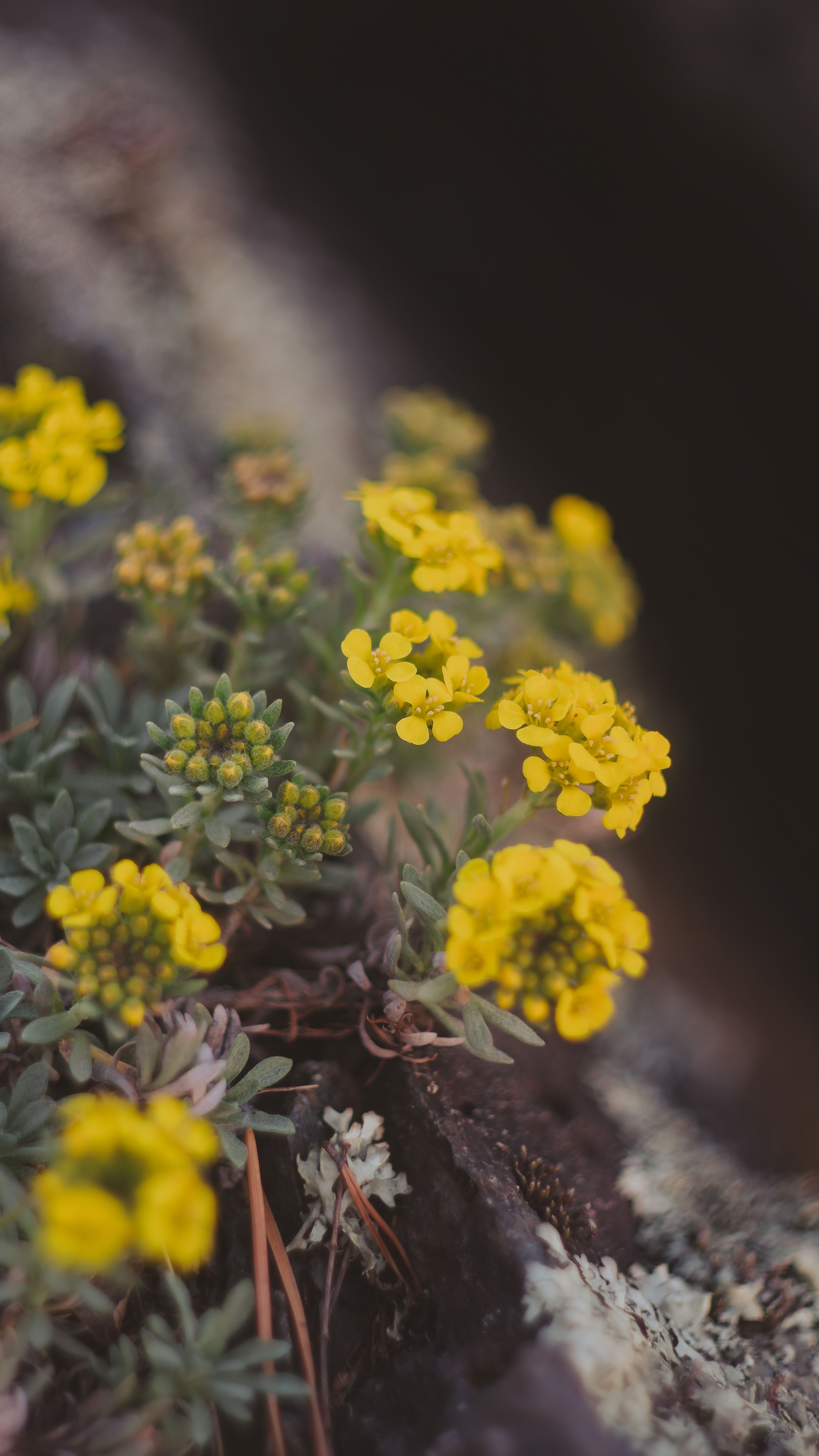
Wildflower photography on walking trails means making clean, natural flower images without leaving the path or disturbing the plants. The strongest frames come when the bloom, the light, and the background all line up around one clear subject. Patience, a low angle, and a camera kept close at hand make the work easier.
Shop the setup

- Regular price
-
€42 - Regular price
-
€44 - Sale price
-
€42
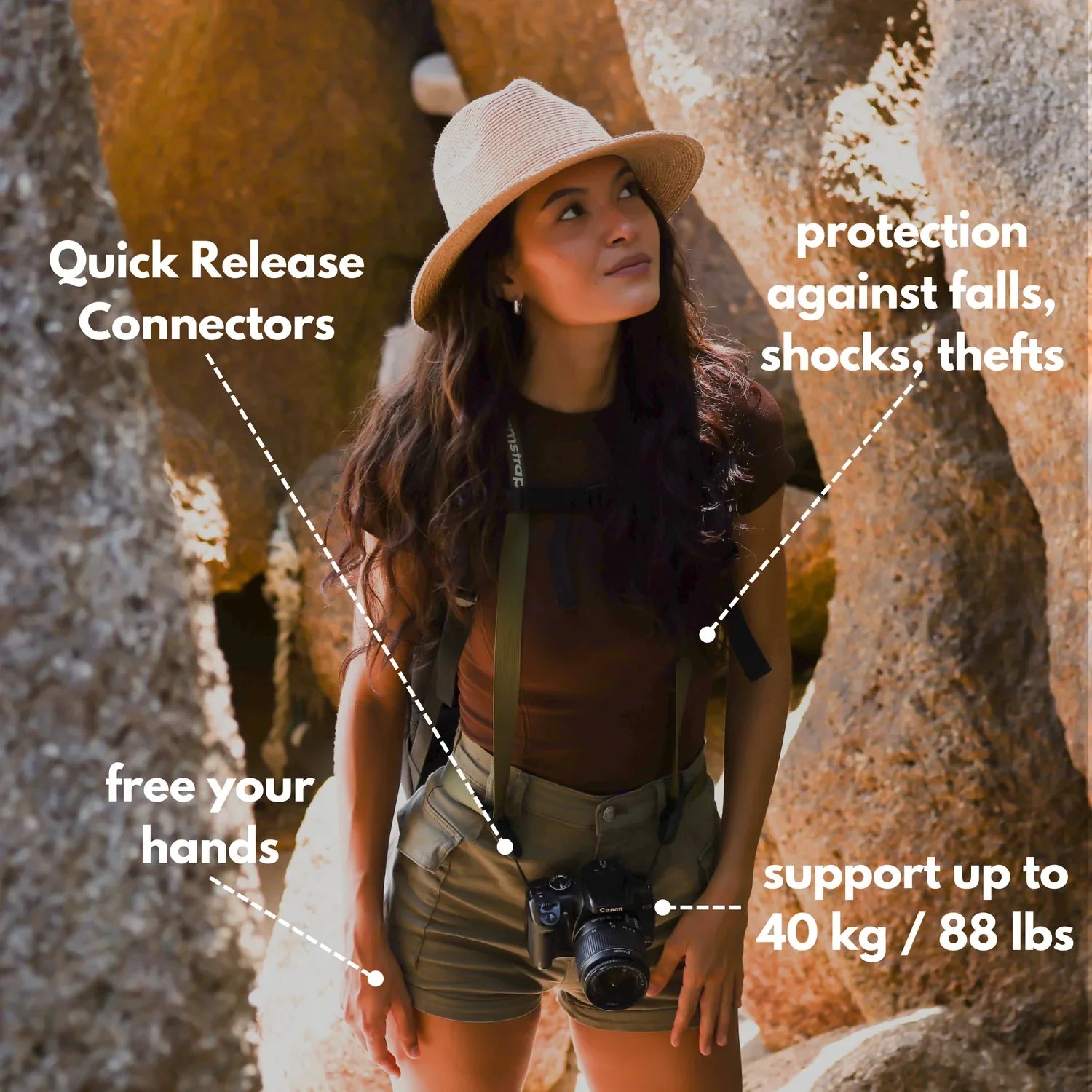
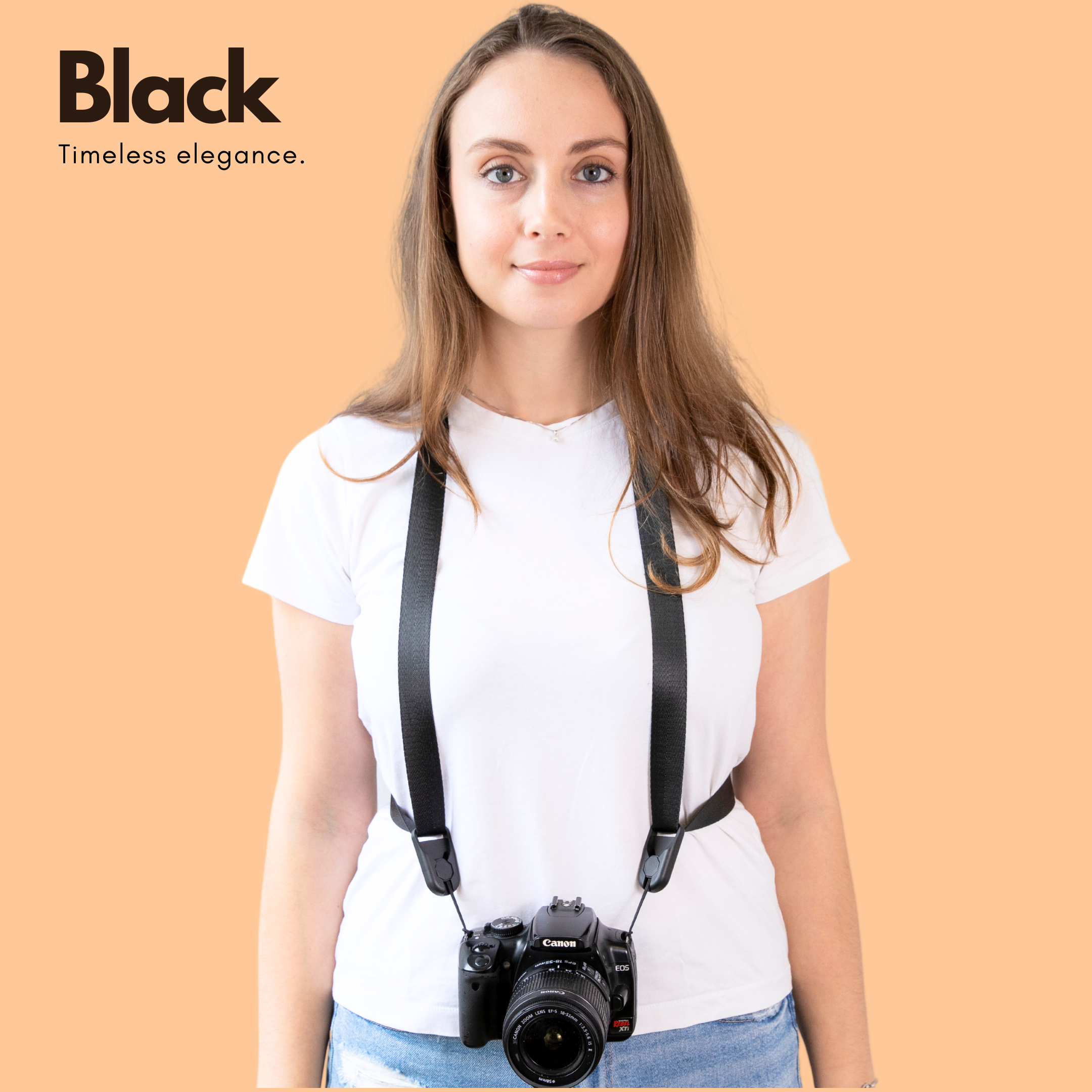
By choosing the Camstrap strap, you are opting for a high-quality product designed to meet the needs of the most demanding photographers.
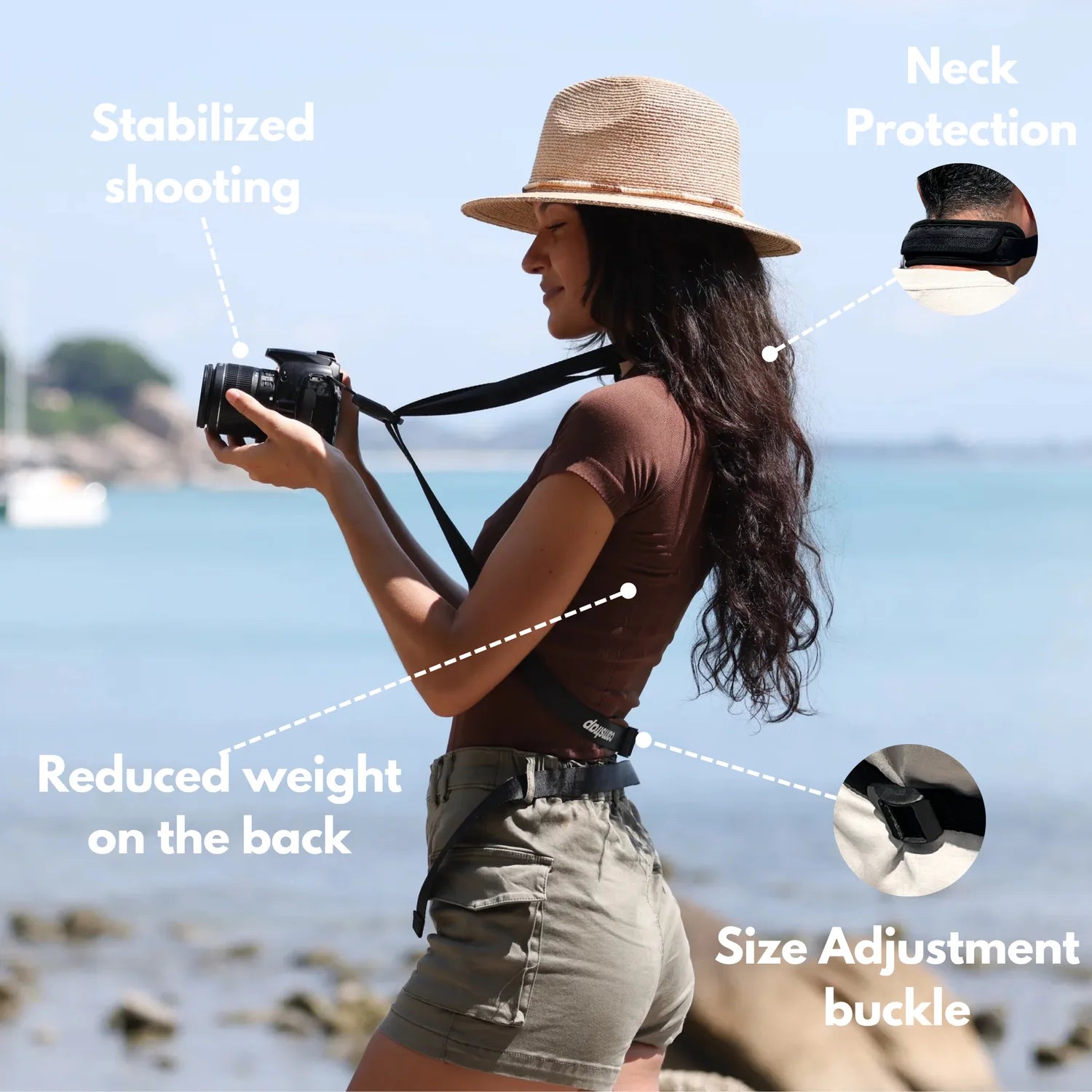
- Developed by a physiotherapist to relieve neck and back pain.
- Fast delivery with tracking by the Post Office 🚚
- Can be used as a shoulder strap or hands-free harness

- Regular price
-
€36 - Regular price
-
€42 - Sale price
-
€36
Free shipping included
Out on a trail, a good frame may last only a few seconds. A hands-free setup helps because you can stop, crouch, and move on without setting the camera down. That small shift makes it easier to work quickly while still being careful around fragile plants.
Begin with the tidiest patch along the path
The strongest wildflower shots usually come from blooms near the edge of the trail, rising just above the grass and still looking fresh. Look for flowers close to peak form, with petals facing you instead of turning away. Those plants give you a clean shape and less work in editing.
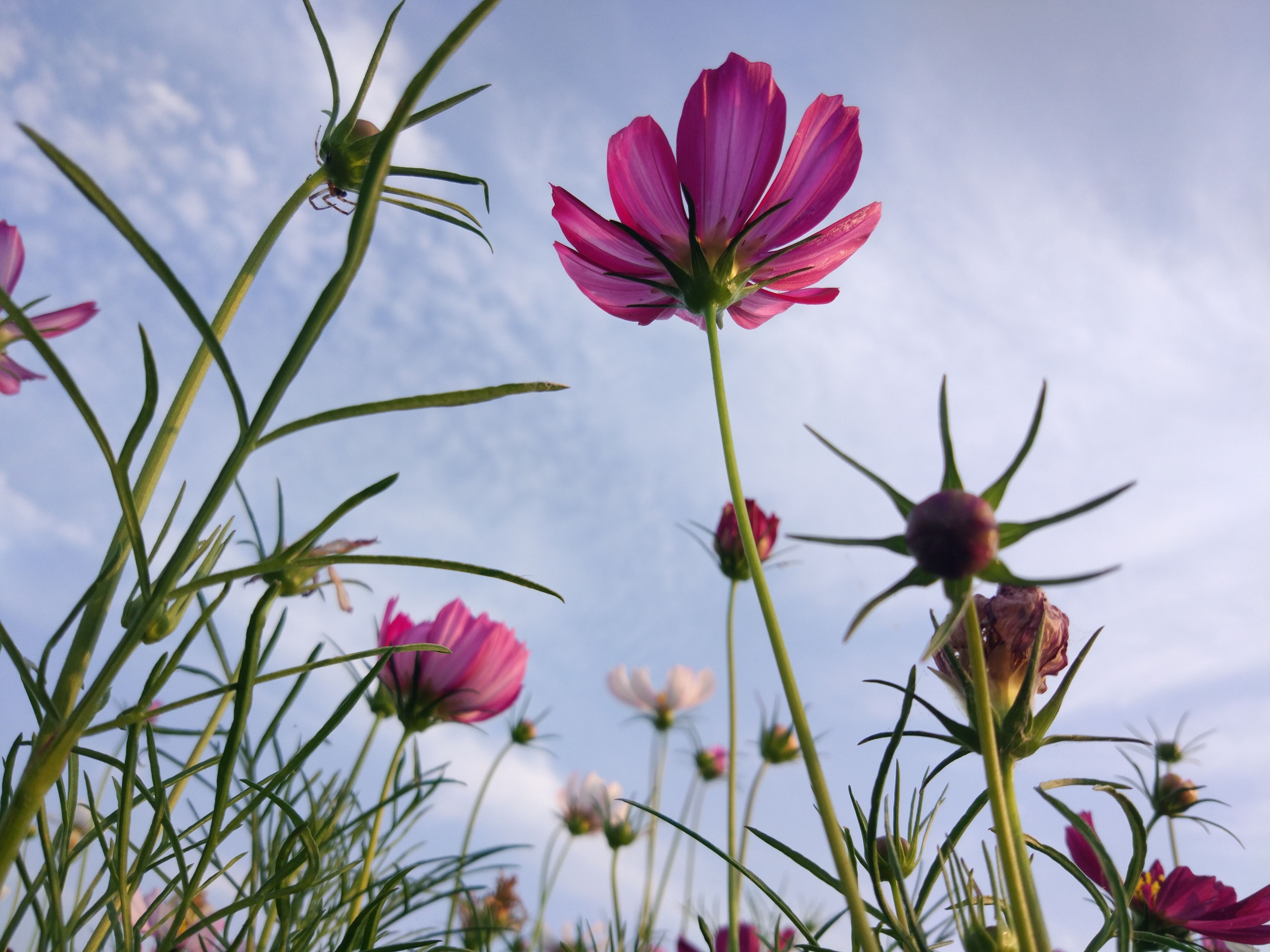
Bright overcast light suits this kind of scene well. Shadows stay soft, and the petals hold their detail. Early morning and late afternoon can work just as well, with lower, warmer light.
What to check before lifting the camera
A quick scan saves time and leads to cleaner frames. I look for one main flower, a simple patch behind it, and no bright trash, signs, or boots in the background. If the bloom sits against a dark gap or a soft blur of green, the image usually settles down right away.
- Choose blooms at near-peak color.
- Look for petals aimed toward the trail.
- Avoid tangled stems behind the flower.
- Pick spots with one main color, not five.
- Watch for bent grass, litter, or trail markers.
Field guides and plant ID apps help here as well. They let you confirm what you are shooting and show useful flower parts, like leaves, stems, and bloom shape. That helps when you want the image to be both pretty and useful.
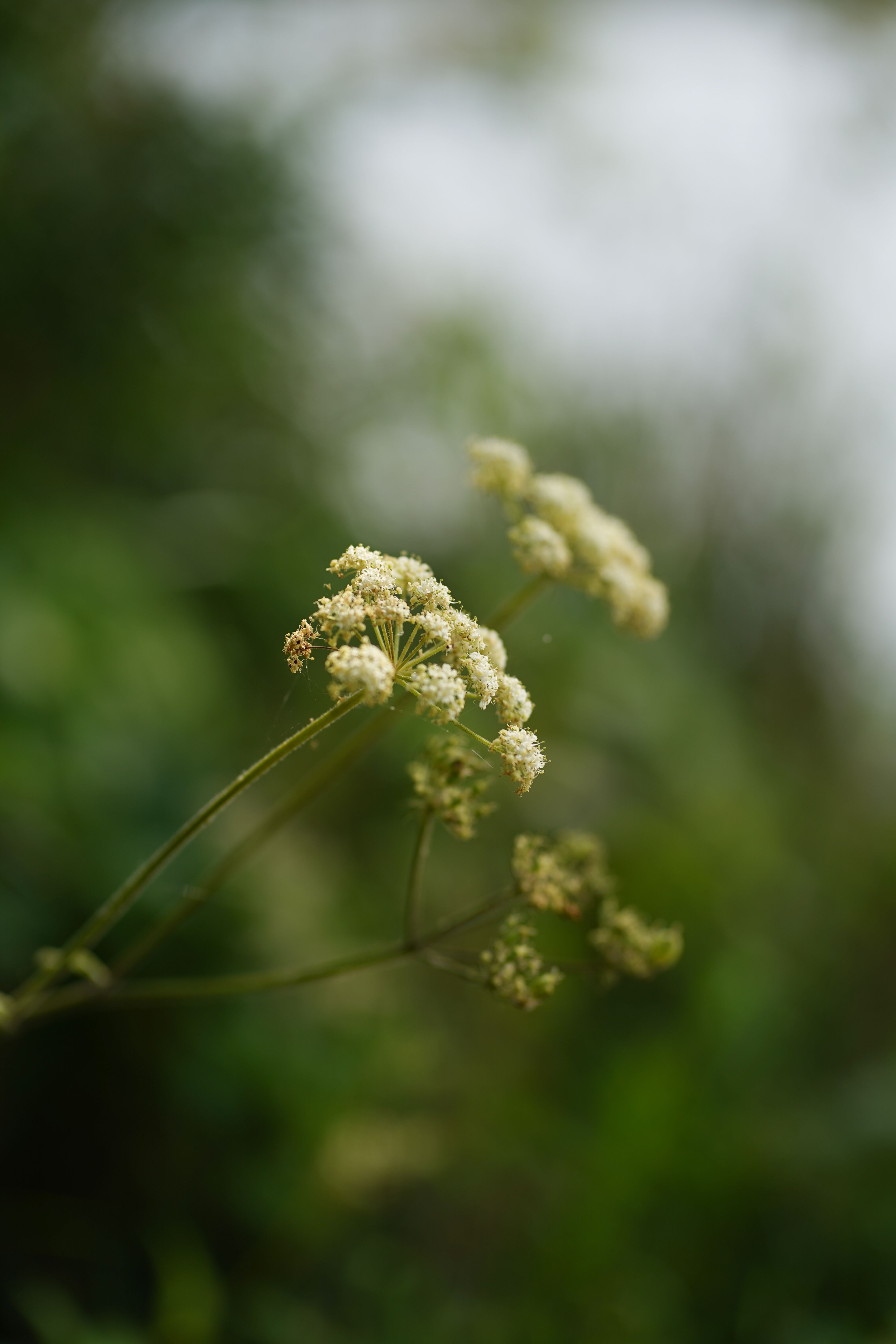
How can I frame flowers without messy backgrounds on a trail?
Frame the flower low and straight on, then let the background fall away. Staying on the path and crouching to the flower’s level gives you a cleaner view and helps you avoid trampling the meadow. It is one of the easiest ways to make a trail scene look tidy.
Use the lower one-third to one-half of the frame for the flowers if you want added depth. That placement gives the eye a place to rest, while the upper space can blur into soft color. A small shift left or right often clears out the worst clutter.
Simple framing moves that work
Work from the edge of the trail instead of stepping into the plants. Then tilt the camera a little lower and search for a clean line behind the bloom. If a stem or leaf cuts across the flower, move just a few inches and try again.
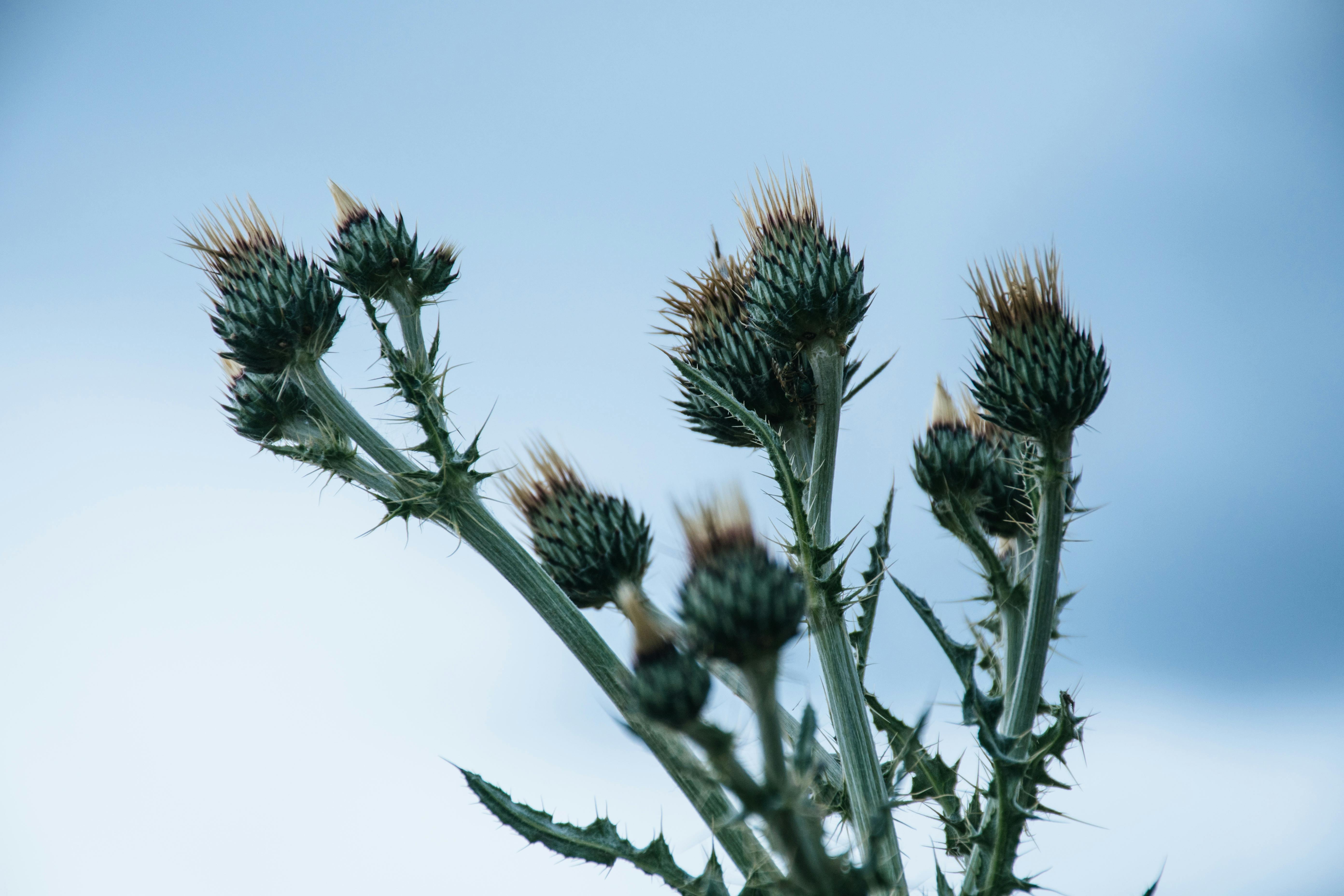
- Stop on the path.
- Crouch to flower height.
- Check the frame edges.
- Shift until bright distractions vanish.
- Take one test shot and zoom in.
A wide aperture helps a lot here. Set aperture-priority mode or manual mode at f/2 or f/2.8, and let the background blur into a smooth wash. That shallow depth of field is one of the best tools for clean flower photos.
Which lens works best for close-up flower shots outdoors?
A 50mm to 85mm lens works well for close flower work because it gives you room to stay back and avoid stepping into the plants. A short telephoto also compresses the scene a little, which helps separate the flower from a messy trail edge. If you shoot very small blooms, a true macro lens is even more useful.
The main goal is simple: make the flower large enough in the frame without crowding it. A lens that lets you keep some distance while still getting fine detail makes that easier. It also helps when a stem leans toward the trail and you do not want to disturb it.
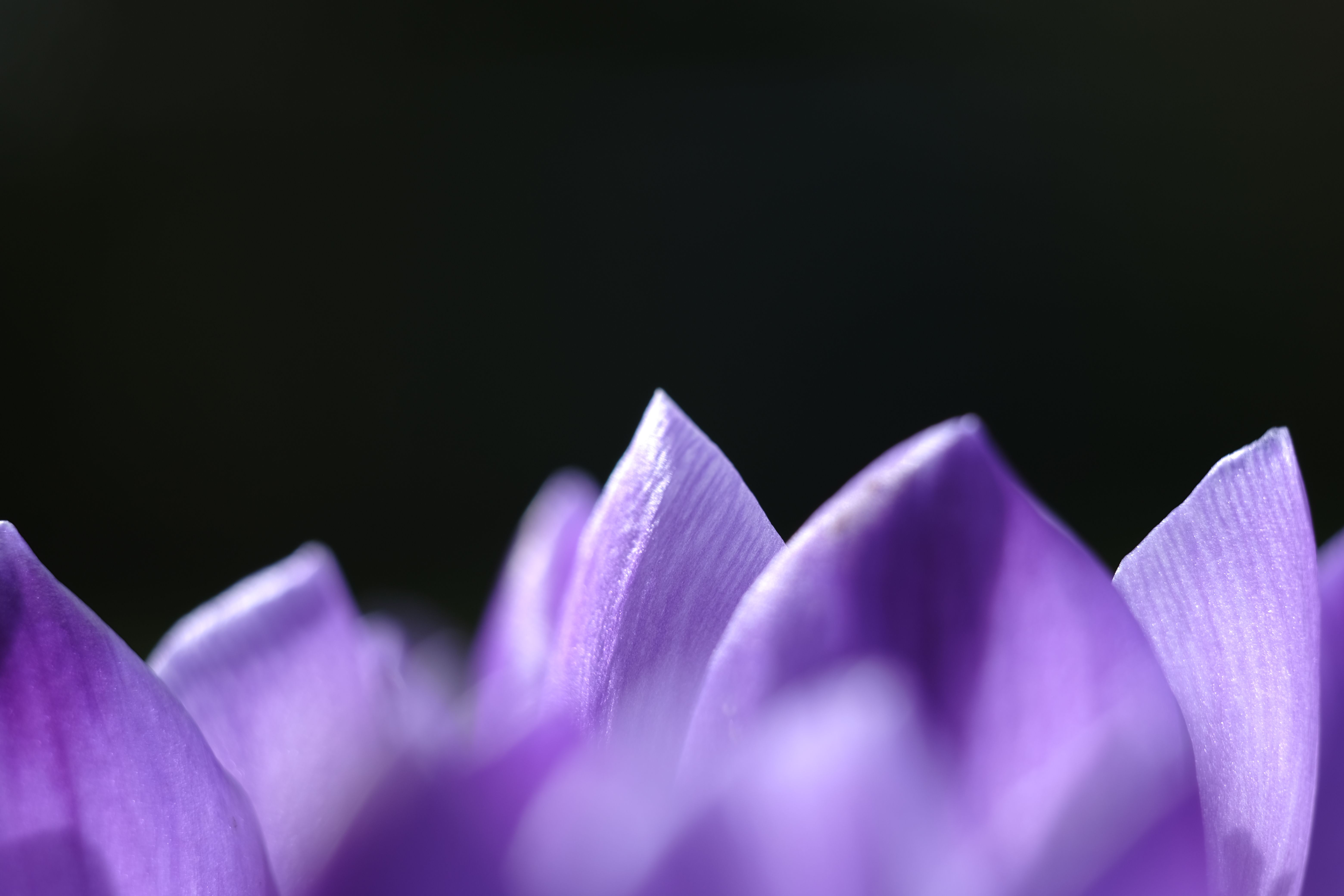
Lens choices by scene
For one bloom on the trail edge, a 50mm, 85mm, or 90mm macro lens all work well. A macro lens gives 1:1 close focus, which helps when you want sharp detail in petals or pollen. A standard zoom can still work, but you may need to step in a little closer.
- 50mm: good for small clusters and simple setups.
- 85mm: gives more distance and nicer background blur.
- 90mm or 100mm macro: best for tiny flowers and fine detail.
- 70mm–200mm zoom: useful when you cannot move closer.
A hands-free strap matters here too. I like the camstrap voyager for trail work because it keeps the camera ready while I kneel, stand, and move between patches. That means fewer moments spent setting gear down in dirt or grass.
How do I keep wildflower photos sharp in light wind?
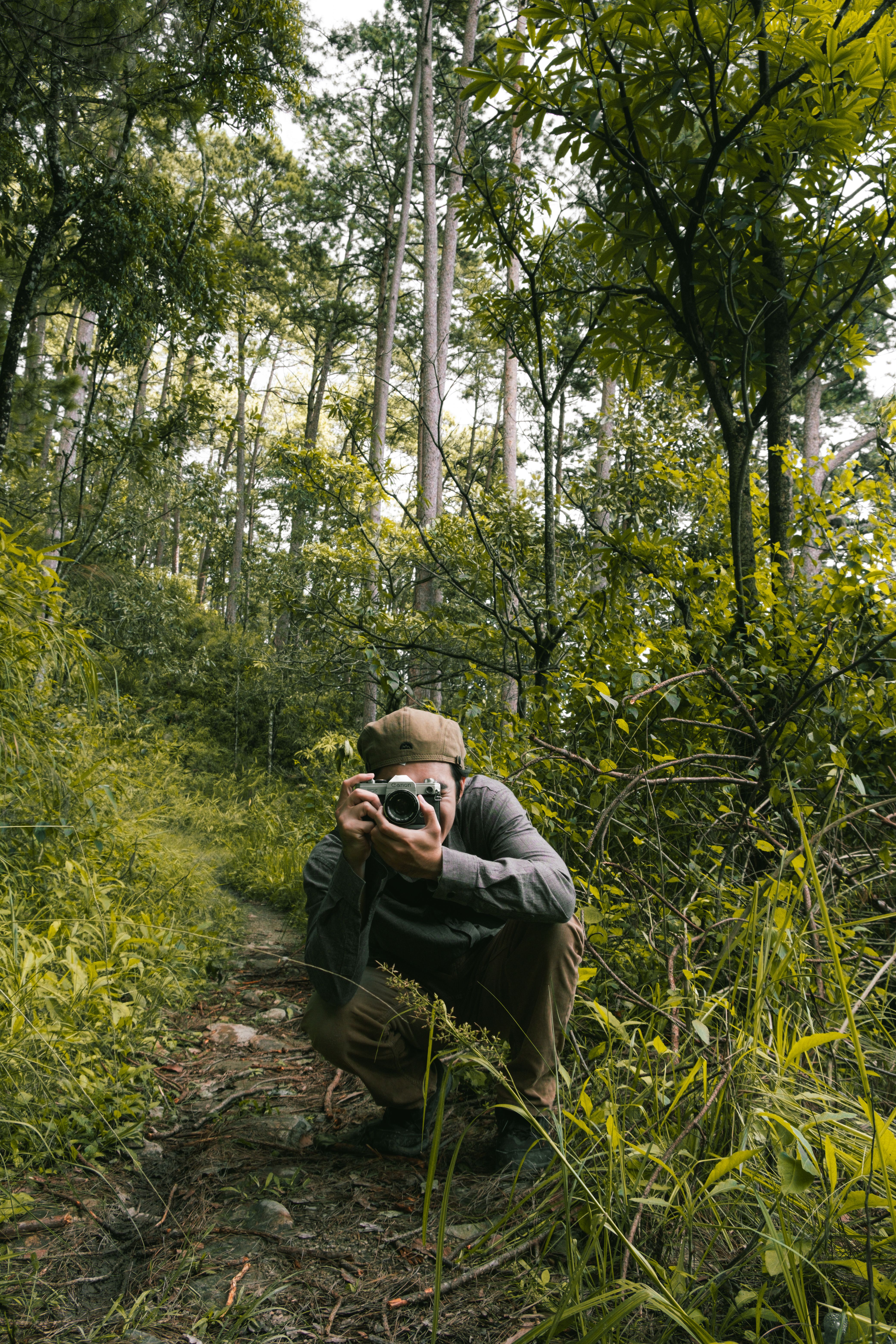
Use a faster shutter speed, steady your body, and shoot in short bursts when the flowers sway. A speed around 1/500s is a strong starting point for light wind, while a tripod can help if the air is calm. If the stem keeps moving, the wind matters more than the camera mode.
Back-button focus helps because it lets you lock focus before the bloom shifts. Continuous AF, or AF-C and AI Servo, also helps when the flower moves a little in the breeze. A short burst often catches one frame where the petals line up cleanly.
Stability tools that matter
Use continuous shooting, but keep the burst short. A modern mid-tier body often slows after roughly 20 to 40 RAW frames, while JPEG can run longer. Pre-capture or pre-burst buffering can help if your camera offers it, because it saves frames from just before you press all the way down.
Card speed matters more than many people think. UHS-II V60 cards are fine for moderate bursts, while V90 or CFexpress helps when you shoot long RAW sequences or use high frame rates. The bigger drain on mirrorless bodies is often the EVF or LCD left on too long, not the shutter itself.
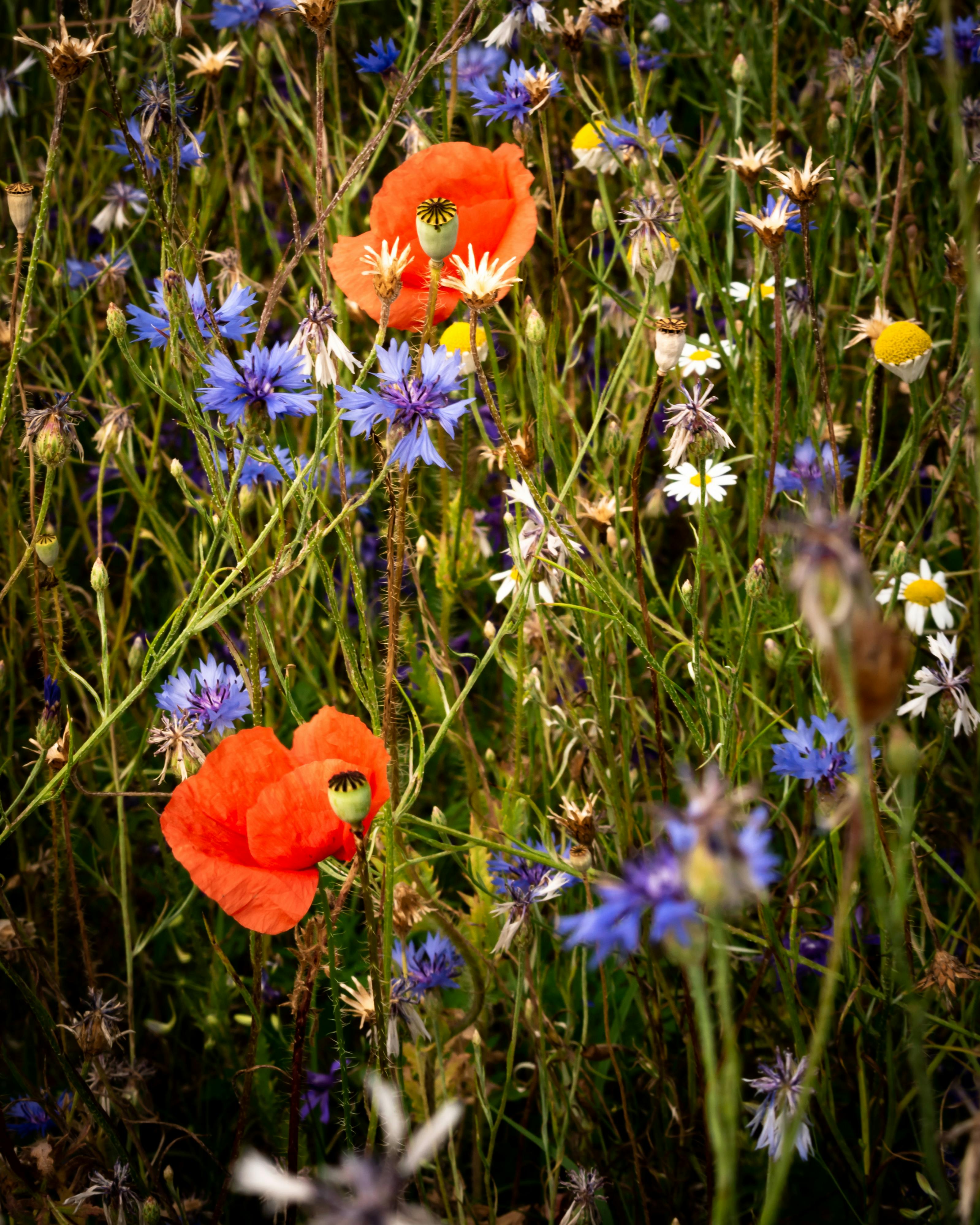
Where should I focus in a flower photo for more depth?
Focus on the front petal edge or the nearest part of the flower that defines its shape. That point gives the eye a clear start, and the rest of the bloom can fall away into gentle blur. In a cleaner trail shot, that simple choice usually adds the most depth.
If the flower has several layers, try focusing one-third of the way into the bloom rather than on the far back edge. That keeps more of the front detail crisp while still showing the full form. For a wider scene with flowers and background in focus, stop down to f/4 to f/8.
Depth choices for different looks
For a single bloom, shallow depth works best. For a patch of flowers that leads into the trail scene, a narrower aperture can help the whole subject read more clearly. Focus stacking can also work for razor-sharp flower landscapes, but it needs still air and careful handling.
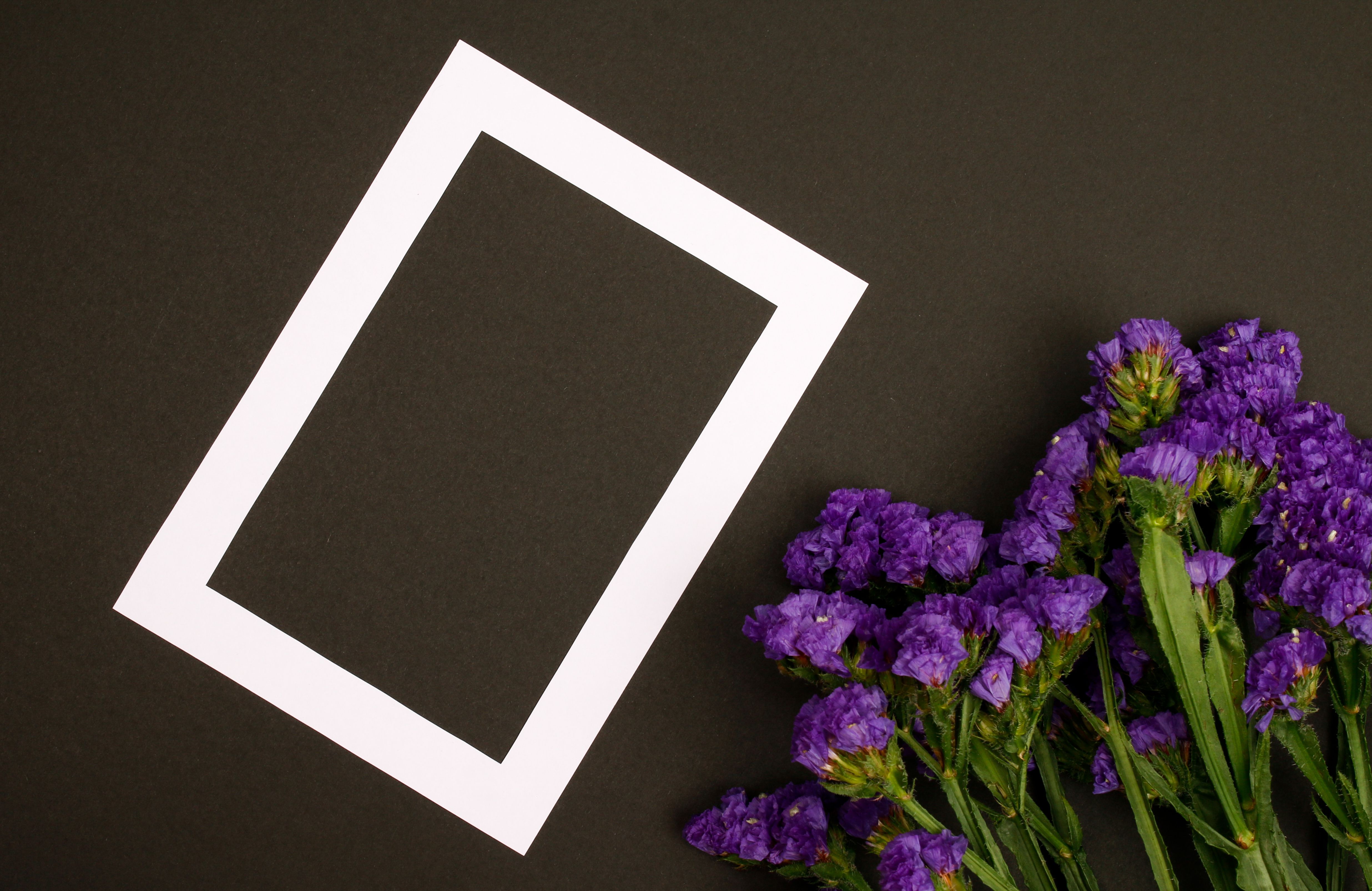
When I use focus stacking, I often raise ISO just enough to catch the foreground without blur, then bring it back to ISO 100 for the background frame. That tradeoff helps keep detail, but it only works well when the scene stays steady. Moving stems can break the stack fast.
How do I avoid trampling plants while photographing them?
Stay on the trail, crouch at the edge, and never make a new path for a better angle. This protects the flowers and keeps the ground from getting packed down. It also helps the area stay clean for the next hiker and photographer.
Move your feet less and use your knees, torso, and lens reach more. If you need a lower angle, kneel on the path or use a small pad rather than stepping into the plants. A careful approach protects both the scene and the shot.
A simple trail routine

Check the ground before you step, because some flowers hide among loose stems and soft soil. Watch your pack, strap, and elbows as well, since they can brush plants without you noticing. If a flower is hard to reach, it is usually better to skip it.
- Stay on the worn trail edge.
- Use a low crouch instead of stepping off path.
- Keep your lens and bag from touching plants.
- Take a few frames, then move on.
- Leave the patch as you found it.
The camstrap explorer works well for this style of shooting because it spreads weight across the body and keeps the camera close without a dangling swing. That makes it easier to crouch and stand without fighting your gear. For longer walks, the camstrap nomad adds the same hands-free ease with a light feel that suits travel days.
If you want a faster way to move from walk to shot, the camstrap magclip can help with one-handed release and quick re-clip use. That speed matters when a bloom catches the light for only a moment. It also reduces the chance that you set the camera in dust or mud.
Small field habits that make the photo look cleaner
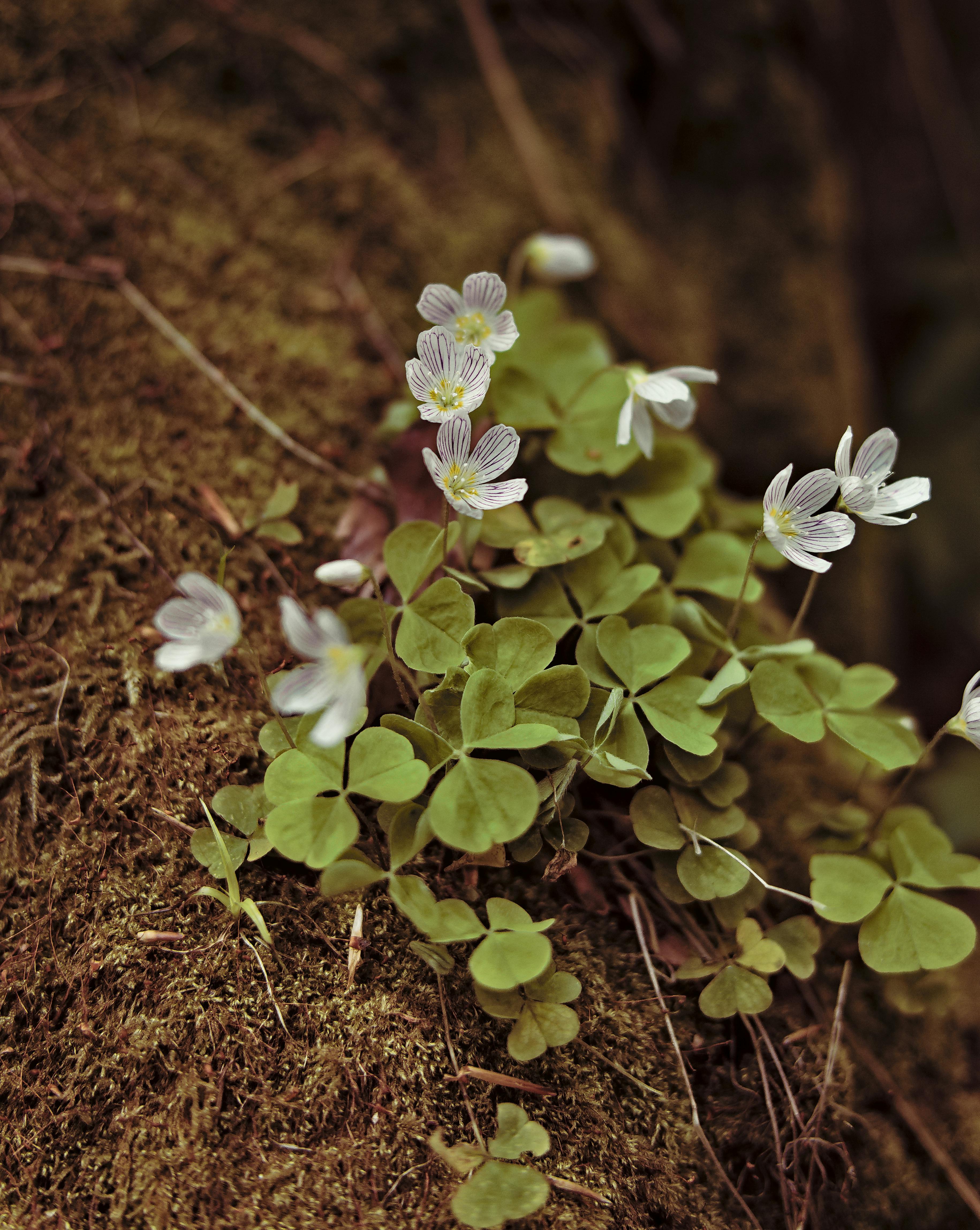
Good flower photos often come down to small field habits. Watch the light on the petals, the tilt of the stem, and the shape of the space behind the bloom. Those details shape the image more than any single camera setting.
Use gentle edits too. A light crop can remove a stray leaf or bright spot, and a small exposure tweak can bring back petal detail. In the field, though, a clean frame is still easier than a hard fix later.
These habits also help if you enjoy travel photography or photography for beginners, because they build good eyes without making the process feel hard. Keep your camera ready, move slowly, and trust the simple shapes in front of you. On a quiet trail, that steady approach often turns one small bloom into the best photo of the walk.
Frequently Asked Questions
How do I frame flowers without messy backgrounds on a trail?
Frame the flower low and straight on, then shift a few inches until bright distractions disappear from the background. Staying on the path and crouching to flower height keeps the scene clean and helps avoid trampling nearby plants.
What lens works best for close-up flower shots outdoors?
A short telephoto lens or a macro lens works best for close-up wildflower photos outdoors because both isolate the bloom and blur the background. An aperture of f/2 to f/2.8 also helps the flower stand out against softer surroundings.
How do I keep wildflower photos sharp in light wind?
To keep wildflower photos sharp in light wind, use a fast shutter speed and time the shot when the flower briefly stills between gusts. Burst shooting can also improve the chances of catching one sharp frame.
Where should I focus in a flower photo for more depth?
Focus on the flower’s nearest important detail, usually the center or the front petal, so the bloom reads clearly and still has depth. Placing the flower in the lower one-third to one-half of the frame also leaves space for a softer background.
How do I avoid trampling plants while photographing them?
Stay on the trail and shoot from the edge instead of stepping into the plants. Crouching or leaning to flower height lets you compose the image without entering the meadow or disturbing fragile stems.