


- Is a sling or hands-free strap better for mirrorless
- Which camera strap reduces neck strain most
- What strap is best for a 70-200mm lens
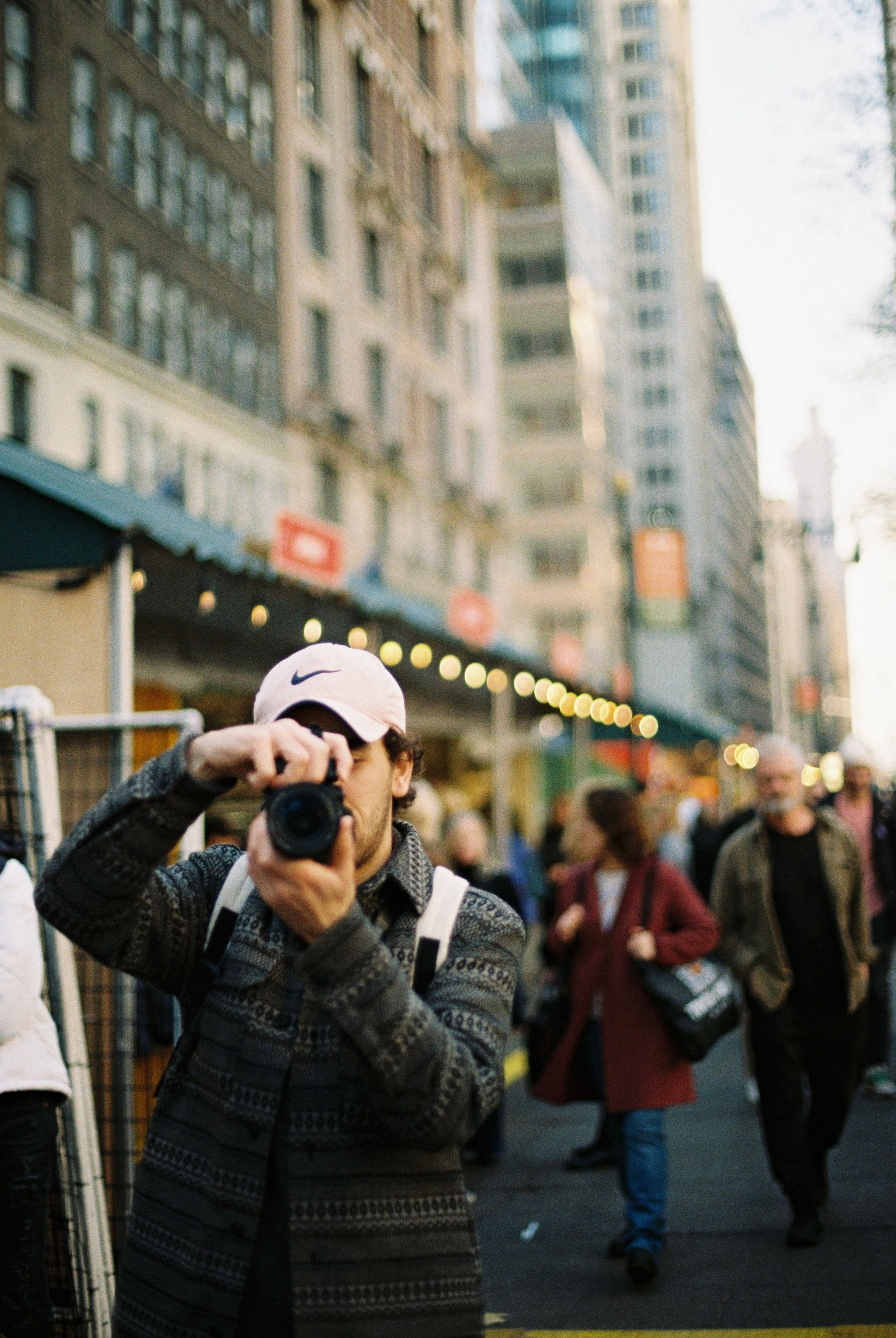
Picking the right hands-free strap transforms how you work with mirrorless cameras. These straps let you carry your kit without keeping a hand on it. This article evaluates hands-free systems and sling-style options to guide your decision. It also addresses neck strain, handling long lenses, and practical field tips.
Shop the setup

- Regular price
-
€42 - Regular price
-
€44 - Sale price
-
€42
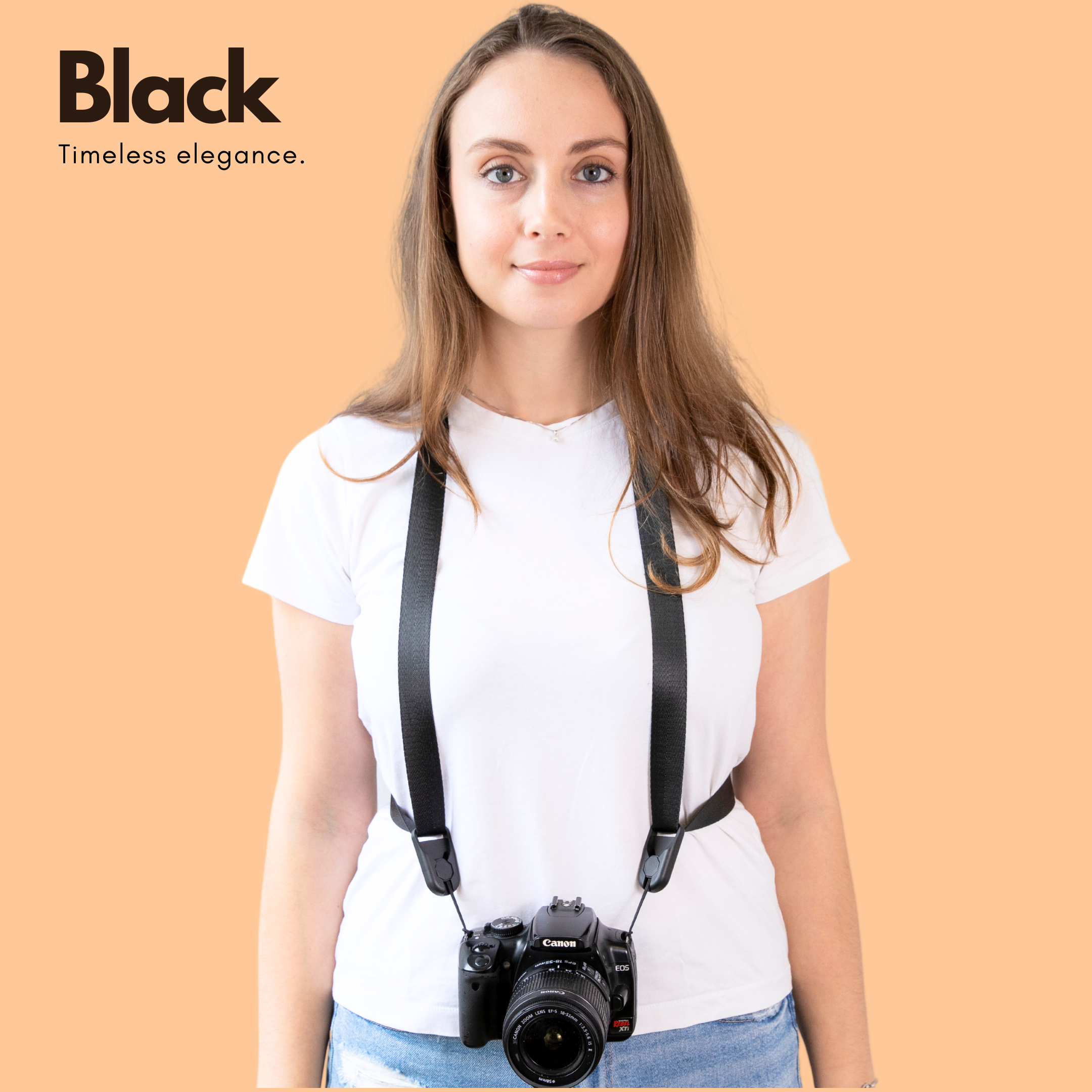
By choosing the Camstrap strap, you are opting for a high-quality product designed to meet the needs of the most demanding photographers.
- Developed by a physiotherapist to relieve neck and back pain.
- Fast delivery with tracking by the Post Office 🚚
- Can be used as a shoulder strap or hands-free harness

- Regular price
-
€36 - Regular price
-
€42 - Sale price
-
€36
Free shipping included
Why choose a hands-free camera strap?
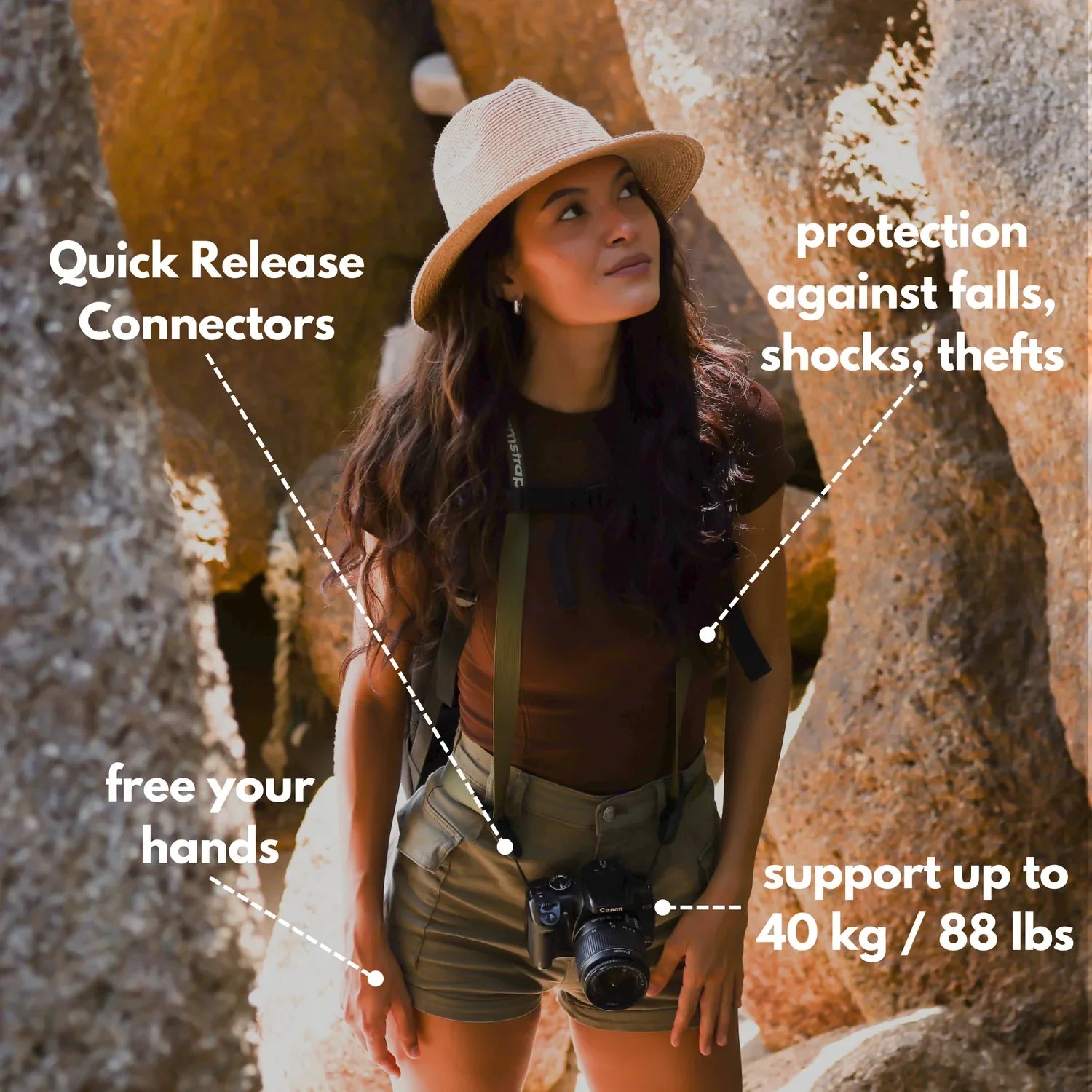
A hands-free strap holds your camera securely while you walk, climb, or navigate crowded places. Freeing both hands makes it easier to consult maps, manage other gear, or grab a drink. For travel and long outdoor days, many photographers prefer this approach.

By reducing moments when the camera is unsupported, a hands-free system lowers the risk of accidental drops. It also gives you room to carry a spare lens or a compact pouch. Keeping the camera close to your body speeds your reaction when a shot appears.
How sling straps work and who they suit
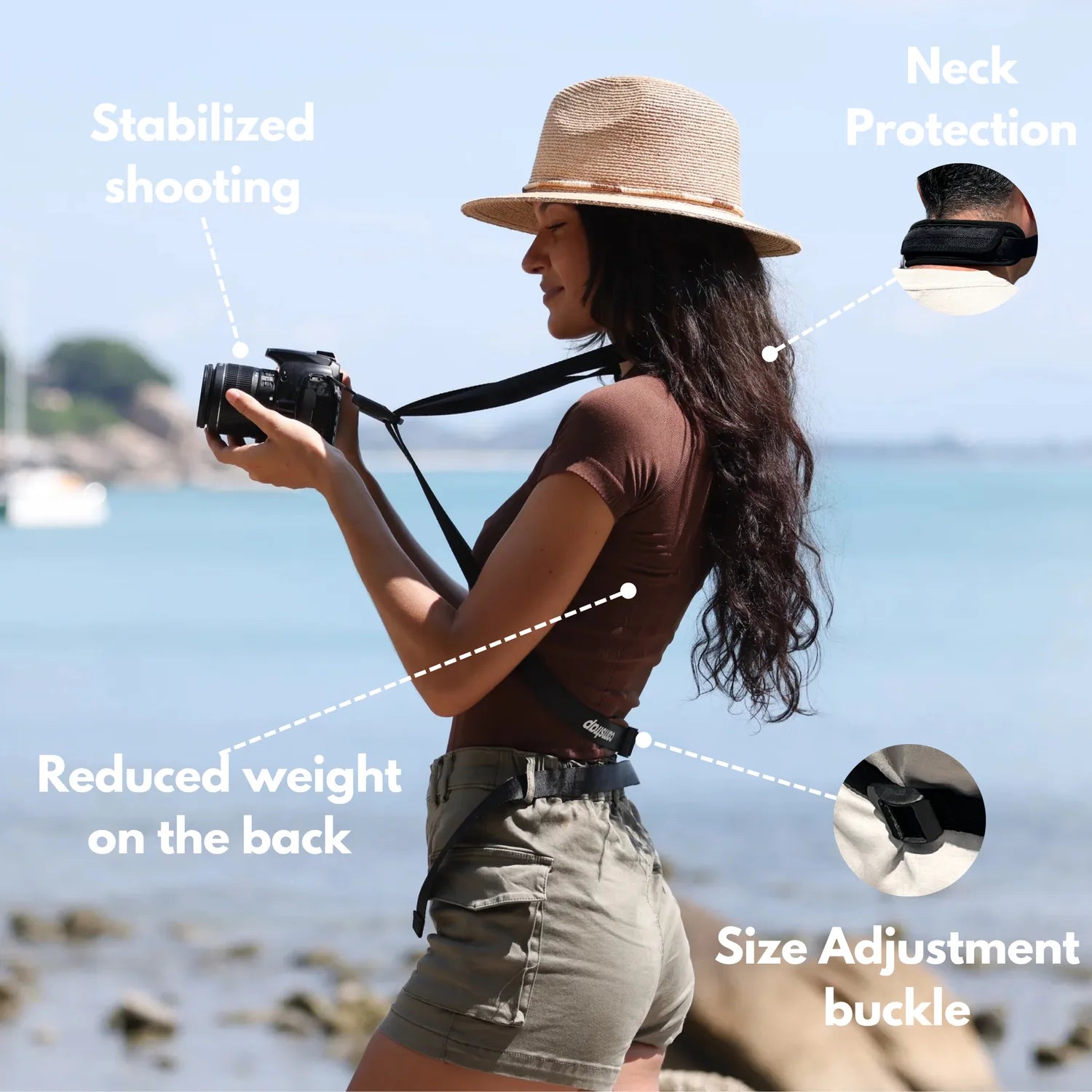
Worn cross-body and anchored at a single point, a sling strap lets the camera rest at your hip until you need it. When you raise the camera to shoot, it slides up the strap into shooting position. Many slings attach via the camera’s 1/4-20 tripod socket to keep the connection tidy and robust.
Sling motion and stability
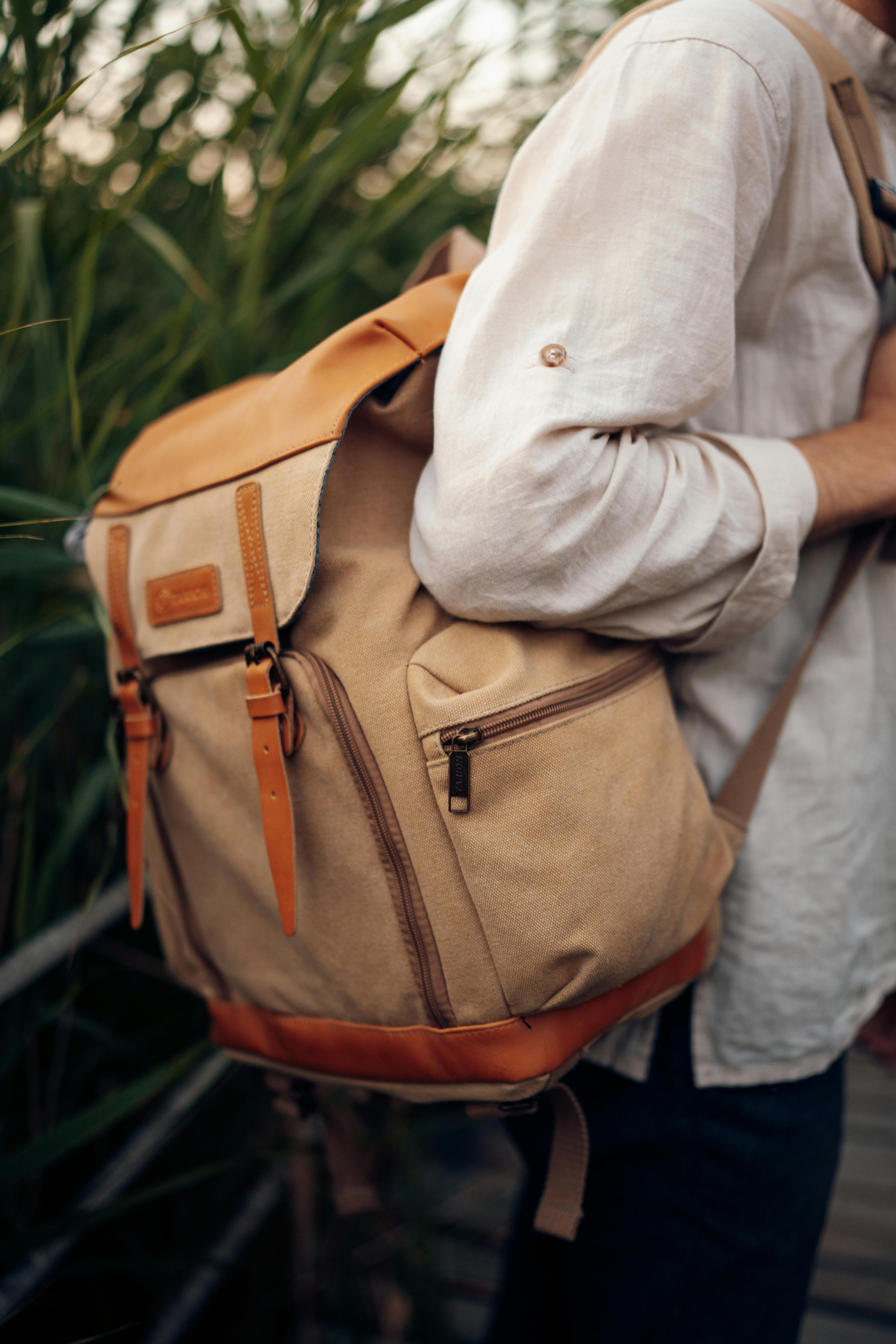
Sling designs minimize camera bounce as you move, keeping the kit close to your side. They also slide smoothly into place for fast framing. That combination makes slings well suited to more active shooting scenarios.
Who should use a sling?
Travelers and outdoor shooters frequently choose slings for their mobility and speed of access. When you cover lots of ground but need to grab the camera quickly, a sling excels. It aligns particularly well with mirrorless bodies paired with mid-range zooms such as a 24-70mm.
Hands-free vs sling: comfort and neck strain
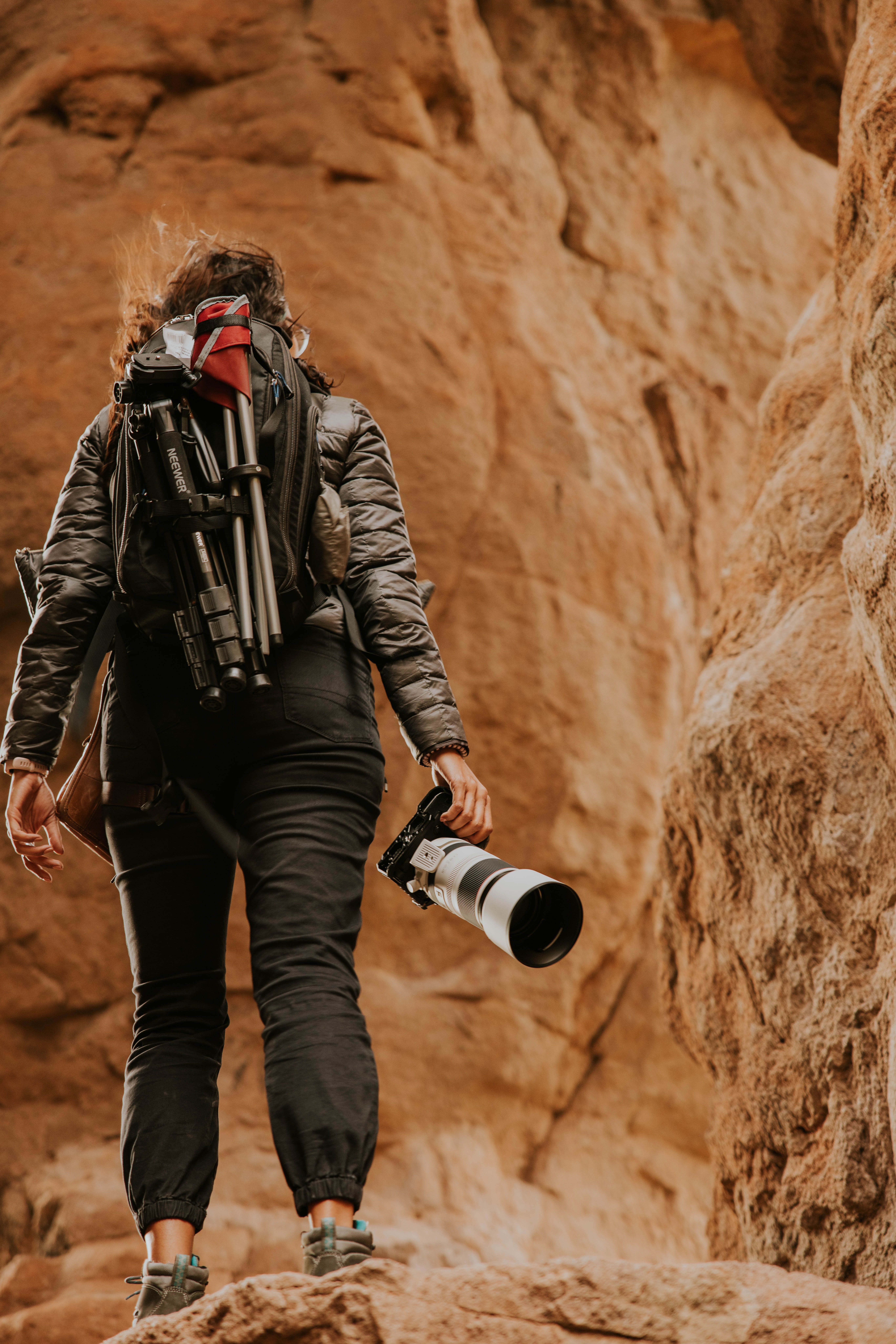
Comfort becomes critical when you carry a mirrorless camera for extended periods. A hands-free shoulder strap distributes the kit’s weight across the shoulder or torso. That distribution often lessens neck strain compared with slim neck straps.
Conversely, a sling positions the load lower at the hip, reducing bounce and often easing shoulder fatigue during long treks. Both hands-free shoulder straps and slings therefore provide viable strategies to reduce neck and shoulder discomfort.
Which reduces neck strain most?
Research and field guides generally find that shoulder- or torso-mounted straps distribute forces more evenly than narrow neck straps. Over long sessions, a hands-free shoulder strap typically feels gentler on the neck. That said, for photographers who are constantly on the move, a sling can relieve different stresses by minimizing bounce.
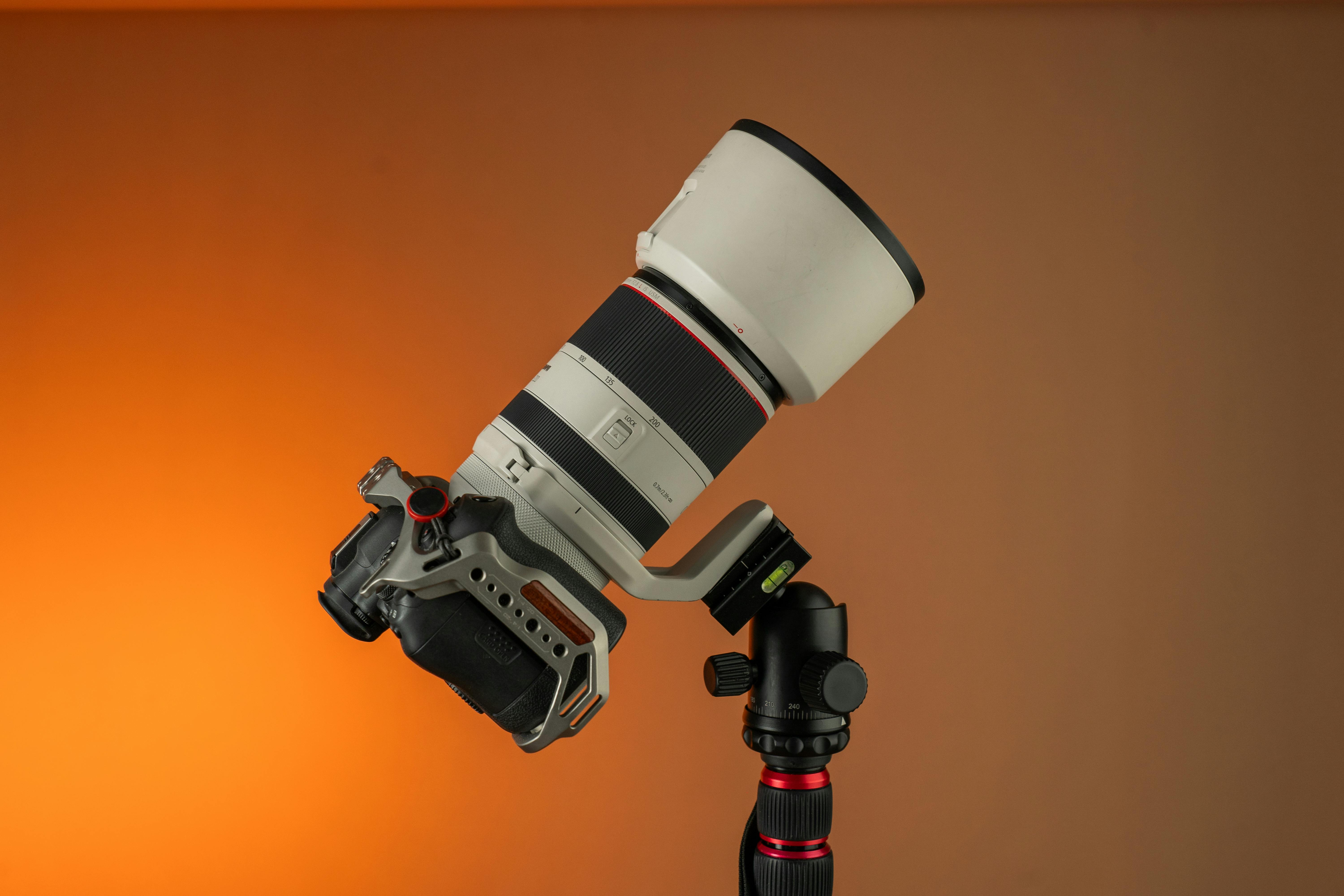
In short, opt for a hands-free shoulder model for extended wear, and choose a sling when active movement and rapid access are your priorities.
Hands-free gear for travel and outdoor shoots
Travel and outdoor shooting require a robust hands-free setup. Look for broad padding and reinforced attachment points in a quality strap. Durable webbing that resists rain, grit, and abrasion will extend its service life.
Camstrap offers a range worth considering: the Voyager, designed for travel and prolonged comfort; the Explorer, built to withstand rugged trails; the Nomad, targeted at lighter kits and short outings; and the MagClip, a quick-mount accessory for convenient hands-free carry. These represent just a few options among many available.
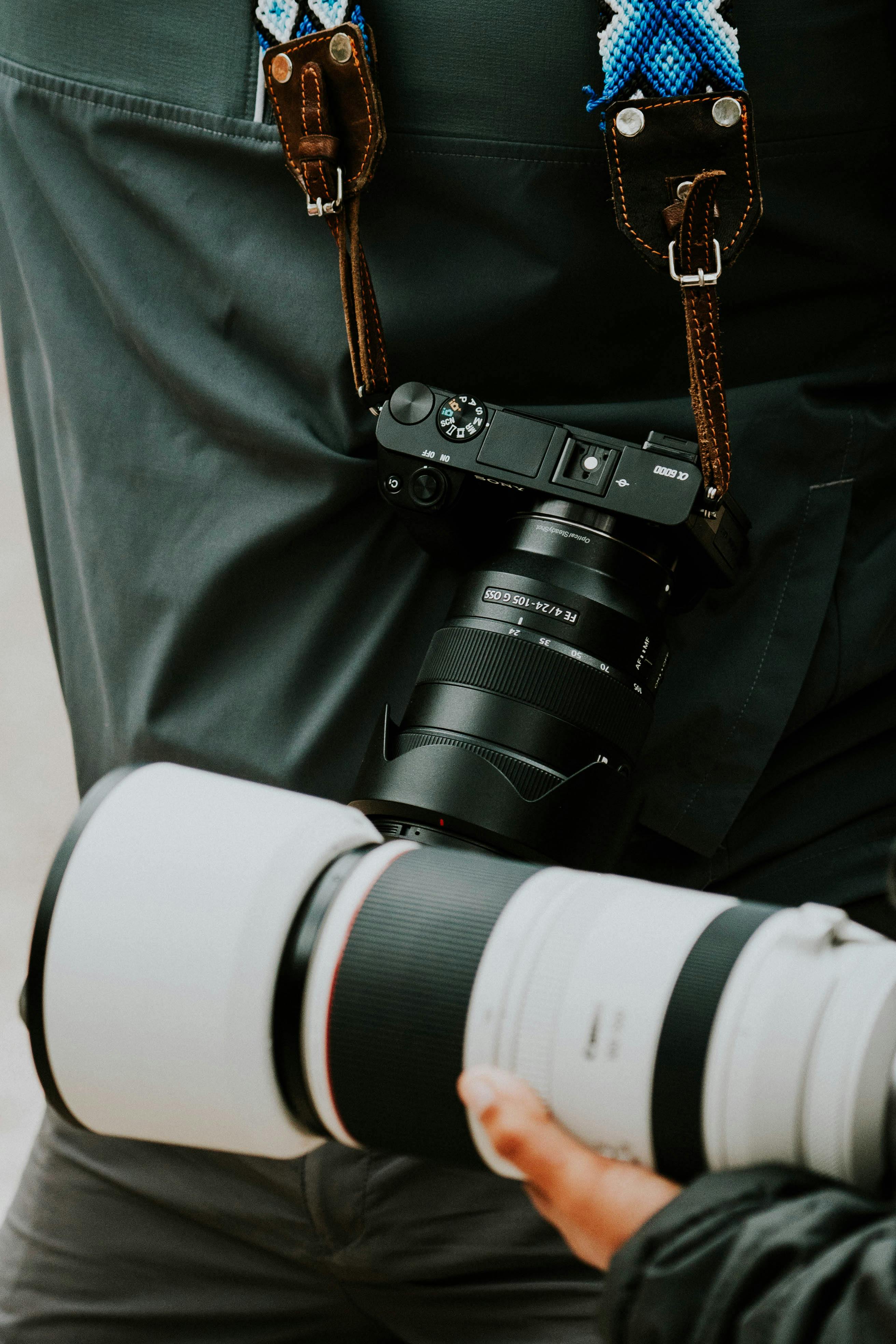
Price is another factor. Sling straps commonly fall between $25 and $70, while shoulder and hands-free models are typically in the $20–$60 band. Wrist straps are generally the most affordable, around $10–$30. That variety means you can match hands-free gear to most budgets.
How to pick a strap for a 70-200mm lens
A 70–200mm telephoto is a heavy item that frequently outweighs the camera body itself. Because of that, you’ll want a strap that both distributes the load and provides secure mounting.
For this lens, a sturdy hands-free shoulder strap is usually the best choice. By shifting weight across your chest or shoulder, it helps prevent neck and shoulder discomfort during long sessions.
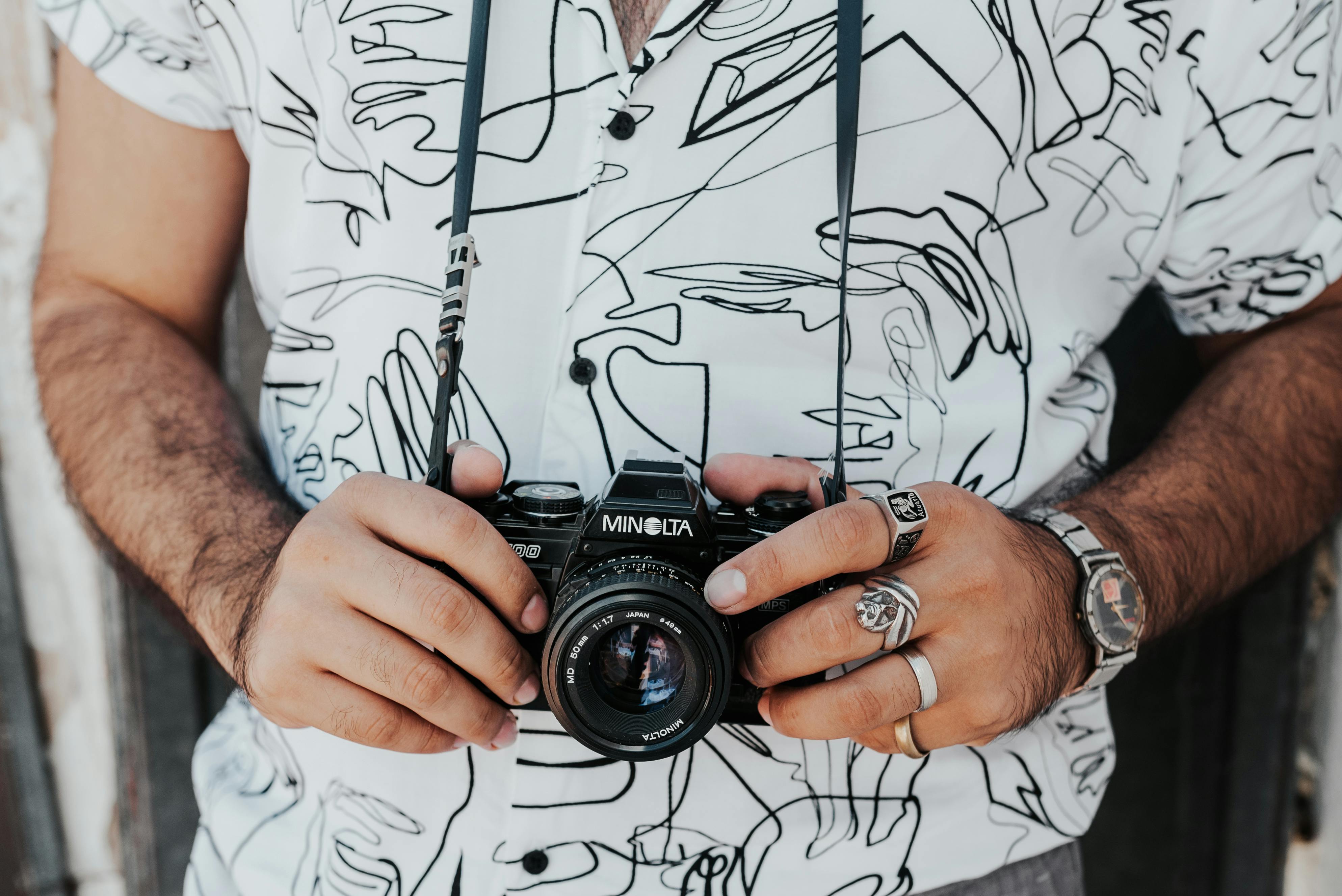
Key specs to watch
- Load rating: choose a strap rated at least 30% higher than your total kit weight.
- Mount type: prefer attachments that use a plate or dual-lug connections for added security.
- Padded width: aim for 2–4 inches of padding to support heavier setups.
Also, rely on quick-release hardware that locks firmly. Avoid single thin neck straps when using heavy lenses. Instead, choose hands-free shoulder systems or a harness for safer carry and reduced fatigue.
Hands-free setup tips and care
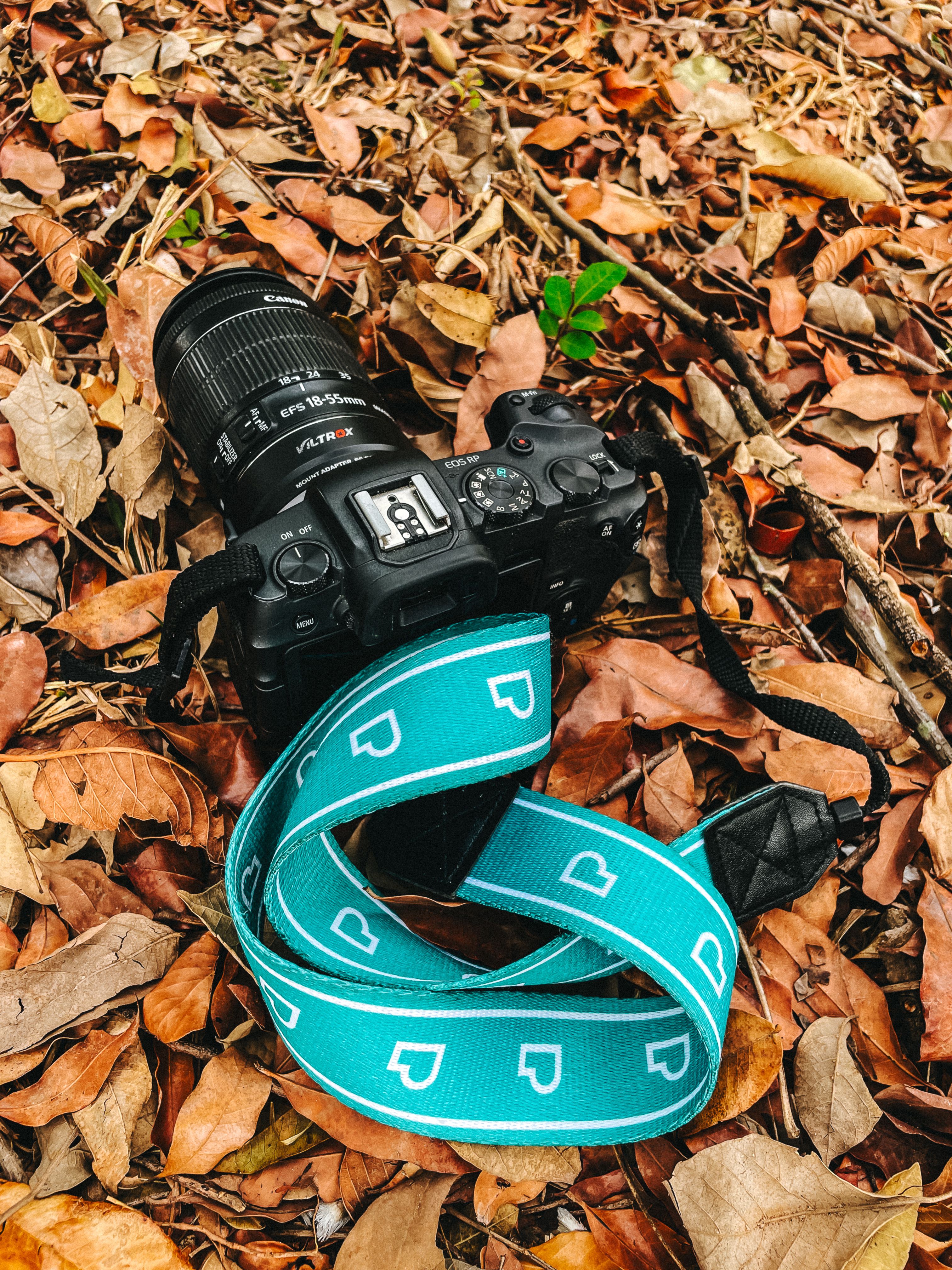
Proper setup improves comfort and speed. Start by positioning the padding over your stronger shoulder. Then adjust the strap length so the camera rests at hip or chest level according to your shooting preference. These tweaks make it easier to move and grab shots quickly.
Inspect attachment points before every outing. Although a sling’s single mount can be reliable, the 1/4-20 screw must be kept tight to prevent slips. Routine checks help avoid unexpected drops. Clean straps with mild soap and air-dry them to maintain performance.
Quick shooting tips with a hands-free strap
- Carry the camera on your dominant side to shorten your draw time.
- Shoot at 1/500s or faster when tracking moving subjects with a 70–200mm lens.
- Use f/2–f/2.8 for shallow depth of field; choose f/8–f/11 for landscape sharpness.
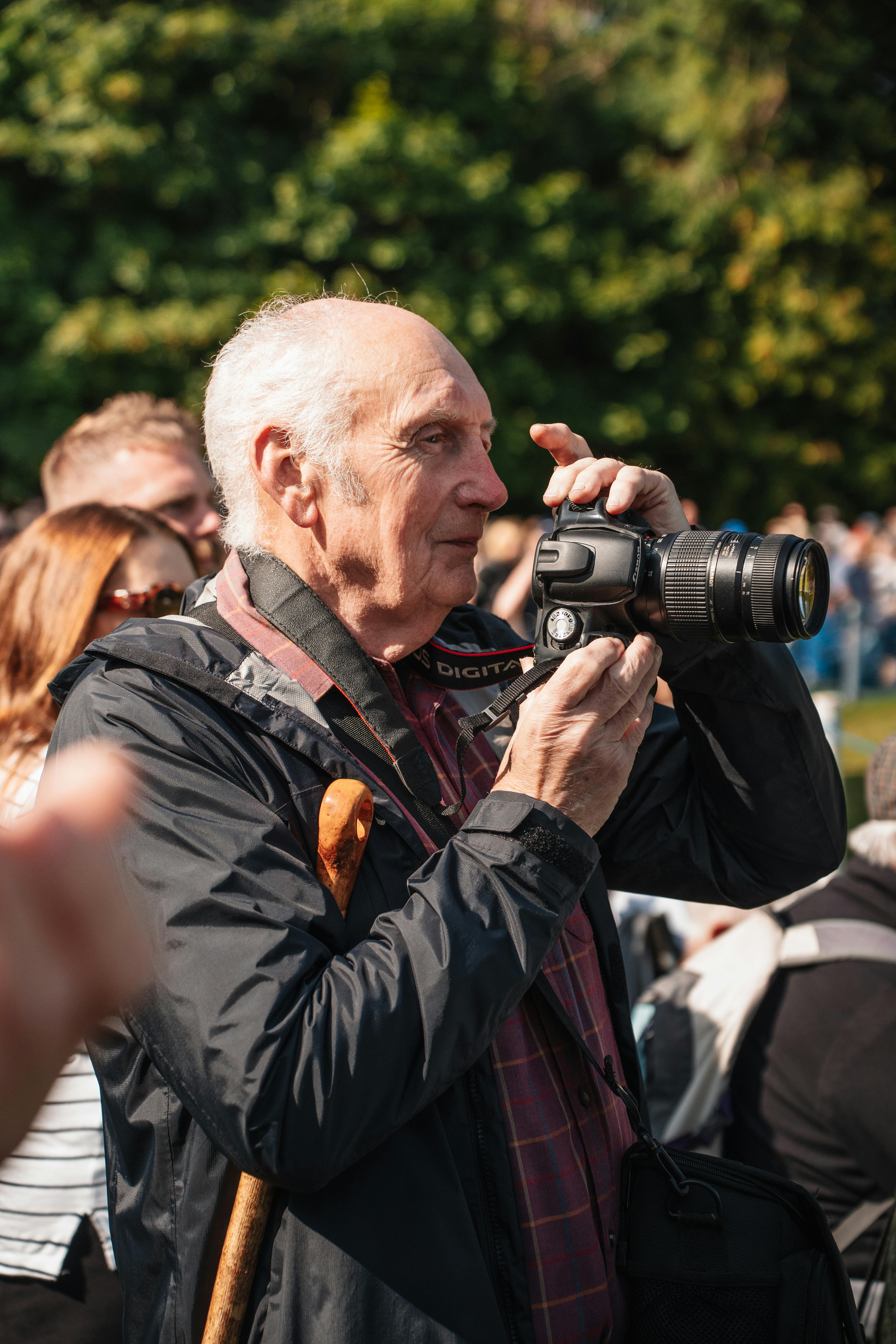
When hiking, consider switching the camera to your back or using a chest harness to improve balance. Such small adjustments can make long days far less taxing.
Compare common use cases: hands-free vs sling
Different types of shoots call for different carrying strategies. For street and travel work, hands-free shoulder straps are often preferred because they ease neck strain during long walks. By contrast, slings shine for active assignments where rapid, frequent moves are required.
As an example, a hands-free strap is ideal for a day spent in a museum: it keeps gear low and unobtrusive. If you’re hiking rough terrain and need to aim quickly, however, a sling will position the camera far more rapidly.

- Travel: padded hands-free shoulder strap.
- Active hiking: sling strap to minimize bounce.
- Portraits: hands-free straps for stability and comfort.
- Event work: hands-free with quick-release hardware for rapid transitions.
Lens and body combos to consider
A 50–85mm prime pairs well with a lightweight hands-free strap or even a wrist strap. Mid-weight kits built around a 24–70mm give you flexibility to choose either style. For heavy 70–200mm setups, prefer hands-free shoulder carry to distribute weight more effectively.
Match the strap hardware to your camera’s fittings. Many slings use the 1/4–20 tripod socket for a clean, compact attachment on mirrorless bodies. That mounting approach enables smooth sliding and steady carry.
Final verdict: which to buy
Both hands-free shoulder straps and slings offer distinct advantages. If you cover long distances and want to reduce neck strain, a hands-free shoulder model is a strong choice. If rapid movement and instant access are priorities, a sling makes more sense. Either style can be effective with mirrorless gear depending on your shooting needs.
For heavy setups such as a 70–200mm, favor a hands-free shoulder strap. Lighter prime users (50–85mm) can often get by with a sling or wrist strap. Keep budget in mind: slings typically cost $25–$70, while hands-free shoulder straps are commonly found in the $20–$60 range.
Sample picks by persona
- Travel Enthusiasts: padded hands-free shoulder strap for prolonged comfort and easy access.
- Outdoor Adventure Photographers: rugged sling with a secure 1/4–20 mount to minimize bobbing.
- Amateur Photographers: budget-friendly hands-free strap that distributes weight and improves safety.
Camstrap’s lineup includes the Voyager for travel, the Explorer for rugged outdoor use, the Nomad for lighter kits, and the MagClip as a quick-mount accessory. These neutral picks are useful reference points when comparing hands-free and sling styles.
Conclusion: choose the hands-free style that fits your needs
In summary, hands-free straps can significantly reduce neck strain and suit long shooting days. Slings, meanwhile, minimize bobbing and deliver faster access when you’re on the move. Let your gear weight and shooting style guide your decision.
When lugging a 70–200mm lens, select a hands-free shoulder strap to spread the load across your body. For lighter lenses such as 50–85mm, a sling or wrist strap is often sufficient. Also note typical price ranges: slings $25–$70, shoulder straps $20–$60, wrist straps $10–$30.
Finally, try a hands-free or sling strap before purchasing to ensure it feels right. Fine-tune length and padding to reduce neck strain, and verify mounts such as the 1/4–20 tripod socket for secure attachment. The correct strap helps you shoot more, move freely, and remain comfortable throughout the day.
Frequently Asked Questions
Is a sling or hands-free strap better for mirrorless?
Both are good choices depending on use: a hands-free shoulder/torso strap is better for extended wear and even weight distribution, while a sling excels for mobility and quick access. Choose a sling for travel or active shooting with mid-range zooms, and a hands-free shoulder model for long days and comfort.
Which camera strap reduces neck strain most?
Shoulder- or torso-mounted hands-free straps reduce neck strain most because they distribute forces more evenly than narrow neck straps and feel gentler over long sessions. A sling can reduce bounce and shoulder fatigue during movement but is less focused on prolonged neck relief.
What strap is best for a 70-200mm lens?
A broad-padded hands-free shoulder strap or harness with reinforced anchors is best for a heavy 70–200mm lens because it spreads the weight across the shoulder and torso. A sling can work for mobility, but heavier telephotos benefit from the extra support to protect your neck and shoulders.


