


- Practical, field-tested guidance you can apply today
- Gear chosen for comfort and durability
- Tips tailored to real shooting conditions
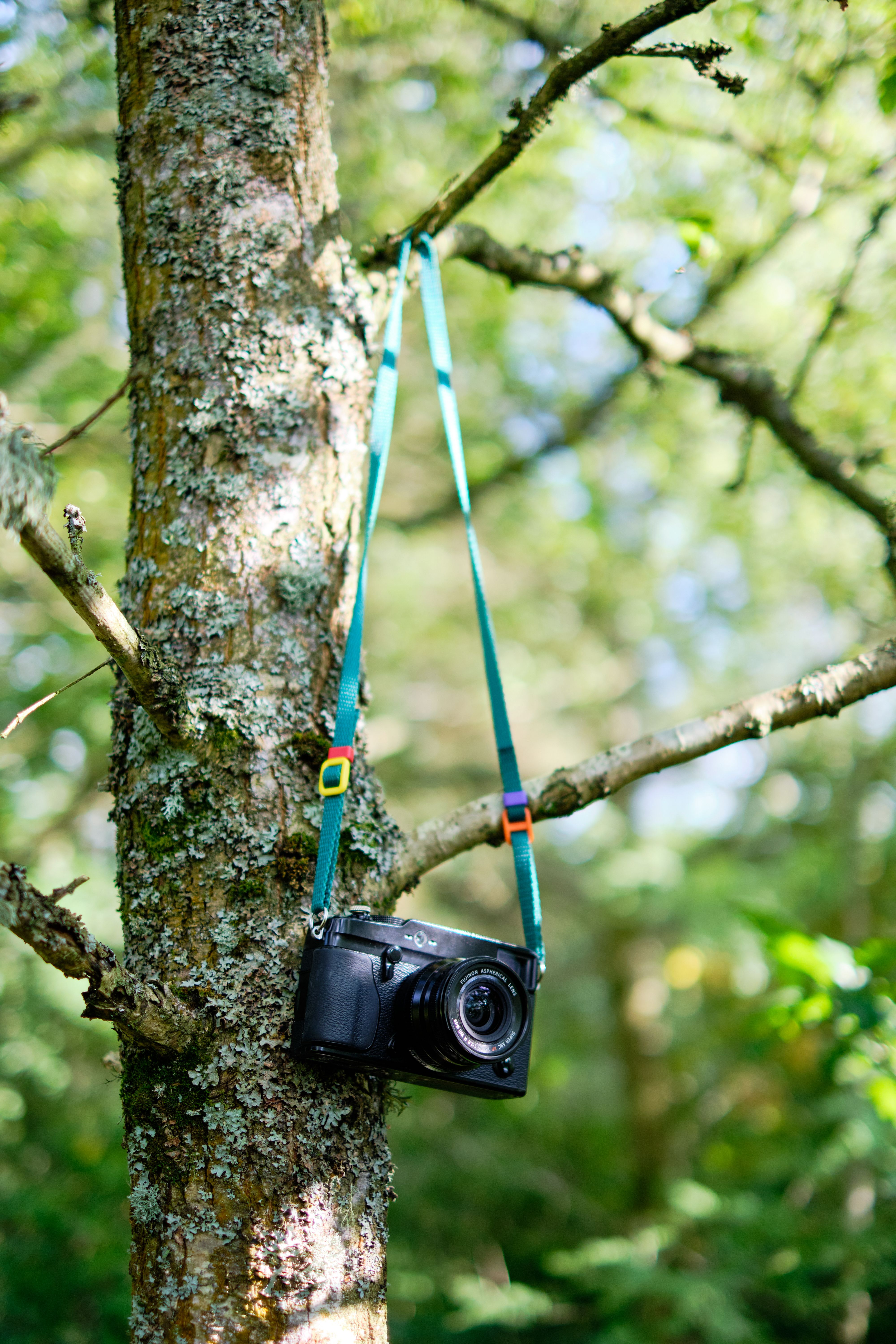
For outdoor photographers in 2026, selecting the right camera strap can make long days in the field far more comfortable and secure. This guide walks you through practical criteria and product-focused advice to help you pick a strap that stands up to rough terrain and extended use. Camstrap provides clear recommendations and tested notes to simplify your decision.
How to Use This Ultimate Guide
Work through the sections in order to match strap styles and features with your shooting needs. We separate the most important factors and explain how each strap type aligns with specific gear and workflows. Use the quick checklist at the end to confirm your selection before you head out.
Shop the setup

- Regular price
-
€42 - Regular price
-
€44 - Sale price
-
€42
By choosing the Camstrap strap, you are opting for a high-quality product designed to meet the needs of the most demanding photographers.
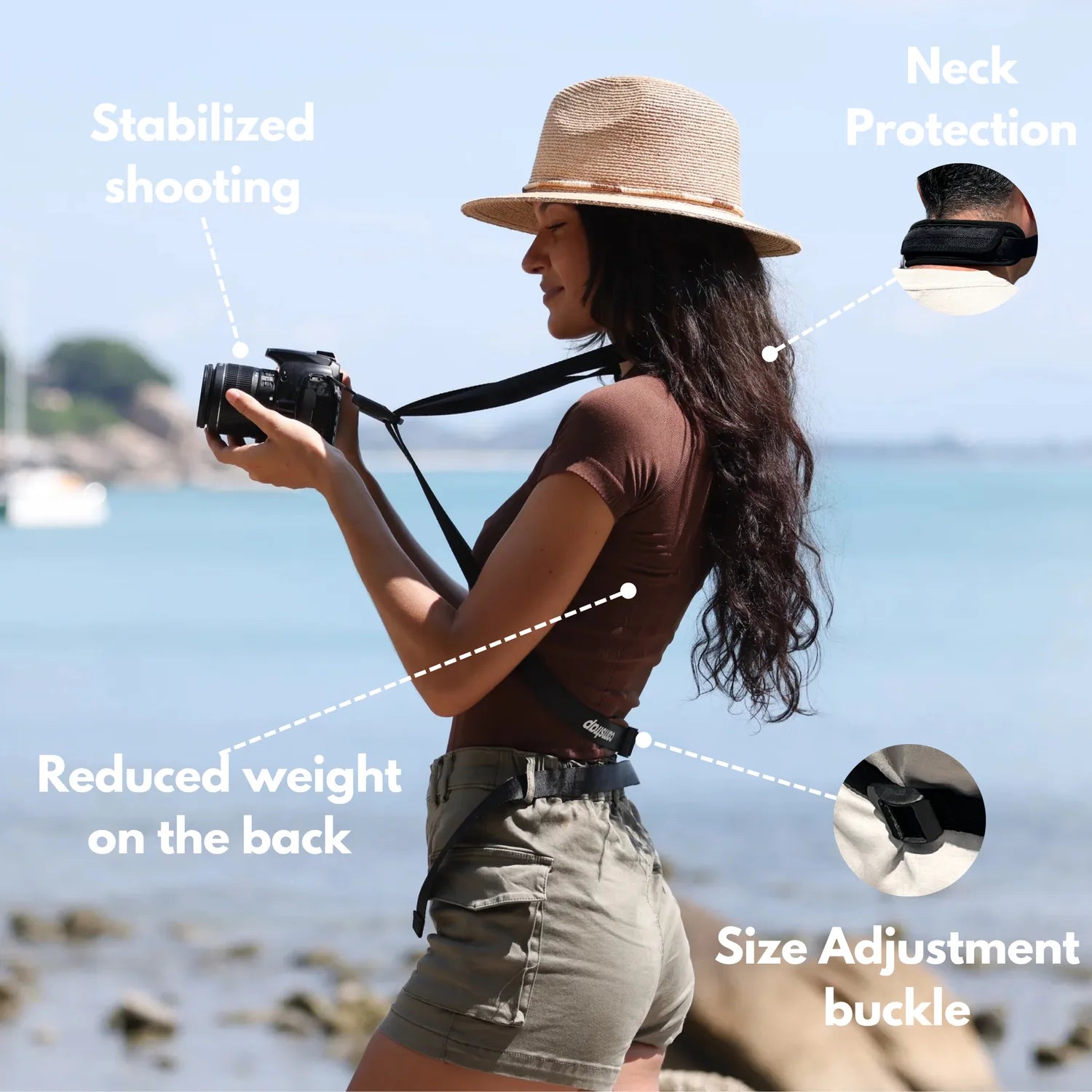
- Developed by a physiotherapist to relieve neck and back pain.
- Fast delivery with tracking by the Post Office 🚚
- Can be used as a shoulder strap or hands-free harness

- Regular price
-
€36 - Regular price
-
€42 - Sale price
-
€36
Free shipping included
Key Features to Look For in a Camera Strap
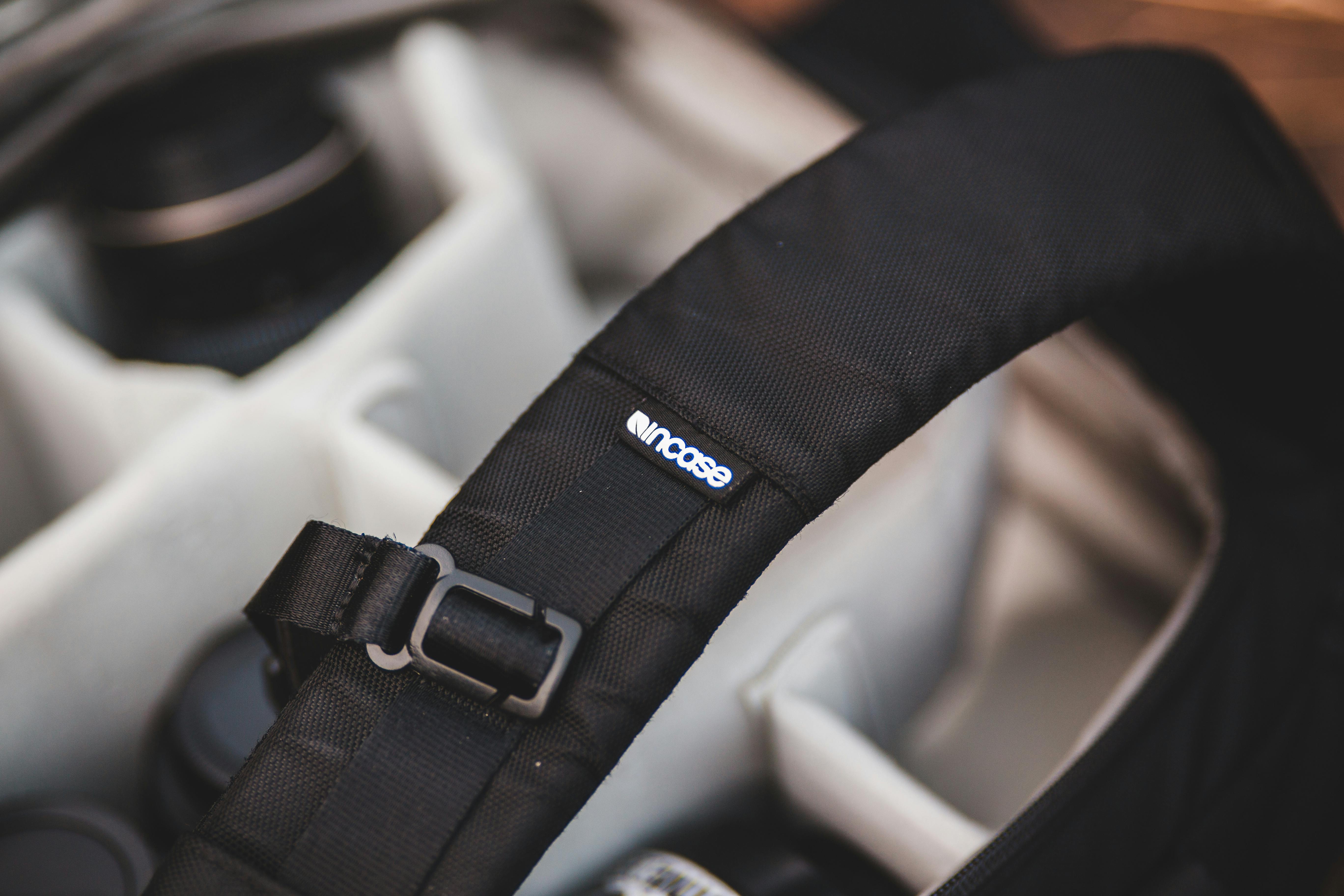
Prioritize comfort first. Straps that distribute weight across the body reduce fatigue and let you shoot longer without soreness—look for padding, wide webbing, or an ergonomic sling profile to protect your neck and shoulders.
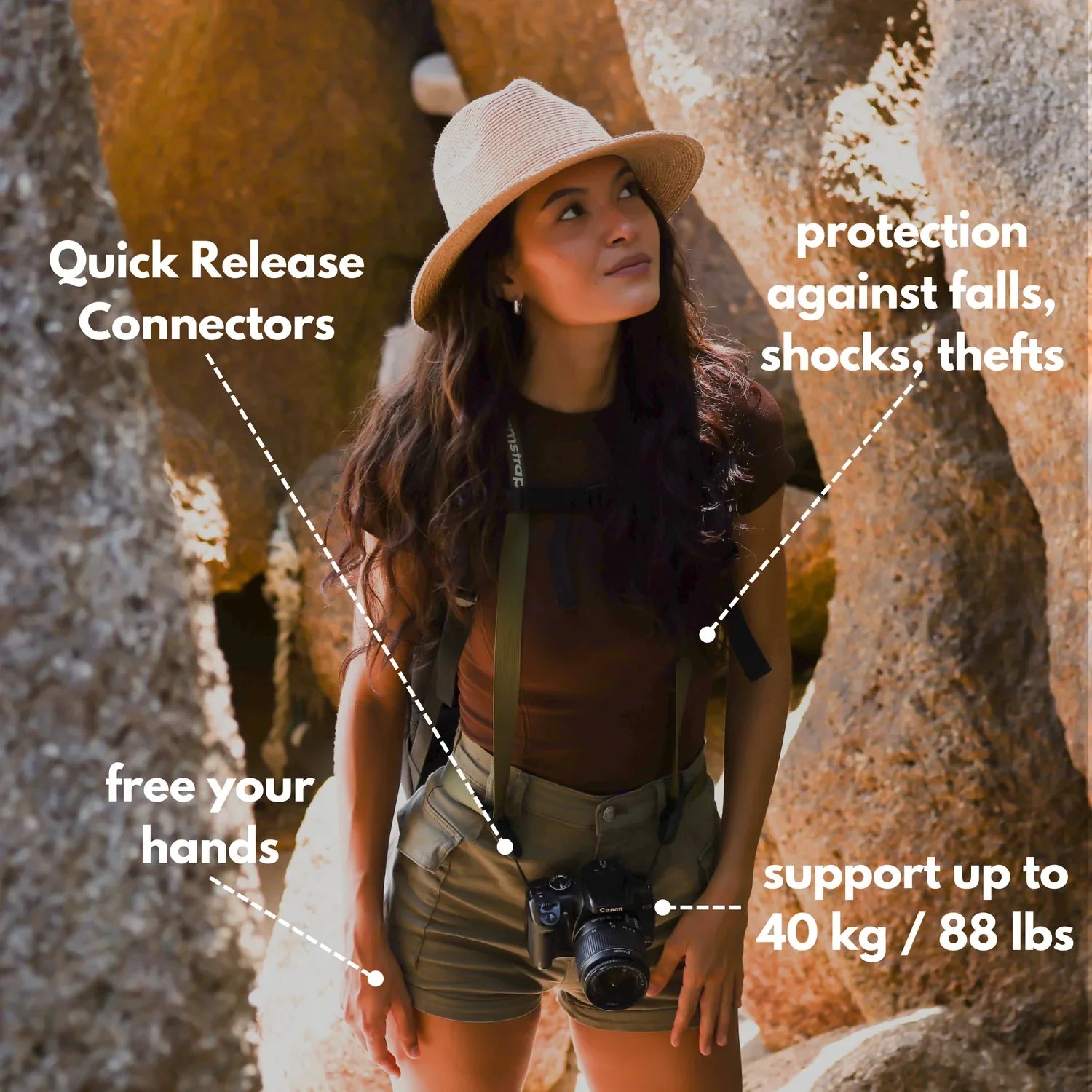
Next, evaluate strength and safety. Seek out straps with proven hardware and durable webbing, and consider adding safety tethers or locking quick-releases to protect your equipment while you move.
- Padding: foam or gel inserts for extended wear
- Material: durable nylon, polyester, or treated leather
- Hardware: metal buckles and reinforced anchor points
- Quick-release: secure mechanisms that are simple to operate
- Weatherproofing: water- and UV-resistant finishes for long trips
Research and Standards to Watch
Independent outdoor gear labs consistently find that metal anchors and reinforced attachments outlast cheaper alternatives in salt, mud, and rain. Choose anchor points rated at or above your camera’s weight, and prefer reinforced stitching over adhesive joints for long-term reliability.
The Ultimate Strap Types for Outdoor Adventure
Picking the appropriate strap style affects speed, comfort, and safety while you work. Below are the common designs you’ll encounter for outdoor use, each tailored to different shooting habits and equipment loads.
Sling Straps

Sling straps cross the chest and allow you to slide the camera into shooting position quickly. They distribute weight over a broader area, which makes them a good match for heavier bodies and longer lenses. Hikers and photographers who move frequently often prefer slings for their balance of access and support.
Neck and Shoulder Straps
Neck straps let the camera hang at chest level for ready access and minimal bulk. They’re lightweight and fast to use for quick shots. Slightly angled shoulder straps add support and are better suited to medium-sized kits.
Wrist Straps and Hand Straps

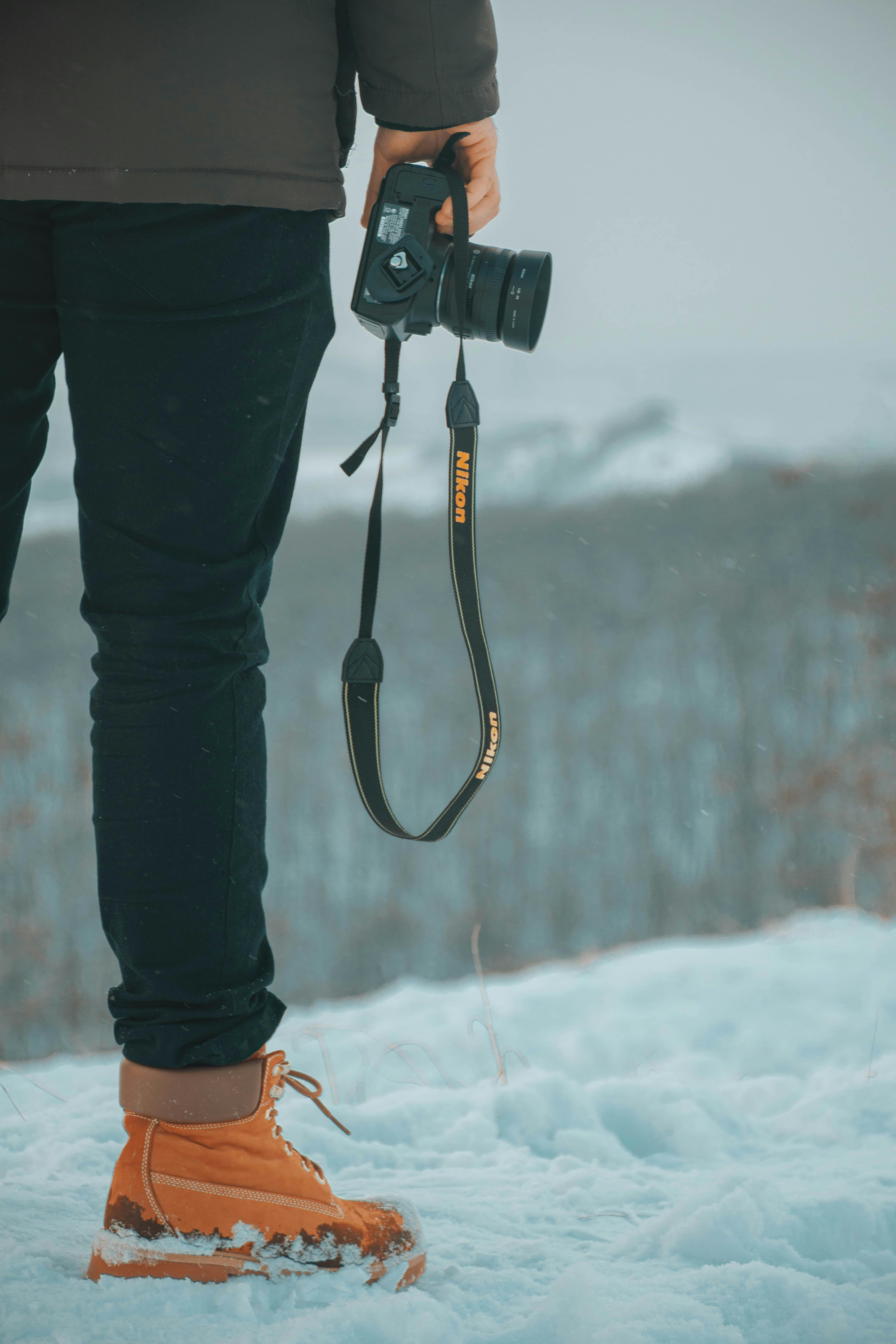
Wrist and hand straps keep the camera close and reduce the chance of drops in rugged terrain. These are best for short bursts of shooting or as a secondary security measure. They’re not intended for heavy gear or long carrying periods.
Harness and Dual-Strap Systems
Harnesses transfer most of the load to your shoulders and back, making long treks and heavy rigs more comfortable. They excel on multi-camera days and when you haul larger lenses. For extended outings, a harness delivers superior balance and reduces strain compared with single-point solutions.
Choosing the Right Strap for Your Camera and Body Type
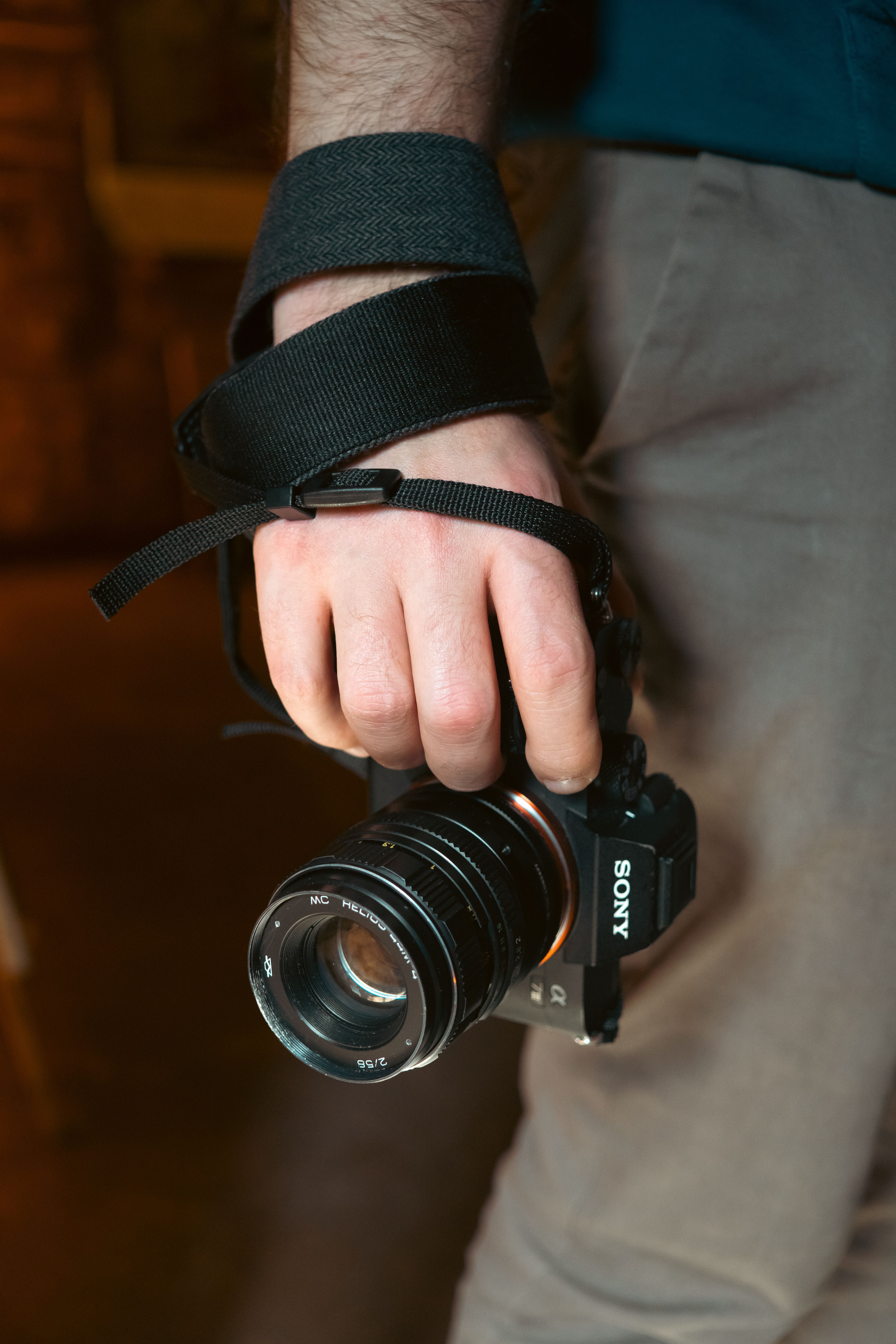
Match the strap design to your camera’s size and the shape of your body. Slim mirrorless cameras typically need less padding, while large DSLRs and telephoto setups benefit from wider straps and beefier anchors. Always try a strap on with your gear before purchasing to confirm fit.
Factor in shooting style as well. Street photographers usually prefer low-profile straps, while landscape or wildlife shooters often prioritize extra support. Travelers value light, packable designs, and outdoor adventure photographers need robust, weather-resistant materials.
- Mirrorless: a slim strap or wrist strap for minimal bulk
- DSLR with prime lens: padded neck strap or sling for comfort
- DSLR with long lens: harness or broad shoulder strap for support
- Two-camera rigs: dual straps or a dedicated harness system
Examples from Camstrap
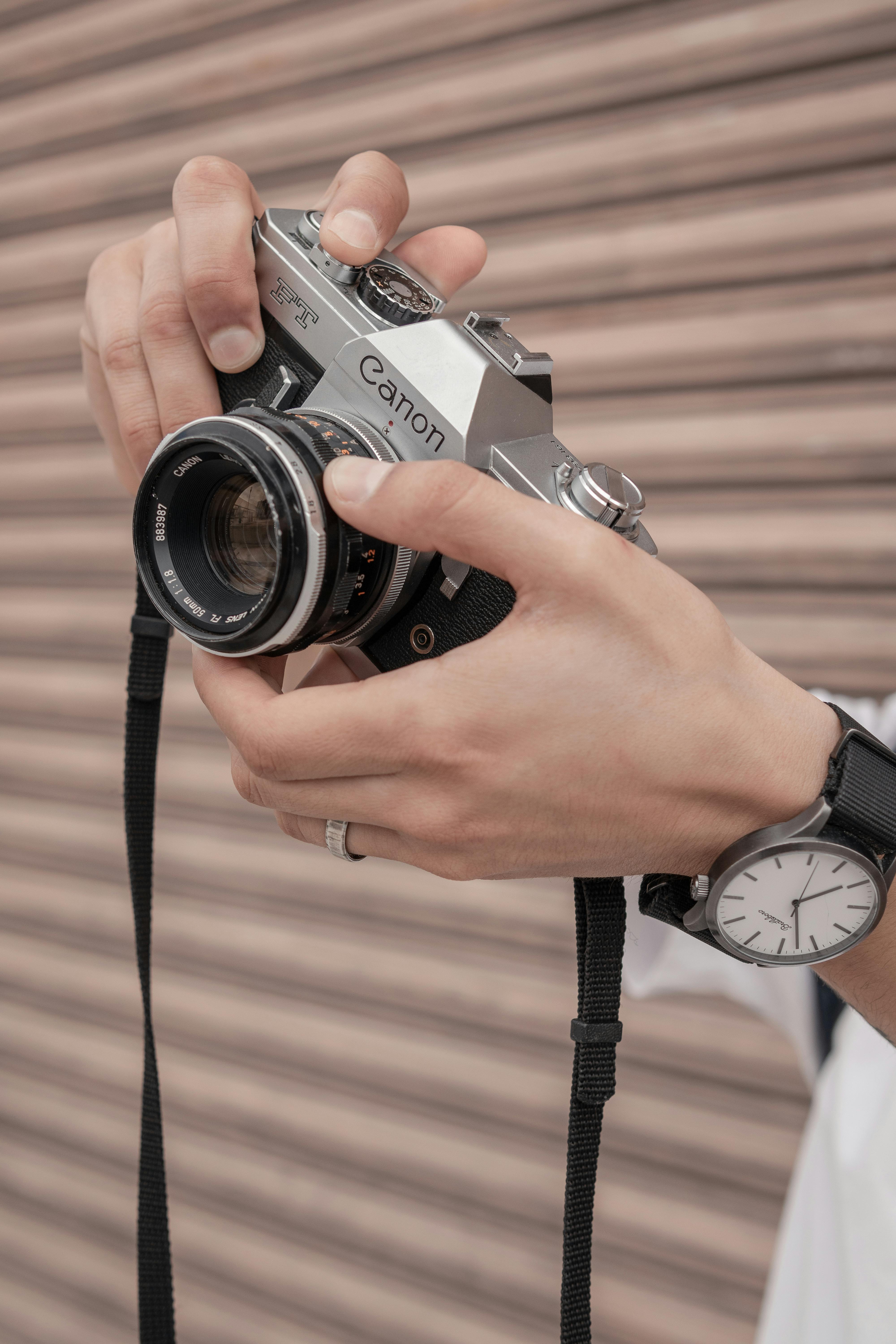
Camstrap covers a wide range of needs. The camstrap voyager is designed for long walks with a slim, padded sling. The camstrap explorer supports heavier setups with reinforced anchors and broad padding. The camstrap nomad balances low weight and weatherproof fabric for travel. The camstrap magclip adds a magnetic quick-attach system for rapid access.
Materials, Durability, and Weather Resistance
Material choice determines durability and feel. Nylon and polyester dry quickly and resist abrasion, while leather offers a classic look but can absorb moisture and stretch. For outdoor use, opt for coated webbing or treated fabrics to repel water and grime.
Longevity comes from solid construction: bar tacks, reinforced stitching, and high-quality hardware. Metal buckles generally outlast plastic in sun and cold conditions. Pay close attention to how straps attach to the camera—bolts, split rings, and locking connectors each have trade-offs.
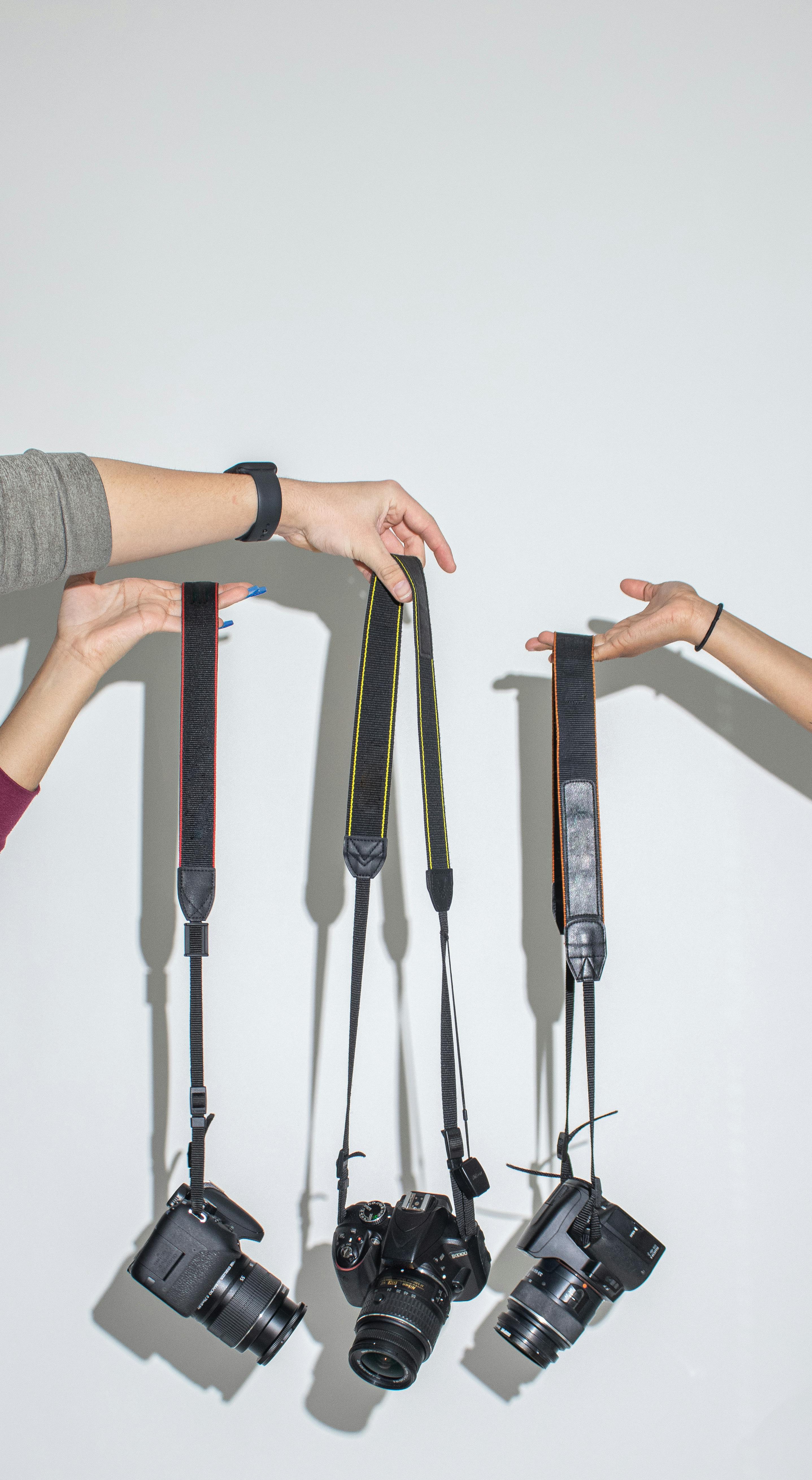
- Waterproof fabric to shield your gear
- Rust-resistant hardware for coastal and sweaty conditions
- Reinforced stitching to withstand heavy loads
- Replaceable components to prolong service life
Testing Tips
Before relying on a strap for a long trip, load it with your camera and test it under realistic conditions. Wear it for an hour to identify pressure points and potential chafe. Cycle any quick-release fittings several times to observe wear and function.
Comfort, Fit, and Ergonomics for Long Days

Comfort is essential for multi-hour outings. Choose straps that spread the load and eliminate pressure spots—padded sections and wider webbing significantly reduce neck and shoulder discomfort. A strap that sits snug to the body will minimize swinging on rough trails.
Fit should accommodate your body and clothing layers. Many models let you fine-tune length and angle; try adjustments over the jacket or pack you’ll use in the field. A strap that works across seasons will deliver the best year-round performance.
- Adjustable length to accommodate layers
- Padded shoulder pads for extended hikes
- Low-profile connectors for compact packing
Ergonomic Notes Based on Research
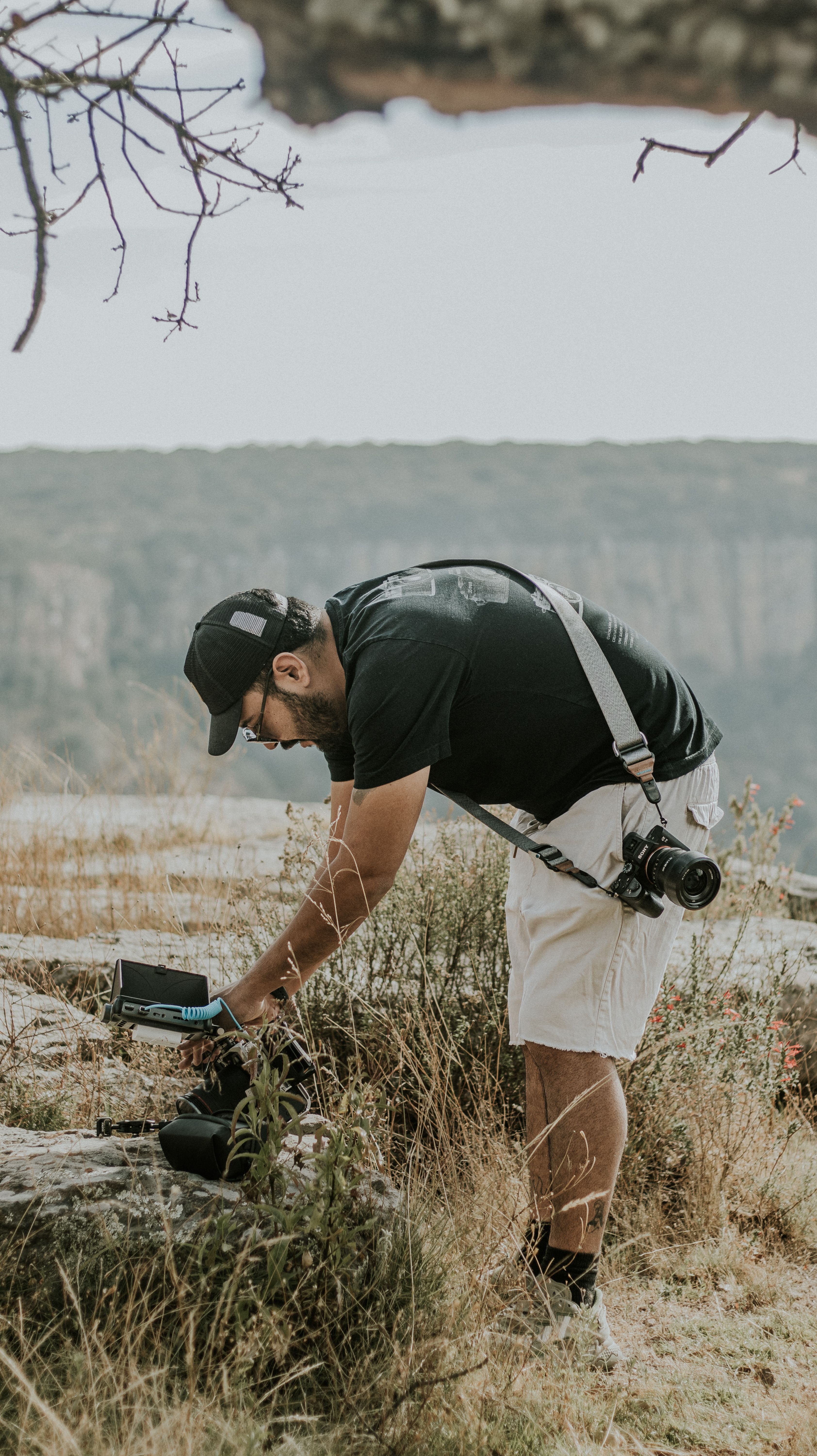
Field studies indicate that wider straps can reduce neck pressure by up to 40 percent during extended carries. Designs that shift weight toward the chest typically reduce overall fatigue. For very heavy kits, a harness outperforms single-point solutions on comfort metrics.
Quick-Release Systems and Security
Quick-release systems speed up bringing the camera to the eye, but some mechanisms show wear over time. Select units with positive locking features and inspect them regularly. For climbing or water-based work, add a secondary tether for redundancy.
Magnetic connectors, such as the camstrap magclip, provide fast attachment and detachment. When engineered for camera loads they can be reliable, but always verify magnet strength and look for a backup latch in risky situations.
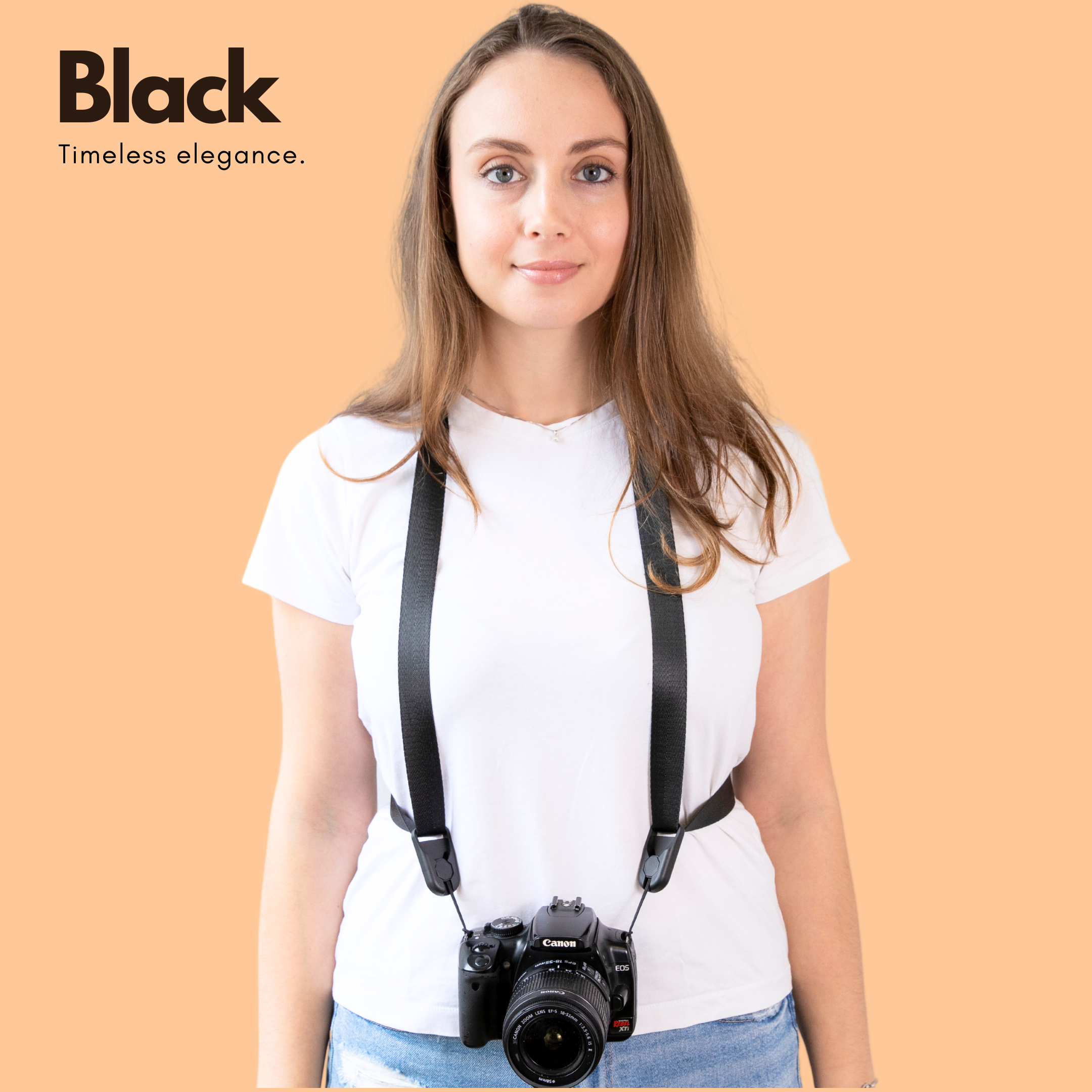
- Locking quick-releases for dependable safety
- Secondary tethers for climbing and boating scenarios
- Magnetic clips for rapid-action access
Security Best Practices
On uneven or technical terrain, use two independent safety points whenever possible. Clip a short tether to your bag or belt as an extra safeguard. Inspect connection points before each outing and replace any worn hardware immediately.
Price, Value, and How to Compare Options
Cost and value don’t always align; a low-priced strap can be a false economy if it fails in the field. Look for features, build quality, and warranty that match your shooting habits. In many cases, a mid-range strap with robust hardware and a solid warranty will be the smarter buy.
Think about cost per use: a well-made strap that lasts years will outpace a cheaper model that degrades in months. Factor in comfort and equipment protection as part of the overall value calculation. Prioritize repairable designs and available replacement parts when possible.
- Verify warranty coverage and availability of replacement parts
- Prefer repairable designs to extend usable life
- Buy from brands with an outdoor focus and reliable support
Caring for Your Strap and Final Ultimate Checklist
Regular maintenance extends a strap’s service life. Rinse off salt and mud with fresh water and let the strap dry completely before storing. Treat leather sparingly and avoid soaking to prevent stretching and damage.
Use the checklist below before your next field trip to ensure the strap matches your camera and the environment. It’s a quick way to avoid common mistakes and prepare for challenging conditions.
- Confirm the strap’s rated load meets or exceeds your camera weight.
- Try the strap on with the clothing you plan to wear in the field.
- Examine hardware and stitching for signs of wear before departure.
- Include a short secondary tether for treacherous or wet terrain.
- Pick weatherproof materials when you expect rain or sea spray.
- Test quick-release locks and magnetic strength before relying on them.
- Opt for a harness when hiking long distances or carrying heavy kits.
Camstrap Picks for 2026
Camstrap’s lineup addresses different outdoor needs. The camstrap voyager keeps things light while providing targeted padding for long walks. The camstrap explorer is built around heavy anchors and broad cushioning for larger setups. The camstrap nomad prioritizes minimal weight with treated fabrics for wet climates. The camstrap magclip combines speedy attachment with a backup latch for added security.
Conclusion: Use This Ultimate Guide to Make the Right Choice
This guide is designed to help travel enthusiasts, outdoor photographers, and hobbyists select the right strap quickly and confidently. Apply the tips here to align strap type, materials, and safety features with your gear and shooting habits. Consider one of Camstrap’s models—voyager, explorer, nomad—or add the magclip for faster access when appropriate.
Final recommendation: pick a strap that feels comfortable and protects your equipment under real conditions. Test it before lengthy trips and carry a backup tether for peace of mind. With these guidelines you can be confident in 2026 that your strap choice supports every outdoor shoot.
Frequently Asked Questions
What should I know about The Ultimate Guide to Choosing the Right Camera Strap for Outdoor Adventure Photography in 2026?
The guide tells you to prioritize comfort (padding, wide webbing or ergonomic sling), strength and safety (metal hardware, reinforced stitching, anchor points rated above your camera), and weatherproof, durable materials. It also compares strap styles (sling, neck/shoulder, wrist/hand), recommends testing quick-release and anchor ratings, and advises using the checklist to match features to your gear and workflow.


