


Shooting outdoors can be fun and hard at the same time. When you shoot in rain, wind, or low light, you must plan well. This guide will help you shoot better in challenging conditions: and keep your gear safe. You will find clear tips, simple settings, and gear notes that match modern DSLR tech in 2026.
Plan When You Shoot: Scout, Check Weather, and Set Goals
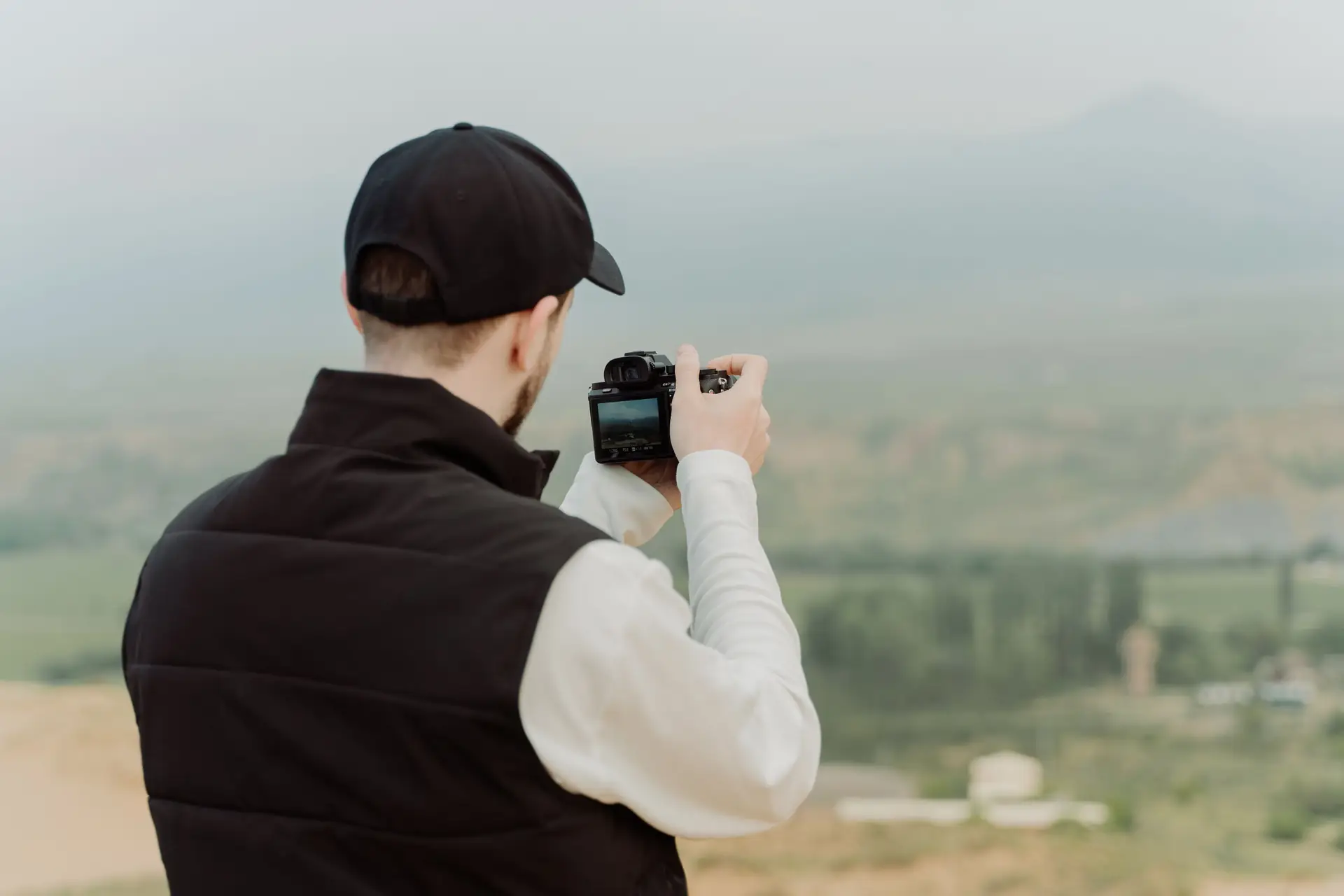
First, scout your site before you shoot. Walk the area or use maps to find good spots. This helps you find angles and safe places for gear.
Shop the setup

- Regular price
-
€42 - Regular price
-
€44 - Sale price
-
€42
By choosing the Camstrap strap, you are opting for a high-quality product designed to meet the needs of the most demanding photographers.
- Developed by a physiotherapist to relieve neck and back pain.
- Fast delivery with tracking by the Post Office 🚚
- Can be used as a shoulder strap or hands-free harness

- Regular price
-
€36 - Regular price
-
€42 - Sale price
-
€36
Free shipping included
Next, check the weather and light. Use apps for wind, rain, and light forecasts. If the light is bad, pick a time when it will be softer or clearer to shoot.
Research and risk check
Also, learn any local rules and hazards before you shoot. Know tides, trails, or sudden storms. This reduces surprises and keeps you safe while you shoot.
Gear to Help You Shoot in Challenging Conditions
Choose gear that fits the scene when you shoot. In 2026, DSLRs still offer strong sensors and rugged builds. Pick cameras with good weather sealing to shoot in wet places.
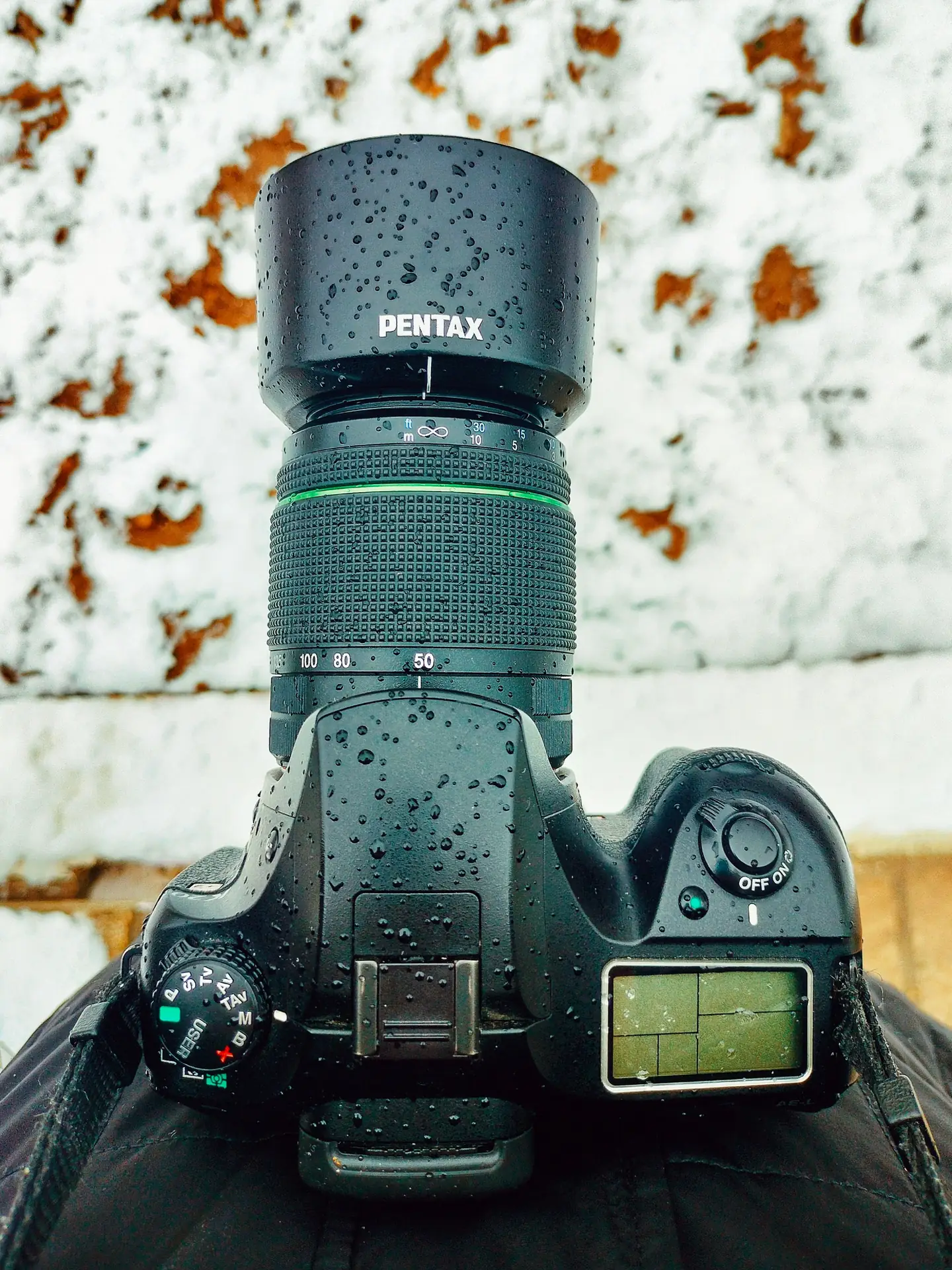
- Use a sturdy DSLR body with weather sealing to shoot in rain.
- Choose lenses with fluorine or nano coatings to shed water and flare.
- Bring a rain cover or dry bag to protect gear when you shoot.
Accessories that make it easier to shoot
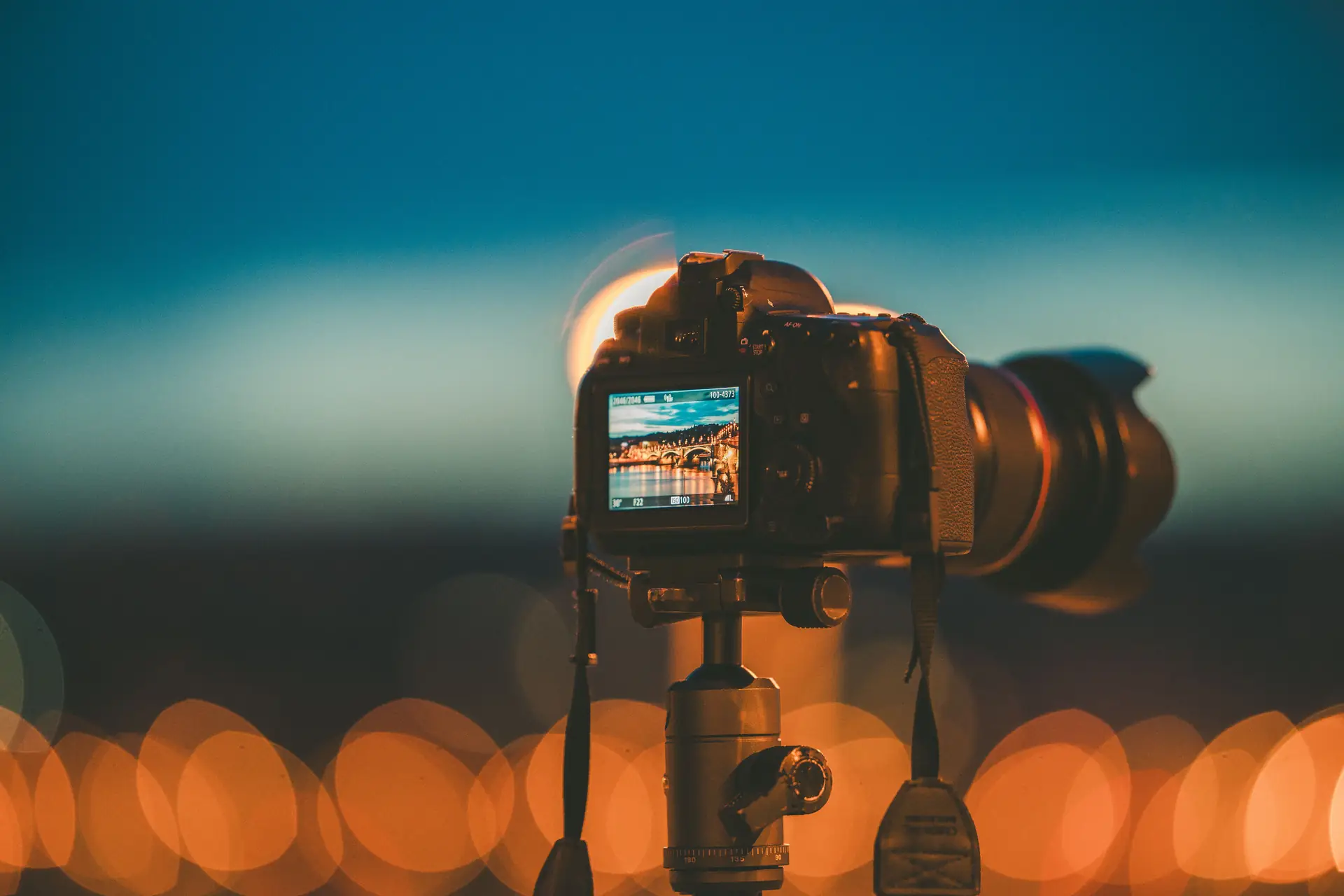
Bring a solid tripod to shoot slow shutter shots. A tripod helps you shoot sharp images in low light. Use a ball head or gimbal head for fast moves.
Also, use secure camera straps like camstrap voyager or camstrap explorer. They keep your camera close when you shoot on cliffs or trails. Camstrap nomad works well for hikers who shoot often. For quick lens swaps, the camstrap magclip helps you keep the camera safe and hands-free.
Settings and Techniques to Shoot Sharp Images
When you shoot in low light, raise ISO but keep noise in mind. Modern DSLR sensors in 2026 handle high ISO much better. Still, watch for grain when you shoot very dark scenes.
Use a wide aperture to let in light when you shoot. This gives a faster shutter and a sharp subject with soft background. But be careful with focus depth when you shoot close subjects.
Focus and stabilization tips to shoot steady
Use continuous autofocus when you shoot moving subjects. Many DSLRs now include AI-based subject tracking to lock on faces and animals. This helps you shoot birds, runners, or kids in tough light.
If your DSLR has in-body stabilization, turn it on when you shoot handheld. If you use a tripod, turn off stabilization to avoid blur from the lens moving on the mount.
Shoot for Light: Exposure, Metering, and Color
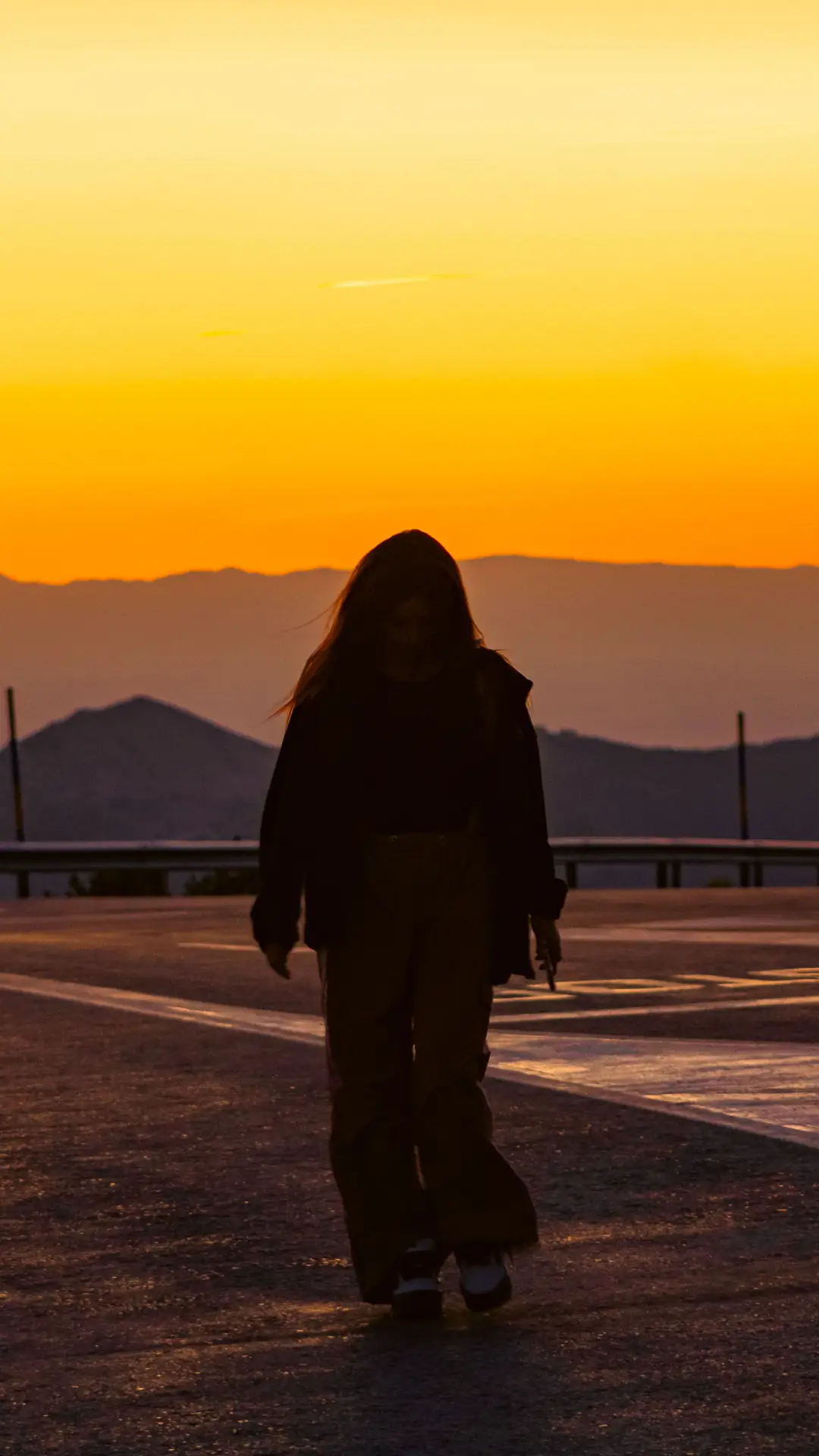
Light is your main tool when you shoot outdoors. Learn to read light and aim the camera at the best side of the scene. Soft light gives even tones. Strong side light gives shape and drama when you shoot.
Use spot or center-weighted metering to expose for your subject when you shoot. In high contrast scenes, try exposure bracketing to capture more detail. You can blend images later when you shoot tricky scenes.
White balance and color when you shoot
Set white balance or shoot RAW so you can fix color later. RAW files hold more data and help you shoot in mixed light. Many post programs now include smart tools for color and noise control.
Protect Gear and Stay Safe in Conditions:
When you shoot in cold, wet, or dusty places, protect your gear first. Use lens hoods, rain covers, and sealed bags to keep all parts dry. This helps your camera last longer and keeps you shooting.
Also, keep spare batteries warm when you shoot in cold weather. Cold drains battery power fast. Carry extra cards and a small kit with cleaning cloths and a blower when you shoot messy scenes.

- Use sealing tape on joints if you shoot near salt spray.
- Keep lenses capped until you are ready to shoot in wind.
- Use hand warmers to help batteries last when you shoot in cold.
Clothing and safety tips while you shoot
Wear layered clothing so you can move fast and stay warm when you shoot. Use good boots and gloves that still let you work the camera. A small first aid kit can save time if you get a cut while you shoot.
Practice, Review, and Learn to Shoot Better
Practice shooting in different conditions often. Try one new setting or gear piece each time you shoot. This helps you learn what works and what fails when you shoot in tough light or weather.
Review your images after each shoot. Look for blur, wrong exposure, or poor focus. Fix your mistakes in the next outing and try to shoot better each time.

Use feedback and research to grow when you shoot
Read tests and reviews of sensors and lenses to pick kit that helps you shoot. In 2026, tests show that sensors with better readout speed and higher dynamic range help in low light. Choose gear that fits your style when you shoot.
Join local photo groups or online forums to get tips and critique that help you shoot. Peer feedback is a fast way to learn and find new ideas when you shoot outdoors.
Advanced Tips: Timing, Composition, and Post
Also, time your shoots for the best light. The golden hours give warm tones and soft light to shoot. The blue hour gives mood for city and landscape shots to shoot.
Use the rule of thirds and leading lines to make strong photos when you shoot. Move your feet to change the angle and frame. Try low or high viewpoints when you shoot for a fresh look.

Post-processing that helps final images to shoot
Edit with care to keep your images natural when you shoot. Boost contrast and clarity in small steps. Use noise reduction on high ISO shots to keep detail when you shoot.
Use bracketing merges or HDR for very high contrast scenes. These methods keep detail in bright and dark parts when you shoot tough light.
How Camstrap Fits Into Your Workflow When You Shoot
Camstrap makes gear that helps you shoot with comfort and speed. If you hike to remote spots, the camstrap voyager gives cushion and quick camera access when you shoot. The camstrap explorer is slim and tough for city or trail shoots.
For long treks, the camstrap nomad adds load balance and comfort so you can shoot longer. The camstrap magclip snaps on fast so you can free your hands and then shoot quickly. These options help travel enthusiasts and outdoor adventure photographers who shoot in many conditions.

Why a good strap matters every time you shoot
A strap keeps your camera safe and within reach while you shoot. It cuts down on drops and gives quick access to your kit. Good straps help you stay light and move fast when you shoot in rough places.
Quick Checklist Before You Shoot in Challenging Conditions
Before you head out to shoot, run this quick checklist. It helps you avoid common mistakes and stay ready for the scene when you shoot.
- Check weather and light forecast before you shoot.
- Pack rain cover, spare batteries, and cleaning kit to shoot safely.
- Secure camera with a camstrap voyager, explorer, or nomad before you shoot.
- Plan lens choices and tripod to shoot stable frames.
- Shoot RAW and bracket exposure when the scene is tough to shoot.
Also, remember to keep your goals clear and small. Set one aim per shoot, like nailing sharp focus or capturing motion. This focus helps you learn and keeps you shooting more often.
Conclusion: Keep Shooting, Learn, and Adapt
Shooting in challenging conditions is a skill you build over time. Start with good planning, the right gear, and safe habits. Then shoot, review, and adjust your approach after each outing.
Use these tips to shoot smarter and shoot more often. With practice and simple gear like camstrap magclip or camstrap nomad, you can shoot great photos even in tough weather. Keep your kit ready, stay safe, and keep shooting.


