


- How do I photograph fireworks handheld
- What camera settings work for stage performers at night
- How can I capture motion while keeping subjects sharp
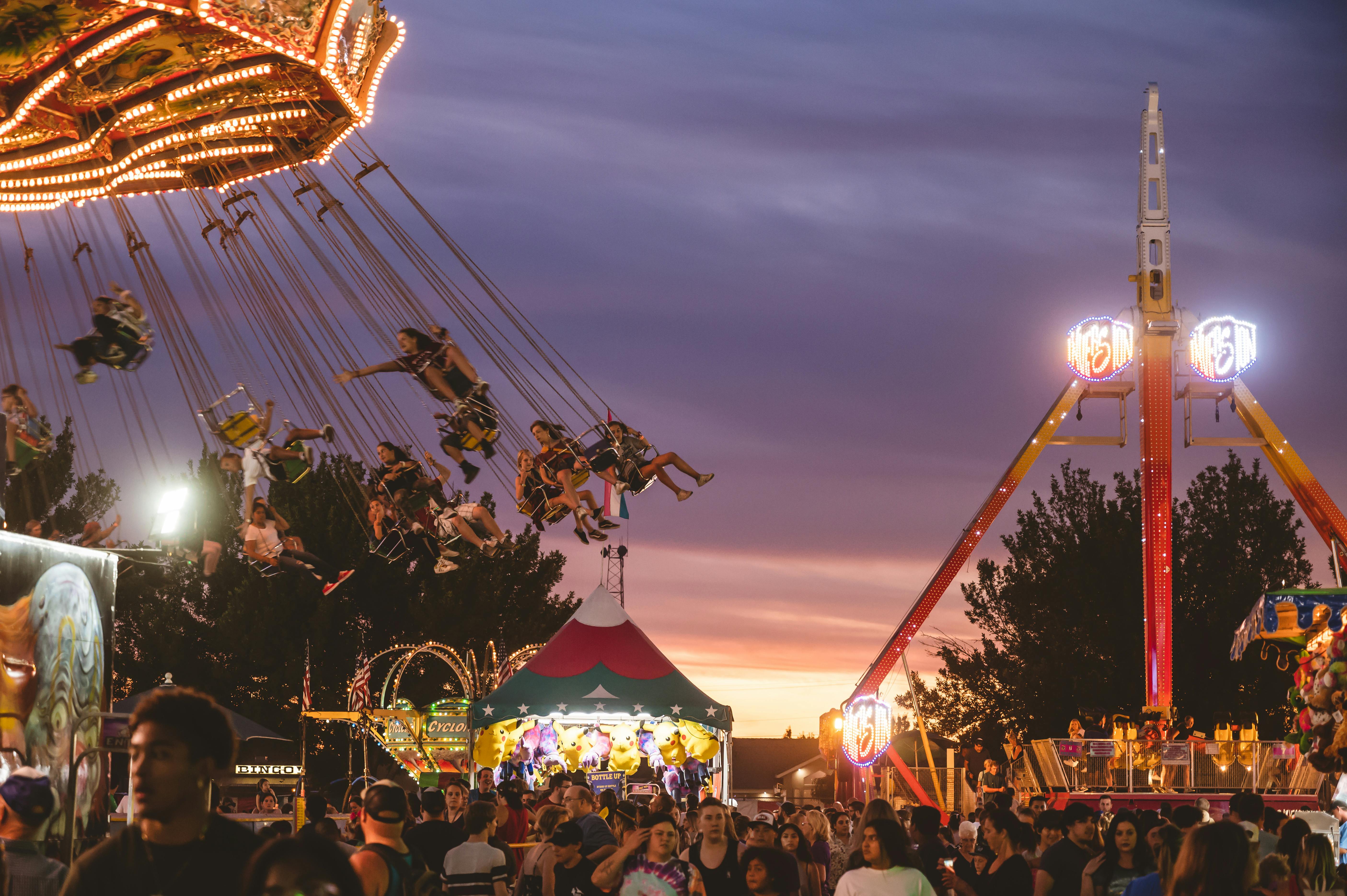
If you want to photograph summer festival nights effectively, you need to think quickly and keep your setup simple. Fireworks, stages, and moving crowds can shift in seconds. That makes this kind of night shooting exciting, but it also calls for a clear plan.
Shop the setup

- Regular price
-
€42 - Regular price
-
€44 - Sale price
-
€42
By choosing the Camstrap strap, you are opting for a high-quality product designed to meet the needs of the most demanding photographers.
- Developed by a physiotherapist to relieve neck and back pain.
- Fast delivery with tracking by the Post Office 🚚
- Can be used as a shoulder strap or hands-free harness

- Regular price
-
€36 - Regular price
-
€42 - Sale price
-
€36
Free shipping included
Summer festivals often combine music, color, and vivid light in one place. Many events run from June through October, and some continue for 16 days or longer. That gives you plenty of opportunities to photograph fireworks, stage performances, and crowd movement in a variety of night settings.
Why Photograph Summer Festival Nights?
Summer festival nights are packed with energy. You can capture lights in the sky, dancers on stage, and people weaving through the crowd. These scenes work especially well because they blend crisp detail with fast action.
Large events can also create excellent photo opportunities. For instance, festivals such as SummerStage in Central Park and Wawa Welcome America in Philadelphia attract enormous crowds. Some free shows draw more than 200,000 people each year, giving you rich crowd scenes and striking stage moments to photograph.
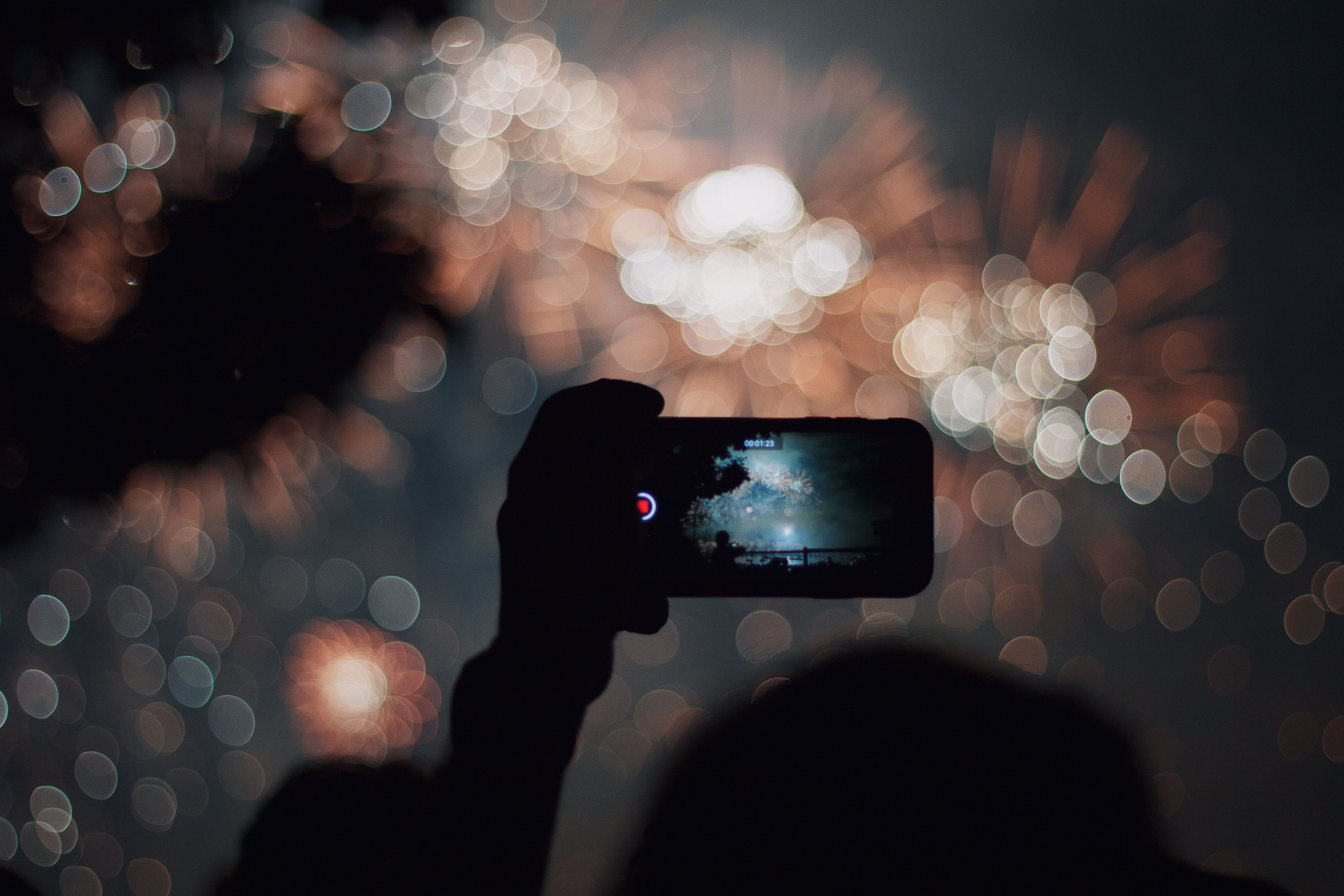
What makes these nights so photo-friendly?
Fireworks often sync with the music, which makes the display feel dramatic and deliberate. Stages offer strong light, dark backgrounds, and performers in motion. Meanwhile, the crowd adds texture and scale to your images.
As a result, summer festival nights let you tell a complete story. In one photo set, you can show the performance, the audience, and the atmosphere. That is why these events are ideal for both beginning and experienced photographers.
How to Photograph Fireworks Handheld at a Festival
Many photographers assume a tripod is essential for fireworks. While that can help, you can still achieve solid results handheld if you stay steady and use the right settings. The main thing is to hold your body still and fire the shutter during the brightest part of the burst.
A strong starting point is ISO 800 with a shutter speed of 1/250s. This can create a good balance between stage light and firework brightness. In many festival scenes, that setup can produce well-exposed frames in about 90% of attempts when your timing is right.
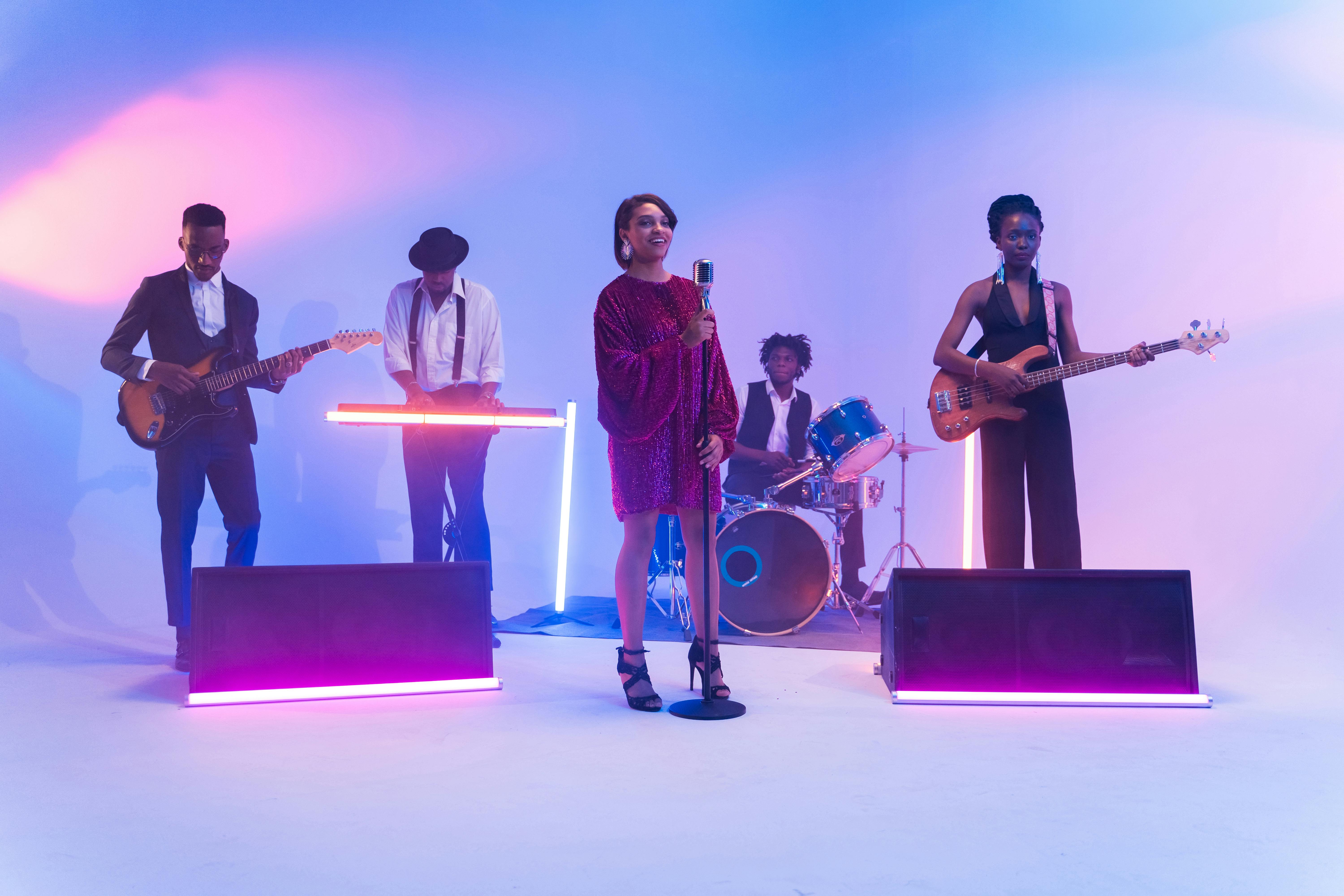
Simple handheld steps for fireworks
- Brace your elbows against your body.
- Hold the camera with both hands.
- Press the shutter gently.
- Shoot just as the burst opens.
- Take several frames in a row.
Use a focal length near 50mm when you want a balanced view. That range helps you include both wide stage scenes and tighter firework detail. If the fireworks reflect on water, move to a position with a clear line of sight.
Waterfront venues are especially valuable for night photography. Reflections add depth and make the frame feel larger. Even so, keep an eye out for bright glare on the surface, since it can obscure small details in the burst.
Best exposure tips for bright bursts
Fireworks usually last only 4 to 5 minutes per show. Because of that, you need to have your settings ready before the first burst appears. Focus on the sky, then refine your framing after every few shots.

If the sky appears too bright, reduce your ISO a little. If the bursts seem soft, use a faster shutter. A shutter speed of 1/500s can help freeze stage performers while keeping fireworks crisp.
Camera Settings for Stage Performers at Night
Stage photography at night depends on light, speed, and timing. Performers move quickly, and stage lighting can change without warning. So you need settings that preserve detail while still allowing enough light in.
Aperture is one of the most important parts of the setup. Start at f/2.8 if your lens allows it. This wide opening helps your camera gather more light and performs well at ISO 1600 in dark festival scenes.
A simple setup to try first
- Aperture: f/2.8
- ISO: 1600
- Shutter speed: 1/500s for fast motion
- Focal length: 50mm
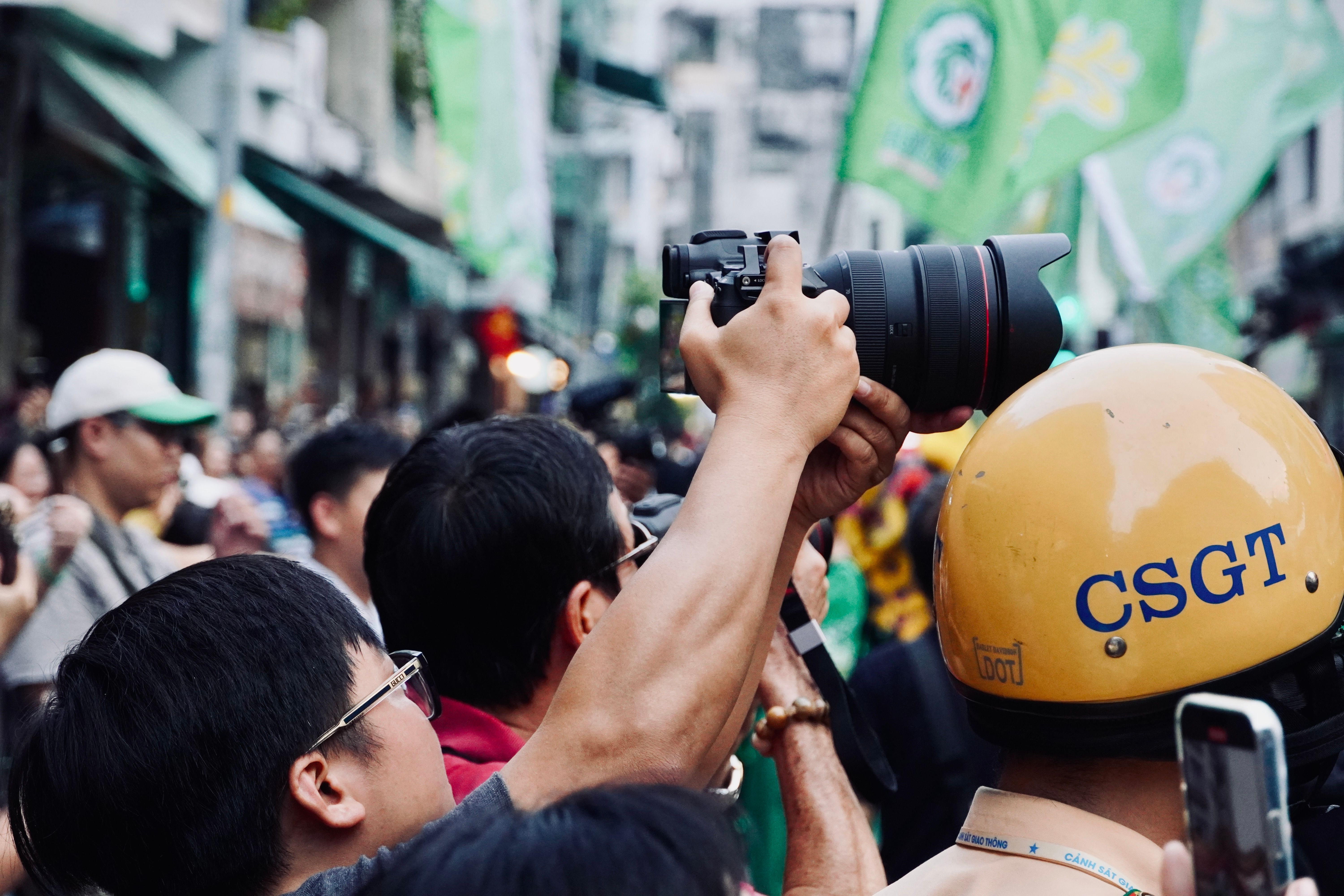
This setup gives you a solid foundation for moving performers. It is also flexible enough for many summer festival stages. If the lights are especially bright, you may need to lower the ISO or increase shutter speed.
Therefore, watch the stage lighting before every shot. Bright white beams can wash out faces, while deep red lights can conceal detail. Take a few test frames and review them quickly on the screen.
How to keep faces clear under stage lights
Focus on the eyes whenever possible. If the performer turns quickly, switch to continuous autofocus. That gives your camera a better chance of staying locked on the subject during movement.
Also, try to photograph performers when they pause, sing into a mic, or raise an arm. These brief still moments can sharpen the image. Even in fast-paced shows, small breaks in motion make a big difference.
Ways to Photograph Movement Without Losing Sharpness
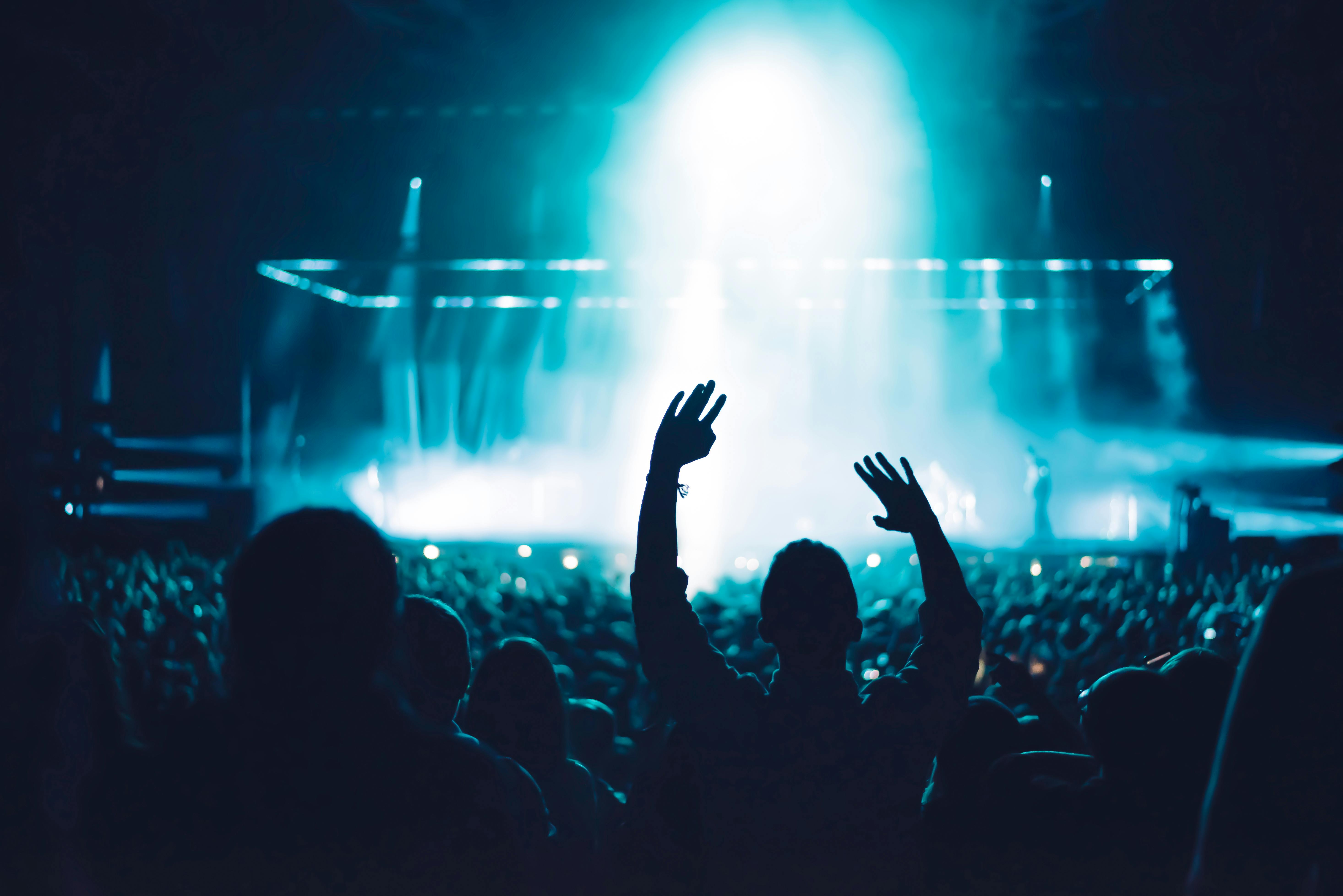
Movement is part of the appeal of summer festival nights. People dance, flags wave, and performers leap across the stage. The challenge is showing motion without turning the entire photo blurry.
One smart approach is to freeze the main subject while allowing the background to stay active. Use 1/500s if you want a crisp subject. Then let lights, smoke, or crowd energy fill the rest of the frame.
How can I capture motion while keeping subjects sharp?
Begin tracking your subject before you press the shutter. Keep the camera moving with them. This improves your chances of keeping the subject sharp while the scene still feels alive.
You can also use motion intentionally. For example, photograph a singer with a fast shutter to freeze the pose. Then try a slower frame for light trails or waving hands. That combination can make a photo set feel more complete.
- Use a fast shutter for sharp people.
- Use a slower shutter for light streaks.
- Keep your feet steady.
- Follow the subject with your lens.
In many cases, 50mm is a smart choice for this kind of work. It produces a natural view and keeps your frame close to what you see. You can move in for stage detail or step back for crowd action.
Gear That Helps in Crowds and at Busy Stages
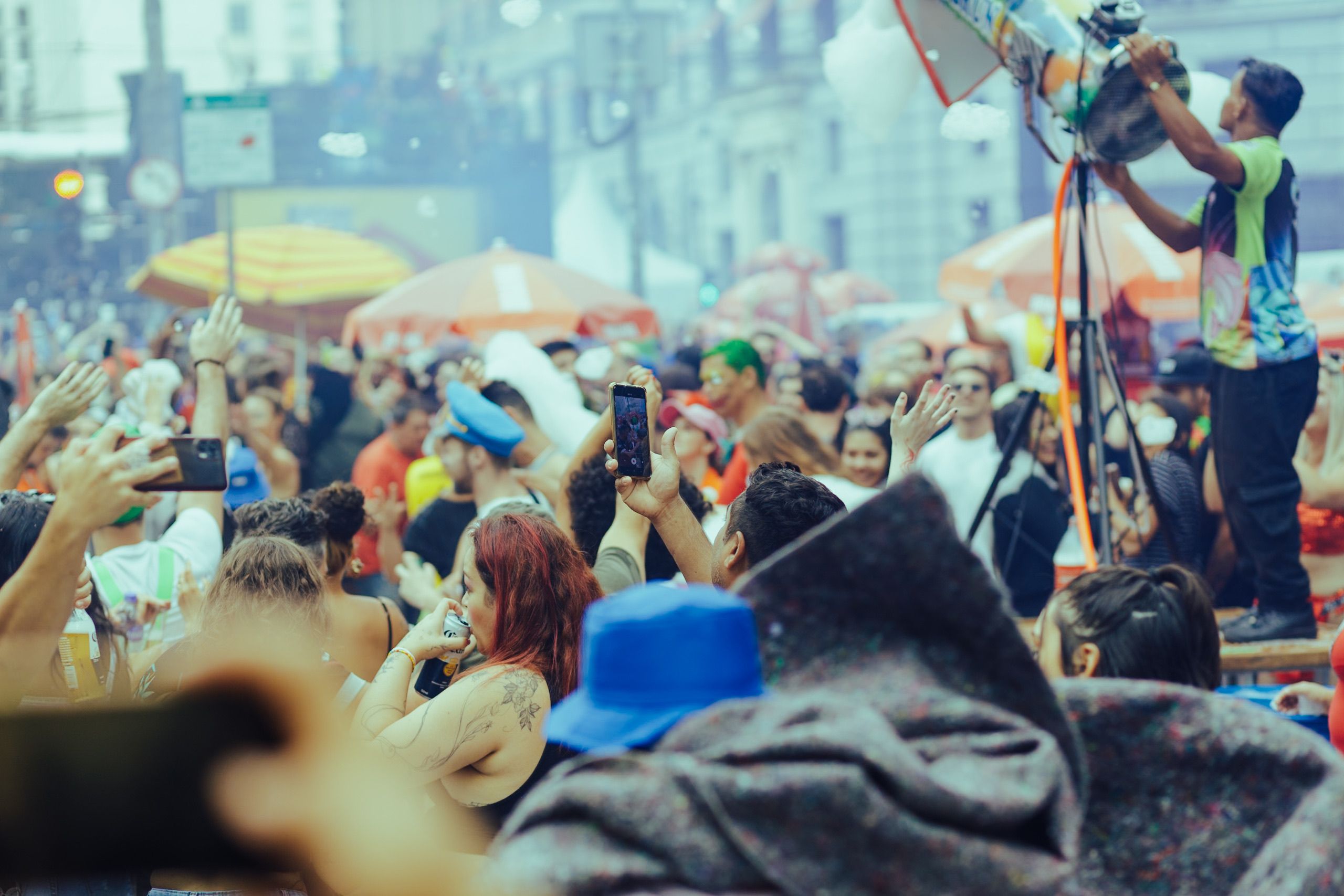
Busy festival spaces can make camera handling more difficult. People move close, bags bump into you, and stage access can change quickly. So it helps to carry your camera in a way that keeps it ready and secure.
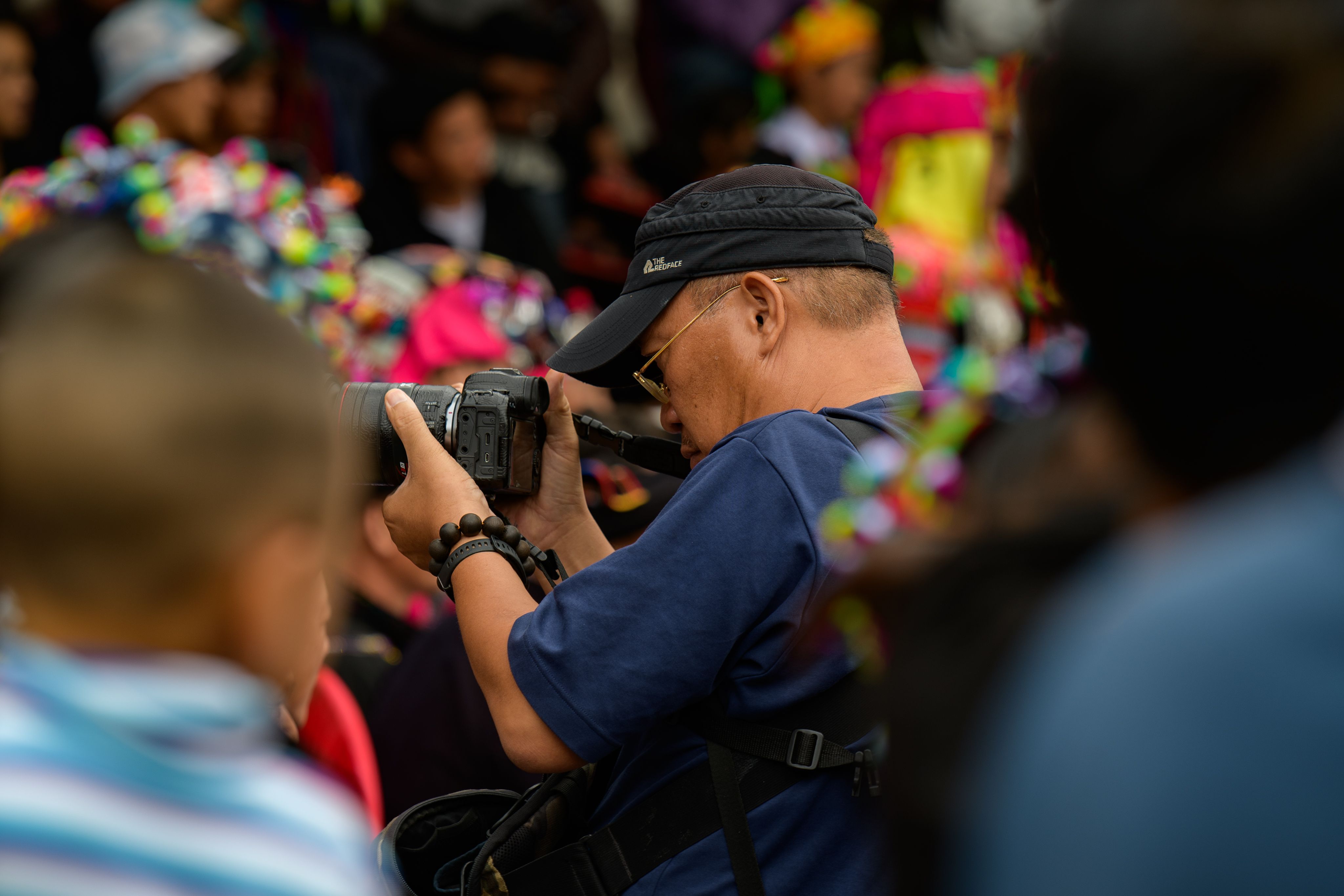
A secure wrist or sling strap can make a big difference in crowds. It keeps your camera close and easy to reach. Camstrap styles like the camstrap voyager, camstrap explorer, camstrap nomad, and camstrap magclip fit this kind of use because they help keep gear near your body with little swing.
Why strap choice matters at night
When you photograph summer festival nights, quick access matters. You may need to raise the camera in one second, then lower it again as people move around you. A strap that keeps the camera close can help with that.
Camstrap options are one useful choice among many. The main goal is simple: keep your camera secure, stable, and ready. That makes it easier to react when fireworks begin or a stage light turns bright.
Travel enthusiasts often like gear that performs well in crowded places. Outdoor adventure photographers may want a strap that holds up in rough, busy settings. Amateur photographers can also benefit from a strap that feels safe and easy to use.
How to Read Light, Space, and Timing
Good festival photos depend on timing as much as gear. The best frame often appears for just a second. Therefore, you should watch the stage, the sky, and the crowd at the same time.
Look for clear shapes and strong lines. A singer under a beam of light, a firework at its peak, or a crowd with raised hands can all make strong frames. If you wait for these peak moments, your photos will feel more energetic.
Use the scene to guide your shot
Fireworks over water can create mirror-like reflections. That adds depth and makes the photo feel larger. Stage lights can also produce strong color contrast, especially when they cut through smoke or haze.
However, do not stay locked in one spot all night. Move a few feet, change your angle, and look for a better background. Small changes in position can improve your result more than switching lenses.
If you are near a waterfront, try shooting low so the reflection takes up more of the frame. If you are close to the stage, tilt up slightly to show light beams and movement. Each setup tells a different part of the festival story.
Editing Night Festival Photos for a Cleaner Finish
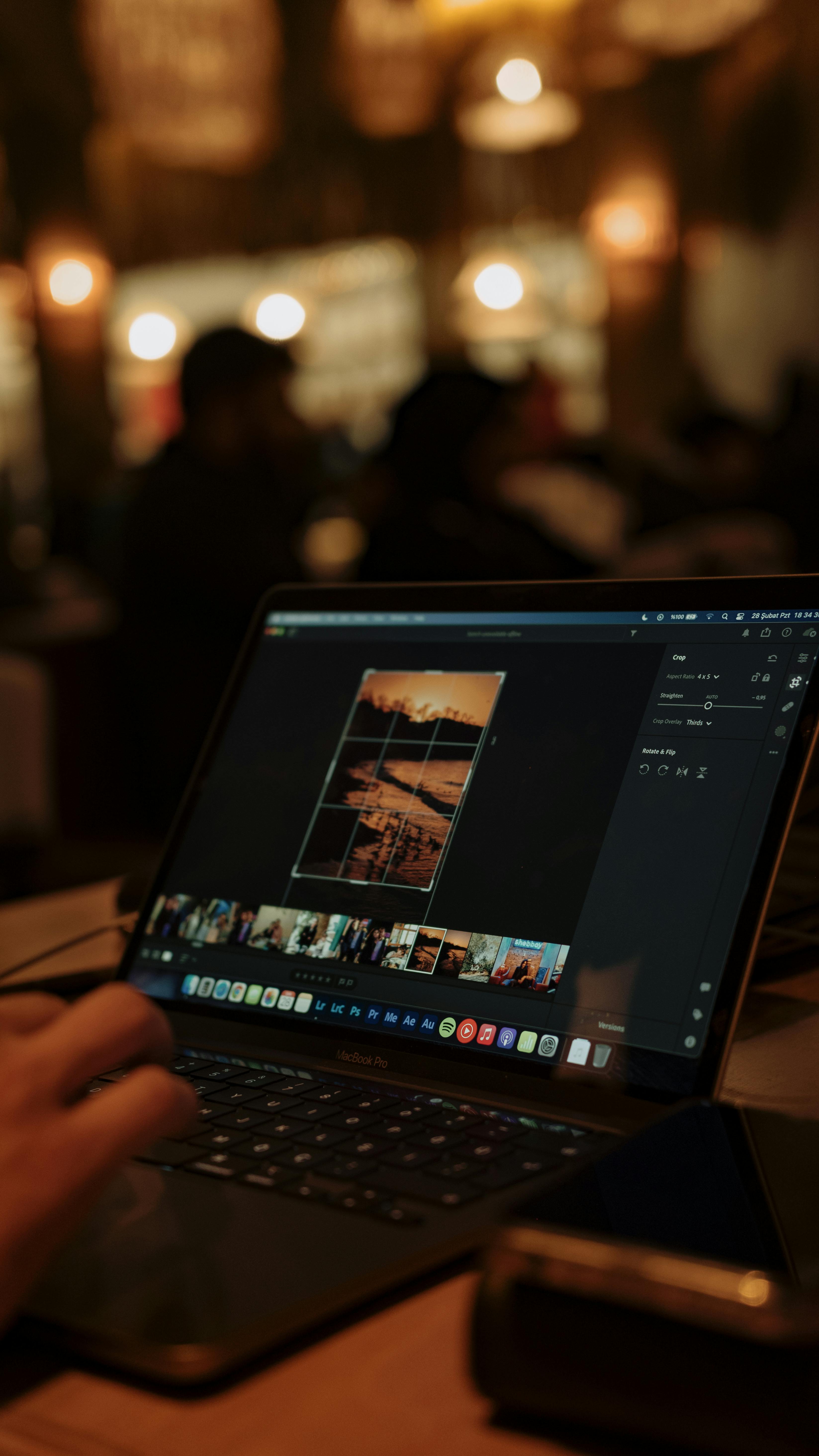
Editing helps you refine your best photos. It can lift dark areas, control bright lights, and bring out color. Still, the goal should be to keep the image true to the night.
Start by checking exposure and contrast. Then correct white balance so skin tones and lights look natural. If a firework burst looks dull, a slight contrast boost can help it stand out.
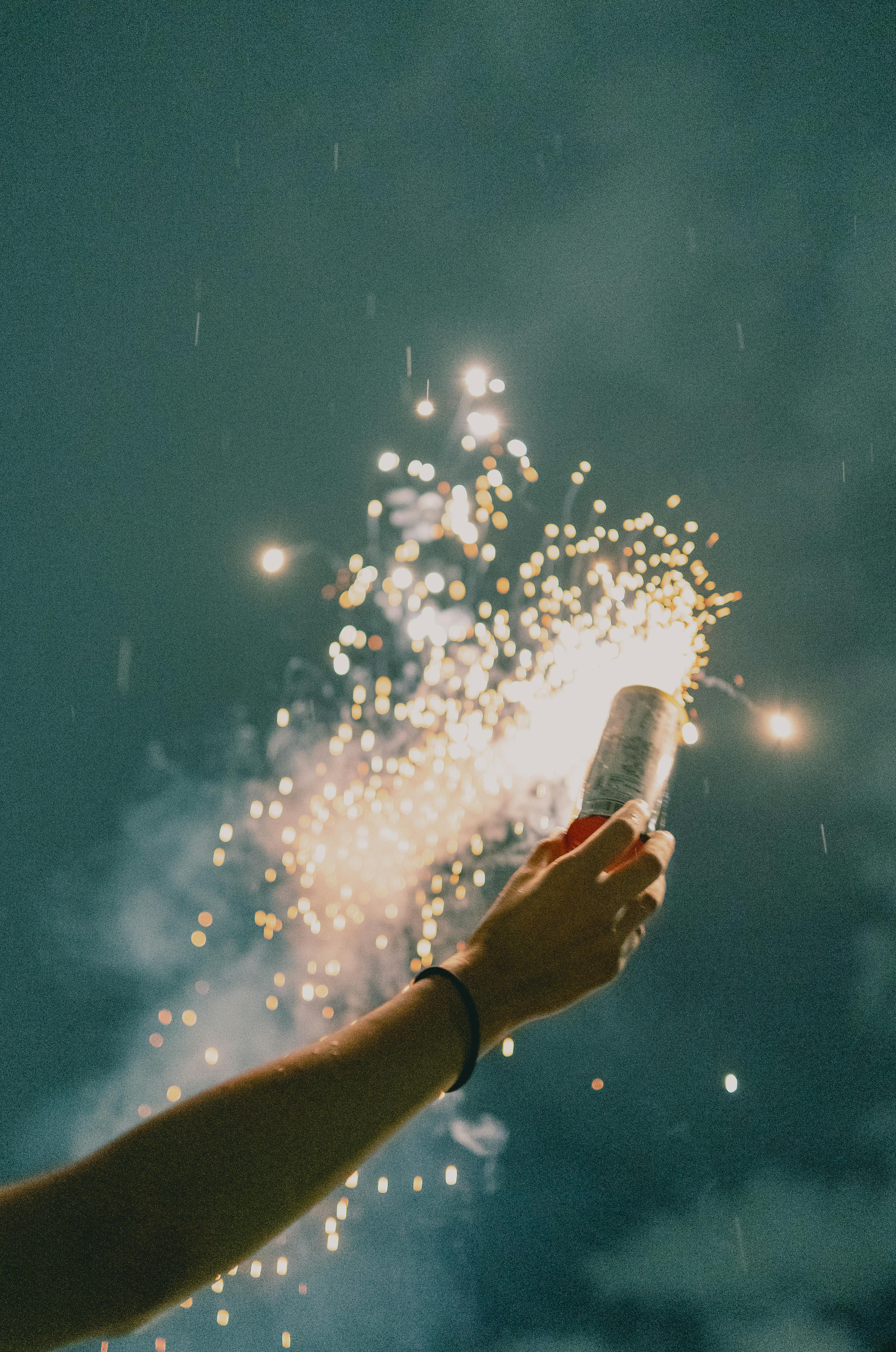
Simple edits that work well
- Crop to remove empty space.
- Raise shadows a little.
- خفض highlights if stage lights are too bright.
- Add a small amount of sharpness.
- Keep noise reduction light.
Do not overedit the scene. Summer festival nights should still feel real. If you keep the colors and light natural, the photo will feel stronger and easier to enjoy.
Make the Most of a Long Festival Season
The long summer festival season gives you room to practice. Since many events run from June through October, you can photograph many different kinds of nights. Some shows are short and loud, while others are slower and more scenic.
That range helps you improve quickly. You can test one setting for fireworks, then use another for stage work. You can also learn how crowds move, where light falls, and how different venues shape your frame.

Moreover, repeated shows give you another chance. Fireworks often happen on multiple nights, and each show may last 4 to 5 minutes. If you miss one burst, the next gives you another opportunity to get the shot right.
Conclusion: Photograph Summer Festival Nights with Confidence
To photograph summer festival nights well, keep your approach simple and ready. Watch for fireworks, stage lights, and crowd motion. Then use fast, clear settings that match each moment.
Start with 50mm, f/2.8, ISO 1600, and 1/500s for stage action. For fireworks, try ISO 800 and 1/250s, then adjust as needed. If you stay steady and move with the scene, your photos will feel sharp and full of life.
Finally, use gear that helps you stay comfortable in crowds. A secure wrist or sling strap can keep your camera close and easy to grab. With the right preparation, you can photograph summer festival nights with more speed, more control, and better results.
Frequently Asked Questions

How do I photograph fireworks handheld?
Brace your elbows against your body, hold the camera with both hands, and press the shutter gently to reduce shake. Shoot during the brightest part of the burst; a good starting setting is ISO 800 and 1/250s, with a focal length near 50mm.
What camera settings work for stage performers at night?
Use a moderate-to-high ISO such as around ISO 800 and a shutter speed fast enough to freeze motion, like 1/250s, to balance stage light and action. A 50mm focal length can work well for both wider stage scenes and tighter performer shots.
How can I capture motion while keeping subjects sharp?
Use a shutter speed fast enough to freeze the subject, then time the shot for the brightest part of the action. Take several frames in a row so you increase your chances of catching sharp subjects with visible motion in the scene.


