


- Use short movement cues—walk, turn, shift weight—to avoid stiff street poses.
- Drop the camera below waist level to give outfits stronger lines and motion.
- Lock focus on the outfit’s sharpest detail, then keep shooting as the subject moves.

Low-angle shot photography frames a subject from below, which gives clothes, posture, and silhouette more force. On the street, I lean on it because outfits shift quickly and the angle has to keep pace. Strong frames happen when the outfit, lens, and camera height pull in the same direction. If one drifts off, the picture turns stiff or flat.
Shop the setup

- Regular price
-
$48.00 - Regular price
-
- Sale price
-
$48.00
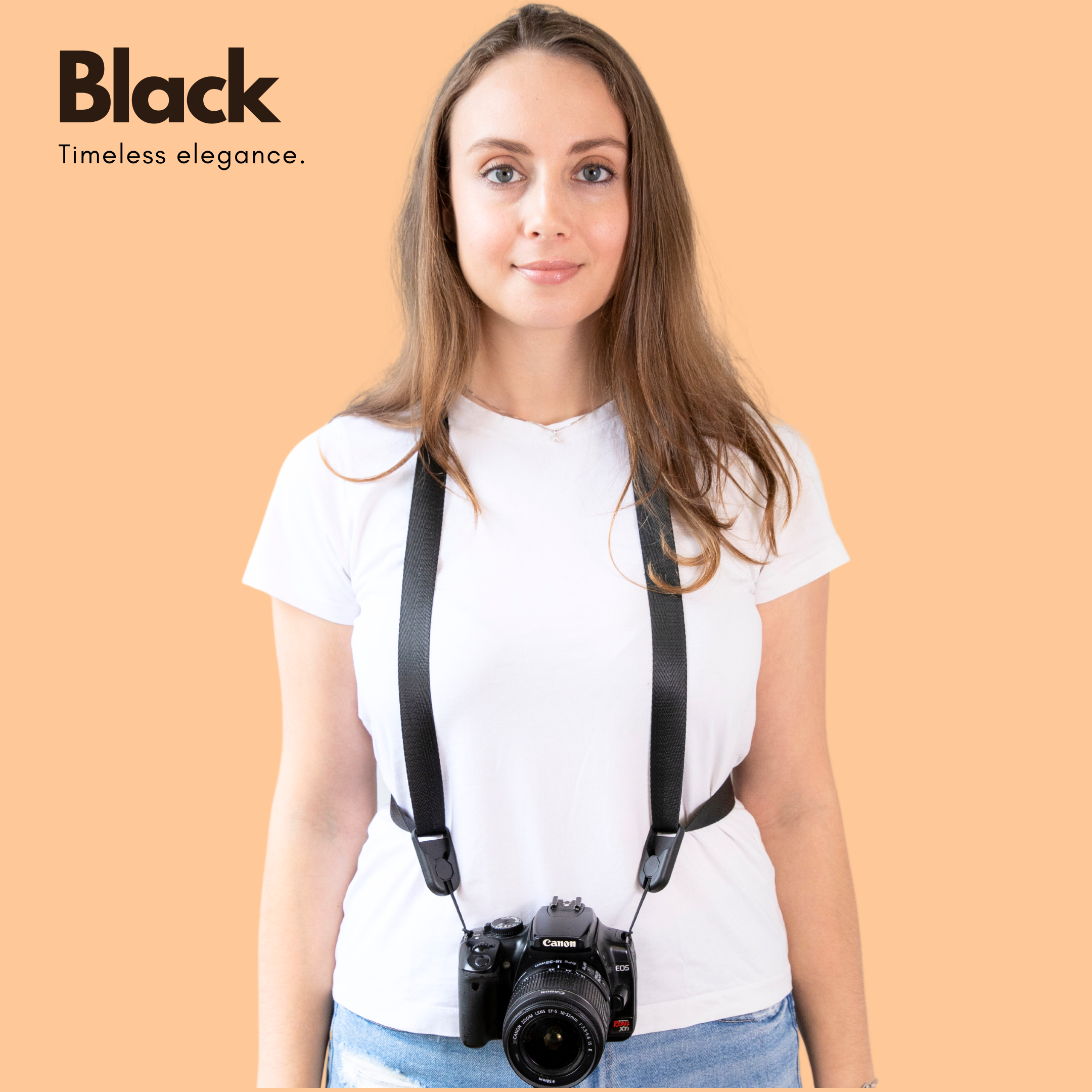
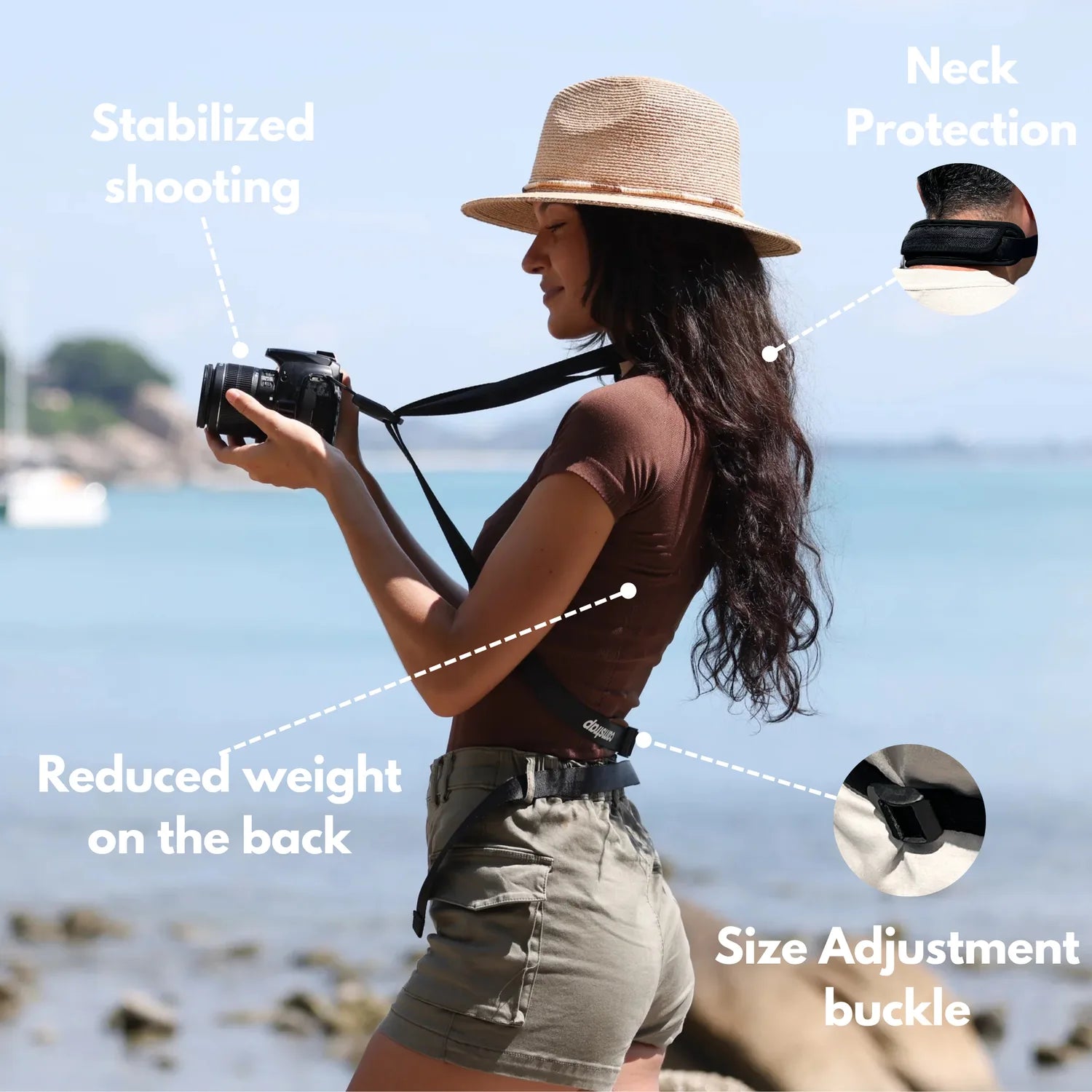
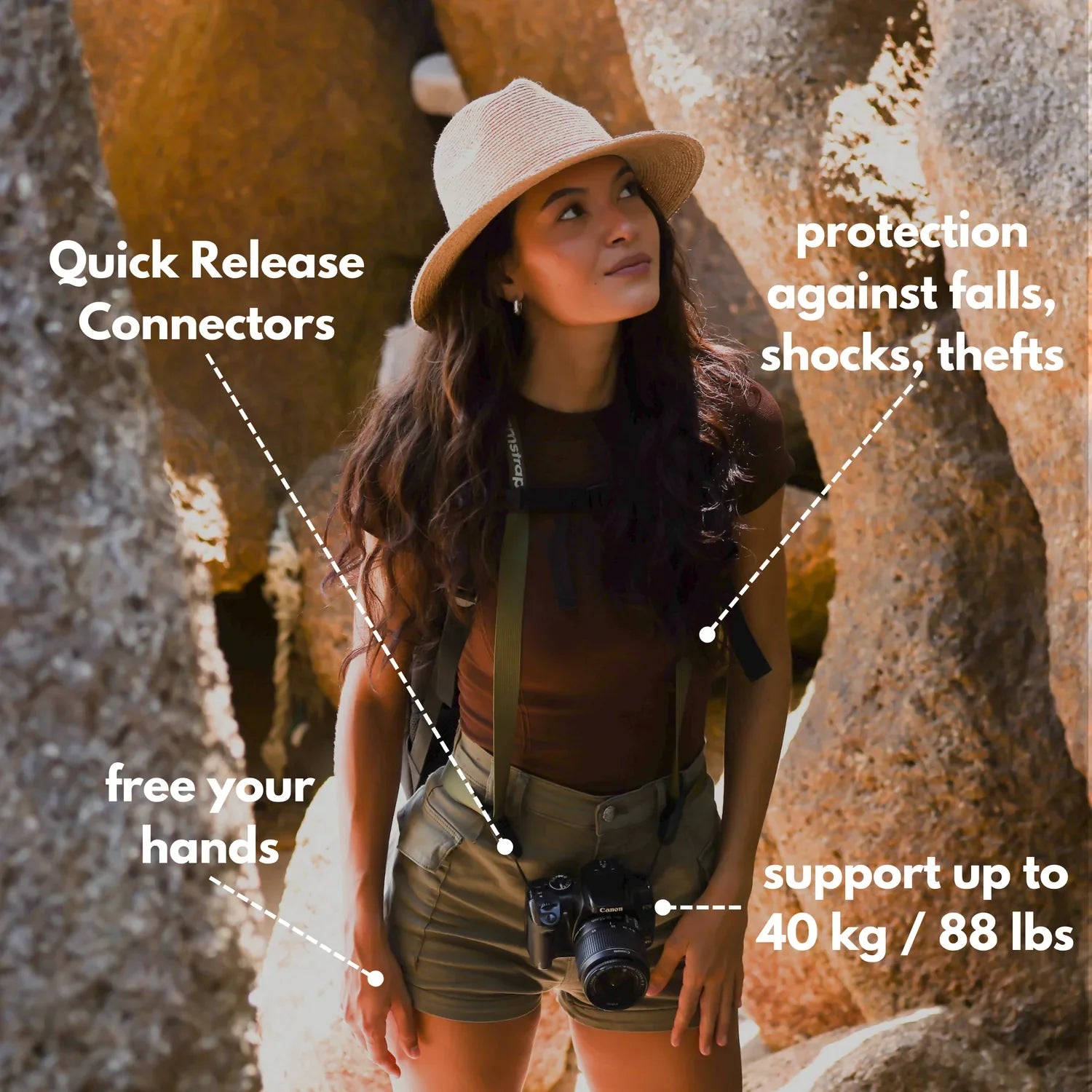
By choosing the Camstrap strap, you are opting for a high-quality product designed to meet the needs of the most demanding photographers.
- Developed by a physiotherapist to relieve neck and back pain.
- Fast delivery with tracking by the Post Office 🚚
- Can be used as a shoulder strap or hands-free harness

- Regular price
-
$41.00 - Regular price
-
$48.00 - Sale price
-
$41.00
Free shipping included
Reading the clothes before I raise the camera
My first move is to study how the garments already hang. Clean lines, long coats, wide trousers, and layered tops each respond differently to a lower viewpoint.

A sharp shoulder line gains presence when the camera drops. Soft fabric and loose cuts usually look better with a little breathing room around the body.
What I look for in a street-ready look
- Clear shape at the shoulders, waist, or hem
- One strong color block or print
- Movement in sleeves, skirts, or trouser legs
- A background that does not fight the outfit
That quick read saves time, and it tells me whether the angle should rise, fall, or stay level. Street light changes the plan too: bright sun can flatten texture, while open shade keeps folds and fabric depth easier to read.

How do I photograph outfits without making people pose too stiffly?
I keep direction short and let the person stay in motion. A walk, a step-turn, or a small shift through the shoulders looks far more natural than a locked pose. One clean approach is to ask for movement between frames. I often shoot three to five images while the subject shifts weight from one foot to the other.
Simple direction that keeps energy up
- Start with a natural walk for two or three steps.
- Ask for one pause, then one small turn of the torso.
- Keep hands busy with pockets, a bag, or a jacket edge.
- Watch the chin and shoulders for tension.

That sequence keeps the body loose and gives me more options when the hands or hair land awkwardly. I avoid long posing talks on the sidewalk because short cues move faster and feel less awkward for the person in front of the lens.
Which camera angle makes clothes look more dynamic on the street?
A lower angle gives clothes more drive by lengthening the body and sharpening the outfit line. I like to shoot just below waist level when I want jackets, coats, or trousers to feel bold.
A slight tilt can add energy, but I keep it controlled. Too much tilt makes the frame feel careless instead of lively.

Three angles I return to often
Waist-level works well for full looks and clean posture. Crouched eye-to-knee framing helps when I want the hem, shoes, and stride to feel connected. For a stronger editorial feel, I drop lower and let the body rise through the frame. That view makes the street feel larger and gives the outfit more presence.
Canon notes that shorter focal lengths create a stronger sense of perspective, while longer focal lengths create compression. I use that on purpose because angle and lens shape the same scene in different ways.
How can I keep focus when shooting fashion details on location?

I keep focus by using continuous AF, eye or subject detection, and a wide enough aperture to isolate the detail. On a busy street, I set AF-C or AI Servo and keep back-button focus on.
For small style details, I often use f/2.8 or f/3.5 and watch the focus point land on the eye, zipper, cuff, or shoe. A wider aperture like f/2.8 cuts depth of field, while f/22 keeps more of the frame sharp.
Settings that stay reliable in motion
- AF-C / AI Servo with eye detection
- Back-button focus for quick re-acquire
- 1/500s or faster for walking motion
- Auto ISO with a sensible ceiling for the light
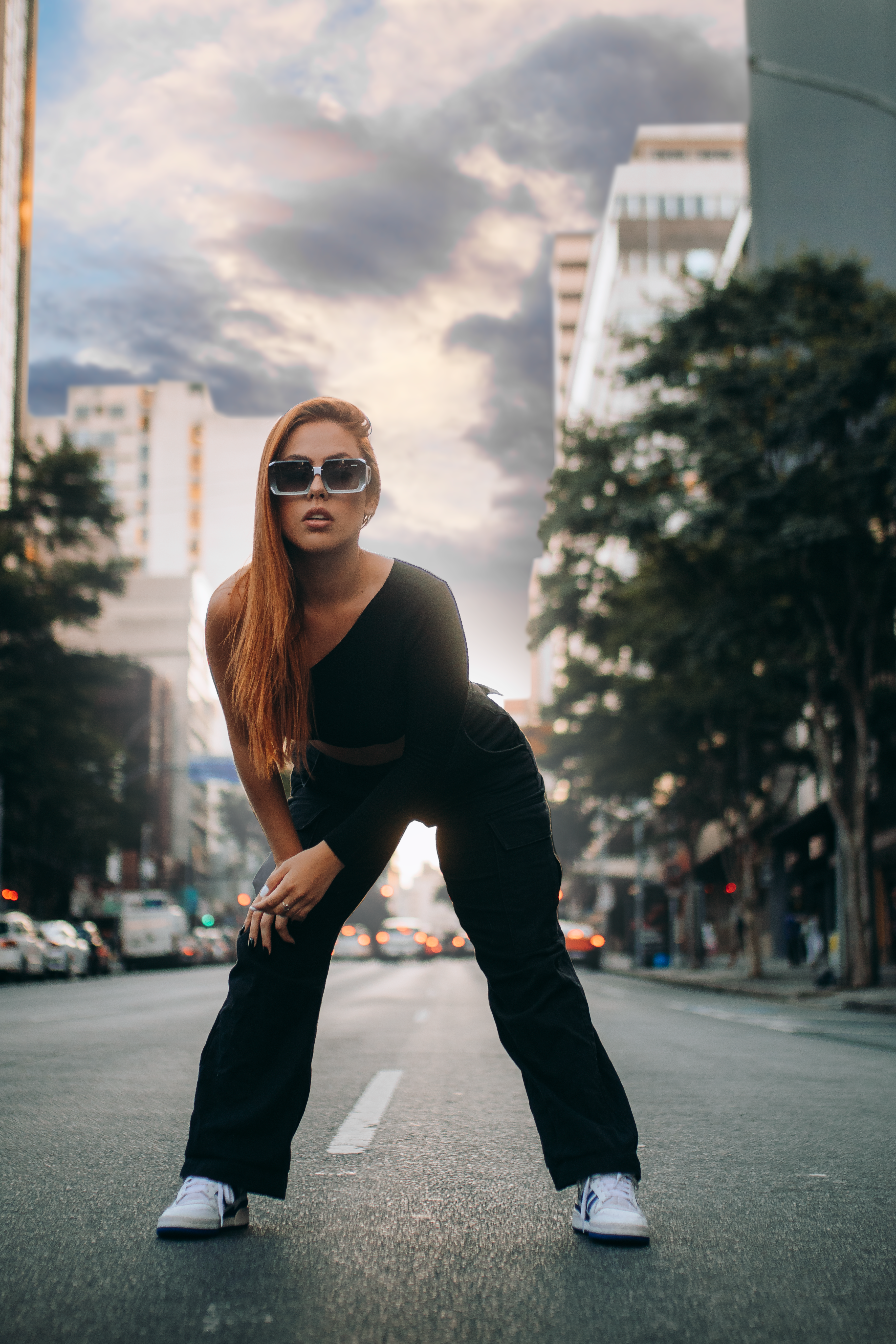
Canon gives a street example at 28mm, 1/1000s, f/3.5, ISO 100 in bright light. In lower light, Canon also shows 28mm, 1/100s, f/2.8, ISO 400, which shows how fast the light can shift the balance. A mid-tier mirrorless body can handle a short burst without trouble, but the buffer still matters. Many cameras slow after roughly 15 to 30 RAW frames, while JPEG lasts longer, and UHS-II V60 or V90 cards clear files faster than UHS-I.
What lens works best for editorial portraits outdoors?
A 35mm or 50mm lens is my first choice for most street looks because both sit close to natural vision. Canon has long tied those focal lengths to street work for that reason.
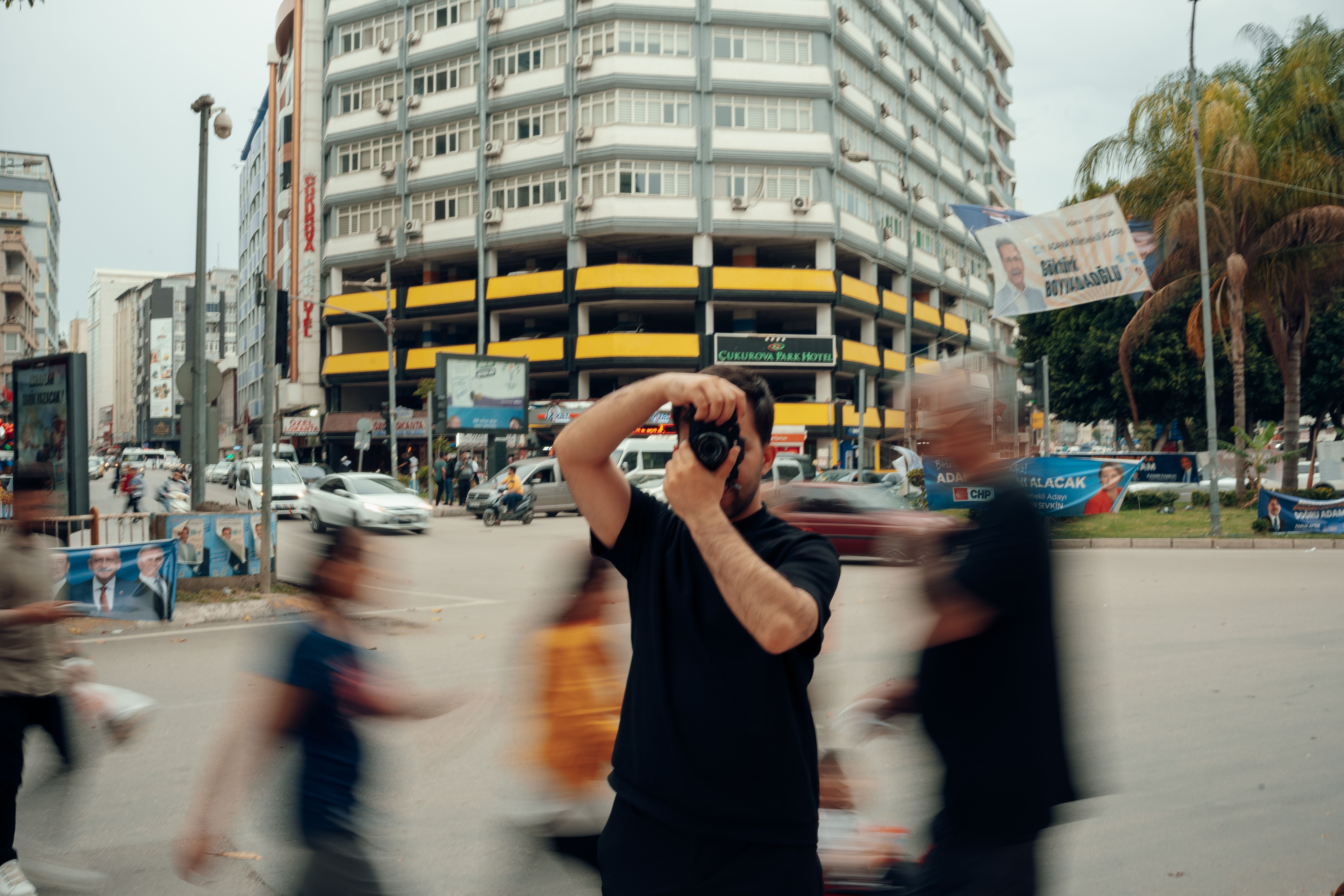
A 28mm lens can bring the setting into the story, while an 85mm lens can flatten a busy background and clean up the frame. A wide-angle lens helps when the street matters, and a longer lens helps when the subject should stand apart.
How I choose between them
For full-body editorial portraits, I reach for 35mm when I want context and movement. I reach for 50mm when I want a calmer look with less edge stretch. If the sidewalk is crowded, a longer lens helps me isolate the person and reduce background clutter. That compression also makes signs, buildings, and light poles feel closer to the subject.
On APS-C, Canon recommends about 1/80s with a 50mm lens to avoid shake. I treat that as a floor, not a goal, and I go faster when the subject is moving.
How do I move between full-body and detail shots quickly?
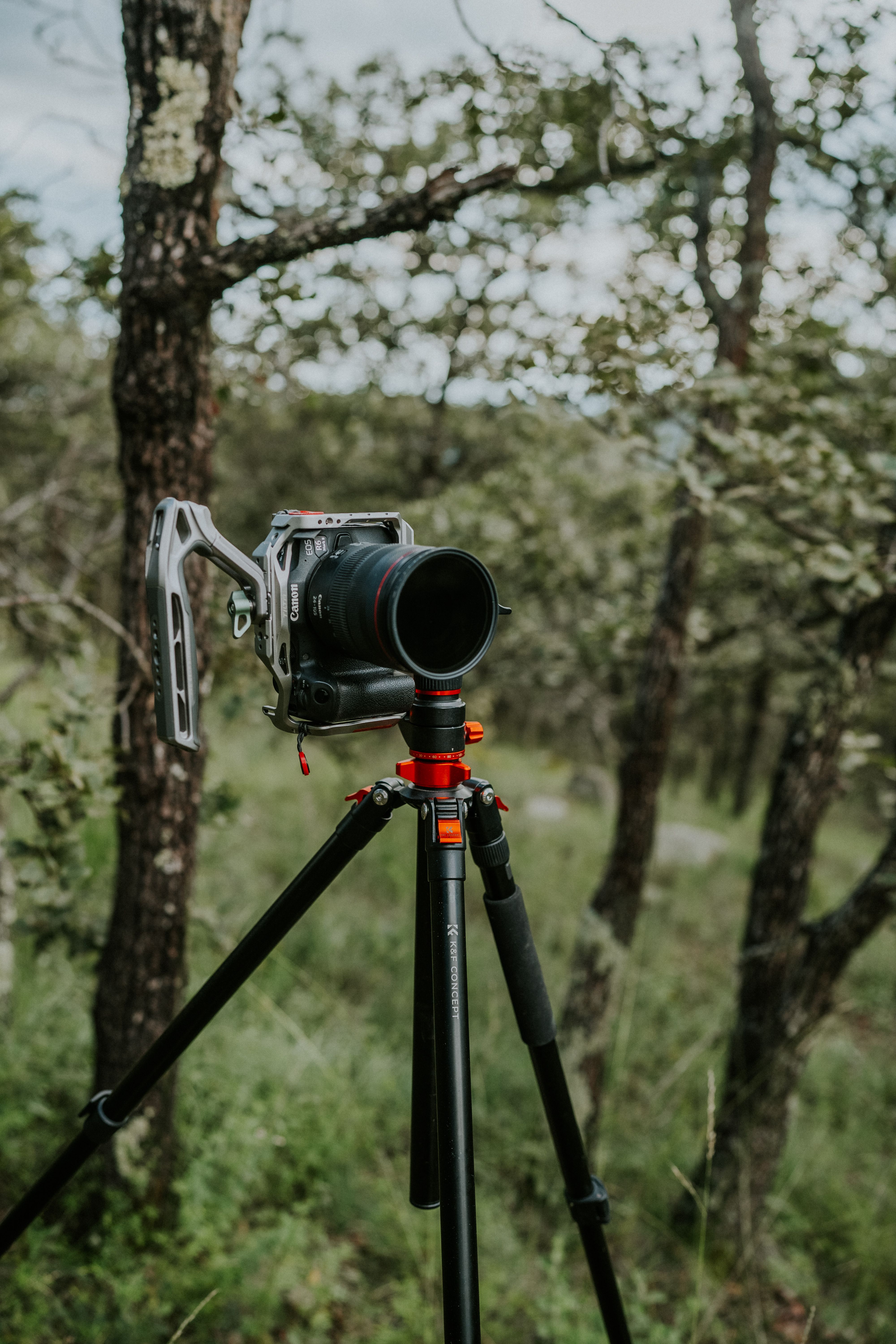
I move fast by setting the camera up for one hand change and one body shift. A hands-free strap keeps the camera ready when I crouch, stand, or step sideways.
That is where a strap such as the Camstrap voyager fits well. Its quick-release style lets me change stance fast, so I can go from waist-level frames to tight detail shots without missing the moment.
A fast street rhythm that keeps the look consistent
I start wide, then move in. Full-body frames set the shape, and detail shots finish the story with cuffs, shoes, jewelry, or a bag strap. The key is to keep the same light and angle family across both shots. If the first frame is low and dramatic, the detail should still feel like it belongs to that same scene.

One smooth workflow helps a lot here:
- Lock exposure for the main light in front of you.
- Take the full-body frame first.
- Drop to a tighter crop for fabric, hands, or shoes.
- Use the same side of the light if the street is changing fast.
I check the EVF or rear screen less than I used to. On mirrorless bodies, the display and image review drain battery faster than most people expect, so I review only when I need to.
Keeping the frame alive from first shot to last
The best street fashion images feel like one idea from start to finish. The pose stays loose, the angle stays honest, and the lens fits the shape of the clothes.
I think about the scene in layers: posture first, then lens choice, then camera height, and finally the detail shot that seals the edit.
Canon’s street examples are useful because they show how small changes matter. A 28mm lens at 1/1250s, f/2.8, ISO 100 gives a very different feel from 50mm with a slower shutter and more compression. In practice, I aim for a look that feels quick but controlled. A moving subject, a steady angle, and a clean focus point do more for the image than any hard pose ever could.
The next time I work a street corner, I want the outfit to guide the angle and the angle to guide the lens. When those choices line up, the photo feels intentional before anyone notices why.
Frequently Asked Questions
How do I photograph outfits without making people pose too stiffly?
Keep direction short and ask for movement instead of a locked pose. A natural walk, a step-turn, or a small shoulder shift makes the outfit look more relaxed, and shooting three to five frames while the subject changes weight gives more natural options.
What camera angle makes clothes look more dynamic on the street?
A lower camera angle makes clothes look more dynamic by lengthening the body and sharpening the outfit line. Shooting just below waist level gives jackets, coats, and trousers more presence, while a controlled slight tilt can add energy without looking careless.
How can I keep focus when shooting fashion details on location?
Study how the garment hangs before raising the camera, then choose the angle based on the outfit’s shape. Clean lines, strong shoulders, and movement in sleeves or hems are easier to frame when the camera height and composition match the clothing’s structure.
What lens works best for editorial portraits outdoors?
Shorter focal lengths work best for a stronger editorial feel outdoors because they create a stronger sense of perspective. Longer focal lengths compress the scene instead, so the lens choice should match whether the portrait needs more presence or a flatter, tighter look.
How do I move between full-body and detail shots quickly?
Use a fast sequence of waist-level, crouched, and lower angles to switch between framing types without changing the whole setup. Full-body shots work well from waist level, while dropping to eye-to-knee or lower captures hems, shoes, and stride as connected details.


