


- How can I prevent neck pain from carrying a camera all day
- Which strap styles reduce shoulder and back strain
- Should I switch shoulders regularly during long shoots
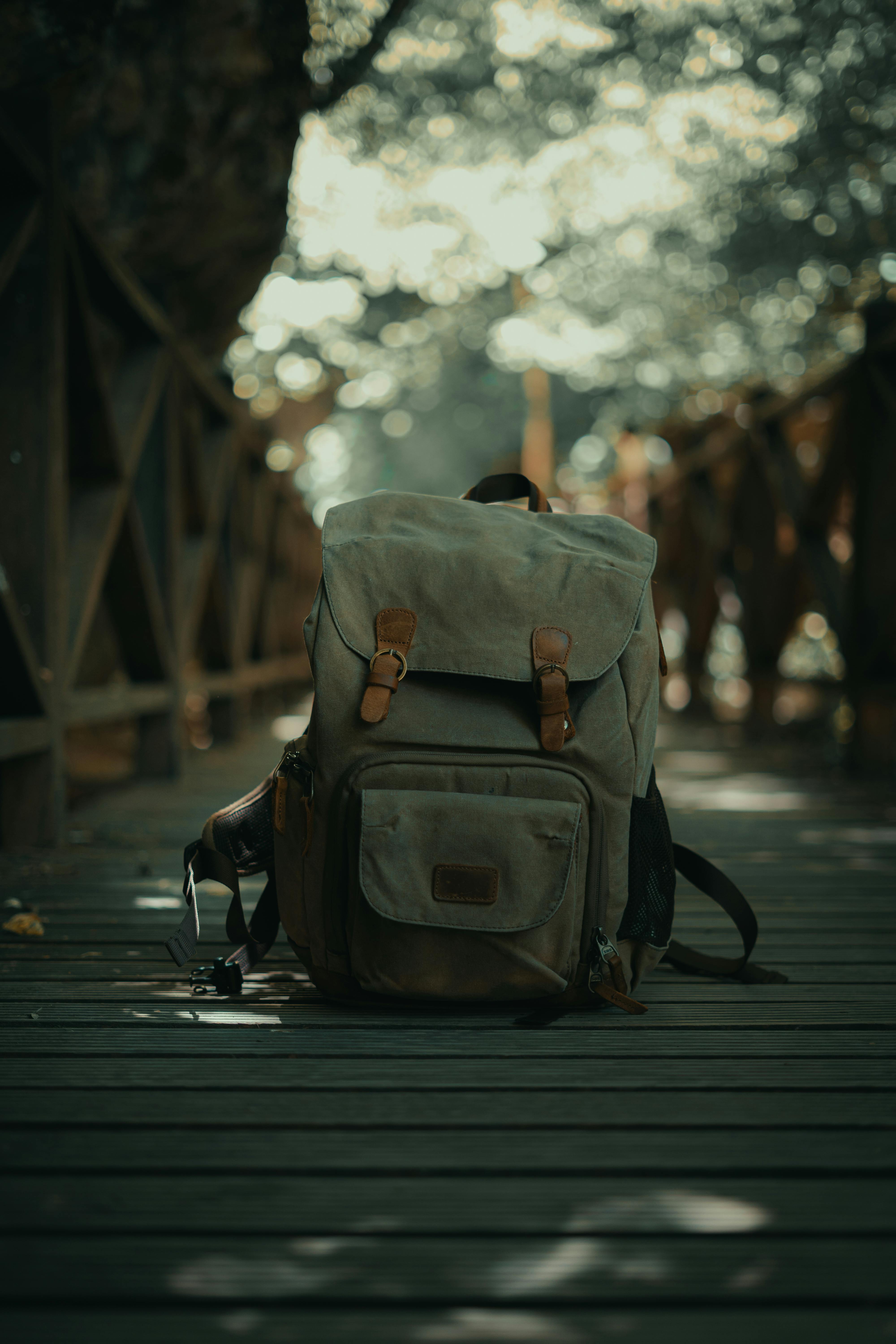
Long summer photo walks and hikes can be rewarding for both your camera and your mood. Still, they can leave you with sore shoulders, neck pain, and back pain. To stay comfortable, carry less, fit your gear properly, and maintain better posture as you move.
Shop the setup

- Regular price
-
€42 - Regular price
-
€44 - Sale price
-
€42
By choosing the Camstrap strap, you are opting for a high-quality product designed to meet the needs of the most demanding photographers.
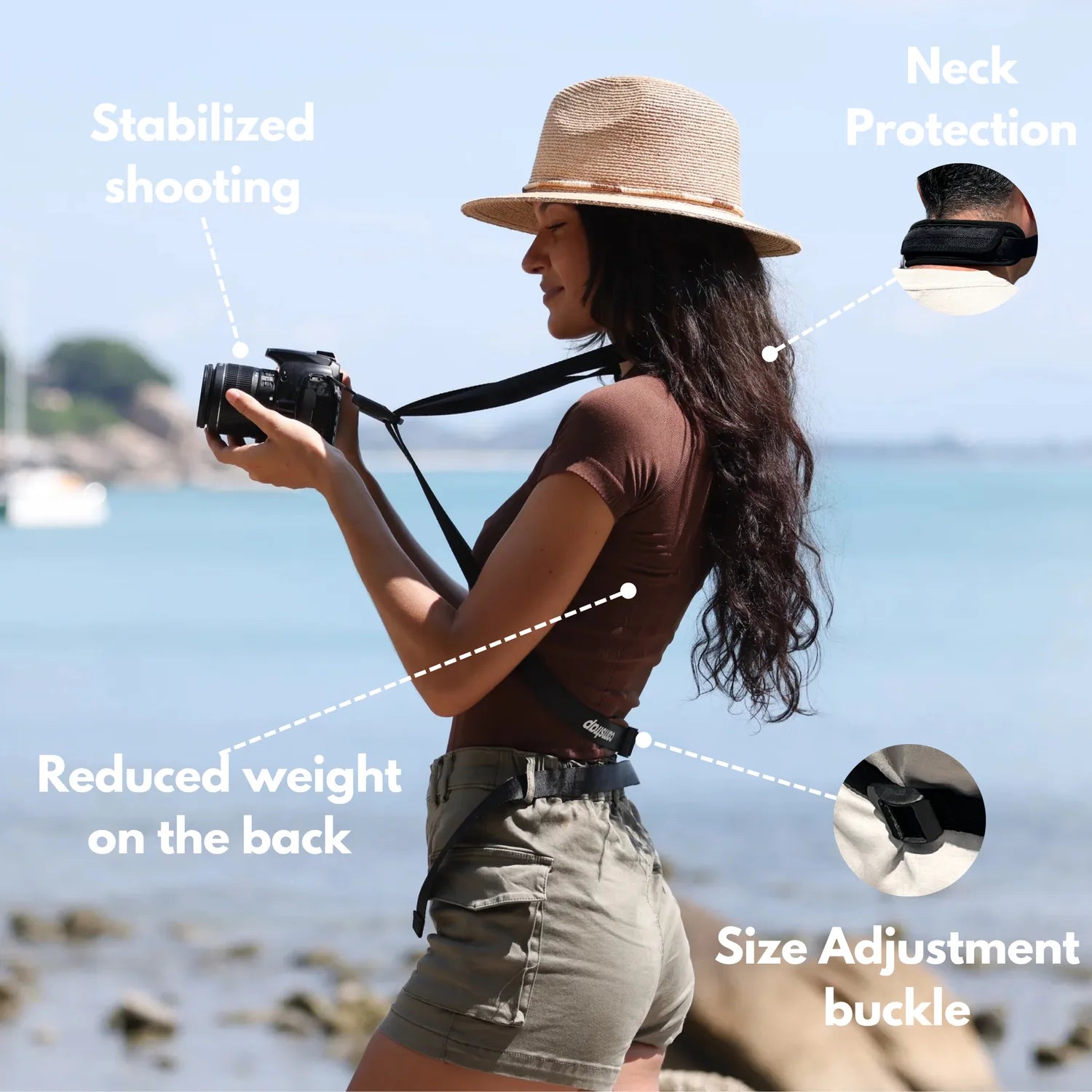
- Developed by a physiotherapist to relieve neck and back pain.
- Fast delivery with tracking by the Post Office 🚚
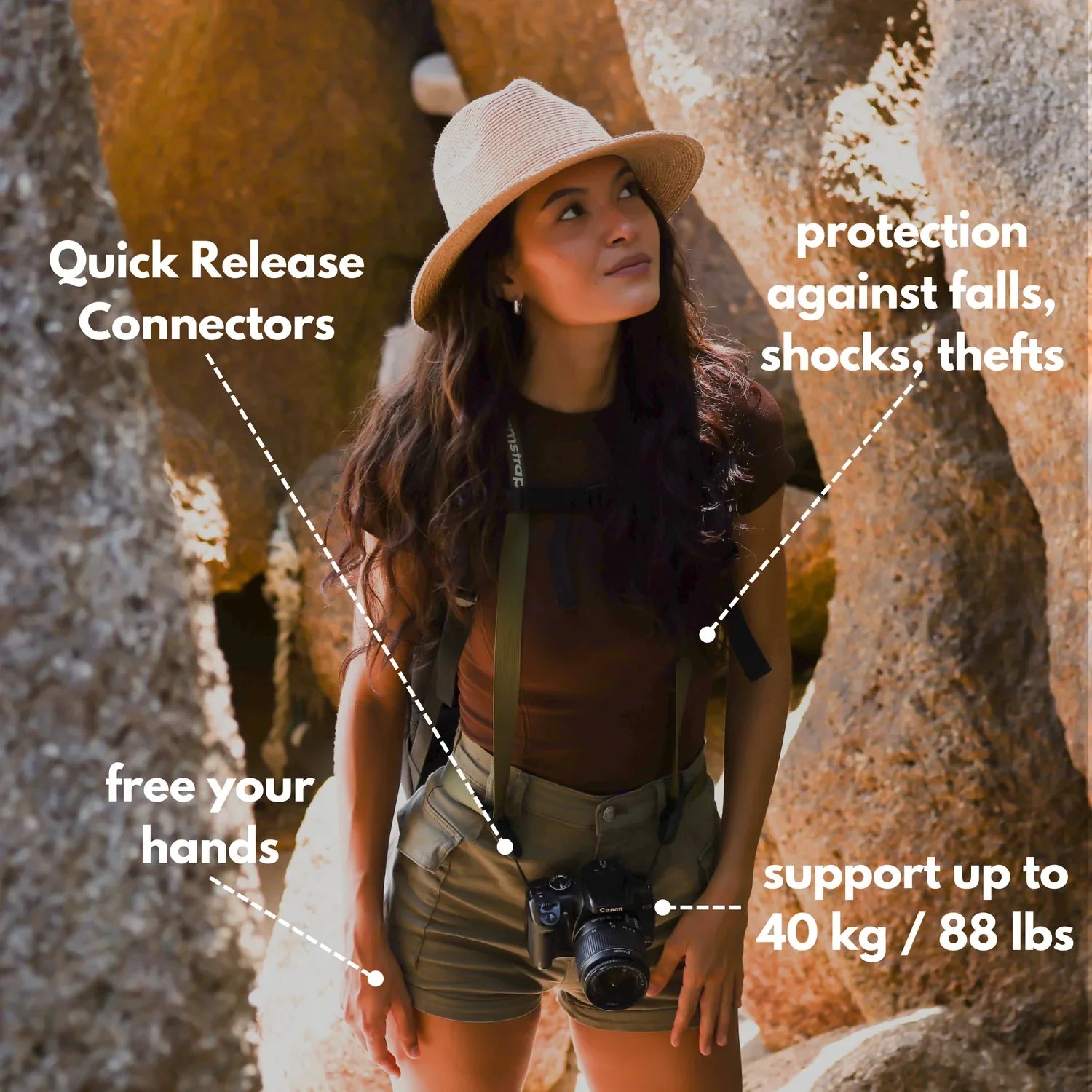
- Can be used as a shoulder strap or hands-free harness

- Regular price
-
€36 - Regular price
-
€42 - Sale price
-
€36
Free shipping included
A few small adjustments can make a major difference. The right strap, a lighter pack, and a handful of good habits can reduce strain on the trail. In this guide, you will learn how to prevent pain before it starts and keep shooting longer with less stress.
Avoid Neck and Back Pain Before You Leave Home
The best way to prevent pain is to plan before your walk begins. Begin by evaluating your total load, not just your camera. If your bag is too heavy, your neck and back will feel it later.
Experts often suggest keeping a loaded backpack at or below 20% of your body weight. Exceeding that can increase the risk of neck and back pain while hiking. For many day trips, a 20 to 30 liter pack is sufficient.
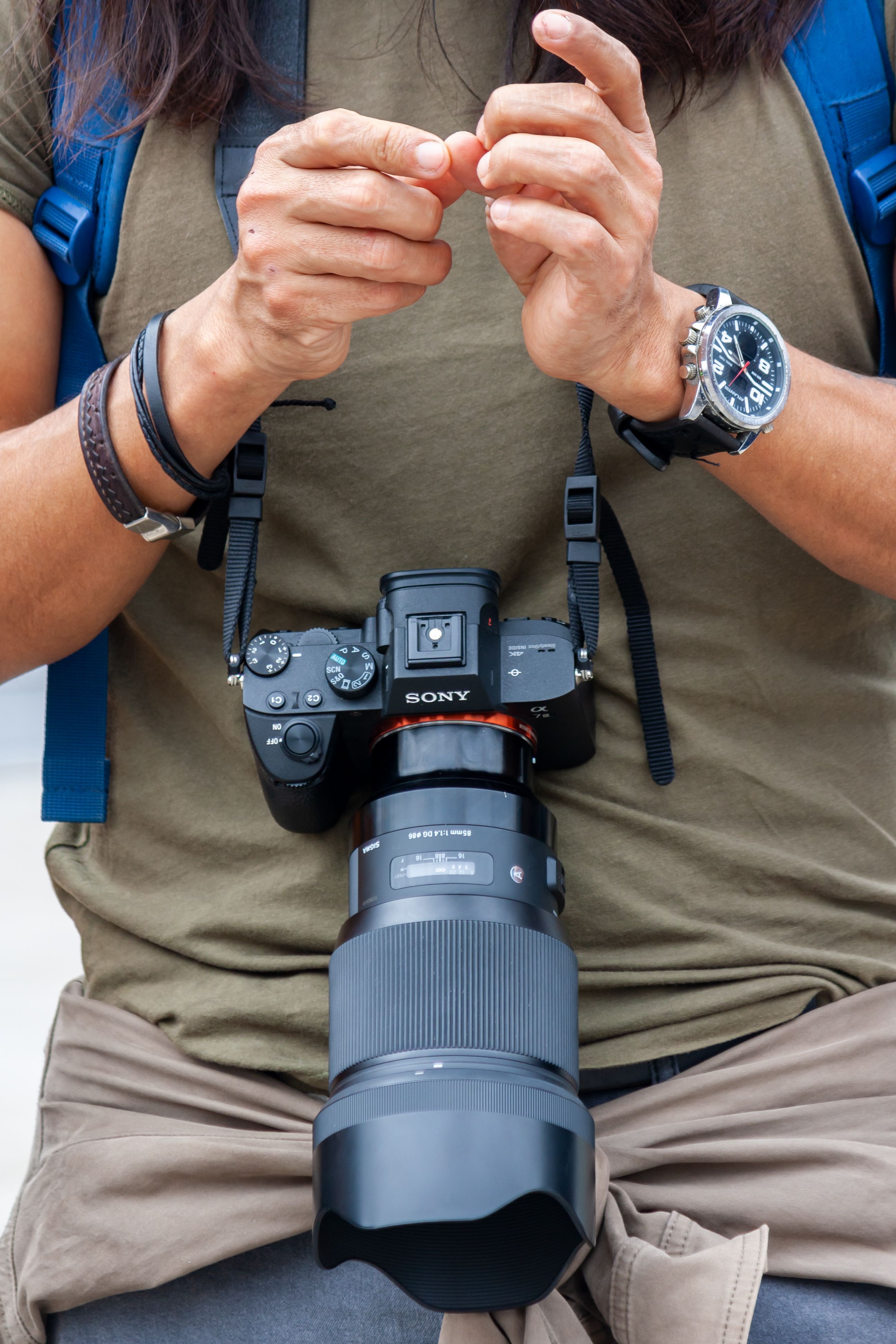
Pack only what you need
Whenever possible, leave extra gear at home. A mirrorless camera with a 24–70 mm f/2.8 lens can handle many scenes without adding too much weight. If portraits matter to you, a 50mm or 85mm lens is also a practical choice for a lighter kit.
Consider your goal for the day. If you plan to photograph wide landscapes, one zoom lens may be all you need. If the route will be long, a smaller kit can help you avoid tired shoulders and a stiff back.
Check your load before you step out
- Remove gear you will not use.
- Use one body and one or two lenses.
- Carry only one spare battery and one card wallet.
- Bring water, but do not overpack it.
- Keep heavy items close to your back.
These simple steps can save energy over time. They also help prevent the slow buildup of strain that often appears after an hour or two.
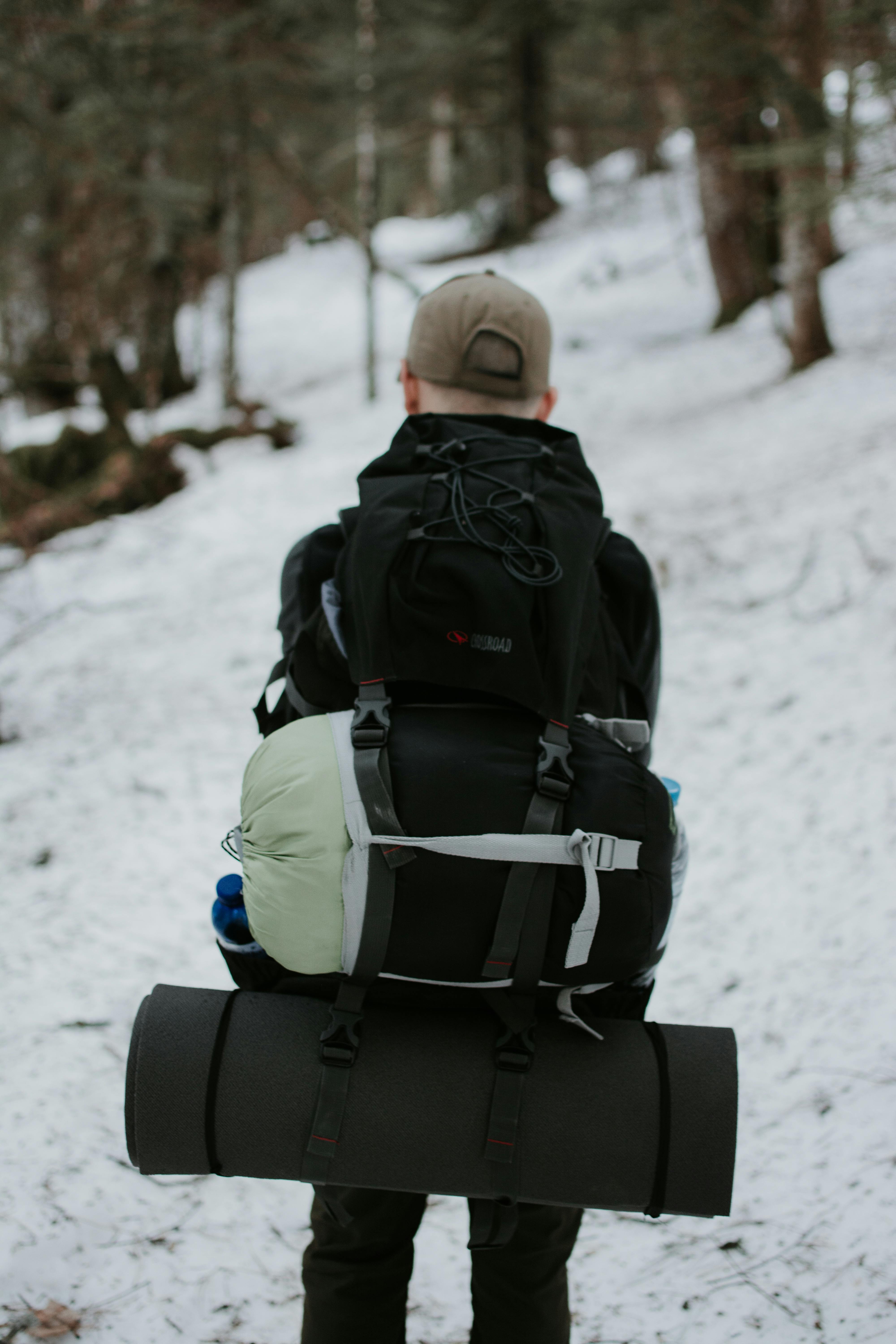
Avoid Shoulder Strain with the Right Strap Style
The strap you use matters more than many photographers realize. A thin strap can dig into your neck and tug your shoulders downward. That pressure can travel into your upper back and make the entire walk feel more difficult.
Padded crossbody and shoulder straps can help spread the load more evenly. Camstrap options such as the camstrap voyager, camstrap explorer, camstrap nomad, and camstrap magclip are examples of strap styles that may suit different walking habits. The point is not to promote one brand, but to show that wider, better-shaped straps can help reduce strain.
Which strap styles reduce pain?
For long walks, look for a strap that distributes weight. A crossbody strap can shift pressure off one side of your neck. A padded shoulder strap can also help if it sits securely and does not twist.
If you move quickly or climb often, a chest-style carry may feel even better. It keeps the camera close and stable. As a result, there is less bouncing and less pulling on your shoulders.
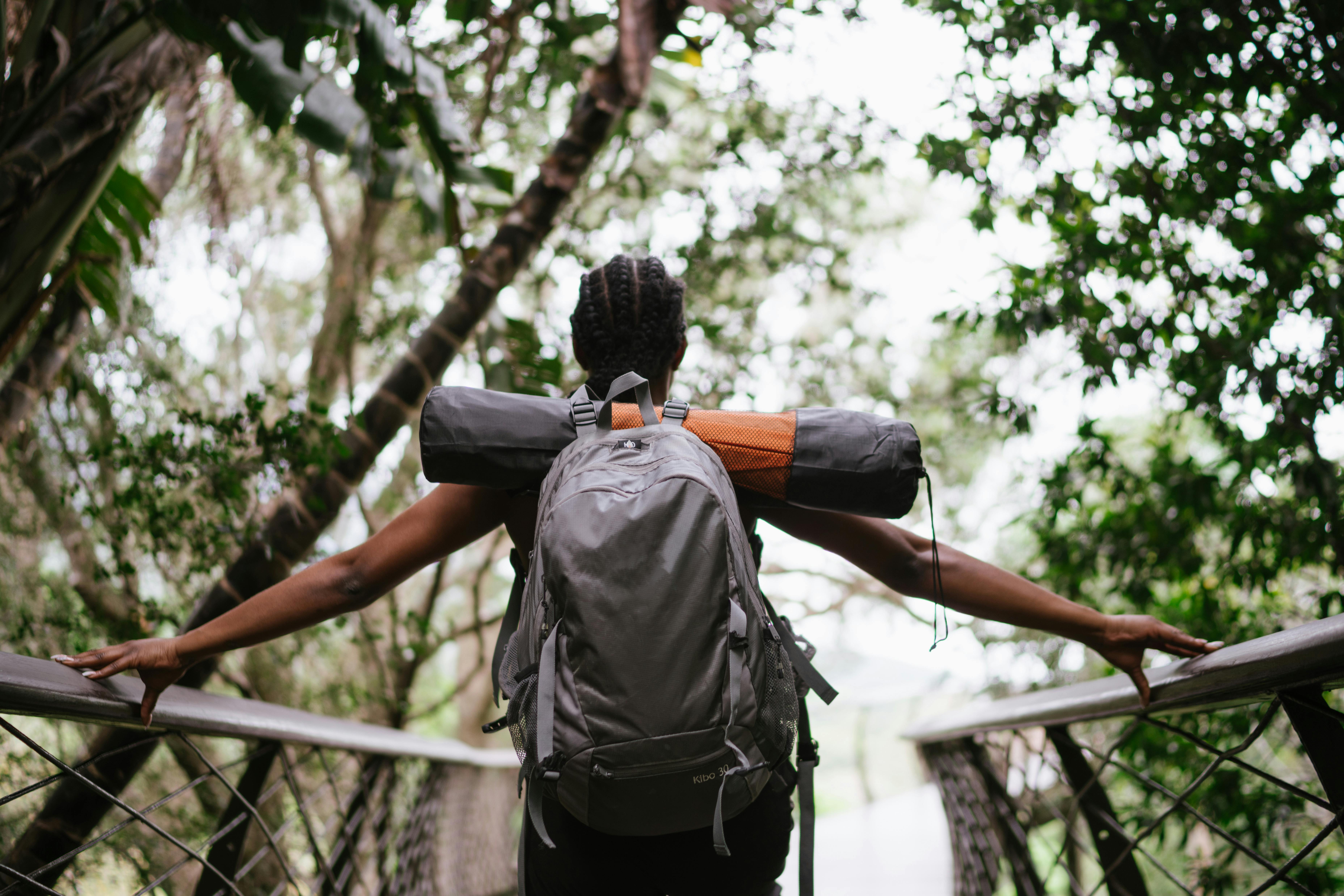
How can I prevent neck pain from carrying a camera all day?
Keep the camera off your neck whenever possible. Use a crossbody strap, a sling, or a chest carry setup. These options move weight away from the neck and toward the torso or hips.
Also, do not let a heavy camera hang in one place for hours. If you rely on a neck strap, change how you carry it often. Even better, hold the camera in your hands for short periods and let your neck rest.
Avoid Back Pain with Better Pack Fit and Posture
A properly fitted backpack can protect your back during long summer hikes. It should rest close to your body and feel balanced on both sides. Padded shoulder straps, a hip belt, and a sternum strap all help stabilize the load.
The hip belt is especially valuable. It shifts weight from your shoulders to your hips, which can significantly reduce stress on your neck, shoulders, and lower back. That makes it one of the easiest ways to avoid pain on longer trails.
Why fit matters so much
If a pack hangs low, it pulls backward and forces your back to work harder. If it shifts side to side, your muscles keep correcting the movement. That extra effort adds up quickly.
Place the heaviest items near the middle of your back. Tighten the sternum strap so the shoulder straps stay in position. When the pack fits well, your body does less work and you can walk farther with less pain.
Should I switch shoulders regularly during long shoots?
Yes, if you use a shoulder or crossbody strap, alternate sides during long shoots. Doing so helps prevent one-sided strain. It also gives tired muscles a chance to recover.
A good guideline is to switch sides every 15 to 20 minutes. You can also move the camera from shoulder carry to hand carry for short breaks. Small adjustments like these can help prevent neck pain and shoulder fatigue.

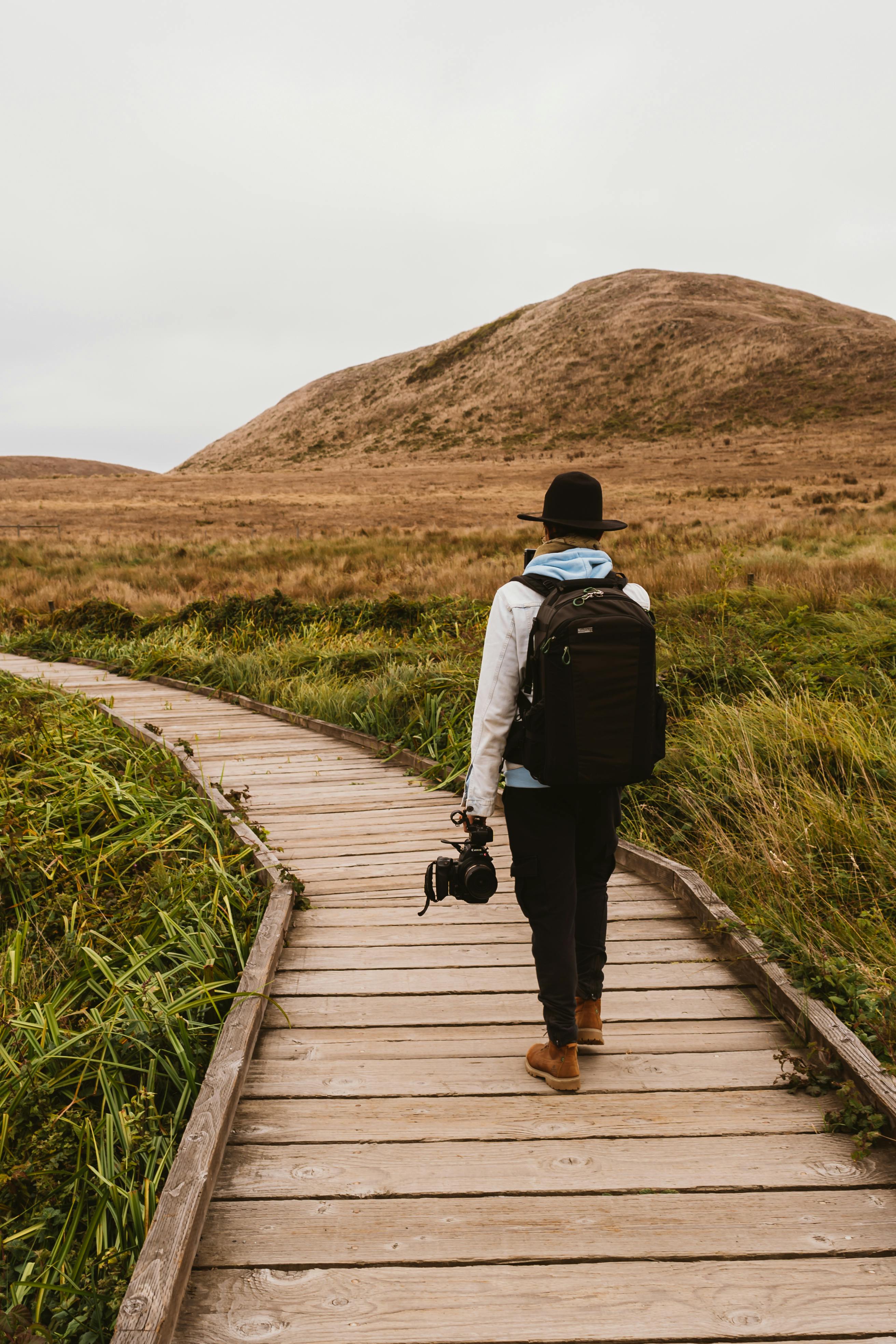
Avoid Pain by Moving the Right Way on the Trail
Good posture can protect your back more than many people expect. Stand tall with a neutral spine and relaxed shoulders. When you climb, lean slightly from the hips rather than the waist.
This small adjustment helps distribute weight more evenly. It also lowers muscle fatigue in your back and legs. If you hunch forward or twist too much, you can end the day with a sore neck and a tight lower back.
Simple posture cues to remember
- Keep your chest open.
- Relax your shoulders.
- Engage your core lightly.
- Look ahead, not down all the time.
- Step short on steep ground.
These cues are easy to remember, but they make a real difference. They help you avoid unnecessary tension in the upper body. They also make your walk feel smoother and more controlled.
Use hiking poles when the trail gets steep
Hiking poles can relieve stress on the lower back and knees. They transfer some of the load to the upper body and improve balance. That matters most on steep climbs and fast descents.
Poles also lessen the need to brace your back on every step. That can be especially helpful on long photo hikes. If you are carrying a full day pack, poles can make the whole outing feel lighter.
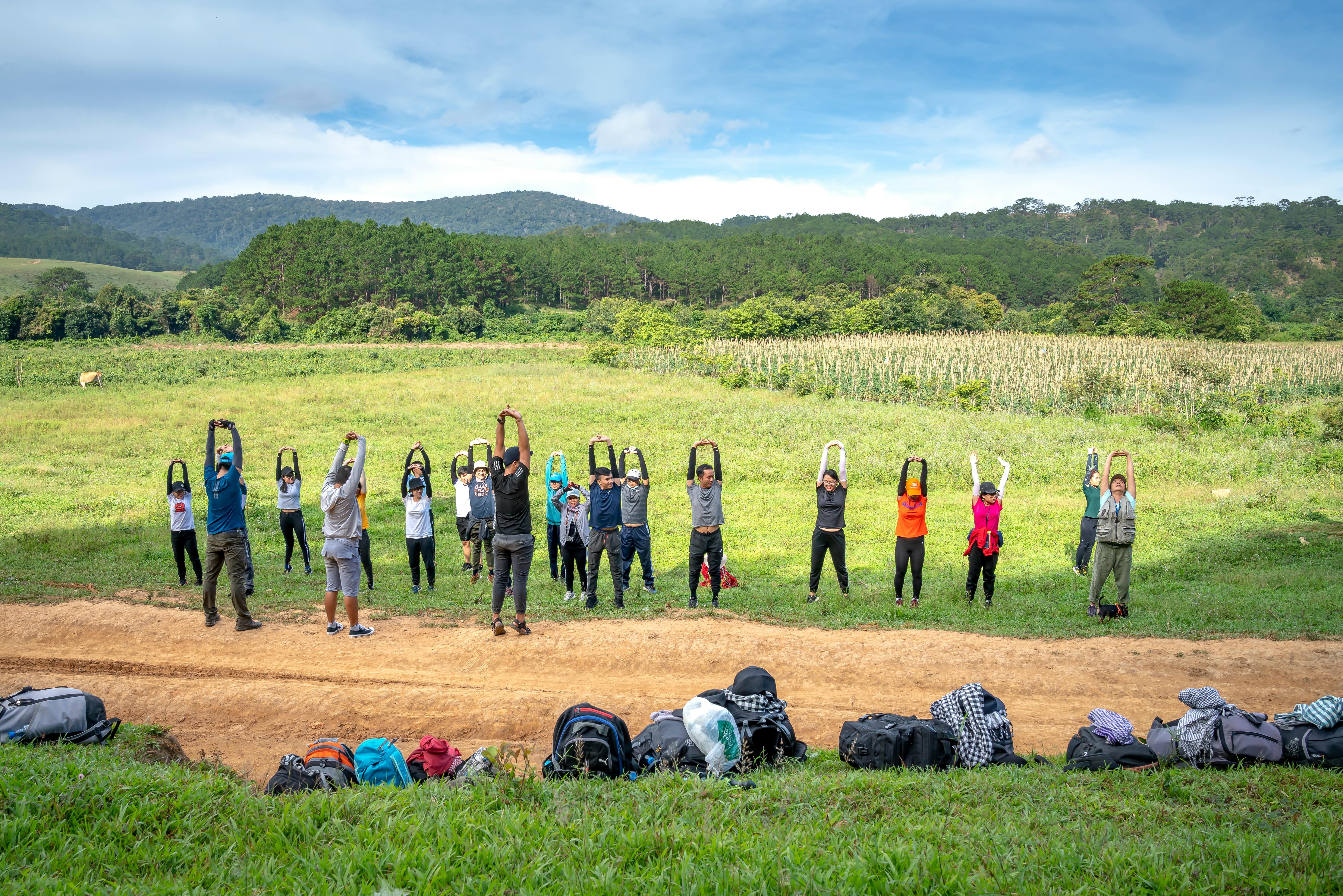
Avoid Stiffness with Warm-Ups and Cool-Down Stretches
Your body needs a warm-up before a long walk, just as your camera needs time to get ready. Dynamic stretching can wake up your muscles and joints. It can also help prevent early tightness in your neck, shoulders, and back.
After the hike, use static stretches to cool down. Hold each stretch for 20 to 30 seconds. This can ease tension and help prevent stiffness the next day.

Before you start: quick warm-up moves
- Arm circles for 10 to 15 seconds.
- Shoulder rolls for 10 reps.
- Gentle trunk turns from side to side.
- Leg swings, holding a tree or post for balance.
- Easy walking for 3 to 5 minutes before shooting.
These moves do not need to be intense. The goal is to get blood flowing and loosen tight areas. A few minutes of preparation can help you avoid pain later in the day.
After the hike: stretch the right areas
Focus on the back, shoulders, hips, and legs. A simple chest stretch can open tight front muscles after carrying a camera. A gentle hamstring stretch can also reduce pull on the lower back.
Hold each stretch for 20 to 30 seconds and breathe slowly. Do not bounce. This calm finish helps your muscles settle after a long summer walk.
Avoid Fatigue by Managing Your Camera Setup
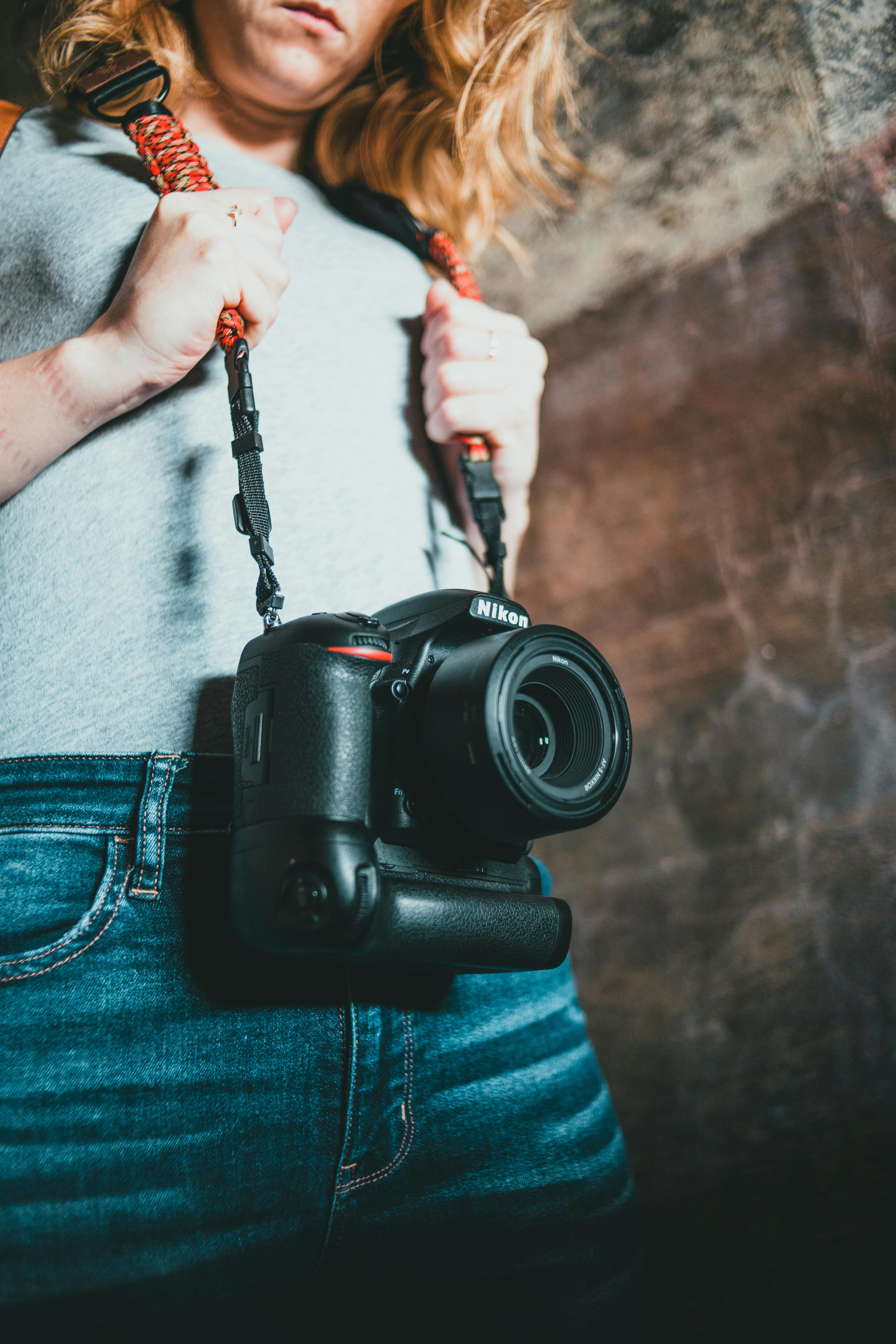
The camera you carry can affect how your body feels after a long day. A lighter setup often means less strain on the neck and back. That is especially true for photographers who walk for hours in warm weather.
For many people, a small sling or chest bag works better than a heavy backpack. It keeps the camera close and easy to reach. This can help you avoid repeated lifting, twisting, and hanging weight from one spot.
Build a lighter photo kit
Think in terms of usefulness, not just gear count. A mirrorless body with a 24–70 mm f/2.8 lens is a strong all-around option. If you want even less weight, a 50mm lens or a small prime may be enough for many scenes.
Try to keep the kit simple on long hikes. Fewer items mean less bulk, less shifting, and less pain. That can also help you move faster when the light changes.

Use smart carrying habits during the walk
- Rest the camera during flat sections.
- Move it from side to side often.
- Do not let the strap cut into your neck.
- Take short standing breaks every 30 to 45 minutes.
- Adjust strap length before the hike, not on the trail.
It is easy to forget these habits when you are focused on the shot. Even so, they can spare your body from a long day of pressure. Better habits now mean less soreness later.
Avoiding Pain on Long Summer Photo Walks: Quick Answers
Many photographers ask the same three questions before a long walk. The short answer is straightforward: carry less weight, fit your gear well, and keep moving. Those steps do the most to prevent neck and back pain.
If you want a quick checklist, begin with your strap, your bag, and your posture. Then add warm-ups, breaks, and pole use when needed. Together, these choices can make a long hike feel much easier.
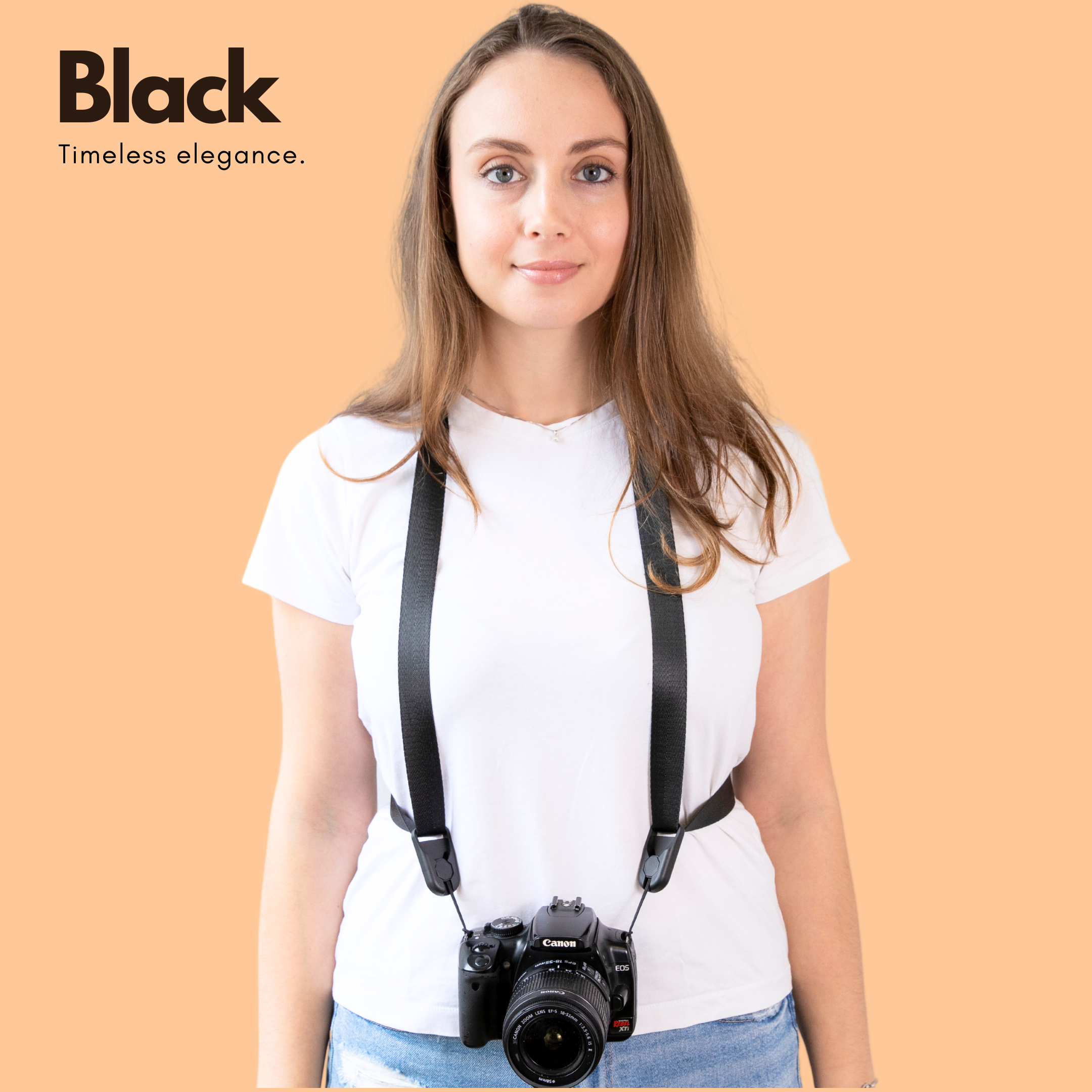
- How can I prevent neck pain from carrying a camera all day? Use a crossbody, sling, or chest carry setup.
- Which strap styles reduce shoulder and back strain? Padded crossbody and shoulder straps spread weight better.
- Should I switch shoulders regularly during long shoots? Yes, switch sides every 15 to 20 minutes.
If you want one more tip, test your setup before a big trip. A short walk at home can reveal what rubs, pulls, or bounces. That gives you time to fix it before the real hike.
Conclusion: Make It Easier to Avoid Pain and Keep Shooting
You do not have to choose between great summer photos and a sore body. With the right preparation, you can avoid neck and back pain and still enjoy the trail. Keep your load light, use a strap that spreads weight, and stand with better posture.
Also, remember the basics: stay under 20% of body weight when possible, warm up before you start, and stretch after you finish. Use hiking poles on steep ground, and switch shoulders during long shoots. If you want a simple next step, try a padded crossbody or shoulder strap, such as one from Camstrap, to see what feels best for your walk.
The best camera carry system is the one that lets you move, shoot, and finish the day with energy left. When you plan well, you can avoid pain, protect your body, and make more photos on every summer hike.
Frequently Asked Questions
How can I prevent neck pain from carrying a camera all day?
Use a wider, padded strap or a crossbody strap so the weight is distributed more evenly instead of digging into your neck. Also keep your kit light, remove gear you will not use, and keep heavy items close to your back to reduce strain over time.
Which strap styles reduce shoulder and back strain?
Padded crossbody and padded shoulder straps help spread the load and reduce pressure on one side of the neck and shoulders. A chest-style carry can also work well for active walks because it keeps the camera stable and reduces bouncing.
Should I switch shoulders regularly during long shoots?
Yes, alternating shoulders can help avoid overloading one side and reduce the buildup of strain. It works best as part of using a strap that distributes weight well, such as a crossbody or padded shoulder strap.


