


- Set 1/30s minimum for 30 fps video; faster is safer in crowds.
- Use at least 1/focal-length for handheld DSLR shots, and faster with long lenses.
- Shutter speed is the exposure time, also called exposure time or shutter duration.

Shutter speed controls how long light reaches the sensor. In a crowd, it often decides whether a concert shot feels crisp or a little mushy. Darkness, moving bodies, and long lenses all work against sharpness. Once you know what each setting is doing, the fixes are pretty direct.
Translation missing: en.blog_cta.bundle_heading

- Regular price
-
€42 - Regular price
-
€44 - Sale price
-
€42
By choosing the Camstrap strap, you are opting for a high-quality product designed to meet the needs of the most demanding photographers.
- Developed by a physiotherapist to relieve neck and back pain.
- Fast delivery with tracking by the Post Office 🚚
- Can be used as a shoulder strap or hands-free harness

- Regular price
-
€36 - Regular price
-
€42 - Sale price
-
€36
Translation missing: en.blog_cta.free_shipping_included
Blur starts before you press the shutter
Soft concert photos usually come from two kinds of blur: camera shake smears the whole frame, while subject motion blurs the singer, hands, or lights.
Packed venues make both problems worse. People brush past, your stance keeps shifting, and the stage never really sits still.
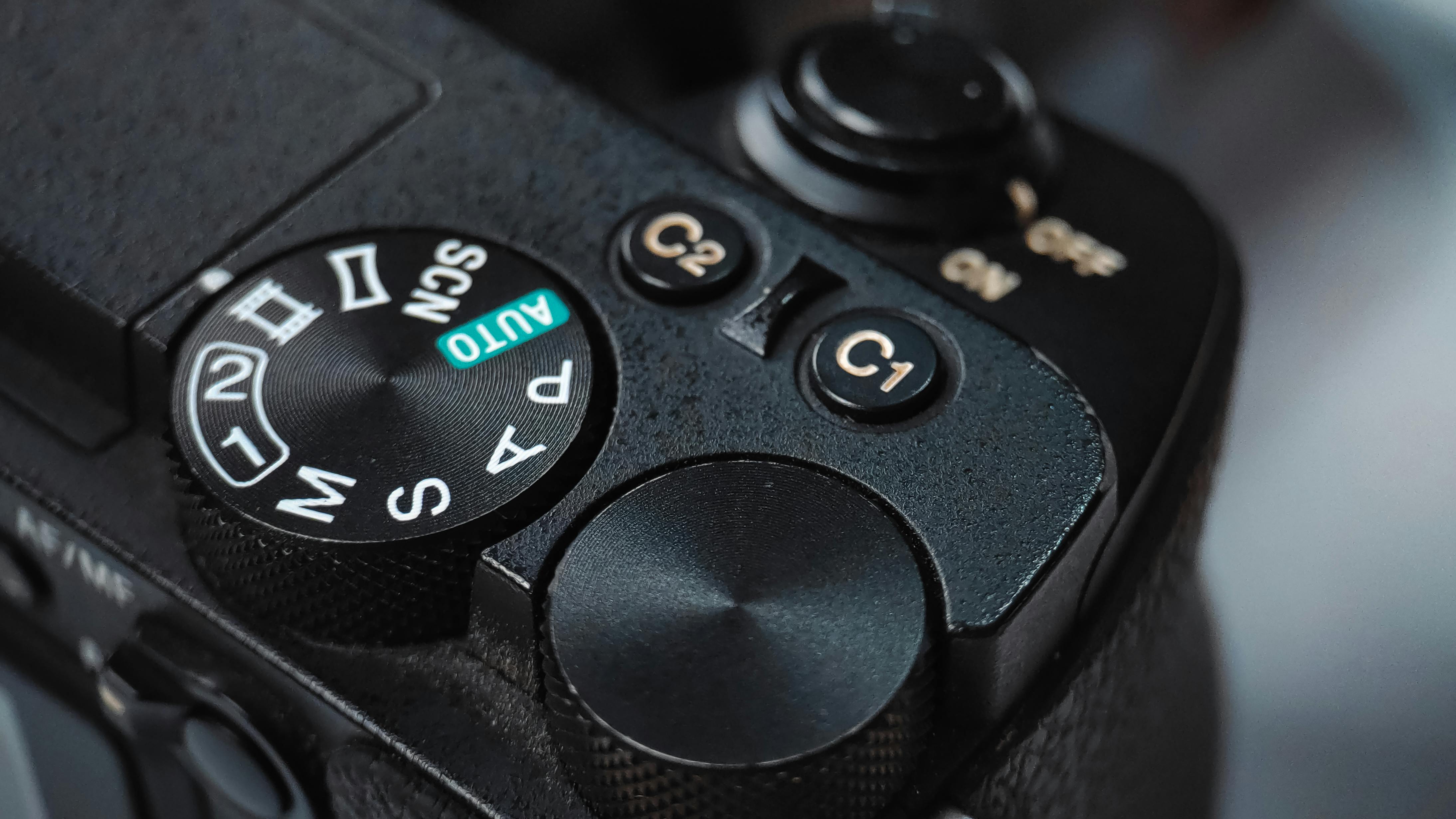
How crowd pressure makes handheld shots wobble
In a tight space, you rarely stay planted. You lean, twist, and lift the camera over heads, and even a slight sway can show up at slower shutter speeds. Long lenses magnify that wobble. A 200mm lens turns tiny movement into visible blur far more easily than a 50mm lens.
Stage motion brings a second kind of blur
A singer’s hands, hair, and head can blur even with a solid grip. Moving lights can soften the frame too if the shutter stays open too long.
A fast shutter freezes action, and it cuts the light. That tradeoff sits at the center of most concert shooting problems.

Shutter speed, in plain terms
Shutter speed is the length of time the shutter stays open for each frame. Faster speeds freeze motion more easily; slower speeds let blur creep in. Concerts make that simple idea matter a lot. Sharpness, light, and the pace of the show all demand attention at once.
Handheld blur follows a basic rule
A common guide says to use a shutter speed at least as fast as the inverse of your lens’s effective focal length. In plain terms, a 50mm lens wants about 1/50s or faster, and a 200mm lens wants about 1/200s or faster.
On an APS-C camera with a 1.6× crop, a 50mm lens behaves more like 80mm. That pushes the safer handheld target to about 1/80s or faster.

Stabilization helps, but it has limits
Image stabilization can tame camera shake, but it cannot stop the subject. Even a steady hand cannot freeze a singer mid-jump at 1/30s. For that reason, shutter speed, subject movement, and focal length need to work together. No single setting solves every blur problem.
Choosing a shutter speed
The right shutter speed starts with the subject, then the lens, then the light. I set a speed that can freeze the moment I care about most, then build the rest of the exposure around it.
For concert work, I usually begin near 1/250s and go faster when the action gets wild. A walking performer may look fine around 1/250s, while jumps and fast hand moves may call for 1/1000s to 1/4000s.

- Pick the motion you must freeze.
- Match the speed to your focal length.
- Open the aperture wide.
- Raise ISO until the frame is bright enough.
- Check the first few shots for blur.
This order keeps your choices clear, and it keeps you from chasing brightness first and losing sharpness.
Let the lens give you the first clue
A 35mm lens gives you more room to handhold than an 85mm or 200mm lens. As focal length climbs, your safe shutter speed climbs with it. That is why a wide view feels forgiving in the pit, while a tight crop from the back of the crowd feels harder to keep sharp.
Then account for the singer’s movement

Not every stage moment needs the same speed. A calm verse may work at 1/250s, while a drum hit or a leap needs much more.
Fast motion also changes from frame to frame. A burst of three to five shots can catch one clean peak without turning the whole set into a blur hunt.
What is the recommended shutter speed for 30 fps?
The recommended shutter speed for 30 fps is about 1/60s for a natural look, using the 180-degree shutter rule. That keeps motion blur smooth and avoids a choppy feel. Concert stills and concert video are different jobs. Still photos often need much faster speeds, while 30 fps video usually looks best near 1/60s unless the scene calls for something else.
Why this matters in a live venue
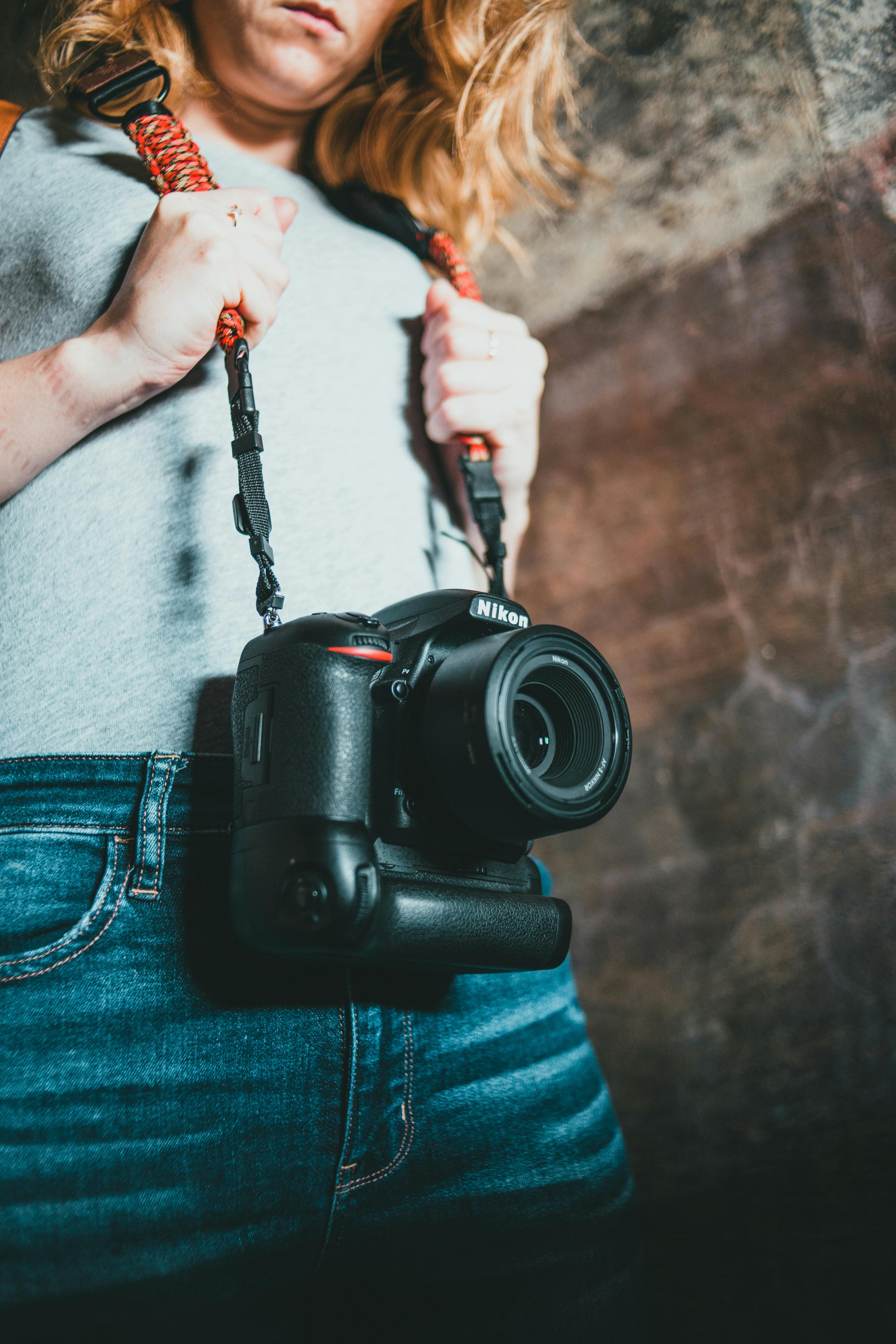
If you shoot clips from the same crowd position, 1/60s can look fine for video but soft for stills. That is normal.
A video frame rate creates a different motion style from a still image. For photos, you usually need a faster speed because each frame has to stand on its own.
What is the best shutter speed for a DSLR camera?
The best shutter speed for a DSLR camera depends on the lens, the subject, and the light, but 1/250s is a strong starting point for concerts. It gives a useful balance between sharpness and exposure in many dim venues. For handheld shooting, I treat 1/50s with a 50mm lens as the floor, and 1/200s with a 200mm lens as the floor. For moving performers, I go much faster.
Practical concert settings that work
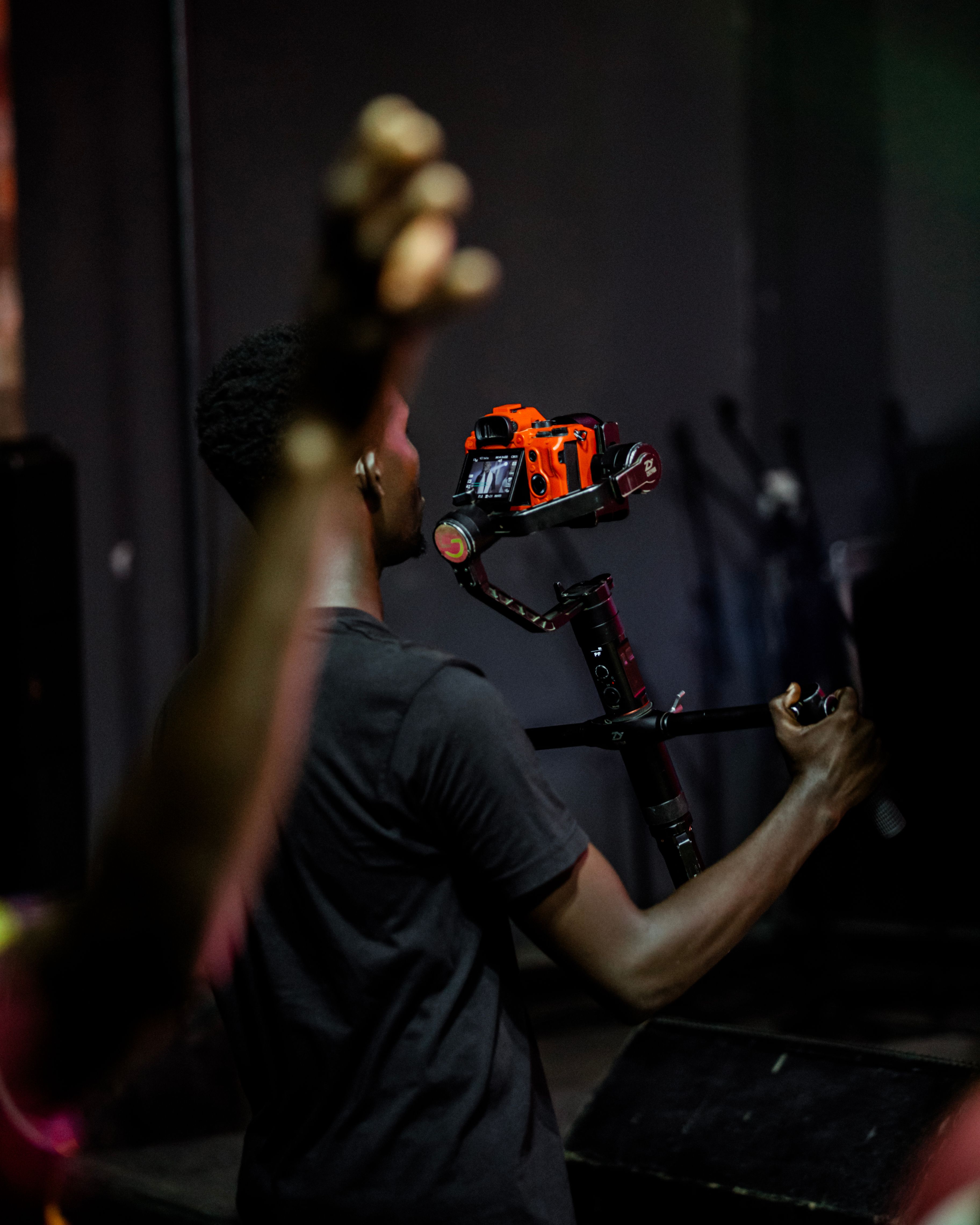
A Nikon concert example uses ISO 6400, f/2.8, and 1/500s. That mix shows the real issue clearly: even a wide aperture and fast shutter may still not bring in enough light.
Many cameras handle ISO 1600 to 3200 cleanly, and some modern bodies go much higher with good results. In a dark hall, a noisy but usable image beats a soft one.
- Start near 1/250s for singers and players.
- Move to 1/500s for faster hand movement.
- Use 1/1000s or more for jumps or hard action.
- Open the lens to f/2 or f/2.8 when you can.
- Raise ISO as needed to keep exposure usable.
Autofocus and burst mode cover the other half
Continuous AF, known as AF-C or AI Servo, keeps tracking a moving subject. Pair it with eye or subject detection, and the camera holds focus more often as the performer turns. High burst rates help too. Many mid-tier mirrorless bodies shoot about 10 fps with a mechanical shutter, while electronic modes can reach 20 fps or more; some go even higher, though LED banding and rolling-shutter skew can show up under stage lights.

Buffer depth matters as well. A mid-tier body often gives about 40 to 80 RAW frames before slowing, and JPEG stretches that much further.
What is shutter speed also called?
Shutter speed is also called exposure time. Both names mean the same thing: how long the sensor sees light for each frame.
You may also hear it called “shutter time.” In practice, “shutter speed” and “exposure time” refer to the same control.
Why the name matters in low light

Thinking in exposure time helps when you are under pressure. A longer time brings in more light, but it also gives motion more room to smear. That tradeoff explains most soft crowd shots. If the frame is bright enough but still blurry, the exposure time is usually too long for the scene.
Gear choices that make a sharp frame more likely
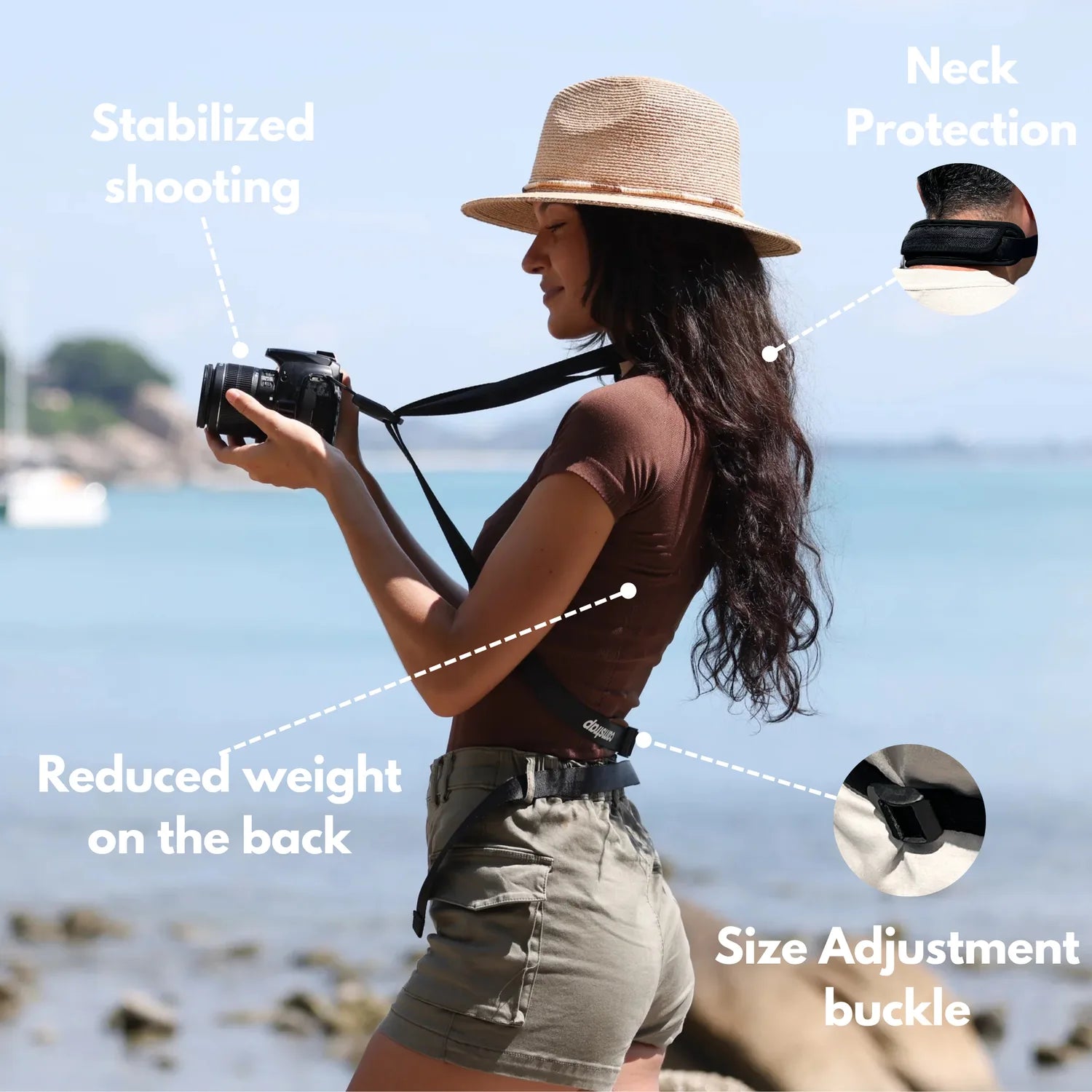
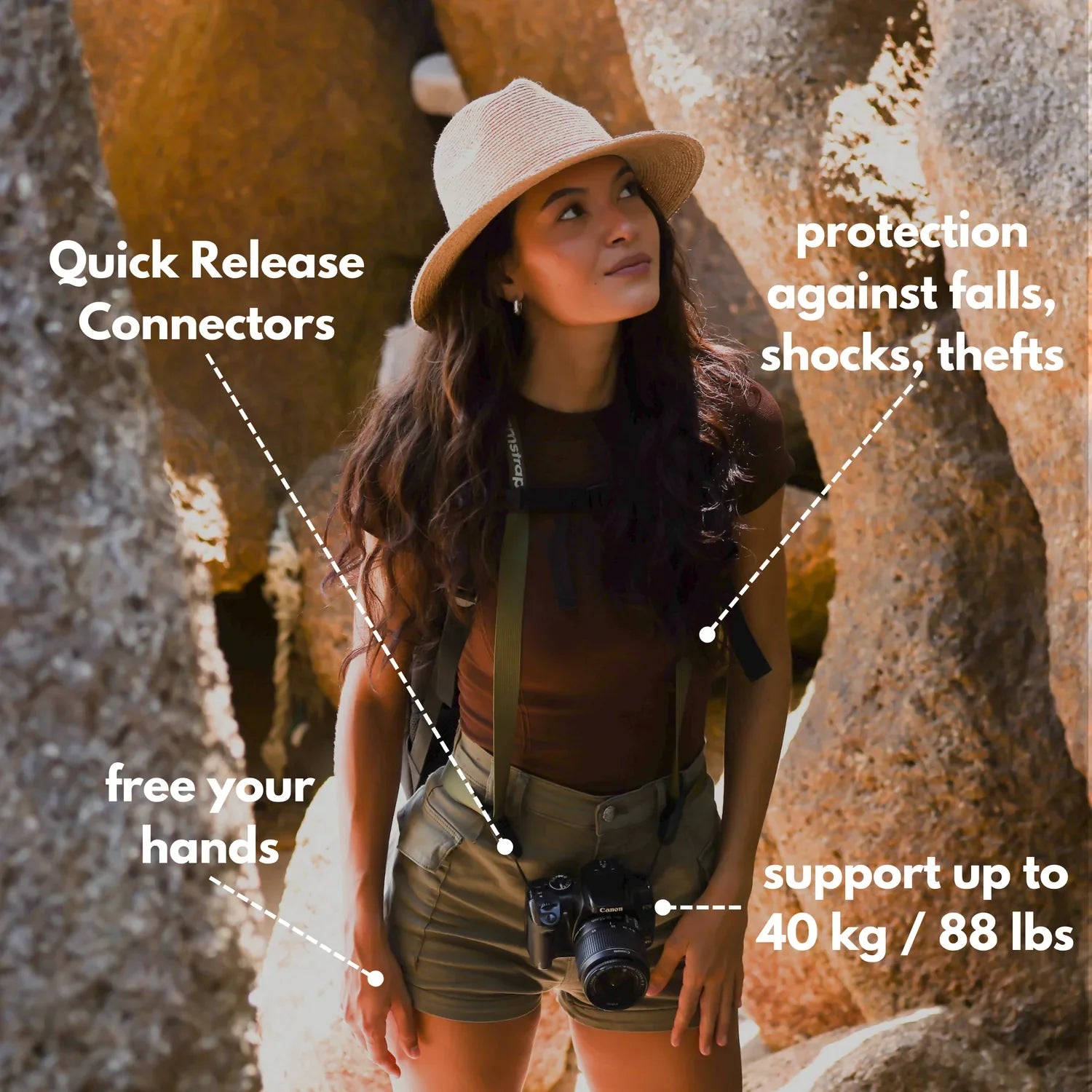
Settings matter, but your setup also affects how steady you can shoot in a crowd. A strap that stays out of the way helps more than people expect, because you can keep both hands on the body and still move quickly.
A hands-free carry setup like the Camstrap Voyager fits here because it keeps the camera ready without fighting your grip. That kind of carry cuts down on fumbling when the crowd shifts and the next song starts hard.
What to check before the lights go down
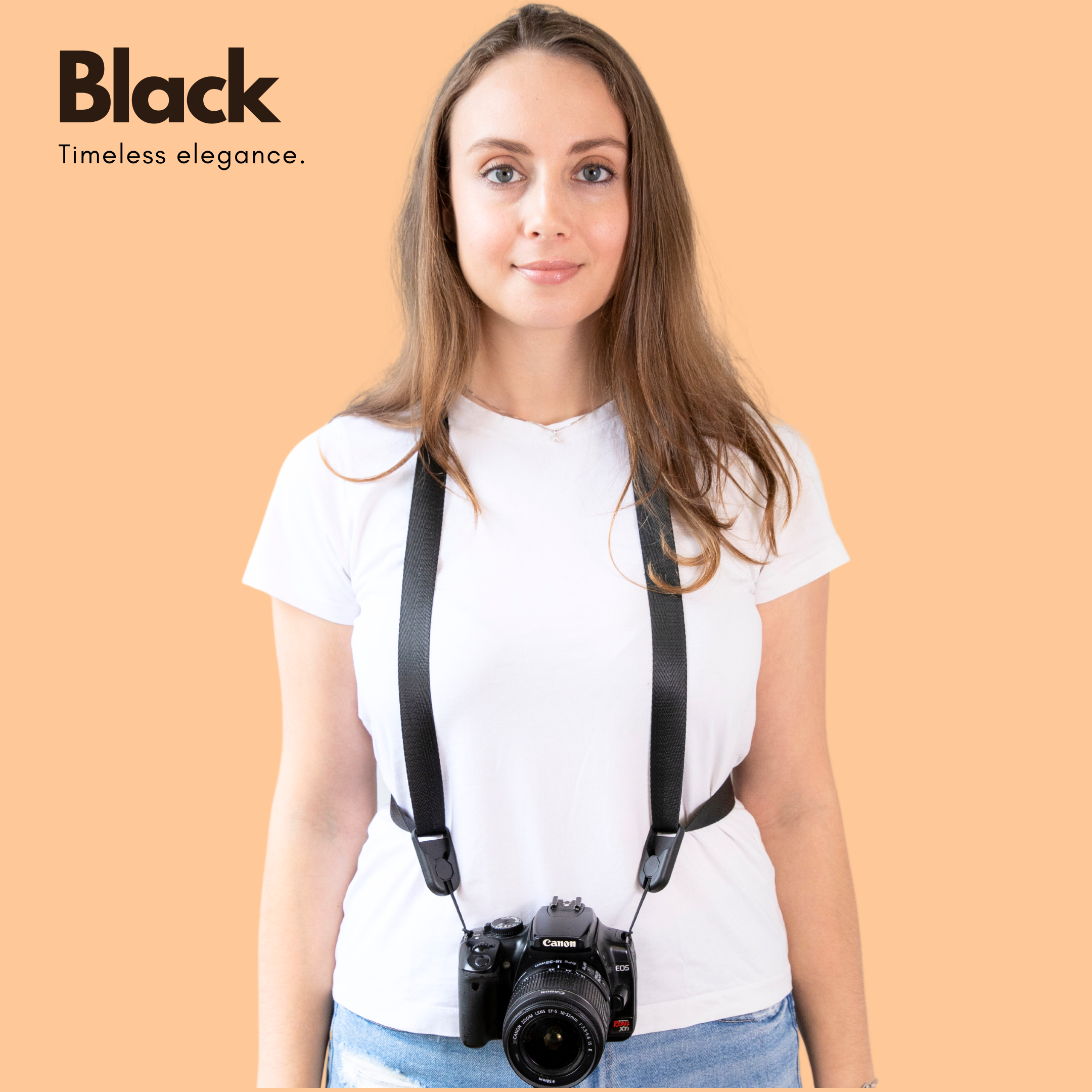
One quick pre-show check can save a lot of missed frames. I run through the camera fast, then leave the menus alone once the set starts.
- Set AF-C or AI Servo before the show begins.
- Choose a lens speed target based on focal length.
- Open the aperture as wide as the lens allows.
- Set Auto ISO with a ceiling you can live with.
- Use RAW if you plan to fix exposure and noise later.
RAW files leave more room for recovery when stage light changes fast. They also help when you need to pull detail out of a dark shirt or a bright spotlight.
A simple way to fix soft crowd shots tonight
Soft concert shots in the crowd usually come from slow shutter speed, not weak skill. Once you match the speed to the lens and the motion, sharp frames show up far more often. Start with 1/250s, open the lens wide, and raise ISO until the exposure works. If the action gets faster, move to 1/500s or 1/1000s and accept the extra noise.
Keep your lens choice in mind, too. A 50mm lens needs about 1/50s for calm handheld use, but a tighter 200mm view needs about 1/200s before the crowd even enters the picture.
At the next show, watch the shutter speed first, then check the blur in the singer’s hands. If the frame still looks soft at 1/250s, the next step is usually 1/500s, not a new camera.
Frequently Asked Questions
What is the recommended shutter speed for 30 fps?
For 30 fps video, a shutter speed of about 1/60s is the standard recommendation. That follows the common 180-degree shutter rule, which gives motion a natural look.
What is the best shutter speed for a DSLR camera?
For a DSLR camera, a safe handheld shutter speed is at least the inverse of the lens’s effective focal length. A 50mm lens needs about 1/50s or faster, while a 200mm lens needs about 1/200s or faster.
What is shutter speed also called?
Shutter speed is also called exposure time. It is the length of time the shutter stays open for each frame.
How to choose a shutter speed?
Choose shutter speed by first deciding what motion must be frozen, then matching the speed to the lens focal length and the available light. For concert shooting, starting around 1/250s works for many moments, while faster action may need 1/1000s to 1/4000s.


