


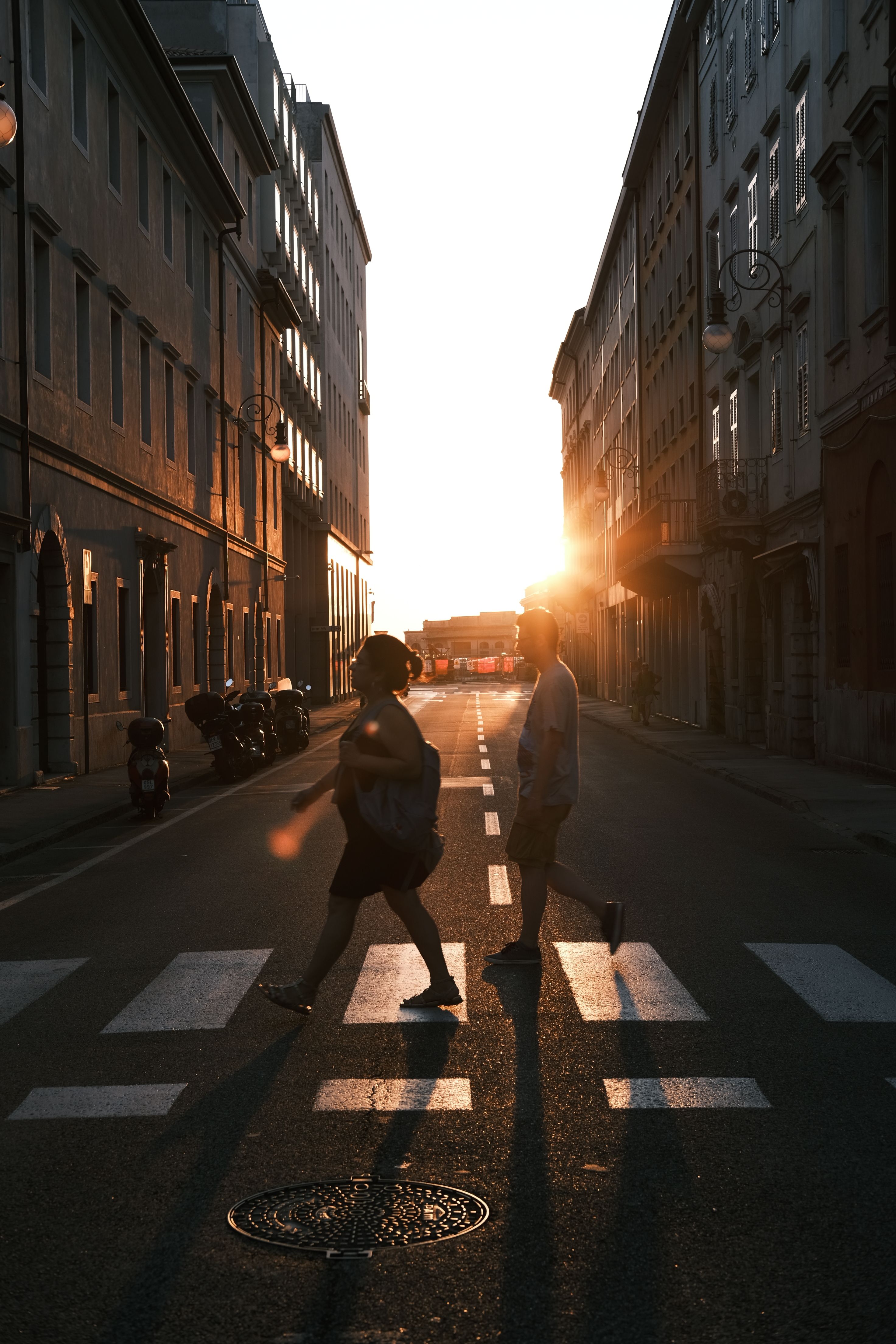
- Use side streets to strip clutter and let one candid moment lead the frame.
- Shooting lower shifts scale, adds presence, and makes everyday subjects feel stronger.
- Mirror flattering, camera truthful: trust natural light, clean lines, and a 35mm view.

Low-angle shot photography uses a lower camera position to alter how people and space land in the frame. Side streets make strong candid frames because they trim crowd noise, create cleaner lines, and keep the scene close to everyday life. Busy roads can work, but side streets usually give more control with less pressure. The scene feels smaller, calmer, and open to the fleeting details that disappear in an instant.
Translation missing: en.blog_cta.bundle_heading

- Regular price
-
€42 - Regular price
-
€44 - Sale price
-
€42
By choosing the Camstrap strap, you are opting for a high-quality product designed to meet the needs of the most demanding photographers.
- Developed by a physiotherapist to relieve neck and back pain.
- Fast delivery with tracking by the Post Office 🚚
- Can be used as a shoulder strap or hands-free harness

- Regular price
-
€36 - Regular price
-
€42 - Sale price
-
€36
Translation missing: en.blog_cta.free_shipping_included
Why narrow streets feel so alive
Side streets give you natural edges that steer the eye. Walls, doorways, signs, and parked bikes can build a frame inside the frame.
That layout also helps you stay unnoticed. People move through side streets with less alertness, so their body language often reads as more honest.
Closeness changes the whole scene
Nikon notes that getting closer to a subject usually improves the picture. In a tight street, that often means the subject fills more of the frame without shouting for attention. Move a few feet, and the story shifts. A step to the left may hide a busy background, while a step lower can make one passerby feel larger and more vivid.
One useful habit is to treat the street like a small set. Check the light, wait for movement, then let the scene come to you.
Why side streets make the best candid frames?
Side streets make the best candid frames because they cut visual clutter and leave you with cleaner timing. They also make low-angle shot photography easier, since you can drop the camera lower without blocking traffic or drawing much notice.

Nikon describes low-angle shooting as a way to create a different view from standard street-level photos and keep crowds out of the frame. In narrow lanes, even one small shift can turn a crowded scene into a focused one.
Side streets also shape emotion. A lone walker under a sign, a child pausing at a shop window, or a cyclist slipping past a wall all feel more direct when the background stays simple.
What the eye notices first
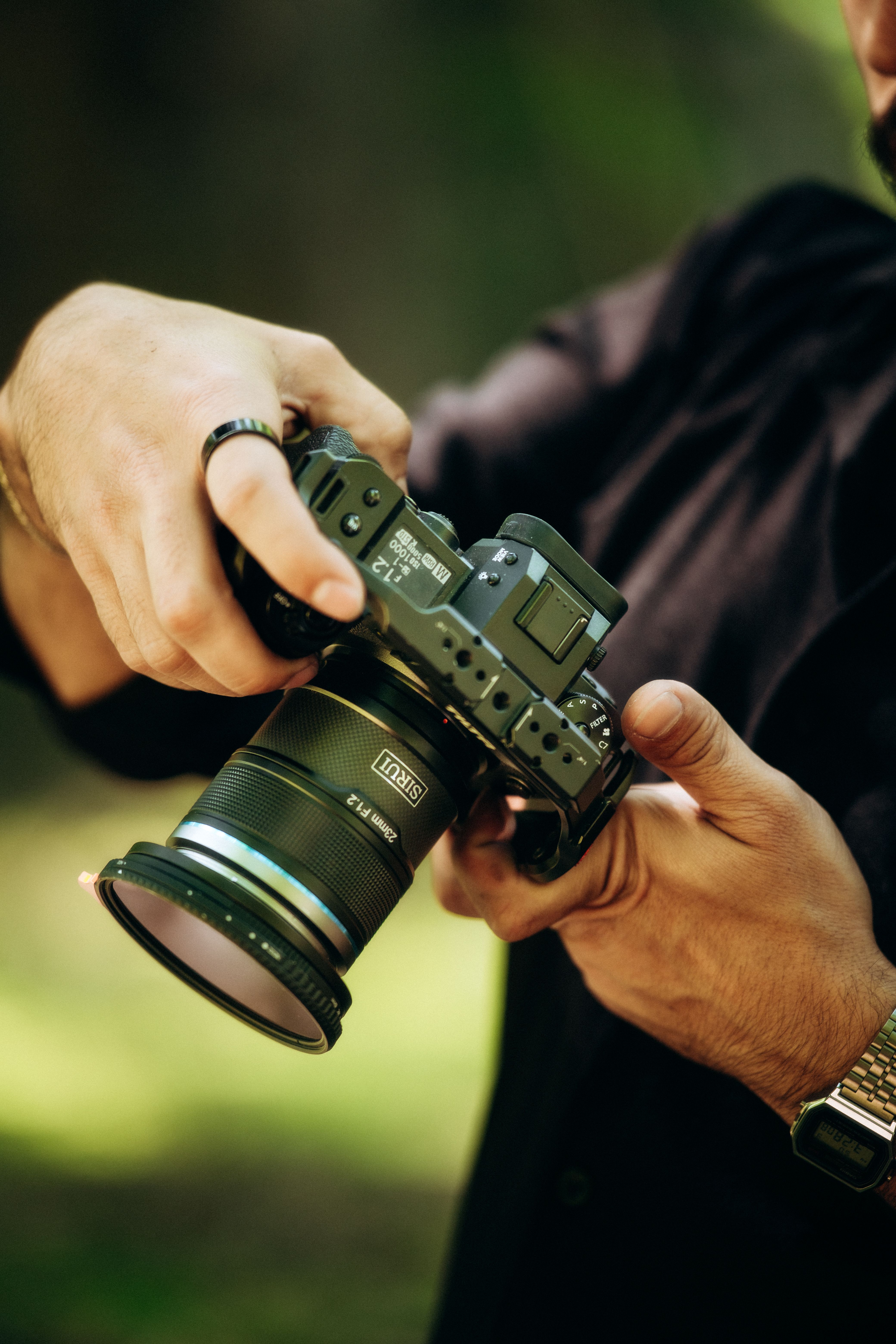
Good candid frames usually center on one clear subject. Side streets help because the background often falls into bands of light, shadow, and texture. A 35mm lens fits this style well. Nikon calls 35mm a versatile focal length for street work because its angle of view feels close to natural eyesight.
That view puts the viewer inside the scene. You see the subject and the street around them, but the moment still holds together.
What do low angle shots represent?
Low angle shots represent power, scale, and a new point of view. They can make a subject feel stronger, larger, or more present in the scene.
In street work, the shift often says more about mood than drama. A person walking past a shuttered storefront can look quiet and thoughtful, while a child seen from below can feel bold and full of energy.
The same angle can also create tension. If a figure looms against a bright sky or a tall wall, the frame can feel more charged than a straight-on view.
How the angle changes meaning

Perspective is never just about style. It affects how the viewer reads status, speed, and space. Nikon says that changing position to a lower, higher, closer, or side view can improve both subject and composition. In practice, the angle becomes part of the story, not just a technical choice.
A low angle can also remove distractions. A trash bin, a parked scooter, or a crowd of heads may drop out of view when the camera sinks lower.
What are the 7 basics of photography?
The seven basics of photography are light, exposure, composition, focus, timing, color, and perspective. Together, they shape how a photo looks and how it feels.
Side streets bring all seven into play fast. Light shifts between buildings, timing depends on foot traffic, and perspective changes every time you move a few inches.

- Light: Watch where sun and shade meet.
- Exposure: Balance shutter speed, aperture, and ISO.
- Composition: Use lines, frames, and open space.
- Focus: Lock on eyes, hands, or a clear subject edge.
- Timing: Press the shutter at the right step or glance.
- Color: Use shop signs, clothes, and walls to build mood.
- Perspective: Change height and distance for a new view.
A small street can teach these lessons quickly because each choice shows. If the frame feels weak, one new angle or one small step often fixes it.
Settings that keep the moment sharp
For moving people, I start around 1/500s and open the lens to f/2 to f/2.8 when the light allows. That keeps motion under control while still giving the background some blur. If the street is dim, ISO may climb to 1600 or 3200. The tradeoff is normal, because a clean blur is still better than a dead still image with no energy.
Continuous AF-C or AI Servo helps when the subject is walking toward you. Eye detection can work well here, but hands, hats, and half-turned faces can fool it, so I still watch the active focus point.

How I use angle, light, and distance on the street
I work side streets in short passes, not long hunts. First, I find one patch of light and one strong wall or doorway.
Next, I wait for someone to enter that space at the right pace. A calm frame often comes from a simple act: step low, stay close, and let the street do the rest.
- Pick one narrow zone with clean light.
- Set exposure before the subject arrives.
- Use a lower stance near waist height or below.
- Track the subject with AF-C and a single point or eye detect.
- Take a short burst as the person crosses the best line.
That short burst matters. A modern mid-tier body often gives about 20 to 40 RAW frames before it slows, while JPEG stretches farther. Pre-capture or pre-burst modes can help too, since they save frames from just before the full press. That feature is useful when a glance, step, or hand motion lasts less than a second.

Fisheye can work on some streets, but only with intent. Nikon’s example used a 15mm fisheye at 1/125s, f/11, and ISO 100, and another used an 8mm fisheye at 1/250s, f/8, and ISO 200.
Those settings show the look is possible, but they also show the cost. A wider lens exaggerates space, so your body position and background lines matter even more.
Am I prettier in the mirror or camera?
The mirror often feels more familiar, while the camera records how others see you. The difference comes from angle, lens choice, light, and the fact that a still frame freezes one instant. A mirror also flips your face, so you are used to that view. A camera shows a truer outside view, which can feel strange even when the photo looks normal to other people.
For candid work, this matters because self-view and real-view are rarely the same. The same face can look softer in one light, sharper in another, and more open from one side street angle than another.

What helps people look natural on camera
Soft side light usually flatters faces more than hard overhead sun. A wall bounce, open shade, or late-day light can keep skin tones gentle and easy to read.
Lens choice matters too. A 35mm lens can feel close to real sight, while a very wide lens may stretch features if you stand too close.
For self-awareness, the best fix is often simple: check your angle, not your face. A slight turn, a small head tilt, and a clean background can change the result more than any preset.
What are some examples of low-key still life photography?
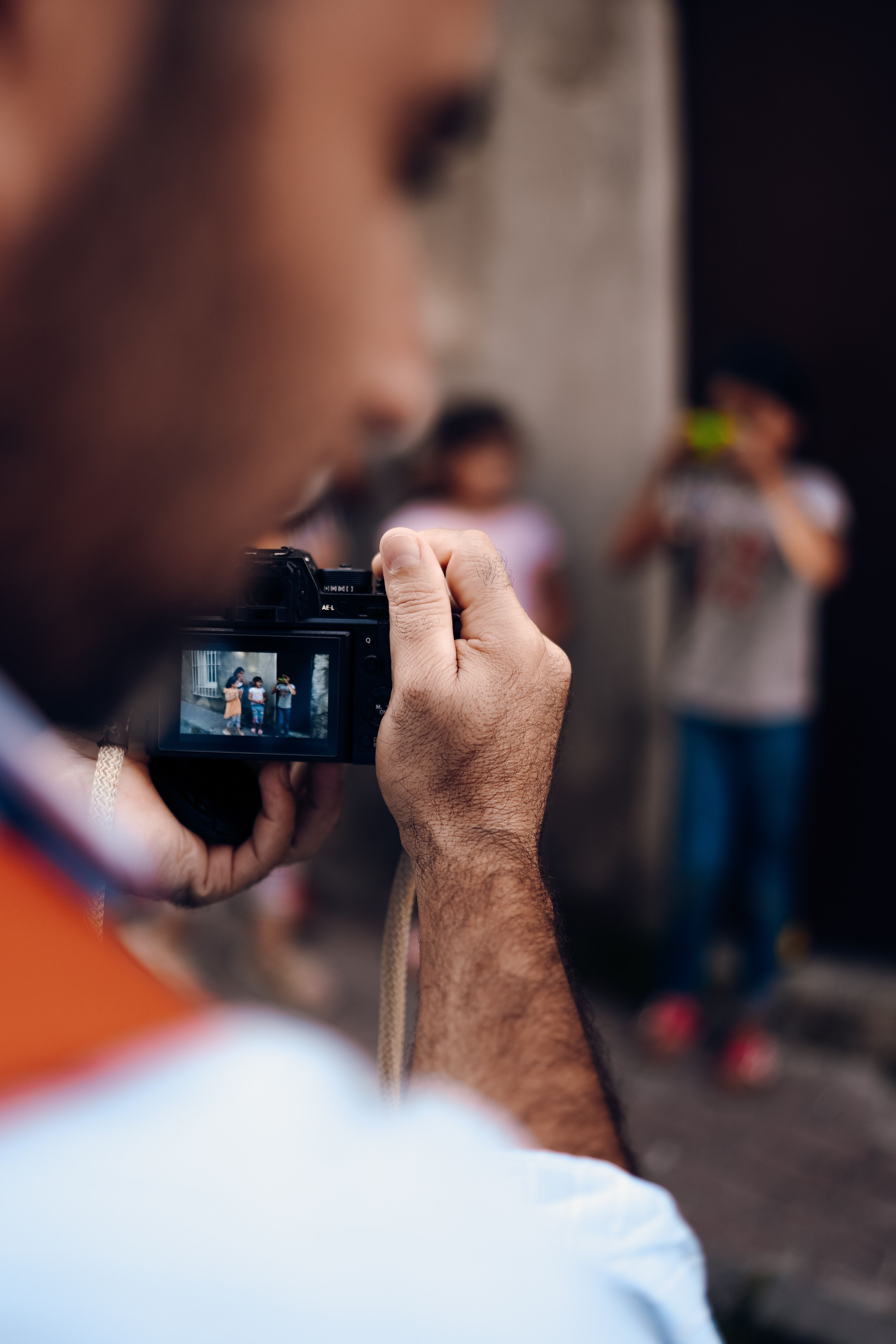
Low-key still life photography uses dark tones, small light sources, and deep shadows to build mood. Common examples include a single fruit on a black table, a glass bottle lit from one side, or tools on a dark cloth. The same idea can support street scenes in a quiet way. A side street with one bright shop window, a chair in shadow, or a person passing through a pool of light can echo that low-key feel.
This style works because it leaves room for mystery. The eye fills in what the shadows hide.
Where the street and still life meet
Not every candid frame needs full light. Some of the best frames live in half-light, where shape matters more than detail.
That is why a small alley can feel so rich. One lamp, one doorway, and one moving figure can create a scene with strong depth and a quiet edge.
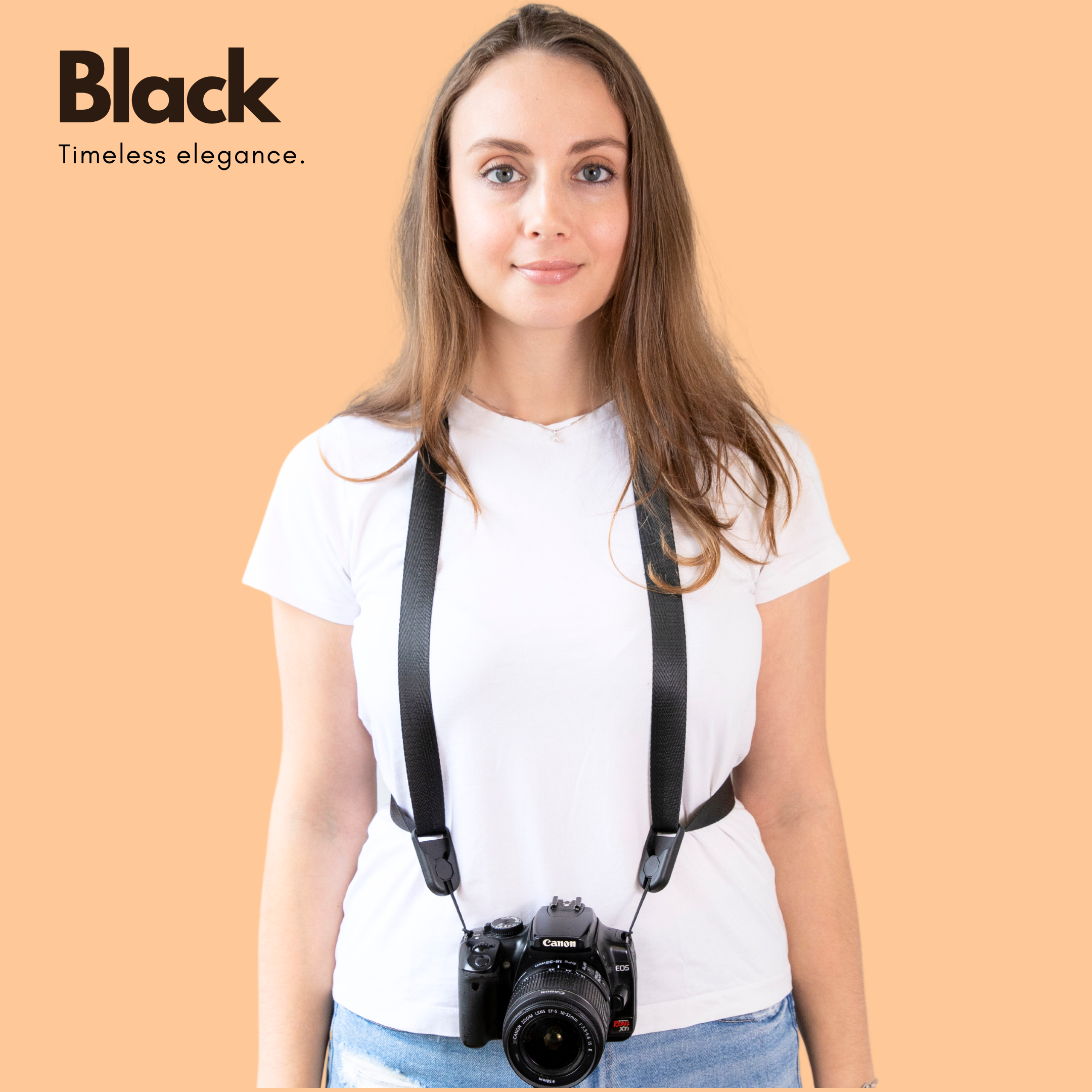
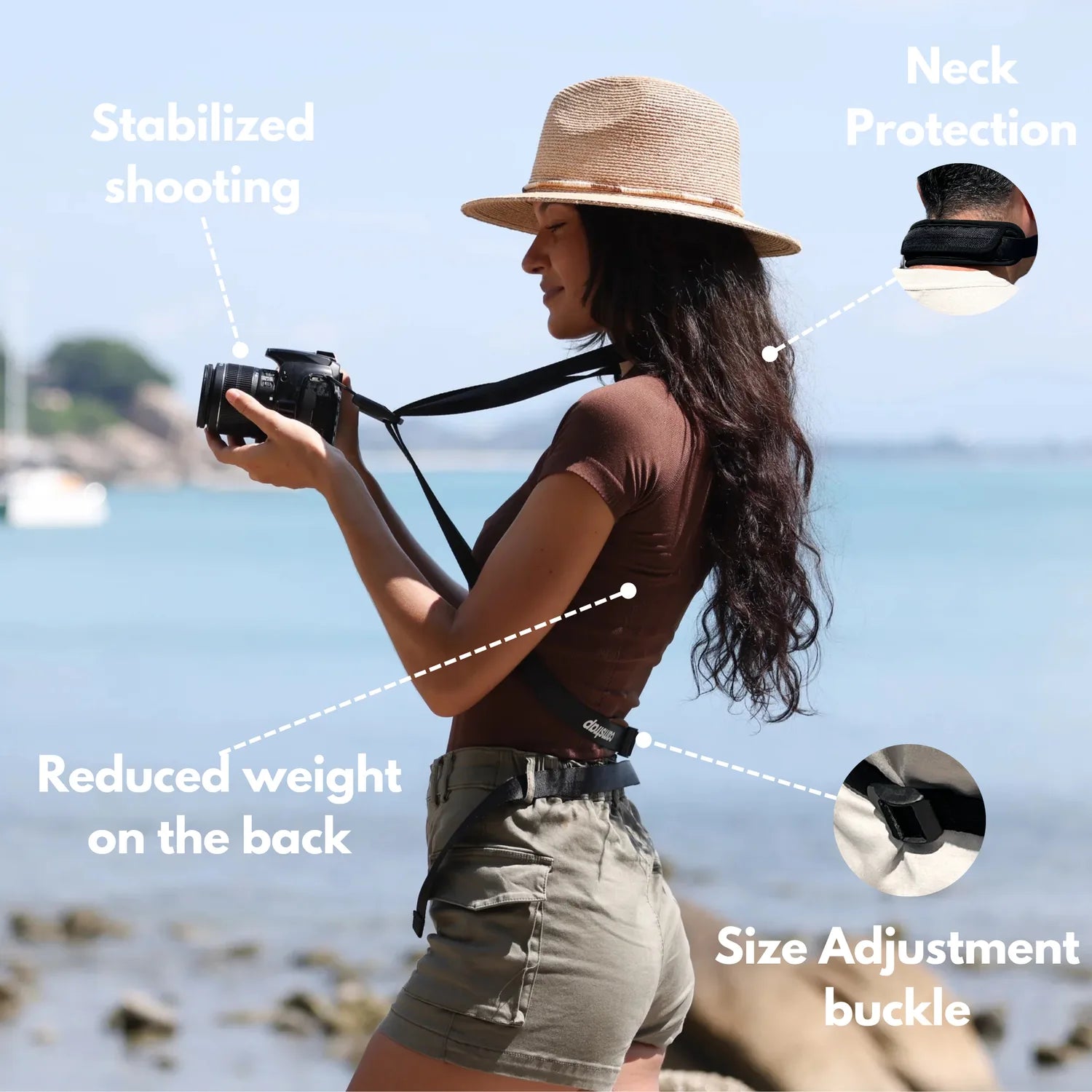
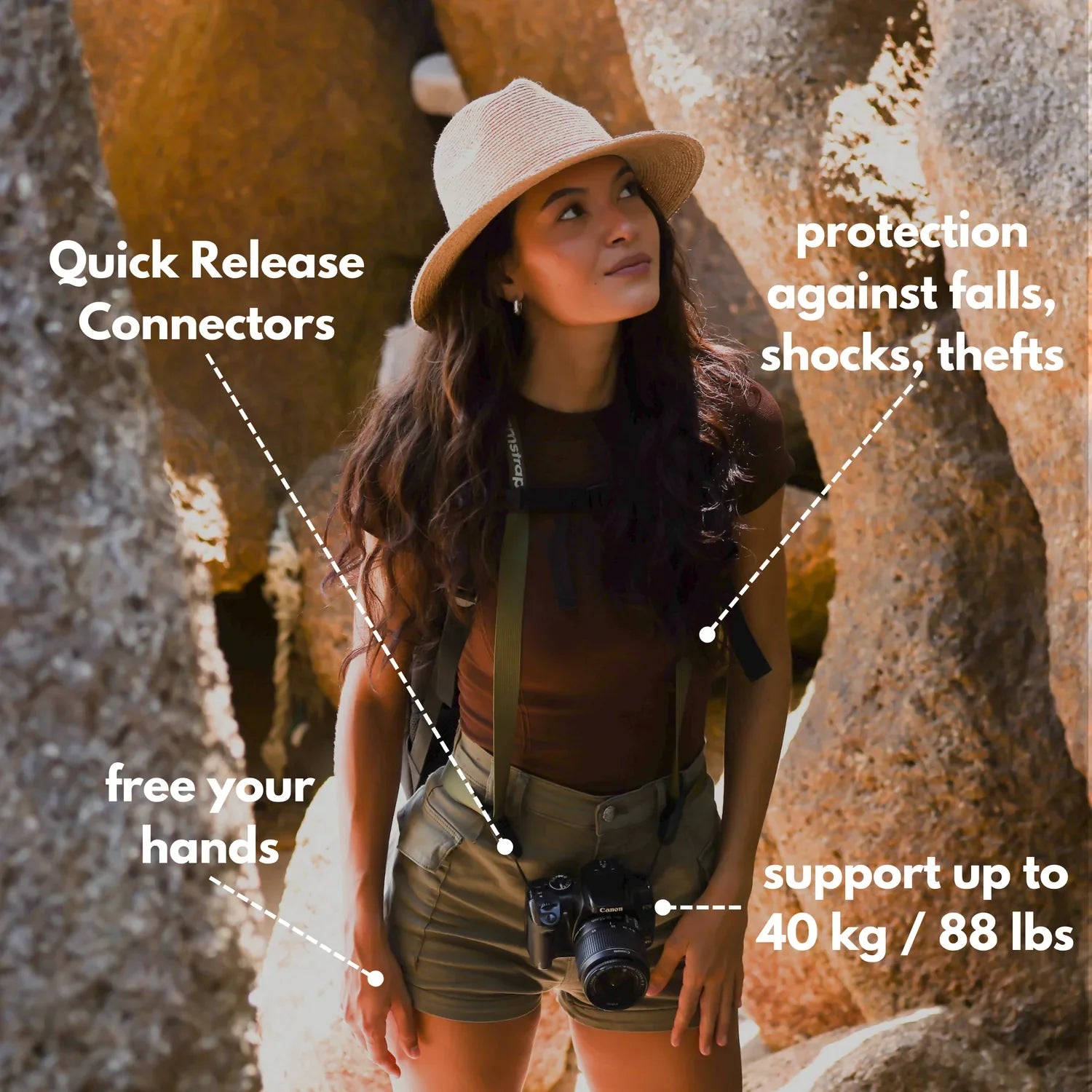
If you want to hold the camera low in those places, a secure strap helps. A body-close carry, like the Camstrap voyager, keeps the camera steady against the torso, so you can raise it fast without swinging into passersby.
A quiet lane still delivers
Side streets reward patience, but they also reward quick action. The best candid frames often come from a short move, a low stance, and a clean read of the light. They work because they strip away extra noise. What remains is face, gesture, line, and mood.
I keep going back to them for that reason. A quiet lane near sunset, a 35mm lens, and one good pause can still produce a frame that feels alive on first glance.
Frequently Asked Questions
What do low angle shots represent?
Low angle shots represent power, scale, and a new point of view. In street photography, they can make a subject feel stronger, larger, or more present in the scene.
What are the 7 basics of photography?
The 7 basics of photography are commonly described as exposure, aperture, shutter speed, ISO, white balance, focus, and composition. These control how much light enters the camera and how the image is framed and rendered.
Am I prettier in the mirror or camera?
A mirror usually shows a reversed, familiar image, while a camera shows how other people see you, including lens perspective and lighting. Neither view is inherently more attractive; appearance changes with angle, focal length, light, and expression.
What are some examples of low-key still life photography?
Low-key still life photography often includes single objects lit by a small, directional light source with deep shadows around them. Common examples are a wine bottle, fruit bowl, candle, vase, watch, or shoes arranged against a dark background.


