- Use the 20-60-20 rhythm: set up fast, shoot most, then review and refine.
- Hunt texture, edges, and side light to turn market clutter into tight macro frames.
- Carry a simple close-up kit and stay mobile so tiny subjects never slip past.

Macro photography tips help turn small market finds into crisp close-up images. A market walk puts fruit skins, spice dust, woven bags, metal tools, and insect life within easy reach. Good results begin with intent and a sharp eye for patterns. Keep the camera ready, and you can catch the moment before it slips away.
Translation missing: en.blog_cta.bundle_heading

- Regular price
-
€42 - Regular price
-
€44 - Sale price
-
€42
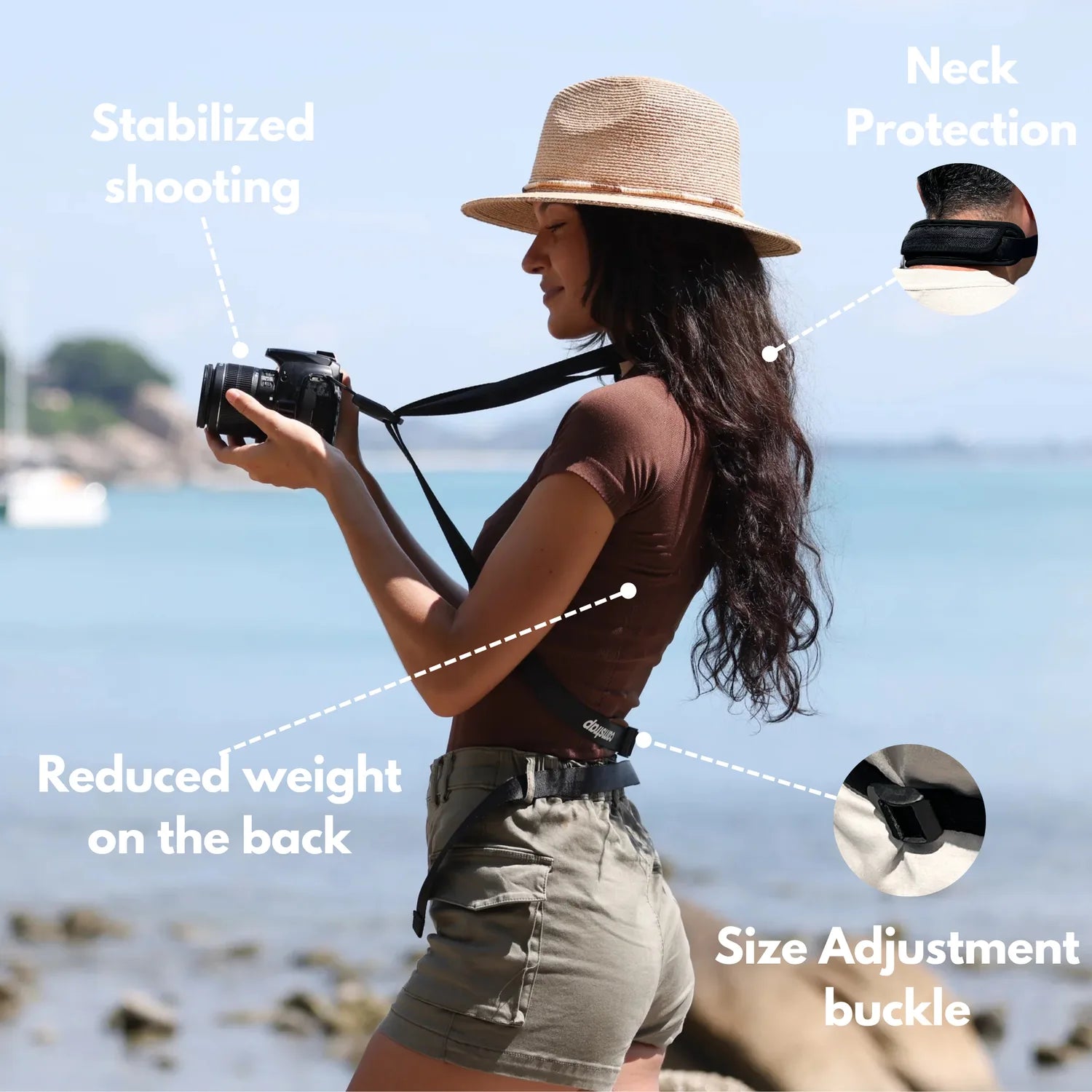
By choosing the Camstrap strap, you are opting for a high-quality product designed to meet the needs of the most demanding photographers.
- Developed by a physiotherapist to relieve neck and back pain.
- Fast delivery with tracking by the Post Office 🚚
- Can be used as a shoulder strap or hands-free harness

- Regular price
-
€36 - Regular price
-
€42 - Sale price
-
€36
Translation missing: en.blog_cta.free_shipping_included
Begin by looking differently
The hunt for tiny details starts before the camera comes out. Scan the market for shape, texture, and light.
Rough peels, stacked seeds, handmade signs, cloth weave, and steam from food stalls often make stronger close-ups than the wider scene around them.

Learn to spot small scenes
Move slowly and pause often. The best frame may be near your feet or just above eye level. Strong edges, clear lines, and shifts in color can reveal a subject fast. A single pepper, a wet leaf, or a chipped bowl often stands out immediately.
Light is just as important. Side light brings out texture, while harsh overhead light tends to flatten it.
Carry light and stay ready
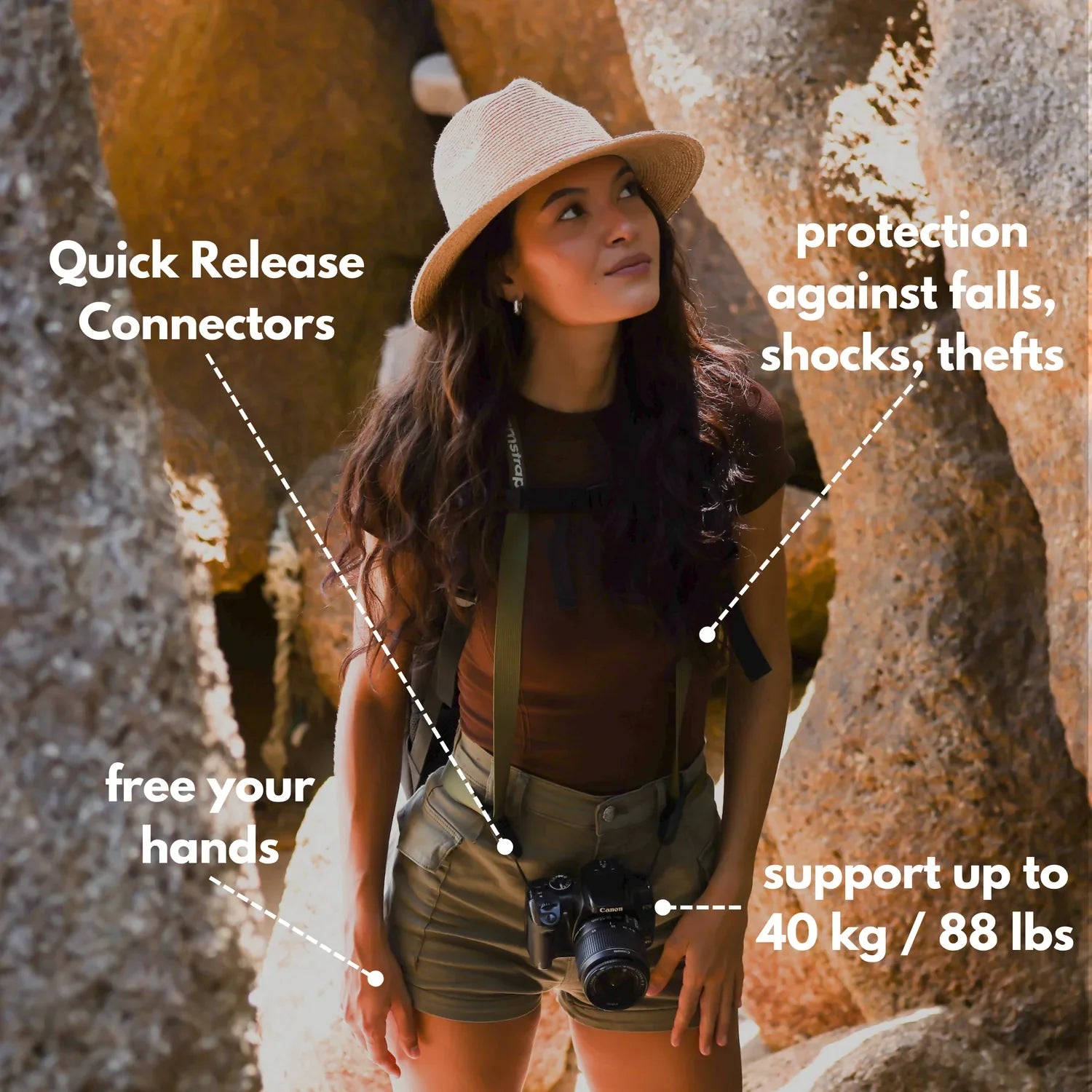
A compact hands-free carry setup keeps the camera close without getting in the way. A strap with a stable cross-body fit helps when you stop, shoot, and move again.

In a crowded aisle, that setup keeps both hands free. A Camstrap Voyager suits this use well because it keeps the camera ready and spread across the body.
How does the 20 60 20 rule work?
The 20 60 20 rule in photography splits attention across a shoot. Spend about 20% of the time on setup, 60% on making frames, and 20% on review and fixes. During a market walk, that rhythm keeps you from rushing or staring at the screen. It also leaves room for new details without sacrificing image quality.
Use the rule on the market floor
Use the first part of the walk to set exposure, focus mode, and white balance. Then devote most of the time to shooting while the light and subjects stay fresh.
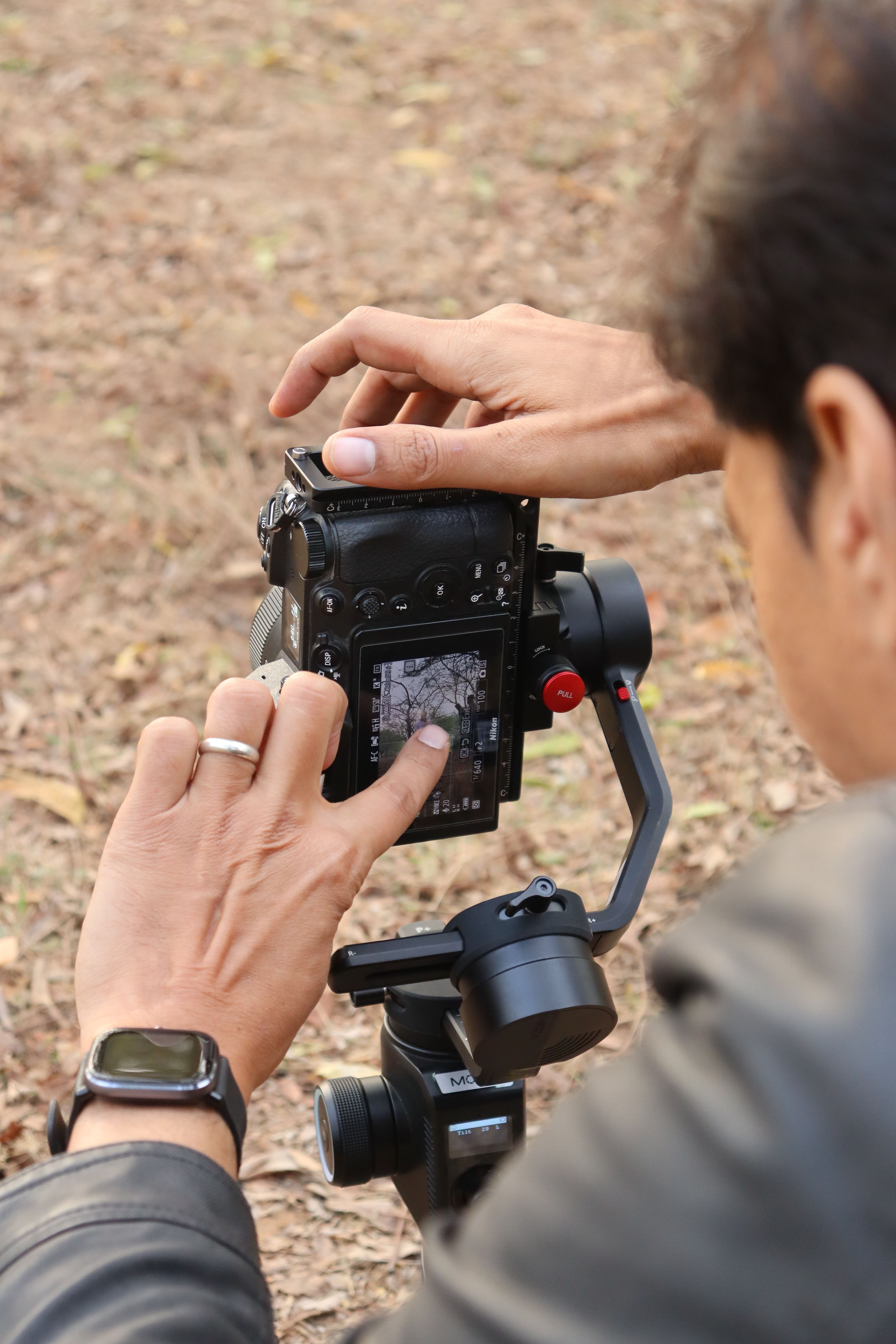
Leave the final part for a quick check of sharpness, exposure, and missed shots. A fast review can show whether shutter speed is too low or the focus point is off.
The close-up kit that earns its place
A strong market close-up kit stays simple and quick. A telephoto macro lens in the 90mm to 105mm range gives you space from the subject, which helps with shy insects and keeps shadows off food or flowers. Canon notes that dedicated macro lenses often use telephoto focal lengths for this reason. The extra distance also helps keep small subjects calm.
What to pack
- A macro lens, or a lens with 0.5× close focus, for tight framing.
- A body with continuous AF, plus subject detection if your camera has it.
- An SD card rated UHS-II V60 or V90 for faster RAW write times.
- A small microfiber cloth for wet produce, dust, and steam.
- A compact hand grip or strap that keeps the camera hanging ready.

Canon says the RF 85mm F2 MACRO IS STM reaches 0.5× magnification. That reach lets you fill the frame from a bit farther back, which comes in handy in tight stalls.
On Canon APS-C bodies, the 1.6× crop factor changes the angle of view and increases the effective focal length. A 100mm lens frames like about 160mm, which helps isolate tiny subjects.
Which settings work best for macro photography?
Start with a small, controlled aperture, a fast shutter, and low ISO when the light allows it. Canon recommends f/5.6 or faster for close work, and image stabilization helps reduce camera shake. Use aperture priority or manual mode if the light stays steady. For moving hands, insects, or steam, begin around 1/250s to 1/500s and raise ISO only as needed.
Settings that keep detail intact

Open the aperture wider, such as f/2.8 to f/4, when you want a soft background. Stop down to f/5.6 or f/8 when more of the subject needs to stay sharp.
A smaller f-number means a wider aperture. Canon’s examples show f/1.4 as wider than f/4 and f/16.
Focus mode matters too. Use continuous AF, back-button focus, and eye or subject detection if your camera supports it.
Quick picks for common market scenes
- Use f/2.8 to f/4 for isolated fruit, flowers, or spice piles.
- Use f/5.6 to f/8 for textured objects that need more depth.
- Set ISO low first, then raise it only if shutter speed drops too far.
- Switch to burst shooting for moving hands or live insects.
- Check the histogram after a bright stall or white table shot.
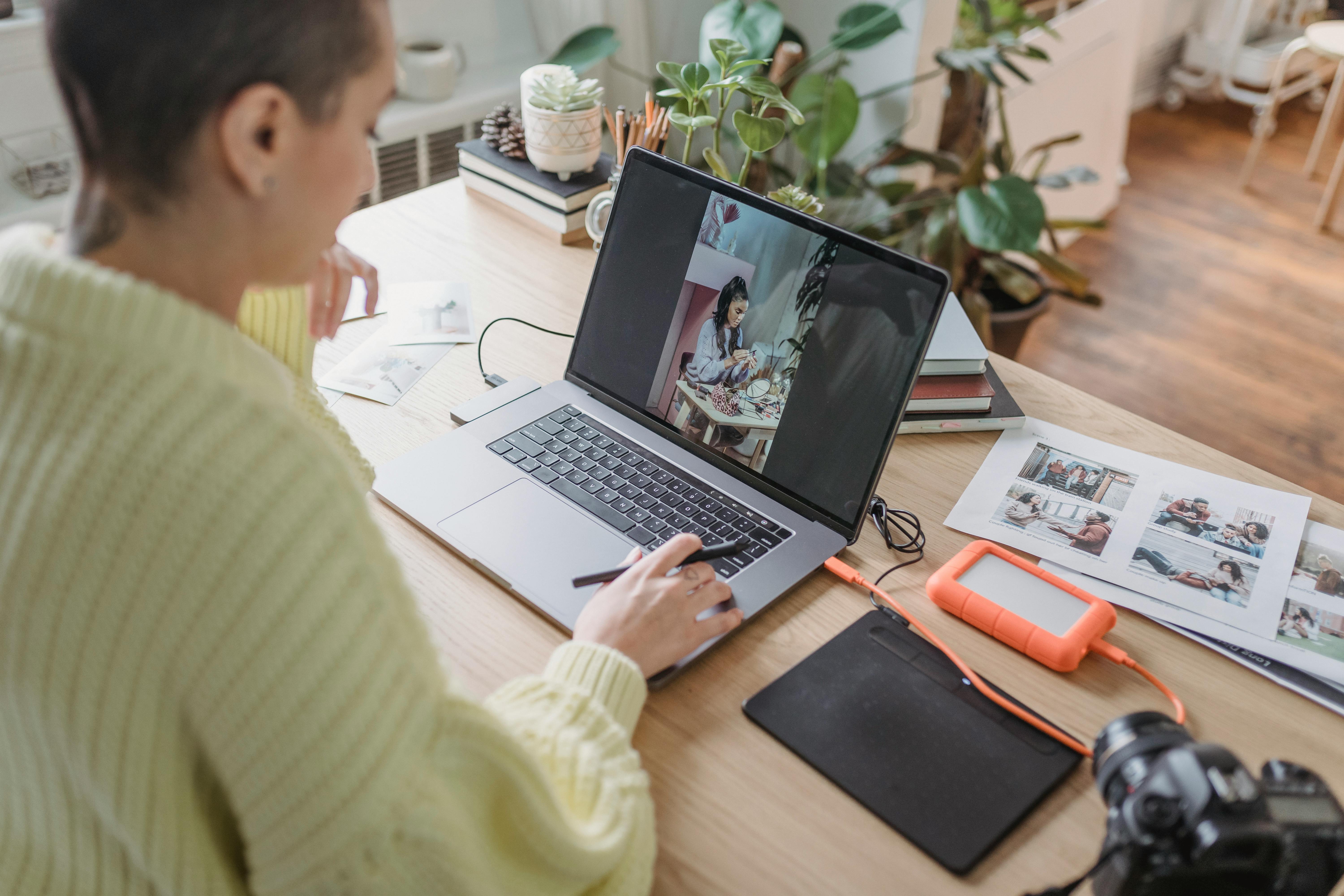
Focus can fail if you move closer than the lens’s minimum focusing distance. In markets, that limit matters because a small step forward can soften the subject. Focus stacking helps when you want more of a small object sharp. It uses several frames at slightly different focus points, then blends them into one deeper image.
How can someone get started with macro photography?
The easiest entry point is a simple subject and a short session. Markets work well because they pack many textures into one place.
Work from one stall to the next and spend time on the same type of subject before moving on. Fruit, fabric, and metal each teach a different kind of light control.
Practice with a simple plan

Start with still subjects, then move to slow motion, then try quick targets like insects or pouring food. This step-by-step pace builds control without making the walk feel rushed. Try one subject from three angles: straight on, low, and side lit. Each view reveals a different detail.
If your camera has pre-capture or pre-burst, turn it on for moving moments. It records frames just before the full press, which can save a blink or hand gesture.
Keep an eye on the tradeoffs
A narrow aperture gives more depth, and it can force higher ISO in dim aisles. That tradeoff is normal, and beginners often notice it quickly.
Mirrorless bodies also drain power faster when the EVF or rear screen stays on all day. Review less, shoot more, and dim the display if your camera allows it.

What seven habits make photos better?
Seven basic habits improve photographs, and they matter even more in a busy market. Each one helps turn a passing detail into a usable frame. Use them as a quick check before each shot. They keep your work clean and steady.
- Choose one subject and leave space around it.
- Use light from the side when texture matters.
- Keep the background plain and calm.
- Focus on the nearest sharp point.
- Hold the camera steady or brace your elbows.
- Watch the edges of the frame for clutter.
- Take one extra frame with a small change in angle.
These steps reduce visual noise. A clean frame lets the small subject speak for itself.
One more habit pays off: review your sharpest frame, then copy what worked. Small gains add up quickly on a walk.

Wrap the walk with a decisive edit
A market walk ends well when the edit begins with purpose. Use pick and reject flags in Lightroom or Photo Mechanic so you can sort fast and keep the sharpest frames. Crop only when the frame needs it. Good close-up work often looks better when the original shape and texture stay intact.
Look for three things in the edit: sharp eyes or edges, a clean background, and true color. If a shot misses one of those, the next stall gives you another chance.
The strongest final image often comes from one more small move, not a bigger edit. On the next market walk, stop when the light hits a pepper skin, set f/5.6, and take the frame before the crowd shifts.
Frequently Asked Questions
What is the 20 60 20 rule in photography?
The 20 60 20 rule in photography divides a shoot into about 20% setup, 60% shooting, and 20% review and fixes. For a market walk, that balance helps you set exposure and focus first, spend most of your time making frames, and finish with a quick check for sharpness and exposure errors.
What are some tips for getting into macro photography?
Macro photography starts with looking for texture, shape, and light before raising the camera. In a market, move slowly, pause often, and search for small subjects such as fruit skins, stacked seeds, woven cloth, chipped bowls, or steam from food stalls. Side light usually reveals texture better than harsh overhead light.
What are the 7 tips for taking good photographs?
Good photographs come from seven basics: look for interesting shapes and textures, move slowly, pause often, watch the light, keep the camera ready, use a simple carry setup, shoot with intent, and review images for sharpness and exposure. A market walk rewards close attention to small scenes, especially when you frame clear edges, strong lines, and color shifts.
What are the best settings for macro photography?
The best macro photography settings include continuous autofocus, subject detection if available, and a fast enough shutter speed to keep close-up subjects sharp. Set exposure, focus mode, and white balance before shooting, then review sharpness and exposure afterward to catch a shutter speed that is too low or a focus point that is off.
Sources