


- Use the widest practical aperture first; f/2.8 helps handheld night shots stay bright and clean.
- Treat city-light work as a tradeoff among shutter, aperture, and ISO—stability matters most.
- Use ISO 400 only in well-lit scenes; otherwise lower shutter speed or lower ISO for sharper lights.
Long exposure photography uses a slower shutter speed to gather light over time. In handheld city shots, the same scene can go flat fast when the camera cannot stay still long enough.
Translation missing: en.blog_cta.bundle_heading

- Regular price
-
€42 - Regular price
-
€44 - Sale price
-
€42
By choosing the Camstrap strap, you are opting for a high-quality product designed to meet the needs of the most demanding photographers.
- Developed by a physiotherapist to relieve neck and back pain.
- Fast delivery with tracking by the Post Office 🚚
- Can be used as a shoulder strap or hands-free harness

- Regular price
-
€36 - Regular price
-
€42 - Sale price
-
€36
Translation missing: en.blog_cta.free_shipping_included
Street lamps, car lights, and lit windows ought to look crisp and bright. Instead, they often read as gray, soft, or flat. The cause is straightforward, and the fix depends on careful settings and steady camera control.
Why bright lights lose their clean look
City lights turn muddy when camera shake, slow shutter drag, and high ISO noise pile up together. In low light, a handheld frame usually demands a compromise, and that compromise can strip detail from bright points.

As the shutter slows, the sensor gathers more light. Even small hand movement can smear the edges of signs, lamps, and reflections, while traffic and water add their own blur. The frame starts to feel messy instead of sharp.
Why motion blur shows up first
Hand movement affects the whole frame, and the blur is easiest to spot around high-contrast light. A sign edge or lamp post gives the eye a clear place to catch it. At 50mm, the reciprocal rule suggests about 1/50s or faster for handheld work.
That rule is only a starting point. Uneven breathing or a loose stance can make even 1/50s slip, and image stabilization cannot freeze a bus, taxi, or passing cyclist.
How ISO makes lights look dirty

Raising ISO lets the camera keep a faster shutter speed in low light. It also adds noise, and that noise can roughen bright areas and make them look less clean. The glow around lamps may stay strong, but the detail inside the light can fade.
ISO 400 can work at night when the scene is bright enough or the lens opens wide. On darker streets, it often forces a shutter speed too slow for handheld shooting. Near shop fronts, bridges, and well-lit squares, though, it remains a practical setting.
How the exposure triangle changes a night frame
Handheld night work depends on shutter speed, aperture, and ISO. Adjust one, and the others usually move with it. A city shot can shift from clean to muddy in a few seconds.
Canon’s guidance for evening scenes points to a wide aperture, often f/2.8 or the lens’s widest setting, to keep ISO lower. That helps reduce noise, but it narrows depth of field. Focus has to land accurately, or the sharpest light in the scene still feels weak.
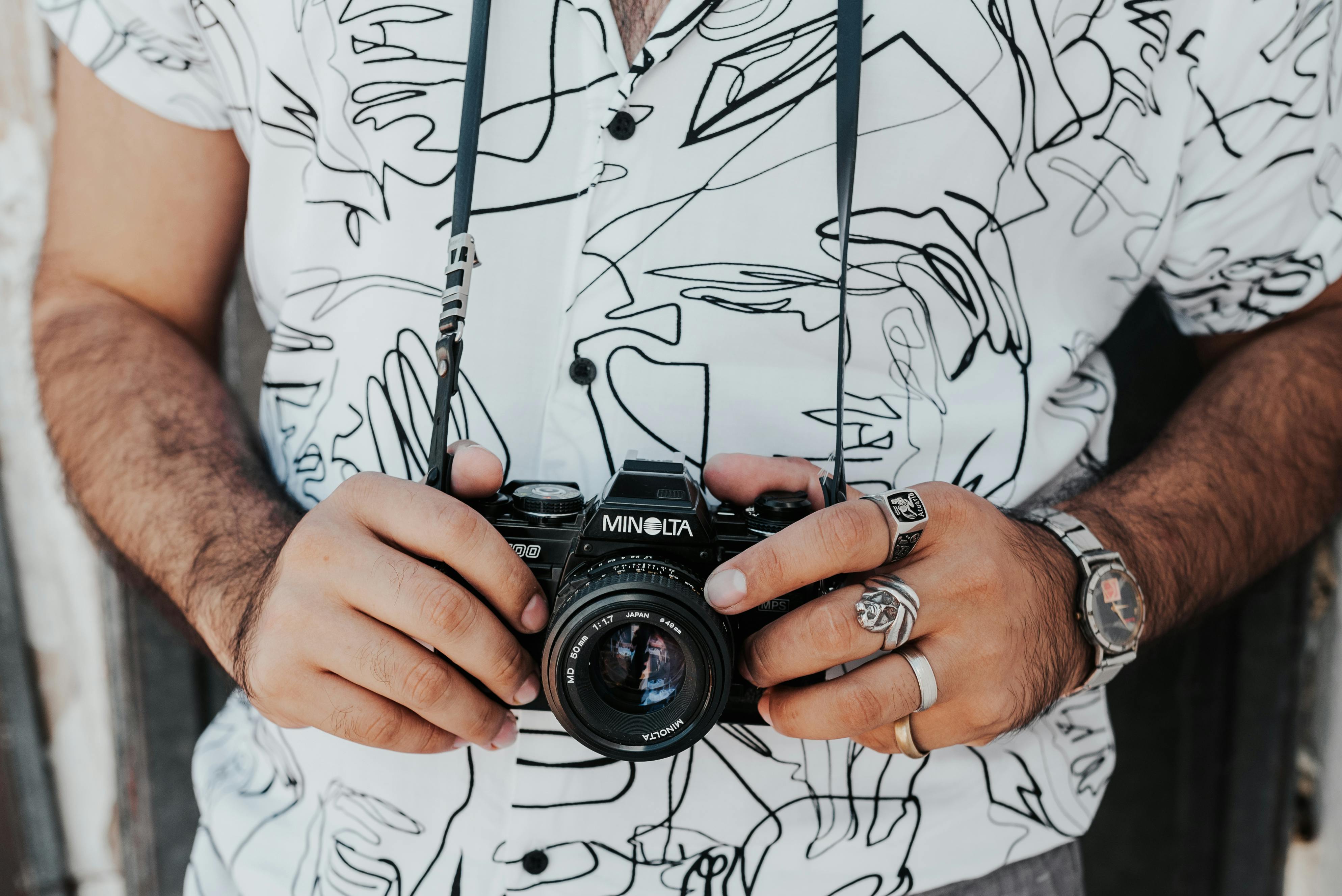
The aperture choice that keeps lights crisp
For cityscapes, medium apertures around f/5.6 to f/8 are a strong starting point. They keep more of the scene in focus while still letting in a fair amount of light. For starburst lamps, stopping down to f/11 to f/16 can turn point lights into rays.
That look is stylish, but it costs light. A narrow aperture pushes the shutter slower or the ISO higher, and a moving hand can muddy the file quickly.
What shutter speed does in the dark
Shutter speed decides how long the sensor gathers light. A slow shutter can brighten a scene, yet it also records more hand shake. In city shots, that blur often hits the brightest points first, which makes them seem dull.
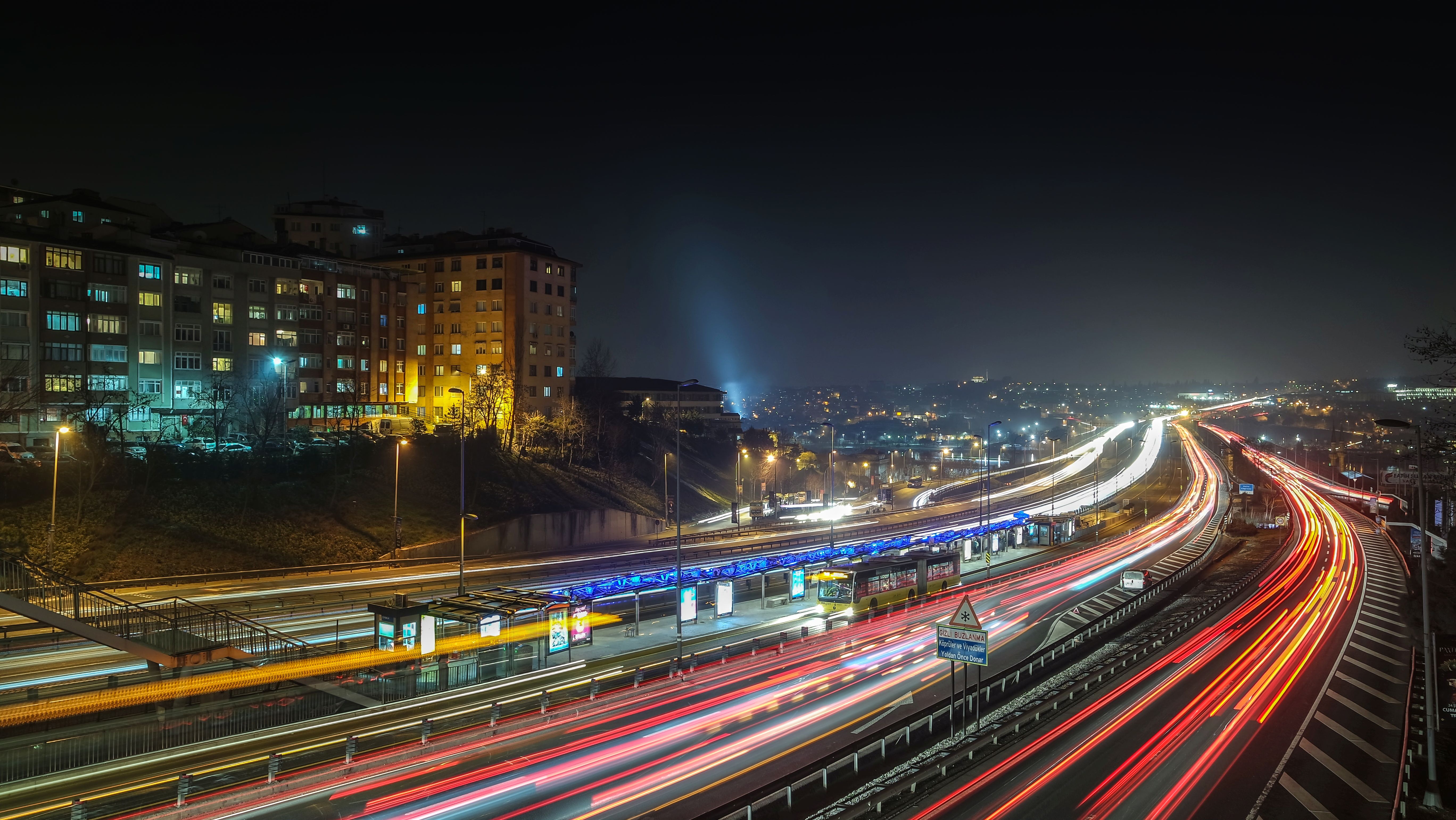
A wide-angle night photo with ISO 3200 and a 20-second shutter is a familiar starting point, but it needs support. It belongs on a tripod, not in a normal handheld setup. Try to hold that frame by hand, and the city lights will smear into streaks.
Which settings keep a handheld frame usable?
The best handheld settings protect shutter speed first, then shape ISO and aperture around it. I start by deciding how much motion I can live with. After that, I set the camera to keep the shutter fast enough to hold the scene together.
- Use aperture priority or manual mode when the light changes fast.
- Keep the shutter near 1/50s or faster at 50mm.
- Open the lens to f/2.8 when the scene is very dark.
- Raise ISO only as far as the file still looks clean enough.
- Use stabilization, but treat it as a helper, not a fix.
Stopping down too far in the name of sharpness is a common mistake. It sounds safe, but it often forces ISO into a noisy range. A brighter lens setting and a steadier stance usually protect the image better.

When ISO 400 is enough, and when it is not
ISO 400 can hold detail in a bright downtown street, especially near signs and shop fronts. It also works with a fast lens, such as f/2 or f/2.8. In darker alleys, though, ISO 400 may drag the shutter too far and blur the frame.
Use ISO 400 as a test point, not a rule. If the shutter stays above your handheld limit, keep it. When it drops too low, raise ISO before motion ruins the photo.
Why stabilization helps less than people expect
Optical and in-body stabilization can reduce camera shake. They do not stop a taxi from moving through the frame, and they do not erase blur from tiny body shifts during a long press.
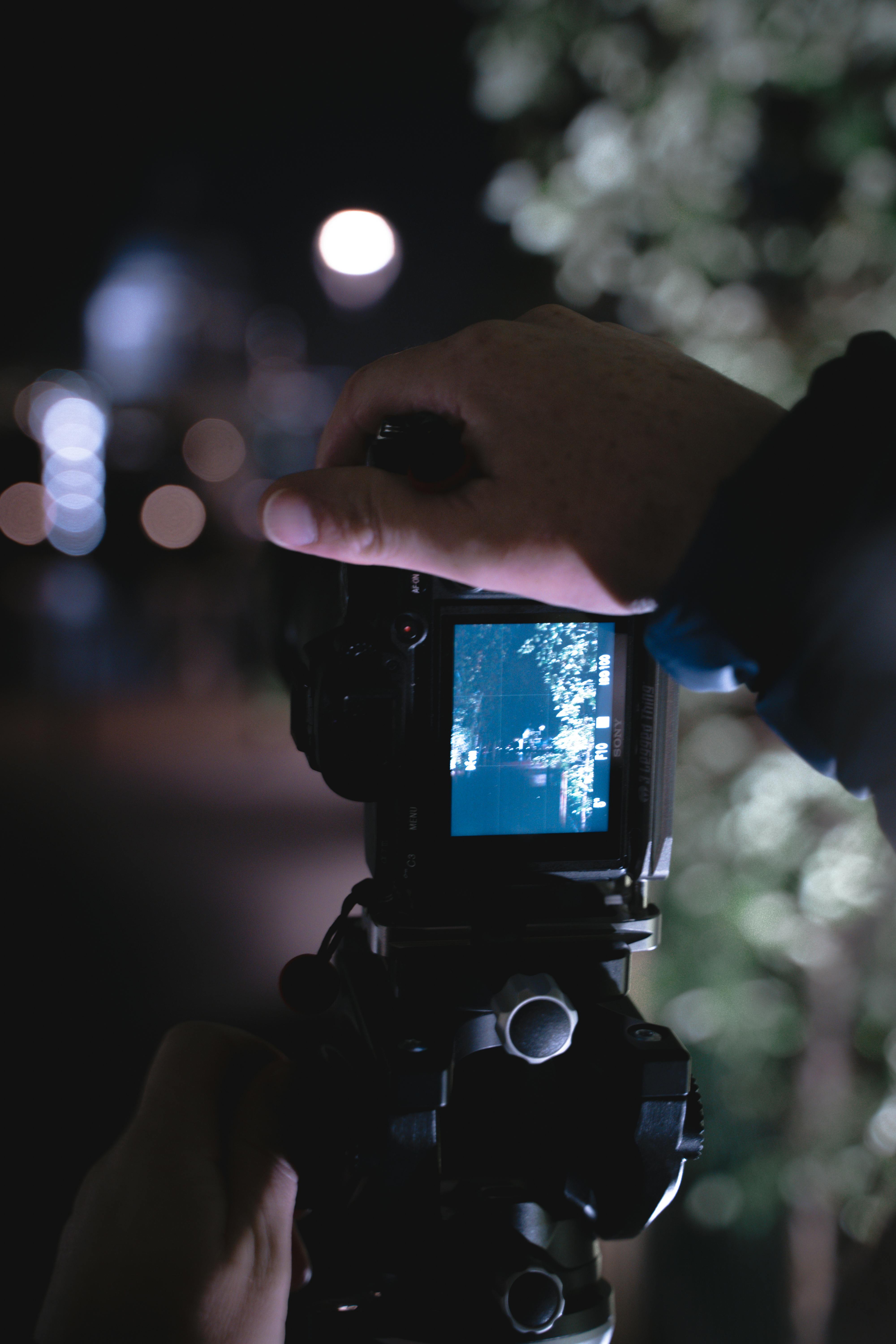
A stable stance does more than most people expect. Brace your elbows, plant your feet, and exhale before you press. Even small body control can save the edges of neon signs and lamp halos.
What gear helps without getting in the way?
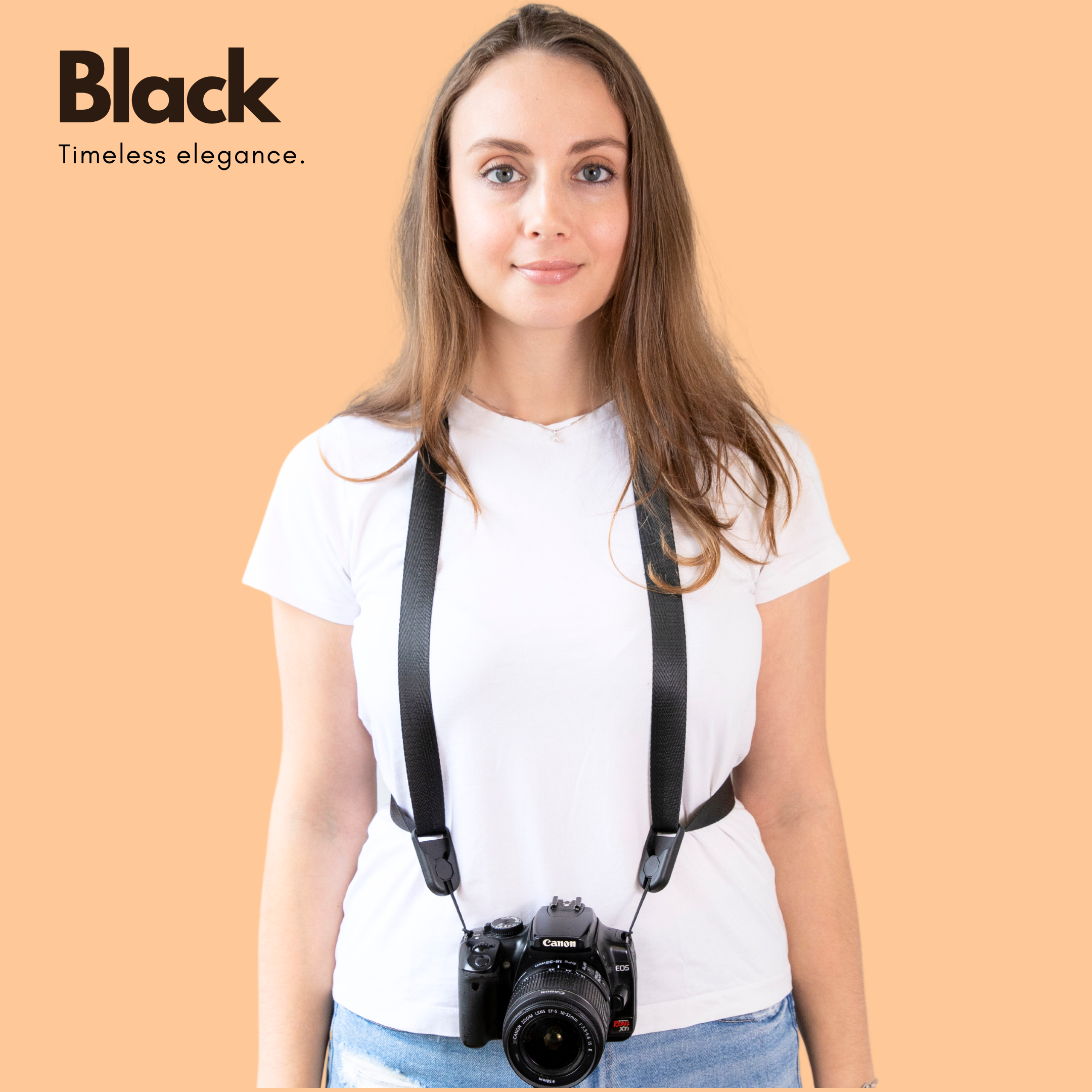
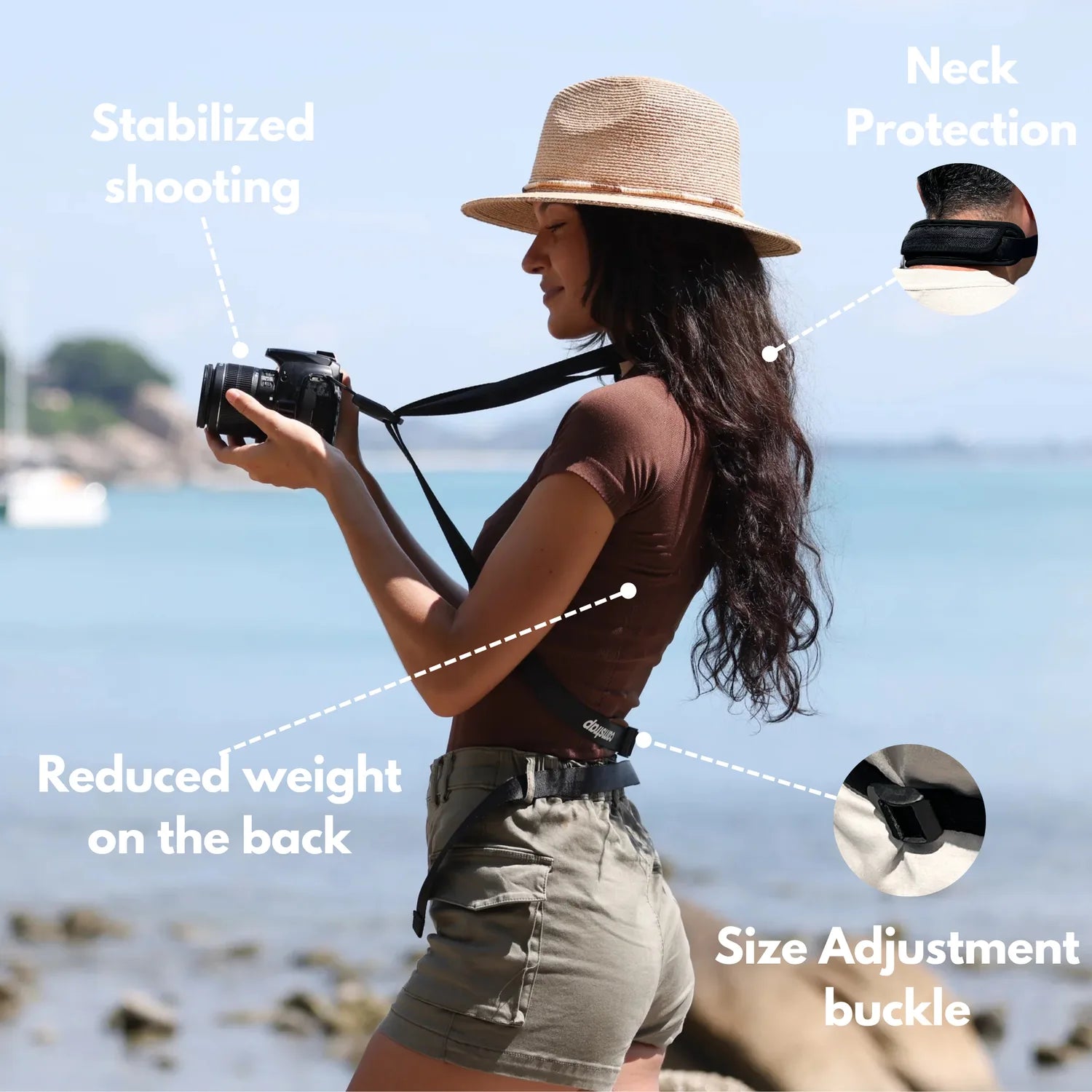
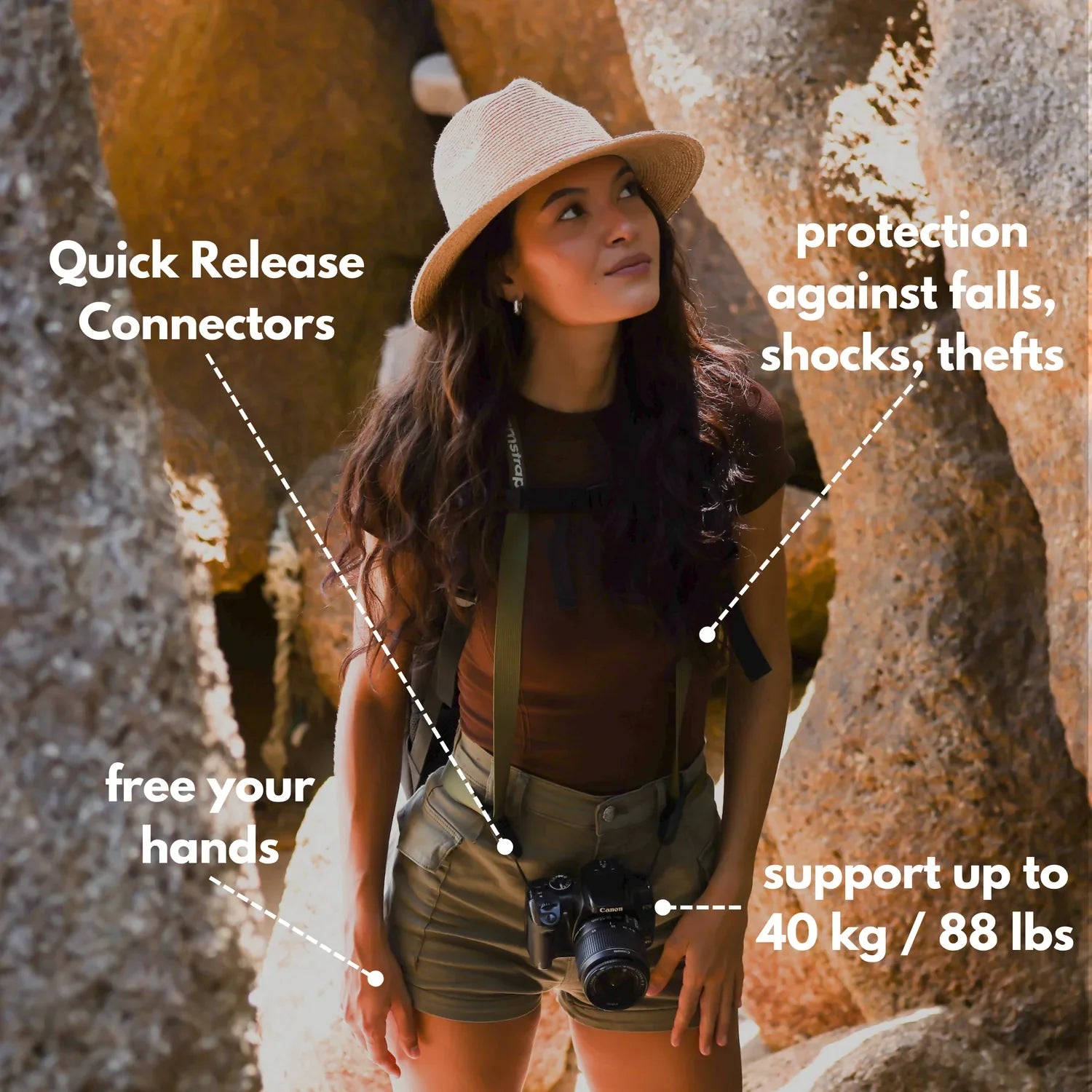
Night city work gets easier when the camera stays ready between shots. A hands-free strap helps because you can move through streets, bridges, and steps without packing the camera away each time. I like a strap that spreads weight well, and Camstrap’s Voyager makes sense here because it keeps the camera close and easy to lift fast.
When a scene changes in seconds, a camera buried in a bag misses the light, and a strap leaves one hand free for rails, doors, or crowded sidewalks.
Useful kit for handheld night shooting
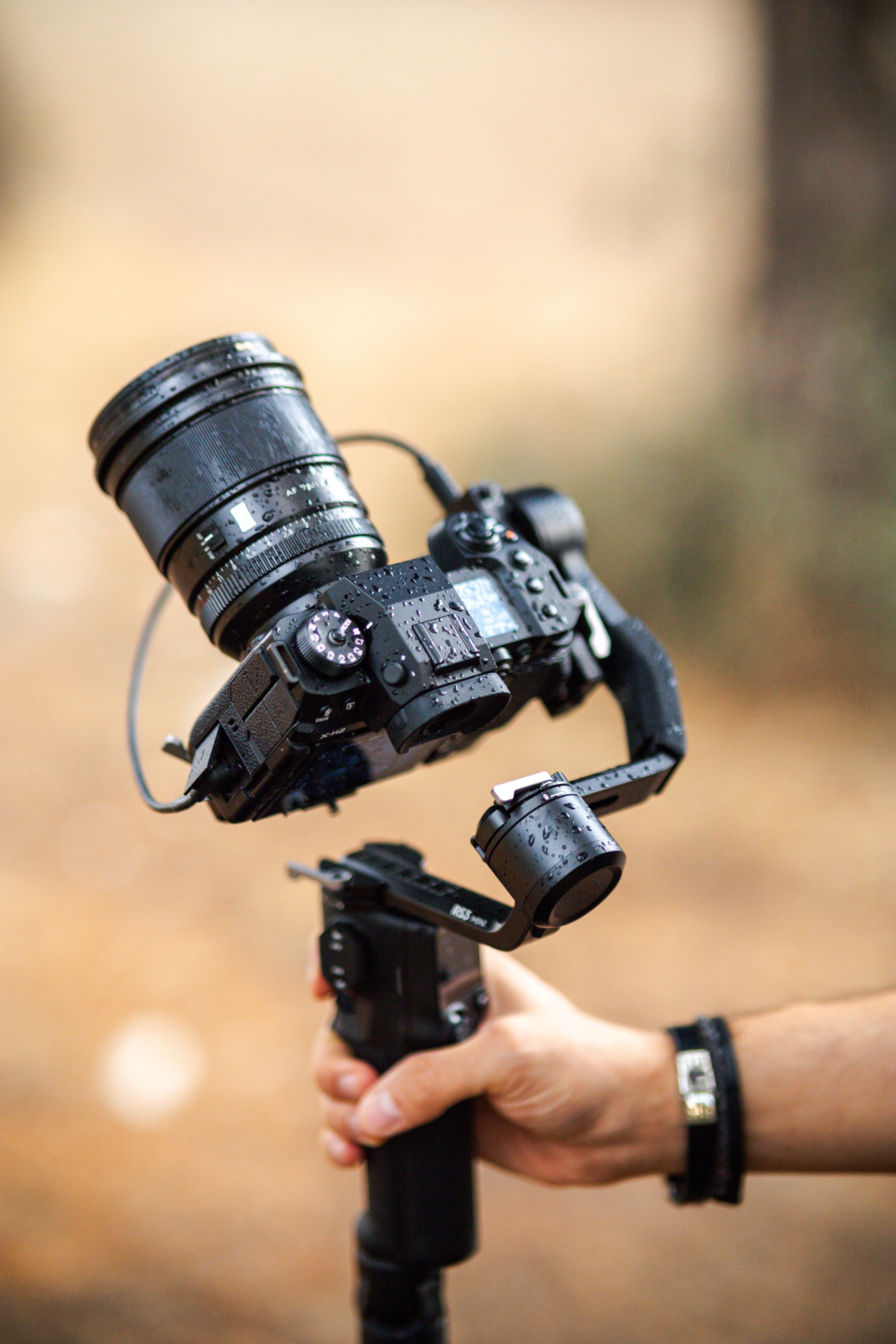
- A fast lens with a wide opening, like f/1.8, f/2, or f/2.8.
- A body with good high-ISO control and image stabilization.
- An EVF or rear screen you can dim to save power on mirrorless bodies.
- A strap that lets you raise the camera in one smooth motion.
- A spare battery, because the screen and EVF drain power fast in night work.
Battery drain usually comes from the always-on EVF or LCD, plus image review after each frame. In cold weather, that loss feels even worse. If you check every shot on the screen, you will burn power faster than the shutter ever will.
A fast card matters too, especially if you shoot RAW bursts. UHS-II cards with V60 or V90 ratings clear files faster than UHS-I, which helps when you need to keep moving. The card does not fix muddy lights, but it keeps the camera ready for the next clean frame.
What F stops suit long exposure?
The best F stops for long exposure are usually f/8 to f/16, with f/11 as a common middle point. That range keeps much of a city scene sharp and can make point lights bloom into starbursts. A smaller opening also slows the light, which helps when you want car trails or moving water to stretch out.
For handheld work, those same settings can force the shutter too far down. With f/16 and no support, the camera may need very high ISO or a very slow shutter. In most night city shots, f/5.6 to f/8 is the safer handheld zone.
What are the four types of photography?
The four broad types of photography are usually portrait, landscape, documentary, and still life. City night scenes often sit between landscape and documentary because they show place and motion together. A street lit by traffic is still a landscape, but it also tells a story.
That mix shapes your settings. Portrait-style night shots often need a wider aperture and a closer subject. City views need more depth and more control over bright signs, reflections, and moving cars.
Can I use ISO 400 at night?

ISO 400 can work at night, and it often gives clean files in bright city zones. It works best when the lens is already wide open and the shutter can stay near 1/50s or faster. In darker blocks, the camera may need more light than ISO 400 can deliver on its own.
If the frame still looks underexposed, raise ISO before you let shutter speed fall too far. A noisy file is usually easier to fix than a blurred one. Push ISO too far, though, and bright areas can lose texture and turn harsh.
What is bulb mode in photography?
Bulb mode keeps the shutter open for as long as you hold the button or release trigger. It helps with very long night exposures, such as several seconds of traffic trails or city glow. A remote release or cable is the safest way to use it, because finger pressure can shake the camera.
Bulb mode does not belong in ordinary handheld shooting. It works with support, locked framing, and careful timing. If you need a 15-second or 30-second look, use a tripod or a firm rest instead of handholding the body.
How to keep city lights clean from frame to frame
The cleanest night shots come from a repeatable process. First, lock your stance. Next, choose a shutter your hands can actually hold. Then shape the rest of the exposure around that limit.
- Set the lens wide enough to protect shutter speed.
- Check the scene at 1/50s or faster if you are near 50mm.
- Raise ISO only as needed to hold that speed.
- Watch bright signs and lamp halos for blur or noise.
- Review one frame, then keep shooting before the light changes.
One more detail helps in real city work. Use back-button focus or single-point AF when the frame is busy, then lock focus before the shutter press. Busy neon, reflections, and passing people can confuse the camera if you let it keep hunting.
City lights turn muddy when the camera loses the balance between speed, light, and stillness. Hold that balance, and the same street can look bright, clear, and full of shape. For the next night walk, keep the camera easy to reach, keep the shutter honest, and take the shot before the scene changes.
Frequently Asked Questions
What F stops for long exposure?
For long exposure photography, f/11 to f/16 is a common range when a starburst effect is desired around city lights. For a cleaner handheld cityscape with more of the scene in focus, f/5.6 to f/8 is a strong starting point.
What are the four types of photography?
The four types of photography are not specified in the provided text. The article discusses night street and cityscape photography, along with exposure settings such as shutter speed, aperture, and ISO.
Can I use ISO 400 at night?
ISO 400 can work at night when the scene is bright enough or the lens opens wide. On darker streets, ISO 400 often forces a shutter speed too slow for handheld shooting.
What is bulb mode in photography?
Bulb mode is a camera setting that keeps the shutter open for as long as the shutter button is held down. It is used for very long exposures when the usual shutter speed limits are not enough.


