


- Turn on burst mode, then fire a short spray sequence at peak action.
- Use 1/1000s or faster with AF-C to outpace lift and ski motion.
- Don’t trust shot count alone; 20,000 is modest for many cameras.

Burst mode is a quick shooting method that captures several frames in rapid succession so you can catch one clean moment. On a chairlift, it raises your odds of freezing snow spray, ski turns, and shifting light without stopping the ride. The challenge is simple: the lift moves, the snow moves, and your body keeps swaying. Crisp spray depends on steady support, fast focus, and the right shutter speed.
Translation missing: en.blog_cta.bundle_heading

- Regular price
-
€42 - Regular price
-
€44 - Sale price
-
€42
By choosing the Camstrap strap, you are opting for a high-quality product designed to meet the needs of the most demanding photographers.
- Developed by a physiotherapist to relieve neck and back pain.
- Fast delivery with tracking by the Post Office 🚚
- Can be used as a shoulder strap or hands-free harness

- Regular price
-
€36 - Regular price
-
€42 - Sale price
-
€36
Translation missing: en.blog_cta.free_shipping_included
Why chairlift shots blur so quickly
Snow spray stays clean for only a split second. Wind, lift motion, and hand shake blur the frame the rest of the time, so a slow setup falls apart even when the scene looks perfect.
A moving chairlift adds another layer of motion. The camera is already drifting forward, and the skier below is cutting across the slope. In that mix, timing matters more than almost anything else.
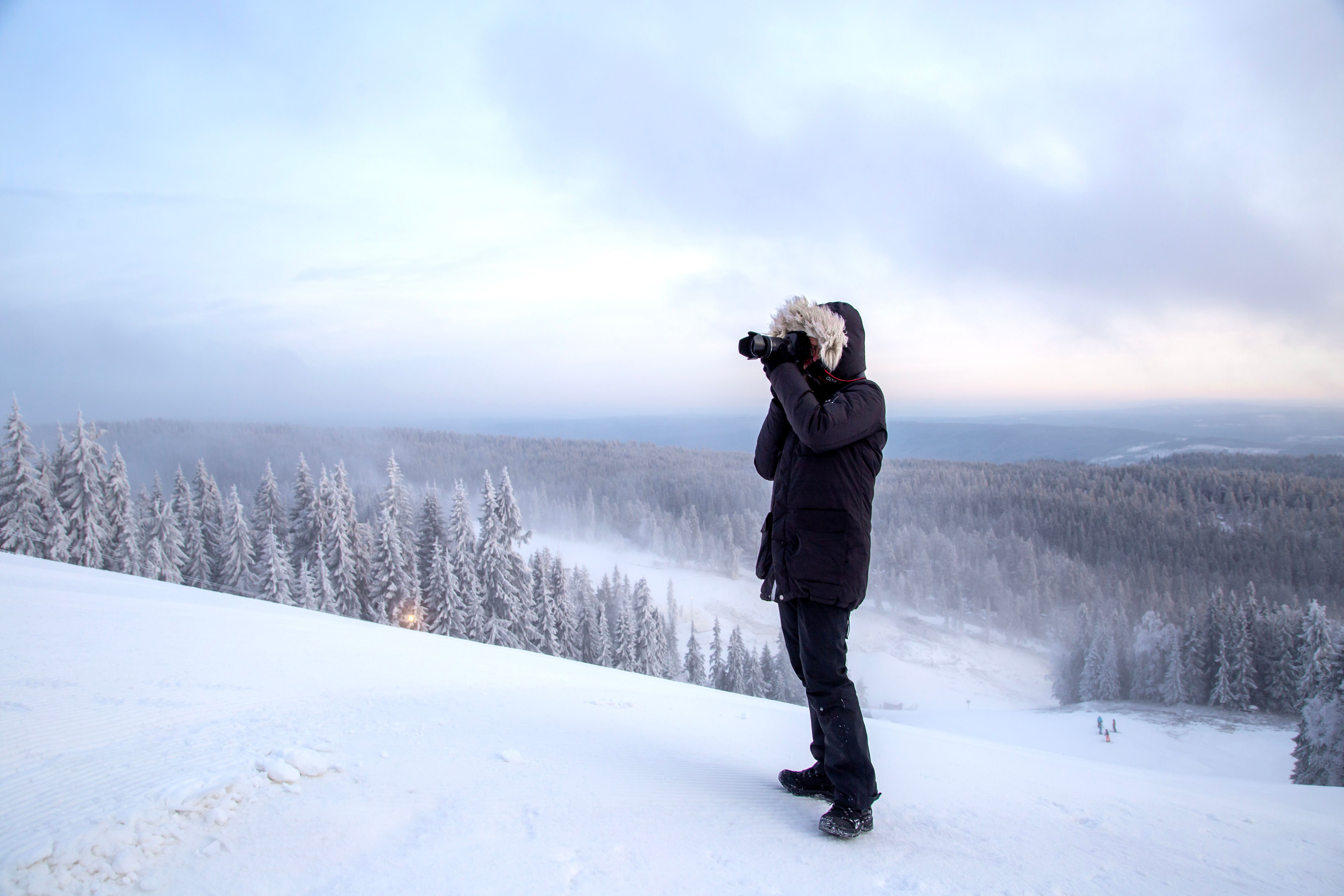
The motion stack you are fighting
- The chairlift moves at a steady pace.
- The skier changes direction in the turn.
- The snow plume changes shape each split second.
- Your hands may shake if you are cold or bracing for balance.
That stack of motion is why a wide smile shot may look fine, while a spray shot falls apart. Better control over focus, timing, and exposure solves more than luck ever will.
Settings that freeze the spray cleanly
Use continuous AF, also called AF-C or AI Servo, with subject tracking on. Nikon recommends a minimum of 1/500s for action, while 1/1000s or faster works even better for fast sports. Canon points to roughly 1/1000s or faster for freezing motion.

Aperture also plays a part. A lens around 50mm to 85mm at f/2 to f/2.8 gives you enough light and a soft background. If the light is flat or the spray is close, you may need ISO 800, 1600, or even higher to hold that shutter speed.
A practical starting setup
- Set the camera to shutter priority or manual mode.
- Pick 1/1000s for bright snow and fast turns.
- Use AF-C with a small focus area or subject detect.
- Open the lens to about f/2.8 if the light is weak.
- Raise ISO only as much as needed for a clean frame.
This setup puts speed first, then lets you fine-tune for noise and depth of field. If the sun is strong, you may even push higher than 1/1000s and keep the image crisp.
Hands-free carry makes the shot faster

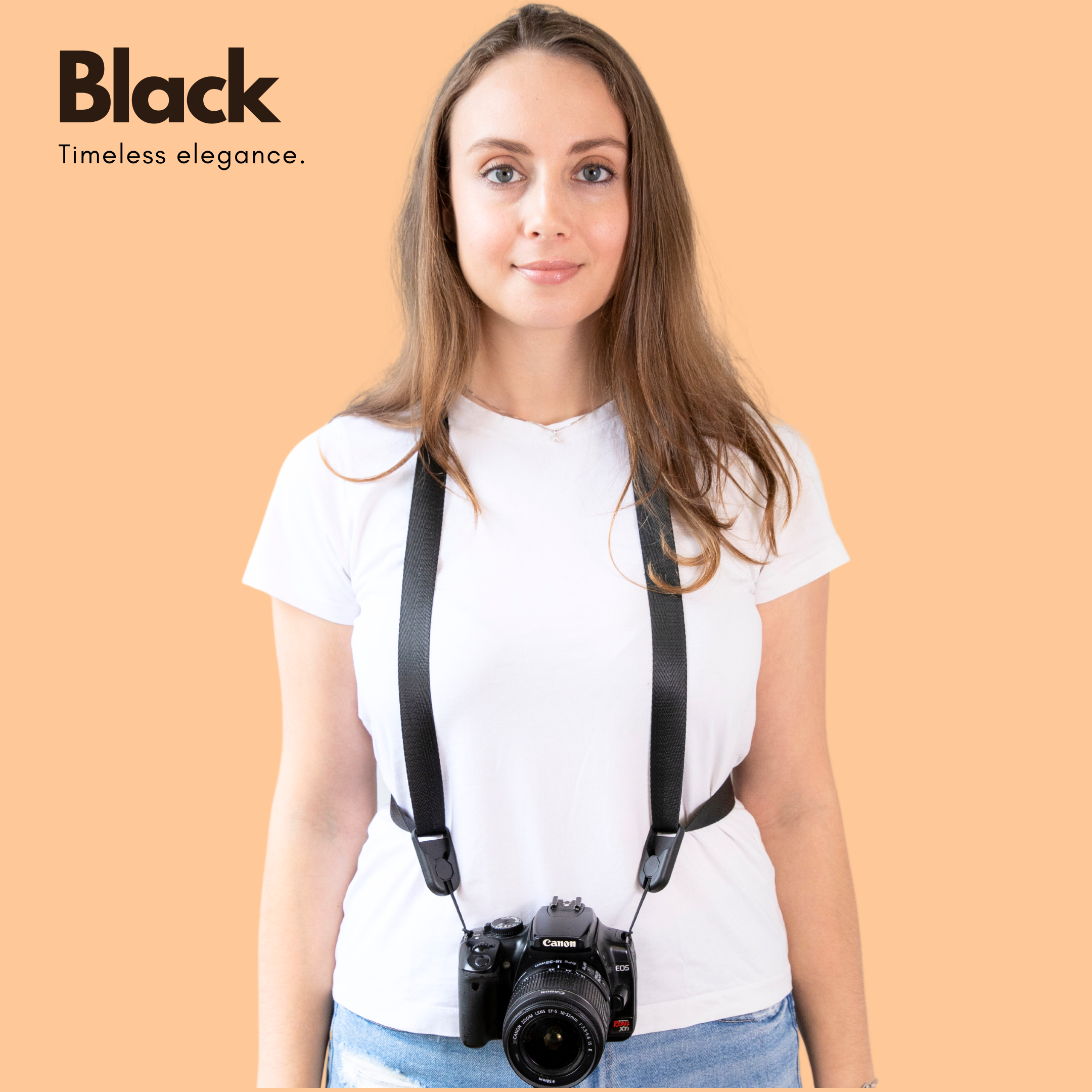
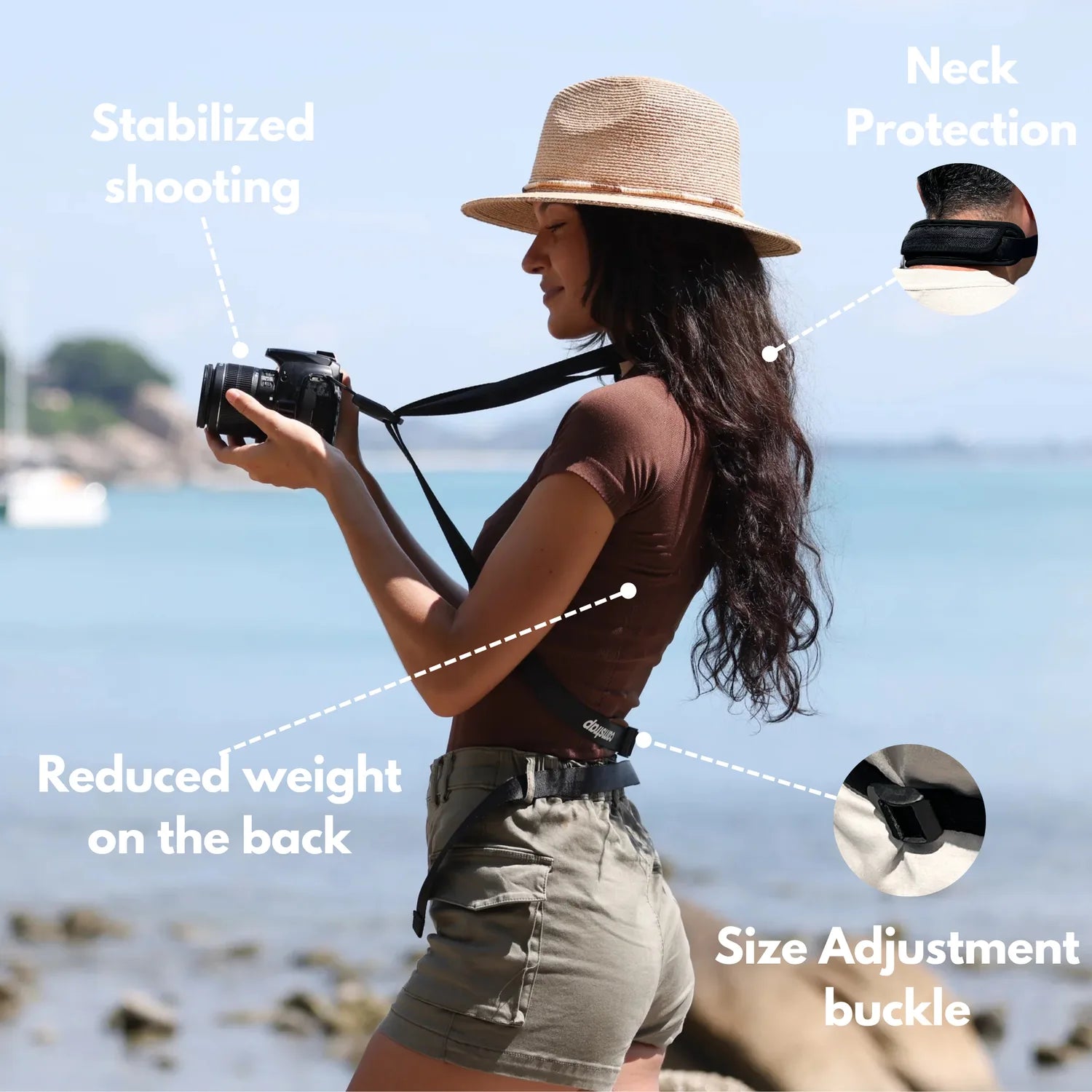
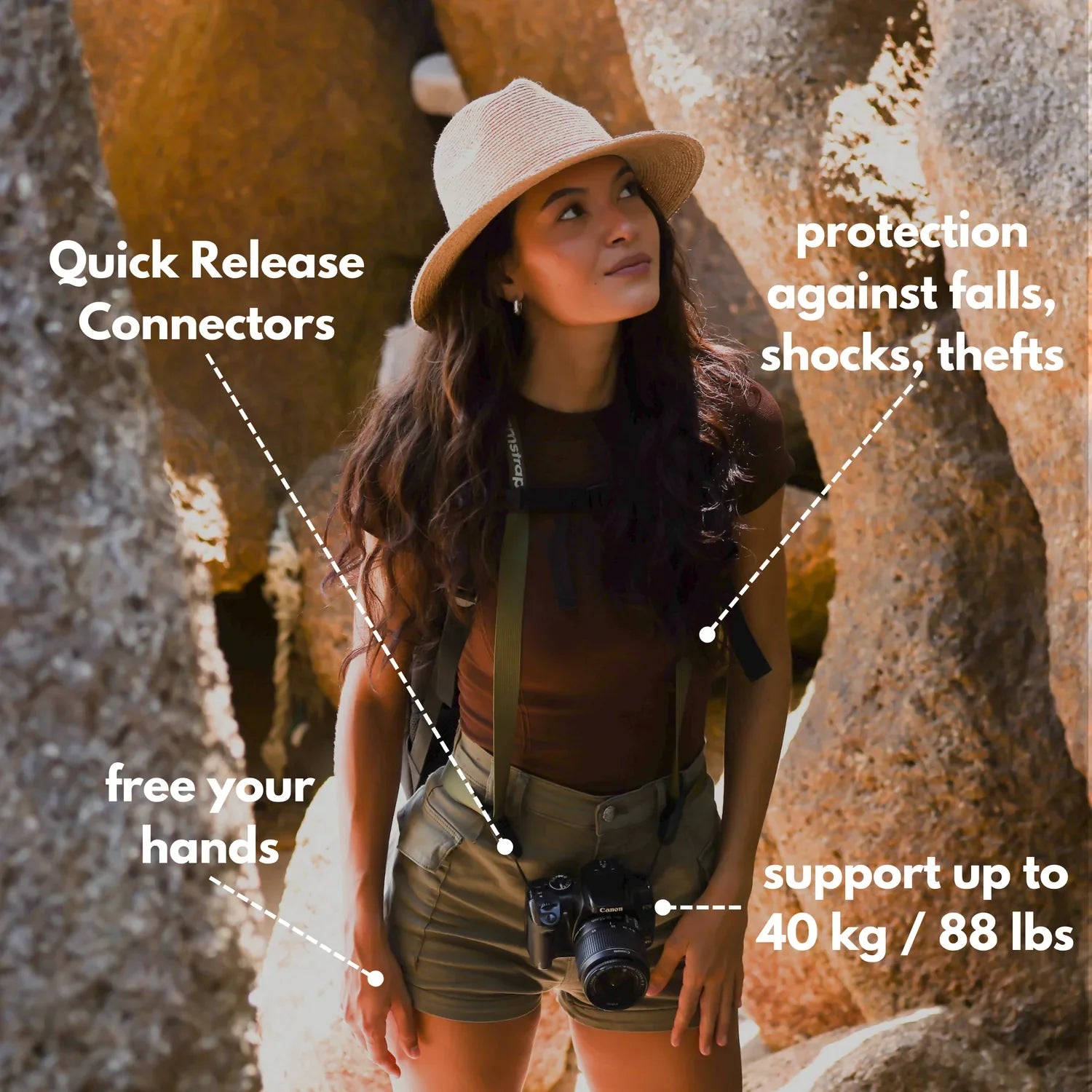
A camera strap that stays stable on your chest or shoulder helps you react faster on the lift. It keeps the camera ready while you adjust gloves, point out a line, or switch from a wide view to an action burst. A strap like the Camstrap voyager fits this use well because it spreads weight across the body and keeps the camera close, so it does not swing into the chair or your lap.
If the camera hangs loose, you lose seconds finding it and steadying it. With a clean carry position, you can lift, frame, and shoot before the best spray fades.
What to keep on the camera before the ride
- Lens hood on, to cut flare from snow glare.
- Strap adjusted so the camera sits still.
- Exposure dial set for the light you expect on the run.
- Focus mode ready before the chair reaches the line.
Cold fingers move slower, and gloves make menus awkward. If your setup is already right, you spend less time clicking through screens and more time watching the skier enter the turn.
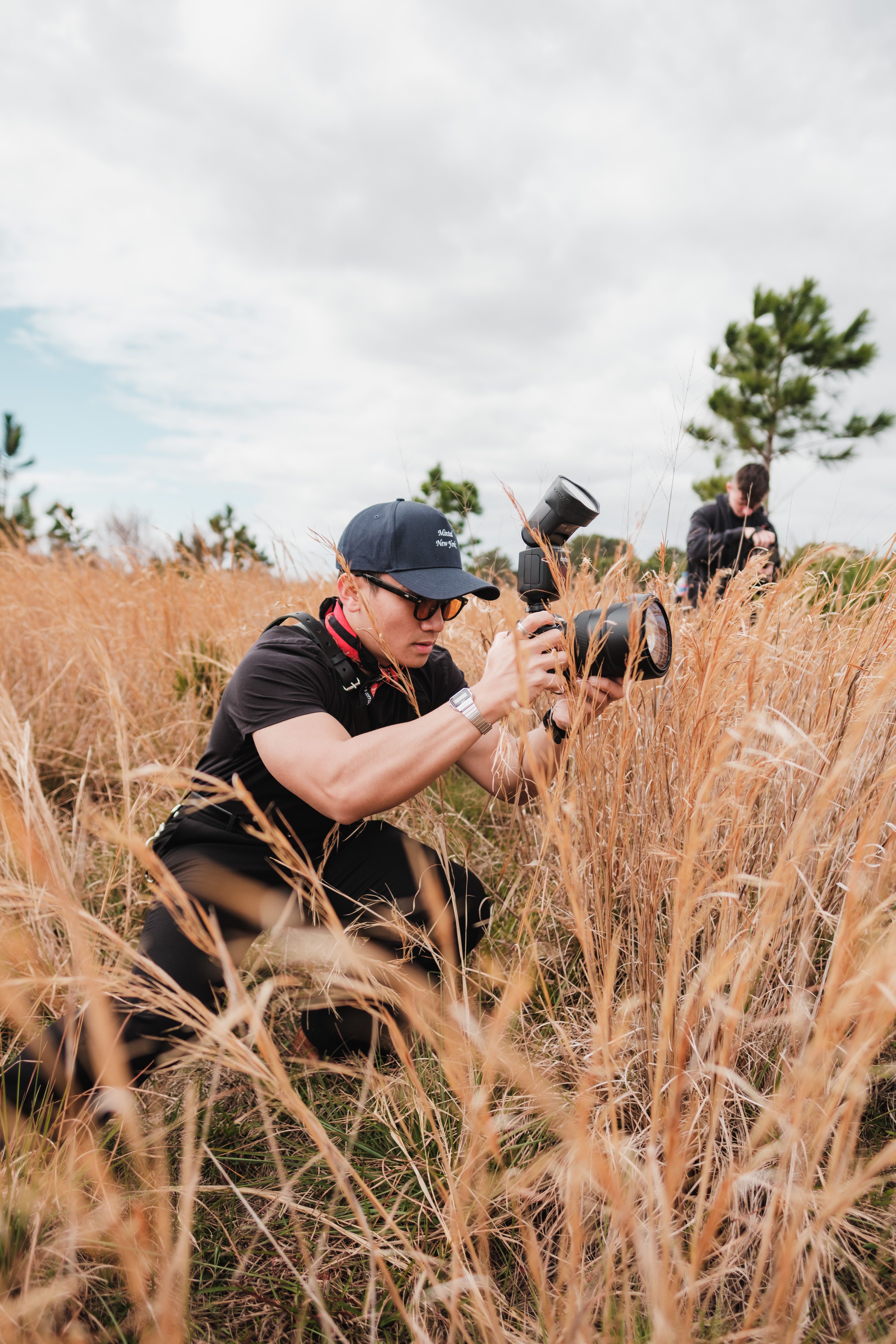
How do you put iPhone camera into burst mode?
On newer iPhones, burst shooting starts by sliding the shutter button left. That motion holds a rapid frame sequence until you release, which is useful when the skier hits the best spray point near the lift line.
On some older models, holding the shutter with the volume button or using the timer can also help. Start just before the turn peaks, then keep the phone steady for the whole sequence.
Use the grid and tap to lock exposure on the bright snow. If the scene is too dark, raise exposure a little before the skier reaches the turn. A small lift in brightness can keep the snow detail from turning gray.
How many photographers make over $300,000 a year?

Only a small share of photographers reach that income level. Most working shooters stay far below it, while the top end often comes from licensing, large commercial jobs, or a business that sells more than one service.
That number matters here because gear choices should match real goals. If you are shooting from a chairlift for personal work, travel coverage, or portfolio pieces, you do not need a huge studio setup to get strong results. You need a setup that is quick, light, and ready.
This also keeps your buying choices sane. A clean, reliable camera body with a good buffer and a solid carry system often helps more than chasing rare gear upgrades.
How to disable burst mode?
Burst mode turns off by switching the drive mode back to single shot. On many cameras, that means pressing the drive button or using the quick menu and choosing one-frame shooting instead of continuous fire. That change is useful when you want one calm frame instead of a sequence. It also helps save card space and keeps review work simple after a day on the mountain.
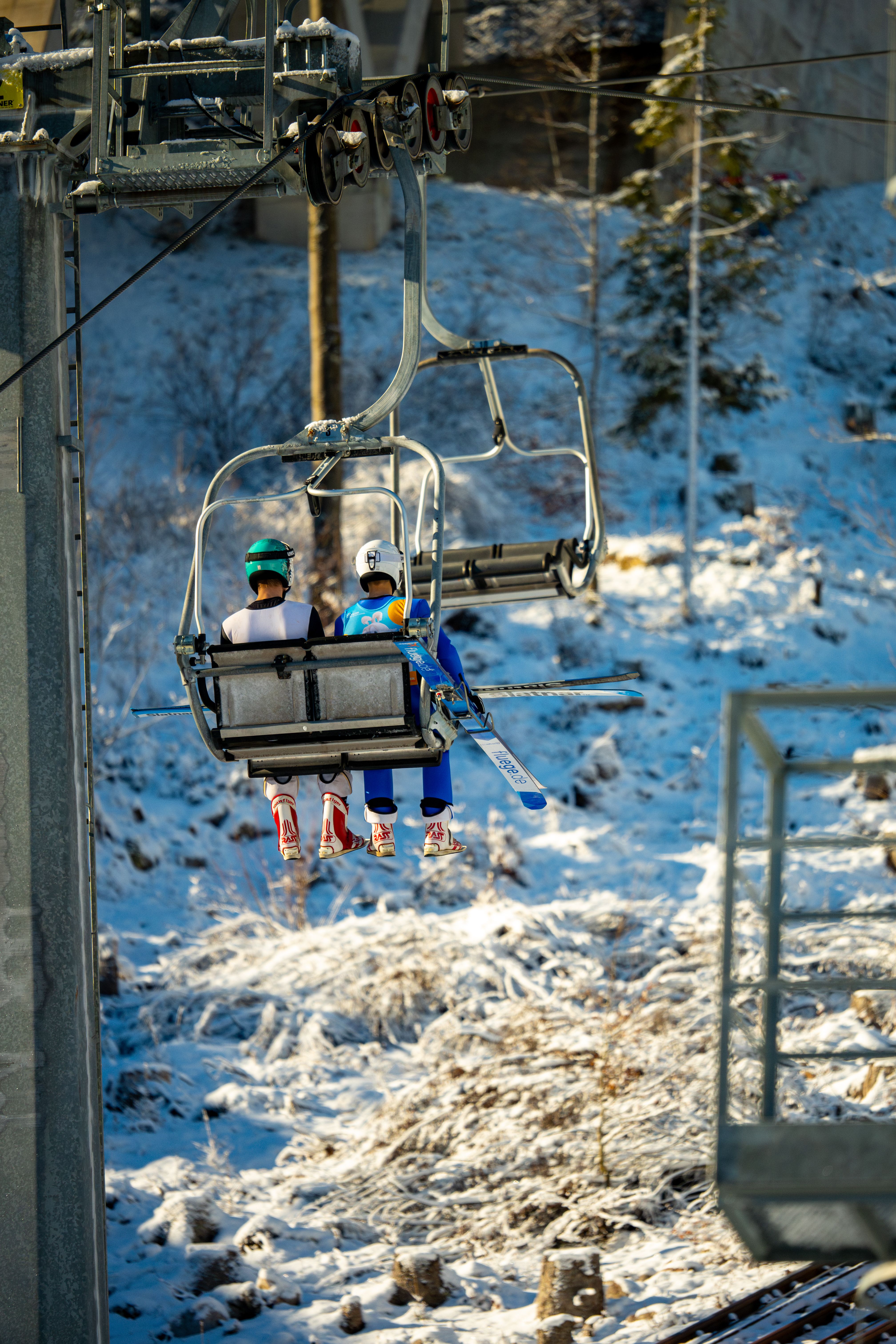
If you use a mirrorless body, check the drive menu before the lift ride starts. Some cameras also keep pre-capture or pre-burst features near the same menu, so it helps to know where both settings live.
What the camera body should do on the lift
A mid-tier body with a useful buffer is enough for this kind of work. A camera like the Nikon D500 can shoot up to 10 frames per second in continuous high-speed mode, which gives you a short but strong run of frames for one turn. In real use, a modern body may hold around 20 to 40 RAW frames before slowing, and JPEG often lasts longer.
That buffer detail matters because it shapes your shooting rhythm. A 3 to 6 frame burst does not fill a modern buffer, so you can keep working through several turns before the camera lags. The real limit is often card speed, file size, and how fast you chimp the back screen.
Two features that help on moving lifts

- Pre-capture or pre-burst buffering records frames just before the full press.
- Back-button focus keeps focus locked while you fire the shutter.
Back-button focus is especially useful on a chairlift because the subject may enter the frame before you are fully ready. You can track the skier first, then fire only when the spray starts to fan out. That small control split often makes the difference between a near miss and a keeper.
How to stay sharp through the whole sequence
Continuous autofocus is the main tool here. It tracks a moving subject while the shutter stays ready, and Nikon recommends it for fast action. Panning with the subject also helps, because the camera movement follows the skier instead of fighting the motion.
Keep the pan smooth and keep moving after the shot. That follow-through helps the subject stay in frame while the spray reaches its peak shape. It also reduces the jerk that can ruin the last frame in the burst.
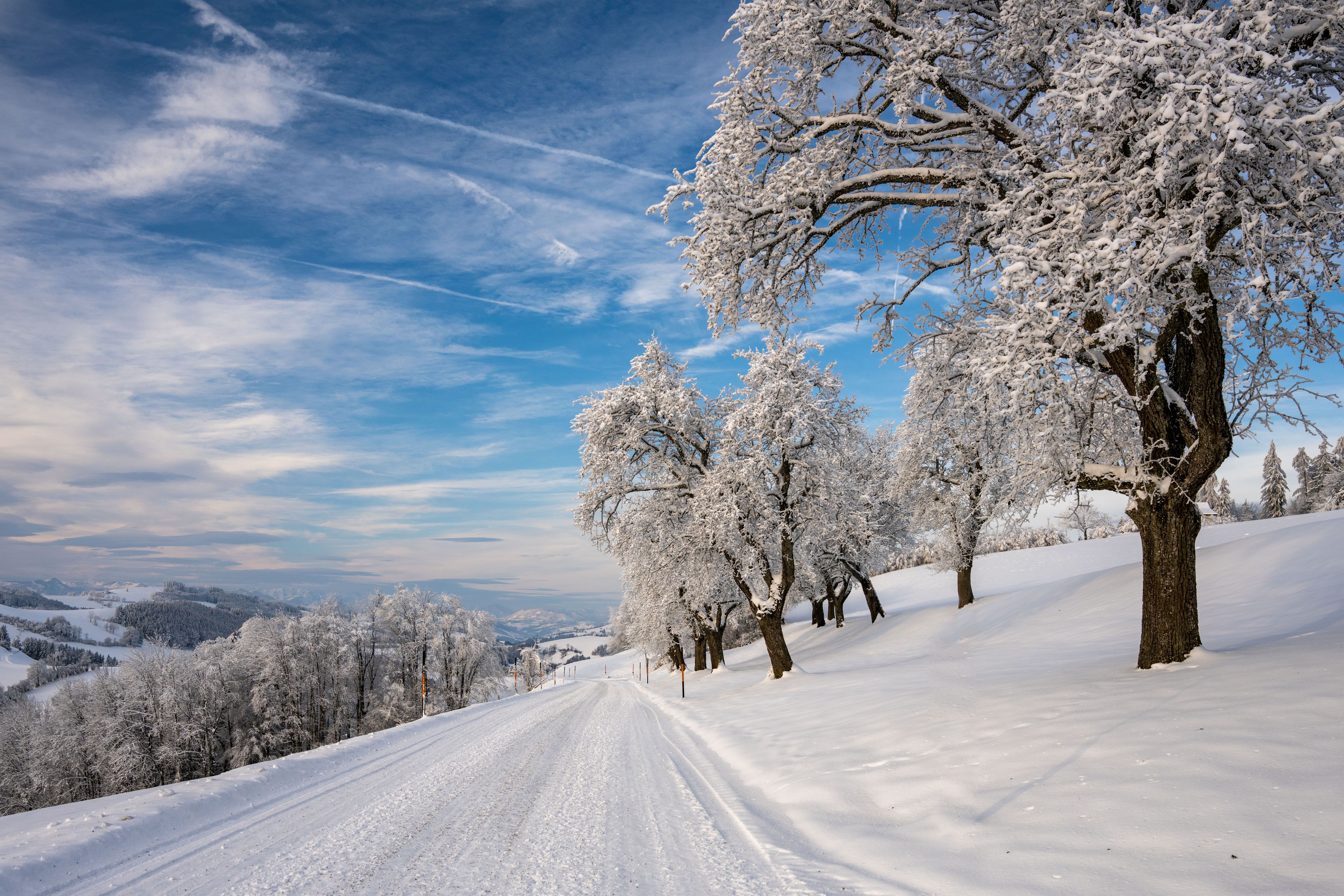
A simple timing cue
Watch the top of the turn, not the start. The spray usually looks best right after the ski edge bites hard into the snow. Start the burst a moment early, then hold it through the cleanest part of the arc.
If the light is dim or the weather is flat, choose a faster shutter anyway. Grain is easier to fix than blur, and a sharp frame still holds shape when the snow plume is small.
Card speed, review habits, and battery drain
Fast cards matter when you shoot repeated bursts. UHS-II cards, especially V60 or V90, clear files faster than UHS-I cards, and that cuts waiting after a long sequence. CFexpress is even stronger for many bodies, but your camera has to support it to see the benefit.

Battery use on mirrorless cameras often comes from the always-on EVF or LCD, plus image review. If you keep checking every burst, power drops faster than many people expect. A spare battery in an inside pocket helps because cold weather can cut runtime.
Shutter count is less of a worry than many people think. 20,000 actuations is not a lot for many modern cameras, especially if the body is clean and the shutter works well. The bigger issue is how the camera has been used, stored, and exposed to snow and moisture.
Quick field workflow for lift rides
Use the ride up to prepare, not to fumble. The best chairlift shots usually come from a setup that is ready before the skier enters the line. Spend the ride checking light, framing the run, and waiting for the right turn.
Follow this order once the chair starts moving:
- Set AF-C and pick a fast shutter speed.
- Check your strap so the camera stays still.
- Watch for the skier’s strongest turn.
- Start the burst just before the spray peaks.
- Keep panning through the end of the turn.
After that, review only the best frames. One clean sequence is worth more than ten near-misses. If the first turn is weak, wait for the next one and keep the same setup.
Snow spray from a moving chairlift looks best when the camera is ready before the action starts. A fast shutter, AF-C, and a steady carry setup give you the best chance of a crisp frame. On the next lift, keep the camera close, start early, and watch for the turn that throws the cleanest arc of snow.
Frequently Asked Questions
How to put iPhone camera into burst mode?
On an iPhone, burst mode is triggered by swiping the shutter button to the left and holding it down on newer models, or by pressing and holding the shutter button on some older models. Burst mode captures several frames in rapid succession, which helps increase the chance of getting one sharp snow-spray frame.
How many photographers are making over $300,000 a year?
The provided article does not give any figures about how many photographers make over $300,000 a year. It focuses on camera settings and technique for action photos from a chairlift.
Is 20,000 shutter count a lot?
A shutter count of 20,000 is generally not a lot for many interchangeable-lens cameras, since many shutters are rated for well over 100,000 actuations. The article does not discuss shutter count, so no article-specific threshold is given.
How to disable burst mode?
To disable burst mode on an iPhone, release the shutter button instead of holding or swiping it, so the camera takes a single shot. On other cameras, turn the drive mode from continuous/burst back to single-shot in the drive settings.


