


- Lock onto one sharp subject—eye, hand, or sign—to anchor the story.
- Let the first telling gesture lead; Sally Mann proved raw images can provoke.
- Use the 20-60-20 rule: frame the action, preserve context, then trim distractions.

A photography objective is the reason a photo gets made in a specific moment. In street work, that aim guides what you include, when you fire, and how you respond as the scene shifts. Street scenes move fast, and the strongest frames often last only a few seconds. Read people, light, and motion at once, then decide what deserves attention.
Translation missing: en.blog_cta.bundle_heading

- Regular price
-
€42 - Regular price
-
€44 - Sale price
-
€42
By choosing the Camstrap strap, you are opting for a high-quality product designed to meet the needs of the most demanding photographers.
- Developed by a physiotherapist to relieve neck and back pain.
- Fast delivery with tracking by the Post Office 🚚
- Can be used as a shoulder strap or hands-free harness

- Regular price
-
€36 - Regular price
-
€42 - Sale price
-
€36
Translation missing: en.blog_cta.free_shipping_included
Begin with the scene, not the camera
Start with the moment that kicks the story into motion. Watch for a hand gesture, a changed expression, a pause in the crowd, or one person breaking the street’s rhythm.
Small changes often carry more weight than a busy wide view, and a good street frame usually gives the viewer one clear thing to follow.

Look for the first visual clue
A story often starts before anyone notices you. A glance across the street, a vendor reaching for change, or a cyclist slowing down can point to the frame. Stay ready for the shift, then shoot the instant the action turns. Wait for the obvious peak, and you may miss the cleaner moment just before it.
Pick the frame that holds the tension
One strong subject beats three weak ones. If two people face each other, give the space between them as much weight as the faces.
Movement needs restraint. A walking subject near 1/250s keeps shape and speed clear, while faster action may call for 1/1000s or more.
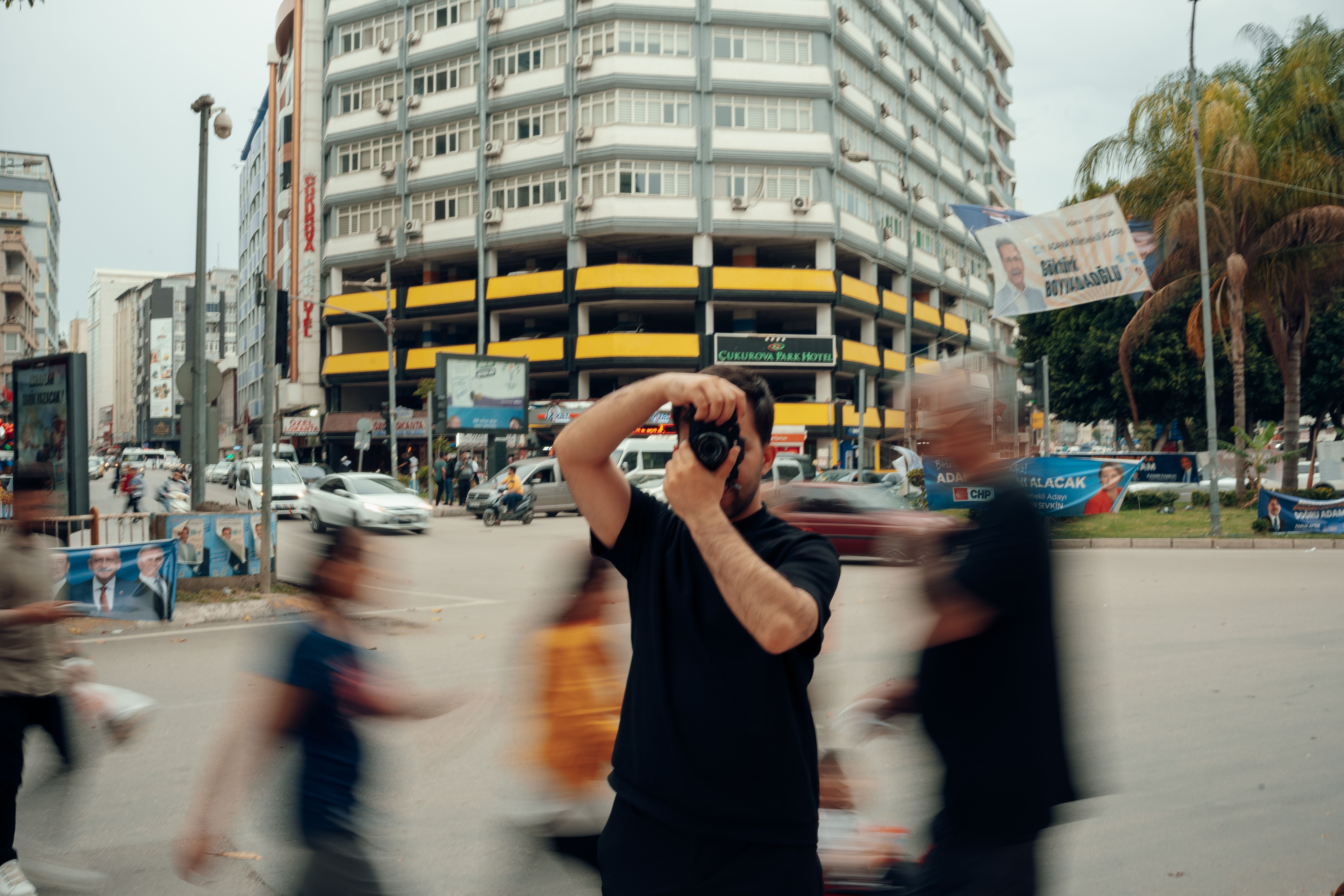
Focus shapes the whole frame
Focus is the part of the image that lands sharpest and pulls the eye first, usually around one main subject and a clean edge of detail. In street work, focus also decides where the story lands. A sharp hand, eye, or sign can turn a loose scene into a clear picture.
Set one point, then move fast
Single-point AF works well when you know where the subject will appear. Put the point on the eye, face, or leading hand, then reframe if needed.
Continuous AF-C or AI Servo helps when people are walking toward you. Eye or subject detection can help too, especially when the subject keeps changing position.

Match focus to the light and lens
A fast aperture can help the camera use a quicker shutter speed in low light. Canon notes that this helps freeze movement and cut camera shake. For many street scenes, 35mm and 50mm lenses stay useful because they sit close to human vision. They keep context in the frame while still letting the subject stand out.
Decide how much motion belongs in the shot
Next comes the choice between a still frame and one that feels alive. From there, shutter speed, burst use, and even your position fall into place.
Canon recommends Aperture Priority when depth of field matters most. Shutter Priority fits better when the look of movement leads the frame.

Freeze the instant
A clean, decisive frame often comes from high shutter speed and quick reaction. Canon has shown a street image made with a 28mm lens at 1/1000s, f/3.5, and ISO 100. That setting keeps the scene crisp and direct. It works well when the gesture matters more than motion blur.
Let motion stay in the picture
Motion blur can add life when the story is about speed, drift, or rush. Canon suggests starting at 1/15s and ISO 100 for a deliberate blur look, then adjusting ISO for the light.
This method works best when the subject stays in one clear part of the frame. A steady pan can keep the subject readable while the background softens.

Build a simple camera setup that keeps pace
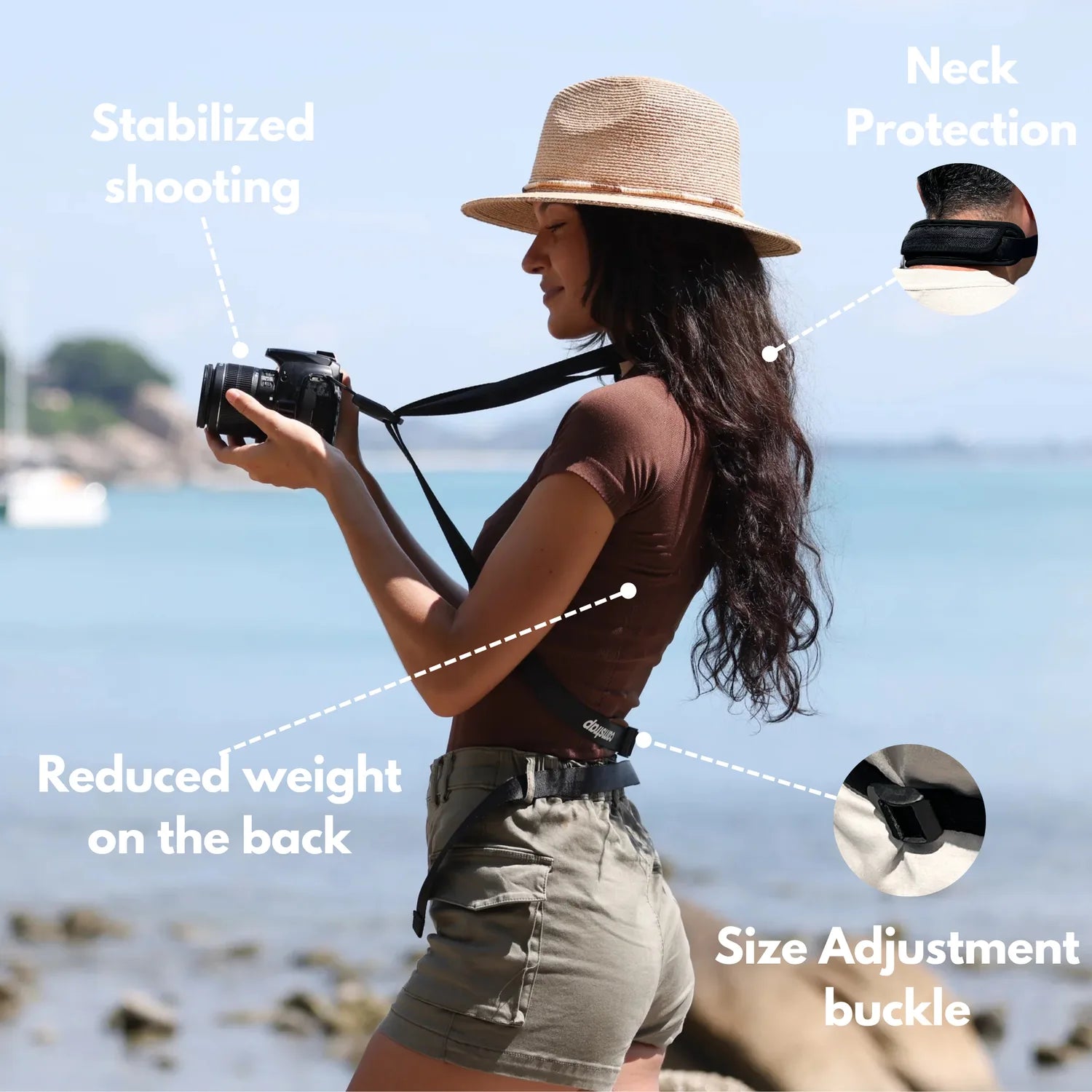
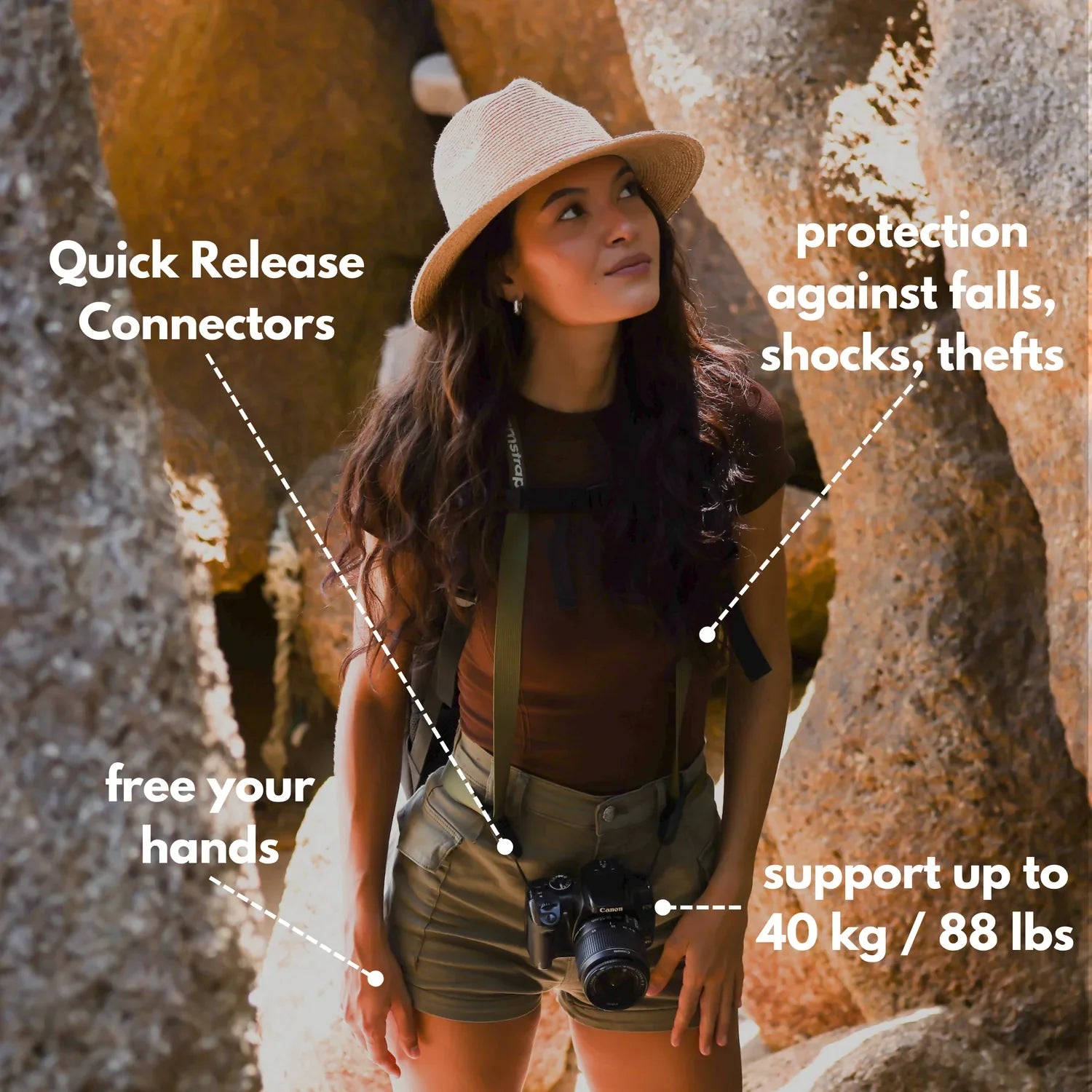
Your kit should help you move, not slow you down. A shoulder-friendly carry keeps both hands free for notes, maps, or a phone while the scene changes. A well-fitted strap matters more than a long gear list. A strap such as the Camstrap voyager can help because it spreads weight across the shoulder and keeps the camera easy to grab fast.
What to have on the body
- A 35mm or 50mm prime for a natural field of view
- A body with AF-C or AI Servo for moving subjects
- A memory card with UHS-II speeds if you shoot lots of RAW files
- A battery that starts full, because EVF and LCD use drain mirrorless bodies fast
- A lens hood to cut flare from harsh side light
For burst work, a mid-tier body often gives about 20 to 40 RAW frames before slowing. That number changes with file size, card speed, and whether you shoot RAW or JPEG.
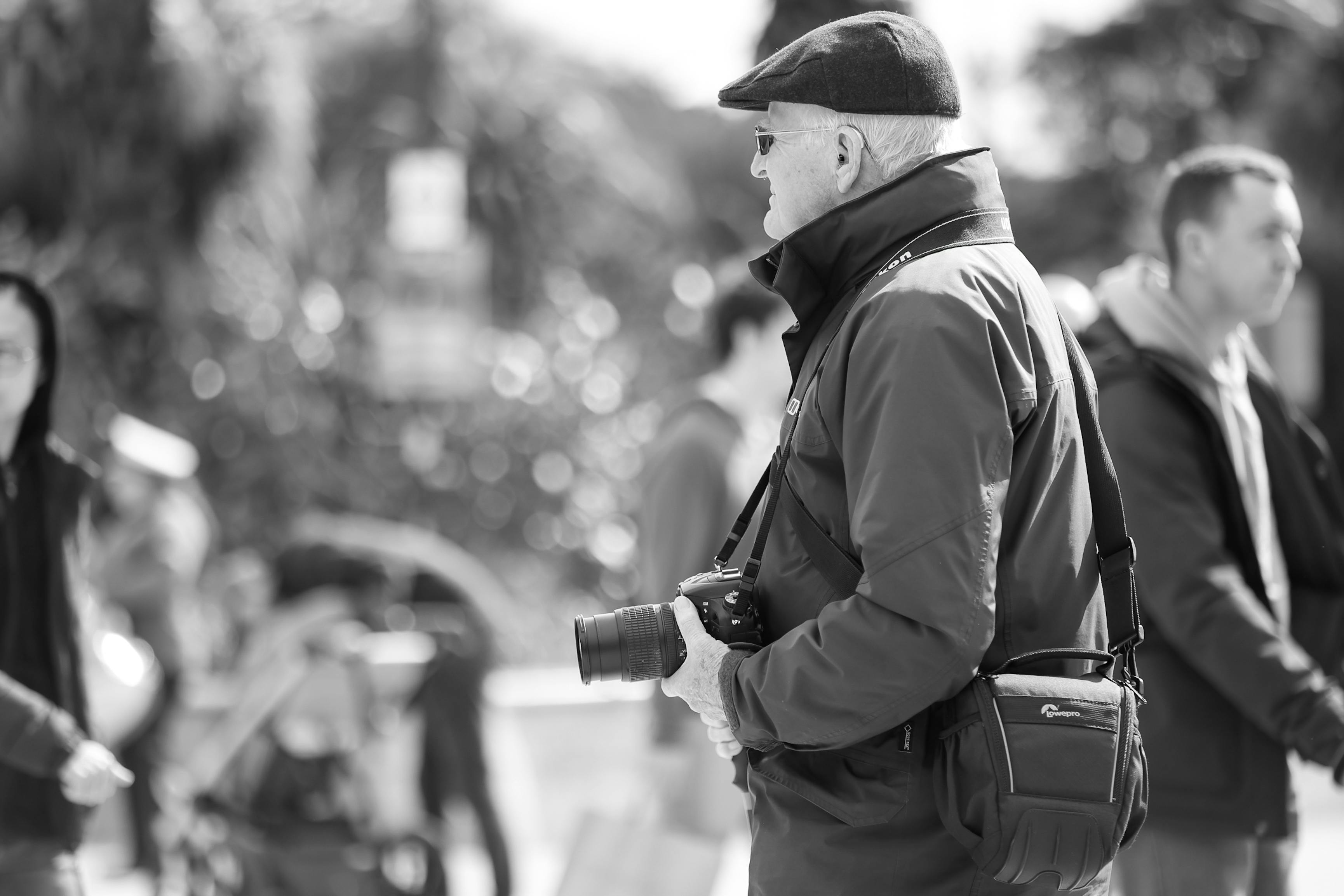
Pre-capture or pre-burst features help too. They store a short slice of time just before full press, which is useful when a gesture starts and ends fast.
Know the tradeoffs before you press
High frame rates can help, but they also raise the risk of rolling-shutter skew on some mirrorless bodies. LED and fluorescent lights can band in fast electronic modes. That tradeoff shows up in indoor street spaces and under mixed light. A slower mechanical mode may look cleaner when the scene has flicker or fast side movement.
What is the 20 60 20 rule in photography?
The 20 60 20 rule in photography splits attention across the frame: 20 percent as the anchor, 60 percent as the main story, and 20 percent as support or space.

This rule helps when a street scene turns cluttered. Use it to decide what must stay, what can fade, and where the eye should land first.
Apply it to a real street frame
The 20 percent anchor can be a face, sign, or bright color. The 60 percent middle holds the action, while the last part gives breathing room or context. This balance works well with a one-point perspective scene, too. Lines from buildings or roads can guide the eye toward the main subject without extra clutter.
Use it when the scene feels too full
If the frame feels messy, remove one element before you shoot again. Move one step left, squat lower, or wait for the crowd to thin.
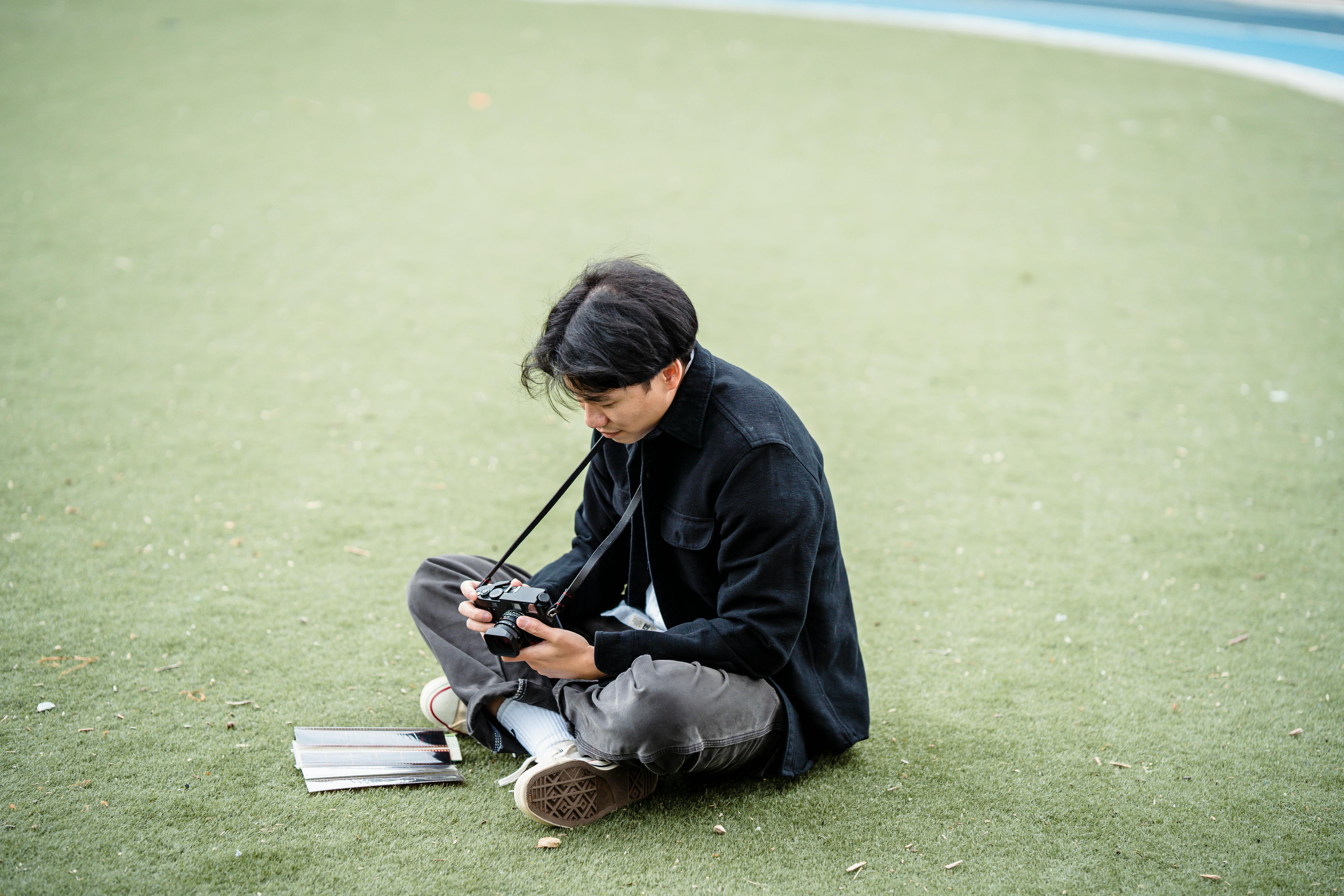
Street work often improves when you subtract rather than add. A smaller cast of visual parts makes the story easier to read.
Why Sally Mann drew controversy
Sally Mann was controversial because some of her most famous work showed her children in intimate, often vulnerable moments. The debate centered on privacy, childhood, and where art crosses a line. Her work still matters because it shows how powerful a personal subject can be. It also reminds street photographers to think hard about consent, context, and how an image may be read later.
Why this matters on the street
Street photography often borrows energy from real life, but that does not remove responsibility. If a scene feels too personal, the stronger choice may be to step back.

Ask what the frame says about the person, not just the light. A good image can still respect the subject.
What key skills do photographers need?
Photographers need timing, visual judgment, fast focus control, and the habit of reading a scene before it peaks. Patience matters too, because the best frame may take five missed chances. A sharp eye for light and a quick hand on exposure matter just as much as gear.
Skills that matter in street work
- Reading body language before the action starts
- Choosing one clear subject quickly
- Using exposure mode with purpose, not guesswork
- Keeping the camera ready without blocking your movement
- Reviewing frames fast so you can adjust on the spot
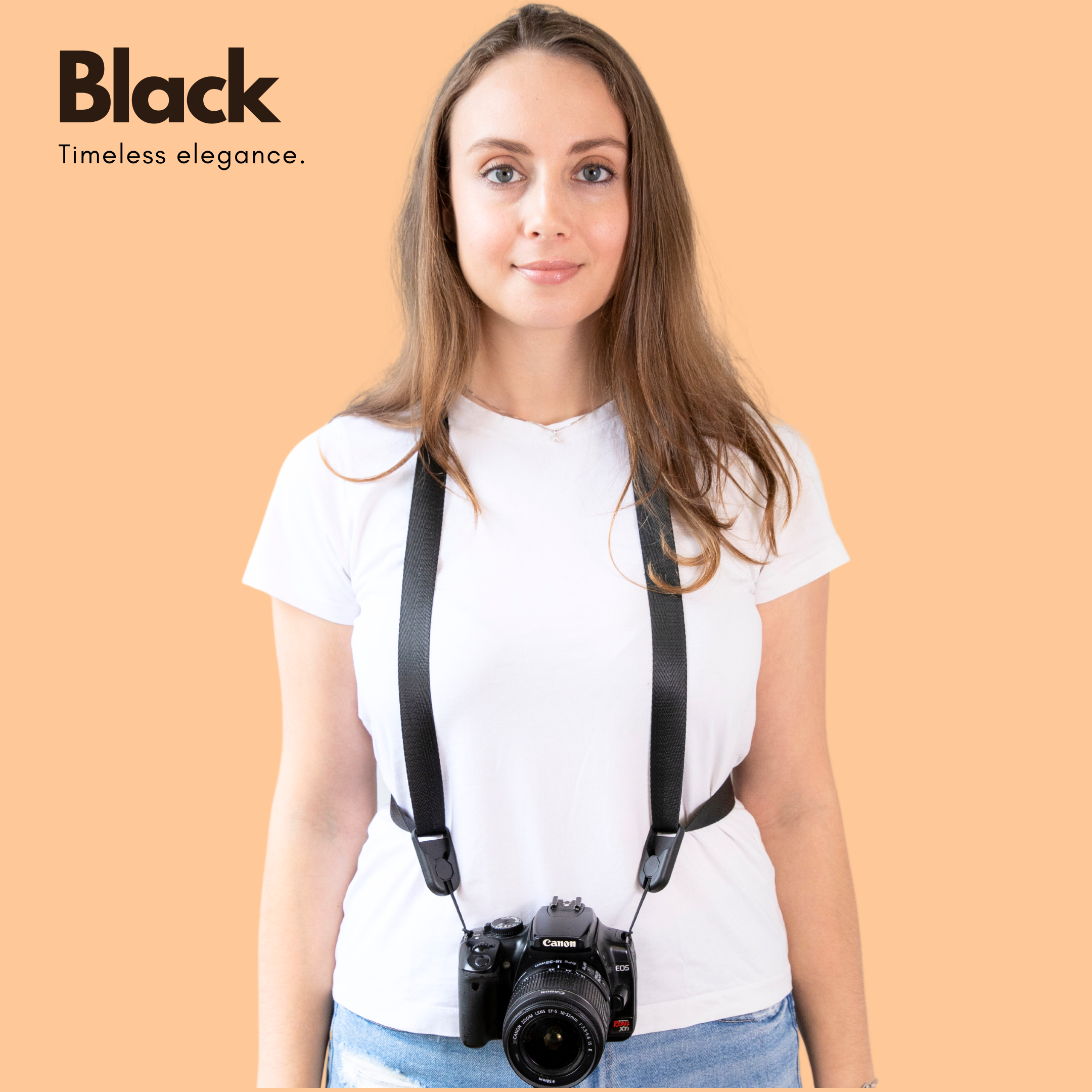
Canon’s practical guidance fits this mindset well. It recommends continuous burst shooting and high shutter speeds when the moment is brief and hard to repeat.
A fast aperture also helps in dim streets, where you may need f/2.8 or f/1.8 to keep shutter speed high. In bright daylight, Canon’s street-portrait example used 1/2000s at f/2.8 and ISO 100, which shows how much room you gain from light.
For a small but real edge, shoot with a clear plan for the first frame, the middle frame, and the exit frame. That habit keeps your attention on the story instead of the settings. When a street story starts unfolding, shoot the clue, the turn, and the release. If the moment is moving fast, stay at 1/250s or faster, keep AF-C on, and watch the frame edges for one last detail before you move on.
Frequently Asked Questions
What is focus in photography?
Focus in photography is the part of the image that appears sharpest and draws the viewer’s eye first, usually around one main subject and a clean edge of detail. In street photography, focus determines where the story lands, and a sharp hand, eye, or sign can turn a loose scene into a clear picture.
Why was Sally Mann controversial?
Sally Mann was controversial because her photographs of her children included nude and intimate family scenes that many viewers found provocative. Her work also drew criticism for pushing boundaries around childhood, privacy, and the representation of the body.
What is the 20 60 20 rule in photography?
The 20 60 20 rule in photography is a composition guideline that divides attention across a frame so roughly 20% is the subject, 60% is supporting context, and 20% is negative space or balance. It is used to create structure and keep the subject clear without losing environmental context.
What key skills do photographers need?
Photographers need the ability to read people, light, and motion at the same time, then decide what deserves attention. Strong timing, quick reaction, composition, and control of focus and shutter speed are key skills for capturing a street story as it unfolds.


