


- Use exposure to control how much light shapes your photo.
- Best exposure is the one that preserves highlights and usable detail.
- ISO boosts brightness; it is not exposure itself.

Camera exposure is the balance of light hitting the sensor, and it shapes the final photo. For a full day around town, I pack light, keep the camera within reach, and skip gear that slows me down. City light changes fast. One block may be washed in hard sun, the next may fall into deep shade, and a quick stop can turn into a frame worth grabbing.
Shop the setup

- Regular price
-
€42 - Regular price
-
€44 - Sale price
-
€42
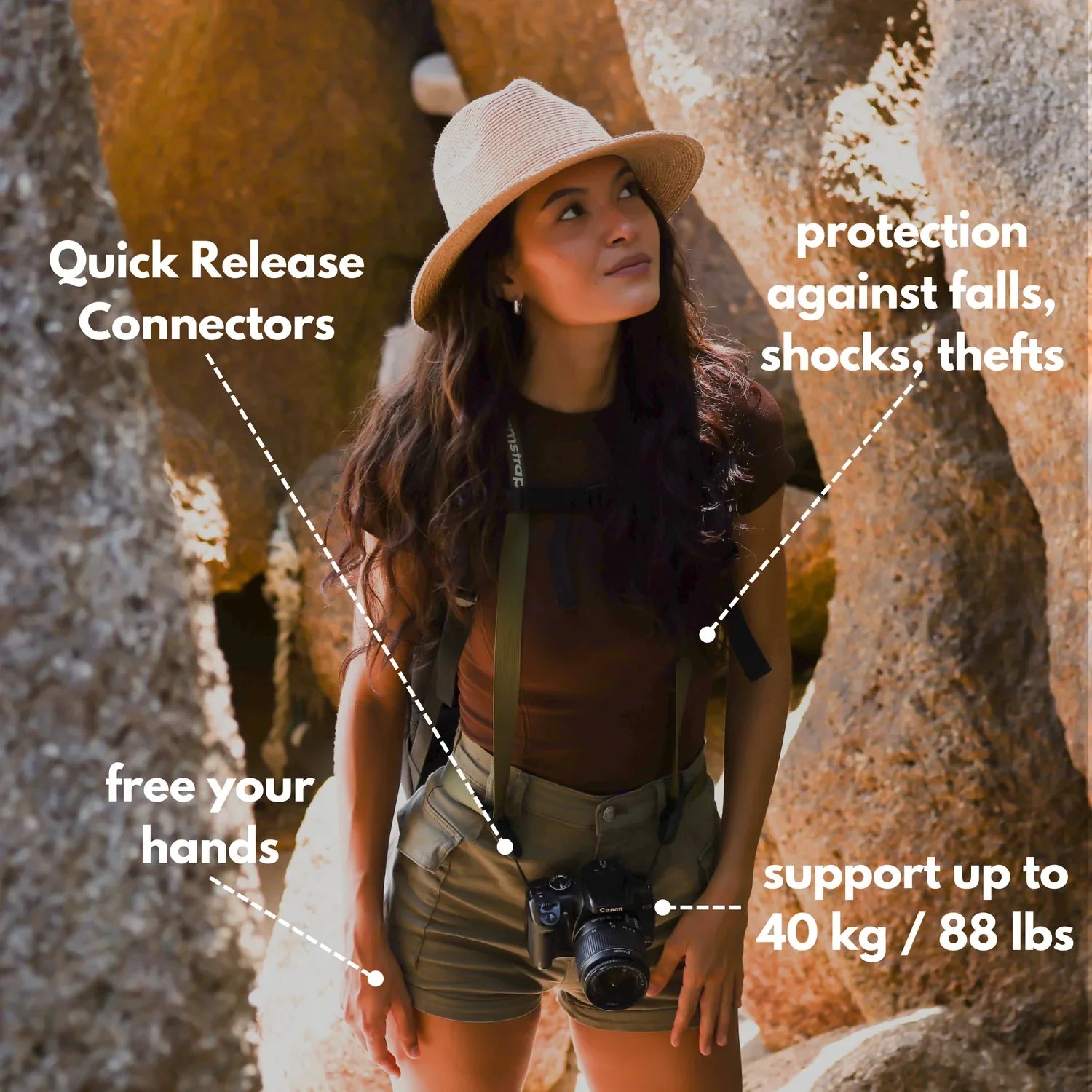
By choosing the Camstrap strap, you are opting for a high-quality product designed to meet the needs of the most demanding photographers.
- Developed by a physiotherapist to relieve neck and back pain.
- Fast delivery with tracking by the Post Office 🚚
- Can be used as a shoulder strap or hands-free harness

- Regular price
-
€36 - Regular price
-
€42 - Sale price
-
€36
Free shipping included
Why I keep my town bag small
My aim is to stay ready without feeling weighed down. A heavy bag makes me leave the camera at home; that is the real setback.
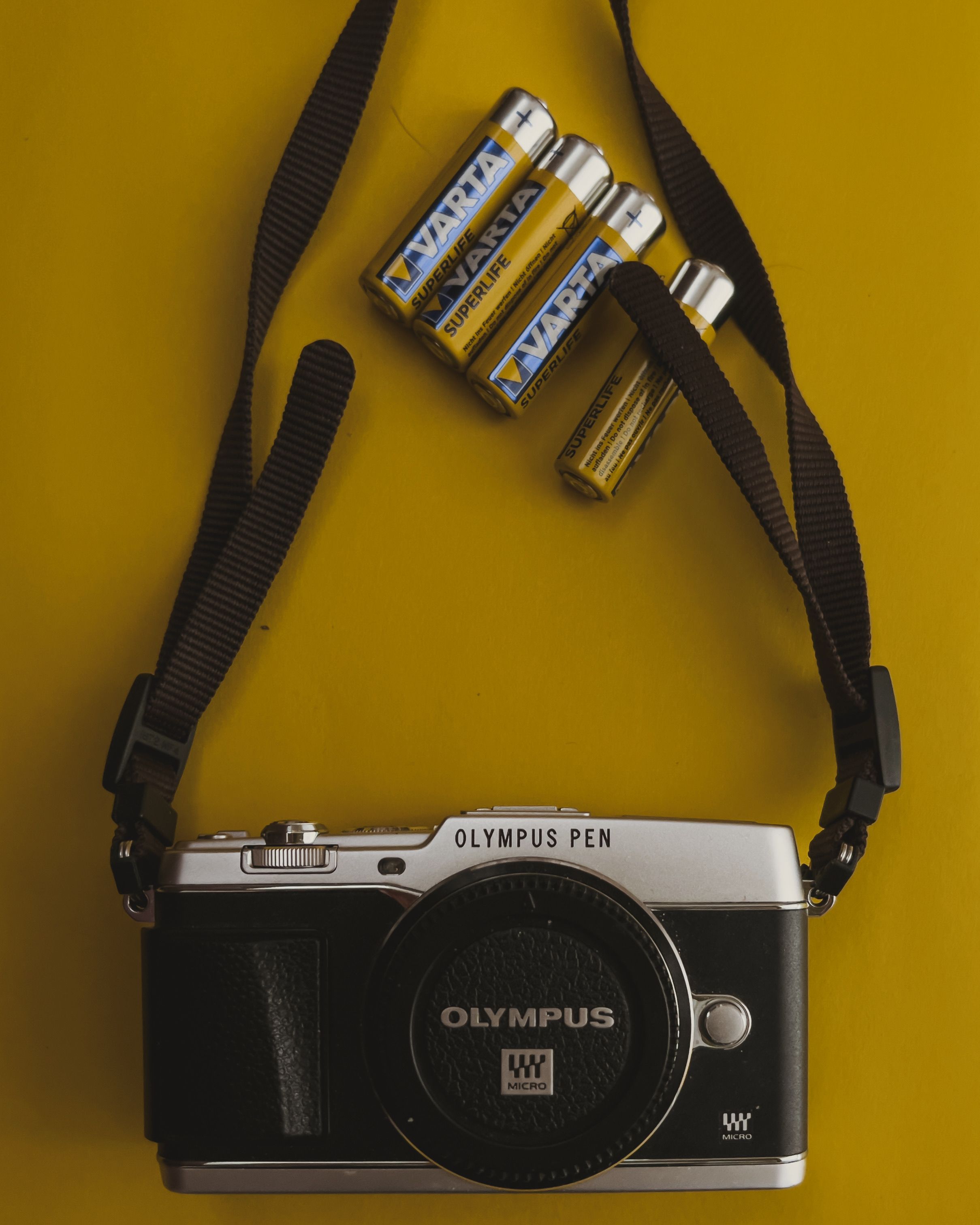
For a long day out, I want gear that handles walks, errands, coffee stops, and sudden scenes. Keeping it close also helps, because missed moments usually happen while I am rooting around in a bag.
The core items I keep with me
- One camera body with a normal zoom or a small prime lens
- One spare battery
- One card with enough space for RAW files
- A microfiber cloth
- A compact strap or carry system
I keep the kit lean on purpose. A 35mm or 50mm lens usually covers streets, signs, people, and small scenes. If I want more reach, I may bring a 50mm to 85mm lens, but only when I already know I will use it.

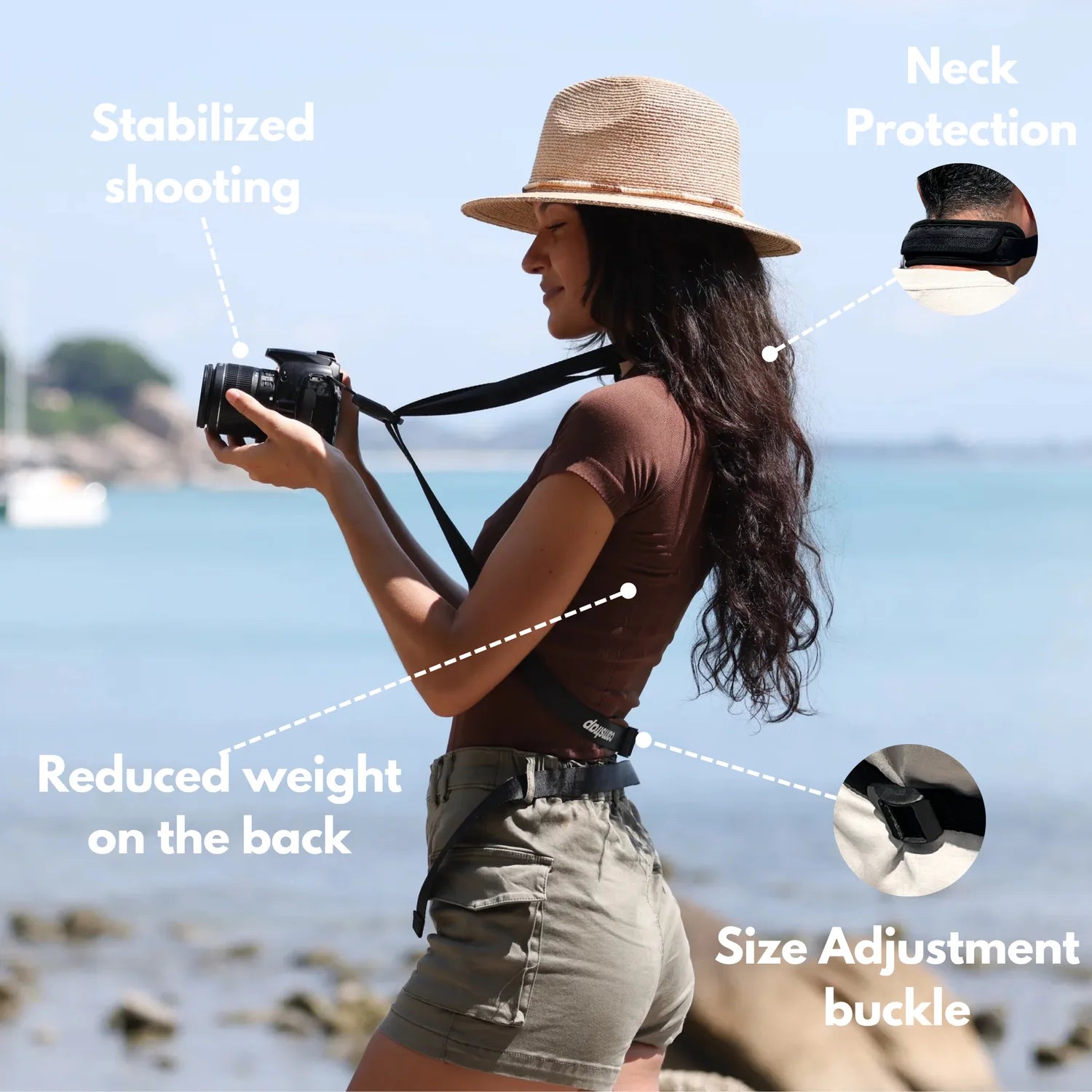
A good strap helps more than many people expect. A setup like the Camstrap voyager keeps the camera steady and quick to grab, which pays off when I am moving from block to block.
What I pack before I leave
Most days start with the same core items, then I adjust for weather and light. That keeps the bag fast to check and easy to carry.
- Camera body with battery inserted
- One lens on the camera
- Spare battery in an easy pocket
- Memory card with room left on it
- Cloth for dust, rain, or fingerprints
- Small bottle of water if I expect a long walk
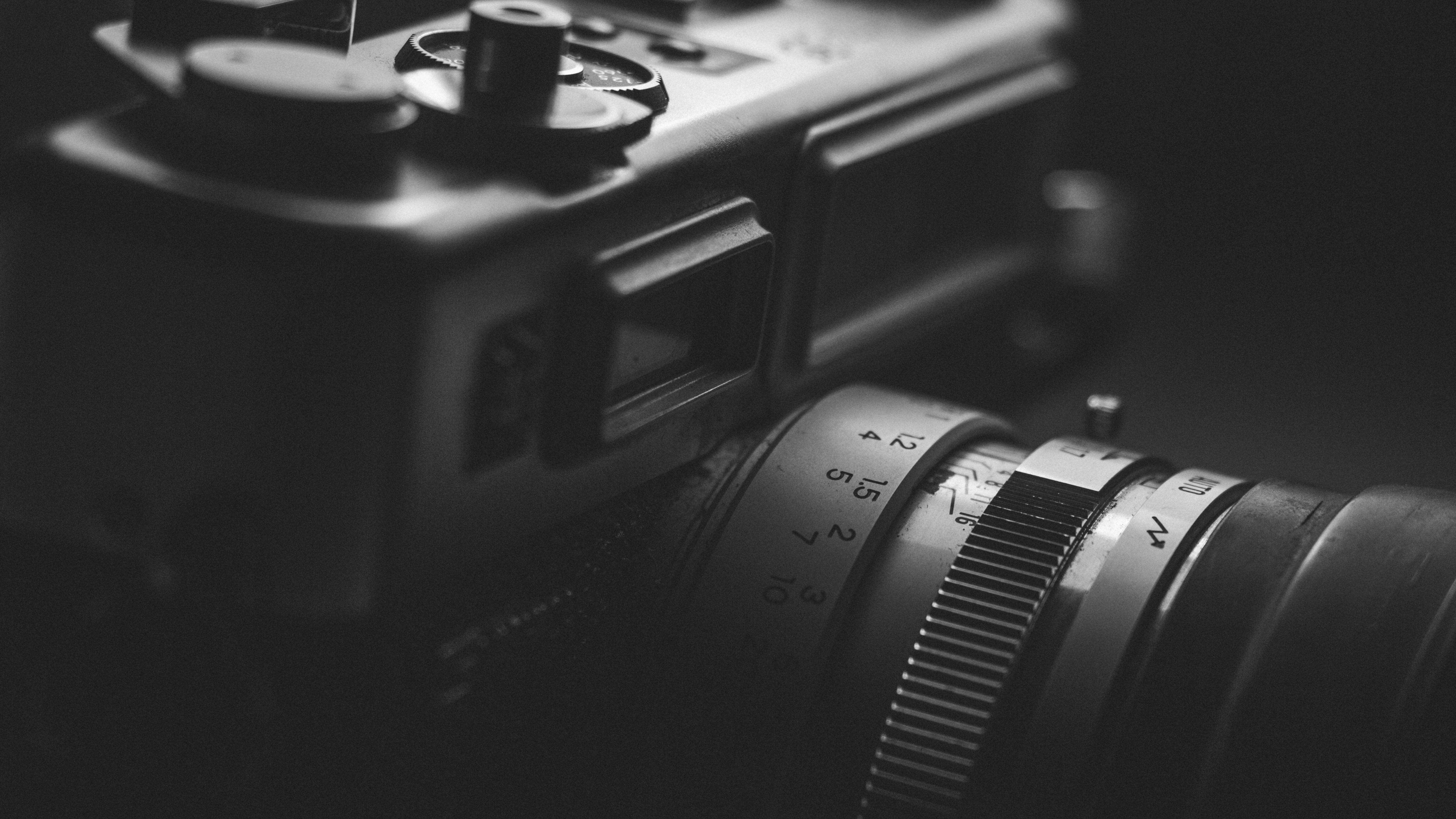
The lens I choose changes the day. A 35mm lens gives me a natural view and works well in tight streets. A 50mm lens gives a cleaner look and separates a subject from the background.
I check the card before I head out. For RAW shooting, a UHS-II V60 or V90 card clears the buffer faster than UHS-I, especially on newer bodies. That helps at a stoplight, a market stall, or a crosswalk when I fire off a few quick frames.
How I keep the camera ready for quick moments
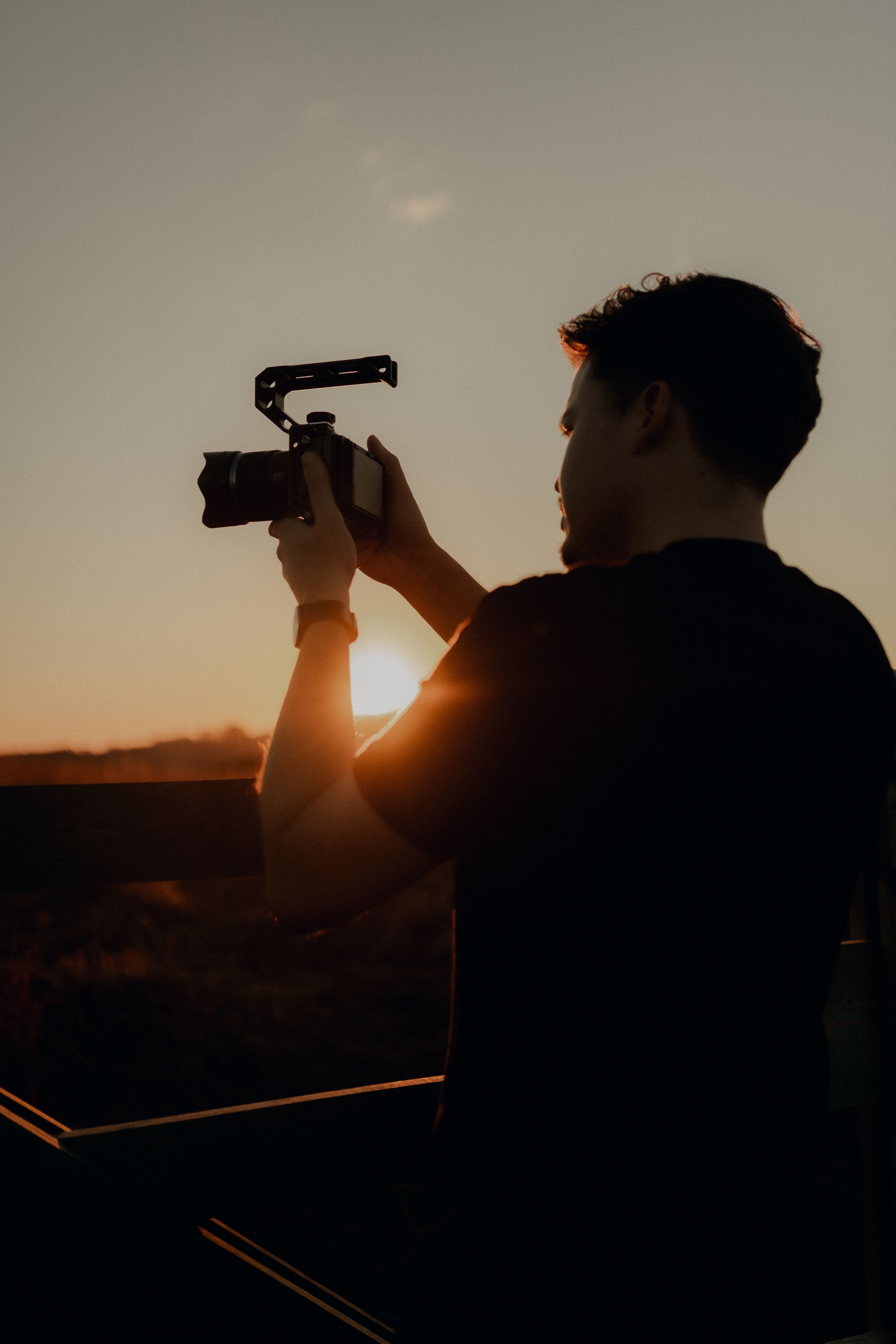
I set the camera up for speed before I step outside, which keeps me from fighting menus while the scene changes. My default is aperture priority or manual exposure, depending on how steady the light feels. In mixed city light, I often use f/2 to f/2.8, auto ISO, and a minimum shutter speed near 1/250s for people and street scenes.
My day-out camera setup
- Mode: aperture priority or manual
- Aperture: f/2 to f/2.8 for low light and subject separation
- Shutter speed: 1/250s or faster for moving people
- ISO: auto, with a limit that fits my camera’s clean range
- Focus: continuous AF (AF-C / AI Servo)
- Drive: single shot or short burst, depending on the scene
For focus, I use eye or subject detection when the camera offers it. Back-button focus helps too, because it keeps focus control separate from the shutter.
Many mirrorless bodies also offer pre-capture or pre-burst buffering. The feature saves frames from just before full press, which can rescue a shot when a cyclist enters the scene or a child turns around fast.

What exposure means on a camera
Exposure is the amount of light that hits the sensor and determines the brightness of the image. Shutter speed, aperture, and ISO work together to set it. I think of it as a three-way balance. Open the aperture, slow the shutter, or raise ISO, and the image gets brighter.
For a day in town, that balance shifts constantly. Bright sidewalks can push me toward 1/1000s and ISO 100, while shaded alleys may need f/2 and ISO 800 or higher.
Which exposure works best on a camera?

The best exposure fits the scene and protects the detail I want. No single setting works for every stop, street, or sky.
I aim for a file that saves the highlights first, because blown skies and bright signs are hard to fix. In harsh light, I may underexpose a little and lift the shadows later.
Watching the histogram helps more than staring at the screen. A bright phone display can mislead you, while the histogram shows whether the image is clipping on the right side.
Is ISO the same as exposure?
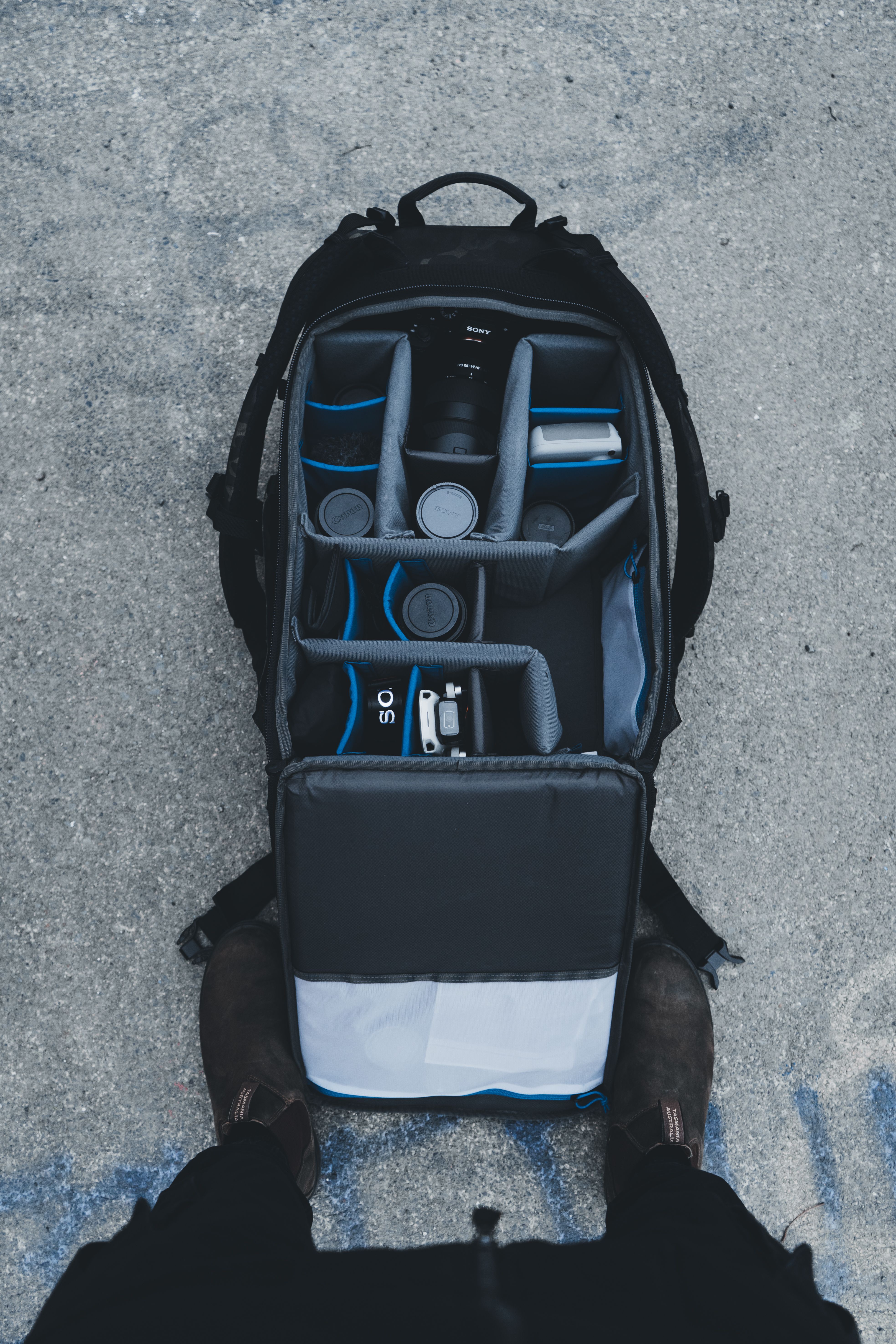
ISO is not the same as exposure. It changes how bright the image looks after light reaches the sensor, while exposure also depends on shutter speed and aperture. On the street, that difference shows up quickly. Moving from ISO 400 to ISO 1600 can help in shade, but it will not freeze motion by itself.
I treat ISO as the last piece of the puzzle. If I can hold 1/250s and keep the aperture wide enough, I do that first, then raise ISO only as needed.
What does a higher exposure mean?
Higher exposure means more light reaches the sensor, so the image looks brighter. It can come from a slower shutter, a wider aperture, or a higher ISO.
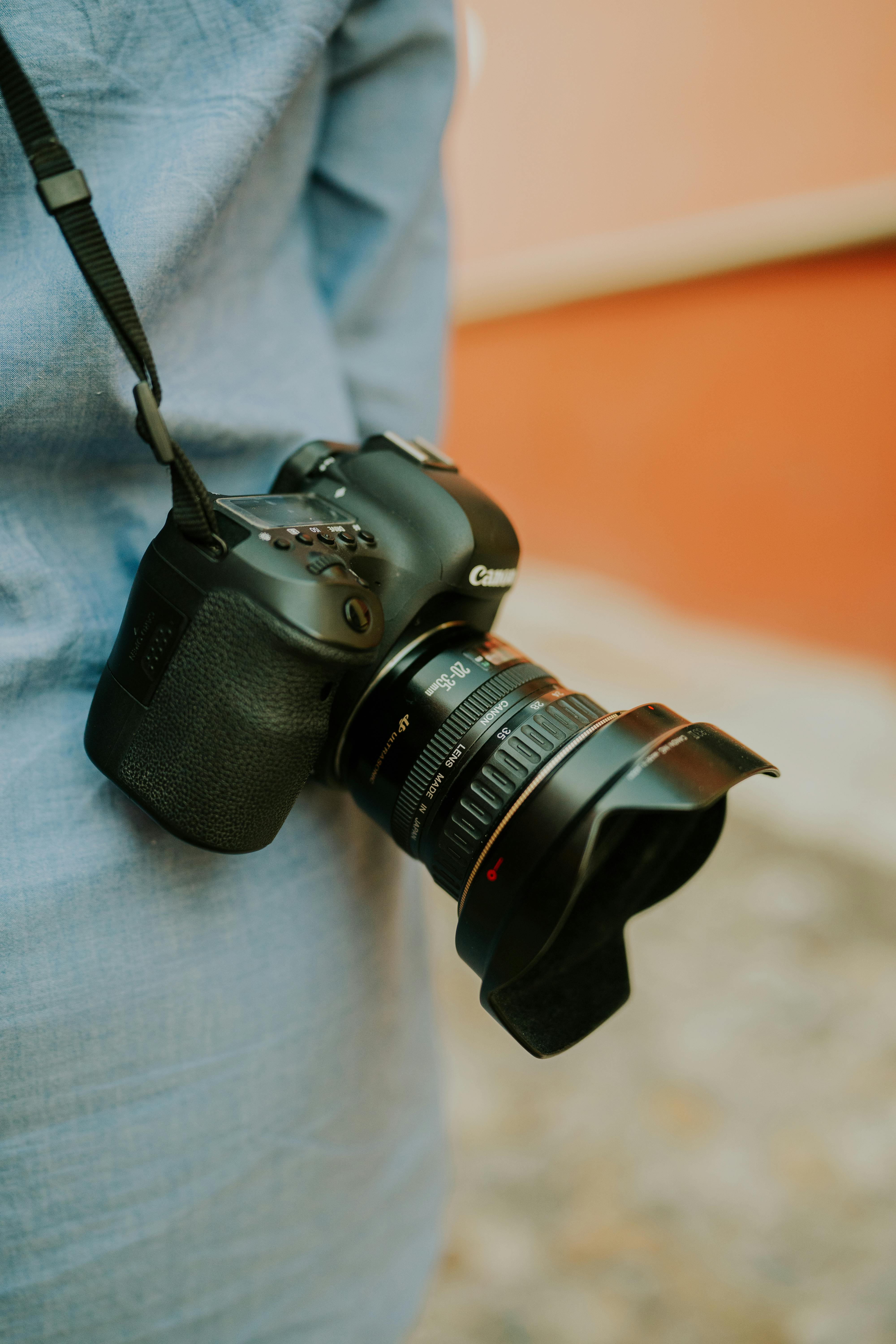
That extra light helps in dim rooms, under awnings, or at dusk. Too much of it can blow out skin, clouds, or white walls in the city.
Used well, higher exposure can also make moving subjects easier to handle. A wider aperture like f/2 lets me keep 1/500s, which helps when someone turns or walks fast.
Gear details that make a full day easier
The small choices show up most after hour three. A camera that hangs badly, a card that writes slowly, or a battery that dies early can drag the day down. I prefer cards with faster write speeds because they help after a short burst. On a mid-tier body, a buffer of roughly 20 to 40 RAW frames is common, and the card speed affects how fast that buffer clears.
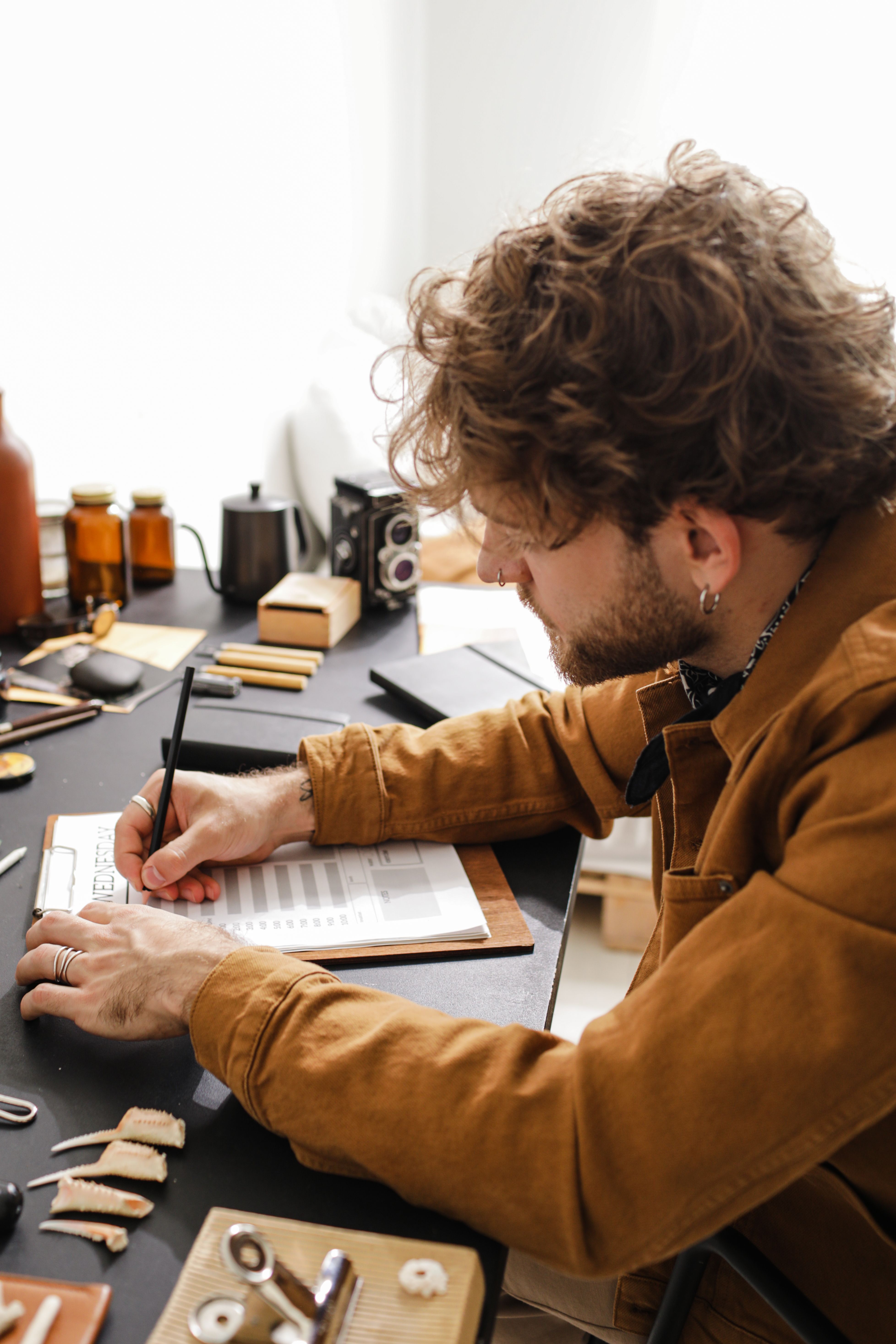
Useful specs I look for
- Lens around 35mm, 50mm, or 85mm for easy framing
- A battery with enough charge for EVF and LCD use
- UHS-II V60 or V90 cards for faster RAW writes
- Continuous AF with eye or subject detect
- Pre-capture if I expect sudden action
Screen use also drains power fast on mirrorless bodies. The big drain is often the EVF or LCD left on for long stretches, plus review after each shot.
I keep review time short and brightness at a sensible level. One spare battery covers my usual day, but a very long outing may need a second spare.
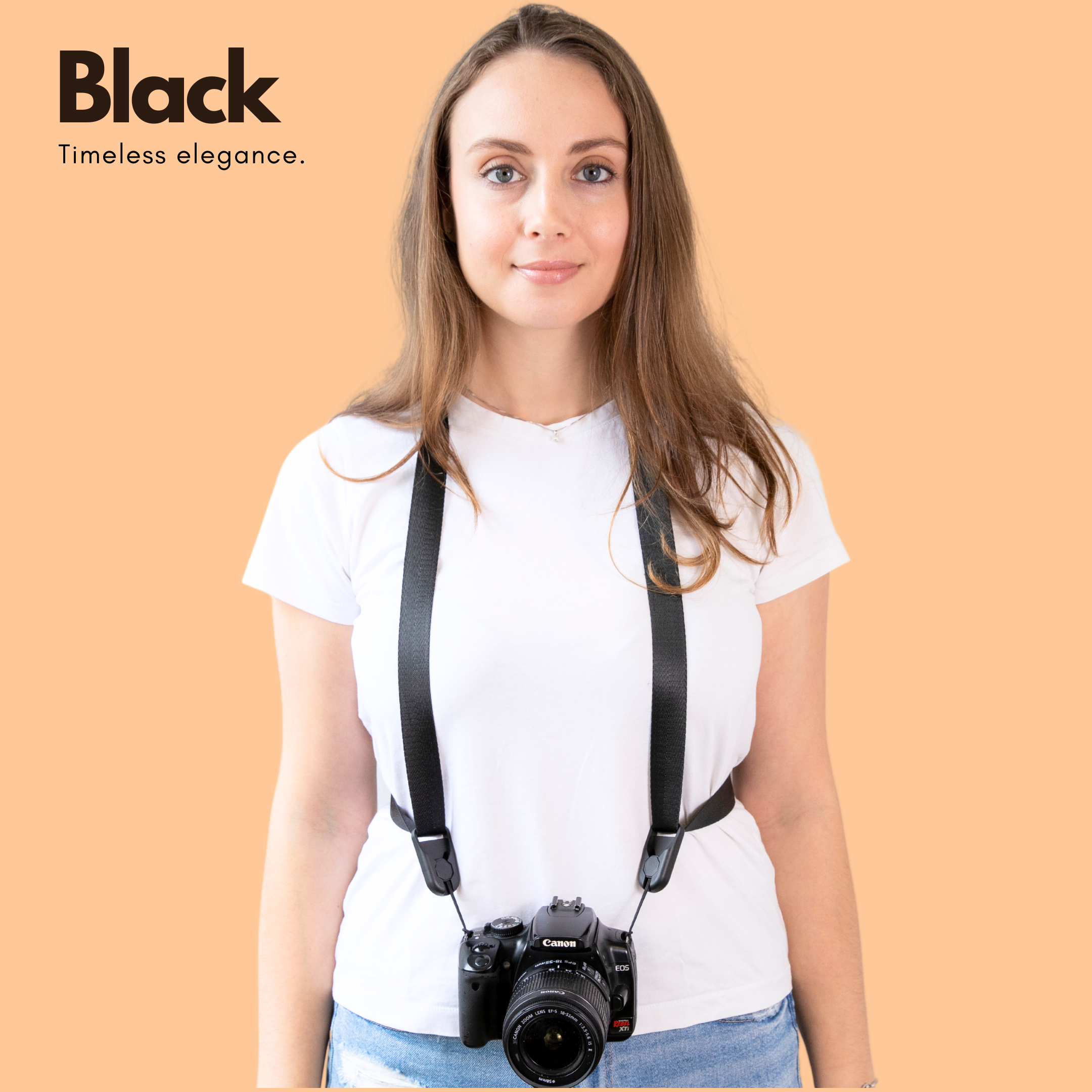
How I carry the camera without getting in the way
I want the camera to feel present, not irritating. If I have to stop and dig for it, I miss too much. A good carry system lets me walk, buy lunch, and lift the camera fast. I also like a strap that spreads weight well, since it helps on long stretches and keeps the body from swinging into my side.
One practical rule helps here: if the camera feels uncomfortable at the start, it will feel worse by noon. That is why I test the carry setup before a full day out.
My simple check before I step outside
I run one quick check before leaving, and it saves me from plenty of small problems. It takes less than a minute.
- Battery charged
- Card cleared and seated
- Lens clean enough for the day
- Mode set for the light I expect
- Strap or carry system adjusted
After that, I stop thinking about the kit and start paying attention to the street. That is the point of packing well.
For me, the best town kit is the one I forget about once I leave home. When the camera is easy to carry, easy to reach, and set up for quick changes in light, I shoot more and stress less.
Frequently Asked Questions
What is exposure on a camera?
Exposure is the balance of light hitting the camera sensor. It determines how bright or dark the final photo appears.
What is the best exposure for a camera?
The best exposure is the one that matches the scene and the intended look of the photo. A correctly exposed image has enough detail in highlights and shadows without unwanted clipping or darkness.
Is ISO the same as exposure?
ISO is not the same as exposure. ISO is one part of exposure control, alongside aperture and shutter speed, and it changes the sensor’s sensitivity to light.
What does a higher exposure mean?
A higher exposure means more light reaches the sensor, making the image brighter. Too much exposure can overexpose the photo and lose highlight detail.


