


- Pack a mirrorless body, one prime lens, one spare battery, and one card.
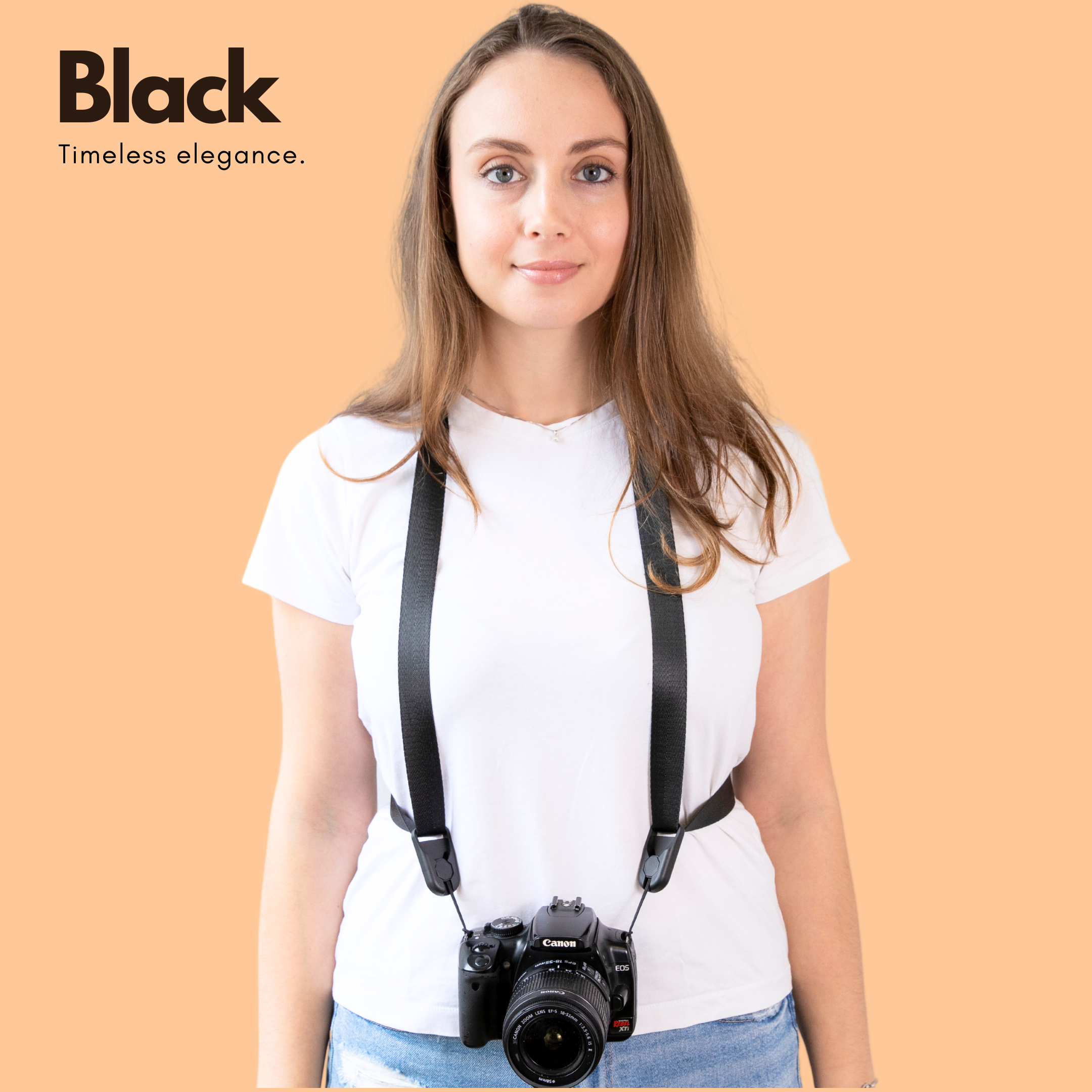
- Use a chest strap or carrier to keep the camera ready, hands-free, and stable.
- Choose a small 35mm or 50mm setup for the lightest, fastest city walk kit.

An everyday carry camera setup is a compact, ready-to-shoot kit that keeps a camera close, protected, and quick to use on walks and short trips. Mine is built for easy access, low strain, and fast shots on busy streets. City walks move quickly. Trains, crosswalks, cafés, and side streets all create brief openings, so the gear has to stay out of the way and still be ready.
Translation missing: en.blog_cta.bundle_heading

- Regular price
-
€42 - Regular price
-
€44 - Sale price
-
€42
By choosing the Camstrap strap, you are opting for a high-quality product designed to meet the needs of the most demanding photographers.
- Developed by a physiotherapist to relieve neck and back pain.
- Fast delivery with tracking by the Post Office 🚚
- Can be used as a shoulder strap or hands-free harness

- Regular price
-
€36 - Regular price
-
€42 - Sale price
-
€36
Translation missing: en.blog_cta.free_shipping_included
What belongs in a lightweight camera day-out kit?
A lightweight day-out kit should cover the shot, power, and carry plan. I keep the body simple, the lens useful, and everything else as light as possible.
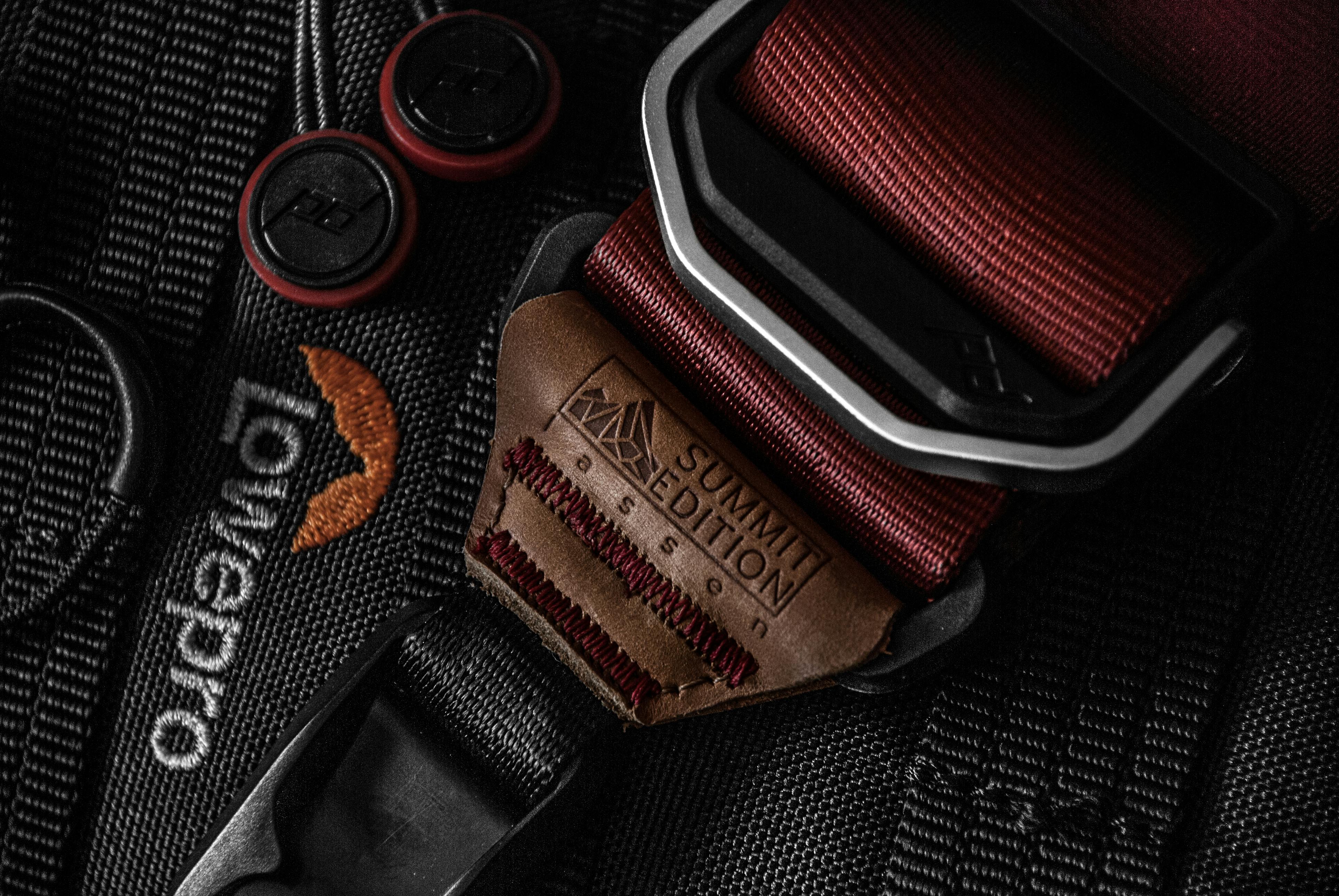
For most city days, a mirrorless body with a 35mm or 50mm lens does the job. A 24–70mm zoom covers more scenes, but a small prime often feels better on long walks because it stays slim and fast.
A practical load for moving through the city
My light kit usually starts with these items:
- Camera body with eye detection on
- One lens, often 35mm f/2 or 50mm f/1.8
- One spare battery
- One memory card, often UHS-II if the body supports it
- Lens cloth in a pocket
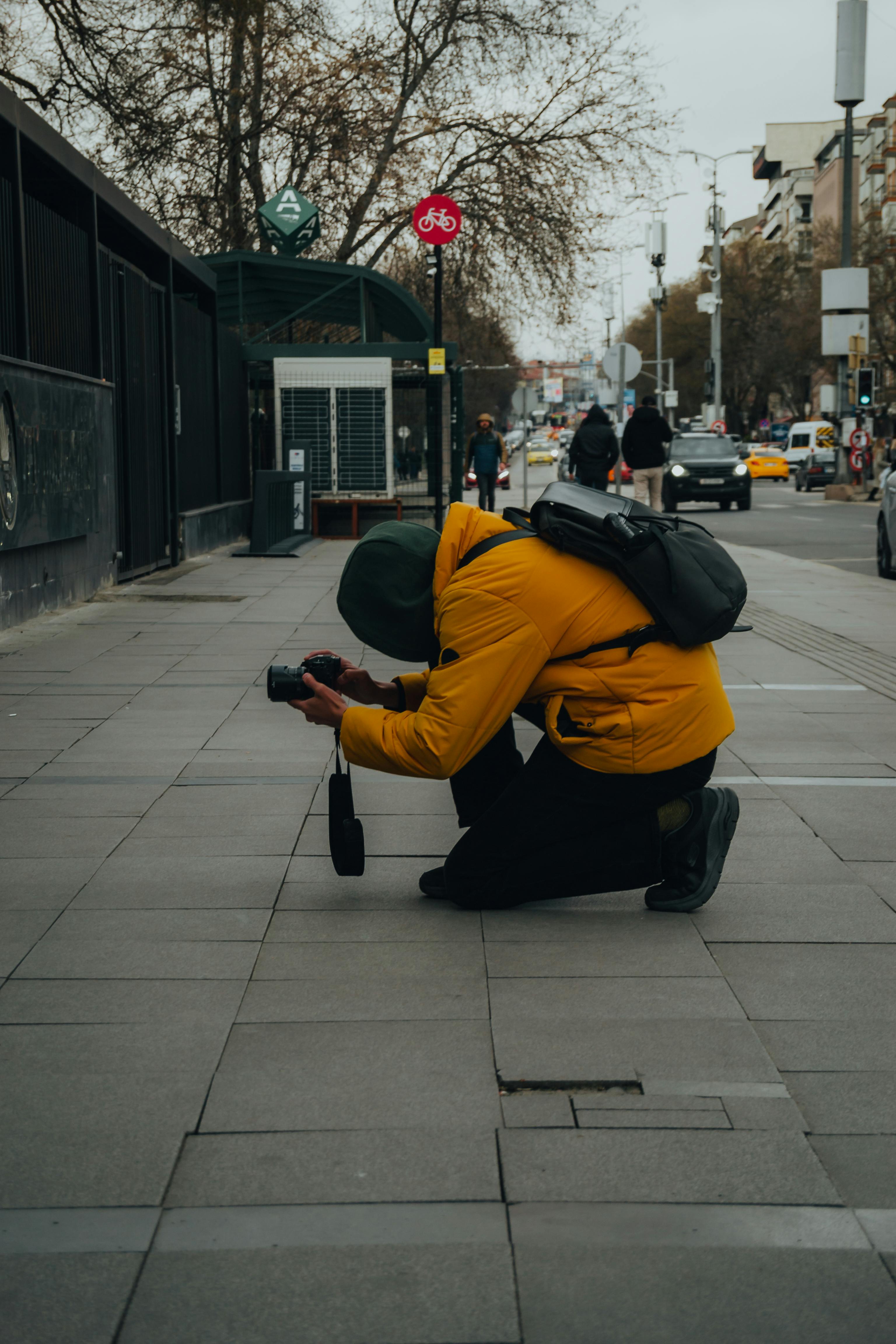
That mix keeps the bag small and the camera easy to grab. A spare battery helps because mirrorless bodies chew through power faster with the EVF or rear screen active. For this kind of day, I skip heavy extras unless I know I need them. A flash, big zoom, or second body can turn a relaxed walk into a chore.
How can I keep a camera easy to reach without holding it all day?
A chest carry keeps the camera within reach without making your arms do the work. The body hangs in front of you, so you can lift it in one move and shoot before the moment passes.
This is where a strap or carrier system earns its keep. A good chest setup spreads weight across the upper body and keeps the camera from swinging into your side.
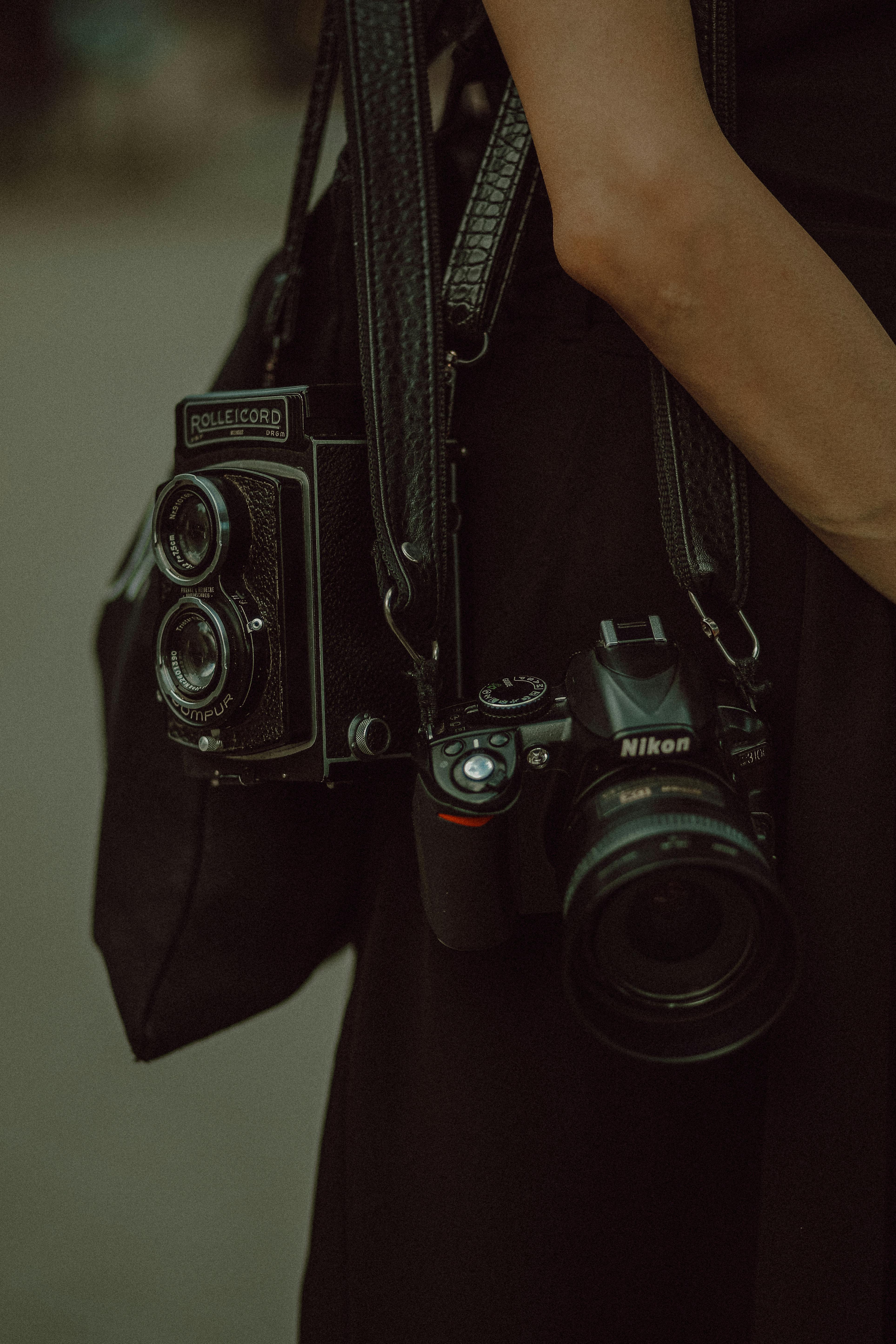
Why chest carry feels easier on busy streets
Hands-free carry helps in crowded places because the camera stays stable and close. It also lowers the chance of bumping shop fronts, railings, or passing people. Camstrap explorer is one thoughtful option. It sits close to the body and keeps the camera from flopping forward during a walk, which makes quick lifts feel smooth when you want the camera ready but still out of your hand.
For extra ease, I leave the lens cap off once I start shooting. Between scenes, I switch the camera off, then turn it back on just before I lift it.
Which camera setup works best for walking around a city?

The best street setup starts fast and stays simple. A small body, one lens, and autofocus that can find a face or eye cover most city scenes well.
Continuous AF with eye or subject detection does the heavy lifting here. It helps when people turn, step, or move through shade, and it saves time when light changes quickly.
Settings that fit street movement
For people in motion, I start around 1/500s and open the lens between f/2 and f/2.8 when light allows. If the scene gets dim, I raise ISO instead of slowing the shutter too much. That choice keeps motion blur under control. At night, a wide aperture can shrink depth of field, so focus needs to stay on the nearest eye or face.
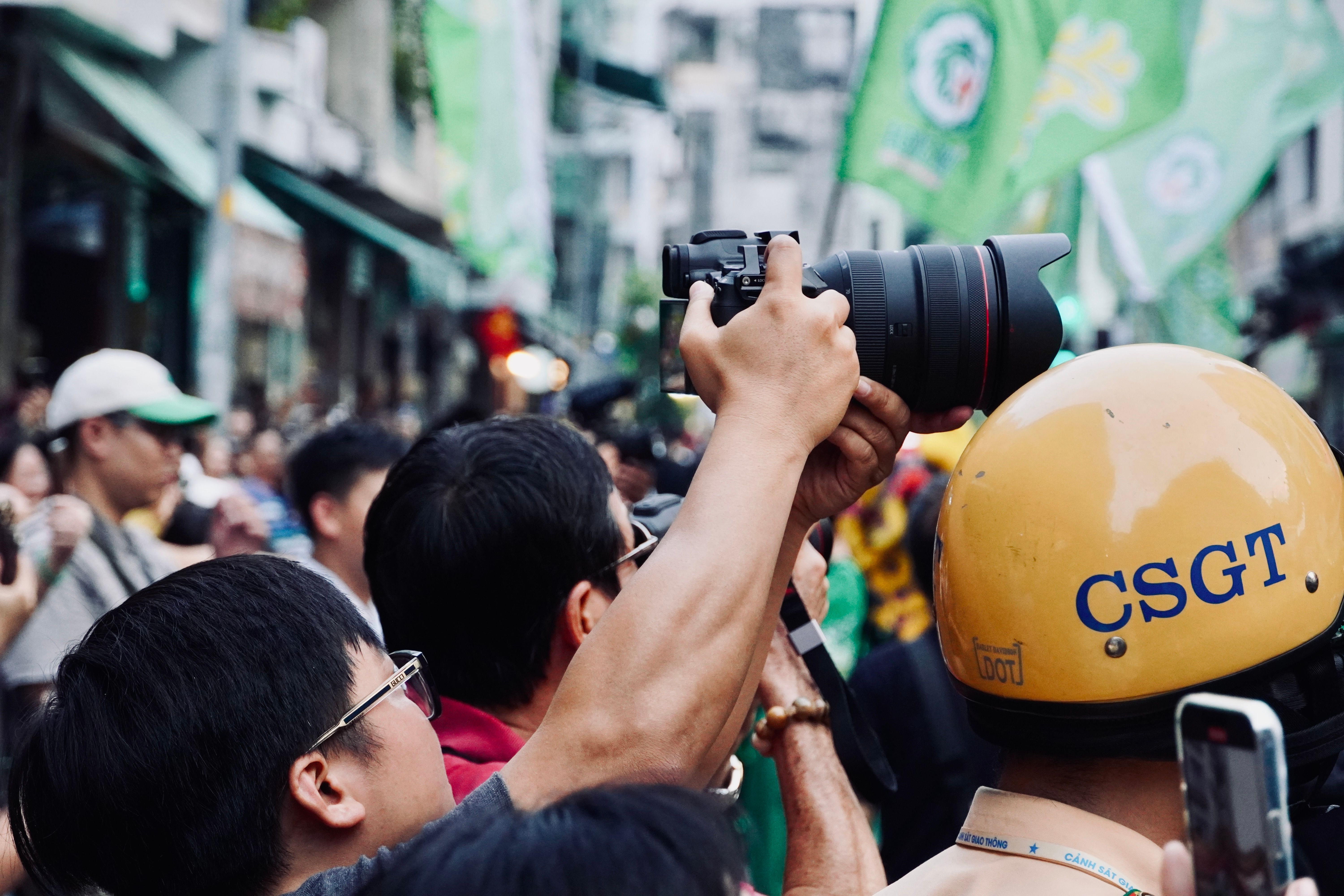
For frame rate, about 10 fps mechanical works well for most walking scenes. Electronic modes can go far higher, often 20–40 fps, but they may show rolling-shutter skew or LED banding under some lights.
Buffer depth also matters. A mid-tier body may handle a short burst of a few frames with ease, then slow after roughly 20–40 RAW frames, while JPEG usually lasts longer. UHS-II cards help clear the buffer faster, and V60 or V90 cards make more sense than UHS-I when the body can write that fast.
Small choices that keep the kit nimble
- Use back-button focus for quick recomposing
- Set a silent or quiet shutter for museums and cafés
- Turn off long image review while walking
- Use a single custom mode for street days

Back-button focus helps because it separates focus from the shutter press. That makes it easier to pre-focus on a doorway, then fire when someone enters the frame.
How do I keep my neck from getting sore on long photo walks?
Neck strain drops when the camera’s weight moves off the back of the neck. Chest carry helps because it spreads load across the shoulders and upper torso, which feels steadier over several hours.
A wide strap or well-shaped harness makes a bigger difference than people expect. Thin straps dig in faster, especially when a body and lens together pass 1 kilogram.
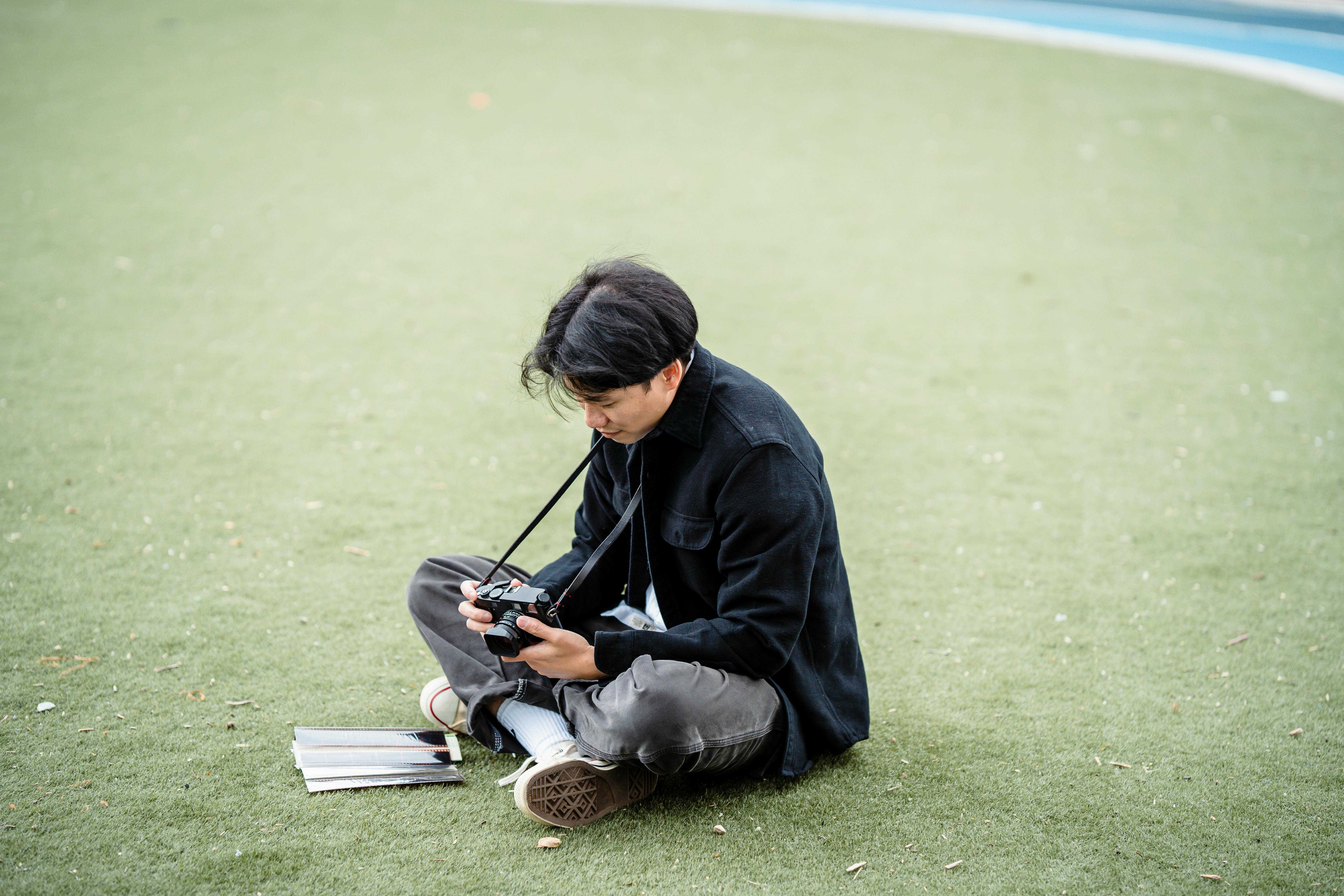
Simple habits that reduce pull and bounce
I keep the camera high enough to clear my belt line, but low enough to rest flat. That position stops the lens from swinging and keeps the camera easy to grab with one hand. Short walk breaks help too. I let the camera rest for a minute when I stop for water, then clip it back into place before moving on.
Screen use matters too. On mirrorless bodies, the EVF and rear LCD drain more power than the shutter itself, so I keep them on only when needed. That small habit saves battery and cuts the time I spend holding the camera up.
What goes in an everyday camera carry kit?

An everyday camera carry kit should solve three problems: access, power, and cleanup. If those parts are covered, the rest of the day feels easier.
I keep the kit lean enough for a pocket or small sling. That way, I can move fast through transit, alleys, parks, and shop lines without digging for tools.
- Camera with a charged battery inside
- One spare battery
- One memory card in the body and one spare
- Microfiber cloth for rain, dust, or fingerprints
- Small lens hood if glare is a problem
- Phone for notes, maps, and backup framing ideas
I do not pack for every problem at once. Instead, I pack for the most likely ones, which keeps the kit light and the camera ready. If the day may include interiors, I add a faster card and set the camera for quieter work. If the day is bright and outside, I leave the wider lens choice at home and stick with the small prime.

Why does this kind of carry work so well in real life?
This style of carry works because it removes friction. The camera stays close enough to use fast, but far enough from the hands to leave them free.
It also fits the rhythm of a city day. You can ride a train, step into a shop, then lift the camera in one smooth motion when light or motion changes.
The real gain is calm. You know the camera is ready without being in the way. For me, that balance is the point of a chest-clipped setup. It keeps the day light, the kit simple, and the next frame close at hand.
Frequently Asked Questions
What should I carry for a lightweight camera day out?
A lightweight camera day-out kit should include a simple camera body, one useful lens, one spare battery, one memory card, and a lens cloth. For city walks, a mirrorless body with a 35mm or 50mm lens is a strong choice because it stays compact and ready to shoot.
How do I keep a camera accessible without holding it all day?
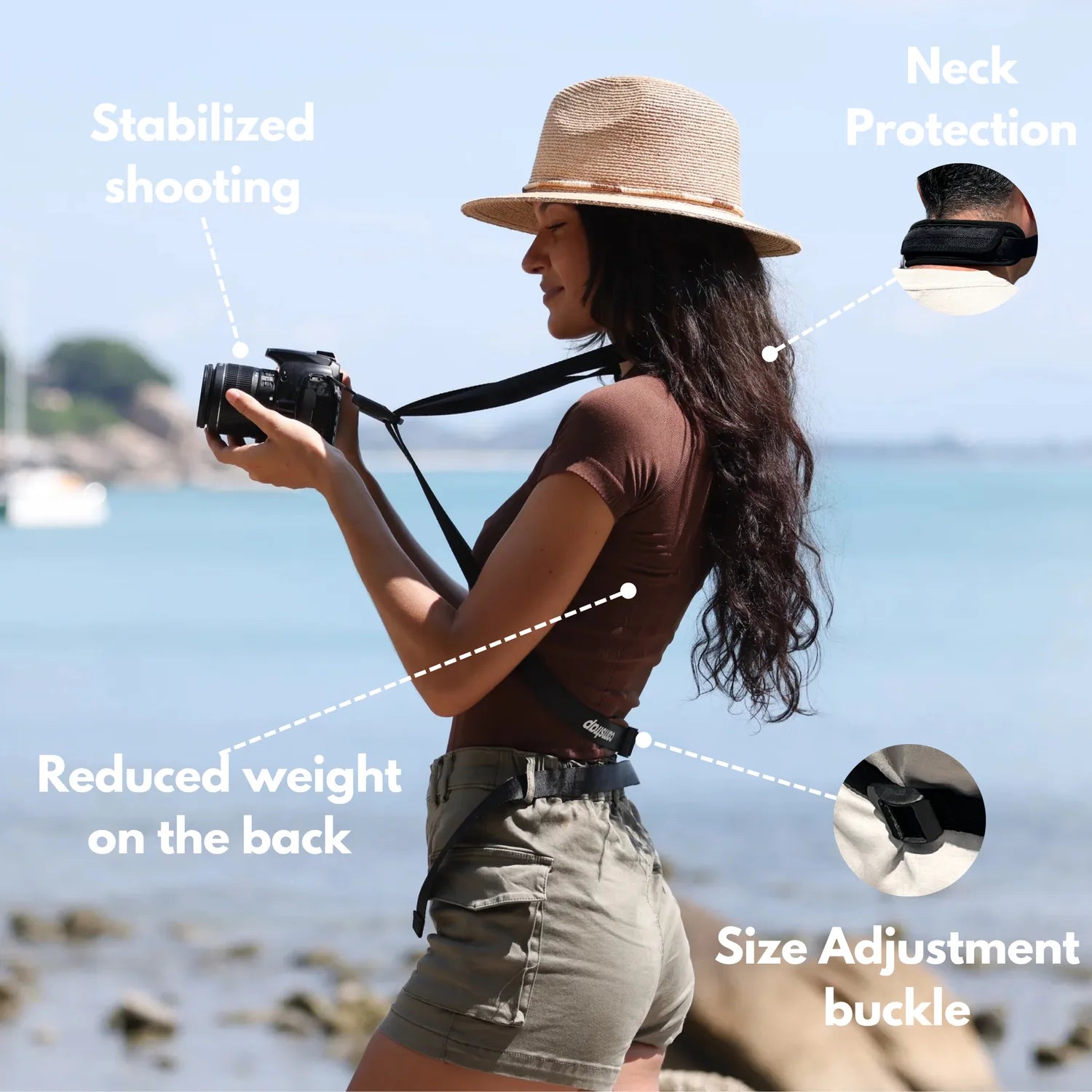
A chest carry keeps a camera close, protected, and within reach without requiring you to hold it all day. A strap or carrier that holds the camera on the chest also spreads weight across the upper body and reduces swinging.
What camera setup works best for walking around a city?
A small body with one lens and continuous autofocus with eye or subject detection works best for walking around a city. A 35mm or 50mm prime is often ideal because it stays slim and fast, while a 24–70mm zoom offers more flexibility if size is less important.
How do I avoid neck strain on long photo walks?
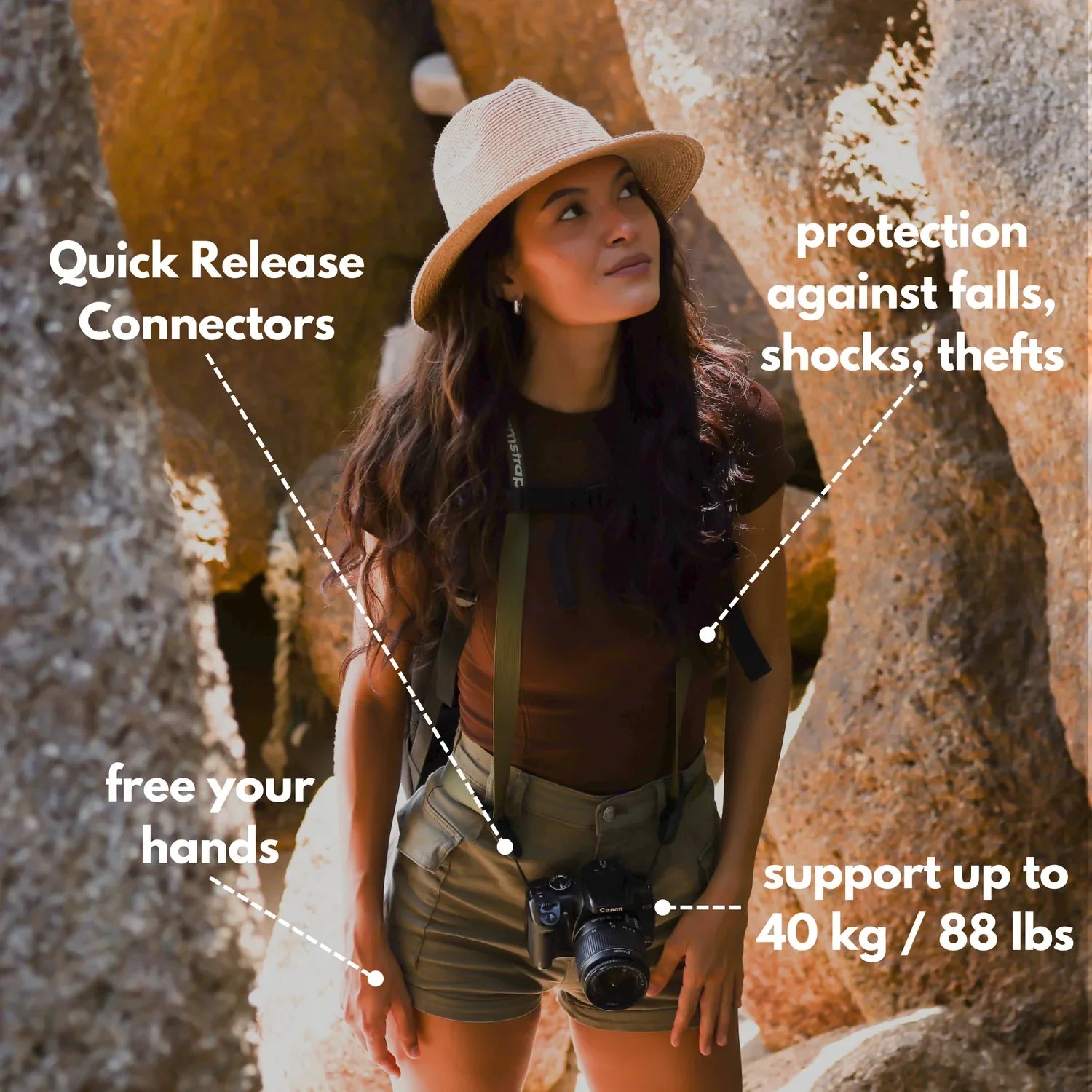
A chest-mounted carry system helps avoid neck strain on long photo walks by shifting weight across the upper body instead of hanging it from the neck. Keeping the camera close to the body also reduces swinging and makes lifting it easier.
What should be in an everyday camera carry kit?
An everyday camera carry kit should contain the camera body, one lens, a spare battery, a memory card, and a lens cloth. For a city day, extra items like a flash, big zoom, or second body are best left out unless they are specifically needed.


