- Arrive 30–45 minutes before sunrise and shoot a pre-scouted route in layers: wide, then tight.
- Use a tripod and expose for the sky to keep early street scenes sharp and balanced.
- Stick to low ISO, a mid aperture, and shade or backlight to dodge harsh summer shadows.
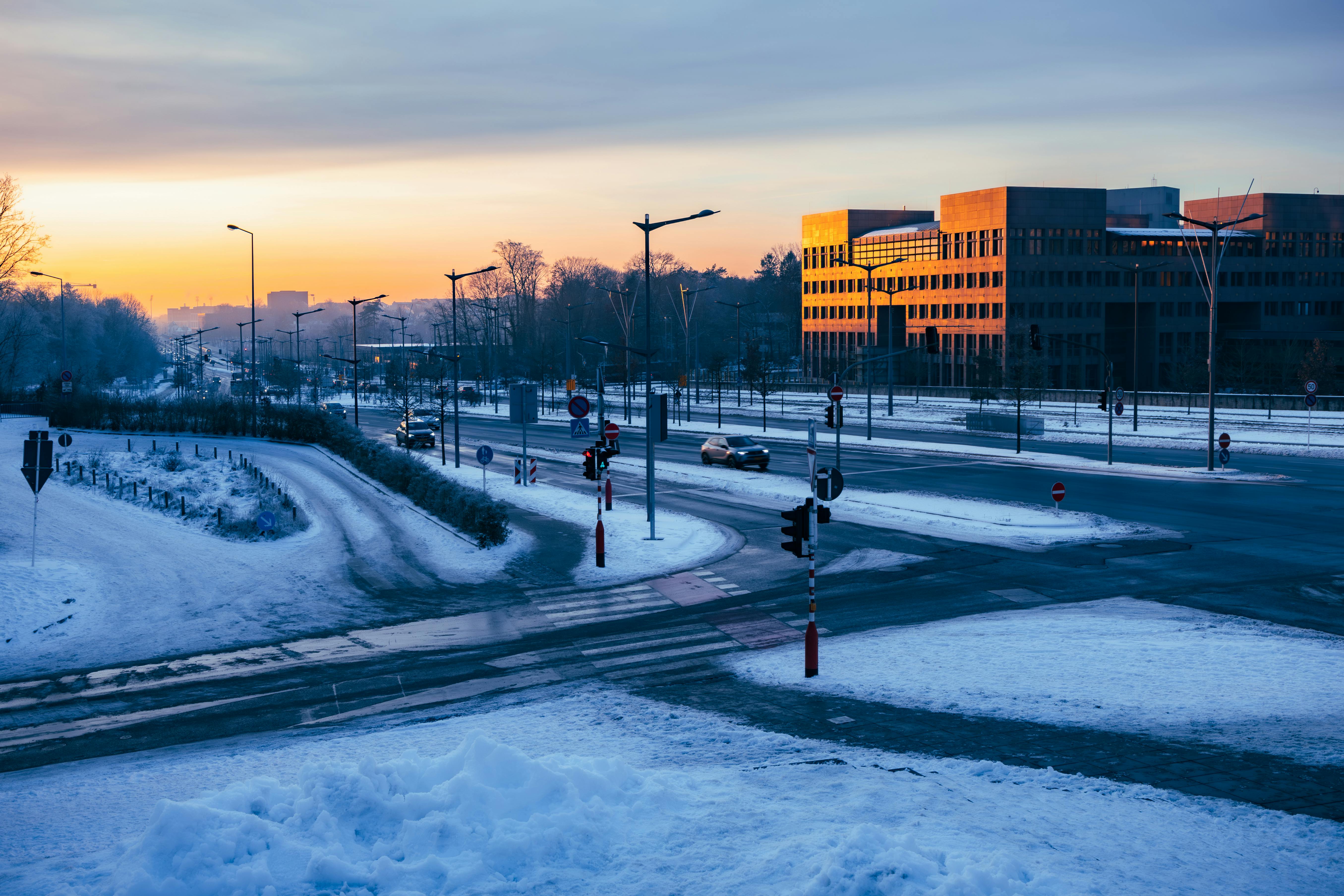
Sunrise city photography means working the streets, buildings, and landmarks in the first light of day, before crowds and hard sun reshape the scene. Early walks leave you with clean lines, soft light, and a quiet mood that disappears fast. The window is brief, so route, camera setup, and carry gear need to work as one. Move quickly and you can still shoot with care.
Shop the setup

- Regular price
-
€42 - Regular price
-
€44 - Sale price
-
€42
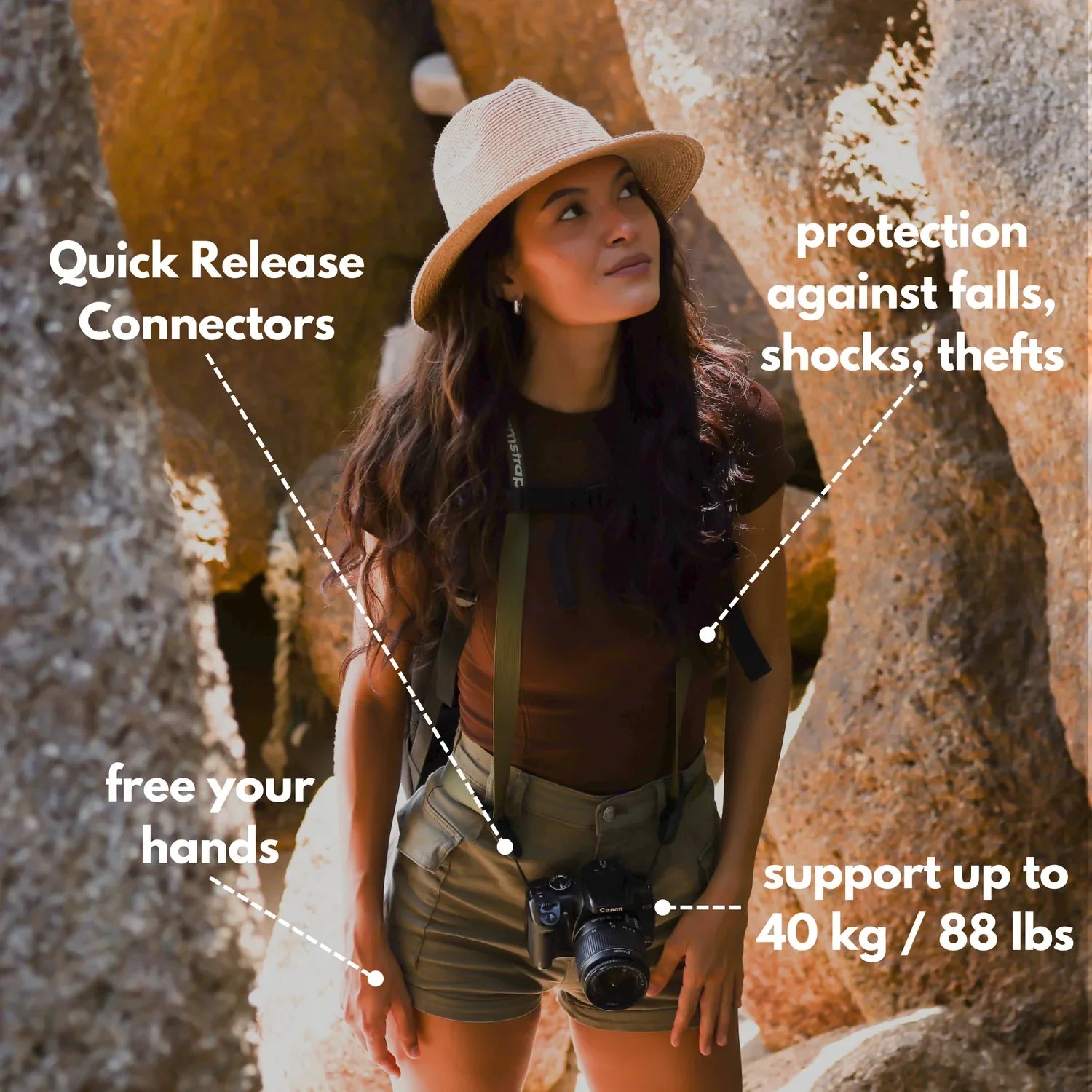
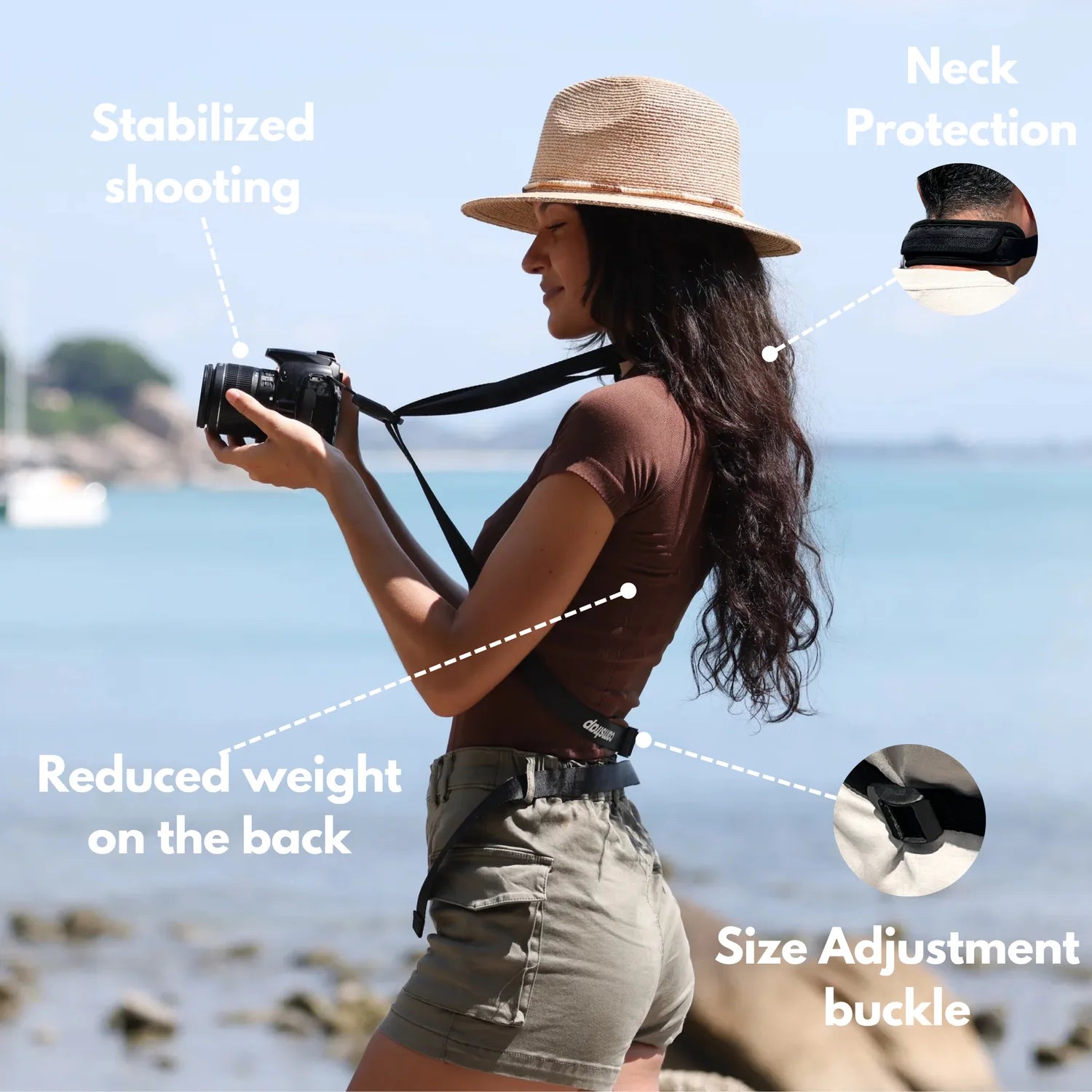
By choosing the Camstrap strap, you are opting for a high-quality product designed to meet the needs of the most demanding photographers.
- Developed by a physiotherapist to relieve neck and back pain.
- Fast delivery with tracking by the Post Office 🚚
- Can be used as a shoulder strap or hands-free harness

- Regular price
-
€36 - Regular price
-
€42 - Sale price
-
€36
Free shipping included
How first light transforms a street
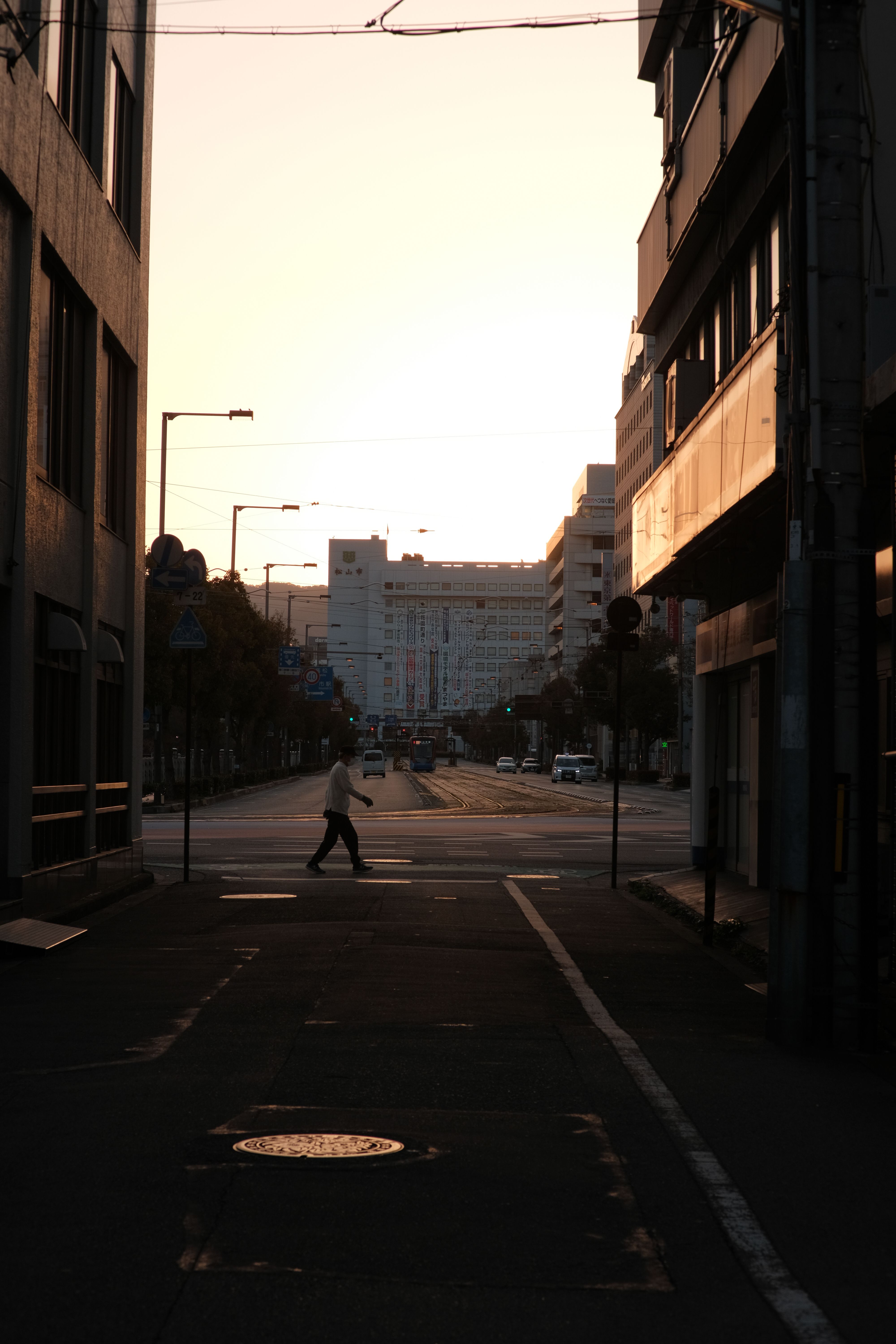
Dawn gives city blocks a look no other hour can match. Light stays low, shadows stay soft, and glass, stone, and metal can glow without the glare of midday.
That early calm changes the frame too. Empty crosswalks, closed cafés, and clean sidewalks make strong shapes stand out.
What gives the scene its edge
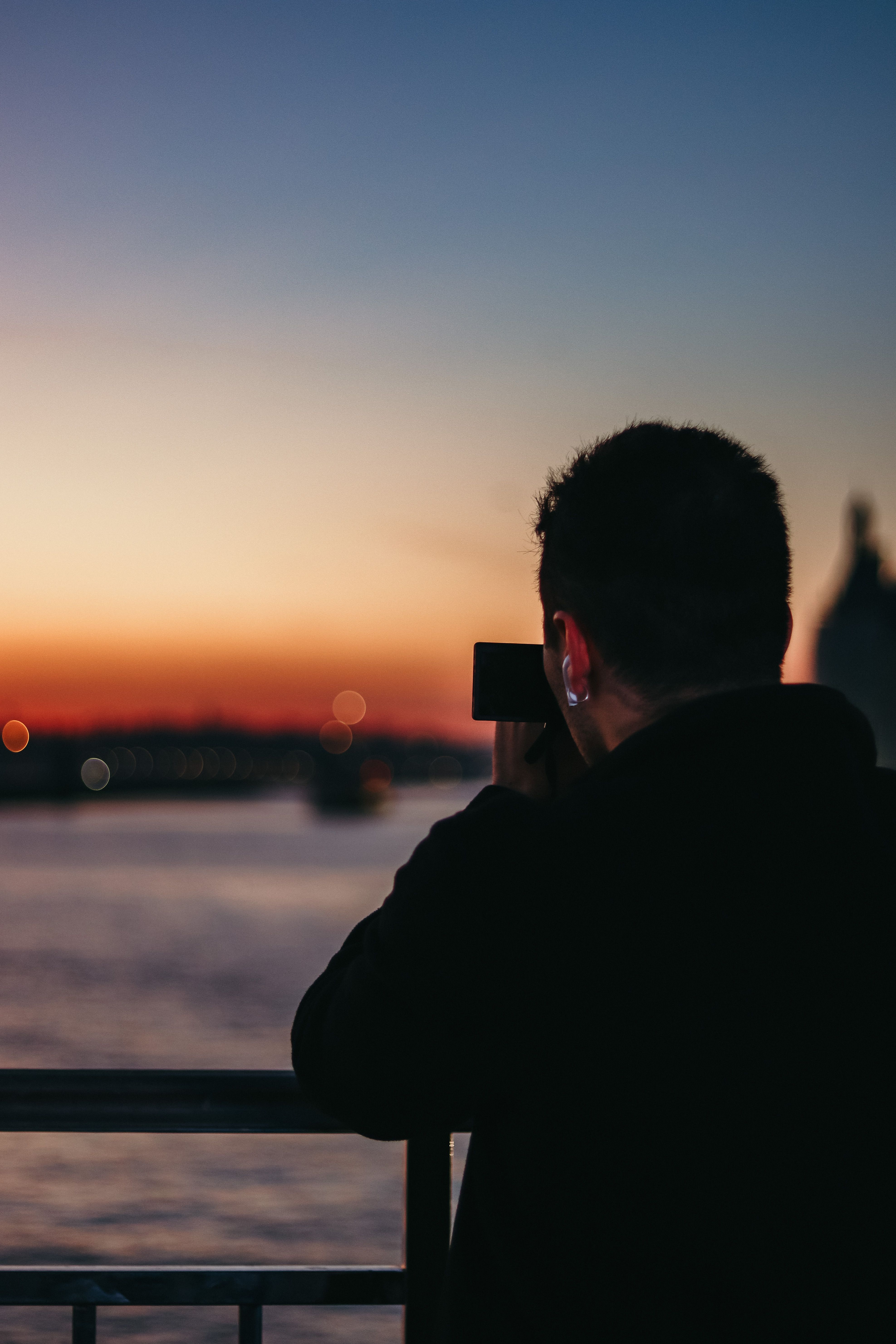
The strongest sunrise frames usually come from simple contrast. Bright sky, dark streets, and long lines pull the eye through the frame. Strong contrast can also trip up the camera. Bright clouds clip quickly, while shaded buildings can go too dark if you expose for the whole scene.
Why the pre-rush walk helps
A good route starts before the crowds. Visit the area a day or two early and look for side streets, reflections, and raised viewpoints.
That scouting cuts down the guesswork later. You will know where the sun rises, where traffic blocks the view, and where you can stop without slowing anyone down.
How do I photograph a city at sunrise?
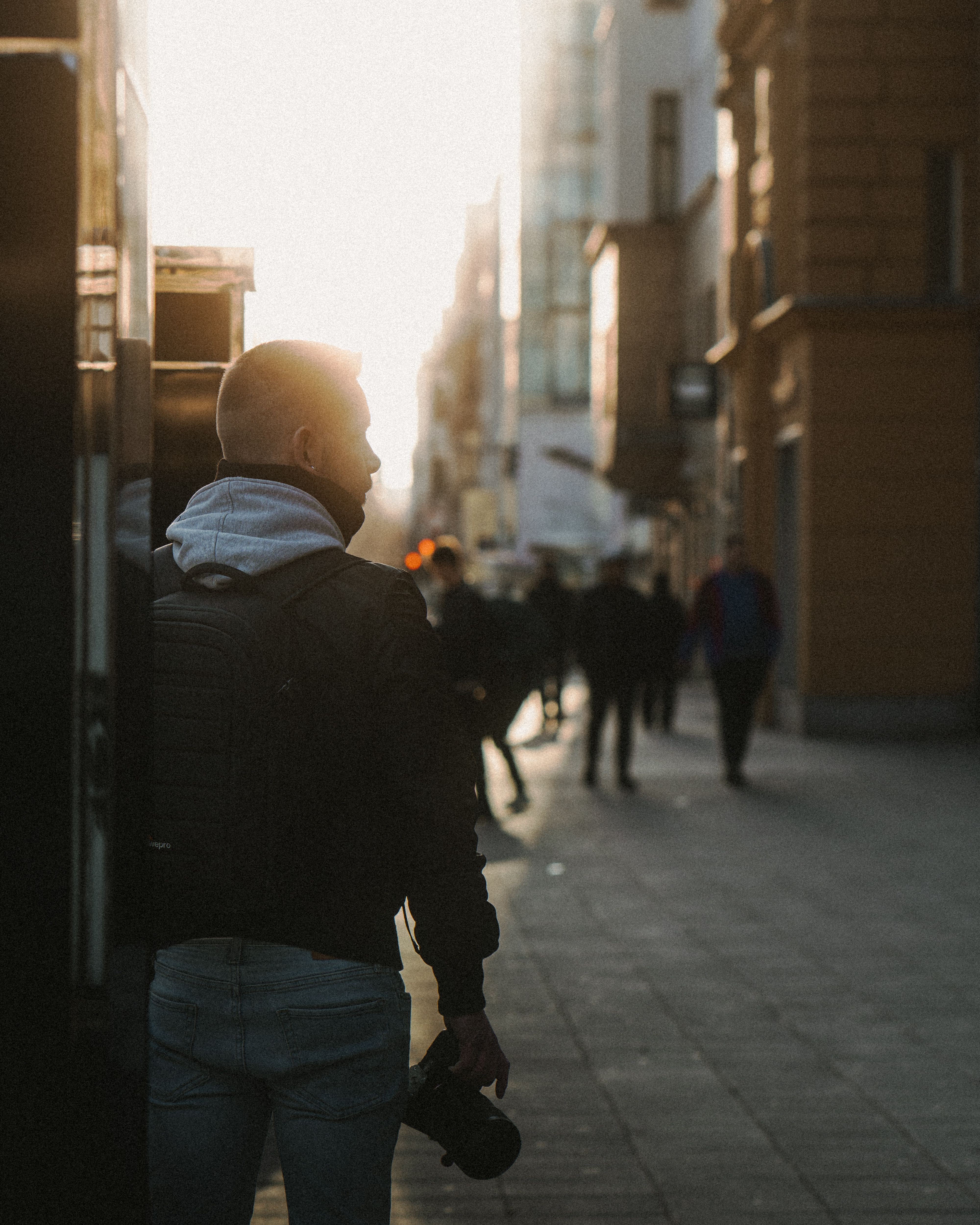
Start with a short scouting walk, a steady shooting plan, and one clear subject for each frame. Arrive 30 to 45 minutes before sunrise, then build the sequence as the sky shifts from blue to gold. Use a simple route that moves from wide views to tighter details. Start with a skyline, then a street corner, then a café front or tram stop.
A simple field plan
- Scout the location one or two days before the shoot.
- Check where the sun rises and where shadows fall.
- Set up near a strong foreground line, such as rails, curb edges, or crosswalk stripes.
- Take a wide frame first, then move closer for detail shots.
- Review only when needed, so you keep your eyes on changing light.
A tripod helps because dawn light is still low. Without one, shutter speed can drop too far and bring blur or grain.
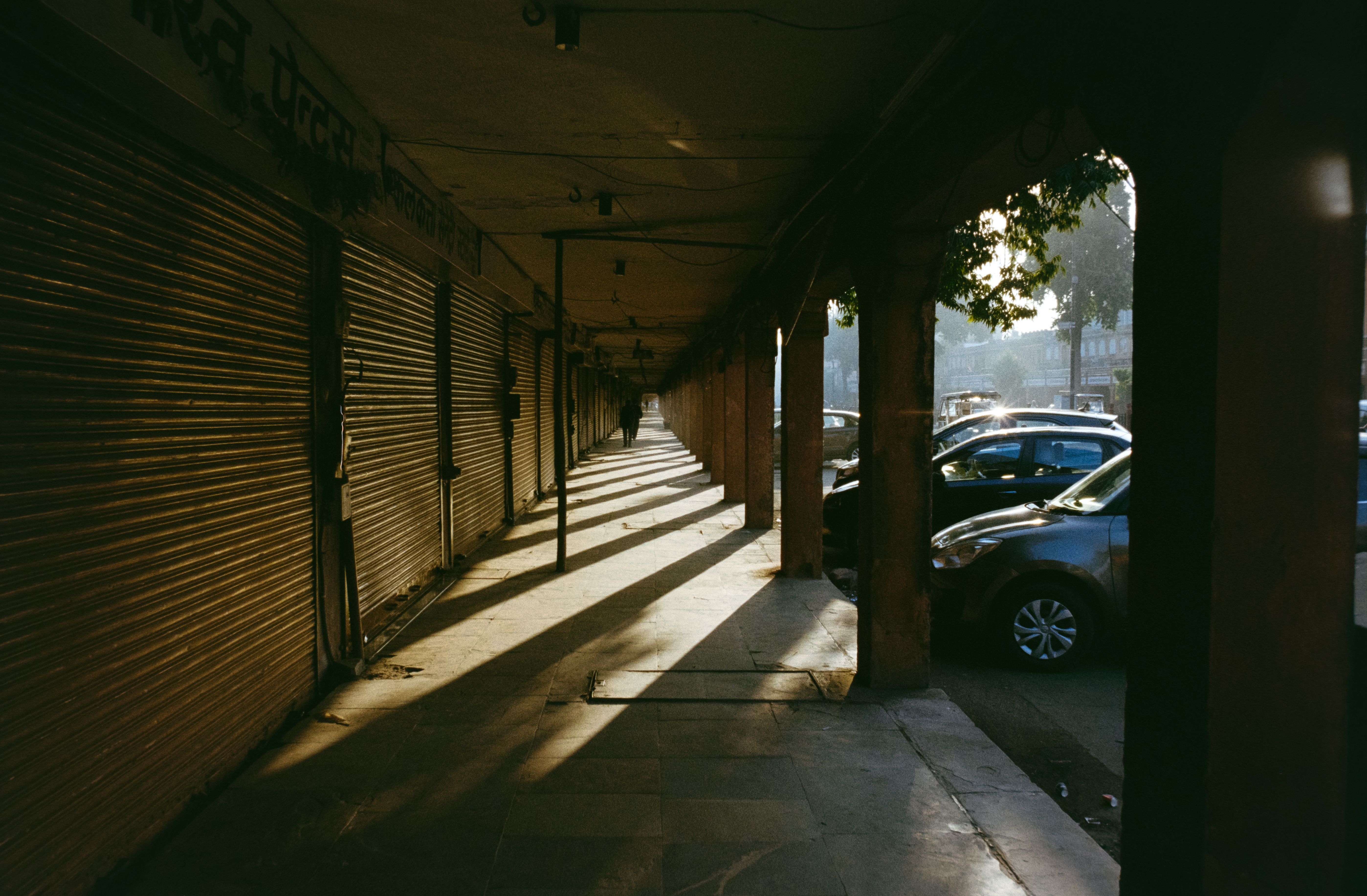
For a natural look, I usually use a 24mm to 35mm focal length for street-wide views. A 50mm lens also works when I want a cleaner frame with fewer distractions.
A carry setup that keeps up
A comfortable strap keeps the camera ready without making the walk feel heavy. A Camstrap Voyager suits that kind of morning because the load spreads across the shoulder and the camera stays easy to reach. That helps when you need to stop fast for a reflection or a passing tram. The less you fight your carry setup, the more likely you are to catch the moment before people fill the frame.
Which camera settings work for street photos in early morning light?
Early morning street photos work best with low ISO, a mid-range aperture, and a shutter speed matched to your support. For sunrise, start at ISO 100, set f/8 to f/11 for sharp city scenes, and use exposure compensation at -1 to -2 EV when the sky is very bright.
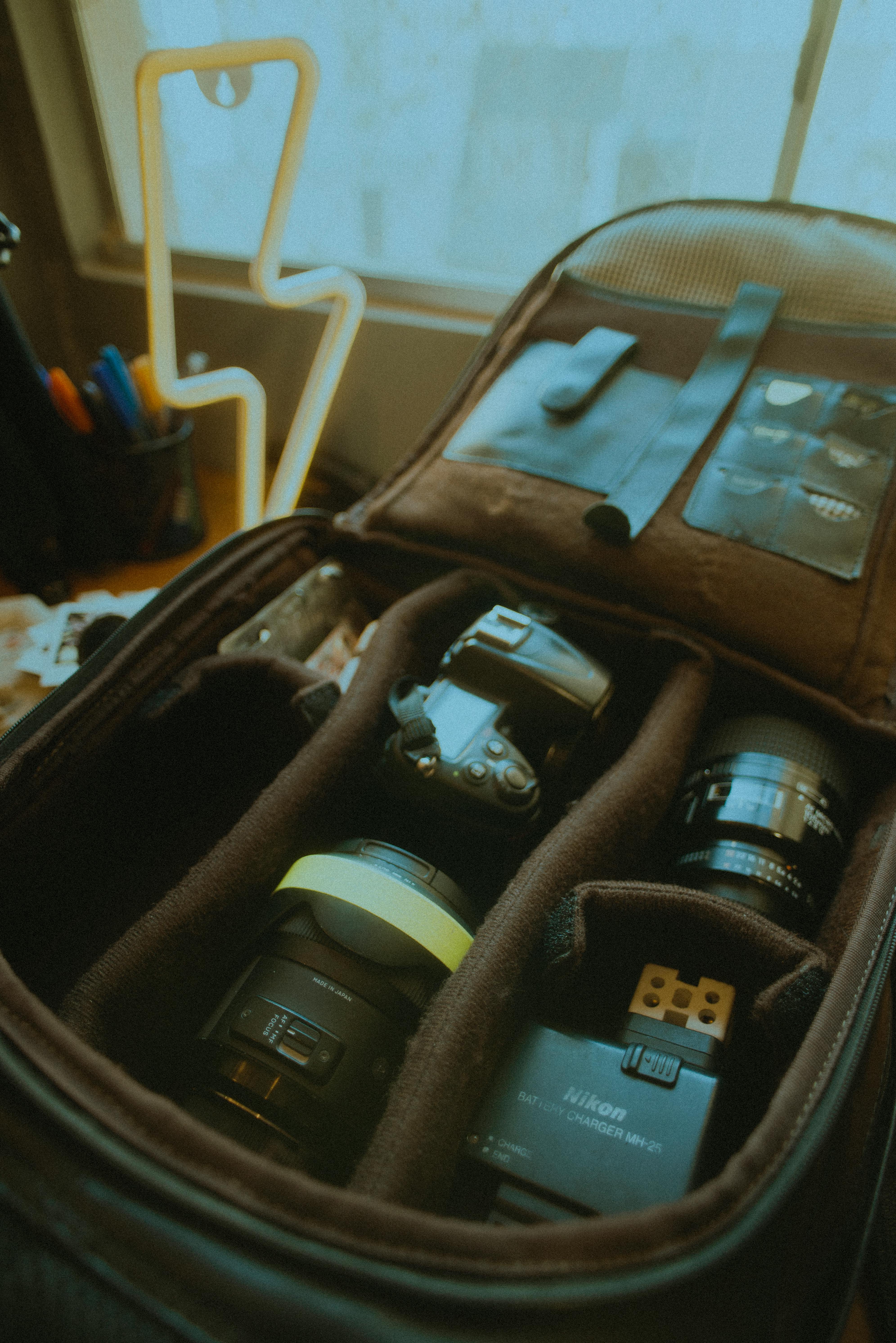
Spot metering or center-weighted metering helps too. Meter off a neutral sky tone near the sun, not the dark building or person in front of it.
Settings that hold detail
- ISO: 100 for the cleanest file, then 100 to 400 if the light is still weak.
- Aperture: f/8 to f/11 for sharpness across the frame.
- Shutter speed: 1/125s or faster for hand-held work.
- Tripod work: about 1/2 to 5 seconds at sunrise, or 10 to 20 seconds before first light.
- Exposure compensation: -1 to -2 EV for bright sky and sun-star scenes.
Stop down to f/14 if you want a sun star. Use it sparingly, though, because very small apertures can soften fine detail a bit. Take off any filters when you shoot straight into the sun. Even a skylight filter can add flare and lower contrast in a scene that already has strong light.
Focus and burst choices that keep files clean
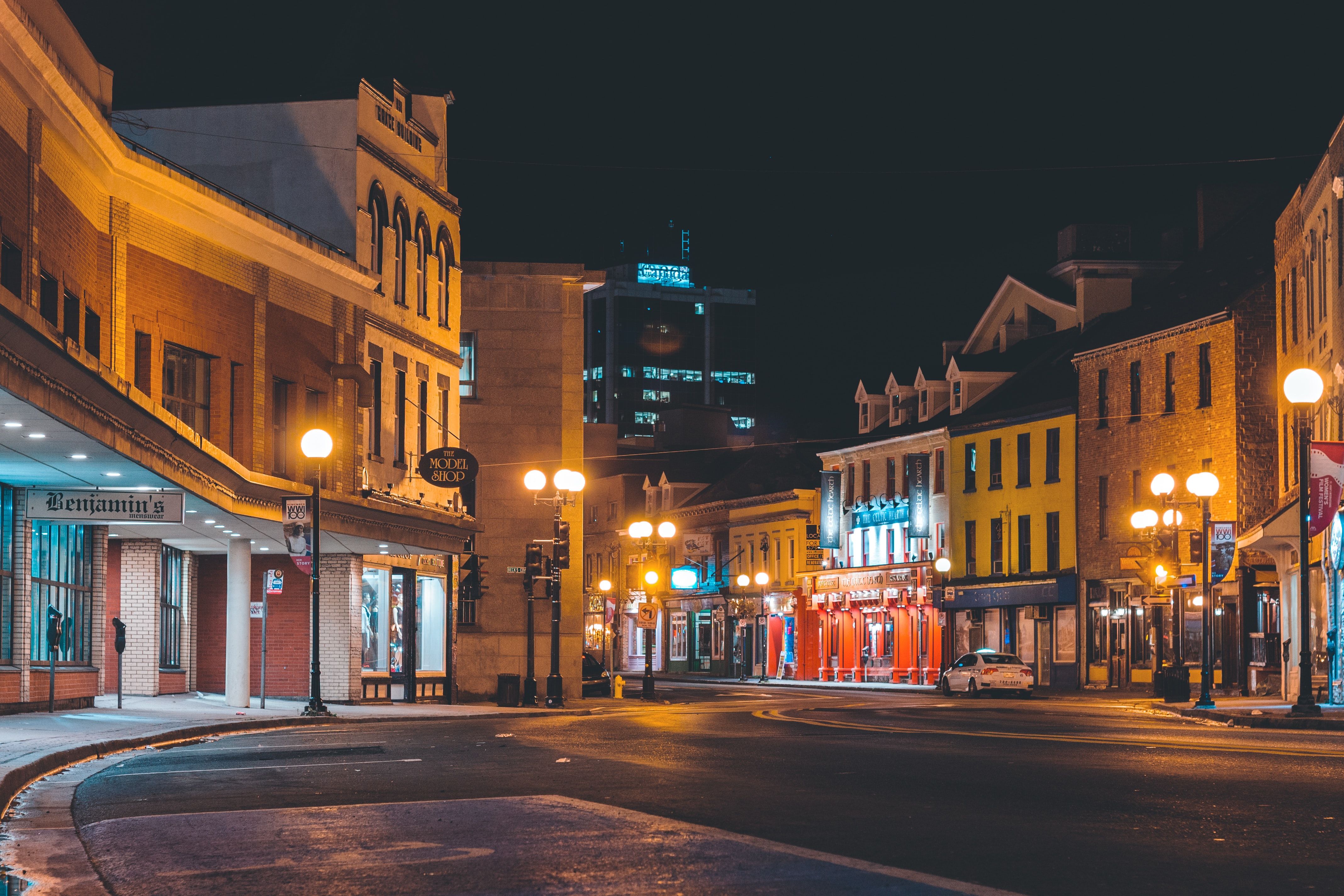
Continuous AF with eye or subject detection works well for people crossing an empty square. Back-button focus helps too, because it lets you lock focus before you reframe.
For mirrorless bodies, a short burst of 3 to 6 frames will not stress a modern buffer. Mid-tier cameras often hold about 20 to 40 RAW frames before they slow, while JPEG can go much longer.
That buffer note matters because dawn streets change in seconds. A small sequence can catch a cyclist, a bird, or steam from a manhole without turning the shoot into spray-and-pray.
How do I avoid harsh shadows in summer city photography?
Timing, angle, and shade keep summer shadows under control. Shoot in the hour after sunrise, or move to open shade on the side of the street away from direct sun. In summer, the sun climbs fast and the light hardens just as quickly. If you shoot later in the morning, choose facades, overhangs, or narrow lanes that block direct beams.
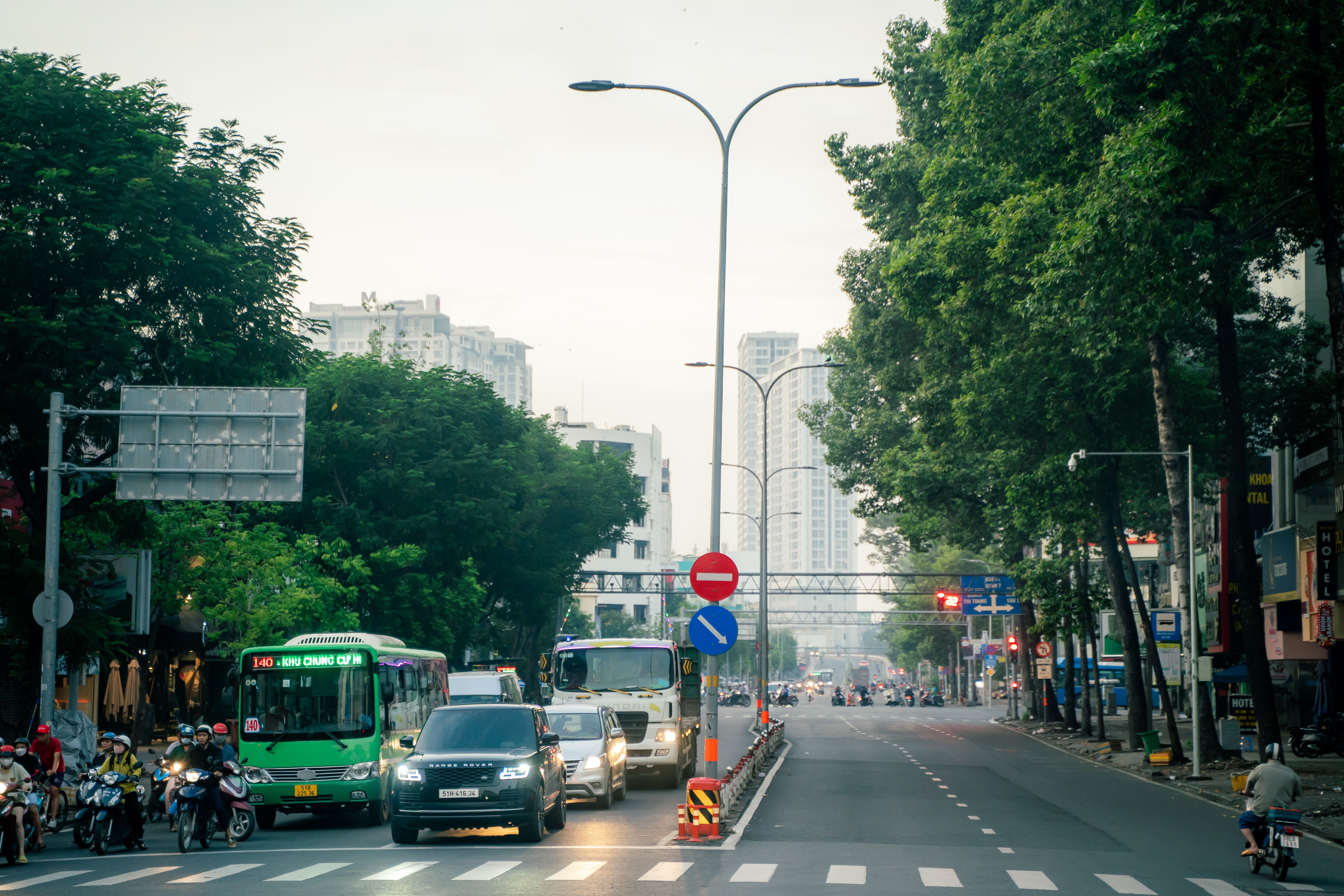
Better ways to read the light
Look for light bouncing off pale walls, glass, or wet pavement. That reflected light often gives you better skin tones and smoother building texture than direct sun.
Cloud cover helps too, because it turns the sky into a large soft source. If you have no clouds, rotate your route to keep subjects in half shade.
Use your histogram, not just the LCD image. A clipped highlight on the screen can hide detail loss in white walls, signs, and clouds.
One useful tool for moving between spots

A Camstrap Explorer can make a long morning route feel easier because it keeps the camera close and stable while you walk. That carry setup helps when you move from bright open streets to narrow shaded alleys in minutes. It also works well if you switch lenses on the go. Fast access matters when the light changes faster than your pace.
Small gear choices that save the shot
Good sunrise work depends on gear that stays out of the way. You do not need a heavy kit, but you do need a setup that handles low light and quick stops.
A sturdy tripod is the biggest help for dawn scenes. If you shoot long exposures, make sure it locks firmly and does not drift in a light breeze.
What to pack
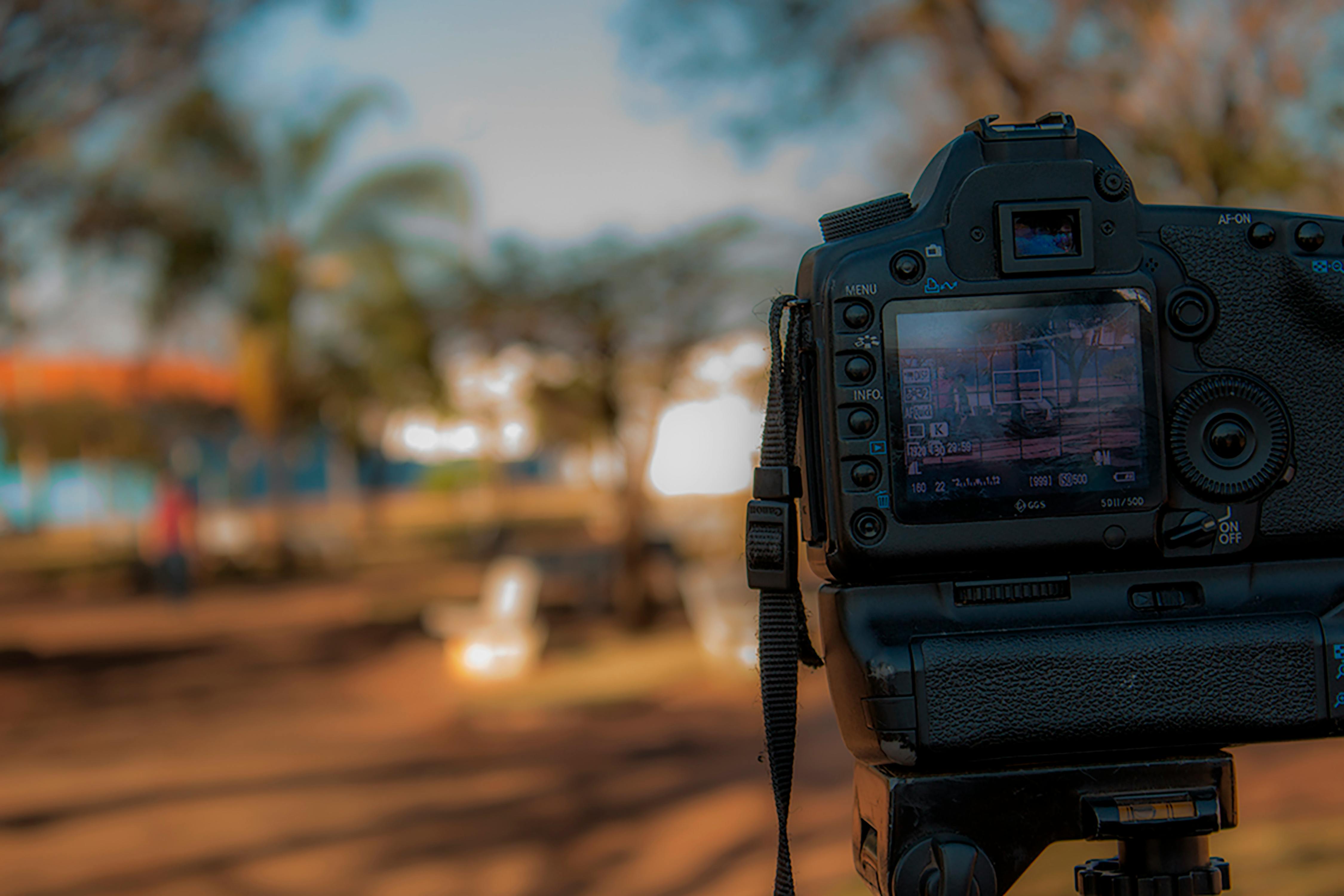
- Camera body with RAW capture.
- Wide-to-normal lens, such as 24mm, 28mm, 35mm, or 50mm.
- Tripod with solid leg locks.
- Spare battery, since EVF and LCD use drain power fast.
- Memory card with UHS-II speed if your body writes fast RAW files.
- Lens cloth for dew, mist, or sea spray.
Storage speed matters. A fast UHS-II card clears the buffer faster after a burst, which helps when a street briefly opens up. If you like a minimalist carry style, the Camstrap Nomad fits that role well. Its lighter feel suits travel days when you want one camera, one lens, and a long walk.
Editing the quiet street look without losing truth
Editing should keep the calm feel you saw in person. Start with white balance, then recover highlights, and only then lift shadows if the scene needs it.
Early light can shift from cool blue to warm gold in one block. Match the mood of the frame instead of forcing every shot into the same look.
A fast post-work flow
- Pick the sharpest frame first.
- Check highlight detail in clouds and signs.
- Adjust exposure in small steps.
- Crop only if the scene needs a tighter edge.
- Use local contrast lightly so the city still feels natural.
Lightroom or Photo Mechanic can help you sort quickly with pick and reject flags. That helps after a dawn walk, because you often come home with many near-duplicate frames from changing light. Keep color simple. Warm stone, blue shade, and pale sky already do most of the visual work.
The last block before the crowd arrives
The best sunrise city walk ends while the streets still feel open. By then, you have the wide views, the detail shots, and the quiet mood that vanish once the day starts.
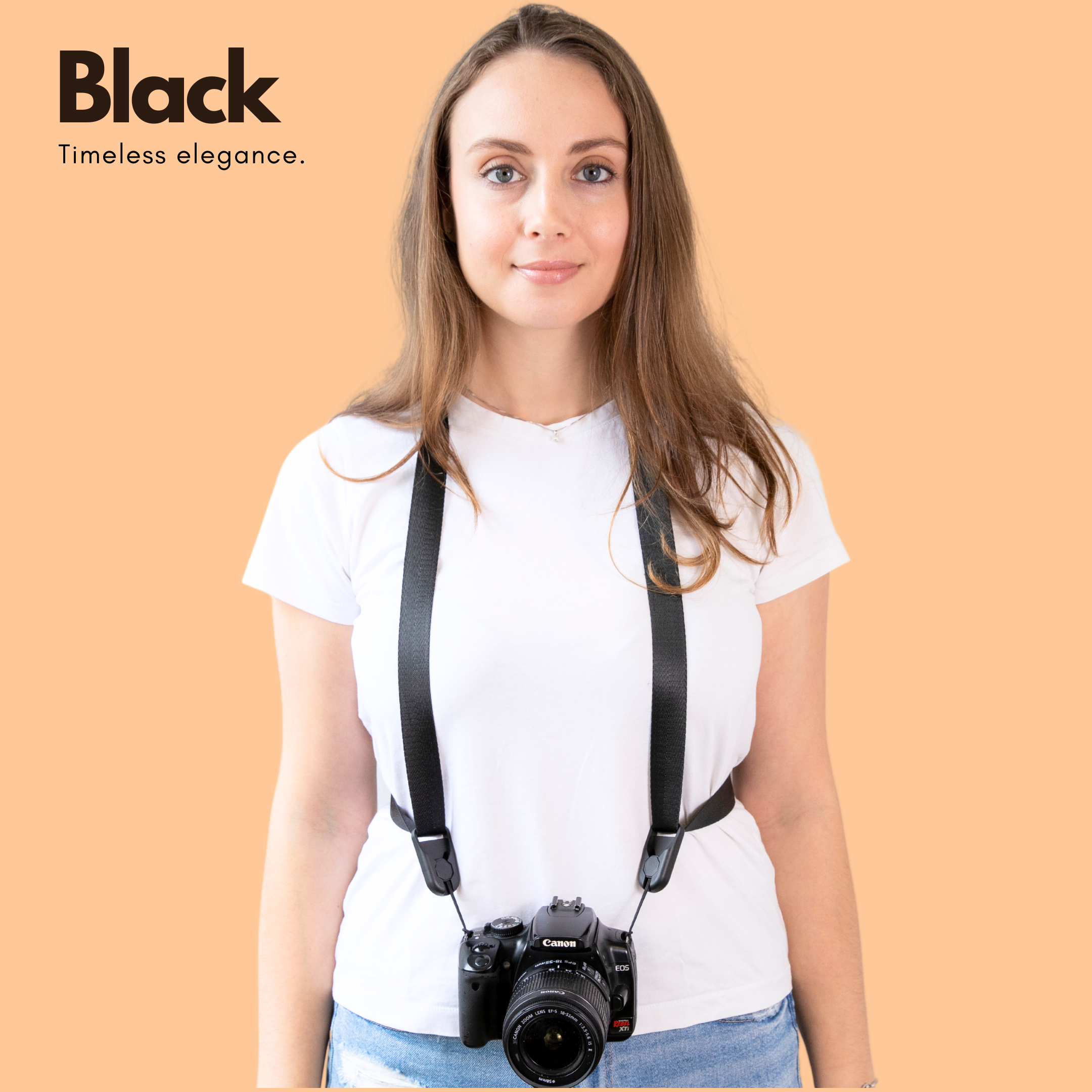
The method works because planning and pace stay in step. Scout early, shoot with low ISO and a mid aperture, and use a strap that keeps your camera ready as you walk.
That final stretch often becomes the best part. When the first shop gates roll up and the sidewalks begin to fill, you already have the calm version of the city on your card. Before you head home, check one last frame with the sun just above the buildings and the exposure near -1 EV. That quick test often gives you the cleanest balance of sky color and street detail.
Frequently Asked Questions
How do I photograph a city at sunrise?
To photograph a city at sunrise, arrive 30 to 45 minutes before sunrise, scout the location a day or two ahead, and build your route from wide skyline views to tighter street details. Use a simple composition with a strong foreground line such as rails, curb edges, or crosswalk stripes, and keep moving as the light shifts from blue to gold.
What camera settings work for street photos in early morning light?
For early morning street photos, use low ISO, a mid-range aperture, and a shutter speed matched to your support to keep files clean and sharp. A tripod allows slower shutter speeds in low dawn light, while a handheld setup needs a faster shutter to avoid blur.
How do I avoid harsh shadows in summer city photography?
To avoid harsh shadows in summer city photography, shoot at sunrise before the hard midday sun arrives, when light is low and shadows stay soft. Expose carefully for the bright sky so highlights do not clip, and place shaded buildings or streets in the frame only when their darker tones still support the composition.