


- Carry the camera on a padded cross-body strap to stay light and shoot all day.
- Pack one versatile zoom, one fast prime, and only true must-have accessories.
- Keep your camera front-facing on a sling or chest carry for instant access.
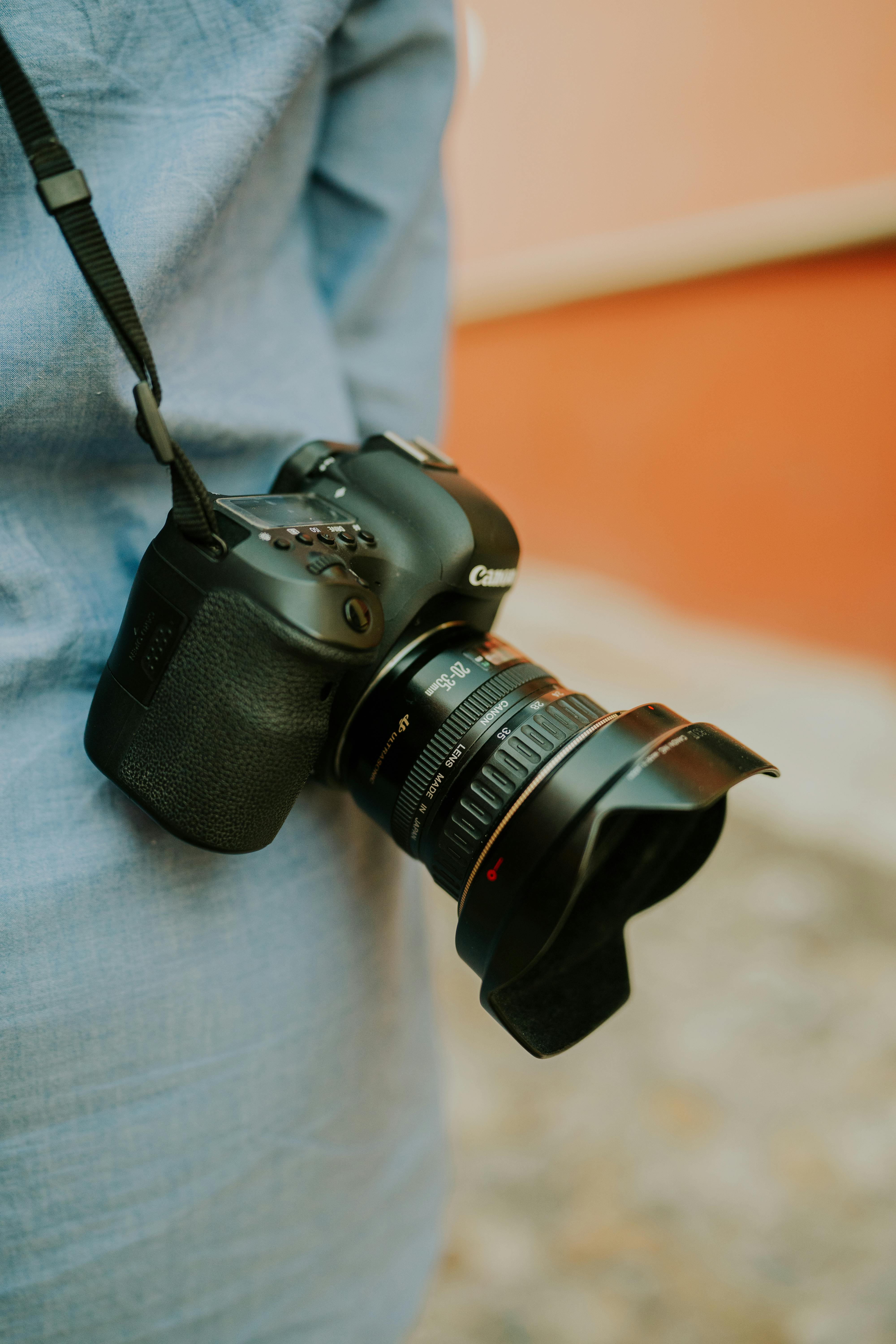
Travel photography with a light kit starts with packing only the camera, lens, and support you actually need to keep shooting quickly. It also means choosing gear that stays comfortable in heat, crowds, and long walks. Travel lightly and the setup stays compact, quick to grab, and easy to carry from morning to night.
Shop the setup

- Regular price
-
€42 - Regular price
-
€44 - Sale price
-
€42
By choosing the Camstrap strap, you are opting for a high-quality product designed to meet the needs of the most demanding photographers.
- Developed by a physiotherapist to relieve neck and back pain.
- Fast delivery with tracking by the Post Office 🚚
- Can be used as a shoulder strap or hands-free harness

- Regular price
-
€36 - Regular price
-
€42 - Sale price
-
€36
Free shipping included
How do I carry a camera while traveling all day?
Spread the weight across your body and keep the camera in front of you. A padded sling or cross-body strap eases neck strain and stops the body from bouncing on long walks.
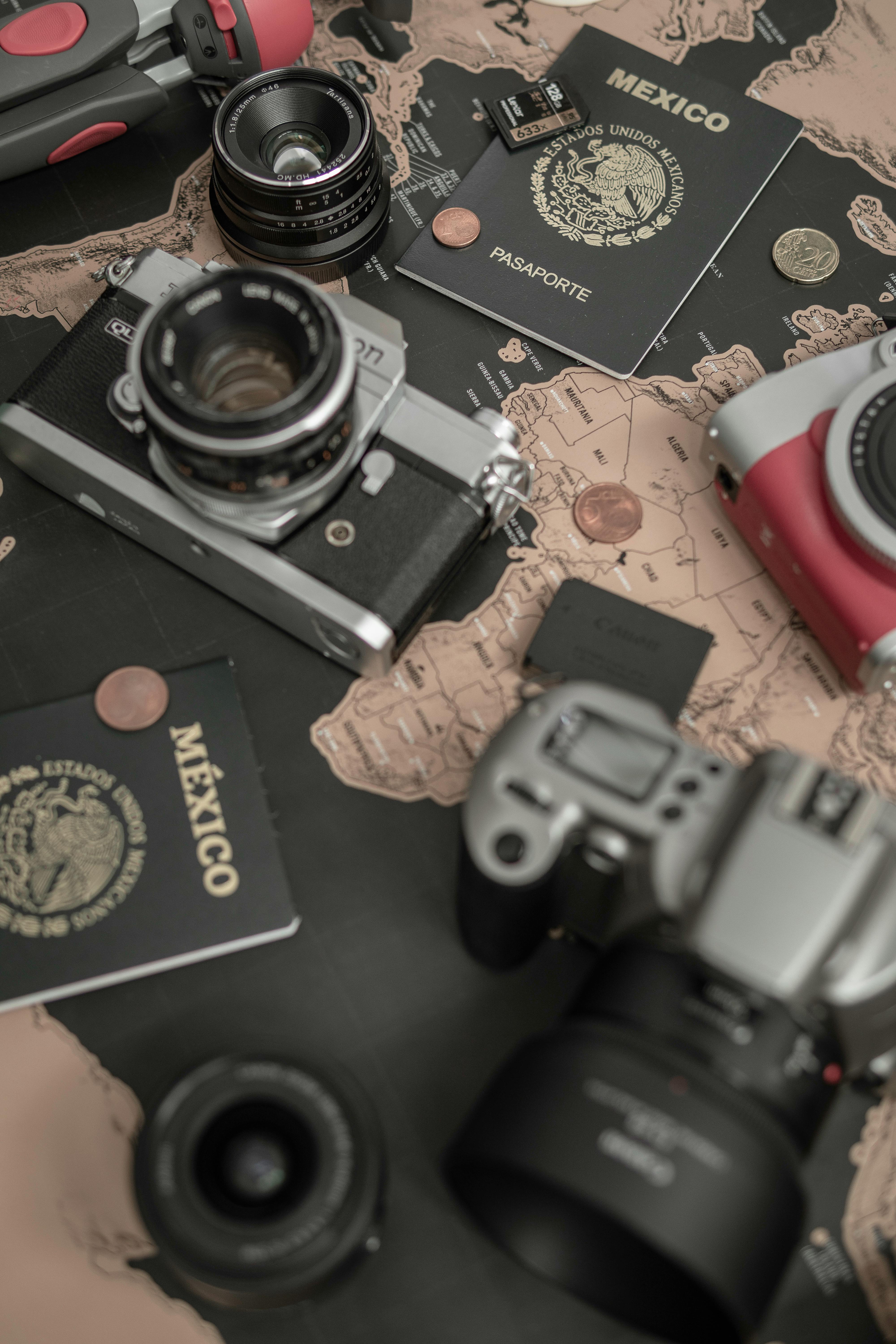
A chest-mounted carry works well in busy places, too, because the camera stays close and ready. In heat, airport lines, and on city steps, a strap that lies flat and stays untwisted feels better after hour three.
What makes a carry setup feel good in real use
Look for a strap with wide contact points, quick length adjustment, and a secure anchor. Those details beat flashy extras, since they cut tugging when you move fast.
- Keep the camera high on the torso to stop swing.
- Use a strap that lets you raise the camera with one hand.
- Choose a grip point that stays stable when you walk.
- Place a small cloth in an easy pocket for hot days and lens wipes.
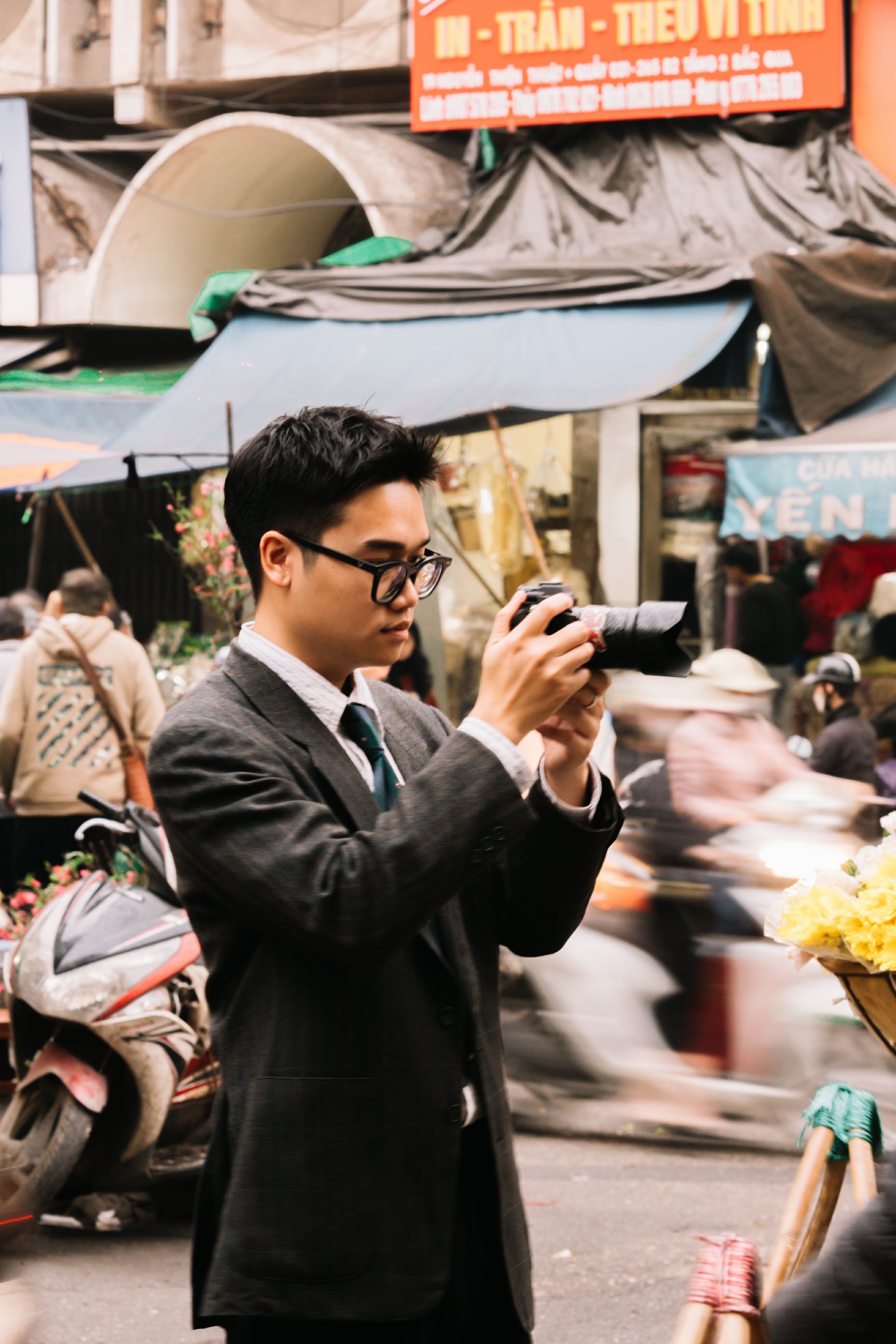
The Camstrap voyager fits this use well because it spreads the load across the upper body and keeps the camera close. On long city days, that kind of comfort often decides whether you keep shooting or leave the camera in the room.
What camera gear should I bring on vacation?
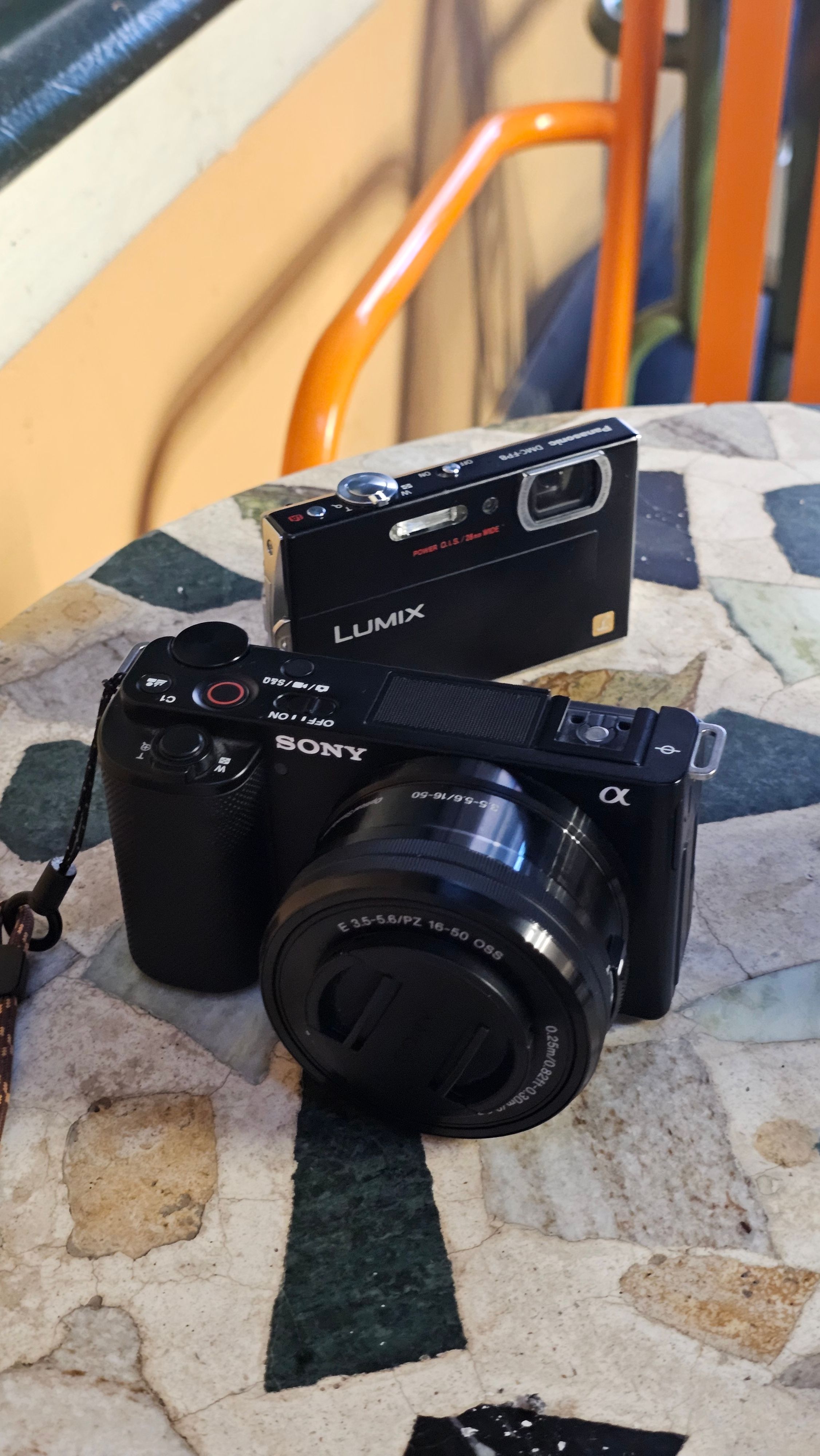
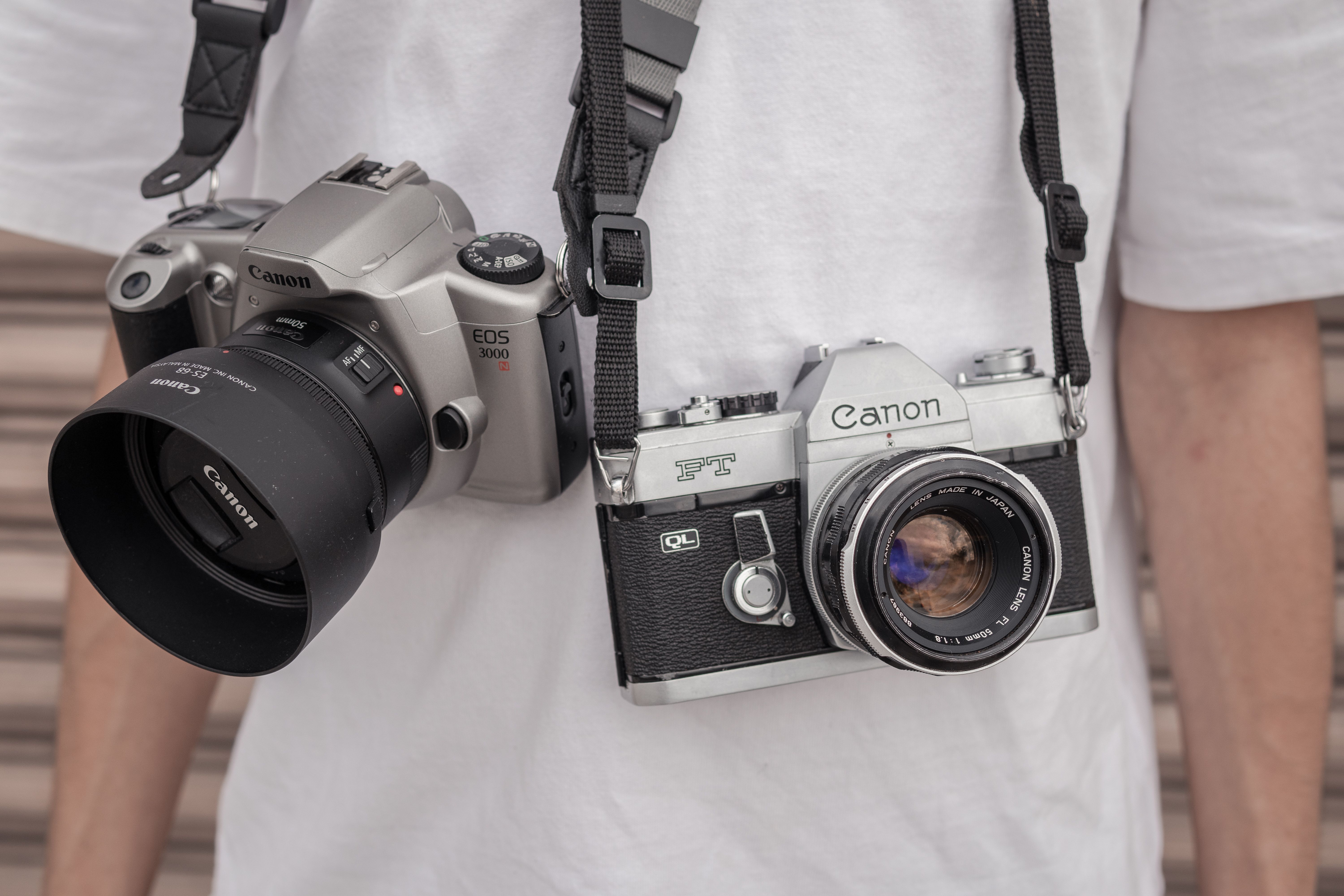
Bring the smallest kit that still covers your main subjects. For most trips, one body, one versatile zoom, and one small prime cover more ground than a full bag of extras. A practical vacation kit often looks like this: a 24–70mm zoom for streets and food, or a 28–200mm travel zoom if you want one-lens simplicity. Add a 50mm or 35mm prime with f/1.8 or f/2 if you expect night scenes, cafes, or indoor travel shots.
Gear that earns its space

Choose items that solve a real problem on the road. Extra weight slows you down, and dead space in the bag makes you miss moments.
- Camera body with good AF-C or AI Servo tracking.
- One zoom lens for most daylight scenes.
- One fast prime for dusk and indoor use.
- One spare battery and one empty memory card slot.
- Lens cloth and a small rain cover if weather looks mixed.
Camera makers and battery tests show that mirrorless bodies drain fastest through the EVF, LCD, and image review. A spare battery often matters more than a heavy second lens, especially on warm days when you check the screen a lot.
How can I keep my camera accessible without a bag?
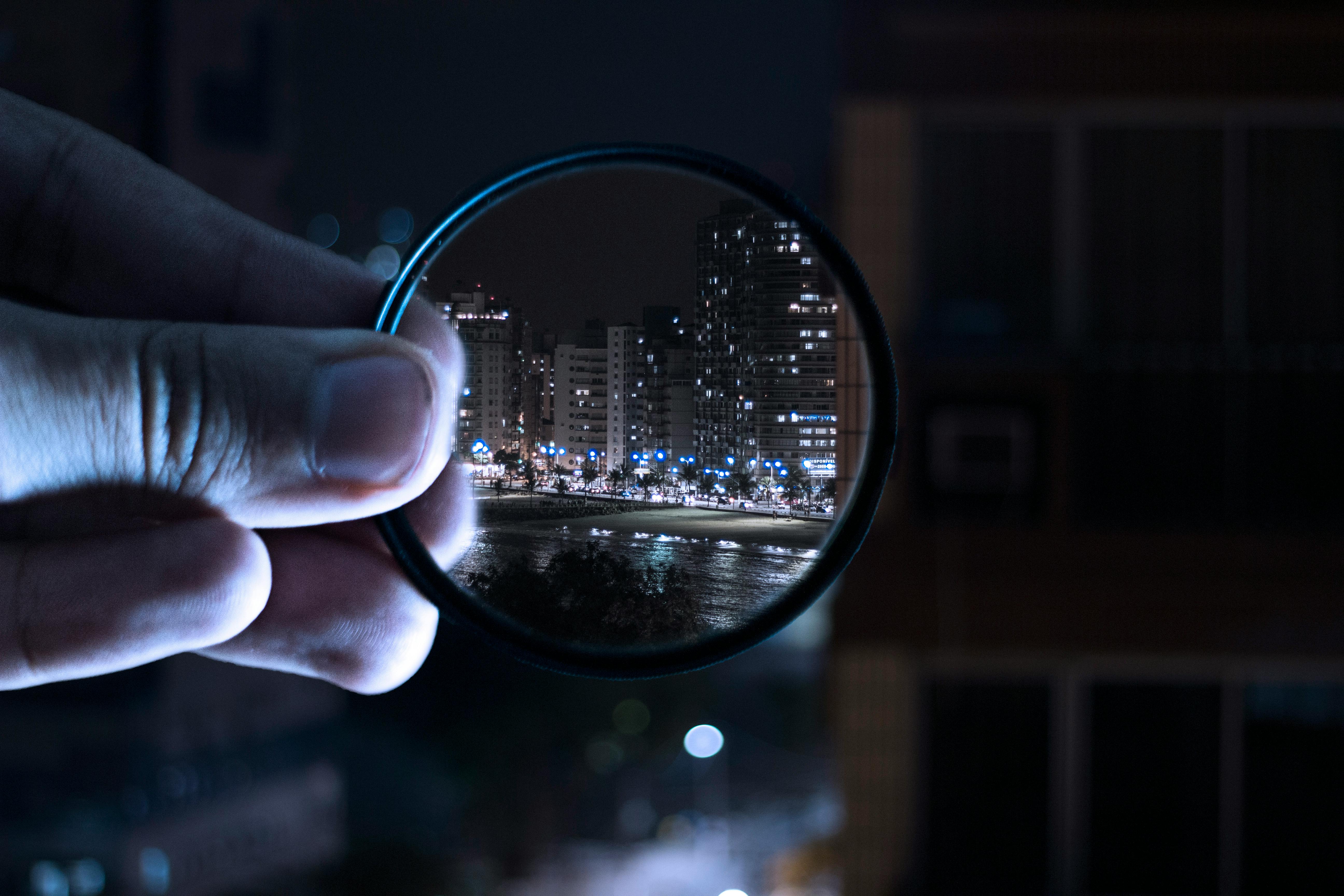
Wear the camera in a ready position instead of packing it away between shots. A front carry or quick-release strap lets you lift the camera in one motion, which helps in markets, crossings, and train stations.
It works best when the camera sits under your chest and the lens points down. Out of the way, but still up fast for a frame.
Small changes that save time
Set the camera so it can hang safely, then raise it without fumbling clips or zips. That habit saves seconds every time a scene changes.
- Turn on back-button focus so focus stays separate from the shutter.
- Set continuous AF-C or AI Servo with eye or subject detection.
- Use a mode dial you can reach by touch.
- Keep exposure compensation at a dial or wheel you can find fast.
For many summer scenes, aperture priority with Auto ISO works well because light changes quickly. In bright sun, an ISO range like 100–1600 stays clean on many bodies, while evening streets may push higher.
Which camera settings help you move fast?
Fast travel shooting works best when the camera reacts with little delay. A good starting point is AF-C or AI Servo, a shutter speed near 1/500s for people in motion, and Auto ISO with a limit you trust. For street scenes, I like a 35mm or 50mm lens at f/2 to f/2.8. The kit stays small, the view looks natural, and shade is easier to handle without dragging along a bulky zoom range.
Use the right speed for the scene
Motion changes by subject, so the shutter should change too. A walking person may need 1/250s, while a child running or a cyclist may need 1/1000s or more.
Mirrorless burst speeds help, and frame rate has tradeoffs. Many bodies shoot around 10 fps with a mechanical shutter, while electronic modes may reach 20 to 40 fps; rolling-shutter skew and LED banding can show up under street lights or during fast motion.
Buffer depth matters as well. A mid-tier body may hold roughly 25 to 40 RAW frames before slowing, while JPEG shooting often runs longer. With UHS-II V60 or V90 cards, write speed drops less at the end of a burst than with UHS-I cards.
How can I protect image quality while keeping the kit light?
Use one sharp lens well instead of packing more lenses than you need. A good 24mm, 35mm, or 50mm prime often gives cleaner results than a slow zoom in dim light. Open the lens to f/2 or f/2.8 when the light fades, but watch the ISO rise. Stop down for more depth of field and you may need higher ISO or slower shutter speeds, which matters on travel days.
Simple choices that preserve detail
Use the lowest ISO that still keeps shutter speed safe for the subject. On many modern cameras, ISO 3200 or 6400 can still work well for travel images if exposure is steady.
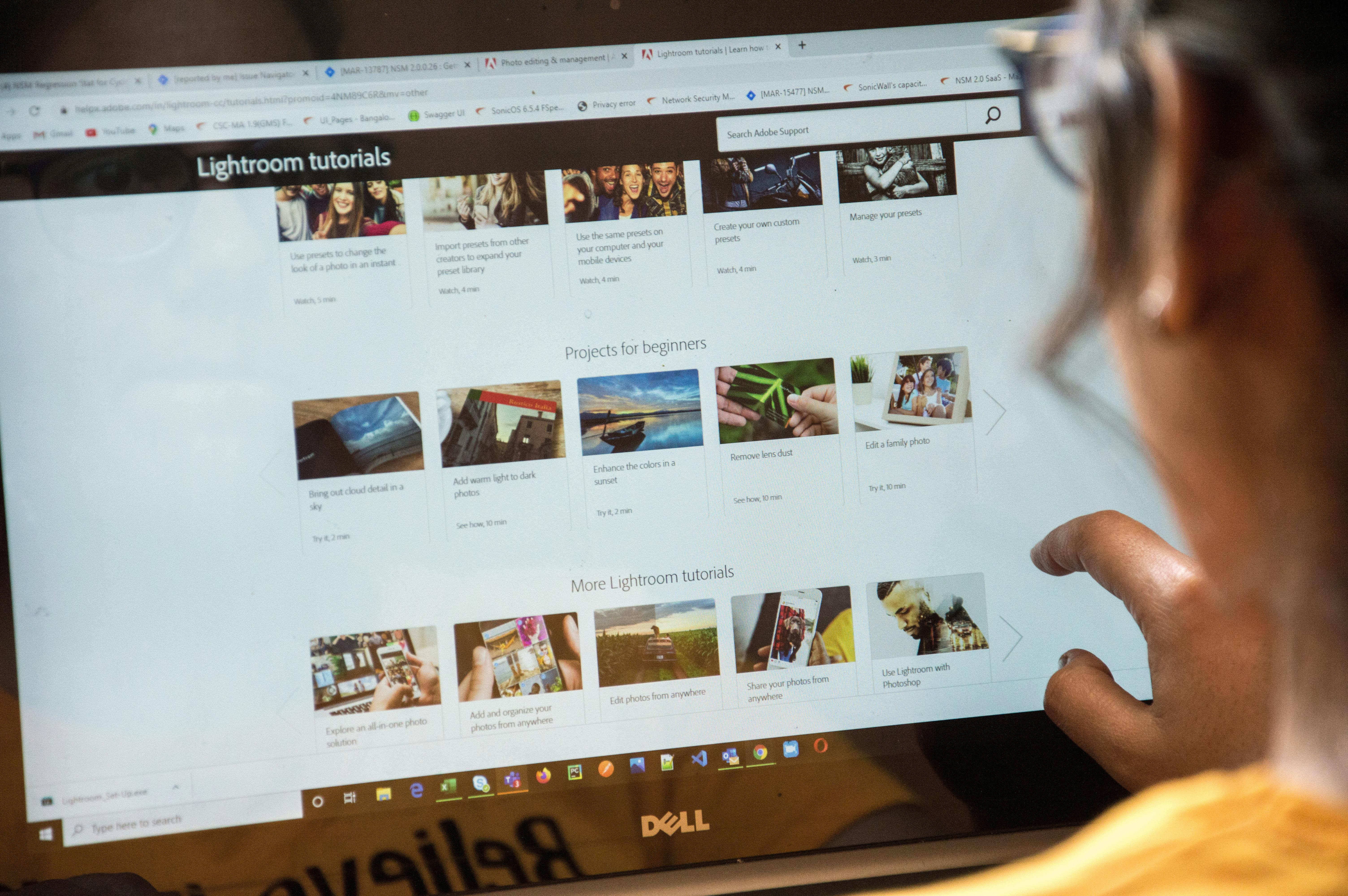
RAW files give more room for recovery in bright skies and mixed shade. RAW also increases file size, so a fast card and enough space matter if you shoot long days in the city.
- Use Auto White Balance for mixed light.
- Turn on highlight warning or zebras.
- Check focus on the rear screen only when needed.
- Delete only clear mistakes during the day.
What helps most on heat, flights, and long walks?
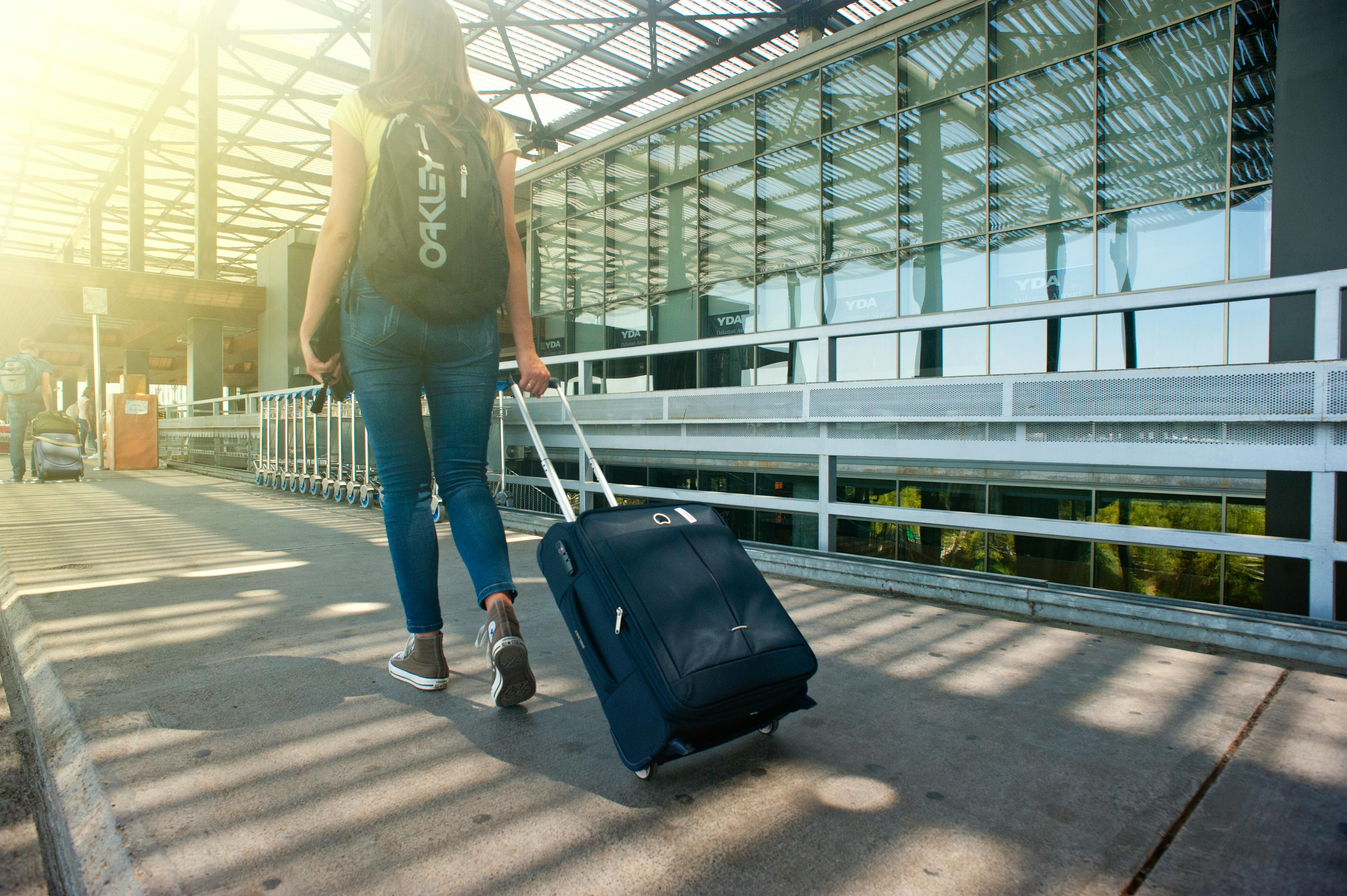
Comfort and speed handle the biggest travel problems, because summer days drain energy fast. A light carry setup reduces shoulder pain, frees your hands, and makes airport movement smoother. Pack the camera where it stays ready, not buried under clothes. Keep batteries in a side pocket, cards in a slim case, and the lens hood on the lens if you expect glare or bumps.
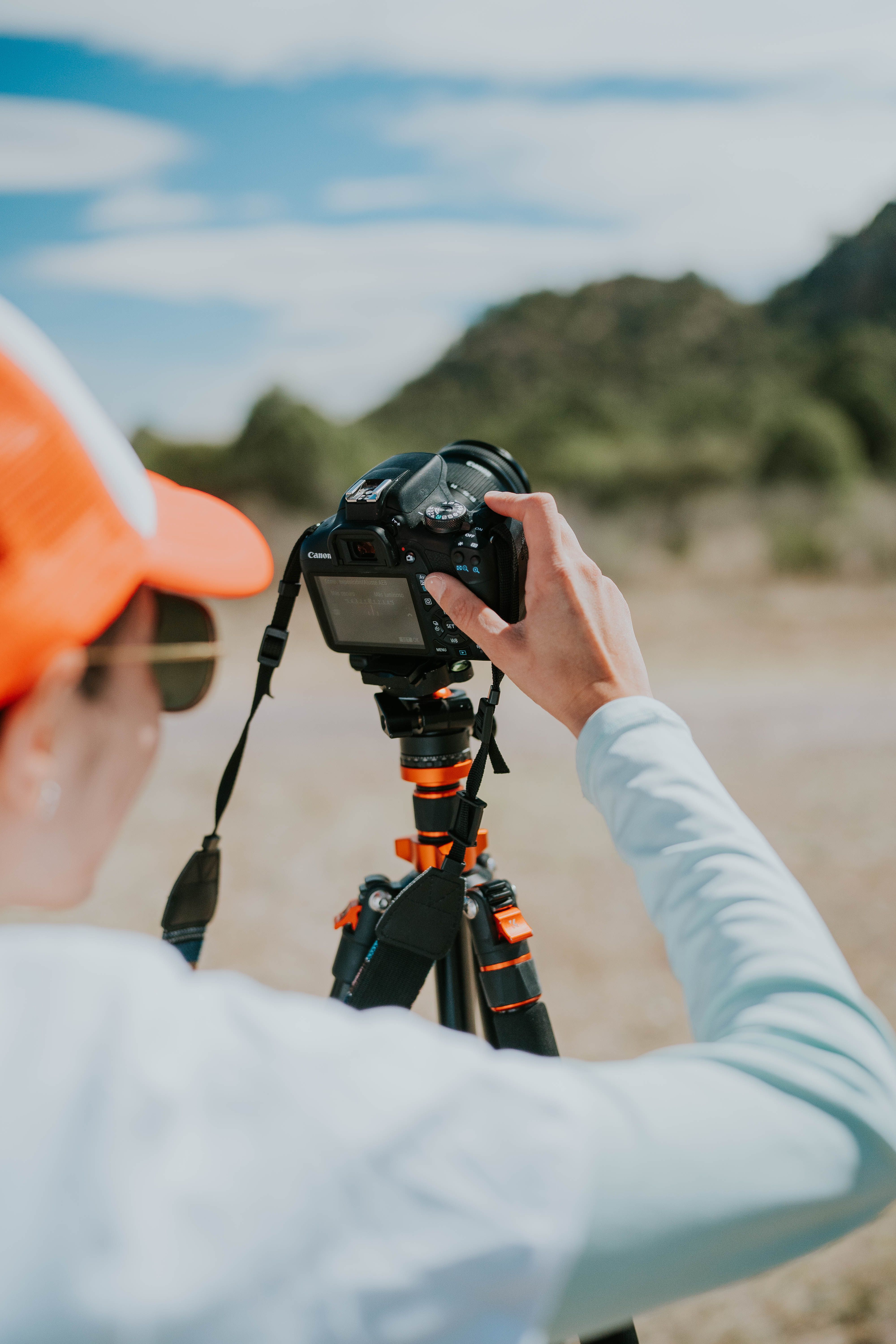
Travel routines that save time
Before you leave, format the card in-camera, charge the battery, and clear the sensor with a blower if needed. Those small steps cut stress later.
During the day, review only key shots and skip long playback sessions. Screen time uses power, and on mirrorless bodies the EVF and LCD drain more than taking the photo itself.
One more thing helps in crowded places: keep the strap short enough that the camera does not swing into people. That protects the gear and keeps your movement smooth when you stop, turn, or lift the camera fast.

Putting it all together for real trips
The best summer travel setup is small, quick, and easy to wear for hours. One body, one or two lenses, and a carry method that keeps the camera ready cover most trips well. If you plan to walk cities, ride trains, and shoot day trips, build around comfort first. Then match your settings to the scene, not the other way around.
That is the practical side of traveling lightly with a camera. You move faster, miss less, and keep the kit simple enough to use all day.
For your next trip, pack one body, one zoom, one spare battery, and one fast card. Then set the camera for AF-C, back-button focus, and a carry position that lets you raise it in one second.

Frequently Asked Questions
How do I carry a camera while traveling all day?
Carry a camera by spreading the weight across the body and keeping it in front of you. A padded sling, cross-body strap, or chest-mounted carry reduces neck strain, limits bouncing on long walks, and keeps the camera ready in crowds and hot weather.
What camera gear should I bring on vacation?

Bring the smallest camera kit that still covers the main subjects. A practical vacation setup is one body, one versatile zoom such as a 24–70mm or 28–200mm, plus one fast prime like a 35mm or 50mm f/1.8 or f/2 for low light, along with one spare battery and an empty memory card slot.
How can I keep my camera accessible without a bag?
Keep a camera accessible without a bag by wearing it in a ready position on a front carry or quick-release strap. Position the camera under the chest with the lens pointing down so it stays out of the way but can be lifted in one motion.


