- How do I take good travel photos in a short time
- What camera settings work for walking around a city
- How do I photograph a city without looking like a tourist
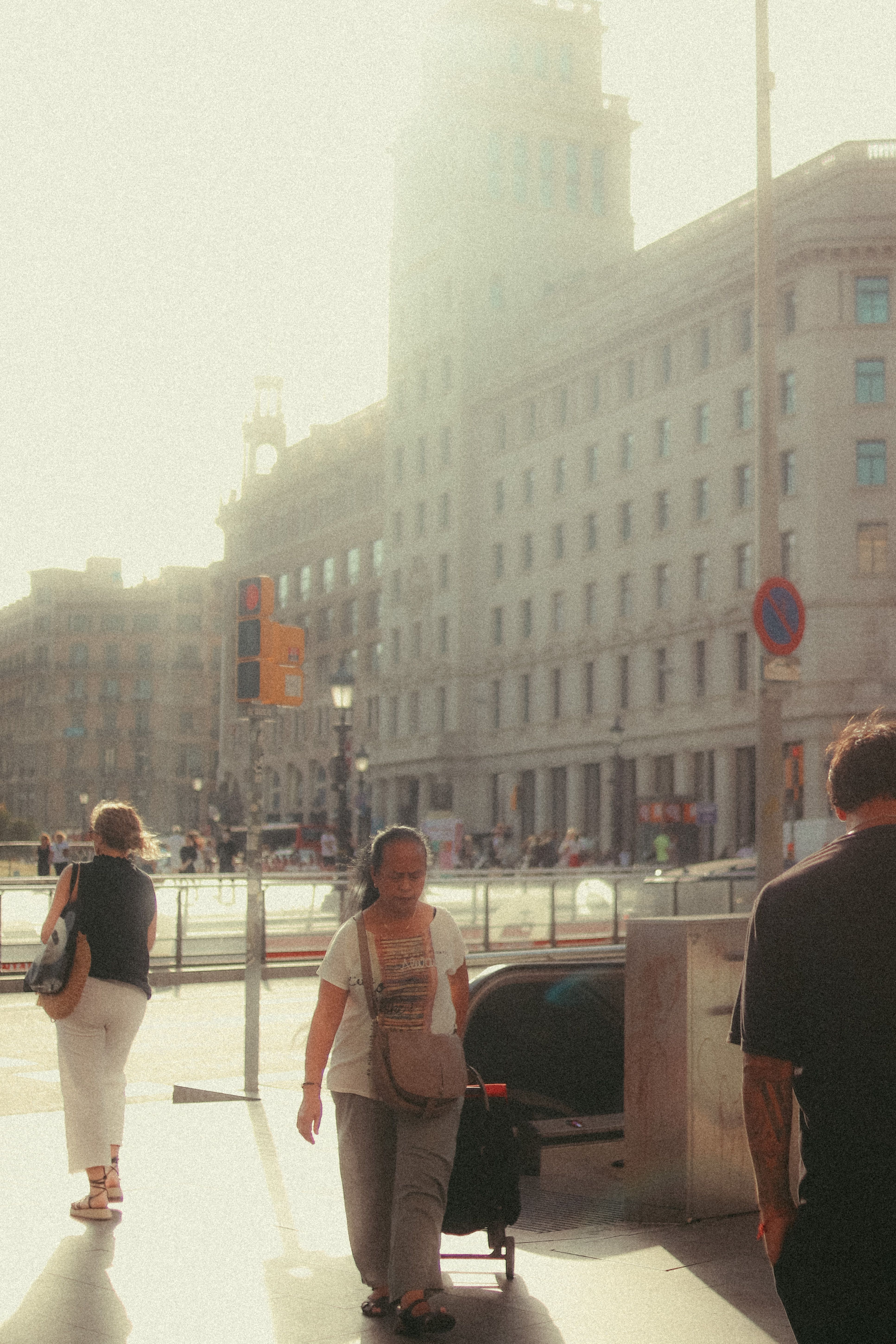
Summer travel photo walks are one of the most effective ways to get to know a city quickly. In just an hour, plus a solid plan and a camera that is ready to shoot, you can come away with images that feel fresh, lively, and strong.
Shop the setup

- Regular price
-
€42 - Regular price
-
€44 - Sale price
-
€42
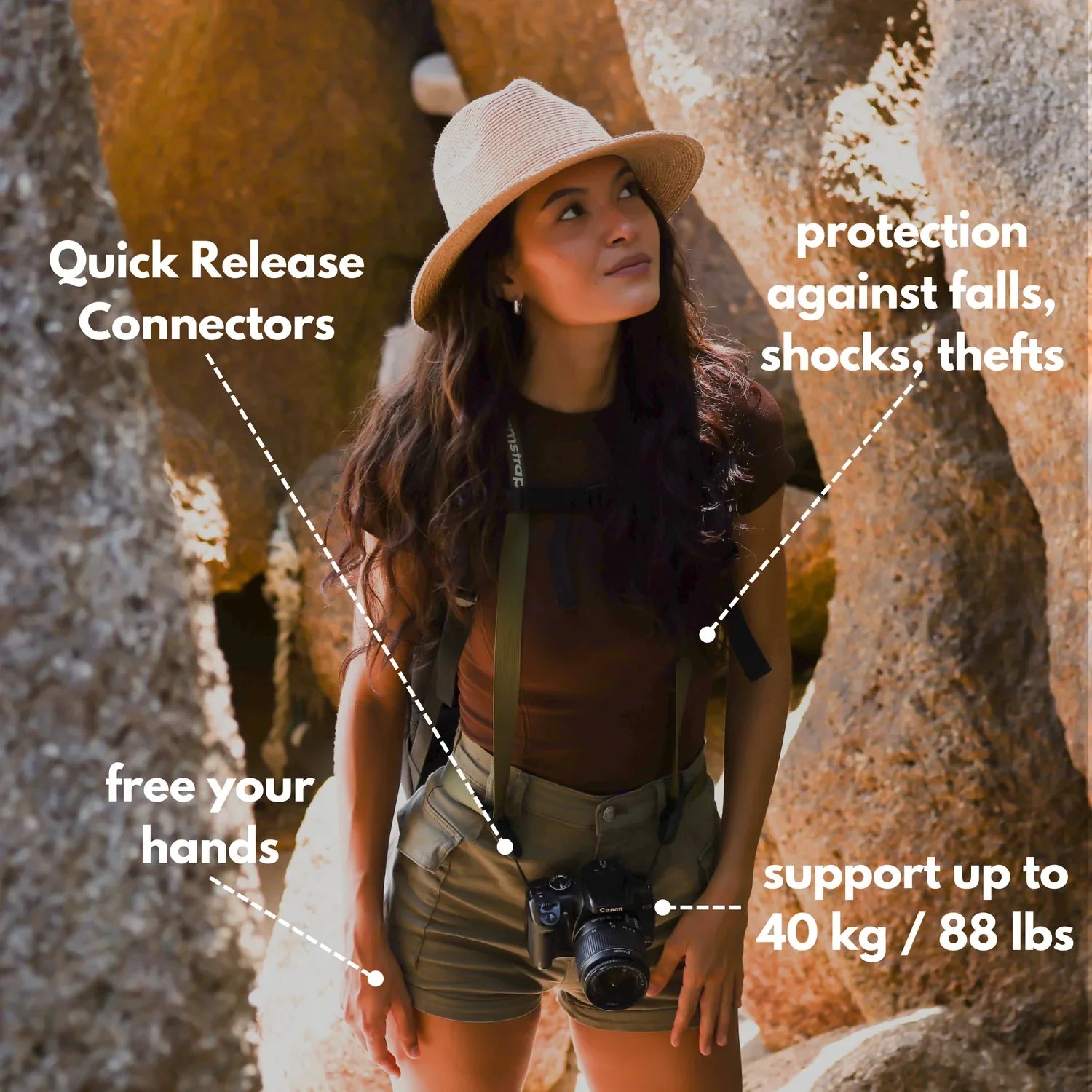
By choosing the Camstrap strap, you are opting for a high-quality product designed to meet the needs of the most demanding photographers.
- Developed by a physiotherapist to relieve neck and back pain.
- Fast delivery with tracking by the Post Office 🚚
- Can be used as a shoulder strap or hands-free harness

- Regular price
-
€36 - Regular price
-
€42 - Sale price
-
€36
Free shipping included
Best of all, summer gives you extra daylight, richer color, and more street activity. That makes brief photo walks both easier and more enjoyable. In this guide, you will learn how to make better travel photos in a short window, which settings work well, and how to blend in more naturally.
Why summer photo walks work so well
Long days and bright scenes make summer especially photographer-friendly. City streets feel busier, and more people are outside, which creates more opportunities for images that capture movement, atmosphere, and fleeting moments.
Research on short city photo walks suggests that timing makes a big difference. If your walk is only one hour, arrive 20 to 30 minutes early. That gives you time to prepare, confirm your route, and avoid rushed choices later on.

Short time can still lead to strong photos
Many people assume they need a full day to photograph a city well. That is not the case. A limited time frame can sharpen your attention and help you see more clearly.
When the clock is ticking, you stop drifting aimlessly. Instead, you start noticing light, color, shape, and motion. That focused approach often produces better summer photos than a long, unfocused day.
How to plan summer travel photo walks in one hour
Careful planning makes a short photo walk much smoother. Begin with one compact area rather than the entire city. Look for a route that includes landmarks, side streets, and places where people naturally gather.
If possible, scout the route before you begin. Then you will know where the sun lands, where the shade falls, and where you can pause for quick shots. In summer, that matters even more because harsh light can change quickly.
Use a simple route with three stops
A one-hour walk works best when the path is clear. Try this: one major landmark, one street scene, and one quieter side spot. That gives you variety without wasting valuable time.
- Stop 1: a well-known landmark or view
- Stop 2: a busy street, market, or crosswalk
- Stop 3: a calmer place with texture, signs, or shadows
This combination helps you build a fuller story about the city. It also prevents your summer travel photos from feeling repetitive. As a result, the final set will feel more complete.
Best camera settings for summer city walks
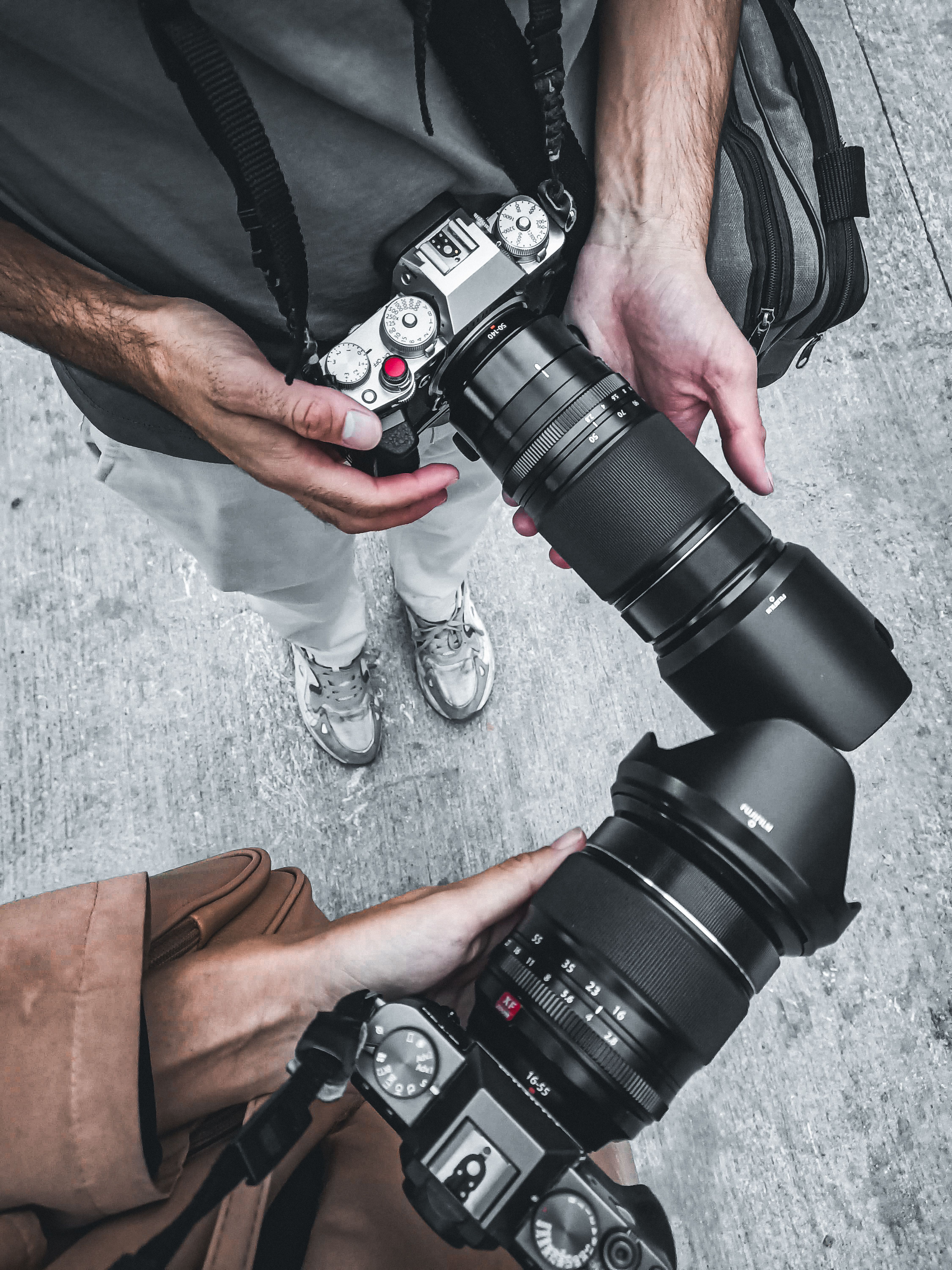
The best settings for a city photo walk are the ones that keep you moving. You do not want to pause and adjust controls for every scene. For that reason, simple options like aperture priority mode work especially well.
Research shows that aperture priority helps you work quickly while still controlling depth. A wide setting such as f/2.8 to f/4 performs well for street scenes. It offers enough blur to separate a subject, while keeping enough city detail in the frame.
Use shutter speed to freeze motion
City life moves quickly, especially in summer. People cross streets, bikes pass by, and buses keep rolling. To capture those moments, use a fast shutter speed.
A useful starting point is 1/500s or faster. That helps freeze motion in busy scenes. In bright light, this setting is easy to use. If the light drops, raise your ISO a bit so you can maintain the speed.
Try these quick settings
- Mode: aperture priority
- Aperture: f/2.8 to f/4
- Shutter speed: 1/500s or faster
- ISO: 100 to 800 in bright summer light
- Focal length: 35mm, 50mm, or 85mm for clean travel scenes
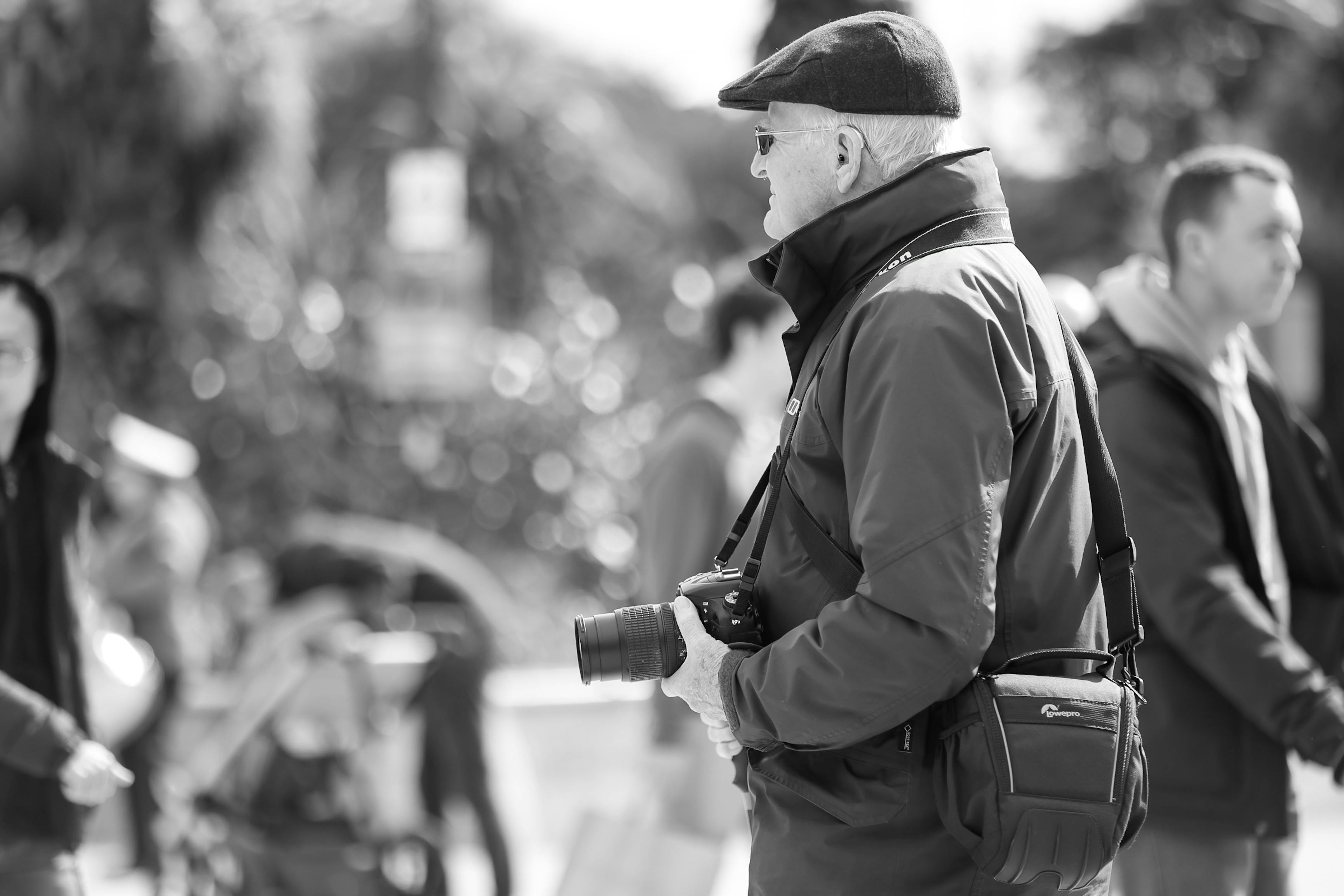
These settings strike a good balance between speed and control. They also keep your summer photo walk straightforward. That matters when you only have one hour to work with.
Summer light and color: how to use both
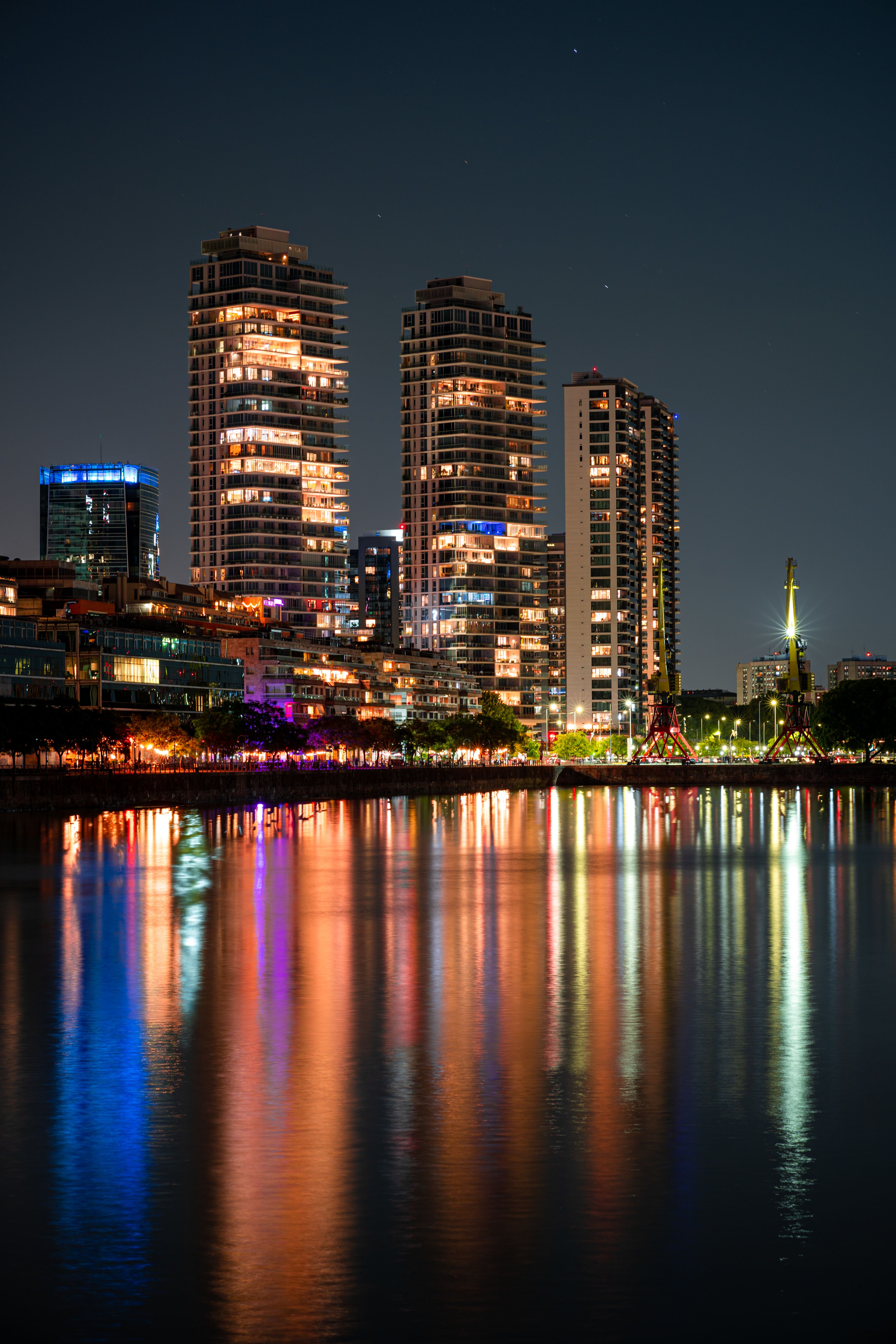
Midday summer light can be harsh, but it can also be striking. The trick is to work with it instead of resisting it. Look for strong edge light, open shade, and bright reflections from glass, water, or stone.
One useful tip from the research is to position your subject between you and the sun. Doing so can create glowing outlines and gentle silhouettes. In summer, that effect can make even a simple street scene feel cinematic.
Pick one color and follow it
A good photo walk benefits from a theme. One easy approach is to pick a single strong color and look for it as you move. It might be red, yellow, blue, or green.
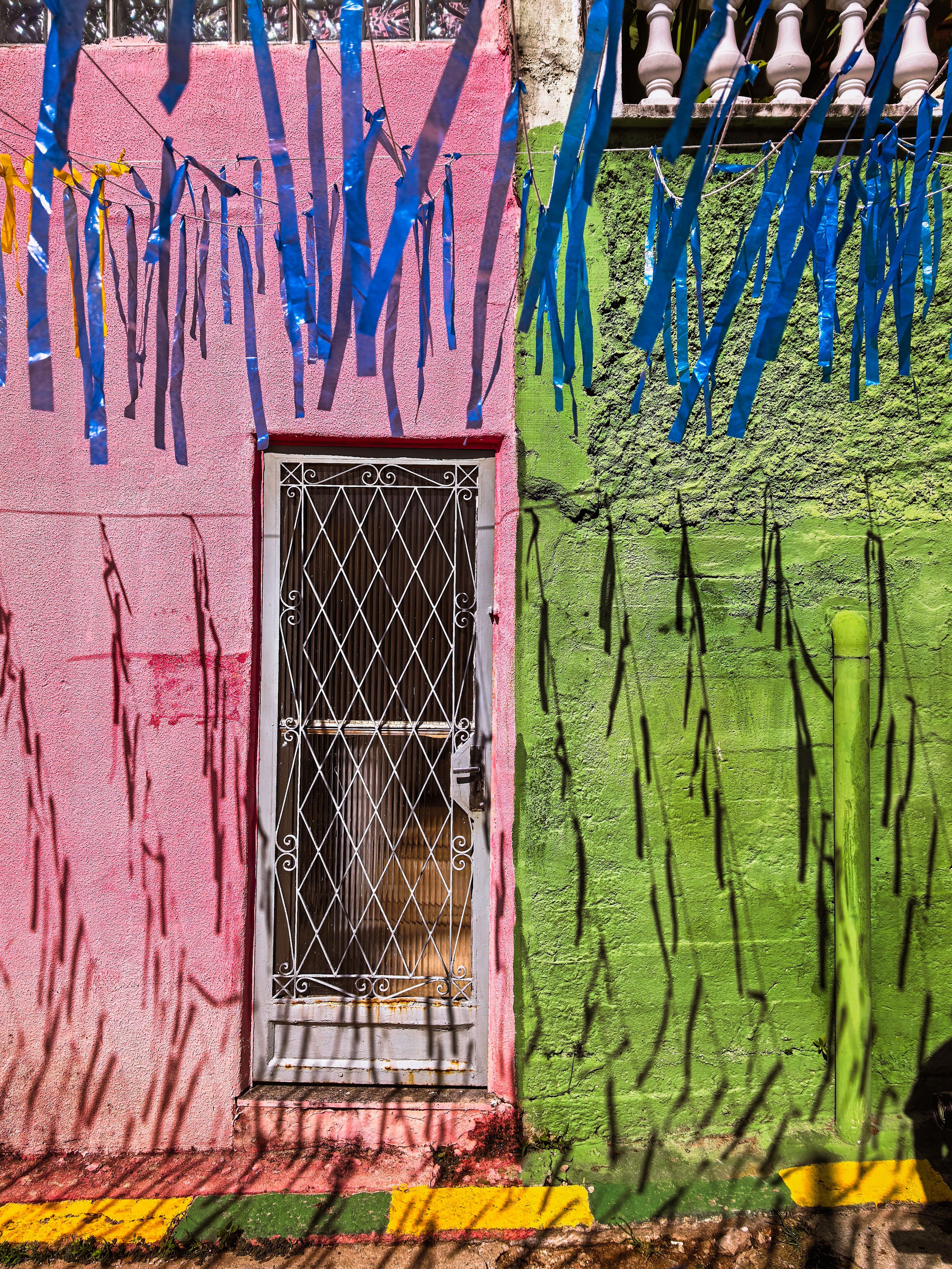
This technique helps you build a visual story quickly. It also keeps your summer travel photos connected, even when you shoot in several different places. One color can tie the entire hour together.
Set white balance before you start
Do not rely on auto white balance if you want a consistent look. The research recommends manual white balance with “Cloudy” or “Shade.” That helps keep your color tones more even throughout the walk.
This is especially useful in summer, when light shifts as you move from sun to shade. It also reduces editing time later. Your photos will feel more consistent from beginning to end.
How to photograph a city without looking like a tourist
This is one of the most common travel photography questions. The answer is straightforward: slow down, observe first, and shoot with intention. Try to move in step with the street around you.
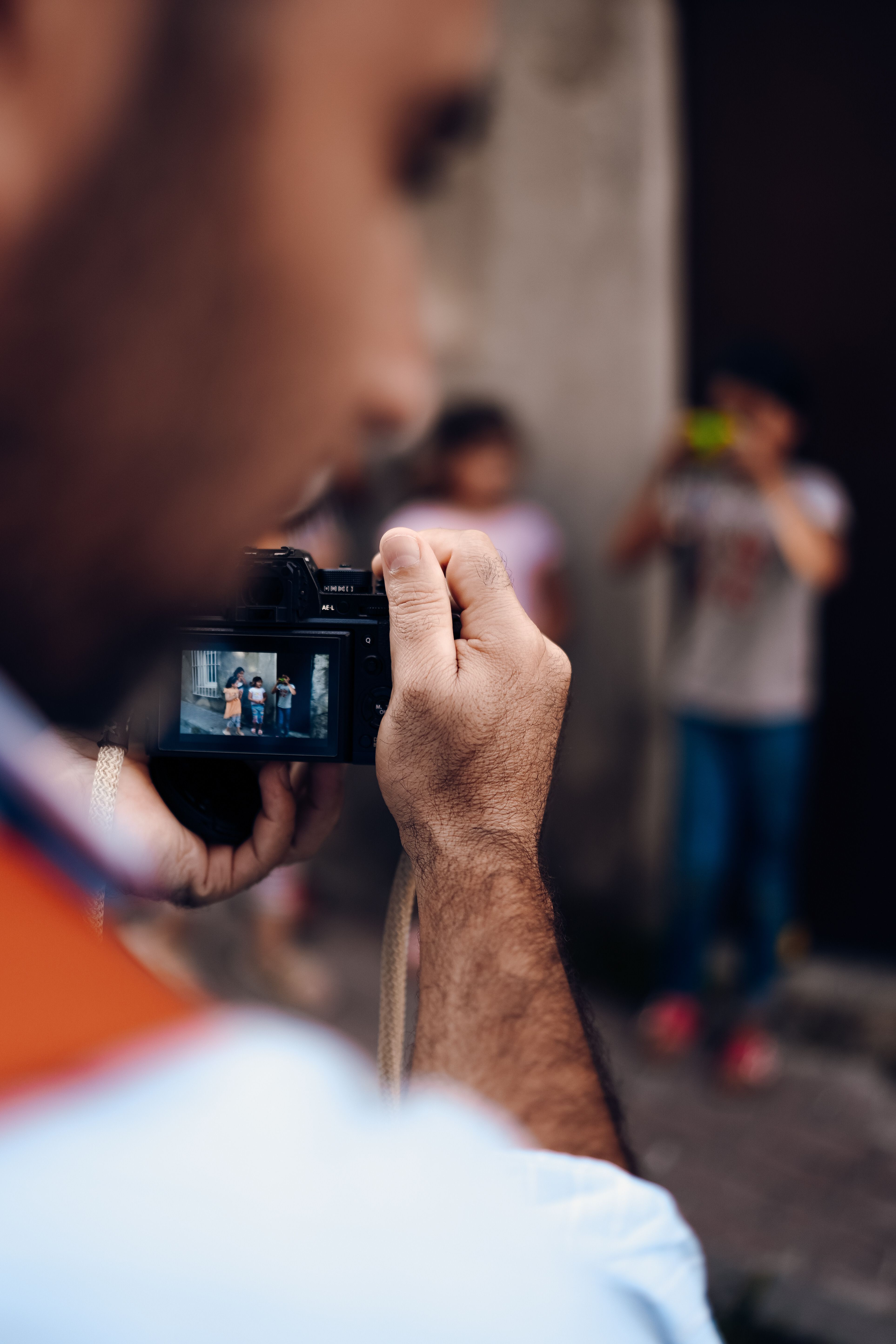
Rather than aiming your camera at every landmark right away, look for smaller scenes. A coffee cup on a table, a shadow on brick, or a cyclist rounding a corner can feel more authentic than a classic postcard view.
Use local habits and angles
Pay attention to how people move through the space. Stand where locals stand. Wait for the moment when the city feels natural instead of staged.
You can also vary your angle. Shoot from waist level, step aside, or frame a scene through a doorway. Those small adjustments help your summer photos feel less like quick snapshots and more like genuine travel stories.
Stay light and move easily
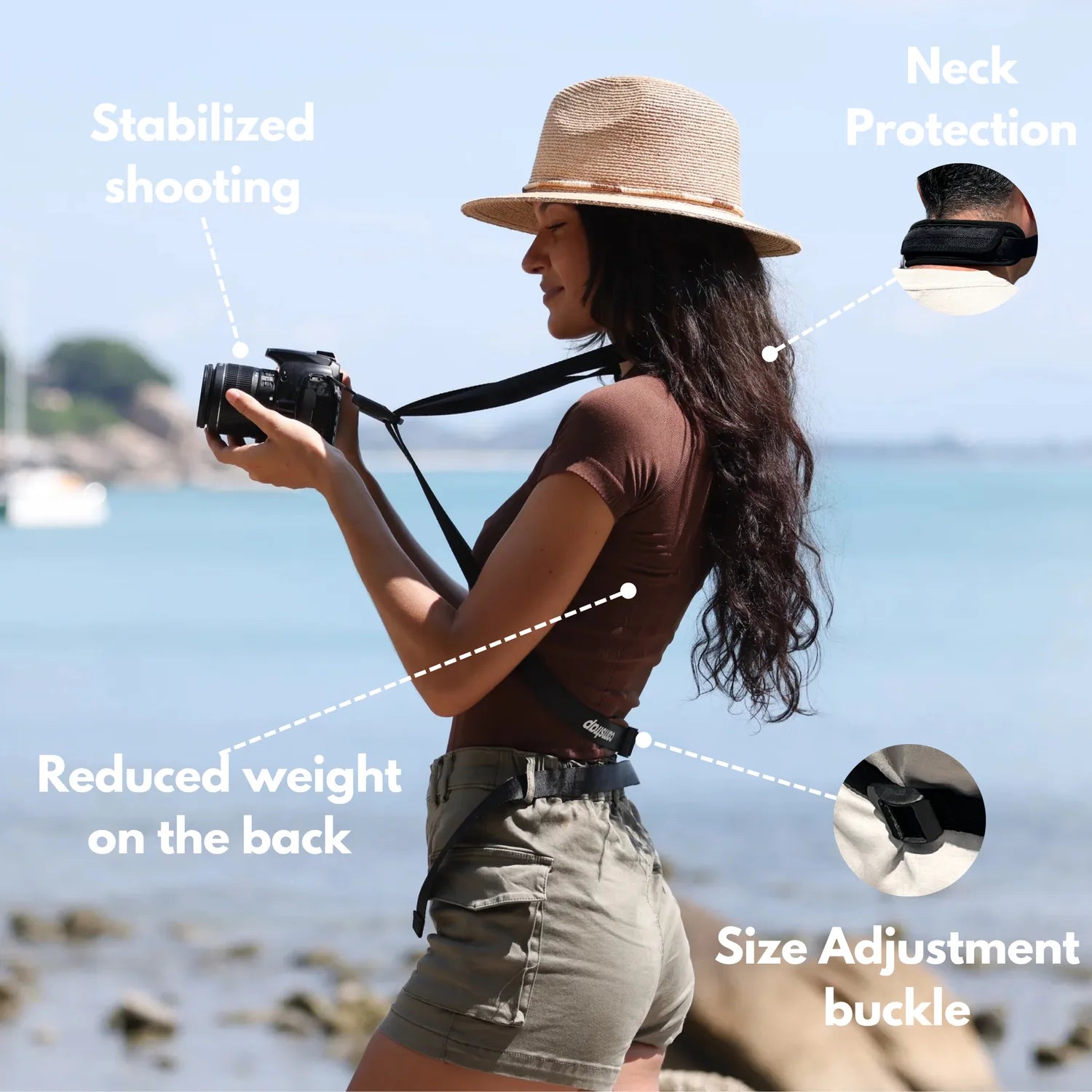
A compact setup makes it easier to blend in and stay alert. A comfortable strap matters here because it keeps your camera close and simple to reach. That is especially helpful during short, spontaneous walks between landmarks.
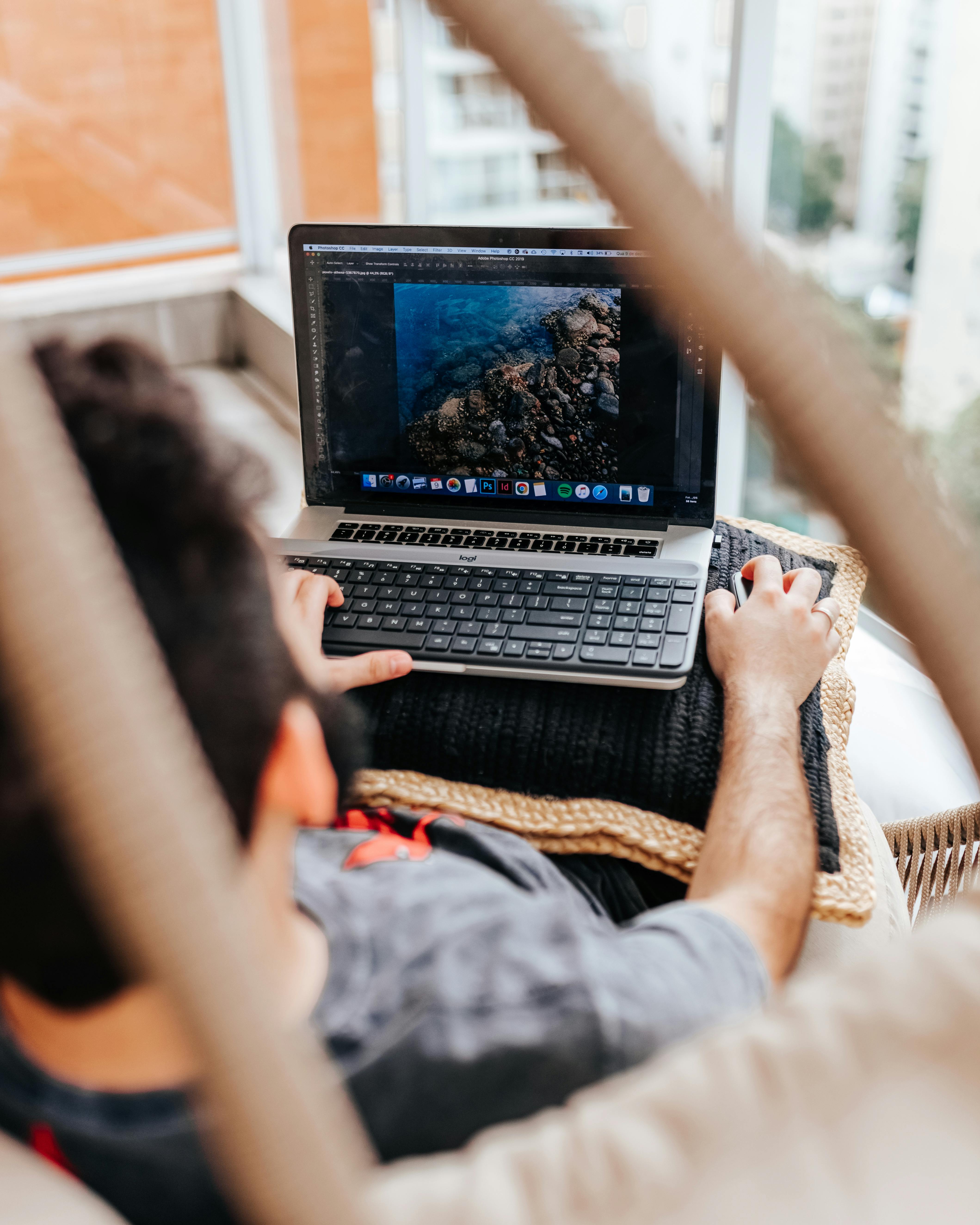
Some photographers use a strap like the Camstrap Voyager, Camstrap Explorer, or Camstrap Nomad for this kind of movement. A quick clip option such as the Camstrap MagClip can also help when you need fast access. The main idea is simple: if your gear is comfortable to carry, you will shoot more often.
What to look for during a one-hour summer walk
One hour passes quickly, so you need clear photo targets. Avoid trying to shoot everything. Instead, focus on a few subjects that tell the story of the city in summer.
Street life, signs, shadows, food, transit, and local details all work well. These smaller scenes often say more than wide views. They also help your photo walk feel focused and calm.
Good subjects for quick travel photos
- People walking through bright sun and shade
- Reflections in windows, puddles, or metal
- Colorful walls, doors, and street signs
- Food stalls, cafes, and outdoor tables
- Architecture lines, steps, and bridges
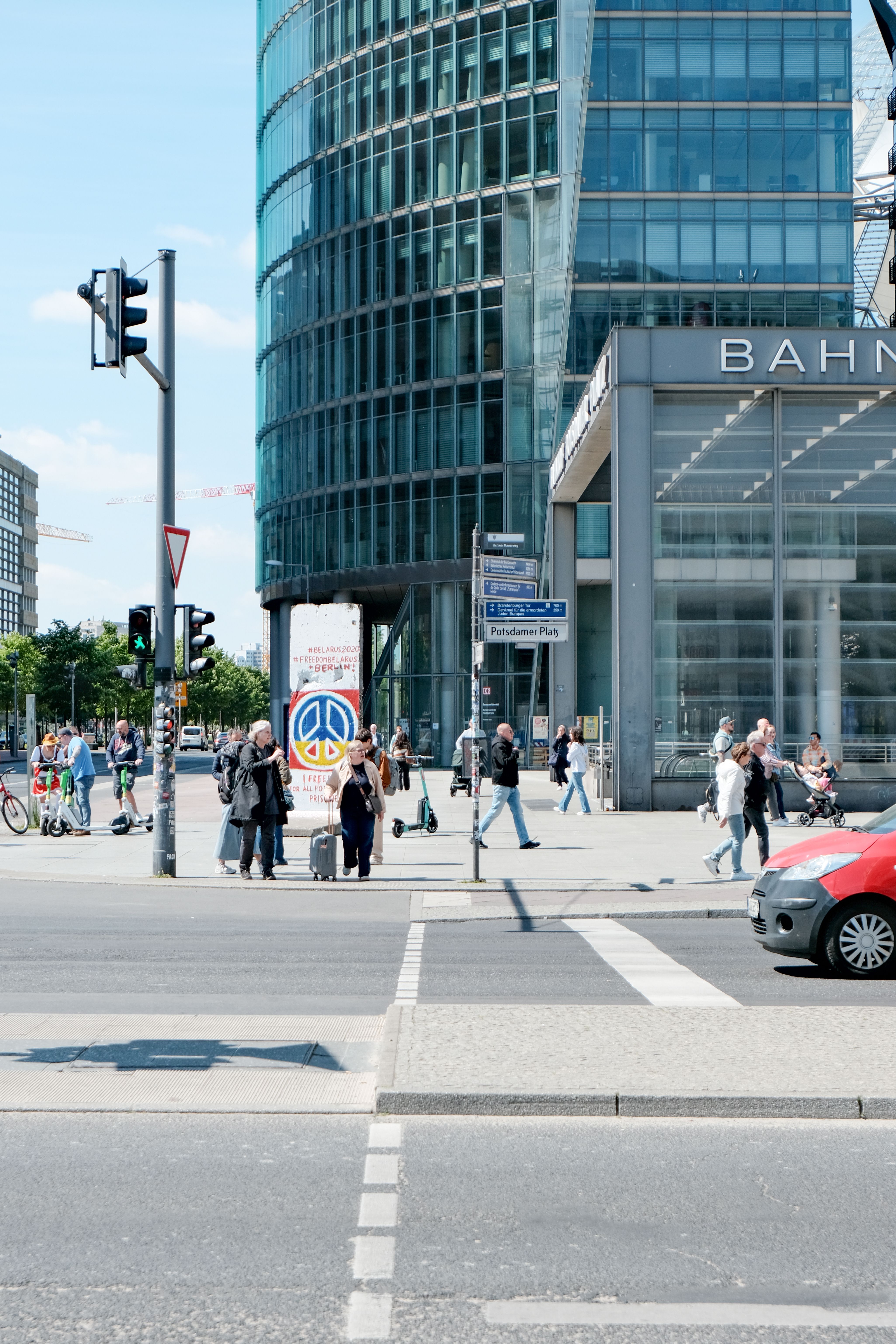
These subjects are easy to find in summer cities. They also work in almost any place, from a busy downtown street to a quiet waterfront. Therefore, you can use the same plan in many destinations.
Simple photo walk tips for better results
Small habits can make a big difference in travel photography. First, keep your camera ready the entire time. Second, keep moving, but stop often enough to actually look around.
Research-based planning matters here too. If your walk starts at 10:00 a.m., arrive by 9:30 a.m. That gives you time to test exposure, check battery life, and find your first frame before the crowd builds.
Use this quick one-hour flow
- Arrive early and set your camera before the walk starts.
- Start with one landmark to warm up.
- Move to a street scene with people and motion.
- Use one color theme to guide your shots.
- Finish with a quiet detail or closing frame.
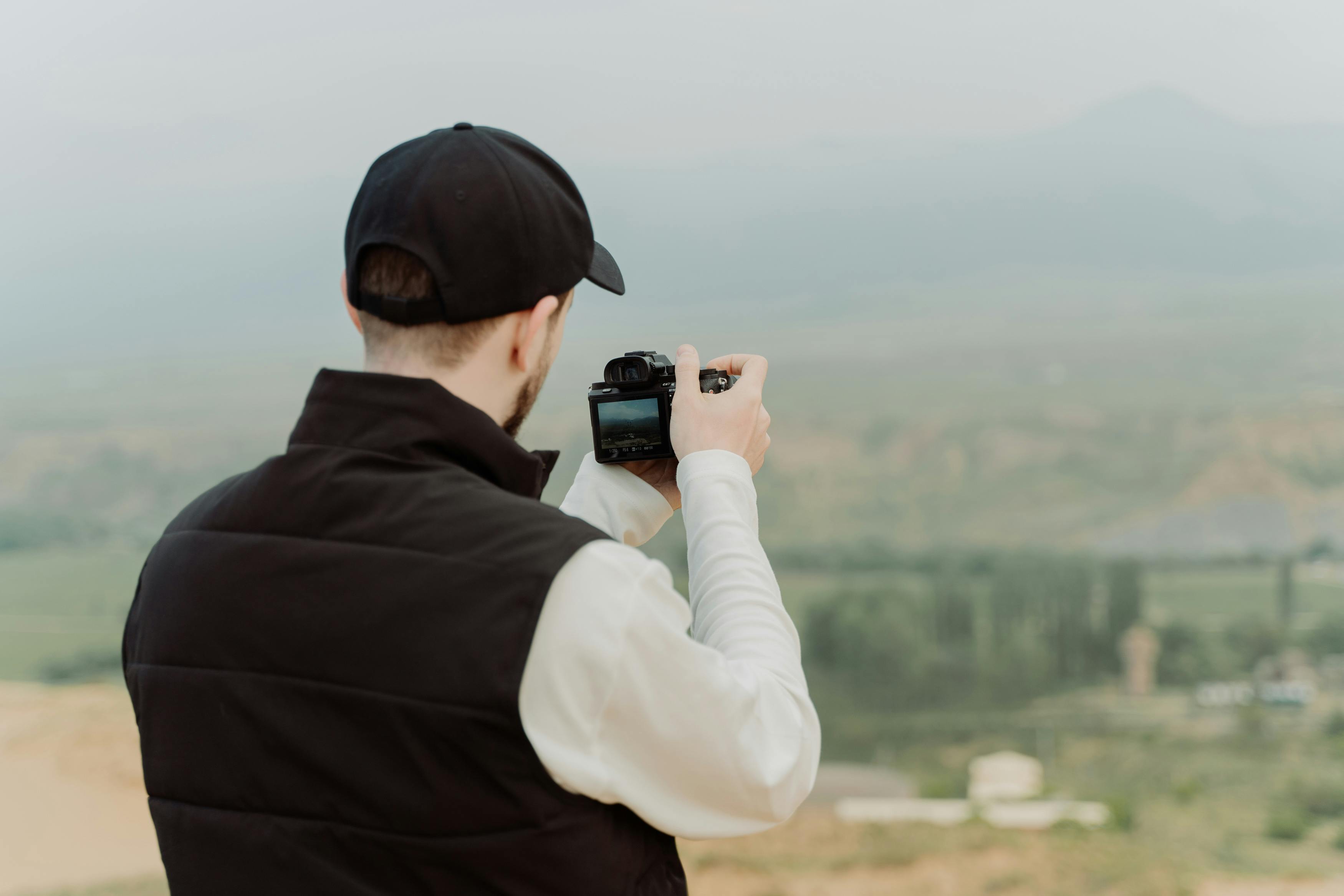
This flow keeps your summer photo walk organized. It also makes editing easier later, because your shots will already have a clear structure. In short, you get more from each minute.
Editing and sharing your summer city story
After the walk, review your photos while the scene is still fresh in your mind. Select the images that show change, light, and emotion. A strong set does not need dozens of photos.
Begin with small edits. Adjust brightness, crop lightly, and keep the color natural. If you used Cloudy or Shade white balance, your summer tones should already feel steady and warm.
Choose photos that work together
Think of your images as a short story. You need a beginning, a middle, and an ending. The first shot can establish place, the middle can show action, and the last can focus on detail or mood.
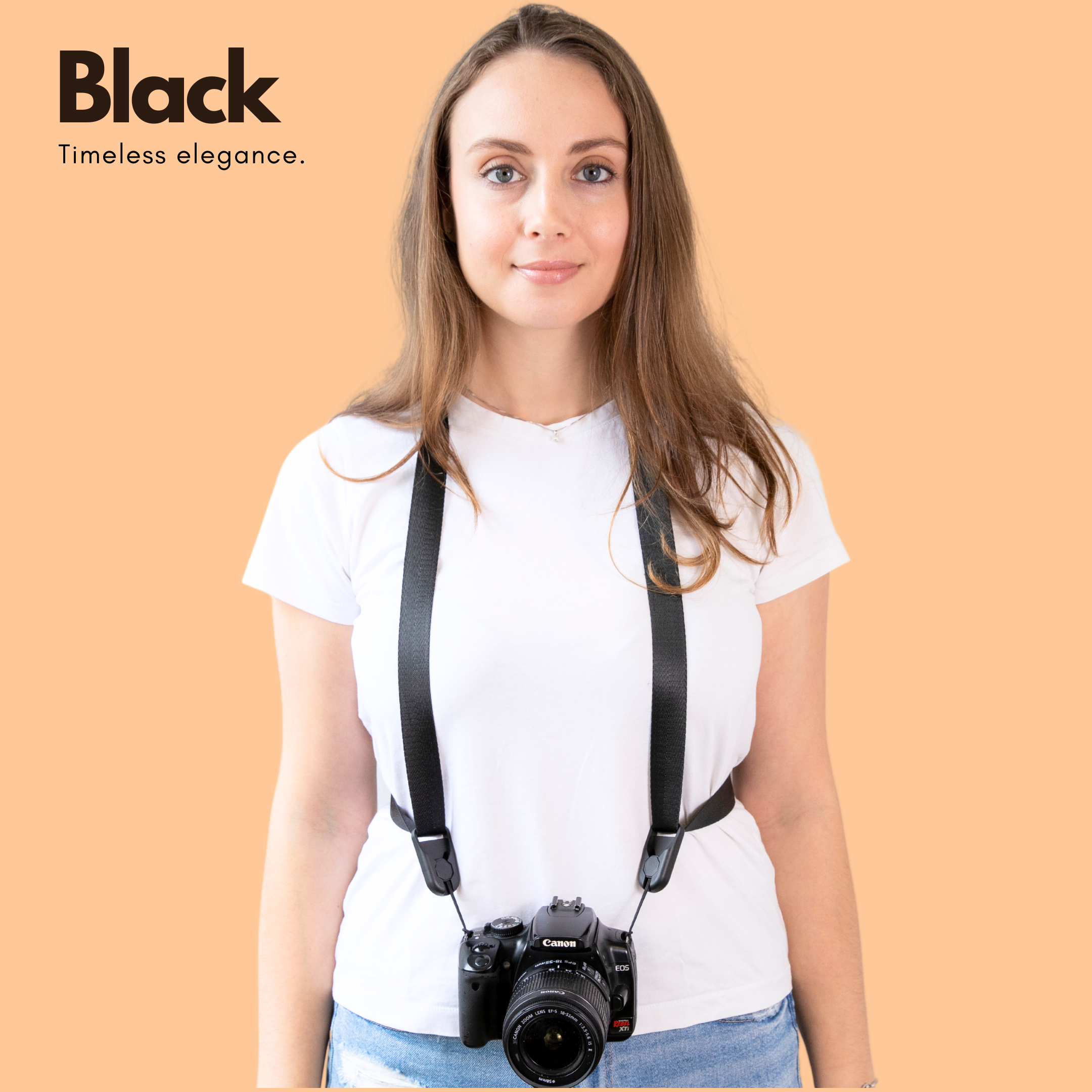
This approach works well for blogs, social posts, and travel albums. It also helps you remember the city more clearly. That is one reason summer photo walks are so rewarding.
Final thoughts on summer travel photo walks
Summer travel photo walks can give you a lot in a short amount of time. With one hour, you can still capture strong light, real street life, and the small details that make a city feel alive. The key is to plan carefully, keep your settings simple, and move with purpose.
Keep the basics in mind: arrive 20 to 30 minutes early, use aperture priority, shoot at f/2.8 to f/4, and freeze motion at 1/500s or faster. Pick one color, pay attention to the light, and stay ready to move. With that approach, your summer photos will look more natural and more complete.
Most importantly, enjoy the walk. The best summer travel photos often happen when you stay open, keep your camera ready, and let the city reveal itself one frame at a time.
Frequently Asked Questions
How do I take good travel photos in a short time?
Plan a short route in one compact area and arrive 20 to 30 minutes early so you can scout light, shade, and composition. Focus on a few varied subjects—such as a landmark, a busy street, and a quieter side spot—so you spend less time deciding and more time shooting.
What camera settings work for walking around a city?
Use aperture priority mode so you can keep moving while controlling depth of field. A wide aperture around f/2.8 to f/4 works well for street scenes because it separates your subject and keeps shutter speed reasonably fast in changing light.
How do I photograph a city without looking like a tourist?
Blend in by moving naturally, observing before shooting, and favoring candid moments over posed, obvious shots. Use side streets, local gathering spots, and details like signs, textures, and shadows to create images that feel more local and less staged.