


- Use one clear subject to guide the viewer’s eye through the frame.
- A focal point is the photo’s main anchor, giving the image purpose and order.
- Think of it as the thing your eye notices first, like a person or bright doorway.
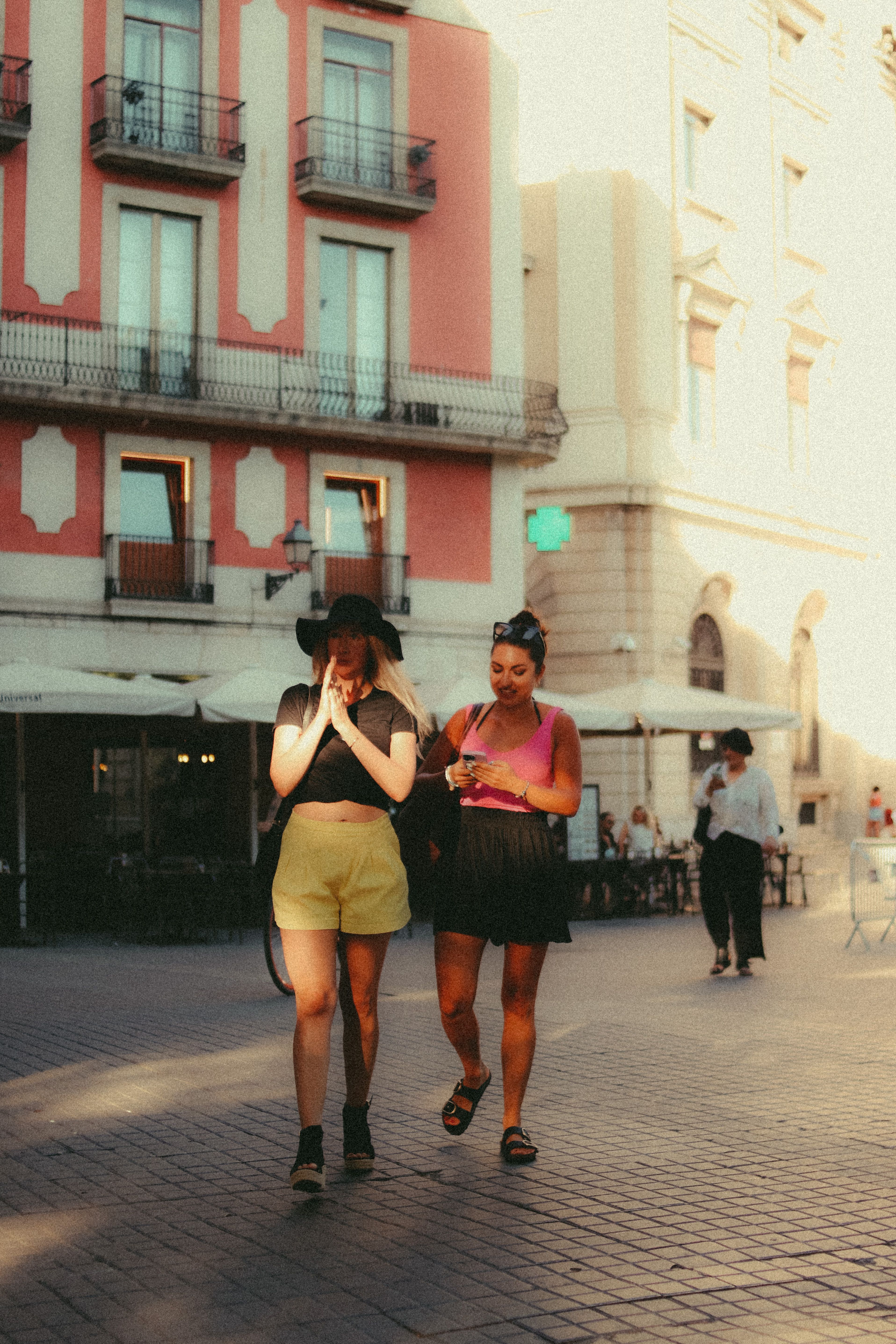
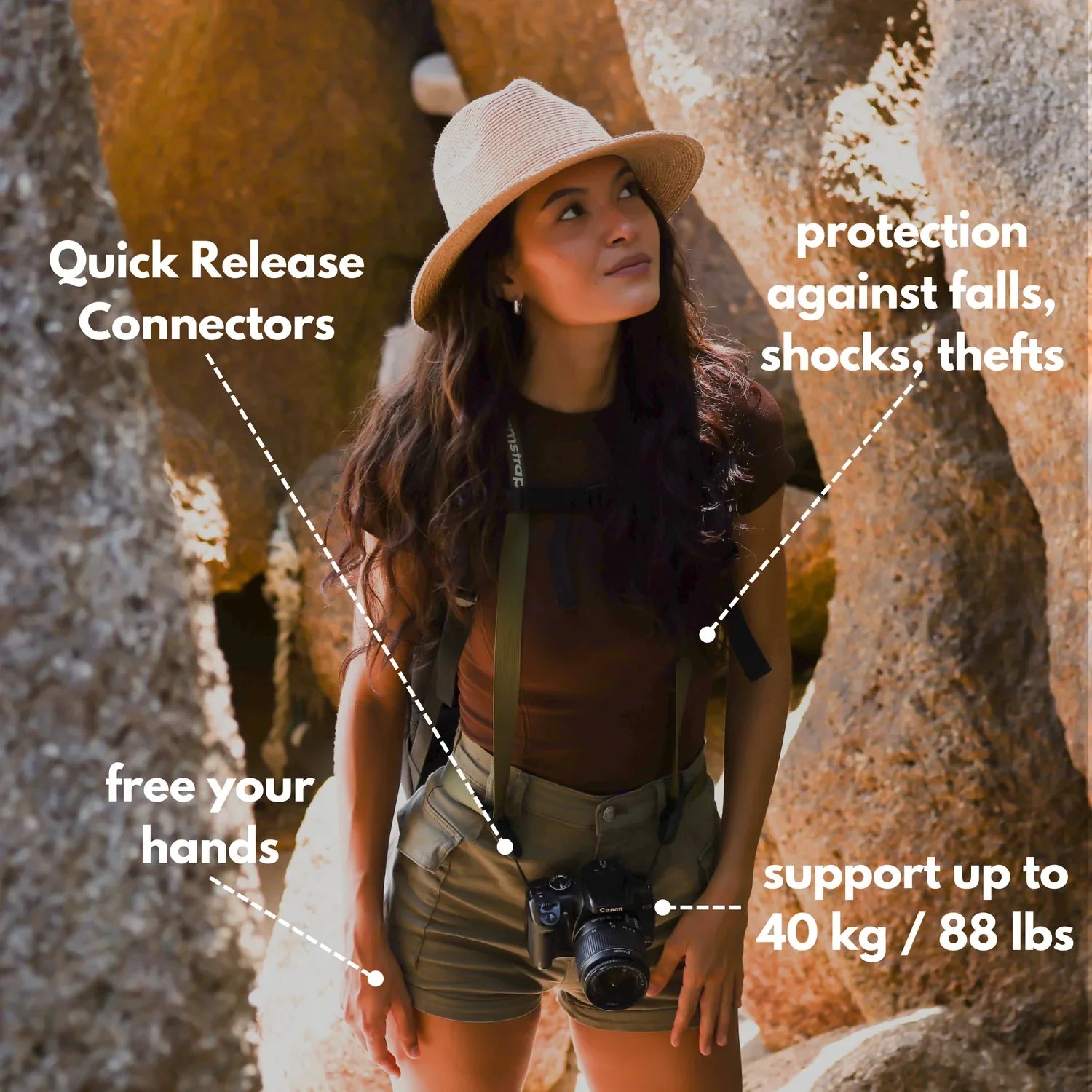
Focal point photography directs the viewer’s eye to one main subject in a frame. During a city walk, that subject might be a friend, a street sign, a doorway, or a patch of light. When I photograph a friend on the street, I aim for a pose that feels like a real moment. I want them inside the scene, not stiffly set against it.
Translation missing: en.blog_cta.bundle_heading

- Regular price
-
€42 - Regular price
-
€44 - Sale price
-
€42
By choosing the Camstrap strap, you are opting for a high-quality product designed to meet the needs of the most demanding photographers.
- Developed by a physiotherapist to relieve neck and back pain.
- Fast delivery with tracking by the Post Office 🚚
- Can be used as a shoulder strap or hands-free harness

- Regular price
-
€36 - Regular price
-
€42 - Sale price
-
€36
Translation missing: en.blog_cta.free_shipping_included
What gives a city walk pose a real feel?
Natural posing starts with movement, small pauses, and simple body angles. People look best when they are doing something ordinary, like turning, glancing down, or stepping forward.
City streets give you easy scene parts to work with. Walls, curbs, crosswalks, benches, and shop windows can shape the pose without making it feel forced.
Begin with movement, then pause
Ask your friend to walk at a normal pace for a few steps. Then have them stop for one beat and turn their head toward you or away from you. That tiny pause gives you a clean pose with life in it, and the hands, coat, and hair settle into a looser shape. The frame feels less posed.
Lean on simple body cues
Keep the pose easy to follow. Ask for one change at a time, such as “shift your weight,” “look past me,” or “put one hand in your pocket.”
- Shift weight to the back foot for a relaxed line.
- Bend one knee a little for a softer stance.
- Turn the body 20 to 45 degrees from the camera.
- Let the hands hold a bag, jacket, or coffee cup.
These cues ease tension. A friend who knows what to do with hands and feet settles into the frame much faster.
Which camera settings keep the pose natural?
City walk scenes move fast, so the settings have to keep up. I use a shutter speed near 1/500s for walking shots, then adjust if the light changes.
A 50mm to 85mm lens helps too. That range gives a clean view of a person without making the scene feel crowded.
Choose settings that hold motion in check
For a bright street, start around f/2 to f/2.8 and ISO 100 to 400. In shade, you may need ISO 800 to 1600 to hold the same shutter speed. A wider aperture softens the background, but it also narrows depth of field, so focus has to stay on the eyes.
On mirrorless bodies, I use continuous AF (AF-C / AI Servo) with eye or subject detection. Back-button focus helps too, because I can keep focus active while I wait for the best step or glance.
Use burst mode with care
A short burst can save a pose that changes in half a second. Mid-tier cameras often slow after about 20 to 40 RAW frames, while JPEG buffers last longer.
That sounds like a lot, and it is. A three- to six-frame burst usually will not fill a modern buffer, though long runs can still slow a body down.
- Mechanical shutter: about 10 fps on many bodies.
- Electronic shutter: often 20 to 40 fps, but rolling-shutter skew can bend moving lines.
- Pre-capture or pre-burst: useful for catching the step before the full press.
- UHS-II V60 or V90 cards: faster write times help the buffer clear sooner.
Some electronic shutters also pick up banding under LED or fluorescent signs. If that happens, switch back to mechanical shutter.
How do you guide a friend without making it look stiff?
Short, clear prompts work better than long directions. A friend usually relaxes when you give one job at a time. Think of the pose as a loop: walk, pause, look, then reset. That rhythm keeps the shoot moving and stops the pose from looking staged.
Let the scene do part of the work
Ask your friend to lean on a rail, stop near a doorway, or stand by a bright wall. Those spots give the body a reason to pause.
One easy trick is to place the subject at the edge of a crosswalk or under a sign. The city then becomes part of the pose, not just the backdrop.
Hands, shoulders, and chin carry the most weight
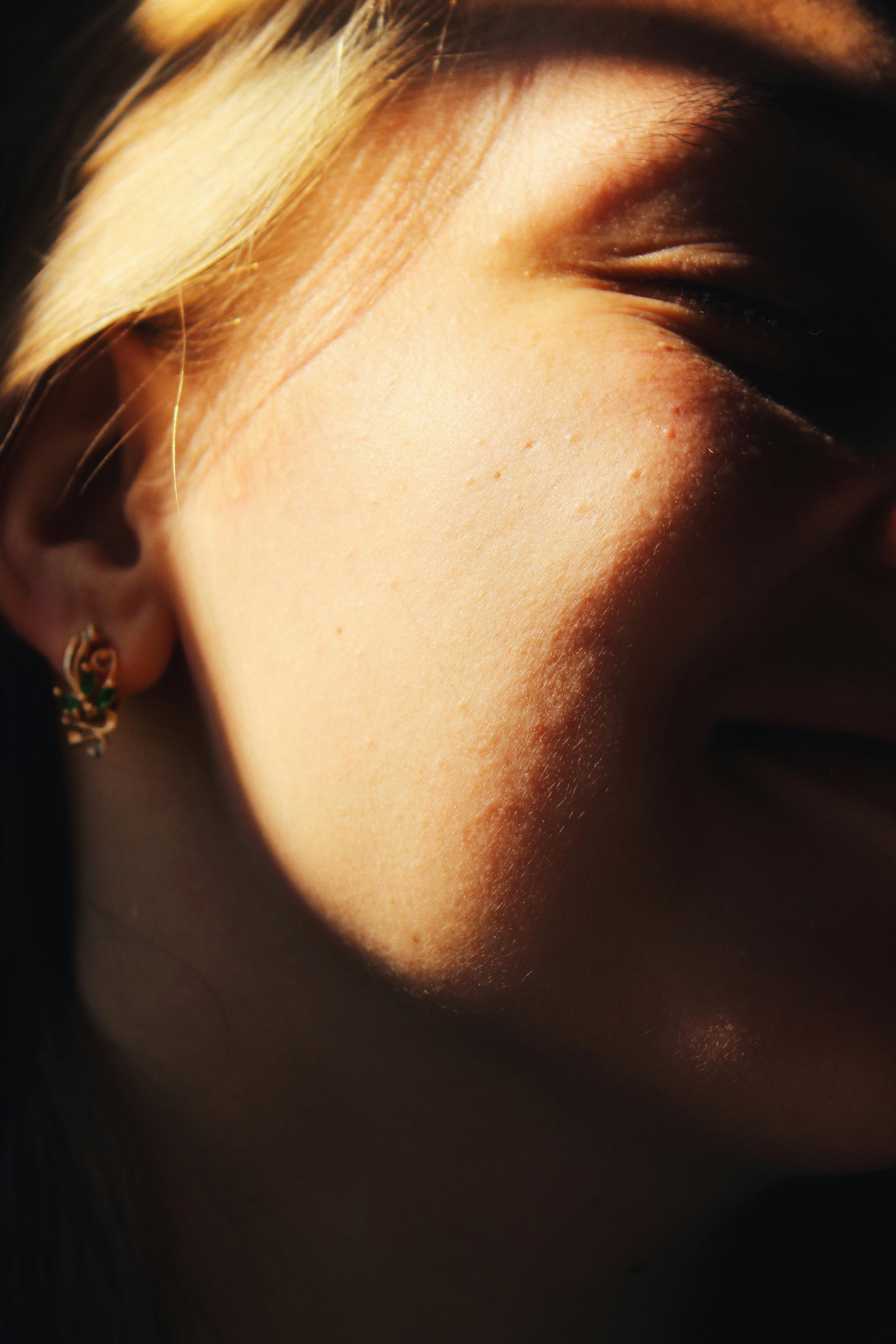
People often look stiff because of the hands. Give the hands a task, even if it is small, like touching a sleeve or holding a strap. Shoulders should stay low, not pulled up. A slight chin move down or out can change the whole mood of the frame.
- Tell your friend to keep walking for three to five steps.
- Ask for a small pause near a strong background.
- Have them turn the body a little away from camera.
- Bring one hand to a pocket, bag, or jacket seam.
- Take two to four frames, then reset and repeat.
That sequence keeps the session fast. It also gives you more chances to catch a real expression instead of a fake smile.
Where should you place the frame on the street?
Frame placement changes how natural the pose feels. A friend pushed too close to the middle can look pinned in place, while a slight offset feels more like part of the walk.
Use nearby lines to guide the eye. Building edges, road marks, and sidewalks can all act like visual arrows.
Lean on one-point depth when it fits
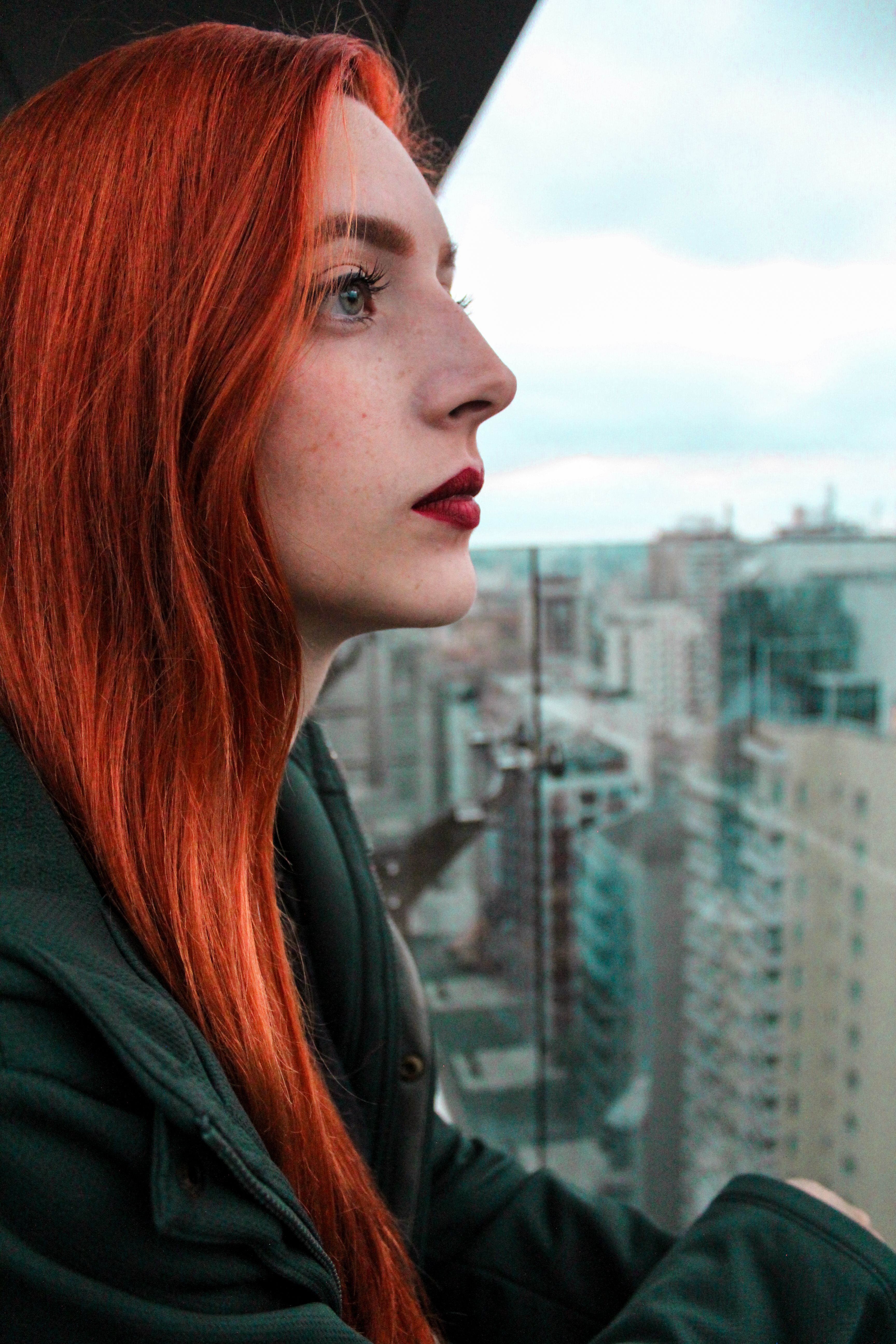
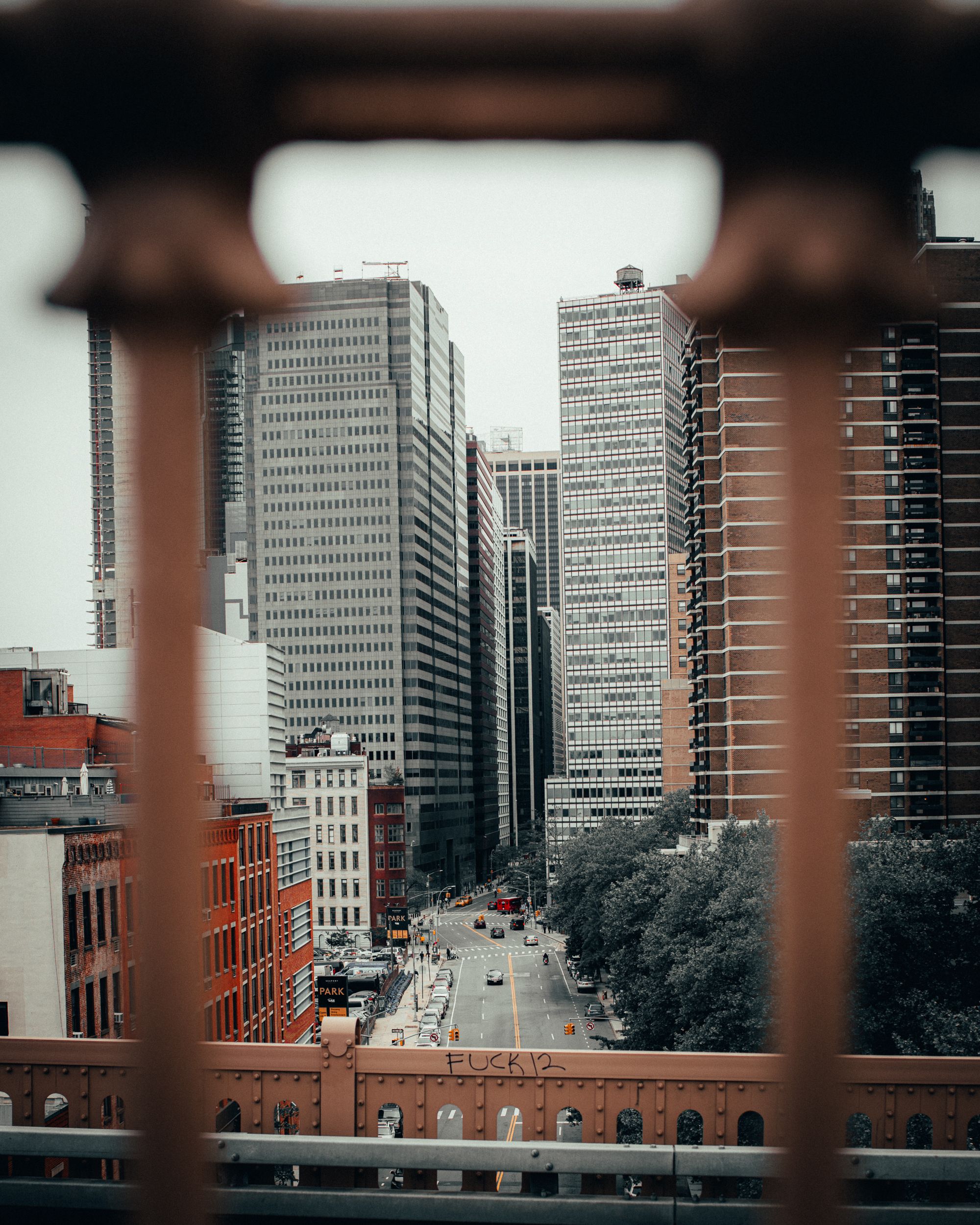
One-point perspective photography works well on long streets, alleys, and covered walkways. The lines pull attention toward your subject and make the pose feel grounded in space. Place your friend near the vanishing point only when the background is simple enough. If the scene is busy, move them a little off center and let the light do the work.
Match the pose to the background
A fast walking pose fits a busy market street. A slow turn or side glance fits a quiet lane with soft light.
The pose should match the mood of the place. A mismatch makes the image feel forced, even if the face looks good.
This is where focal point photography comes back into play. Your friend should stay the clear visual lead, while the street supports them instead of fighting for attention.
What is a focal point in photography?
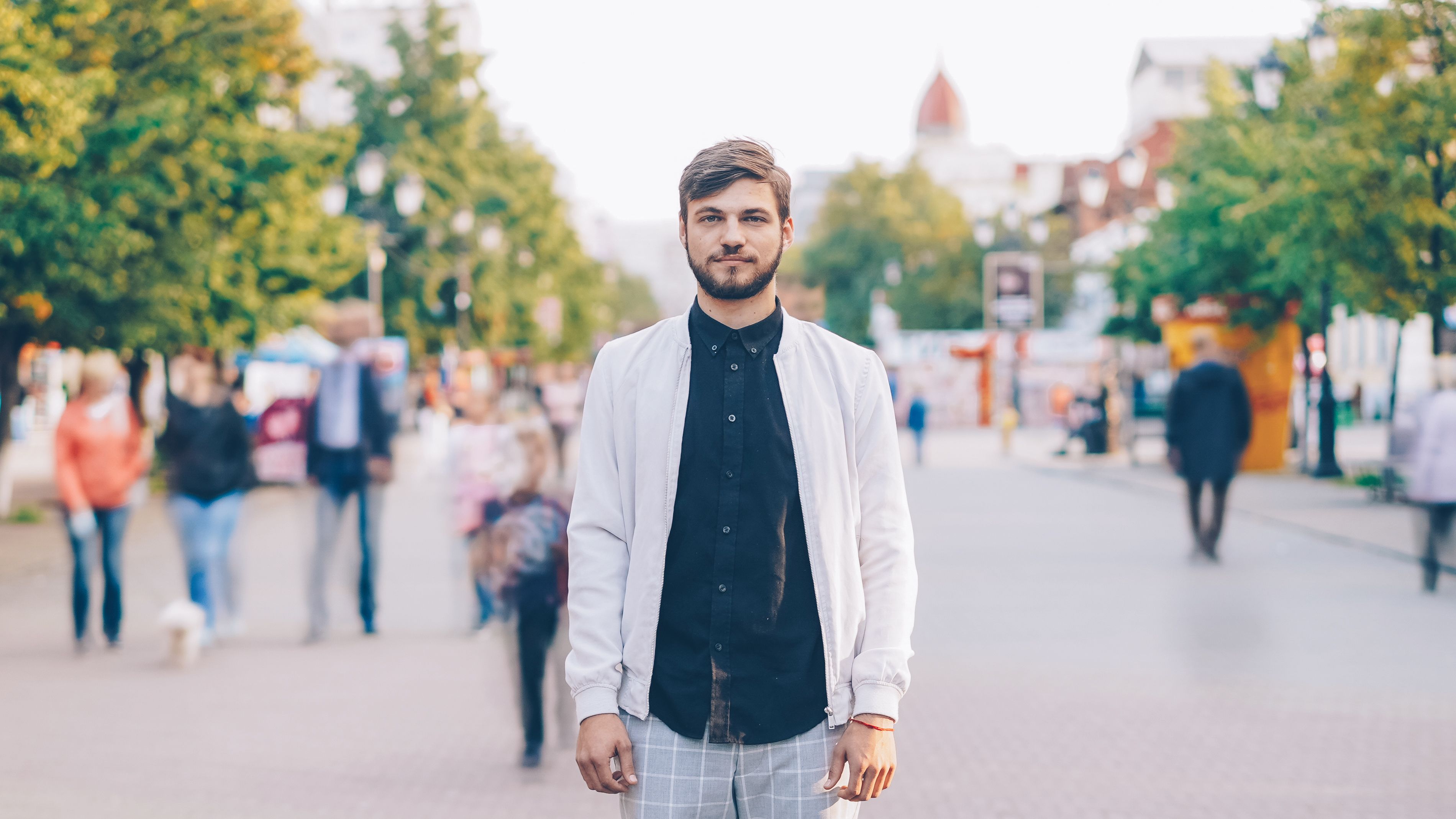
A focal point in photography is the main subject or area that pulls the viewer’s eye first. In a city walk, that can be your friend’s face, a bright coat, or a strong patch of light on the sidewalk. The point does not have to sit in the center. It only needs enough visual weight to win attention fast.
Why the eye goes there first
People notice contrast, light, color, and sharp detail before anything else. A person in a red jacket against gray brick will stand out fast.
Eye level also matters. Faces usually win attention, especially when the eyes are sharp and the background stays calm.
What is the purpose of a focal point?
The purpose of a focal point is to give the viewer a clear place to look. Without one, the eye may wander through the frame and miss the story. In street portraits, the focal point tells viewers who the photo is about. It also gives the pose a reason to exist inside the scene.
How it shapes the mood
A strong point can make a photo feel calm, bold, or lonely. The same pose can feel very different based on where light and lines lead the eye.
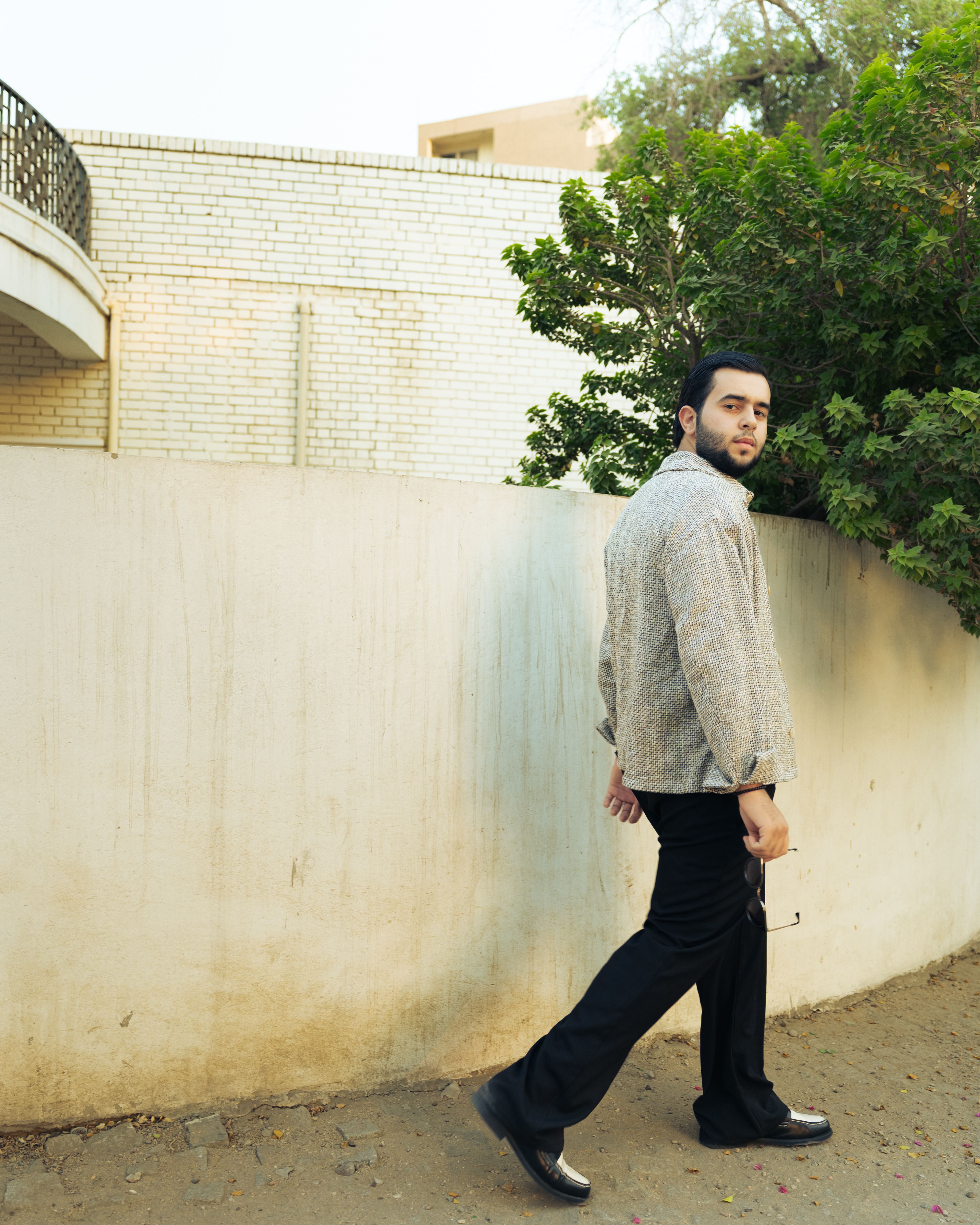
A bench beside your friend can support rest and quiet. A crossing signal or traffic blur can add energy and speed.
What is a focal point for dummies?
A focal point for dummies is simply the first thing people notice in a photo. It is the subject that grabs attention before the rest of the frame. Think of it like the lead actor in a scene. Everything else should help that person stand out.
A simple way to find it fast
Ask yourself one question before each shot: what should people look at first? If the answer is not clear, the frame needs a stronger subject or cleaner background.
Try this test in the street. Cover one eye, scan the frame in two seconds, and see what jumps out first.
What is the best focal point?

The best focal point is the one that fits the story, not the one that is brightest by habit. For a friend on a city walk, the eyes usually work best because they carry emotion fast. In some frames, a coat color or a hand gesture may be stronger. Use the most honest detail for that scene.
Choose the point that reads strongest on screen
If your friend is moving, the eyes, face, or leading hand often become the best point. If the face is partly hidden, then a pose line, like a turned shoulder or hat brim, may take over.
Keep the background quiet enough that this point stays clear. A soft blur at f/2 or f/2.8 helps, but good placement still matters more.
What gear helps keep the walk relaxed?
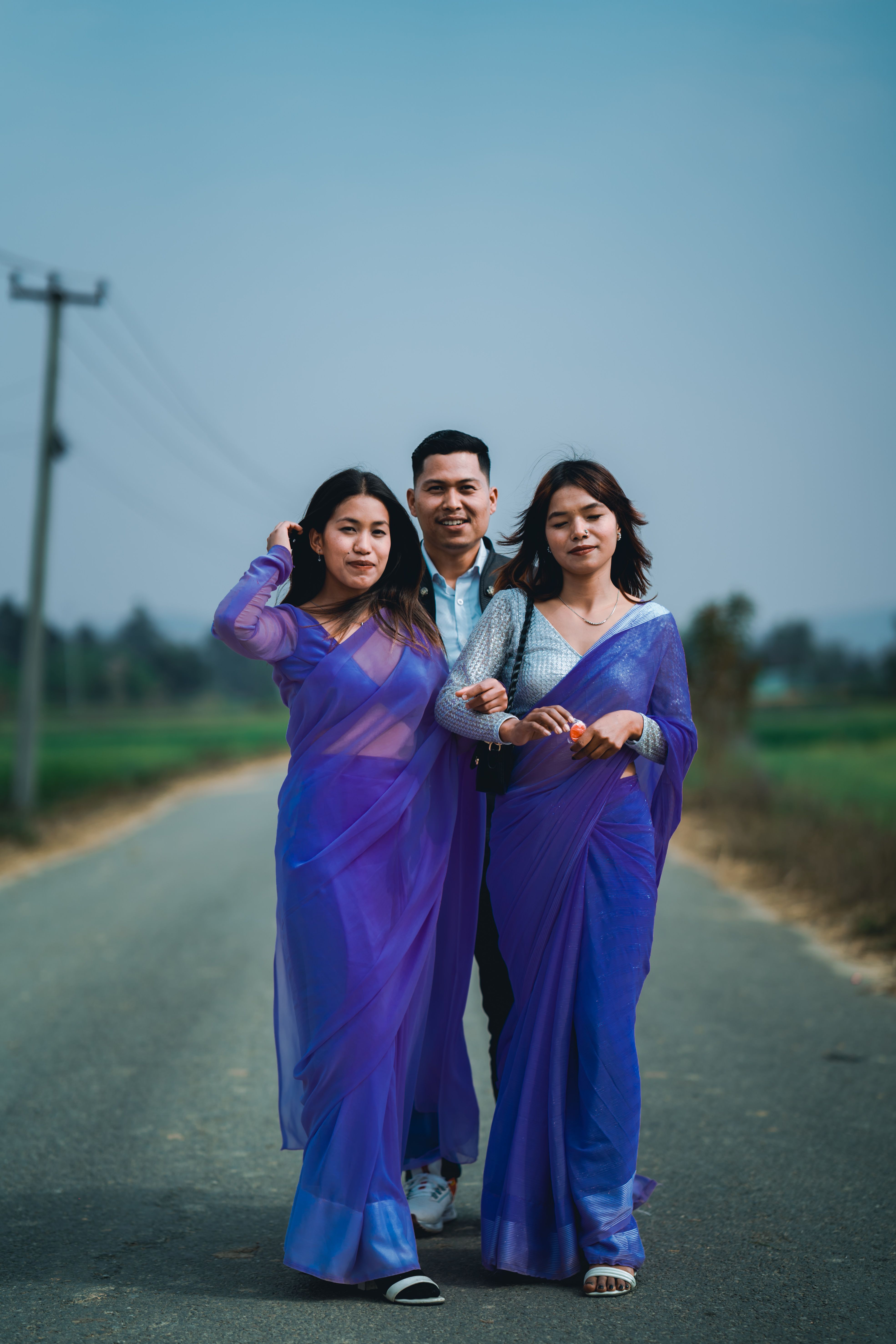
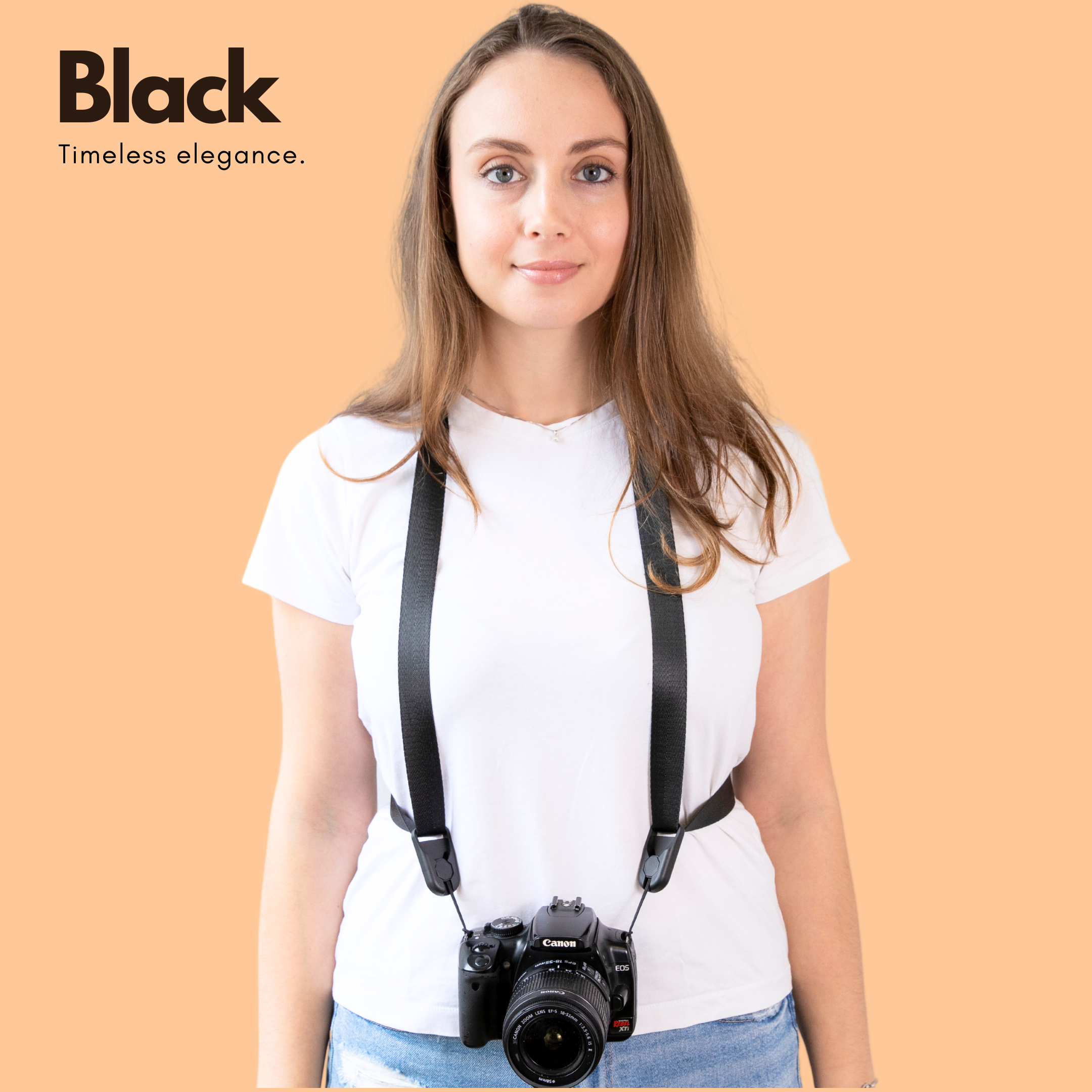
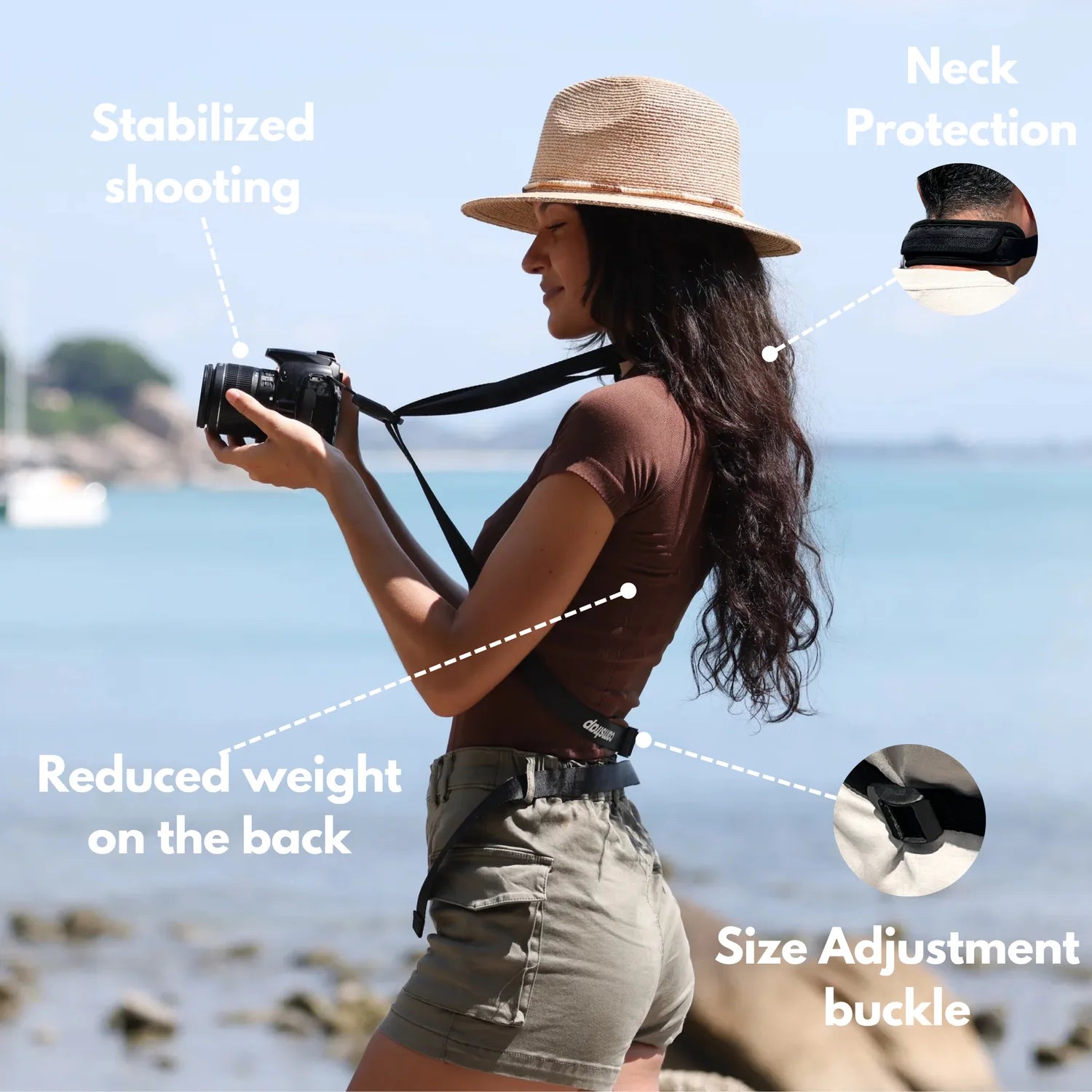
Light gear makes a city walk easier, because your friend can keep moving while you shoot. A hands-free strap also helps you pause, reposition, and grab a frame fast. I like a setup such as Camstrap voyager when I need the camera ready without holding it all the time. A quick, stable carry keeps the camera in reach and cuts the awkward stop-start feel.
Keep the kit small and fast
Bring one body, one lens, and one spare card. That setup stays light, and it keeps your attention on the pose instead of the bag.
- Camera with eye detection and AF-C.
- 50mm, 85mm, or a short zoom in that range.
- UHS-II V60 or V90 card for faster buffer recovery.
- Simple strap or hands-free carry for quick movement.
- One spare battery if you plan a long walk.
Mirrorless battery drain often comes from the EVF, LCD, and image review. If the walk lasts a while, lower review time and dim the display when you can.
How do you build a pose sequence during the walk?
A pose sequence keeps the shoot smooth and natural. Instead of hunting for one perfect frame, you collect a small set of good moments.
Start with motion, then move into stillness, then end with another step. This gives you variety without asking your friend to pose hard.
A practical street flow
Begin with a walking frame from the side or three-quarters view. Then stop your friend near a wall or light patch and ask for a look away from the lens. Next, try a small head turn back toward camera. Finish with one shot of the person moving again, because the reset often gives the best smile.
If the light changes fast, protect the shutter speed first. A slightly higher ISO is better than a slow frame that blurs the step.
What common mistakes break the natural look?
Harsh posing is the biggest problem. If the arms are locked, the chin is stiff, and the feet point straight at camera, the image will feel staged.
Busy backdrops can also hurt the shot. A pole growing from the head or a bright sign behind the face can steal attention from the pose.
Fix the frame before the pose
Move one step left or right before you ask for the pose. That small change can clean up the background and make the subject stand out. Watch the lines around the head and shoulders. Good placement often solves half the problem before you touch the camera settings.
Keep the pace relaxed. A short walk, a few clear cues, and a clean frame often beat a long, overworked setup.
Why street light changes the whole shot
Light is the fastest way to shape a natural pose. Soft side light can make a simple turn look graceful, while hard noon light can make even a good pose feel sharp and tense.
Cloudy days are forgiving, but they can look flat if the scene lacks contrast. In that case, use darker clothing, a doorway, or a shaded edge to create shape.
Use light to support the face
Try to place the face near the brightest clean area in the frame. The eyes do not need full sun, but they do need enough light to stay clear. Window reflections, late afternoon sun, and open shade all work well. Each one gives the pose a different mood without adding extra movement.
When everything comes together, the city walk feels easy. Your friend moves, you guide with small prompts, and the frame holds one clear point that the eye finds right away.
Frequently Asked Questions
What is a focal point in photography?
A focal point in photography is the main subject or area that draws the viewer’s eye first. In a city-walk portrait, the focal point can be a friend, a street sign, a doorway, or a patch of light.
What is the purpose of a focal point?
The purpose of a focal point is to guide attention to one main subject and give the frame clear visual emphasis. It helps the image feel organized instead of scattered.
What is a focal point for dummies?
A focal point is the thing you want people to notice first in a photo. It is the picture’s visual center of attention, even if it is not placed in the middle.
What is the best focal point?
The best focal point is the subject that you want the viewer to notice first, usually the person or action with the strongest visual interest. In a friend’s city-walk photo, a sharp face, especially the eyes, is often the strongest focal point.


