


- Use a wide lens at f/8 to keep the whole room sharp and spacious.
- Back up, level the frame, and let window light brighten every corner.
- Follow the 20-60-20 rule: lead with depth, hold the middle, finish clean.
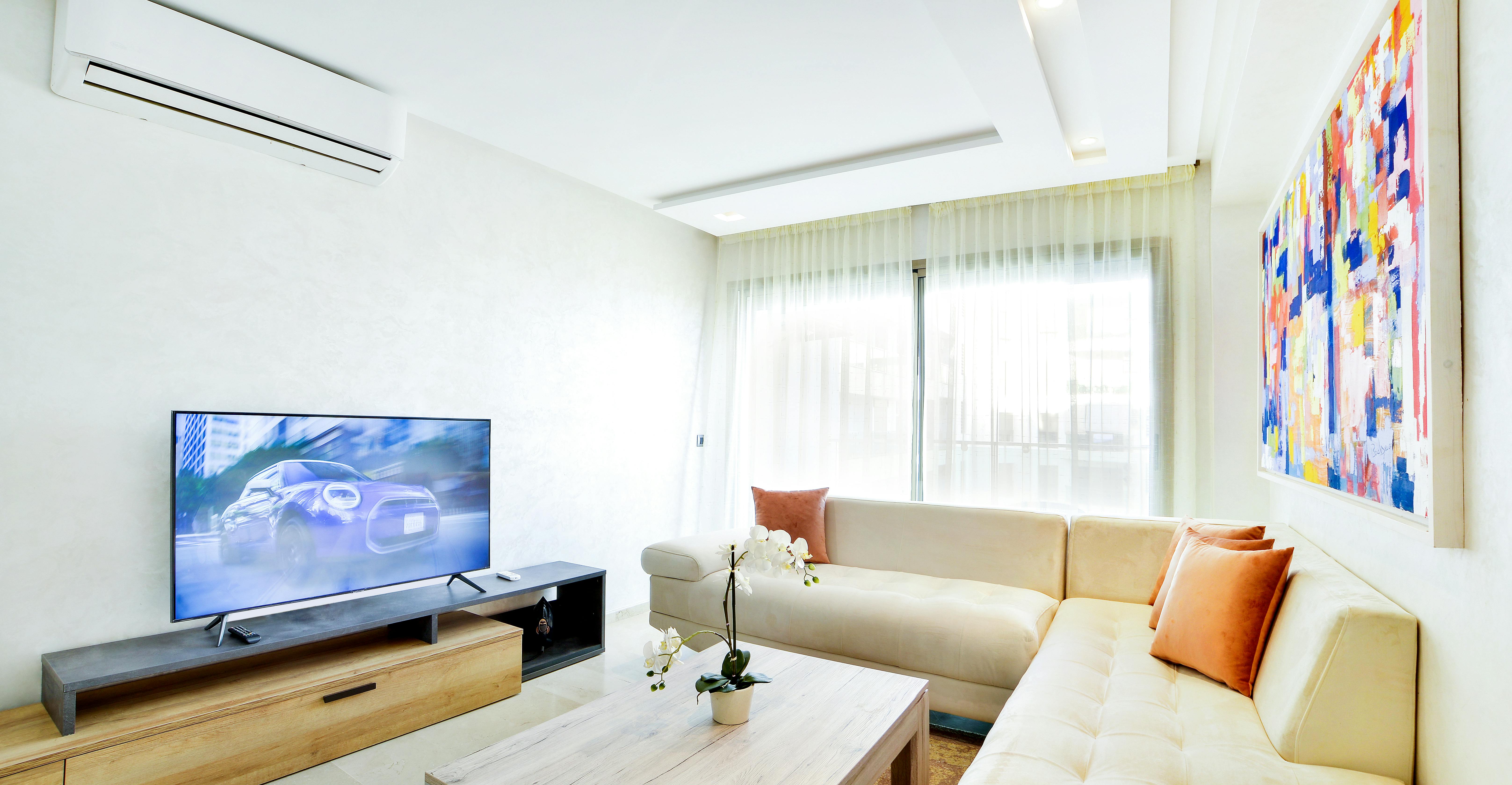
Wide depth of field gives you sharp detail from the foreground to the back wall. In apartment listings, that clarity makes rooms feel open, easy to read, and worth exploring. Renters make fast calls. Bright rooms read as cleaner, larger, and more welcoming before anyone steps inside.
Translation missing: en.blog_cta.bundle_heading

- Regular price
-
€42 - Regular price
-
€44 - Sale price
-
€42
By choosing the Camstrap strap, you are opting for a high-quality product designed to meet the needs of the most demanding photographers.
- Developed by a physiotherapist to relieve neck and back pain.
- Fast delivery with tracking by the Post Office 🚚
- Can be used as a shoulder strap or hands-free harness

- Regular price
-
€36 - Regular price
-
€42 - Sale price
-
€36
Translation missing: en.blog_cta.free_shipping_included
What makes a room feel bigger in photos?
Strong light and a deep focus plane do most of the lifting. They show walls, corners, and floor space in a way that feels honest and roomy.
Clutter pushes against that effect. A tight crop, a dark corner, or a blown lamp can make even a good room feel cramped.
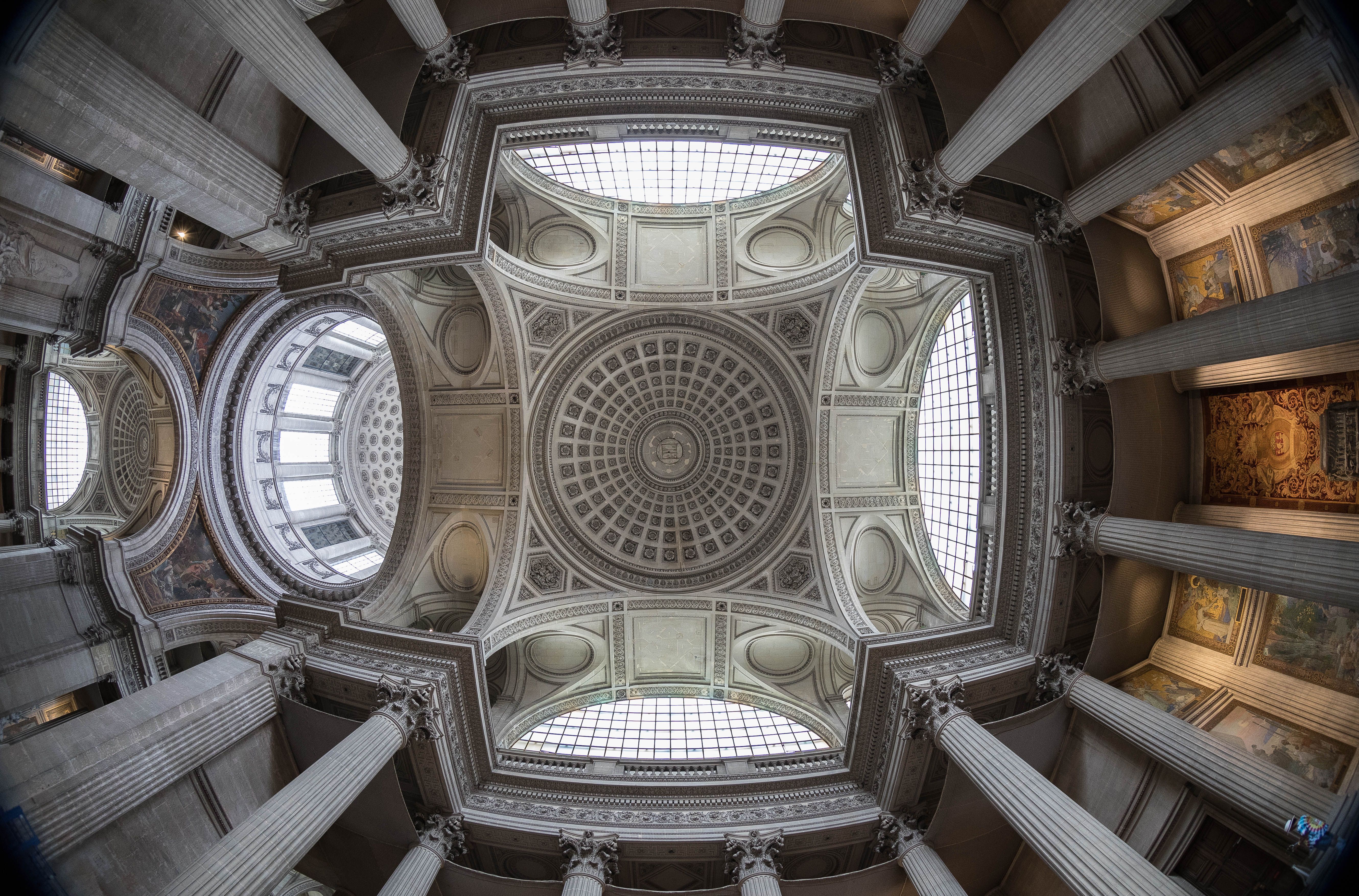
Use the space, not just the furniture
Begin by backing the camera up and keeping the frame level. Straight walls and door frames stay true instead of tilting inward and shrinking the room. Then pick a corner or doorway that gives the eye a clear path through the frame. Depth matters more than a single flat wall.
Let natural light do the heavy lifting
Open curtains and blinds before you shoot. Soft window light spreads more evenly than a lone ceiling fixture, and white walls stay bright without hard shadows.
If one side of the room is darker, work from the brighter side. The lens gets more even light to work with, and you spend less time rescuing the file later.

What is a wide depth of field in photography?
A wide depth of field keeps much of the scene sharp. At f/8 or f/11, focus can run from the foreground to the back wall. Apartment photos benefit from that extra reach. Viewers can take in the room, the trim, and the far side of the space in one glance.
Aperture choices that help
In most rooms, f/5.6 to f/8 gives a strong balance of sharpness and light. If the space is bright and you want even more depth, f/11 can work well.
Very small apertures like f/16 deserve caution. Diffraction can soften the image, especially on high-resolution cameras.
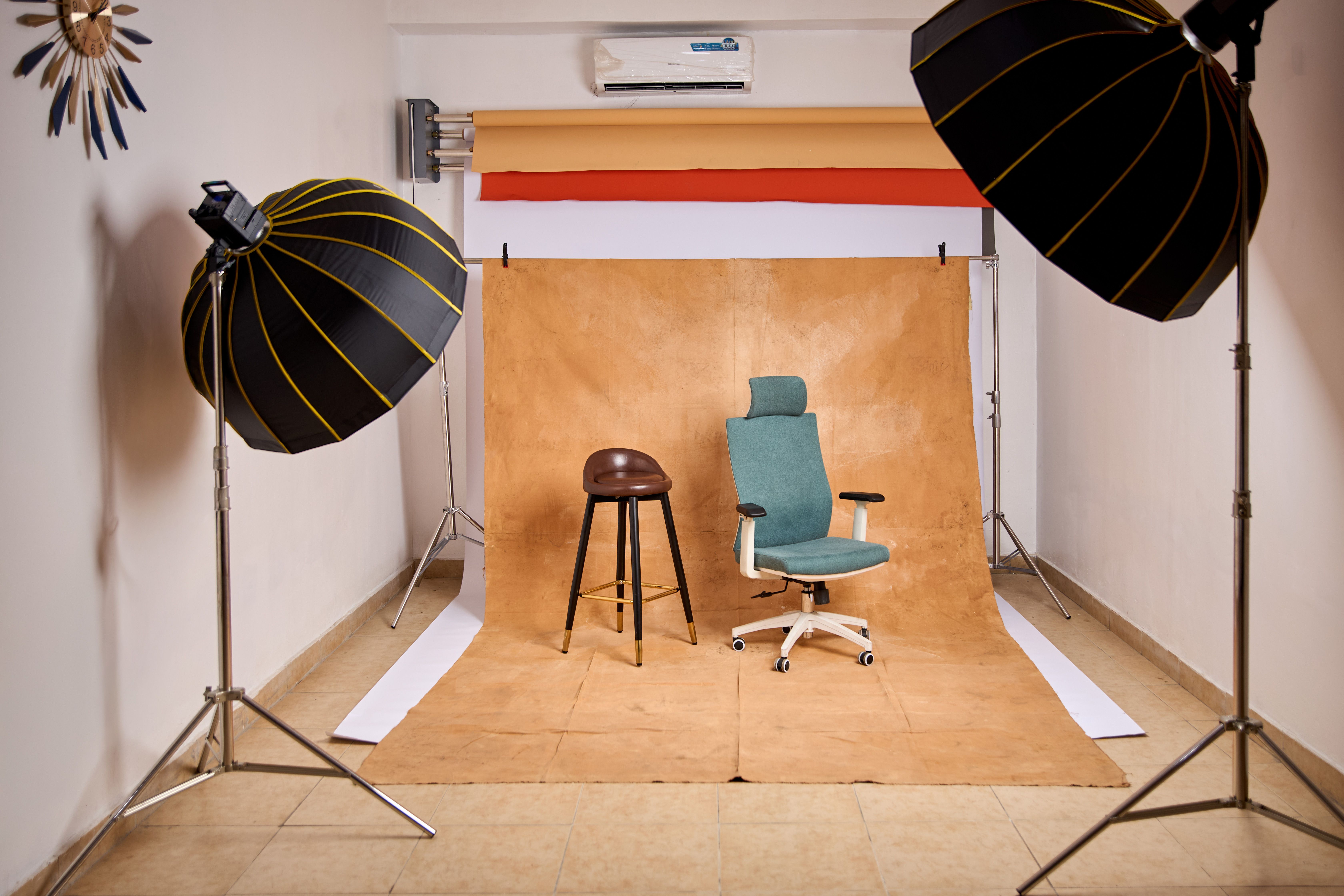
How to take a photo with wide range and depth of field?
Use a wide lens, stop it down a bit, and keep the camera steady. A focal length around 16mm to 24mm on full frame usually shows the whole room without strange distortion. Set the aperture near f/8, then keep ISO as low as the light allows. On a tripod, a shutter speed around 1/60s works; hand-held, 1/125s gives more breathing room.
A simple setup that works
- Mount the camera on a tripod and level it.
- Use aperture priority or manual mode.
- Set the lens to 16mm–24mm for most rooms.
- Choose f/8, then adjust ISO for exposure.
- Check the far wall, corners, and window detail on the screen.
Focus distance is the tradeoff to watch. Too close, and the back of the room softens; too far, and the foreground loses detail.
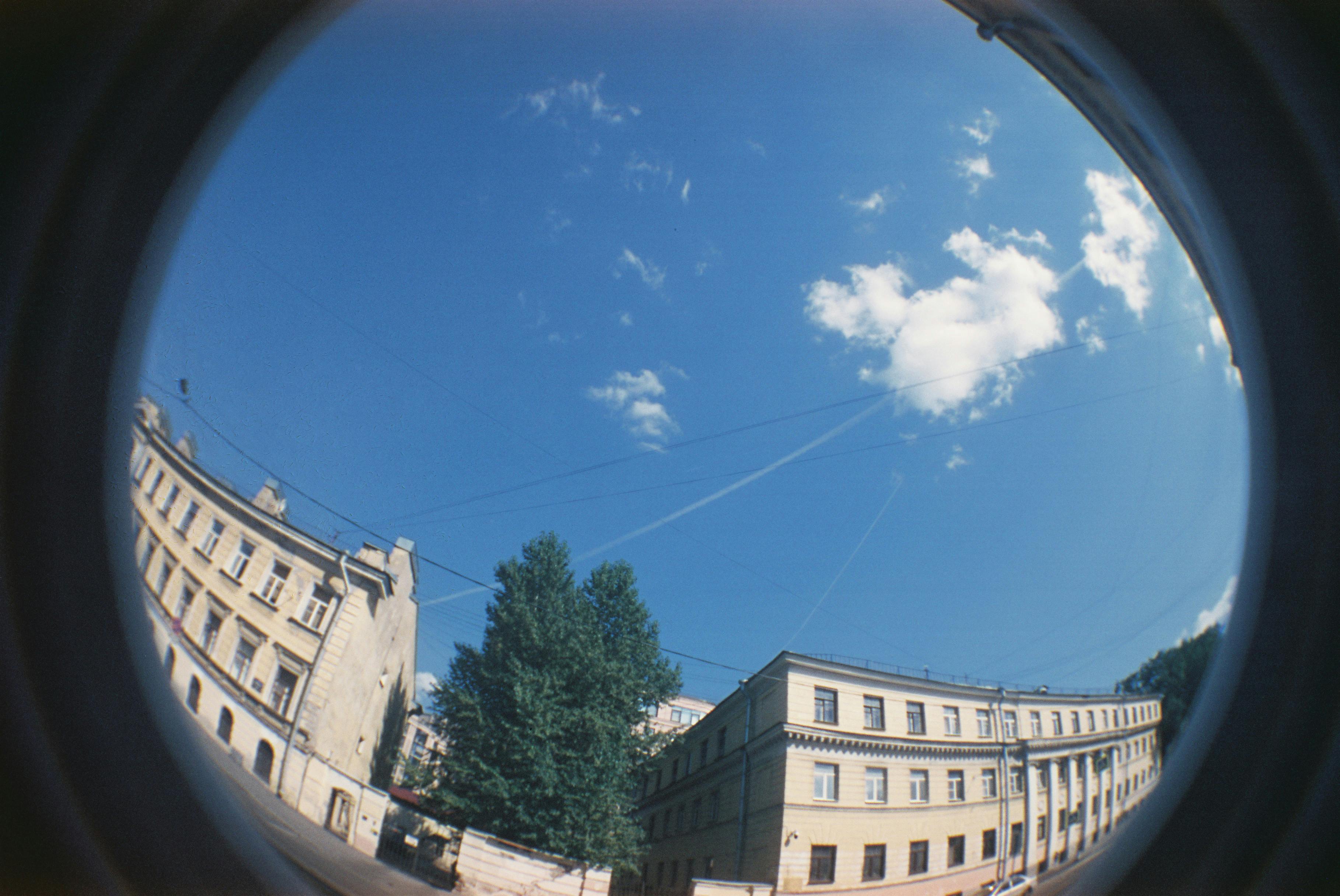
Place focus about one-third into the room, or zoom in on live view to confirm sharpness. That small step keeps the whole space readable.
What is the 20-60-20 rule in photography?
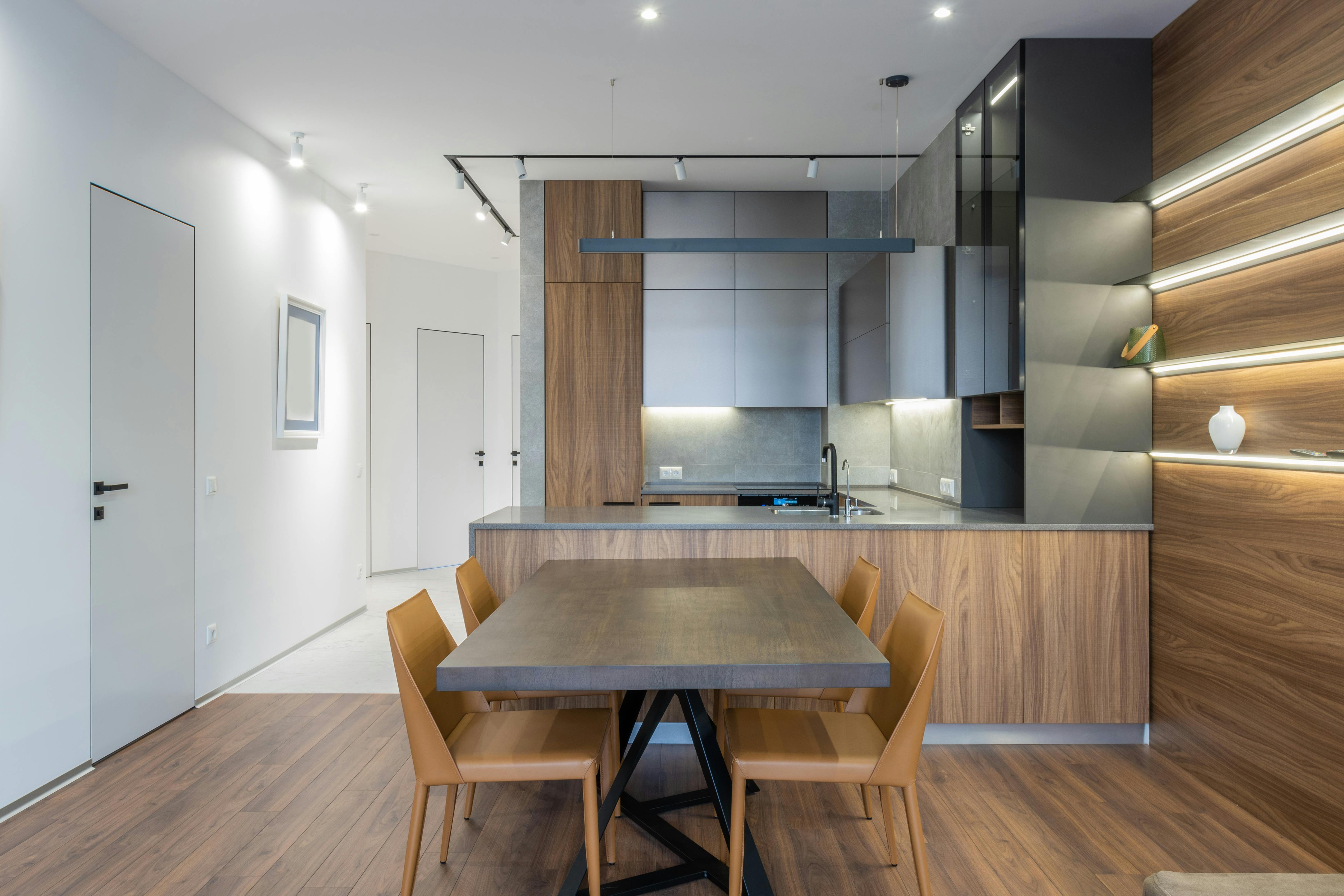
The 20-60-20 rule splits a scene into three visual zones. The first 20 percent is the foreground, the middle 60 percent is the main subject, and the last 20 percent is the background. In apartment work, it helps shape depth. A chair or table up front, the room in the center, and a window or far wall in back can give the image a layered feel.
Why it works in listings
This rule gives the eye a place to start, rest, and finish. That flow can make even a small room feel larger than a flat, center-only shot.
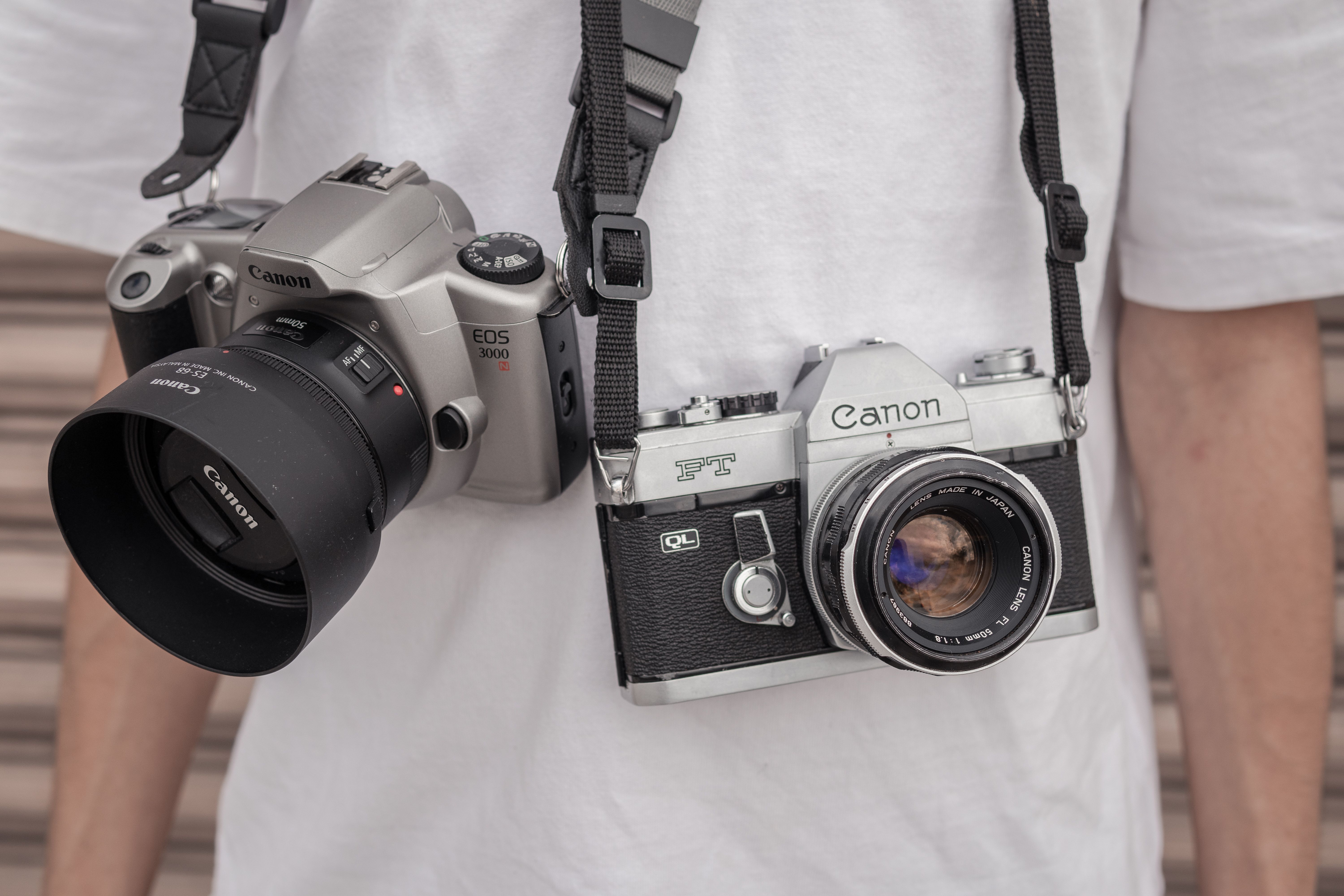
Use it when you want the room to feel lived in but still neat. Keep the foreground clean, because messy edges pull attention away from the space.
Is depth of field better in telephoto or wide-angle?
Wide-angle lenses produce deeper depth of field more easily than telephoto lenses. At the same aperture, a wide lens keeps more of the room sharp. 16mm, 20mm, and 24mm lenses work so well for interiors. A 70mm lens can be useful for details, but it blurs more of the room at the same setting.
Pick the lens for the job
Use wide-angle for full-room views and layout shots. Save longer focal lengths for details like kitchen finishes, built-ins, or a styled corner.

Ultra-wide lenses can stretch the edges of a room. Used carefully, that stretch helps small spaces feel larger, but too much can make cabinets or walls look odd.
Gear that keeps the camera ready
A secure hands-free carry setup makes apartment work smoother. You can move from room to room, keep the camera ready, and avoid setting gear on floors or furniture. Pace affects light during listing shoots. In a bright room, clouds can change the look before you finish.
Why a strap matters here
A good strap keeps the camera close while you open blinds, adjust curtains, or swap lenses. I like a Camstrap Voyager-style carry because it spreads weight well and comes off easily with one hand.
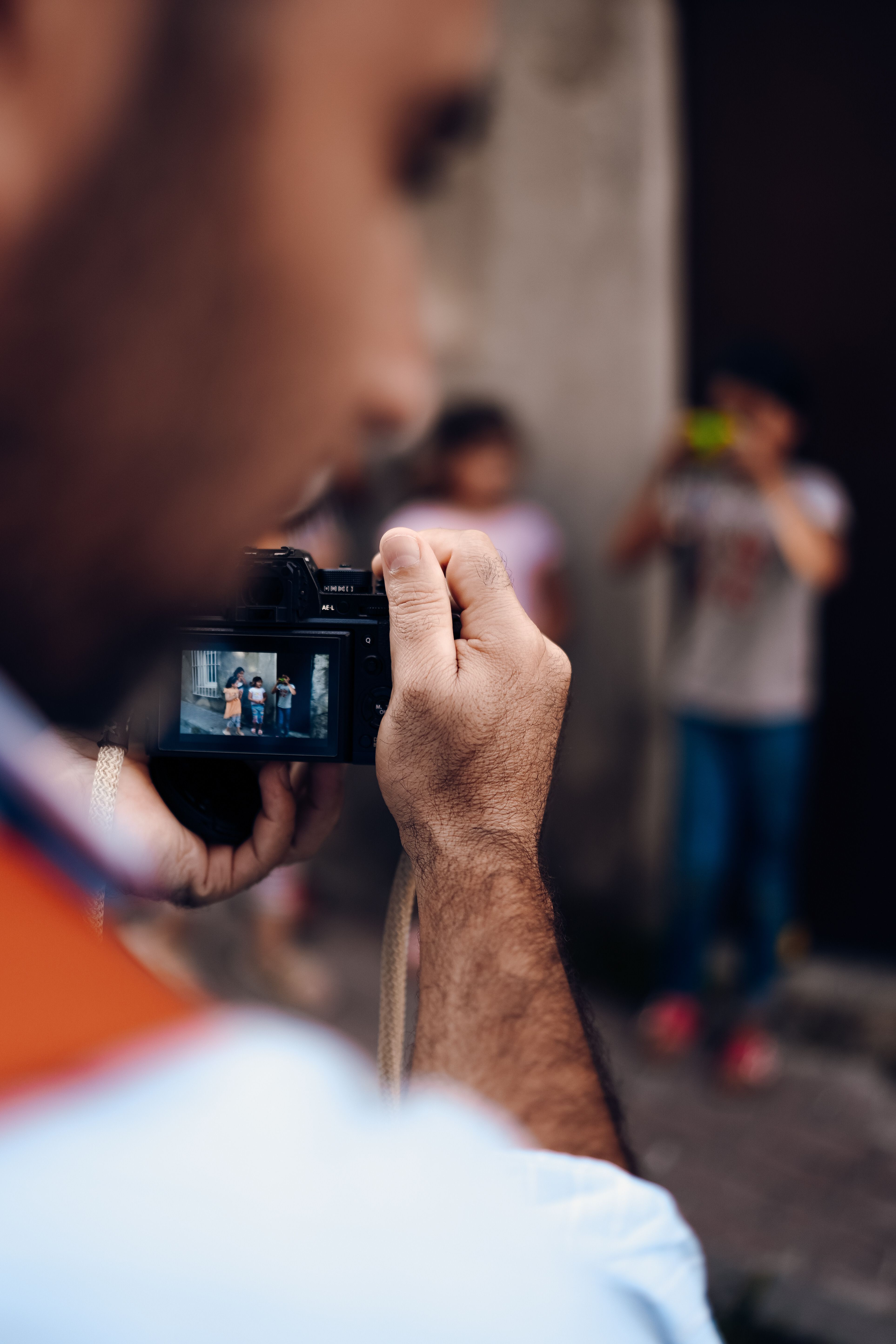
That setup helps when you need to move quickly without putting the camera on a couch or counter. It also lowers the chance of a bump when you turn through tight hallways.
How to keep interiors bright without losing detail
Expose for the room, not just the window. A blown window can still be workable; a dark room feels closed in. Most modern cameras handle this well if you watch the histogram. Bracket three shots at -2, 0, and +2 EV when the light range is wide, then blend them if needed.
Lighting and exposure choices
- Use window light first, then add a lamp only if the corner stays dark.
- Keep white balance near 5000K to 5600K for daylight rooms.
- Turn off mixed bulbs if they cast green or orange color patches.
- Check mirrors and glossy floors for reflections before you press the shutter.
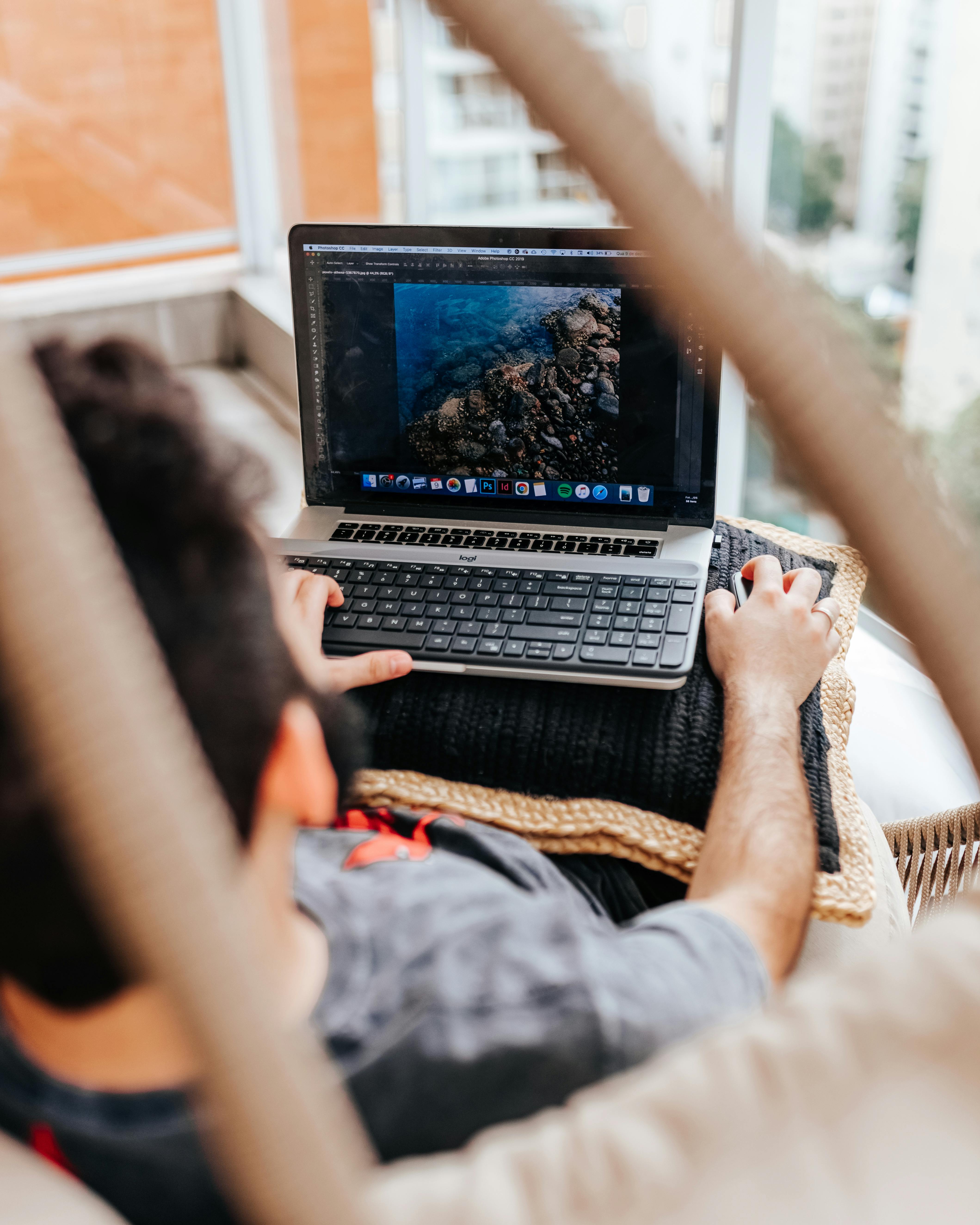
Shutter speed can matter more than many people realize. Hand-held, 1/125s helps guard against small shake; on a tripod, you can keep ISO lower.
Workflow changes that save time on shoot day
Continuous AF with eye or subject detection does less in empty rooms, but it helps when a person is in the frame. It also earns its keep for quick lifestyle scenes with a model or agent.
Back-button focus helps here because it separates focus from the shutter. That lets you lock focus once, then reframe without refocusing every time.
For camera speed, a mid-tier body with about 10 fps mechanical shooting is enough for short bursts. Many mirrorless cameras offer 20 to 40 fps electronic modes, though those can bring rolling-shutter skew or LED banding under some lights.
Buffer depth also matters if you shoot burst sequences of a person entering a room. A mid-tier body may hold roughly 20 to 30 RAW frames before slowing, while RAW plus a UHS-II V90 card clears data faster than UHS-I. For this kind of work, faster cards help more with recovery time than with the first burst itself.
Pre-capture or pre-burst can help with a doorway shot or a moving lifestyle frame. It records a short slice just before full press, which gives you a better chance of catching the exact step or gesture.
Polish the files without making them look fake
Good apartment edits should look clean, not heavy. Straighten lines, lift shadows a little, and keep the color natural. Start in Lightroom or similar software with small moves. A modest shadow lift, a slight highlight drop, and a bit of vertical correction usually do more than heavy filters.
Editing choices that improve space

Use pick and reject flags to sort the set fast. Then compare similar frames side by side and keep the one with the cleanest lines and brightest balance.
Remove only distractions that pull the eye away from the room. A cord, trash bin, or bright reflection can distract, but the space should still look real.
Do not over-whiten walls or flatten all contrast. A room needs shape to feel true, and shape is part of what makes it seem deep.
Putting it all together for stronger listings
Brighter, roomier apartment photos come from a few simple moves done well. Open the room to light, keep the lens wide, and hold enough depth of field to show the whole space. Use a 16mm–24mm lens, a setting near f/8, and a level camera position as your base. Then shape the frame with the 20-60-20 idea, watch the window light, and keep your gear ready so you can work fast.

The best listings feel clear at a glance. When the photo shows the room honestly and makes it easy to explore, viewers stay longer and trust the space more.
Before you leave, zoom in on the back wall, the floor line, and the brightest window. If those three areas look clean, the image will usually hold up well on listing sites.
Frequently Asked Questions
What is a wide depth of field in photography?
A wide depth of field keeps much of the scene sharp from the foreground to the back wall. In apartment photography, it helps viewers see the room, trim, and far side clearly in one glance.

How to take a photo with wide range and depth of field?
To capture wide range and depth of field, use a wide lens, stop it down to about f/8, and keep the camera steady on a tripod if possible. In most rooms, 16mm–24mm on full frame with focus about one-third into the room helps keep both the foreground and back wall sharp.
What is the 20-60-20 rule in photography?
The 20-60-20 rule divides a scene into three visual zones: the first 20% foreground, the middle 60% main subject area, and the final 20% background. It helps balance composition so the viewer’s eye moves through the image naturally.
Is depth of field better in telephoto or wide-angle?
Wide-angle lenses generally give a deeper depth of field than telephoto lenses at the same aperture. That makes wide-angle lenses better for apartment photos when the goal is to keep more of the room in focus.


