


- How do I protect my camera from sand at the beach
- What should I pack for a day of coastal photography
- Can I bring my camera on a boat or ferry safely

Packing a camera for beaches, boats, and coastal walks takes a bit of forethought. Salt, sand, wind, and spray can cause problems in a hurry. A well-planned setup keeps your gear protected and helps you shoot more freely.
Shop the setup

- Regular price
-
€42 - Regular price
-
€44 - Sale price
-
€42
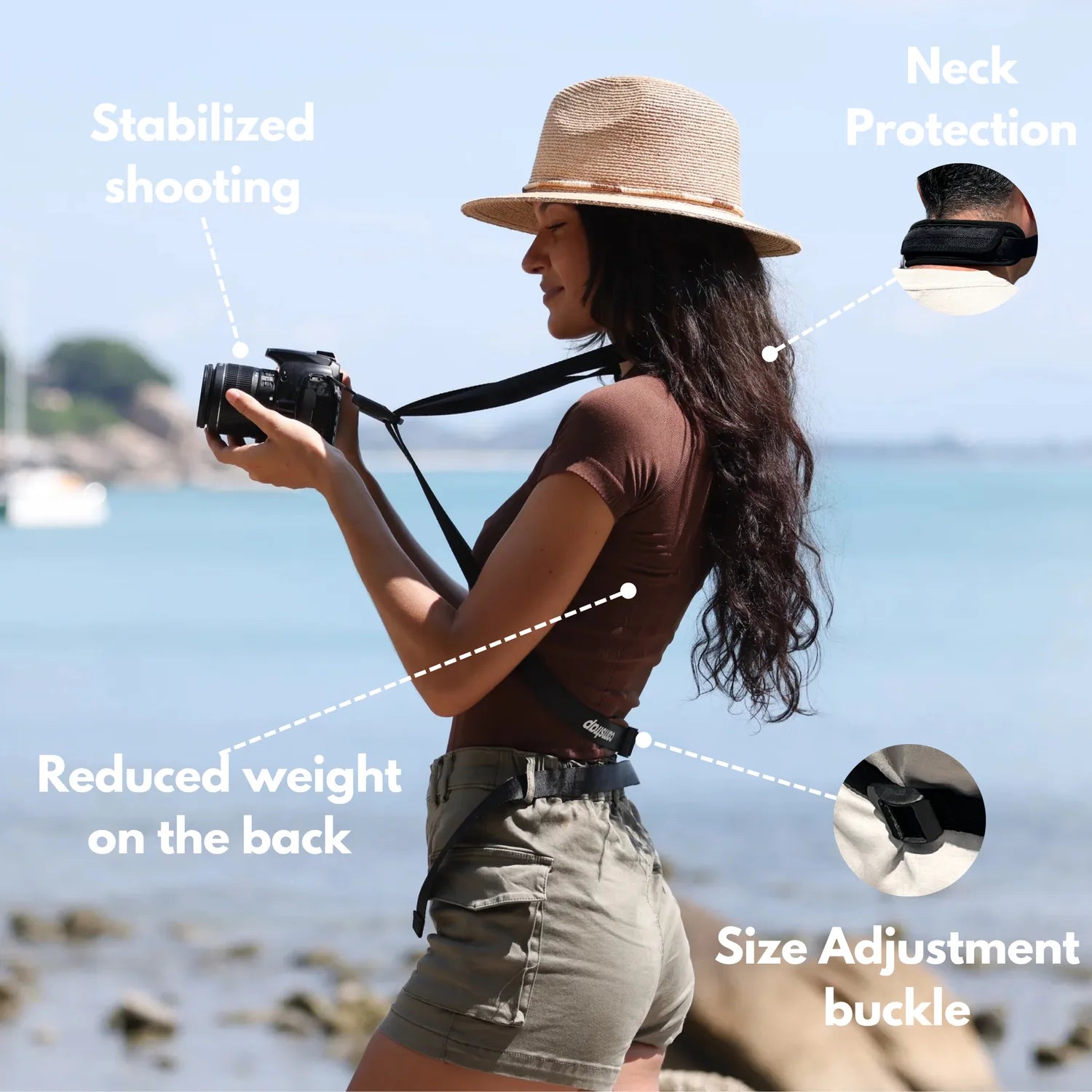
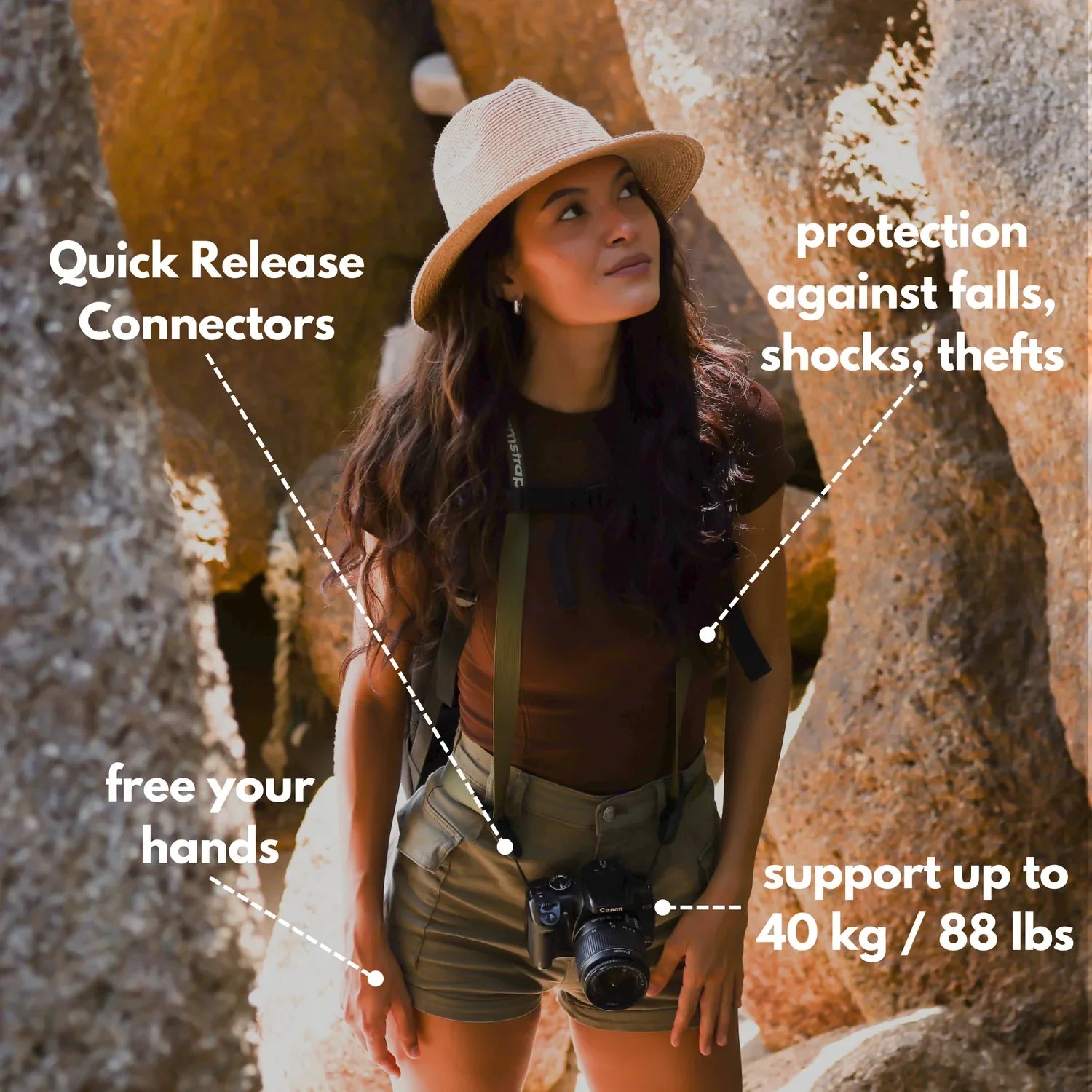
By choosing the Camstrap strap, you are opting for a high-quality product designed to meet the needs of the most demanding photographers.
- Developed by a physiotherapist to relieve neck and back pain.
- Fast delivery with tracking by the Post Office 🚚
- Can be used as a shoulder strap or hands-free harness

- Regular price
-
€36 - Regular price
-
€42 - Sale price
-
€36
Free shipping included
This guide covers what to bring, how to shield your camera, and how to carry it with less hassle. It also offers practical gear tips for beach days, ferry rides, and long walks along the coast. With a solid packing plan, you can stay ready for quick shots while keeping your equipment safe.
Packing for Coastal Trips Starts With the Right Gear
Smart packing starts before you head out. You want a kit that is light, secure, and easy to access. That matters because beaches and boats often leave you only a few seconds to catch the moment.
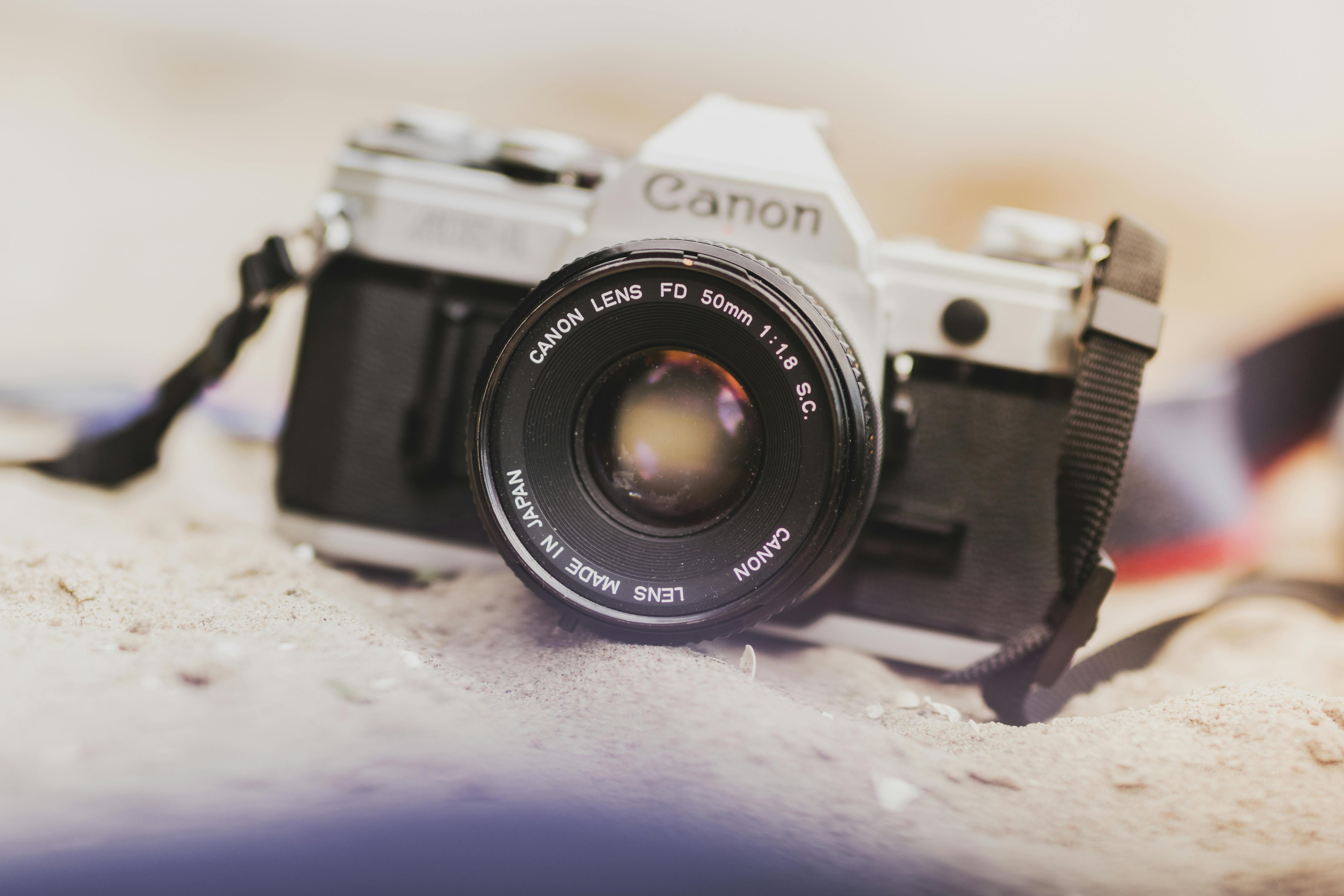
A compact camera body helps a lot. For example, the Sony A7 III weighs less than 1 kilogram and delivers 24.4 megapixels on a full-frame sensor. That kind of size makes packing simpler, while still giving you strong image quality.
Choose a simple kit
For most coastal trips, less is usually better. One camera body, one or two lenses, a spare battery, and a memory card pouch are enough for many photographers. When your kit stays small, you can move quickly and protect it more easily.
A practical lens pairing starts with a wide lens and a short telephoto. A 24mm or 35mm lens works well for scenes and people. A 50mm to 85mm lens is also handy for detail shots and portraits.
Pick a bag that closes well
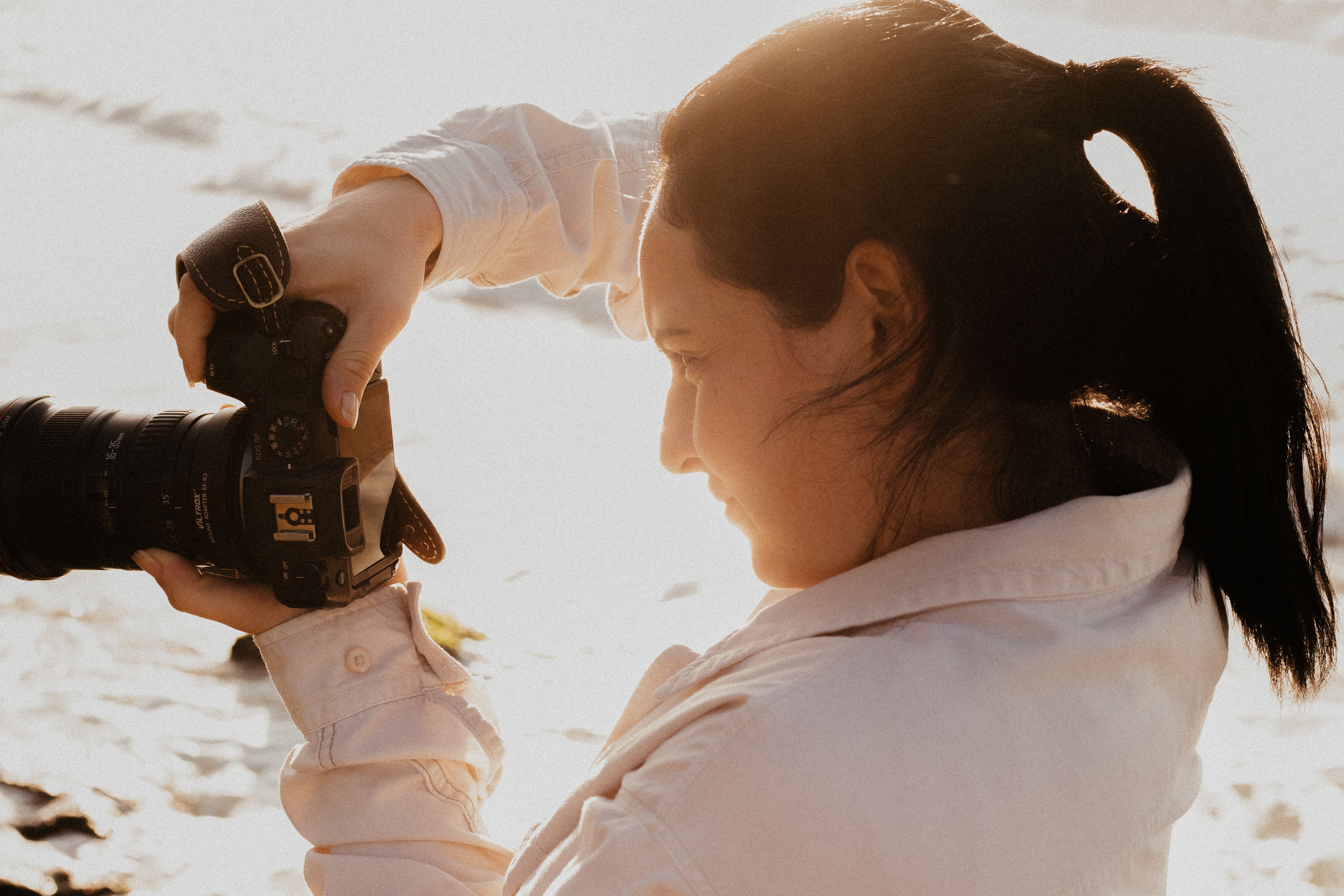
Use a camera bag that seals securely. Zippers, flaps, and internal dividers help keep dust out. A bag with a shoulder strap or sling design also makes packing faster when you need to reach your camera quickly.
Camstrap options can help here too. The Camstrap voyager, Camstrap explorer, and Camstrap nomad are examples of carry systems designed to keep a camera close and secure. That can make packing easier when you are walking, climbing, or boarding a boat.
Packing to Protect Your Camera From Sand and Salt
Sand and salt are the biggest threats at the beach. Sand can work its way into buttons, ports, and lens mounts. Salt spray can leave sticky residue and may damage parts over time.
The best defense is simple packing and fewer exposed parts. Keep the lens attached when possible, and avoid changing lenses at the beach. Doing so lowers the chance of sand or saltwater getting inside the gear.
Use a front filter on the lens
A high-quality UV or clear protective filter can help shield the front element. This is especially useful when wind kicks up sand or spray. It is particularly helpful on windy days near the ocean.
A filter will not prevent every issue, but it adds a useful layer of protection. It is much easier to clean or replace a filter than a scratched lens front. For that reason, many coastal photographers keep one on their main lens all the time.
Pack simple backup protection
Bring a large garbage bag and a large Ziplock bag in your pack. These low-cost items can save your camera if the weather turns. They also come in handy when you need to cover gear quickly during a walk.
Keep a microfiber cloth in an easy-to-reach pocket. You may also want a small brush for loose sand on the outside of the bag. Avoid rough cloths, since they can drag grit across the lens or screen.
Packing for the Beach Without Slowing You Down
Beach days often bring fast changes. The light shifts, the wind picks up, and waves move quickly. So your packing plan should make it easy to shoot without setting your camera down in the sand.
A secure, lightweight carry setup helps a lot here. It lets you move with both hands free while still reaching your camera fast. That is one reason many travel photographers like strap systems that keep the camera close to the body.
What to pack for a day of coastal photography

Keep your beach kit simple and ready to go. You do not need a huge amount of gear for a strong day of shooting. In fact, too much equipment can slow you down and make packing harder.
- Camera body with lens attached
- UV or clear filter on the lens
- One extra battery
- One or two memory cards
- Microfiber cloth
- Large Ziplock bag
- Large garbage bag
- Small blower brush
- Water bottle
- Sun hat and sunscreen
If you plan to shoot birds or waves, add a telephoto lens. A lens like the Canon EF 100-400mm, with an aperture range of f/4 to f/5.6, can be useful for beach wildlife. It gives you reach without forcing you to walk too close.
How to change lenses on the sand
Try to avoid changing lenses outdoors whenever possible. If you must switch one, do it inside a large Ziplock bag. Keep the camera pointed downward so sand falls away from the mount.
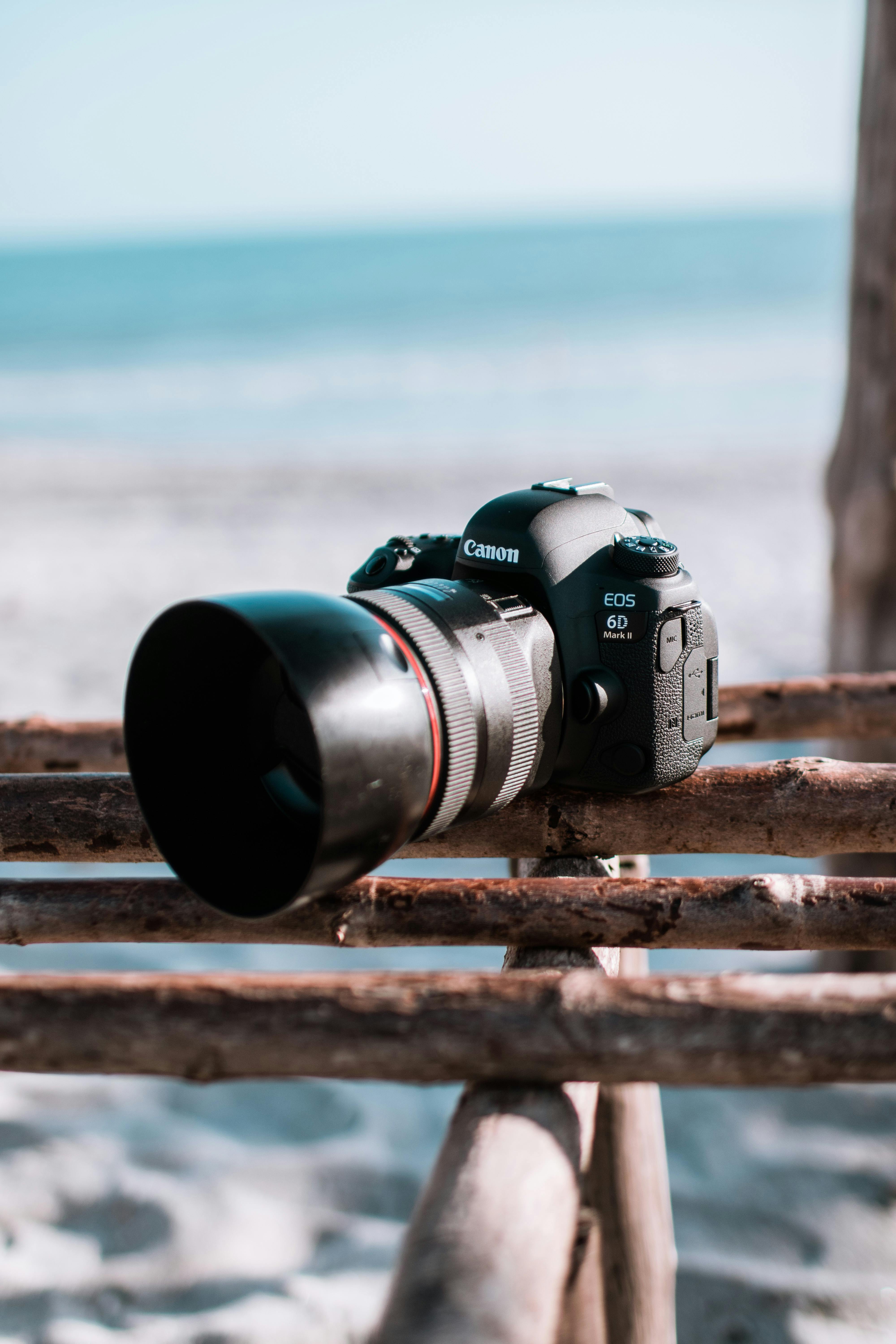
This small habit can prevent a costly repair. Even a few grains of sand can lead to problems later. So packing a safe lens-change setup is a smart step before you leave home.
Packing for Boats and Ferries With Less Risk
Boats add motion, spray, and limited space. That makes packing even more important than on land. A camera that is loose or difficult to reach can bump against rails, seats, or other gear.
Before you board, check the boat’s size and stability. A safe boat for photography should hold about 5 to 6 passengers and remain steady when people step on it. A calmer boat makes shooting easier and lowers the risk of drops.
Secure your gear before you step on
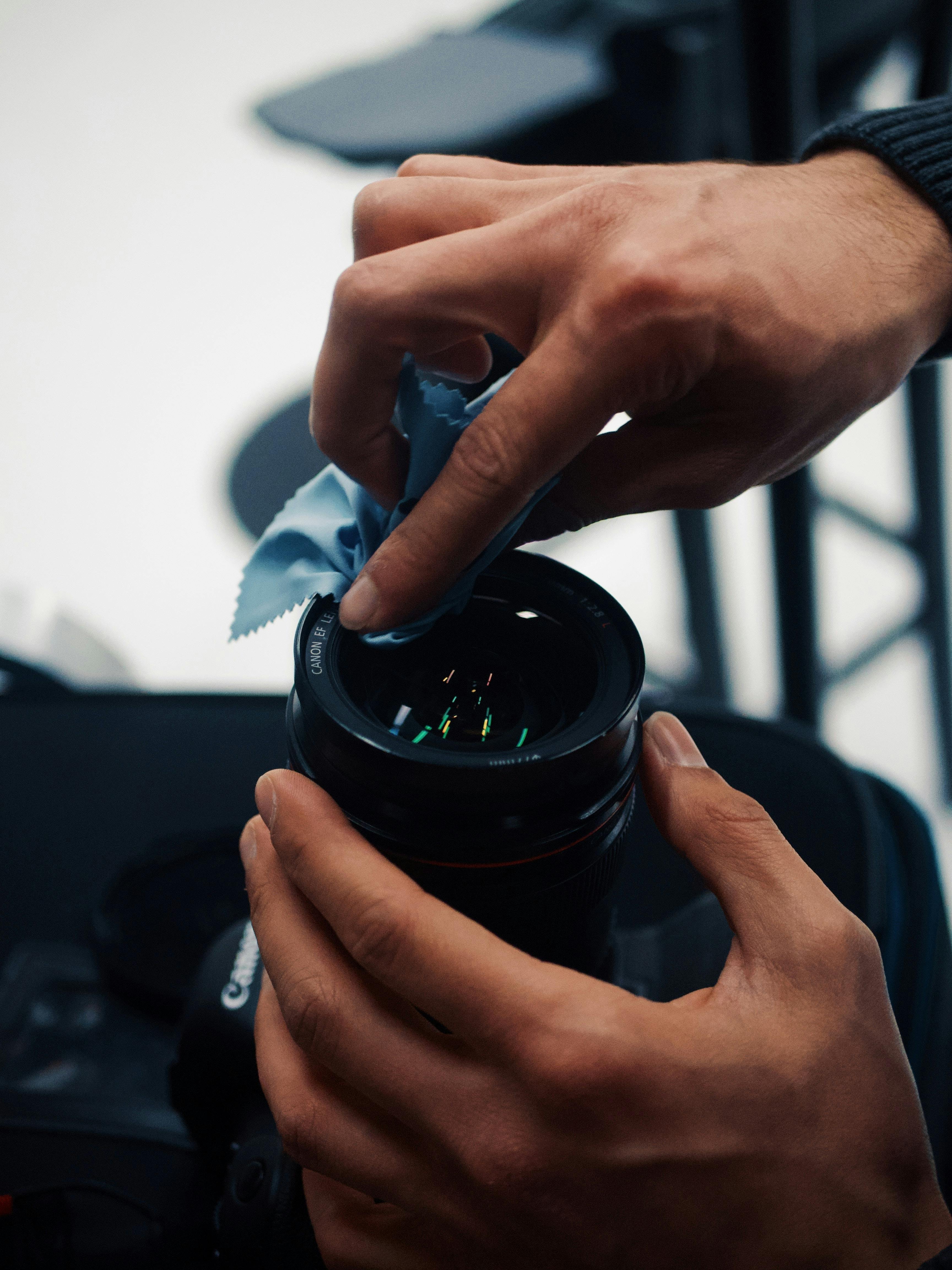
Stow your camera in a bag or on a strap before boarding. Do not carry it loose in one hand. If the boat shifts suddenly, you could lose your grip.
Use a strap that keeps the camera close to your body. Some photographers prefer a quick-release option such as Camstrap magclip because it can make handling faster in tight spaces. Still, any strong and secure carry system can help when you are moving on deck.
Protect against spray and motion
Keep your camera covered when you are not shooting. A rain cover or a simple plastic bag can help guard against spray. This matters on ferries, small boats, and open decks.
Hold the camera with both hands when the boat rocks. Use a faster shutter speed too. A setting around 1/500s is a good starting point for moving boats, while 1/1000s can help freeze stronger motion.
Coastal Walks: Packing Light and Moving Fast
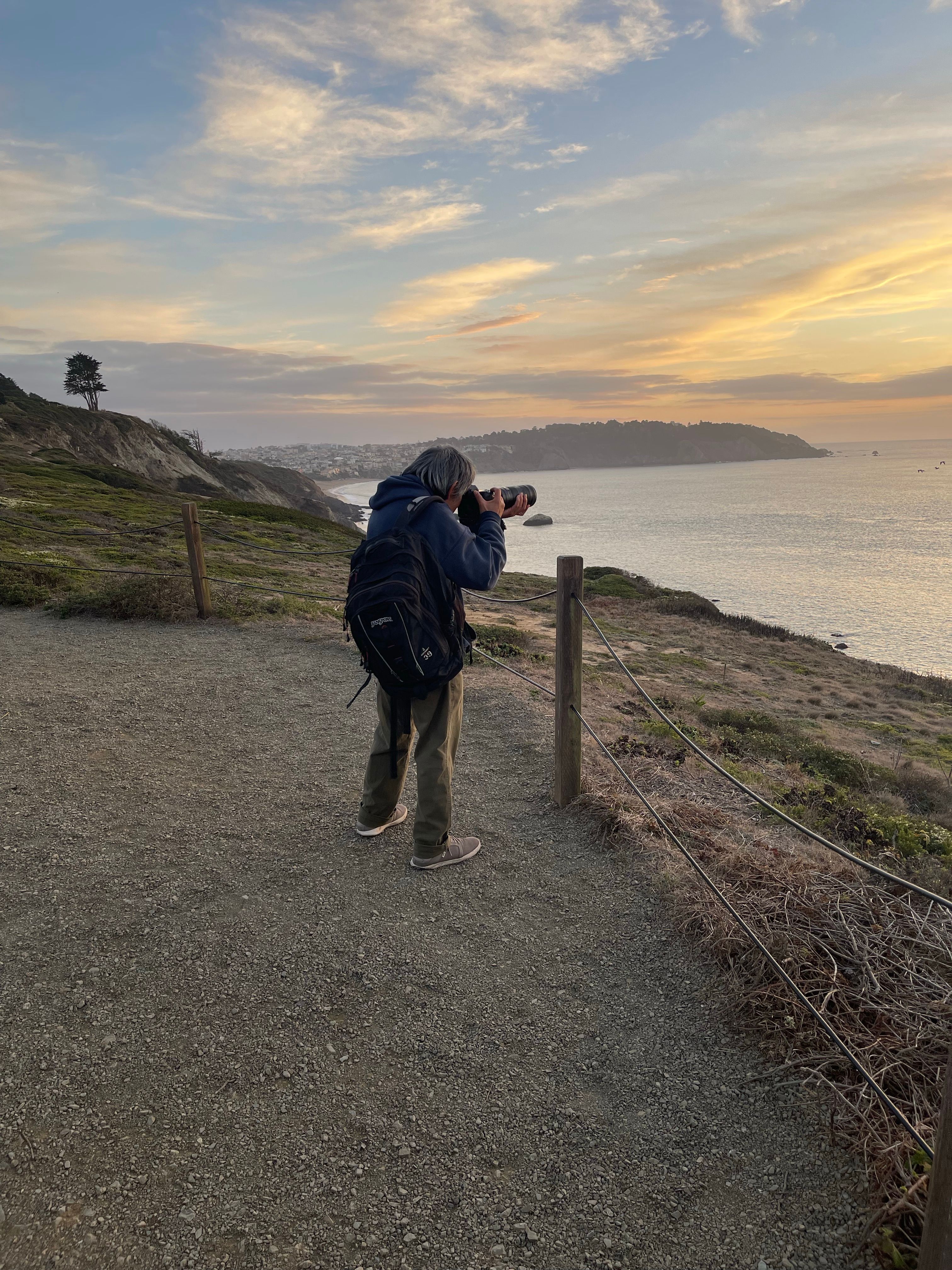
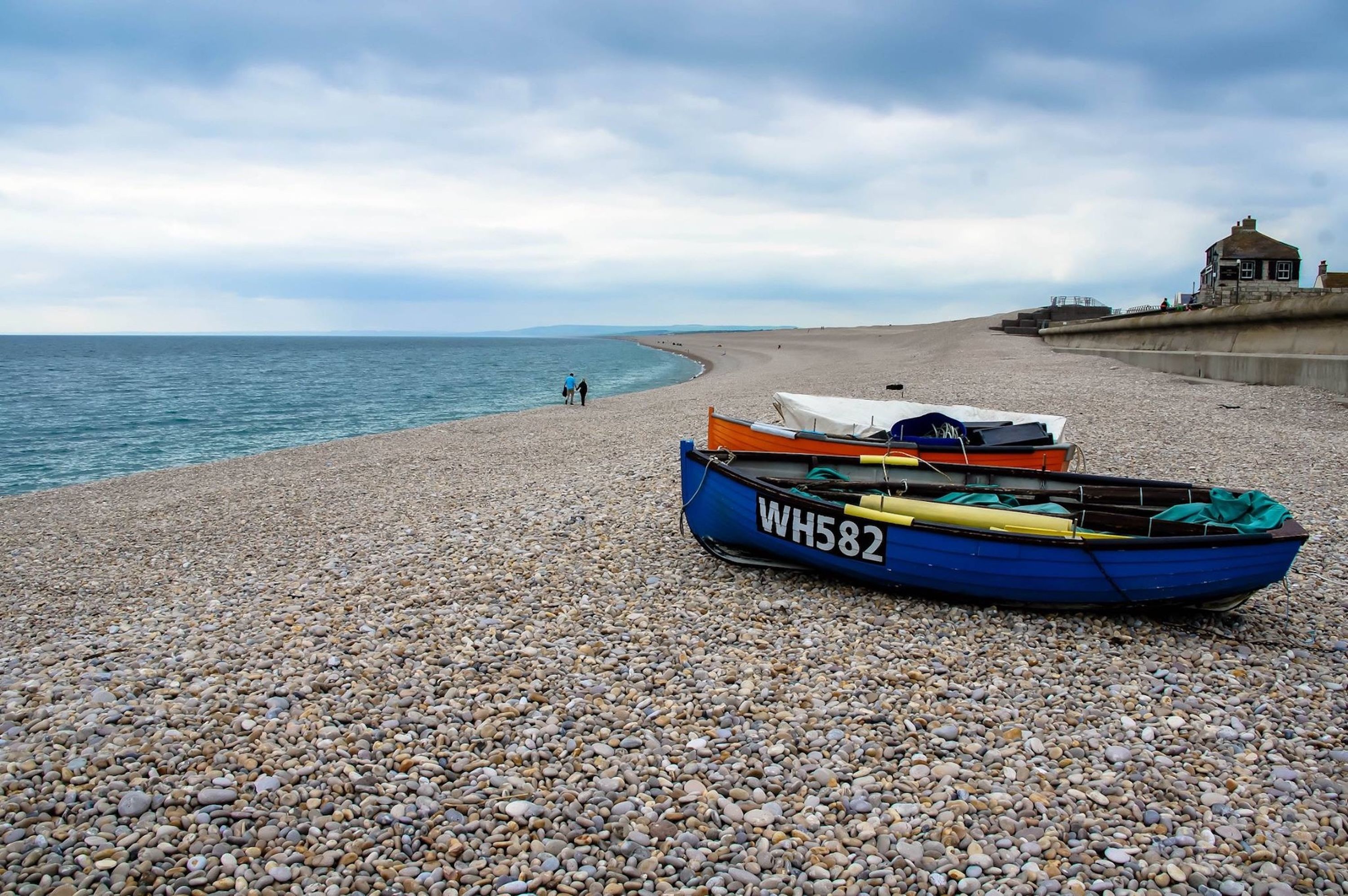
Coastal walks often combine hills, rocks, stairs, and sudden views. You may need to stop quickly for a sunset, a wave, or a bird. That is why packing light matters just as much as protection.
The best setup is one you can carry for hours without discomfort. If your bag is too heavy, you will stop using it. Then your camera stays packed when the best moment comes along.
Keep your load small
For long walks, bring only what you need. One body, one main lens, a spare battery, and a small cleaning kit are often enough. If you expect wide views, a 16-35mm or 24mm lens can work well.

If you expect detail shots, add a 50mm lens. If you want wildlife or distant subjects, a telephoto lens may be the better fit. Many photographers build the day around one main lens so packing stays simple.
Use simple settings that help with movement
Coastal walks often mean changing light. Start with auto ISO if needed, then set a shutter speed that matches the scene. For people and moving water, 1/250s can work. For birds or surf, 1/1000s may be better.
Keep your aperture in a useful range too. A lens at f/2 to f/2.8 gives you more light in low sun. A smaller setting, like f/5.6 or f/8, can help when you want more of the scene in focus.
After the Trip: Clean and Dry Your Camera the Right Way
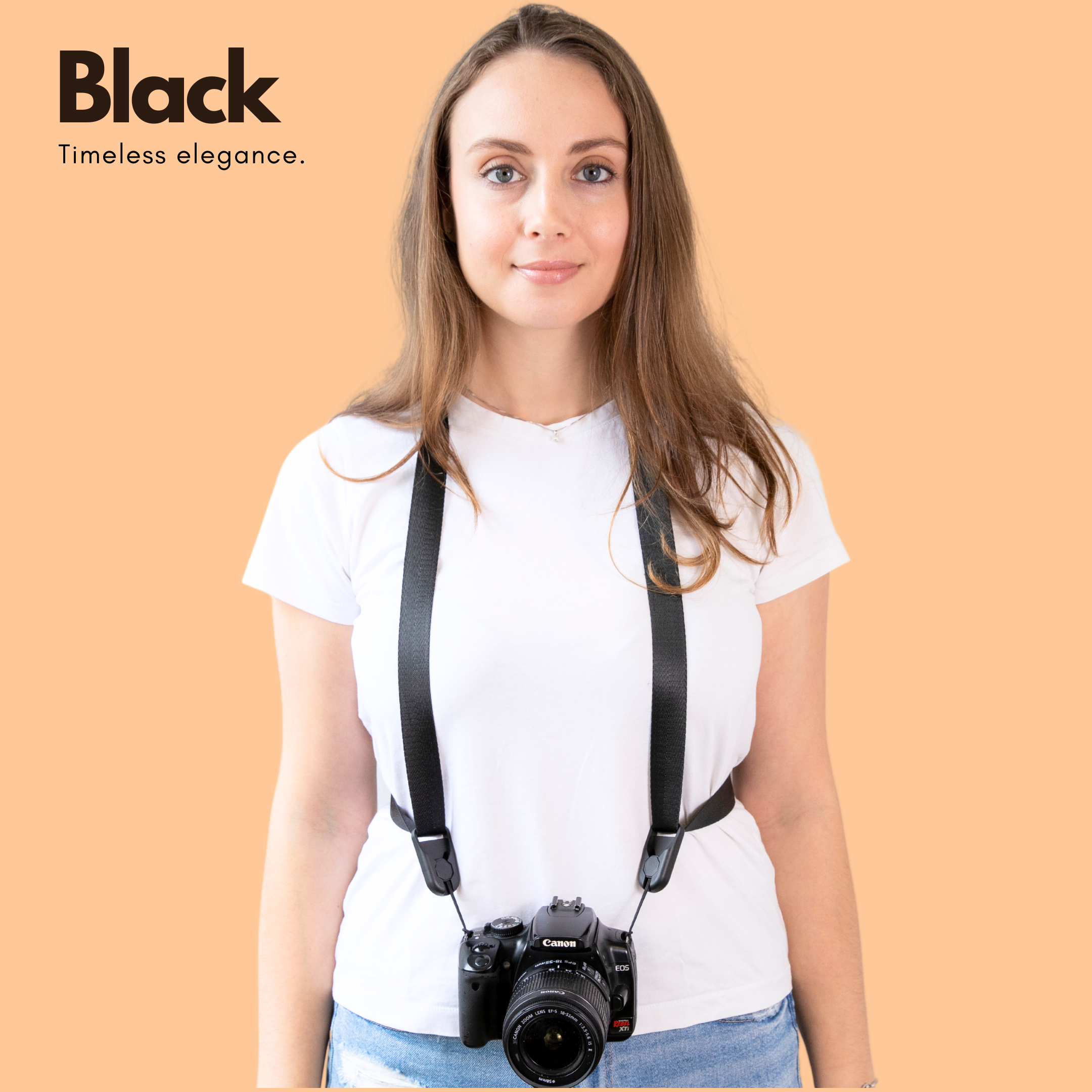
Packing does not end when the shoot is over. Post-trip care matters just as much as the gear you bring. Salt and damp air can linger on your camera long after you leave the beach.
After beach use, wipe the camera and lens with a damp cloth that is not dripping. This helps remove salt deposits. If the gear was submerged in seawater, air it out overnight and let it dry completely.
Do these steps when you get home
- Remove loose sand with a blower brush.
- Wipe the body and lens with a damp microfiber cloth.
- Check the battery door, card slot, and port covers.
- Open the bag so it can dry out.
- Leave any wet gear to air overnight.
Do not rush this step. Moisture trapped in a bag can spread to other items. So dry your camera, bag, and strap before you store them again.
Review what worked in your packing plan
After each trip, look at what you used and what you left untouched. Maybe you packed too many lenses. Maybe you needed a better strap or a tighter bag.
This quick review helps you pack better next time. Over time, you will build a beach and boat kit that feels easy to carry and fast to use. That makes every outing smoother.
Final Thoughts on Packing for Beaches, Boats, and Coastal Walks
Packing well is one of the best ways to protect your camera near the coast. It keeps your gear safer, helps you move faster, and makes quick shots easier to capture. A simple setup also saves energy, which matters on long walks and busy beach days.
Remember the main rules. Keep the lens attached when you can. Use a UV or clear filter. Bring a camera bag, a large garbage bag, and a large Ziplock bag. On boats, secure your camera before you move. After the shoot, clean salt off right away.
If you want better results, pack for the scene you expect. Beaches need sand control. Boats need a secure carry plan. Coastal walks need light gear and quick access. With the right packing habits, you can enjoy the coast and keep your camera ready for the next great frame.
Frequently Asked Questions
How do I protect my camera from sand at the beach?
Keep the lens attached when possible and avoid changing lenses at the beach, since sand can get into buttons, ports, and mounts. Use a securely closing camera bag, and add a UV or clear protective filter on the lens front to help shield against windblown sand and spray.
What should I pack for a day of coastal photography?
Pack a small kit: one camera body, one or two lenses, a spare battery, and a memory card pouch. The article also recommends a securely closing bag plus simple backup protection like a large garbage bag and a large Ziplock bag.
Can I bring my camera on a boat or ferry safely?
Yes, if you keep it close and secured with a shoulder strap, sling, or carry system designed for quick access. Use a bag that seals well to help protect against spray and dust, and keep the kit small so it is easier to manage while boarding and moving around.


