- How do I carry a camera all day without neck pain
- What is the most comfortable way to travel with a camera
- Should I use a neck strap or sling for sightseeing
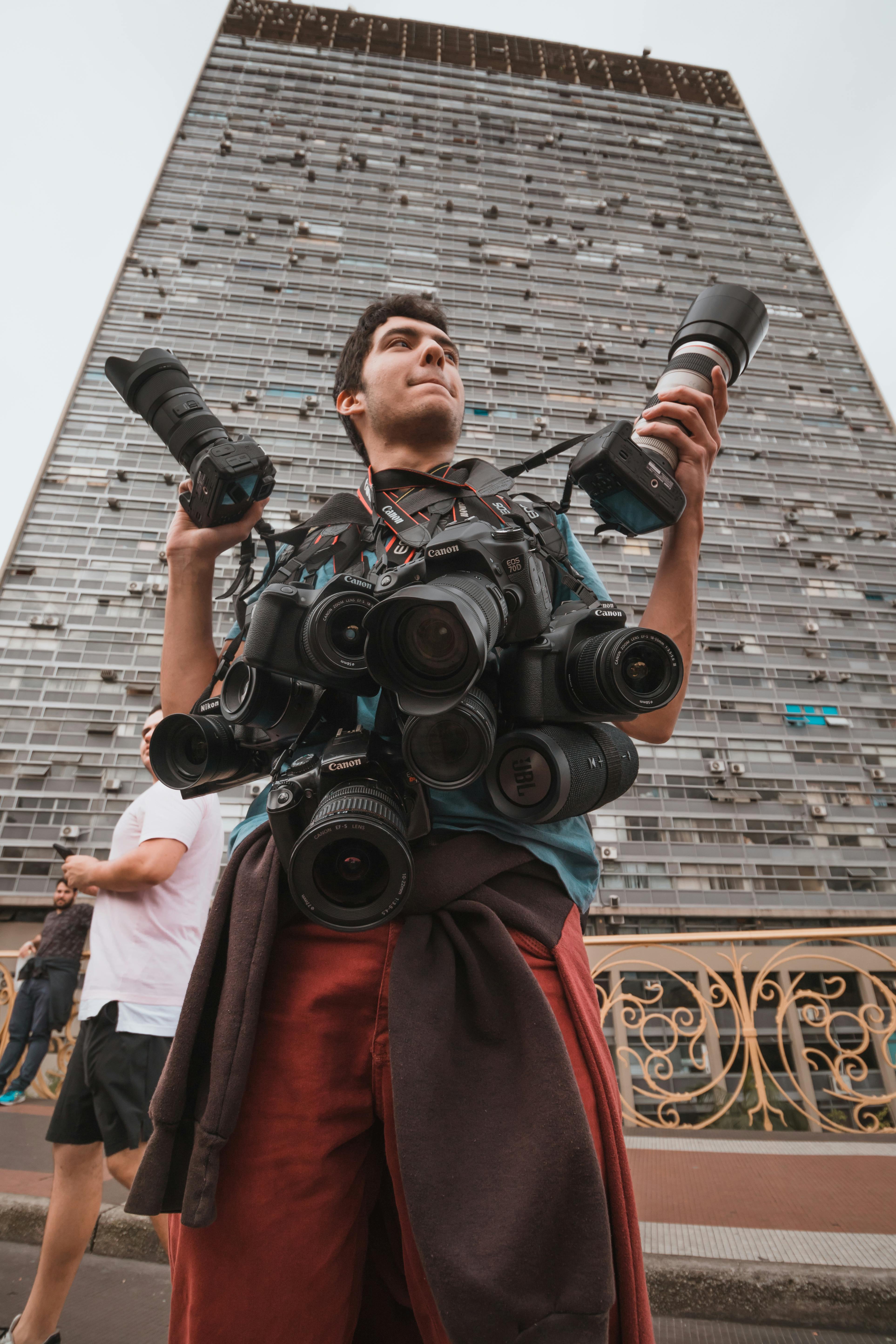
Summer day trips ought to feel light and effortless, not burdensome. If you carry a camera all day, the wrong setup can leave your neck aching and your bag disorganized. Fortunately, a few practical adjustments can help you carry a camera comfortably, keep it within reach, and enjoy the day more.
Shop the setup

- Regular price
-
€42 - Regular price
-
€44 - Sale price
-
€42
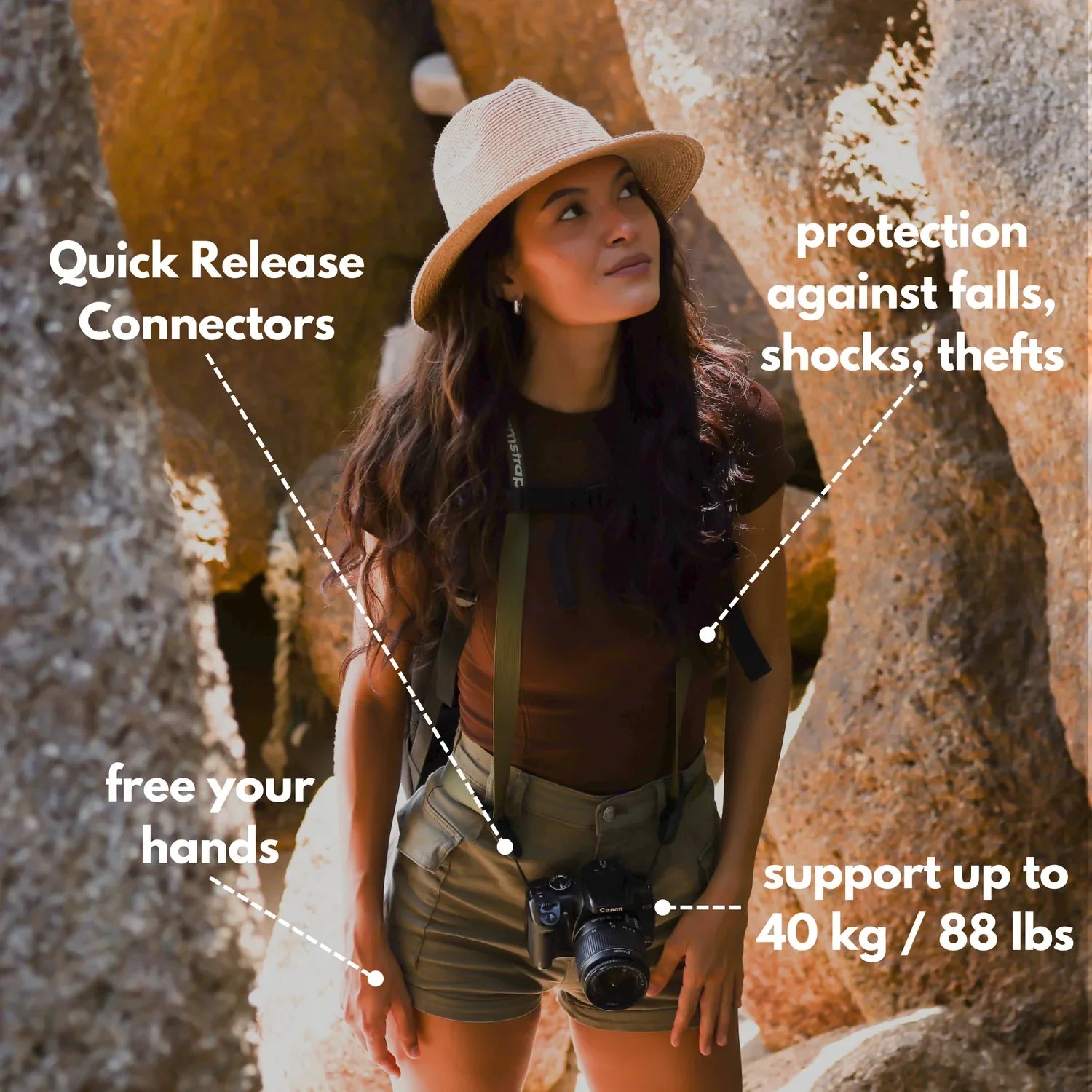
By choosing the Camstrap strap, you are opting for a high-quality product designed to meet the needs of the most demanding photographers.
- Developed by a physiotherapist to relieve neck and back pain.
- Fast delivery with tracking by the Post Office 🚚
- Can be used as a shoulder strap or hands-free harness

- Regular price
-
€36 - Regular price
-
€42 - Sale price
-
€36
Free shipping included
In this guide, you will learn straightforward ways to carry a camera on summer outings without pain or frustration. You will also find out which straps, bags, and clips perform best for walking, sightseeing, and light hiking. As a result, you can spend less time adjusting your gear and more time making photos.
Why comfort matters when you carry a camera all day
When you carry a camera for hours, minor issues can quickly become major annoyances. A strap that digs into your neck, a bag that bounces around, or a heavy lens setup can make a pleasant trip feel endless. In hot weather, that discomfort gets even worse because your body wears down faster.
Comfort also encourages more shooting. If your camera feels easy to access, you are likelier to use it often and miss fewer moments. In addition, a better carry setup can help you move more freely, stay balanced, and keep your attention on the scenery.
How neck pain starts
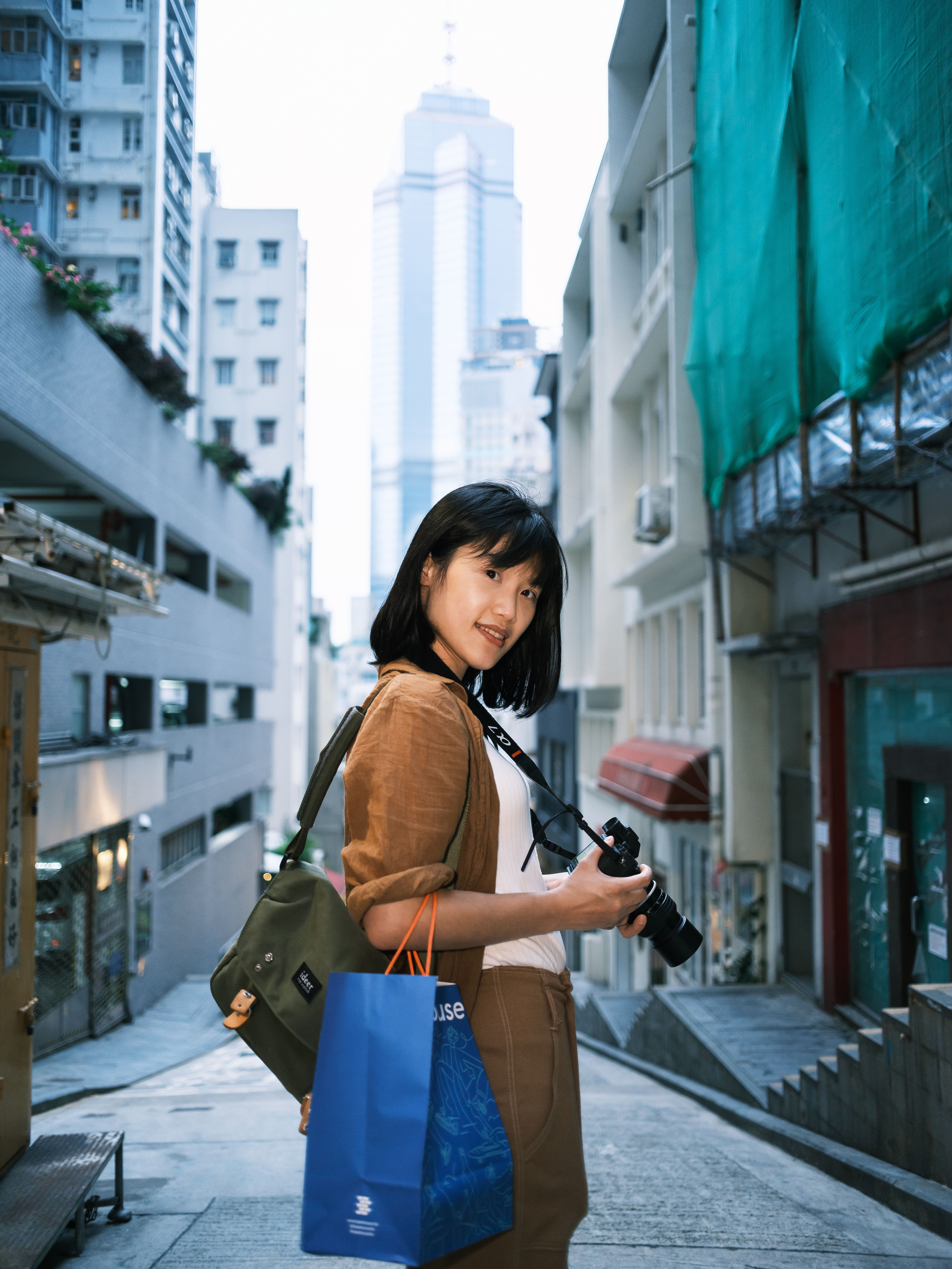
Neck pain often begins with one simple problem: all the weight rests in one place. A basic neck strap can press against the same area for hours. Over time, your shoulders tighten and your neck starts to throb.
Summer heat can make that worse. Sweat causes straps to slip, and damp fabric can chafe the skin. For that reason, a better way to carry a camera should distribute the weight or remove it from your neck altogether.
Choose the best way to carry a camera for sightseeing
The most comfortable way to travel with a camera depends on how you move. If you walk a lot, pause often, and want quick access, a sling or clip can work very well. If you need to bring more gear, a camera bag or backpack may be the smarter option.
For many summer day trips, balance is the priority. You want a setup that keeps the camera close, prevents swinging, and does not force you to keep taking it in and out of a bag. That saves time and eases the strain on your body.
Neck strap, sling, or clip?
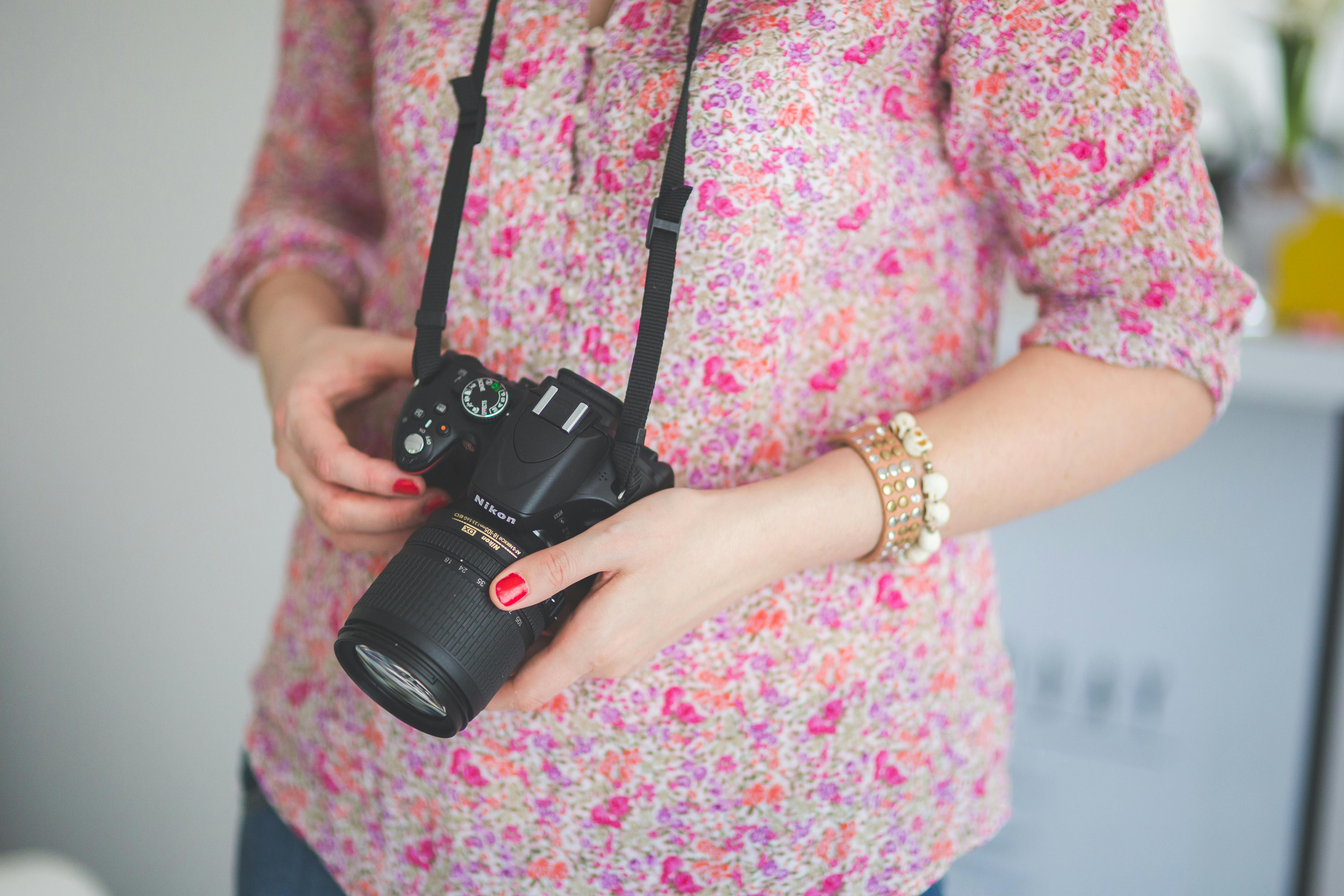
A neck strap is simple, but it is not always the best option for long walks. It can be perfectly fine for short outings or lightweight cameras. Even so, it usually creates the most neck strain over time.
A sling strap distributes the load more evenly and keeps the camera easy to reach. A clip system, such as the Peak Design Capture Clip V3, keeps the camera off your neck and close to your body. It is a strong choice for hiking because it stays secure and lets you reach the camera in seconds.
For active days, many people prefer a clip or sling instead of a neck strap. For example, a Camstrap Voyager or Camstrap Explorer can be a practical option if you want a more balanced carry. The best fit depends on your camera size, how far you will walk, and how often you plan to shoot.
What is the most comfortable way to travel with a camera?
The most comfortable setup is the one that matches your day. For light sightseeing, a sling or shoulder strap often feels simple and quick. For longer walks or hikes, a clip or pack-based system may feel better because it keeps the weight off your neck.
If you want the camera close at hand at all times, a clip can be ideal. The Capture Clip V3 is well known for its strong hold and fast use. Its quick-release button can handle over 200 lbs of force, which adds peace of mind on active trips.
Carry a camera comfortably with the right strap or sling
A good strap should do two things well. It needs to hold the camera securely, and it should feel soft or balanced enough for long wear. If it shifts too much, you will notice it every few minutes.
Look for wide padding, smooth materials, and easy length adjustment. A strap that sits close to the body usually swings less, which helps on summer day trips. Consequently, the camera feels lighter even when the actual weight stays the same.
When a neck strap still makes sense
A neck strap can still be useful for a small camera or a brief photo walk. It is simple, affordable, and easy to use. If you only carry a camera for an hour or two, that may be all you need.
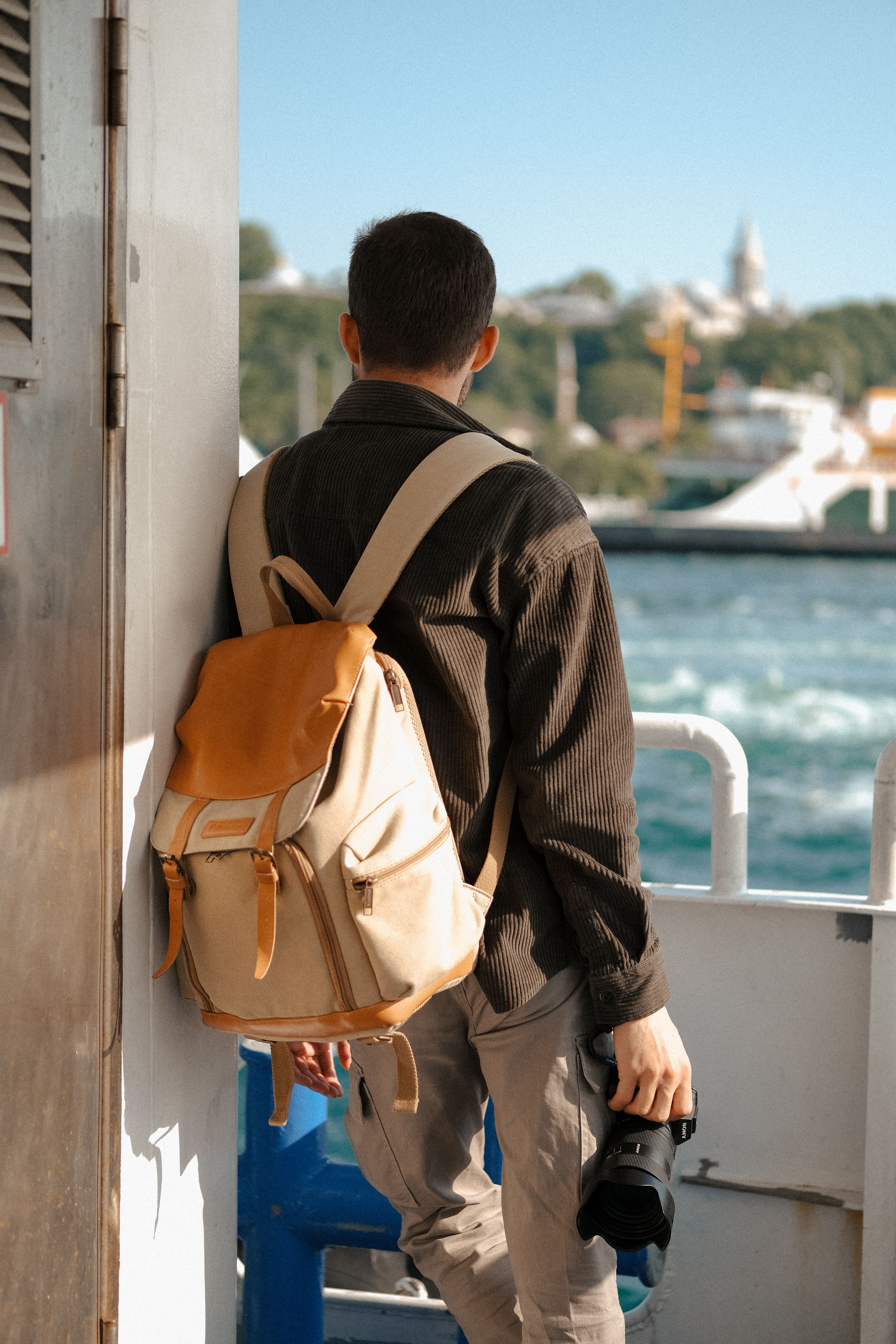
Even so, keep the setup light. A compact body with a 35mm or 50mm prime lens is a smart choice for easy day trips. Those lenses are small, sharp, and well suited to casual travel photos.
Why slings help on long walks
A sling moves the camera to your side or across your chest. That keeps it ready without hanging straight from your neck. It also makes it easier to lift the camera for a quick shot.
This arrangement is especially helpful when you walk through towns, parks, or crowded areas. You can carry a camera all day while still feeling unencumbered. A well-designed sling gives you that balance of access and comfort.
Pack light: lens and gear choices that reduce weight
Weight matters more than many people realize. A lighter setup is easier to carry, easier to pack, and easier to wear in summer heat. Therefore, your lens choice may matter more than your strap choice.
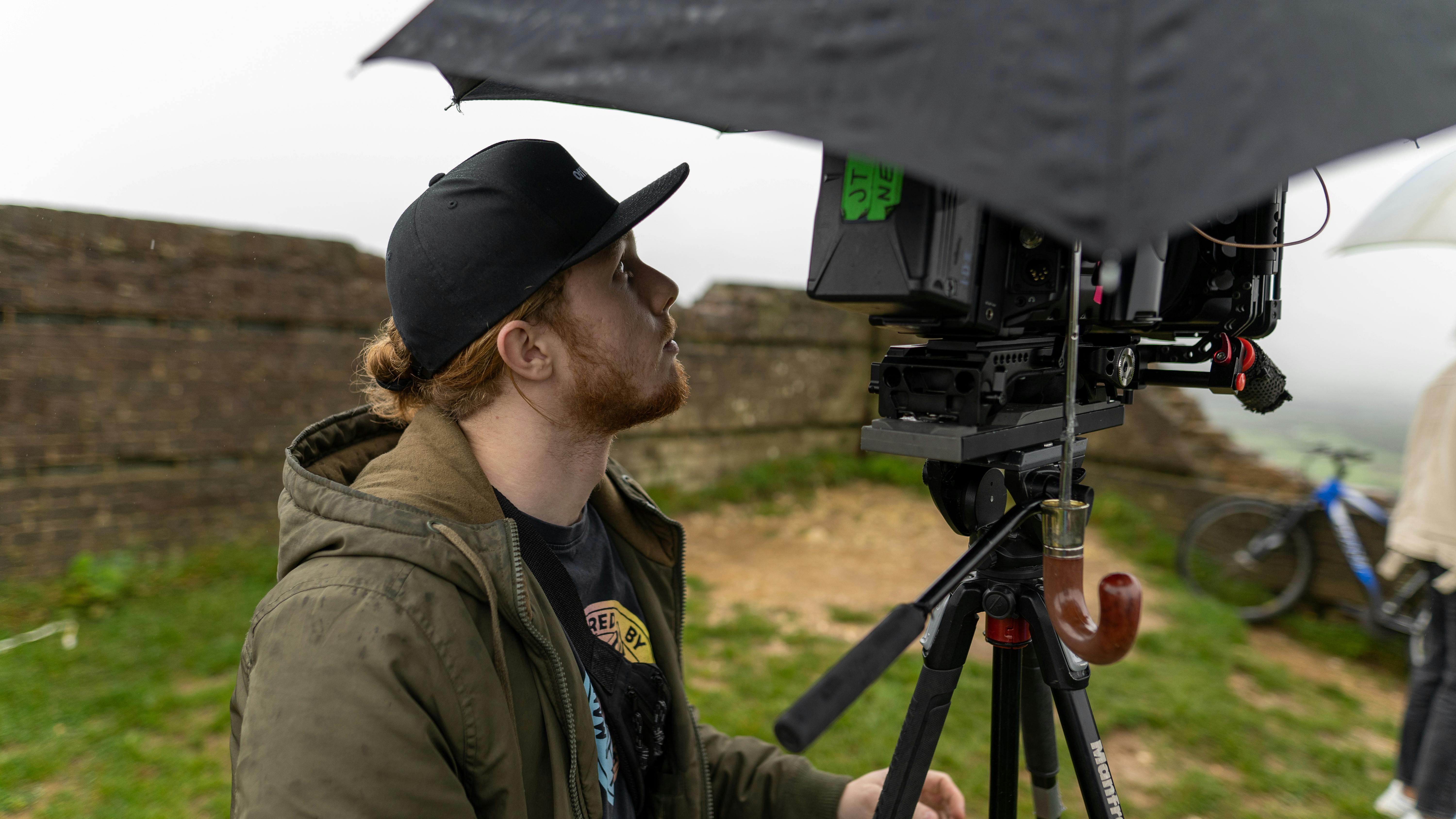
One research-backed tip is to carry a single versatile lens. A 24-70mm zoom is a strong day-trip option because it reduces weight and keeps packing simple. It lets you cover wide scenes and tighter shots without changing lenses all day.
Single-lens setups make summer trips easier
For many travelers, one lens is enough. A 24-120mm f/4 S can let you stick with one focal range in the field, which reduces gear and stress. That means fewer lens swaps and less risk of dust or missed moments.
If you want even less bulk, a 35mm or 50mm prime is an excellent match. These lenses are compact and easy to carry. They also encourage straightforward shooting, which works well on relaxed summer days.
When more lens space is worth it
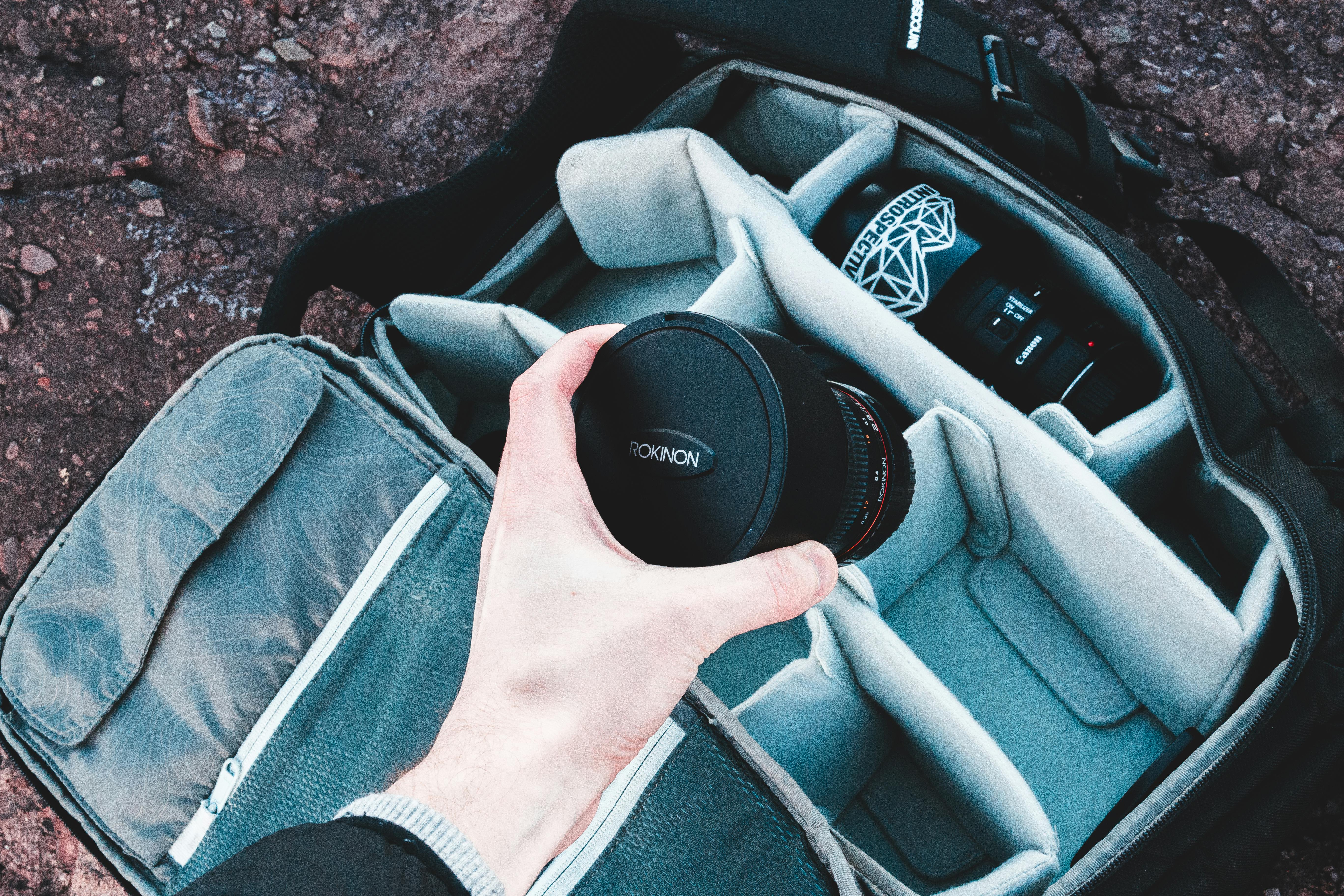
Some trips call for extra reach or a wider view. For full-frame cameras, a 15-liter shoulder bag can carry a full lens set, often called the “trinity.” That set may include a 10-24mm wide-angle, a 24-70mm standard zoom, and a 70-200mm telephoto.
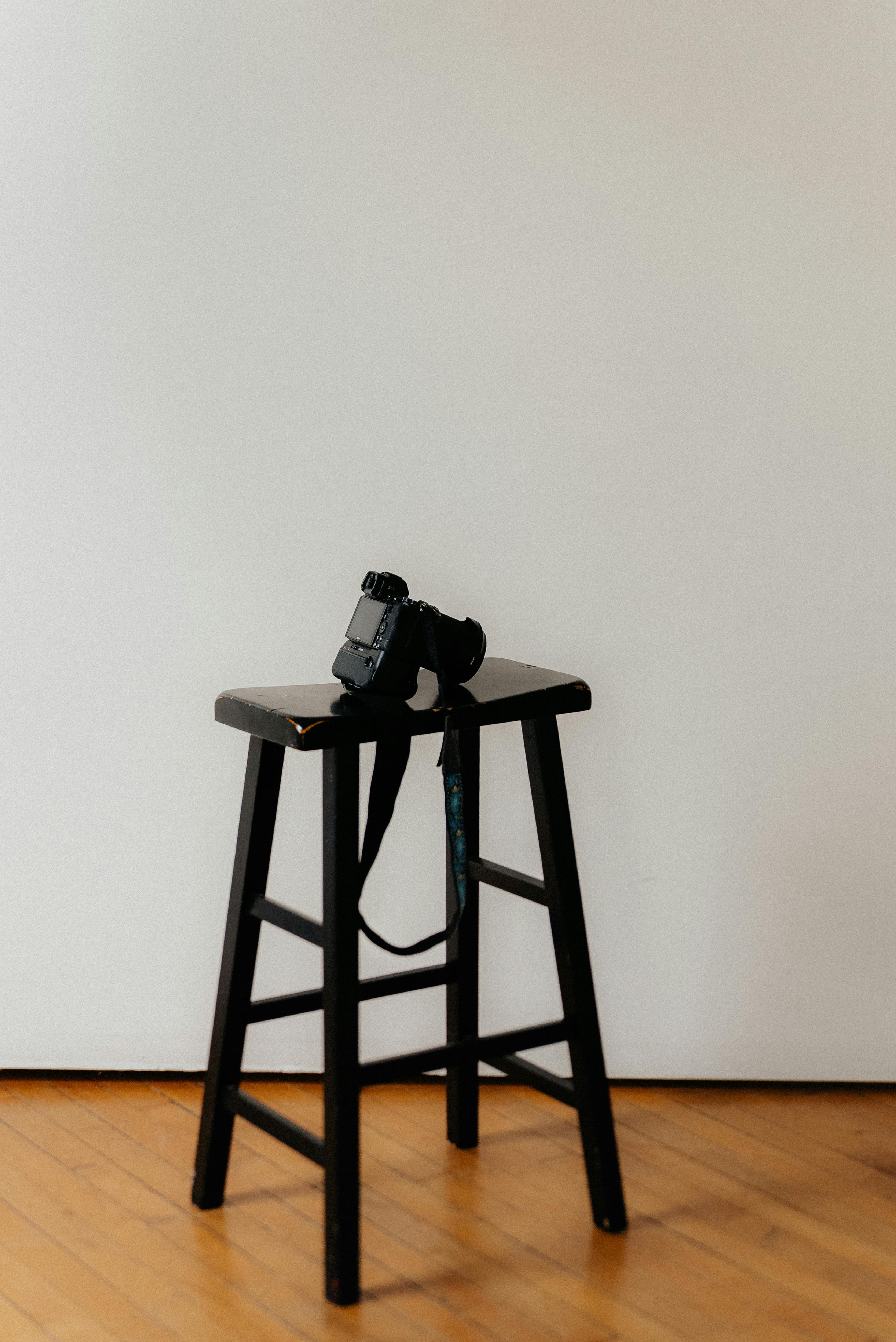
Still, avoid packing more than you need. Extra lenses add weight quickly. If your goal is to carry a camera comfortably, fewer items almost always help.
Use a backpack or bag the smart way
A camera-specific backpack can be one of the best tools for summer day trips. Rear-access designs let you reach your camera without taking off the whole pack. That is ideal when you stop frequently for photos.
This setup also helps protect your gear. Your camera stays inside the bag until you need it, so it is less exposed to bumps, dust, and casual grabs. However, the bag still needs to fit well and avoid pulling your shoulders down.
Stop the swing and share the load
If you use a backpack, you can reduce strap swing with a few simple adjustments. Feed the waist strap through the camera strap, or use small carabiners to attach the strap to the backpack. That way, the pack carries more of the weight.
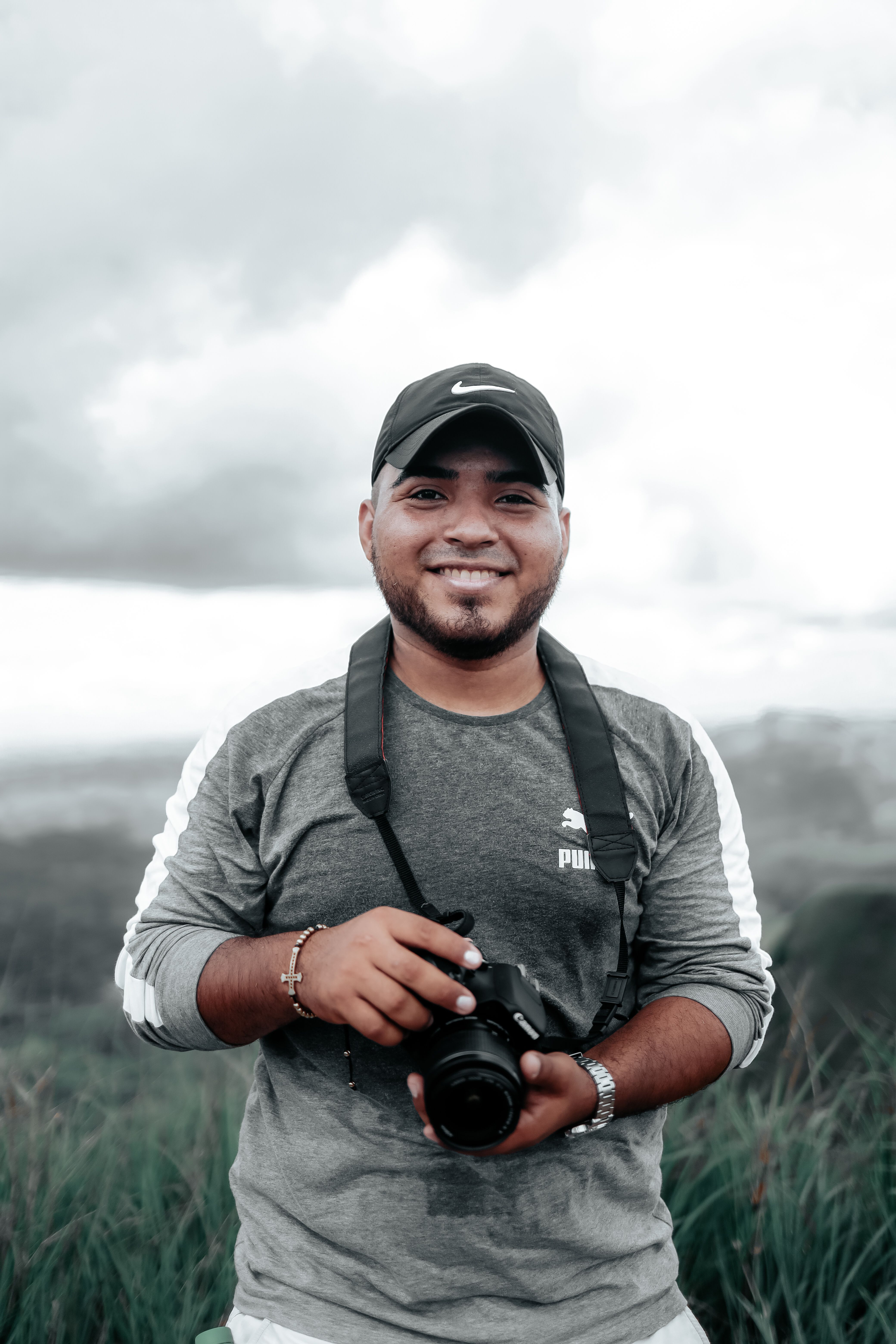
This trick can make a major difference on long walking days. It keeps the camera stable and reduces neck strain. As a result, you can walk farther without feeling worn out.
What to look for in a day-trip bag
Choose a bag that fits your body, not just your gear. A poor fit can feel worse than extra weight. Look for padded straps, a stable waist belt, and easy access to the camera area.
Rear-entry camera packs are especially useful on busy sightseeing days. They let you open the back, grab the camera, and close the pack quickly. That makes them practical when you need to keep moving.
Keep your camera safe in summer weather
Summer weather can shift fast. One minute it is sunny, and the next you may face rain, humidity, or blowing dust. Therefore, weather protection should be part of every camera-carry plan.
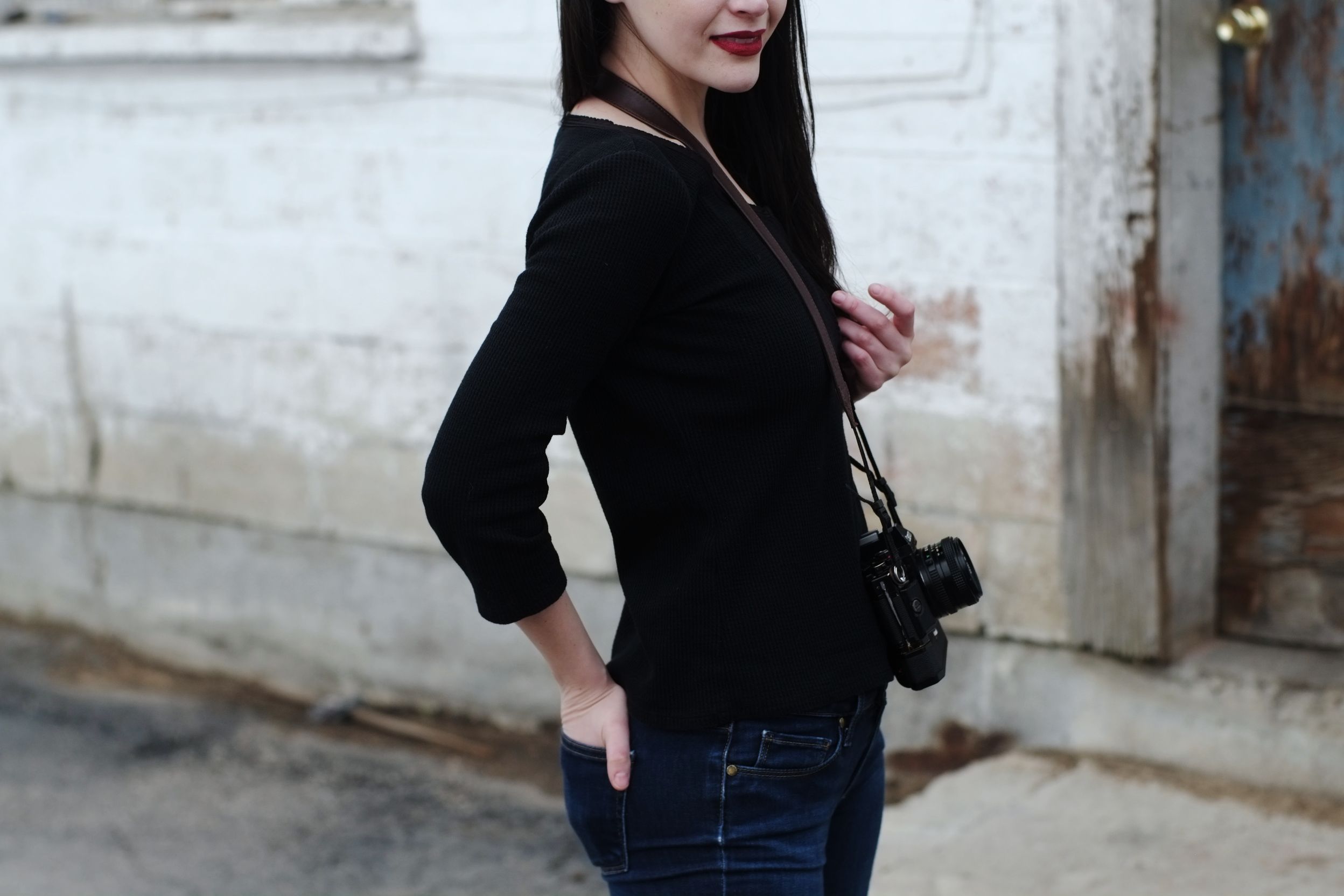
Use a waterproof camera cover, dry bag, or weather-resistant case when necessary. These simple tools can protect your gear from sudden showers and damp air. They also help when you set your bag down on wet grass or sand.
Small weather habits that help a lot
Try to keep your camera covered when you are not shooting. If you move between sun and shade, wipe away moisture before it builds up. In humid weather, that small habit can help more than you might expect.
If you hike or walk near water, protect your gear even more carefully. A dry bag inside your backpack can add a second layer of safety. That extra step may save a trip from a damaged camera.
Simple setup tips for a better summer carry
You do not need a large kit to get good results. In fact, a simple setup often works best for summer day trips. The less you carry, the easier it is to move, shoot, and enjoy the day.
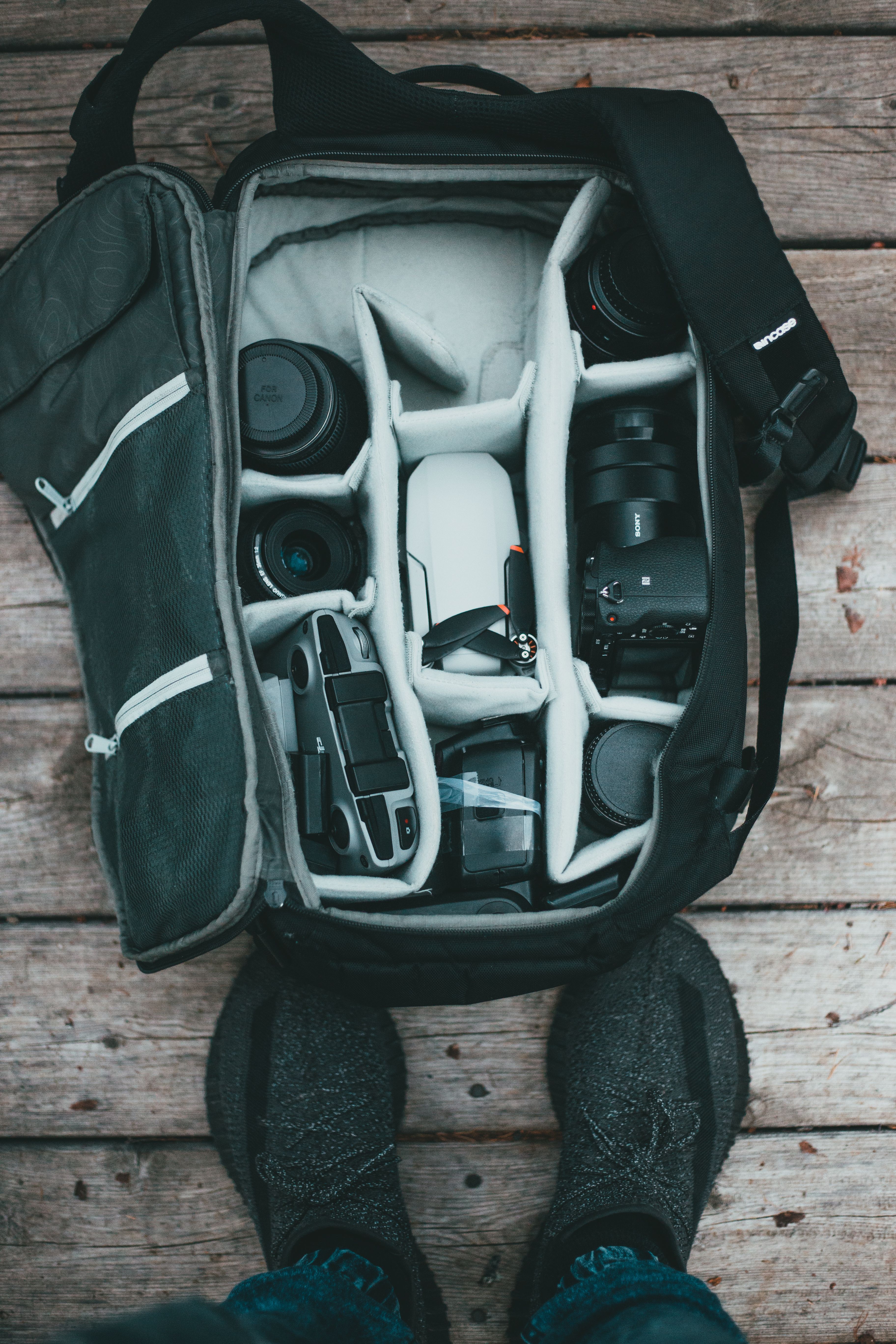
Use these basic tips to build a better setup. They are simple, but they can make a real difference when you carry a camera for hours.
- Pick one versatile lens, like a 24-70mm zoom.
- Use a 35mm or 50mm prime if you want light gear.
- Choose a sling or clip if neck pain is a concern.
- Use a backpack with rear access for frequent photo stops.
- Keep a waterproof cover in your bag for summer rain.
- Balance the load with the waist strap or small carabiners.
You can also try a camera strap from Camstrap if you want another balanced carry option. The Camstrap Nomad may suit casual travel well, while the Camstrap Magclip can be useful if you want quick access. These are only options, but they show how different carry styles can fit different trips.
Match the setup to the day
Think about your route before you leave. A city day trip may call for a sling or shoulder strap. A hike may call for a clip or backpack with fast access.
If you know you will stop often, pick a setup that makes stopping easy. If you know you will walk far, pick one that keeps the weight off your neck. That simple match can make your whole day feel better.
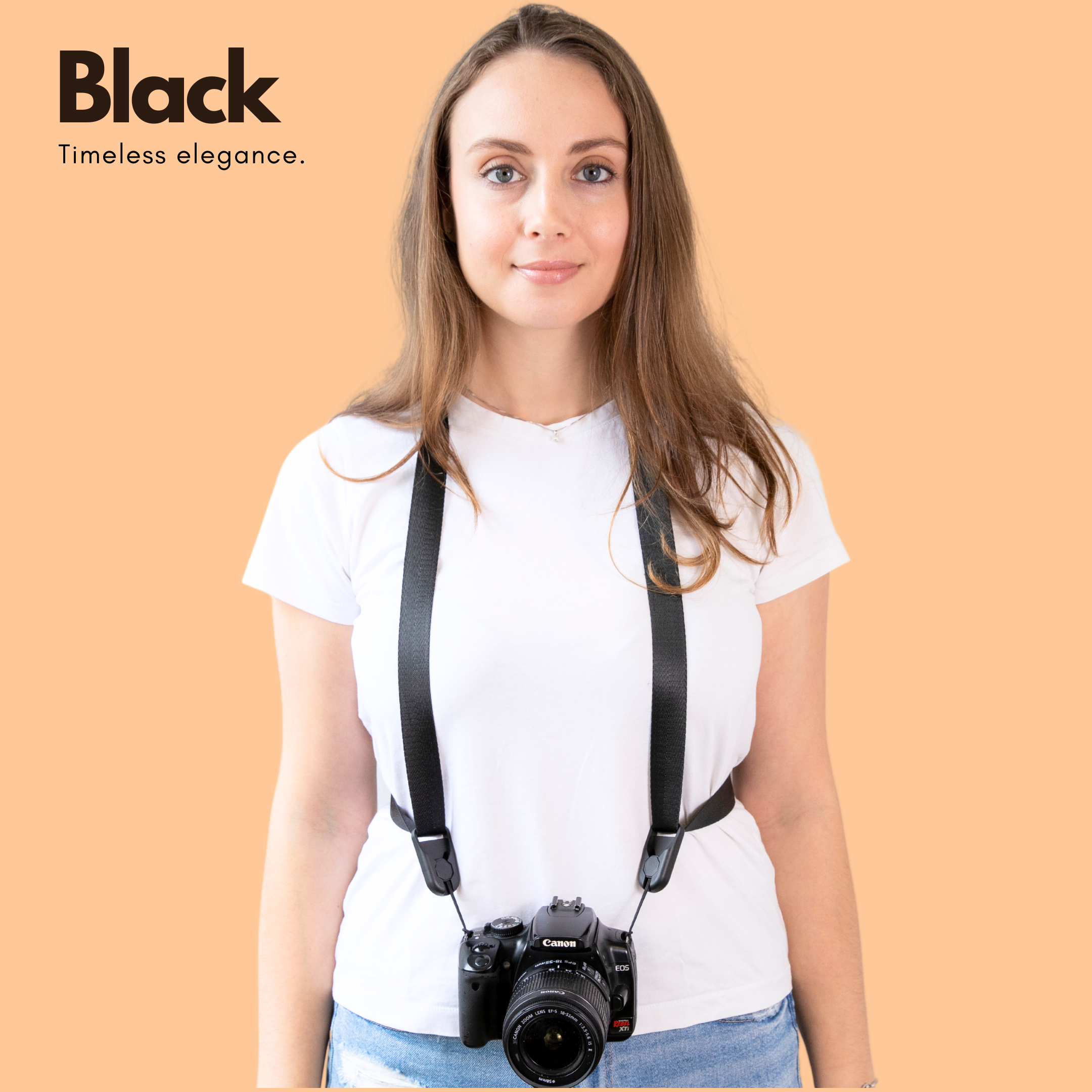
Carry a camera comfortably and enjoy more of summer
The best camera carry setup is the one you stop noticing. It should feel steady, light, and ready when you need it. When that happens, you can stop thinking about your gear and start enjoying the trip.
For many people, the answer is a smart combination of a light lens, a good strap or clip, and weather protection. The Peak Design Capture Clip V3 is a strong choice for active days, while a sling or rear-access backpack works well for sightseeing. Therefore, you can carry a camera comfortably without giving up quick access or safety.
In the end, comfort comes from keeping things simple. Use less gear, spread the weight, and protect your camera from summer weather. Do that, and your day trips will feel easier, lighter, and much more enjoyable.
Frequently Asked Questions
How do I carry a camera all day without neck pain?
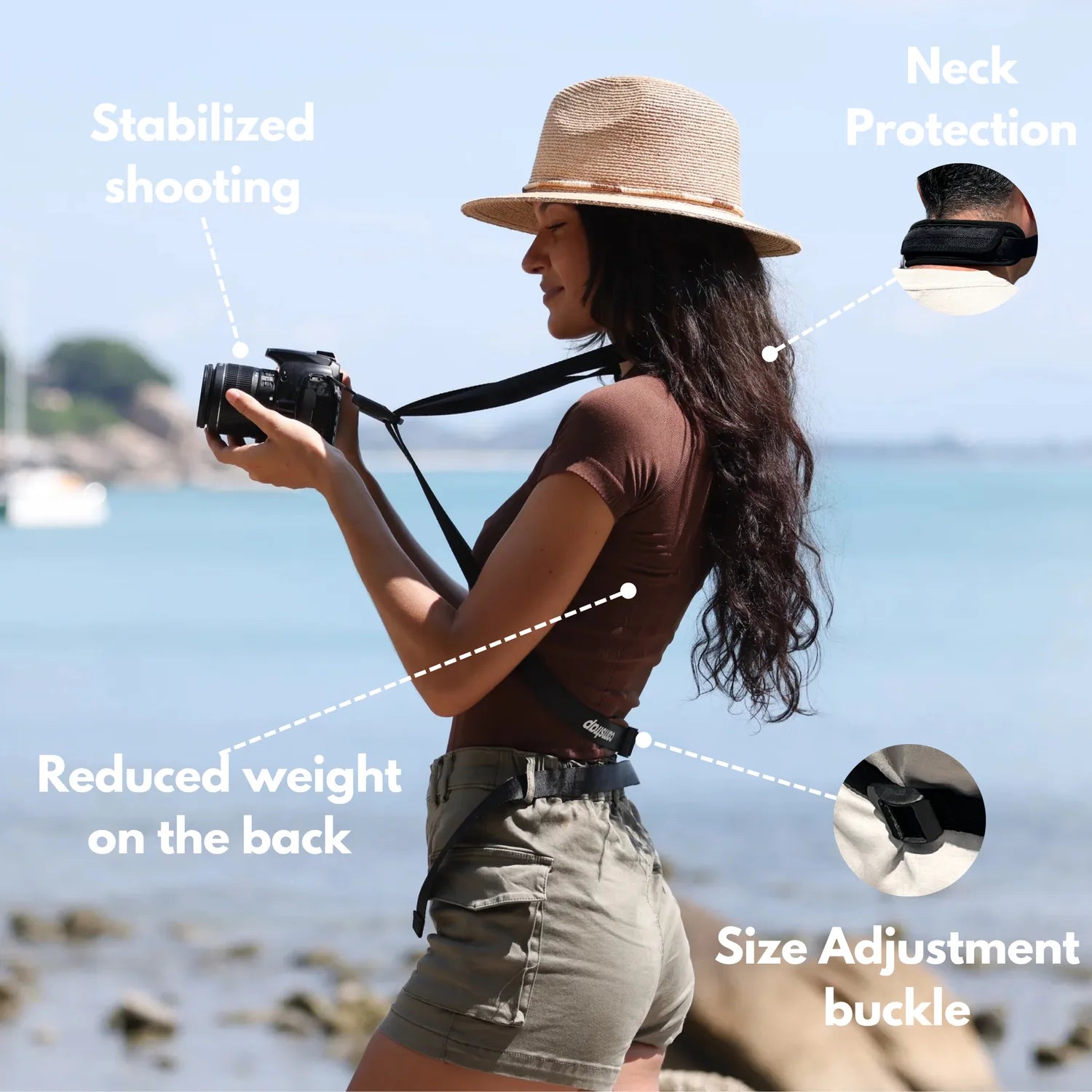
Avoid putting all the weight on your neck. Use a sling or clip system to distribute the load or keep the camera off your neck altogether, and choose a setup that keeps the camera close and prevents swinging.
What is the most comfortable way to travel with a camera?
The most comfortable setup depends on how you move and how much gear you carry. For walking and sightseeing, a sling or clip is usually best for quick access and less strain; if you need more gear, a camera bag or backpack may be more comfortable.
Should I use a neck strap or sling for sightseeing?
For sightseeing, a sling is generally more comfortable than a neck strap because it spreads the load more evenly and keeps the camera easy to reach. A neck strap can work for short outings or lightweight cameras, but it usually causes more neck strain over time.