


- What camera gear should I pack for a two-week trip
- Which lenses cover most travel situations without extra weight
- Do I need a tripod for summer European travel
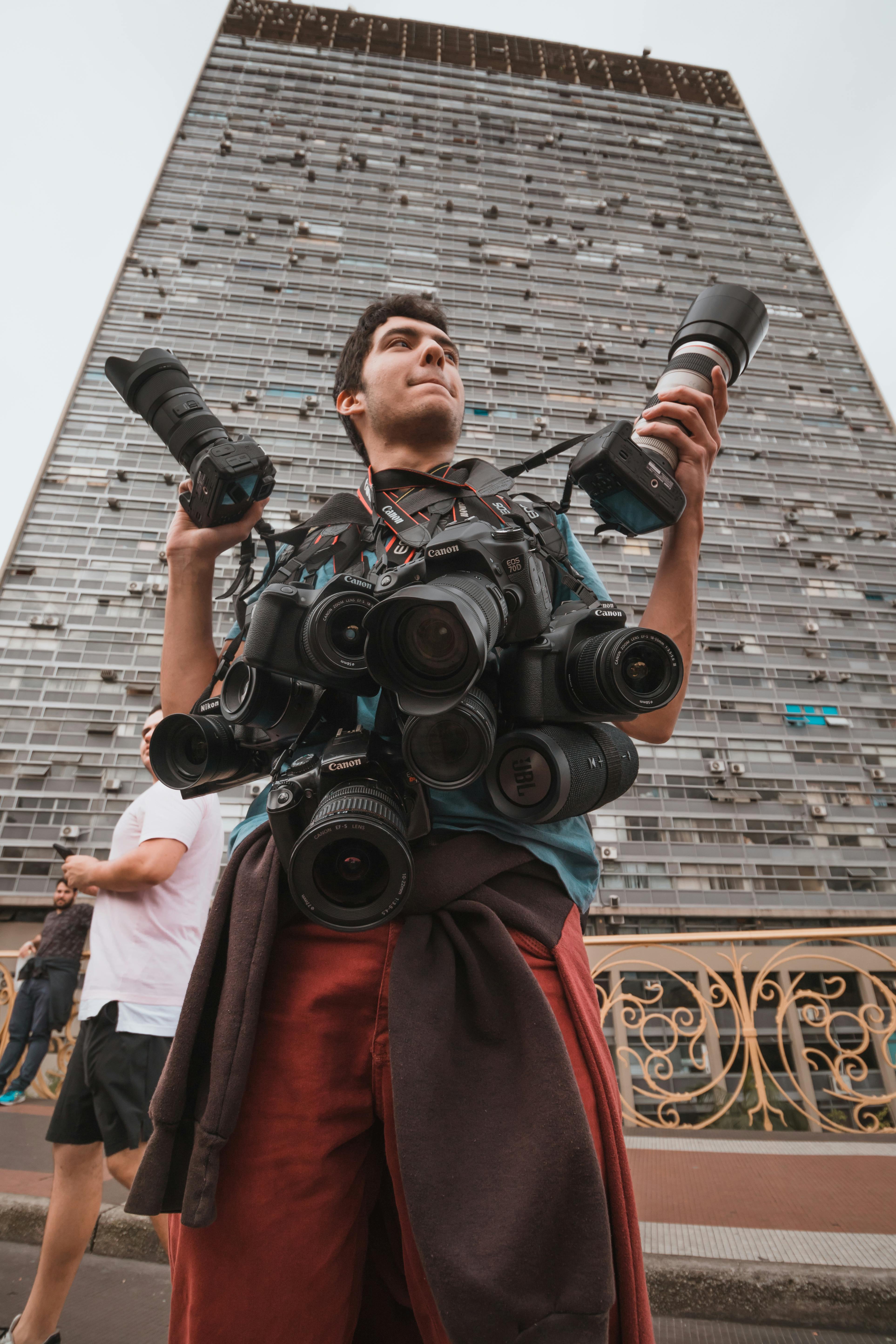
If you are packing for a two-week summer trip to Europe, your camera kit should stay light and adaptable. Long travel days, train rides, and warm weather can make a heavy bag feel even heavier. The smartest approach is to bring only the gear that handles most situations, then leave the rest behind.
Shop the setup

- Regular price
-
€42 - Regular price
-
€44 - Sale price
-
€42
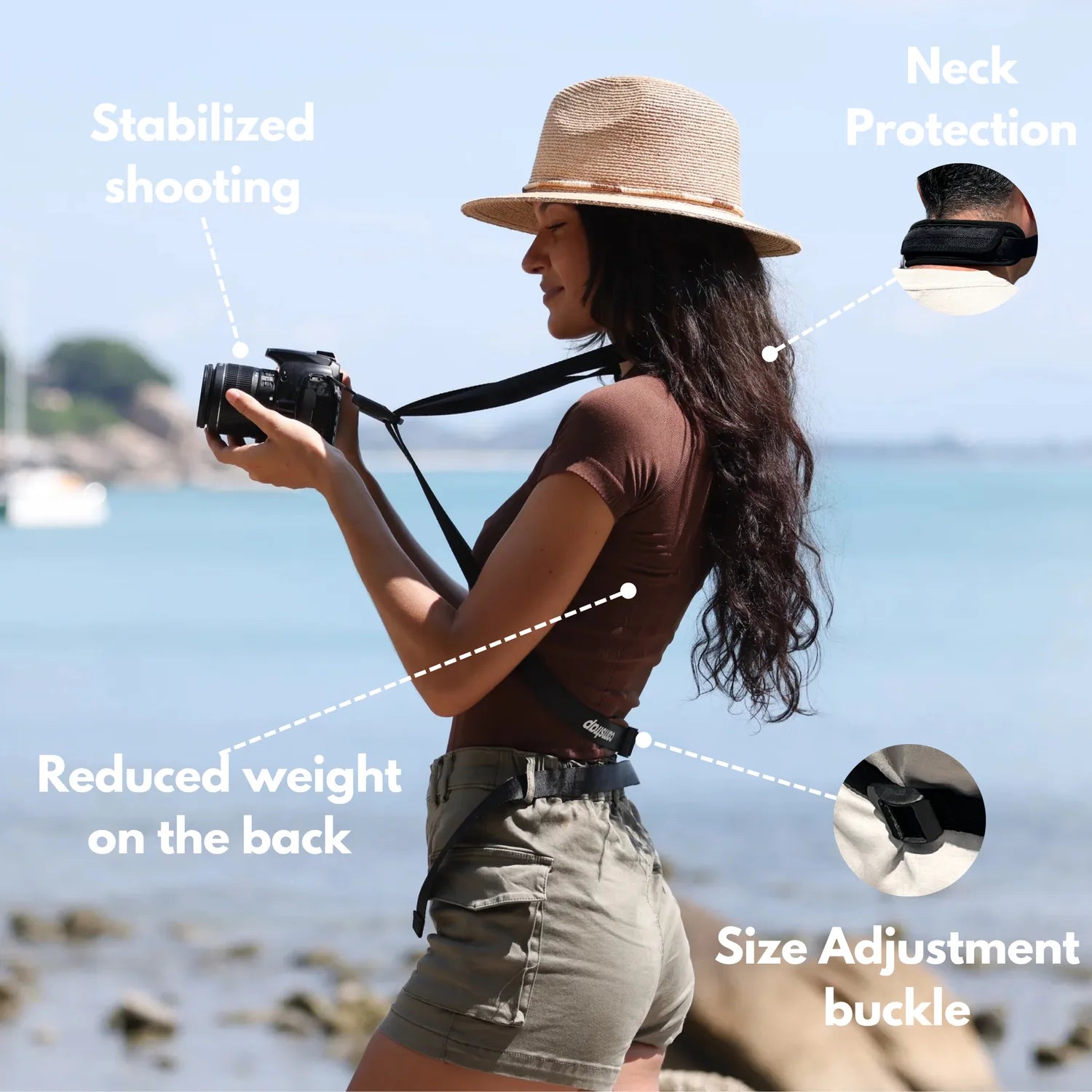
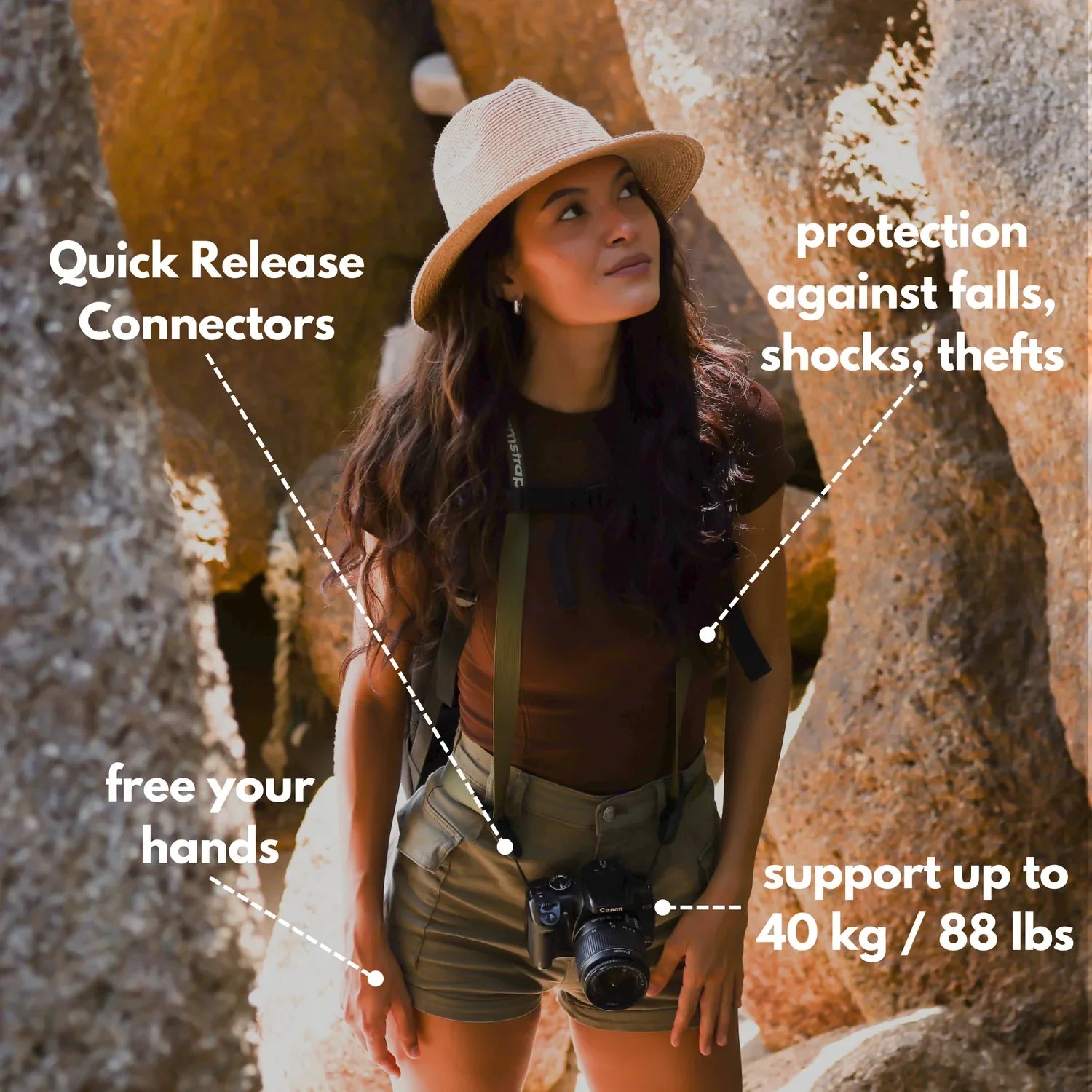
By choosing the Camstrap strap, you are opting for a high-quality product designed to meet the needs of the most demanding photographers.
- Developed by a physiotherapist to relieve neck and back pain.
- Fast delivery with tracking by the Post Office 🚚
- Can be used as a shoulder strap or hands-free harness

- Regular price
-
€36 - Regular price
-
€42 - Sale price
-
€36
Free shipping included
Travel photography works best when your kit stays simple. One camera, one primary lens, and a few compact extras are usually all you need. This guide shows how to pack efficiently, shoot more often, and carry less on your next trip.
Pack a Lightweight Camera Kit That Matches Your Trip
Before you pack, consider how you will be getting around. A city break calls for different gear than a hiking route or a beach-heavy itinerary. Still, most two-week summer European trips have the same challenge: you walk a lot and move frequently.
That is where a lightweight camera kit shines. It keeps you ready for street scenes, food photos, museums, and evening views. It also helps you stay comfortable, since you are not wrestling with a heavy bag all day.
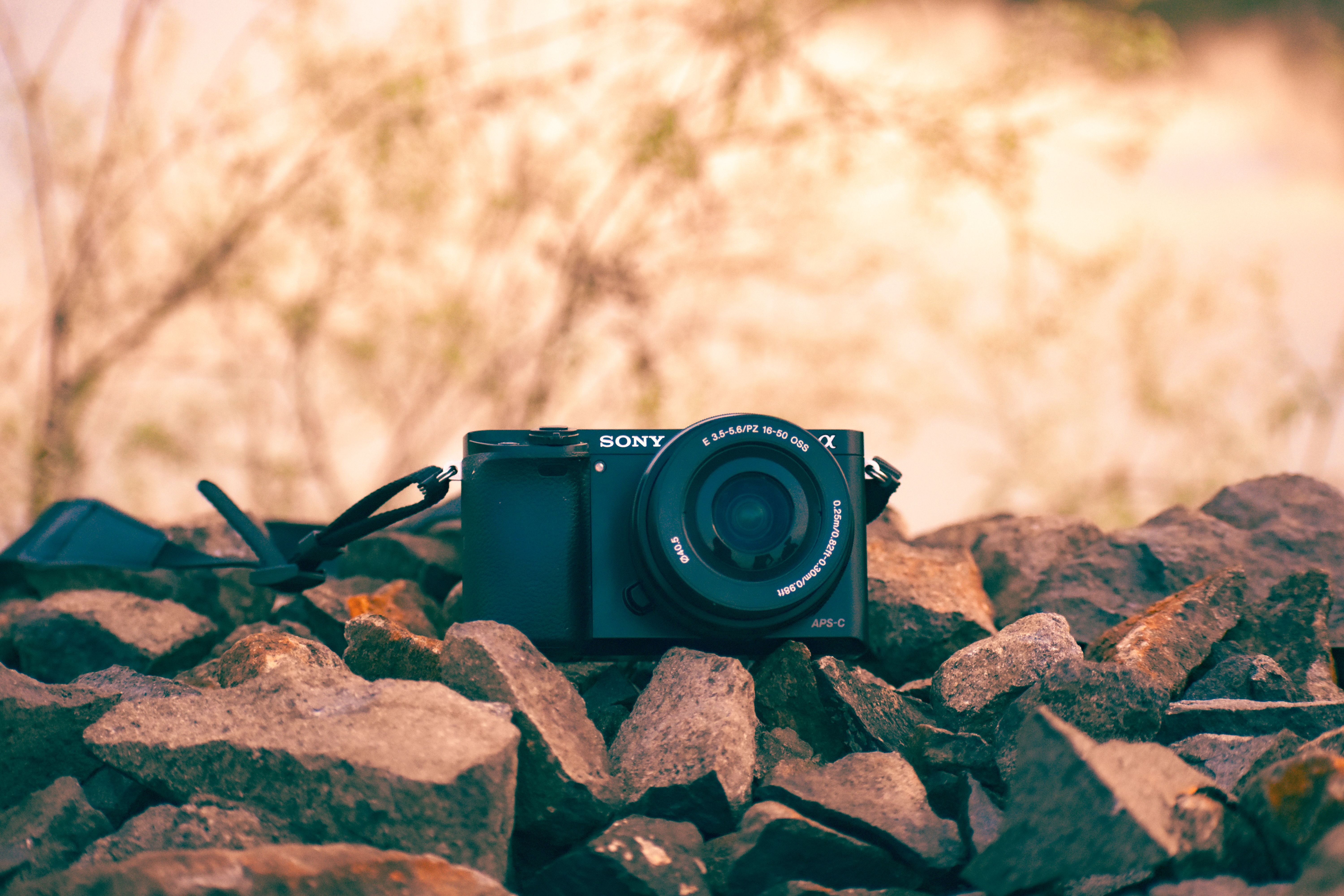
Start with one clear goal
Ask yourself a simple question: what do I want this camera kit to do? If you are documenting the trip, you need less gear. If you want polished images for sharing, you still do not need a massive bag.
For most travelers, the best plan is to pack one main camera and one lens. Add one small backup option only when it solves a real problem. That keeps your bag lean and easy to carry.
Use this simple packing rule
- Pack one main camera.
- Pack one lens that fits most scenes.
- Pack one small backup for low light or special use.
- Pack one strap that feels good for long walks.
- Pack only the memory and power items you need.
This rule keeps your kit compact without limiting you too much. It also makes airport checks, train rides, and day trips easier. As a result, you spend more time shooting and less time managing gear.
Pack the Right Camera for Two-Week Summer Europe
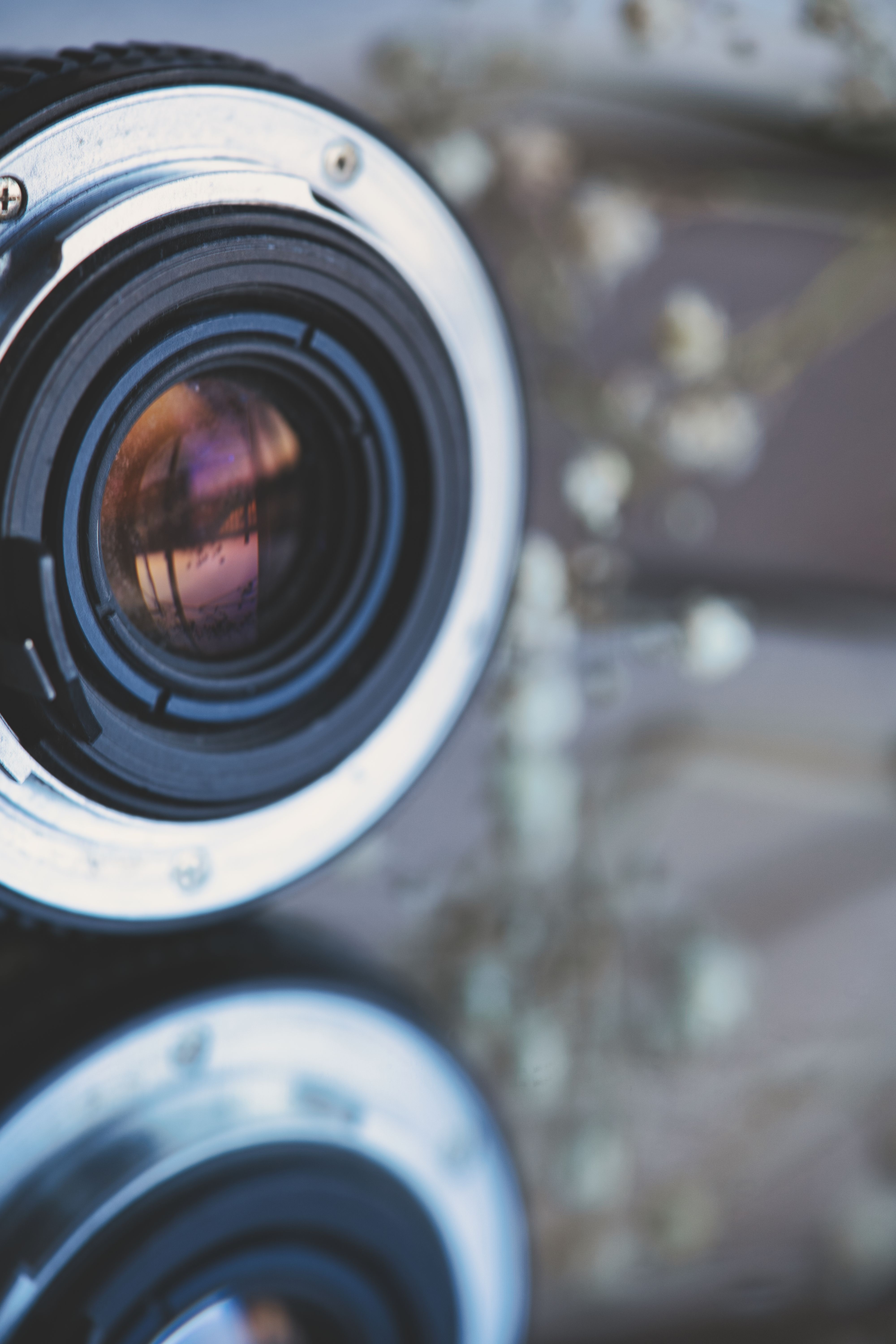
For a two-week trip, one solid camera is usually enough. A full-frame mirrorless body delivers excellent image quality, but a smaller camera can be the smarter travel pick. The best option is the one you will actually carry all day.
Research on travel kits shows that many photographers now reduce their gear for comfort. One example is a Sony A7Cii with a 40mm lens. It can handle about 75% of daytime street and landscape shots, while a smartphone can cover most evening indoor photos. Together, that setup can meet about 95% of common travel photography needs.
Best camera types for easy travel
- Compact mirrorless camera: Great balance of size and quality.
- Point-and-shoot with zoom: Very light and simple to use.
- Film camera: Good for a slower, more planned style.
A compact point-and-shoot can be a smart pick if you want less weight. A model like the Panasonic Lumix ZS70 gives you a long zoom in a small body. It offers better image quality than a phone while remaining easy to pack.
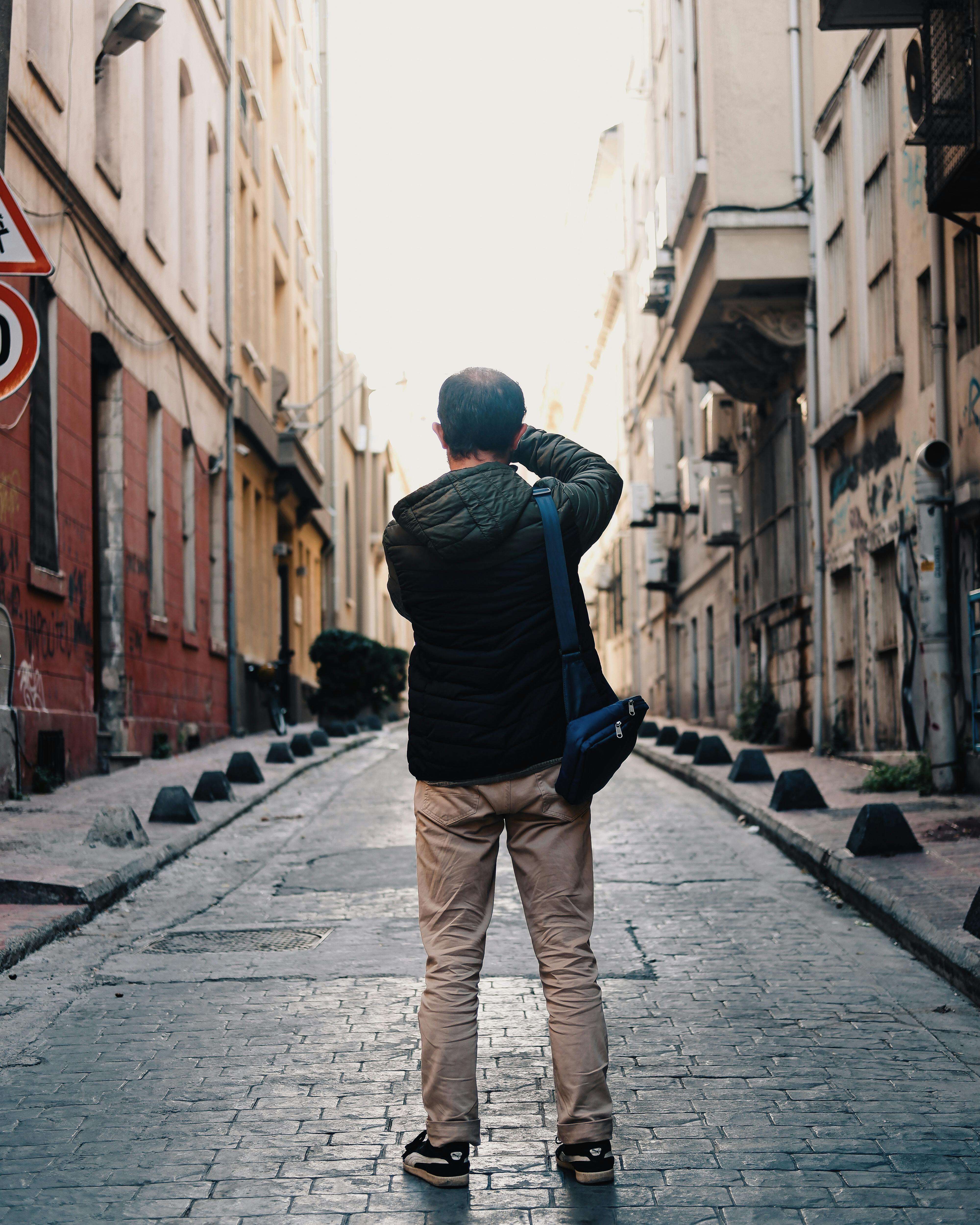
If you enjoy film, you can also bring one film camera for part of the trip. A Canonet QL17 is a classic, lightweight choice. It pairs nicely with a digital camera when you want a second look without adding much bulk.
Pack One Lens That Covers Most Summer Scenes
Your lens choice matters even more than your camera body. The right lens helps you travel light while still photographing a wide range of scenes. Therefore, one versatile lens often works better than a bag full of glass.
For daytime travel, a zoom lens is often the easiest solution. A Canon RF24-70mm f/2.8 gives you wide shots, normal views, and tighter framing in one lens. It also keeps a constant f/2.8 aperture, which helps when the light starts to fade.
When a prime lens makes more sense
A prime lens can be even lighter and sharper. A Sony 24mm f/1.4 is a strong travel choice because it performs well in low light. It is especially useful in restaurants, churches, museums, and late street scenes.
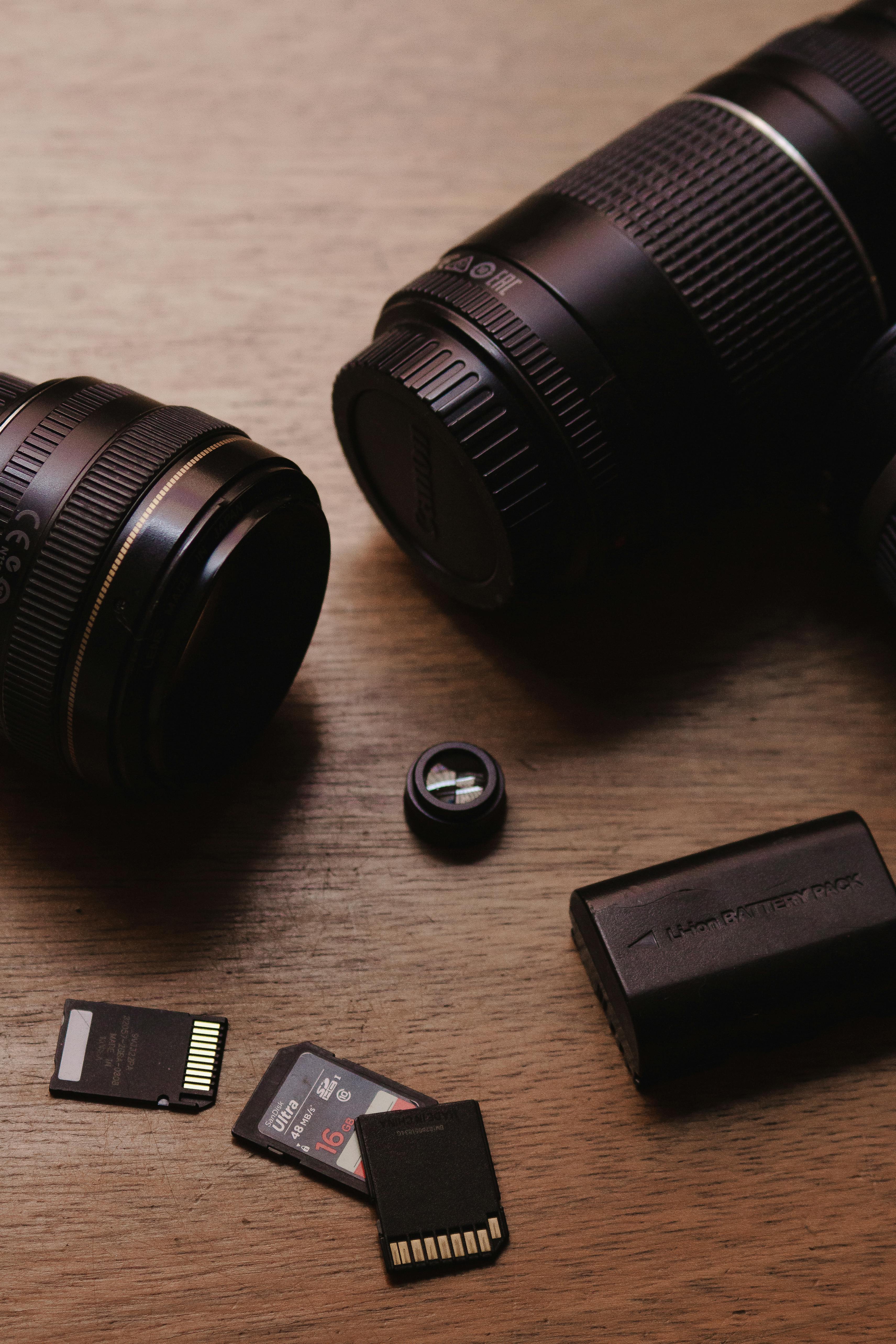
A 24mm lens also helps when you want to show more of a place. It is wide enough for buildings and landscapes, but not so wide that it feels exaggerated. If you prefer straightforward shooting, one lens like this can handle a lot.
What focal lengths cover most travel work?
- 24mm to 28mm: Good for streets, buildings, and wider views.
- 35mm to 40mm: Great all-around range for people and scenes.
- 50mm to 85mm: Best for portraits and detail shots.
If you want the simplest packing plan, pick one lens in the 35mm to 40mm range. That focal length feels natural for many travelers. It also helps you stay quick, because you do not need to swap lenses often.
Some travel photographers carry one zoom lens and one extra lens in a day pack. That setup works well if you expect a mix of scenes. However, for a two-week summer Europe trip, one main lens is often enough.
Pack Less and Still Get Great Travel Photos
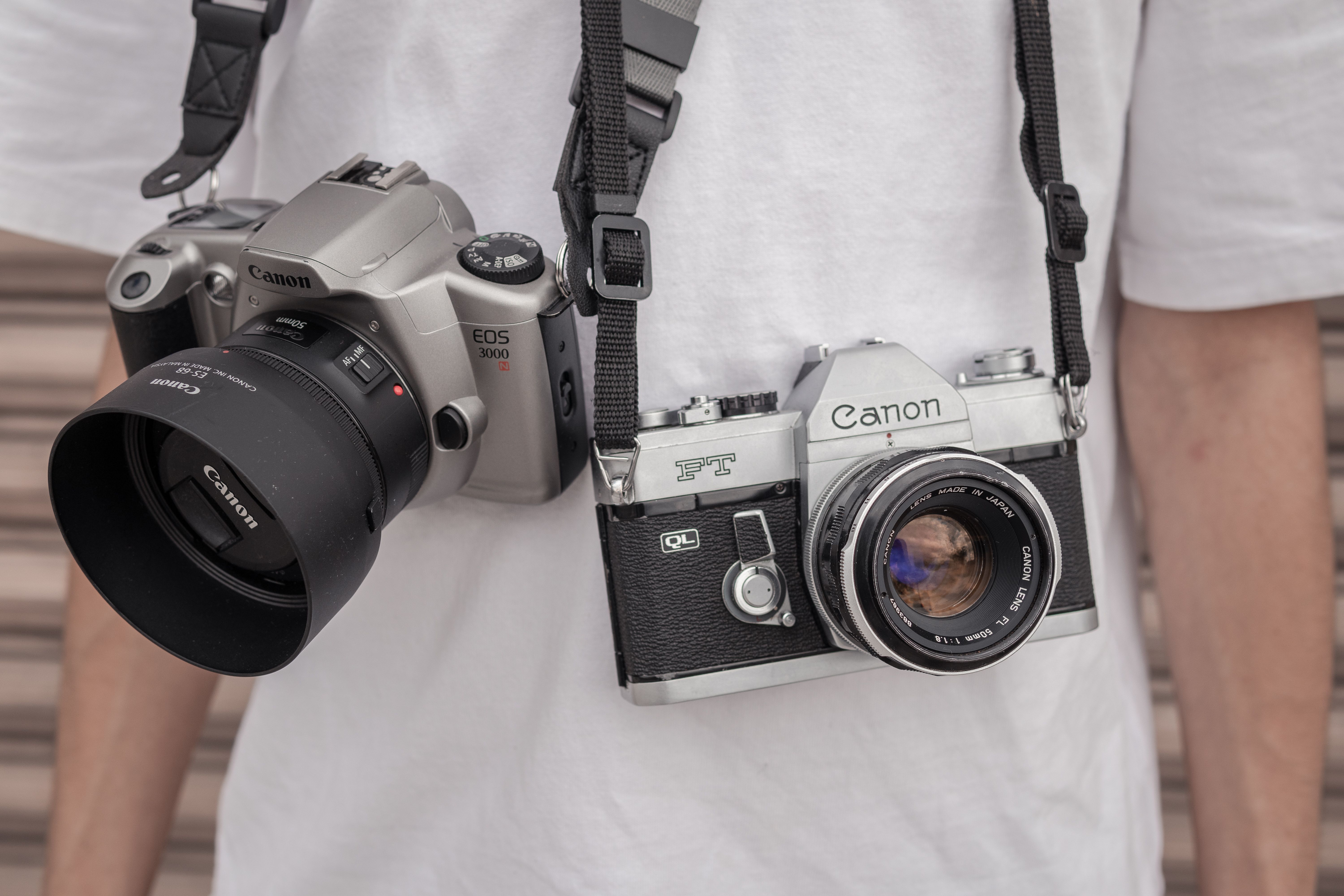
You do not need a large bag to get strong results. In fact, too much gear can slow you down. When you pack less, you move faster and stay more aware of real moments.
Many travel photographers follow a simple rule: keep the main camera ready and use the phone as backup. This approach works well in bright summer light and busy city streets. It also keeps your pack small and easy to handle.
A practical two-camera approach
One research-backed setup uses a Sony A7IV with a 24mm f/1.4 prime for digital work. It also includes a Canonet QL17 with a few rolls of film, such as Portra 800 or Kodak Gold 200. This combination gives you both clean digital files and a slower film look.
That does not mean you need both cameras. But it does show how a light kit can still cover many styles. If you shoot often, this kind of split can make your trip photos feel more varied.
How many lenses should you pack?
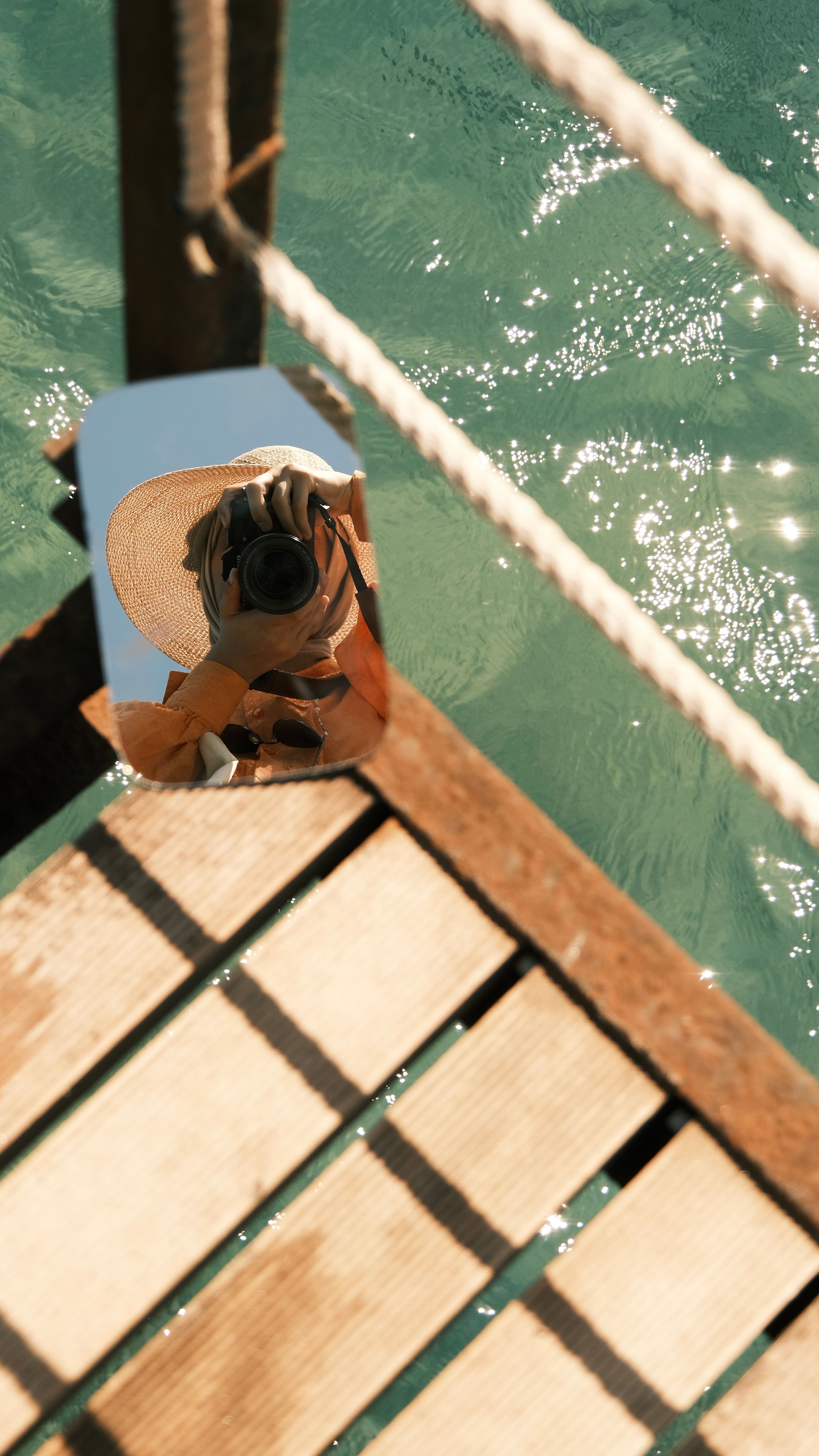
- Pack one lens if you want the lightest kit.
- Pack two lenses only if they solve different problems.
- Leave big specialty lenses at home unless you know you need them.
For most summer trips, one lens is the sweet spot. A zoom gives you range, while a prime offers speed and size savings. Therefore, pick the lens that fits your style, not the one that looks most impressive.
Pack Film, Memory, and Power the Smart Way
Small items may weigh little, but they still matter. Cards, batteries, and film can save the day when you are running low. So it pays to pack them carefully.
If you shoot digital, bring enough memory cards for the whole trip and at least one spare battery. Summer travel often means long days away from a charger. You do not want to miss a sunset because your battery ran out.
How much film should you pack?

For film shooters, a two-week trip may only require 2 to 6 rolls. The exact number depends on how often you shoot and what you like to photograph. If you are selective, you can pack less than you might expect.
Portra 800 is a strong option for low light and mixed scenes. Kodak Gold 200 works well in bright daylight. Lucky black and white film gives you a simple, classic look if you want a lower-cost choice.
- Portra 800: Best for indoor shots and evening light.
- Kodak Gold 200: Good for sunny streets and daytime scenes.
- Lucky black and white: Nice for a bold, simple travel look.
Pack the small extras that save time
- One spare battery.
- One small charger.
- Two to three memory cards.
- Lens cloths or a small cleaning kit.
- A zip pouch for film or cards.
These items do not take up much room, but they help a great deal. They also protect your trip from simple mistakes. As a result, your lightweight kit stays useful from day one through day fourteen.

Pack a Strap Setup That Feels Good All Day
A good strap matters more than many people realize. If your camera hangs awkwardly, you may leave it in the bag. That means fewer photos and more frustration.
For a two-week trip, try to match your strap to how you move. A crossbody strap works well during the day. A wrist strap can feel better in the evening, when you want less bulk and quicker access.
Pair the strap to the shoot
A crossbody strap spreads the weight across your body. That helps when you walk for hours through cities or open markets. It also keeps your camera close and ready.
A wrist strap works well for dinners, bars, and short night walks. It gives you a light grip and keeps the camera from swinging around. Therefore, many travelers use both, not just one.

Camstrap options that fit a light travel kit
Camstrap offers lighter models that suit travel use well. The Camstrap Voyager can work as an easy day-carry option. The Camstrap Explorer can suit more active walks and outdoor days.
The Camstrap Nomad is another option for travelers who want a simple, flexible setup. The Camstrap Magclip can help when you want quick attachment and removal. These are not the only good choices, but they fit the idea of packing light.
If you want one simple rule, use a crossbody style for long days and a wrist strap for short evening shoots. That combination keeps your pack light and your camera ready.
Pack for Real Summer European Conditions
Summer in Europe can bring strong sun, crowded streets, and unexpected indoor stops. Your camera kit should handle all three. Therefore, pack for heat, light, and movement, not just image quality.
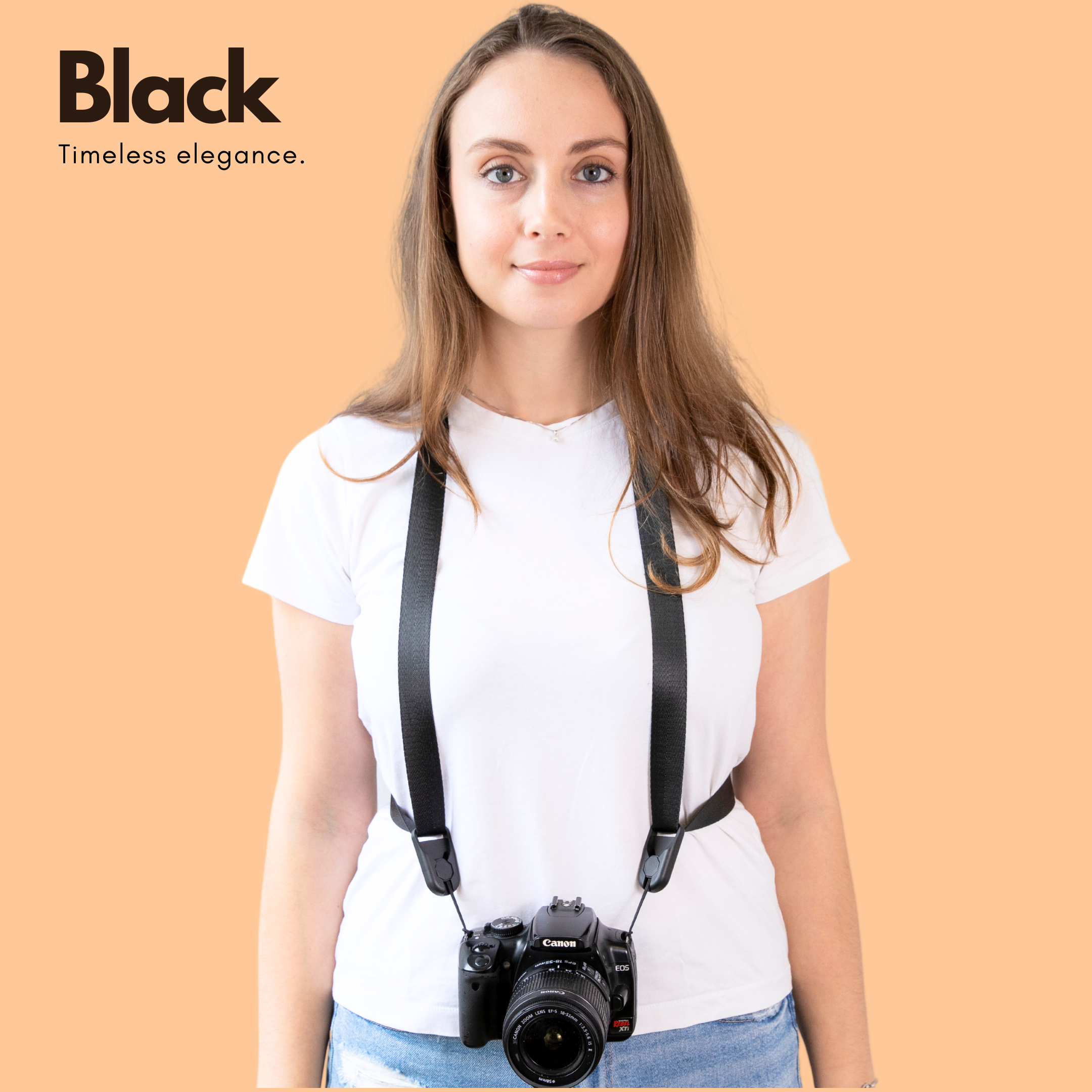
Bright light is common in July and August. A lens with a wide range, or one fast prime, helps you adapt quickly. In low light, f/1.4 or f/2.8 can make a real difference, especially in cafes and museums.
Do you need a tripod for summer Europe?
For most travelers, the answer is no. A tripod adds size and weight, and many city trips do not require one. If you mainly shoot street scenes and travel moments, you can leave it out.
Bring a tripod only if you plan to shoot night scenes, long exposures, or self-portraits. Even then, a small travel tripod is enough. However, most people will do better with a lighter bag and a steady hand.
Use simple exposure targets
- Day streets: Try 1/500s or faster.
- People in motion: Use around 1/250s or faster.
- Low light indoors: Open the lens wide and raise ISO as needed.
These settings are simple starting points, not strict rules. They help you respond quickly when the scene changes. That matters a lot when you are packing light and shooting on the move.
Pack Light, Travel Far, and Shoot More
The best travel kit is the one you will carry every day. For a two-week summer European trip, that usually means one camera, one main lens, and a few small extras. You do not need a large setup to make strong images.
Pack with intention. Pick one lens that covers most scenes, one strap that feels comfortable, and only the power and film you will actually use. If you want a simple rule, aim to pack light enough to forget the bag, but reliable enough to trust your gear.
That is the real point of a lightweight camera kit. It helps you move, notice, and shoot without stress. When you pack wisely, your camera becomes part of the trip instead of a burden.
Frequently Asked Questions
What camera gear should I pack for a two-week trip?
Pack one main camera, one lens that covers most scenes, and one small backup only if it solves a real problem. Also bring a comfortable strap, and only the memory cards, batteries, and chargers you actually need.
Which lenses cover most travel situations without extra weight?
A standard prime or compact zoom in the 35mm to 40mm range is the best all-around choice for most travel. The article notes that a camera like the Sony A7Cii with a 40mm lens can handle most daytime street and landscape shots.
Do I need a tripod for summer European travel?
Not usually, unless you specifically plan low-light, long-exposure, or night work. For most summer European trips, a lightweight kit is enough, and the article suggests using a smartphone for many evening indoor photos instead of carrying extra gear.


