


- Carry your camera on a cross-body strap or sling at hip height for all-day comfort.
- Choose a 24-70mm zoom, or a 35mm/50mm prime if you want lighter gear.
- Keep the camera out and ready between stops so fleeting city moments never get packed away.

Travel photography is the craft of making strong images while moving through unfamiliar places. On a city break, the goal is simple: carry less gear and stay ready for real moments. A lighter setup lets you walk farther, react quicker, and enjoy the trip. It keeps the camera within reach, which pays off when a busker starts up or light catches a side street at just the right angle.
Shop the setup

- Regular price
-
€42 - Regular price
-
€44 - Sale price
-
€42
By choosing the Camstrap strap, you are opting for a high-quality product designed to meet the needs of the most demanding photographers.
- Developed by a physiotherapist to relieve neck and back pain.
- Fast delivery with tracking by the Post Office 🚚
- Can be used as a shoulder strap or hands-free harness

- Regular price
-
€36 - Regular price
-
€42 - Sale price
-
€36
Free shipping included
How to travel light without missing the shot
City trips favor stripped-down kits. Airports, train stations, cafes, museums, and packed sidewalks all slow you down when you bring too much.
Studies on travel and human factors have long shown that heavy bags increase fatigue and lead to more stops. In practice, less weight leaves more energy for walking, waiting, and noticing scenes.
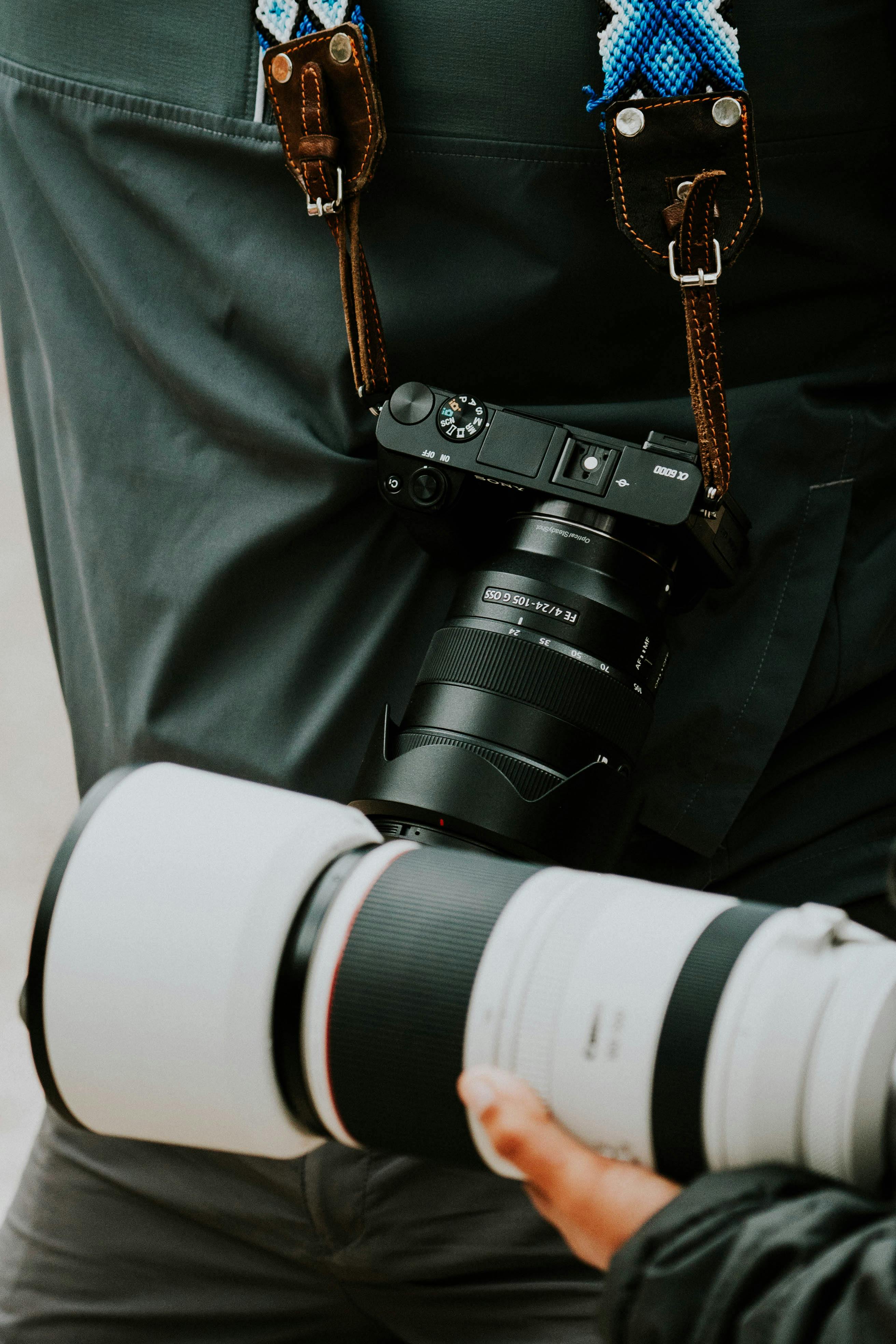
Build a kit you can carry all day
Begin with one body, one zoom or prime lens, one spare battery, and one card. That compact setup handles most streets, markets, food stops, and skyline views.
- Camera body with good eye or subject detection
- One lens, usually 24-70mm or 35mm/50mm prime
- One spare battery
- One fast memory card
- Microfiber cloth
Keep the bag simple and close to your body. A sling or compact backpack works well because it swings less while you walk. A hands-free strap can help even more. A Camstrap Voyager style strap spreads the weight across your body and keeps the camera ready without forcing you to hold it all day.
How do I carry a camera comfortably all day while sightseeing?
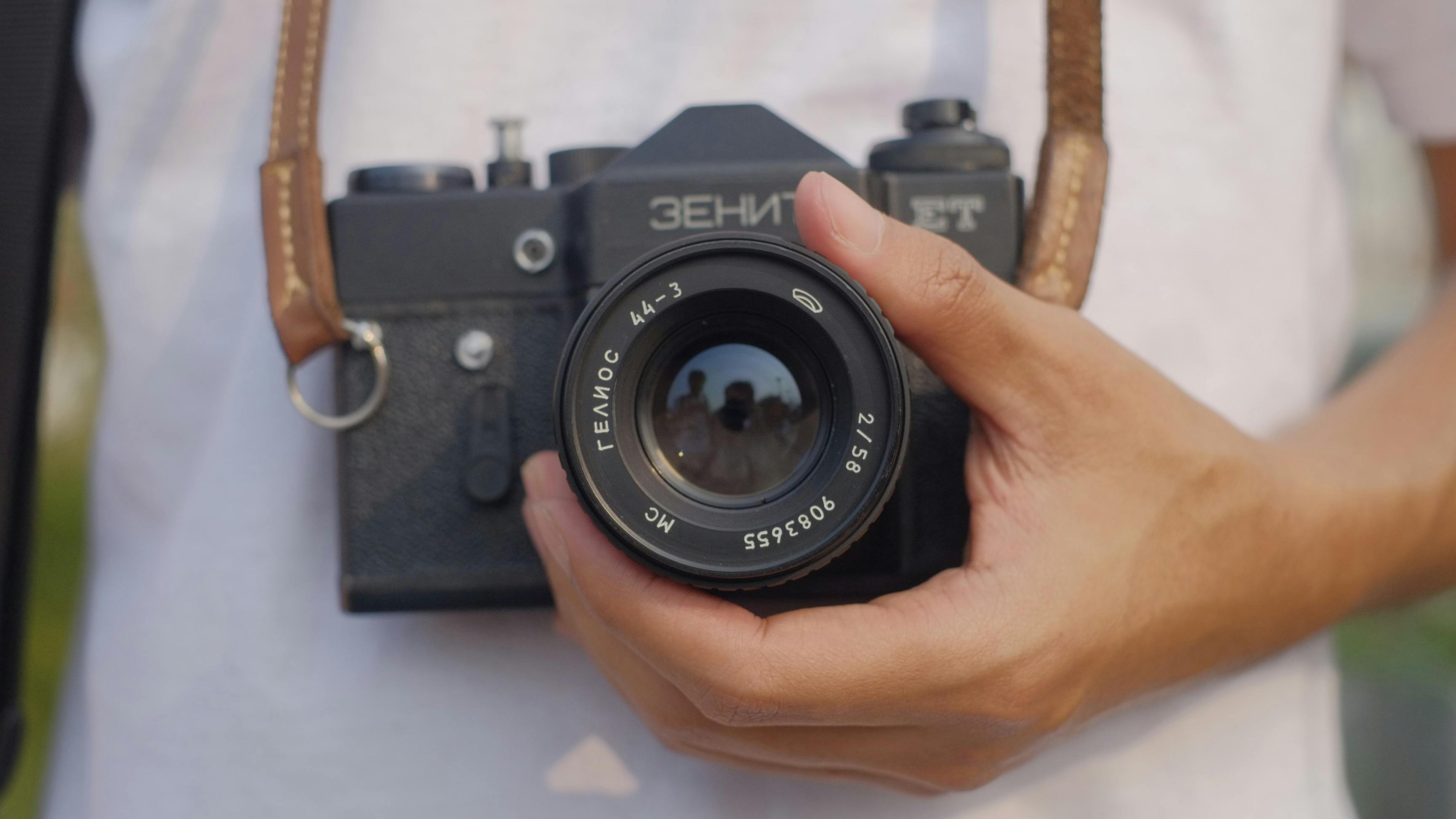
A cross-body or sling carry keeps the camera steady, light, and quick to reach. It matters most when you are on your feet for six to ten hours.
Use a strap that spreads the load across the shoulder and chest instead of the neck. Keep the camera at hip or rib height, so you can lift it fast without digging through the bag.
Fit tweaks that change the day
Adjust the strap before you leave the hotel. If the camera bounces, it will wear on you by noon.
- Shorten the strap so the camera sits higher
- Keep one hand free for crowds and stairs
- Use a body or lens cap only when you are in transit
- Store the camera facing down when you stop for lunch
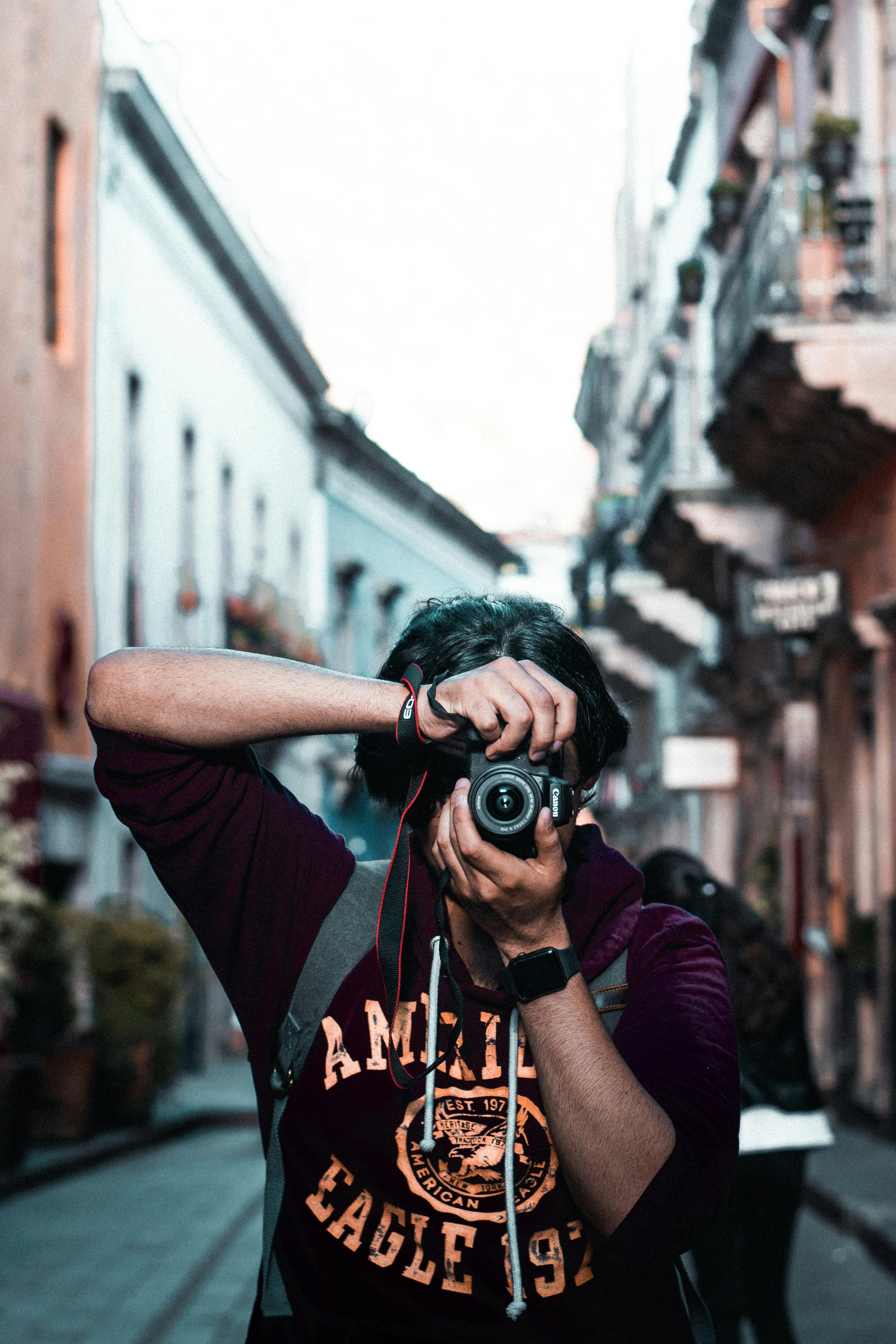
Balance matters more than people expect. A body with a 24-70mm lens feels far easier than the same body with a long, front-heavy zoom.
What lens is best for casual travel photos?
A 24-70mm zoom is the most flexible choice for casual city work. A 35mm or 50mm prime also works well if you want less weight and simpler framing. For many trips, 35mm hits the sweet spot. It gives a natural view, handles streets and people well, and stays small in the hand.
Choose a lens that suits your walking style
A wide zoom helps in tight lanes, small rooms, and grand squares. A normal prime brings cleaner edges, lower weight, and a faster aperture.
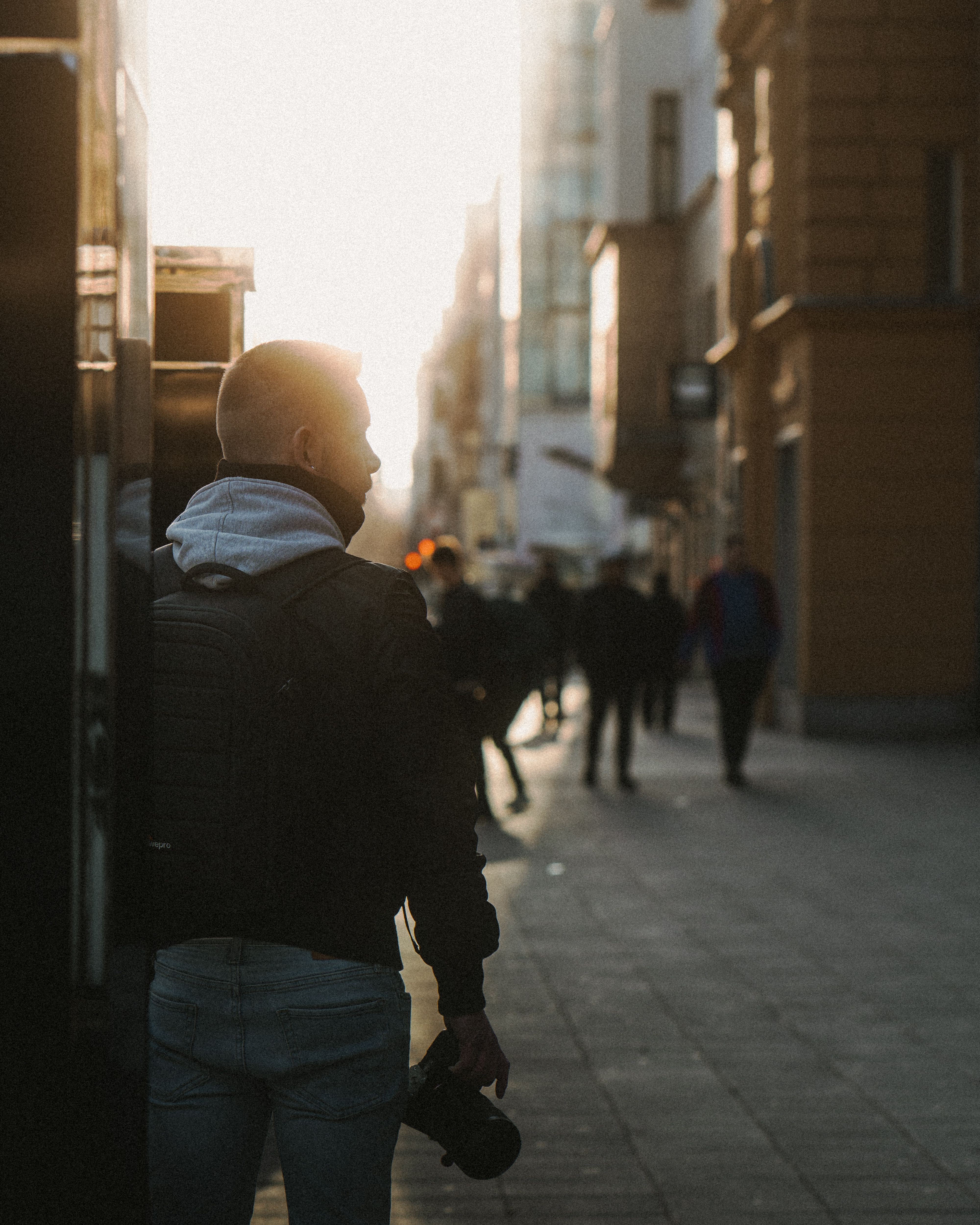
- 24-70mm: best all-around choice for one-lens travel
- 35mm f/1.8 or f/2: light, fast, and easy for street scenes
- 50mm f/1.8: good for food, people, and simple frames
If you shoot indoors, f/1.8 to f/2.8 gives you more room to keep ISO down. A zoom at the same light level may push ISO higher, so the choice comes down to tradeoffs.
For a city break, I would rather carry one useful lens than a full kit. That leaves more room for water, tickets, and the little things that smooth out the day.
How do I avoid missing moments when I keep my camera packed away?
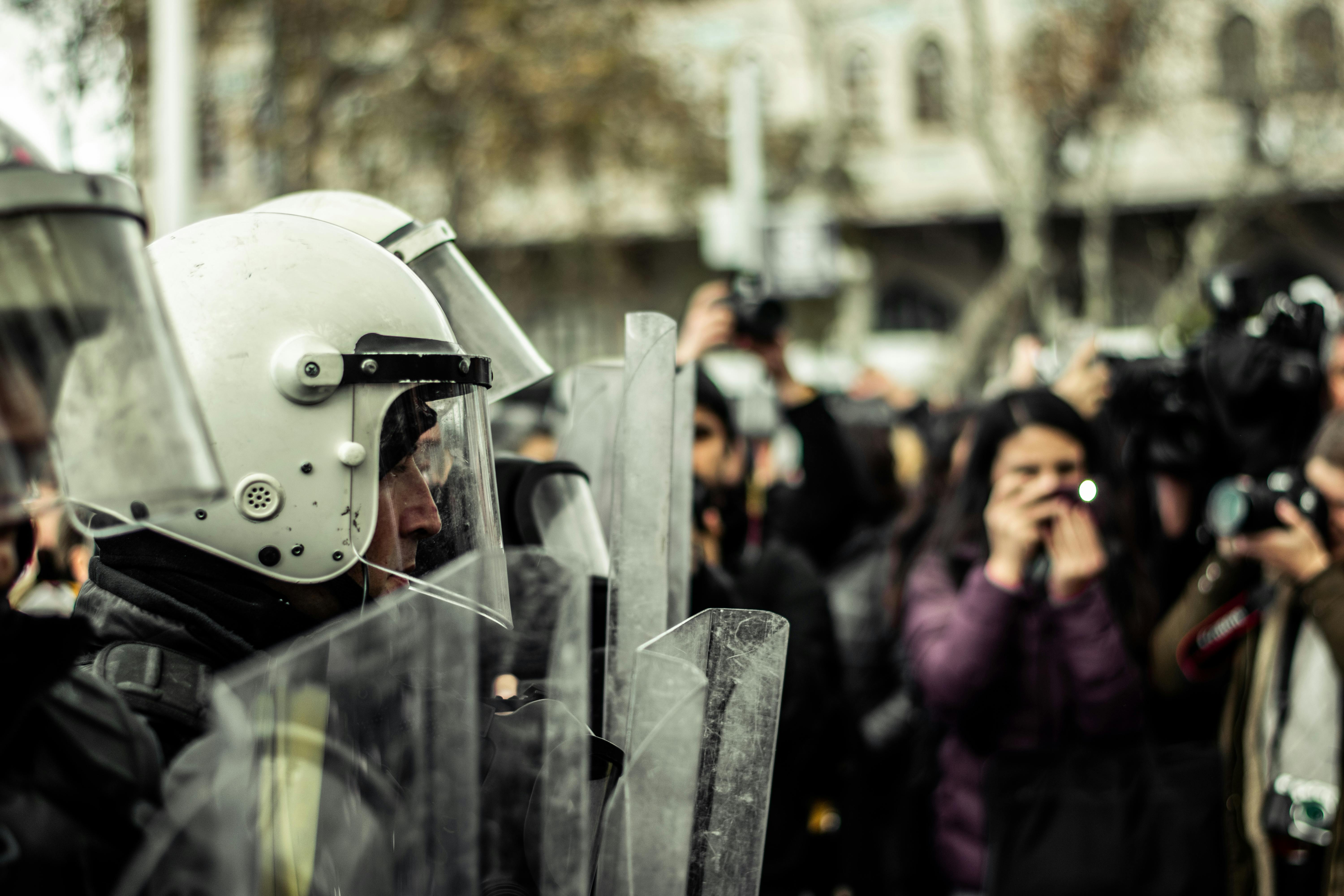
The camera should stay ready, not buried. If it takes ten seconds to reach your gear, you will miss the glance, the laugh, or the clean light. Keep the camera on the strap with the lens cap off while you move between scenes. Leave it powered on during active shooting hours, and let the screen sleep quickly to save battery.
Habits that cut reaction time
Back-button focus helps because it separates focus from the shutter. It makes it easier to track moving people, pets, or bikes without refocusing each time.
- Set AF-C or AI Servo for moving subjects
- Use eye or subject detection when your body supports it
- Leave the camera on a strap at the ready
- Prefocus on a scene edge if you expect action
Many mid-tier mirrorless bodies can hold roughly 20 to 40 RAW frames before slowing, depending on card speed and file size. A short burst usually will not fill the buffer; long bursts can still stall if you keep firing.
Pre-capture or pre-burst features help with surprise moments. They record frames from just before full press, which comes in handy for street gestures and quick expressions.
What settings work well for quick travel snapshots?
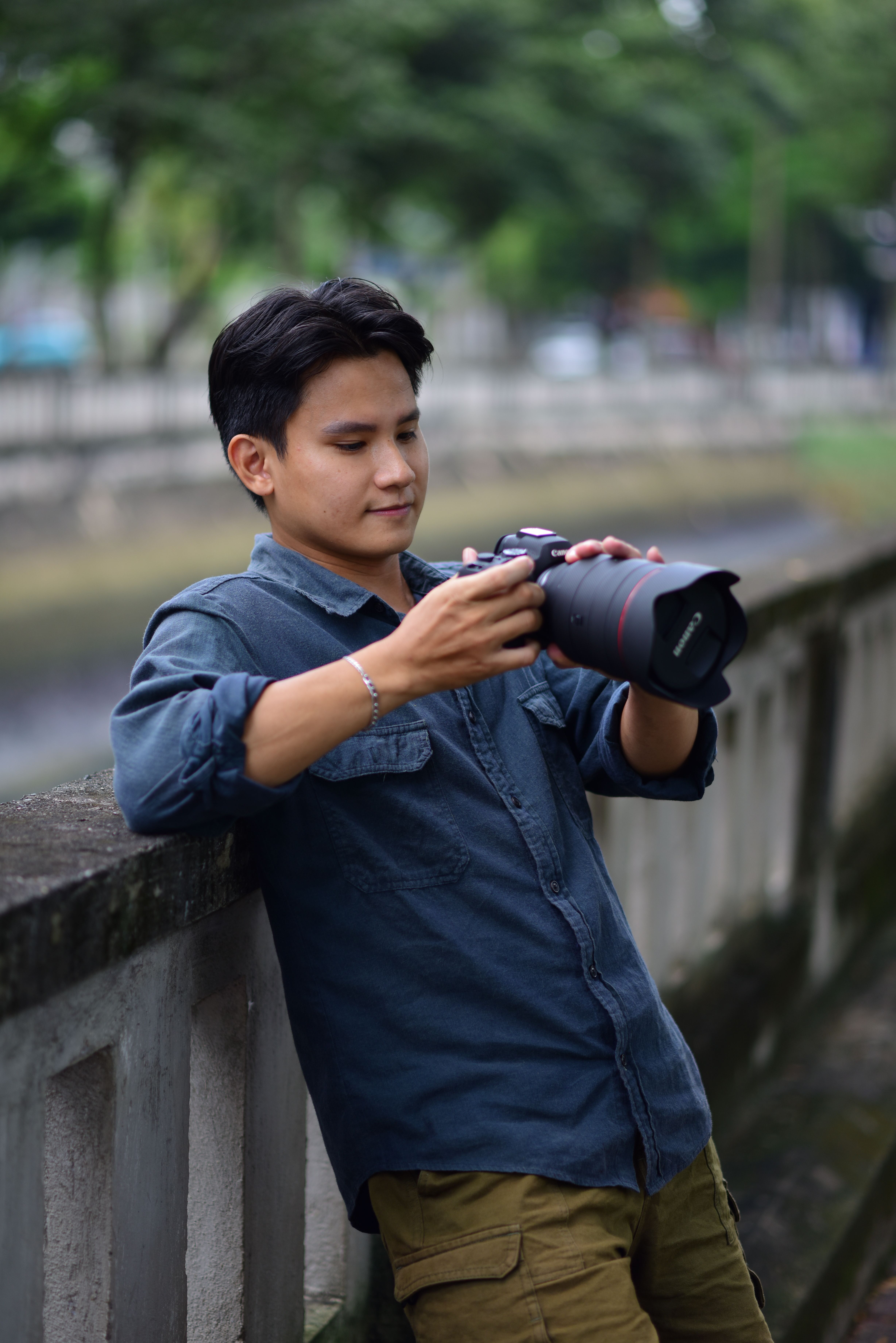
A simple setup gives the best results. Use aperture priority, a moderate aperture, auto ISO, and a safe minimum shutter speed. For daytime street work, f/4 to f/5.6 is a strong start. It keeps more of the scene sharp and still lets the camera react quickly.
A fast starting point for the day
For moving people, set a minimum shutter speed near 1/500s. For calmer scenes, 1/250s is often enough.
- Mode: Aperture priority
- Aperture: f/4 to f/5.6
- Shutter floor: 1/250s to 1/500s
- ISO: Auto, with a ceiling you can live with
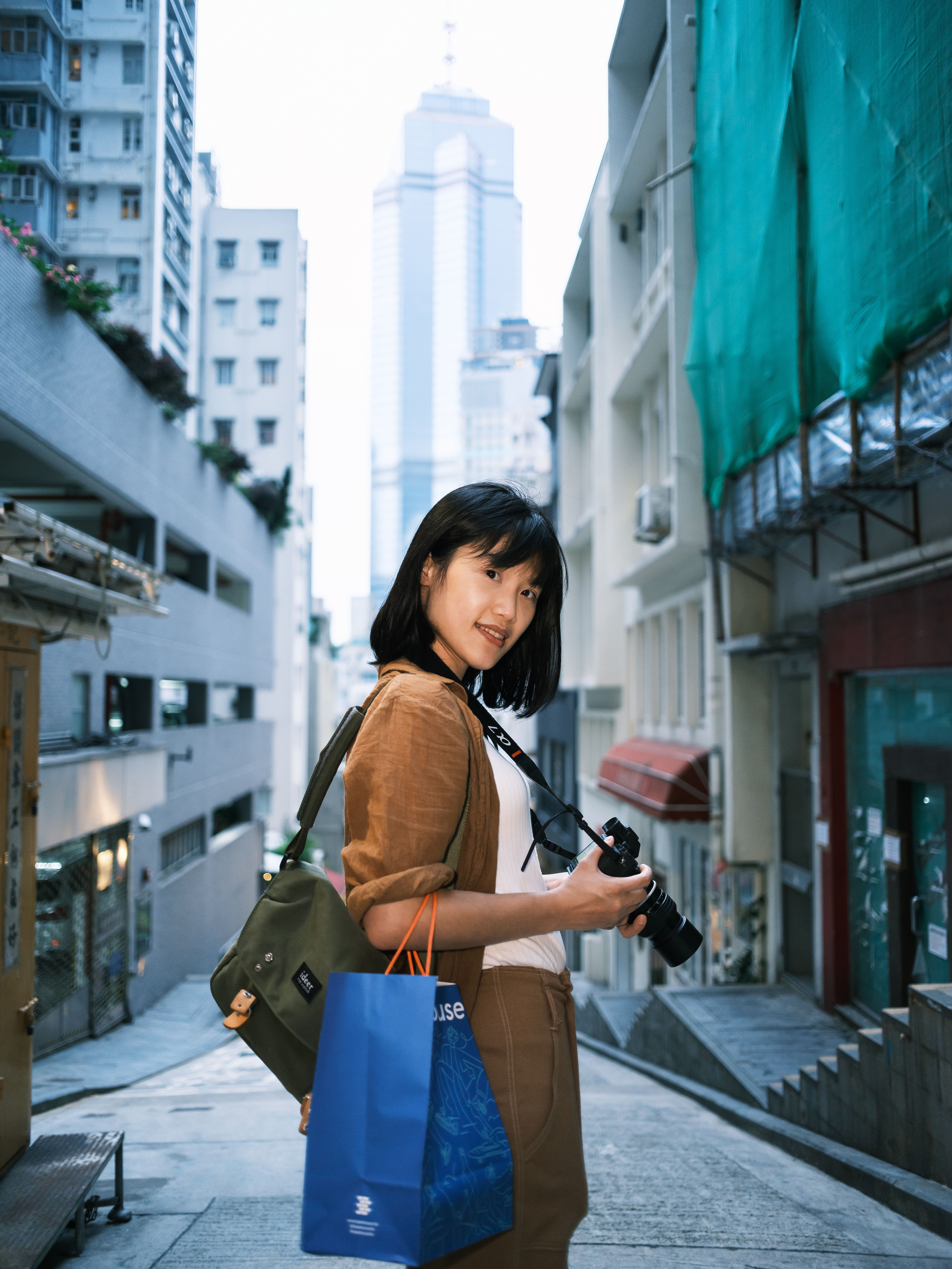
On a bright city break, ISO 100 to 800 often works well. At dusk or indoors, ISO 1600 to 3200 may be needed, and a clean shot at higher ISO beats a missed one.
Use continuous AF if people move toward you. Single-point focus still helps for signs, buildings, and food shots with a clear focal point.
How do I protect my camera in busy tourist areas?
Busy streets call for quiet awareness, not fear. Most trouble comes from open bags, dangling straps, and moments when the camera is left on a bench. Keep the camera in front of you in crowded places. Hold the strap close to your body, and avoid hanging the bag behind you on packed trains or buses.
Simple habits that lower risk
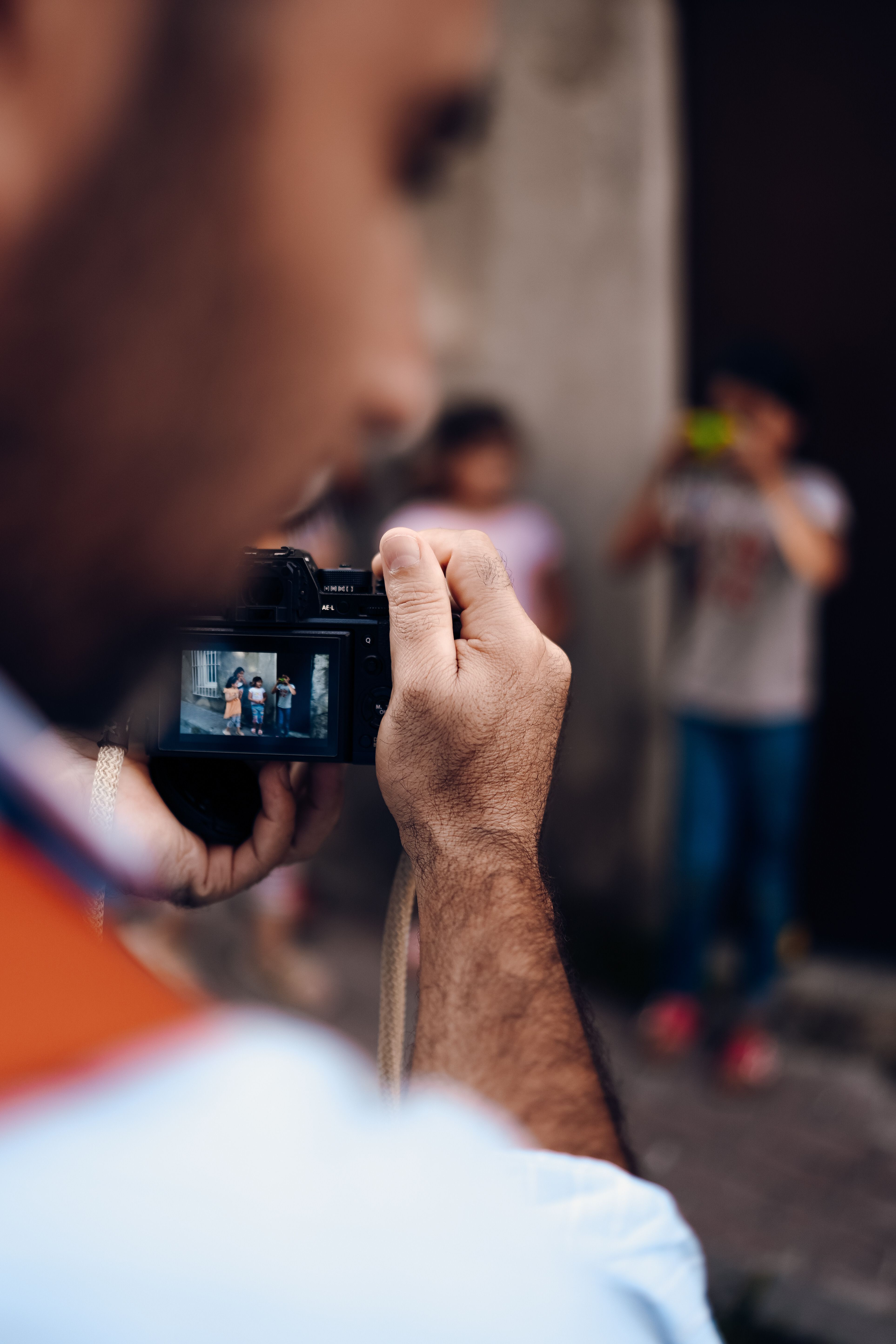
Use the camera only when you need it, then return it to the same place. Repetition makes the movement quick and less clumsy.
- Close zippers before you move
- Keep the strap under your arm in dense crowds
- Avoid setting the camera down in cafes and stations
- Use a plain bag that does not draw attention
Weather matters too. A small rain cover or even a dry inner pouch can help during sudden showers. Moisture, grit, and door bumps usually cause more damage than dramatic accidents.
Compact setups also draw less attention. A small body and one lens look normal in a city, which makes the whole day feel easier.
Why a lighter kit changes the way you shoot
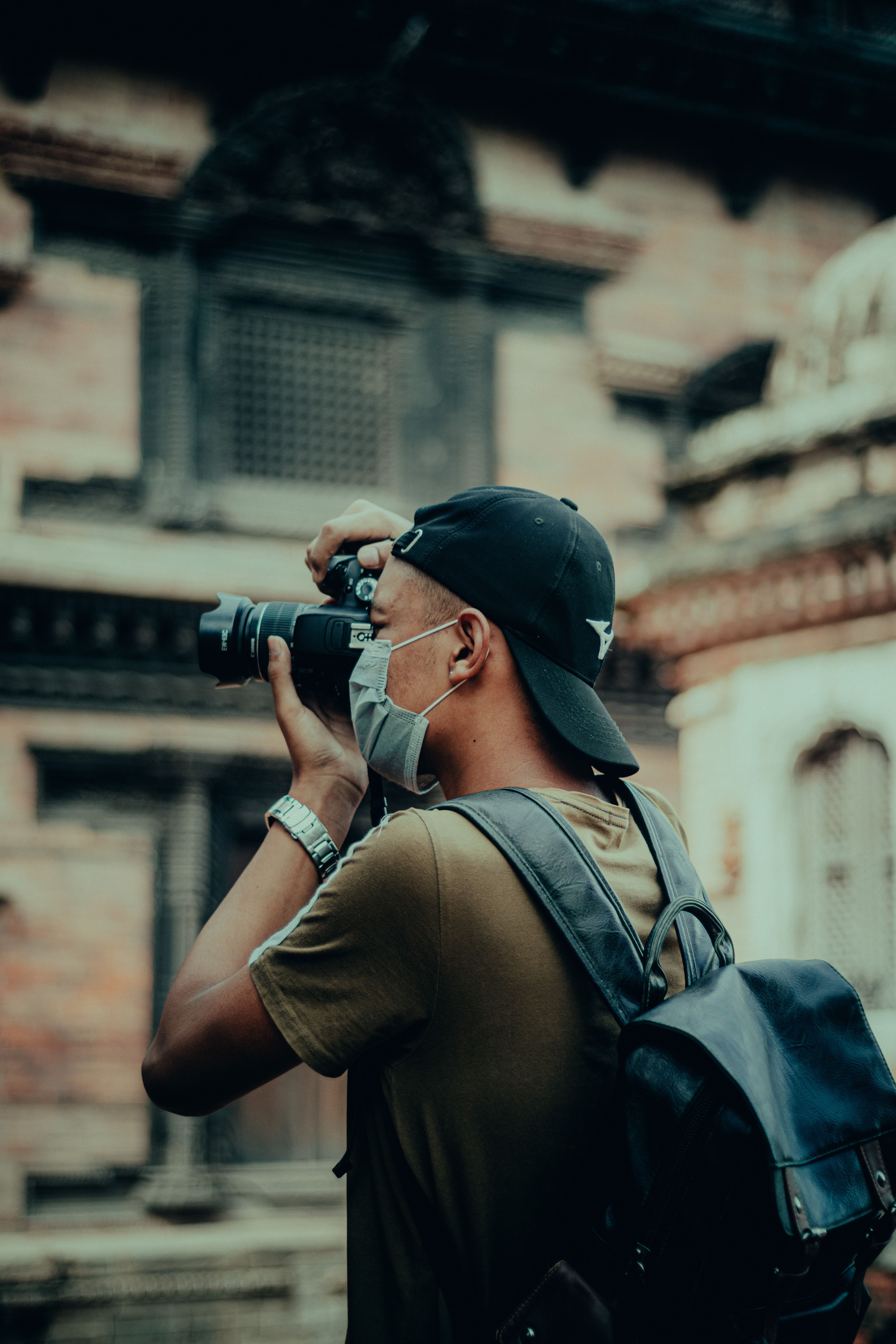
Less gear changes your pace. You walk farther, stop more often, and notice better light because you are not worn out from carrying too much.
That extra energy shows in your photos. You wait longer for a person to enter the frame, or you stay out for sunset because your shoulder does not ache.
Good city work depends on readiness. If the camera is light, close, and set up well, you can move fast without feeling rushed. Pack one body, one lens, and the settings you trust. Keep the camera on a strap, stay alert in crowds, and leave space for the shot you did not plan.
On your next city break, try walking the first hour with only your camera, a spare battery, and a 35mm lens. The first clean frame you make on the move will tell you if the setup is working.
Frequently Asked Questions

How do I carry a camera comfortably all day while sightseeing?
A cross-body or sling carry keeps a camera steady, light, and quick to reach while sightseeing. A strap that spreads the load across the shoulder and chest reduces neck strain, and keeping the camera at hip or rib height makes it easy to lift fast.
What lens is best for casual travel photos?
A 24-70mm zoom is the most flexible lens for casual city travel photos. A 35mm prime is a strong lighter option, and 35mm is often the sweet spot for natural-looking street scenes and people shots.
How do I avoid missing moments when I keep my camera packed away?

Keeping the camera within reach is the best way to avoid missing moments, so a sling, compact backpack, or hands-free strap works better than storing it deep in a bag. A body with good eye or subject detection also helps capture spontaneous scenes faster once the camera is out.
What settings work well for quick travel snapshots?
Quick travel snapshots work well with a camera body that has good eye or subject detection, paired with a fast memory card and a ready spare battery. A simple one-lens setup, such as a 24-70mm zoom or a 35mm/50mm prime, keeps shooting fast and uncomplicated.
How do I protect my camera in busy tourist areas?
Keeping the camera close to the body with a sling or compact backpack helps protect it in crowded tourist areas. Adjust the strap so the camera sits high and stable, and use a body or lens cap only while in transit.


