


- What autofocus mode should I use for kids running around
- How do I balance shutter speed and aperture for ceremony portraits
- What settings help with changing light during outdoor graduations
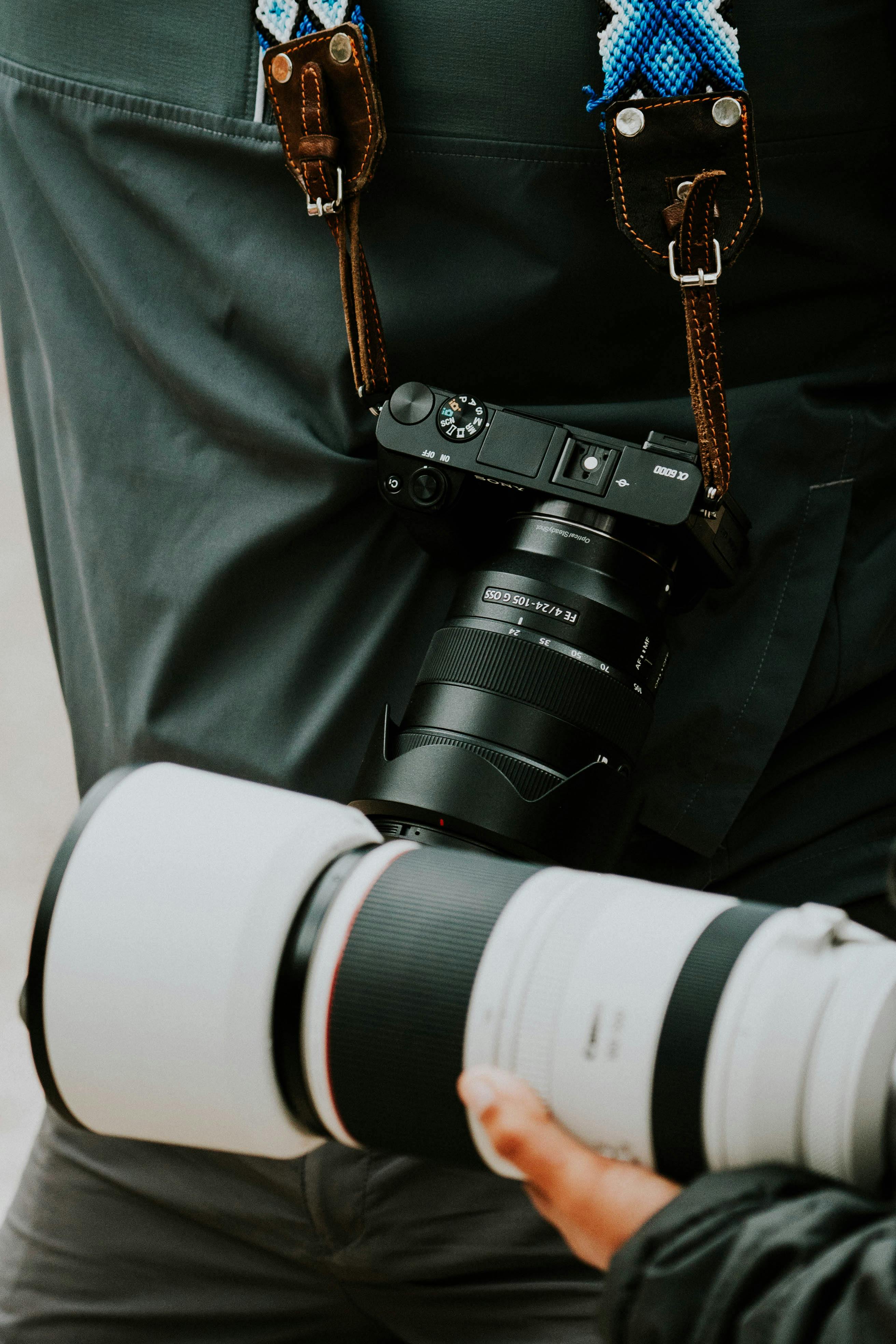
Summer brings ceremonies and parties, and you want decisive, sharply focused keepsakes from those key moments. This guide explains how to achieve fast-focus for kids and graduates so you capture clear, lasting images. It combines practical camera settings, straightforward composition advice, and gear recommendations anyone can apply.
Shop the setup

- Regular price
-
€42 - Regular price
-
€44 - Sale price
-
€42
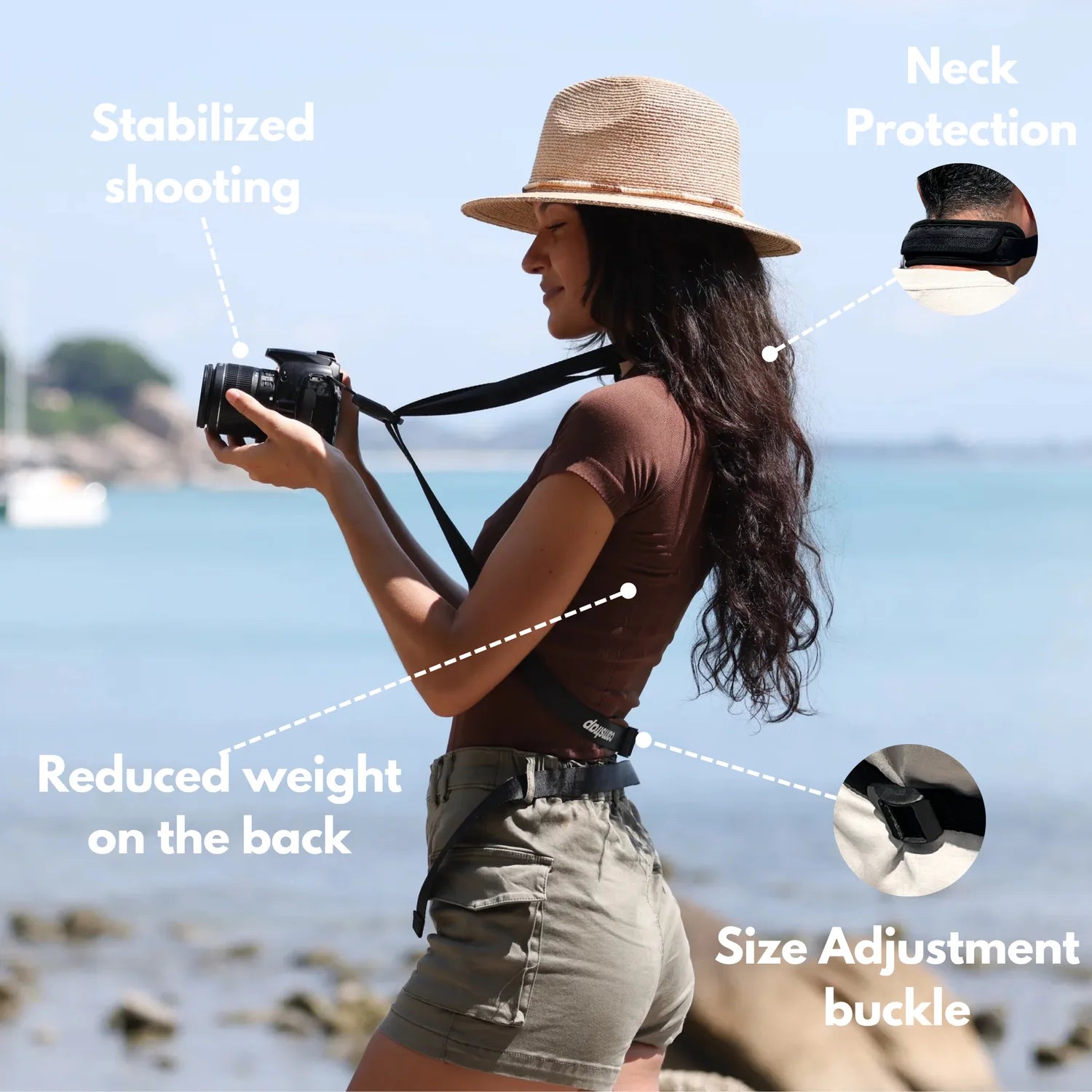
By choosing the Camstrap strap, you are opting for a high-quality product designed to meet the needs of the most demanding photographers.
- Developed by a physiotherapist to relieve neck and back pain.
- Fast delivery with tracking by the Post Office 🚚
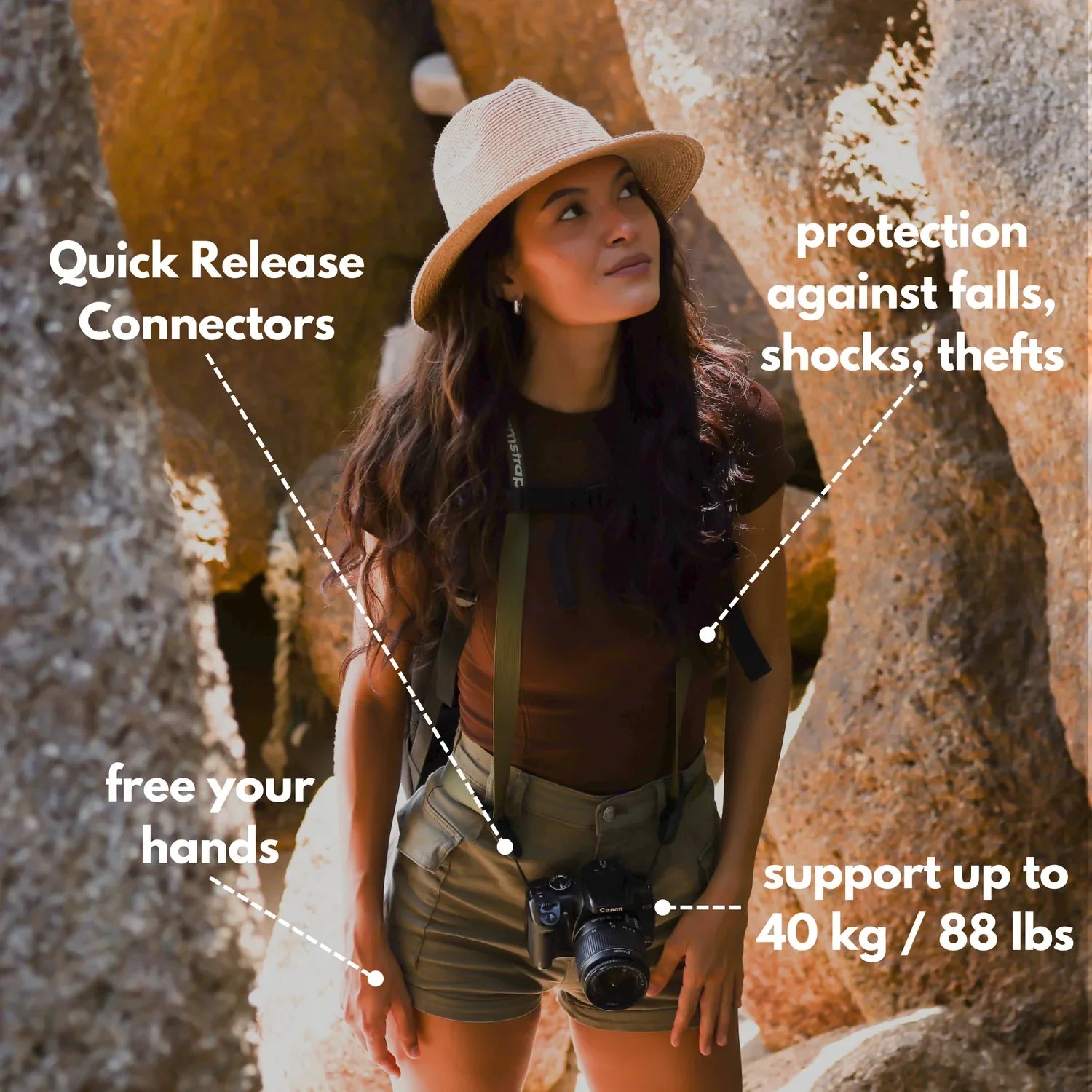
- Can be used as a shoulder strap or hands-free harness

- Regular price
-
€36 - Regular price
-
€42 - Sale price
-
€36
Free shipping included
Nail fast-focus: gear and strap tips
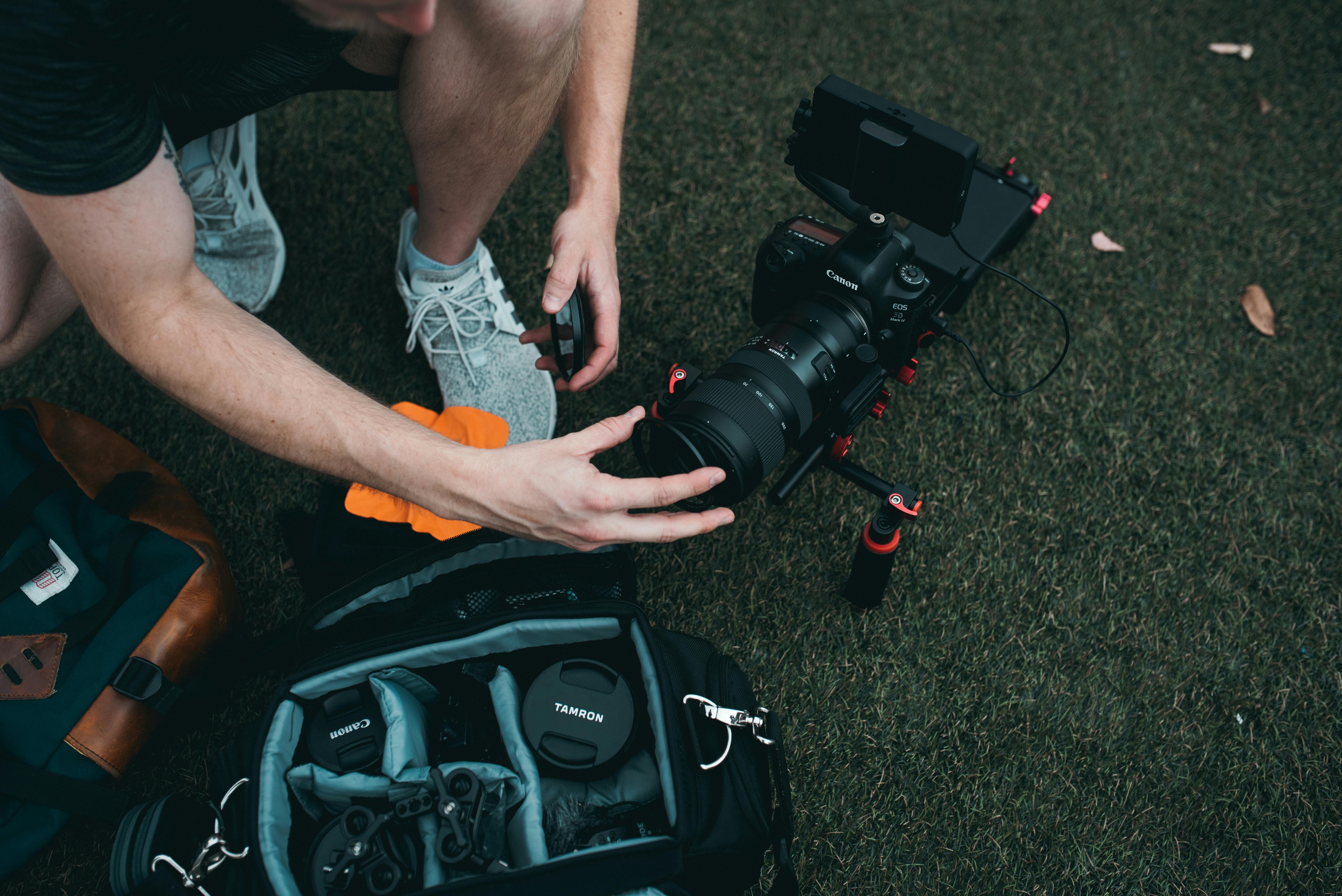
The right equipment makes fast-focus achievable in crowded, fast-paced environments. A strap that lets you bring the camera to your eye in one motion shortens your reaction time. When scenes are busy, keeping the camera instantly accessible is essential.
Why a quick-up strap helps
Bringing the camera up quickly reduces the chance of missing a fleeting smile. A quick-adjust strap lets you slide the body to eye level almost instantly. That ease of access makes it much simpler to capture candid moments of kids and graduates on the move.
Strap options and a neutral view
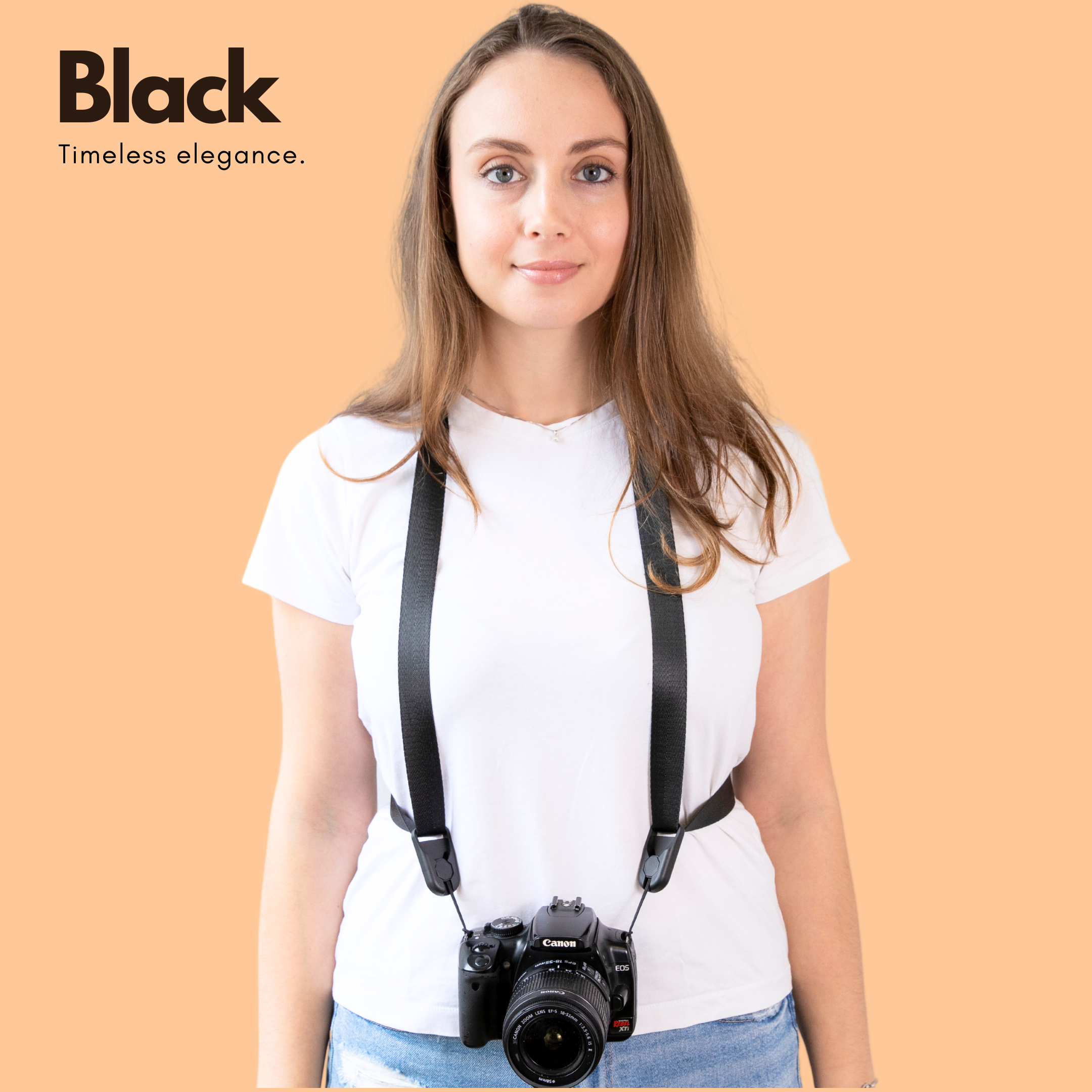
Match the strap to how you shoot and where you carry the camera. Camstrap Voyager and Camstrap Explorer are versatile for travel and crowded events, while Camstrap Nomad offers robust support for outdoor gatherings. Adding a magclip simplifies attachment and release. These represent sensible options among many good choices.
- Look for quick-adjust webbing and secure buckles.
- Pick padding that spreads weight for long days.
- Test a magclip or fast clip to raise the camera in one motion.
Ultimately, a strap that enables a fast lift will improve your chances of capturing action during ceremonies. It also frees you to concentrate on composition and timing.
Settings to nail kids' action shots
Children move unpredictably at parties, so your camera must be configured to freeze motion. Choosing the correct autofocus mode and shutter speed gives you a much better chance of keeping the subject sharp.
Autofocus mode for running kids
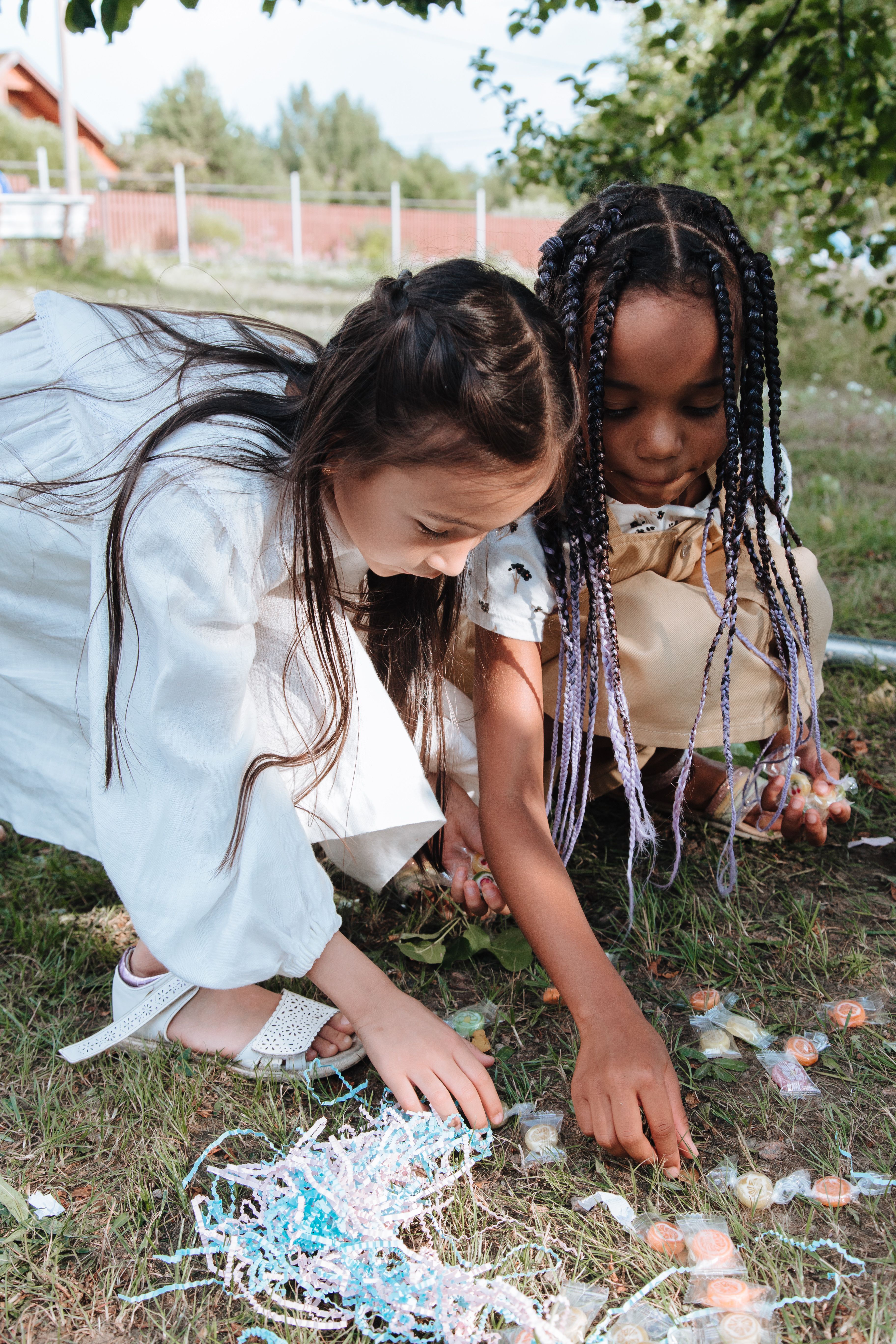
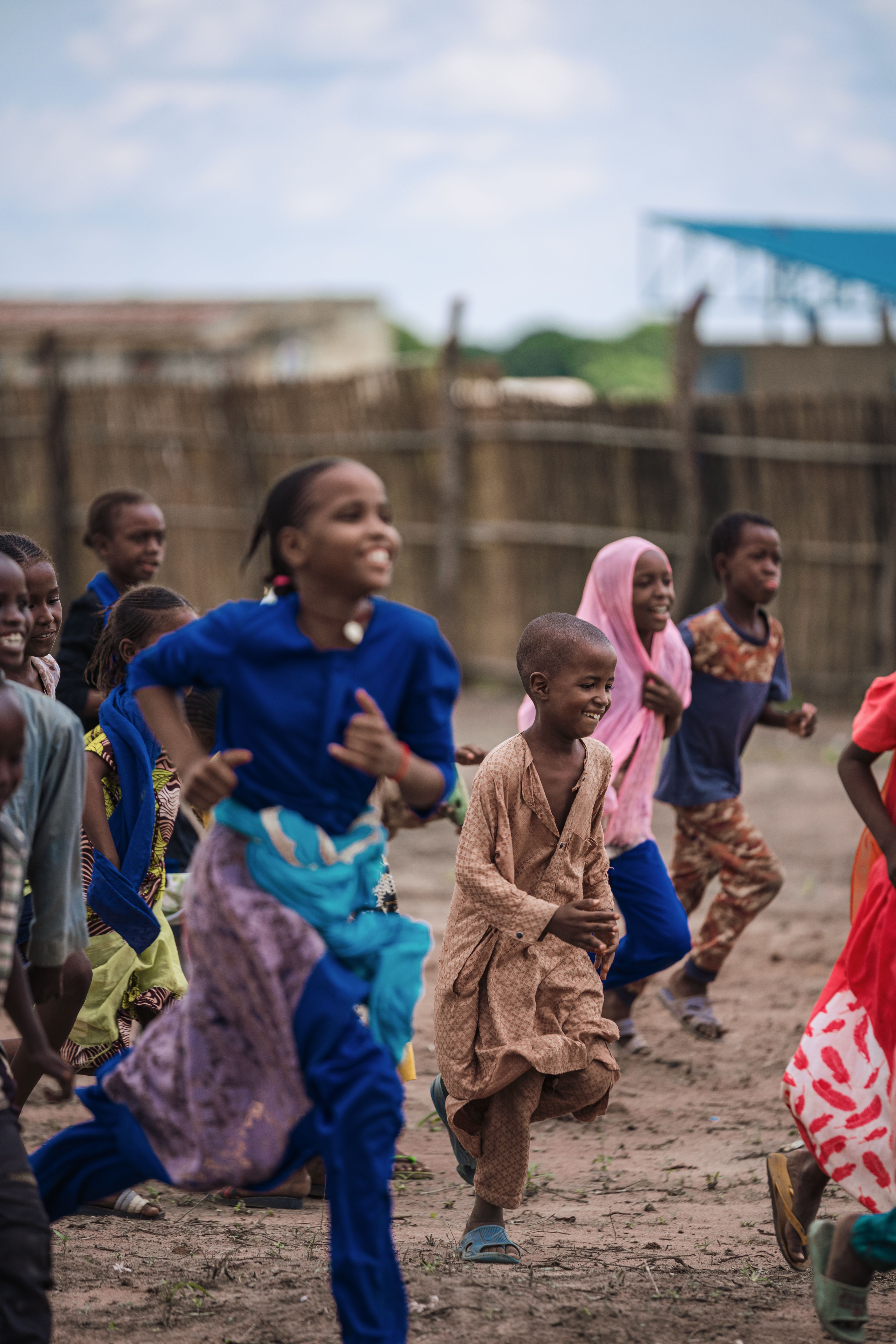
Continuous autofocus (AF-C) is ideal for tracking children as they move. Select a group or zone focus area to cover the subject’s path. That approach helps the camera maintain lock while kids run and leap.
Whenever possible, separate focus from the shutter using back-button focus. That setup makes tracking children easier without affecting your framing when you press the shutter.
Shutter speed, aperture, and ISO
To freeze motion, try 1/500s for fast dashes and 1/250s for walking. Open the aperture to around f/2–f/2.8 to increase light and create a pleasing background blur. If available light falls off, raise ISO into the 800–1600 range to retain a fast shutter.
- Fast runs: 1/500s, f/2–f/2.8, ISO 800+.
- Casual play: 1/250s, f/2.8–f/4, ISO 400–800.
- Indoors with low light: 1/250s, f/2, ISO 1600–3200 (watch noise).
Use these settings as starting points and tweak them for the available light. With practice you'll instinctively know when to push ISO or widen the aperture to keep subjects in focus.
How to get ceremony portraits right — balance shutter and aperture
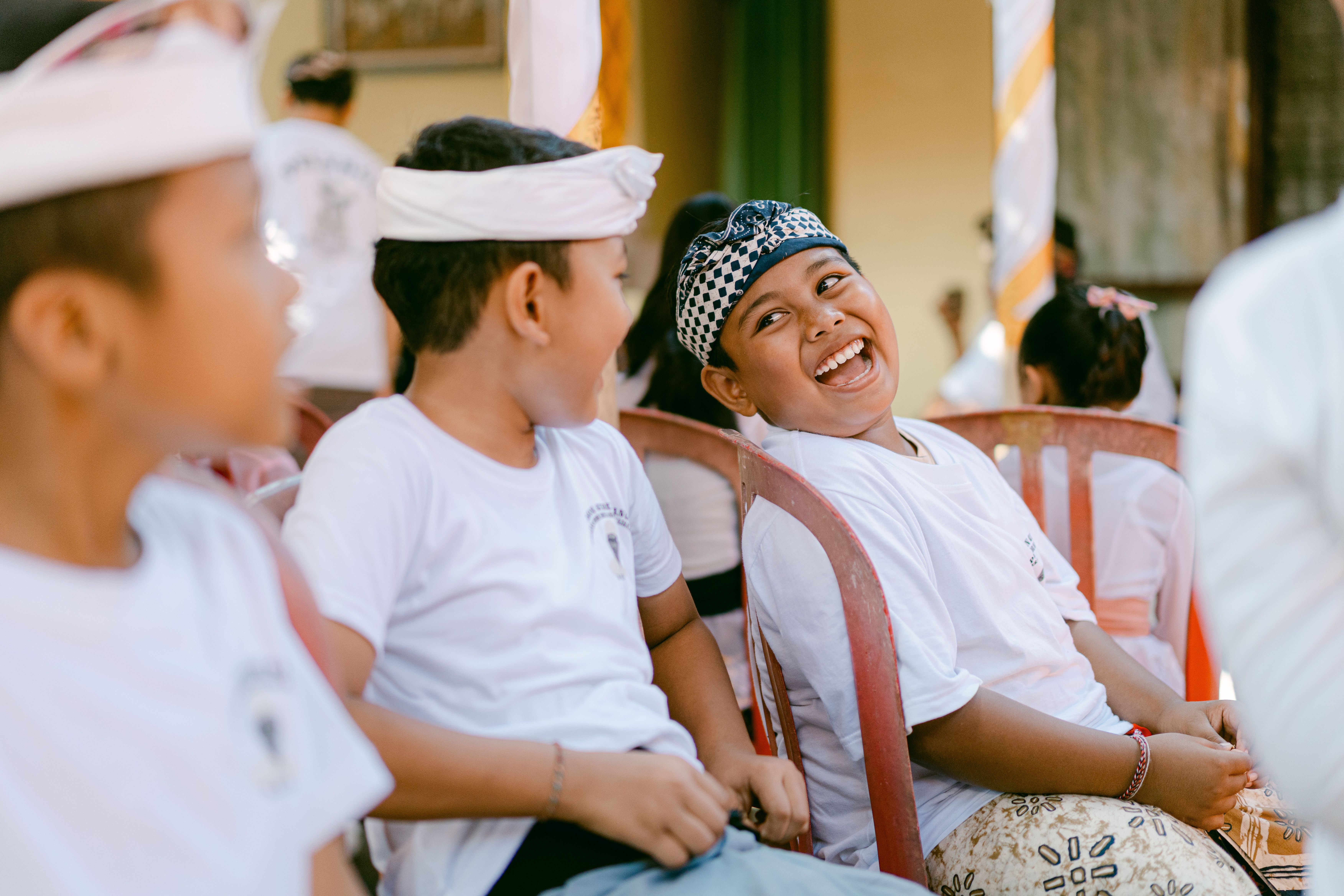
Ceremony portraits call for sharp faces and softly rendered backgrounds. Balancing shutter speed with aperture gives you crisp features while isolating the subject. That balance produces clean, timeless portraits.
Portrait settings that work
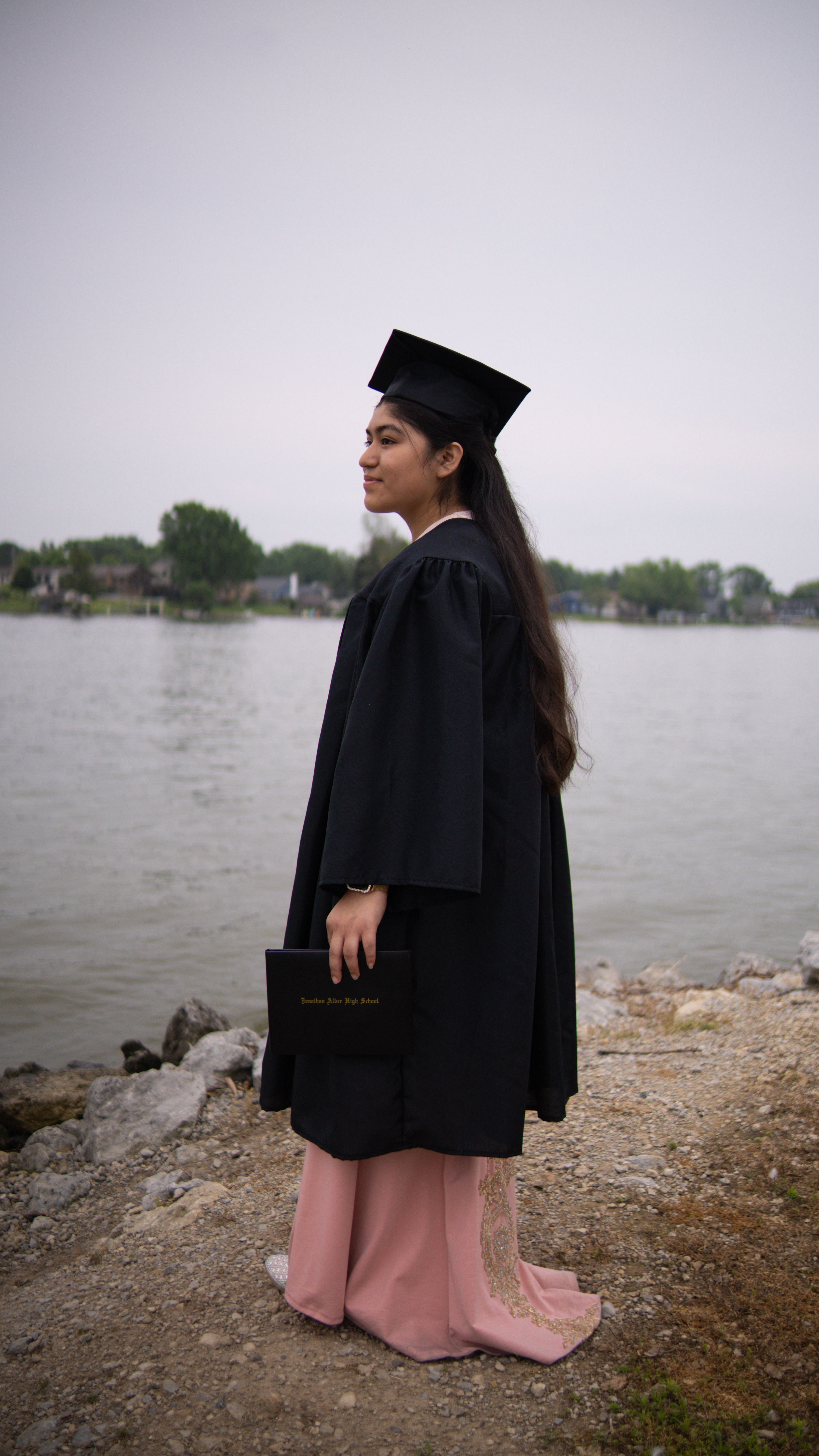
For flattering framed portraits, work with a 50mm–85mm focal length. Try f/2–f/2.8 to separate the subject from the background, and use 1/250s to prevent blur from minor movements.
In darker venues, increase ISO to 800–1600 rather than slowing the shutter. This preserves crispness in faces and keeps eyes bright. Bring a flash only when permitted and when it won't interrupt the ceremony.
Lens choice and distance tips
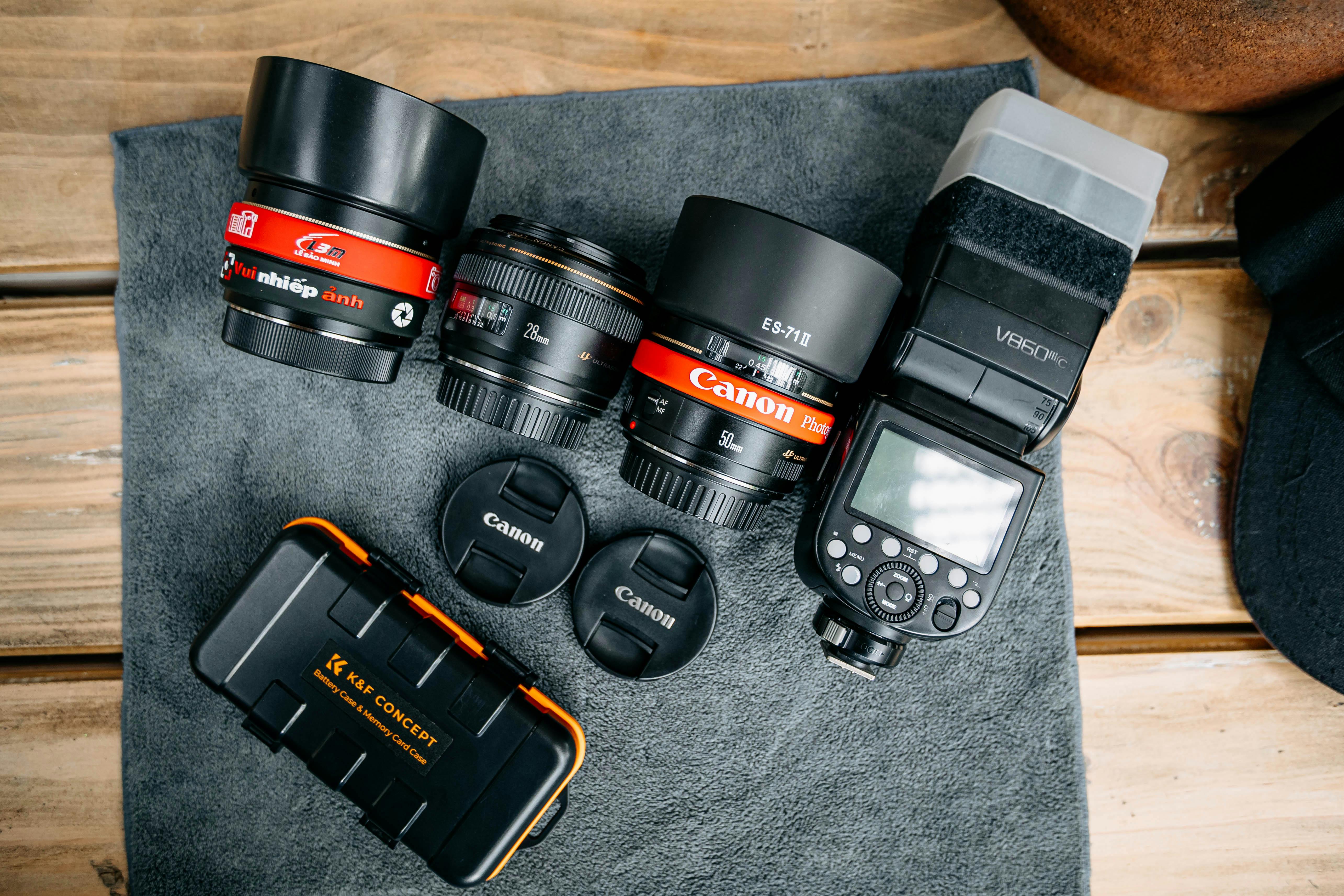
A 50mm lens offers a natural perspective that suits many situations, while an 85mm tightens the composition for strong headshots. Move back to avoid wide-angle distortion, then step in or zoom to refine the crop.
Remember that aperture controls depth of field and shutter speed freezes motion. Use both together to produce well-exposed, sharp portraits at ceremonies.
Outdoor graduations: settings for changing light and graduates
Graduation events often shift from bright sun to pockets of shade, so your exposure must adapt quickly to preserve highlights and facial detail. The tips below will help you manage changing light and keep graduates well-focused.
Camera settings for sun and shade
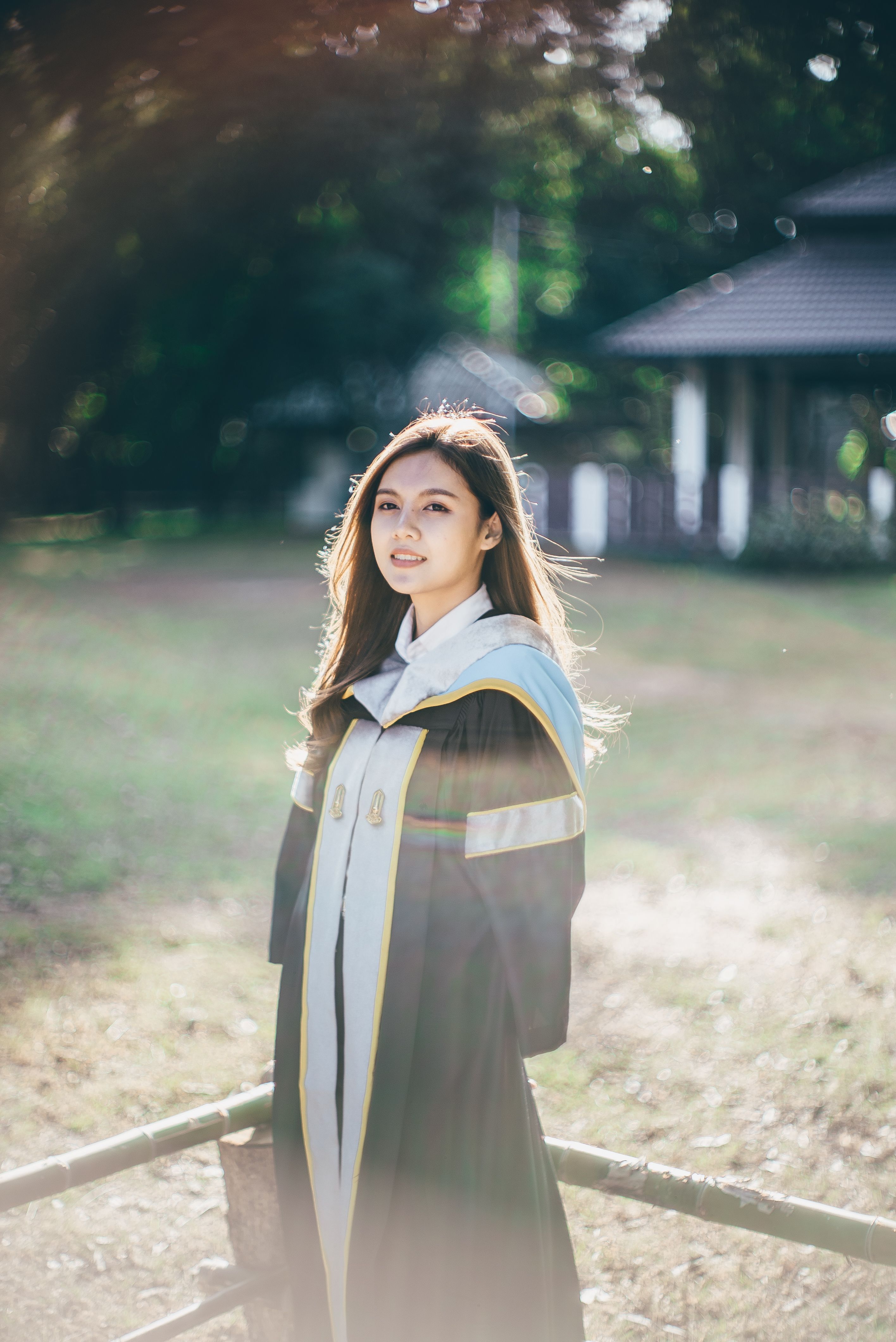
In direct sunlight begin around 1/500s, f/5.6, ISO 100 for clean exposures. When subjects move into shade, open to f/2.8–f/4 and raise ISO to 200–400 to maintain shutter speed and even exposure.
Rely on exposure compensation to protect highlights on lighter skin tones. Metering for the face instead of the bright background ensures accurate skin rendering for graduates and family portraits.
Fast action during processions
Processions require both quick focus and sufficient shutter speed. Use AF-C with a 3D or group-area focus mode to follow a walking graduate. Keep shutter between 1/250s and 1/500s to freeze steady motion, and favor 50mm–85mm lenses for flattering perspective.
- Bright sun: 1/500s, f/5.6, ISO 100.
- Mixed shade: 1/250s, f/4, ISO 200–400.
- Late afternoon: 1/250s, f/2.8, ISO 400–800.
When the light changes, adjust one parameter at a time: start with ISO, then aperture, then shutter. Following this order helps you maintain consistent exposure while staying focused on the moment.
Composition and timing to nail candid moments
Sharp focus is necessary but not sufficient — composition and timing make images memorable. Apply a few straightforward rules to ensure each candid frame has impact.
Simple composition tips
Apply the rule of thirds to place your subject and leave space in the direction of movement. Simplify backgrounds to prevent distractions that compete with your main subject.
Look for telling gestures and, above all, the eyes. Direct focus to the nearest eye to keep faces crisp and convey emotion effectively.
Timing and burst mode
Anticipate the decisive moment rather than reacting to it; cues such as a parent waving or a graduate glancing up often reveal when a smile is coming. Engage burst mode for dynamic actions like jumps so you can select the precise frame later.
- Shoot a short burst of 3–6 frames for key moves.
- Choose the frame where the eyes are open and sharp.
- Delete extra frames later to save space.
Getting low and close when photographing kids puts them front and center and creates a more intimate feel. That simple adjustment often yields livelier, more compelling images.
Gear checklist and strap options for summer ceremonies
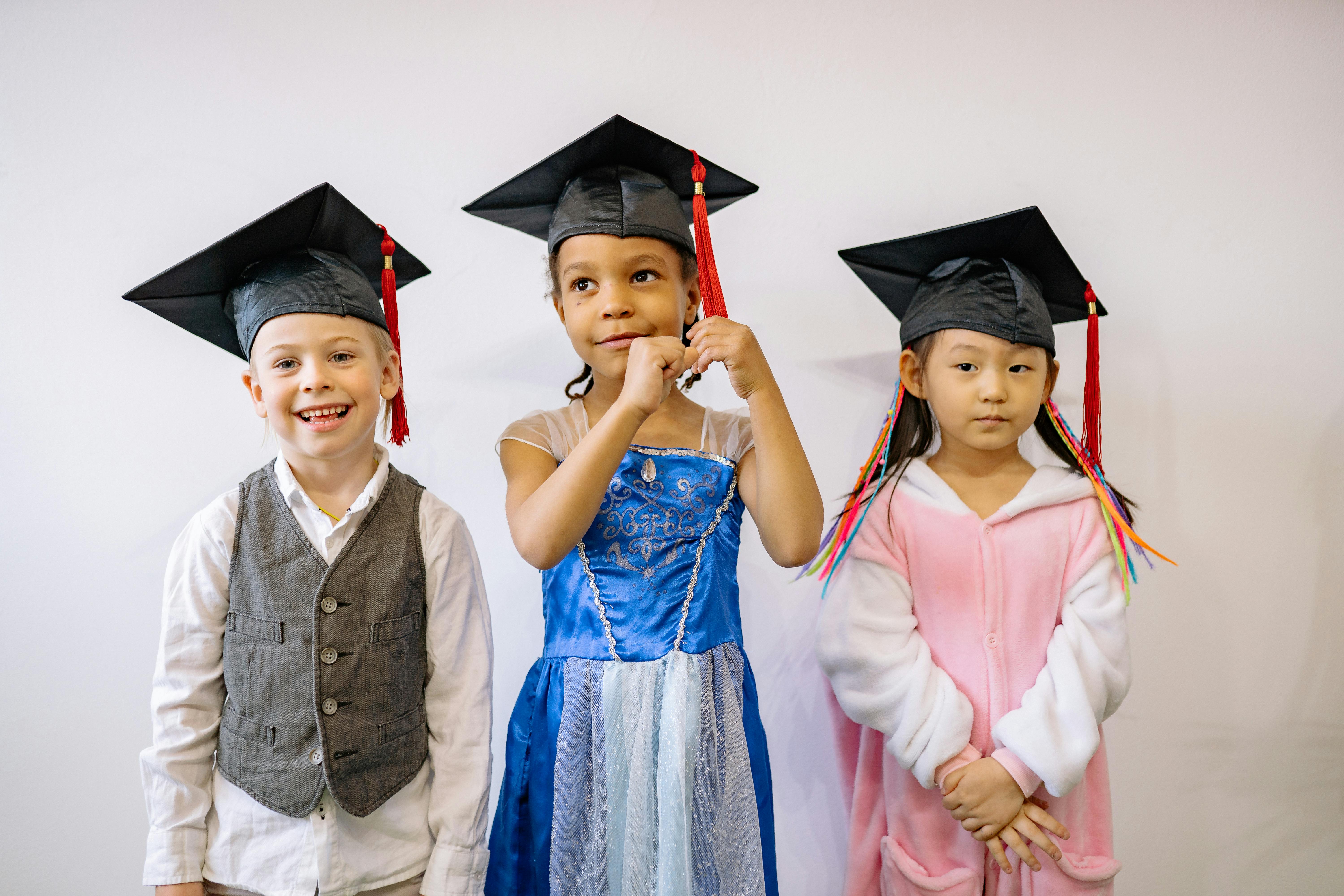
Carry a compact kit to every event so you remain mobile and responsive. Keeping weight down helps you move with the action. A well-chosen kit lets you cover candid moments and posed portraits without fuss.
Essential items to pack
- Camera body with AF-C and back-button focus set.
- 50mm and 85mm lenses for portraits and mid-range shots.
- Extra battery and a memory card or two.
- A strap that lifts the camera fast, like Camstrap Voyager or Camstrap Explorer as options.
- A small monopod for long ceremonies if you need stability.
Options like Camstrap Nomad or a magclip can speed up raising and lowering the camera. Try straps in advance so you know which setup lets you capture shots smoothly and without distraction.
Quick packing tips
Bring one fast prime and a versatile zoom to cover most scenarios. Program a custom mode on your camera to switch quickly between ceremony and party settings, allowing you to move from formal portraits to candid play while staying prepared.
Prioritize gear that helps you react quickly. Thoughtful packing and a fast-adjust strap let you concentrate on timing and emotional moments.
FAQ: common reader questions about fast-focus and settings
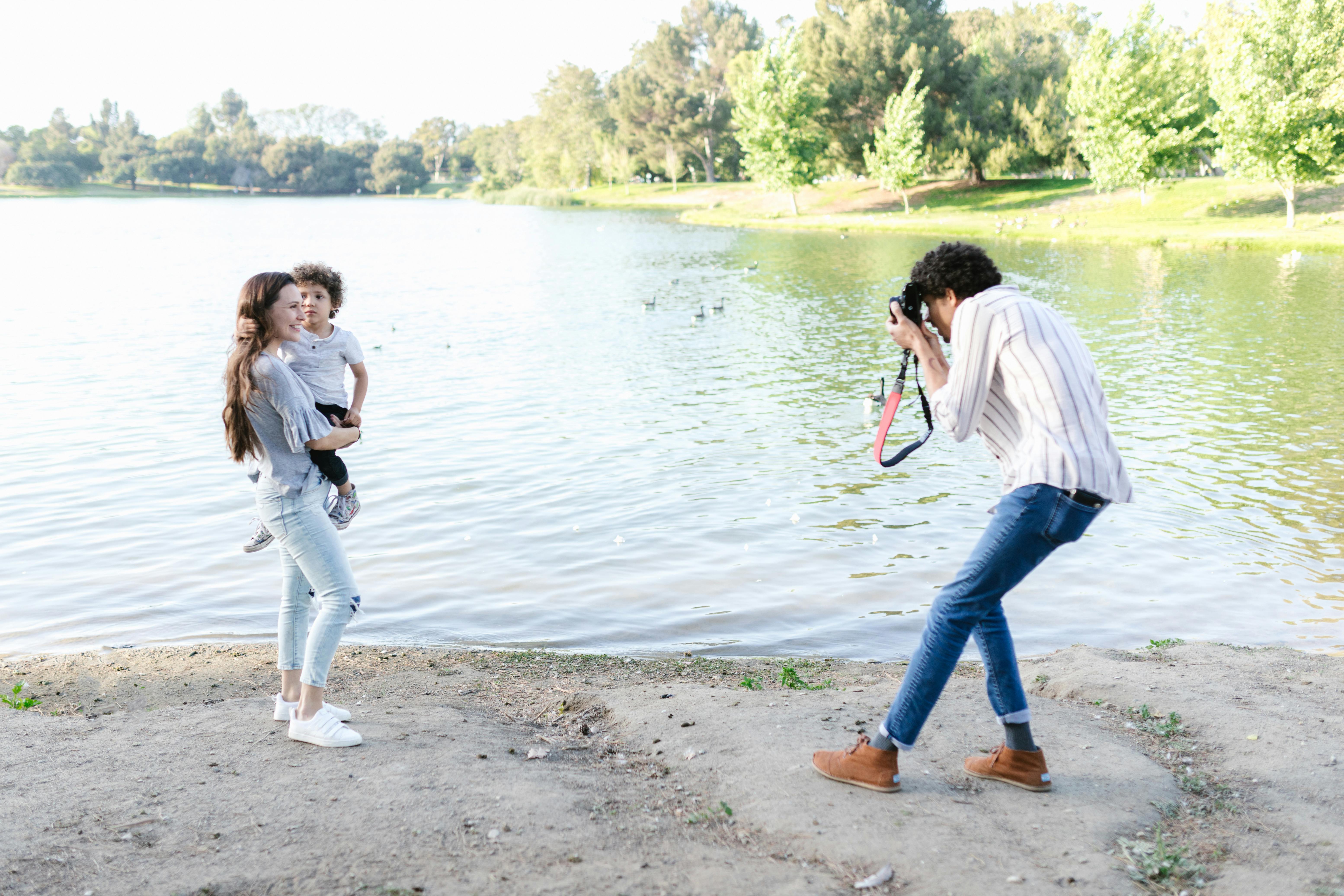
Readers frequently ask direct, practical questions. Below are concise answers to common concerns so you can address issues and keep shooting confidently.
What autofocus mode should I use for kids running around?
Use continuous AF (AF-C). Pick a group or zone focus area that covers the child. Use back-button focus if possible. That combo will help you nail moving kids consistently.
How do I balance shutter speed and aperture for ceremony portraits?
Start at 1/250s with f/2–f/2.8 for a soft background and sharp face. If the subject moves more, step up to 1/500s. Raise ISO first before slowing shutter when light is low. That helps you nail clean portraits with clear eyes.
What settings help with changing light during outdoor graduations?
Use aperture priority or manual if you prefer control. Start with 1/500s, f/5.6, ISO 100 in sun. Open the aperture to f/2.8 and raise ISO to 200–400 in shade. Change ISO before changing shutter for steady shutter speed. This method helps you nail tones and keep graduates sharp.
Should I use flash at weddings or graduations?
Use flash sparingly and only when allowed. A diffuser or bounce flash keeps light soft. For candid shots, try natural light first. Use flash to fill shadows or when subject is backlit to nail the face.
Final tips to keep nailing photos at summer events
Rehearse your settings before the event so your camera is dialed in. Walk the venue ahead of time to identify where kids will play and where graduates will process. That preparation helps you choose vantage points and stay ready.
Keep a strap that allows rapid camera lift. Camstrap Voyager, Camstrap Explorer, Camstrap Nomad, and a magclip are solid examples to test. These neutral suggestions help you find what suits your shooting style. A quick strap combined with AF-C and 1/250s–1/500s settings covers most scenarios successfully.
Finally, breathe and move with the scene. Anticipate smiles and gestures; with the right settings, equipment, and timing you’ll capture the moments that matter for kids and graduates at summer ceremonies and parties.
In short, set AF-C, aim for 1/250s–1/500s, use f/2–f/2.8 for portraits, and keep a quick-adjust strap on hand. Follow these steps and you will nail the shots that matter most.
Frequently Asked Questions
What autofocus mode should I use for kids running around?
Use continuous autofocus (AF-C) to track moving children, and choose a group or zone focus area to cover their path. Enable back-button focus so focusing is separated from the shutter press and tracking isn’t interrupted.
How do I balance shutter speed and aperture for ceremony portraits?
Select a shutter speed around 1/250s for posed or walking subjects and up to 1/500s for faster movement, while opening the aperture to about f/2–f/4 to achieve a pleasing background blur. Raise ISO as needed to maintain the chosen shutter speed without underexposing.
What settings help with changing light during outdoor graduations?
Use a wide aperture (f/2–f/4) and a shutter speed in the 1/250–1/500s range to freeze motion, and enable Auto-ISO or set ISO in a flexible range (about 800–1600) so the camera compensates as light changes. Keep AF in AF-C with a group/zone area (and back-button focus) to maintain focus when lighting shifts.


