


- Make one hero item the brightest, sharpest part of the flat lay.
- Balance the frame with 20% impact, 60% support, and 20% breathing room.
- Use side window light and simple props to guide attention fast.
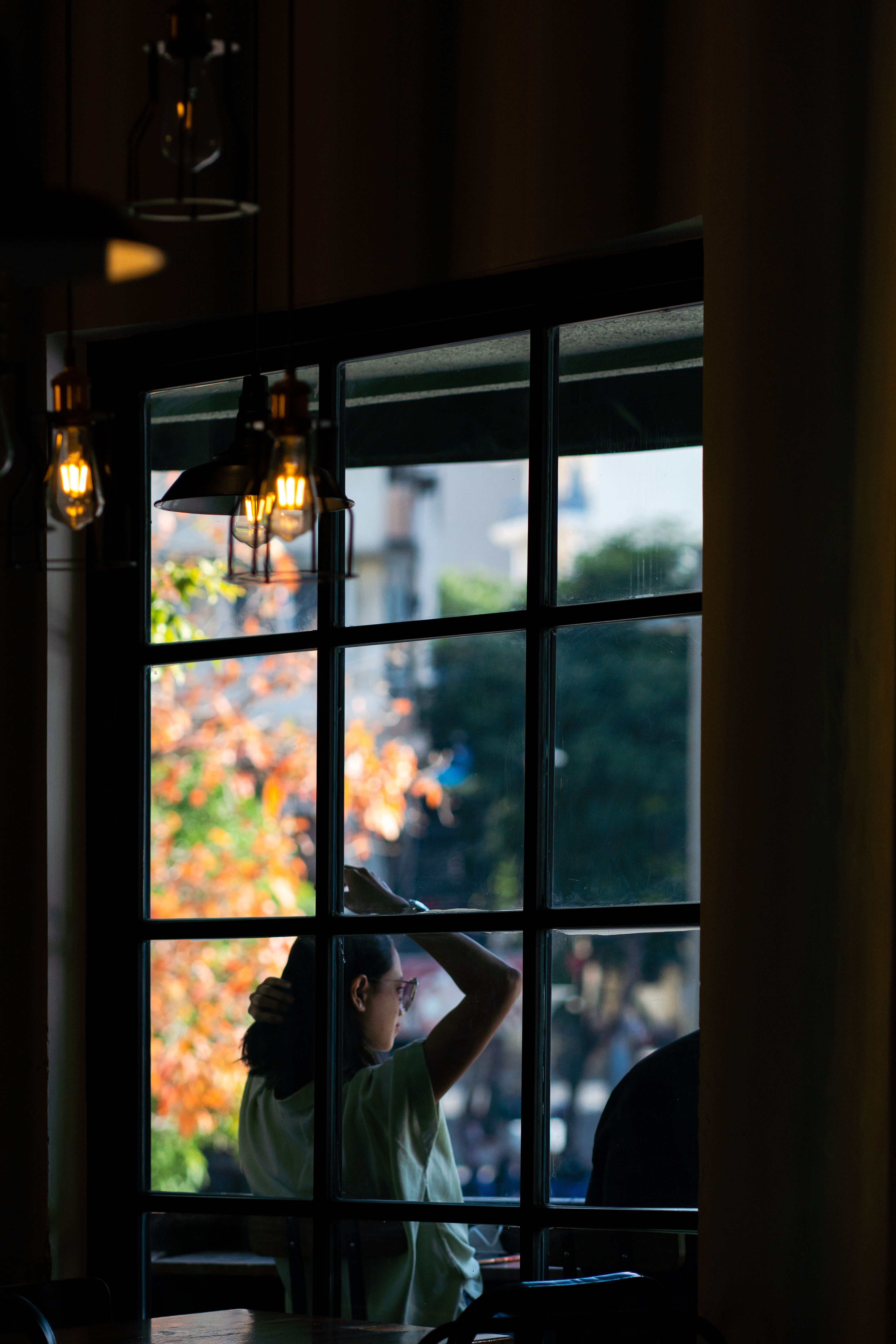
Focal point photography shapes a scene so one area catches the eye first. In cafe flat lays, that anchor might be a latte, a pastry, or a clean logo on a cup. This guide shows how to shape that focus with natural window light, simple props, and smart camera settings.
Shop the setup

- Regular price
-
€42 - Regular price
-
€44 - Sale price
-
€42
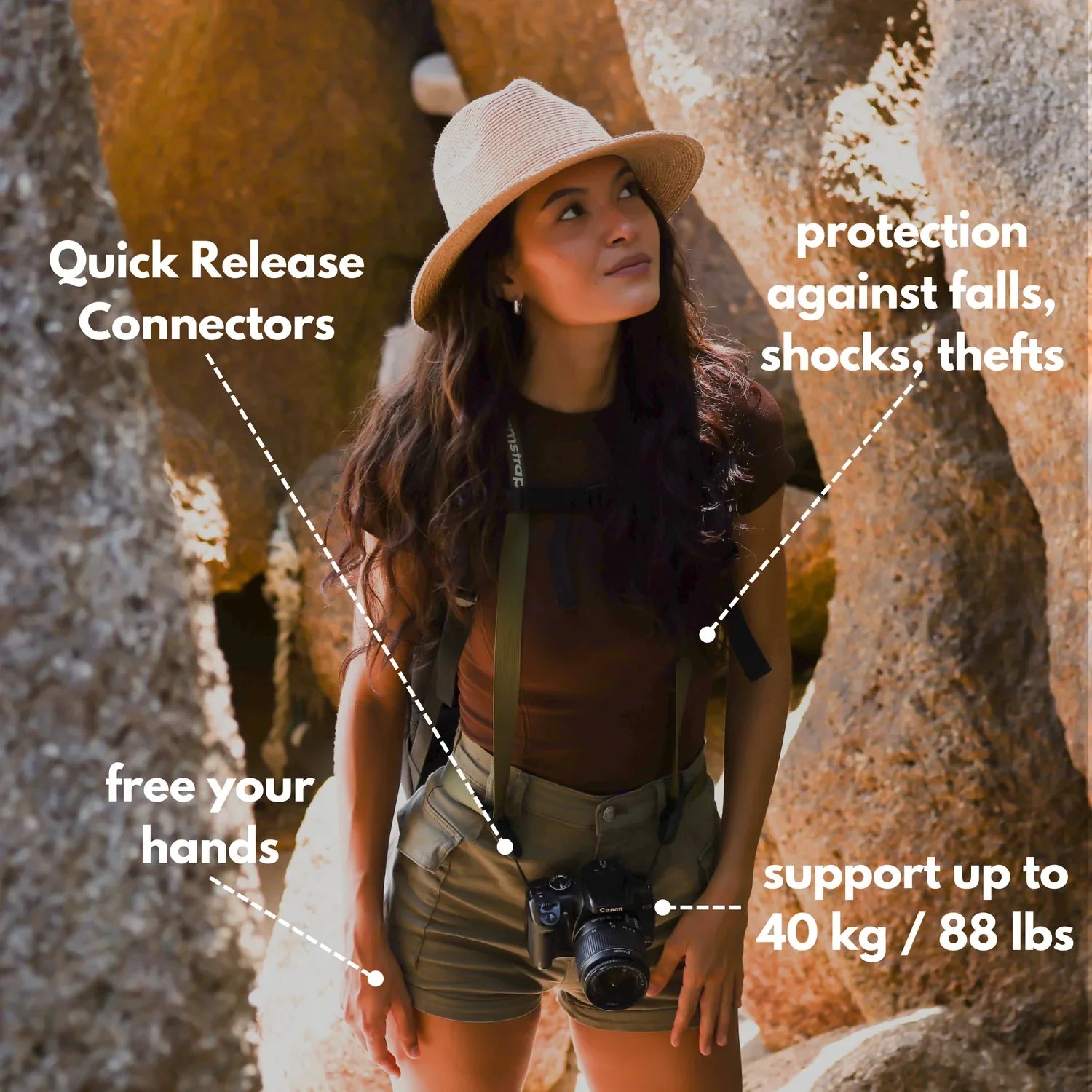
By choosing the Camstrap strap, you are opting for a high-quality product designed to meet the needs of the most demanding photographers.
- Developed by a physiotherapist to relieve neck and back pain.
- Fast delivery with tracking by the Post Office 🚚
- Can be used as a shoulder strap or hands-free harness

- Regular price
-
€36 - Regular price
-
€42 - Sale price
-
€36
Free shipping included
Cafe scenes already bring texture, shape, and warm color to the table. A full studio is unnecessary. A table, a window, and a clear idea of what should stand out will do the job.
Why window light suits cafe scenes
Natural window light gives drinks, bread, foam, and paper cups a soft, flattering look. Gentle shadow adds depth without harsh glare.
Side light defines shape with very little effort. A croissant looks crisp. A cappuccino gains a soft rim. Even a spoon leaves a small shadow that brings the frame to life.

Choose the right window
A large window with north light often gives the most even result. If the sun is hitting hard, move the table back a few feet or soften the beam with a sheer curtain. Side light usually gives more shape than direct front light.
Cloudy days help too. The light stays soft, which makes it easier to move props around without the frame changing every few minutes.
Keep an eye on the table
The surface matters almost as much as the window. Matte wood, stone, and plain cafe tables keep reflections low. Glossy tops can work, though they also throw bright patches that compete with the main subject.
If the surface feels busy, put down a napkin, tray, or placemat to create a quiet base. One small change can make the whole layout read more cleanly.
Defining the focal point in photography
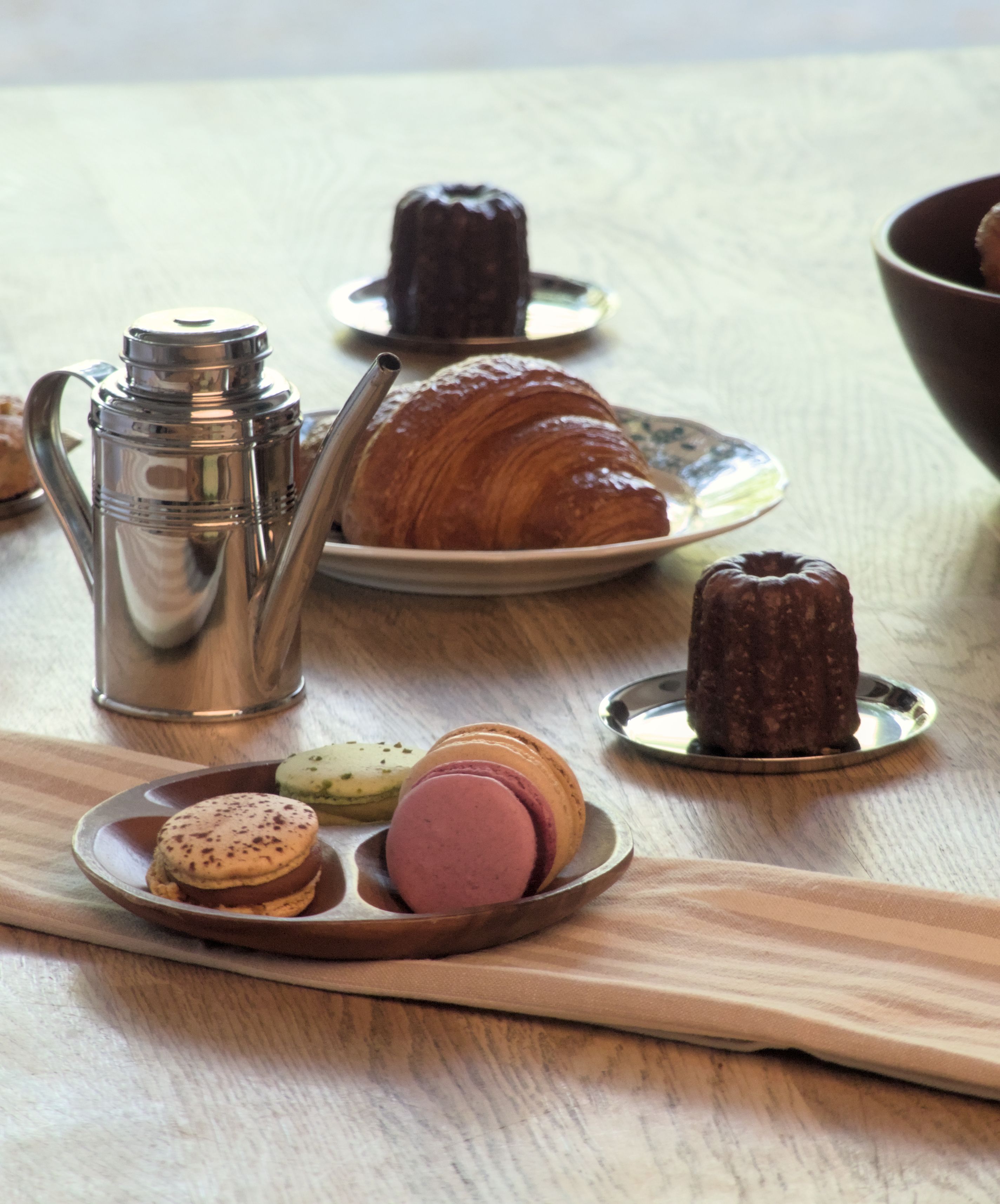
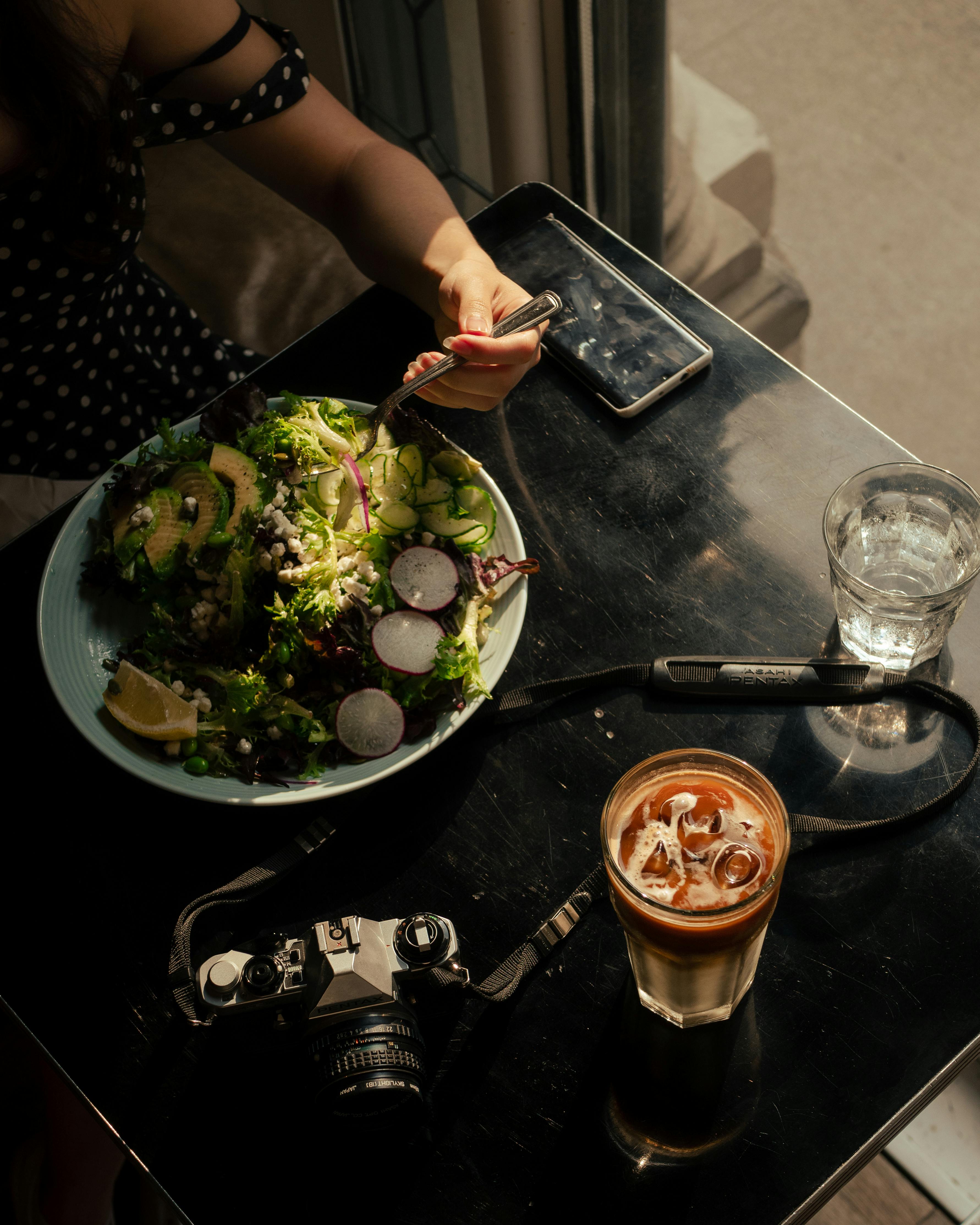
The focal point is the main subject or area that grabs attention first. In a cafe flat lay, it can be a cup, the edge of a pastry, or the steam line above a mug. Use one strong subject and support it with smaller items. A spoon, a receipt, or a hand-written note can steer the eye toward the main piece without stealing attention.
Color and contrast help as well. A pale pastry on a dark plate stands out quickly. A bright red berry beside a neutral plate does the same.
Understanding the 20 60 20 rule
The 20 60 20 rule splits attention into three parts. About 20 percent of the frame should carry the strongest interest, 60 percent should support it, and 20 percent should stay quiet.
For a cafe flat lay, that means one main item, a few supporting props, and some open space. A cup and pastry may hold the first 20 percent, a plate and spoon may fill the next 60 percent, and blank table space may finish the frame.
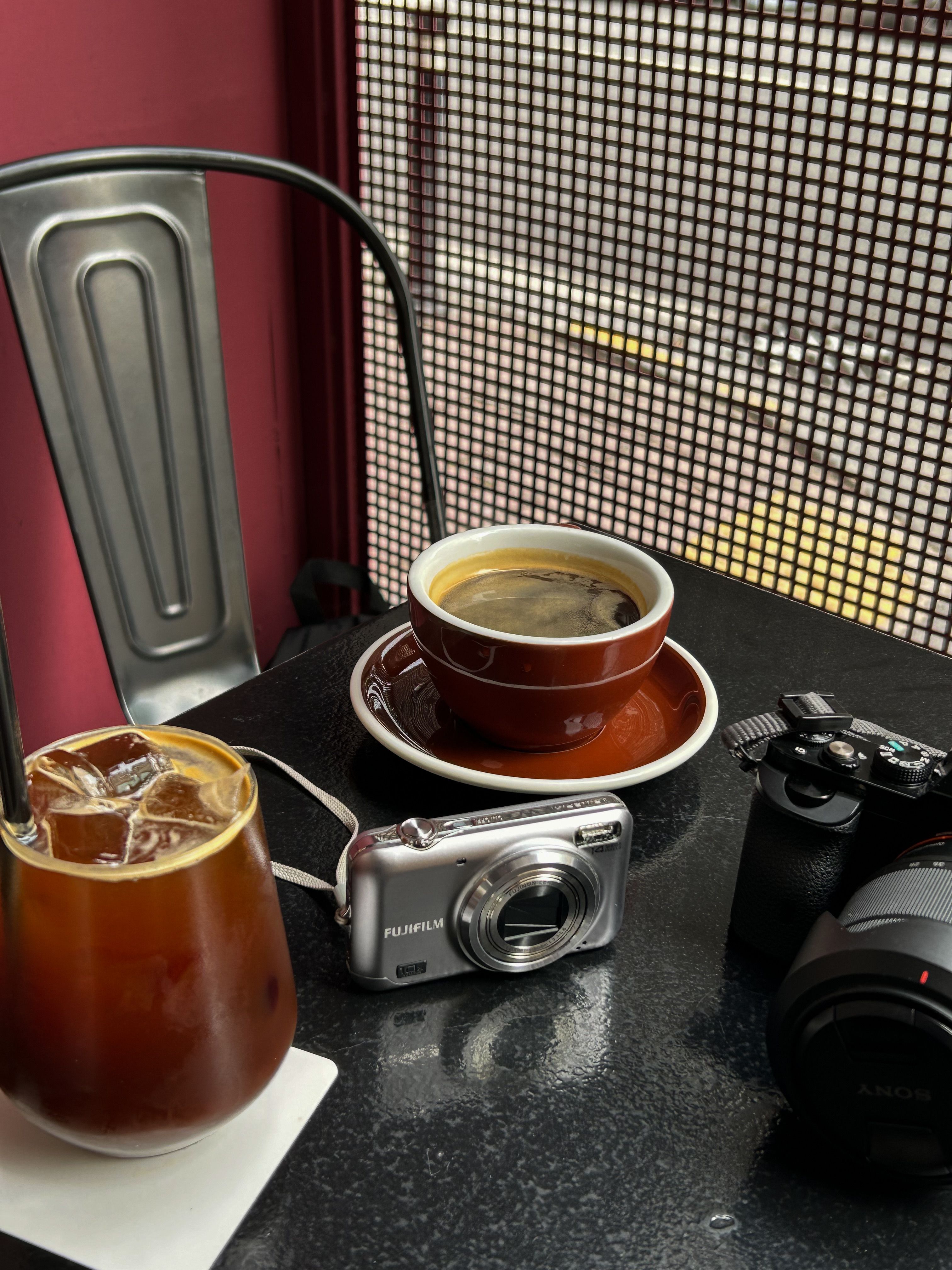
This ratio keeps the image from feeling crowded. It also lets the eye move through the scene smoothly instead of bouncing around.
What a focal point really is
A focal point is simply the thing you want people to notice first. If you show three items, choose one as the hero and let the others support it. One easy test helps: cover part of the frame with your hand and see what still reads clearly. If the answer changes each time, the layout needs work.
Before you shoot, ask a simple question: “What is the story here?” A croissant and coffee tell a breakfast story. A notebook and espresso suggest a work break story.
Styling the table before the shot
Start with one anchor object. Place the cup, plate, or bowl first, then build around it with smaller items that point inward.

Keep the scene calm. Too many props make the eye jump too much. Three to five items are usually enough for a clean cafe flat lay.
A simple styling order
- Place the main item close to the window side.
- Add one secondary item with a different shape.
- Use a small prop to lead the eye back.
- Remove anything that does not help the story.
Angles matter here. A cup handle at four o’clock can feel more natural than a random turn. A pastry with its cut side facing the light will show texture better.
Negative space helps, too. Leave room near the main subject so the frame can breathe. That open area also leaves space for text if the image will be used for social posts.
Using hands without overdoing it
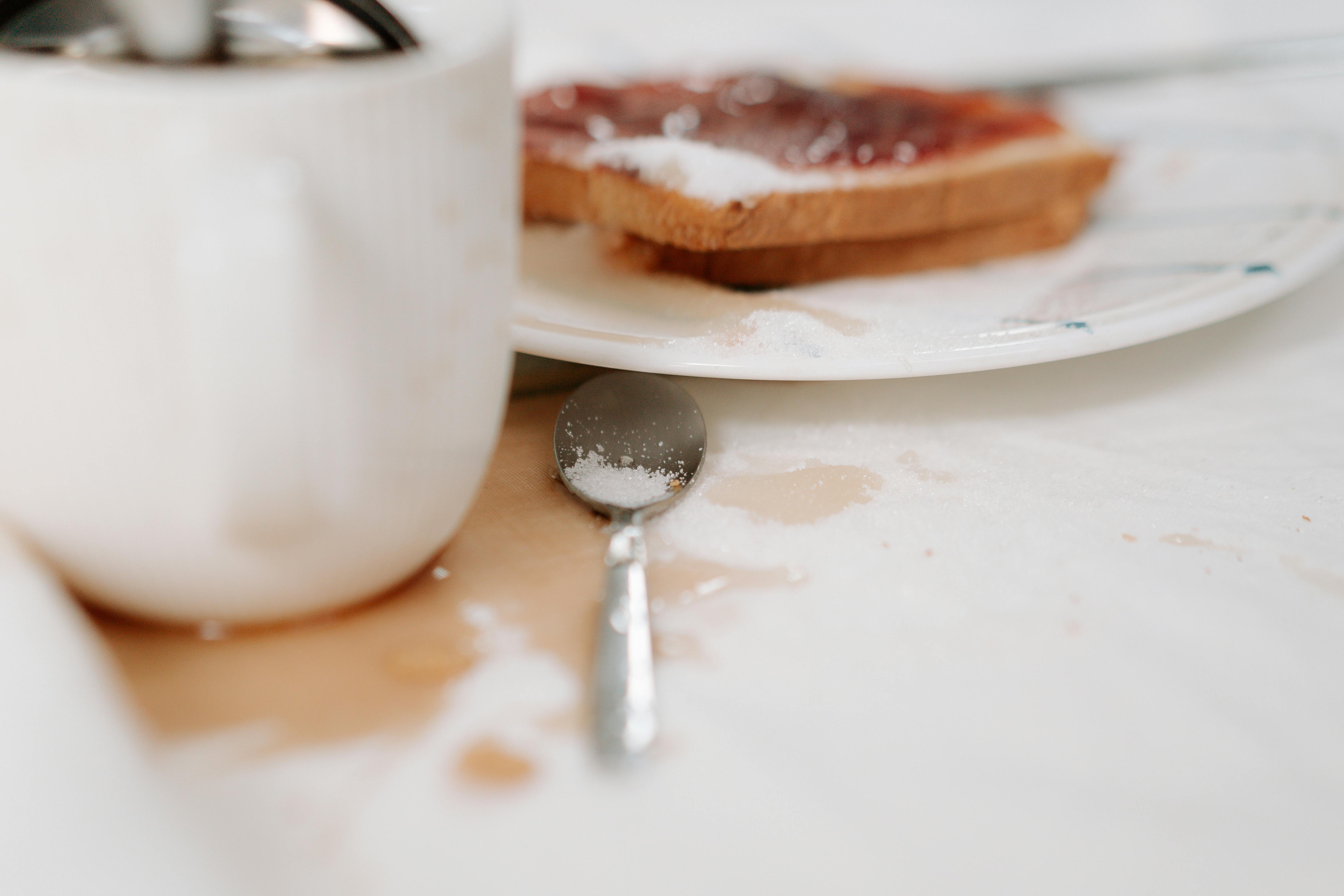
Hands can make a flat lay feel alive, but only if they look calm and intentional. A hand reaching for a cup works better than a stiff pose.
Keep nails neat and sleeves simple. The hand should support the mood, not take over the shot.
Camera settings for a clean look
A 35mm or 50mm lens works well for cafe flat lays on most cameras. A 50mm lens often gives a natural view with less edge bend. If space is tight, a 35mm can help you include more of the table.
Use aperture priority or manual mode for control. Start around f/2.8 to f/4 if you want the subject sharp and the background soft. For a full flat lay, f/5.6 often keeps more of the frame in focus.
Shutter, ISO, and focus choices

Keep shutter speed near 1/125s or faster if hands are moving. On a bright window set, 1/250s gives extra safety when someone lifts a cup or shifts a plate.
ISO should stay as low as the light allows. ISO 100 to 400 is a good start. If the room is dark, ISO 800 is still workable, though the shadow areas deserve a quick check for noise.
Continuous AF with subject detection can help when you shoot handheld. Back-button focus also helps because it lets you lock focus once and reframe without refocusing every time.
Mirrorless bodies can burn through power fast when the EVF or LCD stays on for long checks. In a cafe, where you may review, reshoot, and move props many times, that adds up. A quick screen timeout can save battery without affecting the image.
A practical handheld setup
- Mode: Manual or aperture priority
- Lens: 35mm, 50mm, or 85mm
- Aperture: f/2.8 to f/5.6
- Shutter speed: 1/125s to 1/250s
- ISO: 100 to 800
- Focus: AF-C with subject detection or single-point focus

If your camera has pre-capture or pre-burst, turn it on for action moments like pouring coffee or setting down a pastry. Even a mid-tier camera often gives about 20 to 40 RAW frames before it slows, though heavy noise reduction or very large files can cut that buffer down faster. Fast cards help, but the card spec matters. UHS-II V60 or V90 cards clear the buffer faster than UHS-I, which matters when you shoot a burst and need to move on.
Choosing the best focal point
The best focal point is the item that tells the story fastest. In a cafe flat lay, that is often the most textured, most colorful, or most meaningful object.
A latte with clear foam art may win in one scene. In another, a flaky pastry may be stronger because the texture catches the window light better. The best choice changes with the mood of the table.
Use one clear test. If you blur your eyes for a second, the main item should still stand out first. If it does not, move it, brighten it, or reduce the clutter around it.
Building a stronger center of attention

Contrast is the easiest tool. Dark coffee on a light plate, or a pale cup on a dark tray, creates a quick read.
Leading lines help too. A spoon, napkin edge, or pastry knife can point toward the subject. Even the handle of a cup can guide the gaze if you place it well.
For a very clean image, use one color family and one accent color. Beige, brown, and cream feel calm. A single green leaf or red berry can add just enough pop.
Common mistakes that weaken the frame
Strong light can still fall flat if the scene feels messy. Reflections on glossy tableware, crumbs near the edge, and stray packets all pull attention away from the main subject.
Flat spacing causes trouble too. If every item sits at the same angle, the shot loses energy. Turn one object slightly, lift another with a coaster, and let shadows do part of the work.
Check these before you press the shutter
- Remove bright wrappers and logos that do not add to the story.
- Watch for hard shadows that cut across the main item.
- Leave a clean edge if the frame will be cropped later.
- Keep the brightest spot near the focal point, not in the corner.
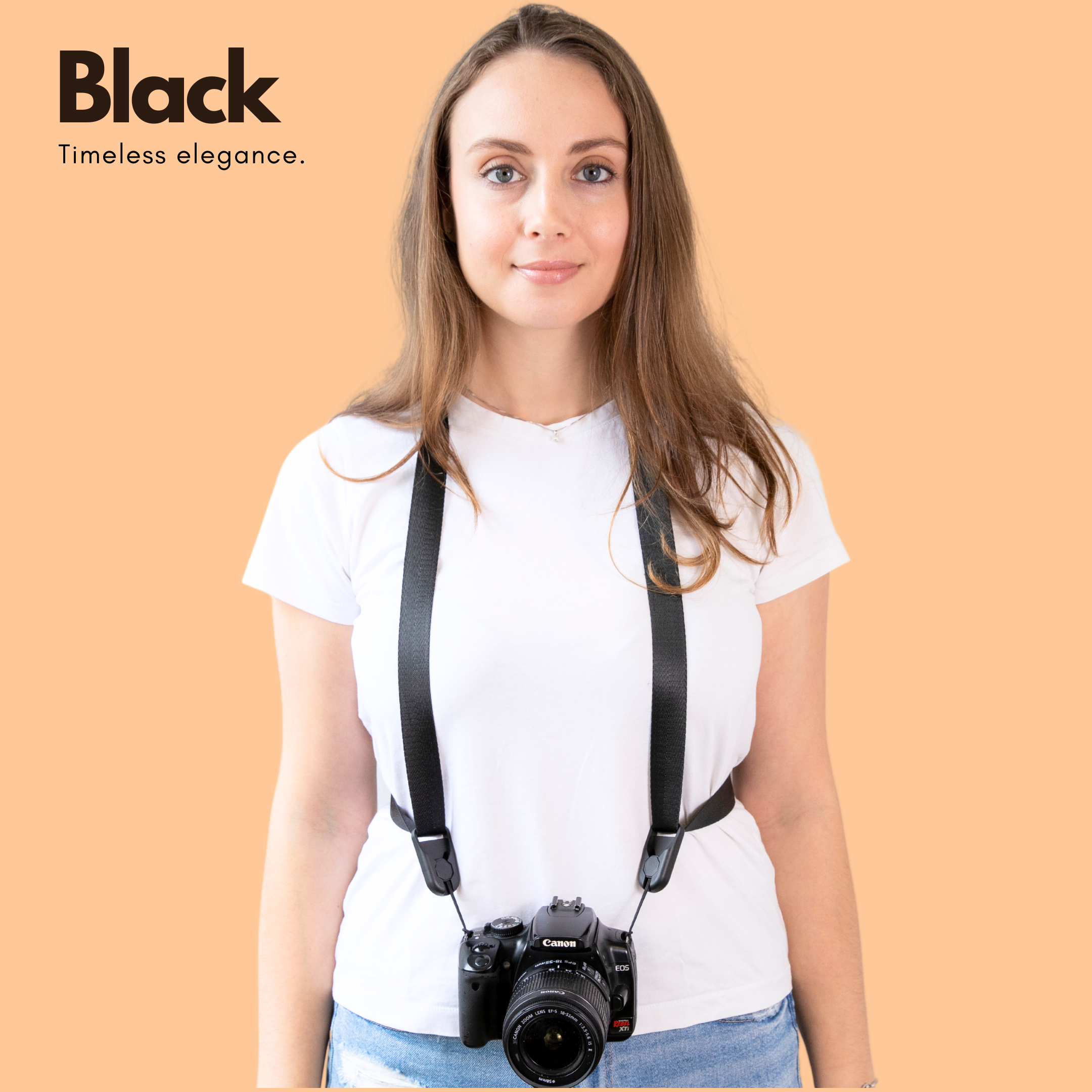
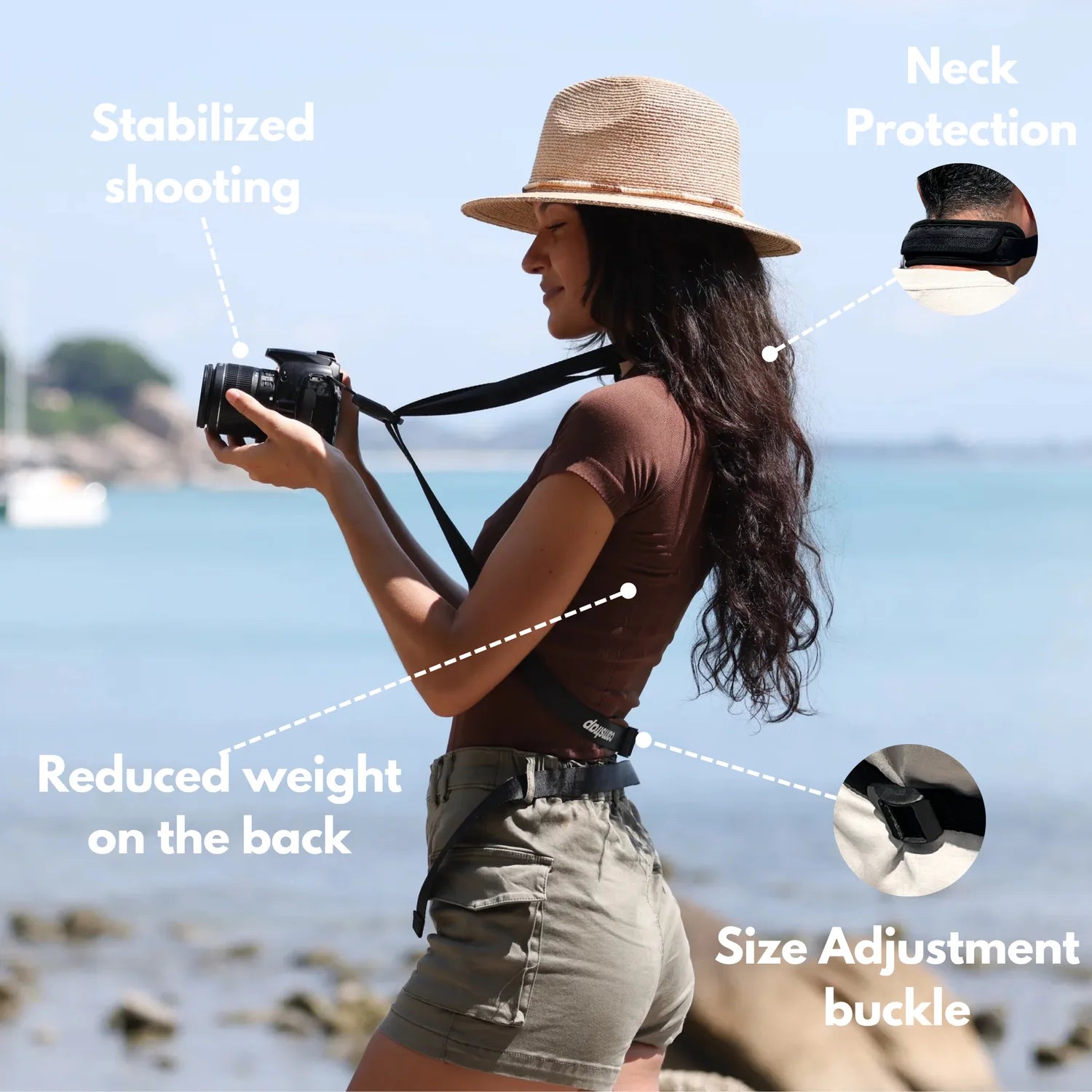
If you carry your camera all day, a hands-free strap can make it easier to move between tables without setting gear down. A quick-release setup like the Camstrap voyager keeps the camera close while you scout surfaces and textures, which suits this kind of on-the-go still life work.
That carry style also saves time. You can step back from the table, check the frame, and return without breaking the flow.
A simple workflow from first look to final image
First, find the window and choose the side with the best soft light. Next, place the main item where the light lands cleanly. Then add one or two props that guide the eye back to it.
After that, shoot from above and at a slight angle. Flat lays often work best at 90 degrees, but a small tilt can show height in cups and foam.
- Set the base and clear the table.
- Choose the hero item.
- Build the rest of the scene around it.
- Check shadows and reflections.
- Take a few test frames.
- Adjust one thing at a time.
Use pick and reject flags in Lightroom or Photo Mechanic after the shoot. That makes it easier to keep the strongest frame without second-guessing every near match. Finish with one quick review before export. Check crop edges, white balance, and the spot where the eye lands first.
Natural window light gives cafe flat lays a calm, real feel, but the shot still needs a clear center. Once you decide what should lead, the rest of the table can support it. A clean layout, simple settings, and a soft side window can turn an ordinary coffee stop into an image that reads well at a glance.
Frequently Asked Questions
What is a focal point in photography?
A focal point in photography is the main subject or area that catches the viewer’s eye first. In a cafe flat lay, a latte, pastry, or cup logo can serve as the focal point while smaller props support it.
What is the 20 60 20 rule in photography?
The 20 60 20 rule in photography divides attention so about 20% of the frame is the strongest interest, 60% supports it, and 20% stays quiet. In a cafe flat lay, that usually means one hero item, a few supporting props, and some open space.
What is a focal point for dummies?
A focal point is the one thing in a photo that people notice first. In simple terms, it is the “main star” of the image, while everything else is placed around it to help it stand out.
What is the best focal point?
The best focal point is the clearest and strongest main subject in the frame. In a cafe flat lay, a cup, pastry, or steam line works best when it has the most contrast, shape, or visual interest.


