


Learn how to capture bold, high-contrast travel photos in 2025. Use the right camera settings, clear composition, and a reliable camera strap like Camstrap. Camstrap (Camstrap is a brand committed to changing how photographers and travelers carry cameras. Its goal is to mix function with style and make durable, elegant straps.) helps keep your camera ready and safe.
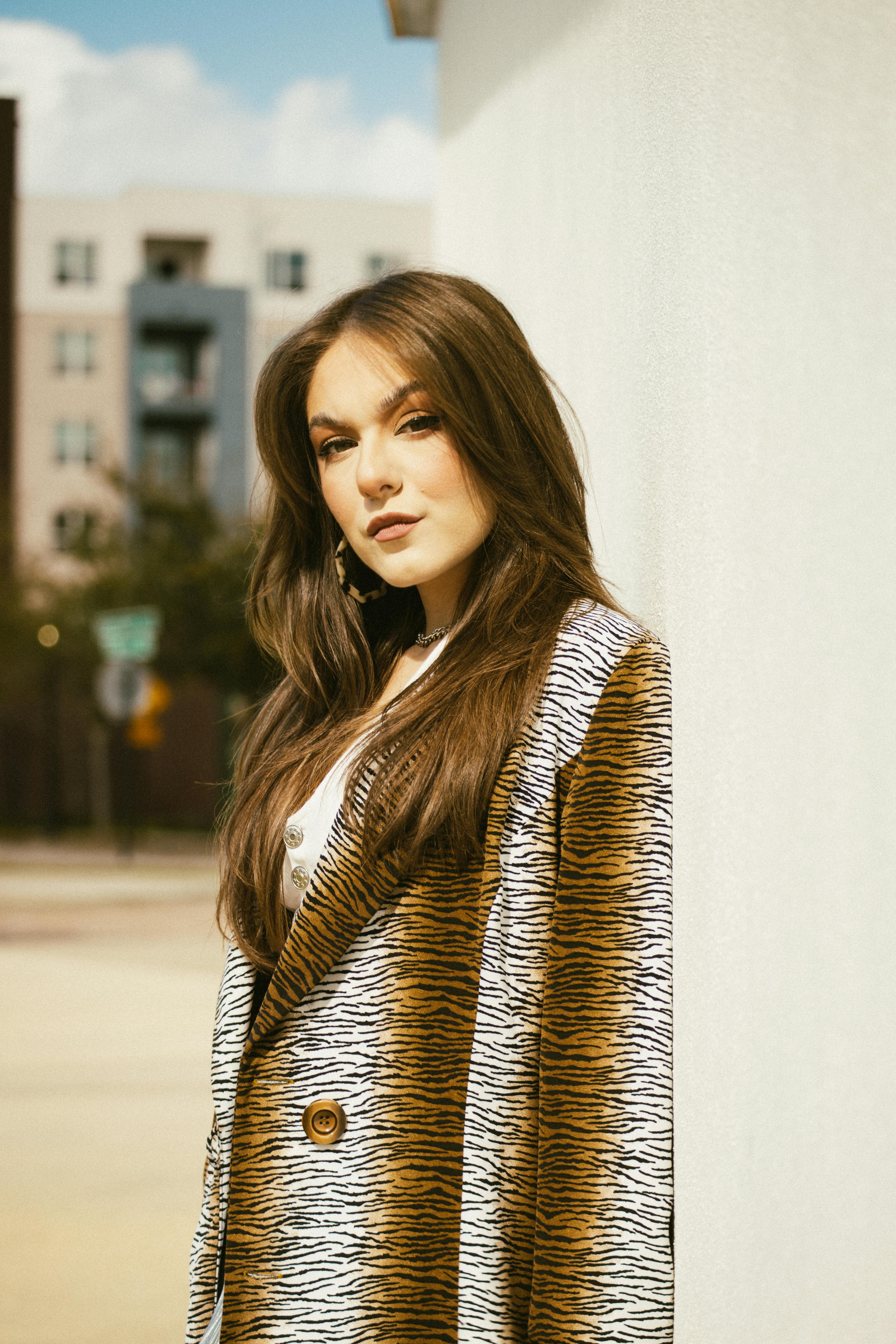
This guide shows simple steps for RAW shooting, exposure, composition, and post work. It also covers which Camstrap model fits your travel style. Read on to learn how to shoot fast, stay safe, and carry light gear.
Shop the setup

- Regular price
-
€42 - Regular price
-
€44 - Sale price
-
€42
By choosing the Camstrap strap, you are opting for a high-quality product designed to meet the needs of the most demanding photographers.
- Developed by a physiotherapist to relieve neck and back pain.
- Fast delivery with tracking by the Post Office 🚚
- Can be used as a shoulder strap or hands-free harness

- Regular price
-
€36 - Regular price
-
€42 - Sale price
-
€36
Free shipping included
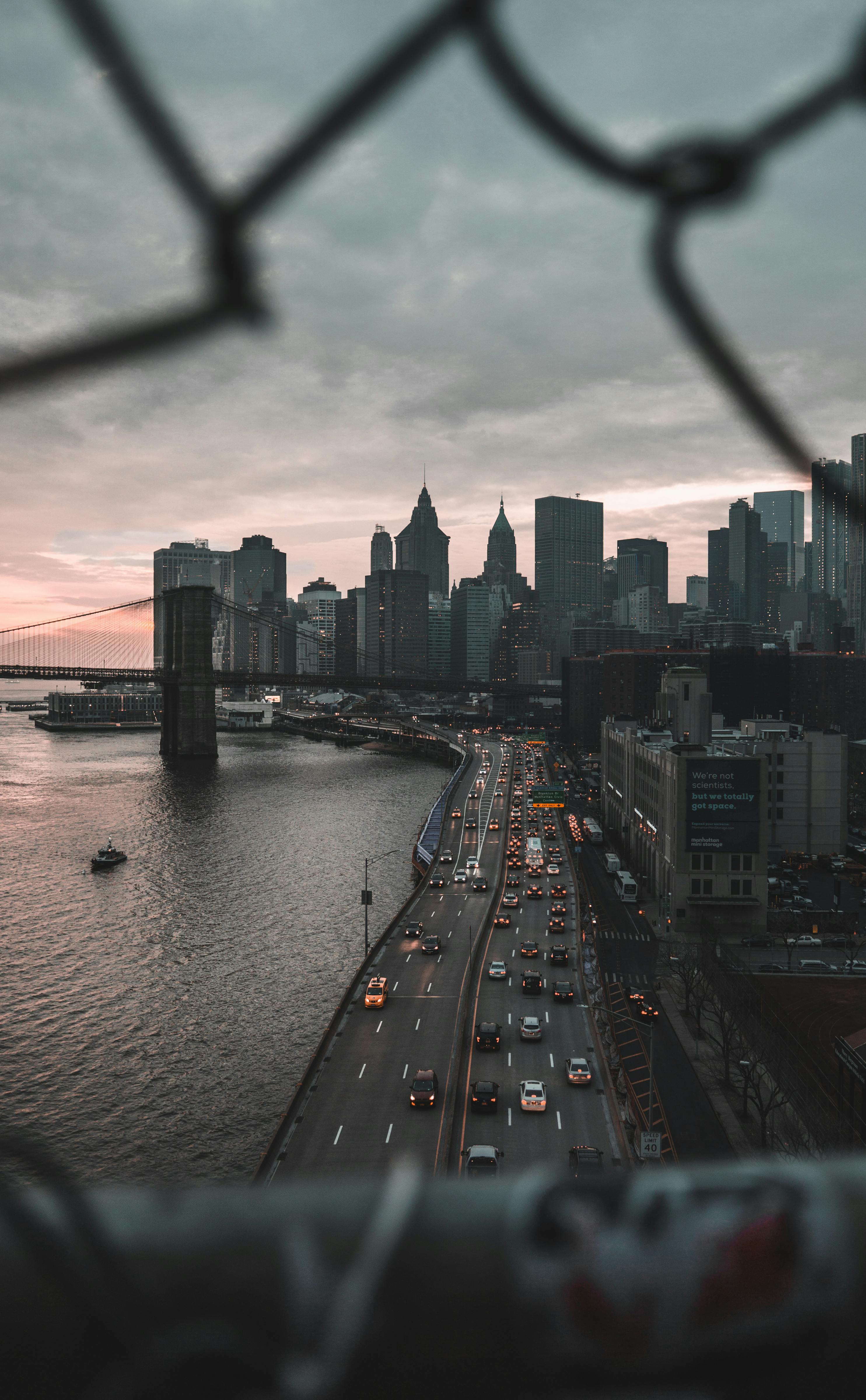
How to master high-contrast travel photos and why it matters
High-contrast photos grab attention with bold light and deep shadow. They show shape and mood fast, so a picture tells a story at a glance. For travel photography, this style makes scenes feel strong and clear.
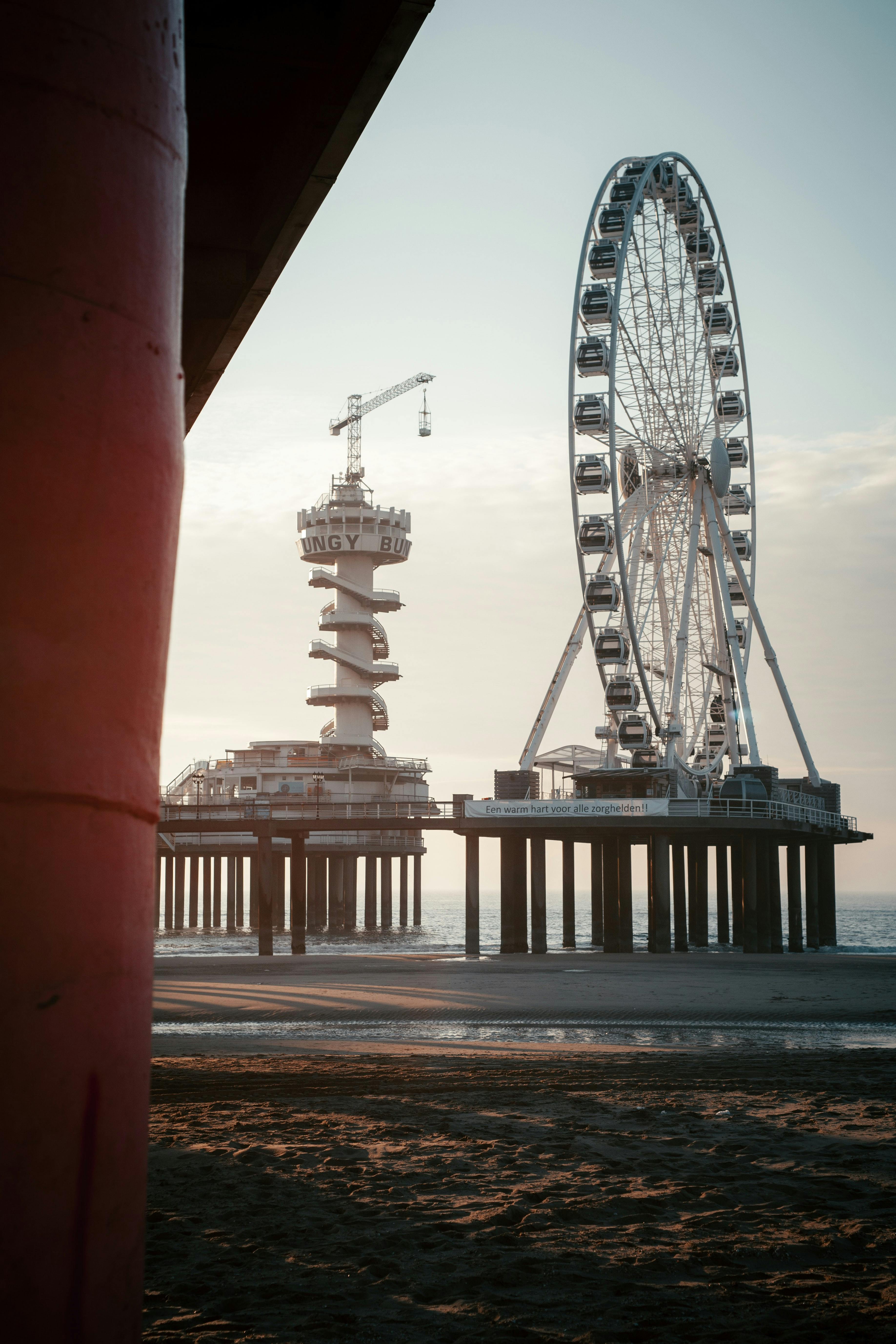
In 2025 many cameras and phones handle wide dynamic range. Still, getting crisp high-contrast shots needs skill and fast gear. A good travel camera strap keeps your camera close so you can act when light changes.
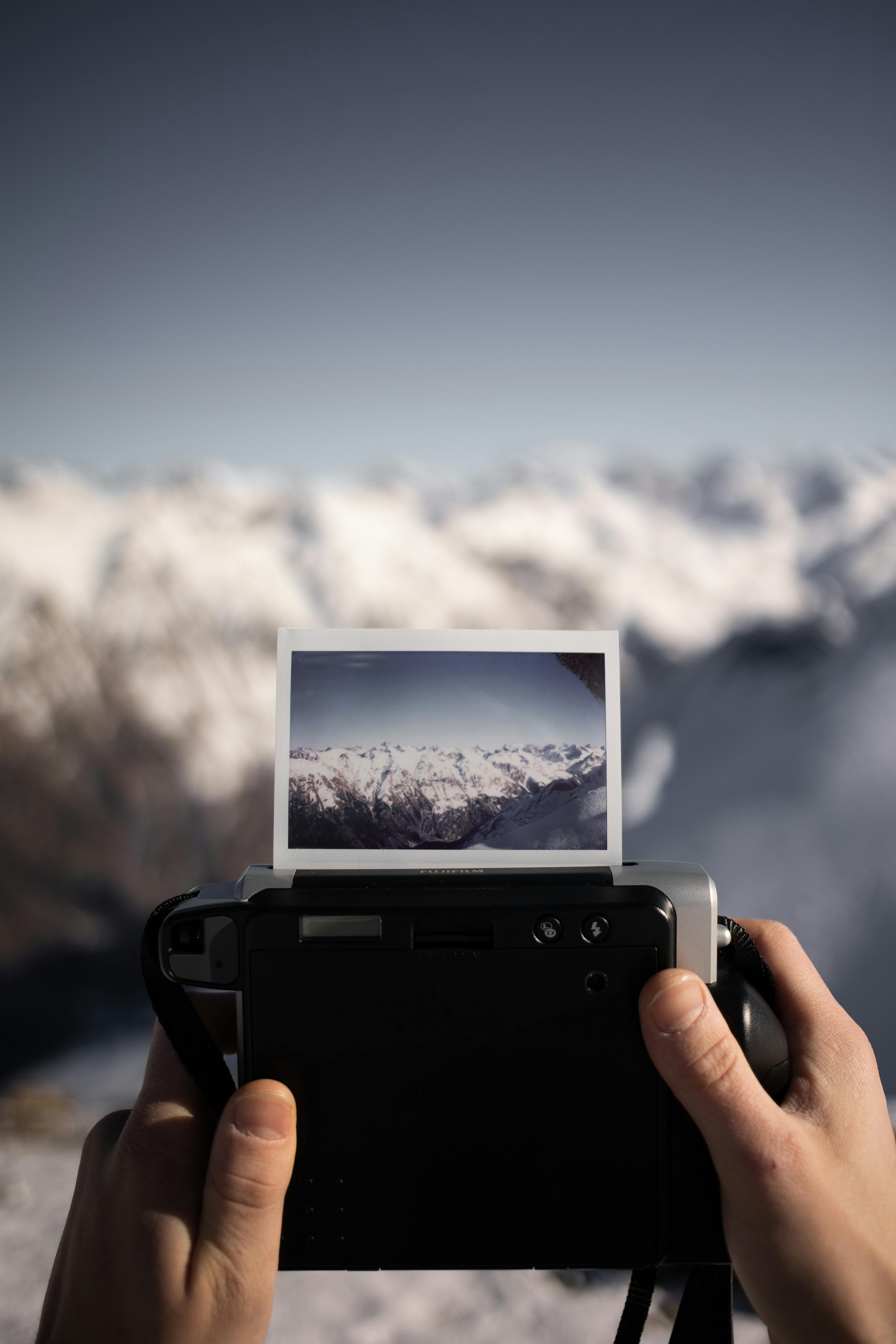
How to set camera settings for high-contrast travel shots
Shoot RAW to keep the most image data. RAW helps you pull back highlights and lift shadows later without losing detail. This step makes editing easier and keeps your images flexible.
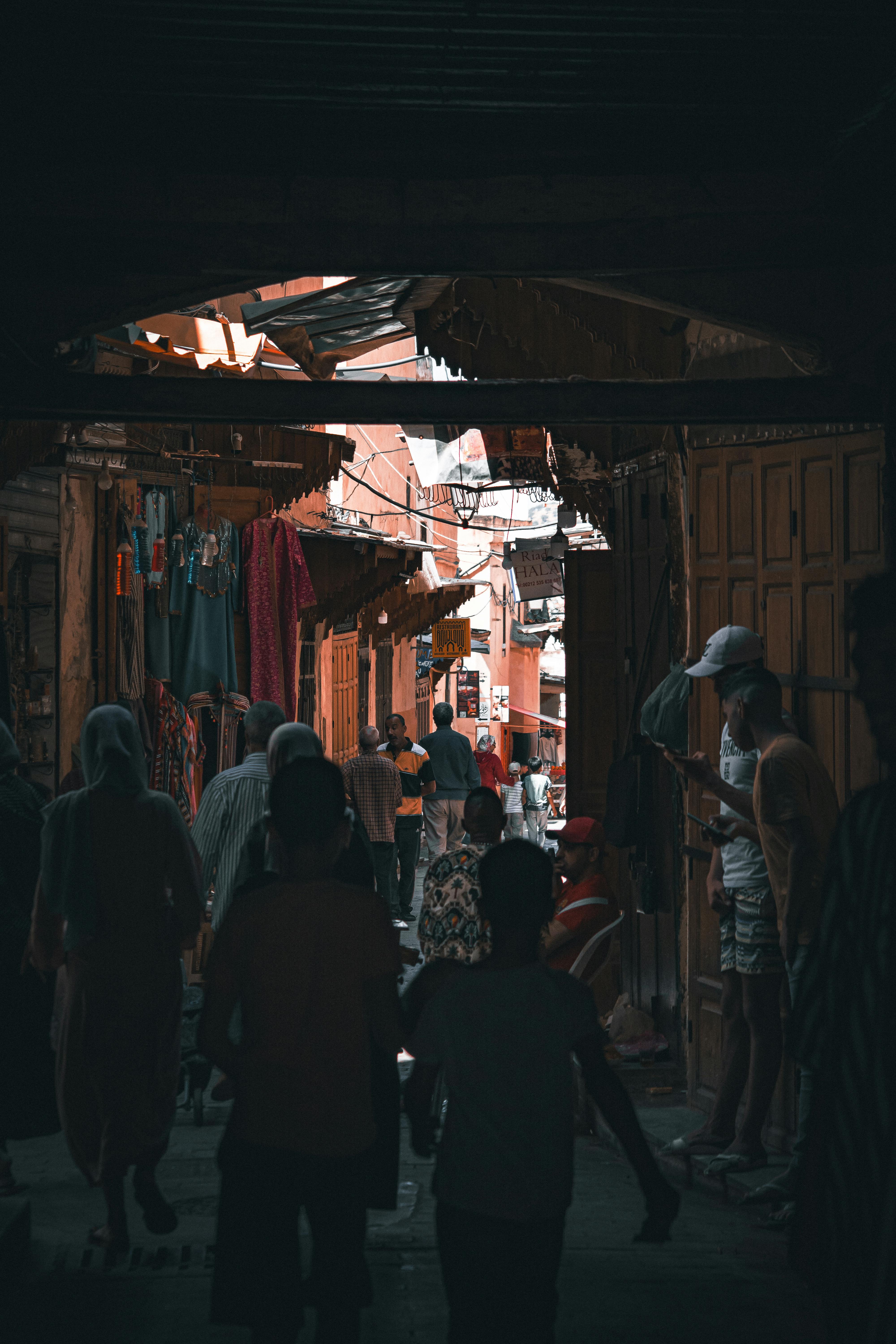
Use spot or center-weight metering in very bright scenes. Meter on the main subject, then lock exposure. If needed, use exposure compensation to save key highlights from blowing out.
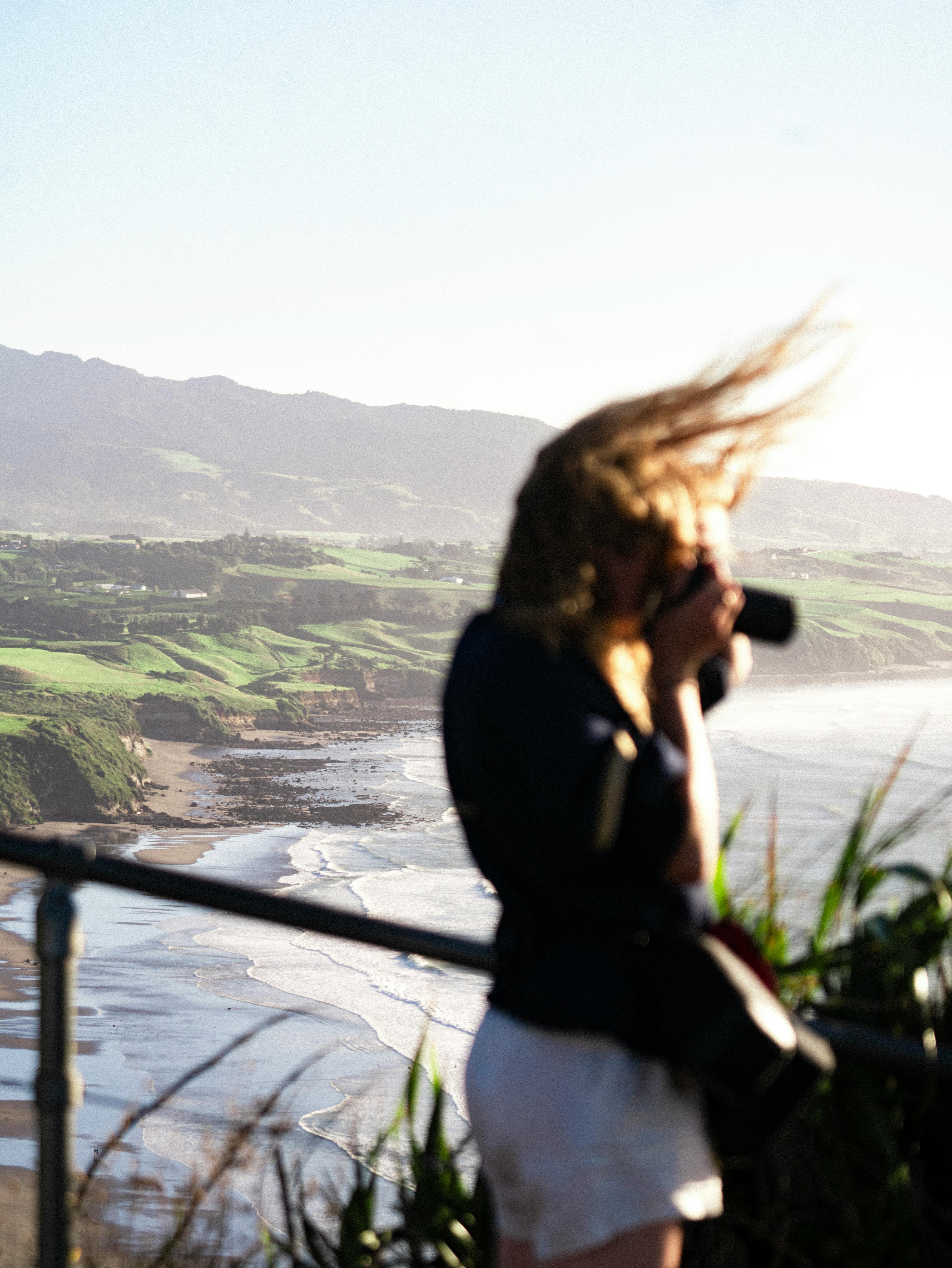
- ISO: Keep ISO low to avoid noise in the dark areas.
- Aperture: Pick a mid-range aperture for sharpness and control.
- Shutter speed: Use fast speeds to freeze motion in bright light.
Try bracketing when light is tricky. Shoot 2–3 frames with different exposure. Merge them later to keep both bright and dark detail.
How to use composition and light for bold travel images
Find strong shapes, lines, and silhouettes in hard light. Place your subject near the light edge for clear contrast. This helps the main subject pop from the scene.
Use shadows as a design tool. Shadows can lead the eye and add mood, so include them on purpose. Try golden hour and bright street lights to get deep shadow play.
Simple rules for strong composition
- Keep one clear subject and a simple background.
- Use negative space to show scale and mood.
- Try silhouettes against bright skies or windows.
- Move your body to shift light angle and shadow shape.
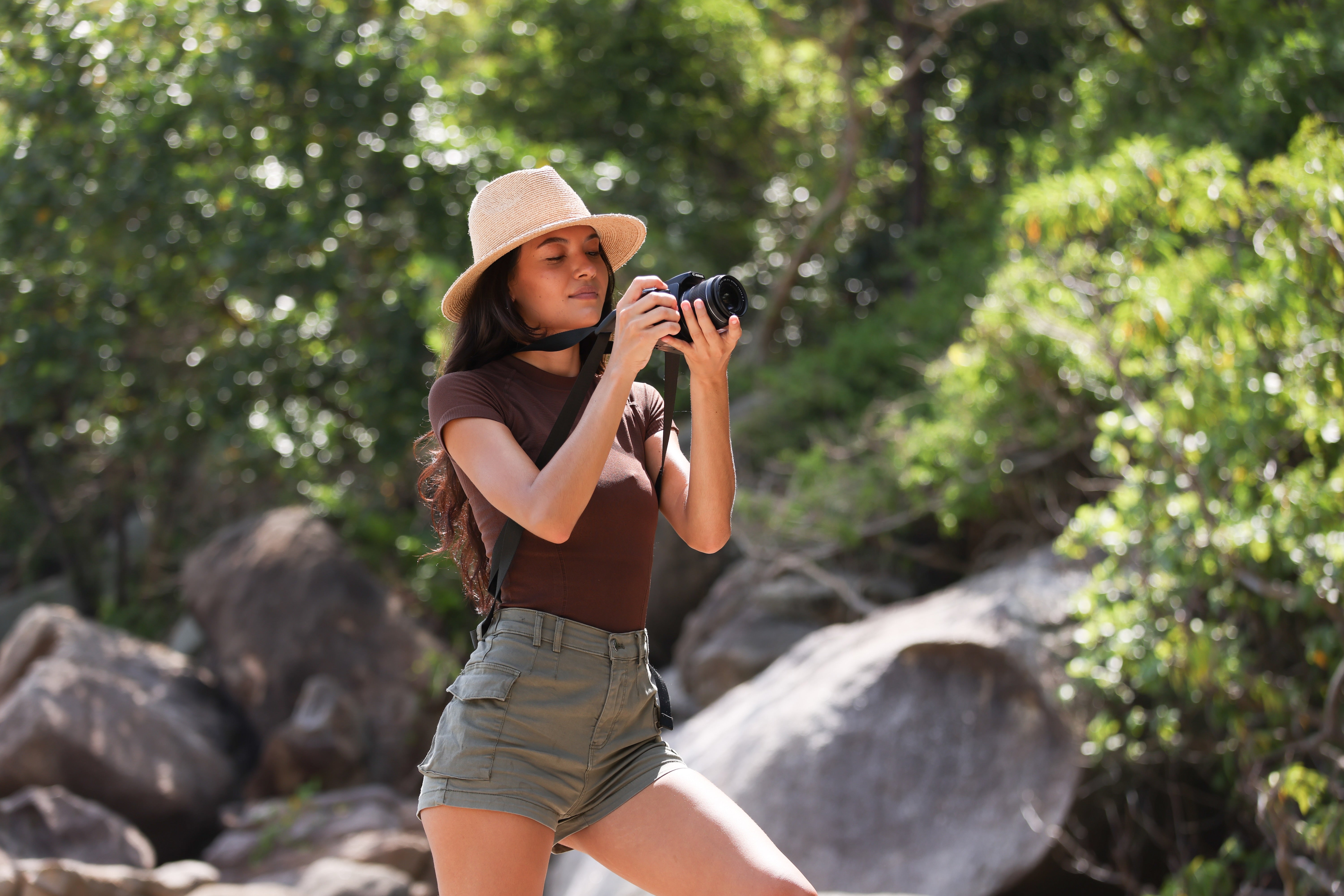
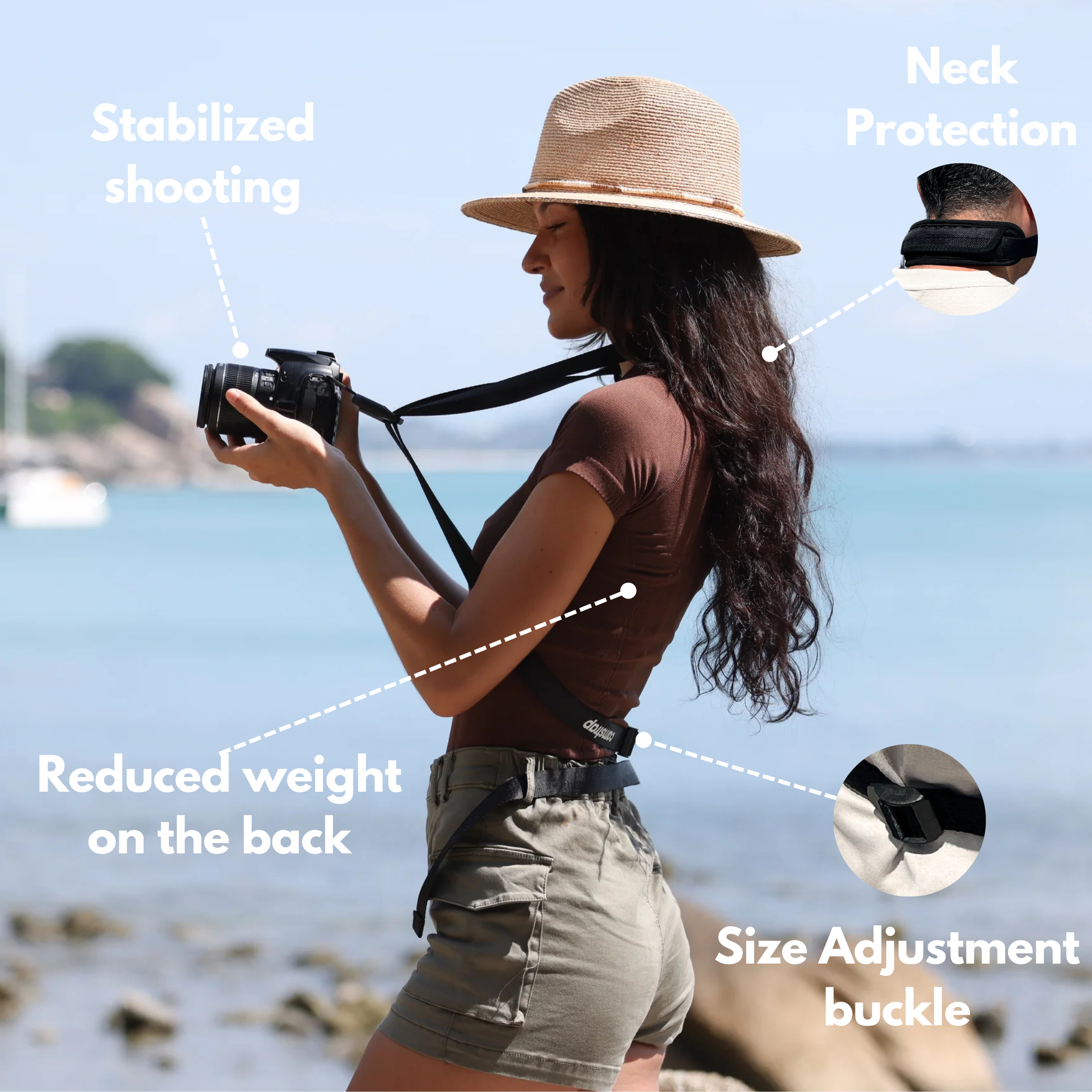
A steady camera helps you hold clean lines. A good strap keeps the camera secure and cut down on blur. This matters when you must act fast on the street or trail.
How to choose camera straps and gear for travel
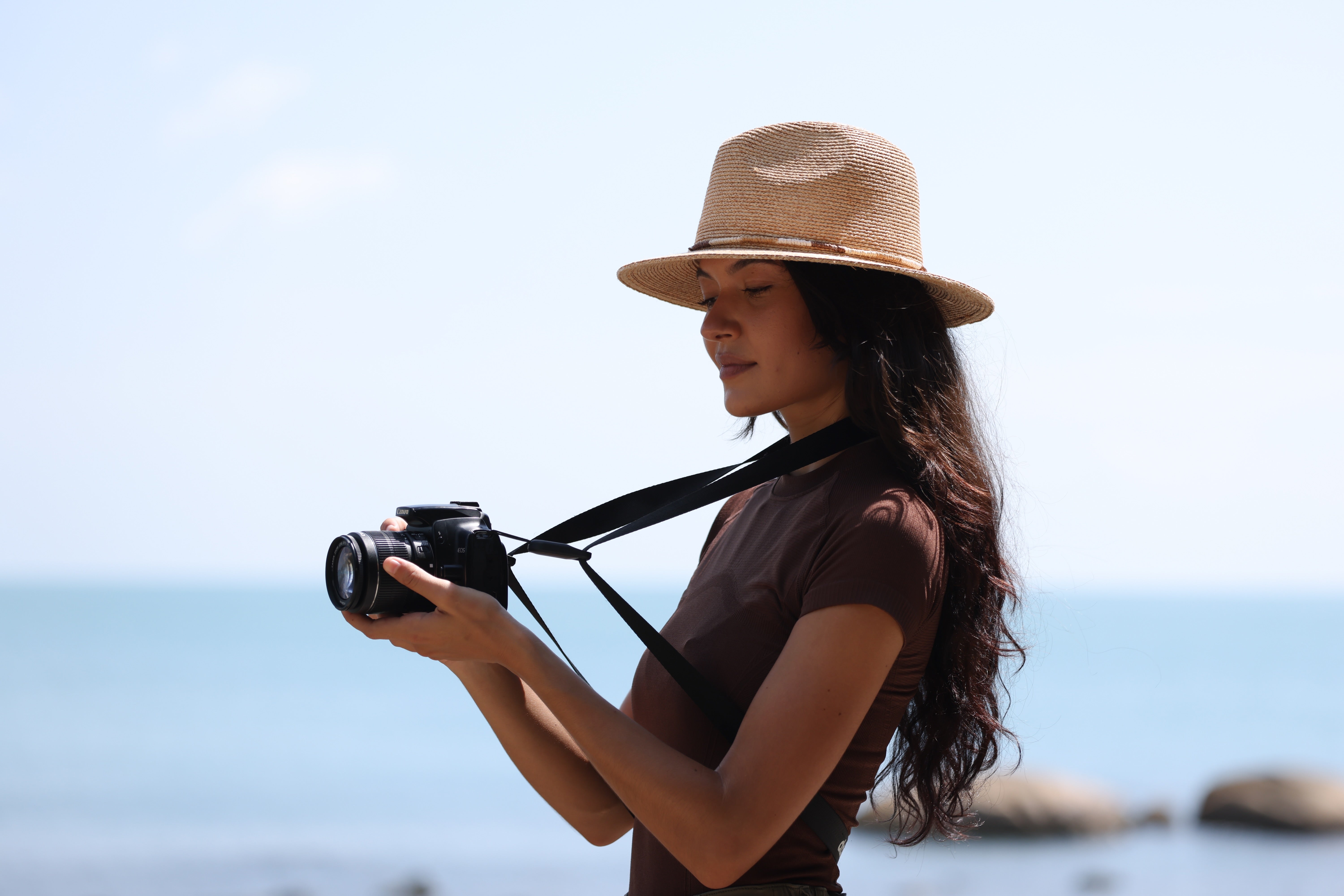
A strap can make long shoots easier and safer. Pick one that fits your camera and travel plan. The right strap helps you carry gear all day without pain.
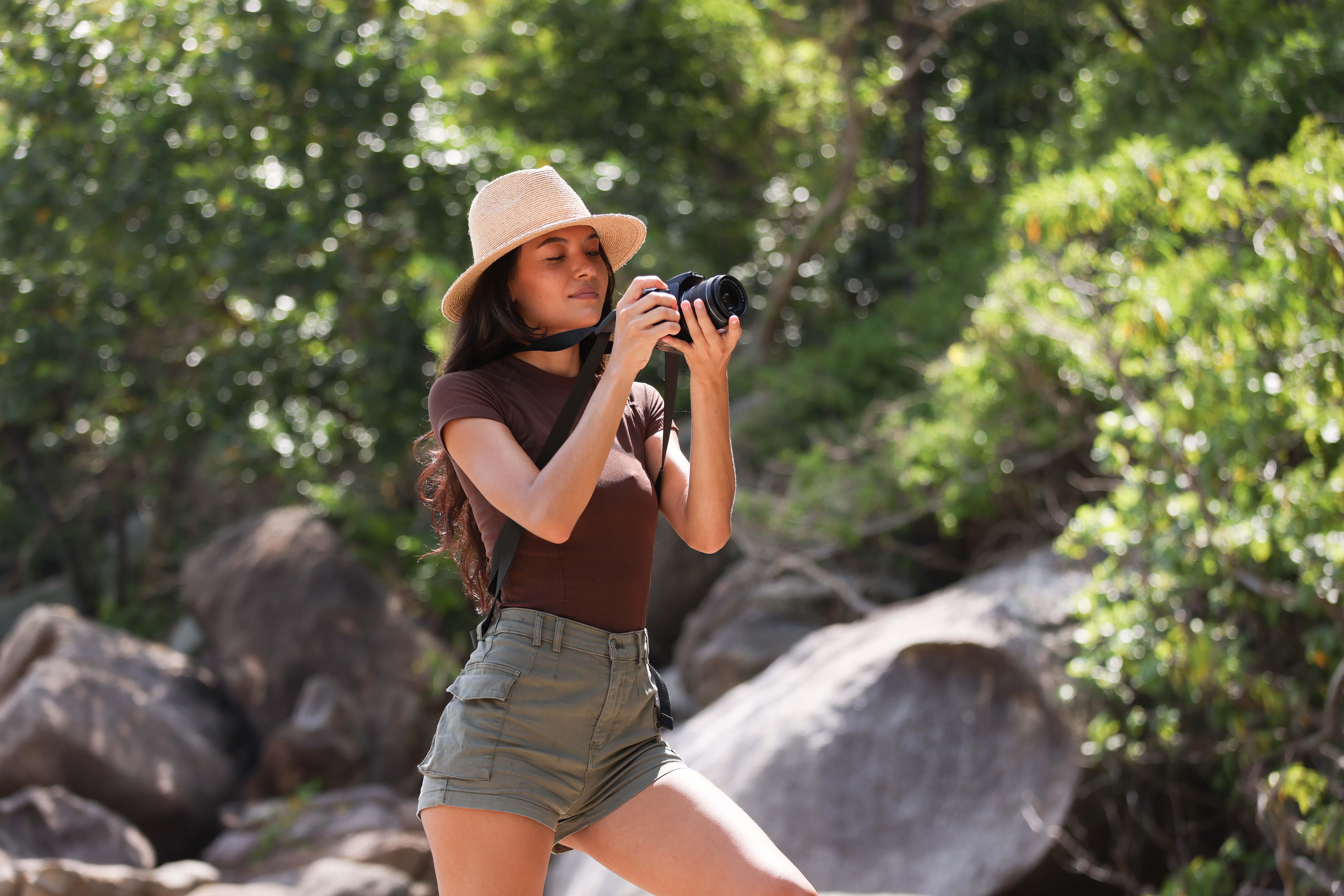
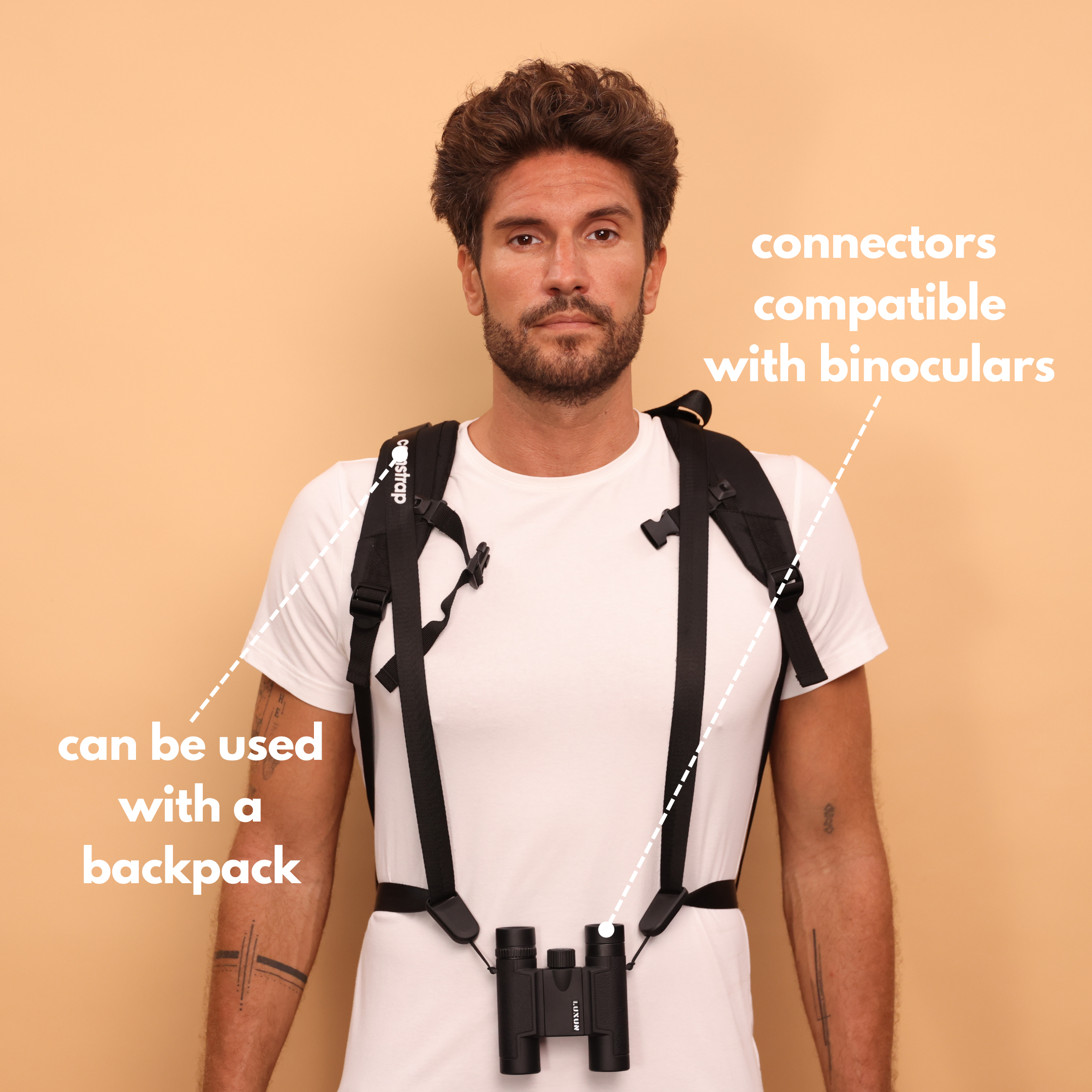
Camstrap blends form and function for travel shooting. It makes four main options to fit different needs: Voyager, Explorer, Nomad, and Magclip. Each model aims to be strong, simple, and stylish.
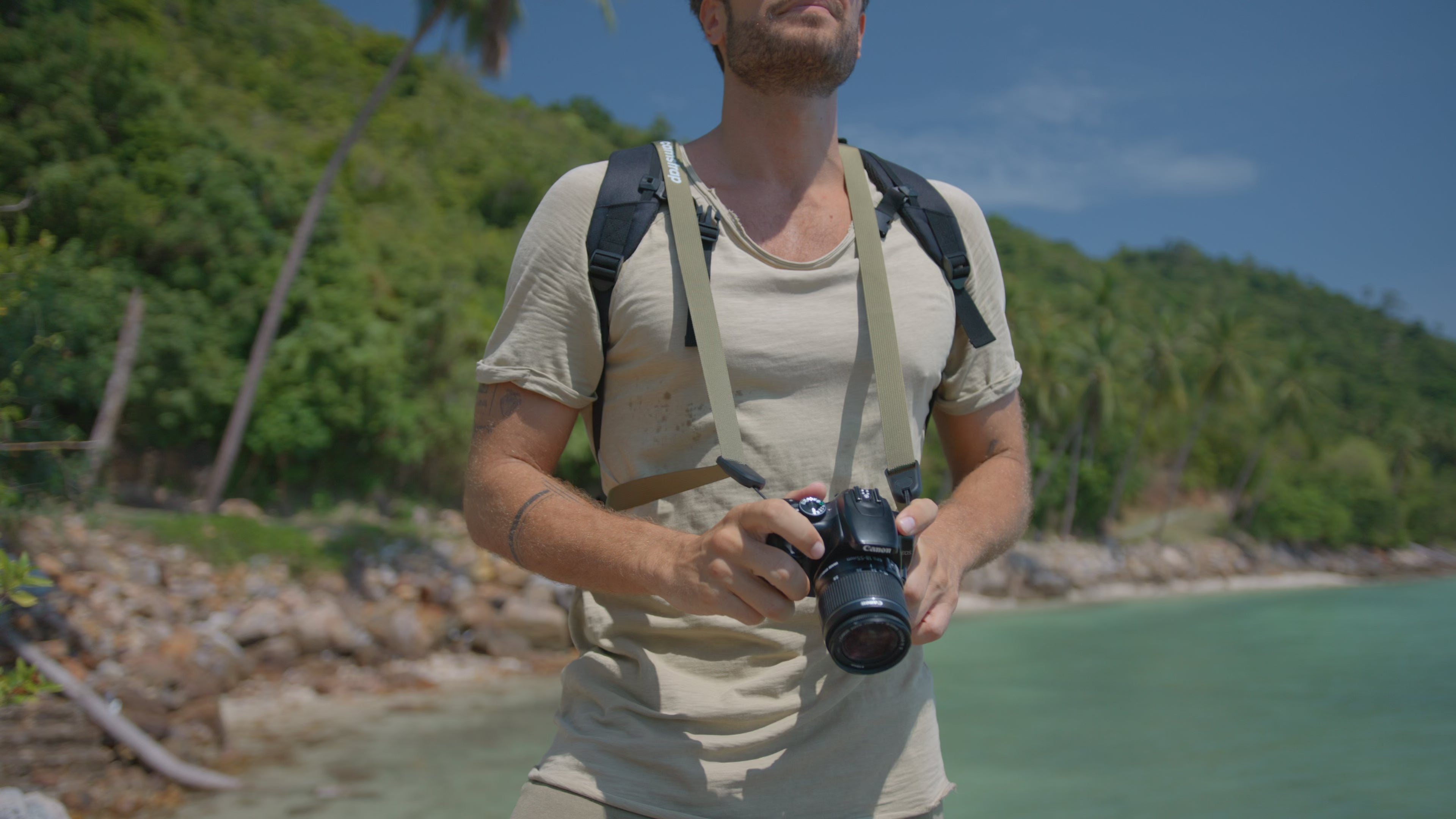
Which Camstrap fits your travel style
- Camstrap Voyager: Light and low-profile for city trips and street photos.
- Camstrap Explorer: Padded and rugged for hikes and rough trails.
- Camstrap Nomad: Stylish and tough for long days and mixed gear.
- Camstrap Magclip: Fast attach and release for instant shots and safety.
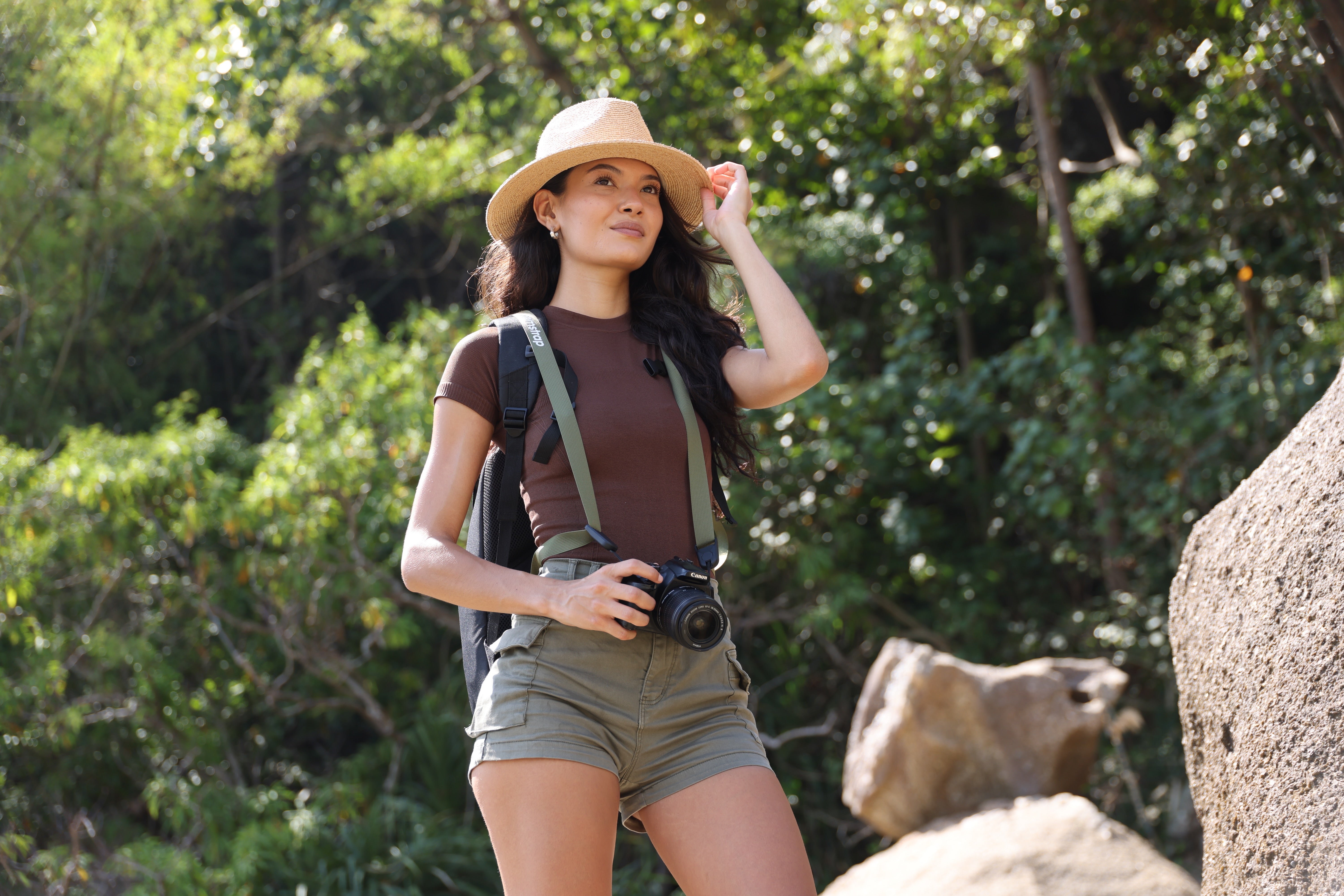
Choose a strap that matches your body and camera weight. Travel Enthusiasts may want the Voyager for quick grabs. Outdoor Adventure Photographers will like the Explorer for rough terrain. Amateur Photographers often favor the Nomad for comfort and style.
Test the strap before a long trip. Practice drawing the camera and re-holstering it. This simple drill helps you move faster when light changes.
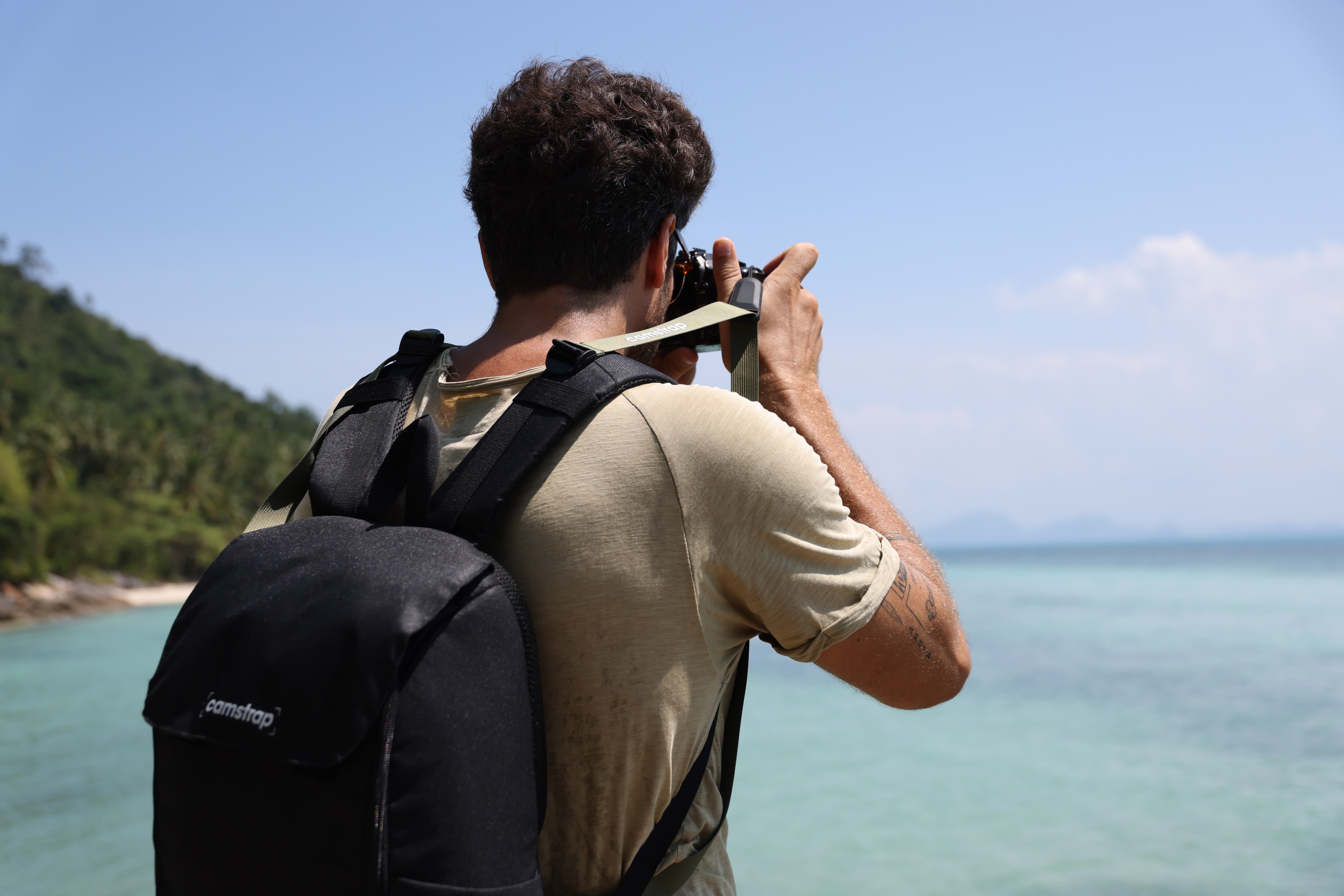
How to shoot in the field in 2025
Plan for varied light and busy scenes. Travel in 2025 brings new places and mixed light types, so stay ready. Keep your camera close and your settings quick to change.
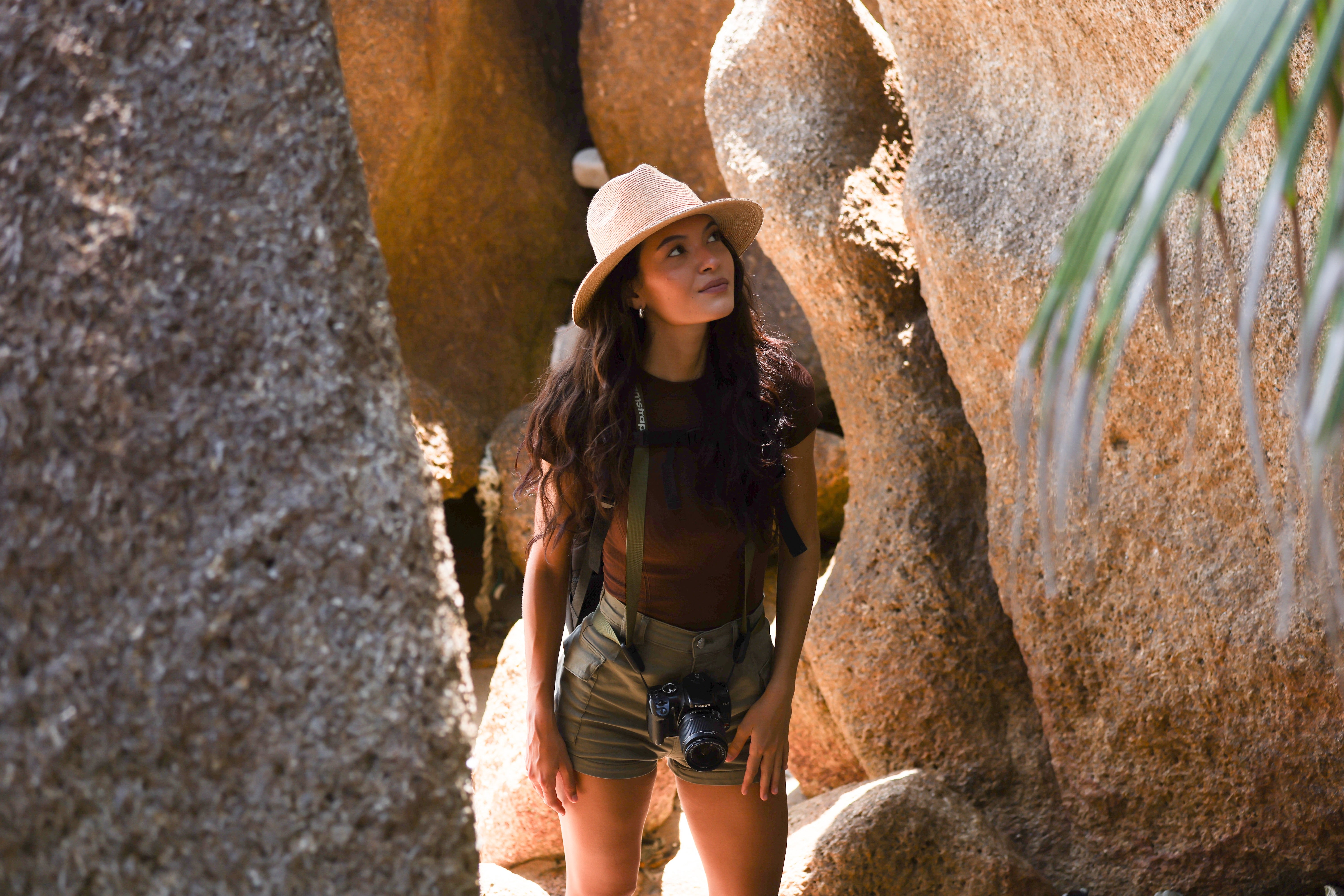
Use single-point AF for faces and portraits in bright light. Lock focus on the eyes to keep skin tones and shadow detail where you want them. Then move slightly and shoot multiple frames.
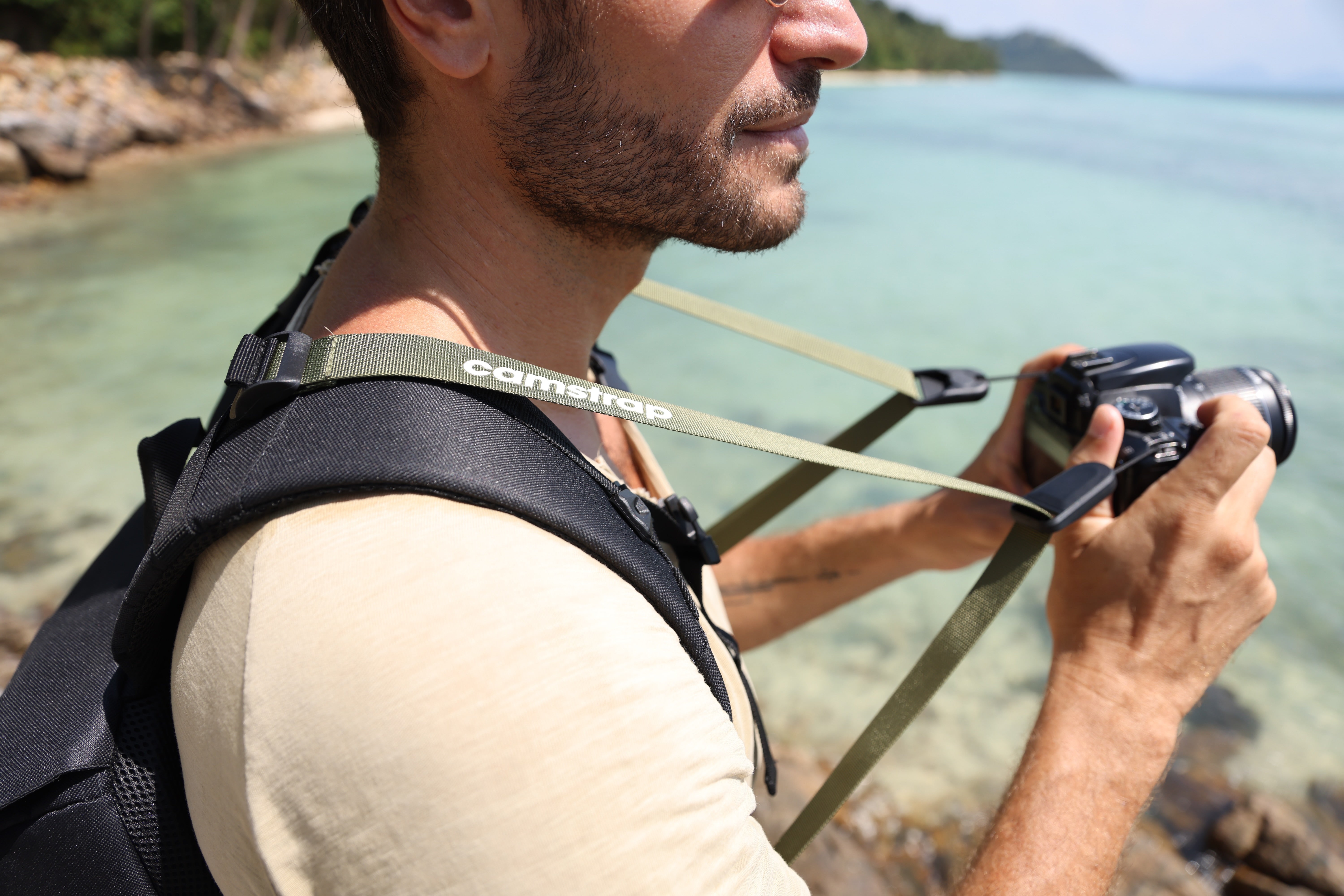
- Scout the scene fast and pick a main subject.
- Set exposure for that subject and lock it.
- Shoot several frames while shifting your angle slightly.
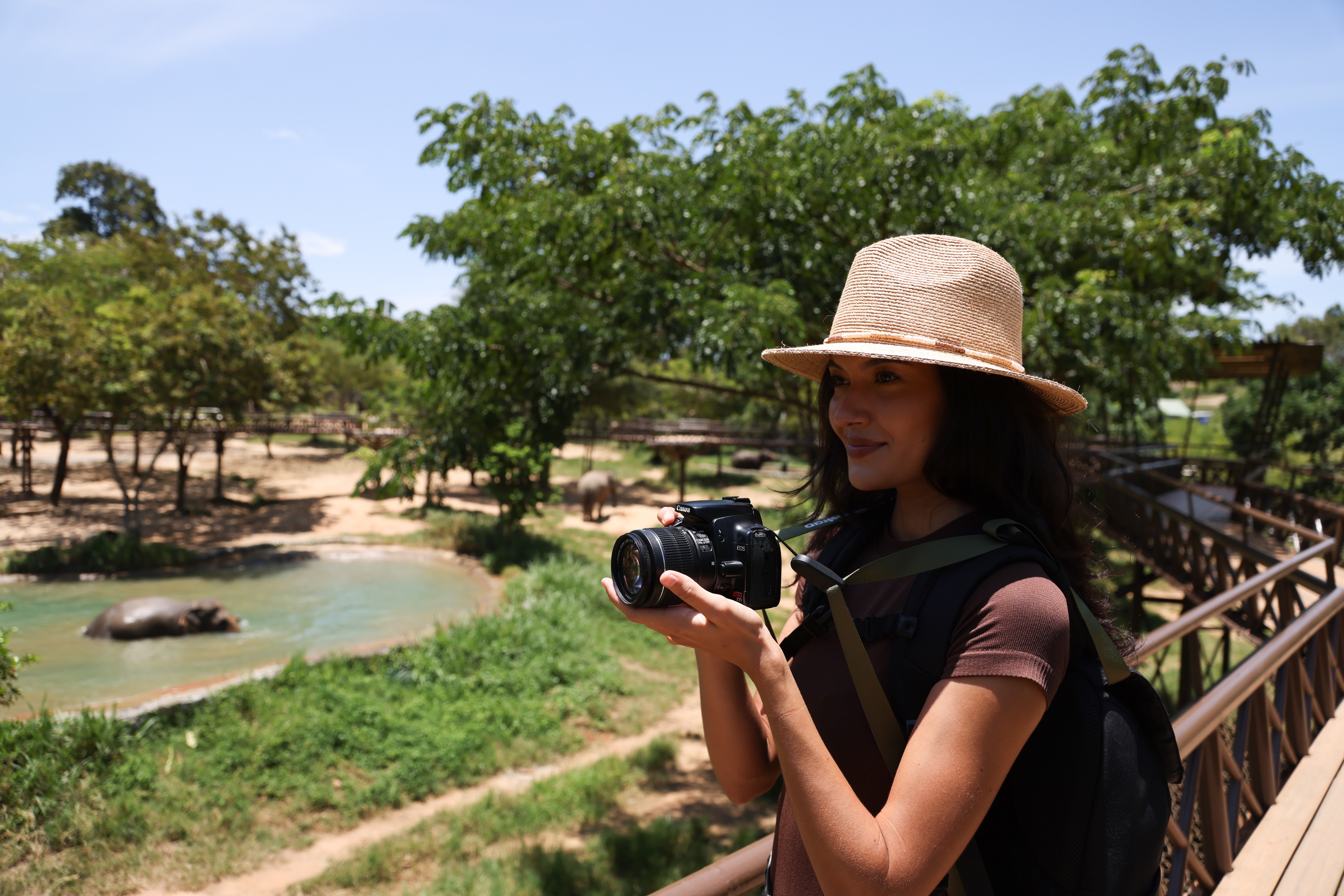
Using tools and apps for quick edits
Use mobile RAW editors like Lightroom Mobile to fix exposure on the go. These apps help you pull shadows and tame highlights. You can make good web and social uploads fast.
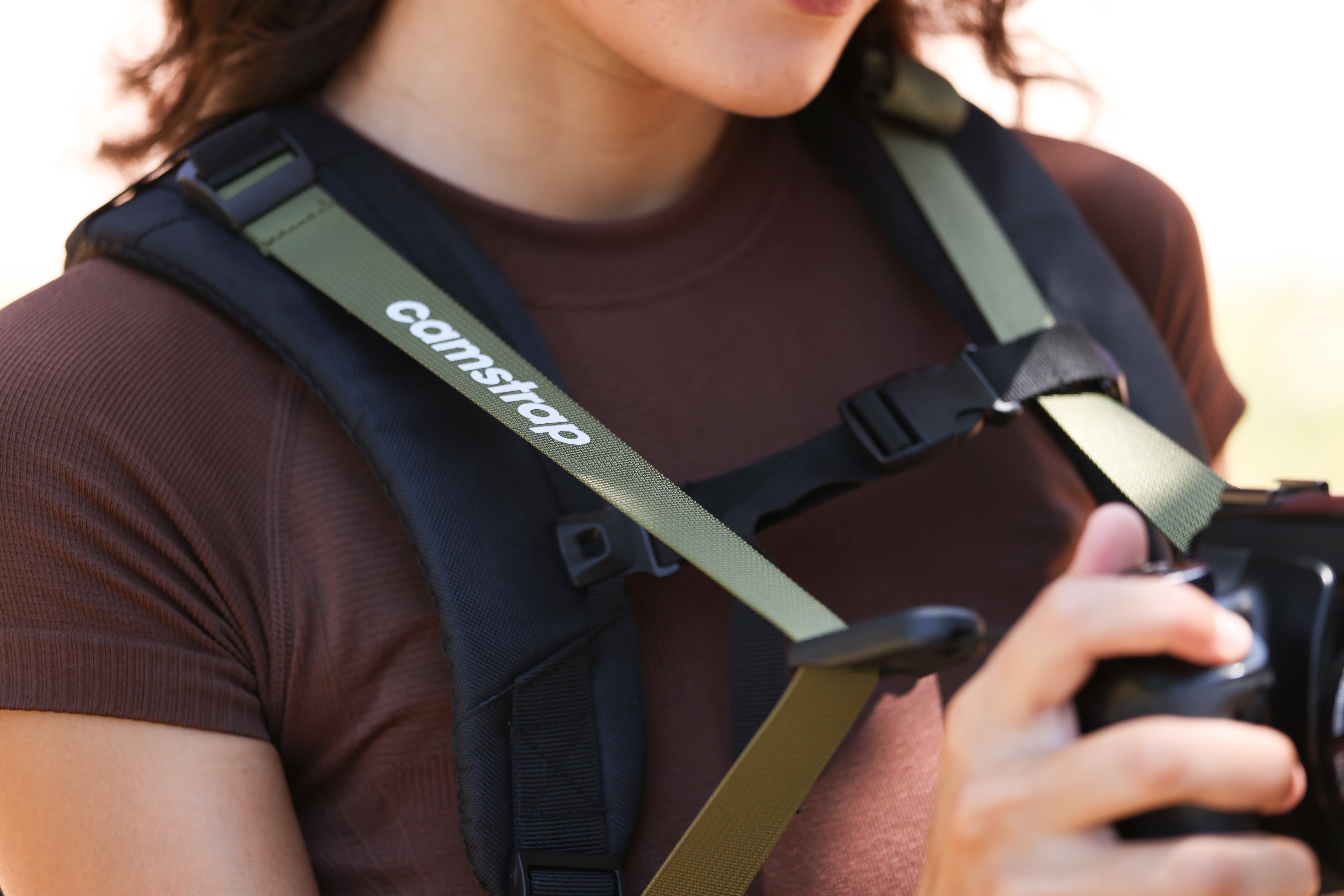
Carry a small power bank and a fast card reader for backups. Back up files nightly to avoid loss. Recent travel kit guides show how a simple backup fits most kits.
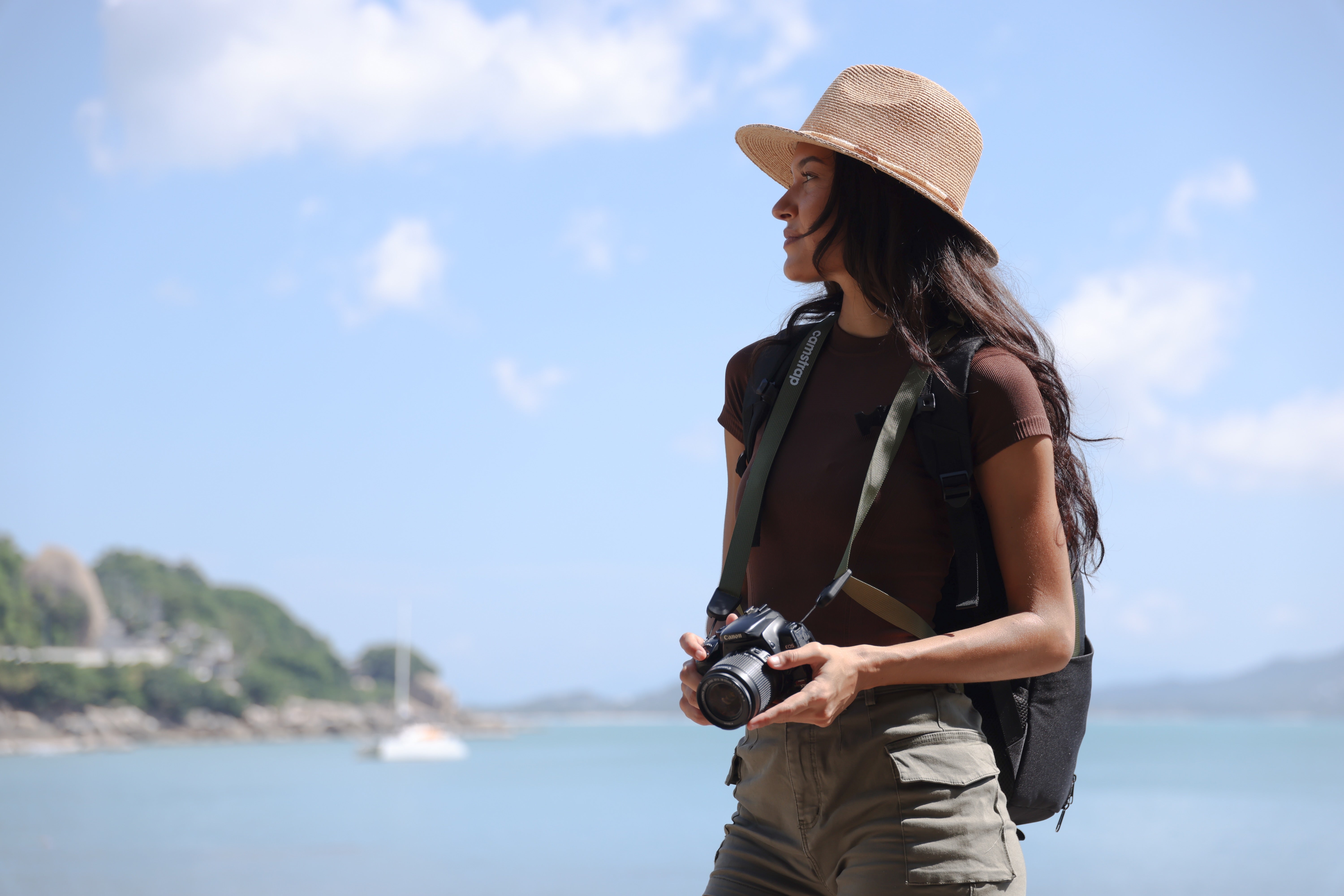
How to edit high-contrast travel photos
Edit RAW files first to shape the mood. Pull highlights down and lift shadows up to keep texture. Use local tools to keep skin tones and key details natural.
Raise midtone contrast with curves and local contrast, but not too much. Too strong contrast kills midtones. Add clarity and texture to sharpen detail without overdoing it.
- Pull highlights and lift shadows to keep texture.
- Use clarity and texture to sharpen midtone detail.
- Add a subtle vignette to focus the eye on the subject.
Try muted color or a slight warm cast for a film-like feel. Keep edits simple so the scene still looks real. This helps your high-contrast images stay honest and strong.
How to put it all together and build your travel kit
Combine camera skill, smart composition, and a trusted strap to grow your craft. Practice in cities, deserts, and mountains to learn how light changes. Each place will teach you new moves.
Study other photographers and kit notes for fresh ideas. Watch recent videos and read gear lists to learn workflow tips. These sources help you build a fast, simple travel kit.
- Test Camstrap models to find one that fits your body and camera.
- Keep a simple kit to reduce stress and move faster.
- Use bracketing and RAW editing to handle extreme light effectively.
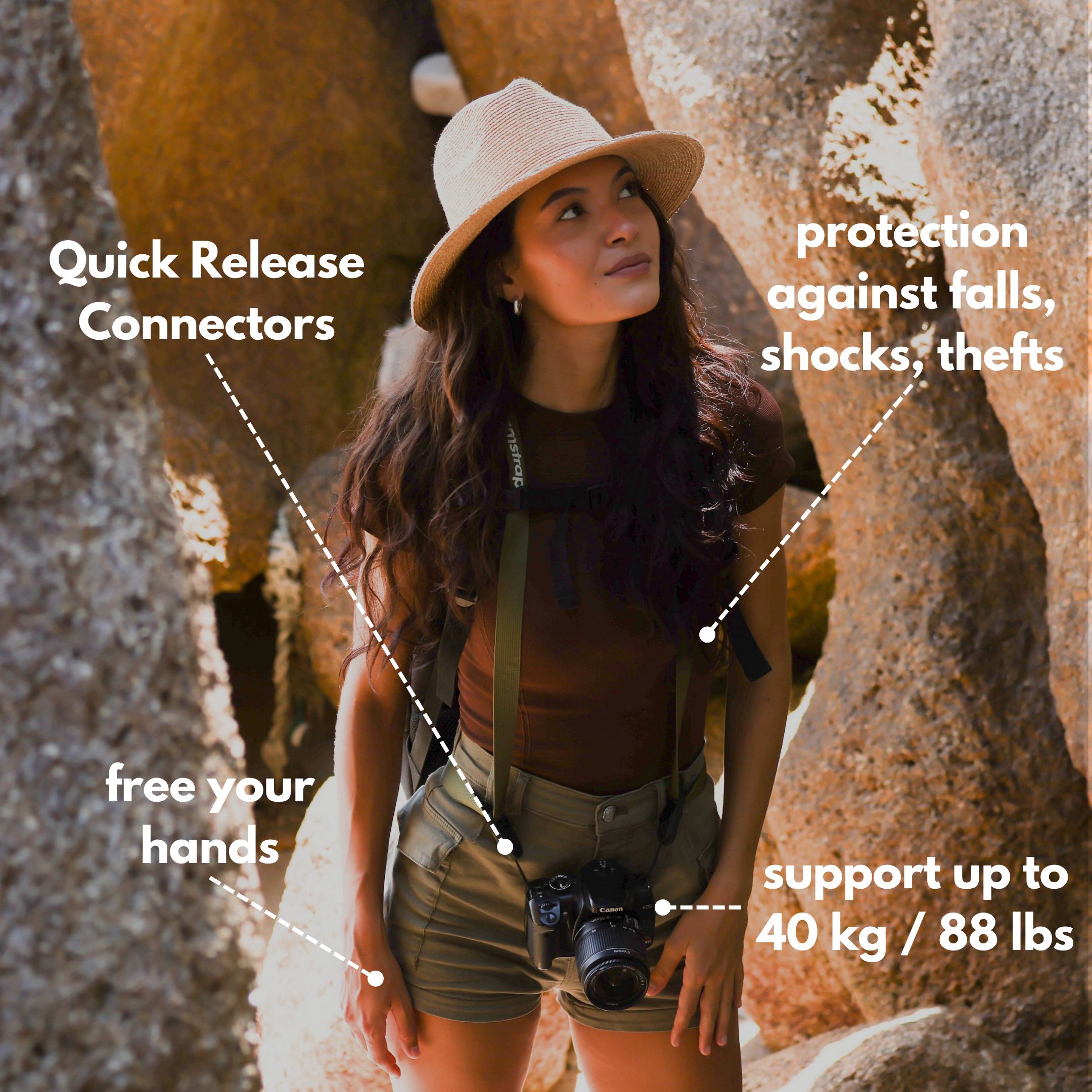
Also, think about comfort and safety. The Camstrap Explorer and Nomad add padding for long days. Magclip lets you grab a shot in a heartbeat. A good strap keeps you shooting longer and safer.
How to master high-contrast travel photography in 2025 — Conclusion
Now you know how to shoot bold, high-contrast travel photos in 2025. Use RAW files, set exposure with care, and compose with strong light and shape. Then edit with restraint to keep real tones and detail.
Pick a strap that fits your mode of travel and camera weight. Try Camstrap Voyager, Explorer, Nomad, or Magclip to find your best fit. Go out, shoot, and learn how small gear choices lift your travel photography.


