- Use continuous shooting, pre-focus the scene, then hold the shutter through the peak moment.
- Burst mode captures a rapid frame sequence, boosting your odds of nailing the best expression.
- Choose burst mode when timing is unpredictable; it increases keeper shots, not image quality.
Burst mode photography records several frames with one press of the shutter. In a crowded crowd, it keeps your camera ready, helps you stay safe, and gives you a better chance of catching the exact frame that matters. Between sets, the good moments vanish quickly. A singer leans back to the mic, a fan raises a sign, or a face appears in a gap for half a second.
Shop the setup

- Regular price
-
€42 - Regular price
-
€44 - Sale price
-
€42
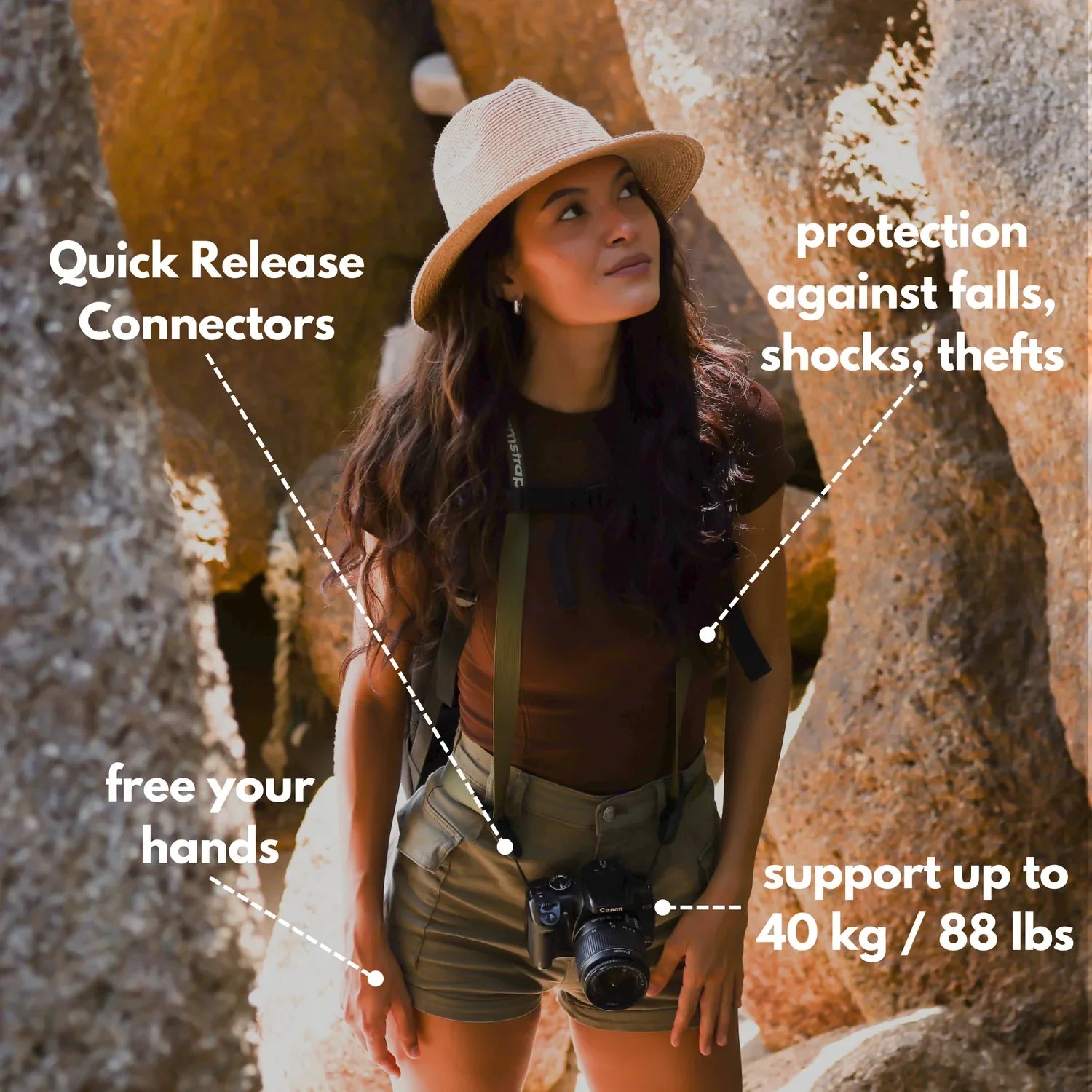
By choosing the Camstrap strap, you are opting for a high-quality product designed to meet the needs of the most demanding photographers.
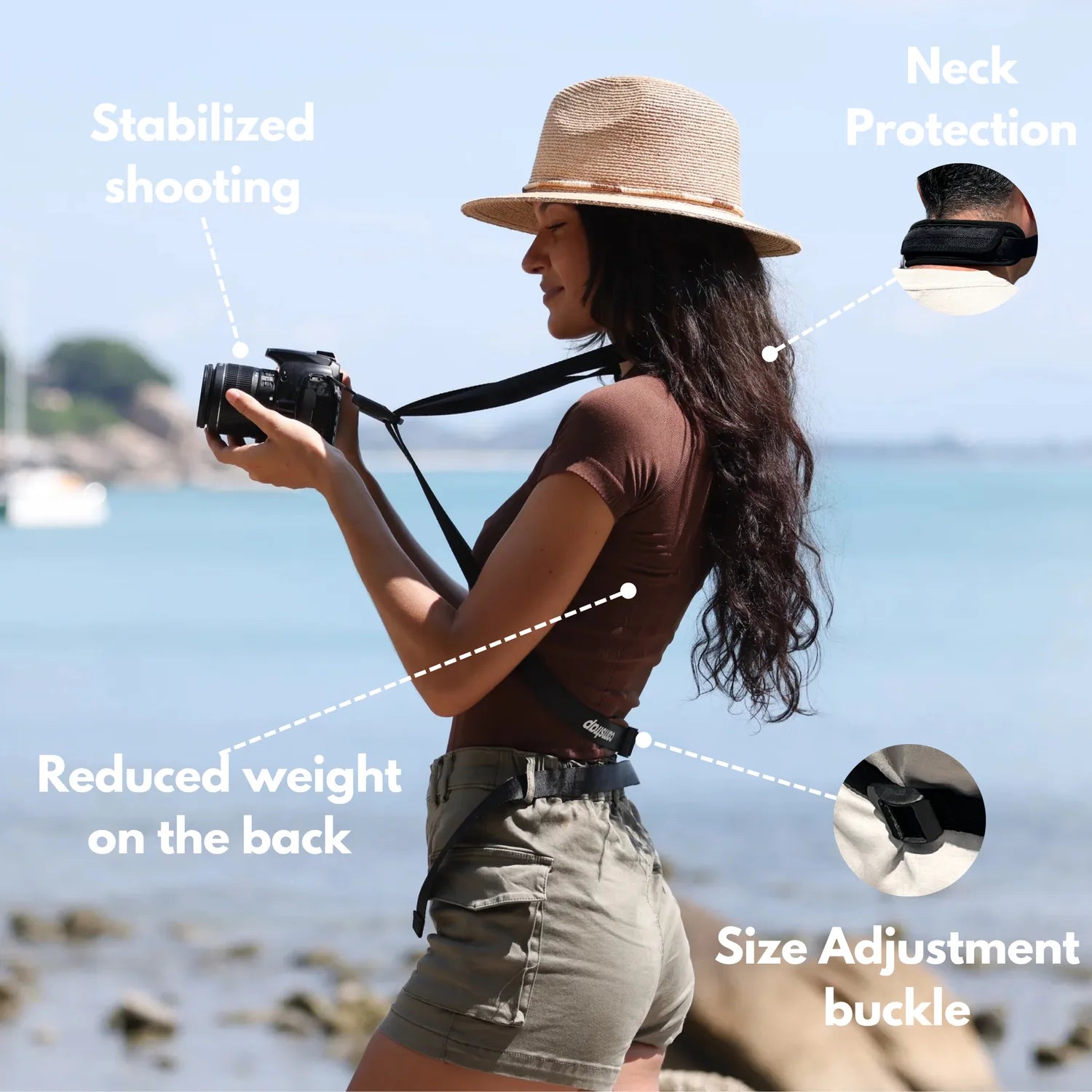
- Developed by a physiotherapist to relieve neck and back pain.
- Fast delivery with tracking by the Post Office 🚚
- Can be used as a shoulder strap or hands-free harness

- Regular price
-
€36 - Regular price
-
€42 - Sale price
-
€36
Free shipping included
Arrange your carry for quick movement
Before the music starts, make sure the camera feels secure and easy to lift. A hands-free carry setup keeps the weight close to your body, which helps when people press in from every side.
That balance pays off in two ways. Bumps and drops become less likely, and the camera comes up fast when the moment opens.
Why the strap helps in a packed space
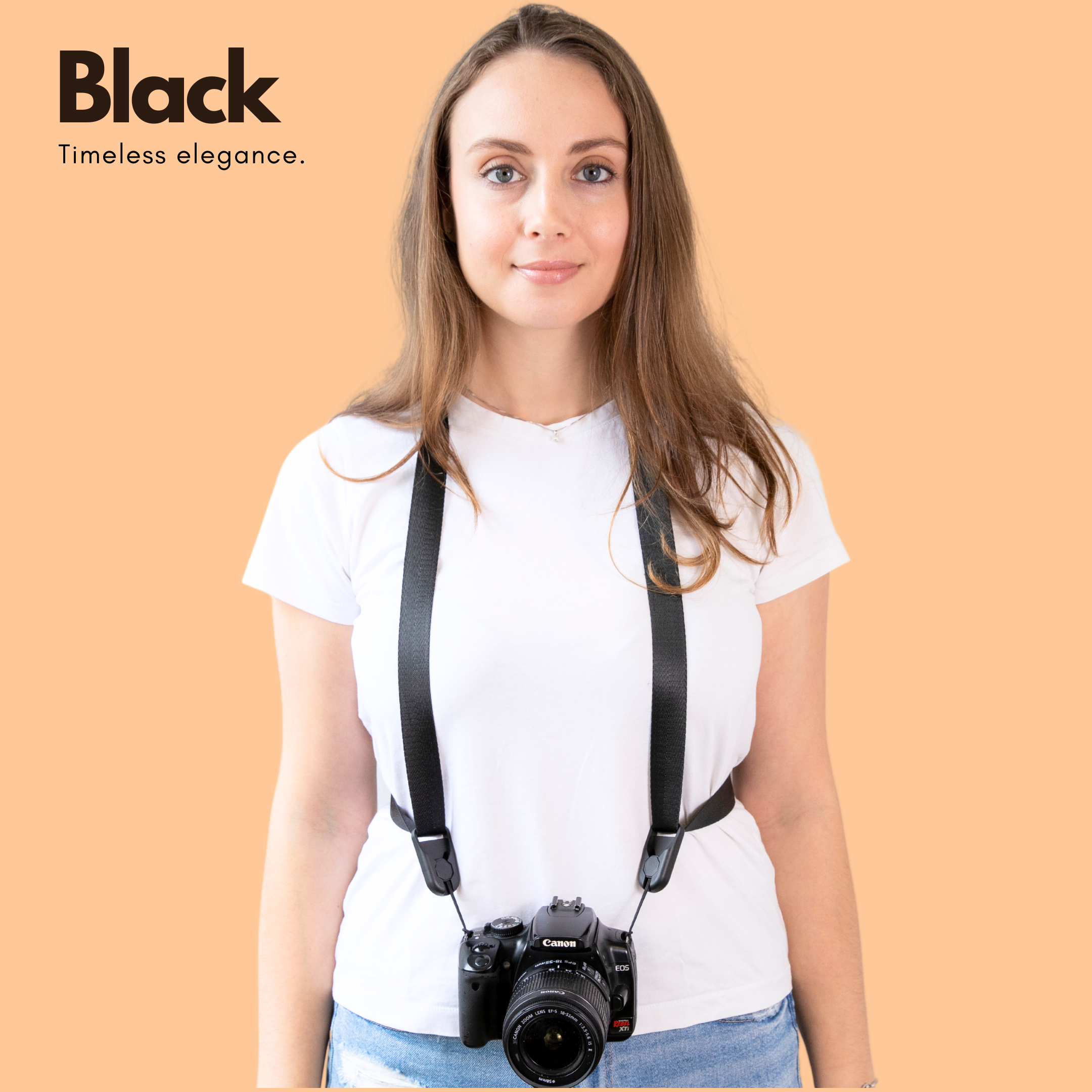
A wide, stable strap spreads weight across your shoulder or chest. A thin strap can twist, swing, and snag as the crowd shifts. Camstrap works well here because a secure, body-close carry keeps the camera from bouncing while still leaving it easy to lift. That layout saves time when you need to move from safe to ready in one smooth motion.
What to carry before the set ends
- Camera with battery at 80% or more
- Lens hood on, if space allows it
- One spare card in a pocket
- Lens cloth in an outer pocket
- Strap adjusted before the crowd thickens
Keep the kit simple. Extra items can catch on jackets, bags, and hands in tight aisles. If you use a zoom, a 24-70mm or 70-200mm range covers many live moments. A fast prime like 50mm or 85mm also works well when you want a clean subject and a quick reaction.
How do you use burst mode on photos?
Set the camera to continuous shooting, pre-focus on the zone, and hold the shutter down during the moment. On many phones, a burst starts by holding the shutter, and on newer iPhones it can also start by dragging the shutter left.
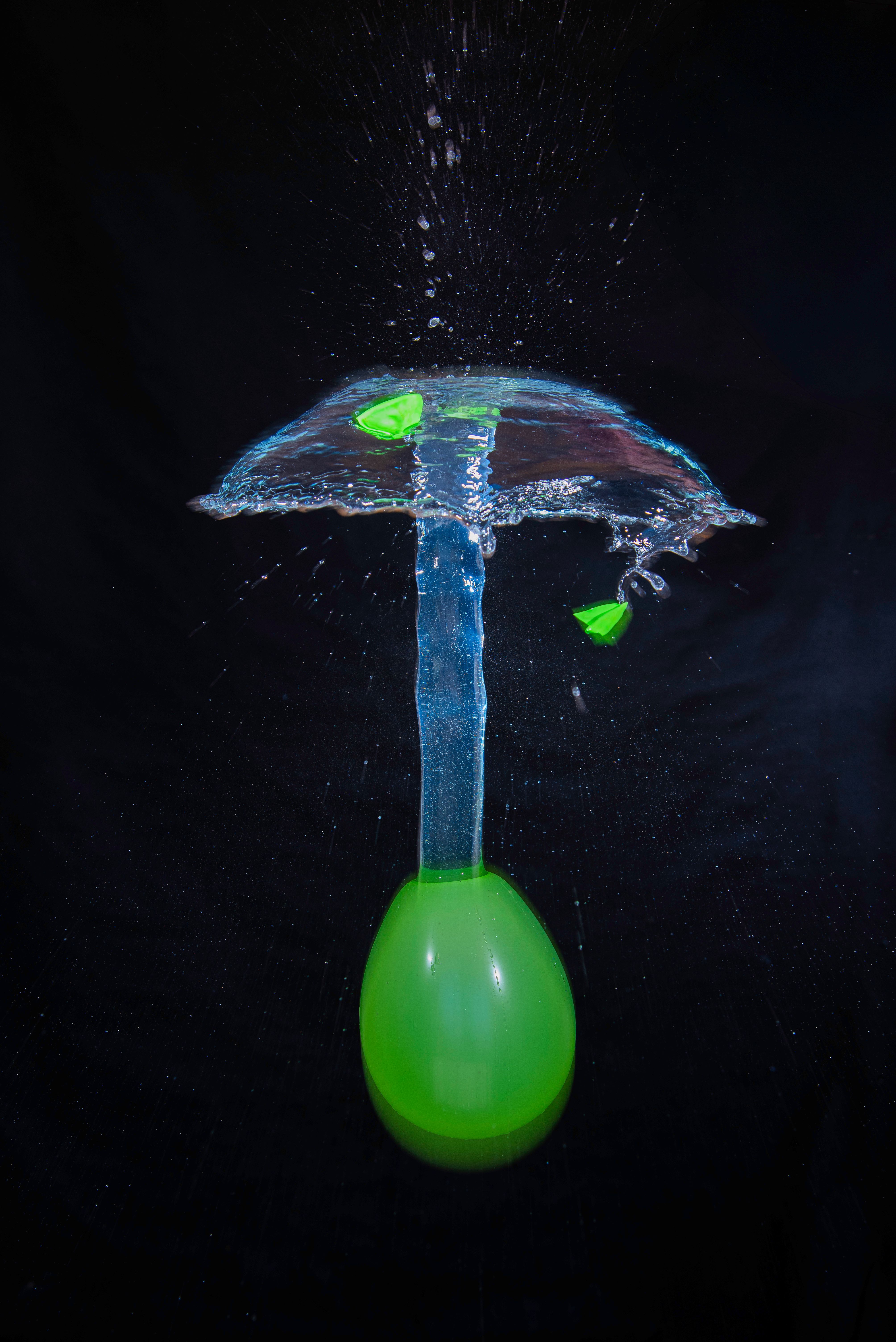
It works best when the action is already framed. The real trick is to prepare before the gap opens, not after it closes.
A simple field workflow
- Pick a focus point or subject detect area before the song changes.
- Set shutter speed to at least 1/250s for slower motion.
- Move to 1/1000s if faces or hands move fast.
- Use continuous AF, such as AF-C or AI Servo, with eye or subject detection.
- Hold the shutter for a short sequence, then review only the best frames.
In a tight crowd, I pre-focus on the space where the action will happen. That way, I am not hunting for focus while people block the view. Pre-capture or pre-burst buffering is useful too. It saves frames from just before you fully press the shutter, which can rescue a moment that starts sooner than expected.
Settings that keep the sequence usable
An aperture around f/2 to f/2.8 gives enough light in dim rooms and keeps faces clear. If the venue is very dark, you may need ISO 1600 or even 3200 on a phone or mirrorless body.
Wide apertures can narrow the focus zone, so eye detection and steady framing become more important, especially when people move past each other.
What counts as a burst in photography?
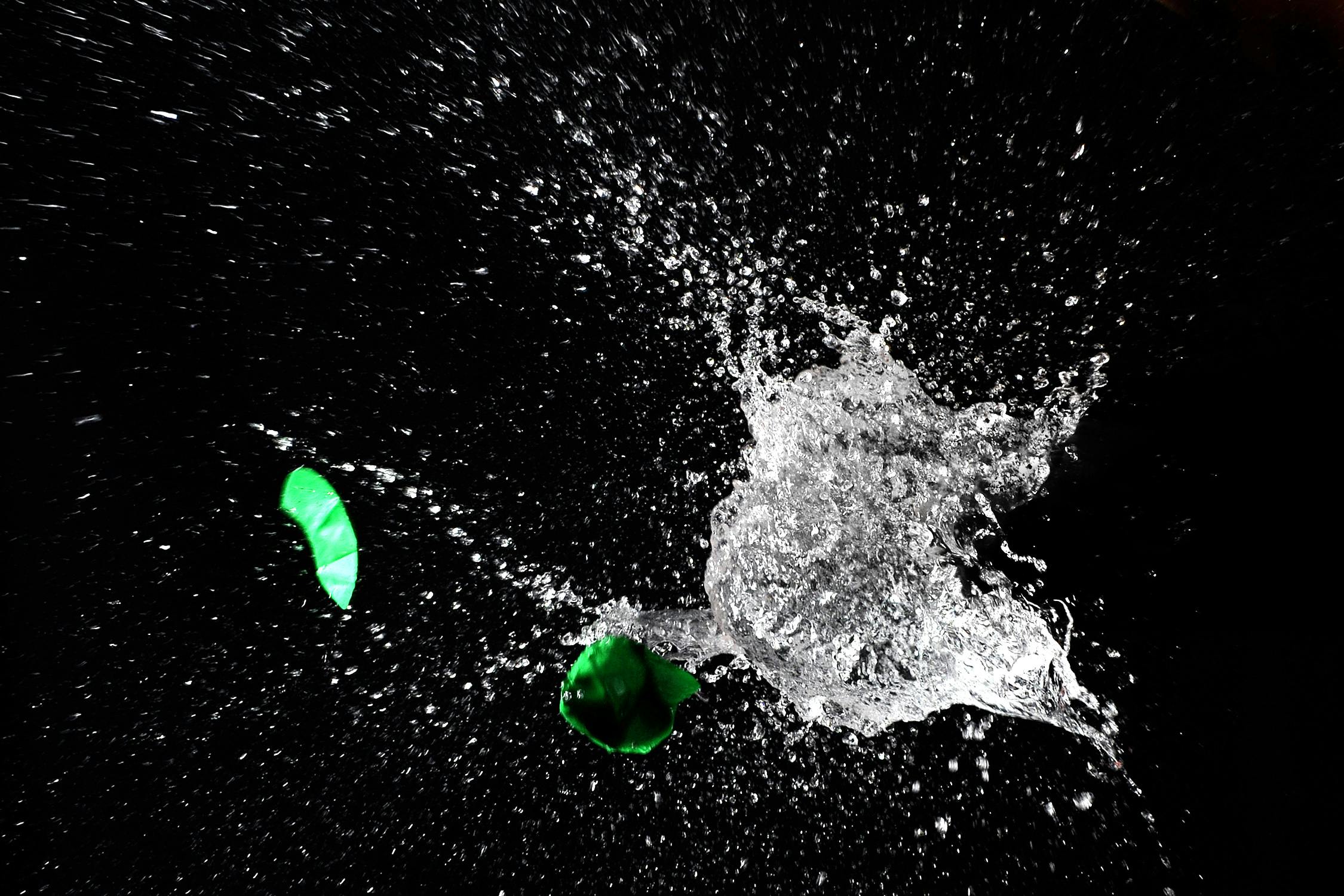
A burst is a group of photos taken in rapid order during one press of the shutter. The camera fires several frames without stopping to refocus between each shot. That speed gives you choices. You can pick the frame where a face is open, an arm is not blocking the view, or a subject is at the best angle.
Why it helps in dense crowds
Crowded scenes change fast. A hand, phone, or head can cross the frame in less than a second.
Burst shooting gives you backup frames around the peak moment. One shot may miss, but the next one may land cleanly.
- It helps when subjects move through people.
- It helps when light changes from stage wash to shadow.
- It helps when faces turn in and out of view.
- It helps when you need one clean frame for a post or gallery edit.
Think of it as timing insurance. You still need good aim, but the camera gives you more tries in the same moment. Time the start of the sequence carefully. If you wait for the perfect frame before pressing, you are already late.
Does burst mode take better photos?
Burst mode can produce better selects, but it does not fix bad timing or bad exposure. It improves your odds of getting one strong frame from a fast event.
In crowded places, the strongest frame is often the one between two blockages. A burst lets you choose the image with open eyes, clean posture, and the least clutter.
Where it helps most
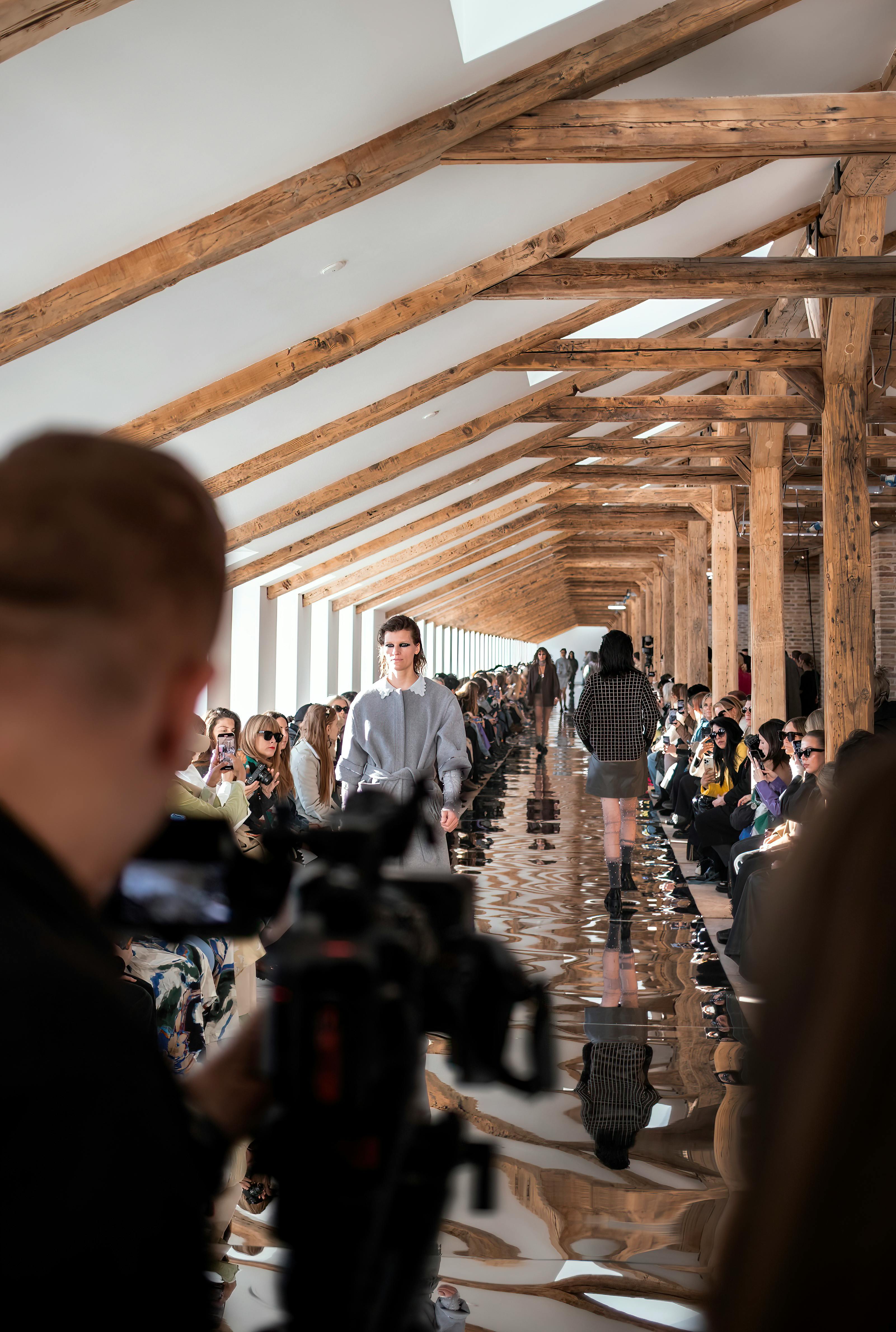
It helps most with motion, emotion, and small breaks in the crowd. A raised hand, a laugh, or a singer’s lean can all change in a few frames. Using continuous autofocus with subject detection raises your chance of keeping the subject sharp. For moving people, that matters more than firing a huge number of frames.
Where it can backfire
A long burst can fill your card with near-duplicates. It can also slow your review process later, which costs time if you shoot many sets in one night.
Another tradeoff is rolling-shutter skew on some electronic shutters. Very fast hand moves or stage lights can bend shapes or create banding under LED and fluorescent light.
Use the shortest burst that still covers the action. Three to six frames often gives enough choice without making the job messy.
Does burst mode drain the battery?

Burst mode uses more battery, but the bigger drain on many mirrorless bodies is the EVF, LCD, and image review. The shutter itself is usually not the main power hog. A short burst will not empty a modern battery by itself. Heavy screen use, long preview time, and constant AF matter more over a full night.
How to save power without missing moments
Turn down screen brightness when the room allows it. Cut back on long image review too, because every extra second on the rear screen uses power.
Use back-button focus if your camera supports it. That lets you hold focus without forcing the shutter button to do every job at once.
- Lower review time to 2 seconds or off.
- Use single-shot review only after key moments.
- Keep a spare battery warm in a pocket.
- Disable Wi‑Fi and Bluetooth unless you need them.
On many modern bodies, a mid-tier buffer holds roughly 20 to 40 RAW frames before slowing. A small three-to-six frame burst will not stress that buffer much. Card speed still matters. UHS-II V60 or V90 cards clear data faster than UHS-I, and CFexpress gives even more room for long action runs.
Gear and settings for a crush of people
The best setup stays stable while you wait and quick while you shoot. In a packed room, your carry, focus, shutter, and storage all need to work together.
Start by choosing a focal length that fits the space. A 50mm lens feels natural for mixed crowd and stage moments, while 85mm gives tighter framing when you cannot get close.
A practical kit for crowded shooting
Use one body, one lens, and one fast card. Extra gear slows you down and can make you miss the gap that opens in front of you.
- Body with continuous AF and subject detection
- Lens in the 50mm to 85mm range, or a 24-70mm zoom
- Fast card such as UHS-II V60, V90, or CFexpress
- Spare battery ready in an easy pocket
- Hands-free strap or chest carry for quick lift
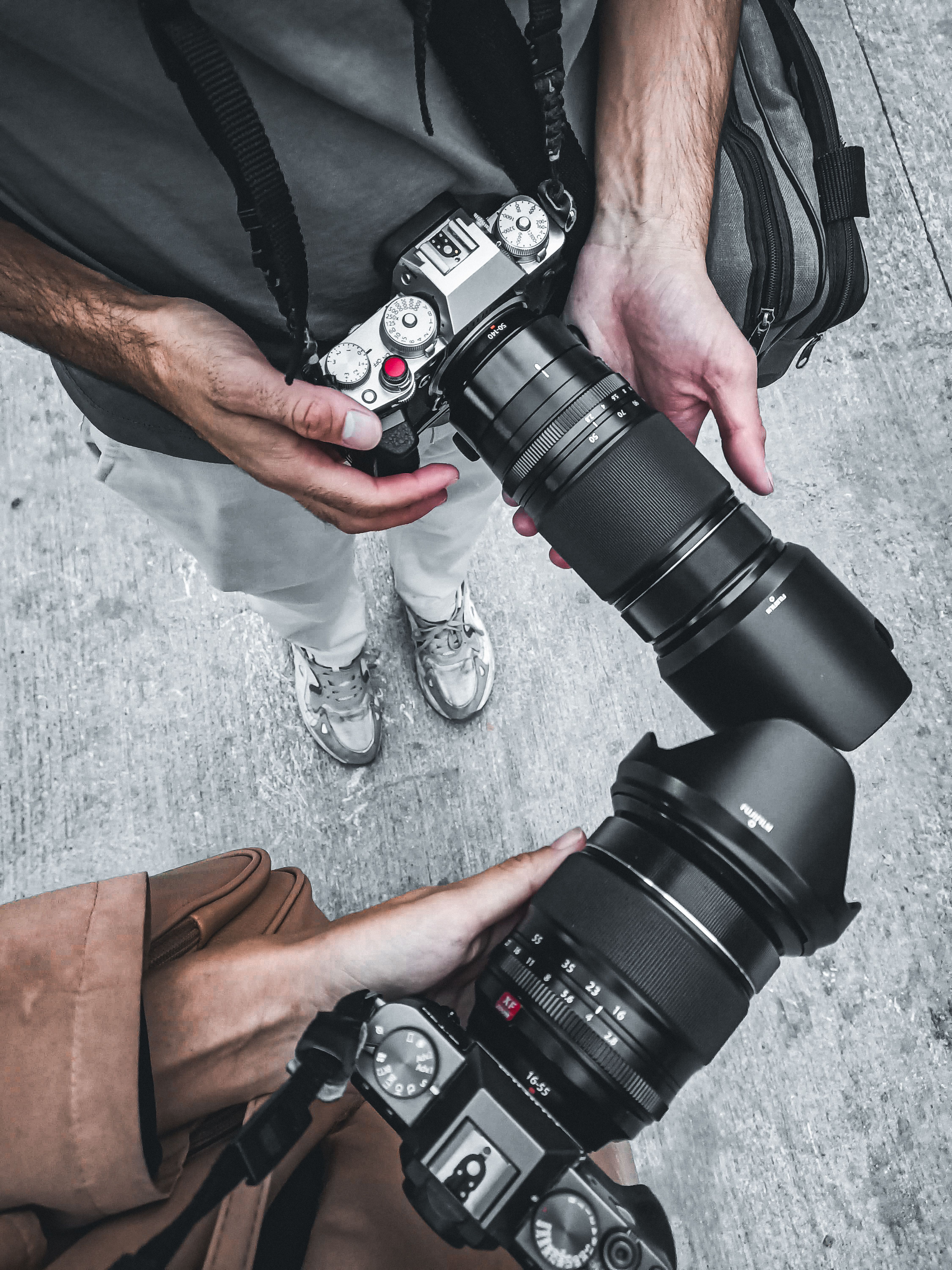
Set shutter speed first, then aperture, then ISO. That order protects motion before you chase more light. For slower crowd motion, 1/250s is a solid floor. For quick turns, jumps, or hands in the air, move closer to 1/1000s.
How to handle light without losing speed
Dim rooms push you toward higher ISO. If the venue is rough, ISO 1600 can hold detail well, and ISO 3200 may still be useful for a clean social post or event edit.
High ISO can add grain. That is usually better than blur when the goal is to freeze a moment between people.
Exposure compensation also helps in backlit crowds. A stage light behind a subject can fool the meter, so a quick +1/3 or +2/3 stop can save skin tones.
Sorting the frames after the show
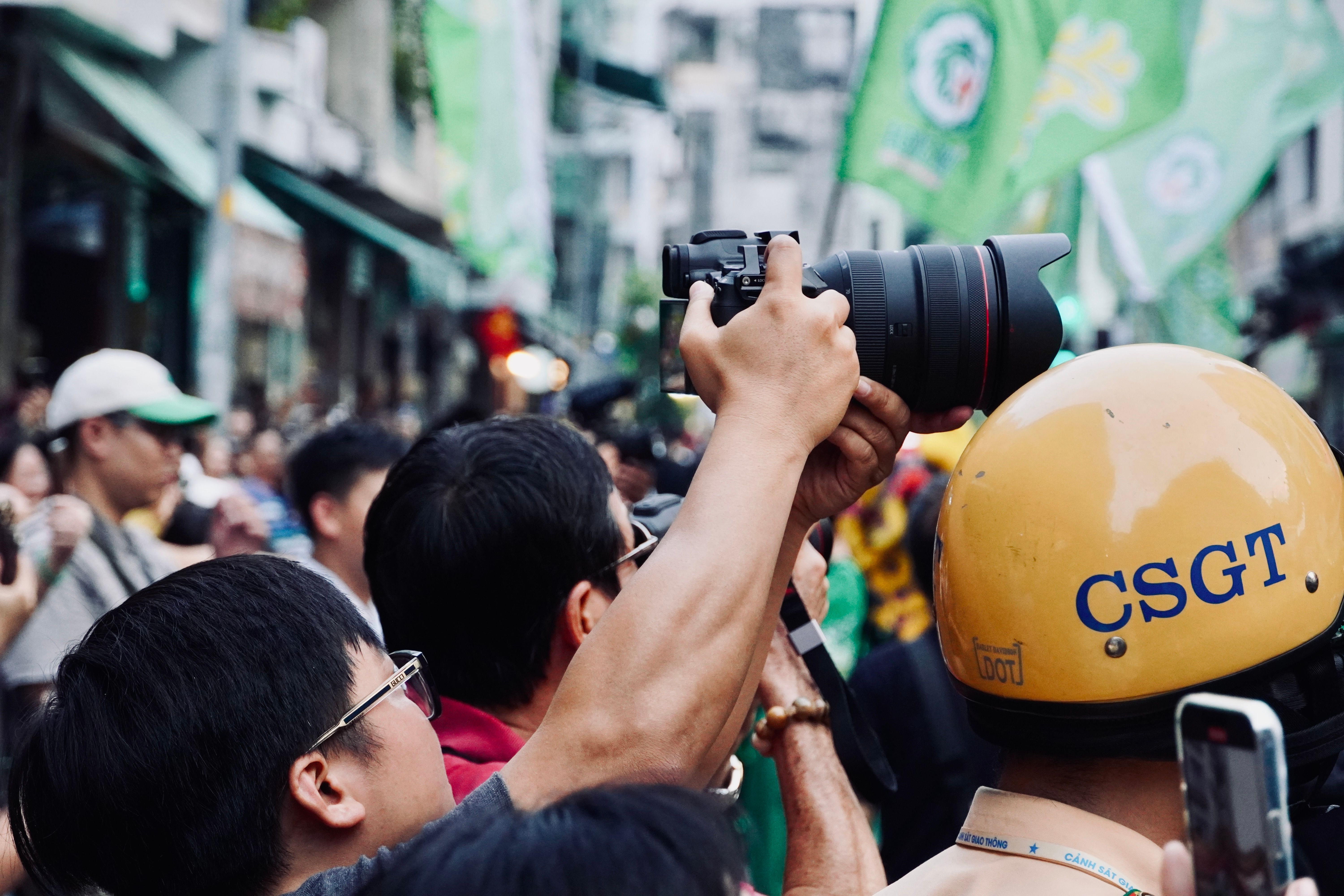
The work is not done when the song ends. In a burst-heavy session, the real challenge is picking the few frames that matter. Use pick and reject flags in Lightroom or Photo Mechanic right away. That keeps the best images separate before the folder turns into a wall of near-copies.
What to look for in the best frame
Choose the frame with open eyes, clean hand shape, and the least blocking from nearby people. Small changes in mouth shape or shoulder angle can change the feel of the image.
Check edge clutter too. A clean frame with one less head in the corner often beats a sharper frame with a messy edge.
- Open eyes or clear emotion
- Hands not covering the face
- No stray head or phone blocking the subject
- Sharp focus on the eye, not the jacket
- Clean background lines where possible
If you shot a long run, compare frames in small groups of five or six. That makes the best option easier to spot than scanning an entire strip at once. One last habit helps a lot: tag the keeper while the scene is fresh in your head. The meaning of the moment is easier to remember right away than three days later.
Keeping your camera ready in a crowded crowd comes down to flow. A secure carry, a smart focus setup, and a short burst at the right time do most of the work.
Prepare the camera before the set ends, then use the space you have. If the room is tight and the light is poor, a stable strap, continuous AF, and a few well-timed frames will still deliver a solid shot of the moment that matters.
Frequently Asked Questions
How to do burst mode on photos?
To use burst mode on photos, set the camera to continuous shooting, pre-focus on the subject area, and hold the shutter down during the action. On many phones, burst mode starts by holding the shutter, and on newer iPhones it can also start by dragging the shutter left.
Does burst mode take better photos?
Burst mode can capture the better photo by recording several frames in a fast sequence and increasing the chance of catching the exact expression or movement you want. Burst mode does not improve every frame automatically, but it makes it easier to choose the sharpest, best-timed image from a short action.
What is a burst in photography?
A burst in photography is a rapid series of frames recorded with one press of the shutter. Burst mode is used to catch fast action, such as a singer leaning back, a fan raising a sign, or a face appearing for only a split second.
Does burst mode drain the battery?
Burst mode uses more battery than single-shot shooting because the camera is taking multiple frames in quick succession and working continuously. A camera battery at 80% or more helps keep the camera ready for burst shooting between sets.