


- Anchor the shot on one clear gesture, face, or action.
- Use 20% subject, 60% scene, and 20% breathing room for balance.
- Book quiet photos through SpotMyPhotos-style event visibility, then sell prints and digital access.
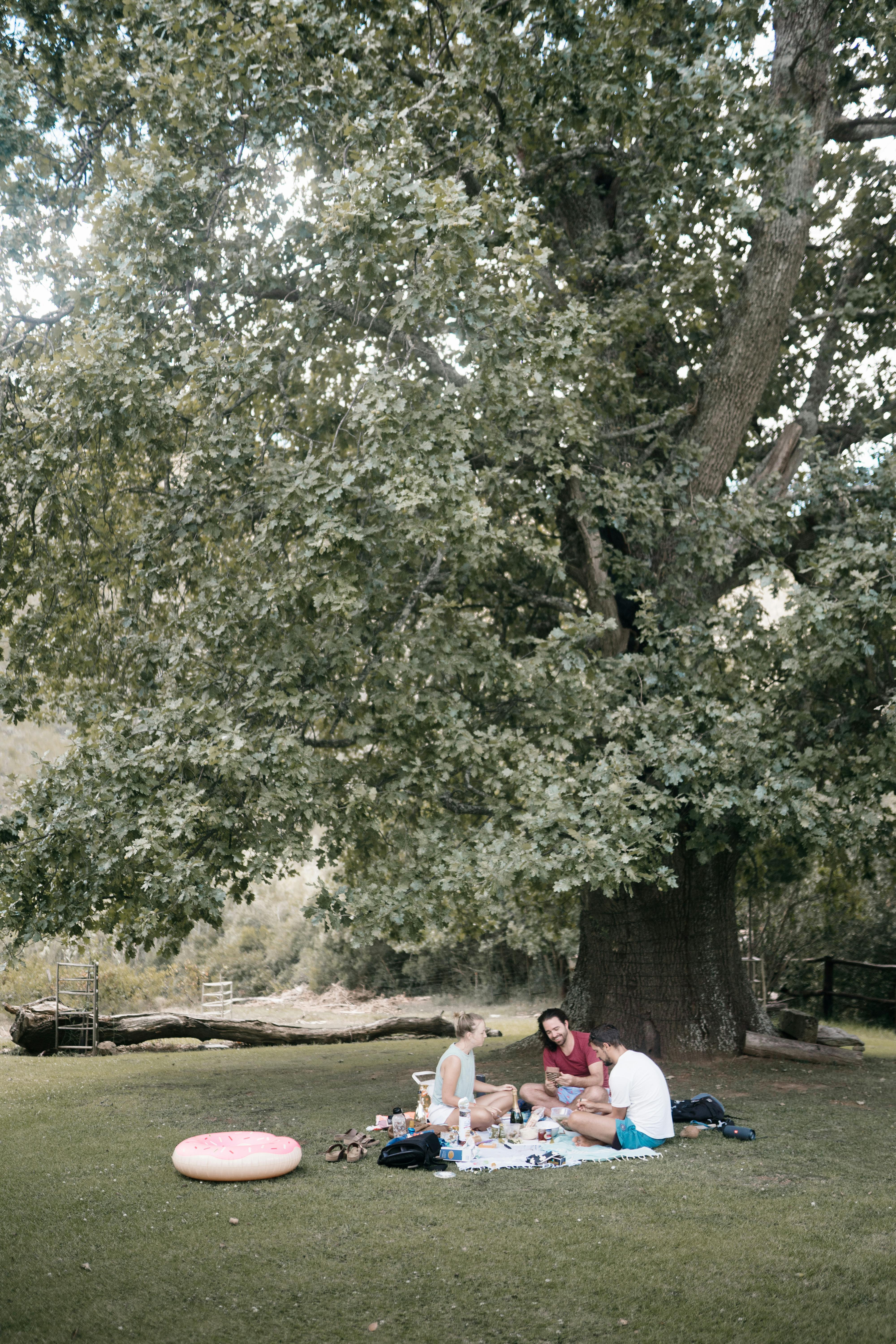
Focal point photography guides the viewer’s eye to one subject in a frame. At a park picnic, that subject might be a laughing child, a shared snack, or a quiet family glance. The strongest candid picnic photos feel effortless and true. A little planning still helps, because light, lens choice, and fast focus shape the frame.
Translation missing: en.blog_cta.bundle_heading

- Regular price
-
€42 - Regular price
-
€44 - Sale price
-
€42
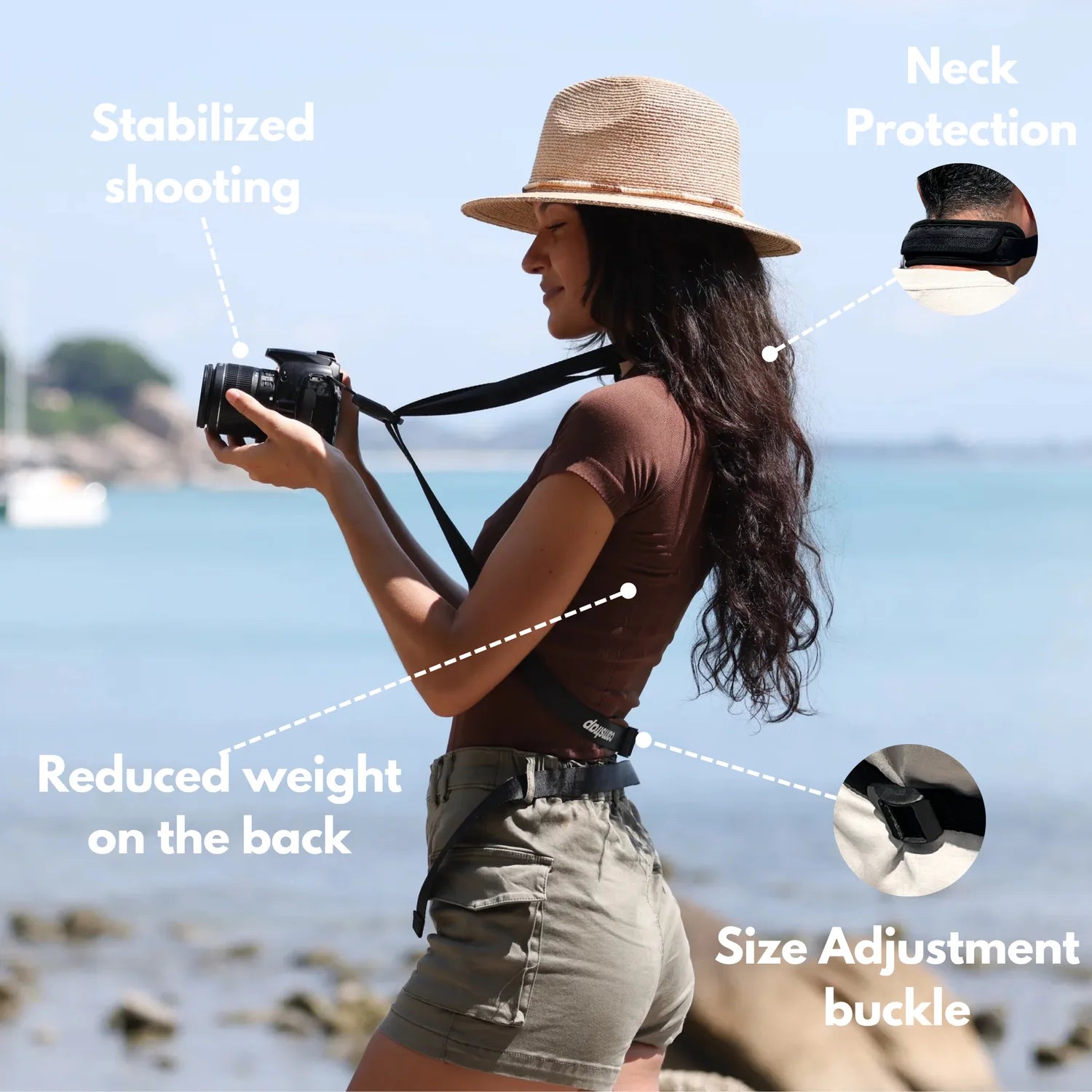
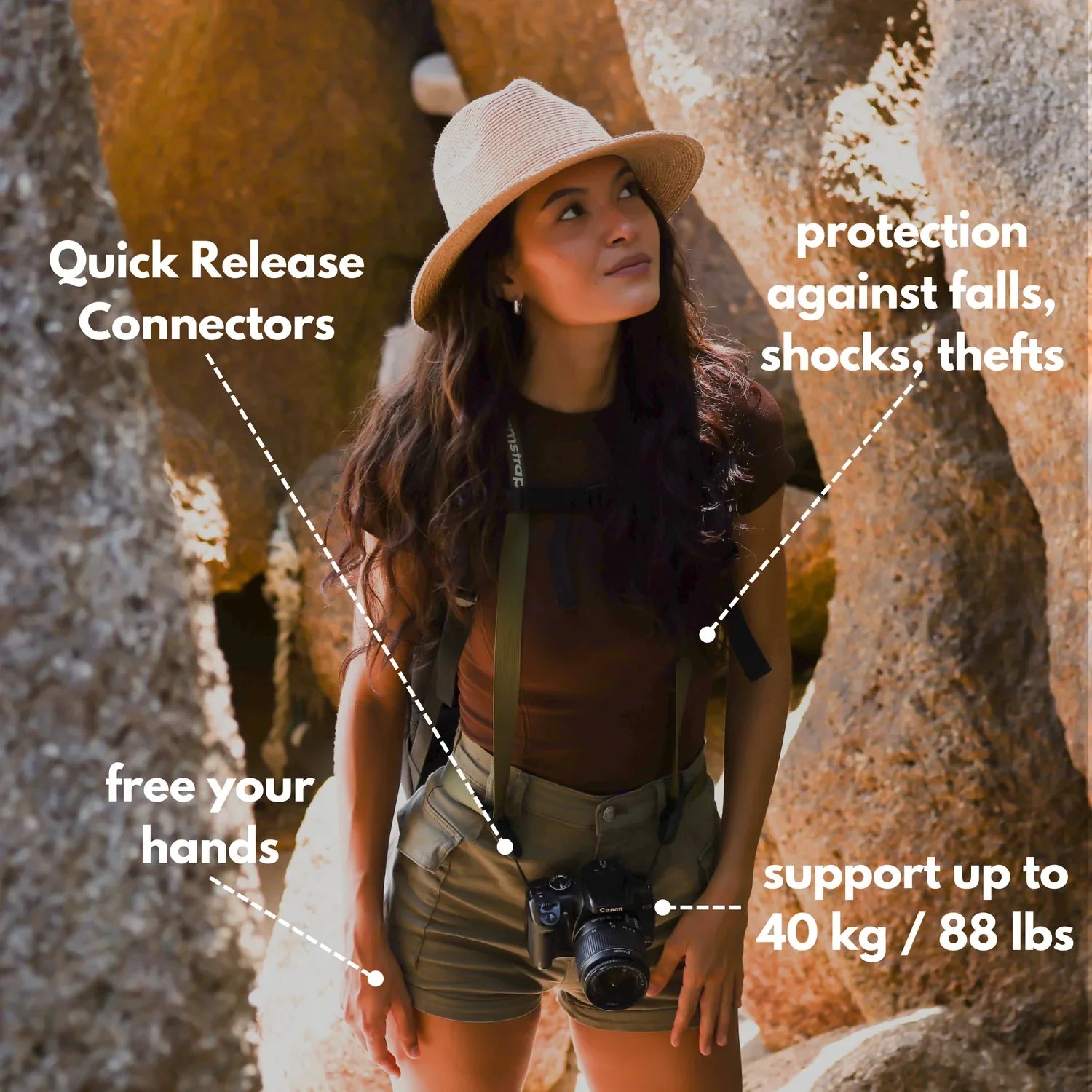
By choosing the Camstrap strap, you are opting for a high-quality product designed to meet the needs of the most demanding photographers.
- Developed by a physiotherapist to relieve neck and back pain.
- Fast delivery with tracking by the Post Office 🚚
- Can be used as a shoulder strap or hands-free harness

- Regular price
-
€36 - Regular price
-
€42 - Sale price
-
€36
Translation missing: en.blog_cta.free_shipping_included
Begin with the scene before you raise the camera
Park picnics work best when the whole area becomes part of the picture. A blanket, a tree, a path, and open grass can all help tell the story.
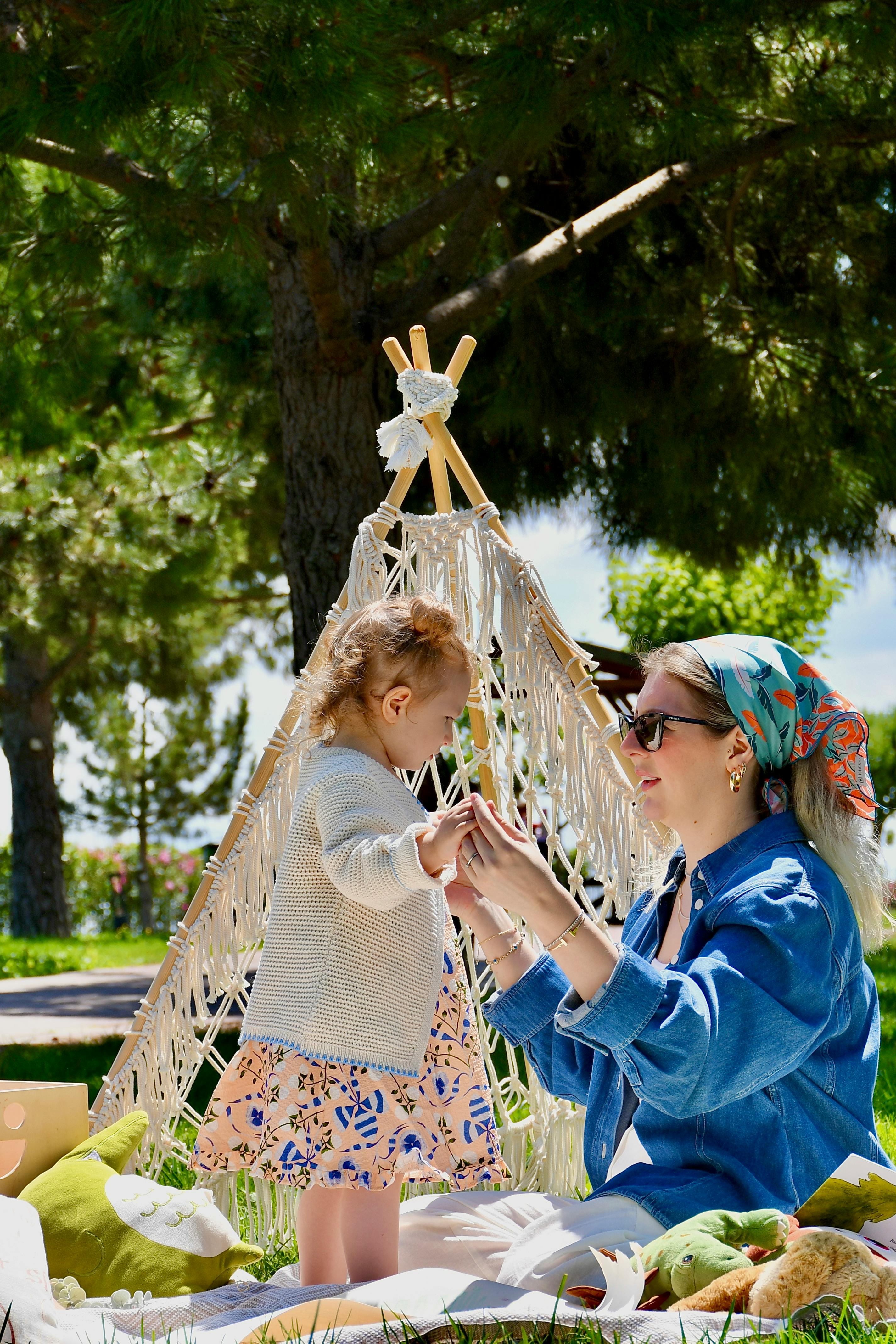
Set the family near one side of the frame and leave room for the park around them. The shot stays natural, and the candid moment feels larger than the people alone.
Choose a spot that allows real movement
Pick a place where people can shift, stand, and sit without crowding each other. A flat patch of grass near shade works well because faces stay easy to see. Face the family away from harsh noon sun. Soft light from open shade, late afternoon, or thin cloud keeps skin gentle and eyes relaxed.
Reach for a lens that lets people forget the camera

A short telephoto lens gives flattering family photos while keeping enough distance for natural expressions. A range of 35mm to 70mm works well, and 50mm to 85mm on full frame is a classic pick.
That space pays off at a picnic. It lets you step back, stay quiet, and catch a child reaching for fruit or a parent smiling mid-sentence.
Defining the focal point in photography
A focal point is the part of the photo that grabs attention first. In a park picnic, that is usually the face, gesture, or action you want people to notice right away. Pick one clear subject when the moment feels busy. A child holding a drink or a parent tying a shoe can anchor the frame if the rest stays simple.

Let the subject stand out without forcing it
Good focus comes from small choices. A wide aperture, like f/2.8 to f/4, helps separate one person from a busy background while keeping enough detail for candid work.
For larger groups, stop down to about f/5.6 to f/8. That extra depth of field gives everyone a better chance of staying sharp, even if someone leans forward or turns away.
Understanding the 20 60 20 rule in photography

The 20 60 20 rule is a simple way to think about frame balance. About 20% of the image should hold the main subject, 60% should support the scene, and 20% should act as breathing room. This works well at a picnic because the park itself adds mood. Grass, trees, blankets, and toys give context, while the family still stays the clear center of attention.
Use space to keep the shot candid
A frame with room around the action feels less stiff. That extra space can show a ball rolling away, a sandwich being passed over, or a dog watching from the edge.
Leave the background a little loose instead of filling every inch. The image reads more like a memory and less like a posed group portrait.

SpotMyPhotos and how the service makes money
SpotMyPhotos earns money by selling event photo software and related services to organizers and venues. The company also supports photo delivery systems that help guests find and buy images after an event. At a picnic, the business model matters less than the lesson behind it: people value photos that feel personal and easy to find. A candid family image has the same appeal when it looks honest and warm.
Think like a storyteller, not a collector
Instead of firing at everything, watch for a short chain of actions. A child grabs a cracker, a sibling reacts, and a parent laughs a second later.

Those small links make the image feel alive. They also help you choose the right frame faster when you review the set later.
Purpose of a focal point
The purpose of a focal point is to guide attention and give the photo a clear idea. Without one, a picnic scene can turn into a flat record of objects and faces. A strong focal point also carries emotion. Once the viewer knows where to look first, the moment lands faster and the story reads more clearly.
Place the eye on action, not just faces
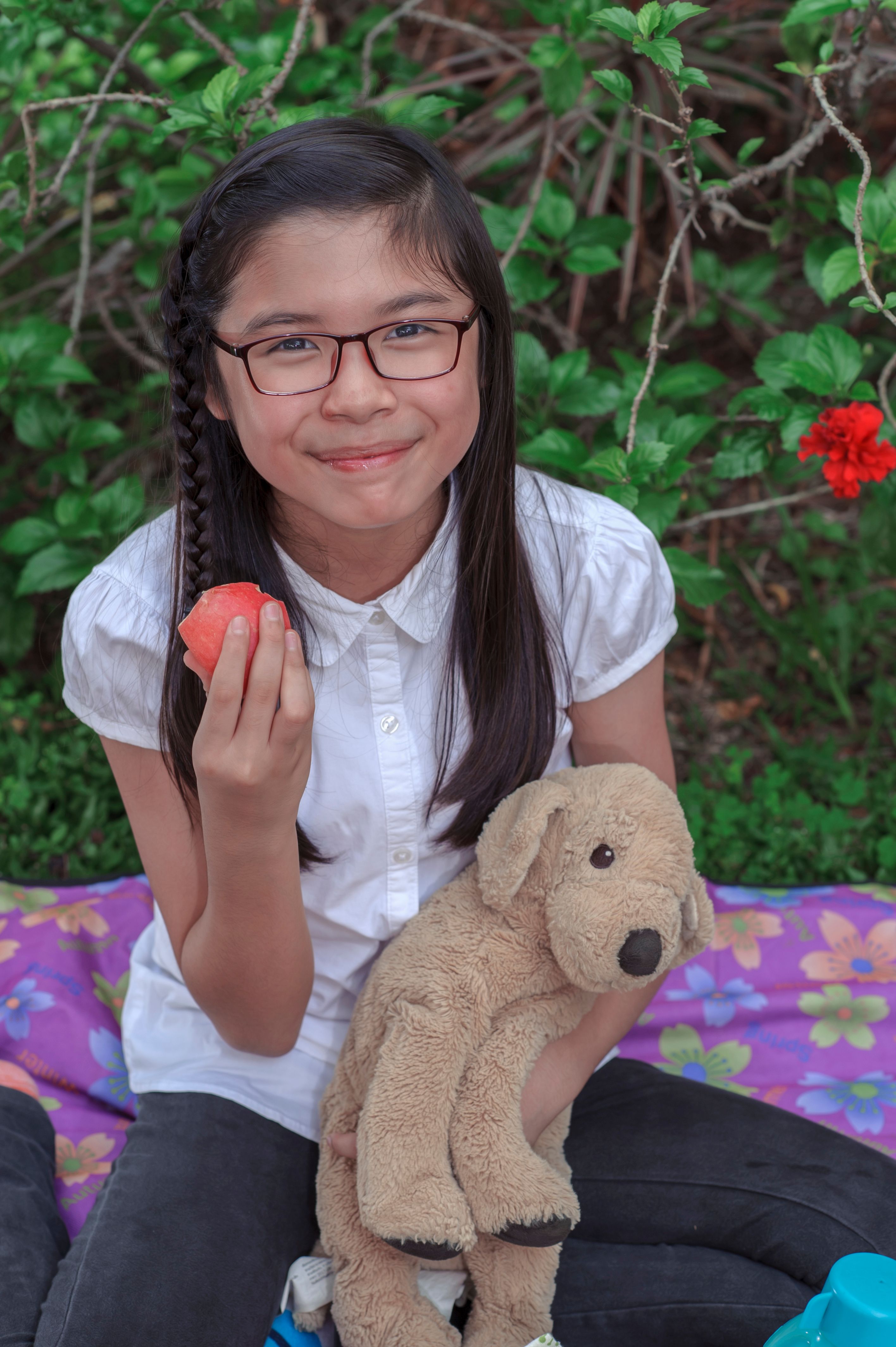
Faces matter, but hands often tell the better story. A hand reaching into a basket, brushing grass, or passing a cup can make the picture feel more real.
If the family is spread out, choose the strongest action and let the others support it. The frame stays calm, even when the real scene is lively.
Set the camera for quick, natural motion
For moving children and active picnic scenes, a shutter speed around 1/250s is a practical starting point. If the action gets faster, move to 1/500s or quicker. Keep the shutter fast enough to freeze a laugh, a jump, or a sudden turn of the head. A blurry smile can feel soft, but too much blur can weaken the moment.
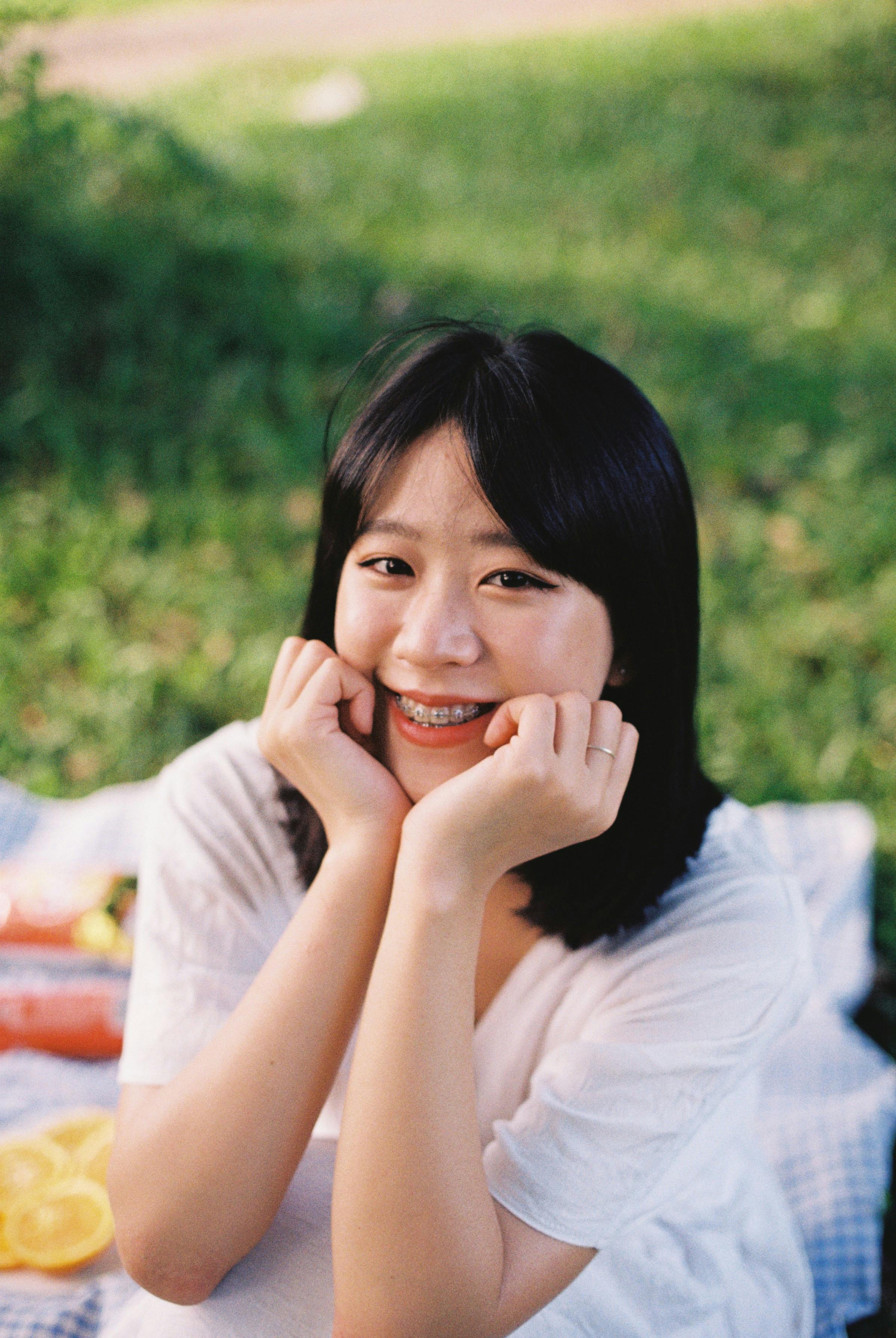
Lean on focus tools built for life on the move
Continuous AF, also called AF-C or AI Servo, helps the camera track faces as people shift. Pair it with eye detection when the light is good and faces are clear.
Back-button focus can help too. It lets you hold focus on a child who keeps moving, then shoot the frame at the right instant.
- Mode: Aperture Priority or Manual
- Shutter: 1/250s to 1/500s for active moments
- Aperture: f/2.8 to f/4 for individuals, f/5.6 to f/8 for groups
- Focus: AF-C or AI Servo with eye detection
- Drive: short bursts for peak reactions, not long sprays

Keeping the camera ready without losing the moment
A hands-free strap helps you stay relaxed while you move between the blanket, the path, and the play area. Candid moments usually happen when the camera is already up and ready. Camstrap Voyager fits that need well because it keeps the camera close and easy to grab with one hand. The load-spreading design also helps when you wear the camera for a long picnic.
Carry light, shoot fast, and stay near the action
A modern mirrorless body can shoot very quickly, but the extras drain power fast. An always-on EVF or LCD, image review, and long bursts use more battery than many people expect.

On the card side, UHS-II V60 or V90 cards make more sense than UHS-I when you plan to shoot bursts or RAW files. Mid-tier bodies often keep about 20 to 40 RAW frames before slowing, so a short burst is fine, but a long spray can still hit the buffer.
Choosing settings that keep faces real and sharp
For small family groups, use a wider aperture like f/2.8 to f/4 and stay alert for missed focus on the back row. For bigger groups, move toward f/5.6 or f/8 so everyone has a better chance of staying sharp. Let ISO support the shutter speed. In shade, you may need ISO 800 to 3200, and that is often a fair trade for a clean, real expression.
Use the background as part of the story
A picnic photo works better when the park still shows through. Trees, blankets, and open grass help the viewer feel the place, even when the family remains the main subject.
Watch for bright patches behind heads and avoid clutter that steals attention. A clean tree line or open lawn often works better than a busy bench or trash can in the frame.
- Walk the scene before the first shot.
- Pick one clear spot with soft light.
- Set AF-C or AI Servo with eye detection.
- Start near 1/250s and raise shutter speed if kids move fast.
- Keep the family near one side and leave space for the park.
- Take a short burst only when the expression peaks.
- Check one frame, then get back to watching the group.
The best candid picnic photos feel easy because the camera stayed out of the way. You planned the frame, set the focus tools, and waited for the real laugh or glance to arrive. Use a short telephoto lens, keep your shutter ready at 1/250s or faster, and leave room for the park itself. When the blanket is packed up, the strongest frame is often the one shot just before everyone notices you again.
Frequently Asked Questions
What is a focal point in photography?
A focal point in photography is the part of the photo that grabs attention first. It is usually the face, gesture, or action you want viewers to notice right away.
What is the 20 60 20 rule in photography?
The 20 60 20 rule in photography is a simple frame-balance guideline: about 20% of the image should hold the main subject, 60% should support the scene, and 20% should be breathing room. It helps the subject stay clear while the background adds context.
How do spotmyphotos make money?
SpotMyPhotos makes money by selling its photo-discovery service to event organizers, venues, or other clients who want guests’ photos matched and delivered. Revenue typically comes from service fees, licensing, or related photo-delivery packages.
What is the purpose of a focal point?
The purpose of a focal point is to direct the viewer’s eye to the most important subject in the frame. It gives the image a clear visual anchor so the scene feels organized and intentional.


