


- Pin your focal point on the clearest subject, then frame around it fast.
- Use light, contrast, and clean backgrounds to make the subject instantly read.
- Think of a focal point as the scene’s visual anchor that tells the story first.

Focal point photography means guiding the viewer’s eye to the main subject with clear focus, light, and framing. In street work, that means spotting the scene quickly, locking onto the subject, and staying ready for whatever happens next.
Shop the setup

- Regular price
-
€42 - Regular price
-
€44 - Sale price
-
€42
By choosing the Camstrap strap, you are opting for a high-quality product designed to meet the needs of the most demanding photographers.
- Developed by a physiotherapist to relieve neck and back pain.
- Fast delivery with tracking by the Post Office 🚚
- Can be used as a shoulder strap or hands-free harness

- Regular price
-
€36 - Regular price
-
€42 - Sale price
-
€36
Free shipping included
Street life moves in quick bursts. A laugh, a glance, a hand wave, a bus door closing, and the moment is gone. The real skill is making one frame and still staying loose enough to catch the next one too.
What makes a street moment worth pressing the shutter?
A strong street moment has a clear action, a simple shape, or a face that tells a story in one frame. The best ones feel brief and true, so they reward quick eyes and quick prep.
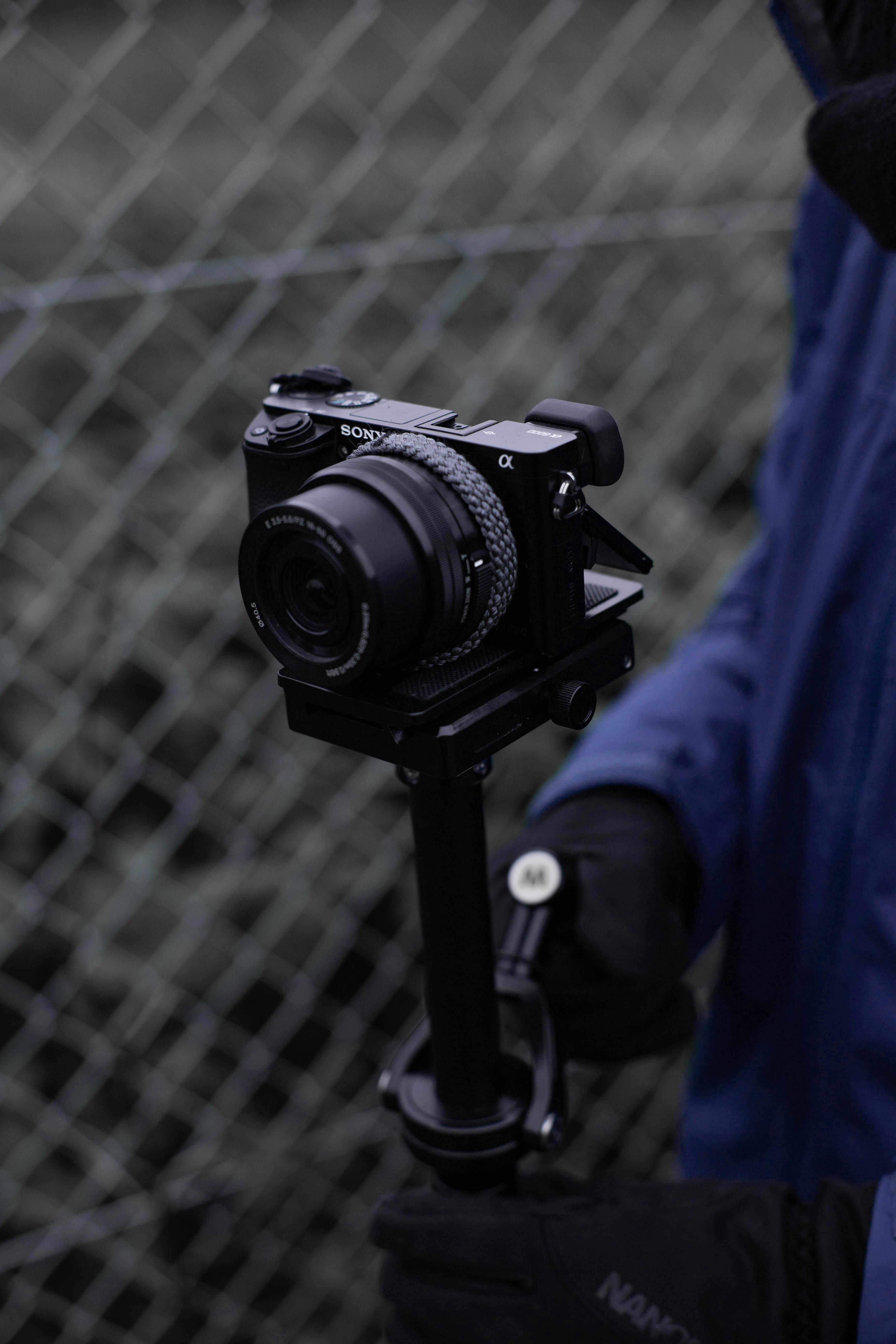
Read the scene before it peaks
Good street work starts a few seconds early. Watch feet, hands, head turns, and crowd flow; those small signs often point to where the next frame will happen. Stand where the action can pass through a clean background. A plain wall, crosswalk lines, or open shadow can make a person stand out fast, giving you a better chance to shoot without heavy edits later.
Choose a lens that keeps you close but calm
A 35mm lens gives a natural view, while 50mm to 85mm helps pull a subject from the crowd. Those focal lengths keep faces and gestures easy to read without forcing you too far back.
An aperture near f/2 to f/2.8 can separate the subject from busy streets. Wider openings do need tighter focus, and that can miss a hand or eye if you rush.
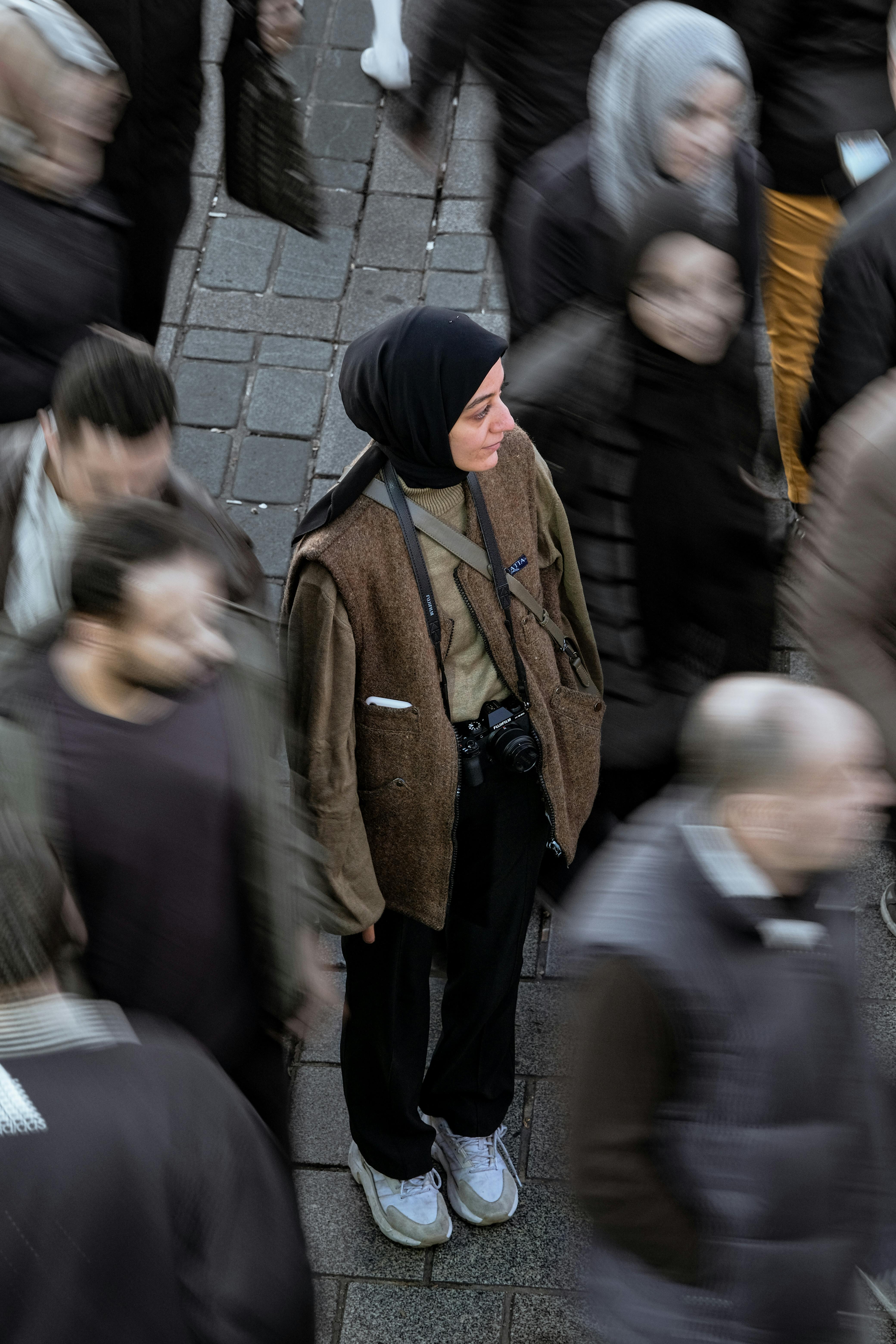
How do you stay ready for the very next frame?
Keep your camera set for fast focus, short delay, and a steady grip. A hands-free strap helps here, because the camera can rest against your body while you move through sidewalks, markets, and crossings. A strap such as Camstrap voyager can keep the camera in front of you and easy to lift with one hand.
- Set autofocus to continuous AF, such as AF-C or AI Servo.
- Use eye or subject detection when the light and scene allow it.
- Keep your shutter speed near 1/500s for walking people and street action.
- Raise ISO instead of risking blur when light drops.
- Use back-button focus if you want focus and shutter control apart.
This setup keeps your eye on the scene instead of the menu. You press once, track once, and fire again as the story shifts. That rhythm matters more than any single frame.
Set burst mode to match the buffer you actually have
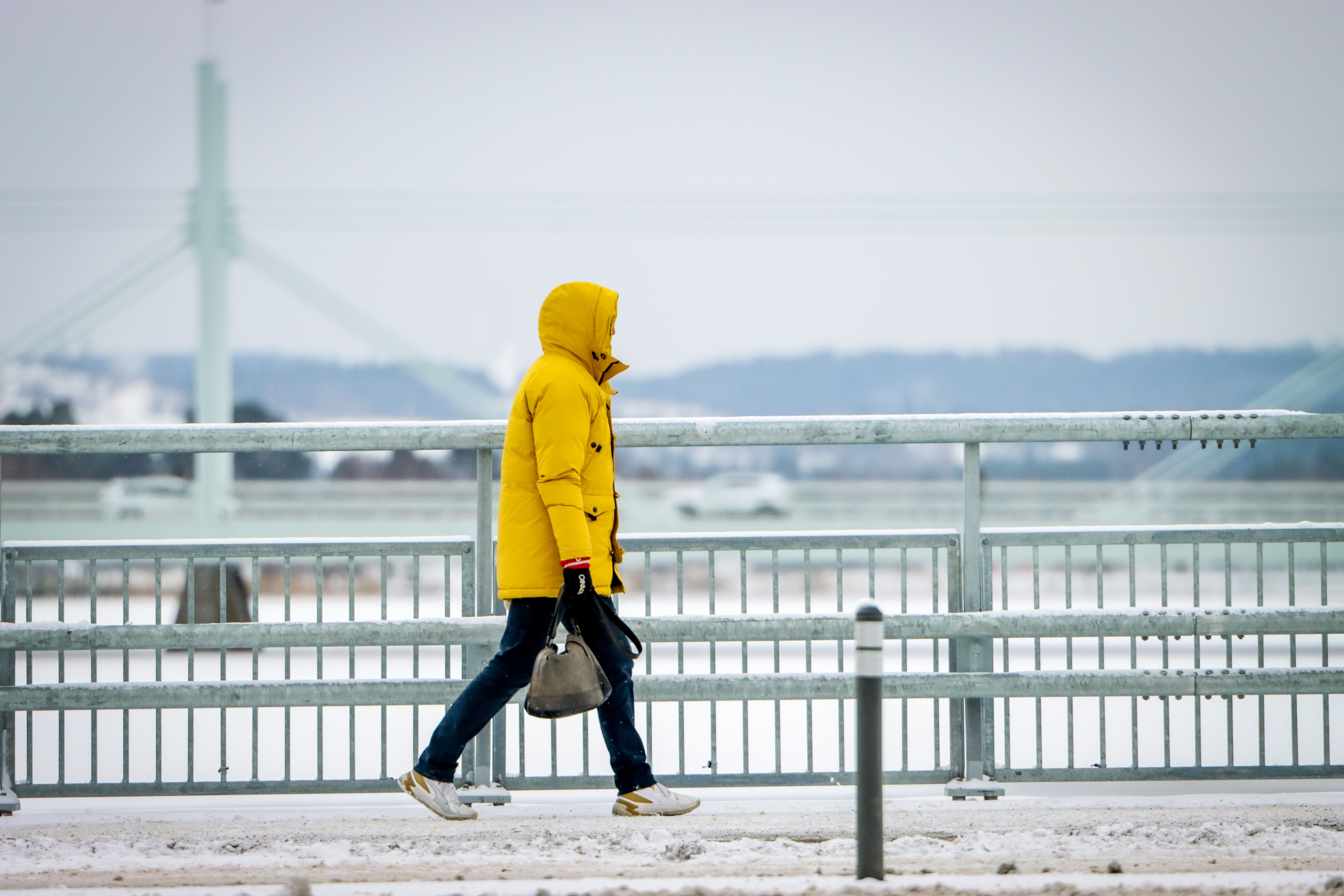
Many mid-tier mirrorless bodies fire around 10 frames per second with a mechanical shutter, and about 20 to 40 fps with an electronic one. That sounds huge, yet the tradeoff is real: Electronic bursts can show rolling-shutter skew, and some LED or fluorescent lights can band across the frame.
Buffer depth also matters. A mid-tier body may hold about 20 to 40 RAW frames before it slows, while JPEG often runs longer. A short 3 to 6 frame burst will not fill a modern buffer, but long runs can stall if you shoot RAW and the card writes slowly.
Match your card to your pace
UHS-II cards with V60 or V90 speed ratings help clear the buffer faster than UHS-I cards. If your camera supports CFexpress, that can help even more with long bursts and quick review. The card does not make the shot, but it does cut the pause after it.
The biggest battery drains on mirrorless bodies are the EVF, the LCD, and image review. If you keep chimping after every frame, you lose power and time. Use review only when you need to check focus or highlight clipping.
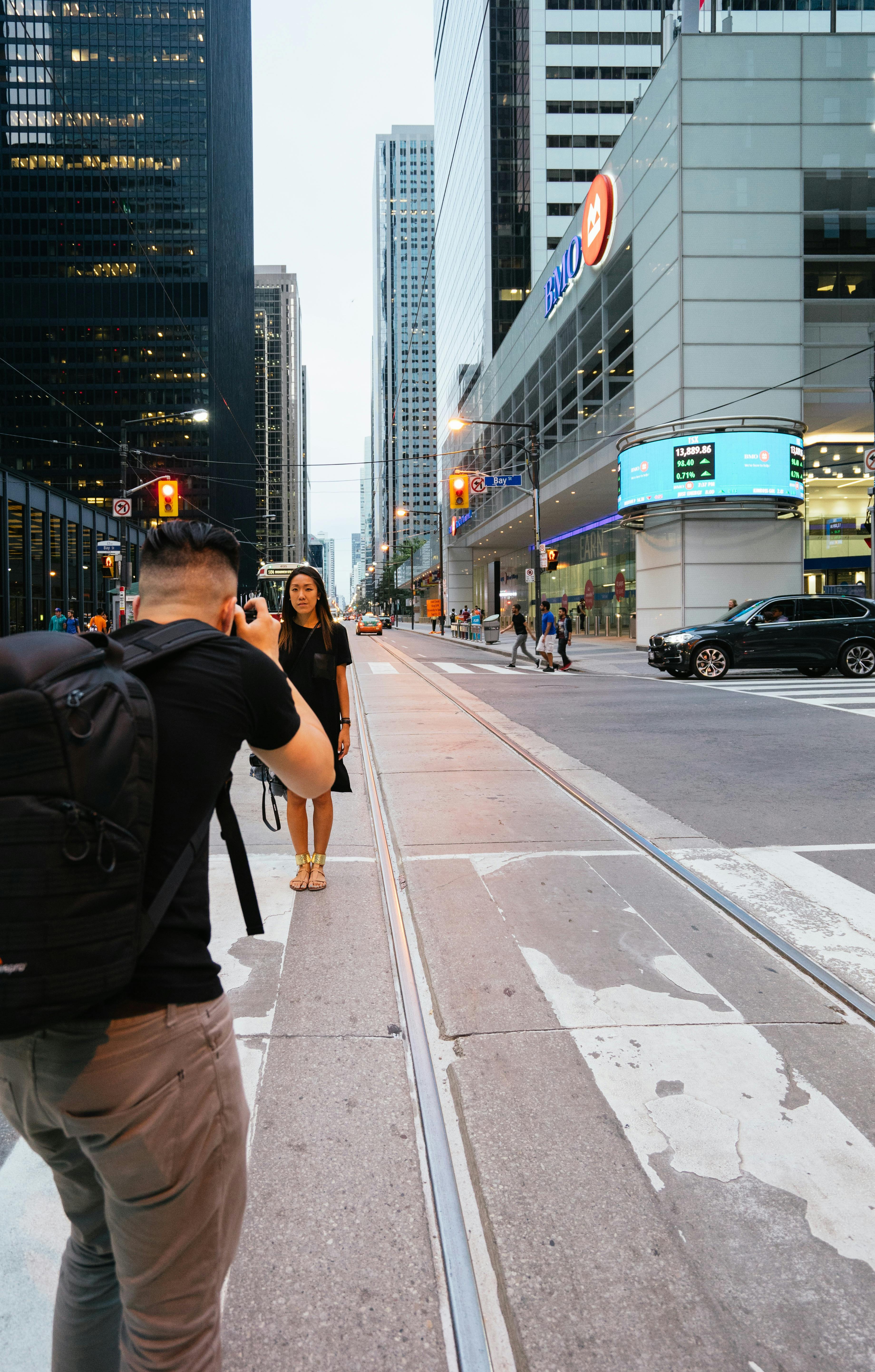
What is a focal point in photography?
A focal point in photography is the part of the image that first grabs attention. It can be a face, a bright coat, a hand in motion, or a sharp eye in a soft crowd.
In street scenes, the focal point gives chaos a clear center. Without it, the eye wanders. With it, the photo feels ordered, even when the street itself is busy.
Shape, contrast, and gaze do the work
People notice bright light, clean edges, and faces fast. A subject in sun against a dark shopfront can stand out at once. Eye contact can also pull the viewer straight into the frame.
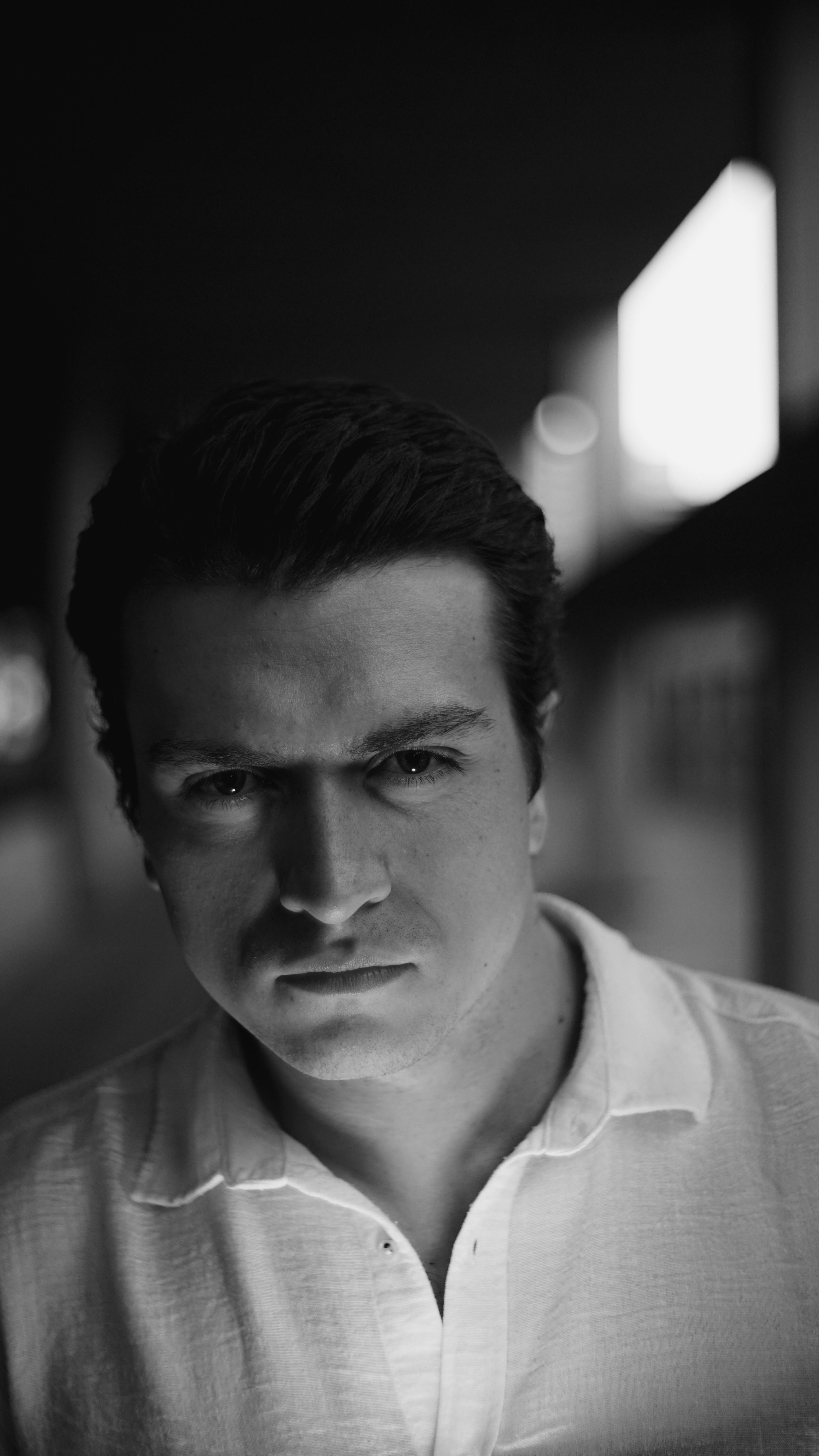
Focus is only part of the job. Framing, color, and space all help guide the eye. A strong frame uses those elements without feeling forced.
What is the purpose of a focal point?
The purpose of a focal point is to tell the viewer where to look first. It gives the photo meaning, pace, and a simple path through the scene.
In street work, this matters because scenes can be messy. Cars move, signs clash, and people cross paths. A clear focal point keeps the photo from feeling like random clutter.
Use it to shape a tiny story

A good focal point can hint at what just happened or what may happen next. A runner glancing back, a child reaching for a balloon, or a commuter paused in rain each create a small story.
That story gets stronger when the frame is clean. Remove extra signs, poles, and cut-off heads if they steal the eye. One strong subject beats five weak ones.
What is a focal point for dummies?
A focal point for beginners is simply the main thing in the photo. If a person should matter most, make that person the clearest part of the frame.
Think of it as a visual target. You want the eye to land there first, then move to the rest of the scene. That is the whole idea in plain terms.
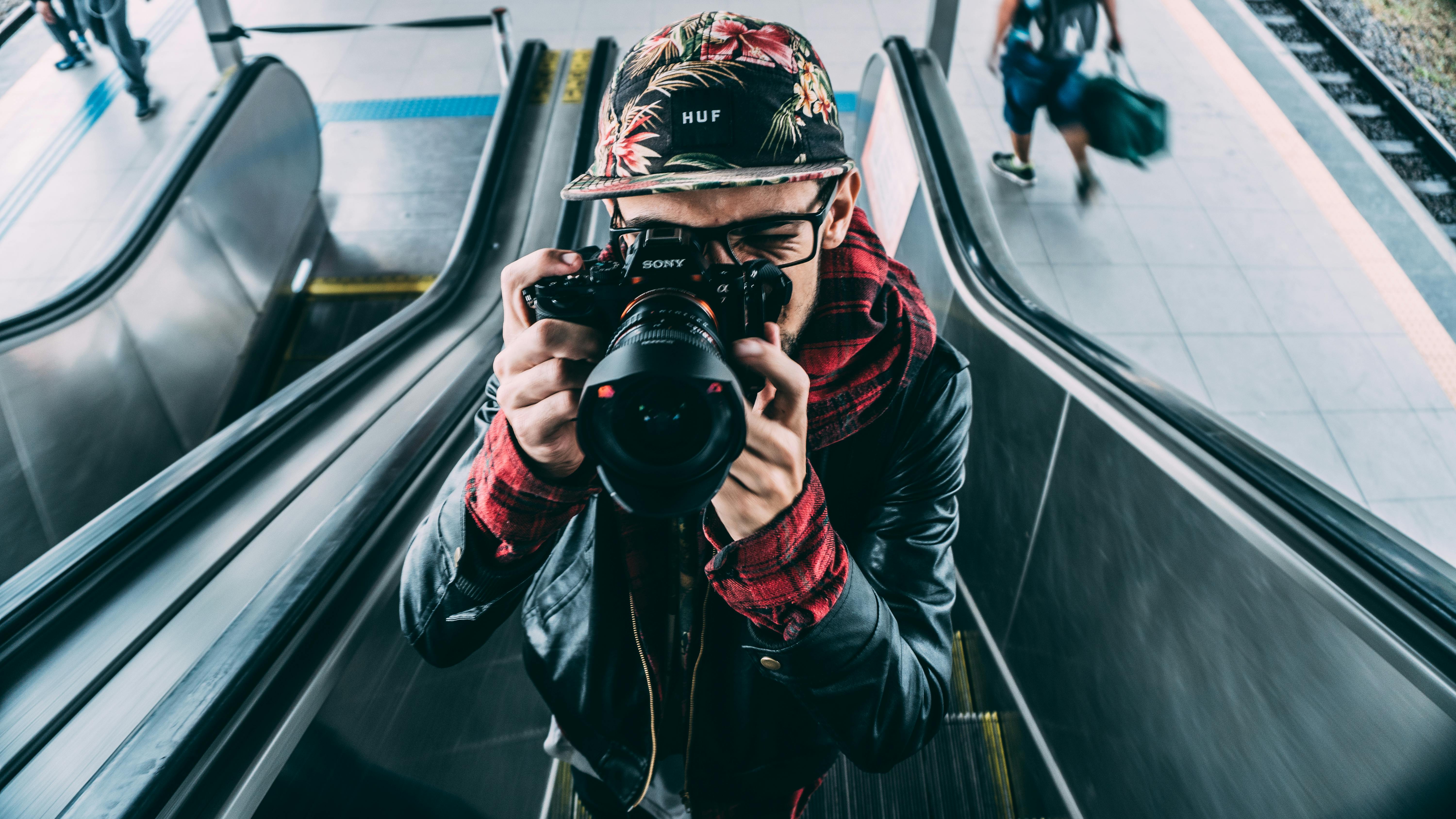
A simple way to find it fast
- Spot the subject with the best action or face.
- Move until the background becomes quieter.
- Focus on the nearest eye if the face is visible.
- Take one frame, then watch for the next gesture.
This simple pattern works because it keeps your mind on the story, not the settings. It also stops you from overthinking each scene. Street moments reward speed, not perfect planning.
What is the best focal point?
The best focal point is the one that matches the story and stays sharp enough to hold the eye. In street photography, that is often a face, a hand, or a clear action near the center of attention.
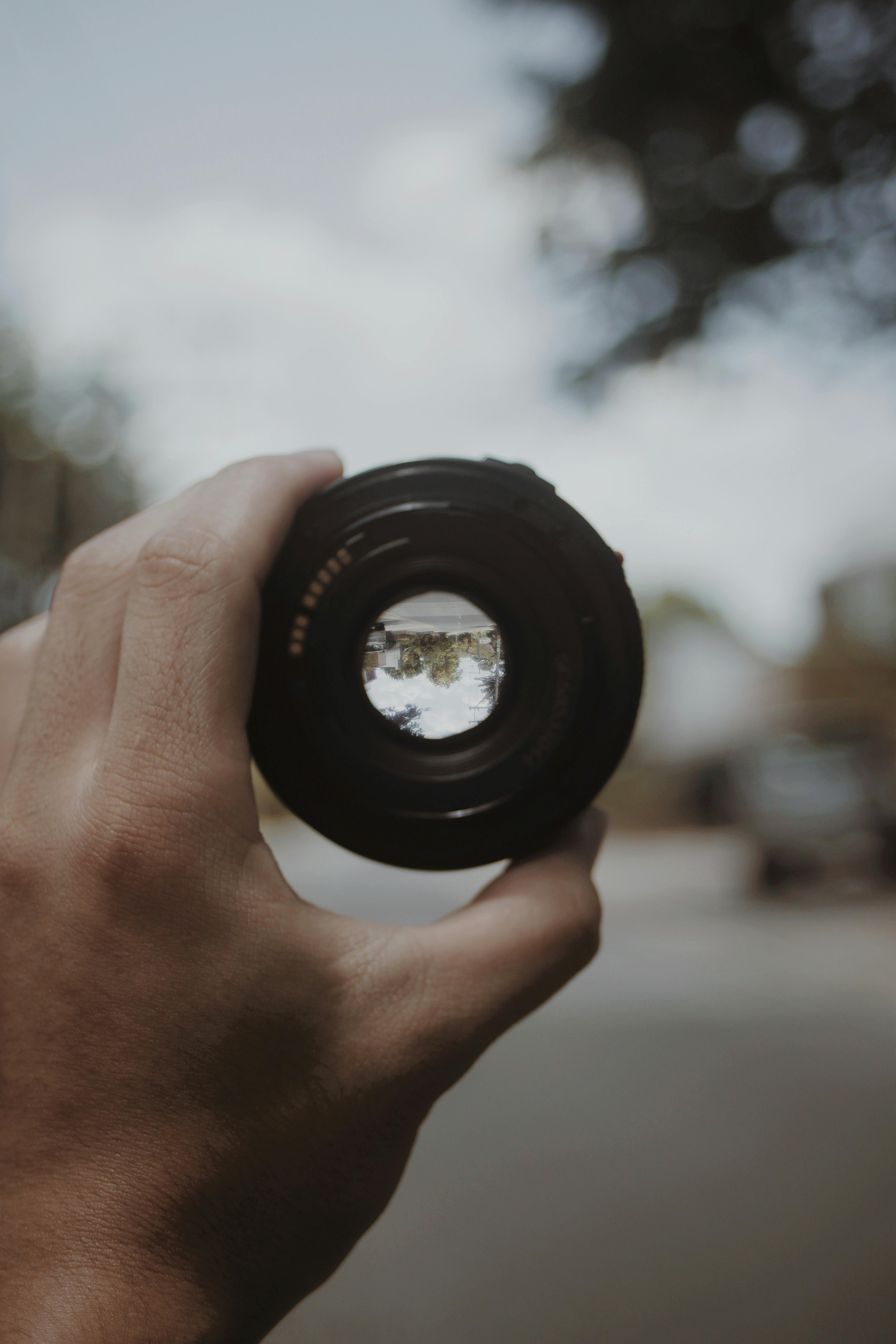
For most scenes, the subject’s eye is the best place to lock focus when it is visible. If the face is turned away, use the leading hand, the strongest gesture, or the object that carries the action. A 50mm lens at about f/2.8 often gives a useful balance of speed, depth, and clean separation.
Pick the point that survives motion
Not every frame needs the same focus choice. A fast walker may need a wider focus area, while a still portrait on the curb can use a single point. The best choice is the one that keeps the story clear as the scene changes.
For moving subjects, back-button focus can help you keep focus active without firing by mistake. Some cameras also offer pre-capture or pre-burst, which saves frames from just before the full press. That feature can catch a laugh or head turn that happens too fast for reaction alone.
How do you avoid losing the frame after the frame?
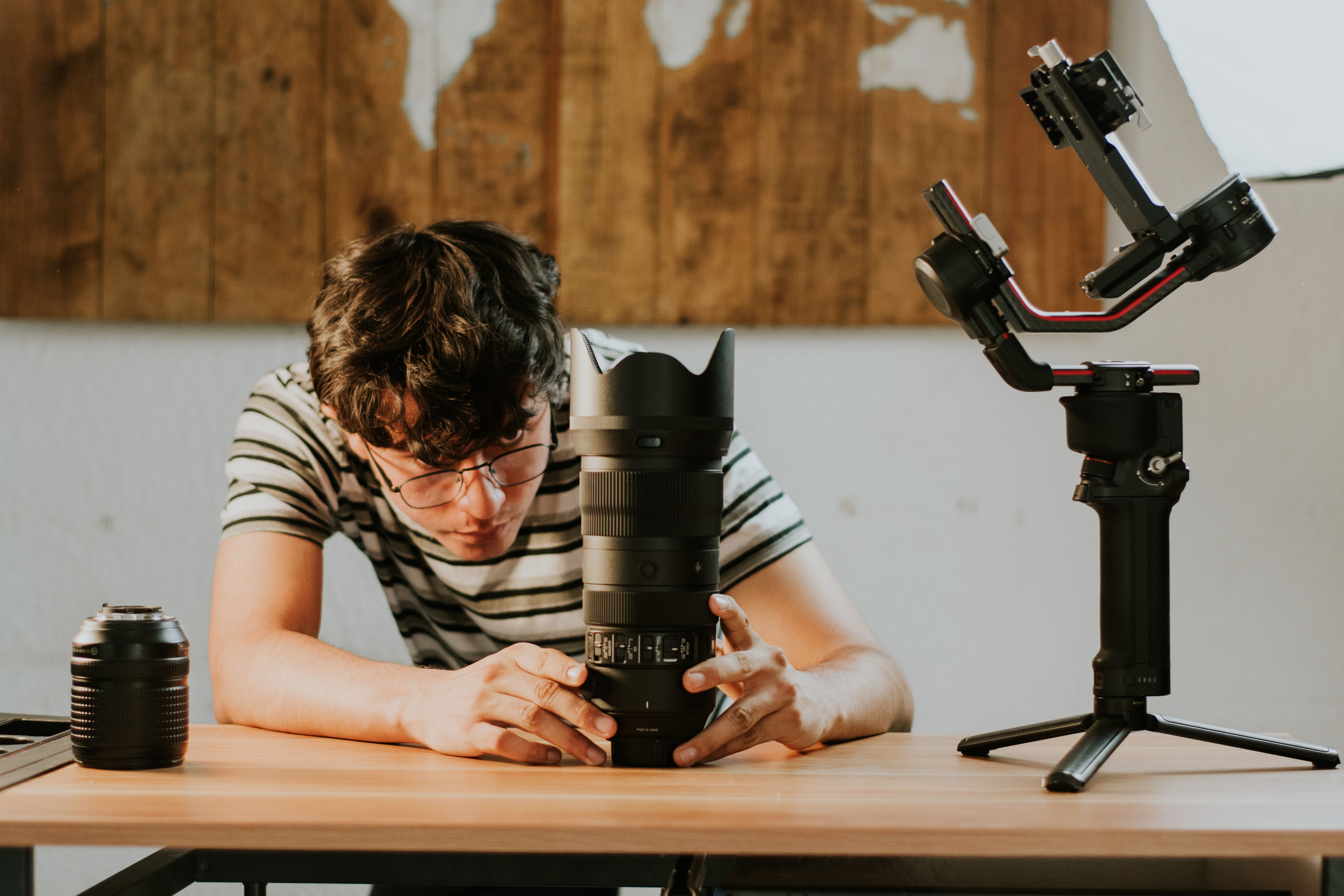
You avoid it by working in a repeatable rhythm. Pre-focus, watch for motion, shoot the peak, and reset right away. The faster you return to ready mode, the more often you catch the next useful moment.
Keep your camera in a stable carry position between shots. A good front-facing strap saves time because you do not fish for the camera in a bag. It also keeps your hands freer when you need to move with traffic or step aside fast.
A quick street rhythm that holds up
Use this cycle when the scene starts to build:
- Scan for light and clear background.
- Half-press or back-button focus on the subject.
- Fire a short burst at the peak gesture.
- Check framing only if the scene pauses.
- Return the camera to ready position at once.

That rhythm keeps you from drifting into slow, careful shooting. Street work often rewards the second good frame more than the first. If the subject changes expression, you are already in position.
Why small habits matter more than fast gear alone
Fast gear helps, but habits decide whether you catch the moment. The best street shooters stay loose, move lightly, and keep settings simple enough to change fast. They do not hunt through menus while the scene passes.
Light also changes how you work. In bright sun, a shutter speed of 1/500s or faster is easy to hold. In dusk or shade, you may need ISO 1600 or ISO 3200 to keep motion crisp. That tradeoff is fine if the picture stays sharp and the moment stays real.
Keep your edits clean too. In Lightroom or Photo Mechanic, use pick and reject flags right after the shoot. That makes culling faster, and it helps you find the frame that truly carries the scene.

Street moments do not wait for perfect conditions. They reward clear eyes, clean settings, and a camera that is ready before you are. Stay light, stay alert, and keep the camera close enough to lift in one smooth move. A quiet city corner at 5:30 p.m. can still give you the next strong frame if your gear is already in hand.
Frequently Asked Questions
What is a focal point in photography?
A focal point in photography is the main subject or area that the viewer’s eye is drawn to first. It is created by using clear focus, light, and framing to make that subject stand out.
What is the purpose of a focal point?

The purpose of a focal point is to guide the viewer’s attention to the most important part of the image. It helps the photo tell a clear story by making the main subject immediately readable.
What is a focal point for dummies?
A focal point is the thing in a photo you want people to notice first. In simple terms, it is the picture’s main star, made obvious by focus, brightness, or placement.
What is the best focal point?
The best focal point is a subject with a clear action, a simple shape, or a face that tells a story in one frame. In street photography, the strongest focal point is usually the brief, true moment that stands out instantly.


