


- Brace the camera, lock level, and start around 1/4–2s for shoreline long exposures.
- Use the 20-60-20 split to balance sky, subject, and foreground around the horizon.
- Avoid tilt, weak support, and too-fast shutters that keep water choppy and horizons crooked.

Long exposure photography keeps the shutter open long enough to blur motion while the important parts of a scene stay sharp. Along a moving shoreline path, it can smooth water, soften clouds, and leave the horizon crisp. The challenge is simple enough: the ground shifts underfoot, waves keep changing shape, and the line between sea and sky can slip out of level fast.
Translation missing: en.blog_cta.bundle_heading

- Regular price
-
€42 - Regular price
-
€44 - Sale price
-
€42
By choosing the Camstrap strap, you are opting for a high-quality product designed to meet the needs of the most demanding photographers.
- Developed by a physiotherapist to relieve neck and back pain.
- Fast delivery with tracking by the Post Office 🚚
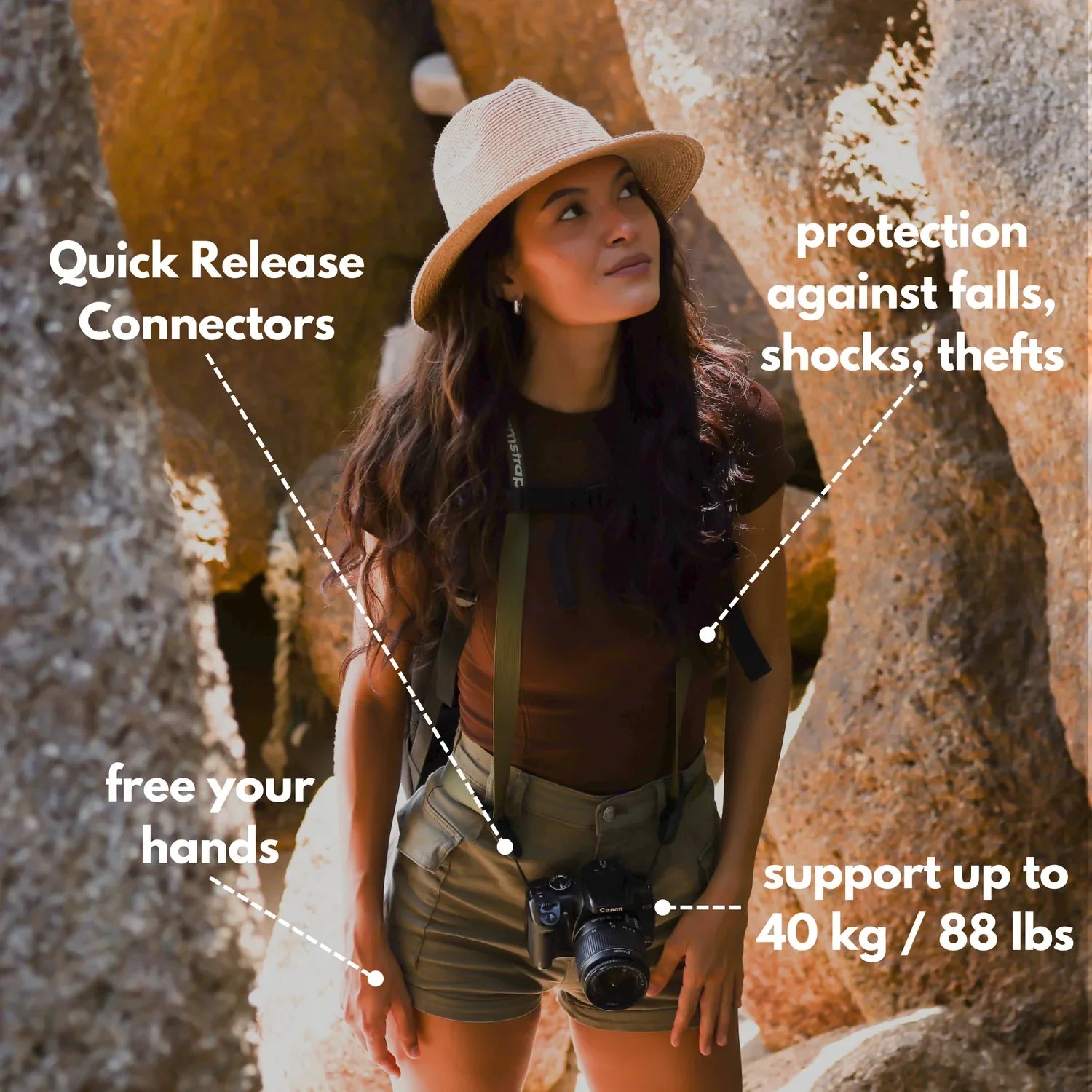
- Can be used as a shoulder strap or hands-free harness

- Regular price
-
€36 - Regular price
-
€42 - Sale price
-
€36
Translation missing: en.blog_cta.free_shipping_included
How do you make long exposures work?
Long exposure photography starts with a steady camera, a slow shutter, and something in the frame that can move. On a shoreline path, the best results come when you lock the composition, then let the water and clouds do the moving.
Lock the frame before you fire
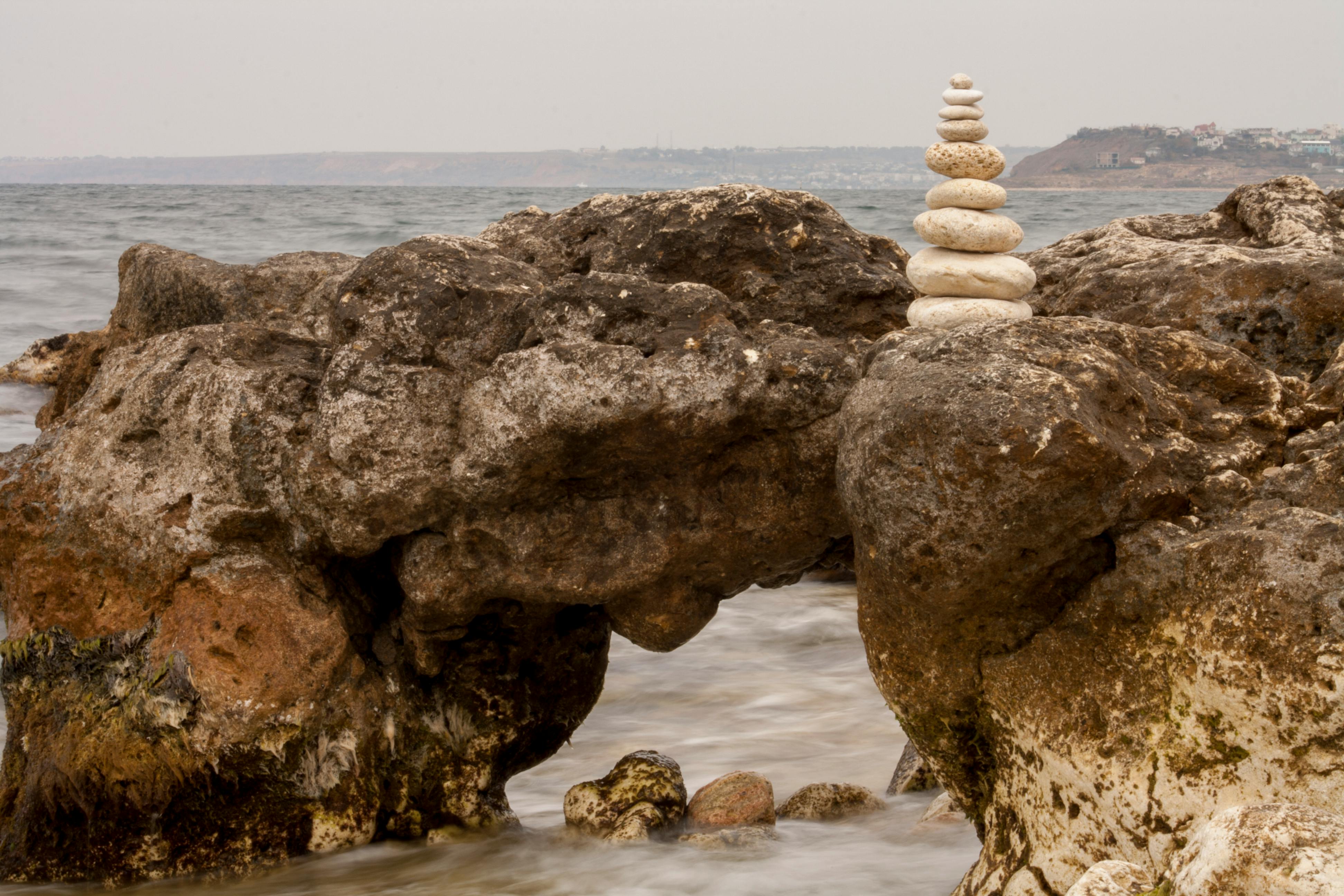
Set the camera on a tripod with a solid footing on the path, or brace it against a wall or rail if the surface is unstable. Keep the horizon near the upper or lower third, unless the scene genuinely needs that balance.
Check level with a hot shoe level or the camera’s horizon guide if it has one. A one-degree tilt may seem minor, yet it stands out immediately in a clean sea line.
For most coastal scenes, begin around 1/4s to 2s in soft light, then work from there. If the water still looks busy, slow the shutter; if the frame goes too soft, speed it up.
Dial in focus and exposure
Switch to manual focus or single-point AF, then lock onto a rock, pier, or distant edge. A 24mm to 35mm lens usually suits a shoreline path because it keeps the frame wide and steady. Set ISO to 100 or your camera’s base value. An aperture near f/8 usually gives good sharpness without pushing diffraction too hard.

In bright light, add a 6-stop or 10-stop neutral density filter when you want deeper water blur. It keeps the shutter slow enough even under strong sun.
- Tripod or firm brace
- Base ISO, usually 100
- Aperture around f/8
- Shutter from 1/4s to 2s, then slower if needed
- ND filter in 6-stop or 10-stop strength for daylight
What does the 20-60-20 rule mean in photography?
The 20-60-20 rule is a quick way to give a frame visual weight at the top, middle, and bottom. It helps a shoreline scene feel balanced, which keeps the horizon line clean.
Think of the top 20% as sky, the middle 60% as the main subject area, and the bottom 20% as foreground. On a moving shoreline path, that foreground might be wet stones, sand, foam, or the edge of the trail.
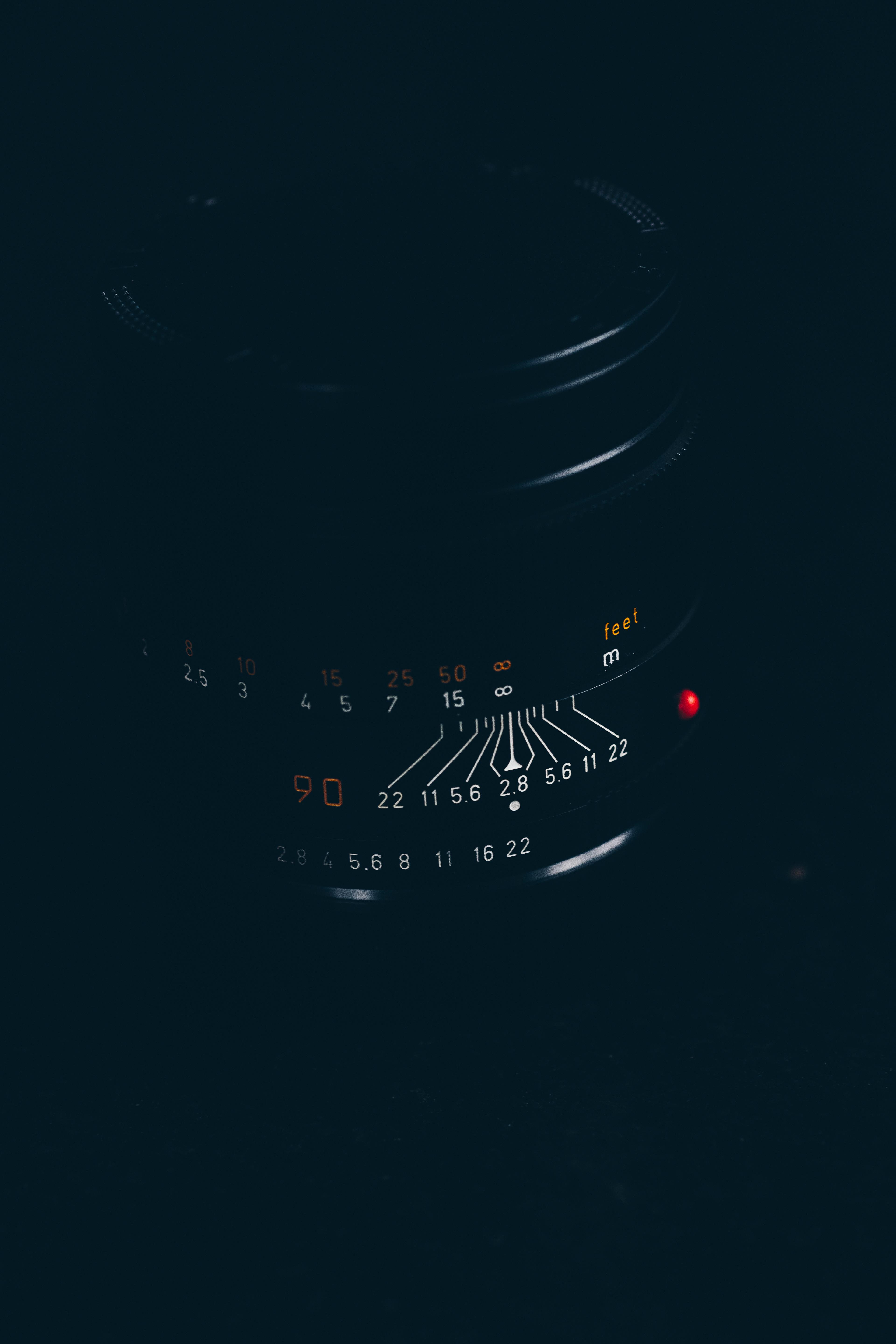
The eye reads clear sections easily. A calm horizon line then becomes the anchor between the upper and lower parts.
Why this rule helps coastal frames
The rule gives you a quick way to avoid random framing while you move. It also keeps the horizon from drifting too close to the center, where the frame can split in a flat way. Use it as a guide. A storm sky may need more space, while a bright foreground reflection may deserve the lower share.
Where do long exposures go wrong?
The most common mistakes are camera shake, poor horizon placement, the wrong exposure length, and missed focus. On a shoreline path, wind and foot traffic can make each one worse in seconds.
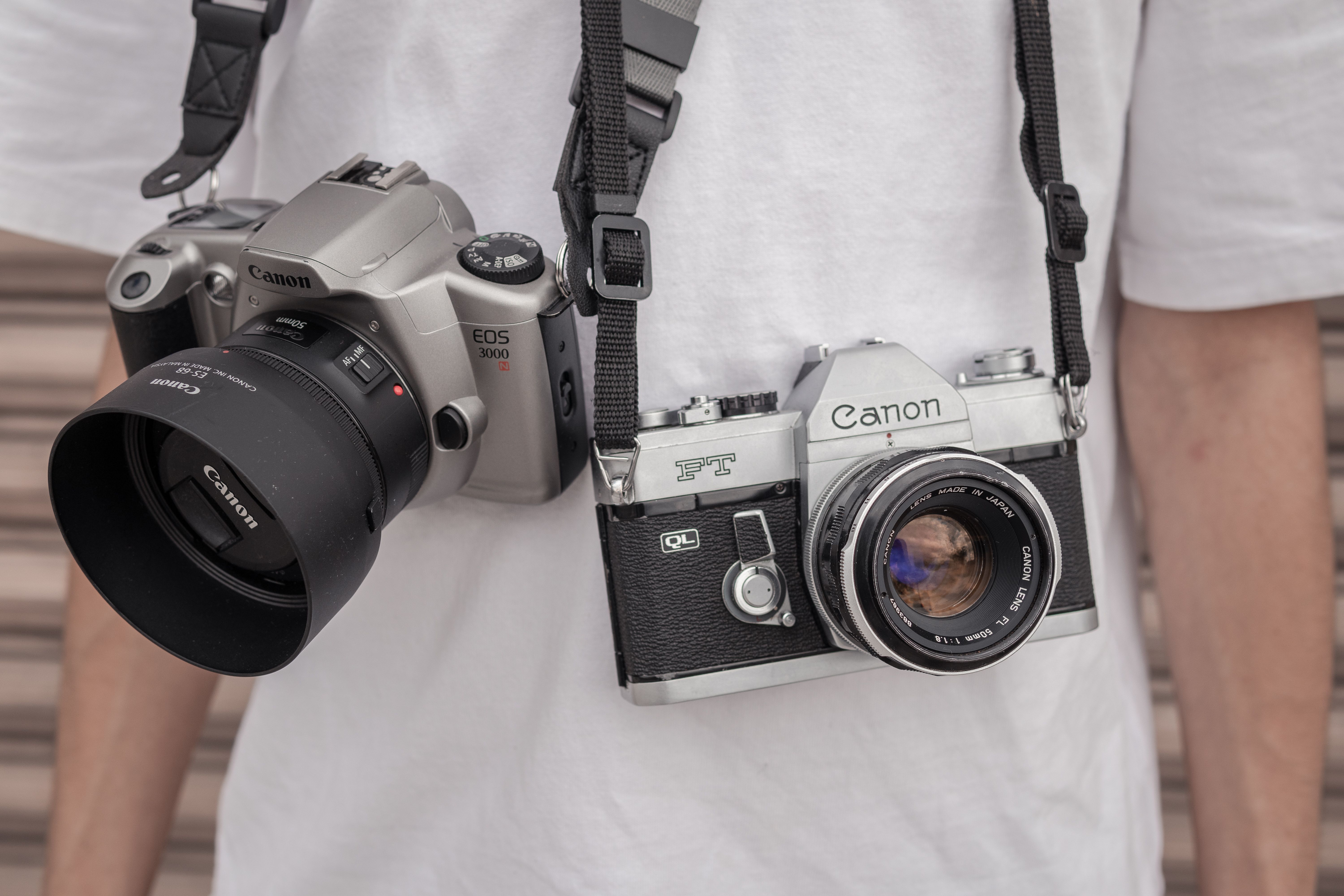
Another common problem is forgetting that the scene keeps changing while you set up. A wave can cover foreground rocks, or a cloud gap can blow out the sky before you press the shutter.
Mistakes that ruin clean horizon lines
One frequent error is using too wide an aperture when the scene needs more depth. Another is stopping down too far and losing sharpness to diffraction, which can soften the whole frame. Focus hunting causes trouble too. If the camera keeps searching, switch to manual focus and use magnified live view to check the distant edge.
Wind can shake even a solid setup. Hang a bag from the tripod center only if the path allows it, and keep the legs low and wide.
- Tilted horizon from a rushed setup
- Blur from wind or a shaky stance
- Overly long shutter that washes out texture
- Focus errors from moving water or dark rock
- Bright skies that clip because exposure was set for the sea
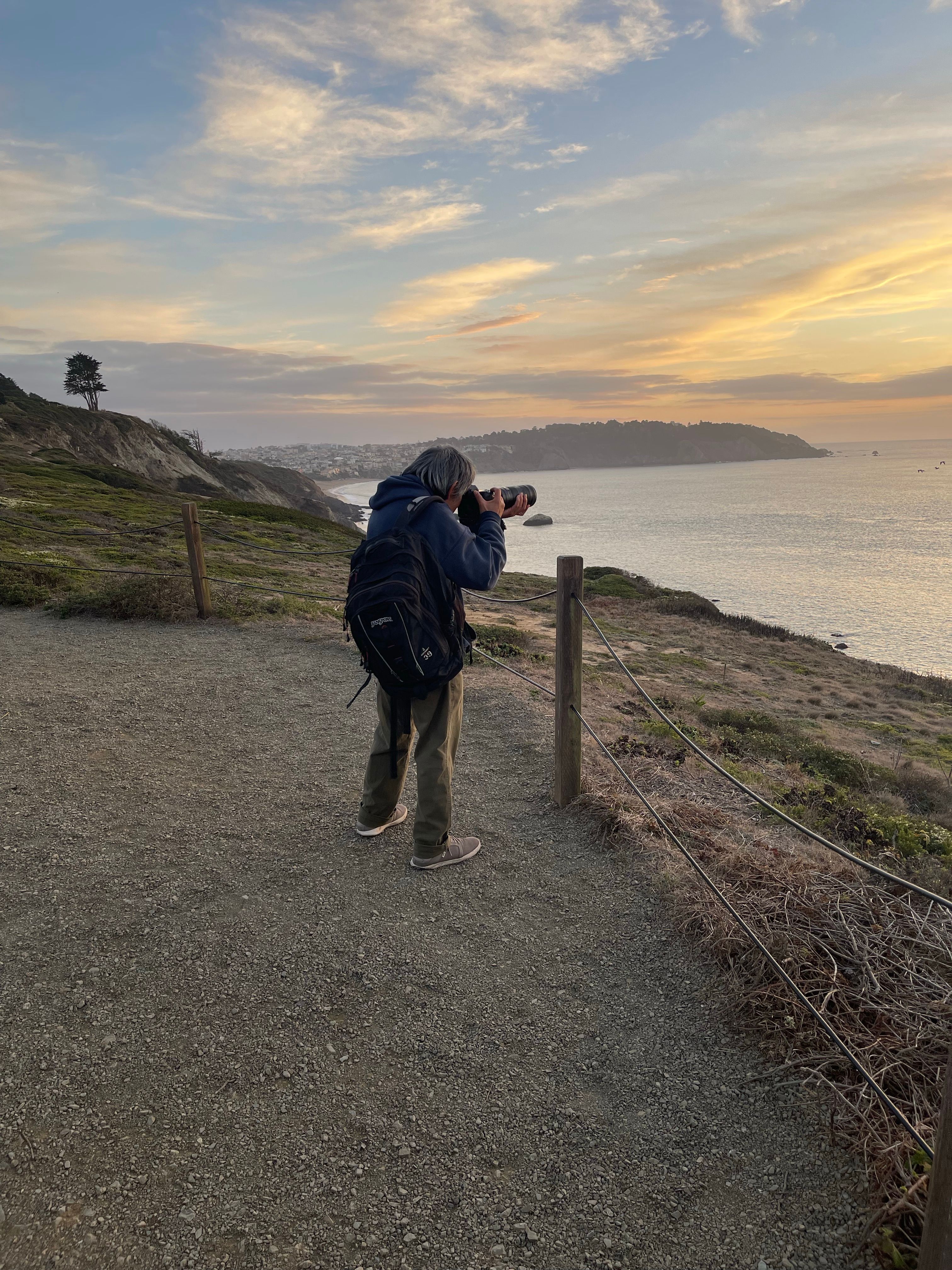
Check the edge of the frame after each shot. A clean ocean line is easy to miss on the rear screen if you only look at the center.
Which f-stop works best for long exposure?
Most shoreline scenes work well at f/8 to f/11 for long exposure photography. That range keeps the frame sharp and gives enough depth for rocks, water, and the horizon.
In low light, f/4 can still work if you need a faster shutter for cloud motion or hand-held bracing. In bright sun, f/16 may lengthen the exposure, but it can soften fine detail through diffraction.
For a clean horizon line, choose aperture by the scene rather than by a fixed rule. If the foreground is close and the background is far, f/8 often gives the best mix of sharpness and ease.
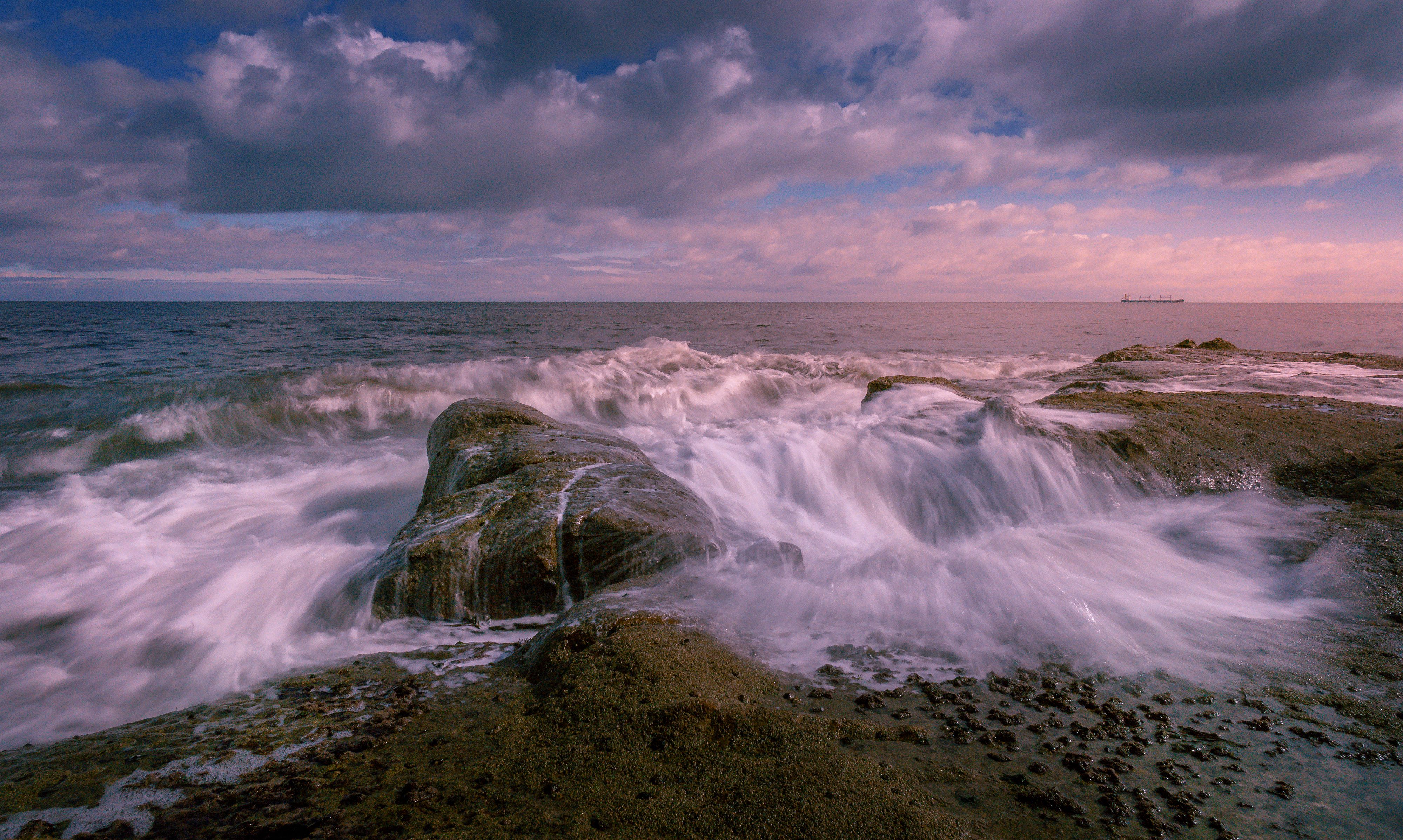
How aperture shapes the final look
A wider aperture gives you less depth and a shorter exposure. A smaller aperture gives you more depth and a longer exposure, but only up to a point. When the light is harsh, I keep the aperture in the middle range and add an ND filter. That choice preserves detail while still letting the water blur.
Gear and movement along the path
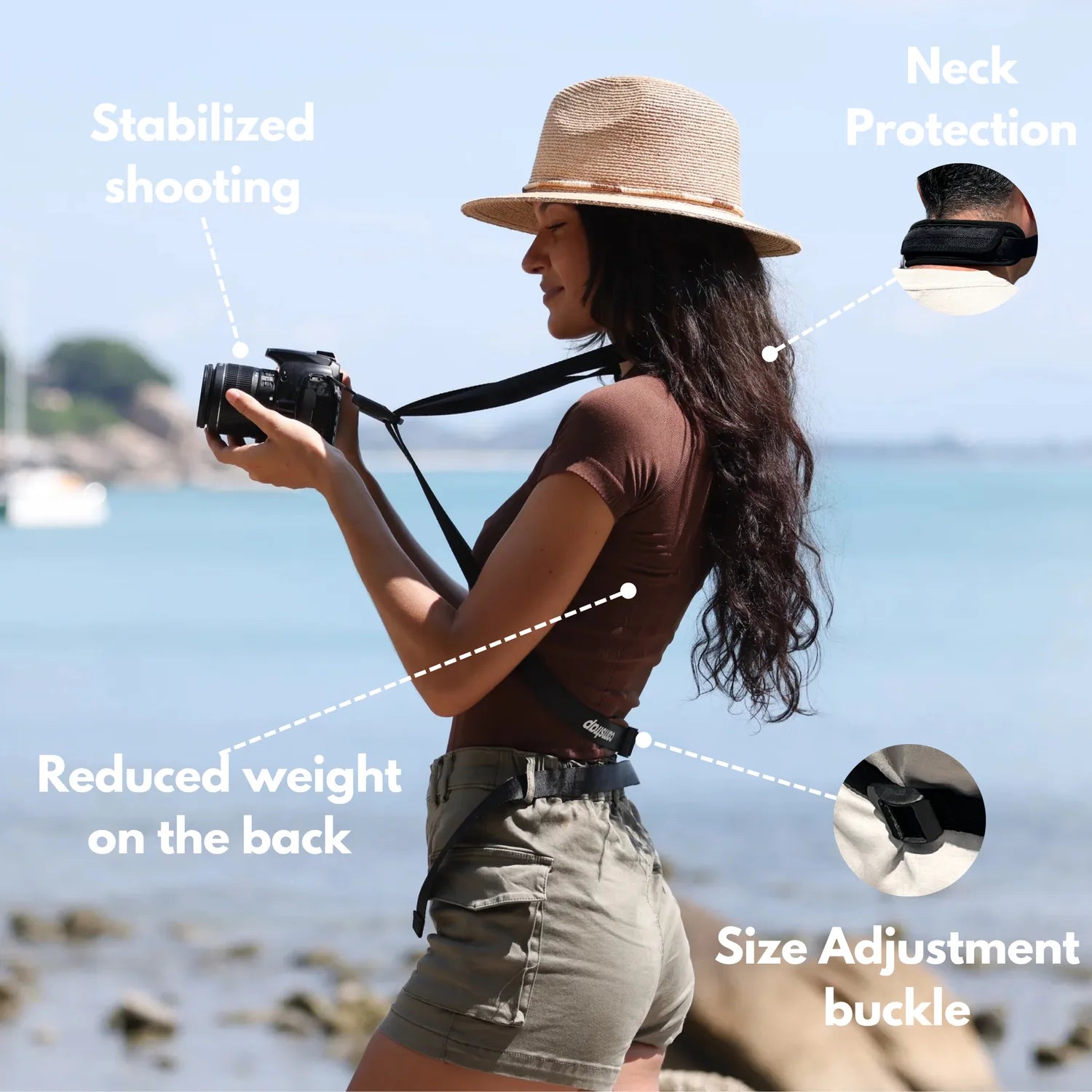
A moving shoreline path calls for gear that stays secure while you pause, shoot, and move again. A hands-free strap helps because the camera stays ready without bouncing into the rail, rocks, or lens hood.
Camstrap Voyager fits that need well because its load-spreading design keeps the camera close and easy to lift fast. That helps when the light shifts for only a few seconds between waves.
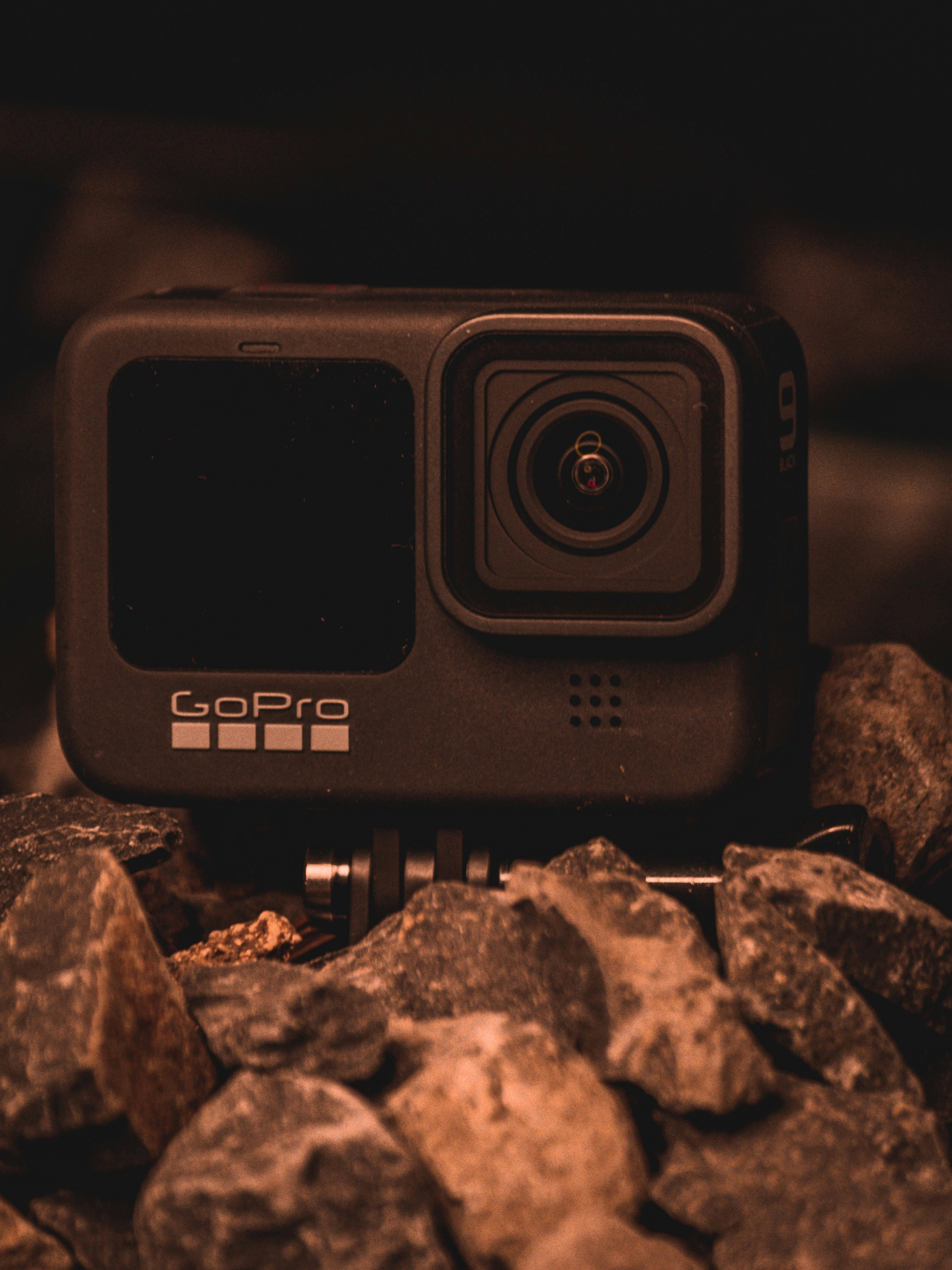
Think about your carry setup as part of the photo, not just transport. If the camera swings or catches on clothing, you lose time and stability.
Useful items to keep close
- Tripod with a level head
- ND filter, usually 6-stop or 10-stop
- Lens cloth for spray
- Spare battery, since live view and review drain power fast
- Hands-free strap for quick movement along the path
Mirrorless bodies lose more power from the EVF, LCD, and image review than from any shutter part. If you are shooting many test frames, keep the rear screen dark between checks. Card speed matters too. UHS-II V60 or V90 cards write faster than UHS-I, which helps when you shoot RAW bursts or save back-to-back tests in changing light.
How do you hold the line steady as the shore moves?

A clean horizon starts with a stable body position, even before the camera comes up. Plant your feet shoulder-width apart, bend your knees slightly, and turn your torso with the path instead of twisting your arms.
Use continuous AF-C or AI Servo with eye or subject detection only when the subject moves in the foreground. For the horizon itself, focus on the midground and leave it alone.
Back-button focus helps if you keep refocusing by accident. It separates focus from the shutter, which gives you more control when the scene keeps changing.
- Set the camera level before you raise it.
- Lock focus on a stable point in the scene.
- Check the horizon line in live view or through the EVF.
- Press the shutter with a smooth finger, not a hard jab.
- Review the edge, then reshoot if the line drifts.
This rhythm works best when you stay patient. A single clean frame often beats a fast burst of half-good ones, especially on a shoreline path where the background keeps shifting.
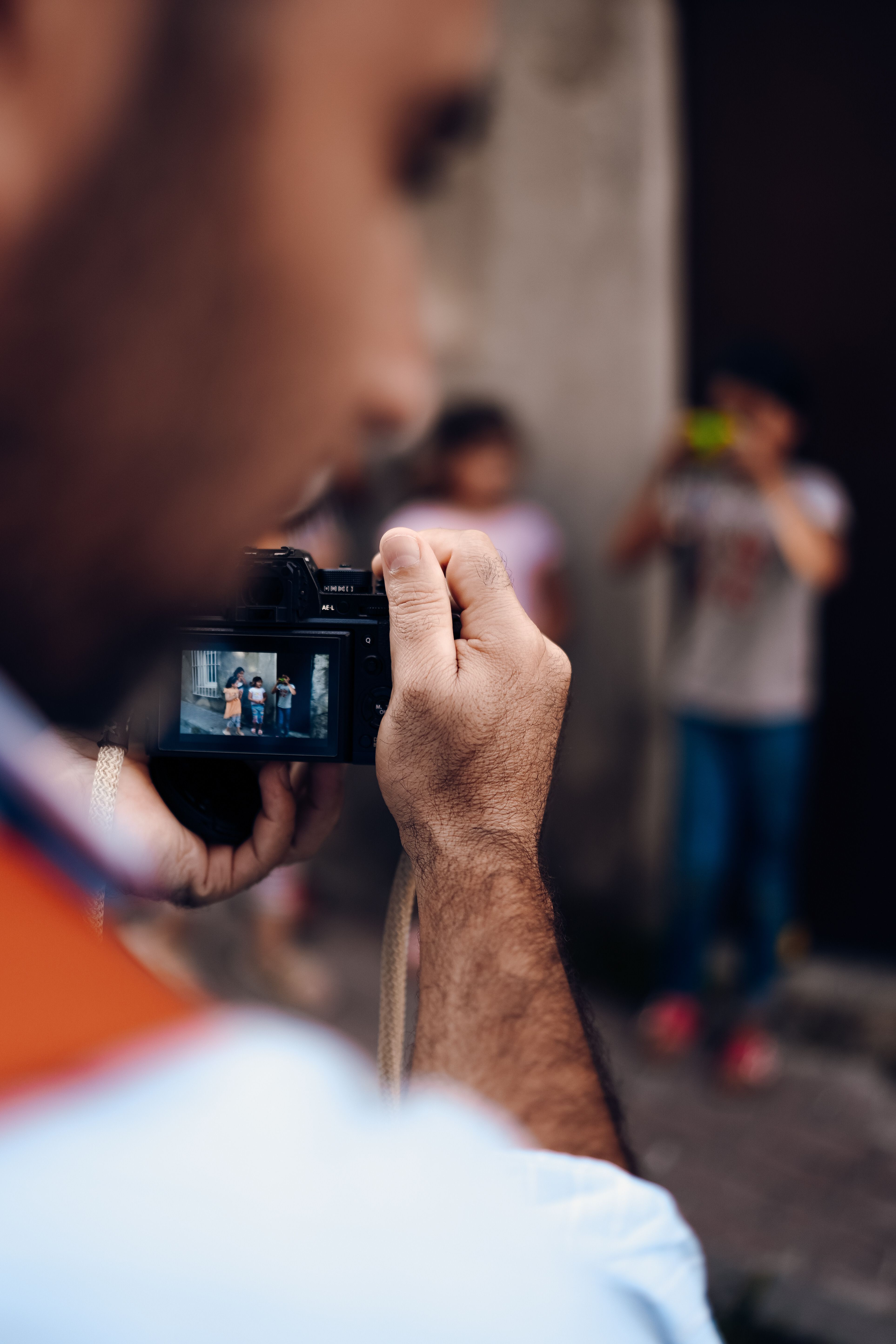
Why does the scene change from one frame to the next?
Light, wind, tide, and foot movement all alter the shot in short bursts. A cloud can brighten the sea by a stop, and a passing wave can turn a good foreground into white foam. Timing matters as much as settings. The best frame often arrives just after a wave pulls back and just before the next one breaks.
If you want more consistency, shoot a small series instead of one frame. A three- to six-shot sequence usually stays well within a modern buffer, especially if you use RAW on a mid-tier body with UHS-II storage.
Quick checks before you fire
Look at the left and right edges of the frame, not only the center. Then check the horizon level, the focus point, and the cloud shape together.

If the scene feels too flat, wait for a break in the clouds or a stronger wave line. Those small changes often give the photo its shape.
Ending on a clean frame
Catching a clean horizon line from a moving shoreline path takes calm setup, not luck. A level camera, a steady stance, and the right shutter speed do most of the work. Keep the aperture in a sharp range, use ND filters when the light is bright, and stay alert for wave timing. With practice, you will learn how the line, the light, and the water work together in one frame.
On your next coastal walk, start with f/8, ISO 100, and a shutter near 1 second. Then adjust by the look of the water, not by habit.
Frequently Asked Questions
How do you do long exposure photography?
To do long exposure photography, stabilize the camera on a tripod or firm brace, use low ISO, and choose a slow shutter speed so moving elements blur while key details stay sharp. For coastal scenes, start around 1/4s to 2s, set an aperture near f/8, and lock focus on a solid subject such as a rock or pier.
What is the 20-60-20 rule in photography?
The 20-60-20 rule in photography divides the frame into roughly 20% sky, 60% main subject area, and 20% foreground. This balance helps a shoreline composition feel organized and keeps the horizon line clean and visually anchored.
What are common mistakes in long exposure?
Common mistakes in long exposure photography include camera shake, a tilted horizon, choosing a shutter speed that is too fast or too slow, and missing focus. Coastal long exposures also fail when the frame shifts on unstable ground or when the exposure is not adjusted for changing light and water movement.
What F stops for long exposure?
For long exposure photography, an aperture around f/8 is a strong starting point because it usually gives good sharpness without excessive diffraction. In bright daylight, pair that aperture with a 6-stop or 10-stop neutral density filter to keep the shutter slow enough for motion blur.


