- What time is golden hour in summer
- How do I photograph streets in harsh daylight
- How do I get better candid photos while walking around
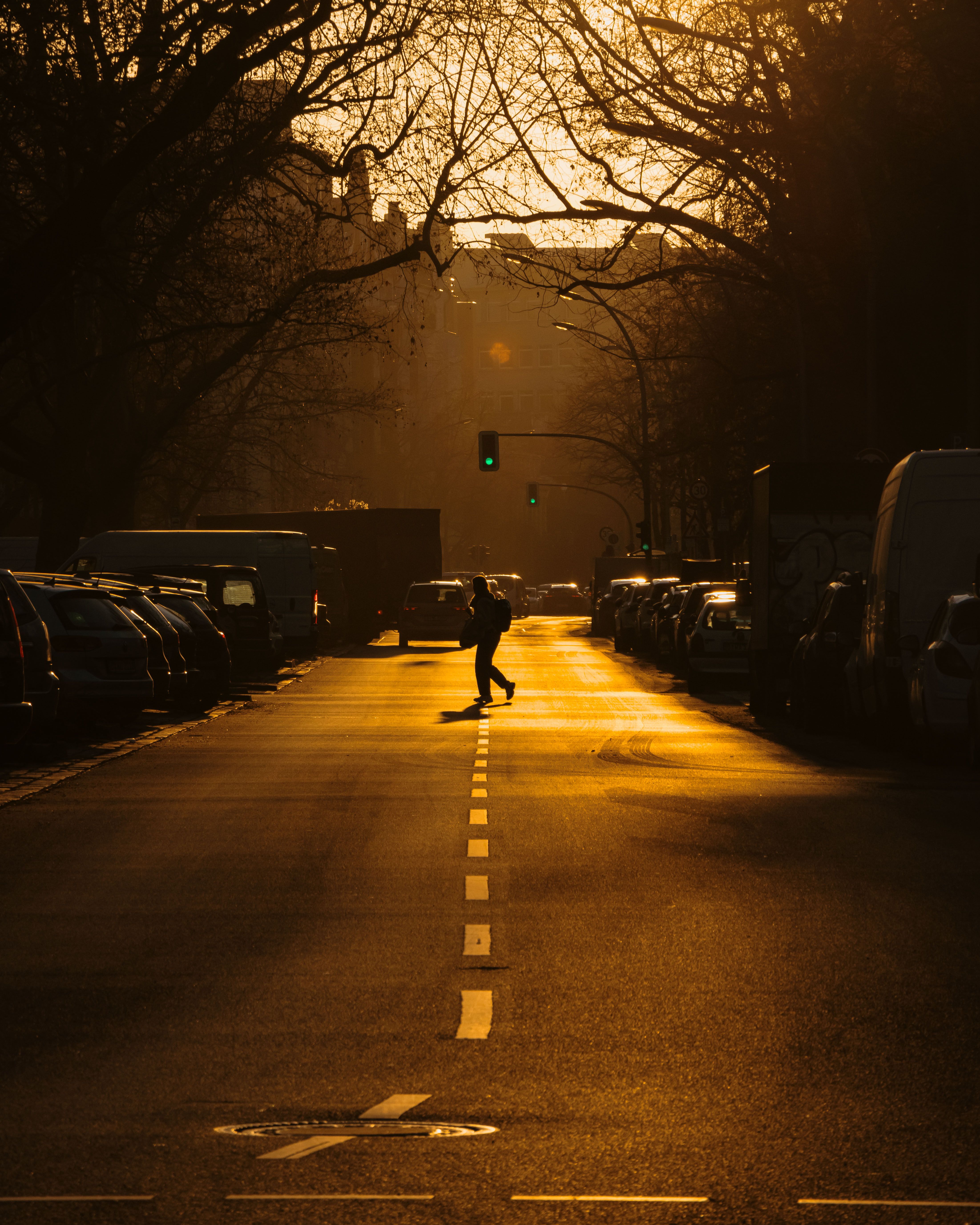
Golden hour street shots can turn an ordinary walk into a rewarding photo hunt. The light is soft, warm, and full of shape. When the sun stays up late, you have more time to chase that look and make stronger frames.
Shop the setup

- Regular price
-
€42 - Regular price
-
€44 - Sale price
-
€42
By choosing the Camstrap strap, you are opting for a high-quality product designed to meet the needs of the most demanding photographers.
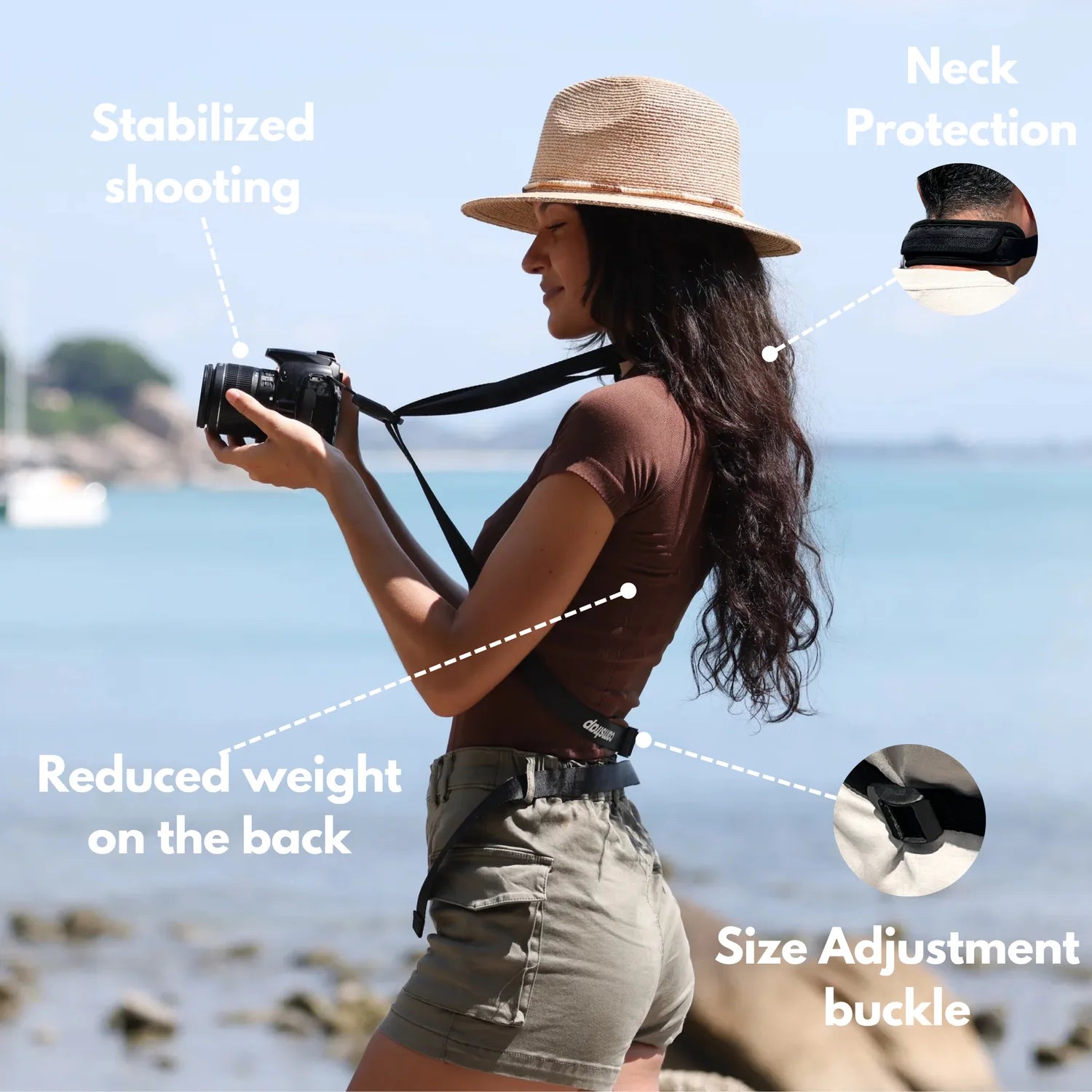
- Developed by a physiotherapist to relieve neck and back pain.
- Fast delivery with tracking by the Post Office 🚚
- Can be used as a shoulder strap or hands-free harness

- Regular price
-
€36 - Regular price
-
€42 - Sale price
-
€36
Free shipping included
This guide explains how to use that late-day light for street photography. You will learn when golden hour happens, how to work with shadows, and how to capture better candid moments while you move through the city. You will also get simple camera settings, so you can shoot with more confidence and less guesswork.
Golden Hour Street Shots: Why the Light Works So Well
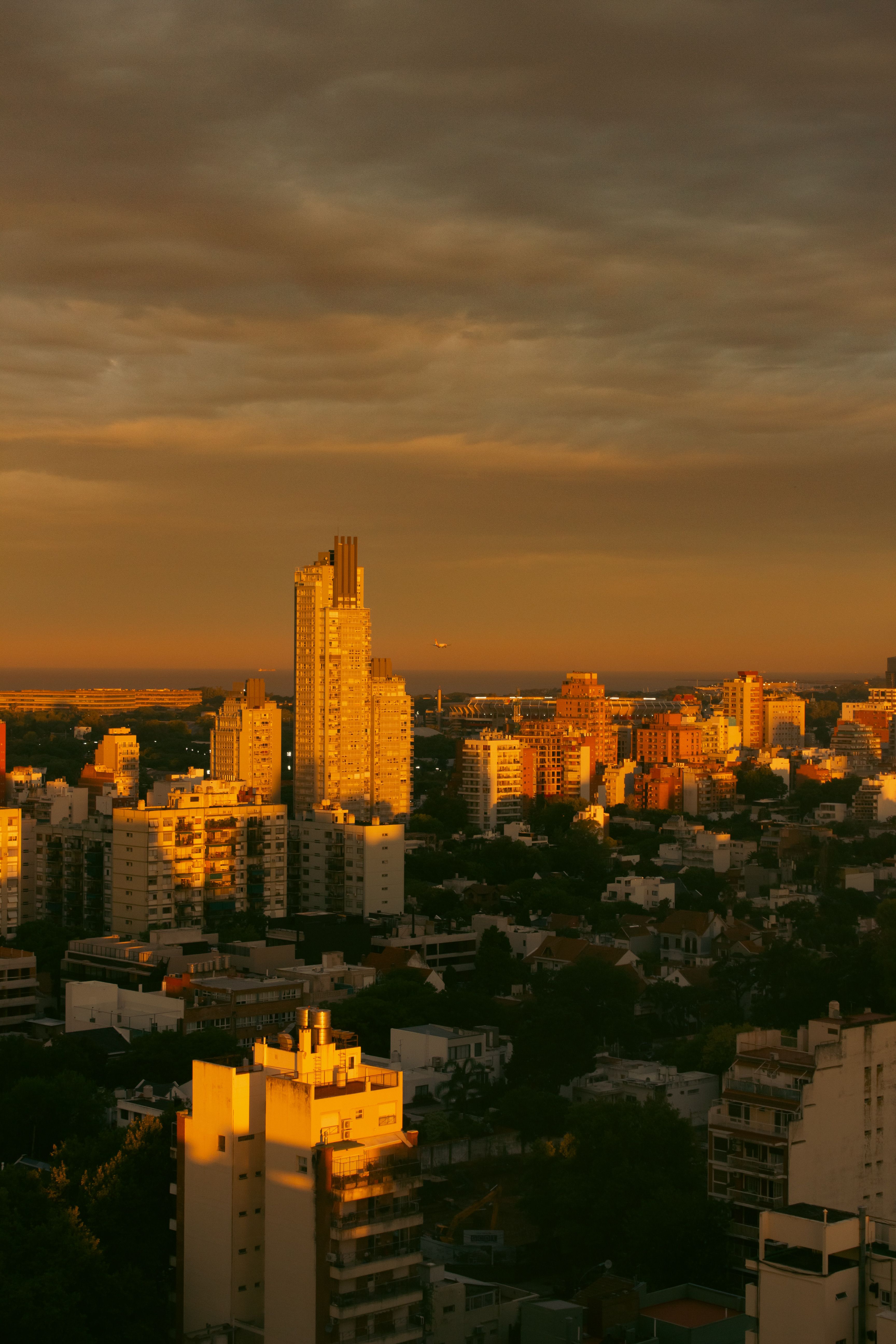
Golden hour is the period just after sunrise and just before sunset. It lasts about an hour, though the exact timing shifts with the season and your location. During summer, this window can seem longer, giving you extra time for street shots.
At golden hour, the sun hangs low in the sky. That angle creates soft light and long shadows. As a result, streets look deeper, warmer, and more alive.

What makes golden hour feel different
Harsh noon light can flatten a street scene. It can also make faces look rough and produce strong glare. Golden light does the opposite. It wraps around people and buildings in a gentle way.
That is why so many street photographers love this time. It adds mood with very little effort. You do not need heavy editing when the light is already doing so much for you.
When Is Golden Hour in Summer?
Many people ask, “What time is golden hour in summer?” The short answer is that it depends on where you are. In summer, the sun rises earlier and sets later, so golden hour shifts too.
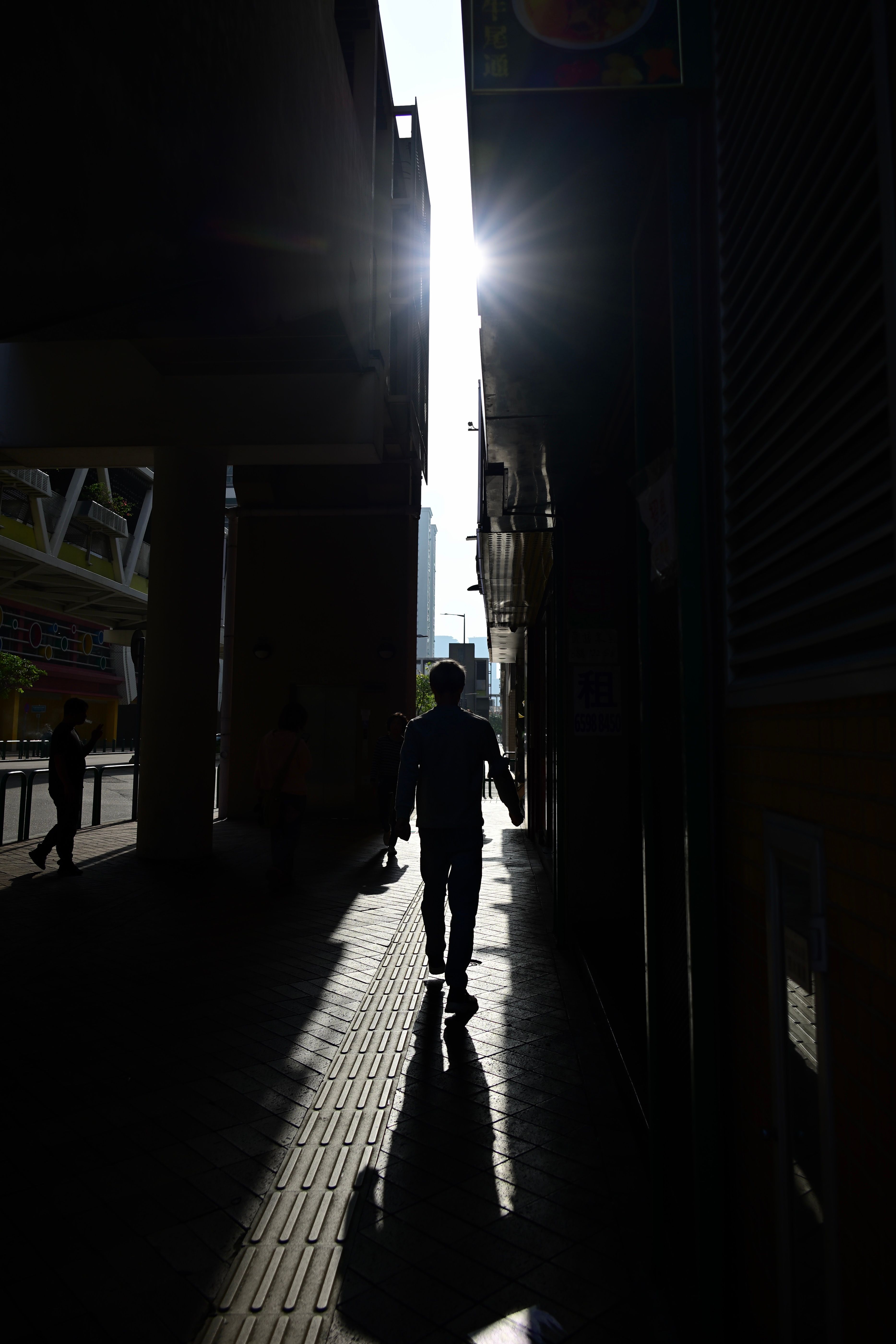
As a general rule, golden hour begins about one hour after sunrise and ends about one hour before sunset. For afternoon street shots, the best light often starts 30 to 45 minutes before sunset. That is when backlighting and warm rim light begin to appear.
How to plan your walk
Check a sunrise and sunset app before heading out. That helps you know when the light will soften. Then plan to arrive early, so you do not waste time searching for a scene.
- Start looking 45 minutes before sunset.
- Keep shooting for 15 minutes after the sun drops.
- Look for light on walls, faces, glass, and road lines.
- Move fast, because the light changes quickly.
This simple plan makes a big difference. You stay ready, and you do not miss the best part of the evening.
Golden Hour Street Shots in Harsh Daylight
Street photography is not always forgiving. Sometimes you are out in bright noon light, and the scene feels too hard. Even so, you can still make strong images if you look for shade, contrast, and clean shapes.
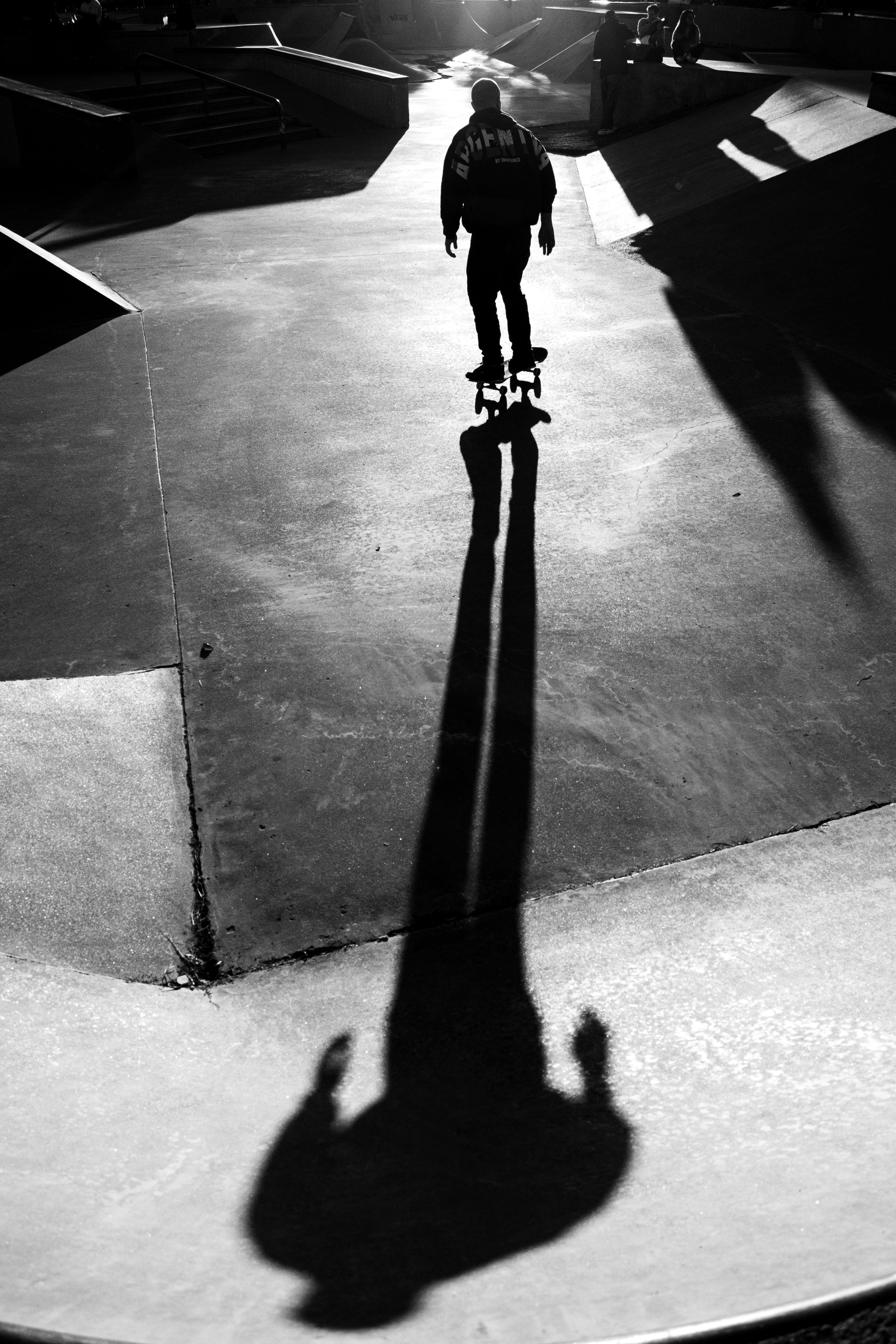
Use buildings, signs, trees, or awnings to cut the sun. That gives you softer light on faces and less glare in the frame. You can also wait for people to move through patches of shade, which often leads to better candid photos.
Simple ways to save a harsh scene
When the light is strong, look for strong lines. A wall edge, curb shadow, or crosswalk stripe can give the image structure. In that way, even a plain street can feel more interesting.
- Step into shade and watch the scene.
- Use the sky or bright wall as a clean background.
- Expose for the face if the person is in shade.
- Lower your exposure if the highlights are too bright.
If the light still feels too harsh, wait. Street photography rewards patience. The best frame often appears right when you think nothing will happen.
Use Shadows and Backlight for Stronger Street Frames
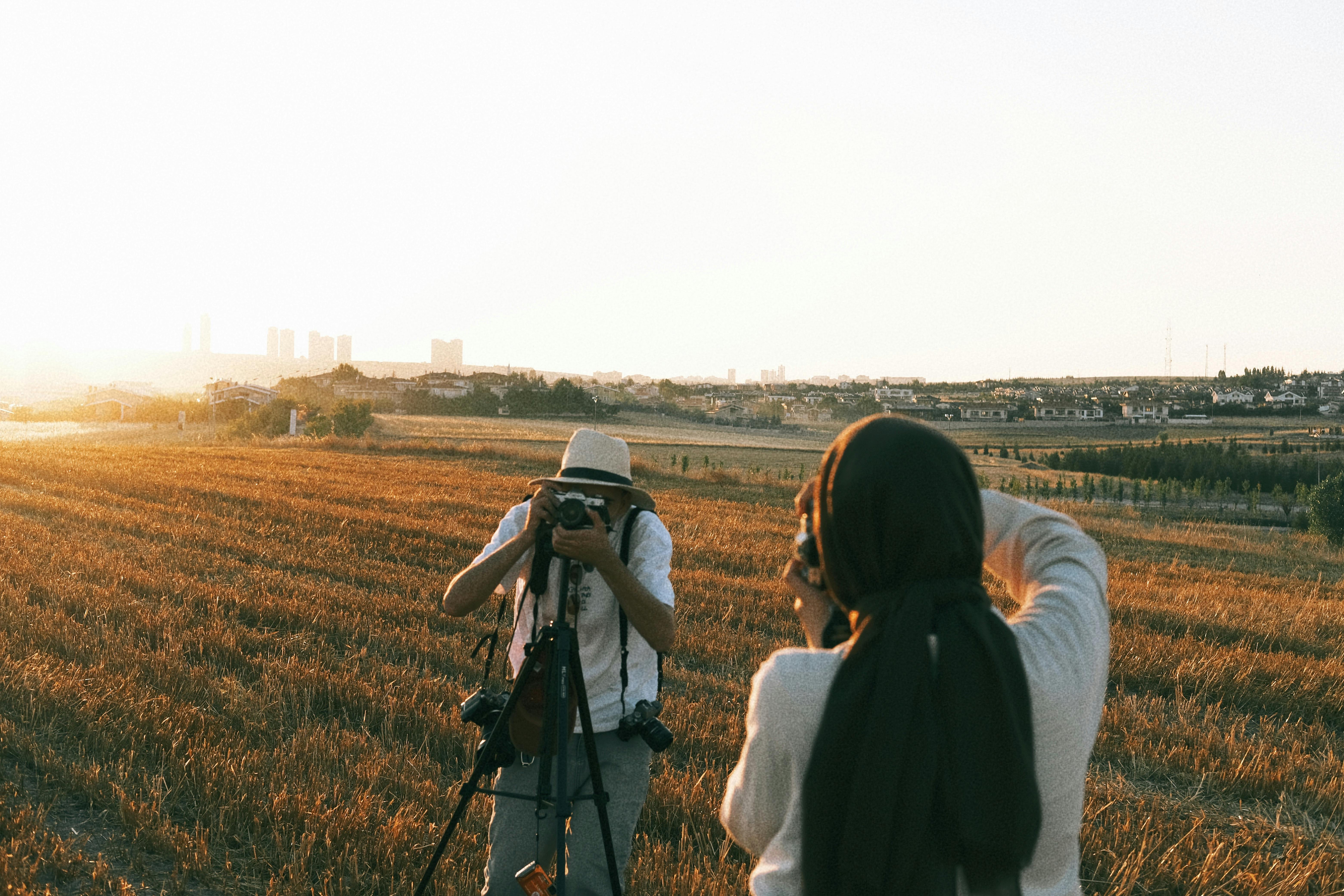
Golden hour street shots work well because the sun creates long shadows. Those shadows can guide the eye through the photo. They can also add depth and make the street feel wider.
For afternoon golden hour, try standing on the west side of your location. That helps you line up with the sun’s direction. It can also give you better side light and more shape on faces and buildings.
Backlighting for warm glow
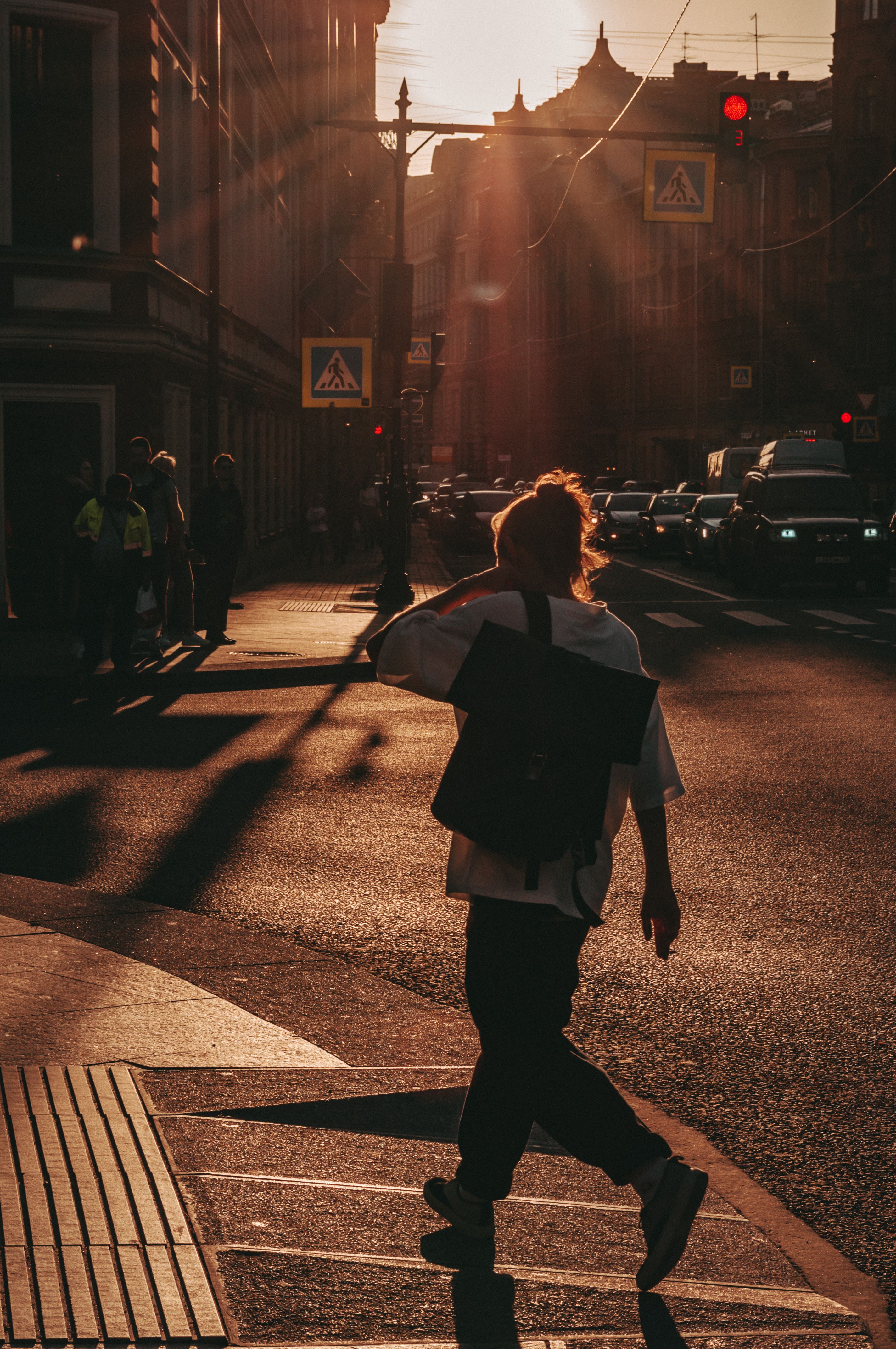
Backlighting is one of the key golden hour techniques. Place the sun behind your subject. That often creates a warm rim around hair, hats, coats, and shoulders.
Try this 30 to 45 minutes before sunset. The light is still strong, but soft enough to produce a pleasing glow. It is a great time for walkers, cyclists, and people near storefront windows.
Silhouettes that still feel alive
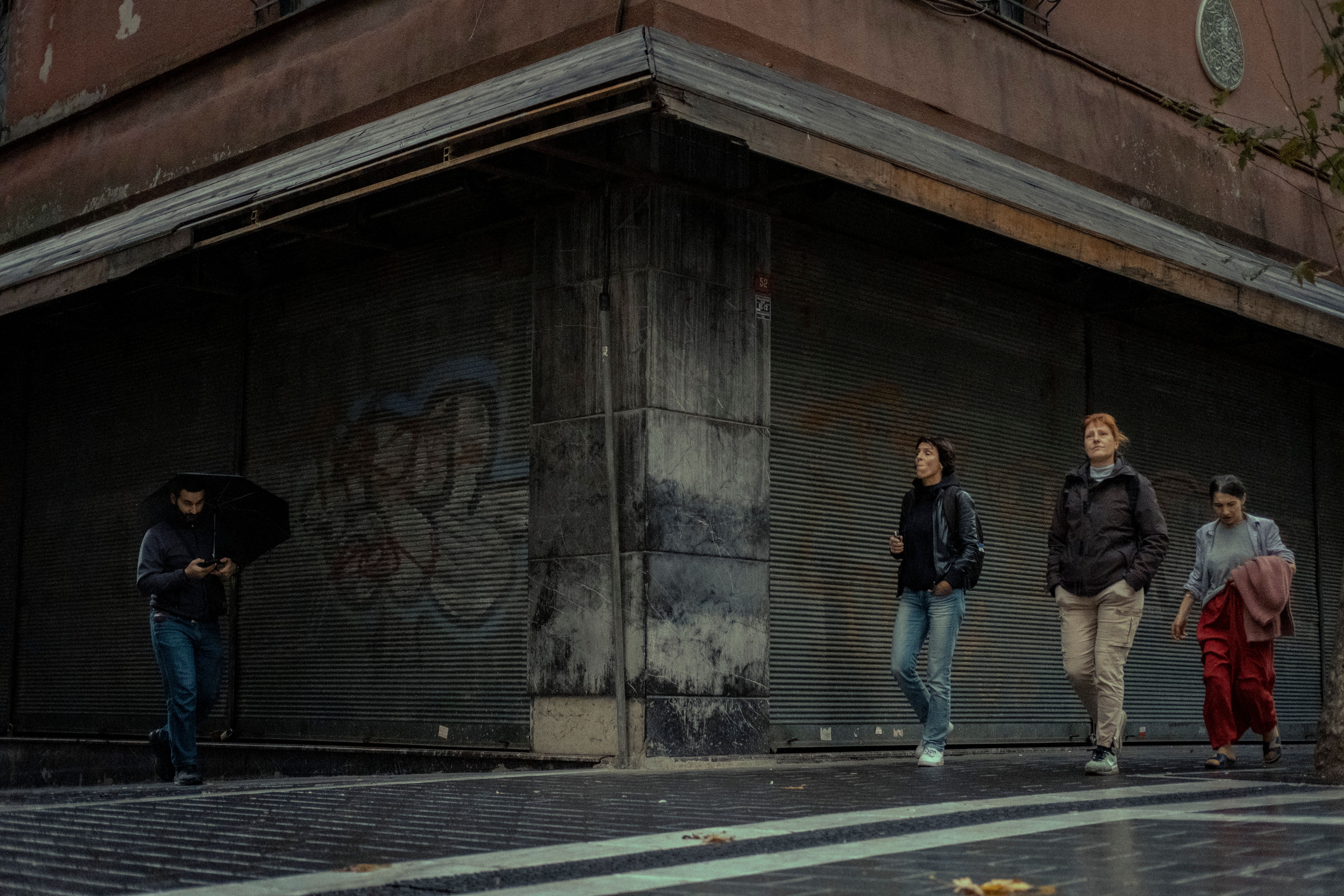
You can also use the sun to create silhouettes. Expose for the sky and keep the person or skyline dark. Spot metering helps here because it gives you more control over the bright part of the frame.
Silhouettes work best when the shape is clear. Look for raised arms, bikes, coats, or hats. A strong outline can say more than a face.
Camera Settings for Golden Hour Street Shots
Solid settings help you move quickly in changing light. Start with ISO 100 when the golden light is still bright. Then adjust shutter speed as the sun fades. This keeps your images clean and sharp.
If you want a softer look with a blurry background, use a wide aperture. For portraits, try f/1.6 to f/2.2. For a small group of four, f/3.5 gives you more room for focus.
Helpful starter settings
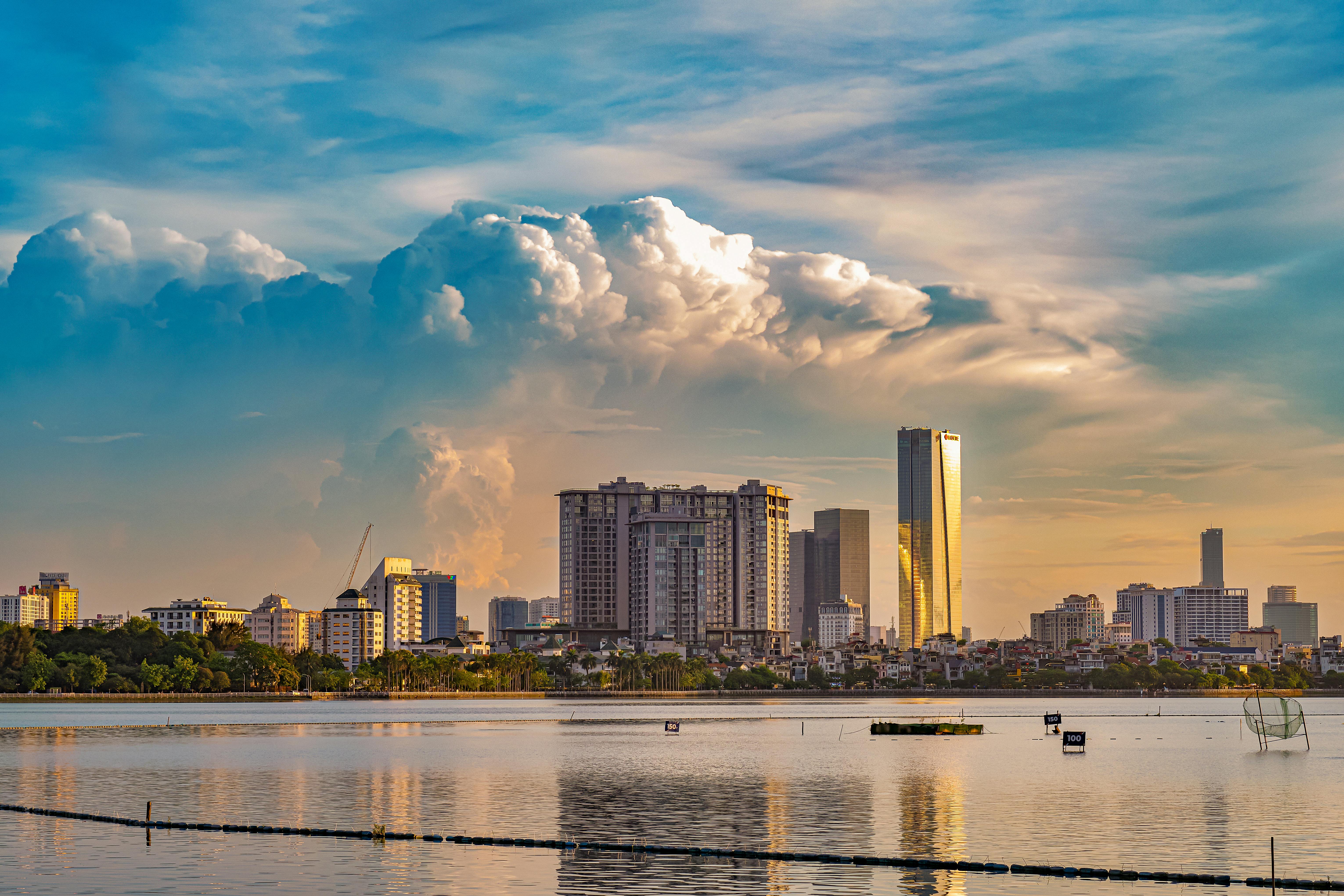
A 50mm to 85mm lens works well for street portraits and tighter frames. These focal lengths help you stay close to a natural perspective. They also let you isolate people from busy backgrounds.
- ISO: 100 in bright golden hour light
- Aperture: f/1.6 to f/2.2 for one person
- Aperture: about f/3.5 for small groups
- Shutter speed: start around 1/500s for moving subjects
- White balance: about 6500K for warm results
If you shoot JPEG, set white balance near 6500K or use cloudy mode. If you shoot RAW, you can fine-tune the warmth later in Lightroom or another editor. That makes it easier to preserve the golden feel without pushing skin tones too far toward orange.
How to Get Better Candid Photos While Walking Around
Candid street shots work best when you stay calm and ready. You do not want to stop every few steps. Instead, keep your camera in hand and watch people, light, and motion at the same time.
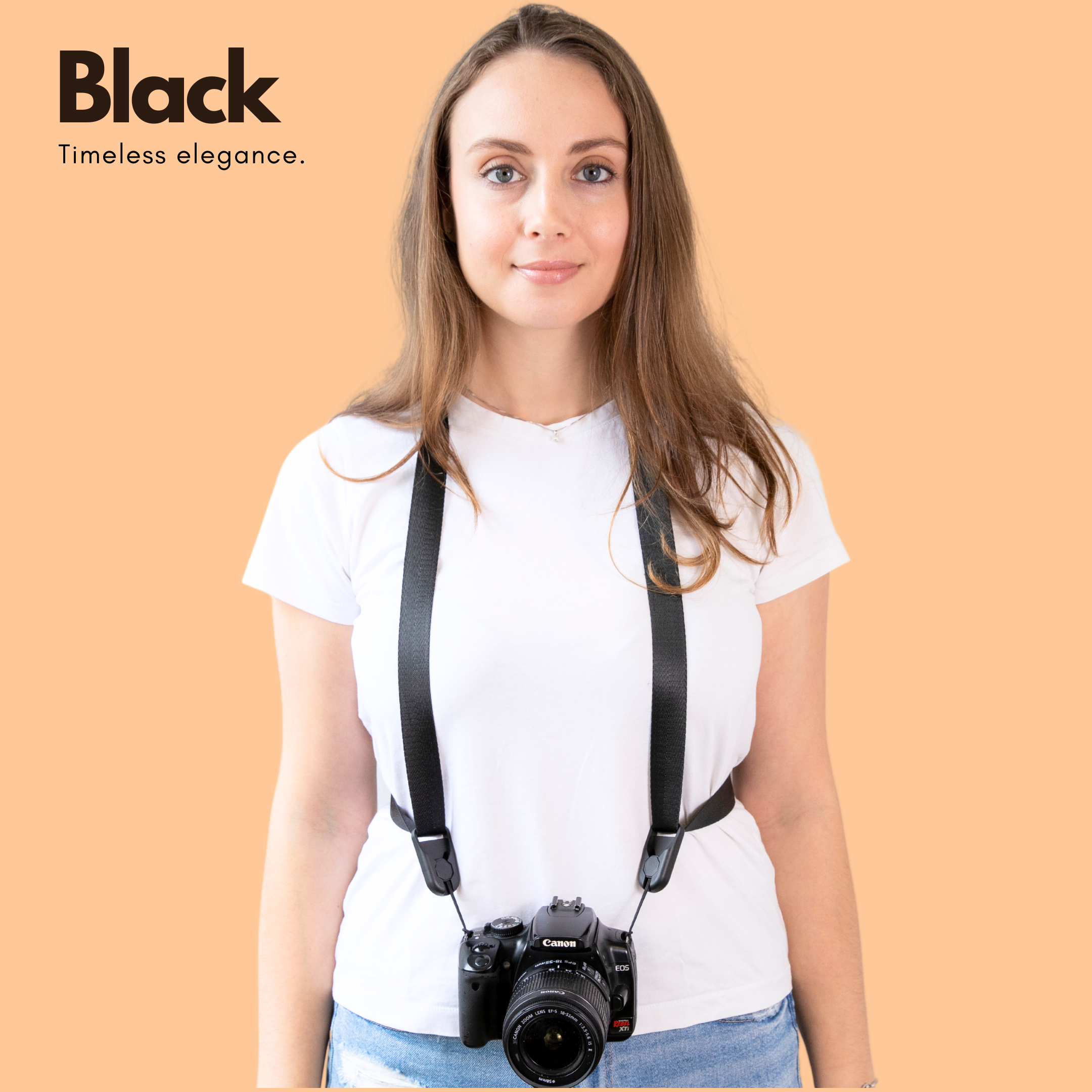
This is where a comfortable strap helps. A strap like the Camstrap Voyager, Camstrap Explorer, Camstrap Nomad, or Camstrap Magclip can keep the camera close while you walk. That can make long evening walks easier, because you can lift the camera quickly when a scene appears.
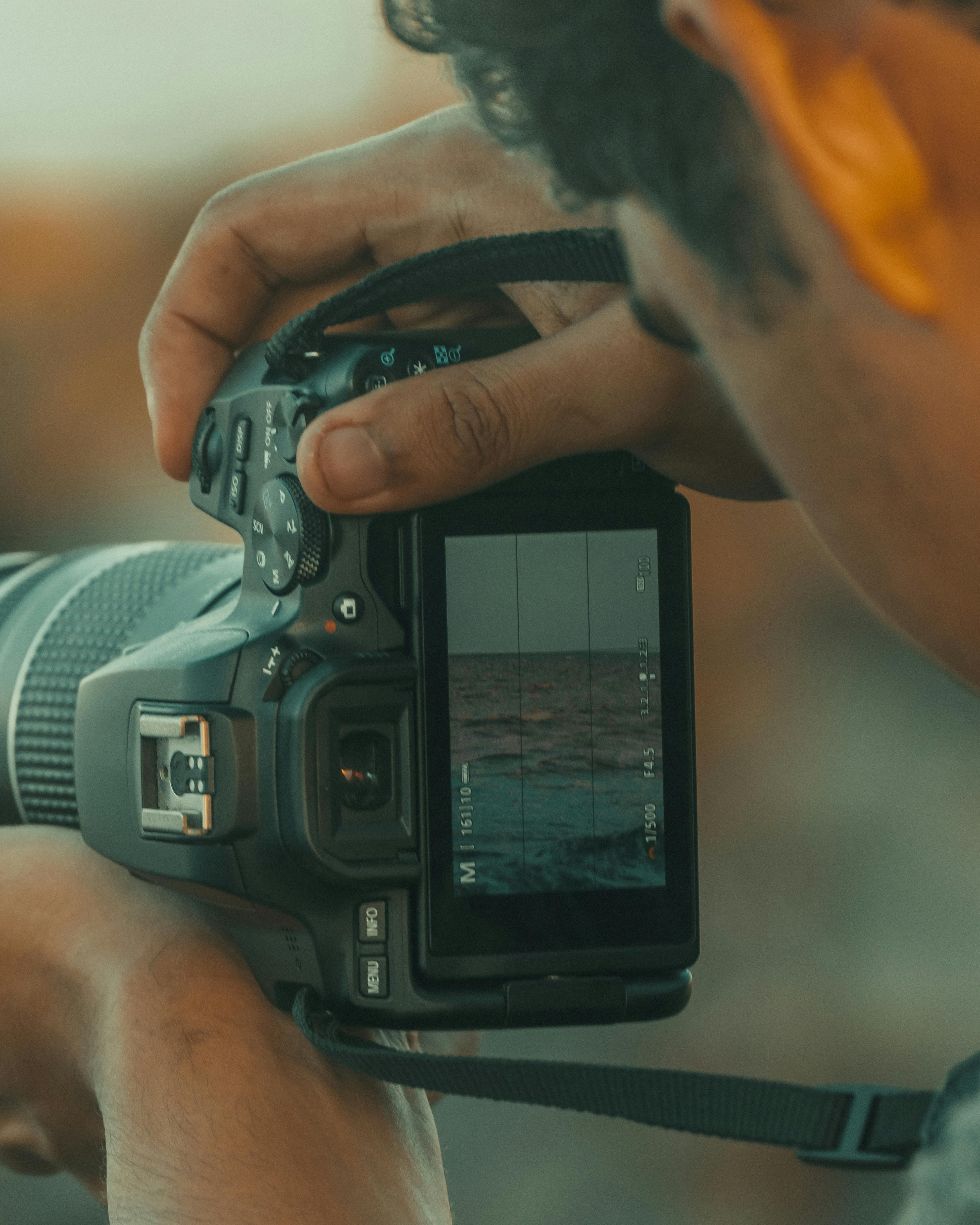
Build a simple shooting habit
Try to move slowly and scan ahead. Look for faces in light, people crossing streets, and quiet moments near shop windows. These are often the best golden hour street shots.
- Keep your camera out and ready.
- Watch for gestures, not just faces.
- Frame before you raise the camera.
- Take one shot, then adjust and take one more.
It also helps to stay curious. Ask yourself what the light is doing. Then use that light to tell the story of the street.
How to blend in without rushing
People relax when you act calm. Walk at a steady pace and avoid sudden movements. That can help you get more natural candid photos.
If you keep your camera on a strap, you also save time. You do not need to dig in a bag every time you see a scene. That small advantage often leads to better timing and stronger street shots.
Build Better Composition with Late Light
Golden light is only one part of the frame. You still need a strong scene. Look for layers, reflections, and lines that lead into the shot. These elements help the eye move through the image.
Street scenes often have a lot going on. Because of that, simple frames usually work best. Try to keep one main idea in each photo, such as a person in shadow, a glowing wall, or a long road line.
Easy composition ideas to try
Use the light to separate subjects from the background. A bright face against a darker shop front can stand out quickly. A person crossing in front of a sunlit wall can do the same.
- Place the subject near a shadow edge.
- Use reflections in windows or cars.
- Let long shadows point toward the subject.
- Watch for open space around busy areas.
These small choices make a big difference. They turn a casual walk into a stronger photo story.
Golden Hour Street Shots: A Simple Field Plan
A clear plan keeps you focused while the light changes. First, check the sunset time. Then pick one area with good sidewalks, open views, or bright walls. After that, walk slowly and wait for the right mix of light and people.
Remember the basics. Stand on the west side for afternoon light. Use long shadows in the frame. Set ISO to 100 in bright conditions. And use backlight when you want glow and depth.
If you like to stay out for a long time, comfort matters too. A strap option such as the Camstrap Nomad or Camstrap Explorer can help you keep your camera close during a long evening walk. That makes it easier to stay ready from the first warm glow to the last bit of twilight.
Make the Most of the Golden Light Before It Fades
Golden hour street shots are special because they blend light, motion, and real life. The scene can change in minutes, so the best habit is to stay ready. If you know the timing, use the shadows, and keep your camera close, you will make more strong frames.
Start simple. Shoot near sunset, look for backlight, and use the sky for silhouettes when the light drops. Then keep walking and keep watching. The sun may stay up late, but the best moments still pass quickly.
In the end, golden street photos reward patience and quick hands. Use the light, trust your eye, and keep your setup easy to carry. That is how you turn a late summer evening into a set of images that feel warm, honest, and alive.
Frequently Asked Questions
What time is golden hour in summer?
Golden hour is generally about one hour after sunrise and one hour before sunset. In summer, the exact timing shifts by location, and the best afternoon light often starts 30 to 45 minutes before sunset.
How do I photograph streets in harsh daylight?
Look for shade from buildings, signs, trees, or awnings to soften the light and reduce glare. Use strong lines, contrast, and clean shapes, and wait for people to move through shade or patches of light.
How do I get better candid photos while walking around?
Keep moving and watch for moments when people enter good light, especially shade or soft late-day sun. Arrive early, stay alert, and shoot quickly because the light changes fast.