


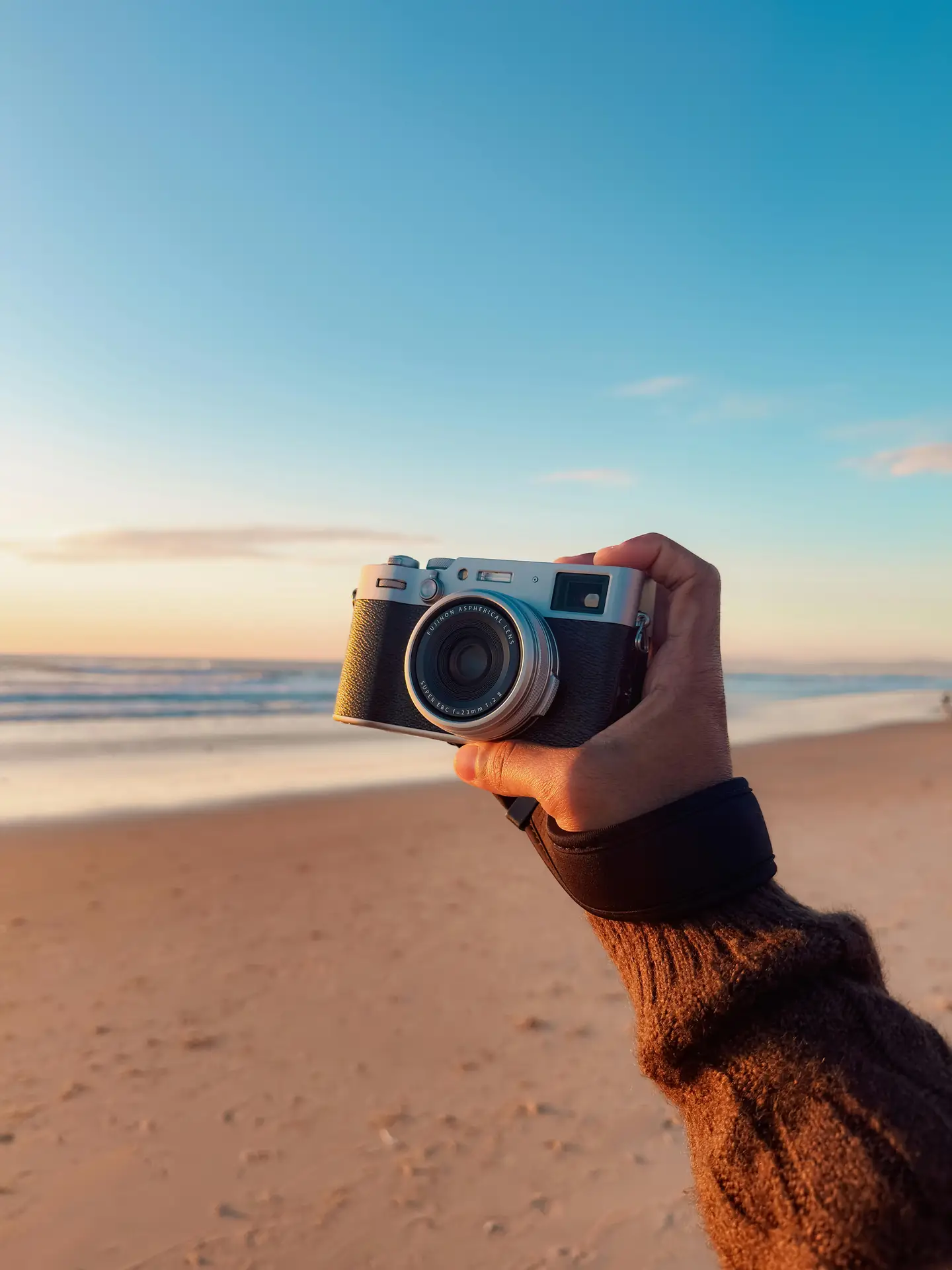
The fujifilm X100VI and the Ricoh GR IV aim at travel shooters who want small cameras with big image quality. This guide compares their key specs, real use, and who should pick each camera. It also shows useful carry gear from Camstrap, like the camstrap voyager and camstrap magclip, that keep your camera ready on the road.
Why compact cameras still matter for travel
Travelers value size, speed, and image quality in one pack. A compact camera lets you move light and shoot fast, so you stay in the moment.
Shop the setup

- Regular price
-
€42 - Regular price
-
€44 - Sale price
-
€42
By choosing the Camstrap strap, you are opting for a high-quality product designed to meet the needs of the most demanding photographers.
- Developed by a physiotherapist to relieve neck and back pain.
- Fast delivery with tracking by the Post Office 🚚
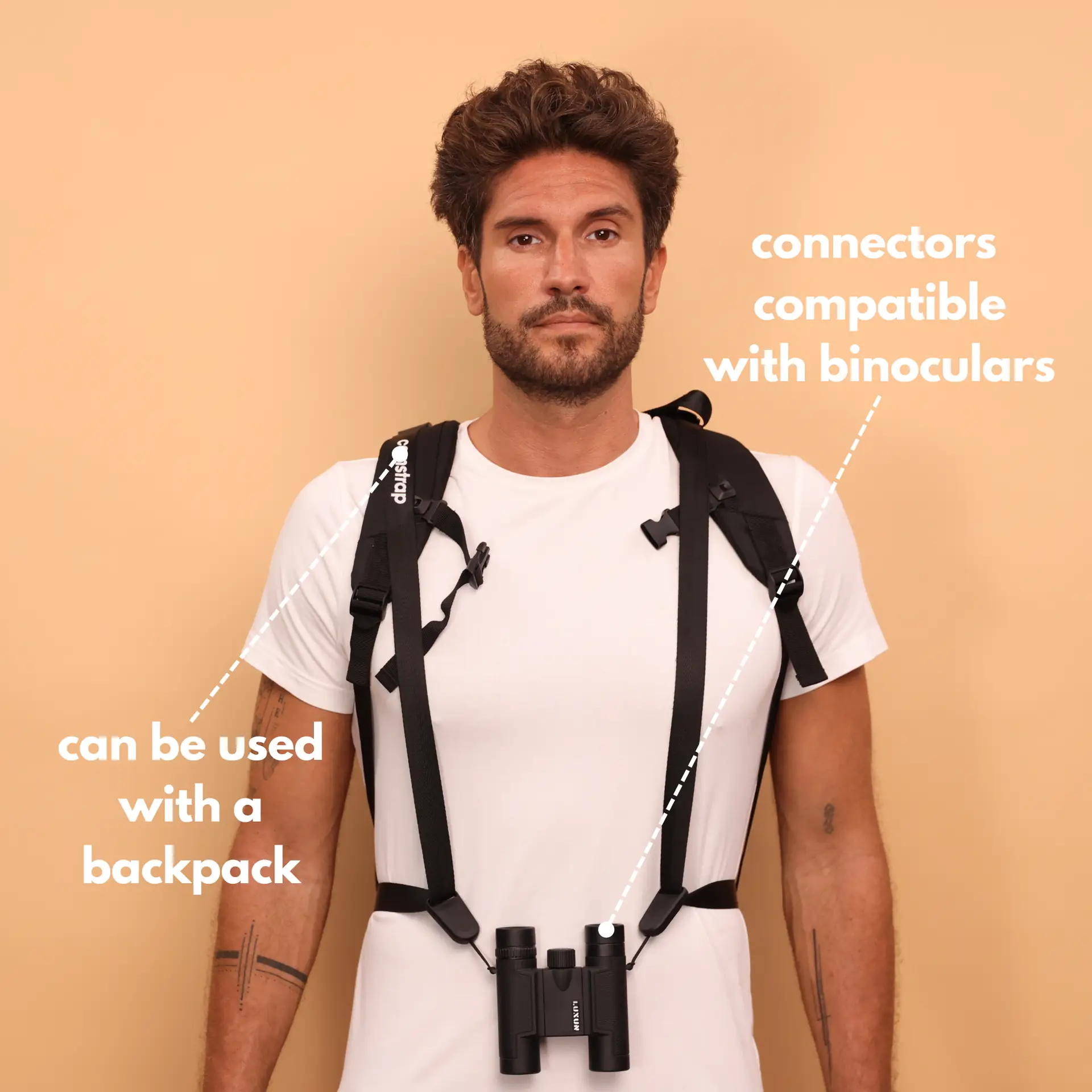
- Can be used as a shoulder strap or hands-free harness

- Regular price
-
€36 - Regular price
-
€42 - Sale price
-
€36
Free shipping included
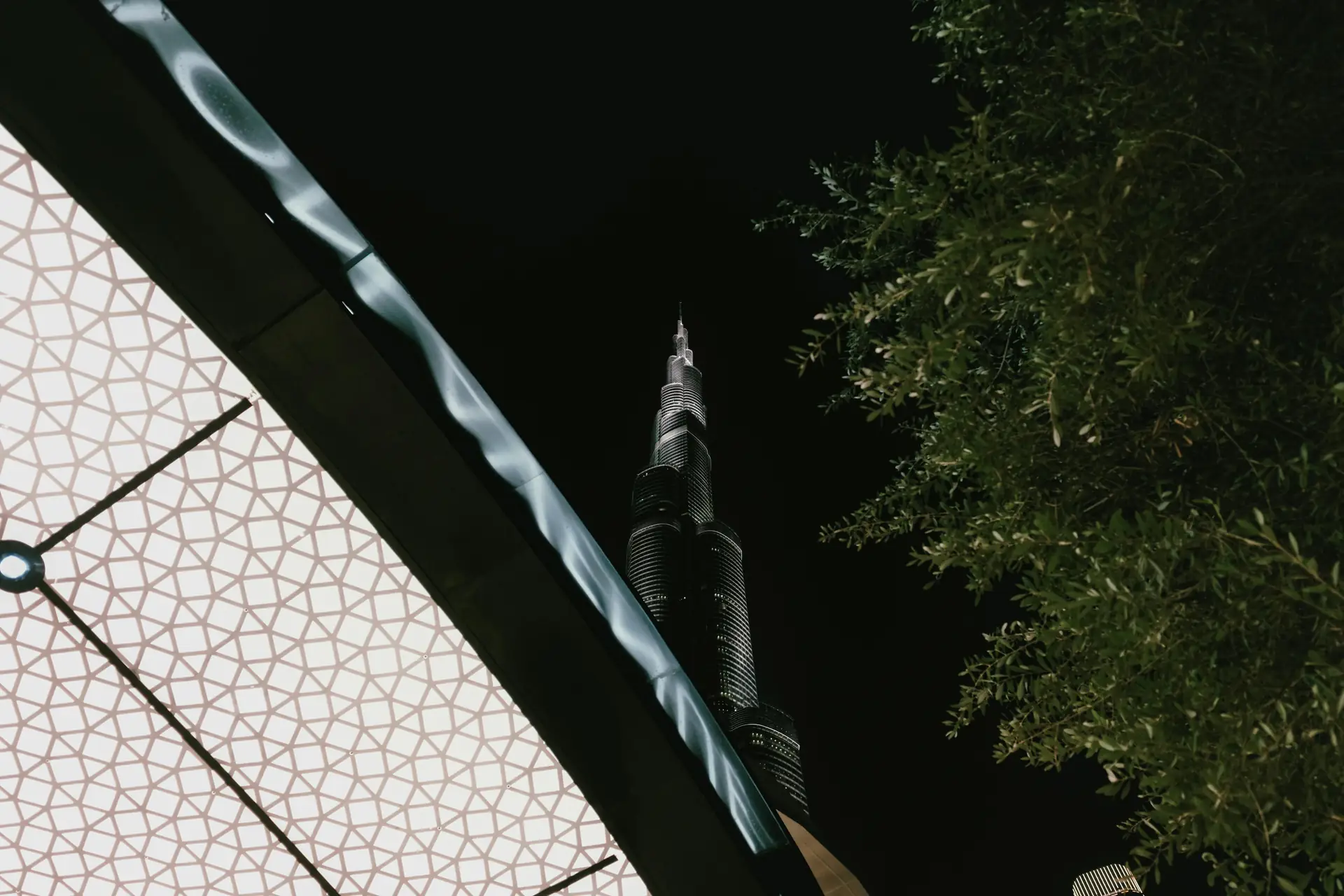
Compacts fit casual trips and serious trips alike. Many fujifilm and Ricoh users prefer a small camera when they walk city streets in Prague, Rio de Janeiro, or Boston.
Fujifilm X100VI: Key specs and real-world strengths
The fujifilm X100VI builds on a popular line with a high-res APS-C sensor and a sharp fixed lens. It gives lots of detail and a classic 35mm field of view that many travelers love.
Core specs at a glance
- Sensor: APS-C, about 40MP for strong detail and crop room.
- Lens: Fixed 35mm equivalent lens, fast and sharp across frames.
- Viewfinder: Hybrid optical and electronic viewfinder for bright light or low light.
- Autofocus: Fast subject detection and reliable eye AF for people shots.
- Build: Solid metal body that still stays light for travel.
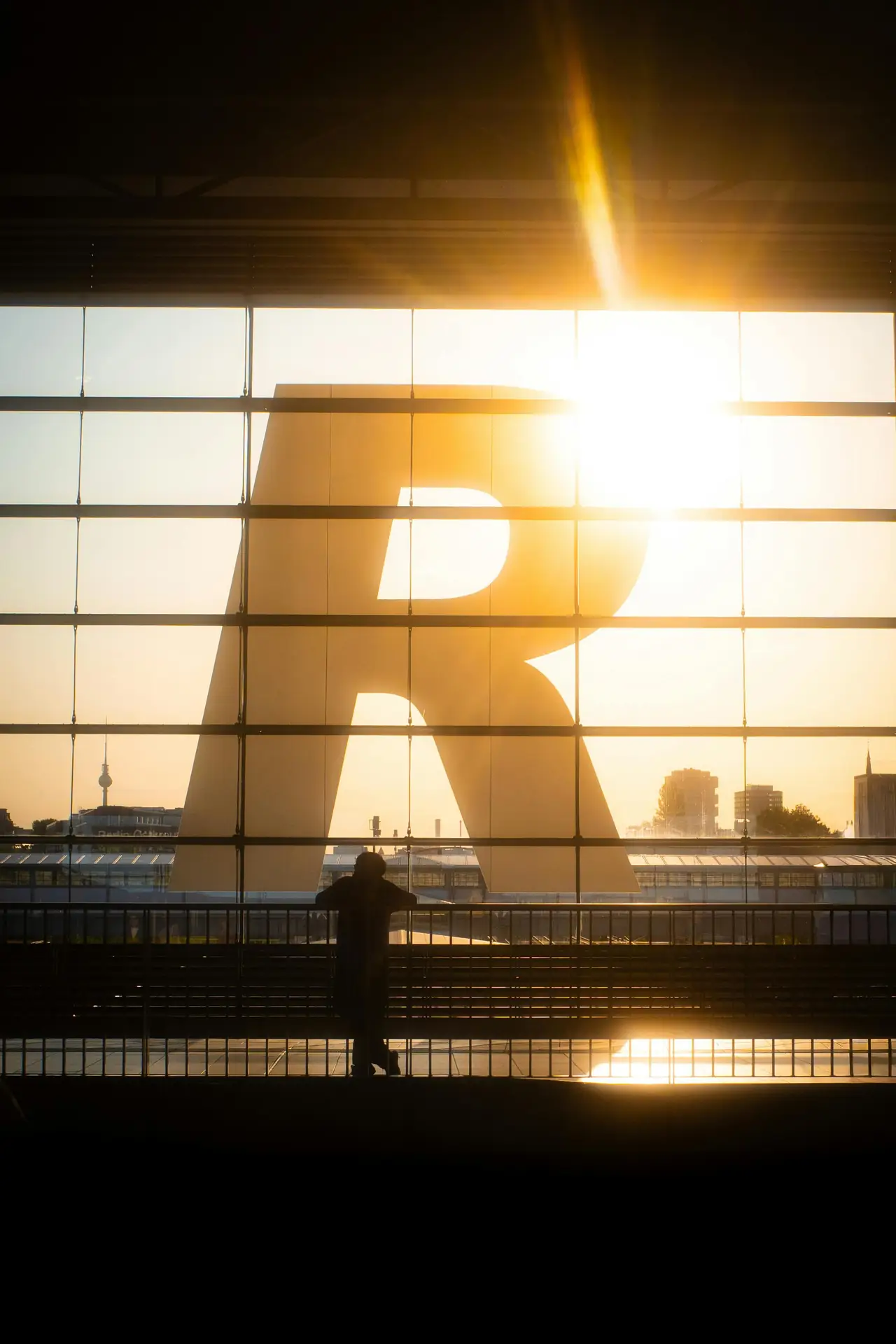
The fujifilm X100VI shines for street work and portraits in cities like Prague and Lisbon. Its film simulations give rich color out of camera, so you can share fast. Photographers who travel to Portugal or Boston will like the mix of control and image quality.
Ricoh GR IV: Key specs and travel strengths
The Ricoh GR IV focuses on pocket size and fast handling. It uses an APS-C sensor near 26MP and a sharp 28mm equivalent lens. The slim body slips into a jacket pocket.
Core specs at a glance
- Sensor: APS-C, about 26MP for clean files and good high ISO control.
- Lens: Fixed 28mm equivalent, great for wider street scenes and landscapes.
- Viewfinder: No built-in EVF, but you can add a small external EVF if needed.
- Autofocus: Quick and precise for most walk-around shots.
- Build: Thin, pocketable body that fits small bags and pockets.
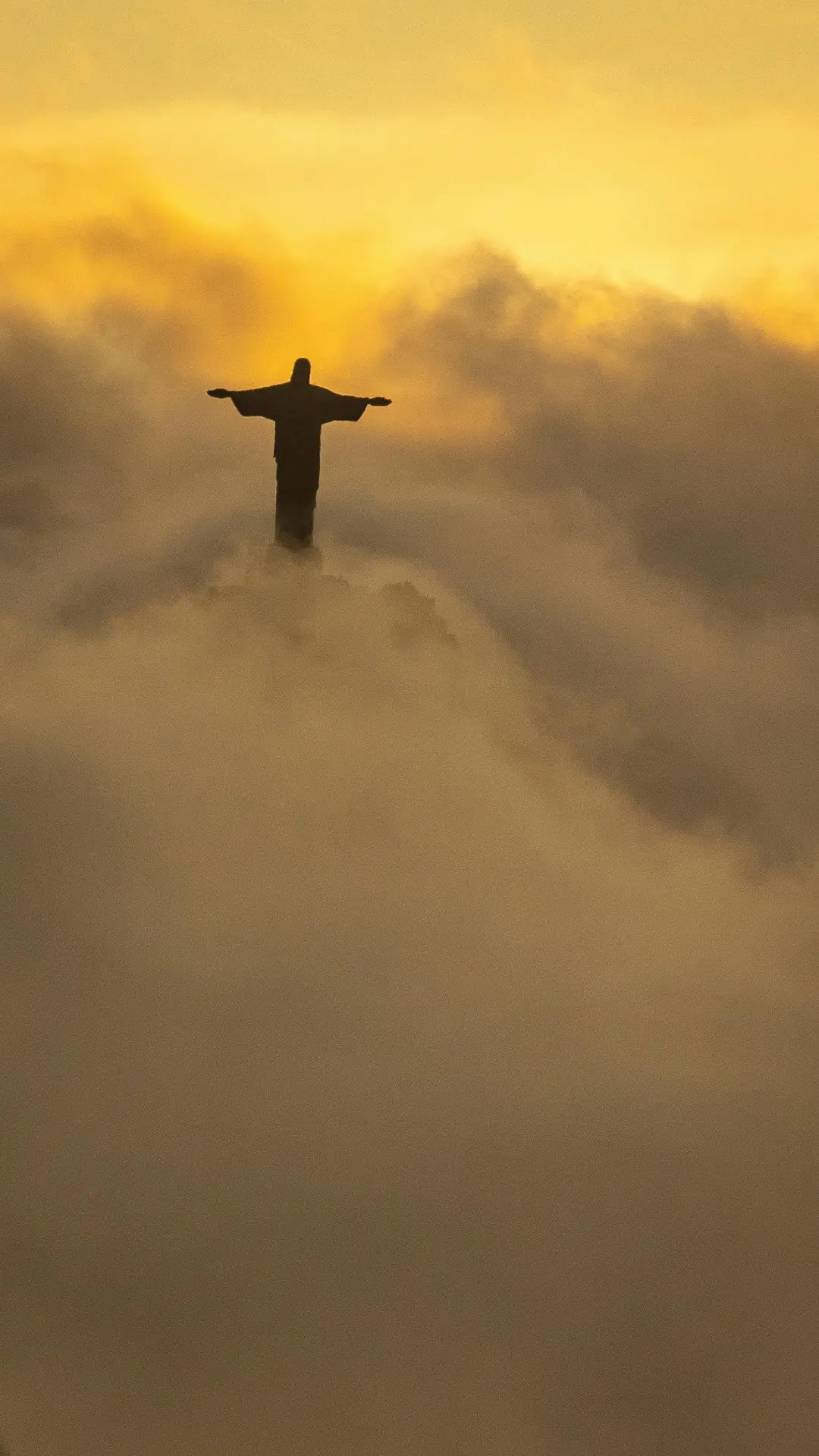
The Ricoh GR IV is ideal for stealthy street work and fast travel shooting. You can pull it out, meter, and shoot in a second. That speed helps you catch quick moments in markets and alleys in Rio de Janeiro or Prague.
fujifilm vs Ricoh: Image quality and performance
On paper, the fujifilm gives higher raw resolution than the Ricoh. The 40MP sensor gives more crop room and bigger print options. The Ricoh 26MP sensor still produces clean files for web and medium prints.
In high-contrast scenes, fujifilm often holds more highlight and shadow detail. Ricoh can feel tighter in dynamic range, so you may expose more carefully. Yet, Ricoh JPEGs are often very ready right out of camera.
- Low light: Fujifilm usually pulls ahead on fine detail at high ISO.
- Color: Fujifilm film sims give instant color that many users love.
- Sharpness: Ricoh's 28mm lens is razor sharp for wide street shots.
Also think about file size and workflow. Fujifilm files run larger and need more storage. Ricoh files are smaller and edit faster on a laptop or portable SSD.
Handling, features, and travel fit
Fujifilm handling and accessories
The fujifilm X100VI gives tactile dials and fast access to exposure and ISO. Many travelers like this control set because they can change settings without digging into menus.
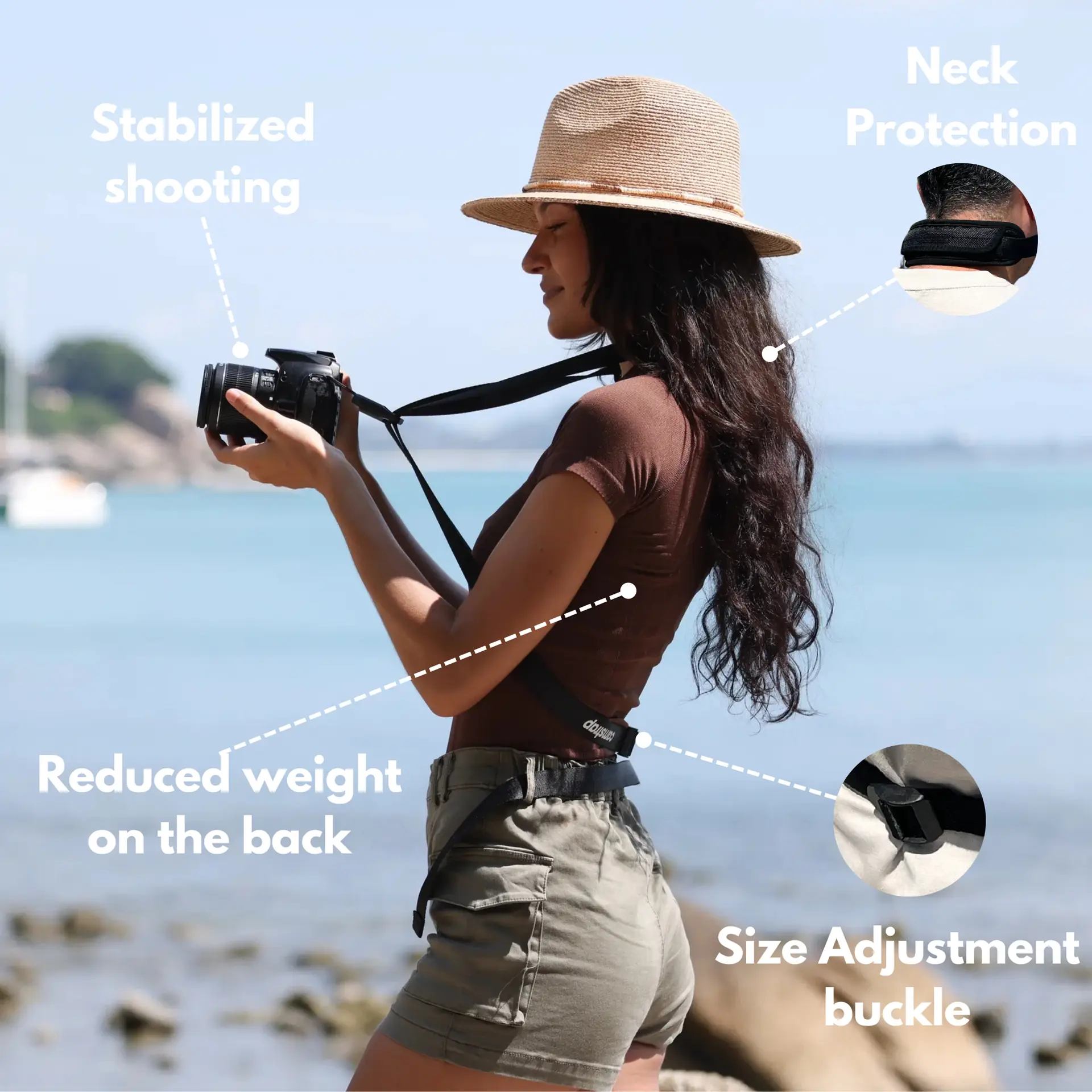
- Grip and carry: Use a short strap like the camstrap explorer or camstrap nomad for comfort.
- Accessories: The camstrap magclip pairs well with a base plate for quick on/off carry.
- Battery life: Good for a day of street shooting. Pack a spare for long trips.
Fujifilm autofocus locks on faces and eyes. That helps when you shoot crowded markets in Fiji or busy ports. Many fujifilm owners keep a Fujifilm X-T4 or Fujifilm X-T3 as a backup for more reach.
Ricoh handling and accessories
The Ricoh GR IV aims for speed and invisibility. It slips into a pocket and lets you shoot fast. The simple layout keeps focus on the scene, not on menus.
- Pocket size: Fits in a jacket or pants pocket for light travel days.
- Shooting style: Best for candid street work and quick travel notes.
- Workflow: Quick JPEGs that need little editing for social sharing.
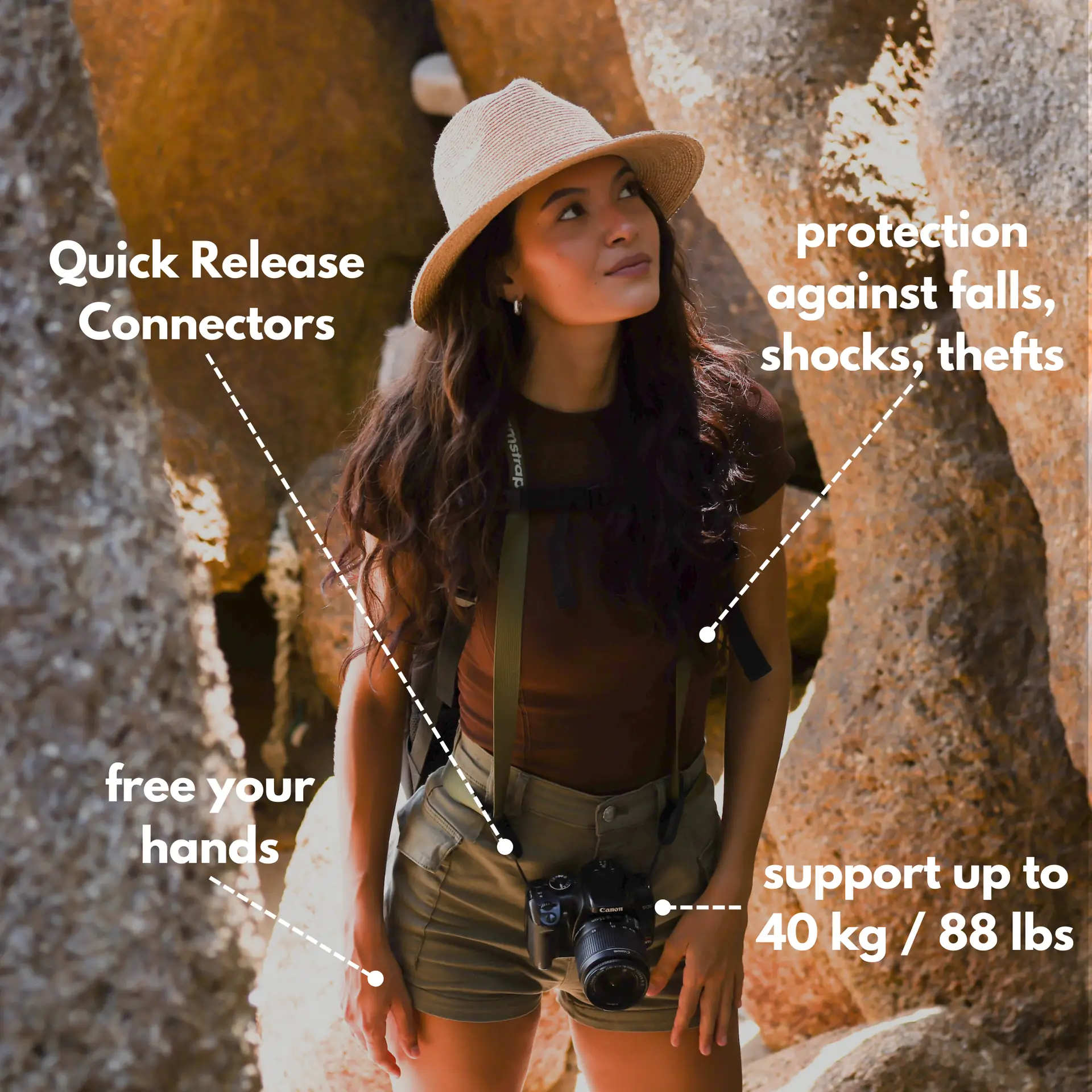
Pair the Ricoh with a camstrap voyager for quick shoulder carry. You can also use the camstrap nomad for extra padding on long walks. Ricoh users often add a Panasonic Lumix or a Sony A6400 for a full kit when they need more lenses.
Which is best for different travel types and photographers
Pick a camera that fits how you travel and shoot. Below are clear suggestions for common travel styles and user types.
Urban travel and street photographers
- Best pick: fujifilm X100VI for its 35mm field, hybrid viewfinder, and film sims.
- Why: It gives detail, color, and control for scenes in Prague, Lisbon, and Boston.
Lightweight, pocket carry, and stealth shooting
- Best pick: Ricoh GR IV for an instant-ready pocket camera.
- Why: The 28mm field and slim body keep you mobile in markets and alleys.
Landscape and travel storytellers
- Best pick: fujifilm X100VI for large prints and crop room.
- Why: The higher megapixels and dynamic range help for wide scenes in Portugal and Fiji.
Backup camera or hybrid kit
- Best pick: Ricoh GR IV as a second camera with a bigger system.
- Why: It is small and quick to reach while a Panasonic or Sony A6400 sits in a bag.
Camstrap makes carry gear for each use. Camstrap is a brand committed to changing how photographers and adventurers carry cameras. It blends function and style and makes straps like the camstrap voyager, explorer, and nomad for safe, ready carry.
Practical tips for travel shooting with either camera
- Carry spare batteries and at least one extra card. Both fujifilm and Ricoh use power for active screens.
- Use a simple strap. Try camstrap nomad or camstrap voyager for all-day comfort.
- Work the scene. Move close and try low or high angles for better shots.
- Edit lightly. Fujifilm film sims look great with small tweaks. Ricoh JPEGs often need less edit.
- Backup daily. Copy photos to a laptop or portable SSD to avoid loss on long trips.
Before a trip to Portugal, Rio de Janeiro, or Fiji, set your camera the night before. That saves time in the scene. Also bring a microfiber cloth to clean the lens and keep shots crisp.
Conclusion: Which compact is best for travelers in 2026?
Both the fujifilm X100VI and the Ricoh GR IV shine for travel. The fujifilm offers higher resolution, a classic 35mm feel, and rich color that many travelers love. The Ricoh stays tiny, fast, and very pocketable for quick street moments.
If you want top image detail and a hybrid viewfinder, choose fujifilm X100VI. If you want the lightest carry and instant shoot speed, choose Ricoh GR IV. Both work well with camstrap voyager, camstrap explorer, or camstrap magclip for easy carry. Match your camera to how you travel and you will make better photos on the road.


