


- Which camera strap is best for hiking and climbing
- Should I use a crossbody or neck strap for adventure travel
- How do I attach small accessories to my strap safely
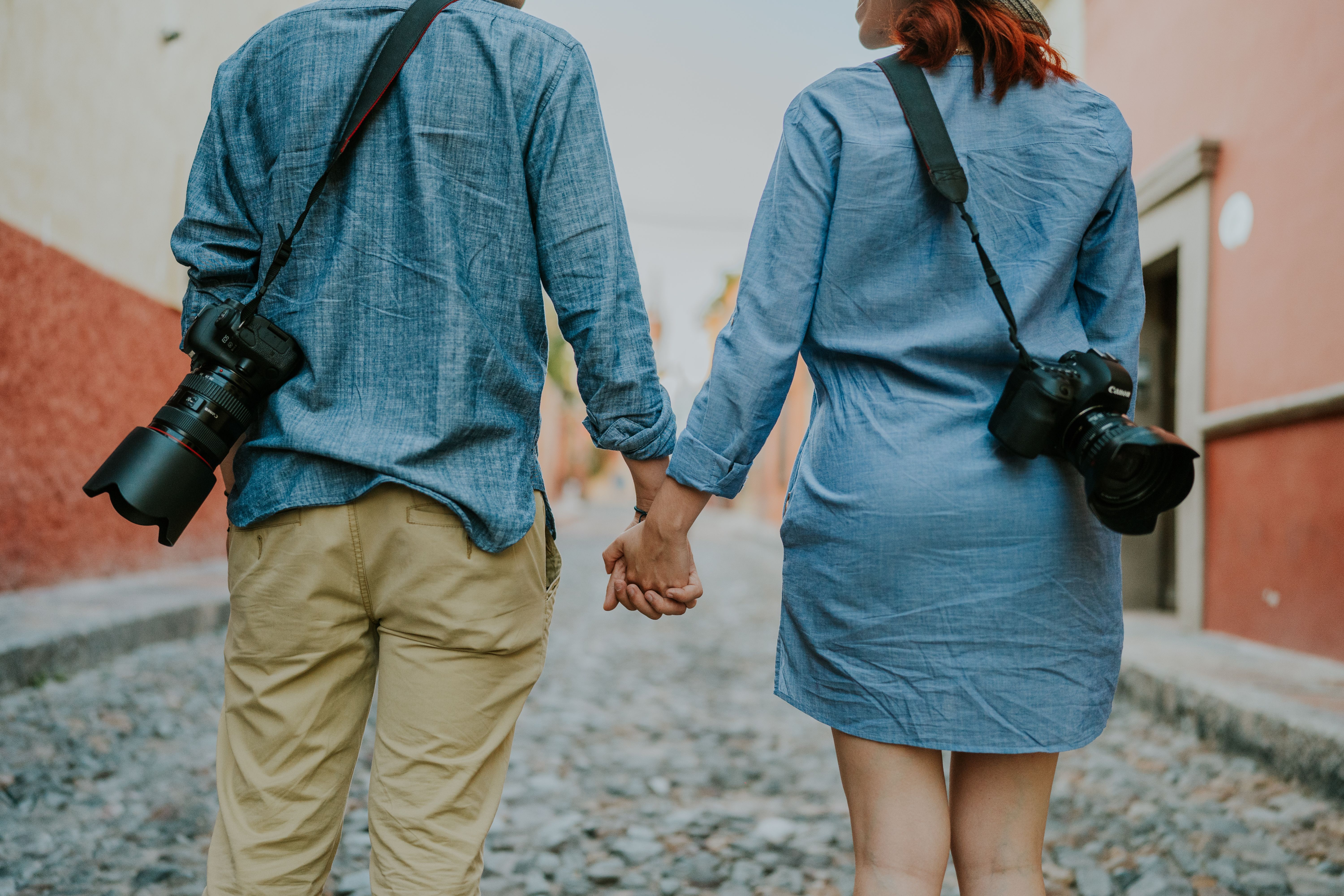
To find the right camera strap for adventure travel, begin with your trip style, camera weight, and comfort needs. What works for a city stroll can fall short on a steep trail, so your carrying system should match the way you move.
Shop the setup

- Regular price
-
€42 - Regular price
-
€44 - Sale price
-
€42
By choosing the Camstrap strap, you are opting for a high-quality product designed to meet the needs of the most demanding photographers.
- Developed by a physiotherapist to relieve neck and back pain.
- Fast delivery with tracking by the Post Office 🚚
- Can be used as a shoulder strap or hands-free harness

- Regular price
-
€36 - Regular price
-
€42 - Sale price
-
€36
Free shipping included
This guide will help you select a camera carry setup that feels secure, quick to use, and comfortable all day. You will also learn how to compare sling, crossbody, neck, wrist, and harness styles. Along the way, we will review practical product details and simple ways to test a strap before a major trip.
Choose the Right Camera Strap for Your Trip Style
The first step is to pick a strap based on where you are headed. A travel strap for city photography is not the same as one built for hiking, biking, or climbing. Your route, gear, and pace all play a role.
Sling straps are a strong option when you want fast camera access. Shoulder straps suit casual travel and street photography. Still, if your days are long and the terrain is rough, you may need extra support.
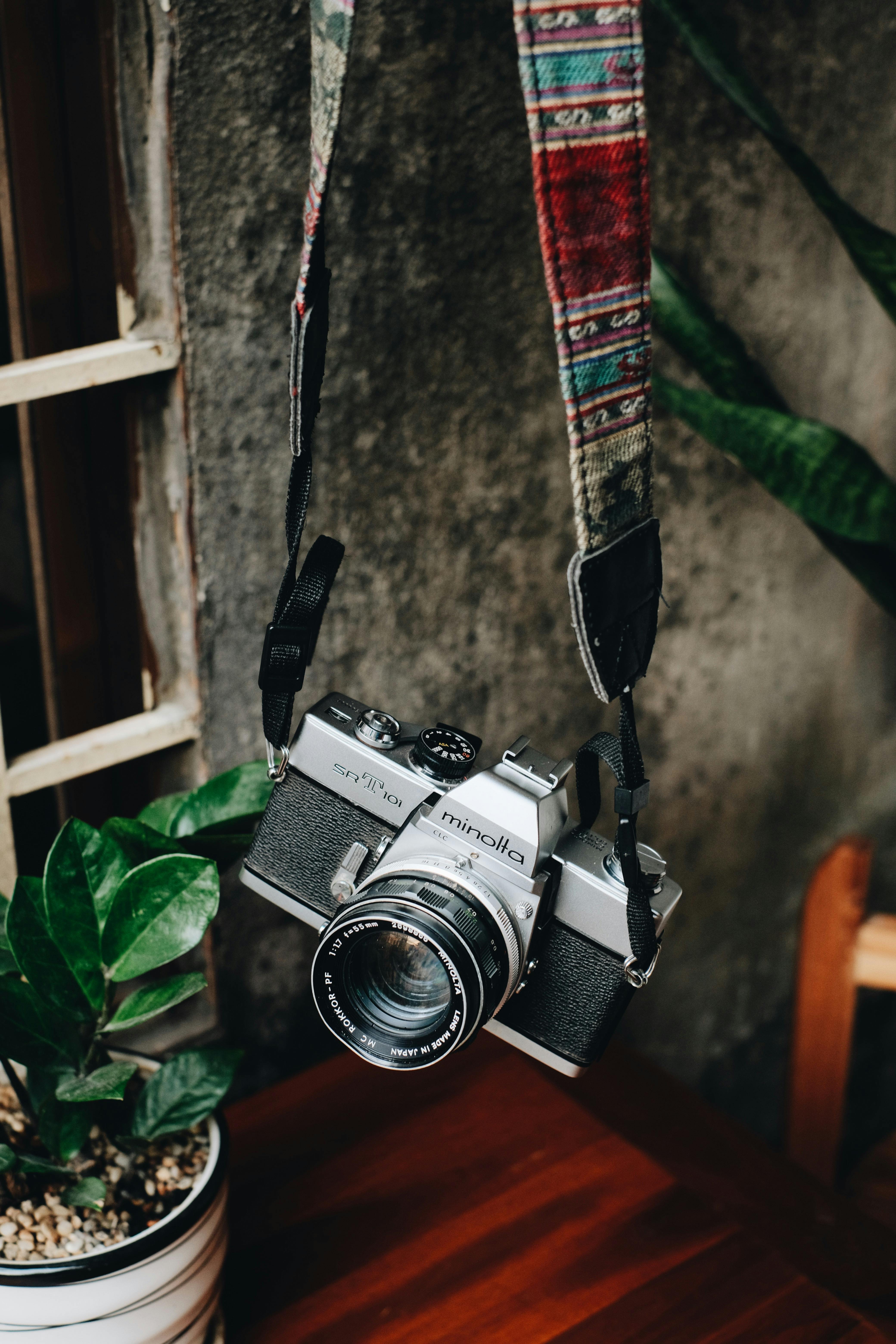
Choose based on the way you move
Consider how often you stop to take photos. If you shoot every few minutes, go with a strap that keeps the camera ready at your side. If you only photograph occasionally, a simpler setup may be enough.
- Hiking and trekking: Choose a secure sling or harness.
- Street travel: Choose a shoulder or crossbody strap.
- Climbing or biking: Choose a body-close system with less bounce.
- Short day trips: Choose a light neck or wrist strap if your camera is small.
In the end, the best option is the one that suits your pace and your gear. A strap that feels fine for ten minutes may feel wrong after three hours. Keep the full day in mind, not just the first shot.
Choose Between Sling, Crossbody, Neck, and Wrist Straps
It helps to decide on carry style before comparing brand names. Each style has clear strengths. Each also has limits, so match the design to the task.
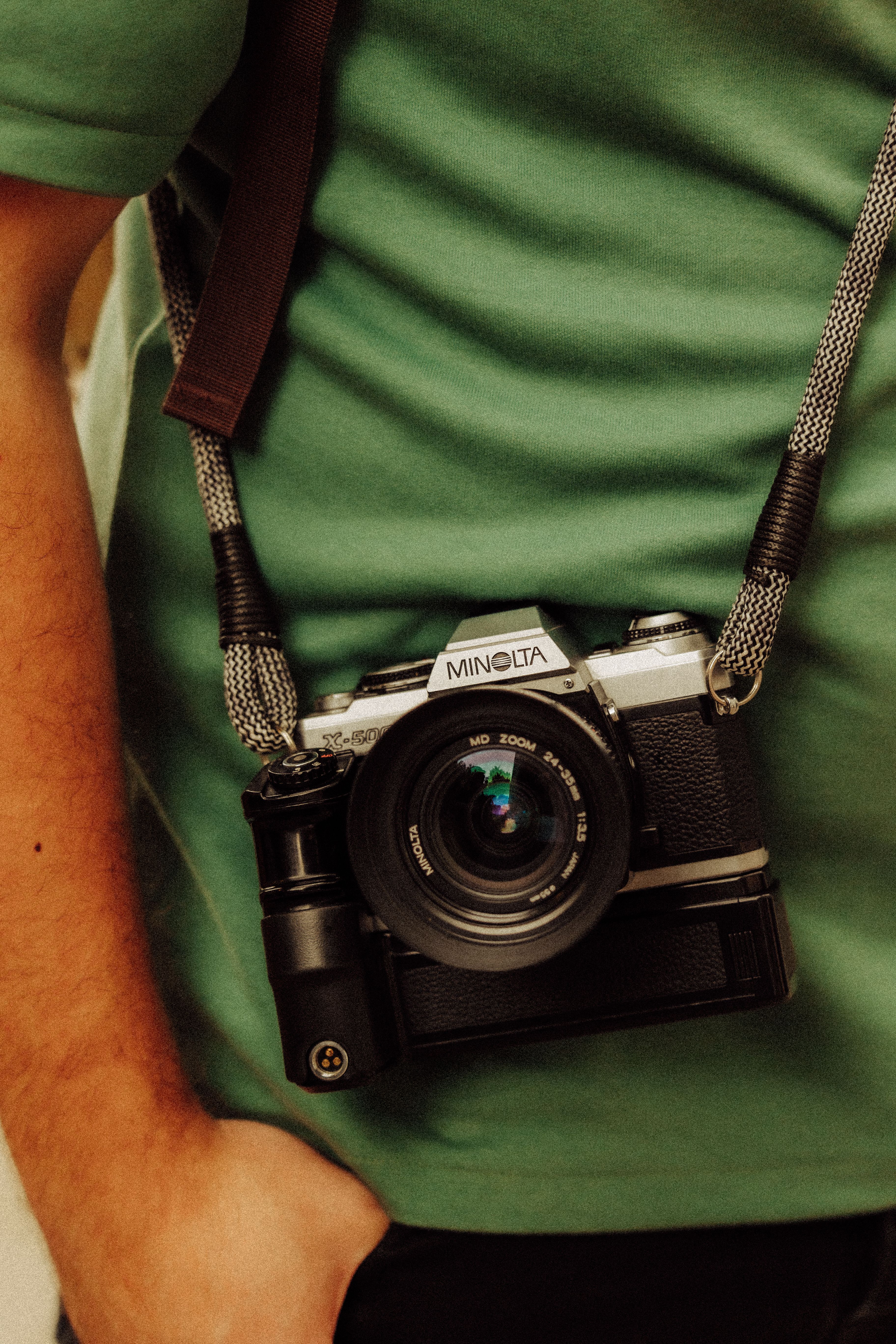
Choose a sling strap for quick access
Sling straps let the camera rest at your side. You can lift it quickly and keep moving. That makes them a smart choice for hikes, travel days, and fast-paced street work.
Research on travel gear shows that sling straps provide quick access and perform well on hikes. They also help take weight off your neck. That can make a long day feel easier.
Choose a crossbody strap for balance
A crossbody strap distributes weight across your body. It feels more stable than a loose neck strap. For many adventure travelers, it offers a practical middle ground.
Should you use a crossbody or neck strap for adventure travel? In most cases, crossbody is the better pick if you carry a camera for more than a few hours. It often feels safer and steadier, especially when you move quickly or climb stairs.

Choose a neck strap only for light use
Neck straps are straightforward, but they can wear you out quickly. They work best with small cameras or short photo walks. If your setup is heavy, your neck may start to ache after a while.
For a light mirrorless body with a 50mm lens, a neck strap may be enough for short outings. However, for a body with a zoom lens, crossbody or sling often performs better. Comfort should come before style.
Choose a wrist strap for small cameras and quick shots
Wrist straps are ideal for light cameras and low-risk use. They keep the camera close and make it easy to hold. They also work well when you want less bulk.
Even so, wrist straps are not the best match for long hikes or busy trail use. They provide less support and do not distribute weight well. Use them for small gear, not for a full adventure load.
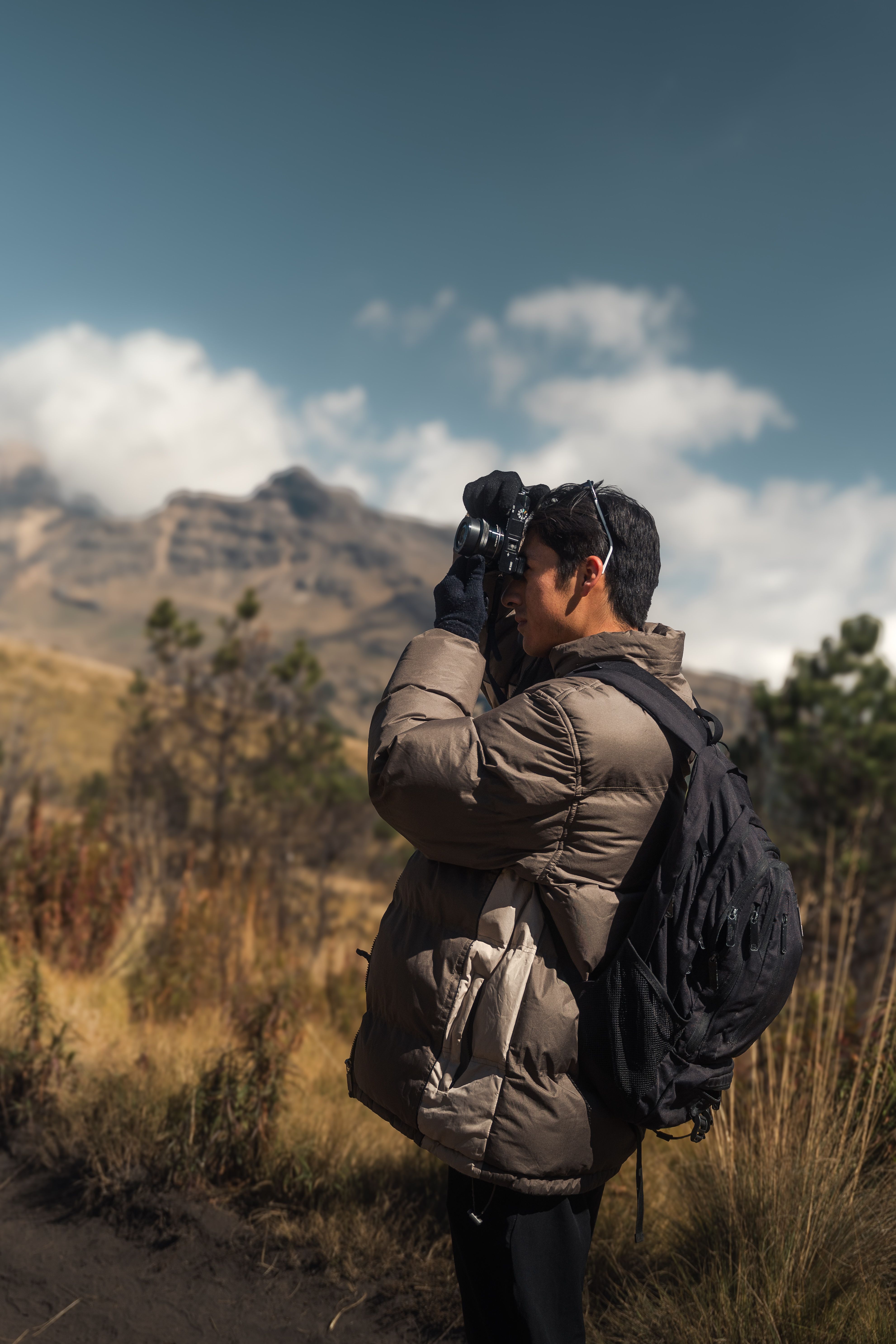
Choose a Strap That Fits Your Camera Weight
Weight matters more than many people expect. A small camera with a 35mm lens feels easy to carry. By contrast, a body with a 70–200mm lens can pull hard on your shoulder or neck.
For heavier camera setups with telephoto lenses, a wider strap is a smart pick. One research-backed example is the Peak Design Slide strap, which is 45mm wide. It also uses internal padding to spread weight during long shooting days.
Choose width and padding with care
A comfortable hiking strap should be at least 2.5 inches wide. That width helps spread the load and can reduce sore shoulders. Narrow straps often dig in after long use.
Padding matters too, but more padding is not always better. You want support without unnecessary bulk. A good strap should feel soft while still staying secure.
Choose stronger gear for heavier kits
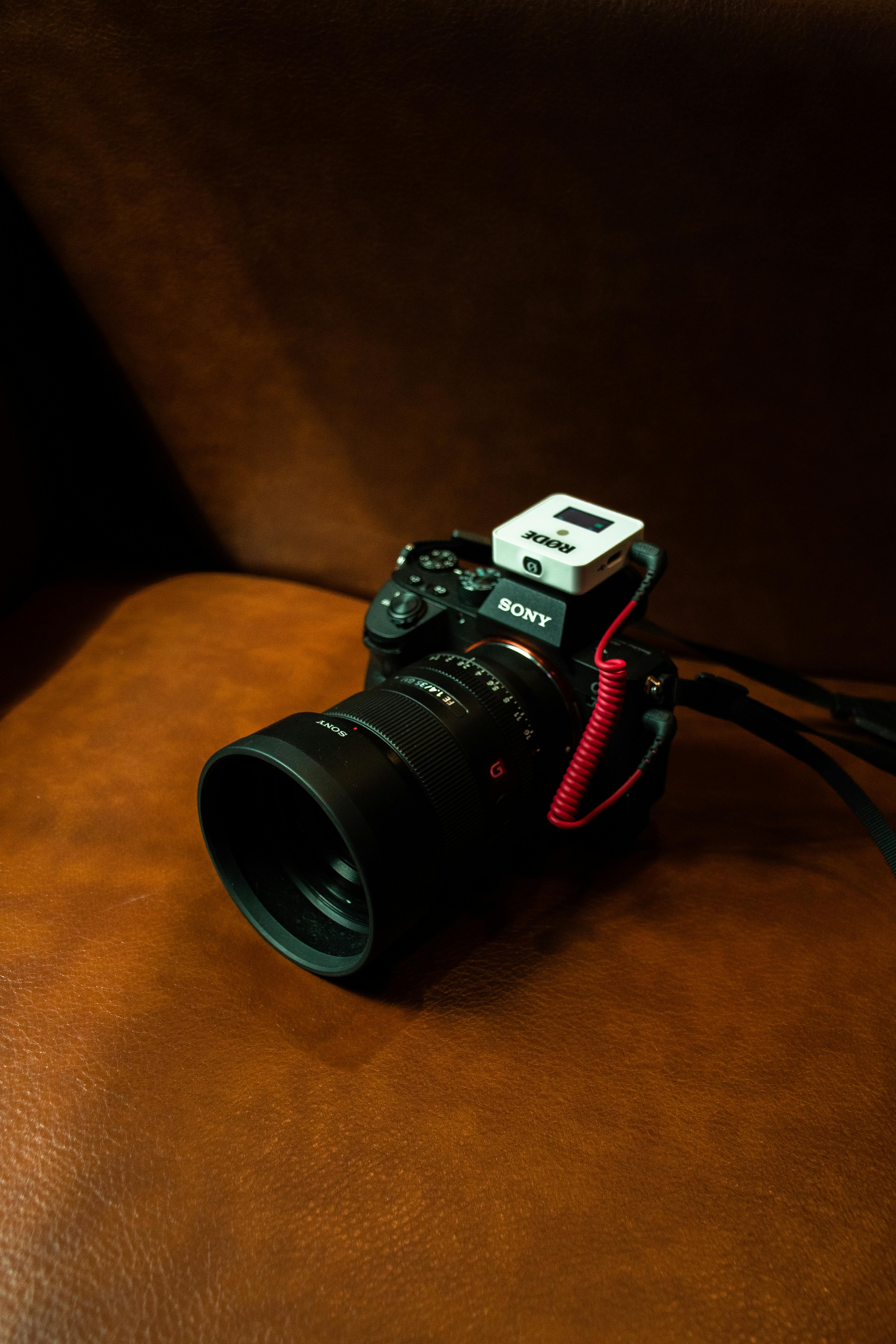
If you carry a full-frame body with a 24–70mm f/2.8 or a 70–200mm lens, go with a stronger system. These setups may feel manageable at first, but they add up over a full day. That is why support and fit matter so much.
The Peak Design Slide system is a useful example. Its main body has a weight capacity of 200 lbs, or 90 kg. The leather anchor links handle up to 100 lbs, and the rope version handles up to 180 lbs.
Choose Durable Materials for Adventure Travel
Adventure travel can be hard on gear. Rain, salt, dust, sweat, and mud can wear down a strap quickly. That is why material choice should be part of your decision.
Look for ripstop nylon, marine-grade webbing, and rust-proof clips. These materials hold up better on wet hikes and coastal trips. They also tend to dry faster and stand up well to daily wear.
Choose weather-ready hardware
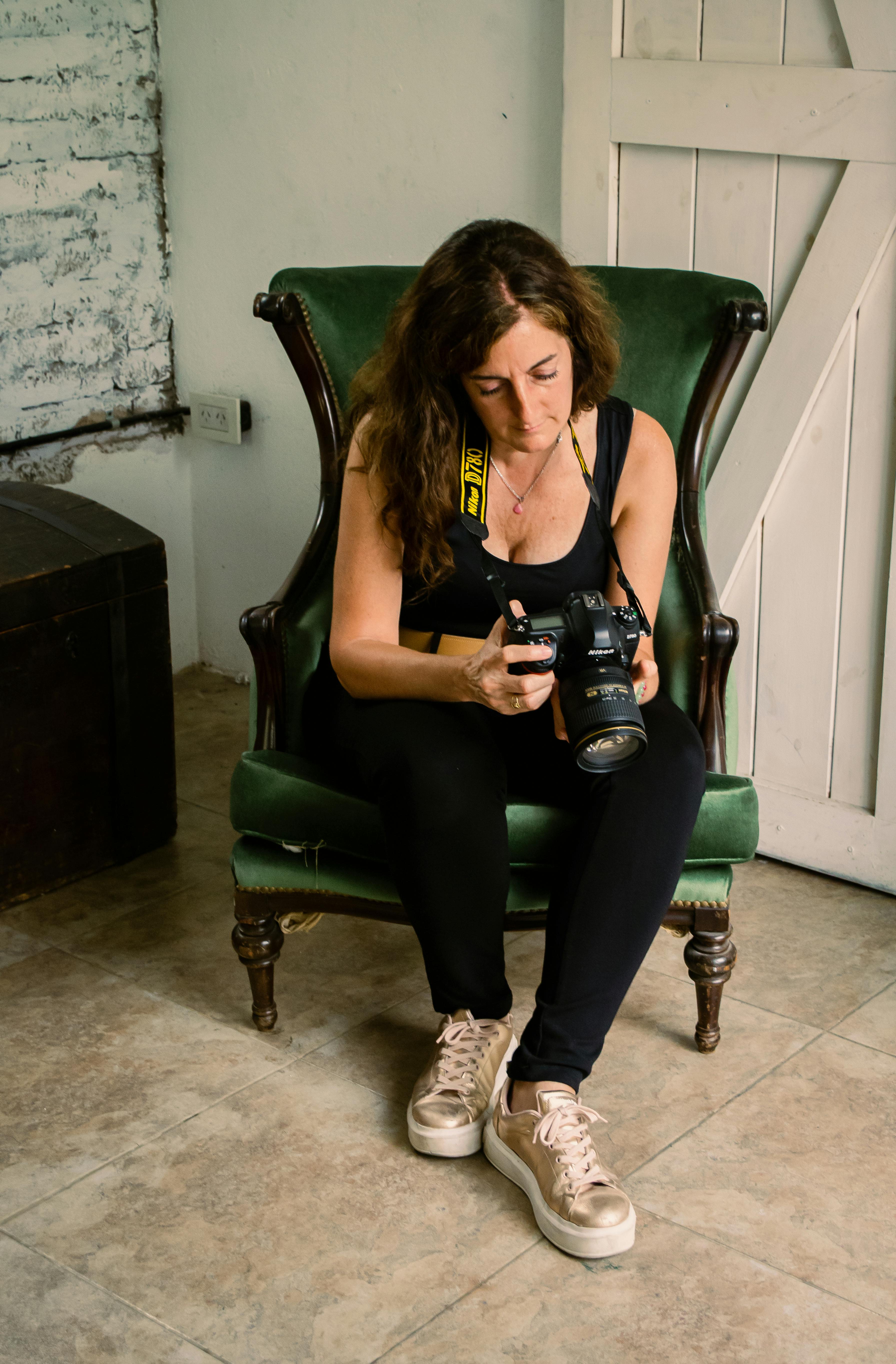
Clips and connectors are easy to overlook, but they matter a great deal. Rust-proof metal parts work better near the sea or in the rain. Weak hardware can fail when you least expect it.
If you often travel in wet conditions, choose a strap with sealed or coated metal parts. Also make sure buckles do not slip when wet. Small details like these can make a major difference in the field.
Choose a system that can handle rough use
Some travelers prefer simple straps. Others want a full system with extra links and quick swaps. Both can work, but the build must fit the trip.
Camstrap is one option to consider if you want a more secure carrying setup for travel and outdoor use. The Camstrap Voyager, Camstrap Explorer, Camstrap Nomad, and Camstrap Magclip each suit different needs, so you can pick based on how you shoot and carry. Even so, the best choice still depends on your camera, route, and comfort level.
Choose a Carrying System for Hiking, Climbing, and Biking
If your trip includes hiking, climbing, or biking, a simple strap may not be enough. You need a carrying system that keeps the camera close to your body. This helps reduce bounce and keeps your hands free.
Camera harness systems are often the best solution for demanding outdoor use. They hold the camera close and prevent it from swinging too much. That matters when you are climbing rocks or using trekking poles.
Choose a harness when you need free hands
A harness spreads the load across your chest and shoulders. That makes it easier to carry gear for long hours. It also keeps your camera ready without getting in the way.
For hikers and climbers, that close fit is a major advantage. It limits movement while walking. It also helps protect your camera from bumps and sudden drops.
Choose less bounce for bikes and rough trails
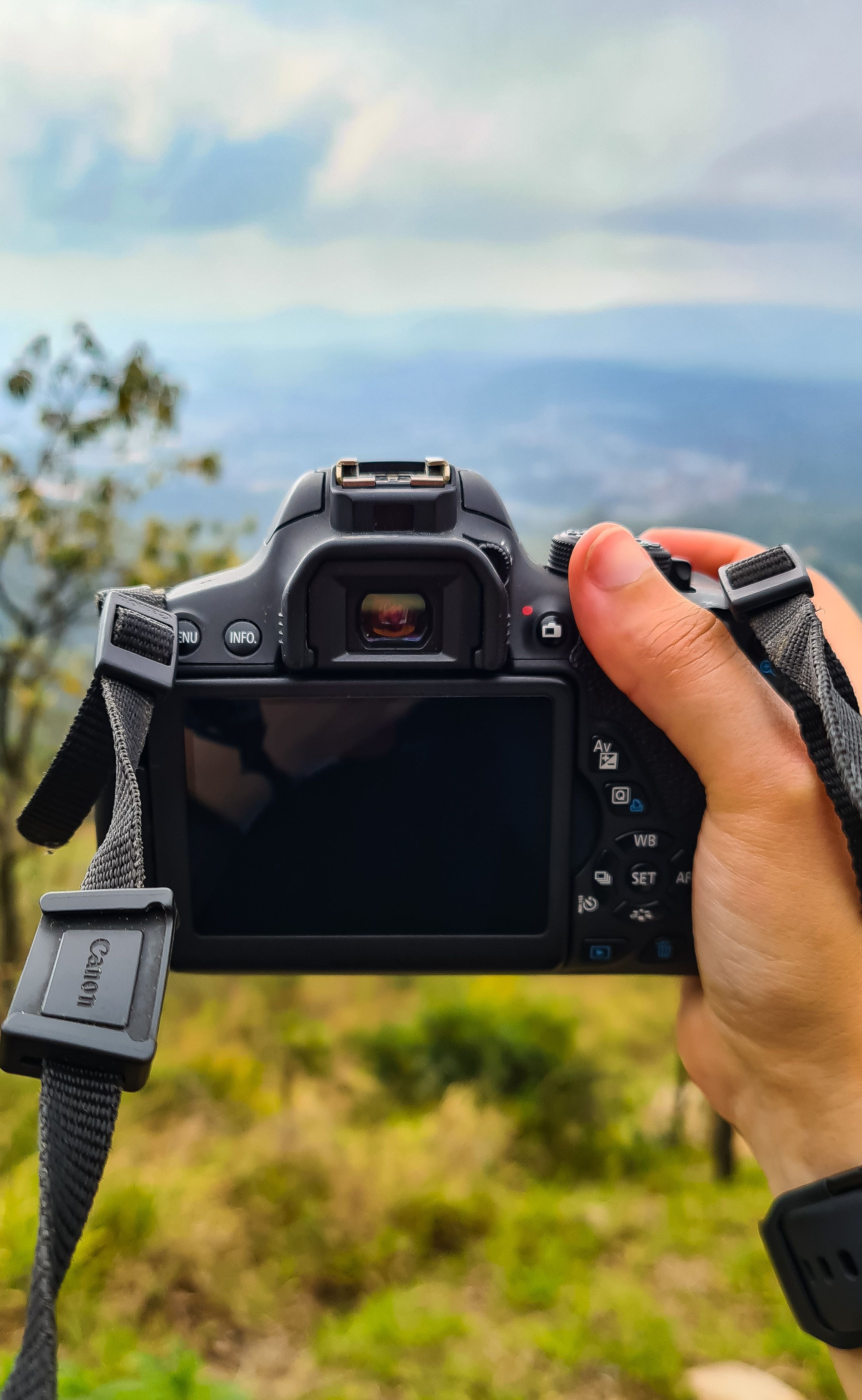
When biking or scrambling over rocks, bounce can become a real problem. A loose strap lets the camera swing and strike your body. That feels unpleasant and can also stress your gear.
So select a carrying system that locks the camera in place. Test how it moves when you bend, climb, and turn quickly. If it stays steady, you are closer to the right choice.
Choose Safe Ways to Attach Accessories
Small accessories can make a strap more useful. You may want a lens cap keeper, a small pouch, or a clip for keys. However, those extras need to be attached safely.
The rule is simple: keep add-ons light and secure. Do not overload the strap with loose items. That can upset balance and create new risks.
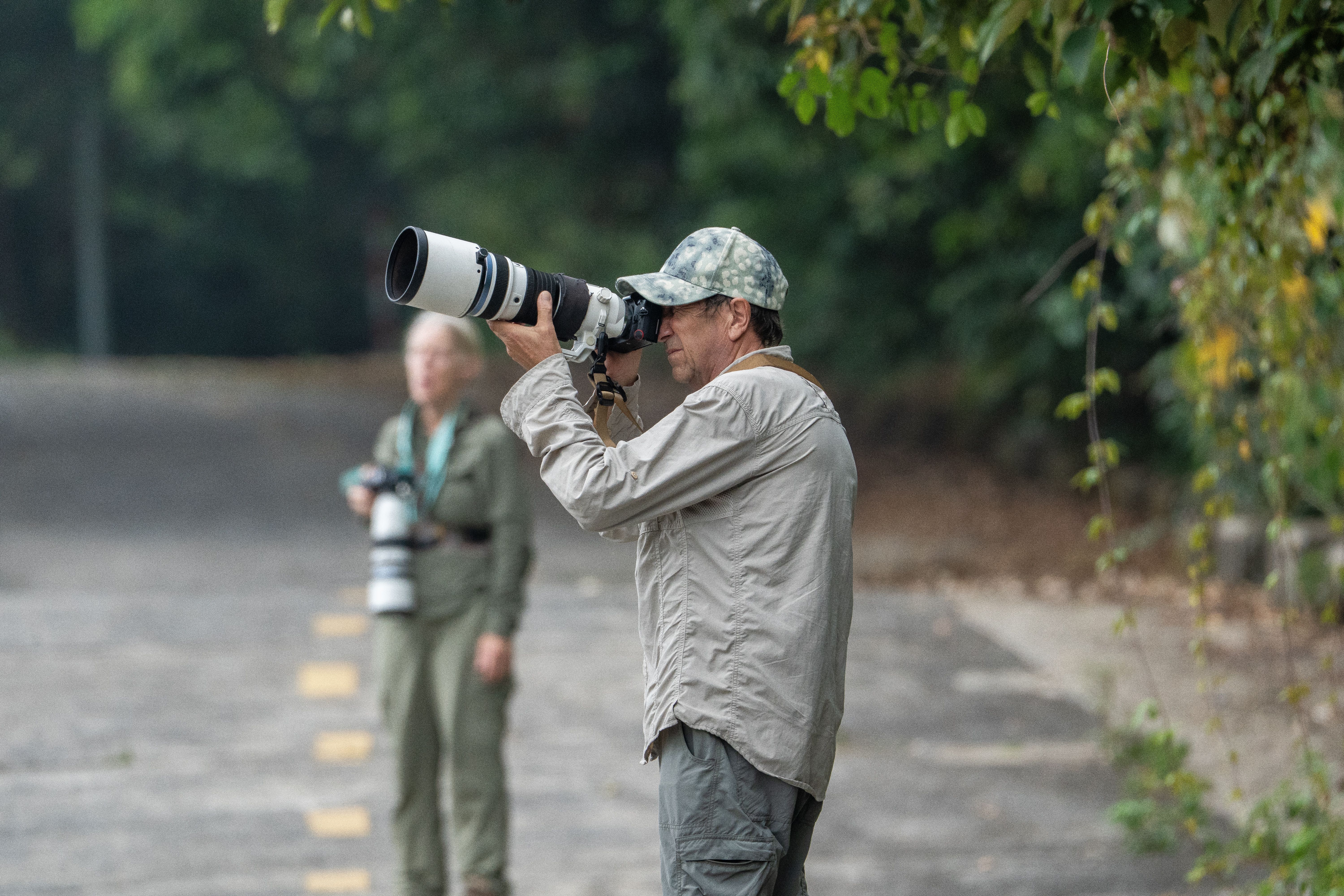
Choose clip points with care
Use only attachment points that are designed for extra gear. Check that the clip does not block the camera or rub against your body. If it swings too much, move it or take it off.
A good setup keeps the camera easy to reach. It also keeps small parts from shaking loose. That is especially important on long hikes and busy travel days.
Choose a clean setup for small add-ons
If you want to add a memory card holder or a small tool, keep it close to the strap. Use a secure loop, clip, or pouch. This helps prevent snagging on packs, coats, or rocks.
- Attach only light items.
- Test the clip before you leave.
- Walk, bend, and turn to check for swing.
- Remove anything that feels loose or noisy.

So, safe attachment comes down to both strength and simplicity. If an add-on makes the strap harder to use, it is not worth keeping.
Choose the Best Strap by Testing It Before You Travel
Before a big trip, try your strap at home. Wear it for at least 30 minutes with your full camera setup. Then walk, bend, climb stairs, and take a few quick shots.
This test can reveal problems fast. A strap may feel fine when you stand still, but not when you move. That is why real use matters more than a quick look in the store.
Choose comfort after a short trial
Test your setup with your usual lens. If you often use a 24mm, 35mm, 50mm, or 85mm lens, check it with that lens attached. If you shoot sports or wildlife, test with the heavier zoom you plan to carry.

Also pay attention to camera settings during the test. A common travel range is f/2 to f/2.8 for low light, with shutter speeds around 1/500s for moving scenes. If you can hold the camera quickly and steadily, the strap is helping rather than hurting.
Choose a backup plan for long trips
It is smart to carry one spare clip or link on longer trips. Hardware can wear down, and dust can build up. A small backup part can save a day of shooting.
Also think about how your strap works with your bag and clothing. A strap that feels fine with a light shirt may not work with a thick jacket. Test it with the gear you will actually wear.
Choose the Right Setup for Better Travel Photos
To pick the best camera strap and carrying system, match the gear to the trip. If you hike, bike, or climb, go with a secure system that offers less bounce and more support. If you mostly walk city streets, a lighter sling or crossbody strap may be enough.

For many travelers, the right answer blends comfort, speed, and safety. Camstrap options like the Voyager, Explorer, Nomad, and Magclip can suit different adventure travel styles, but the main goal remains the same. You want a strap that feels secure, moves well, and keeps your camera ready.
Ultimately, go with a strap you can wear all day without thinking about it. If it protects your gear, feels good on your body, and helps you shoot faster, you made the right call. That is the kind of setup that makes adventure travel more enjoyable.
Frequently Asked Questions
Which camera strap is best for hiking and climbing?
For hiking and trekking, the article recommends a secure sling or harness. For climbing, it specifically suggests a body-close system with less bounce to keep the camera stable.
Should I use a crossbody or neck strap for adventure travel?
In most cases, a crossbody strap is the better choice for adventure travel, especially if you carry the camera for more than a few hours. It distributes weight more evenly and feels safer and steadier than a neck strap.
How do I attach small accessories to my strap safely?
Use attachment points that are made for the strap, and make sure any accessory is secured so it cannot swing or catch while you move. Test the setup before a trip to confirm it stays stable and does not interfere with the camera or your movement.


