


- How do I carry a camera comfortably while sightseeing
- What camera gear should I bring on a day trip
- How do I stop my camera strap from digging into my neck
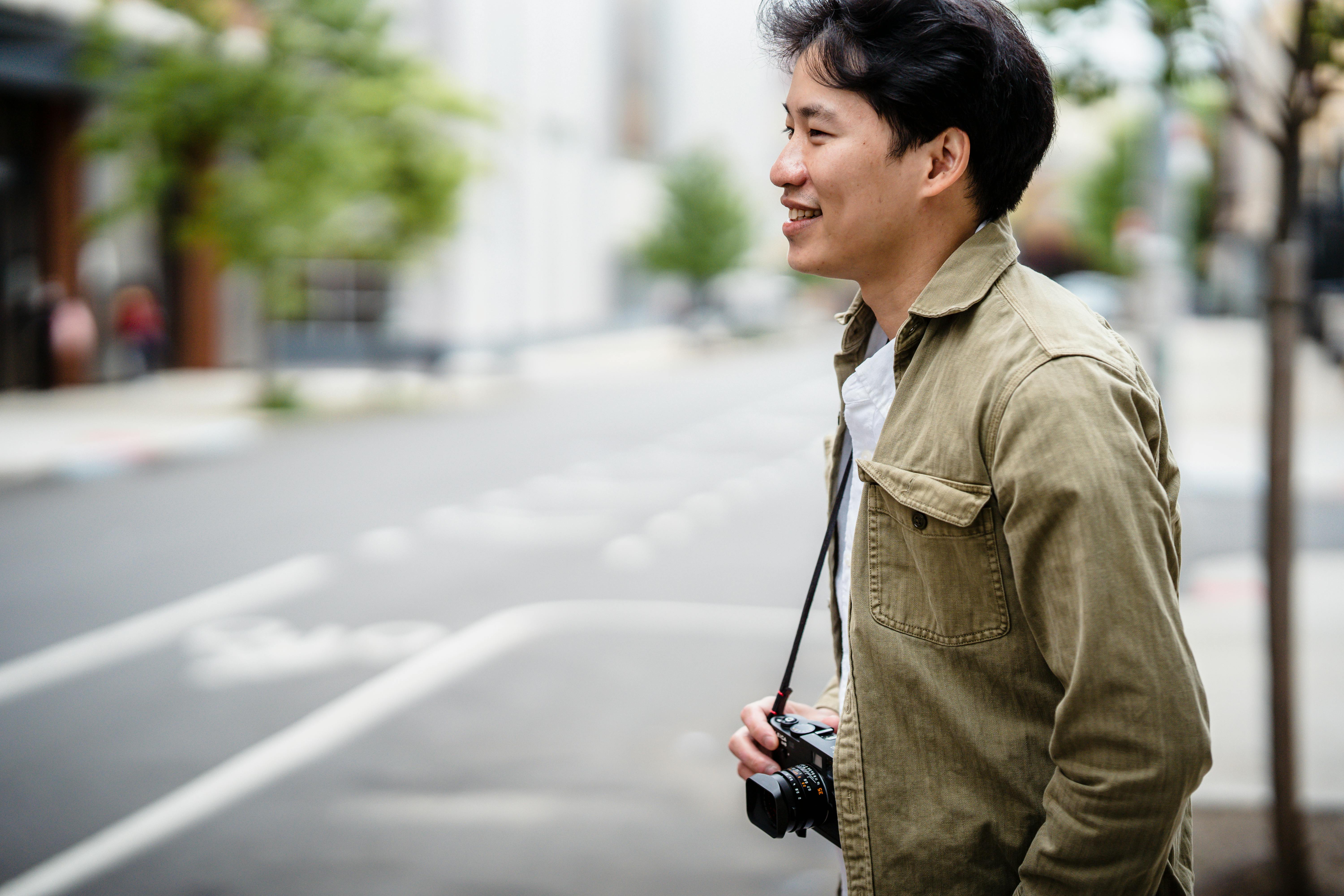
If your goal is to carry less and still make more photos, the formula is straightforward: pack lighter, move more freely, and keep your camera within easy reach. On day trips and city breaks, a streamlined setup helps you cover more ground, tire less quickly, and capture better images.
Shop the setup

- Regular price
-
€42 - Regular price
-
€44 - Sale price
-
€42
By choosing the Camstrap strap, you are opting for a high-quality product designed to meet the needs of the most demanding photographers.
- Developed by a physiotherapist to relieve neck and back pain.
- Fast delivery with tracking by the Post Office 🚚
- Can be used as a shoulder strap or hands-free harness

- Regular price
-
€36 - Regular price
-
€42 - Sale price
-
€36
Free shipping included
This guide explains how to reduce what you carry without missing important moments. You will learn what belongs in your bag, how to pick a strap, and how to photograph effectively while sightseeing. Along the way, you will see how a thoughtful carry system can help you stay comfortable from morning to night.
Why Carry Less Helps You Shoot More
Heavy bags drag you down. They also make it easier to leave the camera packed away. With less weight on your shoulders, you can move more naturally and respond faster to what is happening around you.

Travel photography research points to the same practical lesson: for day trips, take one camera and one lens. Doing so reduces weight and makes it easier to keep walking. It also simplifies your decisions, so you spend less time sorting gear and more time taking pictures.
Light gear keeps your mind clear
A smaller kit helps in another important way. Instead of fixating on equipment, you start paying attention to the scene. As a result, it becomes easier to spot good light, strong lines, and fleeting moments others overlook.
That advantage matters even more in cities. One minute you may be in a quiet side street, and the next you are in a crowded square. When your kit is light, you can keep pace with the day.
What to Carry on a Day Trip or City Break
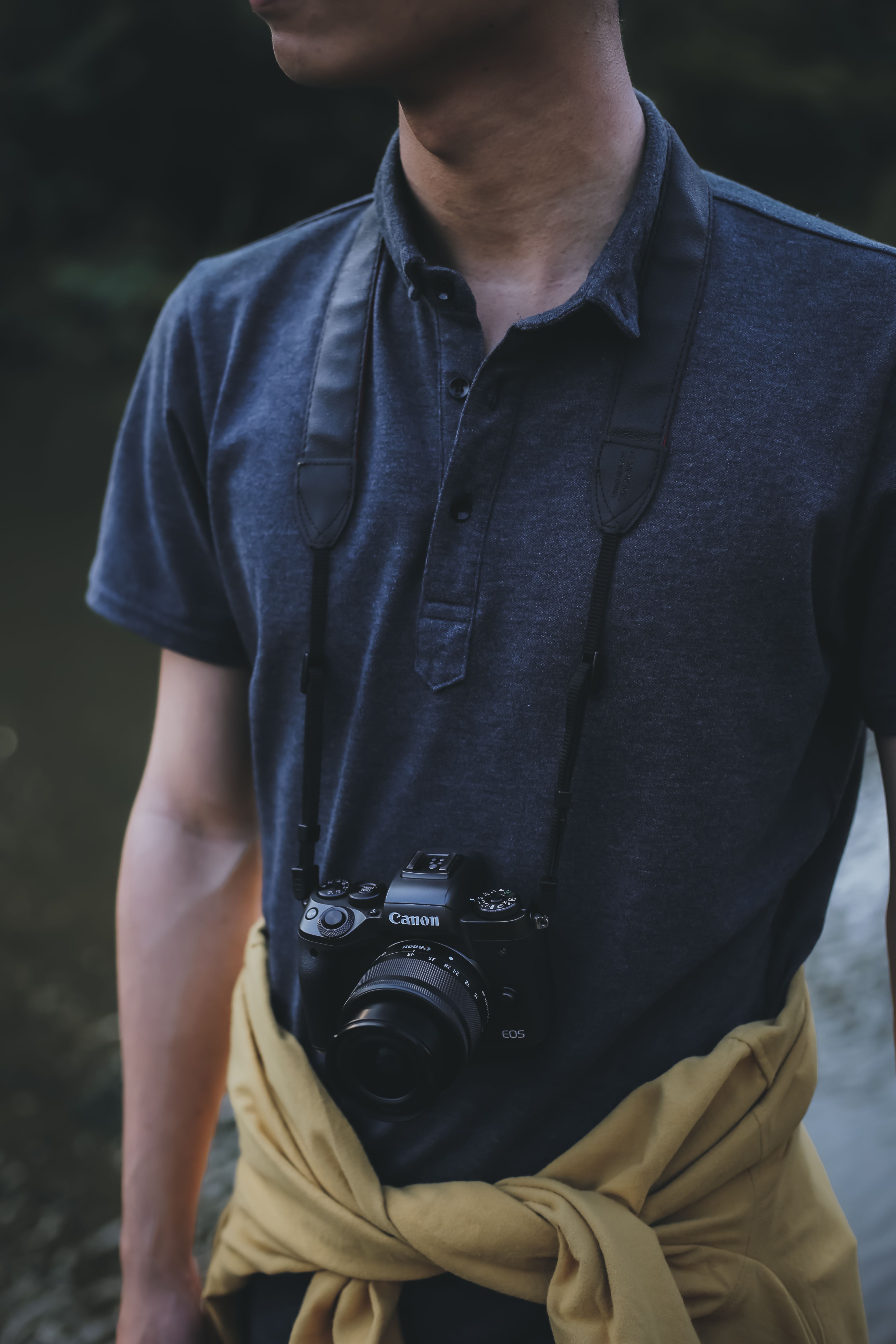
The most practical travel kit is also the simplest. Bring one camera, one lens, a spare battery, and a memory card. To carry less, leave everything else behind unless you know you will use it.
A compact camera can make a big difference. So can a small mirrorless body or a lightweight DSLR. The aim is to pick the smallest camera that still delivers the look you want.
A smart one-lens kit
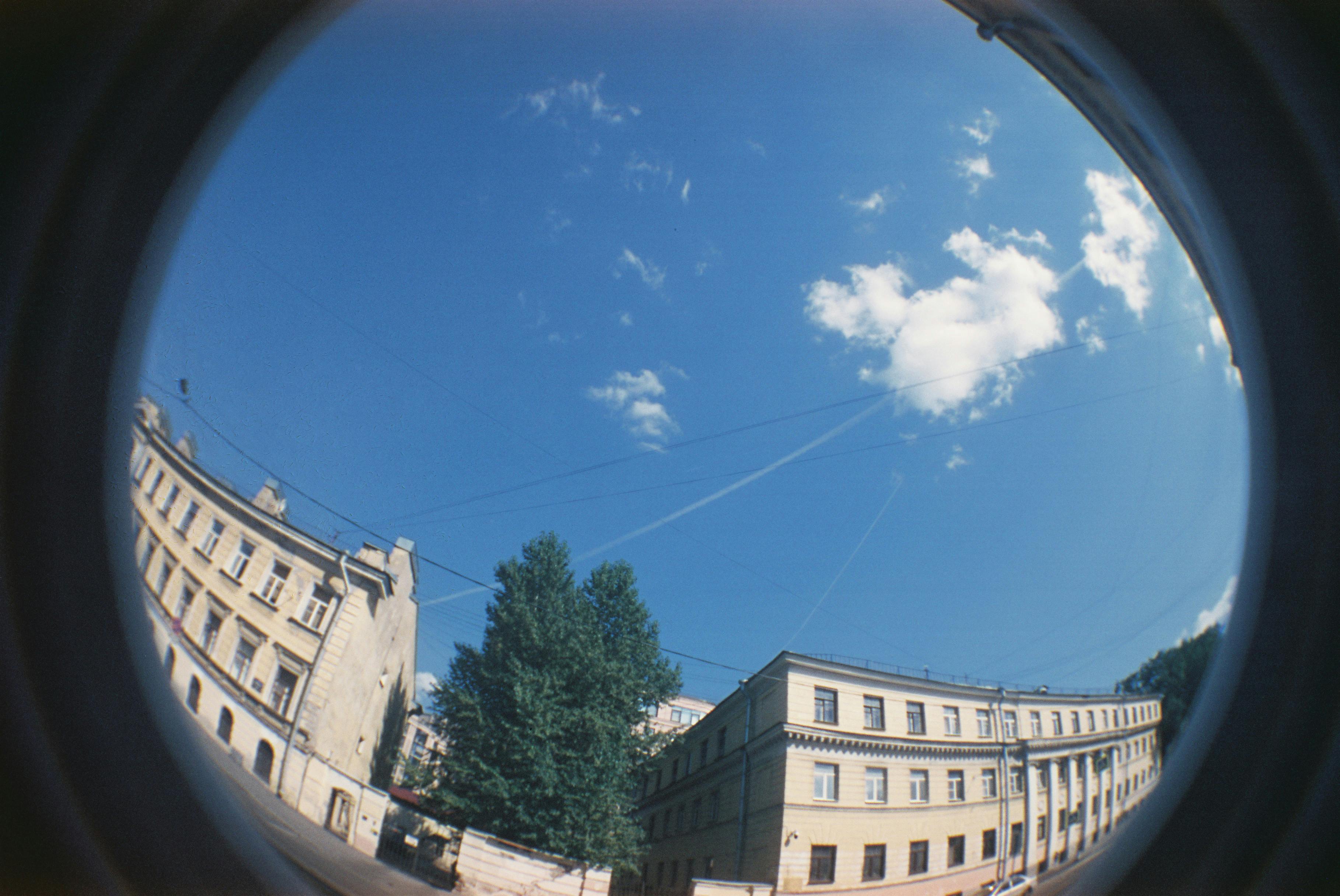
For a full day out, one lens is often all you need. A 35mm prime is an excellent travel option because it is light, sharp, and reasonably priced. If you prefer a wider perspective, a 10–22mm lens is ideal for streets, architecture, and tight interiors.
On most city breaks, a wide-angle lens gives you more flexibility. It helps you capture tall buildings, narrow lanes, and the overall feel of a place. If you plan to photograph distant details or wildlife on the edge of town, a 200–400mm lens is the better tool, though it is not the best fit when your priority is carrying less.
- One camera body
- One lens only
- One spare battery
- One memory card, or two at most
- A soft lens cloth
- A light water bottle if needed
This short list keeps you nimble and unburdened. It also makes it easier to shoot more, because your bag stays light throughout the day.
How to Carry a Camera Comfortably While Sightseeing
Comfort is more important than many people realize. If a strap digs in, the camera stays in the bag. When carrying feels easy, you are far more likely to use it regularly.
One of the biggest benefits of a lighter setup is a comfortable strap or sling. It distributes weight more evenly and keeps the camera close at hand. That makes it simpler to shoot more while you are walking.
Stop your camera strap from digging in
If the strap presses into your neck, shift the load to your shoulder or wear it across your body. A broader strap can help too. The extra width spreads pressure out and feels better on longer walks.
You can also adjust how the camera hangs. Keep it at chest or hip level rather than letting it swing at your side. That keeps it steady and ready to use.
Camstrap offers several strap styles that fit this approach to light travel. For example, the camstrap voyager can suit long city walks, while the camstrap explorer may work well for outdoor adventure days. The camstrap nomad is another useful option if you want a simple carry setup for moving fast.
If quick access matters most, a clip style can help as well. The camstrap magclip is designed for fast on-and-off use, which is useful when you enter a museum, café, or train station. In every case, the goal stays the same: reduce strain and shoot more often.

Best carry position for long walks
For sightseeing, a sling carry often feels best. It keeps the camera close while still allowing quick movement. You can raise it, take the shot, and lower it again with very little effort.
If you prefer a neck strap, keep it short enough to control the camera. Even so, avoid making it too tight. The camera should rest on you, not pull on you.
Lens Choices That Help You Carry Less, Shoot More
Your lens has a major impact on weight. It also shapes the way you see a place. A thoughtful lens choice can make travel easier and improve your photos at the same time.
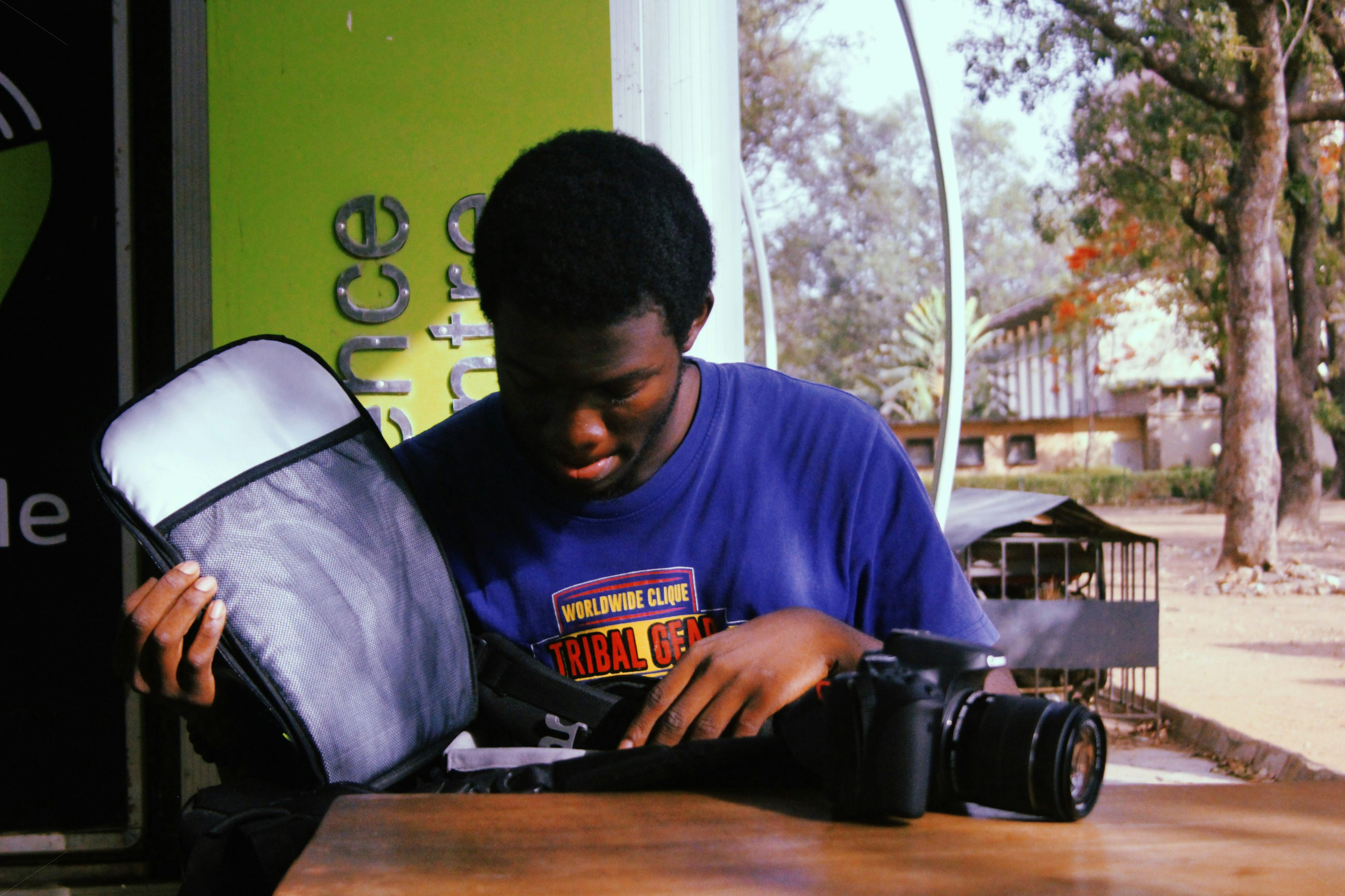
For city breaks, wide and normal focal lengths usually work best. A 10–22mm zoom is useful when space is limited. A 35mm prime is another strong travel option because it is compact and easy to handle.
Pick the lens that matches the trip
If you plan to photograph buildings, markets, or street scenes, go wide. If you want a straightforward all-purpose view, 35mm is a dependable choice. It delivers a natural perspective and keeps your bag light.
When your subjects are far away, you may need more reach. A 200–400mm lens can be useful for birds, distant landmarks, or action across a square. Even so, it adds weight quickly, so only bring it when it genuinely suits your plan.
- 10–22mm: great for streets, buildings, and small rooms
- 35mm prime: light, simple, and good for many scenes
- 50mm–85mm: useful for portraits and clean subject focus
- 200–400mm: best for distant subjects, but heavy for casual trips
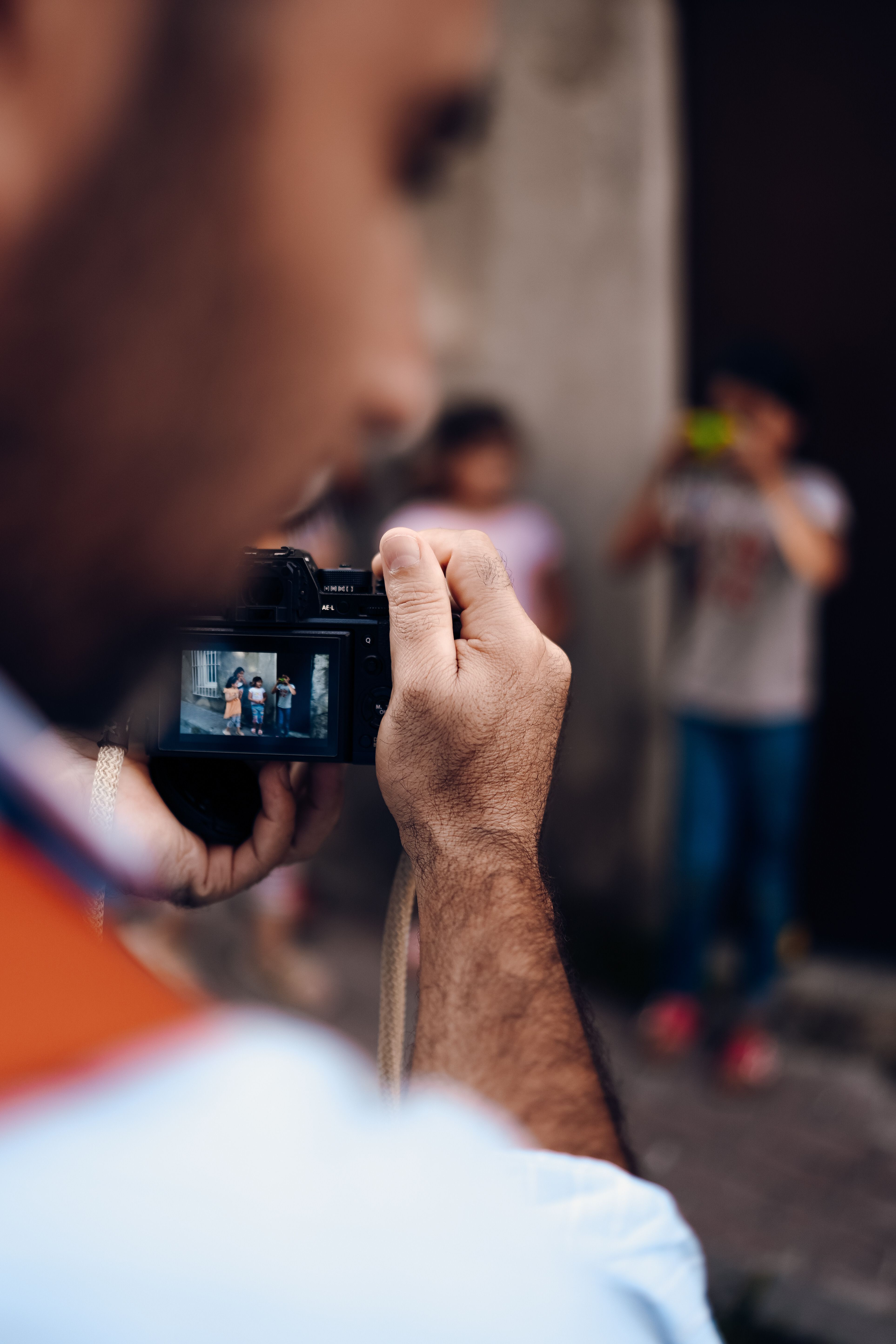
Pick one lens based on your main objective. That keeps your bag light and leaves you ready for the next scene.
Simple Shooting Tips for Busy Streets and Landmarks
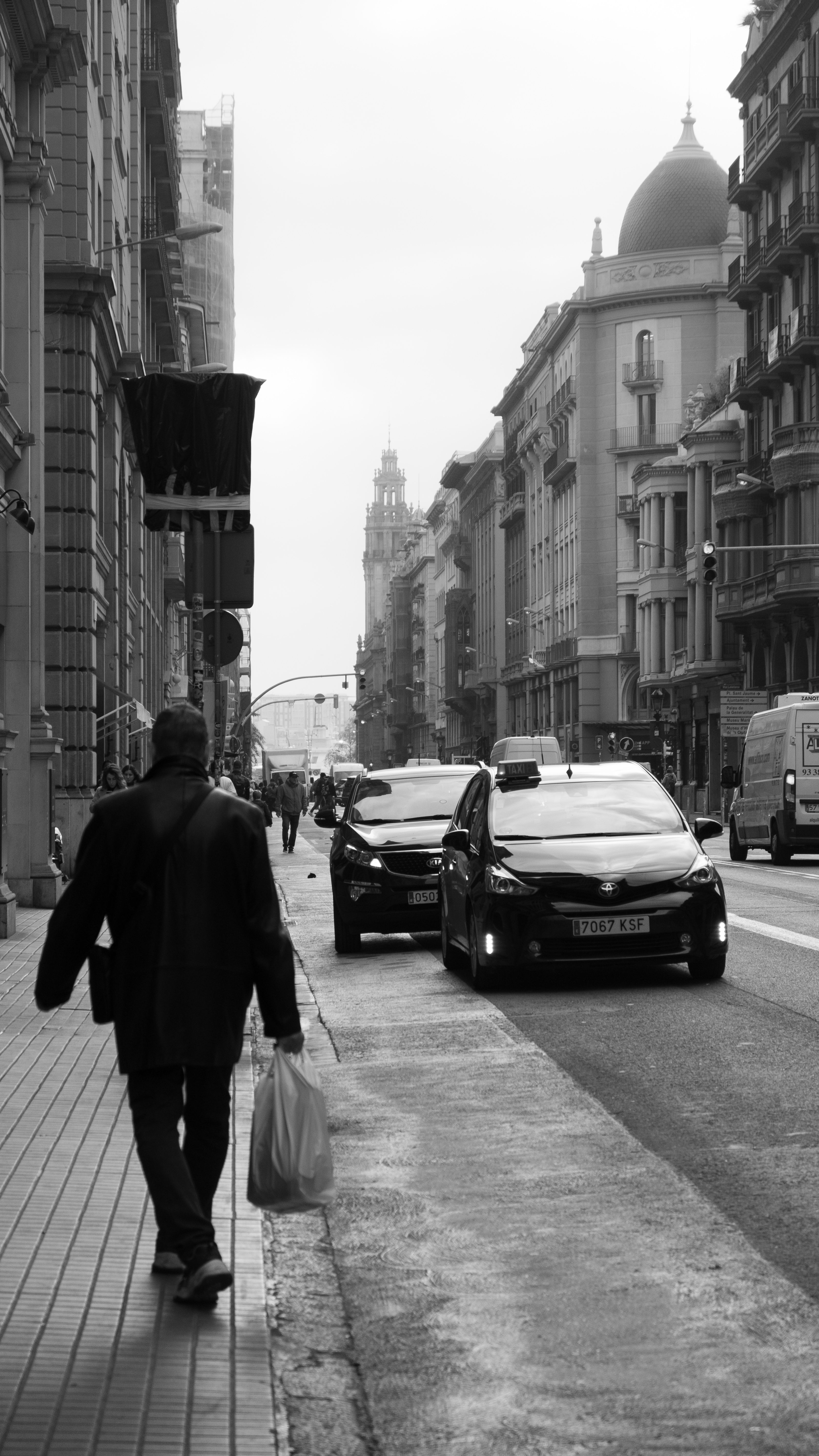
City breaks are packed with people, signage, movement, and noise. At first, that can feel overwhelming. Even so, some of the best travel photos come from that same energy.
Whenever possible, visit popular tourist spots outside peak hours. Early morning or late evening usually brings softer light and cleaner scenes. You will also have more room to frame your shot.
Use crowds to your advantage
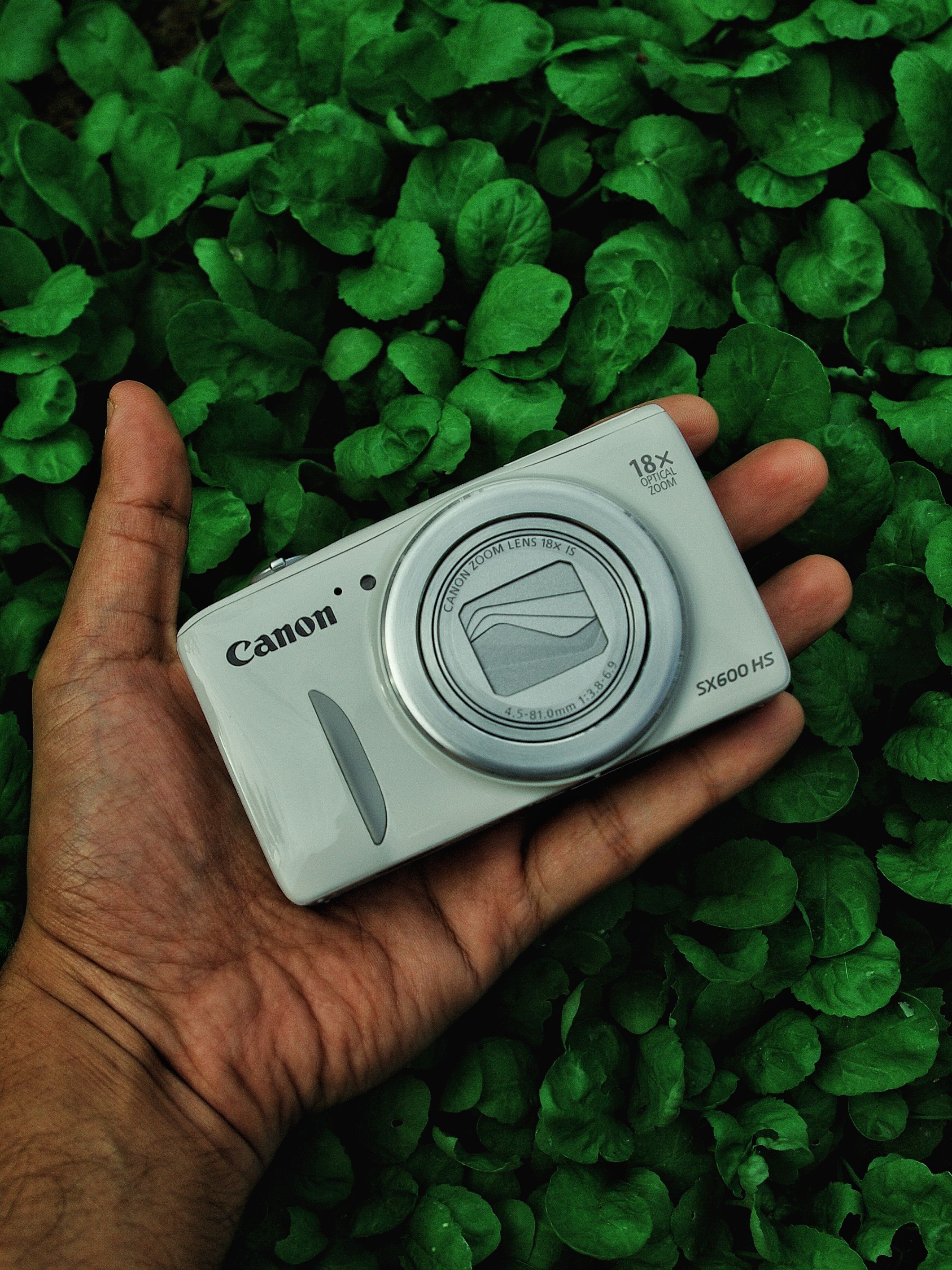
Rather than avoiding crowds, work with them. People can add scale, energy, and a sense of local life.
Try to notice smaller details as well. Signs, door handles, railings, tiles, and bright storefronts can all make strong images. These close-up elements help your photos stand out when the main street feels crowded.
This method works especially well when you want to carry less, because it reduces the need for extra equipment. You do not need a huge zoom if you can create compelling photos from details and smart composition.
Keep the camera steady
For sharper travel shots, keep your shutter speed above 1/60s to 1/80s. That helps limit blur from hand shake. If your subject is moving, increase the speed significantly.
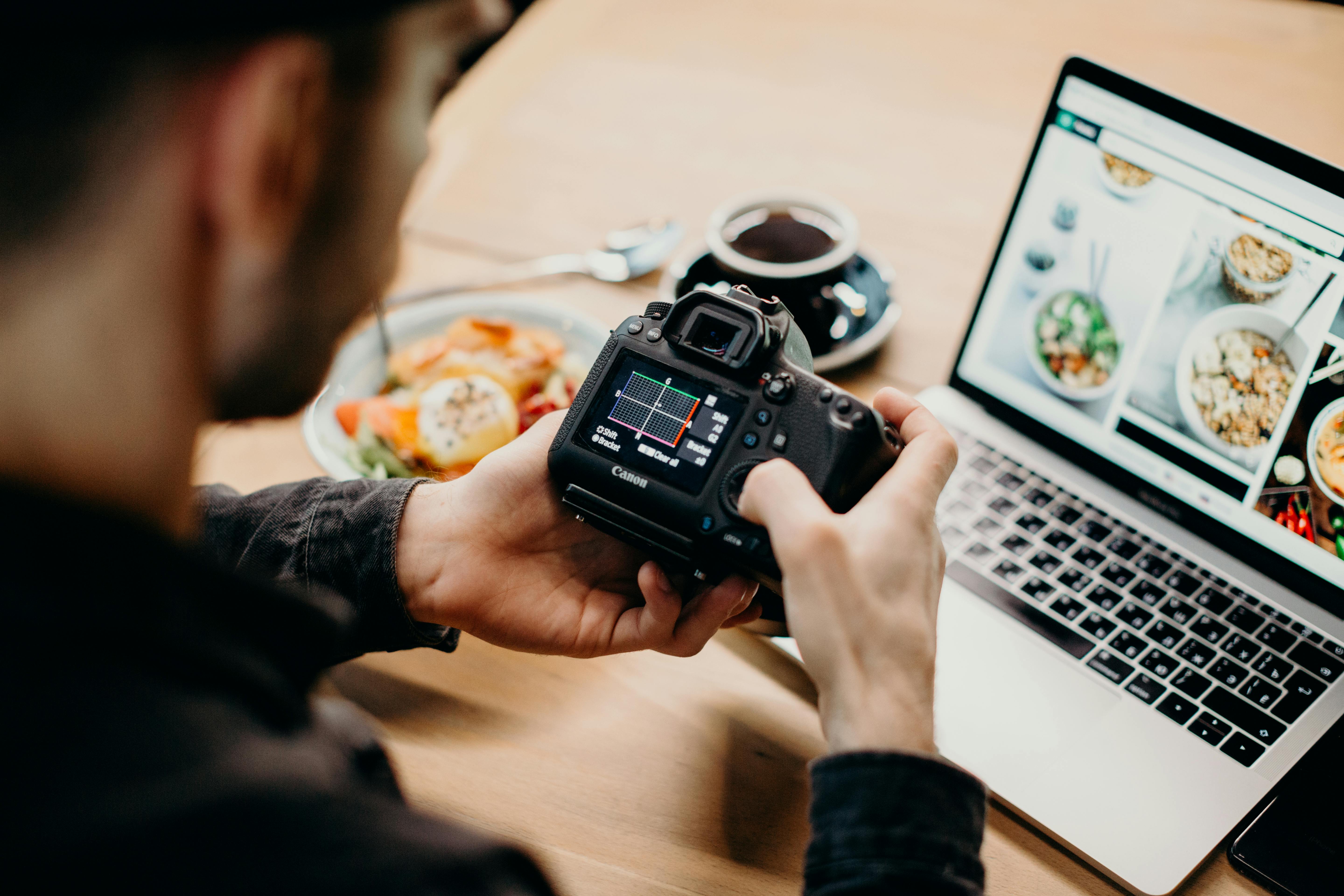
For people in motion or street action, 1/250s is a better starting point. For sports or birds, 1/500s or faster may be necessary. When the light fades, raising the ISO can help you maintain that speed.
How to Build a Lighter Travel Setup That Still Works
When you want to carry less, every item needs to justify its place. A strong travel setup is not about owning less gear for its own sake. It is about selecting equipment that helps you stay active, alert, and ready to shoot.
Consider how you walk, where you photograph, and how long you remain out. A setup that feels light at 9 a.m. should still feel comfortable at 5 p.m. That is why comfort matters as much as image quality.
Use these small habits

- Pack one camera and one lens.
- Wear a strap or sling that spreads weight well.
- Keep the camera easy to reach.
- Use off-peak hours for busy places.
- Look for details, not only wide views.
- Check your shutter speed before you shoot.
These habits let you carry less without feeling restricted. They also make the day flow more smoothly, because you spend less time opening bags and changing gear.
For many travel enthusiasts, this is the ideal balance. They want strong photographs, but they also want to enjoy the journey. A light setup makes both possible.
Choosing the Right Setup for Your Travel Style
Different photographers need different tools. An amateur photographer may prefer a simple body, one lens, and a soft strap. An outdoor adventure photographer may need a sturdier sling and a camera that can handle changing weather.

Travel enthusiasts often fall somewhere between those needs. They want a setup that works in a museum, on a train, and in a hill town. The best option is the one that stays comfortable to carry for hours.
Match the gear to the trip
If your day involves mostly walking, put comfort first. If you expect to move through crowds, keep the camera close and secure. If long stops are likely, make sure the strap still feels good after hours of wear.
That is where a streamlined carry system makes a difference. A well-designed strap or sling can turn a heavy day into an easy one. It helps you carry less strain and shoot more without thinking about the load.
Carry Less, Shoot More: The Simple Rule for Better Trips

The best gear for a day trip is often the gear you barely notice. When your setup feels light, you move more, observe more, and shoot more. That is why carry decisions matter just as much as camera settings.
Take one camera and one lens. Select a focal length that suits the trip, such as 10–22mm or 35mm. Use a comfortable strap or sling, and keep your shutter speed high enough for crisp results.
If you want to carry less, start with simplicity and comfort. Build from there. The payoff is a better travel rhythm, less neck strain, and more time making photos that matter to you.
Frequently Asked Questions
How do I carry a camera comfortably while sightseeing?
Use a lightweight, streamlined setup and keep the camera easy to reach so you can move freely while walking. A compact camera or small mirrorless body, carried with a comfortable strap or simple carry system, helps reduce fatigue through the day.
What camera gear should I bring on a day trip?
Bring one camera, one lens, one spare battery, one memory card, and a soft lens cloth. Leave everything else behind unless you know you will use it.
How do I stop my camera strap from digging into my neck?
Choose a strap that spreads the weight better, such as a wider or more comfortable strap, instead of a thin basic one. The article emphasizes comfort and keeping gear light so the strap carries less load and causes less strain.


