


This traveler's guide shows clear compact camera settings for low-light nightscapes. It helps travel photographers shoot sharp night photos without heavy gear. Read on for gear picks, camera settings, shooting tips, and quick edits.
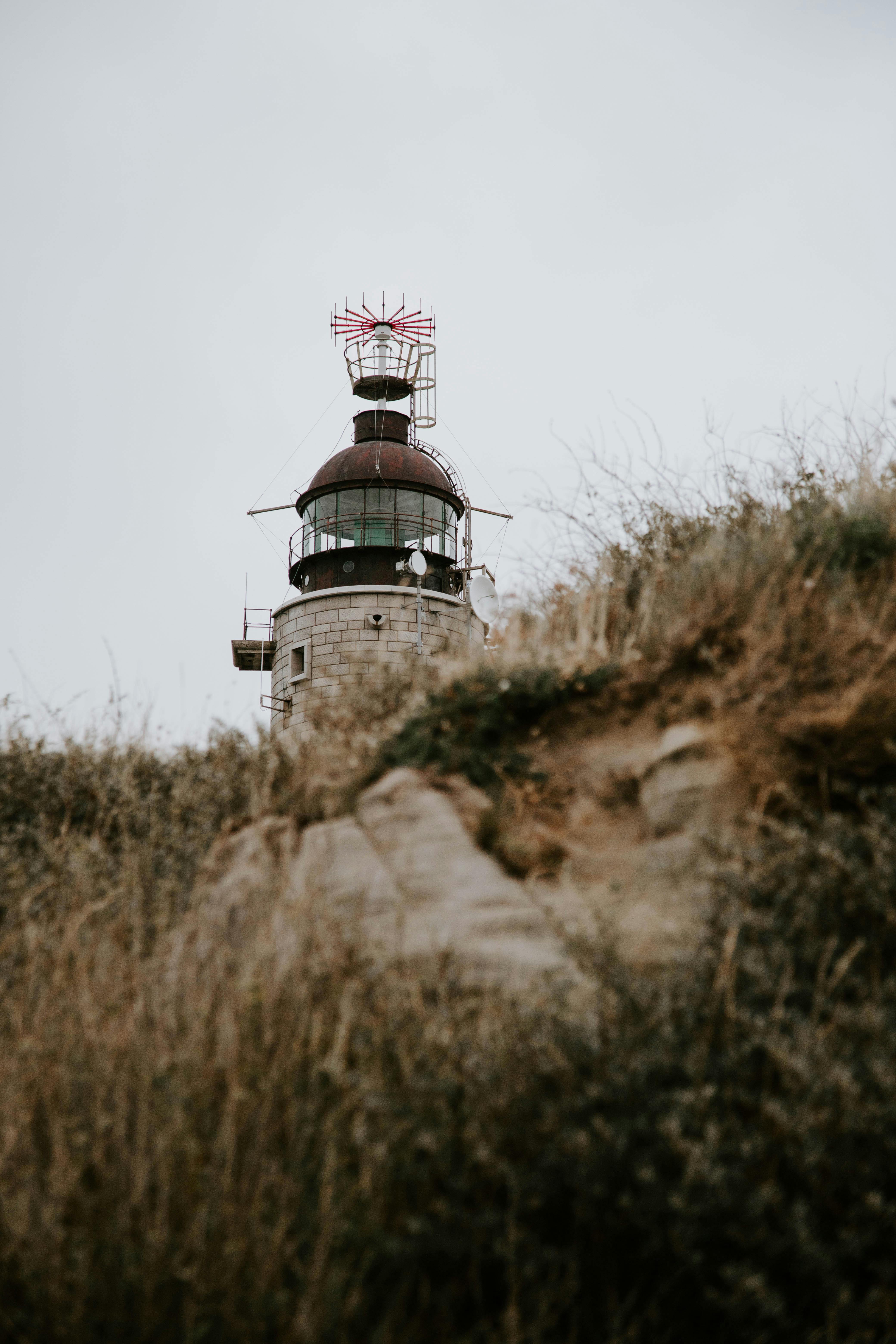
Traveler's Gear Picks for Low-Light Nightscapes
Packing the right gear makes night photography easier for every traveler. Choose compact cameras with large sensors and fast lenses to gather more light. Also pack a small tripod and a secure strap for safe carry.
Translation missing: en.blog_cta.bundle_heading

- Regular price
-
€42 - Regular price
-
€44 - Sale price
-
€42
By choosing the Camstrap strap, you are opting for a high-quality product designed to meet the needs of the most demanding photographers.
- Developed by a physiotherapist to relieve neck and back pain.
- Fast delivery with tracking by the Post Office 🚚
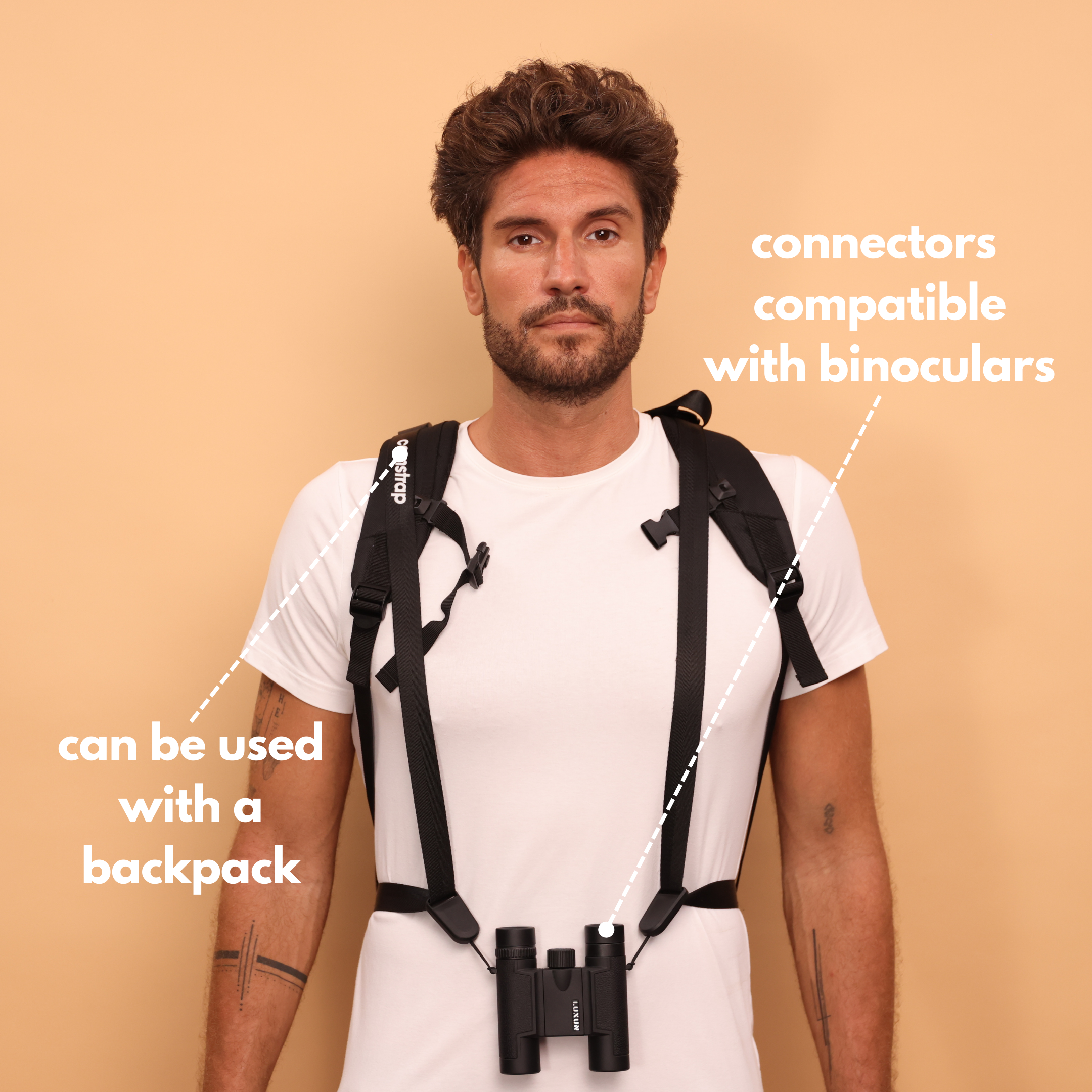
- Can be used as a shoulder strap or hands-free harness

- Regular price
-
€36 - Regular price
-
€42 - Sale price
-
€36
Translation missing: en.blog_cta.free_shipping_included
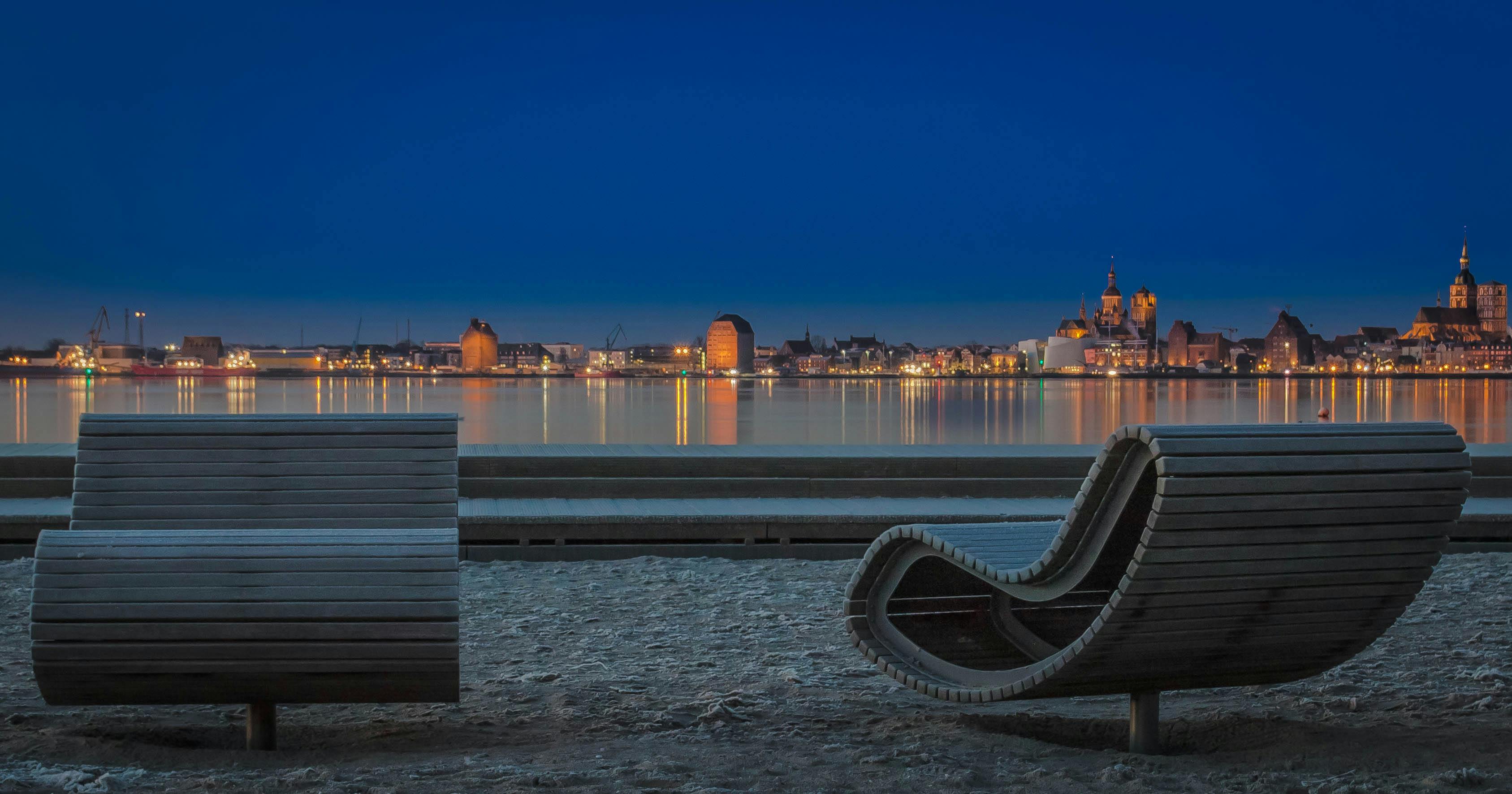
Compact camera and lens choices
Pick compact cameras that handle high ISO well and have large sensors. Look for lenses with wide apertures like f/2.8 or faster to gather light. These choices help city lights and star shots stay clean.
- Sensor: larger sensors give cleaner low-light files.
- Aperture: f/2.8 or faster gathers more light quickly.
- ISO: pick bodies that handle ISO 3200 to 6400 well.
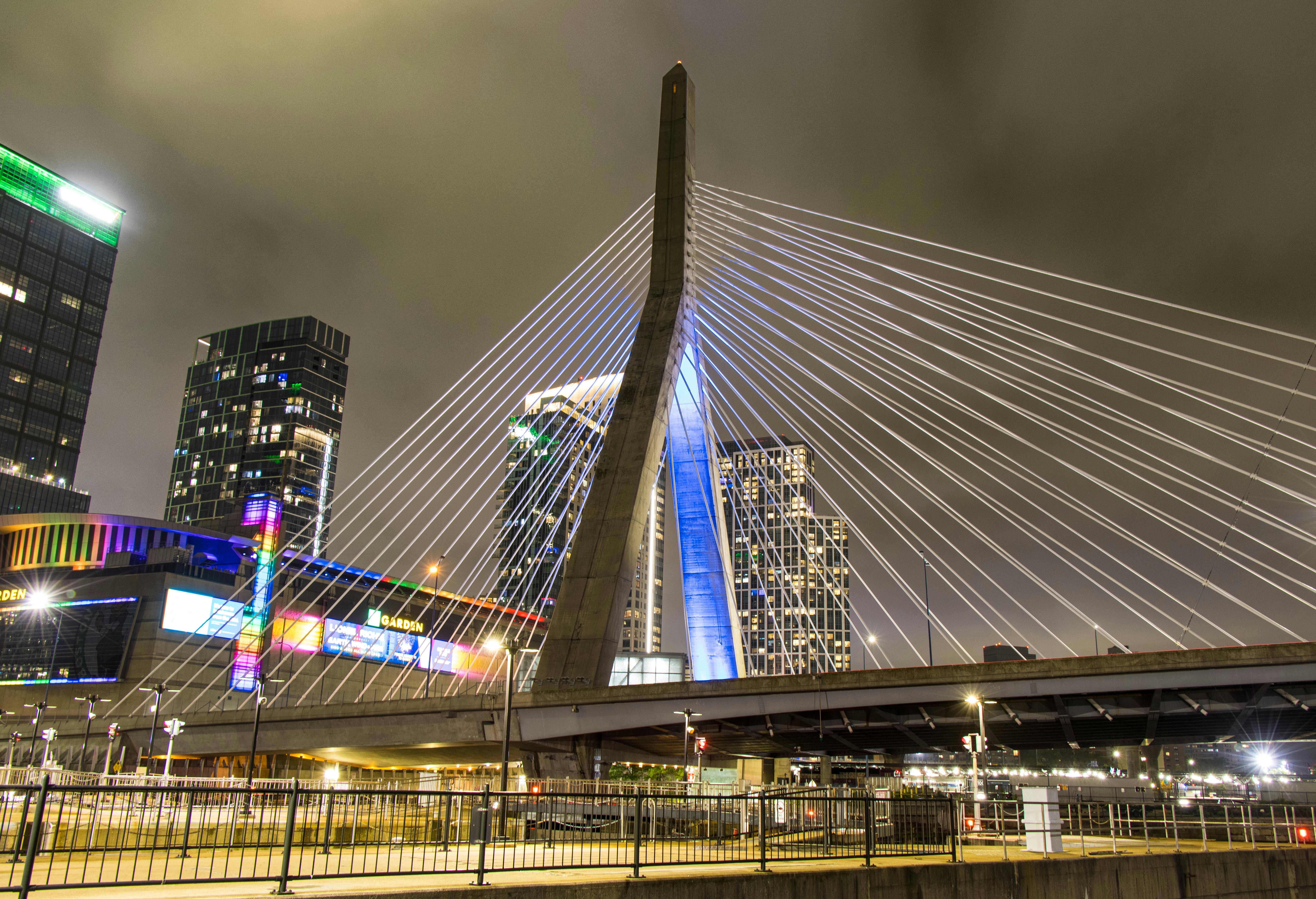
Support and carry options
Use a compact tripod or table-top tripod to steady long exposures. A small ball head makes quick framing easy, and saves weight on a trip. For comfort and safety, choose a strap that keeps your camera close.
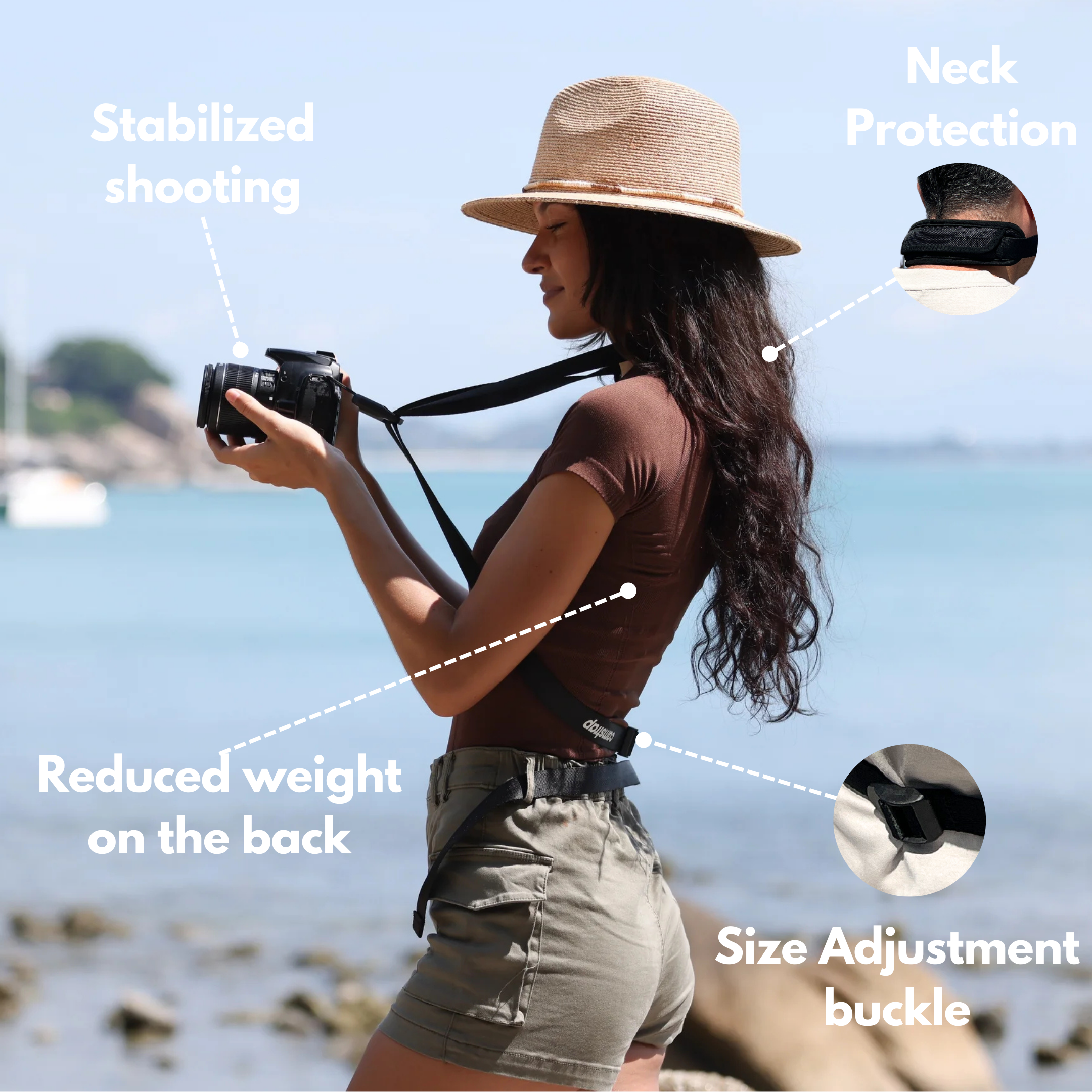
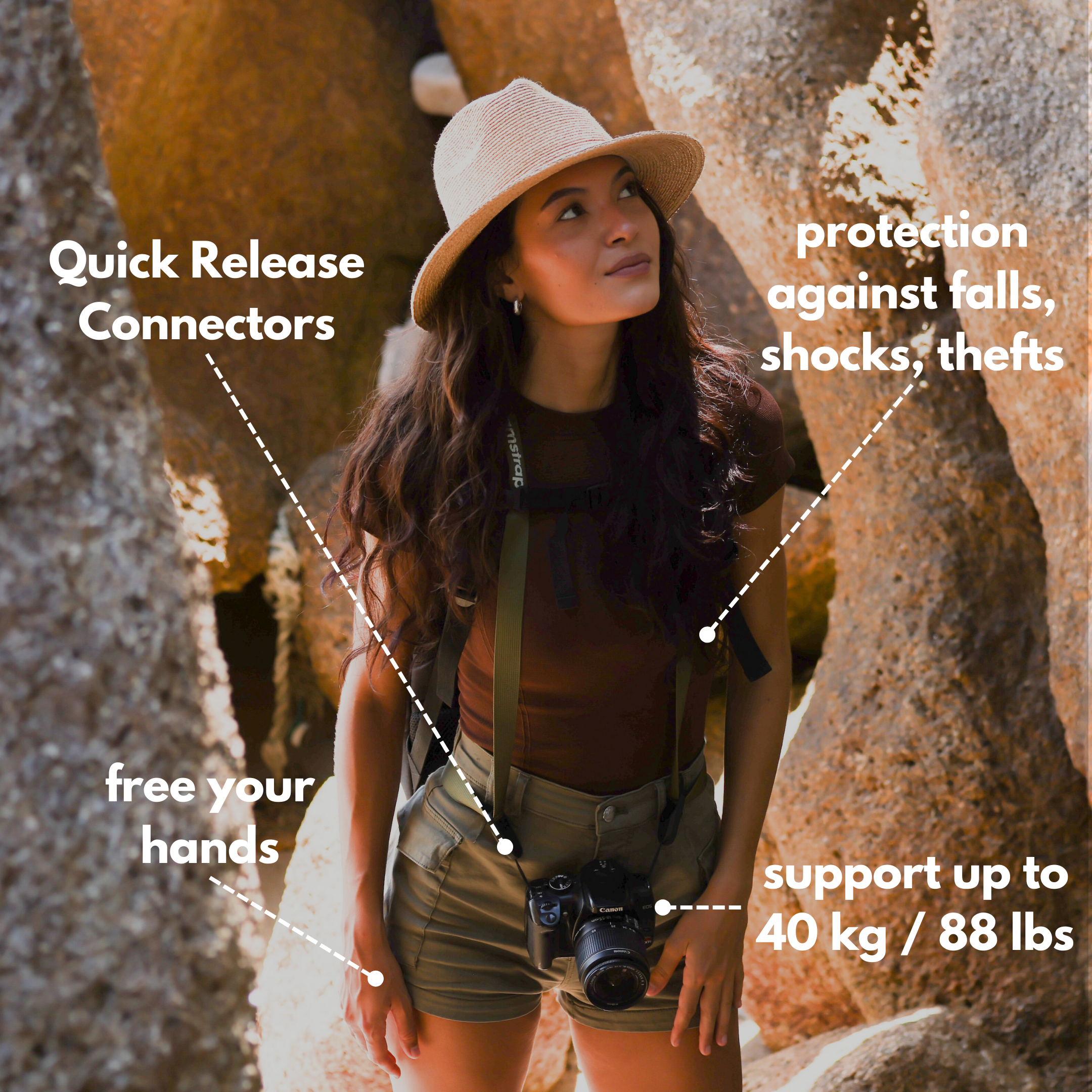
- Camstrap voyager fits city walkers and gives quick camera access.
- Camstrap explorer works for rugged trails and wet weather days.
- Camstrap nomad pairs well with small tripods for tight packing.
- Camstrap magclip helps attach a light or pouch fast.
Traveler's Best Camera Settings for Nightscapes
These compact camera settings work well for many travel night scenes. Use them as a starting point and tweak for each scene. They help balance light, noise, and sharpness for better night photos.
Aperture: keep it wide
Open your lens to its widest aperture to let in more light. For many compacts that means f/2.8 or wider. Watch depth of field when you shoot close subjects.
Shutter speed: match the scene
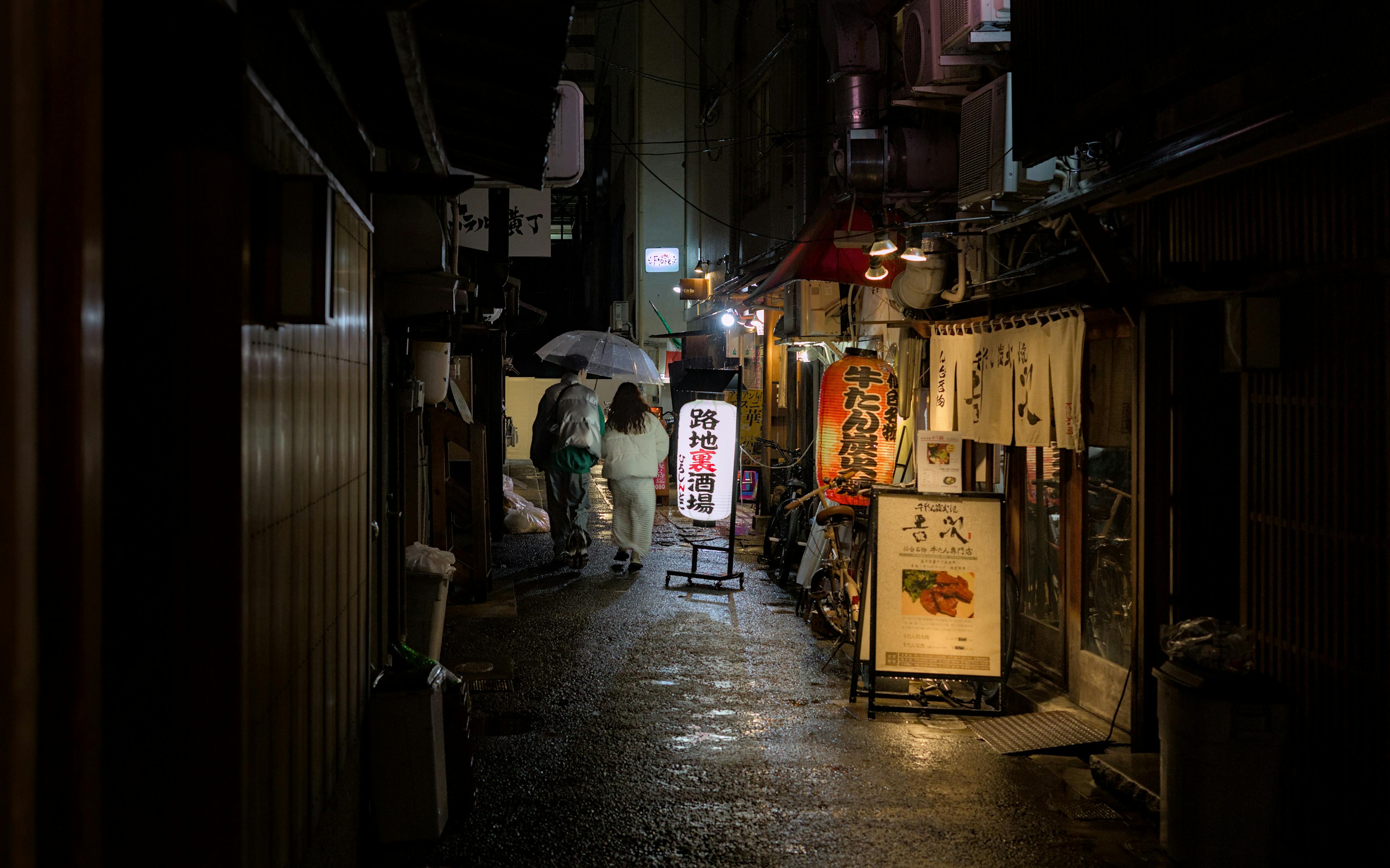
Use slow shutter speeds to capture dark scenes and light trails. For static nightscapes, try 5 to 30 seconds for good exposure. For city scenes with moving cars, try 1 to 8 seconds for trails.
ISO: balance noise and exposure
Set ISO to the lowest value that still gives a usable image. Many 2025 compact cameras handle ISO 3200 and 6400 well. Start near ISO 800 and raise ISO if you need more light.
Focus and stabilization
Use single-point AF on a bright spot or use manual focus for stars. Turn on image stabilization when you handhold the camera. Turn off stabilization when the camera is on a tripod.
Traveler's Shooting Techniques and Tips
Good technique makes compact night photos look much better. Use steady moves and quick tests to cut blur and noise. Try a few shots and adjust as the light changes.
Plan your shot and test quickly
Scout your spot before it gets dark when you can. Set composition and check angles while you still have light. Take a test shot and check focus and exposure before shooting long frames.
Use light sources wisely
City lights, shop windows, and lamps can act like paint for your scene. Move slightly or wait for cars to add light trails. Avoid pointing at very bright lights that blow highlights.
Bracketing and exposure stacking
Shoot multiple frames at different exposures to give more editing options. Stack longer shots to lower noise and boost stars. This helps when one frame looks flat or noisy.
Handhold tips for travelers
If you must handhold, open the aperture and raise ISO for faster shutter speeds. Brace your elbows against your body or a wall to steady the camera. Use burst mode and pick the sharpest frame later.
Compact Camera Recommendations for Night Work
Look for small mirrorless compacts with large sensors and fast lenses. Models with good low-light AF and weather sealing work best outdoors. Test sample shots at ISO 3200 and 6400 before you buy.
- Pick models with wide-angle 24mm to 35mm equivalents for walk-and-shoot use.
- Choose weather-sealed builds when you shoot near water or on trails.
- Add a Camstrap voyager or nomad for safe, fast carry on long walks.
Travel enthusiasts, outdoor adventure photographers, and amateur photographers all benefit from these picks. Camstrap gear blends function and style, so you carry cameras with comfort and confidence.
Post-Processing Workflow for Low-Light Nightscapes
Keep edits simple to keep a natural look and low noise in your shots. Use raw files when possible. Raw holds more detail and lets you recover shadows and highlights.
Basics: noise reduction and exposure
Start by fixing exposure and contrast to your taste. Use selective noise reduction in dark areas to keep detail in highlights. Be careful not to over-smooth, because texture and depth matter.
Color and sharpening
Adjust white balance to remove color casts from street lamps and neon. Apply light sharpening after noise reduction to bring back edge detail. Use local masks to brighten the sky or foreground.
Advanced stacking and star work
For stars, stack many short exposures to lower noise and keep stars round. Align frames and blend them for cleaner skies. Use software that runs on a laptop or a phone for a mobile workflow.
Conclusion: Traveler's Checklist and Quick Settings
This traveler’s checklist gives fast compact camera settings and gear tips for night photography. Keep gear light, learn your camera, and run quick tests before shooting. These steps help every traveler make better low-light nightscapes.
- Start settings: aperture f/2.8, shutter 5–15s, ISO 800–3200.
- If handholding: open aperture, raise ISO, use a steady stance.
- Support: small tripod and a Camstrap nomad or voyager for safety.
- Edit: reduce noise, correct white balance, and sharpen lightly.
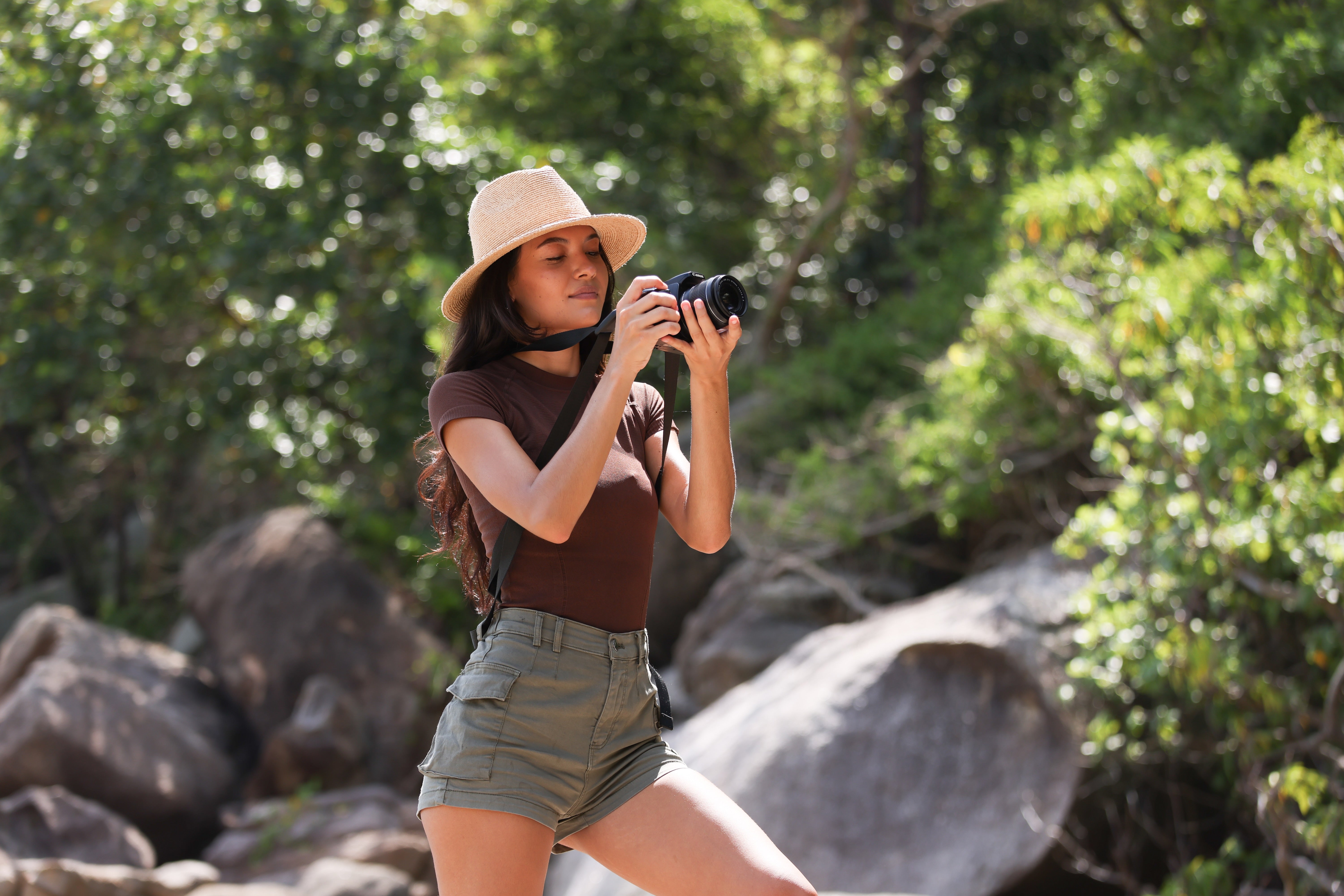
Carry a reliable strap like Camstrap explorer to keep your camera safe on long nights. Use the Camstrap magclip to add a small light or pouch to your kit. These small gear choices make a big difference when you travel.


