


If you want dramatic outdoor photos, this guide will show how to do it. You will learn high-contrast lighting, gear choices, and field workflow for 2025.
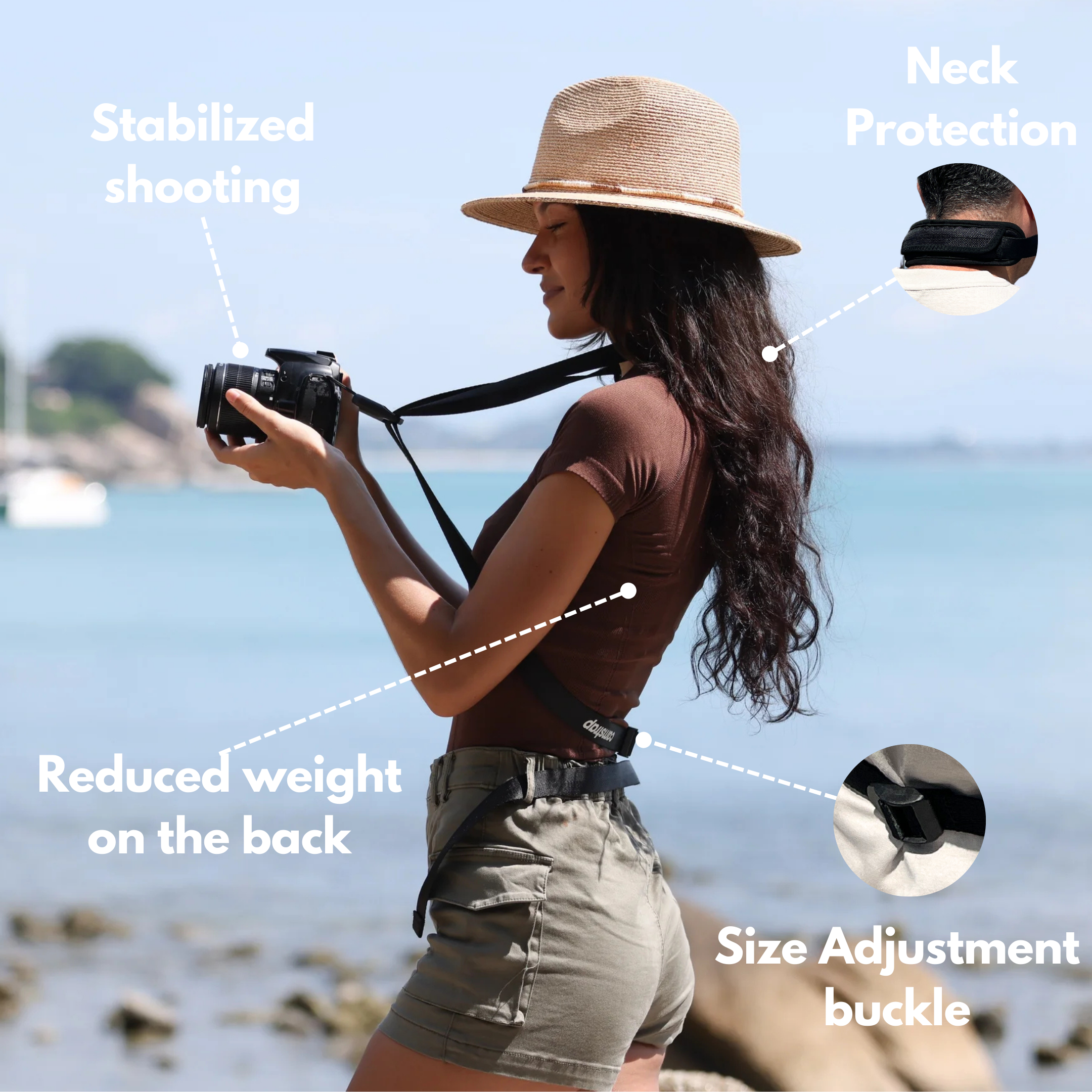
Camstrap is a brand that redesigns camera carry for travel and outdoor use. Camstrap blends function and style with straps like the camstrap voyager, camstrap explorer, camstrap nomad, and camstrap magclip.
Translation missing: en.blog_cta.bundle_heading

- Regular price
-
€42 - Regular price
-
€44 - Sale price
-
€42
By choosing the Camstrap strap, you are opting for a high-quality product designed to meet the needs of the most demanding photographers.
- Developed by a physiotherapist to relieve neck and back pain.
- Fast delivery with tracking by the Post Office 🚚
- Can be used as a shoulder strap or hands-free harness

- Regular price
-
€36 - Regular price
-
€42 - Sale price
-
€36
Translation missing: en.blog_cta.free_shipping_included
Master the Basics of High-Contrast Lighting
High-contrast lighting means bright highlights and deep shadows in one scene. Learn how your camera handles both ends of light to keep detail.
Exposure and Metering
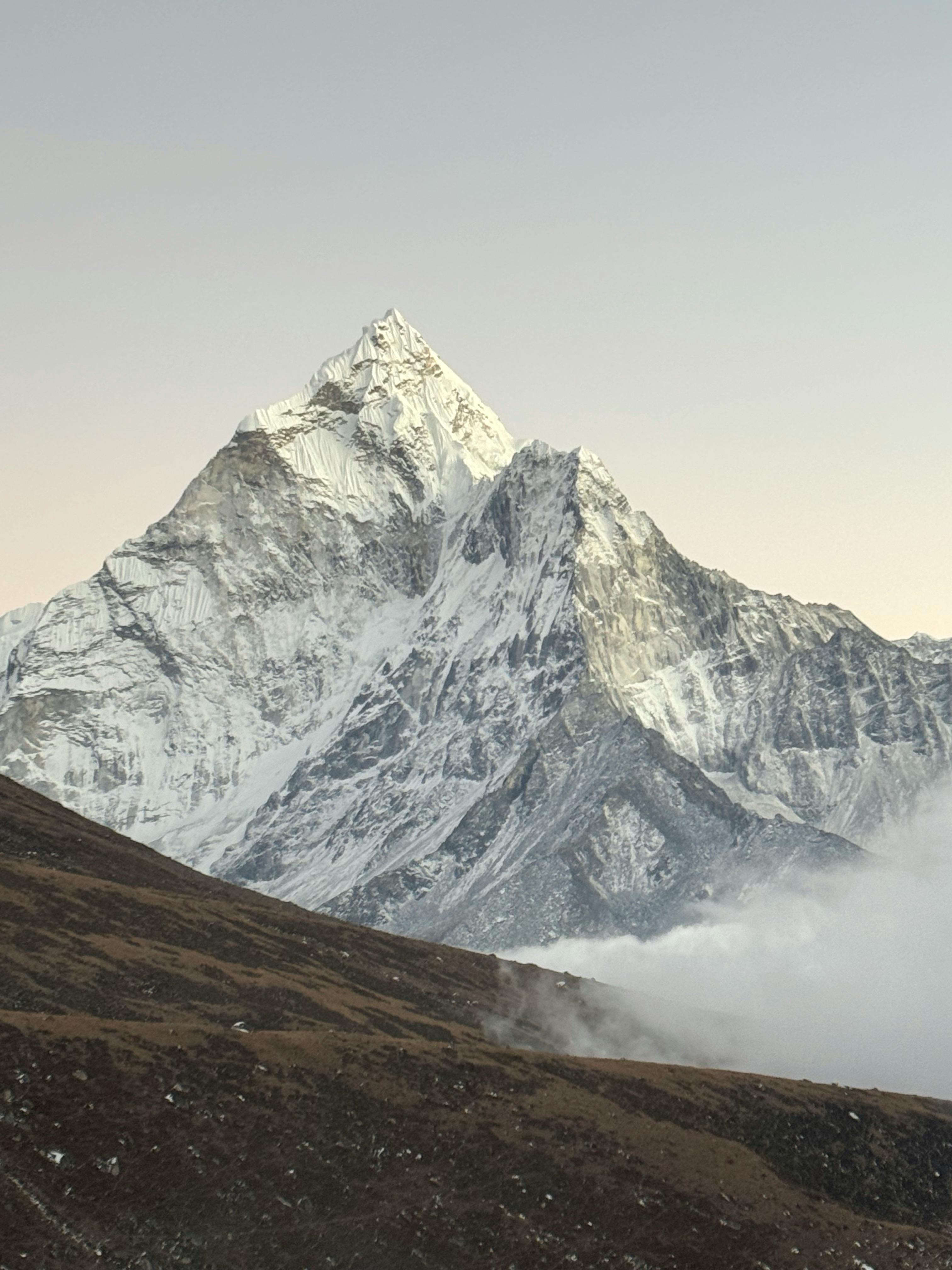
Use spot metering when a small area is key to the image. Check the histogram to avoid clipped highlights or crushed shadows.
Use exposure compensation to tune the shot. Dial negative compensation for a bright sky and positive for a dark foreground.
Use Bracketing to Capture Full Range
Shoot three to seven frames at different exposures when range is extreme. Later, blend them with exposure blending or HDR to keep detail.
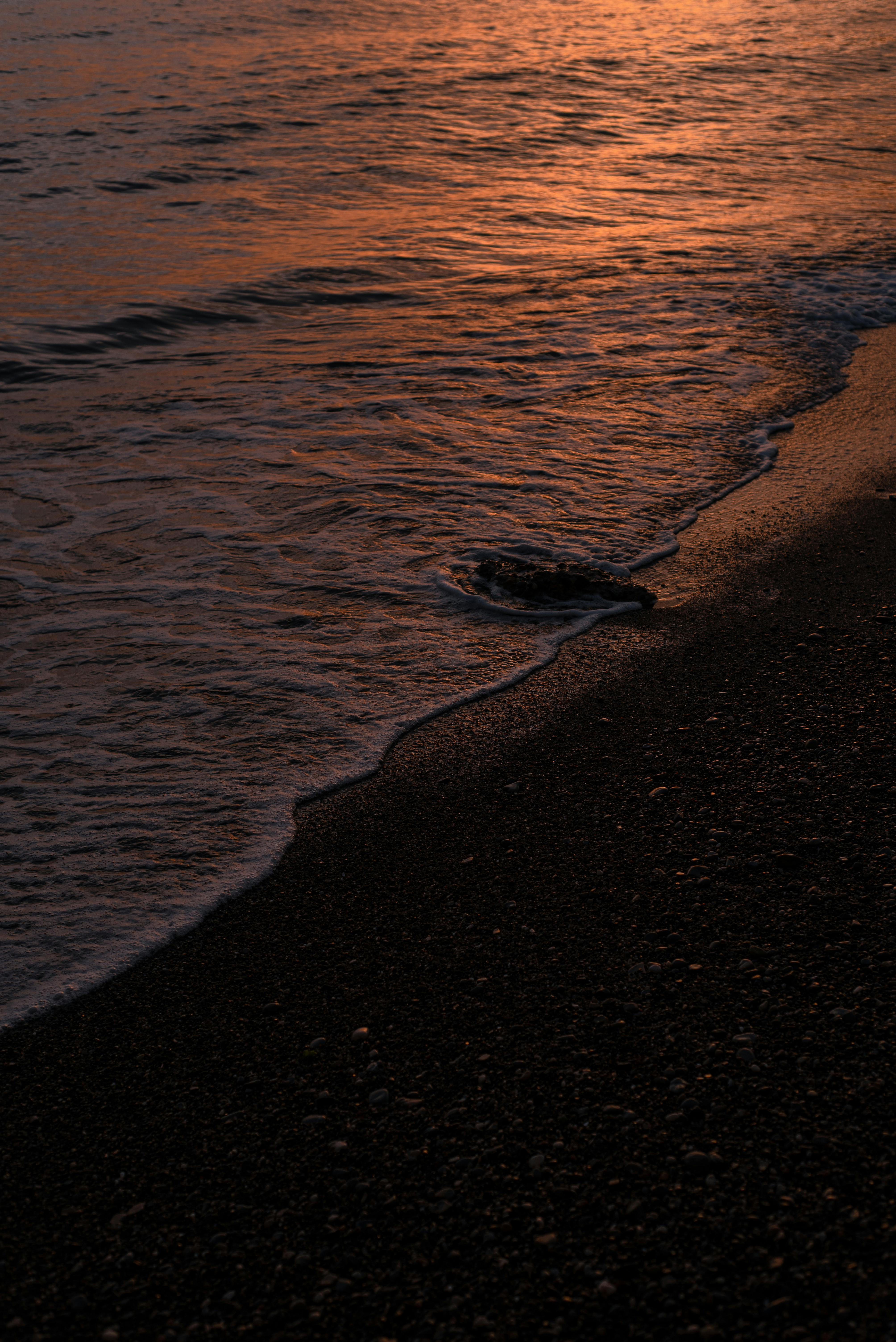
Bracketing gives you editing choices and a clean final image. It is a simple tool for adventure landscapes and travel photographers.
Essential Gear to Master High-Contrast Adventure Landscapes
You do not need the most costly kit to get great high-contrast shots. You do need gear with wide dynamic range and good weather sealing.
Camera Bodies and Lenses
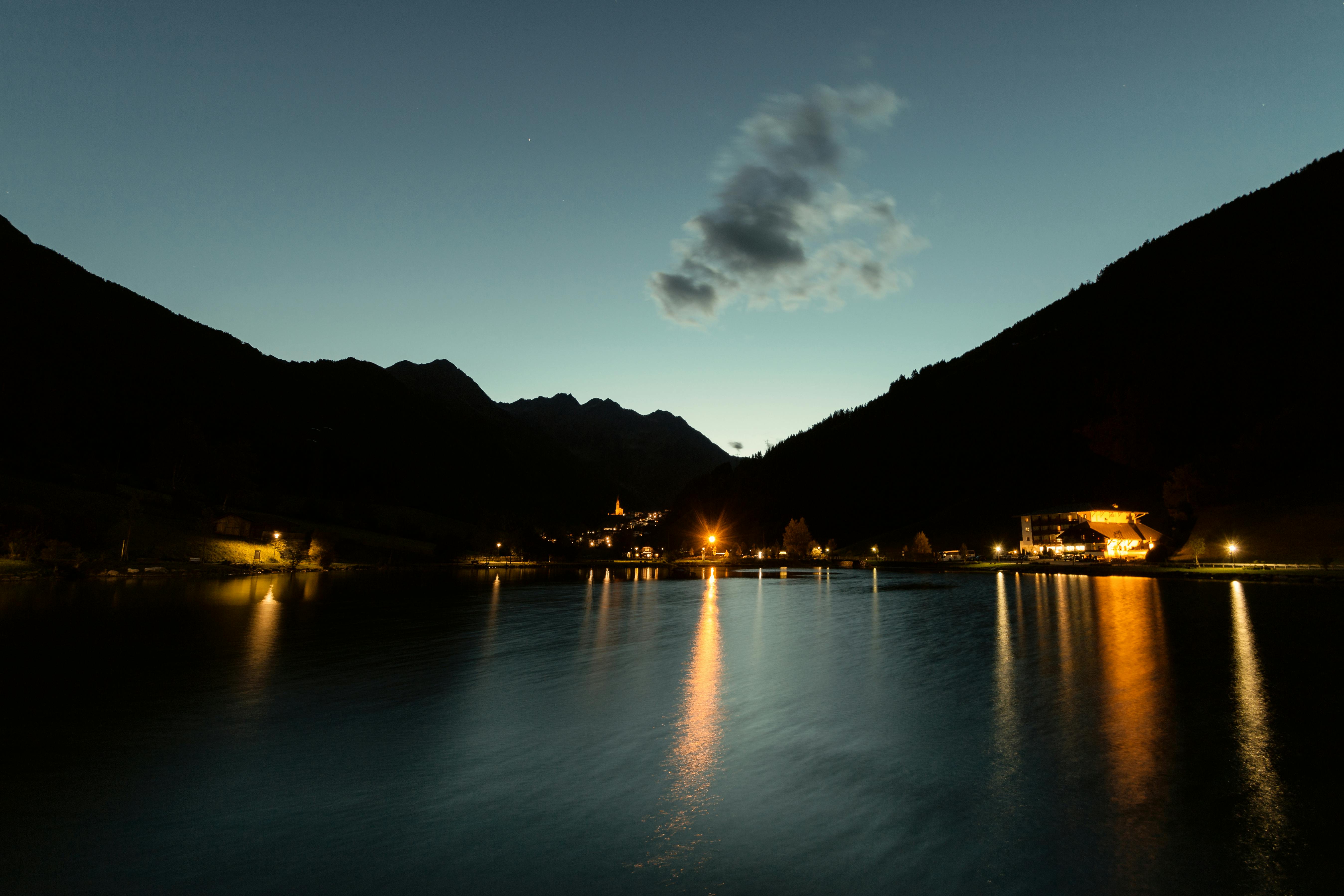
- Pick a camera with high dynamic range to keep highlight and shadow detail.
- Use a wide-angle lens for sweeping landscapes and low distortion.
- Carry a fast prime for low light and star shots.
Filters, Tripods, and Support
Use a sturdy tripod for long exposures and for aligned bracket frames. A level base helps quick setups on uneven ground.
Carry ND and GND filters to balance bright skies and dark land. A polarizer cuts glare and boosts color in foliage and water.
Accessories That Matter
- Extra batteries and memory cards. Cold weather drains batteries fast.
- A rain cover and lens cloth to keep gear safe and lenses clear.
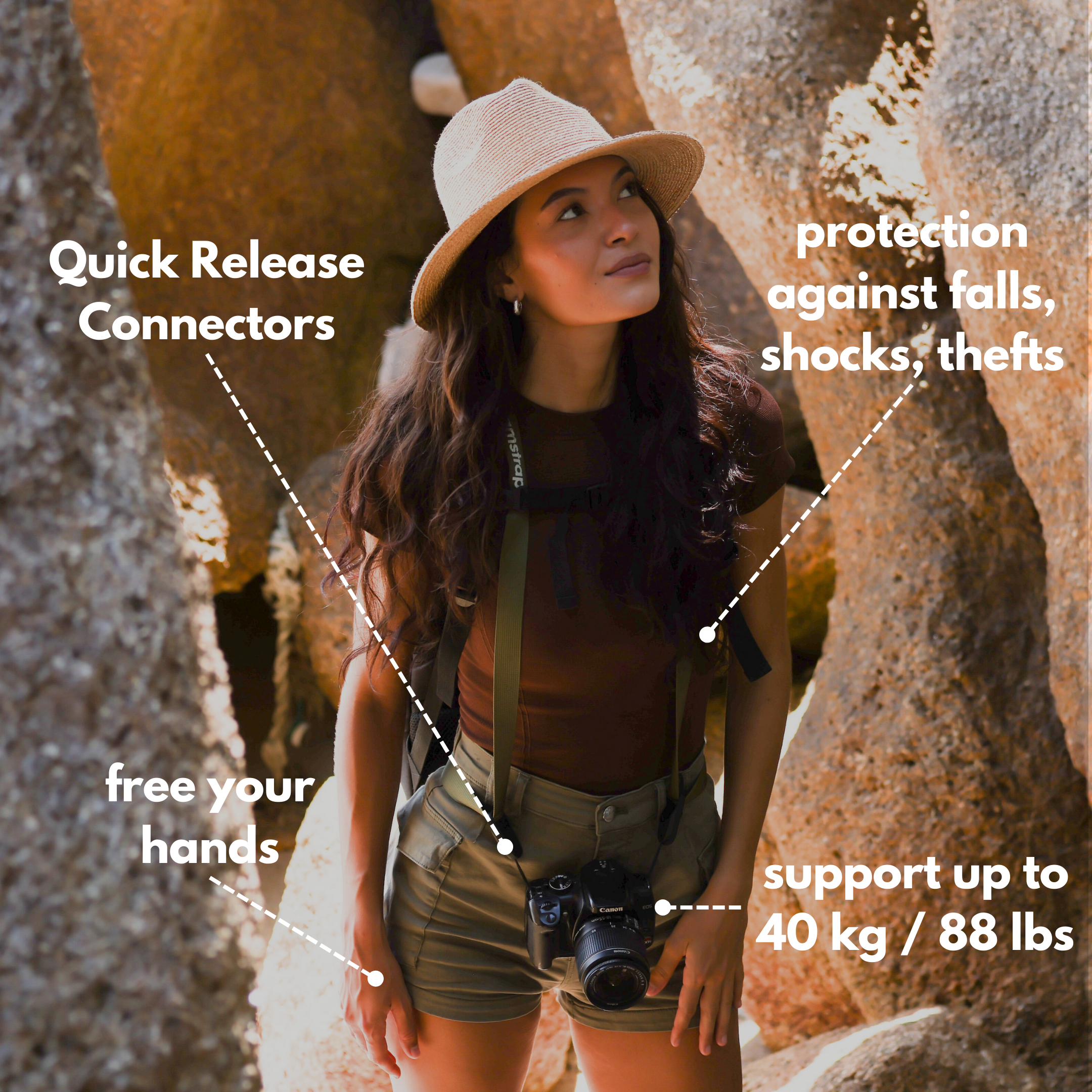
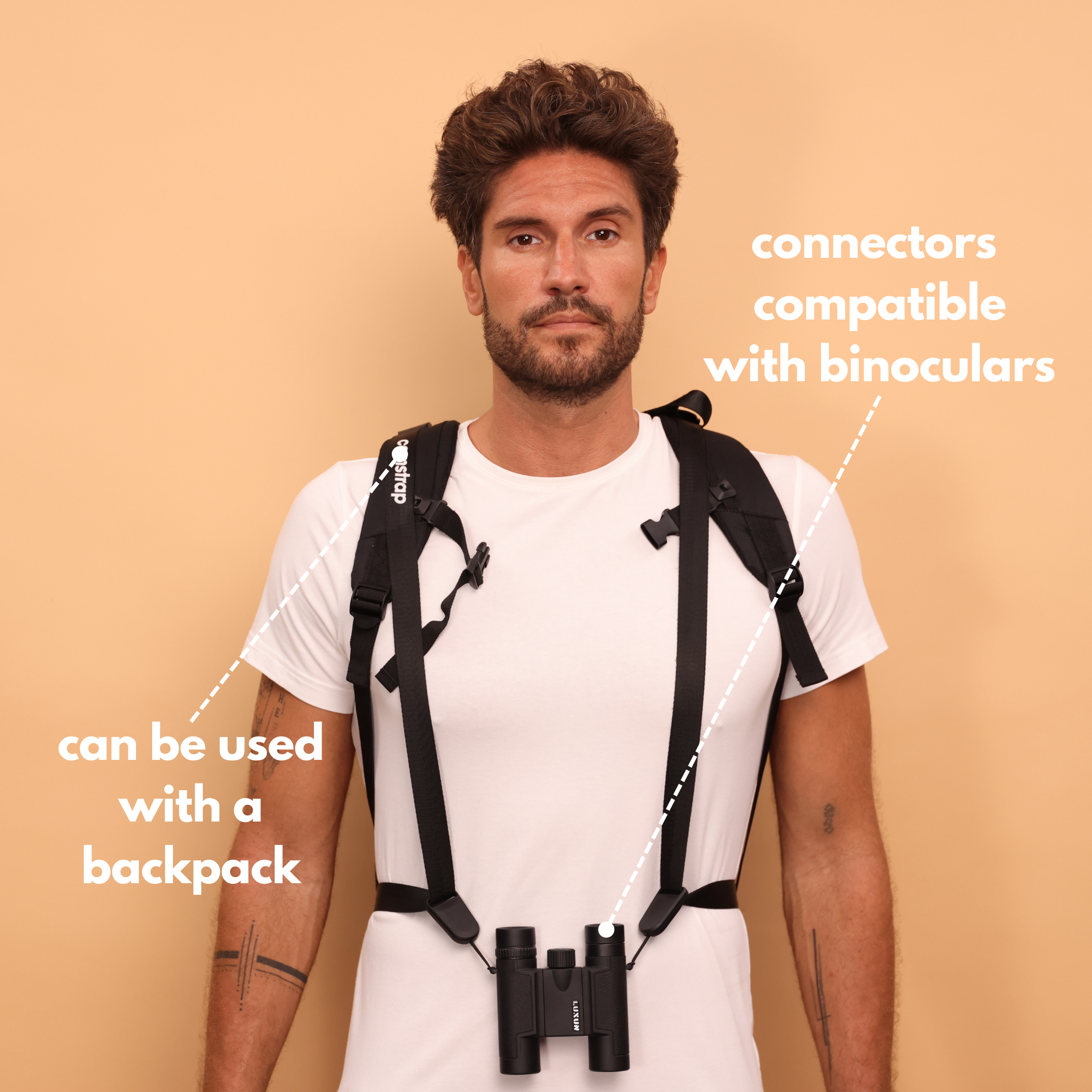
- Reliable straps like the camstrap voyager and camstrap explorer for long hikes.
- Quick-attach options like the camstrap magclip and the camstrap nomad for heavy treks.
How to Shoot: Practical Techniques to Capture High-Contrast Scenes
Good technique helps you handle bright sun and deep shadow with confidence. Practice these moves on short trips first to learn fast.
Shoot at Golden Hour and Blue Hour
Golden hour gives warm light that reduces harsh contrast and adds mood. Blue hour gives cool, even light that suits star and twilight shots.
Arrive early and stay late to follow subtle light changes. Small shifts often make the best frames.
Use Fill Light and Reflectors
Bring a small LED or a reflector to lift deep shadows without heavy editing. A little light can show foreground detail and keep the image natural.
Use a headlamp or compact LED for close foregrounds at night. Paint light for a few seconds to match sky exposure.
Mind Your Composition in High-Contrast Scenes
Look for strong shapes and clear lines that work in both light and dark. Use leading lines to pull the eye through the frame.
Watch how shadows shape the scene. Shadows add depth and mood to simple landscapes.
Workflow and Editing: RAW, Exposure Blending, and HDR
Shoot RAW and keep frames stable to make editing easier. Follow a clear edit path to make natural, balanced images.
RAW Processing and Color
Start in a RAW editor and set exposure, then white balance. Keep color edits subtle to match the scene you saw.
Use small clarity or texture edits to bring out mid-tone detail. Avoid heavy contrast that crushes shadows or clips highlights.
Exposure Blending and HDR
Blend bracketed frames with layer masks to keep detail across the scene. Use exposure blending for a natural look in high-contrast shots.
Use HDR tools lightly to avoid a fake look. Keep sliders low and keep the image believable.
Sharpening and Noise
Sharpen after your main edits and use masks to protect smooth skies. Use noise reduction on high ISO shots while keeping foreground detail.
If you shot multiple frames, align and merge to reduce noise. This trick helps in low-light high-contrast work.
Field Checklist and Safety Tips for Travel Photographers
A short pre-trip checklist saves time and stress in changing light. Pack gear that helps you work fast and stay safe on trails.
Quick Field Checklist
- Camera body and two lenses. Bring a weather-sealed body when you can.
- Tripod and head. Protect the feet from sand and mud.
- Filters: ND, GND, polarizer. Clean them often.
- Extra batteries and cards. Cold drains power fast.
- Small LED, reflector, and headlamp.
- Camstrap voyager or camstrap explorer for comfort on long hikes.
- Camstrap magclip for fast changes and secure carry.
- First aid, map, and a phone with offline maps.
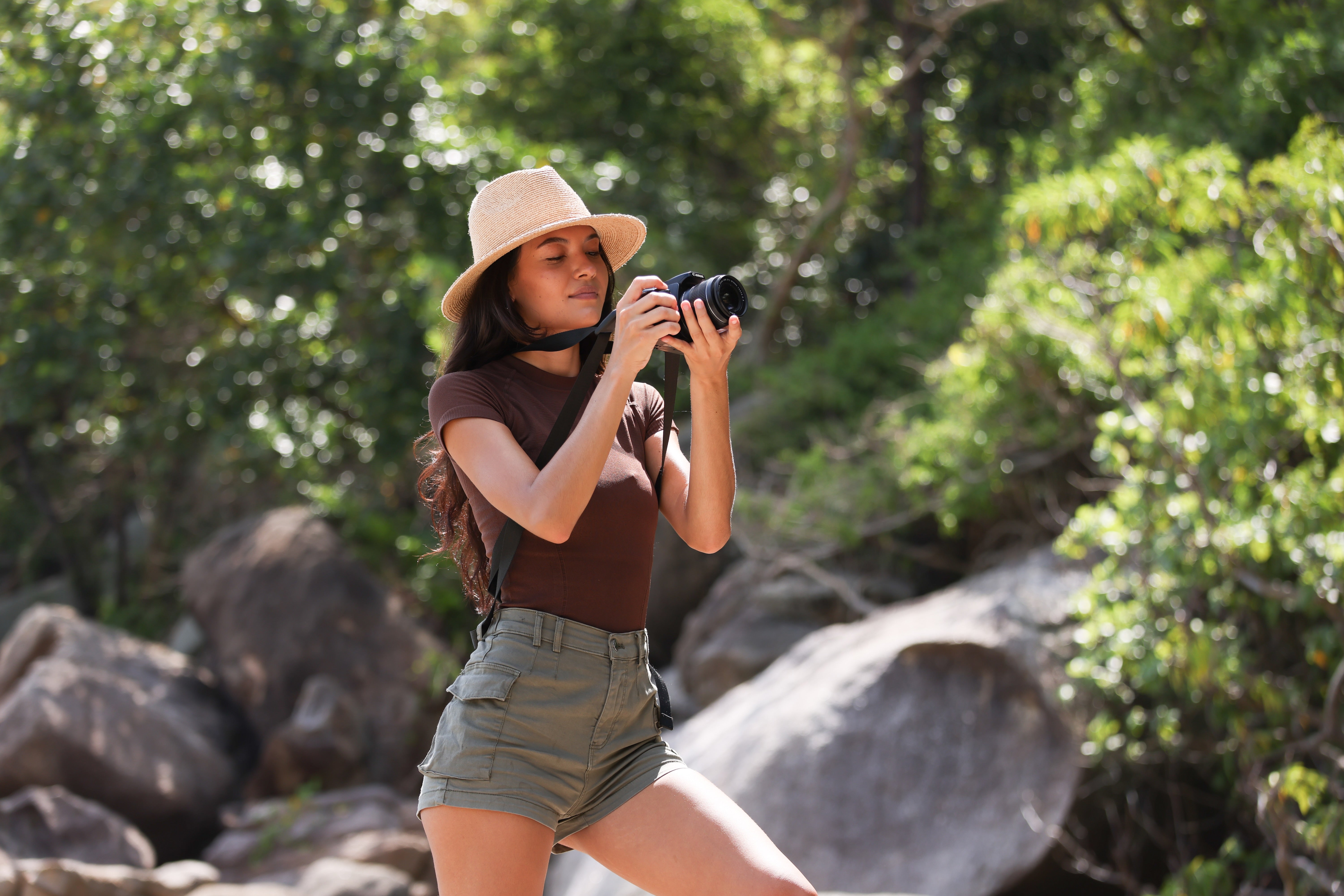
Safety and Comfort Tips
Dress in layers and pack rain gear for sudden weather. Check sunrise, sunset, and trail conditions before you go.
Stay aware of fast light changes after storms. Move and shoot quickly when sun breaks through clouds.
Travel and Gear Care
Use rugged straps like the camstrap nomad for long treks and rough trails. A good strap keeps your camera ready and safe.
Wipe lenses after salt spray or rain and store gear in dry bags. Small care steps keep your kit working on long trips.
Practical Examples and Quick Setups
Use these quick setups to capture common adventure scenes. They save time and help you focus on light and composition.
Sunrise Over a Rugged Ridge
Mount a tripod and bracket three frames to cover mid tones. Use a GND if the sky is much brighter than the land.
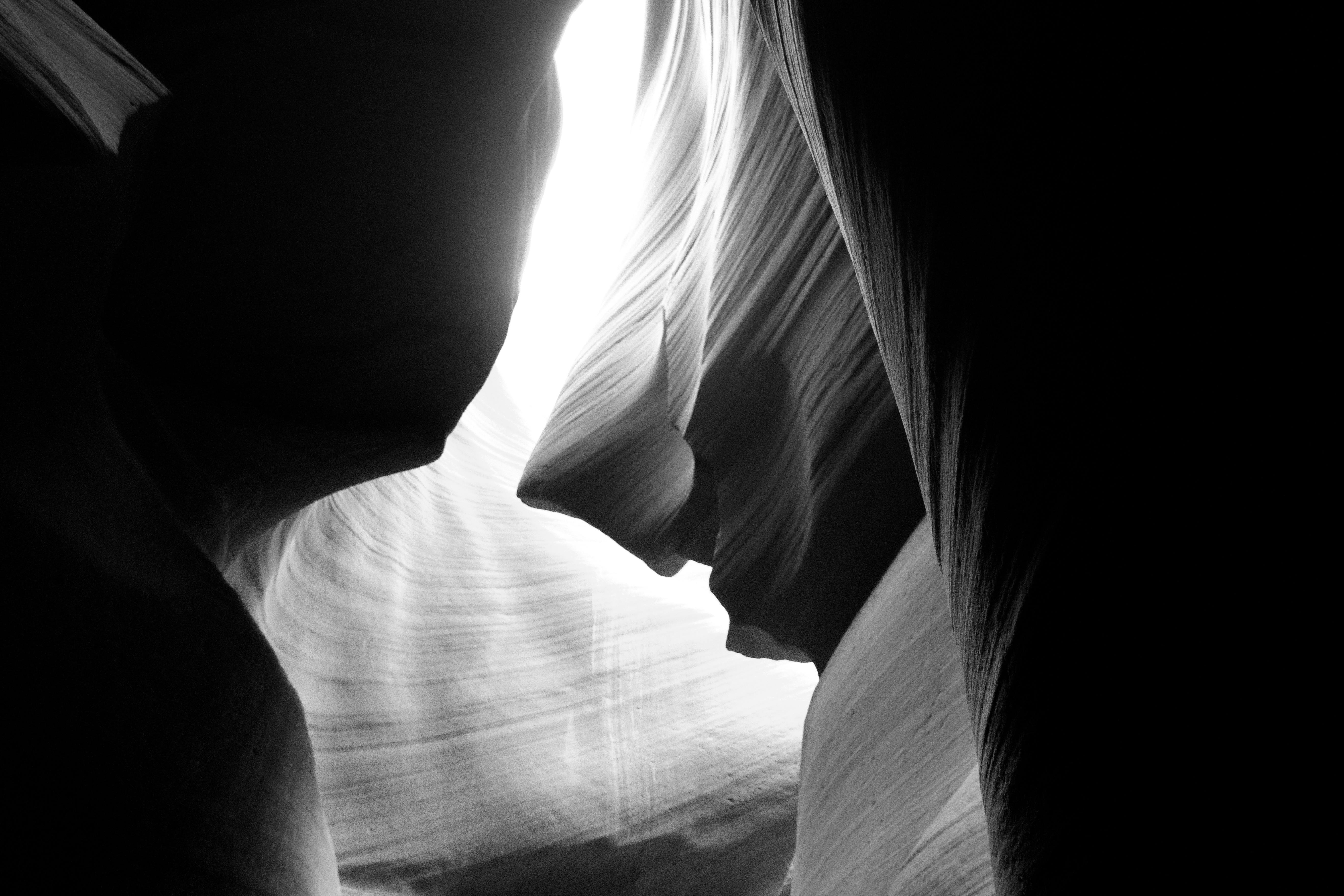
Use a slow shutter to show mist or moving clouds and keep ISO low. This yields sharp, low-noise shadows and sky detail.
Storm Light and Sunbreaks
Watch for sun bursts after rain and pick a bright patch with a telephoto. Meter the bright area and fill the foreground with a reflector or LED.
Shoot wide for context and tight for dramatic contrast. Both views give strong options in editing.
Nightscapes and Starry Foregrounds
Use a wide, fast lens and a steady tripod for star shots. Expose for the sky and then take a second shot for the foreground.
Blend both frames and paint light on the foreground for a few seconds. This balances a bright sky and dark land.
Resources and Further Learning
Watch recent tutorials on exposure blending, HDR, and high-contrast workflows for 2025. Study guides like DIYPhotography for practical tips on balance and flow.
Read interviews with top landscape makers to see their routine and quick setups. Practice often and review your work to find weak spots to fix.
Conclusion: How to Keep Learning and Master High-Contrast Lighting
Keep things simple and steady as you learn how to shoot high-contrast scenes. Start with metering, bracketing, and basic composition before adding gear and edits.
Set small goals and practice each trip. Travel enthusiasts, outdoor adventure photographers, and amateur photographers will see steady gains.
Use reliable gear that helps you stay ready, like the camstrap voyager, camstrap explorer, camstrap nomad, and camstrap magclip. Practice, review, and shoot again to master epic adventure landscapes.


