


The guide helps hikers pick rugged camera gear and straps for cold, wet trails. It shows gear choices, strap systems, and ways to keep kit safe on long treks. Read this to find gear that lasts and fits your hike style.
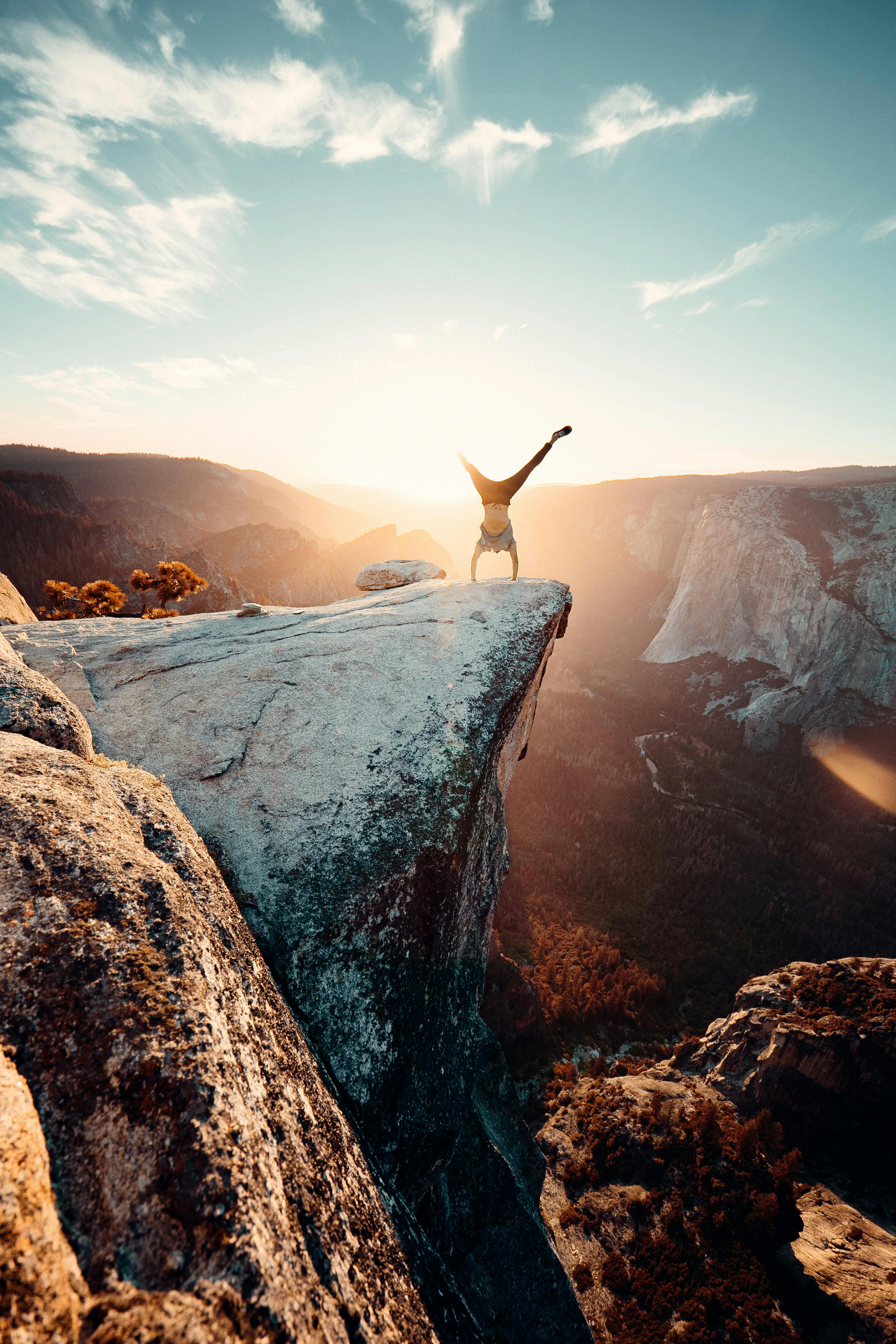
Whether you are a travel enthusiast, an outdoor adventure photographer, or an amateur shooter, this guide helps. We keep tips simple and clear. Next, we look at the best gear and strap choices for trail use.
Shop the setup

- Regular price
-
€42 - Regular price
-
€44 - Sale price
-
€42
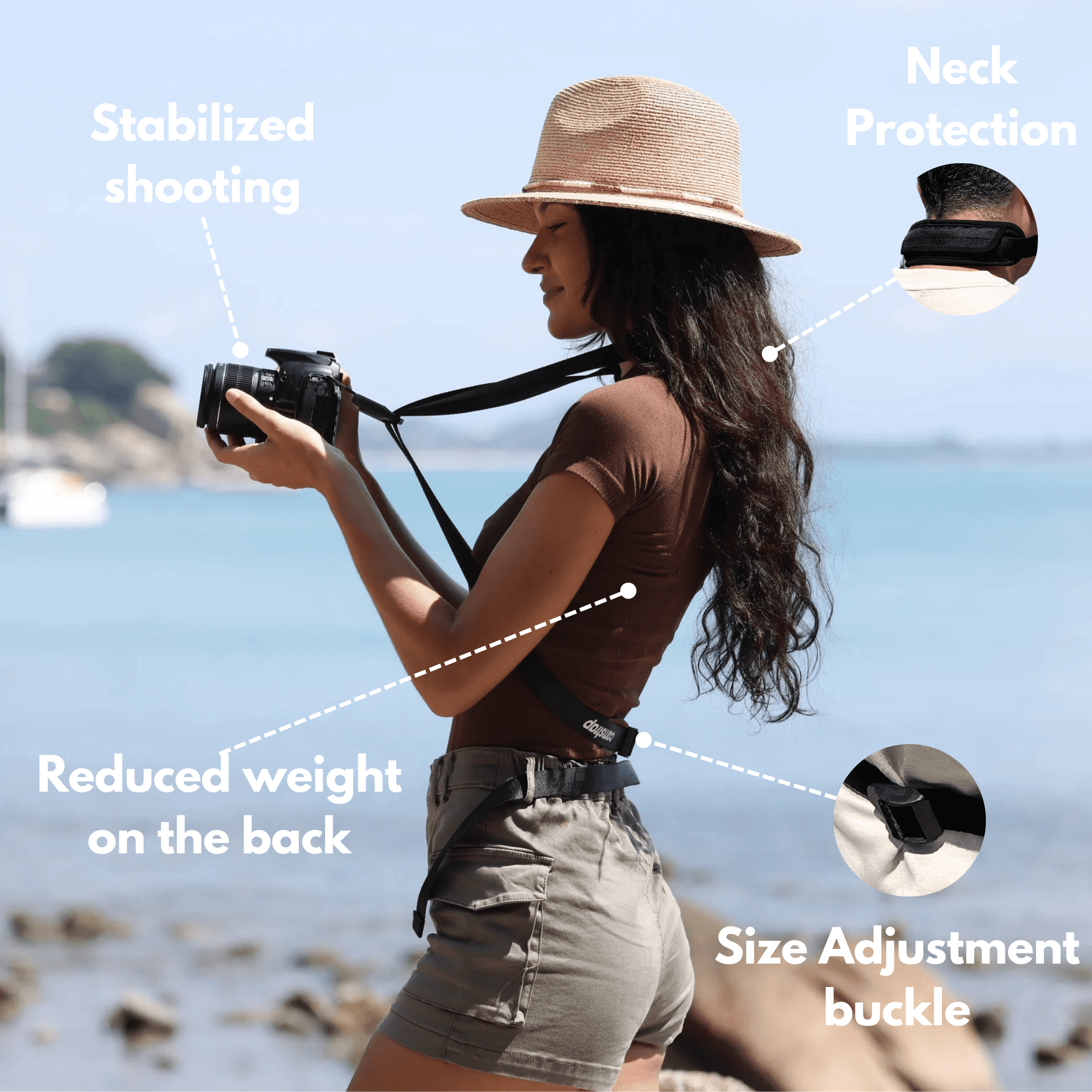
By choosing the Camstrap strap, you are opting for a high-quality product designed to meet the needs of the most demanding photographers.
- Developed by a physiotherapist to relieve neck and back pain.
- Fast delivery with tracking by the Post Office 🚚
- Can be used as a shoulder strap or hands-free harness

- Regular price
-
€36 - Regular price
-
€42 - Sale price
-
€36
Free shipping included
Choosing the Right Rugged Camera for the Trail
Start with the camera body when you build a trail kit. Pick a model that balances size, image quality, and weather protection. A small, tough camera lets you carry less and shoot more on long hikes.
For reliable autofocus and fast shooting, consider Sony gear when you need speed. For fine detail and classic handling, consider Leica gear for landscape work. If you want a light mirrorless model, look at the Canon EOS R50 or the Fujifilm X-S20 for day hikes.
Best Picks for Different Hikes
- Light day hikes: a compact mirrorless like the Canon EOS R50 for low weight.
- Mixed terrain: the Fujifilm X-S20 balances photo and video well.
- Serious landscapes: a weather-sealed camera and a sharp lens help most.
- Action and 360: a small action cam fits tight packs and rough trails.
The Rugged Lenses and Small Gear for the Trail
Pick lenses that match the scenes you shoot on the trail. A wide zoom covers landscapes and travel views. A 35mm prime handles low light and street scenes well.
Bring small items that save shoots. Pack extra batteries, fast cards, a small tripod, and a lens cloth. These things keep your camera working in cold or wet weather.
Packing Tips from Trail Tests
- Pack heavy items close to your back for better balance.
- Use padded dividers to protect lenses in your pack.
- Keep batteries in inner pockets to help them stay warm.
- Test setups from trusted guides before long trips.
The Straps and Carry Systems: Camstrap and Other Options
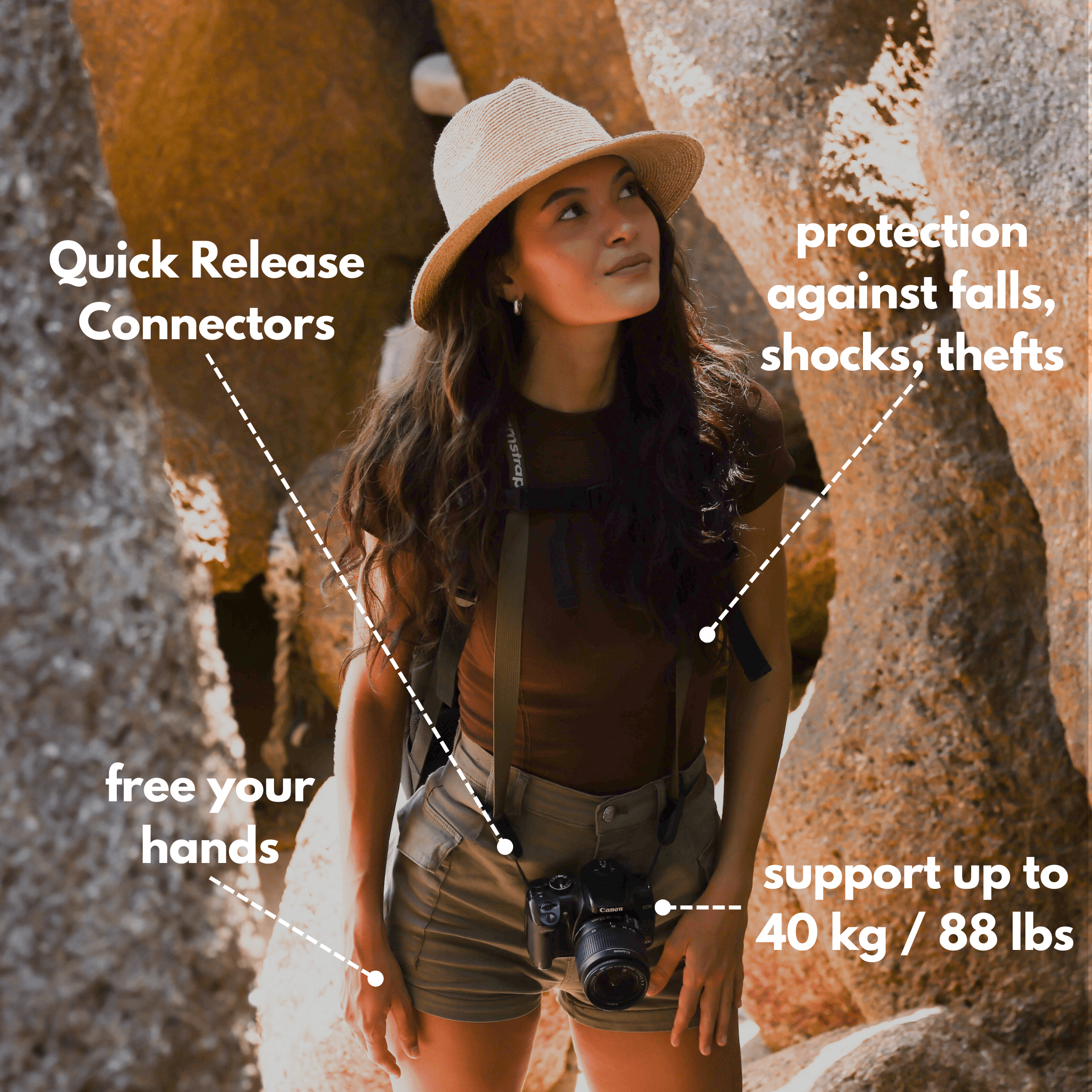
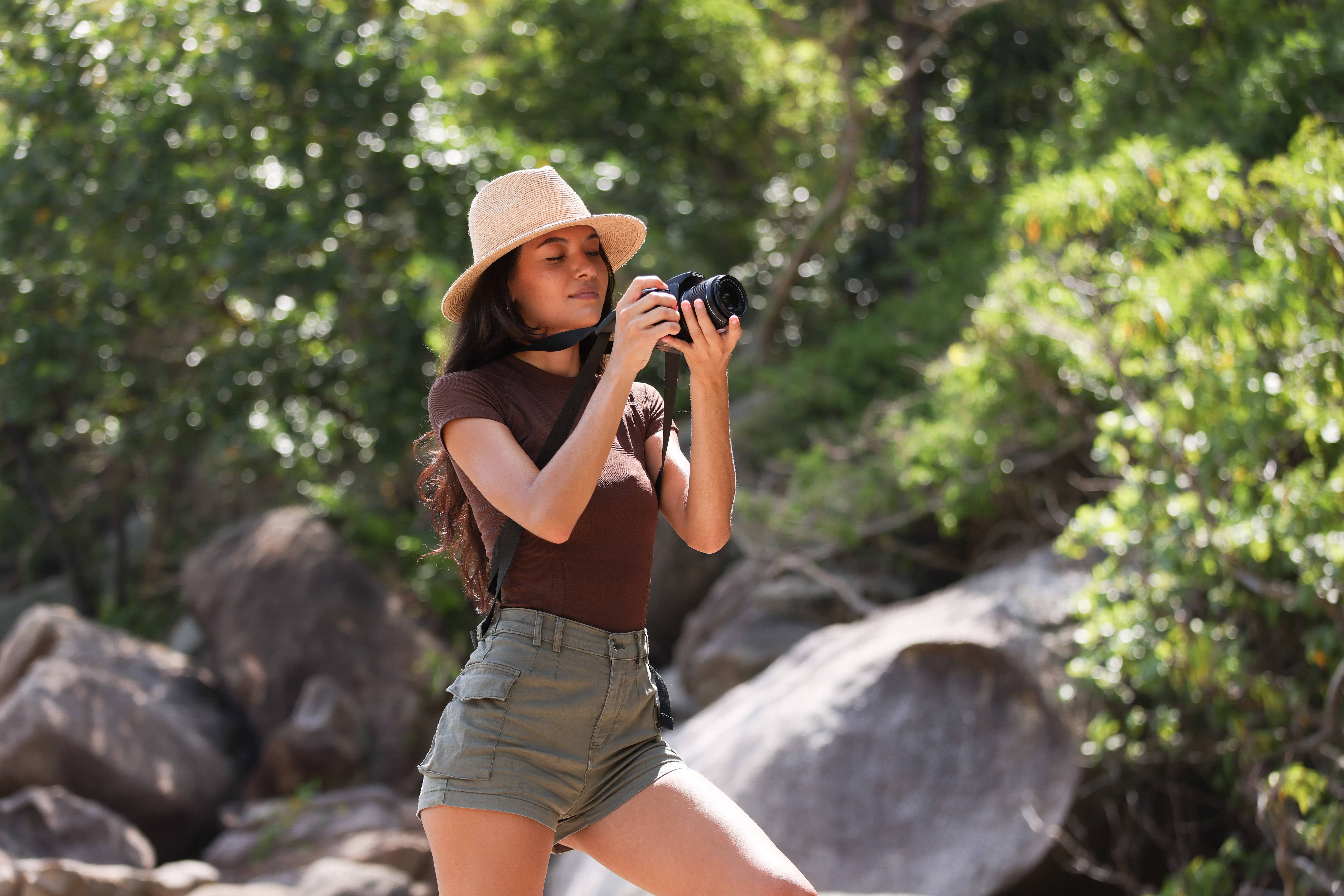
The right strap makes a big difference on narrow trails. Camstrap builds straps for travel and trail use. Their straps mix function and style for many hikers.
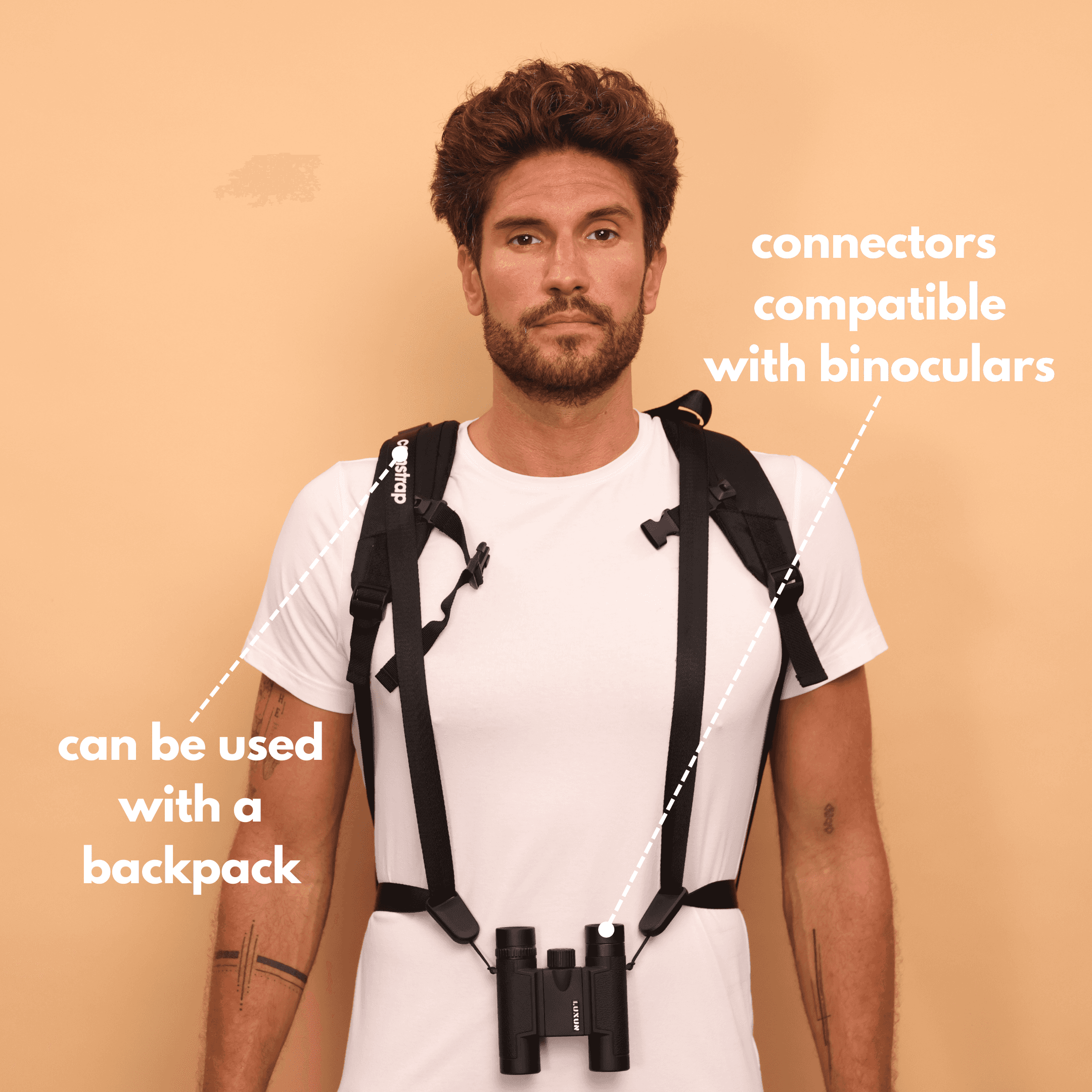
The Camstrap Voyager gives fast access for travel shoots. The Camstrap Explorer locks gear for rough climbs. The Camstrap Nomad saves weight for long hikes. The Camstrap Magclip offers quick on-off when you need both hands.
How to Pick the Right Strap
- Try a cross-body strap for fast access on steep trails.
- Use a padded neck strap for lighter kits and more comfort.
- Pick metal hardware if you hike on rough, rocky routes.
- Consider a magclip if you switch between pack and hands often.
The Weather, Durability, and Trail-Proofing Your Setup
The weather will test your gear on many hikes. Cold, rain, and dust can stop a shoot fast. Plan for wet conditions and sudden storms on mountain trails.
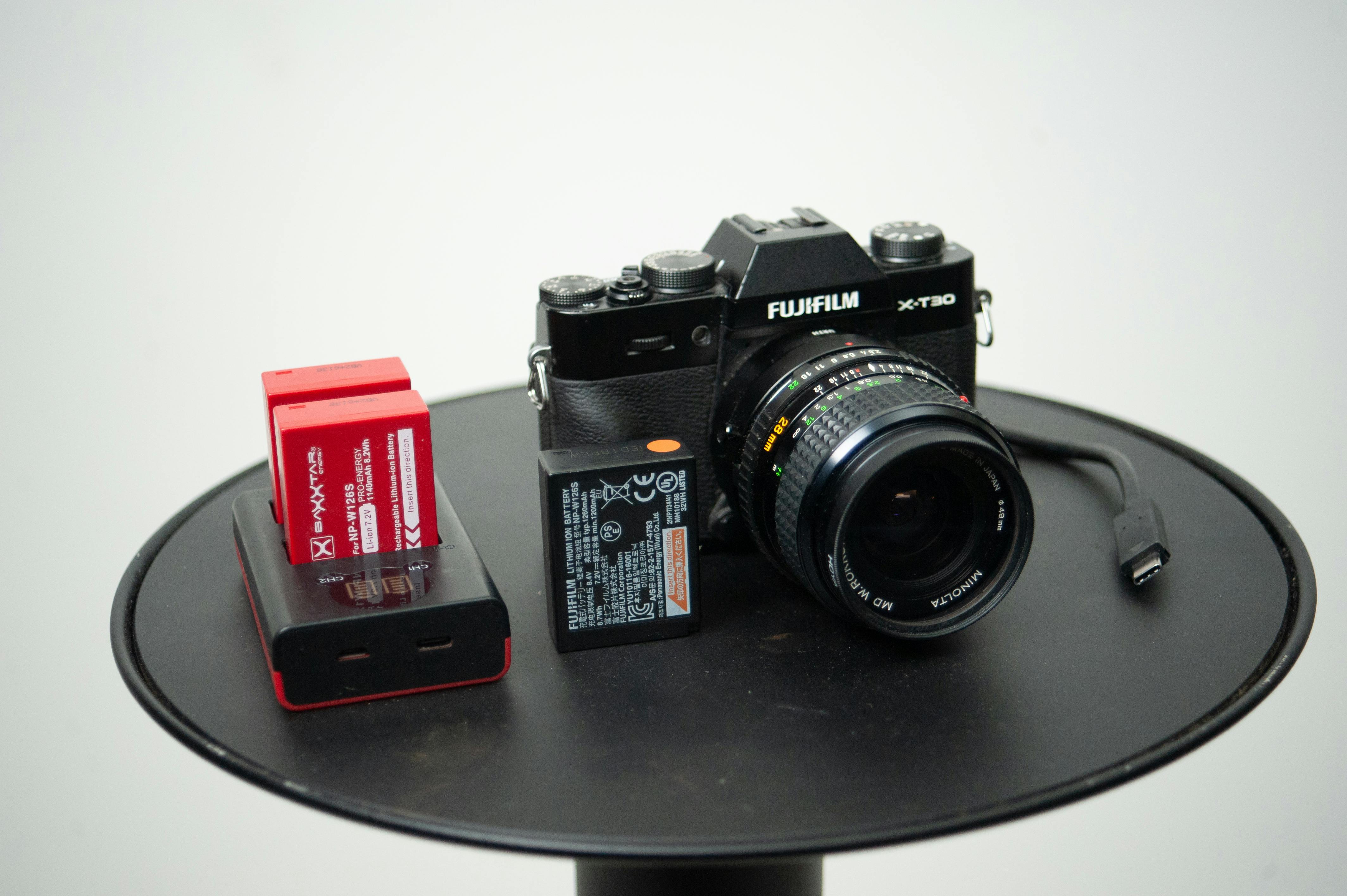
Use rain covers, dry bags, and padded cases to protect gear. If your camera is not sealed, keep it in a sleeve or dry bag. For lenses, keep caps on until you shoot, and swap lenses under shelter.
Simple Repair and Care Tips
- Carry tape and a small multi-tool for quick fixes.
- Dry wet gear at the first chance to avoid rust or mold.
- Store spare batteries warm and swap them as needed.
- Use silica gel packs in your kit to cut moisture risk.
The Shooting Tips and Top Destinations to Inspire Photos
Good technique helps you get strong images on any trail. Use light to your advantage. Plan shots for the golden hour on ridgelines and city scenes.
Visit top places like Norway and Patagonia for dramatic landscapes and wide views. Try sunrise streets in Paris or coastal light in Melbourne for travel shots. Scout spots, watch the weather, and plan for quick changes.
Composition and Settings on the Trail
- Use low ISO and a tripod for sharp landscape photos.
- For moving subjects, raise shutter speed and track the motion.
- Shoot RAW when you can to keep more image detail.
- Use a polarizer to cut glare on streams and wet leaves.
The Balance of Weight and Quality for Your Kit
Decide the main goal for your trip to build the right kit. For multi-day hikes, choose a light camera and one versatile lens. For short scenic hikes, you can bring a higher-end body and a compact tripod.
- One camera body and one lens for light multi-day hikes.
- Two lenses for mixed day trips: pick a wide and a medium zoom.
- Add one action cam for extra angles if you want dynamic shots.
- Bring a trusted strap like the Camstrap Nomad or a Voyager for access.
The Buying Guide: Where to Spend and Where to Save
Spend more on parts that affect image quality and safety. Buy a weather-sealed body, a sharp lens, and a strong strap. These items last longer and help image quality the most.
Save on extras like spare cables or duplicate caps. Choose third-party rain covers or simple tripods to cut cost. Buy used bodies from trusted sellers to save money while keeping performance.
The Final Checklist for Hiker Photographers
Use this quick list before each trip to build your pack. Check batteries, memory, and your main strap. This short routine prevents common issues on the trail.
- Charged batteries and spares, kept warm in inner pockets.
- Memory cards formatted and ready to use.
- Main strap like Camstrap Voyager and a backup Magclip or clip.
- Rain cover, lens cloth, small tool kit, and silica packs.
Conclusion: Build the Right December 2025 Hiking Kit
This guide gives clear steps to pick rugged camera gear and straps for hikers. Start with the core: a solid camera, one versatile lens, and a strap that keeps the camera ready. Try a Camstrap to see how it improves your trail workflow.
Test your full kit on short hikes to find the best setup. With the right gear, you will shoot better photos in Norway, Patagonia, or any trail you love. Safe hikes and good light will help your shots in 2025 and beyond.


