


Slow travel asks you to move slowly and see more. This guide shows how to shoot slow-travel photo stories on the road in 2026. You will learn planning, gear, and people skills for better travel photography.
Plan Where and How to Shoot Slow-Travel Photo Stories
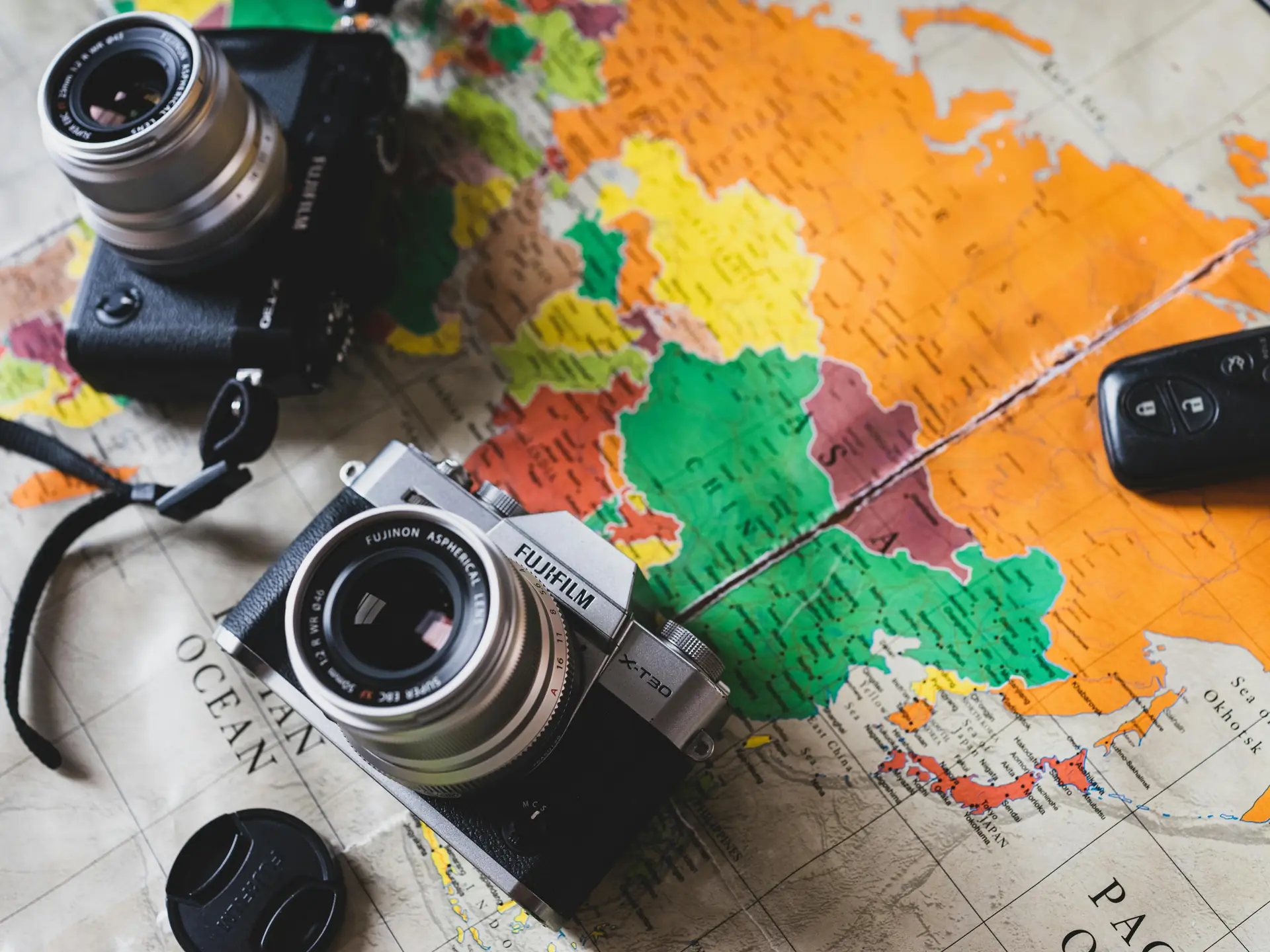
Good trips start with a plan and room to change. Pick a region, learn its rhythm, and mark shots on a map. This helps you find scenes and plan time for slow travel photography.
Shop the setup

- Regular price
-
€42 - Regular price
-
€44 - Sale price
-
€42
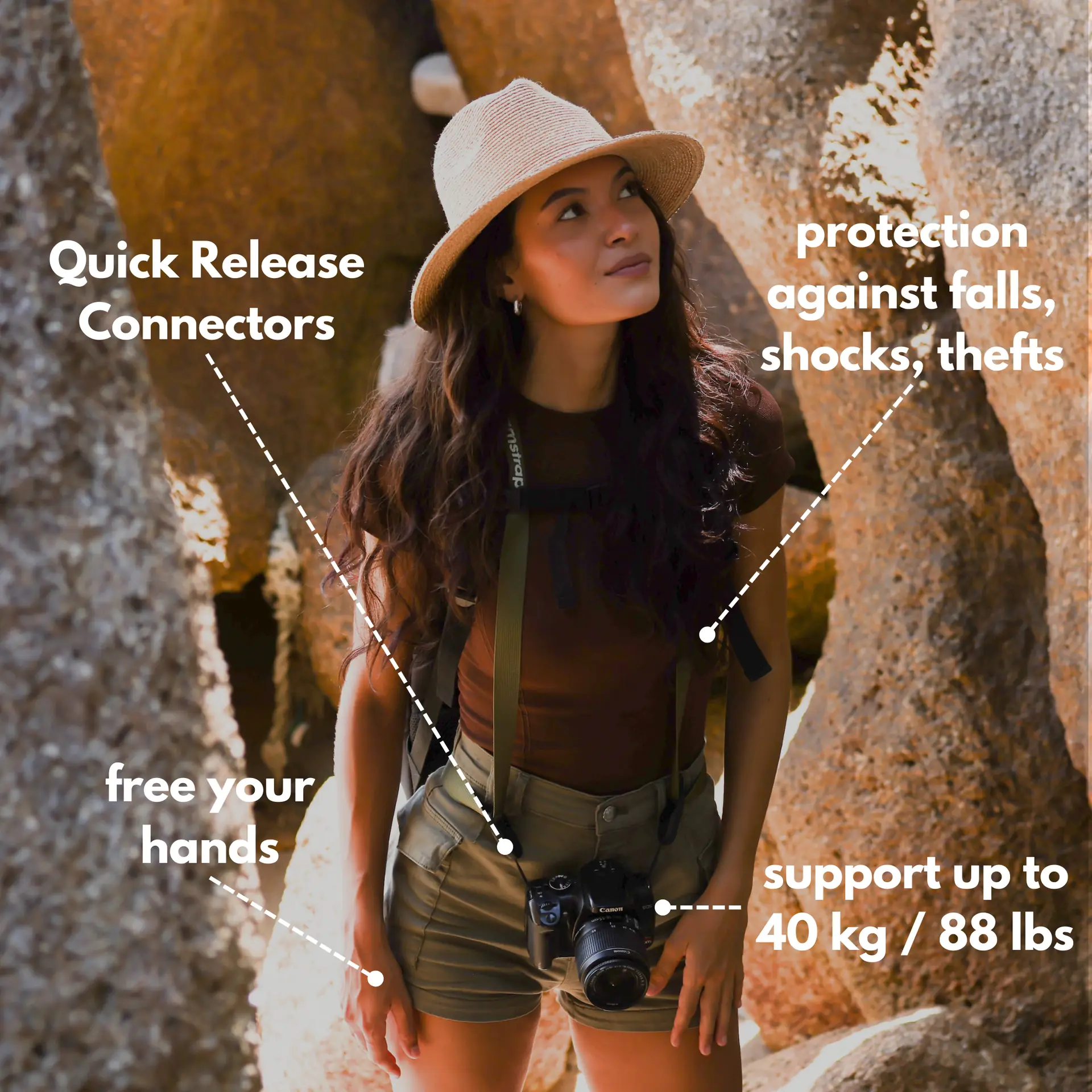
By choosing the Camstrap strap, you are opting for a high-quality product designed to meet the needs of the most demanding photographers.
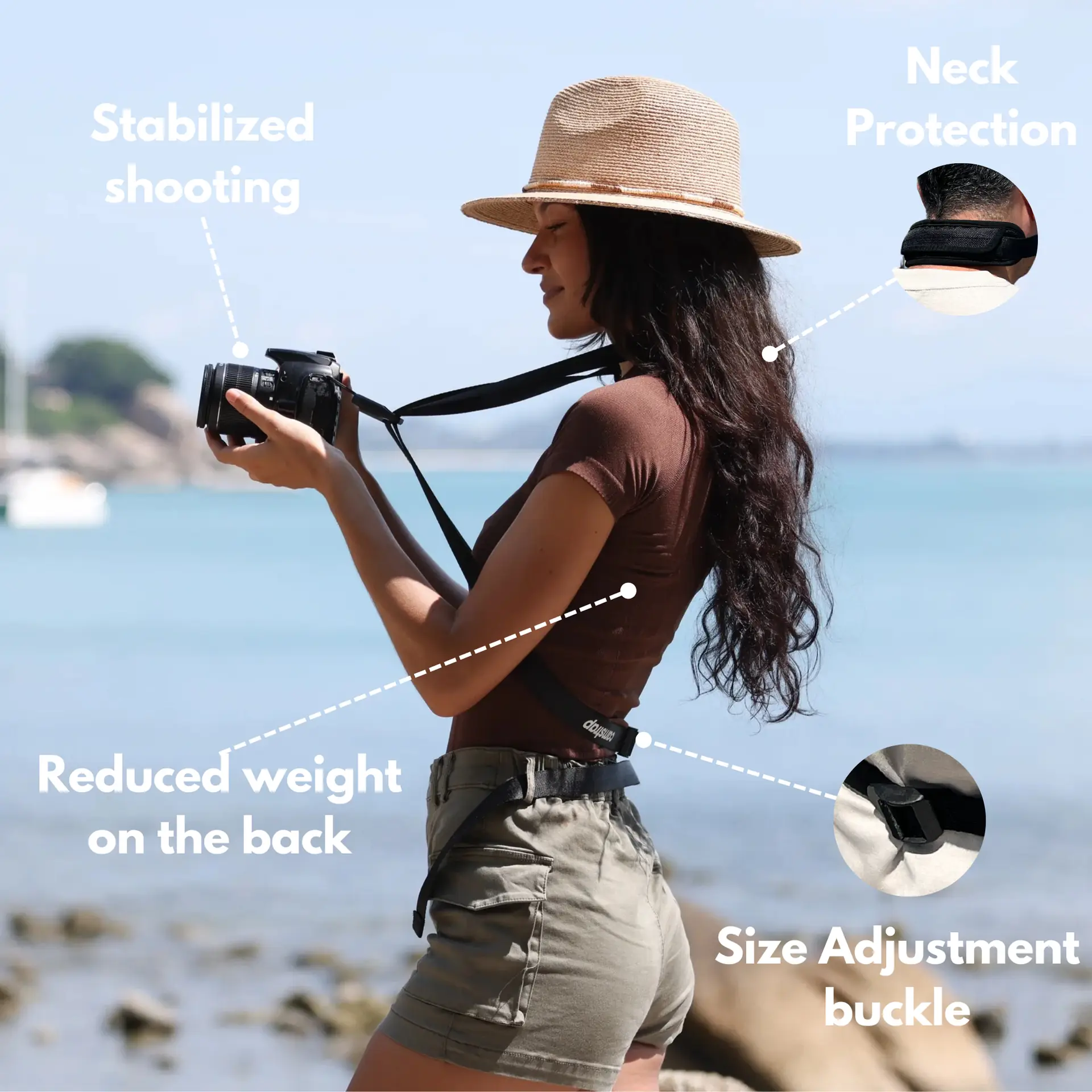
- Developed by a physiotherapist to relieve neck and back pain.
- Fast delivery with tracking by the Post Office 🚚
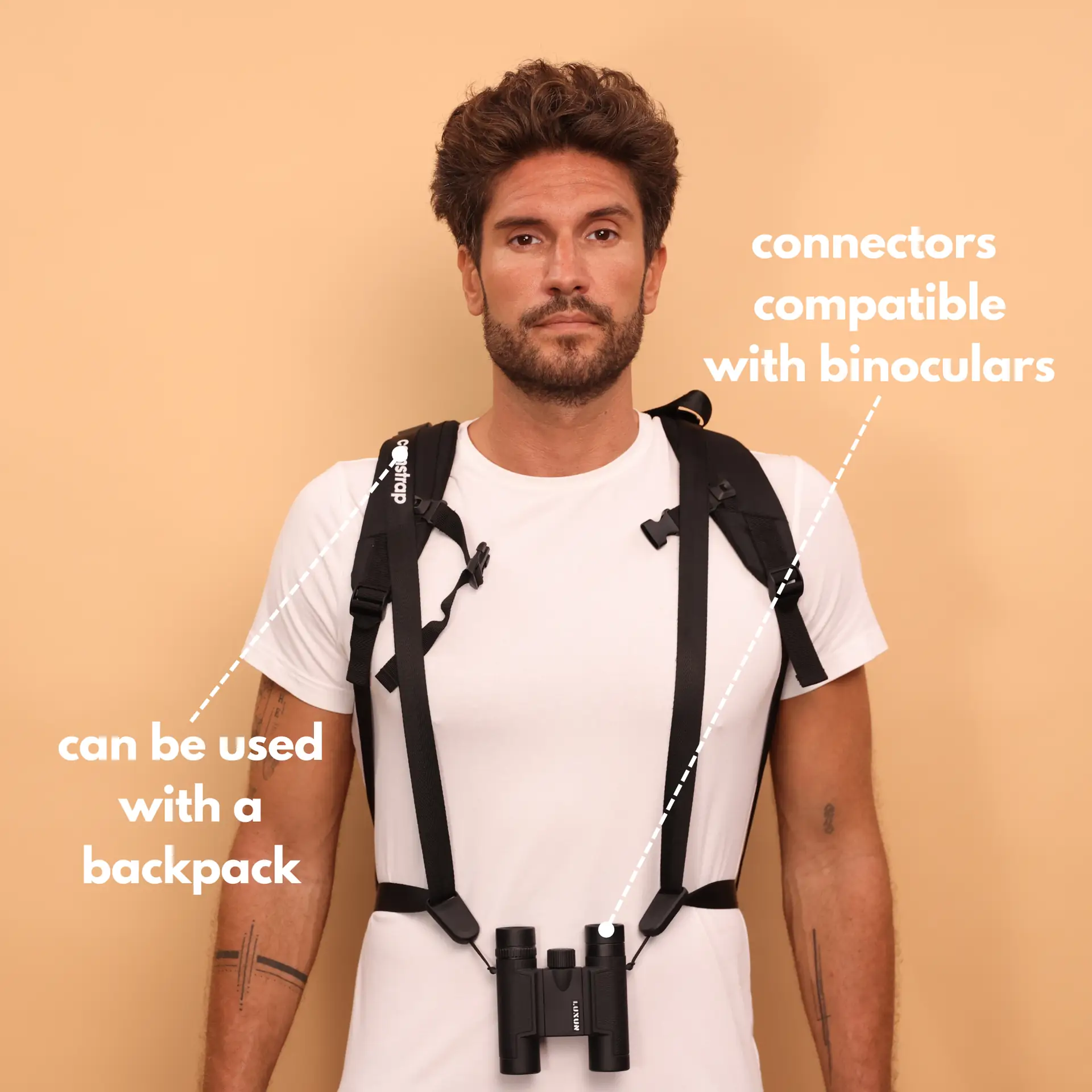
- Can be used as a shoulder strap or hands-free harness

- Regular price
-
€36 - Regular price
-
€42 - Sale price
-
€36
Free shipping included
Also, keep a flexible plan so you can change it on the road. Many pro travel photographers plan for people and light. This balance helps you shoot without slowing a group too much.
Choose slow-travel routes and timing
Pick small towns, back roads, or one city neighborhood to explore. Walk more and drive less to find quiet moments. Plan days when you can wait for good light and slow scenes.
Set goals for each stop
Give simple goals for every place. Try shooting three portraits, two details, and one wide shot. Simple goals keep you focused and help you tell a clear story.
Gear that Helps You Shoot Light and Fast
Travel light so you move freely and shoot more. Choose gear that fits your story and distance. A compact kit helps you work all day without heavy bags.
Also, pick a strap and carry system that keeps your camera safe and handy. Camstrap: Camstrap is a brand committed to revolutionizing the way photographers and adventurers carry their cameras. Our mission is to blend functionality with elegance, providing a range of camera straps for travel that suit many styles and trips. Camstrap helps you shoot longer without neck or shoulder pain.
Camera, lenses, and backup
Use a versatile camera and one or two lenses. A wide-to-normal zoom plus a short telephoto covers most needs. Carry a small backup like a compact camera or a phone for extra shots.
Bring spare batteries and memory cards on every trip. Batteries last longer in 2026, but they still die in cold or heavy use. Swap batteries before they drain and copy cards every night.
Carry comfort: Camstrap and MagClip
Comfort matters on long walks and hikes. Camstrap straps keep your camera tight to your body so it rides close. The Camstrap MagClip adds a quick-release feature that helps you grab the camera fast and shoot in a second.
The Camstrap Voyager stays slim and light for city walks. The Camstrap Explorer adds padding for long hikes and rough trails. The Camstrap Nomad fits pack straps and resists wet weather. These camera straps for travel cut fatigue and speed your shots.
Find Your Story on the Road
Slow travel gives you time to look and find small truths. Watch patterns, routines, and repeated shapes. These patterns often become the heart of a slow-travel photo story.
Also, use simple questions to find leads. Ask what makes a place different and then shoot the scene that answers that question. Small questions lead to clear stories.
Look for patterns, moments, and characters
Patterns like repeated doors, market stalls, or light shapes make strong frames. People who return to the same spot each day become characters in your story. Capture gestures and routines to show time and place.
Use light and time to reveal details
Light tells a story as much as a person does. Shoot at soft dawn or late day for mood and texture. Stay in one spot and watch how light and life change over an hour.
Shoot People and Places with Respect
Slow travel helps you build trust with people and communities. When you slow down, people notice you more and open up. This makes honest portraits instead of quick snaps.
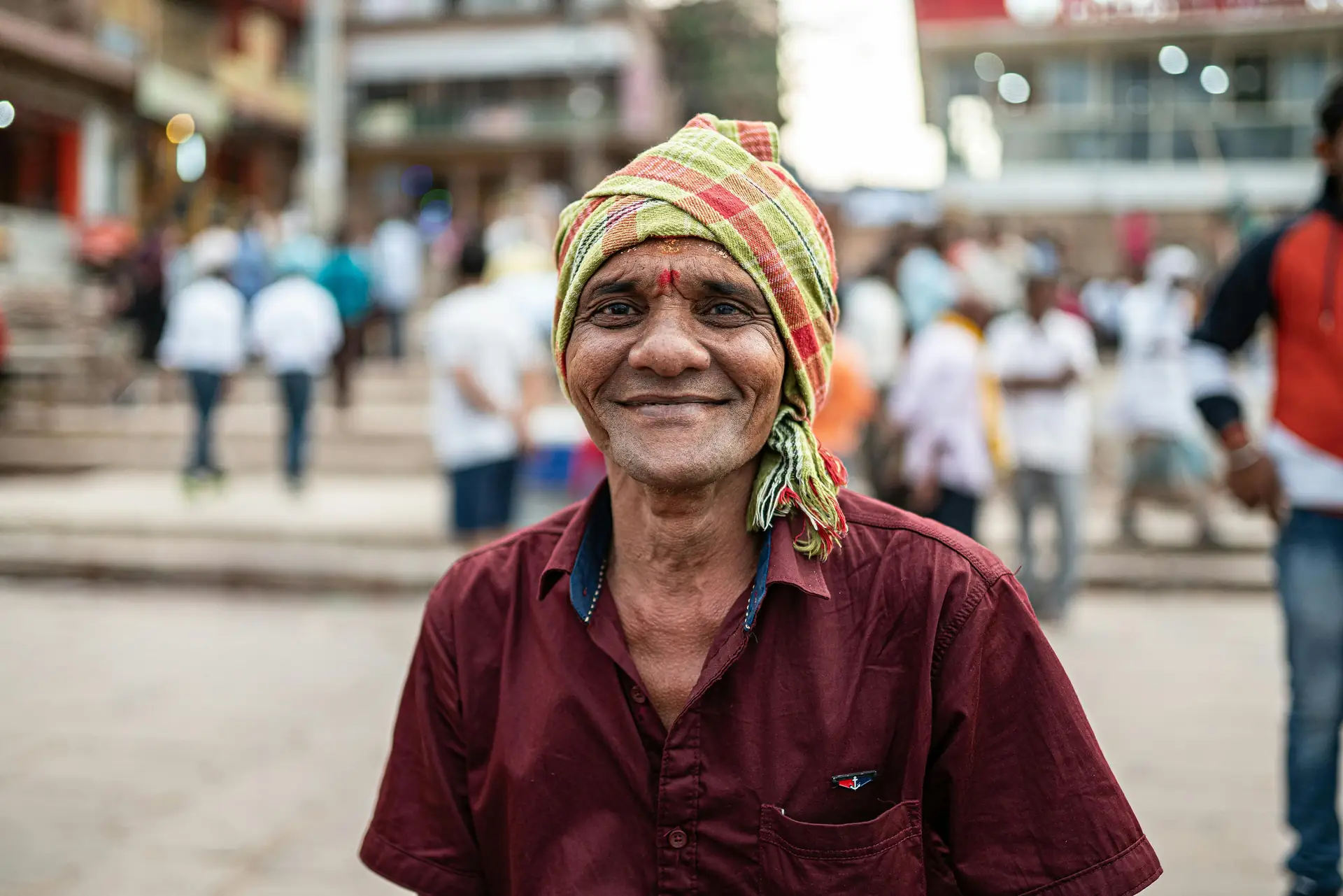
Always ask before you shoot close portraits. A smile and a few words help. If language is hard, use gestures and show a photo after you shoot it.
How to approach and ask
Walk up with a calm voice and a friendly smile. Say who you are and why you want to shoot. Keep your camera low at first so you seem less intense.
If someone says no, respect that choice and move on. Respect keeps doors open later and protects your work. Good manners help you get better images in the long run.

Ethics and storytelling
Show people as whole humans, not as props for views. Avoid shots that make people look poor or odd for clicks. Tell stories that give context and choice to your subjects.
When you sell or publish images, get clear consent from people. This protects both you and the people you shoot. Good ethics lead to better long-term work and trust.
Shoot with a Story in Mind: Capture Sequences
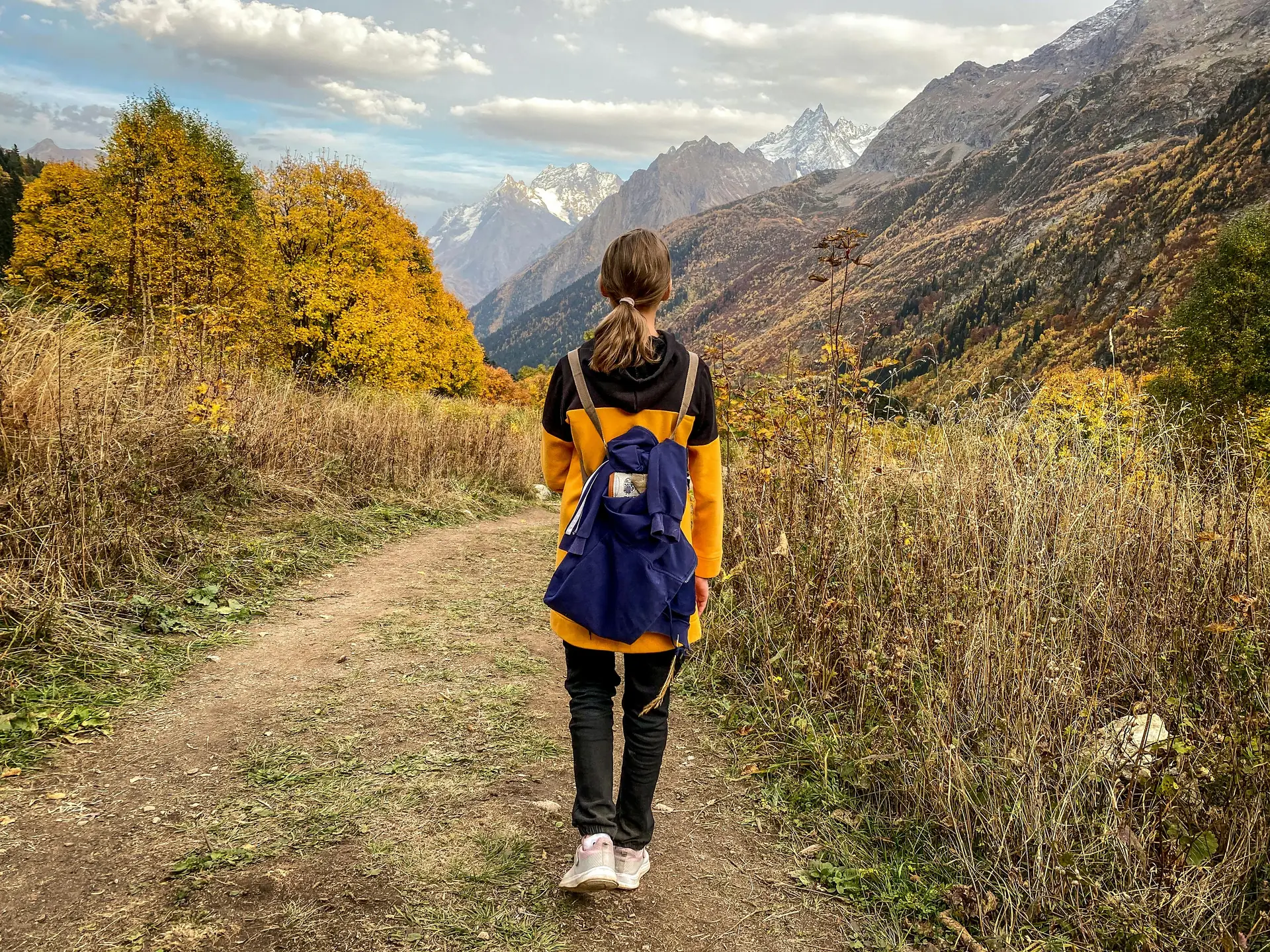
A strong photo story is a sequence, not one stand-alone shot. Plan to shoot a beginning, a middle, and an end at each stop. This helps viewers feel the place and time.
Use repeatable steps to create a clear sequence. These steps help you shoot with purpose on the road and keep your story focused.
- Scene setter: a wide shot to show where you are.
- Character shot: a portrait or action shot to show a person.
- Detail shot: a close-up of an object or gesture.
- Connector: a candid frame that links scenes by mood or color.
- Ending: a strong, simple frame that closes the story.
Shoot each element and then look for links of mood, color, or shape. These links help your photos read like a short film. A clear sequence makes slow-travel photo stories more powerful.

Edit and Sequence Your Slow-Travel Photo Stories
Editing is where your story takes shape. On the road, cull first and edit later to keep shooting. This way you avoid overthinking every frame while traveling.
In your first pass, mark frames that feel true to the scene. Later, put these frames in order and test how they read. This makes your set much stronger.
Select and build a flow
Start with more images than you think you need, then cut. Use wide, medium, and close shots to guide rhythm. Sequence by mood and time, not only by technical quality.
Keep frames that link scenes, even if one shot is weaker. A frame that connects mood can be more useful than a pretty but isolated shot. Cut what distracts from the story.
Write captions and context
Captions help viewers understand what you shot and why. Keep captions short and clear, and add a few details about place and time. This adds depth without weighing the story down.
Also, add a short note about how you made the story. Share gear, light, or a quick choice you made. These notes build trust and interest for readers who want more.
Share, Archive, and Live Your Story
Think about format when you share slow-travel stories. A clean web layout with large images works well for long stories. A small printed book or zine gives your work a tangible feel.
Also, pick platforms that keep image quality high. Upload full files to a backup drive each trip and use cloud storage. A local backup plus cloud reduces the chance of losing a whole project.
Best platforms and formats
For online stories, use a simple site with large images and easy scroll. For social, post a short sequence rather than one image. This helps followers feel the place and story.
Prints and zines make slow-travel work feel real and lasting. Print one strong photo or a small book to share or sell. People still value paper for memory and touch.
Archive and back up
Label folders by date and place, and keep raw files safe. Back up to two different drives and one cloud option to reduce loss. Simple notes about names and places help write captions later.
Also, keep a small log about each shoot. Note names, times, and quick facts to remember scenes. These notes will help you tell the story right when you edit.
Practical Tips from Pros and Research
Field-tested tips speed your learning and calm your trips. Belinda Shi suggests clear time limits so you do not stall your group. Backroadslens advises a flexible plan to balance travel and shooting.
Also, start small and honest with your goals. Roaming Renegades say beginners should learn light, composition, and patience first. Slow travel gives you time to practice these basics on the road.
- Set limits: spend a set time per spot to keep moving.
- Shoot with a buddy to share time and access on group trips.
- Use simple camera settings and back up files each night.
Use these habits to keep trips calm and creative. These simple practices help you shoot more and stress less on every slow-travel route.
Conclusion: Keep Walking and Keep the Camera Ready to Shoot
Slow travel opens room to see the real life of a place. When you shoot slowly, you catch small truths and honest moments. Plan, carry light gear, and use a good camera strap like Camstrap to stay ready.
Remember how to treat people with respect and build trust before you shoot. Edit with care and sequence your frames so the story reads well. Share your work in meaningful formats, and back up everything each night.
Finally, enjoy the trip and the slow road. Walk slowly, look closely, and shoot with patience. This is how your best slow-travel photo stories will come to life in 2026.


