


- Blend in with calm body language, then lift the camera for one fast frame.
- Shoot aperture-priority with a 35mm lens so exposure adapts while you keep walking.
- Collect a few small gestures, light shifts, and crossings to build the story.
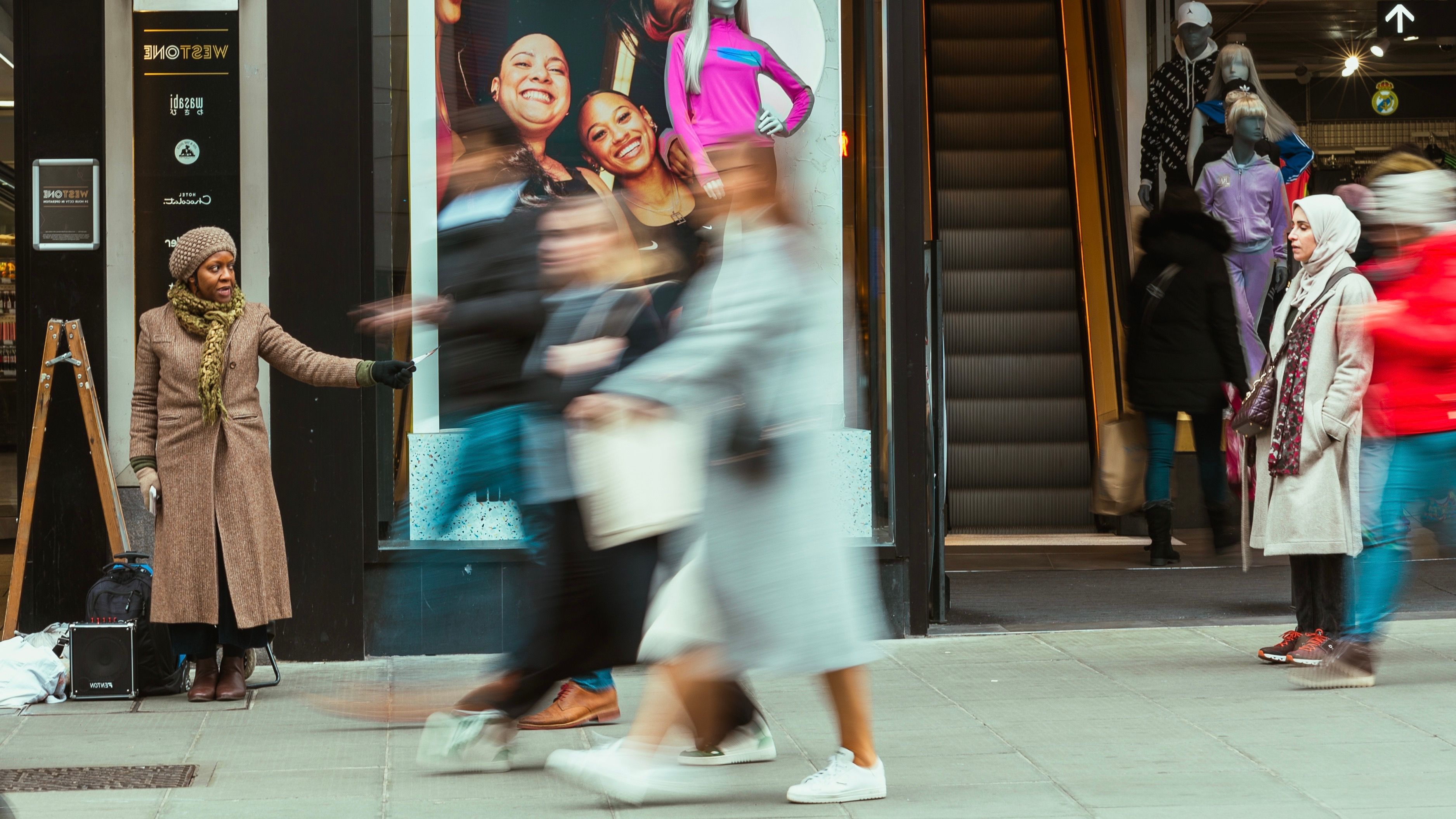
Documentary photography while walking is a way to make honest, in-between images without breaking the flow of the scene. The camera stays close, the pace stays natural, and the moment keeps moving. Real life rarely waits for a full setup. A child turns, a stranger laughs, light shifts on a corner, and the shot is gone in seconds.
Translation missing: en.blog_cta.bundle_heading

- Regular price
-
€42 - Regular price
-
€44 - Sale price
-
€42
By choosing the Camstrap strap, you are opting for a high-quality product designed to meet the needs of the most demanding photographers.
- Developed by a physiotherapist to relieve neck and back pain.
- Fast delivery with tracking by the Post Office 🚚
- Can be used as a shoulder strap or hands-free harness

- Regular price
-
€36 - Regular price
-
€42 - Sale price
-
€36
Translation missing: en.blog_cta.free_shipping_included
Begin with motion, not a posed idea
You usually find real moments between the shots you planned, crossing a street, waiting at a market, or moving through a park.
Keep your eye open while the camera stays ready for one quick frame. The walk continues, and the picture comes out of it.
Notice small shifts in the scene
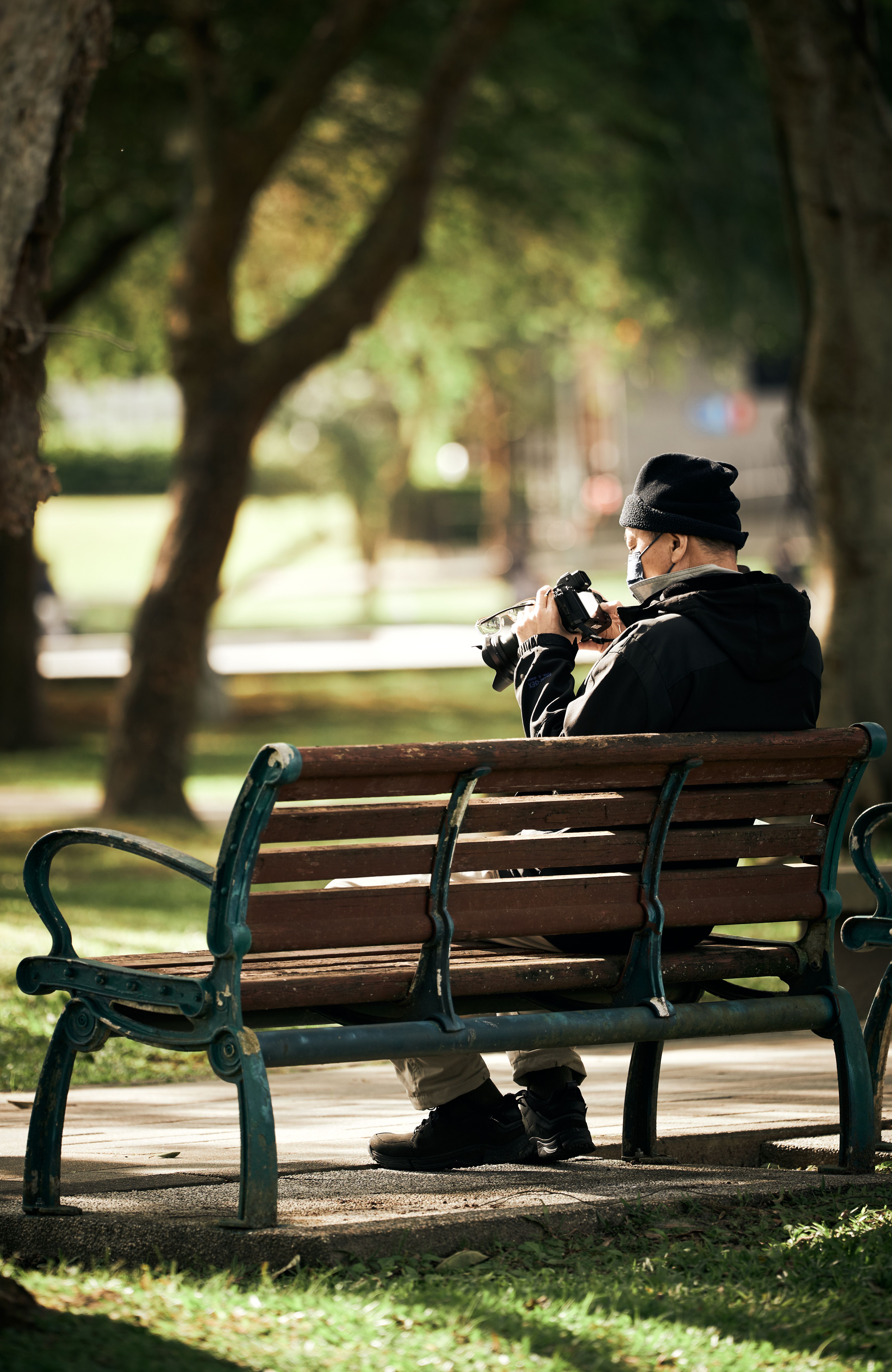
Good walking shots often begin with a tiny change. A hand enters the frame. A face turns toward the light. A shadow cuts across the ground.
Those details often carry more weight than a perfect scene. They show life as it happens, and that gives the photo its force.
Shape your pace around the frame
Slow down just enough to spot patterns. Watch for reflections, open doorways, and pockets of light. Those spots often give you the strongest frames.
A camera that hangs ready helps here. A hands-free strap, such as the Camstrap voyager, keeps the body close and the lens easy to raise. That matters when a scene lasts only two seconds.
How do I stay unobtrusive when photographing strangers in public?

Move calmly, use a quiet camera, and keep your gestures small. A 35mm or 50mm lens helps because it lets you shoot without stepping into people’s space.
Keep the camera down until the moment is there. Then raise it smoothly, make the frame, and lower it again. Quick, simple movement draws less attention than constant aiming.
Use body language that blends in
Stand like you belong in the scene. Face the direction you are already walking. Avoid sudden turns, repeated checking, or long eye contact before the shot.
Keep your settings close to ready as well. Aperture-priority mode works well for this kind of work because the camera adjusts shutter speed and ISO as light changes. Adobe recommends it for street shooting for that reason.
Choose lens and focus tools that help you move quietly
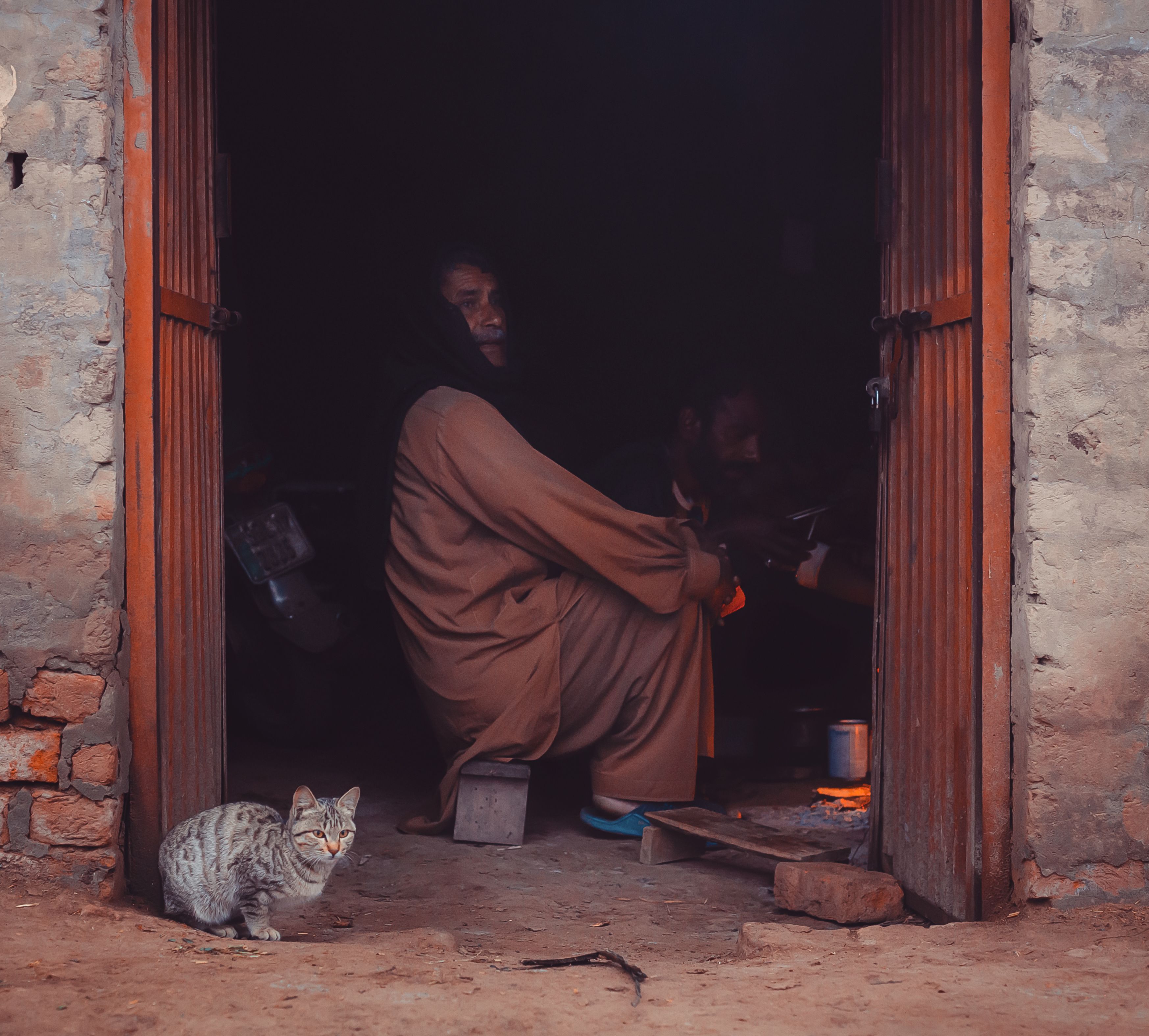
A fixed lens around 35mm is a strong choice for this style. Adobe points to 35mm as a useful street focal length, and the 35mm–70mm range also works well for street and travel scenes.
Use continuous AF with eye or subject detection when the scene is busy. If your camera allows it, back-button focus can stop the lens from hunting every time you half-press the shutter. That keeps your hand movement small and your timing clean.
Which camera settings help in changing light?
Aperture priority, auto ISO, and a sensible minimum shutter speed give you the best mix of speed and control. The camera reacts while you keep your eye on the scene. For bright streets, start around f/3.5 to f/5.6 and watch your shutter speed. Canon shows daylight street examples at 1/1000s, f/3.5, ISO 100 with a 28mm lens, and also at 1/1250s, f/2.8, ISO 100.
Use aperture with care
Adobe warns that a very small aperture can force a slower shutter speed. That can increase blur from your own movement, especially while walking.
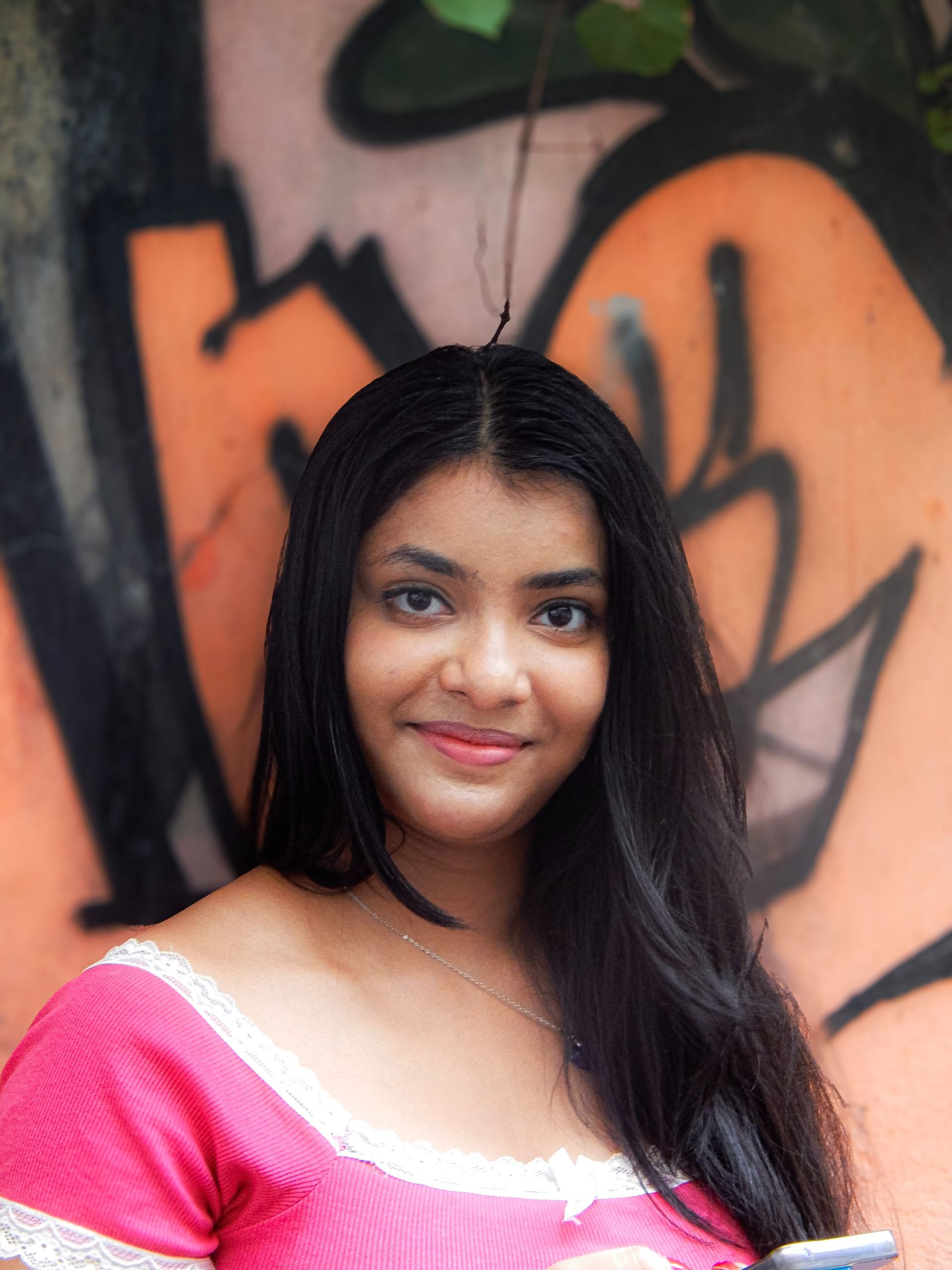
For people, f/2 to f/2.8 often gives a better balance. It keeps subjects clear and helps the camera hold a fast shutter in mixed light.
Match shutter speed to the kind of motion
If you want crisp frames while walking, aim for 1/250s or faster when light allows. In dimmer spaces, raise ISO before you let shutter speed sink too low.
Canon’s examples show useful ranges in real street work. A street portrait can sit near f/2.8 or f/1.8, ISO 100, and about 1/2000s in daylight. In low light, Canon also shows workable shots around 1/80s at ISO 3200 or 1/125s at ISO 1600 with a 50mm f/1.2 lens.
Keep one practical baseline
- Mode: Aperture priority
- Aperture: f/2 to f/4
- Auto ISO: on, with a ceiling you can live with
- Minimum shutter: 1/250s for walking people
- Focus: continuous AF-C or AI Servo
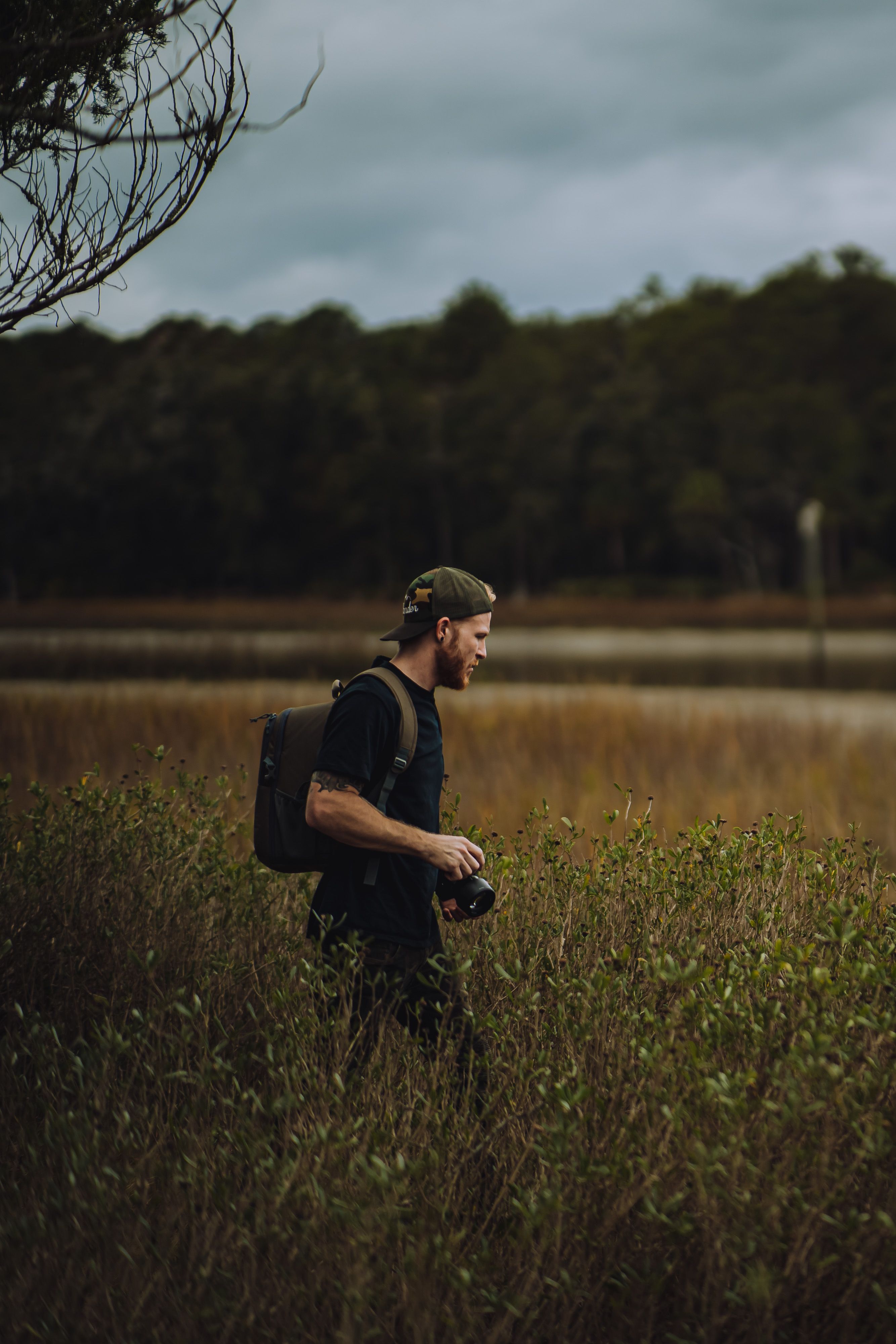
This is a starting point that keeps your camera ready when light changes fast.
How do I build a story from a few everyday scenes?
A small story works best when each photo adds a new piece of the same day. You do not need ten different subjects. You need a clear flow from place, to action, to detail.
Think in short visual beats. A wide scene shows where you are. A mid shot shows what is happening. A close detail shows what it feels like.
Use three simple scene types
One easy method is to work with wide, medium, and close frames. A bench, then the person on it, then the hand holding a cup can tell more than a long set of similar views. Keep the light and color in mind too. Repeating shapes, same tones, or a shared gesture can connect the photos without forcing the story.
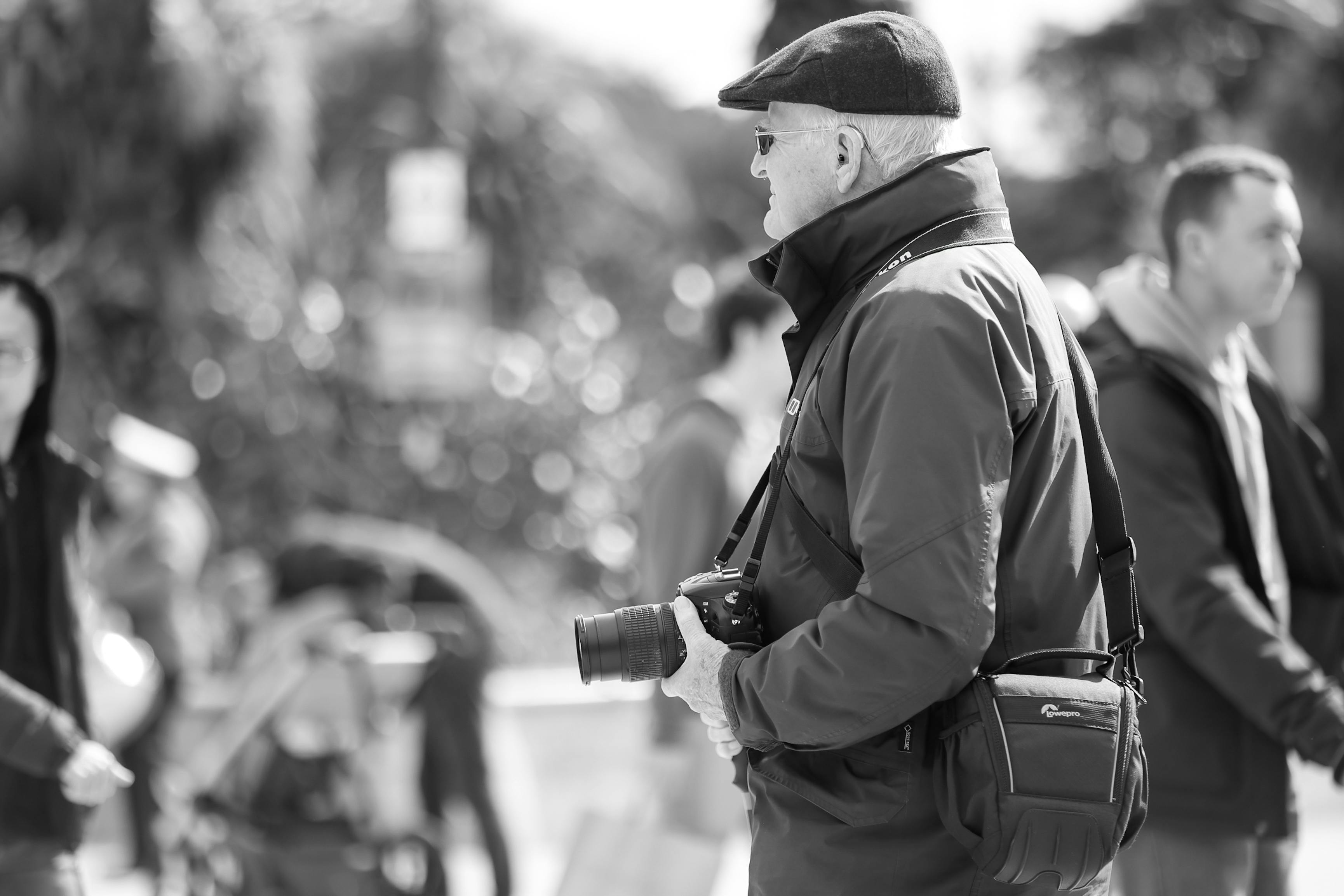
Watch for the scene before and after the action
People often focus on the peak moment. The pause before it and the calm after it can be just as useful.
A glance before a laugh, or a step after someone turns away, can give your sequence more life. These small breaks often make the story feel real.
When should I shoot candidly versus ask for permission?
Candid work fits best when people are in public, distant, or clearly absorbed in their own moment. Ask for permission when you need a closer portrait, a direct face, or a scene that feels too personal. The line is not fixed. It changes with distance, body language, and how the subject reacts to your presence.
Read the situation fast
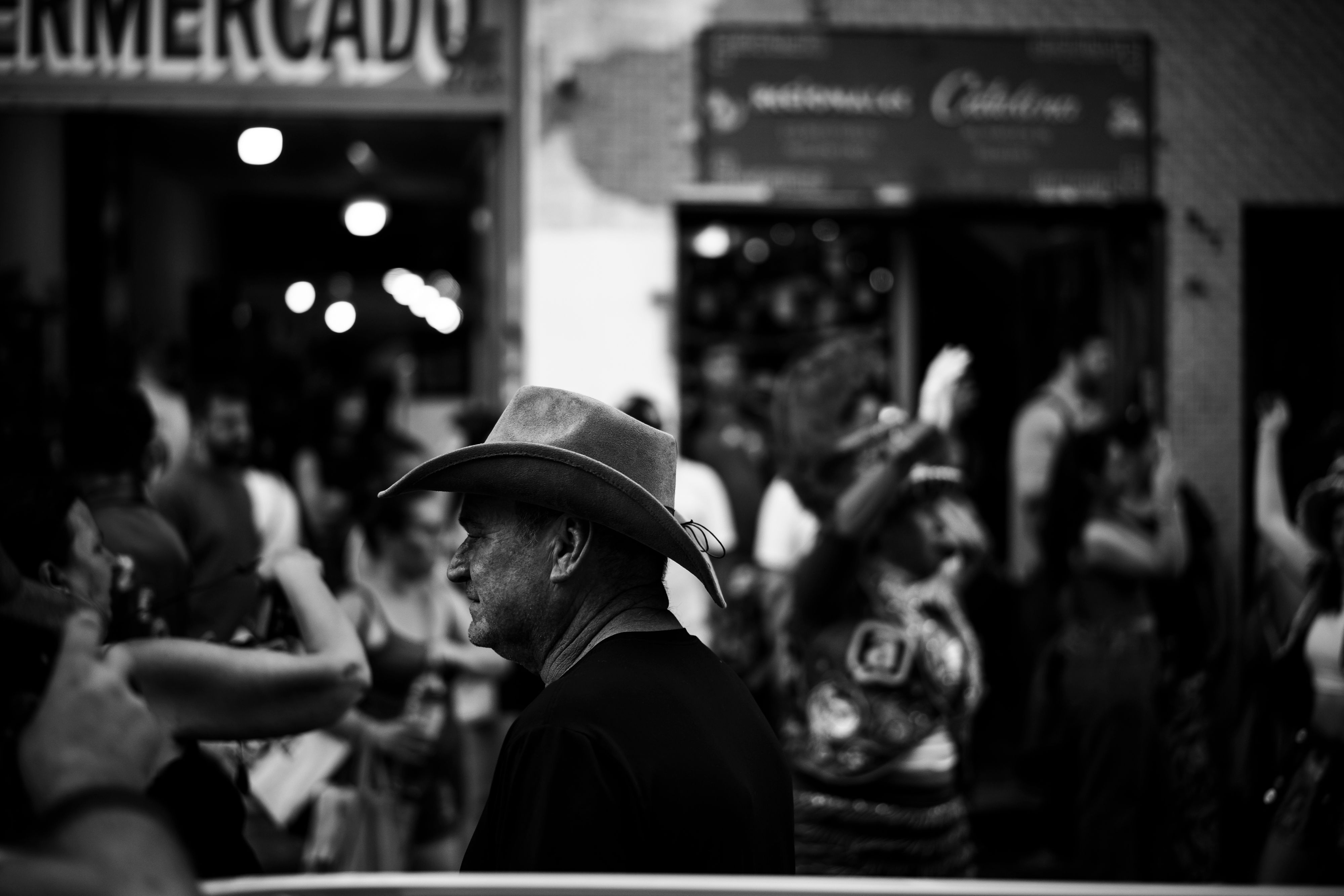
If someone notices you and keeps acting naturally, a candid frame may still work. If they stiffen, pause, or turn away, asking is often the better move.
For street work, a quick nod and a simple request can still fit the walk. A short “May I take your photo?” keeps the exchange clear and respectful.
Use permission as part of the story
Asking can help when the photo needs eye contact or a stronger human link. It can also lead to a more relaxed face, which may suit your series better than a hidden frame. Candids keep their own value. They show people as they move through the world, which is often the heart of documentary work.
How do I keep my camera ready without carrying it in my hands?
A good carry system keeps the camera secure, easy to reach, and free from constant hand strain. That is the key to shooting while walking, because your hands stay open until the moment appears.

Cross-body or sling-style carry works well for this. The camera rests low, then moves up fast in one clean motion. You spend less time adjusting and more time watching the scene.
Make your carry system do real work
Look for a strap that spreads weight well and does not swing wildly. A stable carry reduces bounce, which helps when you walk for long stretches or shoot one-handed between steps.
Battery use matters too. Mirrorless bodies drain power faster when the EVF or LCD stays on, and image review adds more drain. If you plan a long walk, dim the screen, shorten review time, and carry a spare battery in an easy pocket.
Pack for quick access, not for a full studio bag
Keep the bag light so the camera comes out fast. A spare battery, a clean card, and a microfiber cloth are usually enough for most walking sessions.

For memory, a UHS-II V60 or V90 card gives more headroom than UHS-I when you shoot bursts or high-res video. A mid-tier mirrorless body often slows after roughly 20 to 40 RAW frames, so the card matters most when you keep firing through a changing scene.
Leave the camera in a state that lets you shoot in one motion: lens cap off, exposure mode set, and the strap arranged so the body rises without snagging on your jacket.
Simple walk-and-shoot habits that strengthen the work
Small habits shape the final image. If your camera is ready, your eyes stay on the world, and your settings stay steady, you catch more honest moments. Check the light before you leave. Then keep your shutter in a safe range, use a lens that matches your pace, and move through the scene without forcing it.
- Set your camera before the walk begins.
- Keep the strap adjusted so the camera hangs at chest or hip height.
- Watch for simple scene changes, not big events only.
- Raise the camera once, shoot, then move on.
- Review later, not after every frame.
Constant review breaks your rhythm. If you check every shot, you stop noticing the next one.

The best walking photos feel light and unforced. The camera stays near, the body keeps moving, and the scene gets to stay alive while you work.
Frequently Asked Questions
How do I stay unobtrusive when photographing strangers in public?
To stay unobtrusive when photographing strangers in public, move calmly, use a quiet camera, and keep your gestures small. A 35mm or 50mm lens helps because it lets you photograph without stepping into people’s space, and raising the camera only at the moment of the shot draws less attention.
What camera settings help for documentary shots in changing light?
Aperture priority, auto ISO, and a sensible minimum shutter speed are the most useful settings for documentary shots in changing light. Starting around f/3.5 to f/5.6 works well in bright street scenes, and continuous autofocus with eye or subject detection helps keep focus locked as the scene shifts.

How do I tell a story with a small set of everyday scenes?
A small set of everyday scenes tells a story by linking brief details, transitions, and tiny changes rather than relying on a single perfect image. Hands entering the frame, faces turning toward light, reflections, doorways, and shadows can together show life as it happens.
When should I shoot candidly versus ask for permission?
Shoot candidly when the moment is brief, natural, and part of the flow of public life, especially when the subject is unaware or simply passing through the scene. Ask for permission when the person is clearly identifiable, the moment can wait, or the photograph would feel intrusive without a quick request.
How do I keep my camera ready without carrying it in my hands?
A hands-free strap keeps the camera ready without carrying it in your hands. A strap such as the Camstrap voyager keeps the body close and the lens easy to raise, so the camera is available for a quick frame while your hands stay free.


