


This guide shows how to master high-contrast outdoor shots for travel and adventure. It covers exposure, gear, composition, and editing in clear steps.
Camstrap is a brand committed to changing how photographers and adventurers carry their cameras. Camstrap blends function with style and makes straps that keep gear safe and ready.
Shop the setup

- Regular price
-
€42 - Regular price
-
€44 - Sale price
-
€42
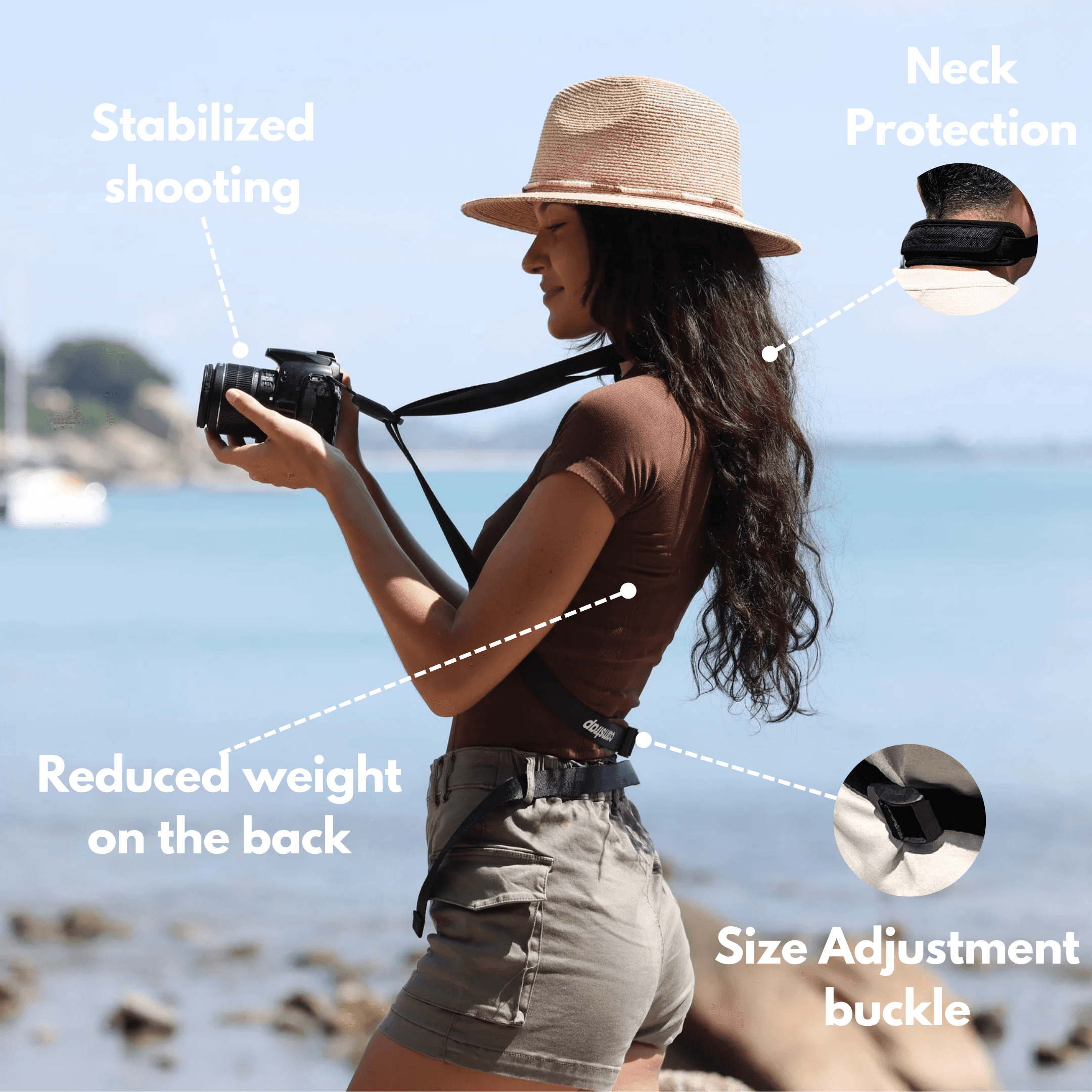
By choosing the Camstrap strap, you are opting for a high-quality product designed to meet the needs of the most demanding photographers.
- Developed by a physiotherapist to relieve neck and back pain.
- Fast delivery with tracking by the Post Office 🚚
- Can be used as a shoulder strap or hands-free harness

- Regular price
-
€36 - Regular price
-
€42 - Sale price
-
€36
Free shipping included
How to master exposure in high-contrast outdoor shoots
Good exposure keeps bright skies and deep shadows from losing detail. Pick one main subject and protect its highlights or shadows first.
Use spot and matrix metering
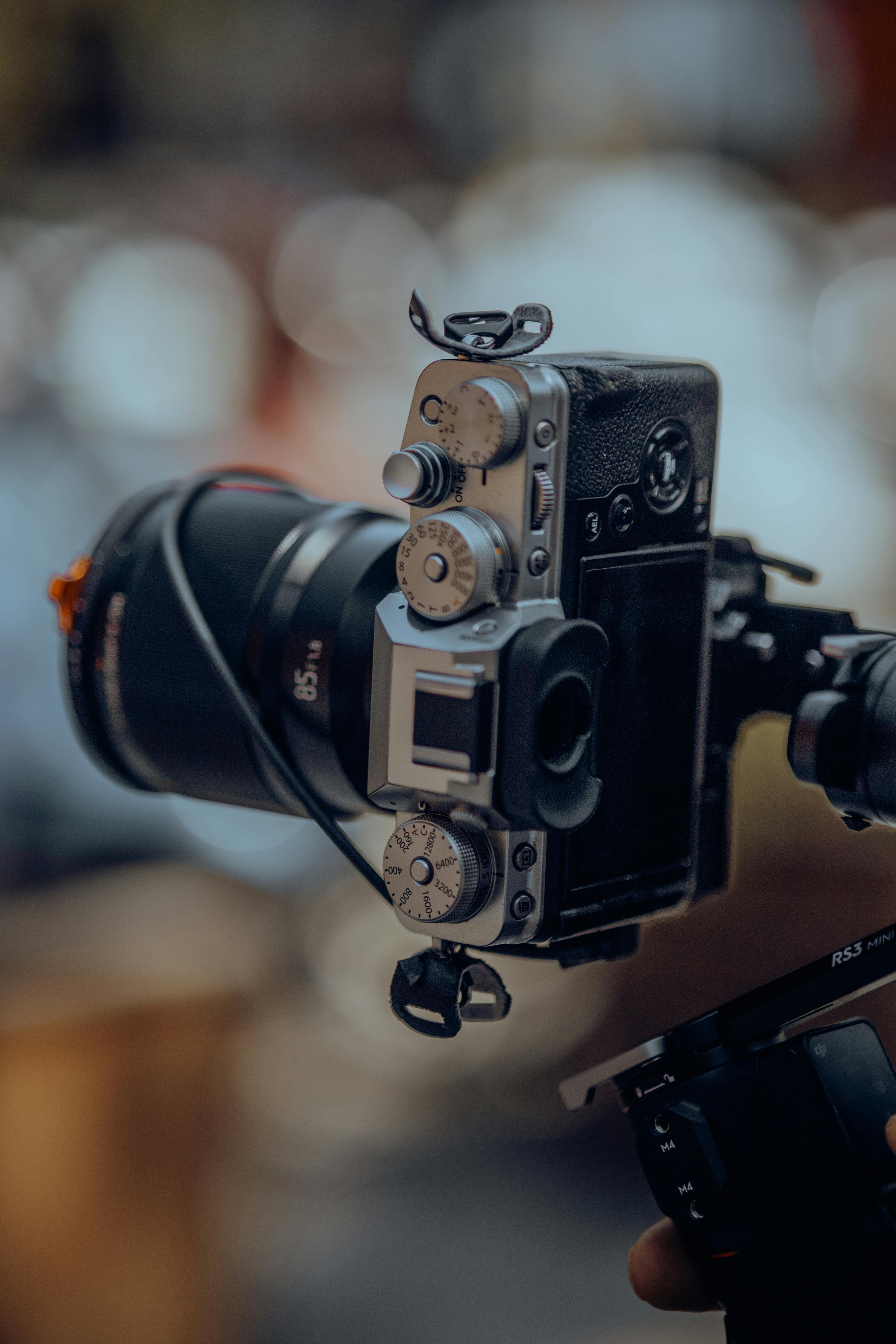
Use spot metering on skin or a key detail to save highlights. Use matrix or evaluative for wide scenes that need balance.
Bracket and blend
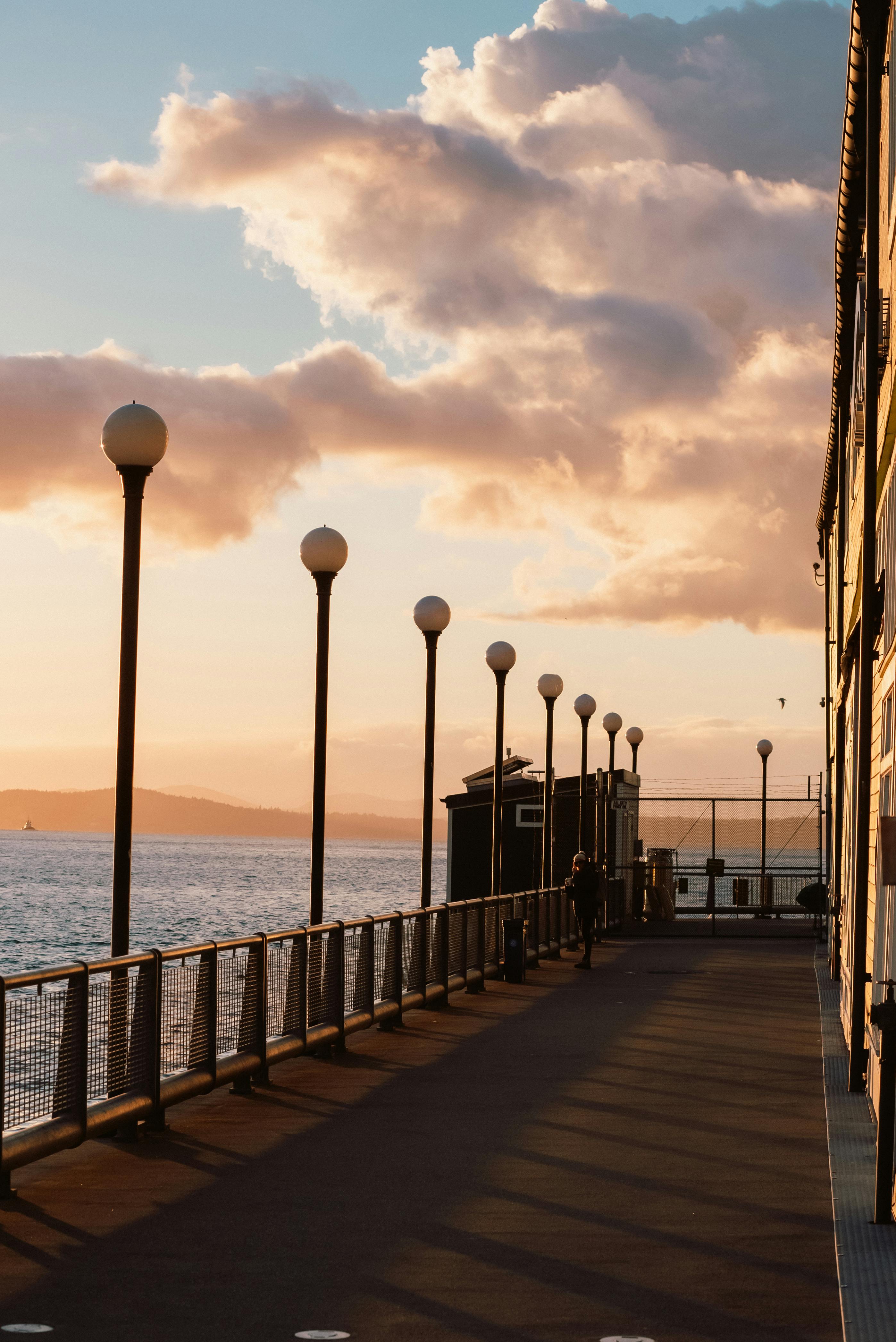
Bracket three to five shots at +/− 1 or 2 stops to cover wide light ranges. Then merge in post or use HDR for a clean blend.
- Bracket steps: 1/3 to 2 stops suit most scenes.
- Use a tripod when bracketing moving subjects.
- Check highlights with your camera’s live histogram.
How to choose gear for tough light
Pick a camera with wide dynamic range and fast lenses for harsh light. Bodies like the Sony A7 IV handle shadow detail well.
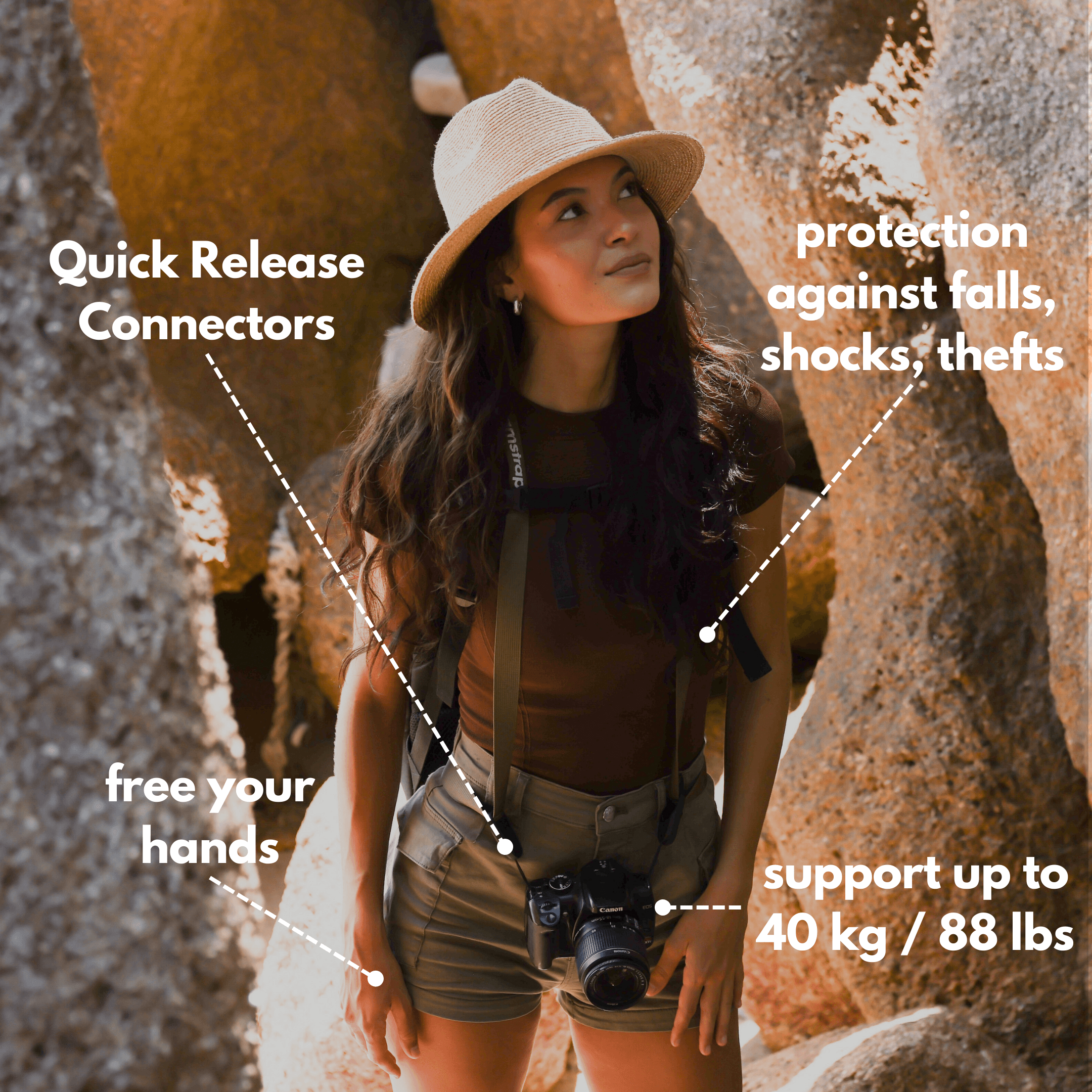
Also consider compact zooms like the Sony RX10 for travel ease, or a Nikon Zfc for lightweight shoots. For large files, a Phase One back gives top quality.
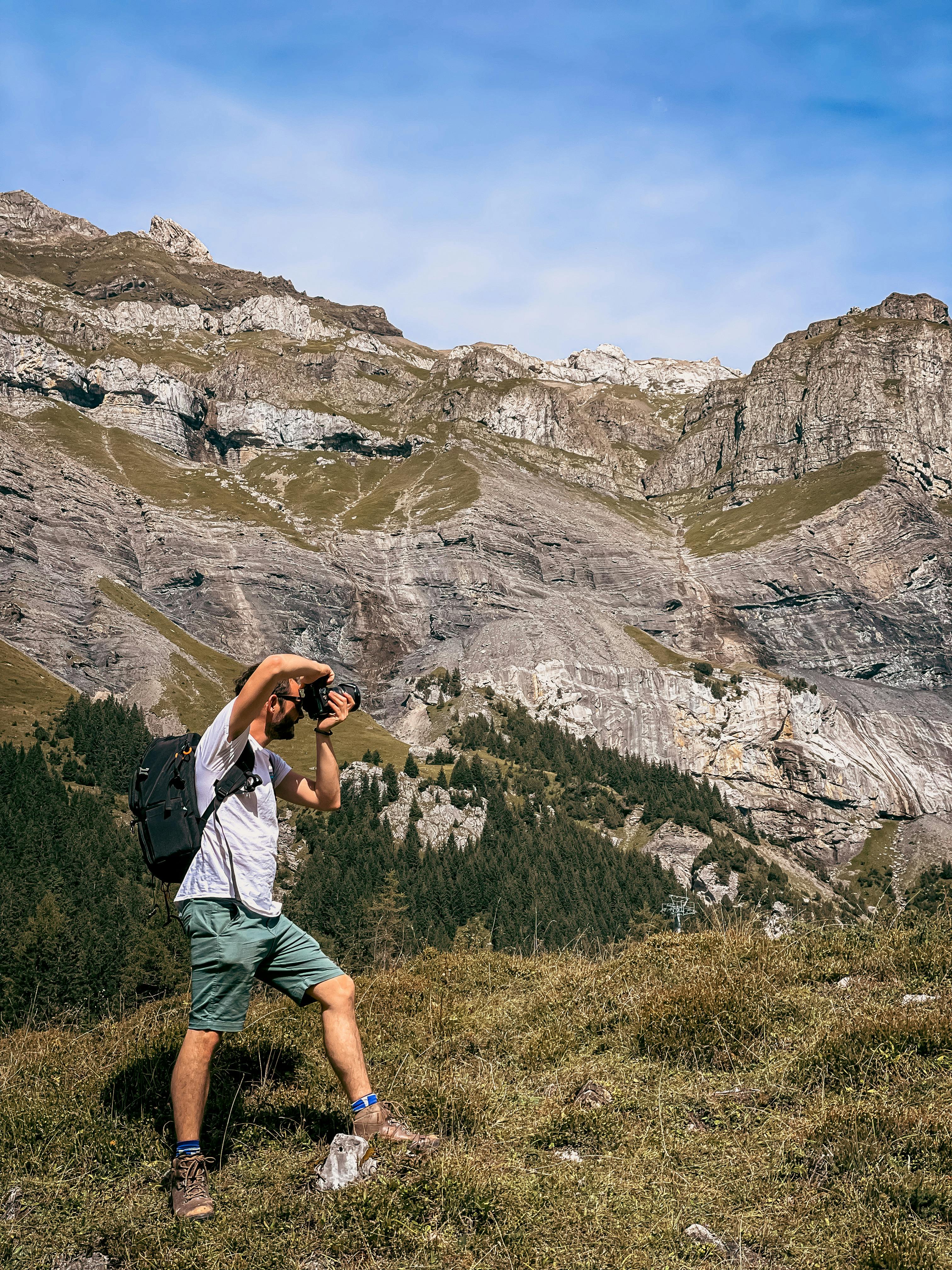
Essential accessories
Bring a polarizer and ND filter to cut glare and tame bright skies. Pack spare batteries, fast cards, and a reliable strap for quick access.
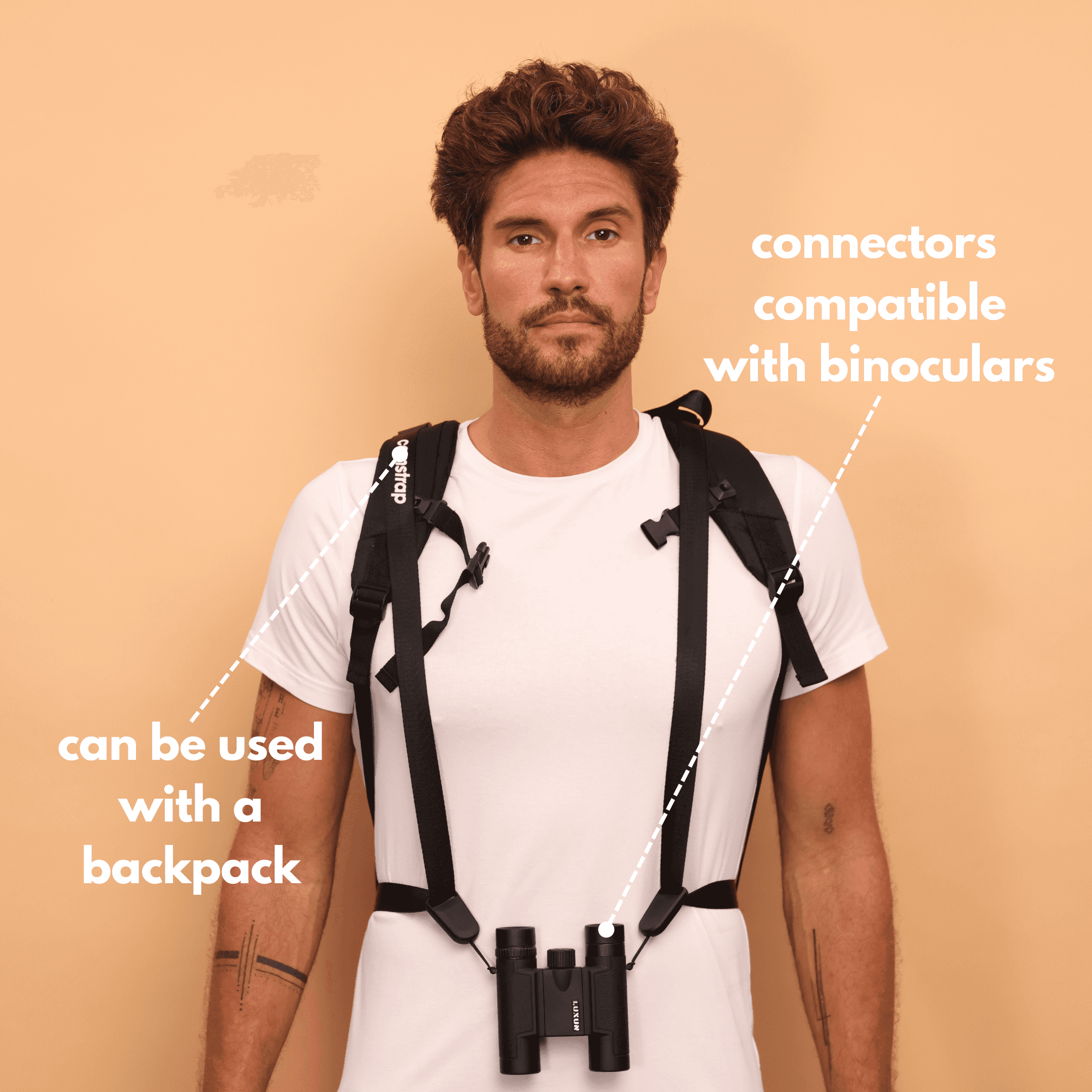
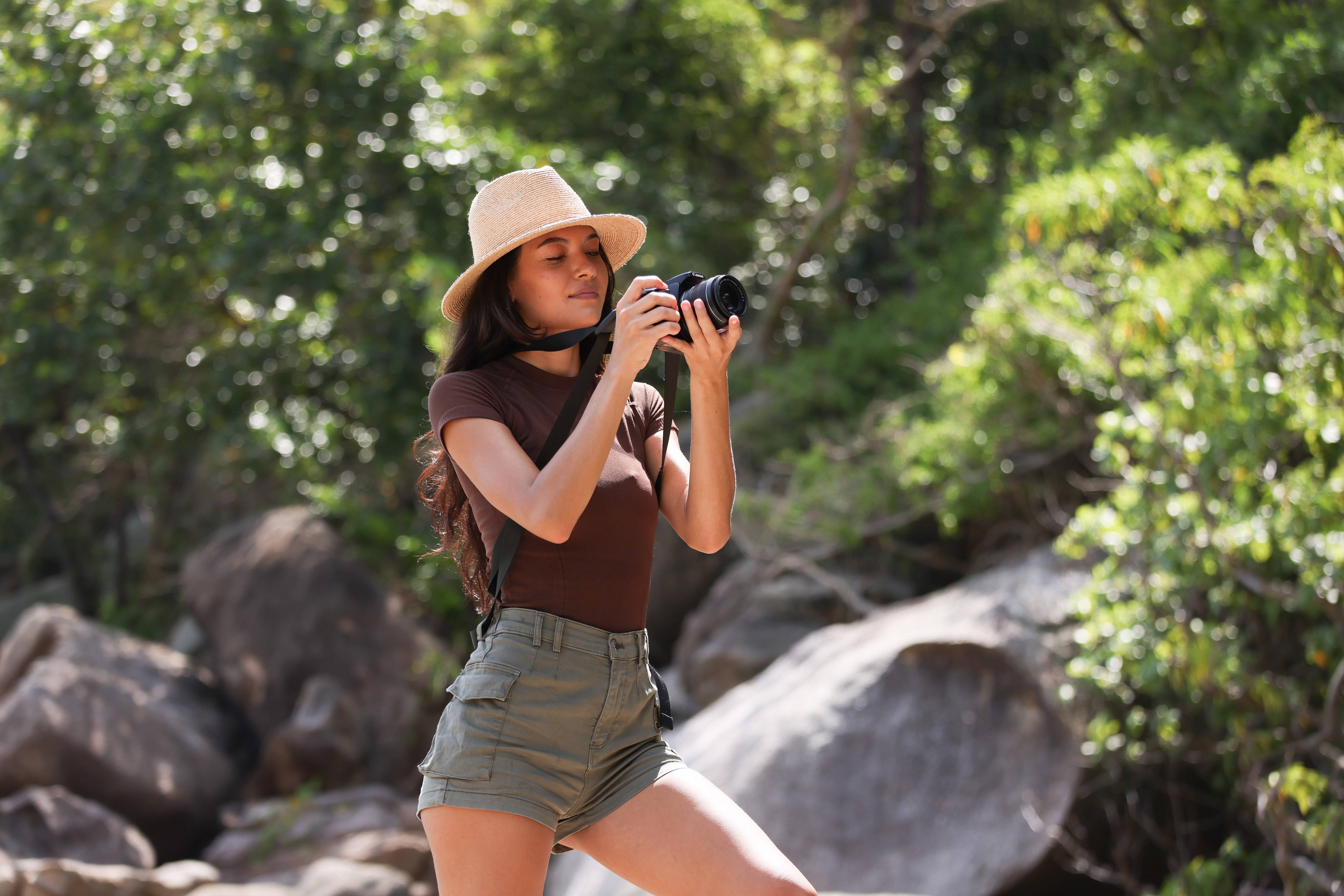
- Straps: Camstrap Voyager and Camstrap Explorer fit travel and rugged use.
- Quick mount: Camstrap MagClip helps you switch carry modes fast.
- Light option: Camstrap Nomad is great for short runs or climbs.
How to compose adventure outdoor photos
Composition shows the story in high-contrast scenes. Place your subject where the light helps it stand out.
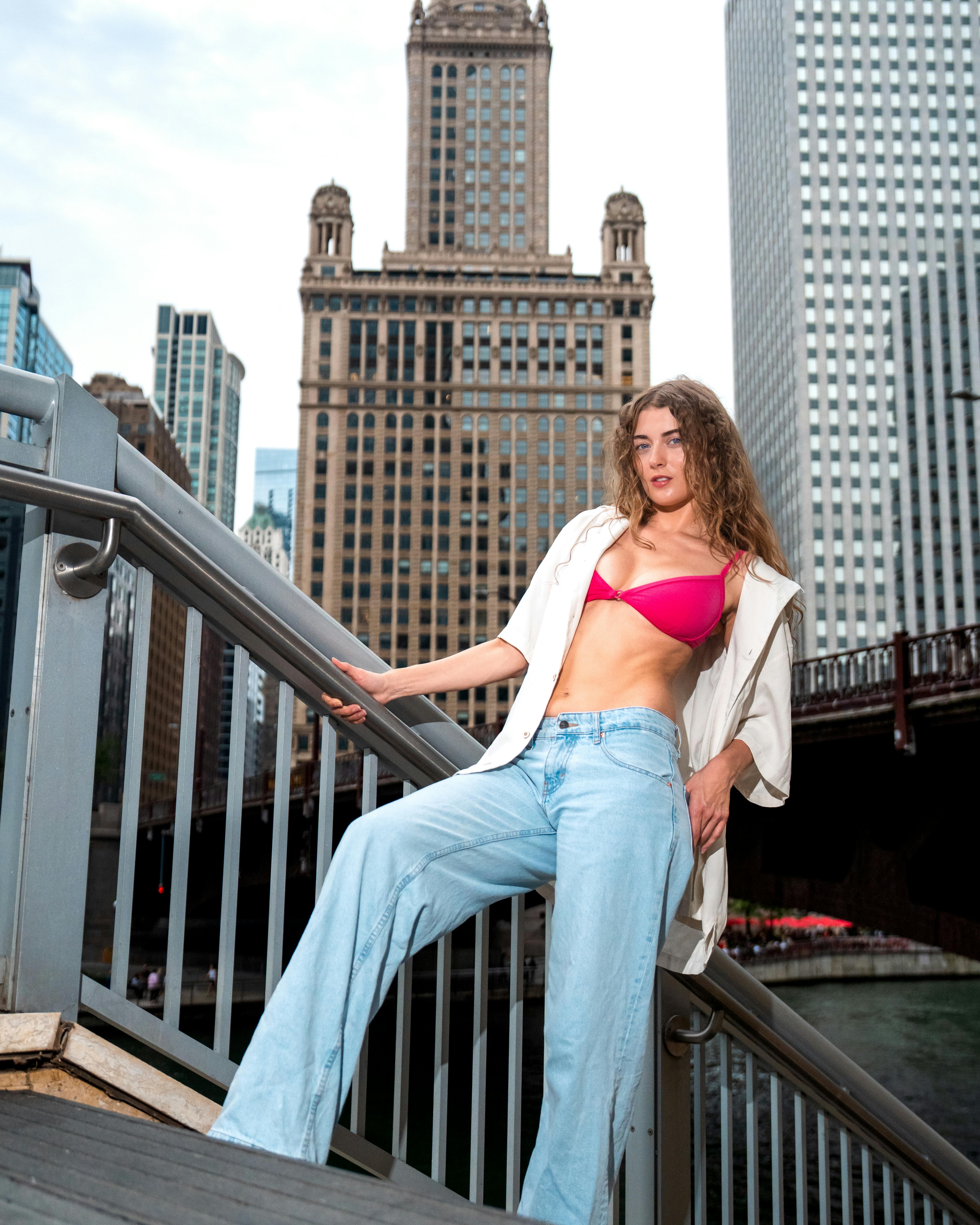
Use lines and layers to lead the eye. Add foreground interest and human scale to give depth.
Rules and when to break them
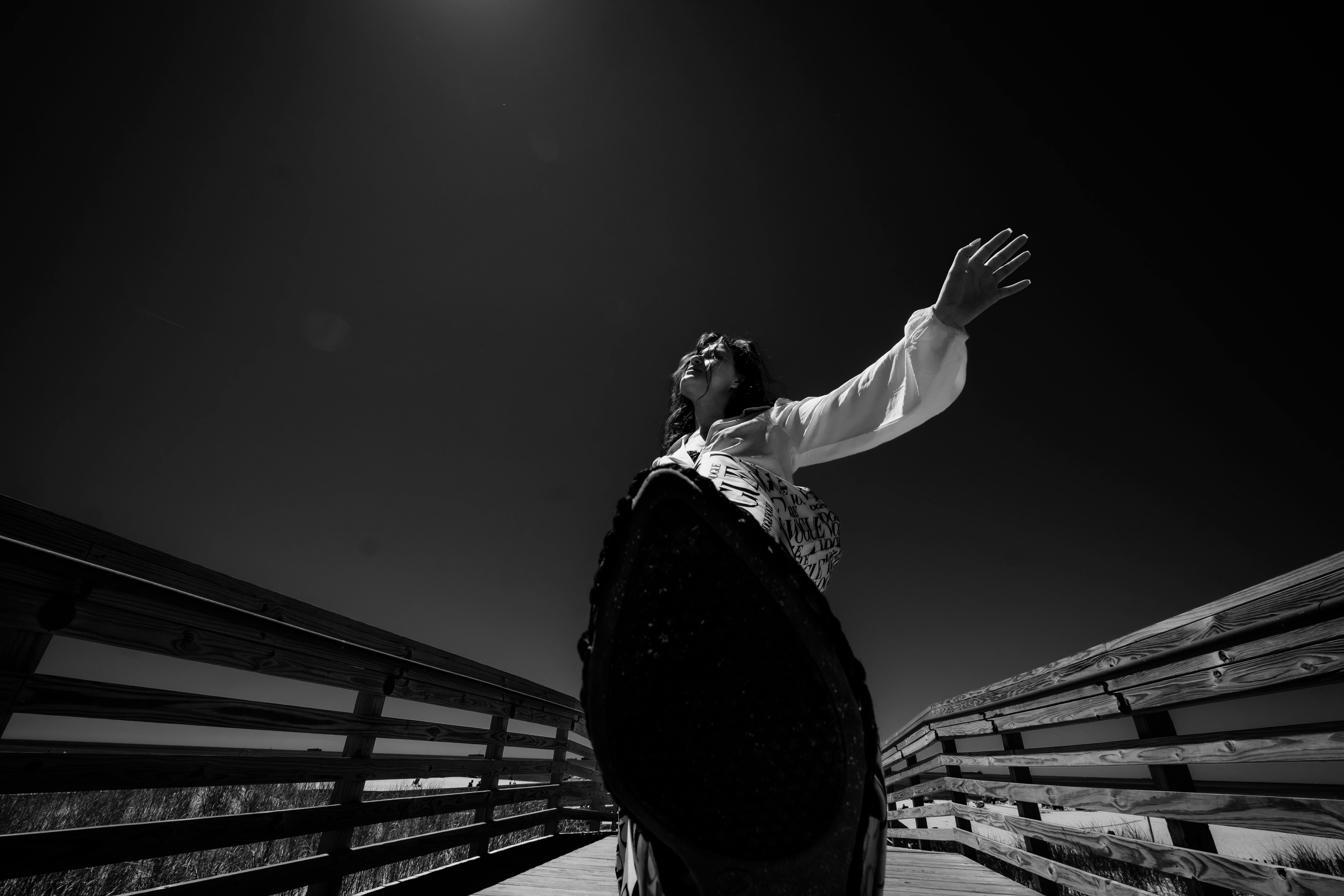
Use the rule of thirds to place key elements. Break that rule for strong symmetry or bold silhouettes.
- Find a clear subject and light it well.
- Use layers: foreground, middle ground, and background.
- Include a person to show scale in big places.
How to use light and metering to tame contrast
Light changes fast on trails and at coastlines, so move fast and read the scene. Use backlight for rim light and a fill when faces go dark.
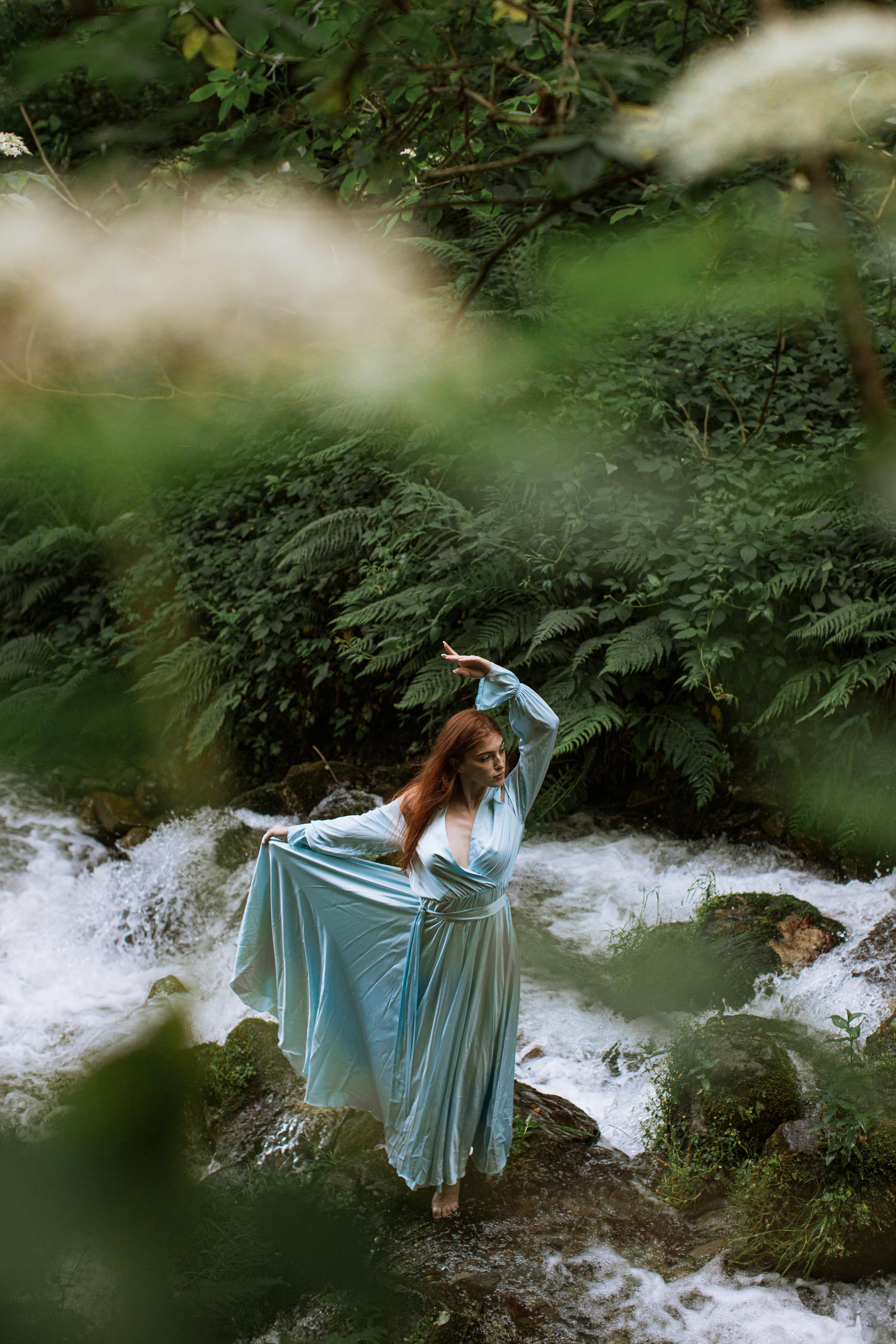
Shoot in golden hour to soften contrast and add warmth. If you must shoot midday, use shade or polarizers to cut glare.
Use flash and reflectors
Small flashes or reflectors can fill shadows and keep mood. Bounce light off rock faces or a jacket for natural-looking fill.
How to edit high-contrast images
Edit raw files to keep the most image data and headroom. Start with white balance, then set exposure and protect highlights first.
Use local tools to lift shadows and tone down bright skies. Film looks from Kodak presets can give mood, while Phase One files give lots of room to tweak tone.
Practical workflow
Fix white balance and exposure first, then adjust contrast and color. Use graduated filters or brushes to tame skies, then sharpen for final output.
- Start from raw files for best results.
- Use masks to protect faces and key highlights.
- Save a web copy sized for fast uploads to social sites.
How to plan, stay safe, and care for gear
Good planning keeps you safe and lets you shoot well in wild places. Check weather, pack water, and bring the right clothes and spares.
Use durable straps like Camstrap Voyager or Camstrap Explorer when climbing or hiking. The Camstrap MagClip lets you detach your camera fast for a quick shot.
Travel tips by destination
In Tanzania, expect strong sun and dust. Protect gear with rain covers and cloths.
In Croatia and Istanbul, plan for mixed light in old streets and hills. In Bali, watch for morning haze and bright shorelines that need filters.
- Plan shoot times for golden or blue hour where possible.
- Pack filters, spares, and a sturdy strap for hands-free work.
- Carry a small first-aid kit for longer treks.
Conclusion: How to keep practicing and improve
Keep shooting to learn how light and contrast behave in real places. Try different cameras like the Nikon Zfc or Sony RX10 to see their strengths.
Use simple gear and a trusted strap like Camstrap Nomad for fast action. Visit places like Tanzania, Croatia, Istanbul, or Bali to practice varied light and scenes.
Shoot wide, medium, and tight frames to tell a full story. Keep learning and enjoy the trip as you master high-contrast outdoor photography.


