


- Use a single AF point on the bloom’s front edge, then recompose fast.
- Choose manual focus for tight close-ups; macro mode is only a shortcut.
- Stop down to around f/5.6–f/8 to keep petals sharp outdoors.

Macro photography tips help small subjects look crisp, clean, and detailed. On a moving trail, the challenge is keeping focus, camera shake, wind, and framing under control in the same frame.
Shop the setup

- Regular price
-
€42 - Regular price
-
- Sale price
-
€42
By choosing the Camstrap strap, you are opting for a high-quality product designed to meet the needs of the most demanding photographers.
- Developed by a physiotherapist to relieve neck and back pain.
- Fast delivery with tracking by the Post Office 🚚
- Can be used as a shoulder strap or hands-free harness

- Regular price
-
€36 - Regular price
-
€42 - Sale price
-
€36
Free shipping included
Walking paths, roadside verges, and garden edges offer quick chances at solid flower shots. Light changes, the wind shifts, and the scene can vanish before you settle in. This guide keeps the process plain and gives settings that hold up in the field.
Carry the camera in a way that stops fast

A hands-free carry makes it easier to stop, kneel, and bring the camera up before the flower disappears. A strap that spreads the weight well keeps the camera close, which helps when you move from walking to shooting in one motion. For this kind of work, I use a strap that stays out of the way while I scan the trail. Camstrap voyager suits that job because it keeps the camera ready without bouncing around like a loose neck strap.
Pack light for quick stops
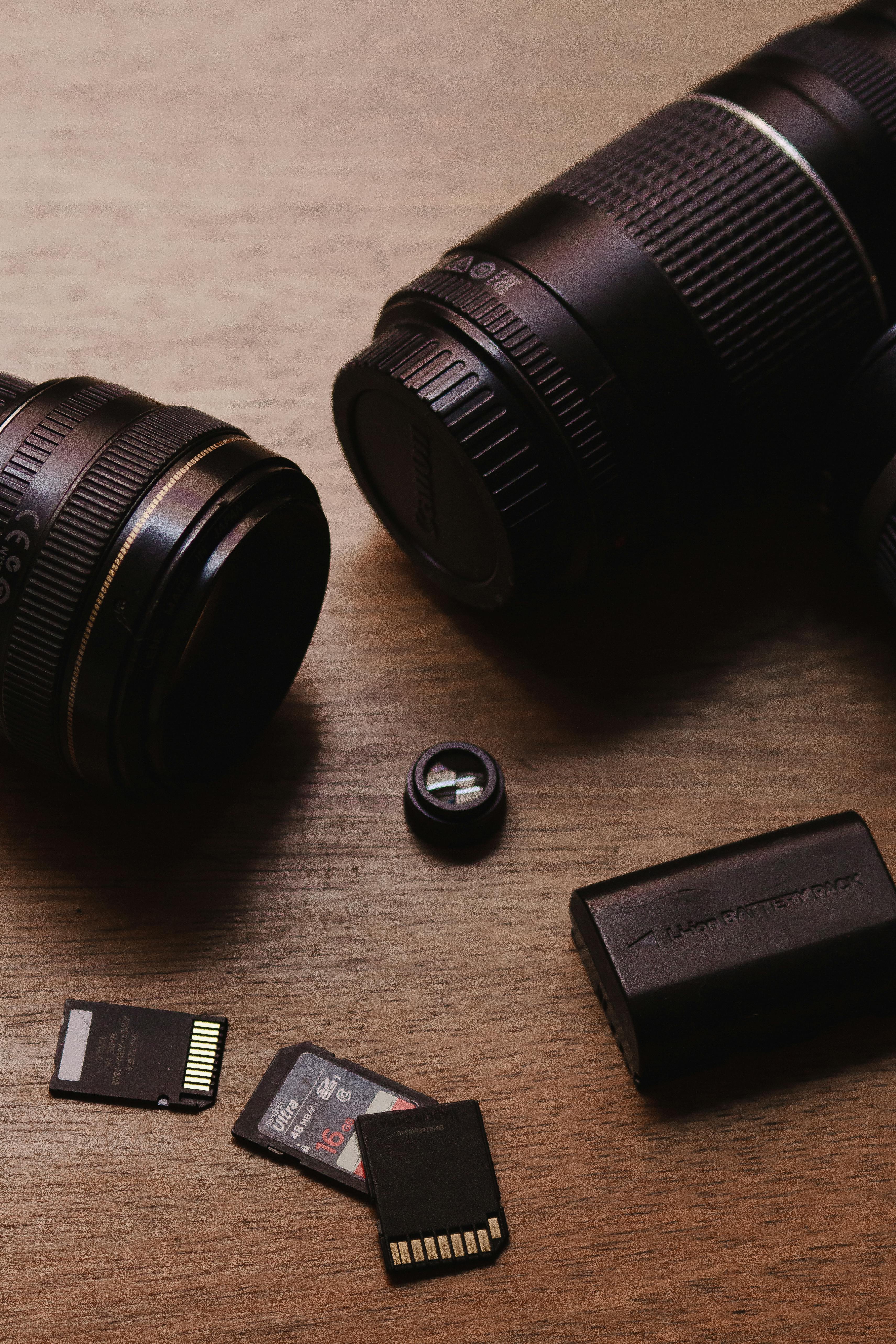
Keep the kit light enough to use without thinking. A 50mm to 85mm lens on a crop or full-frame body gives enough working distance for flowers that sit low or near brush.
- Camera body with continuous autofocus
- One close-focusing lens in the 50mm to 85mm range
- Strap that keeps the camera ready at chest height
- Lens cloth for dew, pollen, or mist
- Small tripod only if you plan to stack focus later

The setup leaves your hands free for balance and framing, and it cuts the time between spotting the flower and making the image.
Lock onto the bloom without losing the edges
Use a small focus point and place it on the nearest useful detail, often the flower’s center or front petal edge. The camera gets a clear target, and the frame stays steadier when you recompose.
Continuous AF with subject detection helps when you lean in and the scene shifts a little. Back-button focus works well too, since it lets you hold focus on the flower and keep shooting as you reframe.

Focus tiny flowers without missing the frame
Use a single AF point, then move it to the sharpest part of the flower. On many bodies, a small joystick or touch screen makes this fast enough to use on a trail. If the flower is very small, zoom in on the EVF or rear screen before you shoot. A 5x or 10x magnified view helps you check the front edge, which matters more than the whole blossom in close-up work.
Manual focus or macro mode for plants?
Manual focus gives more control when the flower fills most of the frame or the AF hunts in low contrast. Macro mode can help on compact cameras or kit lenses, though it often does less than expected.

For close flower work, I switch to manual focus when I need to place the plane of focus on one petal edge. If the subject moves in the wind, I keep AF-C ready and use the camera’s closest point of lock.
Choose the aperture for the flower, not the habit
Wide apertures like f/2 to f/2.8 blur the background fast, but they also shrink depth of field. A smaller aperture such as f/22 increases the part of the image that looks sharp, though it also asks for more light or a higher ISO. Canon recommends about f/8 as a strong middle ground when sharpness matters. The setting gives more depth than a wide opening while still keeping shutter speed usable on a walk.
Best aperture for outdoor flower detail
f/8 is the safest starting point for most outdoor flower detail shots. It gives enough depth for a bloom with layered petals, and it still leaves room to keep the ISO under control.
Use f/2.8 when you want a soft wash behind the flower and only one plane of detail. Move toward f/11 or even f/16 when the flower has depth from front petal to center, but watch for slower shutter speeds and higher noise.
Canon’s own research shows the depth-of-field shift clearly. A wider opening narrows what stays sharp, while a smaller opening makes more of the flower readable from front to back.
Hold the shot steady when the air starts moving

Wind is one of the biggest problems in flower work on trails. Even a light gust can move petals enough to blur the detail, so the shutter speed often needs to run faster than the usual handholding rule. Canon gives 1/80s as an example minimum for a 50mm lens on a 1.6x APS-C body to reduce camera shake. For moving flowers, that speed is often too slow, and you may need 1/500s, 1/1000s, or even faster.
Prevent blur in a breeze
Use a faster shutter, and wait for the pause between gusts. Canon’s flower-in-wind example used 1/2000s, f/1.8, and ISO 200, which shows how fast the camera may need to go.
Continuous shooting helps here, because one frame often lands in the gap between movements. Canon reports that burst shooting up to 15 frames per second can help catch a flower at rest between wind hits.

Focus-stacking can also work when the plant is still enough for multiple frames. Canon’s own examples often use 4 to 17 exposures, but the flower must stay nearly fixed during the full sequence.
Handheld flower shots on a walk?
Yes, handheld flower shots work well on a walk if you keep the shutter speed high and your stance stable. A bent-knee brace, elbows tucked in, and one calm breath before the frame can make a real difference. Use shutter-priority or manual mode when the light and wind keep changing. If the flower is moving, I raise ISO rather than let the shutter sink too low and lose the shot.
My camera setup for a trail stop
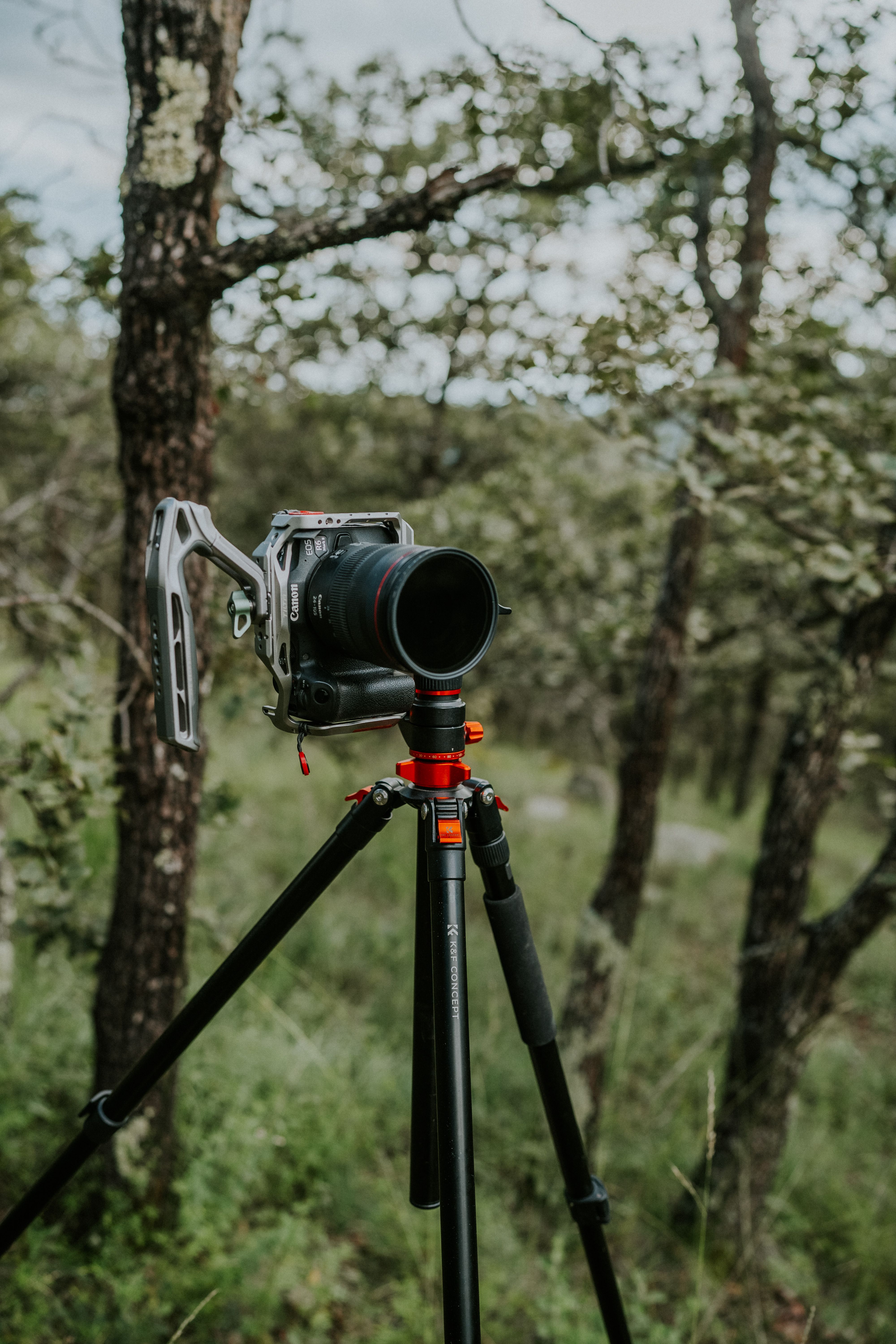
- Pick AF-C and a single focus point.
- Set the aperture near f/8 for general detail work.
- Raise shutter speed to at least 1/500s if petals are moving.
- Use burst mode for a short run of frames.
- Review only after the scene settles, not after every shot.
That last step saves more power than it looks like it should. On mirrorless bodies, the EVF and rear screen use power all day, so constant review drains the battery faster than most people expect.
Burst, buffer, and fast cards
Short bursts are useful, but the real limit is the buffer and the card speed behind it. A mid-tier body may slow after roughly 4 to 17 RAW frames, while JPEG files usually clear faster.

UHS-II cards with V60 or V90 ratings help the camera write faster after a burst. CFexpress is even better on bodies that support it, but the card only helps if the camera can use that speed.
Pre-capture or pre-burst modes can also save a shot that starts before your finger fully presses. That feature matters on a trail, because petals often move just before the moment looks right.
Keep the frame clean while you work fast
Watch the background first, not last. A bright stem, a trash bin, or a path marker can pull the eye away from the flower. Move your feet a little before you move the camera a lot. A small shift of angle can turn a cluttered frame into a clean one, especially when the flower sits low beside the trail.

Build a quick routine you can repeat
A simple routine keeps your pace up when the trail keeps moving. You do not need a full setup each time; you need a fast way to make one good frame before you walk on.
- Spot the flower from a few steps away
- Check the wind and choose the stillest moment
- Set focus on the nearest sharp edge
- Choose f/8 if the flower has depth
- Raise shutter speed if the petals shake
- Take a short burst, then check one frame at full zoom
This routine works because it treats time as part of the shot. The trail does not wait, and the best flower often lasts only a few seconds in one clean pose.

Read the subject before you press the shutter. A flower with thick petals and a still stem may reward f/11, while a light bloom in wind may need a faster shutter and a wider opening.
Flowers on a moving trail ask for quick hands, simple settings, and a steady eye. Keep the camera ready, use a fast enough shutter, and let the subject tell you when to stop. If the stem still sways, wait for the next small pause and take the frame at 1/1000s or faster.
Frequently Asked Questions
How do you focus on tiny flowers without missing the frame?

Use a single AF point and place it on the sharpest part of the flower, usually the center or front petal edge. If the bloom is very small, zoom in on the EVF or rear screen and use 5x to 10x magnification to confirm focus before shooting.
Should you use macro mode or manual focus for plants?
Manual focus is the better choice for plants when the flower fills most of the frame or autofocus hunts on low-contrast petals. Macro mode can help on compact cameras or kit lenses, but it often adds less benefit than expected.
What aperture works best for close-up flower details outdoors?
An aperture around f/5.6 to f/8 gives enough depth of field to keep flower details sharp while still softening the background. Wider settings like f/2 to f/2.8 blur the background more, but they make the focus zone too thin for close-up flower work.
How do you avoid blur when shooting plants in a breeze?
Use continuous autofocus and keep the closest point of focus locked on the flower so the camera can adjust as the subject shifts. A faster shutter speed also helps, since wind movement can blur petals even when focus is correct.
Can you photograph flowers handheld on a walk?
Yes, flowers can be photographed handheld on a walk if the camera is carried ready and the kit stays light enough to bring up quickly. A 50mm to 85mm lens, continuous autofocus, and a steady shooting stance make handheld flower shots practical without stopping long.


