


- Level the camera, then crop later to keep facades upright.
- Choose 50–85mm for natural walls; go wider only if space forces it.
- Let edges guide the frame, but wait for a clean, uncluttered gap.
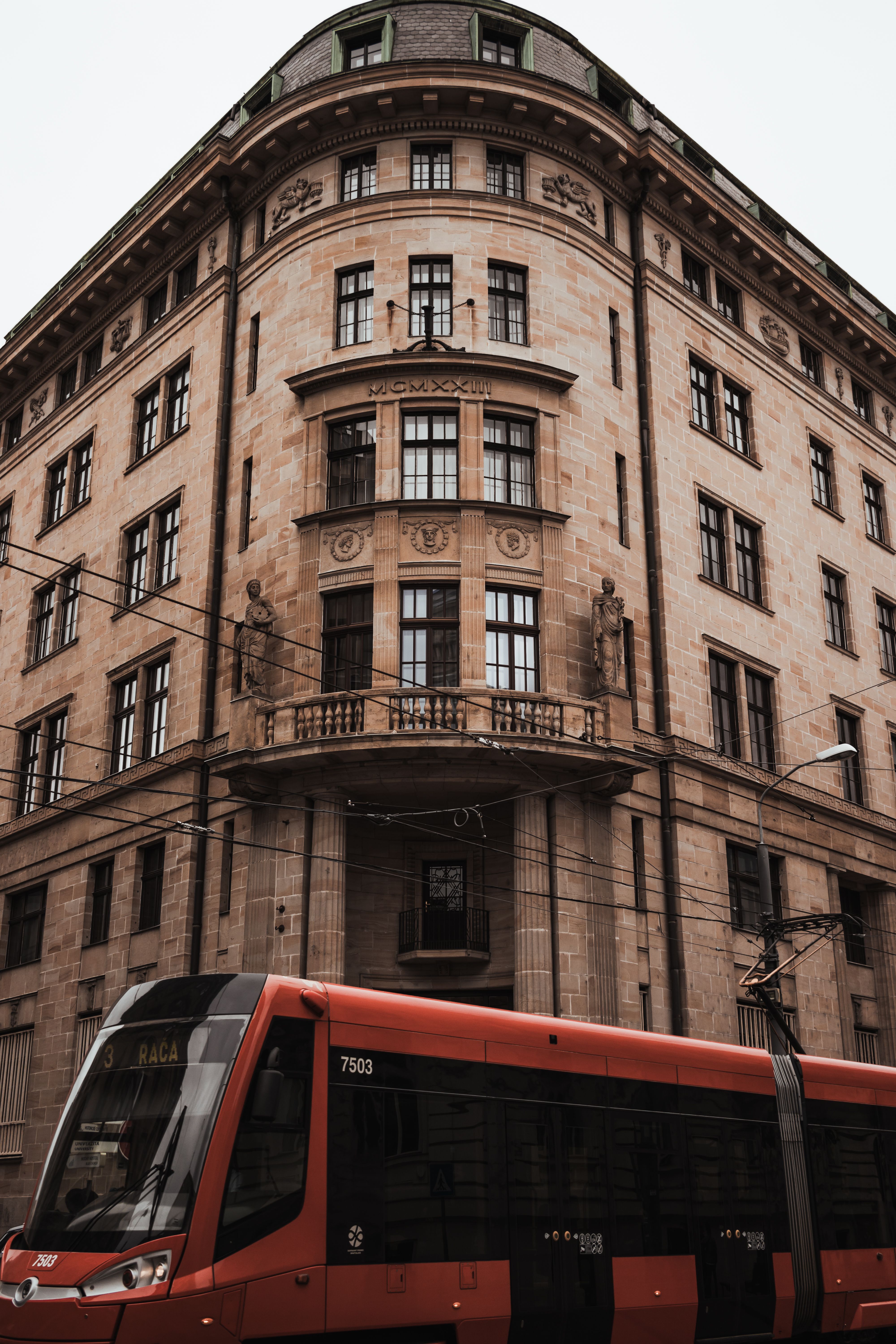
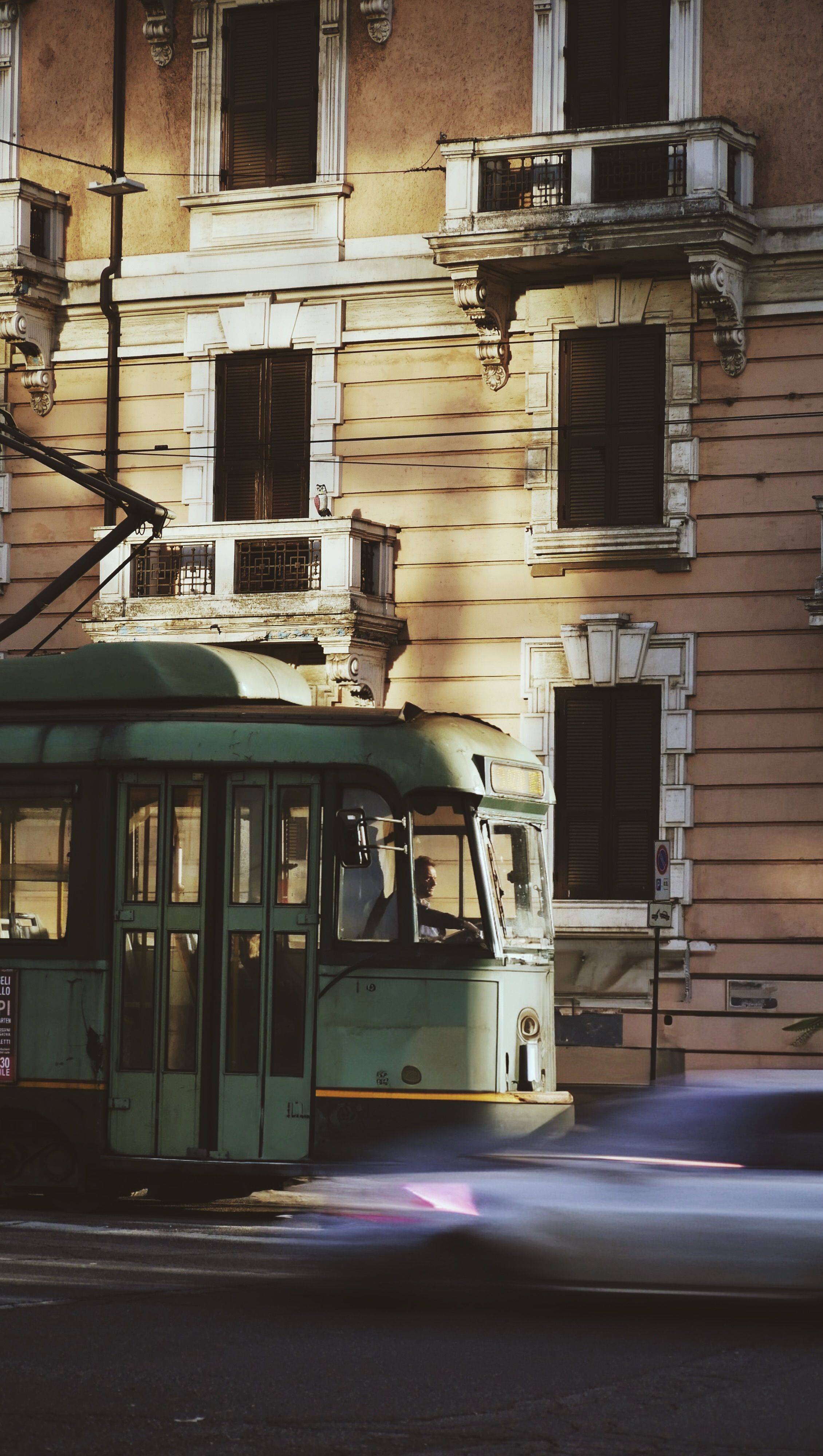
One-point perspective photography frames strong lines so they meet at a single vanishing point. From a moving tram stop, that setup gives old facades depth and a neat sense of order. The job is quick, so the hands stay calm. A steady stance, a clean frame, and a lens that holds the building true make the difference.
Translation missing: en.blog_cta.bundle_heading

- Regular price
-
€42 - Regular price
-
€44 - Sale price
-
€42
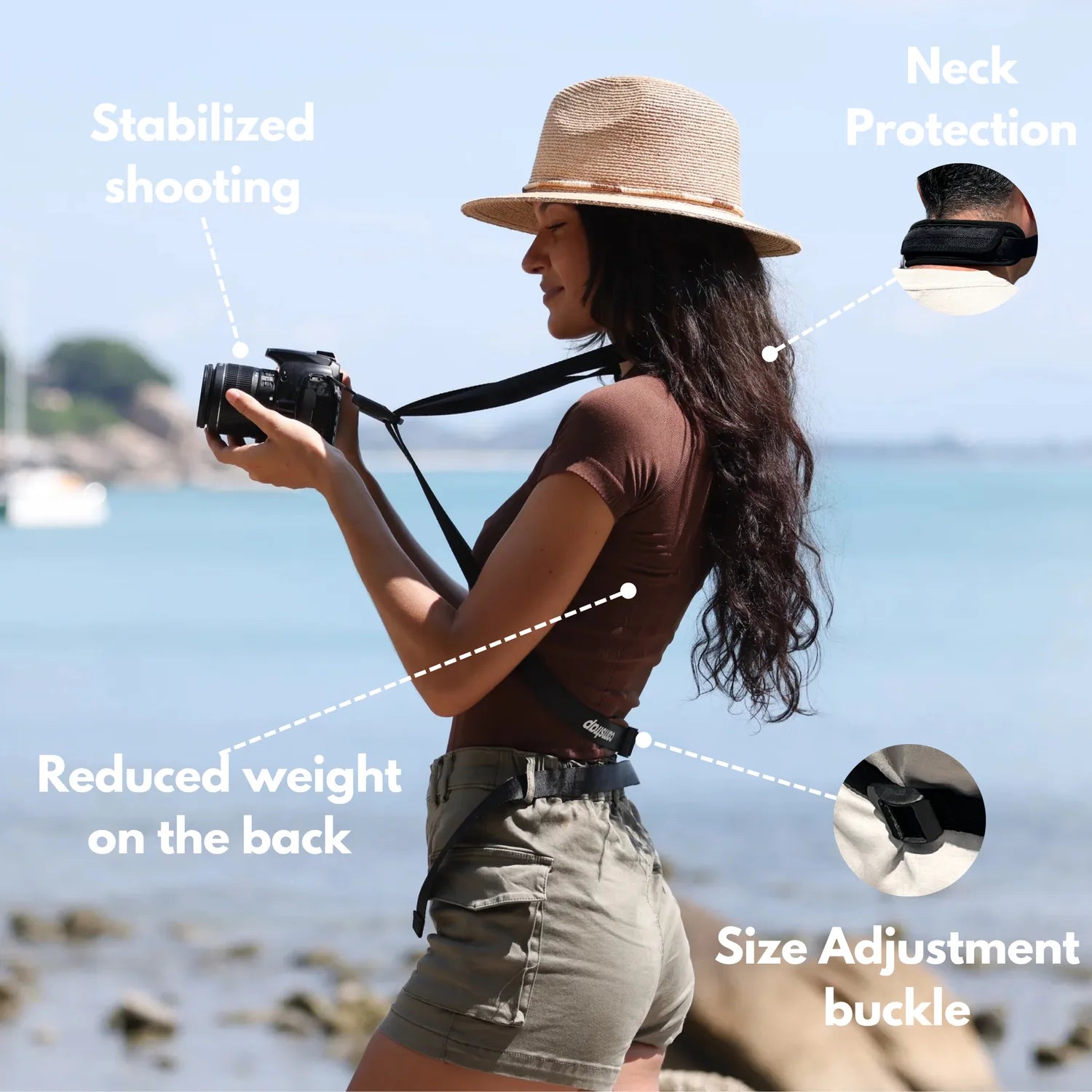
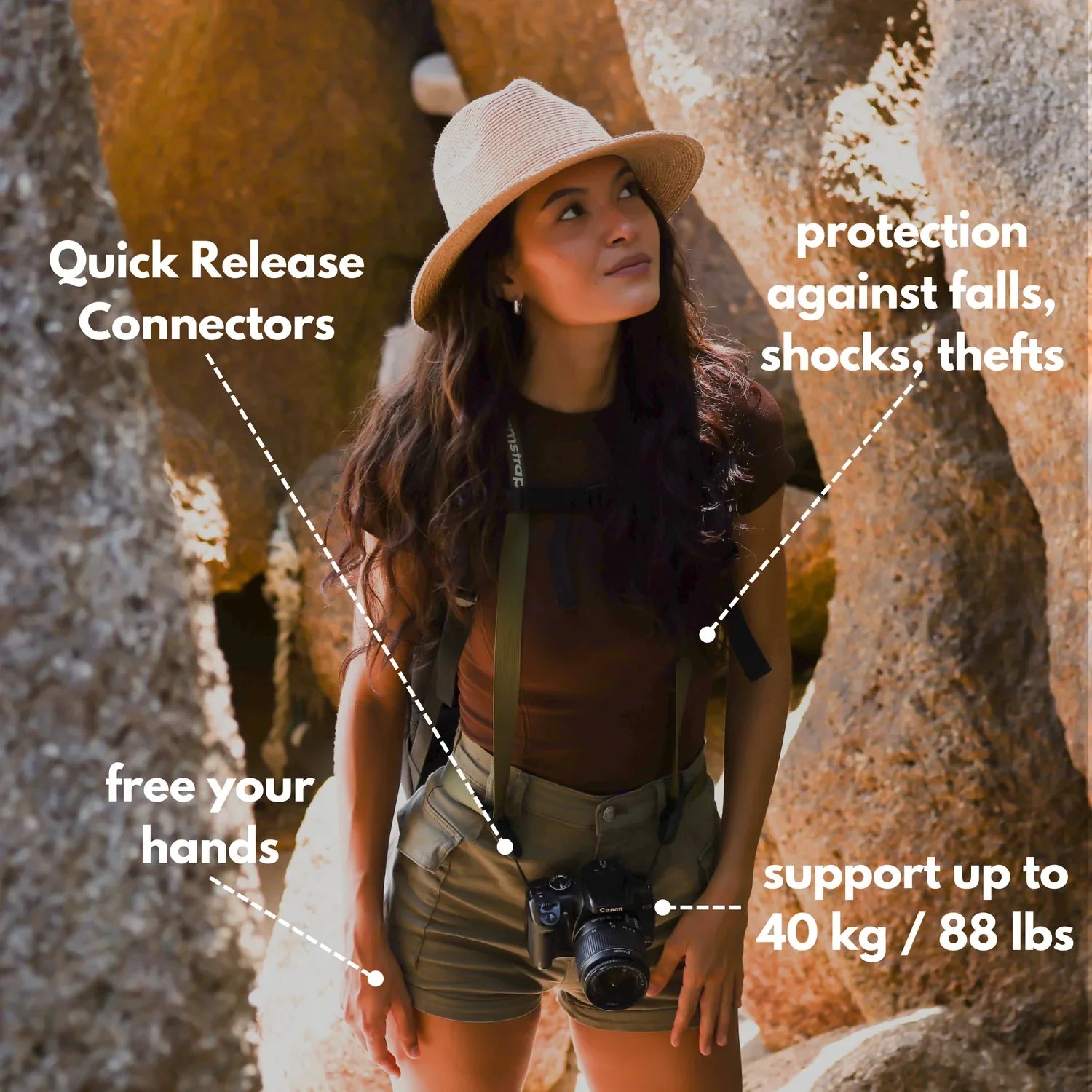
By choosing the Camstrap strap, you are opting for a high-quality product designed to meet the needs of the most demanding photographers.
- Developed by a physiotherapist to relieve neck and back pain.
- Fast delivery with tracking by the Post Office 🚚
- Can be used as a shoulder strap or hands-free harness

- Regular price
-
€36 - Regular price
-
€42 - Sale price
-
€36
Translation missing: en.blog_cta.free_shipping_included
Why this street-side view works so well
Old facades are full of repeating windows, cornices, and brick bands, and those details settle into a balanced frame once they all aim toward one point.
A tram stop adds just enough friction. The tram moves, people shift, and the scene turns over in seconds, which pushes you to react with intent.

Read the facade before you lift the camera
Find the strongest edge first. A roofline, a row of windows, or the side of a corner building usually gives the frame its spine. Next, look for where the lines meet. A clear vanishing point usually makes the image feel tighter and less cluttered.
Old stone fronts and brick blocks work best with a simple frame. Poles, signs, and wires can break the flow, so wait for a cleaner gap.
Choosing the right lens and camera settings
A midrange lens usually gives the most natural look for facade work. Focal lengths around 35mm to 85mm keep lines honest and avoid heavy edge stretch.
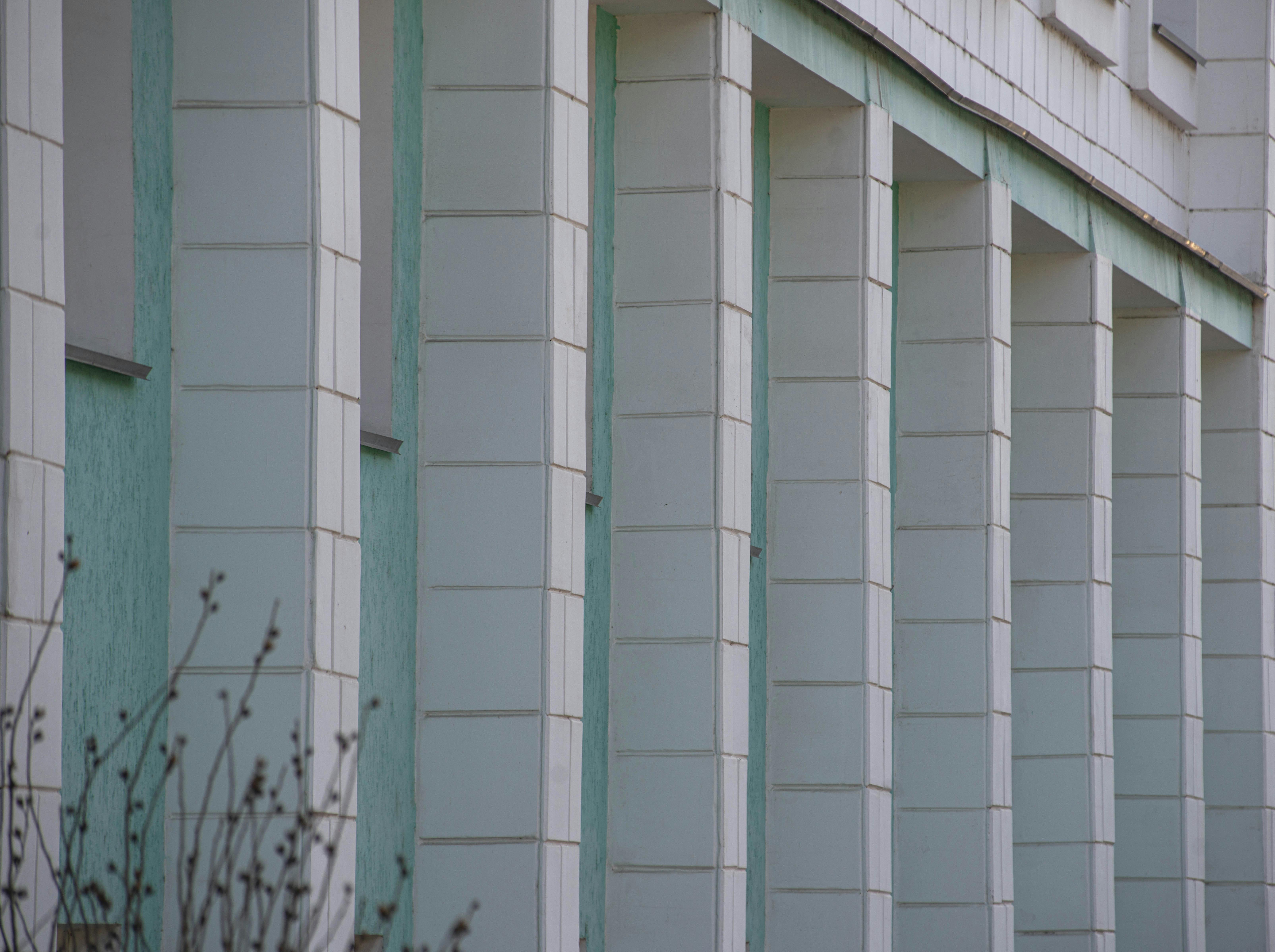
For work beside a station, I reach for 50mm to 85mm when I want clean shape. Wider glass can help, but it will bend nearby walls if I stand too close.
Lens choice changes the whole frame
A 24mm lens can make a corner feel huge, but it often pulls the edges apart. A 50mm lens keeps the building closer to what the eye sees. If the tram stop is tight, I move my feet before I go wider. That small shift often saves the facade from looking warped.
- Use 50mm to 85mm for a true-looking facade.
- Use 24mm to 35mm only when space is tight.
- Keep the camera level if you want straight walls.
- Use f/5.6 to f/8 in bright daylight for good detail.
Shutter speed needs to stay ahead of the tram and your own shifting view. A practical starting point is 1/500s for slower station-side shots, then 1/1000s or faster as motion rises.
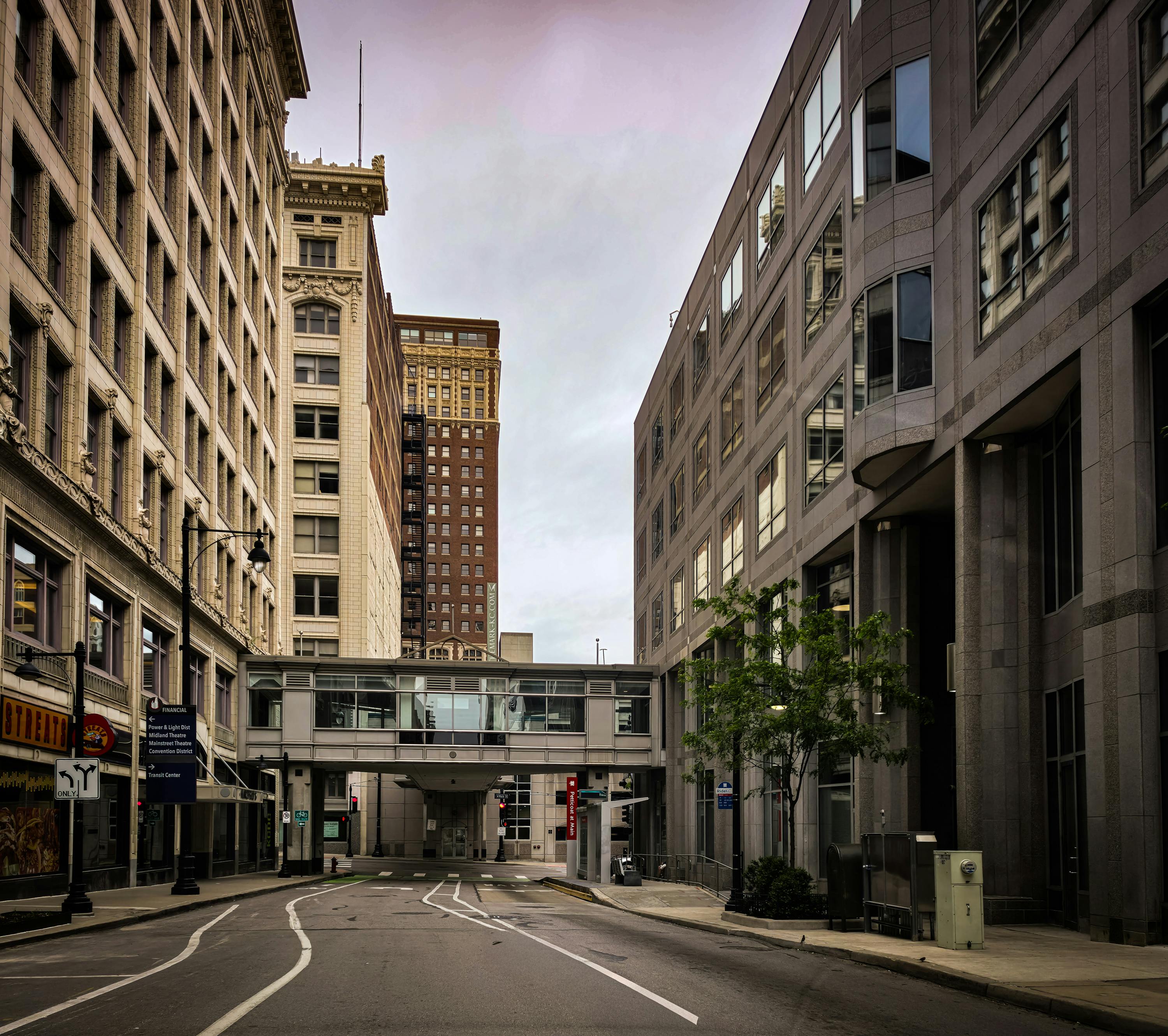
In lower light, I open to f/2.8 to f/4 and raise ISO. One moving-train setup used 1/4000s, f/2, and auto ISO capped at 12,800 to freeze motion.
How to keep vertical lines straight in city buildings?
Vertical lines stay straight when the sensor stays level with the building. Tilt up, and the walls lean inward while the top spreads out. Use the grid in the viewfinder or rear screen, and keep the left and right edges upright. A small change in body angle can alter the whole frame.
If the building is tall, step back instead of aiming higher. That move often keeps the facade clean without heavy correction later.
Level camera, level result
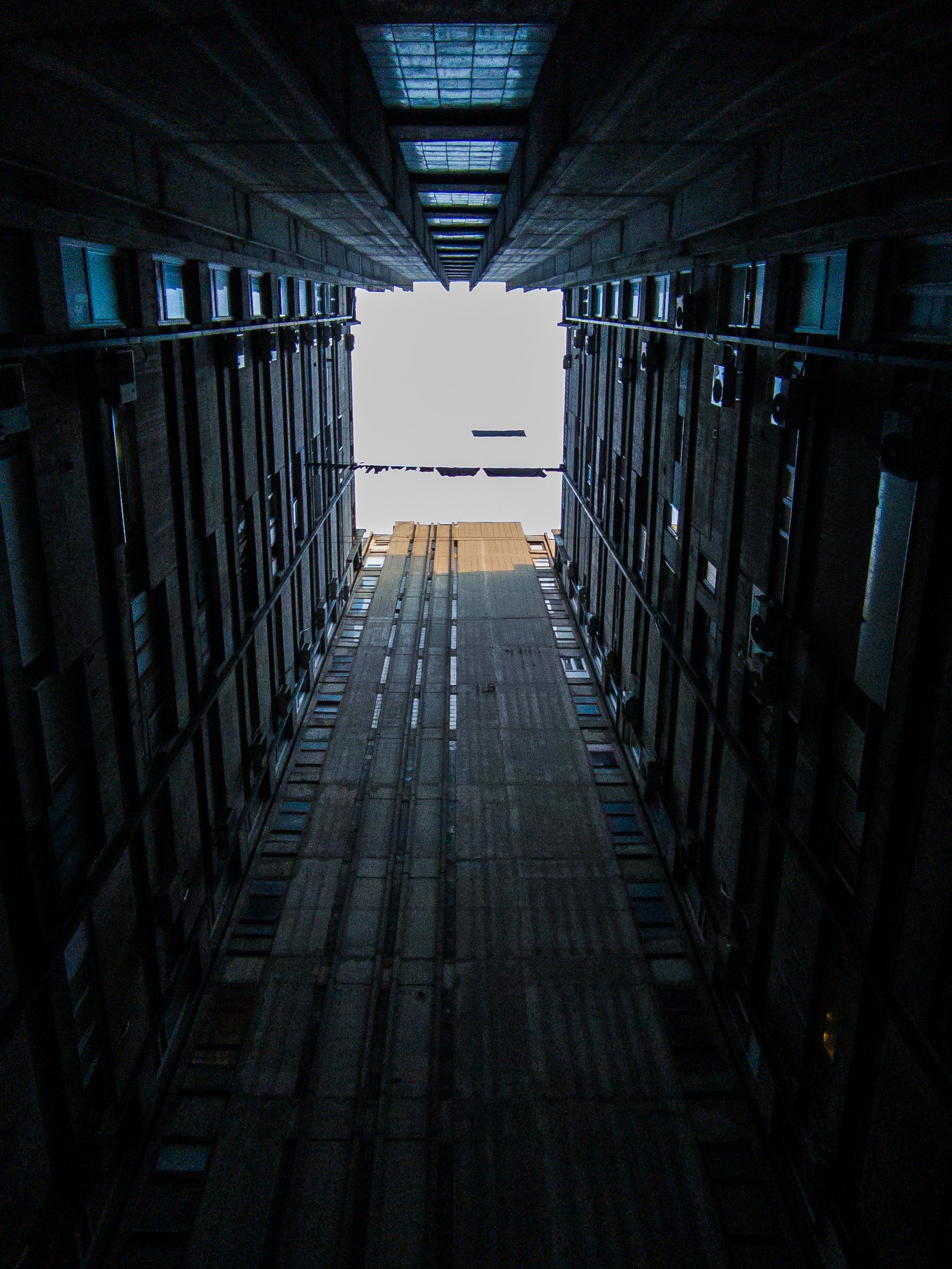
A built-in electronic level helps a lot on a tram platform. It is quick, clear, and easy to trust when the stop is busy.
If your camera has lens correction profiles, use them for mild fixes. They help with edge bend, but they will not rescue a bad angle.
For the cleanest result, start straight in camera. More detail stays in the frame, and less work waits for later.
How to use leading lines without making photos feel forced?
Leading lines work best when they already exist in the scene. You do not need to invent them; you only need to spot them. Use street edges, tram rails, balcony rails, or the seam between two buildings. Let those lines guide the eye instead of trapping it.

Let the street do the work
Stand where one strong line enters the frame from a corner. From there, let it point toward the facade or the vanishing point.
Leave out the extra lines. One or two clear guides are enough for a strong frame.
While the tram is moving, perfect design slips out of reach. A slightly loose frame often feels more real than a stiff one.
- Find one clear line in the street or stop.
- Place it so it leads toward the facade.
- Keep the background calm and simple.
- Press the shutter when the lines feel balanced.
Where should I stand to make a building look taller?
Stand farther back and keep the camera level if you want the building to feel tall. The full shape stays intact, and the walls do not bend. A corner position helps because two faces of the building meet in one frame. It adds depth and can make the structure feel larger.
Use height and distance with care
If the tram stop has a raised curb or platform, use that extra height. A small change in eye line can improve the facade view a lot.
A low angle can add power, but it also brings distortion. Use it only when the building shape can carry it.
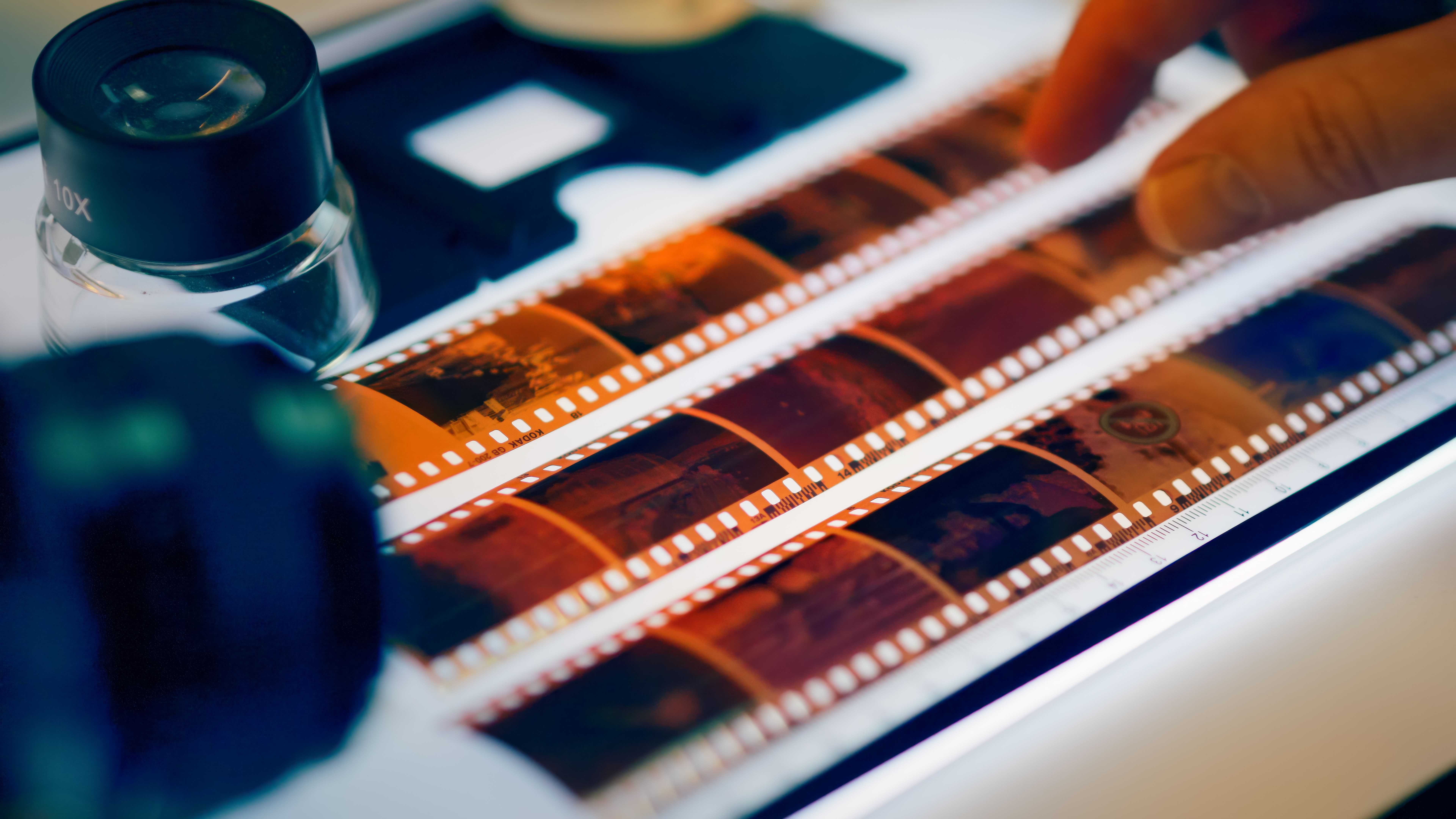
One-point perspective works well here because the lines pull the eye inward. The building feels taller when the frame stays clean and the top does not drift sideways.
How do I shoot architecture well without a tripod?
You can shoot architecture well without a tripod by using fast shutter speeds, steady body form, and smart timing. At a tram stop, a tripod often slows you down more than it helps you. For most moving-street work, I rely on continuous AF in AF-C or AI Servo with subject detection off if the facade is static. If the tram is part of the shot, I use a single focus point and place it on the front or driver’s area.
Handheld technique that holds up
Keep your elbows in and press the camera to your face. That gives you a steadier hold than shooting with your arms alone.
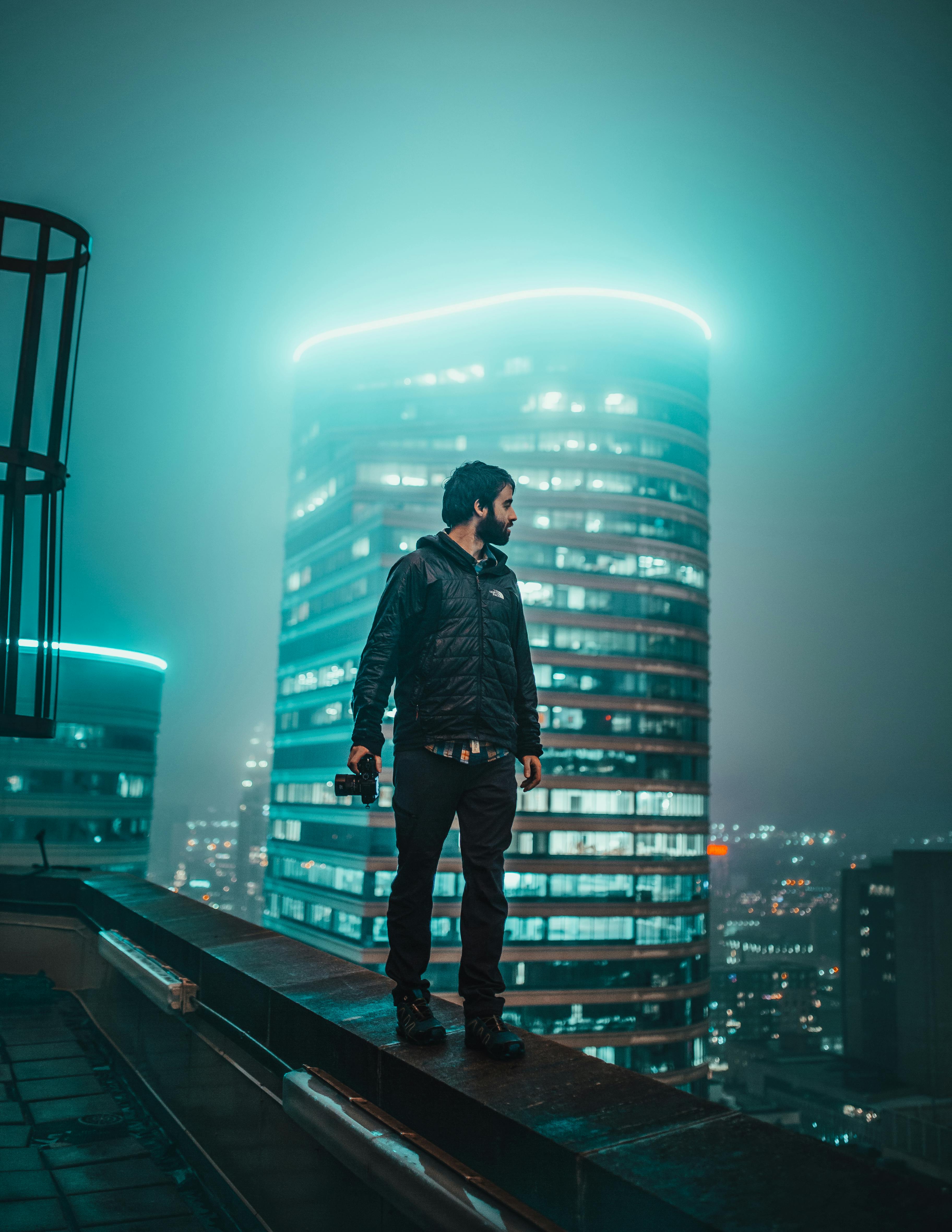
Back-button focus helps when I take several frames in quick bursts. It lets me lock focus once, then reframe as the tram passes.
Pre-capture or pre-burst modes help too when the moment is brief. They save frames from just before the full press, which matters when a facade appears for only a second.
- Start at 1/500s near the stop.
- Move to 1/1000s or faster if the tram speed rises.
- Use AF-C or AI Servo for moving scenes.
- Try a 3 to 6 frame burst, then check your best frame.
- Watch buffer depth if you shoot RAW; mid-tier bodies often slow after about 20 to 30 RAW frames.
A good memory card matters because burst speed depends on write time. UHS-II V60 or V90 cards clear data faster than UHS-I, and that keeps the camera ready for the next pass. Mirrorless bodies also drain power through the EVF and rear screen, not just shooting. If you review every frame on the stop, the battery goes faster than many people expect.
What to watch for as the tram rolls past

Timing is the last piece. Watch the facade before it reaches the best angle, then raise the camera early.
If you want motion in the shot, pan with the tram and keep the focus point on the front edge. The tram stays sharper, while the background starts to blur.
Small choices make cleaner frames
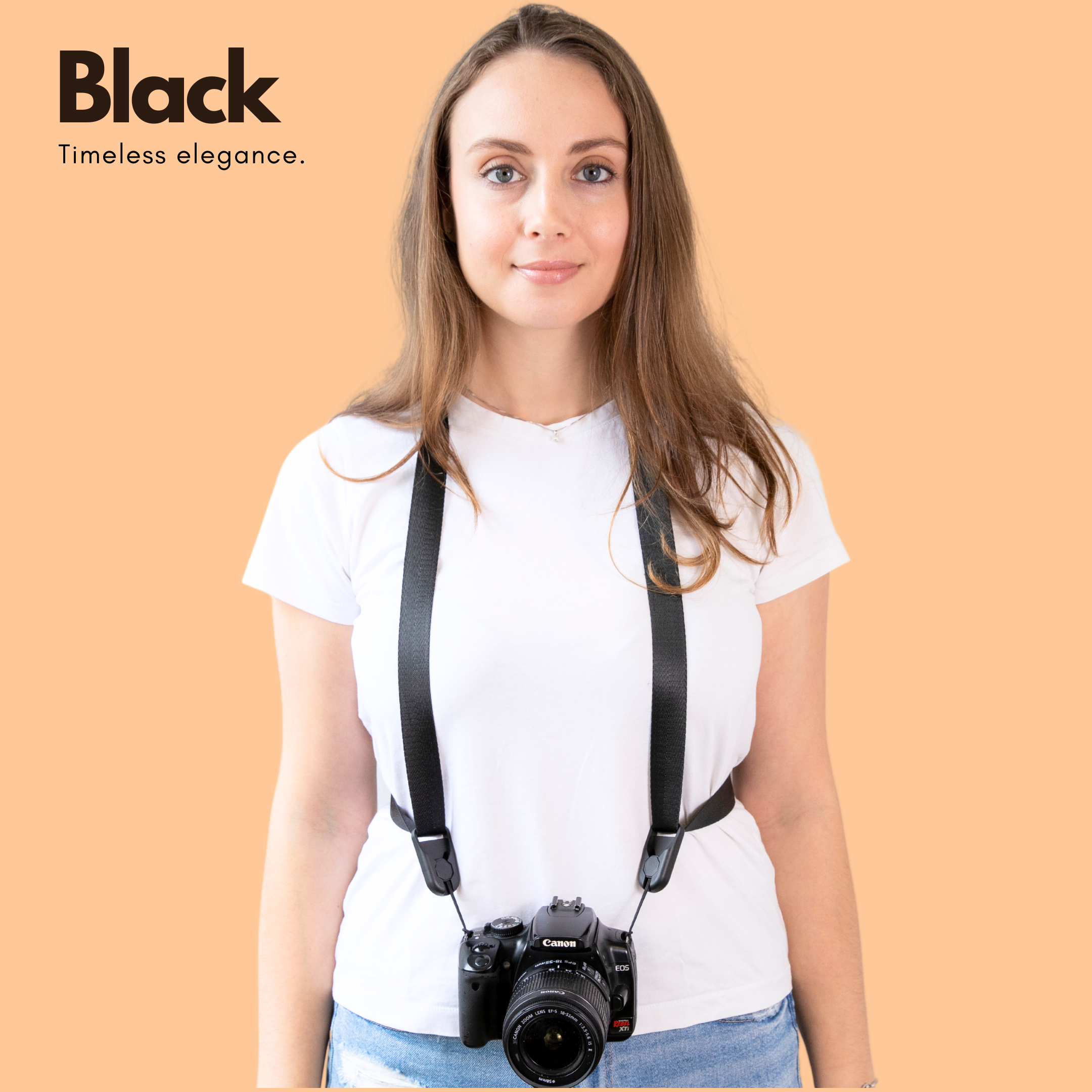
Try one tight burst as the tram reaches the cleanest side view. Then stop and look for the next opening instead of firing the whole time. Hands-free carrying helps here because the camera stays ready while you watch the scene. A strap like the Camstrap Voyager can sit close and spread the weight well, so you can lift fast when a facade line appears.
Check the background for poles, signs, and parked cars before you shoot. A clean frame beats a crowded one, even if the building itself is strong.
Putting the method into a simple field routine
The best results come from a short routine you can repeat at each stop. Keep it simple, and the scene feels less rushed.
First, scan for straight lines and one clear vanishing point. Next, pick a focal length that keeps the facade shape true.
- Set the camera to a level view with grid lines on.
- Choose 50mm to 85mm for natural shape, or 35mm if space is tight.
- Start at 1/500s, then raise shutter speed if motion gets stronger.
- Use f/5.6 to f/8 in daylight, or open to f/2.8 to f/4 in shade.
- Focus on the leading edge or the center line of the facade.
- Fire a short burst as the best angle arrives.
After that, review one frame for line shape and one frame for timing. If both are right, the shot usually works. Old facades reward patience, even from a moving tram stop. Keep the camera level, trust the lines, and wait for the moment when the building and the street meet cleanly.
Frequently Asked Questions
How do I keep vertical lines straight in city buildings?
Keep vertical lines straight by holding the camera sensor level with the building and keeping the left and right edges upright. Use the grid or electronic level, and avoid tilting upward because that makes walls lean inward and the top spread out.
What lens works best for facades and street corners?
A midrange lens works best for facades and street corners, especially 50mm to 85mm for a true-looking building shape. A 24mm to 35mm lens is useful only when space is tight, because wider glass can stretch nearby walls and pull the edges apart.
How do I use leading lines without making photos feel forced?
Use the building’s strongest real lines, such as rooflines, window rows, or a corner edge, and let them converge naturally toward one clear vanishing point. Avoid clutter like poles, signs, and wires, because a cleaner gap makes the composition feel intentional rather than forced.
Where should I stand to make a building look taller?
Stand farther back and keep the camera level rather than aiming higher. Stepping back preserves the facade’s clean verticals and makes the building appear taller without introducing inward-leaning walls.
Can I shoot architecture well without a tripod?
Yes, architecture can be shot well without a tripod if the camera is held steady and the shutter speed is fast enough to freeze movement. A practical starting point is around 1/500s, increasing to 1/1000s or faster when motion is stronger.


