


Cinematic lighting shapes how your outdoor photos feel and tell a story. This guide helps travel enthusiasts, outdoor adventure photographers, and amateur photographers get bold cinematic results on location. Camstrap is a brand that blends function and style to help you carry cameras and small lights safely.
Why cinematic lighting matters for outdoor shoots
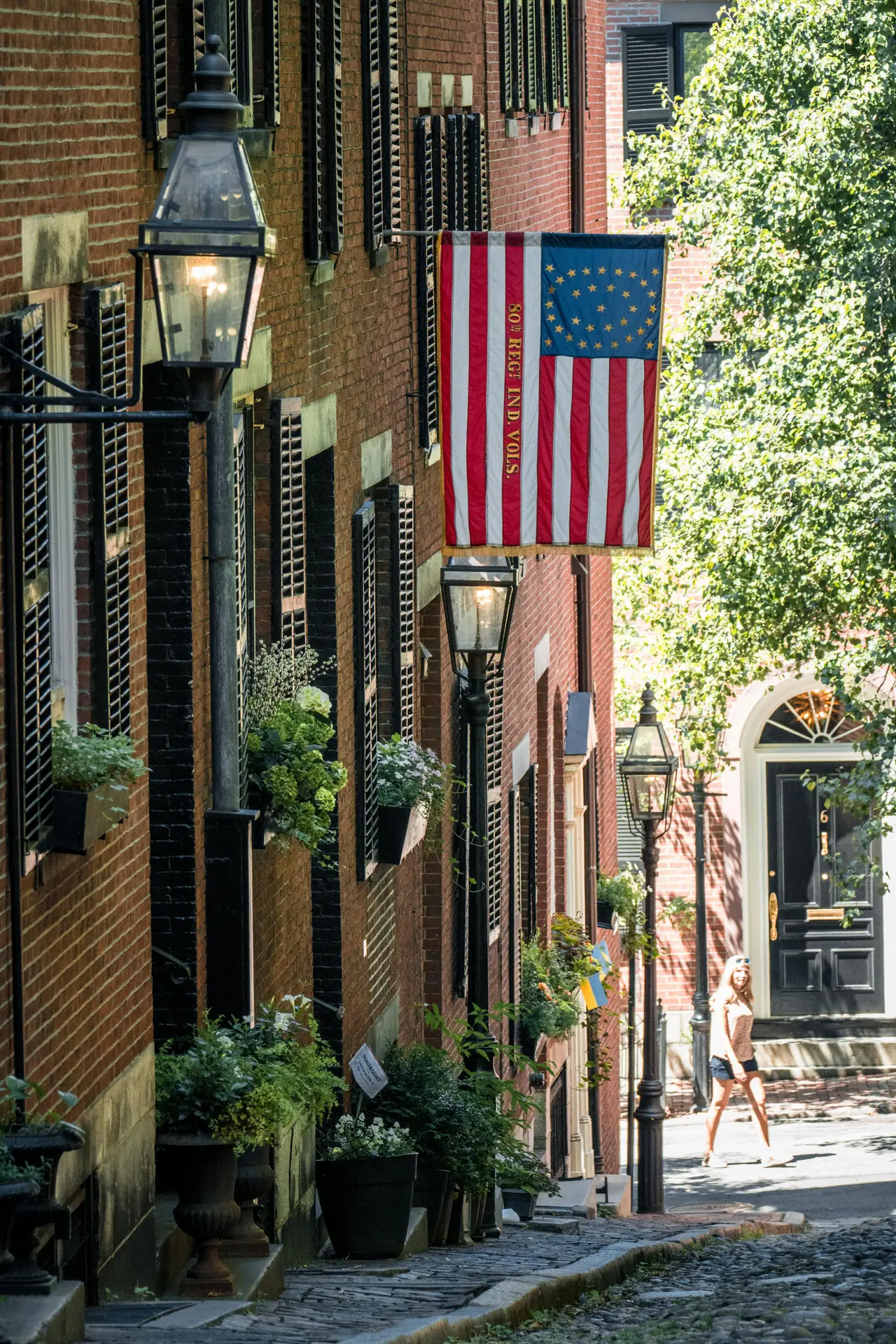
Cinematic light adds depth, mood, and focus to a scene. It helps the viewer feel the place, not just see it.
Shop the setup

- Regular price
-
€42 - Regular price
-
€44 - Sale price
-
€42
By choosing the Camstrap strap, you are opting for a high-quality product designed to meet the needs of the most demanding photographers.
- Developed by a physiotherapist to relieve neck and back pain.
- Fast delivery with tracking by the Post Office 🚚
- Can be used as a shoulder strap or hands-free harness

- Regular price
-
€36 - Regular price
-
€42 - Sale price
-
€36
Free shipping included
Good light can lift travel photos, portraits, and action frames. So you get more impact with fewer shots.
Key gear for cinematic outdoor lighting in 2026
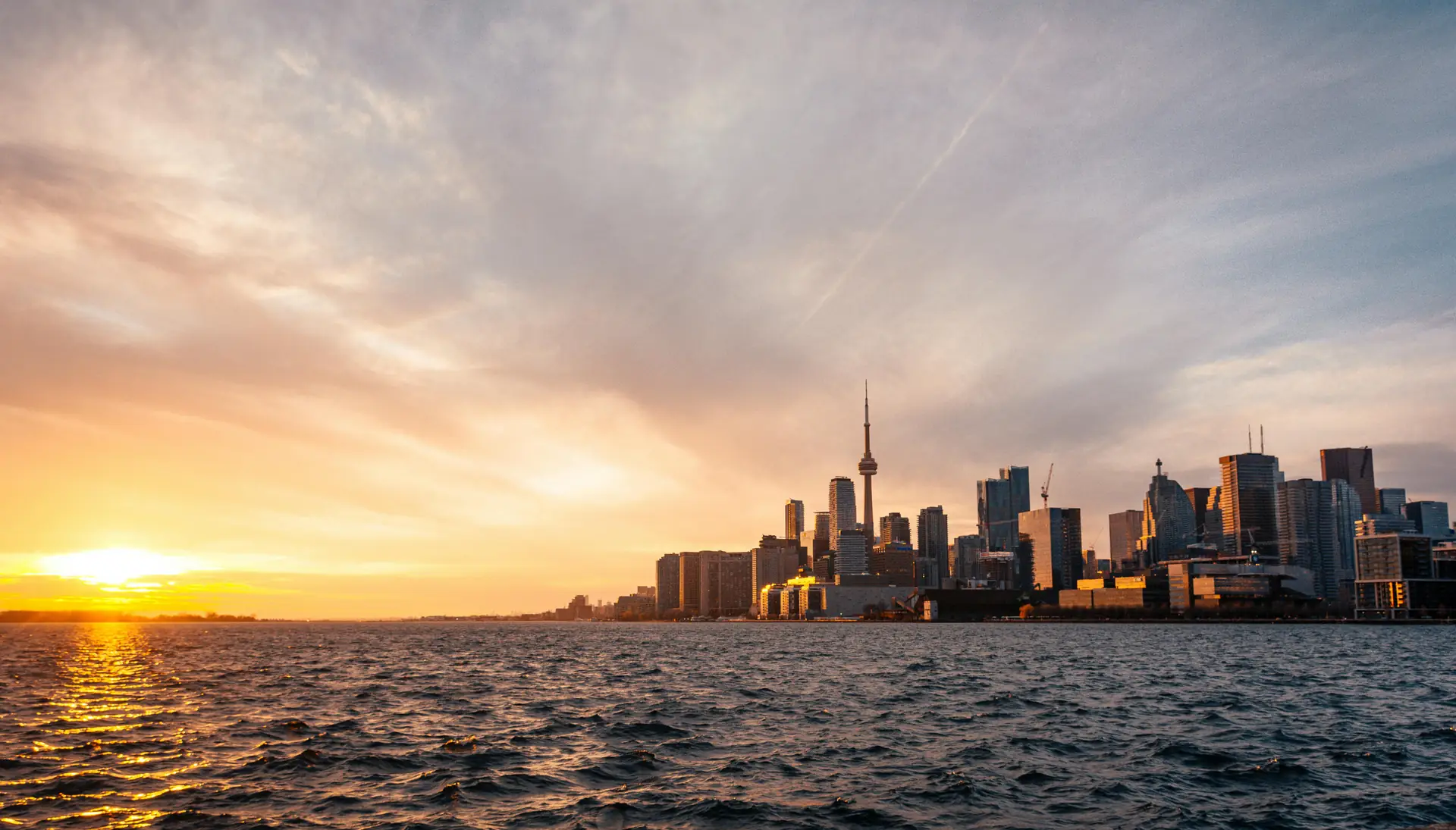
Pick gear that is light, rugged, and fast to set up. This makes cinematic setups repeatable on trips and hikes.
Lights and modifiers
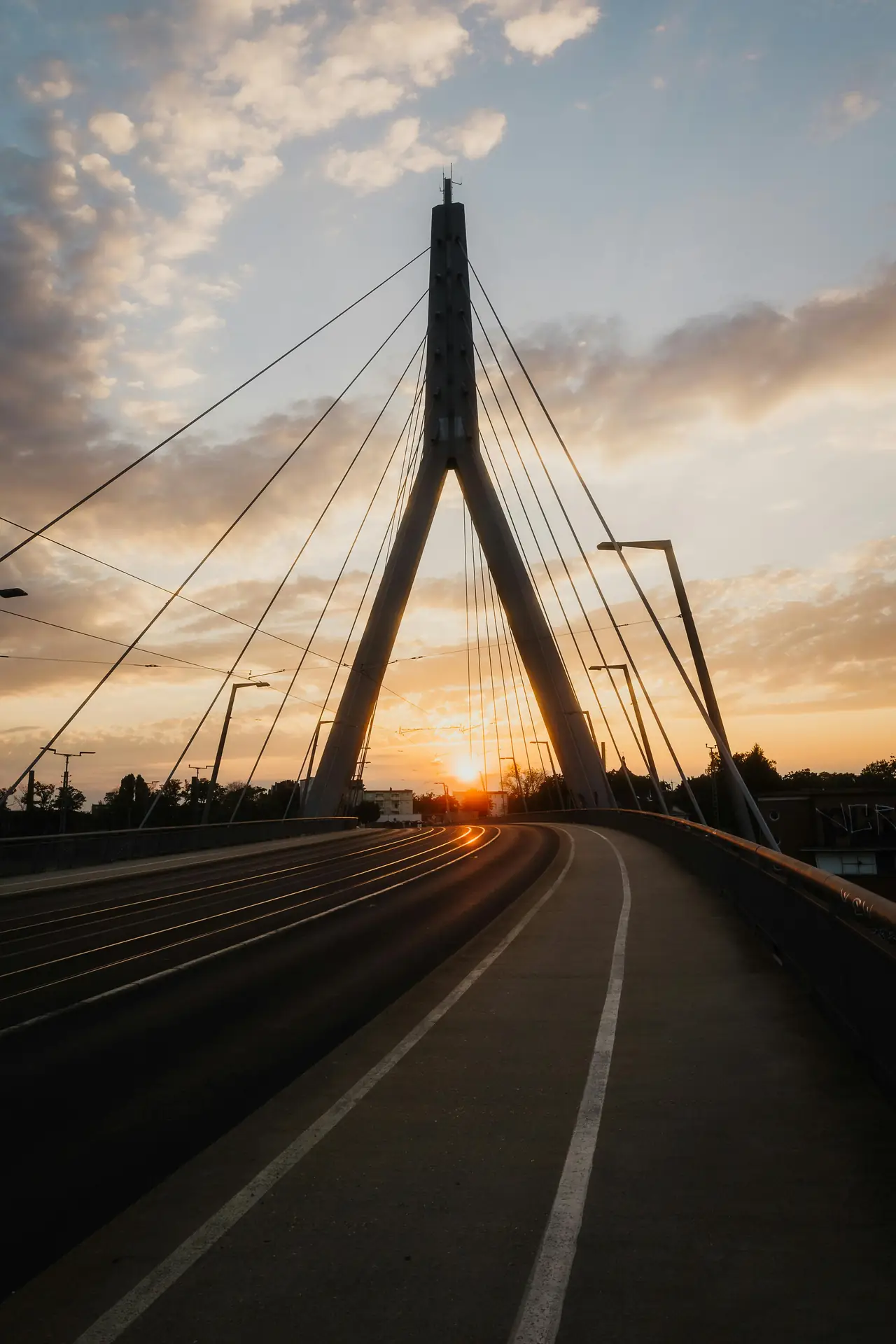
- Compact LED panels with adjustable color and dimming.
- Battery strobes for punch and freeze action.
- Softboxes, grids, and small scrims to shape the beam.
- ND and CTO gels to match sun and artificial light.
Support, power, and control
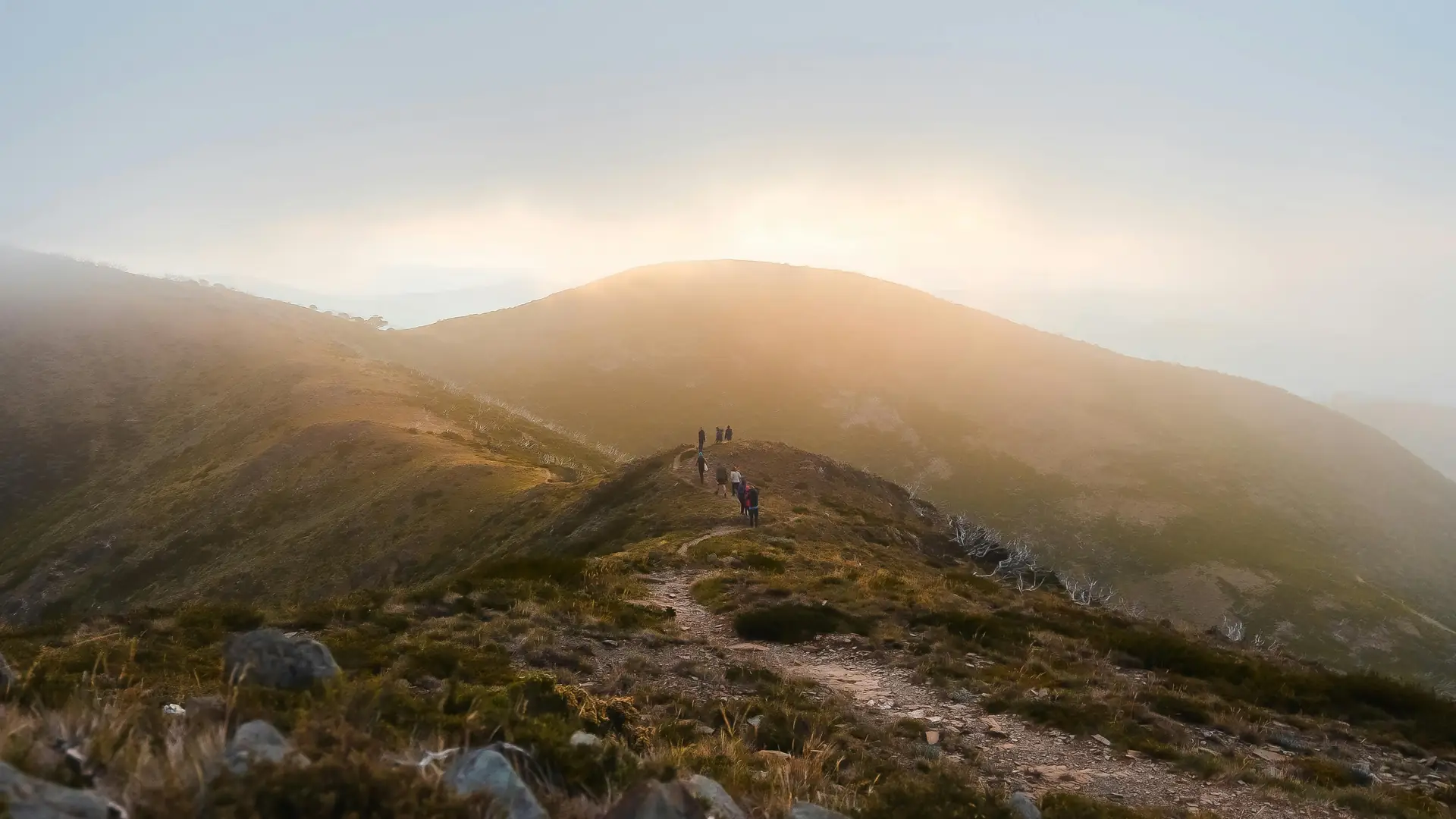
- Light stands and sandbags to keep gear steady in wind.
- Power banks or V-mount packs for long days.
- Wireless triggers and simple DMX for synced fades and bursts.
- Reflectors to shape sunlight without heavy gear.
Camera and lens notes
Choose a camera that matches your scene and motion needs. For high-speed action, use a Nikon Z9. For drone shots, use DJI gear for smooth aerial light control.
For POV and rugged clips, a GoPro Hero 11 works well when lit right. For very large prints or ultra-detail, consider a Phase One system.
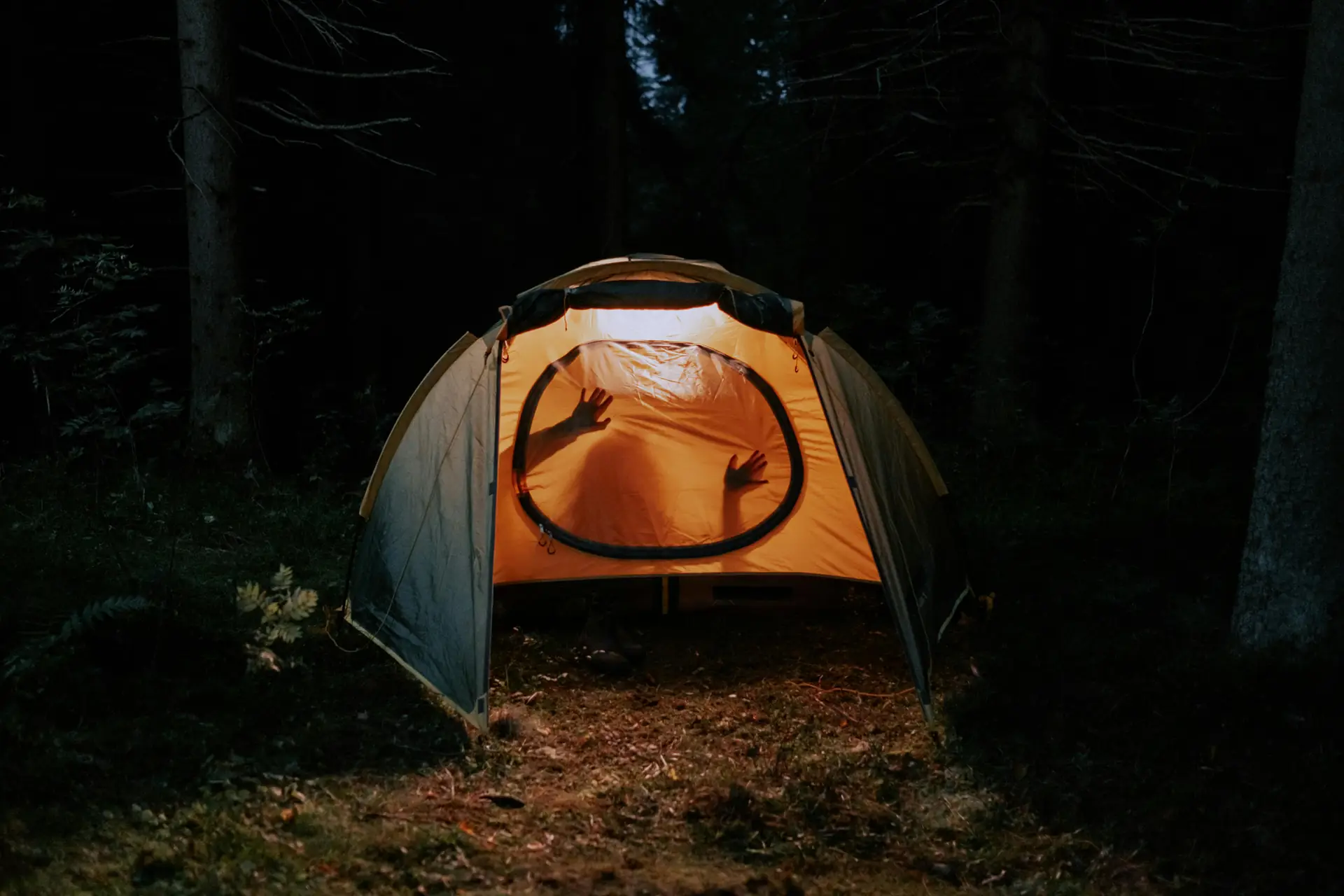
Practical steps to set up cinematic lighting
Start with a simple plan for mood and story. Then add one main light to build shape and depth.
Step 1: Scout light and pick the mood
Look at the sky, shadows, and reflections where you will shoot. Decide on high contrast for drama or soft light for calm scenes.
Step 2: Balance sun and artificial light
Use gels and LED output to match color and brightness. Meter the scene and set the key light one stop above ambient for a cinematic edge.
Step 3: Add rim and kicker lights for separation
Place a small LED or strobe behind the subject. Aim it at hair or shoulder to make a rim and add depth.
Use a Camstrap magclip to hold small lights on metal rails or cars. This saves time on outdoor setups.
Step 4: Control spill with flags and grids
Use flags to block unwanted light on the lens and background. Grids tighten the beam and keep the look focused.
Step 5: Use contrast and texture to tell the story
Use a harder key for grit and drama, and soft diffusion for calm, beautiful looks. Light across skin, fabric, or rocks to show texture.
Scene-specific cinematic tips: golden hour, harsh sun, night shoots
Different times change how you place lights. Here are simple rules to make each time read cinematic.
Golden hour
Golden hour gives warm rim light and soft contrast. Use a fill LED or reflector to lift shadows and keep faces clear.
Harsh midday sun
Midday sun makes hard shadows and blown highlights. Put a large scrim between sun and subject to soften the key light.
If you can’t use a scrim, move the subject to open shade and add a kicker for separation.
Night and low light
Add a practical warm light that reads in the frame, like a street lamp or car headlight. This gives a strong cinematic anchor at night.
Use strobes or fast lenses for moving subjects. Otherwise raise ISO or use longer shutter times when the subject is still.
Travel and safety tips for cinematic outdoor shoots with Camstrap gear
Travel shoots need smart packing and quick setups. Camstrap makes straps and clips to move gear safely and fast.
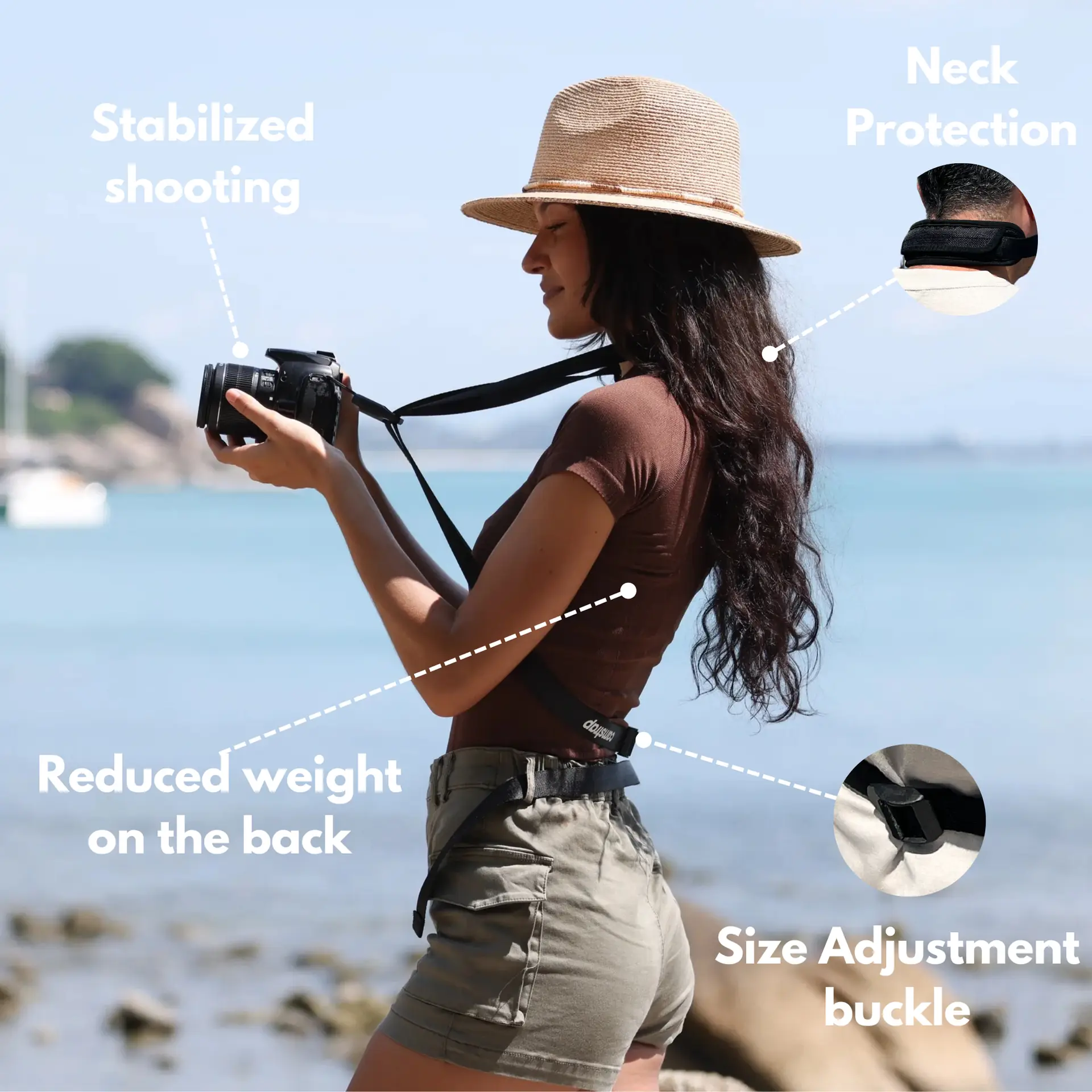
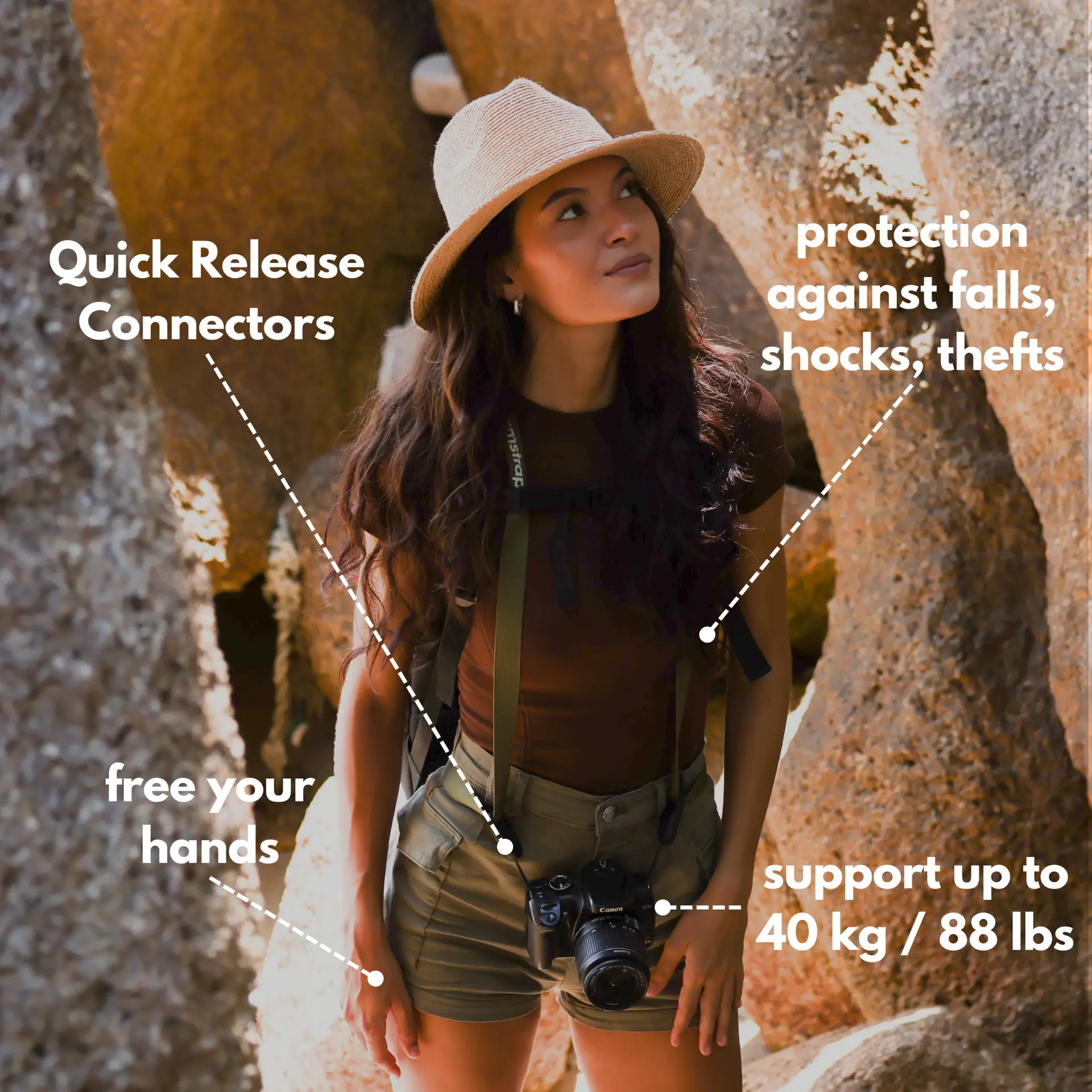
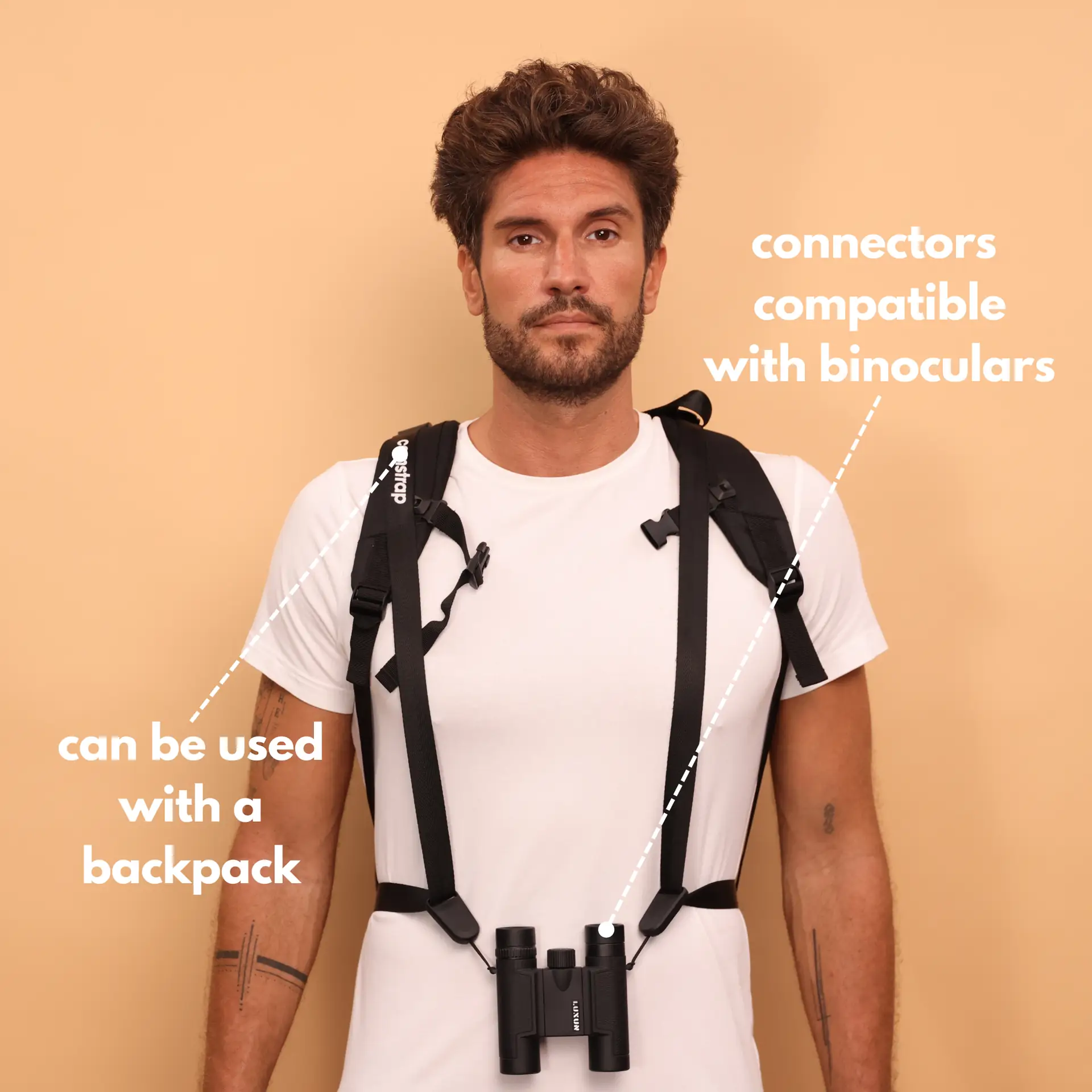
Camstrap voyager gives comfort on long flights. Camstrap explorer gives fast access in busy streets. Camstrap nomad secures gear on hard hikes. And the Camstrap magclip helps mount small lights on metal surfaces.
Packing list for a day of cinematic shooting
- One compact LED panel and one small strobe.
- A soft diffuser, two grids, and a small scrim.
- Reflector, sandbag, and basic clamps.
- Power bank, spare batteries, and cables.
- Sturdy camera strap like the Camstrap voyager or Camstrap explorer.
Safety on location
Secure stands and lights with sandbags. Watch wind on beaches and cliffs. Use a Camstrap nomad for rocky trails.
Keep gear dry with covers and back up files each day. This keeps your work safe and your shoot cinematic under stress.
Creative examples and quick workflows for cinematic lighting
Use these short setups on trips to get a cinematic look fast. Each workflow uses small gear and quick moves.
Portrait on a city street
- Key: soft LED on camera left with a small softbox.
- Rim: small strobe behind subject with a grid.
- Ambient: let street lights add warmth in the background.
- Carry your camera on a Camstrap explorer for quick lens swaps.
Action in bright sun
- Key: high-speed strobe to freeze motion.
- Fill: small LED to lift face shadows.
- Use ND gels and raise shutter to keep motion sharp and cinematic.
Landscape with a subject
- Key: large scrim to soften sun on your subject.
- Rim: warm LED to match sunset tones.
- Use a tripod and a Phase One or other high-res body for fine detail.
Practical location notes: London, Myanmar, Kyoto, and Amsterdam
Each place has unique light to help your cinematic vision. London often has soft, even light for moody portraits. Myanmar offers warm sun and deep color for bold scenes.
Kyoto has quiet morning mist and shaded courtyards that suit subtle cinematic looks. Amsterdam gives low sun and reflective canals that add mood and depth.
Plan kit and permits. Use a small LED and reflector in temple courtyards. In London, bring a softbox for rainy days. In Myanmar, add a strong rim light to balance bright sun.
Camera and model tips for cinematic outcomes
Pick a camera based on motion and low-light needs. The Nikon Z9 is great for action and fast autofocus. The GoPro Hero 11 works well for POV and rugged runs.
Use lens choice to shape bokeh and falloff. Phase One systems give a unique highlight and very high detail for large prints.
Conclusion: Make cinematic outdoor lighting part of your routine
Practice these steps to make cinematic lighting feel simple. Start with one light and add points as you learn what each change does.
Travel with smart gear and trusted straps from Camstrap to move faster on location. Use the Camstrap voyager, Camstrap explorer, Camstrap nomad, and the Camstrap magclip to keep your camera and lights handy.
Study quick tutorials and try setups in London, Myanmar, and other spots. With a clear plan, a few key lights, and steady practice, you can get cinematic, high-impact lighting on any outdoor shoot in 2026.


